Nitro
Found 2518 products of "Nitro"
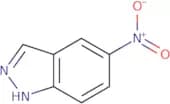
5-Nitroindazole
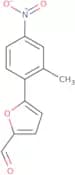
CAS:5-Nitroindazole is a nitro compound that has been shown to have antineoplastic properties. It inhibits the division of cells by binding to DNA and preventing the formation of hydrogen bonds between purine bases, ultimately preventing DNA replication. 5-Nitroindazole has also been shown to inhibit mitochondrial membrane potential and induce apoptosis in human cancer cells. The antimicrobial activities of 5-nitroindazole are due to its chemical structure which allows for hydrogen bonding with cell walls or other components of bacteria. It is also possible that this compound exerts its action by reacting with nitric acid to form a hydroxyl radical, which can cause oxidative damage to bacterial membranes.Formula:C7H5N3O2Purity:Min. 95%Molecular weight:163.13 g/mol5-(2-Methyl-4-nitrophenyl)-2-furaldehyde
CAS:Please enquire for more information about 5-(2-Methyl-4-nitrophenyl)-2-furaldehyde including the price, delivery time and more detailed product information at the technical inquiry form on this page
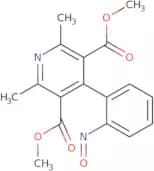
Formula:C12H9NO4Purity:Min. 95%Molecular weight:231.2 g/molDehydronitroso nifedipine
CAS:Dehydronitroso nifedipine is an antibiotic-resistant drug that is used to treat infectious diseases. It is a carboxylate, which can react with water to form a reactive intermediate. This reactive intermediate reacts with various functional groups, including amines and amino acids, leading to the formation of products such as trimers and tetramers. Dehydronitroso nifedipine has been shown to have physiological activities in muscle cells and tissues. Dehydronitroso nifedipine has two structural analogs: nitrosobenzene and nitrosophenol. Nitrosobenzene is used as an analytical reagent in the detection of beta-lactamase inhibitors. Nitrosophenol can be used as a linker for the synthesis of triazines.br>br> END>>Formula:C17H16N2O5Purity:Min. 95%Molecular weight:328.32 g/mol(2-{Ethyl-[4-(4-nitro-phenylazo)-phenyl]-amino}-ethoxy)-acetic acid-4-nitro-phenyl ester
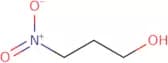
CAS:Please enquire for more information about (2-{Ethyl-[4-(4-nitro-phenylazo)-phenyl]-amino}-ethoxy)-acetic acid-4-nitro-phenyl ester including the price, delivery time and more detailed product information at the technical inquiry form on this pageFormula:C24H23N5O7Purity:Min. 95%Molecular weight:493.47 g/mol3-Nitropropanol
CAS:3-Nitropropanol is an inhibitor of the enzyme nitrite reductase, which is involved in the conversion of nitrite to nitric oxide. 3-Nitropropanol is a dietary supplement that has been shown to have a significant inhibitory effect on the growth of cancer cells and microbial metabolism. Nitrite levels were found to be reduced by 25% in mice treated with this substance. The analytical method for measuring 3-nitropropanol was developed using a type strain and fatty acid standards.Formula:C3H7NO3Purity:Min. 95%Molecular weight:105.09 g/molN-[2-[(2-Bromo-4,6-dinitrophenyl)azo]-5-(diethylamino)phenyl]acetamide
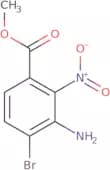
CAS:N-2-[(2-bromo-4,6-dinitrophenyl)azo]-5-(diethylamino)phenyl]acetamide (NBDPA) is a yellowish solid that is soluble in water. It has a molecular weight of 308.3 and chemical formula C14H21BrN2O4. NBDPA is used as an analytical reagent for the kinetic data of liver cells and in wastewater treatment. This compound has been shown to exhibit carcinogenic potential in rats, causing genetic damage to the DNA of liver cells and kidney tissue. NBDPA has also been shown to be toxic to fish embryos and larvae, with significant effects on the development of larvae at high concentrations.Formula:C18H19BrN6O5Purity:90%MinMolecular weight:479.28 g/molMethyl 3-amino-4-bromo-2-nitrobenzoate
CAS:Please enquire for more information about Methyl 3-amino-4-bromo-2-nitrobenzoate including the price, delivery time and more detailed product information at the technical inquiry form on this pageFormula:C8H7BrN2O4Purity:Min. 95%Molecular weight:275.06 g/mol4-Chloro-3-nitrophenacylbromide
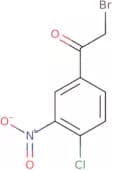
CAS:4-Chloro-3-nitrophenacylbromide is a synthetic compound that has been shown to be effective against cancer cells in vitro. In the presence of light, this substance emits a bright green fluorescence, which is useful for imaging. The synthesis of 4-Chloro-3-nitrophenacylbromide can be achieved by solid phase methods and chemosynthesis. Spirocyclic amines are used as building blocks for the synthesis of this product. This process leads to functionalization strategies with high levels of chirality and drug development.
Formula:C8H5BrClNO3Purity:Min. 95%Color and Shape:PowderMolecular weight:278.49 g/mol2-Bromo-4-nitroaniline
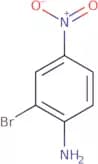
CAS:2-Bromo-4-nitroaniline is a chemical compound that belongs to the group of amines. It has been shown to inhibit the activity of insulin and epidermal growth factor (EGF) receptors. This inhibition leads to decreased insulin sensitivity and reduced EGF receptor activation, respectively. 2-Bromo-4-nitroaniline has also been shown to have growth factor activity in a mouse model for wound healing, which may be due to its ability to inhibit the tyrosine kinase domain of epidermal growth factor. The irreversible inhibition of this enzyme by 2-bromo-4-nitroaniline prevents downstream signaling pathways that regulate cell proliferation and differentiation.Formula:C6H5BrN2O2Purity:Min. 95%Color and Shape:PowderMolecular weight:217.02 g/molZ-His-p-nitro-Phe-Phe-OMe
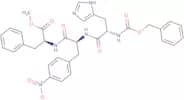
CAS:Please enquire for more information about Z-His-p-nitro-Phe-Phe-OMe including the price, delivery time and more detailed product information at the technical inquiry form on this page
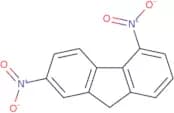
Formula:C33H34N6O8Purity:Min. 95%Molecular weight:642.66 g/mol2,5-Dinitrofluorene
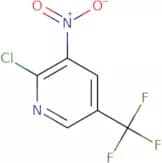
CAS:2,5-Dinitrofluorene is a carcinogenic compound that has been shown to cause cancer in laboratory animals. It can be found in high concentrations in tissues of rats and other animals. 2,5-Dinitrofluorene is metabolized by nitroreductase to the amide form. This compound has been shown to cause cancer in rats and mice when administered intramammary or topically. The tumorigenicity of 2,5-dinitrofluorene is significant at high doses, but it does not show significant effects at low doses. This agent also causes tumours on the skin of mice when applied topically. 2,5-Dinitrofluorene is an environmental pollutant that may be found in air emissions from coal burning power plants and vehicle exhausts, as well as in the soil near these facilities.Formula:C13H8N2O4Purity:Min. 95%Color and Shape:PowderMolecular weight:256.21 g/mol2-chloro-3-nitro-5-(trifluoromethyl)pyridine
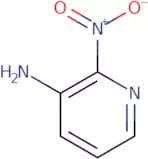
CAS:Please enquire for more information about 2-chloro-3-nitro-5-(trifluoromethyl)pyridine including the price, delivery time and more detailed product information at the technical inquiry form on this pageFormula:C6H2ClF3N2O2Purity:Min. 95%Molecular weight:226.54 g/mol3-Amino-2-nitropyridine
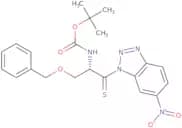
CAS:3-Amino-2-nitropyridine is a heterocyclic compound that is an oxidation product of 2,4,6-trinitrotoluene. 3-Amino-2-nitropyridine is a potent inhibitor of the d4 receptor and has been shown to be active in animal models of cancer and autoimmune diseases. The mechanism of action of this drug is not well understood, but it has been found to inhibit cell proliferation in vitro by binding to nucleophilic sites on the receptor. Nitrobenzoic acid may also contribute to its activity. 3-Amino-2-nitropyridine inhibits inflammatory responses by inhibiting cell proliferation and migration.Formula:C5H5N3O2Purity:Min. 95%Molecular weight:139.11 g/molBoc-Thionoser(Bzl)-1-(6-nitro)benzotriazolide
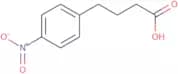
CAS:Please enquire for more information about Boc-Thionoser(Bzl)-1-(6-nitro)benzotriazolide including the price, delivery time and more detailed product information at the technical inquiry form on this pageFormula:C21H23N5O5SPurity:Min. 95%Molecular weight:457.5 g/mol4-Nitro benzenebutanoic acid
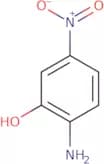
CAS:4-Nitro benzenebutanoic acid is a synthetic molecule that has not been extensively studied in biological systems. It is a calcium-binding molecule and may be used to study the mechanisms of calcium binding. 4-Nitrobenzenebutanoic acid has also shown some bifunctional activity and is used as a substrate in pharmacokinetic studies. The synthesis of this compound can be achieved by reacting azobenzene with butyric acid in the presence of an amine and inulin. This reaction produces nitrobenzenebutanoic acid, which undergoes hydrolysis to yield 4-nitrobenzenebutanoic acid.Formula:C10H11NO4Purity:Min. 95%Molecular weight:209.2 g/mol5-Nitro-2-aminophenol
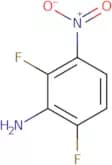
CAS:5-Nitro-2-aminophenol is an aminophenol that has been shown to be a carcinogen in animal studies. It can cause allergic reactions and has been shown to have oxidative DNA damage, which can lead to cancer. 5-Nitro-2-aminophenol is used as a chemical intermediate in the preparation of other chemicals and pharmaceuticals. This chemical has been studied extensively for its analytical properties and is used as a reagent in chromatography. The coordination geometry of 5-nitro-2-aminophenol is octahedral, with nitro groups occupying one axial site each. The toxicity of this compound in animals has been studied extensively, including carcinogenic potential and mutagenicity studies, and it has been shown to inhibit the growth of cultured cells at high concentrations.Formula:C6H6N2O3Purity:Min. 95%Molecular weight:154.12 g/mol2,6-difluoro-3-nitroaniline
CAS:Please enquire for more information about 2,6-difluoro-3-nitroaniline including the price, delivery time and more detailed product information at the technical inquiry form on this page
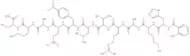
Formula:C6H4F2N2O2Purity:Min. 95%Color and Shape:PowderMolecular weight:174.11 g/molAnthranilyl-HIV Protease Substrate III trifluoroacetate salt
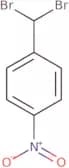
CAS:Please enquire for more information about Anthranilyl-HIV Protease Substrate III trifluoroacetate salt including the price, delivery time and more detailed product information at the technical inquiry form on this pageFormula:C65H100N20O17Purity:Min. 95%Molecular weight:1,433.61 g/mol1-(Dibromomethyl)-4-nitrobenzene
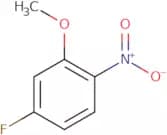
CAS:1-(Dibromomethyl)-4-nitrobenzene is a chemical substance that belongs to the group of industrial chemicals. It has been classified as toxic and hazardous for human health, with an expansion potential. This substance is used in the production of a number of insecticides and other chemical control agents. The toxic effects of 1-(dibromomethyl)-4-nitrobenzene are related to its alkaline properties and include irritation of the eyes, skin, and respiratory tract; central nervous system depression; liver damage; kidney damage; and gastrointestinal disturbances. Inhalation may result in pulmonary edema or death due to oxygen deprivation. This chemical is also known to cause cancer in animals.Formula:C7H5Br2NO2Purity:Min. 95%Molecular weight:294.93 g/mol5-Fluoro-2-nitroanisole
CAS:5-Fluoro-2-nitroanisole is an aminophenol that has potent inhibitory activity against lung cancer cells. This agent inhibits the growth of cancer cells by methylating the epidermal growth factor receptor (EGFR) and preventing its activation. 5-Fluoro-2-nitroanisole also inhibits the production of epidermal growth factor, which is a potent mitogen for skin cells. In vitro cytotoxic activity was observed when this compound was combined with heat or ultraviolet light.
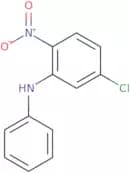
Formula:C7H6FNO3Purity:Min. 95%Color and Shape:Light (Or Pale) Yellow To Tan To Grey SolidMolecular weight:171.13 g/mol5-Chloro-2-nitrodiphenylamine
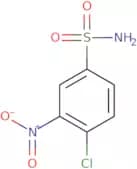
CAS:5-Chloro-2-nitrodiphenylamine is a synthetic dyestuff that belongs to the class of acridones. It can be used as an anti-epileptic drug, although it has not been approved for this use in any country. 5-Chloro-2-nitrodiphenylamine is manufactured by reacting a 6-carboxylic acid with an organic solvent and ammonolysis. This chemical is also known as 6'-chloroacridone and is used in the production of dyes and pigments. The manufacturing process produces impurities such as chloride, which must be removed by evaporation. Nitro groups are introduced during the manufacturing process to improve the dye's stability and color fastness under light exposure.Formula:C12H9ClN2O2Purity:Min. 95%Color and Shape:Orange To Red SolidMolecular weight:248.66 g/mol4-Chloro-3-nitrobenzenesulfonamide
CAS:4-Chloro-3-nitrobenzenesulfonamide is a fluorogenic probe that can be used in the diagnosis of cancer. It inhibits the activity of MCL-1, which is an antiapoptotic protein. The skeleton of 4-Chloro-3-nitrobenzenesulfonamide has been shown to have carbonic and fluorescence properties. This chemical compound is also metabolized by azobenzene to form a fluorescent derivative that can be used for optical imaging in vivo.Formula:C6H5ClN2O4SPurity:Min. 95%Molecular weight:236.63 g/mol4-Nitrophenethylamine
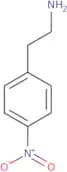
CAS:Controlled Product4-Nitrophenethylamine is a synthetic chemical that is used as an antigen to raise antibodies. It is used in the detection of chemical substances that are associated with the production of histamine and acetylcholine. This chemical has been shown to inhibit the reaction between nitro and acylation, which can lead to the formation of carcinogenic nitrosamines. 4-Nitrophenethylamine also has an inhibitory effect on oxidases and amines, which are enzymes found in cells. This chemical binds to amide groups in proteins and inhibits their activity.Formula:C8H10N2O2Purity:Min. 95%Color and Shape:LiquidMolecular weight:166.18 g/mol(3-Methyl-2-nitro-3H-imidazol-4-yl)methanol
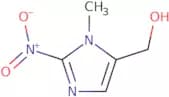
CAS:3-Methyl-2-nitro-3H-imidazol-4-yl)methanol is a fluorescent probe that can be used to detect hypoxic tumor cells. It has been shown to selectively react with the methylethyl group in Trichomonas vaginalis. 3-Methyl-2-nitro-3H-imidazol-4-yl)methanol is bioreductive and can be activated by nitro groups in proteins, which are found in the active site of enzymes such as bacterial dna gyrase. This probe has been shown to bind to the sn38 position of bacterial DNA, but not mammalian DNA.Formula:C5H7N3O3Purity:Min. 95%Molecular weight:157.13 g/molMethyl-4-nitrobenzenesulfonate
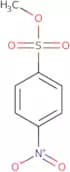
CAS:Methyl-4-nitrobenzenesulfonate is a chemical reagent that is used in the preparation of samples for structural analysis. It can be used to determine the structure of amines, glycol ethers, and polyethers by means of kinetic data. Methyl-4-nitrobenzenesulfonate has been used to analyze human serum and wastewater treatment samples. This chemical reagent is also used as a fluorescent derivative in analytical chemistry due to its high detection sensitivity.Formula:C7H7NO5SPurity:Min. 95%Color and Shape:PowderMolecular weight:217.2 g/mol3-Bromo-2-methyl-5-nitropyridine
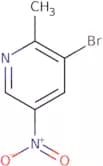
CAS:Please enquire for more information about 3-Bromo-2-methyl-5-nitropyridine including the price, delivery time and more detailed product information at the technical inquiry form on this pageFormula:C6H5BrN2O2Purity:Min. 95%Molecular weight:217.02 g/molH-Lys(4-nitro-Z)-pyrrolidide·HCl
CAS:Please enquire for more information about H-Lys(4-nitro-Z)-pyrrolidide·HCl including the price, delivery time and more detailed product information at the technical inquiry form on this page
Formula:C18H26N4O5·HClPurity:Min. 95%Molecular weight:414.88 g/mol4-Nitroguaiacol
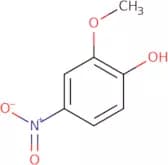
CAS:4-Nitroguaiacol is a nitro compound that has been shown to inhibit the growth of bacteria by reacting with fatty acids. The mechanism of this reaction is not well understood, but it may be due to the formation of an intermediate nitrite reductase that reduces nitrite to nitric oxide. 4-Nitroguaiacol has been shown to have antioxidative properties and can reduce hydrochloric acid in vitro. This compound also has been used as a clinical study for the treatment of bacterial infections.Formula:C7H7NO4Purity:Min. 95%Color and Shape:PowderMolecular weight:169.13 g/mol3-Fluoro-4-nitrobenzoic acid
CAS:3-Fluoro-4-nitrobenzoic acid is an organic solvent that is used as a reagent in the synthesis of peptidomimetics. 3-Fluoro-4-nitrobenzoic acid has been shown to be a nucleophilic addition agent, which can react with serine proteases in the presence of benzamidine. This reaction results in the formation of an amide bond between the amino group and carboxylic acid moiety of the serine protease, thereby inhibiting its activity. 3-Fluoro-4-nitrobenzoic acid is also used as a synthetic intermediate for peptides and other organic compounds.Formula:C7H4FNO4Purity:Min. 95%Color and Shape:PowderMolecular weight:185.11 g/mol5-Bromo-2-nitropyridine
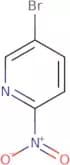
CAS:5-Bromo-2-nitropyridine is a hydrogen bond donor. It is an organic molecule with the chemical formula C5H5BrN3. The compound has been used in the synthesis of other molecules, such as nicotinic acetylcholine and mitochondrial membrane potential inhibitors. 5-Bromo-2-nitropyridine is also a good candidate for cancer treatment due to its ability to inhibit cell cycle progression at G2/M phase. 5-Bromo-2-nitropyridine can be synthesized by reacting 2,4,6-trinitrobenzenesulfonic acid with bromine and potassium carbonate in a reaction vessel at 200 °C for about 30 minutes.Formula:C5H3BrN2O2Color and Shape:PowderMolecular weight:202.99 g/mol(S)-(+)-Glycidyl-4-nitrobenzoate
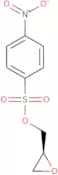
CAS:Glycidyl-4-nitrobenzoate (GLYNB) is an opioid receptor ligand, which binds to the κ opioid receptor. It has been used in biological testing and has been shown to have affinity for the κ opioid receptor. GLYNB may be a useful tool for investigating the molecular diversity of this receptor and its function in both normal and pathological conditions.Formula:C9H9NO6SPurity:Min. 95%Molecular weight:259.24 g/mol1-Acetyl-5-bromo-7-nitro-2,3-dihydro-1H-indole
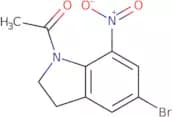
CAS:The 1-Acetyl-5-bromo-7-nitro-2,3-dihydro-1H-indole is a water soluble molecule. It has a molecular weight of 230.3 and a chemical formula of C8H6N2O2Br. The 1A5B7N1 is an aromatic heterocyclic compound that contains a ring with five carbon atoms, three nitrogens, and one oxygen. The 1A5B7N1 is also known as the 5 Bromo 7 Nitro 2,3 Dihydro 1 H Indole or the 5 Bromo 7 Nitro 2,3 Dihydroindole. This molecule has been seen to have bioactive properties in many different ways including photolysis efficiency and molecular orbital.Formula:C10H9BrN2O3Purity:Min. 95%Molecular weight:285.09 g/mol2,4-Dinitro-m-xylene
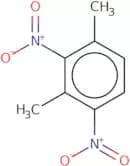
CAS:2,4-Dinitro-m-xylene is a chemical additive that is used in the preparation of samples for analysis. It converts benzonitrile to 2,4-dinitrobenzene with sodium salts. The electron donor can be either sodium or potassium. The nitrotoluene reacts through an electrolysis process to produce nitronium ions, which react with oxygen in the presence of alkanoic acids to form the desired product. 2,4-Dinitro-m-xylene has been found to be biodegradable and is not toxic to aquatic life. It is also used as a solvent for other organic materials.Formula:C8H8N2O4Purity:Min. 95%Color and Shape:PowderMolecular weight:196.16 g/mol3-Fluoro-4-nitroaniline
CAS:3-Fluoro-4-nitroaniline is an asymptomatic infection that inhibits the growth of bacteria by blocking the synthesis of proteins. This drug binds to the hydroxyl group, which is part of the amine function, and forms a covalent bond to the amino function in bacterial ribosomes. 3-Fluoro-4-nitroaniline blocks the formation of a tetrahydropyran ring in bacterial cells, preventing them from growing and multiplying. 3-Fluoro-4-nitroaniline also has been shown to have anticancer properties. It can inhibit tumor cell proliferation by inhibiting DNA synthesis and protein synthesis. The anticancer effects are due to its ability to inhibit cancer cell growth through inhibition of cellular enzymes such as topoisomerase II and cytosolic ribonucleotide reductase.Purity:Min. 95%HIV Protease Substrate IV
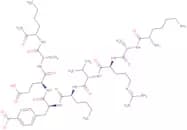
CAS:Please enquire for more information about HIV Protease Substrate IV including the price, delivery time and more detailed product information at the technical inquiry form on this pageFormula:C49H83N15O13Purity:Min. 95%Molecular weight:1,090.28 g/molalpha-Chloro-2-nitrobenzaldoxime
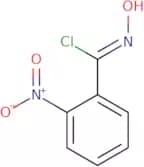
CAS:The heterocycle alpha-chloro-2-nitrobenzaldoxime is a functional group that can be oriented in two different ways. The diversity of the product arises from the fact that it is possible to create new functional groups by substitution on the benzene ring and on the nitrogen. Heterocyclization of alpha-chloro-2-nitrobenzaldoxime can be achieved by using other heterocycles such as isoxazoles, which are readily available in large quantities, as building blocks. This reaction can be catalyzed by reductive means with sodium borohydride and methanol.Formula:C7H5ClN2O3Purity:Min. 95%Molecular weight:200.58 g/mol1-(3-Carboxyphenyl)-2-nitroethene
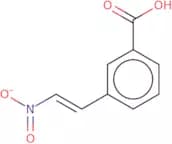
CAS:1-(3-Carboxyphenyl)-2-nitroethene is a reagent, speciality chemical, and versatile building block that is used in the synthesis of other compounds. It is also a useful intermediate or scaffold in many chemical reactions. 1-(3-Carboxyphenyl)-2-nitroethene has a CAS number of 98-36-4 and can be used as a high quality research chemical.Formula:C9H7NO4Purity:Min. 95%Color and Shape:PowderMolecular weight:193.16 g/mol4-Methyl-3-nitrophenyl isocyanate
CAS:4-Methyl-3-nitrophenyl isocyanate (4MPN) is a chiral diisocyanate that can be used as an activated diisocyanate. 4MPN is prepared by the carbonylation of 3-nitrobenzaldehyde and xylene with hydrogen chloride in the presence of a catalyst. Impurities, such as chlorides or sulfurs, can be detected using surface methodology techniques. The feedstock for this compound is usually xylene, which has a high boiling point. This product contains reactive functional groups that can be used to modify surfaces and create polyurethane products.Formula:C8H6N2O3Purity:Min. 95%Color and Shape:PowderMolecular weight:178.14 g/molN-[5-[5-(2-Methyl-1-oxoisoindolin-5-yl)thien-2-yl]pyridin-3-yl]-2-nitrobenzenesulfonamide
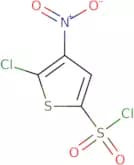
CAS:Please enquire for more information about N-[5-[5-(2-Methyl-1-oxoisoindolin-5-yl)thien-2-yl]pyridin-3-yl]-2-nitrobenzenesulfonamide including the price, delivery time and more detailed product information at the technical inquiry form on this pageFormula:C24H18N4O5S2Purity:Min. 95%Color and Shape:PowderMolecular weight:506.56 g/mol5-Chloro-4-nitrothiophene-2-sulfonylchloride
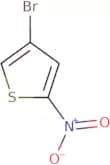
CAS:Please enquire for more information about 5-Chloro-4-nitrothiophene-2-sulfonylchloride including the price, delivery time and more detailed product information at the technical inquiry form on this pageFormula:C4HCl2NO4S2Purity:Min. 95%Molecular weight:262.09 g/mol4-Bromo-2-nitrothiophene
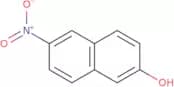
CAS:Please enquire for more information about 4-Bromo-2-nitrothiophene including the price, delivery time and more detailed product information at the technical inquiry form on this pageFormula:C4H2BrNO2SPurity:Min. 95%Molecular weight:208.03 g/mol2-Hydroxy-6-nitronaphthalene
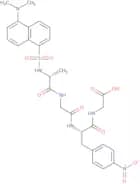
CAS:2-Hydroxy-6-nitronaphthalene is a colourless, crystalline solid that is soluble in water and polar organic solvents. It has been used as a coupling agent for chromium compounds, such as dichromates and chromates. 2-Hydroxy-6-nitronaphthalene can be diazotised to form an orange compound. This reaction occurs under acidic conditions, but the product is stable at alkaline pH levels. The product of this reaction is an asymmetric monoazo dye that has trivalent chromium atoms covalently bonded to it. Hydrogen atoms are present on the nitrogen atoms of the molecule. 2-Hydoxy-6-nitronaphthalene can also be used to produce sulfate esters, which are typically used in organic synthesis reactions involving sulfuric acid or hydrogen sulfate ion donors.Formula:C10H7NO3Purity:Min. 95%Molecular weight:189.17 g/molDansyl-D-Ala-Gly-4-nitro-Phe-Gly-OH trifluoroacetate salt
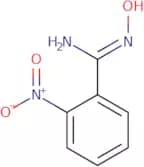
CAS:Dansyl-D-Ala-Gly-4-nitro-Phe-Gly-OH trifluoroacetate salt is a fluorescent marker that can be used in immunohistochemical staining. It binds to endogenous vasoactive intestinal peptide, calcitonin and other proteins in tissues and can be detected using immunostaining. Dansyl-D-Ala-Gly-4-nitro-Phe-Gly-OH trifluoroacetate salt is optimised for use as a substrate for neutral endopeptidase and metalloendopeptidase enzymes, which are responsible for the degradation of vasoactive intestinal peptide.Formula:C28H32N6O9S·C2HF3O2Purity:Min. 95%Color and Shape:SolidMolecular weight:742.68 g/molN-Hydroxy-2-nitro-benzamidine
CAS:Please enquire for more information about N-Hydroxy-2-nitro-benzamidine including the price, delivery time and more detailed product information at the technical inquiry form on this pageFormula:C7H7N3O3Purity:Min. 95%Molecular weight:181.15 g/molMethyl 6-nitropyrido[1,2-a]benzimidazole-8-carboxylate
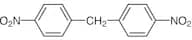
CAS:Please enquire for more information about Methyl 6-nitropyrido[1,2-a]benzimidazole-8-carboxylate including the price, delivery time and more detailed product information at the technical inquiry form on this pageFormula:C13H9N3O4Purity:Min. 95%Molecular weight:271.23 g/mol4,4'-Dinitrodiphenylmethane
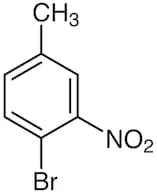
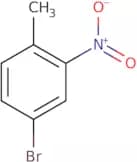
CAS:Formula:C13H10N2O4Purity:>99.0%(GC)Color and Shape:White to Light yellow powder to crystalMolecular weight:258.234-Bromo-3-nitrotoluene
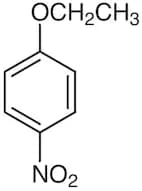
CAS:Formula:C7H6BrNO2Purity:>96.0%(GC)Color and Shape:White or Colorles to Yellow to Orange powder to lump to clear liquidMolecular weight:216.034-Nitrophenetole
CAS:Formula:C8H9NO3Purity:>98.0%(GC)Color and Shape:White to Orange to Green powder to crystalMolecular weight:167.162,4-Dinitroiodobenzene
CAS:Formula:C6H3IN2O4Purity:>98.0%(GC)Color and Shape:Light yellow to Yellow to Orange powder to crystalMolecular weight:294.005-Nitro-DL-tryptophan
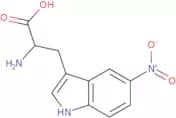
CAS:5-Nitro-DL-tryptophan is a synthetic amino acid that has been shown to inactivate tryptophan synthase, an enzyme involved in the biosynthesis of tryptophan. It binds to the active site of the enzyme and prevents it from carrying out its function. The affinity for 5-nitro-DL-tryptophan is very high and it has been shown that it is effective in inhibiting the enzyme at concentrations as low as 1 mM. This compound is also homodimeric, which means that it can bind two molecules of tryptophan synthase at once, leading to a quicker inhibition of this enzyme. 5-Nitro-DL-tryptophan also reacts with reactive oxygen species, such as superoxide radicals or hydrogen peroxide, and can be used to study reactions between these compounds and proteins.
5-Nitro-DL-tryptophan can be used to inhibit brain protein kinetics by blockingFormula:C11H11N3O4Purity:Min. 95%Color and Shape:Off-White To Yellow To Orange SolidMolecular weight:249.23 g/molRef: 3D-FN52266
Discontinued product1-(2-Hydroxyphenyl)-2-nitroethene
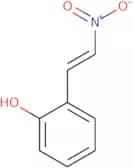
CAS:1-(2-Hydroxyphenyl)-2-nitroethene is an organocatalytic biomolecule that has been synthesized in an asymmetric fashion. The synthesis of the molecule relies on a squaramide and the use of intramolecular hydrogen transfer reactions to create a nitro group. The molecule was used to generate antiestrogenic activity in MDA-MB-231 breast cancer cells and MCF-7 breast cancer cells by inhibiting estrogen receptor alpha (ERα) transcriptional activity. This molecule has also been shown to be bifunctional, as it inhibits both protein kinase C (PKC) and mitogen-activated protein kinase (MAPK) signaling pathways when applied to these cell lines. X-ray crystal structures of the molecule have been obtained with orientations that exhibit different degrees of hydrophobicity, which may be due to interactions with water molecules.
Formula:C8H7NO3Purity:Min. 95%Molecular weight:165.15 g/molRef: 3D-FH65831
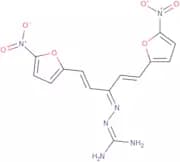
Discontinued productNitrovin
CAS:Nitrovin (difurazone) is widely used as an antibacterial growth promotor in livestock. Nitrovin was shown to inhibit Salmonella growth both in vitro and in vivo (in chickens). It induces ROS-mediated non-apoptotic and apoptotic-like cell death by targeting TrxR1.
Formula:C14H12N6O6Purity:Min. 95%Color and Shape:PowderMolecular weight:360.28 g/mol3-Nitrotyramine
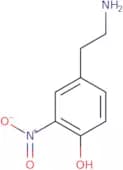
CAS:3-Nitrotyramine is a compound that has catabolic properties. It is the product of tyrosine, which is an amino acid found in most proteins. 3-Nitrotyramine has been shown to be metabolized by humans through the liver and kidneys. The metabolic pathway for this compound starts with the conversion of L-methionine into dl-methionine. This reaction generates a molecule called S-adenosyl methionine, or SAMe, which is involved in many biological processes such as neurotransmitter synthesis and gene expression regulation. 3-Nitrotyramine can also be converted into dopamine by way of the enzyme catecholamine methyltransferase. Dopamine has been shown to have a variety of effects on human physiology, including being involved in mood disorders and motor control. 3-Nitrotyramine can also be converted into gold nanoparticles by means of an acid analysis test.
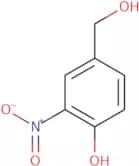
Formula:C8H10N2O3Purity:Min. 95%Color and Shape:PowderMolecular weight:182.18 g/mol4-Hydroxy-3-nitrobenzyl alcohol
CAS:4-Hydroxy-3-nitrophenylacetic acid (4ONPA) is an organic compound that is the product of the reaction between hydroxylamine and nitrobenzaldehyde. It has been shown to have cytotoxicity in breast cancer cells and has been used as a probe for optical imaging studies. 4ONPA has also been shown to be able to inhibit the activity of enzymes such as catalase, peroxidase, and lipoxygenase. The uptake of 4ONPA into cells is dependent on its concentration and the cell type. This drug can be useful for treating degenerative diseases because it inhibits microglia activation by blocking the enzyme phospholipase A2. Clinical trials are currently being conducted for 4ONPA’s potential use in treating herpes simplex virus infections and cancerous lesions associated with Alzheimer's disease.
Formula:C7H7NO4Purity:Min. 95%Color and Shape:PowderMolecular weight:169.13 g/molRef: 3D-FH66790
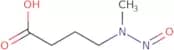
Discontinued productN-Nitroso-N-methyl-4-aminobutyric acid
CAS:N-Nitroso-N-methyl-4-aminobutyric acid (NMBA) is a solid with a low melting point which has been identified as a potentially carcinogenic component of both tobacco and tobacco smoke. NMBA is also one of a number of nitrosamine impurities which have been found to be present in angiotensin II receptor blocker (ARB) drugs used to treat high blood pressure.
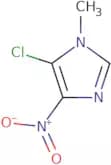
Formula:C5H10N2O3Purity:Min. 98 Area-%Color and Shape:Slightly Yellow PowderMolecular weight:146.14 g/mol5-Chloro-1-methyl-4-nitroimidazole
CAS:5-Chloro-1-methyl-4-nitroimidazole (5C1MI) is a fatty acid that is synthesized by the reaction of phosphorus pentachloride and an aliphatic hydrocarbon. It has been shown to be effective in treating women with breast cancer. 5C1MI blocks the activity of a protein called HER2, which promotes tumor growth. The drug has been shown to cause an increase in the number of circulating lymphocytes and natural killer cells, as well as an increase in the production of antibodies in mice. These effects are likely caused by 5C1MI's ability to inhibit the proliferation of T cells and B cells. 5C1MI has also been shown to have a high solubility in water and low solubility in lipids, which makes it suitable for administration via intravenous injection.
Formula:C4H4ClN3O2Purity:Min. 95%Color and Shape:PowderMolecular weight:161.55 g/molRef: 3D-FC19985
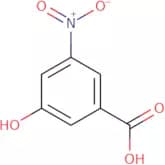
Discontinued product3-Hydroxy-5-nitrobenzoic acid
CAS:3-Hydroxy-5-nitrobenzoic acid is a reactive mesomorphic compound. It is often used as an analytical reagent and has been shown to be useful in spectrometric analysis of amino acid sequences. 3-Hydroxy-5-nitrobenzoic acid can be quantified by gas chromatography and mass spectrometry to determine its chemical composition. 3-Hydroxybenzoic acid and 2,5-dihydroxybenzoic acid are the two main products that are formed when this compound reacts with hydroxyl radical under certain conditions.
Formula:C7H5NO5Purity:Min. 98%Color and Shape:PowderMolecular weight:183.12 g/molRef: 3D-FH67573
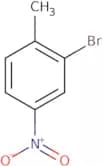
Discontinued product2-Bromo-4-nitrotoluene
CAS:2-Bromo-4-nitrotoluene (2BNT) is a mononitro substituted aromatic compound and a potent inhibitor of protein synthesis. It has been shown to have antimalarial activity, but it is not known to what extent the inhibition of protein synthesis contributes to its anti-malarial activity. 2-Bromo-4-nitrotoluene is also used in the preparation of imatinib, an anticancer drug that inhibits the growth of certain types of cancer cells. It can also be used as an inhibitor in vibrational spectroscopy.
Formula:C7H6BrNO2Purity:Min. 97.5%Color and Shape:PowderMolecular weight:216.03 g/molRef: 3D-FB02111
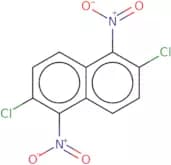
Discontinued product2,6-Dichloro-1,5-dinitronaphthalene
CAS:2,6-Dichloro-1,5-dinitronaphthalene is an organic compound that is used as a reagent for the synthesis of other compounds. It can also be used in research for the synthesis of 2,6-dichloro-1,5-dinitronaphthalene derivatives. The CAS number for this compound is 320600-07-5. This compound is a versatile building block and has many uses as a fine chemical.
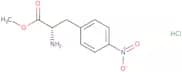
Formula:C10H4Cl2N2O4Purity:Min. 95%Color and Shape:PowderMolecular weight:287.06 g/mol4-Nitro-L-phenylalanine methyl ester hydrochloride
CAS:4-Nitro-L-phenylalanine methyl ester hydrochloride is a 4-nitrophenyl derivative of L-phenylalanine. It is a useful building block, reagent, or scaffold in organic synthesis. This compound finds use as a precursor to other derivatives and it has been used in the preparation of complex compounds. 4-Nitro-L-phenylalanine methyl ester hydrochloride is also used as a reaction component for the synthesis of different organic compounds and as a useful intermediate.
Formula:C10H13N2O4ClPurity:Min. 98 Area-%Color and Shape:White PowderMolecular weight:260.67 g/molRef: 3D-FN45027
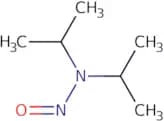
Discontinued productN-Nitrosodiisopropylamine
CAS:N-Nitrosodiisopropylamine is an alkylating agent that binds to DNA and inhibits the synthesis of proteins, leading to cell death. It has been shown to be carcinogenic in animal studies, where it caused bladder cancer in Sprague-Dawley rats. N-Nitrosodiisopropylamine is also a reactive chemical compound that reacts with other chemicals in the body. It is often found as a contaminant in urine samples of smokers who are exposed to nitrites and other nitrogen oxides and can be detected using gas chromatography mass spectrometry (GC-MS/MS) methods. The most common method for sample preparation is liquid–liquid extraction followed by hydrolysis with hydroxide solution.
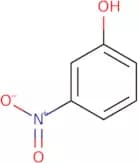
Formula:C6H14N2OPurity:Min. 95 Area-%Color and Shape:Off-White PowderMolecular weight:130.19 g/mol3-Nitrophenol
CAS:3-Nitrophenol is an organic compound that is used in wastewater treatment, specifically to remove nitrogenous compounds from the water. It reacts with a hydroxyl group and a nitro group to form a molecule with three nitro groups. The presence of this molecule in wastewater can lead to population growth, which may be reduced by thermal expansion. 3-Nitrophenol is also used as an electrode for gravimetric analysis of metals and as a reagent for the detection of sodium ions. This compound has been shown to have a ph optimum of 7.5, but will react with hydrogen bonds at any ph value.
Formula:C6H5NO3Purity:Min. 95%Color and Shape:PowderMolecular weight:139.11 g/molRef: 3D-FN52327
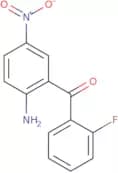
Discontinued product2-Amino-5-nitro-2'-fluorobenzophenone
CAS:2-Amino-5-nitro-2'-fluorobenzophenone is a prodrug that is activated by thiourea, a chemical agent that is used to break down the drug. It is an anti-inflammatory drug that acts as a selective COX inhibitor and has been shown to be effective in vivo against primary tumors. 2-Amino-5-nitro-2'-fluorobenzophenone has also been shown to have antiangiogenic properties and has been used to treat inflammatory diseases such as arthritis and psoriasis. This drug can be radiolabeled with carbon, fluorine, or iodine isotopes for use in positron emission tomography (PET) imaging of primary tumors. The drug binds to response elements on cells through electrostatic interactions between the molecular orbitals of the 2 amino groups and the nucleophilic centers of these molecules.
Formula:C13H9FN2O3Purity:Min. 95%Color and Shape:PowderMolecular weight:260.22 g/molRef: 3D-FA17637
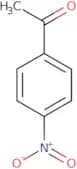
Discontinued product4-Nitroacetophenone
CAS:4-Nitroacetophenone is an organic compound that has been synthesized in an asymmetric synthesis. It is a nitro compound and a radiosensitizer. The chemical structure of 4-Nitroacetophenone is similar to the structure of phenol, with one nitro group and two hydroxyl groups at opposite ends of the molecule. 4-Nitroacetophenone reacts with radiation to produce free radicals that can damage DNA, RNA, and proteins. The reaction mechanism involves the formation of nitrosating agent (R−NO) which interacts with DNA to form a covalent bond between the DNA base and the nitrosating agent. This covalent bond inhibits DNA replication, leading to cell death. 4-Nitroacetophenone has been shown to be effective in inhibiting cell growth in culture by triggering apoptosis in cells treated with high doses of this drug.
Formula:C8H7NO3Purity:Min. 95%Color and Shape:Yellow PowderMolecular weight:165.15 g/molRef: 3D-FN03712
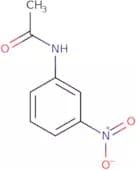
Discontinued product3-Nitroacetanilide
CAS:3-Nitroacetanilide is a molecule that is found in the testes. It is a structural analog of acetanilide and has been shown to have similar biological function as acetanilide in inhibiting prostaglandin synthesis. 3-Nitroacetanilide has been shown to inhibit the production of prostaglandin E2 by inhibiting cyclooxygenase (COX) enzyme activity.
Formula:C8H8N2O3Purity:Min. 95%Color and Shape:Off-White PowderMolecular weight:180.16 g/molRef: 3D-FN70777
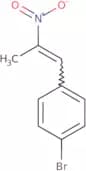
Discontinued product1-(4-Bromophenyl)-2-nitropropene
CAS:1-(4-Bromophenyl)-2-nitropropene is a synthetic molecule that undergoes an efficient cycloaddition reaction with aldehydes. This reaction is used to synthesize 1,3-dienes and alpha,beta-unsaturated carbonyl compounds. When the substrate is an aldehyde, the final product is a 1,3-diene. When the substrate is an alpha,beta-unsaturated carbonyl compound, the final product is an alpha,beta-unsaturated ketone.
Formula:C9H8BrNO2Purity:Min. 95%Color and Shape:PowderMolecular weight:242.07 g/molRef: 3D-FB67070
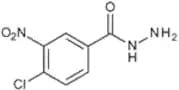
Discontinued product4-Chloro-3-nitrobenzhydrazide
CAS:4-Chloro-3-nitrobenzhydrazide is a chemical compound that is used as a building block in the synthesis of other compounds. It is a versatile and useful intermediate that can be used in many chemical reactions. This product is also known to be an effective reagent for the production of pharmaceuticals, agrochemicals, and other chemicals. 4-Chloro-3-nitrobenzhydrazide has been shown to have high quality as it reacts well with other compounds and can be easily purified.
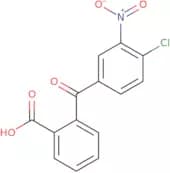
Formula:C7H6ClN3O3Purity:Min. 95%Color and Shape:PowderMolecular weight:215.59 g/mol2-(4-Chloro-3-nitrobenzoyl)benzoic acid
CAS:2-(4-Chloro-3-nitrobenzoyl)benzoic acid is a high quality, reagent, and complex compound that is useful as an intermediate. It has the CAS number of 85-54-1 and is classified as a fine chemical. This compound can be used as a building block for speciality chemicals or research chemicals. It is also a versatile building block for reactions and has many applications in synthetic chemistry.
Formula:C14H8ClNO5Purity:Min. 95%Color and Shape:PowderMolecular weight:305.67 g/molRef: 3D-FC70862
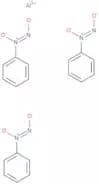
Discontinued productN-Nitroso-N-phenylhydroxylamine aluminium
CAS:N-Nitroso-N-phenylhydroxylamine aluminium (NNPA) is a nitrated organic compound that belongs to the thioxanthone family. It is a colorless, oily liquid that has a strong odor of hydrochloric acid. NNPA is used in the production of polyester resins and coatings, as well as in the manufacture of methacrylate polymers. The reaction system for this compound consists of aluminum chloride and calcium carbonate. This substance can be prepared by reacting trimethylolpropane with methacrylates and magnesium in an organic solvent such as isopropyl alcohol or acetone. NNPA can also be synthesized by reacting zinc powder with ammonium bicarbonate, followed by carbamoylation with an organic amine such as isopropylcarbamate.
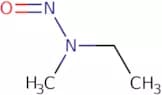
Formula:C18H15AlN6O6Purity:Min. 95%Color and Shape:White PowderMolecular weight:438.33 g/molN-Nitrosoethylmethylamine
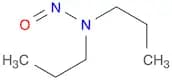
CAS:N-Nitrosoethylmethylamine (NMMA) is a nitrosamine that can be found in water vapor. It has been shown to cause cell lysis and has been detected by LC-MS/MS using an in vitro assay. NMMA is readily soluble in water, making it a suitable candidate for wastewater treatment. This molecule is not cytotoxic or mutagenic but does have carcinogenic potential. NMMA also exhibits matrix effects that are dependent on the type of solvent used for extraction, as well as fluorescence spectrometry results. It was found to be a potent inducer of enzymes such as beta-lactamase, DNA gyrase, and topoisomerase IV, which may be useful for studying gene expression. Dispersive solid phase extraction can be used to extract NMMA from water sources such as soil and drinking water samples.
Formula:C3H8N2OPurity:Min. 95%Color and Shape:Clear LiquidMolecular weight:88.11 g/molRef: 3D-FN26368
Discontinued product4-Bromo-2-nitrotoluene
CAS:4-Bromo-2-nitrotoluene is a solvent with an orange color. It has been shown to have antimycobacterial activity and insecticidal activities, as well as being a potent anticancer agent. This compound is often used in the synthesis of β-carboline alkaloids and can be debrominated to form bromobenzene, which is used in the synthesis of phenolic compounds. 4-Bromo-2-nitrotoluene also inhibits the growth of human breast cancer cells.
Formula:C7H6BrNO2Purity:Min. 95%Color and Shape:PowderMolecular weight:216.03 g/molRef: 3D-FB02085
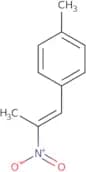
Discontinued product4-Methylphenylnitropropene
CAS:4-Methylphenylnitropropene is a psychostimulant drug that has been shown to have a high binding affinity for dopamine transporters. It is also known to increase the level of dopamine in the synaptic cleft and can be used as a research tool for understanding the function of dopamine in neuronal synapses. 4-Methylphenylnitropropene has been shown to cause an increase in locomotor activity and is able to induce euphoria when administered to rats. This drug is not thought to cause any physical dependence, although it may lead to psychological dependence.
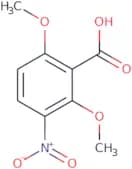
Formula:C10H11NO2Purity:Min. 95%Color and Shape:PowderMolecular weight:177.2 g/mol2,6-Dimethoxy-3-nitrobenzoic acid
CAS:2,6-Dimethoxy-3-nitrobenzoic acid is an aromatic compound that has been shown to have a molecular weight of 136.2 g/mol. It is extracted from the leaves of "Nepeta cataria" and can be found in many other plants as well. This compound has been shown to inhibit bacterial growth in vitro by inhibiting protein synthesis. The mode of action for this compound is not yet known, but it may be due to its ability to form hydrogen bonds with the ribosomes and inhibit nucleotide binding sites on the ribosome surface.
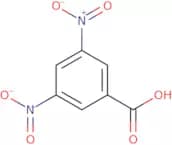
Formula:C9H9NO6Purity:Min. 98 Area-%Color and Shape:PowderMolecular weight:227.17 g/mol3,5-Dinitrobenzoic acid
CAS:3,5-Dinitrobenzoic acid is a chemical substance that is used to treat bowel disease. It has been shown to have a good effect on the treatment of diseases caused by bacteria, such as Clostridium difficile and Escherichia coli. 3,5-Dinitrobenzoic acid is an organic compound that belongs to the group of p2 compounds. The mechanism for its antibacterial activity is currently unknown. It has been found to be soluble in water at a concentration of 0.1 M and can be detected in wastewater samples. 3,5-Dinitrobenzoic acid has been shown to react with 2,4-dichlorobenzoic acid to form 2-nitrobenzyl alcohol and 4-chlorophenylhydrazine. This reaction also produces hydrogen gas that can cause explosions when mixed with air or other combustible materials. The structure consists of two benzene rings attached to nitro groups
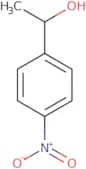
Formula:C7H4N2O6Purity:Min. 98 Area-%Color and Shape:PowderMolecular weight:212.12 g/mol4-Nitrophenylmethylcarbinol
CAS:4-Nitrophenylmethylcarbinol is a nitro compound that has been isolated from the nitration of 4-nitrophenol. It is used as a reagent to synthesize β-unsaturated ketones. The inhibitory effect of 4-nitrophenylmethylcarbinol is due to the presence of two nitro groups and one methyl group on its structure. This compound has been shown to have an inhibitory effect on glucose 6-phosphate dehydrogenase, which functions in cellular respiration by catalyzing the conversion of glucose 6-phosphate to glucose 1,6-bisphosphate. The inhibition of this enzyme leads to a reduction in the formation of ATP and NADPH, which are essential for cell growth. 4-Nitrophenylmethylcarbinol also has reductase activities that allow it to reduce phosphotriesters (e.g., DNA) and dehydrogenase deficiency (e.g., py
Formula:C8H9NO3Purity:Min. 95%Color and Shape:Orange Clear LiquidMolecular weight:167.16 g/molGlycine 4-nitroanilide
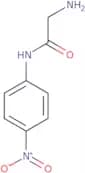
CAS:Glycine 4-nitroanilide, also known as Gly-Pro-pNA, is a compound used in various scientific applications. It is a colorimetric substrate for prolyl endopeptidase, and its enzymatic cleavage releases p-nitroanilide (pNA), which can be quantified. This compound is commonly used in aminopeptidase assays and in the functional characterization and activity determination of post-proline cleaving enzymes (PPCEs).
Additionally, it is mentioned as a substrate for studying soil nitrogen depolymerization, specifically in aminopeptidase assays using nitroanilide substrates.
The compound is also used in studying the catalytic activity of enzymes such as gamma-glutamyltransferase (GGT).Formula:C8H9N3O3Purity:Min. 97 Area-%Color and Shape:Off-White PowderMolecular weight:195.18 g/mol4-Fluoro-2-nitrobenzoic acid
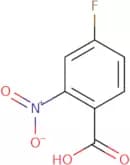
CAS:4-Fluoro-2-nitrobenzoic acid is a dianion that is used to synthesize organic compounds. It can be prepared in two steps from nitrobenzene and hydrochloric acid. 4-Fluoro-2-nitrobenzoic acid has been shown to have excellent yields in the synthesis of various carboxylic acids, such as thiabendazole, and it also enhances the transfer of proton. The electron configuration for 4-fluoro-2-nitrobenzoic acid is [Ne]3s23p4, which is an important factor in its reactivity. This chemical compound has been shown to have acidic properties that are catalyzed by protonation.
Formula:C7H4FNO4Purity:Min. 95%Color and Shape:White PowderMolecular weight:185.11 g/molRef: 3D-FF70787
Discontinued product2-Nitrobenzhydrazide
CAS:2-Nitrobenzhydrazide is a pharmaceutical drug that inhibits the growth of cancer cells. It is a nitro-substituted benzoic acid derivative that reacts with nucleophilic groups in proteins to form covalent adducts, which inhibit cell growth. 2-Nitrobenzhydrazide has been shown to be effective against cervical cancer and spontaneous human breast cancer cells in culture. The mechanism of action involves the formation of reactive nitrosamines, which are thought to react with DNA bases or cause DNA strand breaks.
Formula:C7H7N3O3Purity:90%Color and Shape:PowderMolecular weight:181.15 g/molRef: 3D-FN70649
Discontinued product2-(4-Nitrophenoxy)ethanol
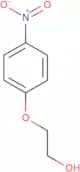
CAS:2-(4-Nitrophenoxy)ethanol (NPEO) is a water soluble, synthetic compound that has been shown to have anti-tumor properties. NPEO was found to be toxic to tumor cells in vitro and inhibits the growth of tumor cells in vivo. NPEO also inhibits the synthesis of DNA and RNA, which are important for cell division. This inhibitory effect may lead to the death of cancer cells by interfering with their ability to grow and divide.
Formula:C8H9NO4Purity:Min. 95%Color and Shape:PowderMolecular weight:183.16 g/molRef: 3D-FN70932
Discontinued product7-[5-(Fluoro-methyl-phosphoryl)oxypentyl]-4-nitro-2,1,3-benzoxadiazole
CAS:Controlled Product7-[5-(Fluoro-methyl-phosphoryl)oxypentyl]-4-nitro-2,1,3-benzoxadiazole is a reactivator of the central nervous system. It is a noncompetitive antagonist at muscarinic receptors and blocks postsynaptic acetylcholine release from cholinergic neurons. It has been shown to have no effect on blood pressure but does cause an increase in locomotor activity in animals. This drug binds to the hippocampal formation and the ventral hippocampus, which are areas of the brain that are involved in memory and spatial navigation. The distribution of this drug postulated to be due to its ability to penetrate micron sized openings in cell membranes.
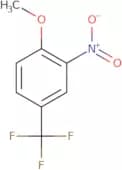
Formula:C12H15FN3O5PPurity:Min. 95%Molecular weight:331.24 g/mol4-Methoxy-3-nitrobenzotrifluoride
CAS:4-Methoxy-3-nitrobenzotrifluoride is a chemical that belongs to the group of reactants. It is used as a reagent, building block, or intermediate in organic synthesis. 4-Methoxy-3-nitrobenzotrifluoride has been shown to be an effective scaffold for the preparation of complex compounds with versatile building blocks and useful intermediates. It can also be used as a fine chemical with speciality chemical properties.
Formula:C8H6F3NO3Purity:Min. 95%Color and Shape:PowderMolecular weight:221.13 g/molRef: 3D-FM69984
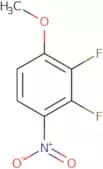
Discontinued product2,3-Difluoro-4-nitroanisole
CAS:2,3-Difluoro-4-nitroanisole is a chemical compound with CAS No. 66684-59-1. It is a useful intermediate that can be used to synthesize other chemicals and compounds. 2,3-Difluoro-4-nitroanisole can be used for the synthesis of research chemicals and speciality chemicals. This compound has been found to be a versatile building block that can be used in many reactions as a reagent. 2,3-Difluoro-4-nitroanisole has high quality and is a fine chemical with many uses.
Formula:C7H5F2NO3Purity:Min. 95%Molecular weight:189.12 g/molRef: 3D-FD70068
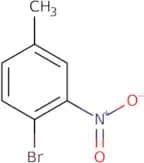
Discontinued product4-Bromo-3-nitrotoluene
CAS:4-Bromo-3-nitrotoluene is a carbazole that has been found to have insecticidal activity. The compound reacts with serotonin to form the reactive intermediate 4-bromo-3-nitrosobenzaldehyde, which is then oxidized to the final product 4-bromo-3-nitrobenzoic acid. The insecticidal activity of 4-Bromo-3-nitrotoluene was found to be due in part to its ability to inhibit serotonin uptake and metabolism by blocking serotonin transporters. It also induces dihedral angles in positron emission tomography (PET) imaging of human brain tissue, suggesting it may be useful for brain imaging studies.
Formula:C7H6BrNO2Purity:Min. 95%Color and Shape:Clear LiquidMolecular weight:216.03 g/molRef: 3D-FB00493
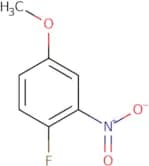
Discontinued product4-Fluoro-3-nitroanisole
CAS:4-Fluoro-3-nitroanisole is a useful chemical intermediate and building block. It is a versatile compound that can be used in research as well as commercial applications. 4-Fluoro-3-nitroanisole has the CAS number 61324-93-4. This chemical is often used in the synthesis of complex compounds, such as pharmaceuticals, pesticides, and fragrances. The high quality of this product makes it a good reagent for laboratory experiments.
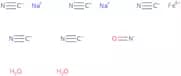
Formula:C7H6FNO3Purity:Min. 95%Color and Shape:Slightly Yellow PowderMolecular weight:171.13 g/molSodium nitroprusside dihydrate
CAS:Controlled ProductSodium nitroprusside dihydrate is an oxygen transport agent that works by inhibiting the enzyme cyclase. This inhibits the production of tnf-α and other inflammatory mediators, which reduces inflammation and pain. Sodium nitroprusside dihydrate is used to lower blood pressure in emergency situations, such as shock. It has been shown to be effective for treating pulmonary hypertension, chronic obstructive pulmonary disease, and other conditions related to oxygen transport. Sodium nitroprusside dihydrate is a metastable molecule that can be converted into a stable form (sodium nitroprusside) by ester hydrochloride or fatty acid esters.
Formula:C5FeN6O•(H2O)2•Na2Purity:Min. 98.0%Color and Shape:Red PowderMolecular weight:297.95 g/molRef: 3D-FS55880
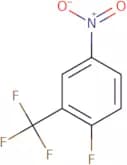
Discontinued product2-Fluoro-5-nitrobenzotrifluoride
CAS:2-Fluoro-5-nitrobenzotrifluoride is a chiral, fluorinated organic compound that has been shown to be an effective antiviral agent. It is active against Coxsackievirus B3 and other viruses in vitro. The antiviral activity of 2-fluoro-5-nitrobenzotrifluoride appears to be due to its ability to inhibit the virus's ability to bind and enter the host cell. In vivo studies have shown that 2-fluoro-5-nitrobenzotrifluoride can reduce the spread of coxsackievirus B3 in mice. This compound also has been shown to inhibit viral replication by preventing the synthesis of viral protein pai-1, which is necessary for viral assembly and release from infected cells.
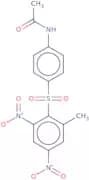
Formula:C7H3F4NO2Purity:Min. 95%Color and Shape:PowderMolecular weight:209.1 g/mol4-Acetamido-2',4'-dinitro-5'-methyldiphenyl sulphone
CAS:4-Acetamido-2',4'-dinitro-5'-methyldiphenyl sulphone is a high quality, versatile building block that is used as a reagent and complex intermediate. It can be used in the production of speciality chemicals, research chemicals and fine chemicals. 4-Acetamido-2',4'-dinitro-5'-methyldiphenyl sulphone is also a useful scaffold for the construction of new chemical compounds. This compound has been shown to be a reaction component in organic synthesis reactions.Formula:C15H13N3O7SPurity:Min. 95%Color and Shape:Solid.Molecular weight:379.35 g/molRef: 3D-FA66900
Discontinued product5-Nitroisatoic anhydride
CAS:5-Nitroisatoic anhydride is a chemical compound that has found use in the synthesis of complex compounds and fine chemicals. It is a useful intermediate for the preparation of 5-nitro-1,2,4-triazole, which can be used as a research chemical or speciality chemical. 5-Nitroisatoic anhydride reacts with alcohols to form nitrosamines. This reaction component is also used in organic syntheses and as a reagent in the production of other chemicals.
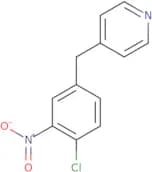
Formula:C8H4N2O5Purity:Min. 95%Molecular weight:208.13 g/mol4-(4-Chloro-3-nitrobenzyl)pyridine
CAS:Ai Product Descriptions 50 Creative
Formula:C12H9ClN2O2Purity:Min. 95%Color and Shape:PowderMolecular weight:248.66 g/molRef: 3D-FC131489
Discontinued productMethyl 3,5-dinitro-4-hydroxybenzoate
CAS:Methyl 3,5-dinitro-4-hydroxybenzoate is a reactive compound that can be used to glycosylates alcohols. It is a good choice for the glycosylation of complex oligosaccharides due to its high yields and stereoselectivity. Methyl 3,5-dinitro-4-hydroxybenzoate is an efficient method for the synthesis of oligosaccharides. Reaction with methanol and glycosyl acceptor yields a disaccharide in which the two sugars are linked by an alpha-(1,2) glycosidic bond. The nucleophilic nature of methyl 3,5-dinitro-4-hydroxybenzoate allows it to act as a nucleophile in the reaction with the glycosyl acceptor.
Formula:C8H6N2O7Purity:Min. 95%Color and Shape:PowderMolecular weight:242.14 g/mol4-Nitrophthalonitrile
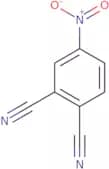
CAS:4-Nitrophthalonitrile is a chemical substance that can be synthesized by the reaction of sodium carbonate with 3,4,5-trimethoxybenzyl alcohol. It can also be prepared using nitro phenol and sodium hydroxide. 4-Nitrophthalonitrile has been shown to have high photochemical activity in the presence of light. The frequency shift of its infrared spectrum is indicative of a nucleophilic addition reaction mechanism. 4-Nitrophthalonitrile has been used as an intermediate for producing other chemicals, such as herbicides and pharmaceuticals.
Formula:C8H3N3O2Purity:Min. 95%Color and Shape:White PowderMolecular weight:173.13 g/molRef: 3D-FN36858
Discontinued product3-Nitrobenzaldehyde
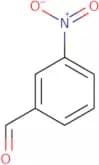
CAS:3-Nitrobenzaldehyde is an organic compound that is used in the synthesis of monoclonal antibodies for use in cancer research. It has been shown to have genotoxic and carcinogenic effects, as it binds to nucleic acids and inhibits DNA replication. 3-Nitrobenzaldehyde has been shown to be effective against a variety of bacteria, including methicillin-resistant Staphylococcus aureus (MRSA) and Clostridium perfringens. This compound also inhibits protein synthesis by binding with amines and hydrogen bonding with the amino acid residues of proteins.
Formula:C7H5NO3Purity:Min. 95%Color and Shape:PowderMolecular weight:151.12 g/mol1-(3-Chlorophenyl)-2-nitroethene
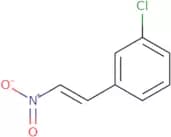
CAS:1-(3-Chlorophenyl)-2-nitroethene is a reagent that is used as an intermediate in the production of fine chemicals, research chemicals, and speciality chemicals. It has been shown to provide a useful scaffold for the synthesis of complex compounds and is also a versatile building block that can be used in a variety of reactions. 1-(3-Chlorophenyl)-2-nitroethene is not intended for use as a drug or food additive.
Formula:C8H6ClNO2Purity:Min. 95%Color and Shape:PowderMolecular weight:183.59 g/mol4-Nitrocatechol
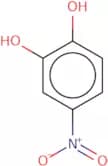
CAS:4-Nitrocatechol is a reactive chemical that has been used as an analytical reagent for the detection of nitrite ions. It reacts with nitrite ion to form stable complexes, which can be detected by titration calorimetry. 4-Nitrocatechol has also been used as a model for study of reaction mechanisms and coordination geometry. The reaction mechanism of 4-nitrocatechol is thought to involve formation of a dinucleotide phosphate intermediate and subsequent attack by the nitrite ion to produce an unstable intermediate that decomposes to form stable complexes with the nitrite ion.
Formula:C6H5NO4Purity:Min. 95%Color and Shape:Yellow PowderMolecular weight:155.11 g/molRef: 3D-FN32363
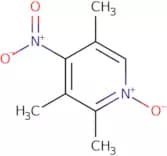
Discontinued product2,3,5-Trimethyl-4-nitropyridine 1-oxide
CAS:The reaction of 2,3,5-trimethyl-4-nitropyridine 1-oxide with hydrogen peroxide is an example of a peroxide reaction. The HOOH molecule is a nucleophilic and attacks the CNO group. This leads to the formation of a new bond between the oxygen and carbon atoms in the molecule. The oxygen atom then becomes an oxidizing agent, which can react with other molecules in order to form more products. In this reaction, hydrogen peroxide is used as an oxidizing agent to produce chlorine gas, water vapor, and nitric oxide gas. The reaction can be summarized as follows: 2CNO + 3HOOH → 4CO + 2O + 3N2O + 3HO2
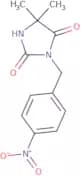
Formula:C8H10N2O3Purity:Min. 95%Color and Shape:PowderMolecular weight:182.18 g/mol5,5-Dimethyl-3-(4-nitrobenzyl)imidazolidine-2,4-dione
CAS:5,5-Dimethyl-3-(4-nitrobenzyl)imidazolidine-2,4-dione is a versatile chemical that can be used as a building block in the synthesis of complex compounds. It is an intermediate in the production of research chemicals and is also used as a reaction component in the synthesis of speciality chemicals. 5,5-Dimethyl-3-(4-nitrobenzyl)imidazolidine-2,4-dione has been shown to have high quality properties when synthesized using high purity reagents.Formula:C12H13N3O4Purity:Min. 95%Color and Shape:White PowderMolecular weight:263.25 g/molRef: 3D-FD131838
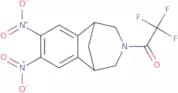
Discontinued product2,3,4,5-Tetrahydro-7,8-dinitro-3-(trifluoroacetyl)-1,5-methano-1H-3-benzazepine
CAS:2,3,4,5-Tetrahydro-7,8-dinitro-3-(trifluoroacetyl)-1,5-methano-1H-3-benzazepine is a supplement that may be used to treat depression. It has been shown to have a receptor activity on the acetylcholine receptors. 2,3,4,5-Tetrahydro-7,8-dinitro-3-(trifluoroacetyl)-1,5-methano-1H-3-benzazepine has also been shown to increase the activity of the endothelial function by increasing the production of nitric oxide. This drug has also been shown to be an effective treatment for reducing appetite in cases of anorexia nervosa and for treating Alzheimer's disease. The drug works by activating nicotinic acetylcholine receptors in the brain.Formula:C13H10F3N3O5Purity:Min. 98 Area-%Color and Shape:PowderMolecular weight:345.23 g/molRef: 3D-FT11984
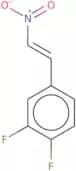
Discontinued product1-(3,4-Difluorophenyl)-2-nitroethene
CAS:1-(3,4-Difluorophenyl)-2-nitroethene is a versatile chemical building block that can be used as a reagent, intermediate, or scaffold in the synthesis of complex compounds. It is a high quality product with a wide range of uses. 1-(3,4-Difluorophenyl)-2-nitroethene has been shown to react with various other chemicals to form new compounds. For example, it reacts with methyl bromoacetate to form 1-(3,4-difluorophenyl)ethanone and 2-bromoacetaldehyde. This product can also be used as an intermediate in the synthesis of organic derivatives such as 3-[(2'-chloro-1'-fluoroethyl)amino]propionitrile hydrochloride.
Formula:C8H5F2NO2Purity:Min. 95%Molecular weight:185.13 g/molRef: 3D-FD65986
Discontinued product

![(2-{Ethyl-[4-(4-nitro-phenylazo)-phenyl]-amino}-ethoxy)-acetic acid-4-nitro-phenyl ester](/_next/image/?url=https%3A%2Fstatic.cymitquimica.com%2Fproducts%2F3D%2Fthumb-webp%2FFE111186.webp&w=3840&q=75)
![N-[2-[(2-Bromo-4,6-dinitrophenyl)azo]-5-(diethylamino)phenyl]acetamide](/_next/image/?url=https%3A%2Fstatic.cymitquimica.com%2Fproducts%2F3D%2Fthumb-webp%2FFB151321.webp&w=3840&q=75)




![N-[5-[5-(2-Methyl-1-oxoisoindolin-5-yl)thien-2-yl]pyridin-3-yl]-2-nitrobenzenesulfonamide](/_next/image/?url=https%3A%2Fstatic.cymitquimica.com%2Fproducts%2F3D%2Fthumb-webp%2FFM167955.webp&w=3840&q=75)
![Methyl 6-nitropyrido[1,2-a]benzimidazole-8-carboxylate](/_next/image/?url=https%3A%2Fstatic.cymitquimica.com%2Fproducts%2F3D%2Fthumb-webp%2FFM132139.webp&w=3840&q=75)




![7-[5-(Fluoro-methyl-phosphoryl)oxypentyl]-4-nitro-2,1,3-benzoxadiazole](/_next/image/?url=https%3A%2Fstatic.cymitquimica.com%2Fproducts%2F3D%2Fthumb-webp%2FFF98971.webp&w=3840&q=75)