Nitro
Found 2518 products of "Nitro"
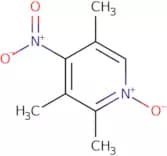
2,3,5-Trimethyl-4-nitropyridine 1-oxide
CAS:The reaction of 2,3,5-trimethyl-4-nitropyridine 1-oxide with hydrogen peroxide is an example of a peroxide reaction. The HOOH molecule is a nucleophilic and attacks the CNO group. This leads to the formation of a new bond between the oxygen and carbon atoms in the molecule. The oxygen atom then becomes an oxidizing agent, which can react with other molecules in order to form more products. In this reaction, hydrogen peroxide is used as an oxidizing agent to produce chlorine gas, water vapor, and nitric oxide gas. The reaction can be summarized as follows: 2CNO + 3HOOH → 4CO + 2O + 3N2O + 3HO2
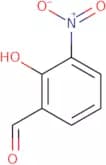
Formula:C8H10N2O3Purity:Min. 95%Color and Shape:PowderMolecular weight:182.18 g/mol3-Nitrosalicylaldehyde
CAS:3-Nitrosalicylaldehyde is an oxidizing agent that reacts with DNA in vitro to form DNA adducts. 3-Nitrosalicylaldehyde also has antioxidative properties, which can be demonstrated by its ability to inhibit the oxidation of low density lipoprotein (LDL) in vivo. This compound has been shown to activate the metalloproteinase MT2 receptor, which is involved in the regulation of blood pressure and heart function. 3-Nitrosalicylaldehyde is metabolized by hydrolysis and reduction to form a neutral product, which has been shown to have antidiabetic effects on mice.
Formula:C7H5NO4Purity:Min. 95%Color and Shape:PowderMolecular weight:167.12 g/molRef: 3D-FN15275
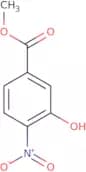
Discontinued productMethyl 3-hydroxy-4-nitrobenzoate
CAS:Methyl 3-hydroxy-4-nitrobenzoate is a surfactant that has been shown to interact with toxins in the environment, such as polycyclic aromatic hydrocarbons. Methyl 3-hydroxy-4-nitrobenzoate interacts with these toxins by forming heterodimers and stabilizing them in solution. This interaction is achieved through hydrophobic interactions between the carboxylate group of methyl 3-hydroxy-4-nitrobenzoate and the other molecule's hydrophobic regions. The thermodynamic parameters for this interaction are determined by titration calorimetry.
Formula:C8H7NO5Purity:Min. 95%Color and Shape:PowderMolecular weight:197.14 g/molRef: 3D-FM71199
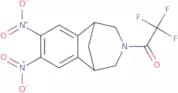
Discontinued product2,3,4,5-Tetrahydro-7,8-dinitro-3-(trifluoroacetyl)-1,5-methano-1H-3-benzazepine
CAS:2,3,4,5-Tetrahydro-7,8-dinitro-3-(trifluoroacetyl)-1,5-methano-1H-3-benzazepine is a supplement that may be used to treat depression. It has been shown to have a receptor activity on the acetylcholine receptors. 2,3,4,5-Tetrahydro-7,8-dinitro-3-(trifluoroacetyl)-1,5-methano-1H-3-benzazepine has also been shown to increase the activity of the endothelial function by increasing the production of nitric oxide. This drug has also been shown to be an effective treatment for reducing appetite in cases of anorexia nervosa and for treating Alzheimer's disease. The drug works by activating nicotinic acetylcholine receptors in the brain.Formula:C13H10F3N3O5Purity:Min. 98 Area-%Color and Shape:PowderMolecular weight:345.23 g/molRef: 3D-FT11984
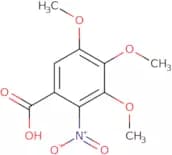
Discontinued product2-Nitro-3,4,5-trimethoxybenzoic acid
CAS:2-Nitro-3,4,5-trimethoxybenzoic acid (2-NTMB) is a potent anticancer agent that has shown cytotoxic effects in human epidermoid carcinoma cells. It inhibits the growth of cancer cells by interfering with their DNA synthesis and repair. 2-NTMB binds to DNA and blocks the action of enzymes involved in DNA synthesis and repair. This binding leads to cancer cell death through irradiation or by blocking the production of new proteins vital for cell division. 2-NTMB is bioisosteric with combretastatin A4, which means it can be substituted for this drug without significant loss of potency. It also has been shown to be an effective chemotherapeutic agent against breast cancer in mice.
Formula:C10H11NO7Purity:Min. 95%Color and Shape:PowderMolecular weight:257.2 g/molRef: 3D-FN70167
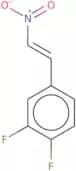
Discontinued product1-(3,4-Difluorophenyl)-2-nitroethene
CAS:1-(3,4-Difluorophenyl)-2-nitroethene is a versatile chemical building block that can be used as a reagent, intermediate, or scaffold in the synthesis of complex compounds. It is a high quality product with a wide range of uses. 1-(3,4-Difluorophenyl)-2-nitroethene has been shown to react with various other chemicals to form new compounds. For example, it reacts with methyl bromoacetate to form 1-(3,4-difluorophenyl)ethanone and 2-bromoacetaldehyde. This product can also be used as an intermediate in the synthesis of organic derivatives such as 3-[(2'-chloro-1'-fluoroethyl)amino]propionitrile hydrochloride.
Formula:C8H5F2NO2Purity:Min. 95%Molecular weight:185.13 g/molRef: 3D-FD65986
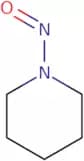
Discontinued productN-Nitrosopiperidine
CAS:N-Nitrosopiperidine is a nitrated aromatic amine that can be found in the environment. It has been shown to induce genotoxic effects and to inhibit liver microsomal enzyme activity. It is also shown to cause DNA damage in hl-60 cells and in the model system. N-Nitrosopiperidine may act by causing an increase in reactive oxygen species (ROS) production, which results in oxidative stress and cellular dysfunction. This compound has been shown to induce congestive heart failure, as well as chronic oral toxicity and maternal toxicity. N-Nitrosopiperidine has also been associated with hepatic tissues changes and fetal bovine abnormalities.
Formula:C5H10N2OPurity:Min. 95%Color and Shape:Yellow Clear LiquidMolecular weight:114.15 g/molRef: 3D-FN26386
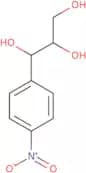
Discontinued product1-(4-Nitrophenyl)glycerol
CAS:1-(4-Nitrophenyl)glycerol has been shown to inhibit the growth of Gram-positive bacteria, including Streptococcus faecalis, and Gram-negative bacteria, including Pseudomonas aeruginosa. It is also used as a sample preparation for antimicrobial resistance testing.
Formula:C9H11NO5Purity:Min. 97 Area-%Color and Shape:Off-White PowderMolecular weight:213.19 g/mol4-Chloro-3-nitrobenzamide
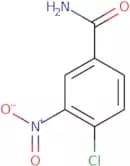
CAS:4-Chloro-3-nitrobenzamide (4CNBA) is a potent inducer of hepatic drug metabolizing enzymes. It reacts with methyl cinnamate to form the 4-chloro-3-nitrobenzamide methyl ester and chloride ions. This reaction is catalyzed by copper, which binds to the 4CNBA molecule. The chloride ion then displaces water from the ester, producing a nitroso intermediate. This intermediate breaks down into an unstable nitrite, which in turn reacts with hydrogen peroxide to form a hydroxylamine intermediate. Hydroxylamine can then react with sulfhydryl groups to produce reactive thiols that are responsible for the induction of detoxification enzymes in the liver.
4CNBA has been shown to be toxic at high concentrations and is rapidly detoxified by Phase II enzymes such as glutathione S transferase, UDP glucuronosyltransferase, and N-acetylFormula:C7H5ClN2O3Purity:Min. 95%Color and Shape:PowderMolecular weight:200.58 g/mol4-Nitro-3-iodoanisole
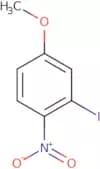
CAS:4-Nitro-3-iodoanisole is a bauerine that is used as a ligand in asymmetric catalysis. It is an atropisomeric compound, meaning it can exist in two different forms. The two forms of 4-nitro-3-iodoanisole are identical except for the orientation of the axial ligands on opposite sides of the molecule. The axial ligands on one form are biphenyl and nitrous oxide, while the axial ligands on the other form are nitrous oxide and biphenyl. 4-Nitro-3-iodoanisole has been used to catalyze reactions such as alkylation and coupling reactions with a variety of substrates, including β-carbolines, phenols, and amines.
Formula:C7H6INO3Purity:Min. 95%Color and Shape:PowderMolecular weight:279.03 g/molRef: 3D-FN67687
Discontinued product7-Nitroindole
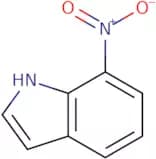
CAS:7-Nitroindole is a hybridization analog of the base cytosine that has been used in biological studies. It has been shown to be active against microglia cells, which are involved in the inflammatory response. 7-Nitroindole's mechanism of action is not well understood; it may react with hydrochloric acid in the stomach to form nitrosamines and chloride ions, or it may react with hydrogen chloride to produce an ethyl ester. It also reacts with ethyl esters in the presence of light to form a photochemical reaction that generates fluorescence. The mechanism is not yet fully understood.
Formula:C8H6N2O2Color and Shape:PowderMolecular weight:162.15 g/mol3-Bromo-2-hydroxy-5-nitrobenzaldehyde
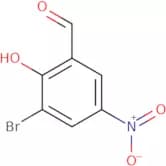
CAS:3-Bromo-2-hydroxy-5-nitrobenzaldehyde is a hydroxy group with a formyl group, an imine and an isomeric structure. It can be used as a fluorescence probe in biological studies. The compound has been shown to have antioxidant activity, which may be due to its ability to donate hydrogen bonds or its ability to act as a phenylhydrazone. 3-Bromo-2-hydroxy-5-nitrobenzaldehyde also has the ability to react with ammonium nitrate and produce nitrogen gas (NH3) when heated. This reaction is exothermic and produces an orange color.Formula:C7H4BrNO4Purity:Min. 95%Color and Shape:PowderMolecular weight:246.02 g/molRef: 3D-FB67930
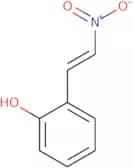
Discontinued product1-(2-Hydroxyphenyl)-2-nitroethene
CAS:1-(2-Hydroxyphenyl)-2-nitroethene is an organocatalytic biomolecule that has been synthesized in an asymmetric fashion. The synthesis of the molecule relies on a squaramide and the use of intramolecular hydrogen transfer reactions to create a nitro group. The molecule was used to generate antiestrogenic activity in MDA-MB-231 breast cancer cells and MCF-7 breast cancer cells by inhibiting estrogen receptor alpha (ERα) transcriptional activity. This molecule has also been shown to be bifunctional, as it inhibits both protein kinase C (PKC) and mitogen-activated protein kinase (MAPK) signaling pathways when applied to these cell lines. X-ray crystal structures of the molecule have been obtained with orientations that exhibit different degrees of hydrophobicity, which may be due to interactions with water molecules.
Formula:C8H7NO3Purity:Min. 95%Molecular weight:165.15 g/molRef: 3D-FH65831
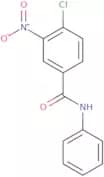
Discontinued product4-Chloro-3-nitrobenzanilide
CAS:4-Chloro-3-nitrobenzanilide is a versatile building block for the preparation of complex compounds. It is used as a reagent in research and as a speciality chemical for the production of high quality fine chemicals. This compound can be used as a reaction component or scaffold to synthesize other compounds. 4-Chloro-3-nitrobenzanilide is a useful intermediate in organic synthesis because it has many functional groups that are easy to modify, making it easy to synthesize new compounds.
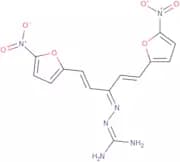
Formula:C13H9ClN2O3Purity:Min. 95%Color and Shape:PowderMolecular weight:276.67 g/molNitrovin
CAS:Nitrovin (difurazone) is widely used as an antibacterial growth promotor in livestock. Nitrovin was shown to inhibit Salmonella growth both in vitro and in vivo (in chickens). It induces ROS-mediated non-apoptotic and apoptotic-like cell death by targeting TrxR1.
Formula:C14H12N6O6Purity:Min. 95%Color and Shape:PowderMolecular weight:360.28 g/mol2-Bromo-5-nitrobenzoic acid
CAS:2-Bromo-5-nitrobenzoic acid is an amine that has been shown to have a potent inhibitory effect on the enzyme fibrinogen, which is needed for blood clotting. It also inhibits other enzymes in the fibrinogen pathway, including those involved in protein synthesis and cellular metabolism. 2-Bromo-5-nitrobenzoic acid has been shown to inhibit cancer cells by blocking their ability to use amino acids as building blocks for new proteins. This drug may be used as a treatment for cancer and other diseases where protein synthesis is critical.
Formula:C7H4BrNO4Purity:Min. 95%Color and Shape:PowderMolecular weight:246.02 g/molRef: 3D-FB00222
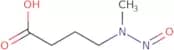
Discontinued productN-Nitroso-N-methyl-4-aminobutyric acid
CAS:N-Nitroso-N-methyl-4-aminobutyric acid (NMBA) is a solid with a low melting point which has been identified as a potentially carcinogenic component of both tobacco and tobacco smoke. NMBA is also one of a number of nitrosamine impurities which have been found to be present in angiotensin II receptor blocker (ARB) drugs used to treat high blood pressure.
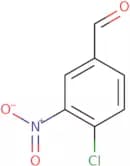
Formula:C5H10N2O3Purity:Min. 98 Area-%Color and Shape:Slightly Yellow PowderMolecular weight:146.14 g/mol3-Nitro-4-chlorobenzaldehyde
CAS:3-Nitro-4-chlorobenzaldehyde is a copper complex that has been used in the study of molecular interactions. The molecule has been studied by a number of techniques, including binding experiments, vibrational spectroscopy, and light emission. 3-Nitro-4-chlorobenzaldehyde has shown bacteriostatic activity against Escherichia coli and Bacillus subtilis. This compound also appears to have potential as a drug target due to its ability to inhibit the growth of Pseudomonas aeruginosa. 3-Nitro-4-chlorobenzaldehyde may be useful in the treatment of industrial processes involving nitric acid.
Formula:C7H4ClNO3Purity:Min. 95%Color and Shape:White PowderMolecular weight:185.56 g/molRef: 3D-FN53972
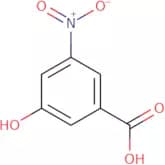
Discontinued product3-Hydroxy-5-nitrobenzoic acid
CAS:3-Hydroxy-5-nitrobenzoic acid is a reactive mesomorphic compound. It is often used as an analytical reagent and has been shown to be useful in spectrometric analysis of amino acid sequences. 3-Hydroxy-5-nitrobenzoic acid can be quantified by gas chromatography and mass spectrometry to determine its chemical composition. 3-Hydroxybenzoic acid and 2,5-dihydroxybenzoic acid are the two main products that are formed when this compound reacts with hydroxyl radical under certain conditions.
Formula:C7H5NO5Purity:Min. 98%Color and Shape:PowderMolecular weight:183.12 g/molRef: 3D-FH67573
Discontinued product3-Chloro-4-nitrobenzoic acid
CAS:3-Chloro-4-nitrobenzoic acid (3CNB) is an amine that has been shown to be a 5-HT1A receptor agonist. It has been used in animal models of anxiety, depression and schizophrenia. 3CNB is able to activate the 5-HT1A receptor, which is involved in the regulation of anxiety, mood and other behaviors. The activation energies for the binding of 3CNB to the 5-HT1A receptor are calculated to be 8.3 kcal/mol and 9.2 kcal/mol at pH 7.0 and 10 respectively. A clinical study found that this agent was effective in treating trichomonas vaginalis infections as well as reducing symptoms of irritable bowel syndrome. In vivo studies have revealed that 3CNB is capable of inducing a sustained increase in extracellular serotonin levels in rat brain tissue with a half life of 2 hours. Kinetic studies have also shown that nitro groups enhance
Formula:C7H4ClNO4Purity:Min. 98 Area-%Color and Shape:PowderMolecular weight:201.56 g/molRef: 3D-FC71155
Discontinued product