Nitro
Nitro compounds are organic molecules containing one or more nitro groups (NO2). These compounds are widely used in the synthesis of explosives, pharmaceuticals, and dyes. At CymitQuimica, we offer a wide range of high-quality nitro compounds to support your research and industrial applications, ensuring safe and effective results. Our selection includes a variety of nitro compounds suitable for different chemical syntheses and applications.
Found 2516 products of "Nitro"
Sort by
Purity (%)
0
100
|
0
|
50
|
90
|
95
|
100
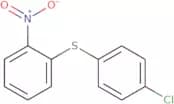
2-Nitro-4'-chloro diphenylsulfide
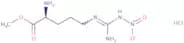
CAS:<p>2-Nitro-4'-chloro diphenylsulfide is a versatile intermediate that is used in the synthesis of a variety of other compounds. It is an important reagent in organic synthesis and has been shown to be useful as a building block for the synthesis of complex compounds with various functional groups. 2-Nitro-4'-chloro diphenylsulfide has been shown to participate in many different reactions, including nucleophilic substitution, elimination, condensation, and oxidation. This chemical is a fine chemical that can be used for research purposes.</p>Formula:C12H8ClNO2SPurity:Min. 95%Color and Shape:PowderMolecular weight:265.72 g/molN-Nitro-L-arginine methyl ester hydrochloride
CAS:<p>Inhibitor of nitric oxide synthase</p>Formula:C7H16ClN5O4Purity:Min. 96 Area-%Color and Shape:PowderMolecular weight:269.69 g/mol3-Chloro-4-nitrobenzoic acid
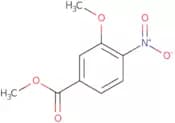
CAS:<p>3-Chloro-4-nitrobenzoic acid (3CNB) is an amine that has been shown to be a 5-HT1A receptor agonist. It has been used in animal models of anxiety, depression and schizophrenia. 3CNB is able to activate the 5-HT1A receptor, which is involved in the regulation of anxiety, mood and other behaviors. The activation energies for the binding of 3CNB to the 5-HT1A receptor are calculated to be 8.3 kcal/mol and 9.2 kcal/mol at pH 7.0 and 10 respectively. A clinical study found that this agent was effective in treating trichomonas vaginalis infections as well as reducing symptoms of irritable bowel syndrome. In vivo studies have revealed that 3CNB is capable of inducing a sustained increase in extracellular serotonin levels in rat brain tissue with a half life of 2 hours. Kinetic studies have also shown that nitro groups enhance</p>Formula:C7H4ClNO4Purity:Min. 98 Area-%Color and Shape:PowderMolecular weight:201.56 g/mol3-Methoxy-4-nitrobenzoic acid methyl ester
CAS:<p>3-Methoxy-4-nitrobenzoic acid methyl ester is a dianellidin, a type of natural product. It is an ionizing acid that catalyzes the reaction between carboxylic acids and hydroxyl compounds. This compound is used to produce some drugs, such as methyldopate, which is an antiarrhythmic drug that slows heart rate. The catalytic rate of 3-methoxy-4-nitrobenzoic acid methyl ester can be increased by buffers and solvents (e.g., methanol). These compounds increase the concentration of the reactants in solution and reduce the activation energy required for the reaction to take place. Uncatalyzed reactions are slow because there are no molecules to act as intermediates in the process.</p>Formula:C9H9NO5Purity:95%NmrColor and Shape:PowderMolecular weight:211.17 g/mol4'-Methoxy-3',β-dimethyl-β-nitrostyrene
<p>4'-Methoxy-3',beta-dimethyl-beta-nitrostyrene is a fine chemical that belongs to the group of versatile building blocks. It is an intermediate for the synthesis of complex compounds, research chemicals, and speciality chemicals. 4'-Methoxy-3',beta-dimethyl-beta-nitrostyrene is a useful reagent in organic synthesis and can be used as a reaction component or scaffold. It has been shown to have high quality and it can be used as a useful building block.</p>Formula:C11H13NO3Purity:Min. 95%Color and Shape:PowderMolecular weight:207.23 g/mol2-Bromo-5-nitrobenzoic acid
CAS:<p>2-Bromo-5-nitrobenzoic acid is an amine that has been shown to have a potent inhibitory effect on the enzyme fibrinogen, which is needed for blood clotting. It also inhibits other enzymes in the fibrinogen pathway, including those involved in protein synthesis and cellular metabolism. 2-Bromo-5-nitrobenzoic acid has been shown to inhibit cancer cells by blocking their ability to use amino acids as building blocks for new proteins. This drug may be used as a treatment for cancer and other diseases where protein synthesis is critical.</p>Formula:C7H4BrNO4Purity:Min. 95%Color and Shape:PowderMolecular weight:246.02 g/mol4-Chloro-3-nitrobenzanilide
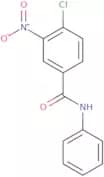
CAS:<p>4-Chloro-3-nitrobenzanilide is a versatile building block for the preparation of complex compounds. It is used as a reagent in research and as a speciality chemical for the production of high quality fine chemicals. This compound can be used as a reaction component or scaffold to synthesize other compounds. 4-Chloro-3-nitrobenzanilide is a useful intermediate in organic synthesis because it has many functional groups that are easy to modify, making it easy to synthesize new compounds.</p>Formula:C13H9ClN2O3Purity:Min. 95%Color and Shape:PowderMolecular weight:276.67 g/mol4-Chloro-3-nitrobenzamide
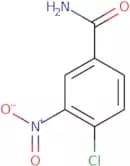
CAS:<p>4-Chloro-3-nitrobenzamide (4CNBA) is a potent inducer of hepatic drug metabolizing enzymes. It reacts with methyl cinnamate to form the 4-chloro-3-nitrobenzamide methyl ester and chloride ions. This reaction is catalyzed by copper, which binds to the 4CNBA molecule. The chloride ion then displaces water from the ester, producing a nitroso intermediate. This intermediate breaks down into an unstable nitrite, which in turn reacts with hydrogen peroxide to form a hydroxylamine intermediate. Hydroxylamine can then react with sulfhydryl groups to produce reactive thiols that are responsible for the induction of detoxification enzymes in the liver.<br>4CNBA has been shown to be toxic at high concentrations and is rapidly detoxified by Phase II enzymes such as glutathione S transferase, UDP glucuronosyltransferase, and N-acetyl</p>Formula:C7H5ClN2O3Purity:Min. 95%Color and Shape:PowderMolecular weight:200.58 g/mol1-(3,4-Difluorophenyl)-2-nitroethene
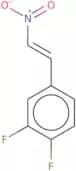
CAS:<p>1-(3,4-Difluorophenyl)-2-nitroethene is a versatile chemical building block that can be used as a reagent, intermediate, or scaffold in the synthesis of complex compounds. It is a high quality product with a wide range of uses. 1-(3,4-Difluorophenyl)-2-nitroethene has been shown to react with various other chemicals to form new compounds. For example, it reacts with methyl bromoacetate to form 1-(3,4-difluorophenyl)ethanone and 2-bromoacetaldehyde. This product can also be used as an intermediate in the synthesis of organic derivatives such as 3-[(2'-chloro-1'-fluoroethyl)amino]propionitrile hydrochloride.</p>Formula:C8H5F2NO2Purity:Min. 95%Molecular weight:185.13 g/mol2-Hydroxy-5-methoxy-3-nitrobenzaldehyde
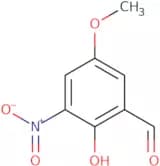
CAS:<p>2-Hydroxy-5-methoxy-3-nitrobenzaldehyde is a 6-membered aromatic compound that has been shown to have anti-cancer properties. It has been shown to inhibit the proliferation of cancer cells by inhibiting protein synthesis, as well as inducing apoptosis. This compound also inhibits the growth of colon cancer cells and cervical cancer cells in culture. 2-Hydroxy-5-methoxy-3-nitrobenzaldehyde has an inhibitory effect on the growth of cancer cells and may be used for treatment against tumors.</p>Formula:C8H7NO5Purity:Min. 95%Color and Shape:PowderMolecular weight:197.14 g/mol3'-Bromo-4'-fluoro-β-methyl-β-nitrostyrene
CAS:<p>3'-Bromo-4'-fluoro-beta-methyl-beta-nitrostyrene is a chemical compound with the molecular formula C9H5BrFN2O. It can be used as an intermediate in the synthesis of other chemical compounds. 3'-Bromo-4'-fluoro-beta-methyl-beta-nitrostyrene can also be used to produce research chemicals, speciality chemicals, and complex compounds. This compound has a high quality and is useful for research purposes.</p>Formula:C9H7BrFNO2Purity:Min. 95%Color and Shape:PowderMolecular weight:260.06 g/mol5-Nitroisatoic anhydride
CAS:<p>5-Nitroisatoic anhydride is a chemical compound that has found use in the synthesis of complex compounds and fine chemicals. It is a useful intermediate for the preparation of 5-nitro-1,2,4-triazole, which can be used as a research chemical or speciality chemical. 5-Nitroisatoic anhydride reacts with alcohols to form nitrosamines. This reaction component is also used in organic syntheses and as a reagent in the production of other chemicals.</p>Formula:C8H4N2O5Purity:Min. 95%Molecular weight:208.13 g/mol4-Chloro-3-nitro-5-sulfamoylbenzoic acid
CAS:<p>4-Chloro-3-nitro-5-sulfamoylbenzoic acid is a chemical compound that belongs to the group of speciality chemicals. It is a versatile building block for the synthesis of complex compounds. 4-Chloro-3-nitro-5-sulfamoylbenzoic acid has high quality and can be used as reagents in research or as a building block for the synthesis of new molecules.</p>Formula:C7H5ClN2O6SPurity:Min. 95%Color and Shape:PowderMolecular weight:280.64 g/mol4-Acetamido-2',4'-dinitro-5'-methyldiphenyl sulphone
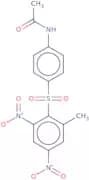
CAS:<p>4-Acetamido-2',4'-dinitro-5'-methyldiphenyl sulphone is a high quality, versatile building block that is used as a reagent and complex intermediate. It can be used in the production of speciality chemicals, research chemicals and fine chemicals. 4-Acetamido-2',4'-dinitro-5'-methyldiphenyl sulphone is also a useful scaffold for the construction of new chemical compounds. This compound has been shown to be a reaction component in organic synthesis reactions.</p>Formula:C15H13N3O7SPurity:Min. 95%Color and Shape:Solid.Molecular weight:379.35 g/mol4-Hydroxy-3-nitrobenzophenone
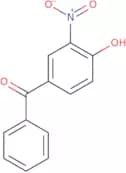
CAS:<p>4-Hydroxy-3-nitrobenzophenone is a divinylbenzen compound that is used as a polymerization catalyst. This product is an efficient method for synthesizing polymeric matrices containing immobilized carboxylic acids, which can be used in chromatographic science. 4-Hydroxy-3-nitrobenzophenone has been shown to have anticholinesterase activity and can be used for the synthesis of polymeric matrices containing immobilized carboxylic acids, which can be used in chromatographic science. 4-Hydoxy-3-nitrobenzophenone also has an acid catalyst that can react with glyceraldehyde 3 phosphate dehydrogenase.</p>Formula:C13H9NO4Purity:Min. 95%Color and Shape:SolidMolecular weight:243.21 g/mol2-Bromo-6-methyl-4-nitroaniline
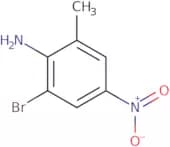
CAS:<p>2-Bromo-6-methyl-4-nitroaniline is a fine chemical that is used in the preparation of other chemicals and as a reagent. It can be used as an intermediate for organic synthesis, such as the conversion of 2-bromoindole to indoxyl, or as a building block for the preparation of more complex compounds. This chemical is also versatile in that it can be used in reactions with different reactants, including amines, carboxylic acids, thiols, and alcohols.</p>Formula:C7H7BrN2O2Purity:Min. 95%Color and Shape:PowderMolecular weight:231.05 g/mol2-Nitrophenethylamine hydrochloride
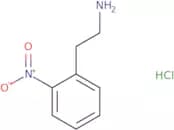
CAS:Controlled Product<p>2-Nitrophenethylamine hydrochloride is a fine chemical that is useful as a versatile building block. It can be used as a reaction component, or in the synthesis of other chemicals. 2-Nitrophenethylamine hydrochloride has CAS No. 861337-74-8 and is a complex compound with many possible uses, including as a research chemical or speciality chemical. As an intermediate for other compounds, it can be used to produce high quality reagents and products.</p>Formula:C8H11ClN2O2Purity:Min. 95 Area-%Color and Shape:PowderMolecular weight:202.64 g/mol2-Nitrobenzhydrazide
CAS:<p>2-Nitrobenzhydrazide is a pharmaceutical drug that inhibits the growth of cancer cells. It is a nitro-substituted benzoic acid derivative that reacts with nucleophilic groups in proteins to form covalent adducts, which inhibit cell growth. 2-Nitrobenzhydrazide has been shown to be effective against cervical cancer and spontaneous human breast cancer cells in culture. The mechanism of action involves the formation of reactive nitrosamines, which are thought to react with DNA bases or cause DNA strand breaks.</p>Formula:C7H7N3O3Purity:90%Color and Shape:PowderMolecular weight:181.15 g/mol4-Methyl-2-nitroanisole
CAS:<p>4-Methyl-2-nitroanisole (4NA) is a hydronium that has been shown to be an anticancer drug. It inhibits the growth of cancer cells by binding to reactive methoxy groups on the cell surface and promotes apoptosis, or programmed cell death. 4NA also produces nitric oxide, which may cause DNA damage in cancer cells. The mechanism of action for 4NA is not fully understood but it has been shown to have a radical mechanism of action which leads to the formation of reactive molecules that can react with other molecules in the cell, leading to DNA damage and cell death. Preparative methods for synthesizing 4NA are acidic and involve aldehydes and nitrites.</p>Formula:C8H9NO3Purity:Min. 95%Color and Shape:PowderMolecular weight:167.16 g/mol2,6-Dichloro-3-nitrobenzonitrile
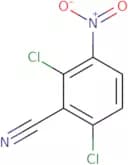
CAS:<p>2,6-Dichloro-3-nitrobenzonitrile is a chemical compound that has been synthesized by optimising the potentials of monoclonal antibodies. It has shown to have high affinity for rat brain membranes and is also able to bind to the target molecule with high affinity. 2,6-Dichloro-3-nitrobenzonitrile can be used as a pesticide and has been shown to have an affinity for the target molecule with high affinity. This chemical compound is trisubstituted and has three nitro groups, which are all located in the same position on the benzene ring. The structure of this chemical compound is optimized, meaning that it has been modified so that its physical properties are more desirable than its original form.</p>Formula:C7H2Cl2N2O2Purity:Min. 95%Color and Shape:PowderMolecular weight:217.01 g/mol