Ketones
Ketones are organic compounds characterized by the presence of a carbonyl group (C=O) bonded to two carbon atoms. These compounds are highly versatile and play a crucial role in various chemical reactions, including oxidation, reduction, and condensation. Ketones are essential intermediates in the synthesis of pharmaceuticals, fragrances, and polymers. At CymitQuimica, we provide a wide range of high-quality ketones to support your research and industrial applications.
Found 18809 products of "Ketones"
Sort by
Purity (%)
0
100
|
0
|
50
|
90
|
95
|
100
1,3-Difluoroacetone
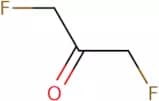
CAS:<p>1,3-Difluoroacetone is a chemical compound that is used for biological studies. It has been shown to have protease activity in biological samples. 1,3-Difluoroacetone has been studied for its potential as an anti-cancer drug and has also been shown to have toxic effects on prostate cancer cells. It has also been found to induce pluripotent stem cells from human fibroblasts and hl-60 cells (a leukemia cell line). The mechanism of action of 1,3-difluoroacetone is not well understood but it seems to be irreversible inhibition of mitochondrial membrane potential.</p>Formula:C3H4F2OPurity:Min. 95%Molecular weight:94.06 g/molBiotinyl-Tyr-Val-Ala-Asp-chloromethylketone
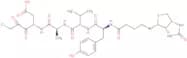
CAS:<p>Please enquire for more information about Biotinyl-Tyr-Val-Ala-Asp-chloromethylketone including the price, delivery time and more detailed product information at the technical inquiry form on this page</p>Formula:C32H45ClN6O9SPurity:Min. 95%Molecular weight:725.25 g/molZ-2-Nal-chloromethylketone
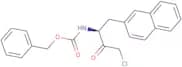
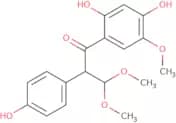
CAS:<p>Please enquire for more information about Z-2-Nal-chloromethylketone including the price, delivery time and more detailed product information at the technical inquiry form on this page</p>Formula:C22H20ClNO3Purity:Min. 95%Molecular weight:381.85 g/mol1-(2,4-Dihydroxy-5-methoxyphenyl)-2-(4-hydroxyphenyl)-3,3-dimethoxy-1-propanone
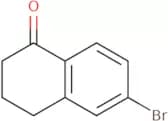
CAS:<p>Please enquire for more information about 1-(2,4-Dihydroxy-5-methoxyphenyl)-2-(4-hydroxyphenyl)-3,3-dimethoxy-1-propanone including the price, delivery time and more detailed product information at the technical inquiry form on this page</p>Formula:C18H20O7Purity:Min. 95%Molecular weight:348.35 g/mol6-Bromo-tetral-1-one
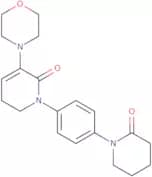
CAS:<p>6-Bromo-tetral-1-one is a chemical compound with a molecular formula of C8H6BrO. It is synthesized by the ring opening of epichlorohydrin with boron trifluoride etherate (BF3OEt2) in pyridine at 0°C, followed by hydrolysis of the resulting epoxide with sodium hydroxide to give tetralin. The synthesis can be carried out on a laboratory scale using high purity chemicals and yields up to 100% conversion of the starting material to tetralin. 6-Bromo-tetral-1-one has been shown to be stable in air, moisture, and light. This product is also nonflammable and produces no toxic byproducts when heated to decomposition.</p>Formula:C10H9BrOPurity:Min. 95%Molecular weight:225.08 g/mol3-Morpholino-1-(4-(2-oxopiperidin-1-yl)phenyl)-5,6-dihydropyridin-2(1H)-one
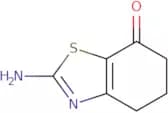
CAS:<p>3-Morpholino-1-(4-(2-oxopiperidin-1-yl)phenyl)-5,6-dihydropyridin-2(1H)-one is a synthetic compound that has been shown to have potent antiplatelet activity. It was developed as a new drug for the prevention of thrombosis and embolism, and was recently approved by the FDA in 2010. The molecular weight of this compound is 459.3 g/mol with an impurity level of 1.2%. 3-Morpholino-1-(4-(2-oxopiperidin-1-yl)phenyl)-5,6-dihydropyridin-2(1H)-one is used in the pulping process for paper production.</p>Formula:C20H25O3N3Purity:Min. 95%Molecular weight:355.43 g/mol2-Amino-5,6-dihydro-4H-benzothiazol-7-one
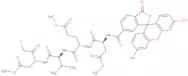
CAS:<p>2-Amino-5,6-dihydro-4H-benzothiazol-7-one is a thiourea that is used as a reactant in the synthesis of brominated compounds. It reacts with ethanol to form 2,5,6-triaminopyrimidine and hydrogen bromide. This reaction occurs in the presence of acid such as hydrochloric acid or acetic acid. The reflux reaction is commonly conducted at elevated temperatures and pressures.</p>Purity:Min. 95%Fluorescein-6-carbonyl-Asp(OMe)-Glu(OMe)-Val-DL-Asp(OMe)-fluoromethylketone
CAS:<p>Please enquire for more information about Fluorescein-6-carbonyl-Asp(OMe)-Glu(OMe)-Val-DL-Asp(OMe)-fluoromethylketone including the price, delivery time and more detailed product information at the technical inquiry form on this page</p>Formula:C43H45FN4O16Purity:Min. 95%Molecular weight:892.83 g/molZ-Asp(OMe)-Gln-Met-DL-Asp(OMe)-fluoromethylketone
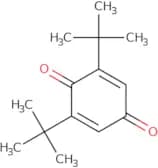
CAS:<p>Z-Asp(OMe)-Gln-Met-DL-Asp(OMe)-fluoromethylketone is a mitochondria-targeting compound that has been shown to have neuroprotective and anti-inflammatory properties. It binds to the ATP synthase in the mitochondrial membrane, inhibiting ATP production and causing cell death by apoptosis. ZAFMK also inhibits kinases such as protein kinase 3β (PK3β) and caspase 9, which are involved in inflammation and apoptosis. ZAFMK has been shown to be effective against various diseases such as multiple sclerosis, Alzheimer's disease, Parkinson's disease, amyotrophic lateral sclerosis, Huntington's disease, and stroke.</p>Formula:C29H40FN5O11SPurity:Min. 95%Molecular weight:685.72 g/mol2,6-Di-tert-butylcyclohexa-2,5-diene-1,4-dione
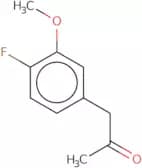
CAS:<p>2,6-Di-tert-butylcyclohexa-2,5-diene-1,4-dione (BHT) is a chemical compound that is used as an oxygenation catalyst and analytical method. The molecular structure of BHT contains a hydroxyl group with a redox potential of 0.3 V and a thermal expansion coefficient of 7 x 10 K. This compound has been shown to be toxic in mice, causing lung damage and oxidative DNA damage. BHT also inhibits the transcriptional regulation of genes by binding to amines in the cell membrane. It can act as an antioxidant because it binds to reactive oxygen species and prevents them from oxidizing other molecules in the cell. These properties make it useful for protecting cells from oxidative stress caused by reactive oxygen species or peroxides.</p>Formula:C14H20O2Purity:Min. 95%Molecular weight:220.31 g/mol4-Fluoro-3-methoxyphenylacetone
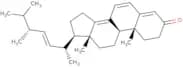
CAS:<p>4-Fluoro-3-methoxyphenylacetone is a high quality reagent that can be used as an intermediate in the synthesis of complex compounds. This compound is also useful for creating fine chemicals and speciality chemicals, for research purposes. 4-Fluoro-3-methoxyphenylacetone has been shown to be a versatile building block in organic synthesis, with many possible applications. It can react with other compounds to create new compounds or react with itself to form new molecules. CAS No. 320338-98-5</p>Formula:C10H11FO2Purity:Min. 95%Molecular weight:182.19 g/molErgosta-4,6,8(14),22-tetraen-3-one
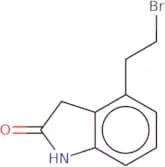
CAS:Controlled Product<p>Ergosta-4,6,8(14),22-tetraen-3-one is a fatty acid that occurs naturally in the acetate extract of the kidney of sheep. It has been shown to induce apoptosis in cervical cancer cells and inhibit growth of bacteria by inhibiting energy metabolism. Ergosta-4,6,8(14),22-tetraen-3-one can be used as an antimicrobial agent because it has broad-spectrum activity against bacteria and fungi. This compound also has been found to be effective in treating kidney fibrosis. It has been shown to inhibit tubulointerstitial injury and plasma concentration–time curve by binding to human serum albumin.</p>Formula:C28H40OPurity:Min. 95%Molecular weight:392.62 g/mol4-(2-Bromoethyl)-1,3-dihydro-2H-indolin-2-one
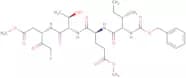
CAS:<p>Please enquire for more information about 4-(2-Bromoethyl)-1,3-dihydro-2H-indolin-2-one including the price, delivery time and more detailed product information at the technical inquiry form on this page</p>Formula:C10H10BrNOPurity:Min. 95%Color and Shape:PowderMolecular weight:240.1 g/molZ-Ile-Glu(OMe)-Thr-DL-Asp(OMe)-fluoromethylketone
CAS:<p>Z-Ile-Glu(OMe)-Thr-DL-Asp(OMe)-fluoromethylketone is an apoptosis inducer that belongs to the category of small molecules. It has been shown to induce apoptosis in cells by binding to DNA and inhibiting transcription, leading to DNA fragmentation and the activation of caspase-8. Z-Ile-Glu(OMe)-Thr-DL-Asp(OMe)-fluoromethylketone has also been shown to have a synergistic effect on cells when combined with other potent inducers of apoptosis. This drug binds to toll receptors (TLR) and IL2 receptors, which are important for cell signaling pathways.</p>Formula:C30H43FN4O11Purity:Min. 95%Molecular weight:654.68 g/molZ-Asp(OMe)-Glu(OMe)-Val-DL-Asp(OMe)-fluoromethylketone
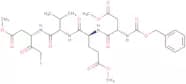
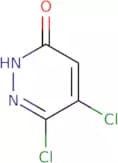
CAS:<p>Z-Asp(OMe)-Glu(OMe)-Val-DL-Asp(OMe)-fluoromethylketone is a small molecule that has been shown to induce apoptosis in cultured cells. It is a caspase-3 inhibitor, which prevents the activation of the caspase cascade and protects cells from oxidative injury. Low doses of Z-Asp(OMe)-Glu(OMe)-Val-DL-Asp(OMe)-fluoromethylketone have been shown to induce apoptosis in cultured cells, with no significant cytotoxicity at high doses. The mechanism of action for this agent is not yet known, but it may promote mitochondrial membrane potential loss and neuronal death by binding to DNA, or induce cell death through a caspase-independent pathway.</p>Formula:C30H41FN4O12Purity:Min. 95%Molecular weight:668.66 g/mol5,6-Dichloropyridazin-3(2H)-one
CAS:<p>Please enquire for more information about 5,6-Dichloropyridazin-3(2H)-one including the price, delivery time and more detailed product information at the technical inquiry form on this page</p>Formula:C4H2Cl2N2OPurity:Min. 95%Molecular weight:164.98 g/mol8-[(1E)-2-(3,4-Dimethoxyphenyl)ethenyl]-1,3-diethyl-3,9-dihydro-1H-purine-2,6-dione
CAS:Controlled Product<p>Please enquire for more information about 8-[(1E)-2-(3,4-Dimethoxyphenyl)ethenyl]-1,3-diethyl-3,9-dihydro-1H-purine-2,6-dione including the price, delivery time and more detailed product information at the technical inquiry form on this page</p>Formula:C19H22N4O4Purity:Min. 95%Color and Shape:PowderMolecular weight:370.4 g/mol(2E)-1-[5,6-Dihydro-3-(trifluoromethyl)-1,2,4-triazolo[4,3-a]pyrazin-7(8H)-yl]-4-(2,4,5-trifluorophenyl)-2-buten-1-one
CAS:<p>Please enquire for more information about (2E)-1-[5,6-Dihydro-3-(trifluoromethyl)-1,2,4-triazolo[4,3-a]pyrazin-7(8H)-yl]-4-(2,4,5-trifluorophenyl)-2-buten-1-one including the price, delivery time and more detailed product information at the technical inquiry form on this page</p>Formula:C16H12F6N4OPurity:95%NmrMolecular weight:390.28 g/mol4,5-Dibromo-1,2,6,7-tertahydro-8H-indeno[5,4-b]furan-8-one
CAS:<p>4,5-Dibromo-1,2,6,7-tertahydro-8H-indeno[5,4-b]furan-8-one is a chemical reagent that is used for the debromination of ethyl cyanoacetate. The nucleophilic nature of the hydroxyl group in the target compound makes it an efficient substrate for this reaction. This reagent can be used to synthesize ramelteon which is a drug approved by the U.S. Food and Drug Administration (FDA) for insomnia treatment. This high yield synthesis highlights 4,5-dibromo-1,2,6,7-tertahydro-8H-indeno[5,4b]furan-8one's usefulness as a debrominating agent.</p>Formula:C11H8Br2O2Purity:Min. 95%Molecular weight:331.99 g/mol2-n-Butyl-1,3-diaza-spiro[4,4]non-1-en-4-one HCl
CAS:<p>Please enquire for more information about 2-n-Butyl-1,3-diaza-spiro[4,4]non-1-en-4-one HCl including the price, delivery time and more detailed product information at the technical inquiry form on this page</p>Formula:C11H18N2O·HClPurity:Min. 95%Molecular weight:230.73 g/molAzocan-2-one
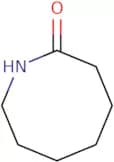
CAS:<p>Azocan-2-one is a polyamide that has been shown to inhibit the activity of enzymes such as hydroxylases and esterases. Azocan-2-one binds to the enzyme's active site and blocks the catalytic site. This binding leads to inhibition of these enzymes, which in turn prevents reactions from occurring. Azocan-2-one can be used as an inhibitor in polymer synthesis, amide formation, and radiation chemistry. The compound also has three functional groups that allow it to act as an acid or base, making it capable of reacting with both organic and inorganic acids. Azocan-2-one is also soluble in water and hydrochloric acid, which allows for its use in various solution types.</p>Purity:Min. 95%Z-Phe-Phe-diazomethylketone
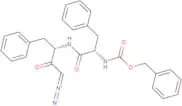
CAS:<p>Z-Phe-Phe-diazomethylketone is a cathepsin inhibitor that has been shown to inhibit the proteolytic activity of various enzymes, including serine proteases and thrombotic thrombocytopenic. This compound inhibits the growth of Leishmania parasites in cell culture and has been shown to have a high affinity for carboxy terminal and proximal tubules. Z-Phe-Phe-diazomethylketone has a neutral pH, with an optimum at 7.0, which may be due to its ability to bind to proteins or other components of cells without affecting their functions.</p>Formula:C27H26N4O4Purity:Min. 95%Molecular weight:470.52 g/mol(4S,5R)-4-Methyl-5-phenyloxazolidin-2-one
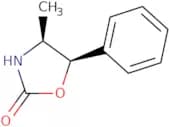
CAS:<p>(4S,5R)-4-Methyl-5-phenyloxazolidin-2-one is an amide that is prepared by the reaction of piperidine and benzyl chloride. It is a chiral compound with (4S,5R) configuration and has a basic hydrolysis. The compound was optimized for its synthesis by using different solvents. This amide has been used in the transfer of methyl groups to different substrates. It also has been used in asymmetric synthesis as a chiral auxiliary for the preparation of enantiopure sulfinyl compounds.</p>Formula:C10H11NO2Purity:Min. 95%Molecular weight:177.2 g/mol1,3-Indanedione, 70%
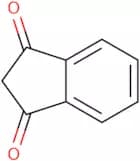
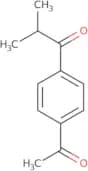
CAS:<p>1,3-Indanedione is a precursor of indane diones that is used in the synthesis of fluorescent molecules. In the presence of light, 1,3-indanedione produces light emission and can be used as a chemiluminescent probe. In the presence of trifluoroacetic acid and copper complex, 1,3-indanedione undergoes intramolecular hydrogen transfer to form an intermediate which reacts with malonic acid to form an alkyl radical. The alkyl radical then reacts with hydrochloric acid to produce an ionic polymerization product. The biological sample is reactive with fatty acids and can be used for the detection of prostate cancer cells.</p>Formula:C9H6O2Purity:(%) Min. 70%Color and Shape:PowderMolecular weight:146.14 g/mol1-(4-Acetylphenyl)-2-methyl-1-propanone
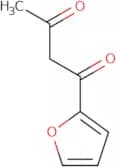
CAS:<p>1-(4-Acetylphenyl)-2-methyl-1-propanone (AMP) is a synthetic analgesic that has been evaluated for the treatment of pain. It is primarily used in pharmaceuticals and medicinal preparations, as well as being a common solvent in chemical syntheses. AMP has been shown to be an effective treatment for joint pain, muscle pain, and other types of pain. The mechanism of action for this compound is unknown but may involve the inhibition of an enzyme called hydratropic acid group. This molecule also has a carboxylic acid group that undergoes detoxification through elemental analysis or mechanochemistry.</p>Formula:C12H14O2Purity:Min. 95%Molecular weight:190.24 g/mol1-(2-Furyl)-1,3-butanedione
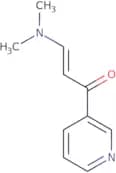
CAS:<p>1-(2-Furyl)-1,3-butanedione is an organic compound with the chemical formula CO. It is a diketone that acts as a metal chelate. The molecule has been shown to have antibacterial properties against gram-negative bacteria and also inhibits the growth of amyloid plaques in Alzheimer's disease. 1-(2-Furyl)-1,3-butanedione binds to the chlorine atom of a bacterial cell wall and prevents it from binding to the amine group on the surface of proteins, which are vital for protein synthesis. This leads to a decrease in bacterial growth. 1-(2-Furyl)-1,3-butanedione can be used as an alternative for chlorine gas in water purification processes because it reacts with HCl and converts it into less toxic hydrogen chloride.</p>Formula:C8H8O3Purity:Min. 95%Color and Shape:Clear LiquidMolecular weight:152.15 g/mol3-Dimethylamino-1-(3-pyridyl)-2-propen-1-one
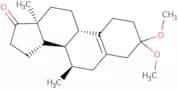
CAS:<p>3-Dimethylamino-1-(3-pyridyl)-2-propen-1-one is a synthetic anticancer compound. It is an amide derivative of 3-dimethylamino-1-(3-pyridyl)-2-propenal, which is synthesized by reacting 3,5,6,7 tetrahydrobenzo[b]thiophene with 3-(dimethylamino)acrylic acid chloride. The synthesis of 3DAP was reported in 1974 by Novartis Pharmaceuticals Corporation and it has been used as a lead compound for the development of other anticancer agents. This drug can inhibit the growth of myelogenous leukemia cells and has been shown to be effective against cancer cells that are resistant to imatinib.</p>Formula:C10H12N2OPurity:Min. 95%Color and Shape:Off-White To Yellow SolidMolecular weight:176.22 g/mol7α-Methyl-3,3-dimethoxy-5(10)-estrene-17-one
CAS:Controlled Product<p>Please enquire for more information about 7alpha-Methyl-3,3-dimethoxy-5(10)-estrene-17-one including the price, delivery time and more detailed product information at the technical inquiry form on this page</p>Formula:C21H32O3Purity:Min. 95%Color and Shape:PowderMolecular weight:332.48 g/mol2-Hydroxy-6-methyl-4H-pyran-4-one
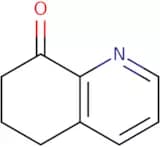
CAS:<p>2-Hydroxy-6-methyl-4H-pyran-4-one is a molecule that belongs to the class of acid lactones. It has been shown to have physiological effects in wild type strains of bacteria and fungi. This compound binds to nitrogen atoms and can inhibit enzyme activities, such as the diazonium salt. 2-Hydroxy-6-methyl-4H-pyran-4-one also has antimicrobial activity against Gram positive and Gram negative bacteria, along with some fungi. The antimicrobial activity is due to the hydroxy group on the compound's structure, which is a fatty acid with a hydroxyl group that gives it an acidic property. 2HMPA can be used in combination with other antimicrobial agents like triacetic acid or sodium chloride for greater effectivity against microorganisms.</p>Formula:C6H6O3Purity:Min. 95%Molecular weight:126.11 g/mol6,7-Dihydro-5H-quinolin-8-one
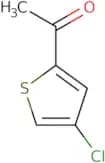
CAS:<p>6,7-Dihydro-5H-quinolin-8-one is a quinoline derivative that can be used to treat cancer. It is an inhibitor of topoisomerase II, which is an enzyme that catalyzes the formation of single stranded breaks in DNA and then reseals them. The inhibition of topoisomerase II leads to the accumulation of single strand breaks, which causes cell death. 6,7-Dihydro-5H-quinolin-8-one has been shown to have inhibitory activity against cancer cells in laboratory tests and also inhibits the growth of breast cancer cells in mice. This compound also has a number of other biological effects including being a ligand for some receptors and amine oxidases as well as having antihistamine properties.</p>Formula:C9H9NOPurity:Min. 95%Color and Shape:White PowderMolecular weight:147.17 g/mol1-(4-Chlorothiophen-2-yl)ethanone
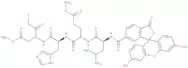
CAS:<p>1-(4-Chlorothiophen-2-yl)ethanone is an oxychloride that belongs to the family of thiourea derivatives. It is synthesized by reacting phosphorus oxychloride with 2,3-dichloroacetophenone in a solvent such as dioxane or acetonitrile. The final product is purified by means of vacuum distillation and recrystallization from diethyl ether, hexane, and chlorinated hydrocarbons.</p>Formula:C6H5ClOSPurity:Min. 95%Molecular weight:160.62 g/molFluorescein-6-carbonyl-Leu-Glu(OMe)-His-DL-Asp(OMe)-fluoromethylketone
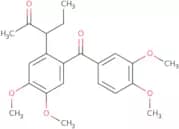
CAS:<p>Please enquire for more information about Fluorescein-6-carbonyl-Leu-Glu(OMe)-His-DL-Asp(OMe)-fluoromethylketone including the price, delivery time and more detailed product information at the technical inquiry form on this page</p>Formula:C45H47FN6O14Purity:Min. 95%Molecular weight:914.89 g/mol3-(2-(3,4-Dimethoxybenzoyl)-4,5-dimethoxyphenyl)pentan-2-one
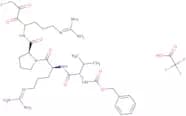
CAS:<p>3-(2-(3,4-Dimethoxybenzoyl)-4,5-dimethoxyphenyl)pentan-2-one is an alkylene that is produced by the reaction of hydrazine with 2,3,4-trimethoxybenzoic acid. This molecule has been shown to have anxiolytic properties in animal studies and hydrolyzes to form ethylene glycol. 3-(2-(3,4-Dimethoxybenzoyl)-4,5-dimethoxyphenyl)pentan-2-one also has a hydrolysis product of tofisopam. Tofisopam is an organic acid that has been used as an antidepressant for the treatment of anxiety disorders.</p>Formula:C22H26O6Purity:Min. 95%Molecular weight:386.44 g/molZ-Val-Arg-Pro-DL-Arg-fluoromethylketone trifluoroacetate salt
CAS:<p>Please enquire for more information about Z-Val-Arg-Pro-DL-Arg-fluoromethylketone trifluoroacetate salt including the price, delivery time and more detailed product information at the technical inquiry form on this page</p>Formula:C31H49FN10O6Purity:Min. 95%Molecular weight:676.78 g/mol(2S)-2-Amino-4-methyl-1-[(2R)-2-methyloxiranyl]-1-pentanone trifluoroacetate
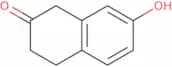
CAS:Controlled Product<p>Please enquire for more information about (2S)-2-Amino-4-methyl-1-[(2R)-2-methyloxiranyl]-1-pentanone trifluoroacetate including the price, delivery time and more detailed product information at the technical inquiry form on this page</p>Formula:C9H17NO2•C2HF3O2Purity:Min. 95%Color and Shape:PowderMolecular weight:285.26 g/mol7-Hydroxy-3,4-dihydro-1H-naphthalen-2-one
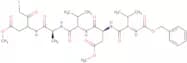
CAS:<p>7-Hydroxy-3,4-dihydro-1H-naphthalen-2-one is an organic solvent that can be used as a pharmaceutical intermediate. It is a white crystalline solid that has been shown to bind to β-cyclodextrin, chloride, and aluminium. 7-Hydroxy-3,4-dihydro-1H-naphthalen-2-one has been shown to form stable complexes with these ions by binding to the oxygens on their surfaces. The binding constants for this compound have been determined using dichromism and fluorescence experiments. This organic solvent has also been found to have enantioselective properties.</p>Formula:C10H10O2Purity:Min. 95%Molecular weight:162.19 g/molZ-Val-Asp(OMe)-Val-Ala-DL-Asp(OMe)-fluoromethylketone
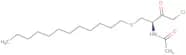
<p>Please enquire for more information about Z-Val-Asp(OMe)-Val-Ala-DL-Asp(OMe)-fluoromethylketone including the price, delivery time and more detailed product information at the technical inquiry form on this page</p>Formula:C32H46FN5O11Purity:Min. 95%Molecular weight:695.73 g/molAc-Cys(dodecyl)-chloromethylketone
CAS:<p>Please enquire for more information about Ac-Cys(dodecyl)-chloromethylketone including the price, delivery time and more detailed product information at the technical inquiry form on this page</p>Formula:C18H34ClNO2SPurity:Min. 95%Molecular weight:363.99 g/molZ-Asp(OtBu)-bromomethylketone
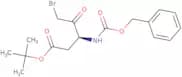
CAS:<p>Please enquire for more information about Z-Asp(OtBu)-bromomethylketone including the price, delivery time and more detailed product information at the technical inquiry form on this page</p>Formula:C17H22BrNO5Purity:Min. 95%Molecular weight:400.26 g/molZ-Asp-Glu-Val-Asp-chloromethylketone
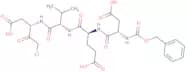
CAS:<p>Z-Asp-Glu-Val-Asp-chloromethylketone is a reactive compound that inhibits the activity of proteases and induces neuronal death. Z-Asp-Glu-Val-Asp-chloromethylketone has been shown to induce necrotic cell death in malignant brain cells and has neurotrophic properties. It also causes mitochondrial membrane depolarization, which leads to mitochondrial cytochrome c release and subsequent apoptosis. The reaction mechanism is still unclear but it may involve hydrogen bonding between the ketone group and the amide nitrogen atom of the aspartate residue.</p>Formula:C27H35ClN4O12Purity:Min. 95%Molecular weight:643.04 g/mol4-{[4-(4-Methyloxyphenyl)-piperazin-1-yl]-phenyl}-2,4-dihydro-[1,2,4]-triazol-3-one
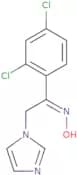
CAS:<p>Please enquire for more information about 4-{[4-(4-Methyloxyphenyl)-piperazin-1-yl]-phenyl}-2,4-dihydro-[1,2,4]-triazol-3-one including the price, delivery time and more detailed product information at the technical inquiry form on this page</p>Formula:C19H21N5O2Purity:Min. 95%Molecular weight:351.4 g/mol(Z)-1-(2,4-Dichlorophenyl)-2-(1H-imidazol-1-yl)ethanone oxime
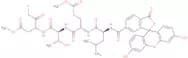
CAS:<p>(Z)-1-(2,4-Dichlorophenyl)-2-(1H-imidazol-1-yl)ethanone oxime is an antifungal agent that inhibits the synthesis of ergosterol, a major constituent of fungal cell membranes. It has been shown to be active against a variety of fungi and yeasts. (Z)-1-(2,4-Dichlorophenyl)-2-(1H-imidazol-1-yl)ethanone oxime also has antimicrobial activity against bacteria such as Staphylococcus aureus and Pseudomonas aeruginosa.</p>Formula:C11H9Cl2N3OPurity:Min. 95%Molecular weight:270.11 g/molFluorescein-6-carbonyl-Leu-Glu(OMe)-Thr-DL-Asp(OMe)-fluoromethylketone
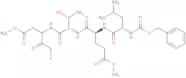
CAS:<p>Please enquire for more information about Fluorescein-6-carbonyl-Leu-Glu(OMe)-Thr-DL-Asp(OMe)-fluoromethylketone including the price, delivery time and more detailed product information at the technical inquiry form on this page</p>Formula:C43H47FN4O15Purity:Min. 95%Molecular weight:878.85 g/molZ-Leu-Glu(OMe)-Thr-DL-Asp(OMe)-fluoromethylketone
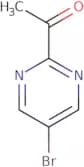
CAS:<p>Please enquire for more information about Z-Leu-Glu(OMe)-Thr-DL-Asp(OMe)-fluoromethylketone including the price, delivery time and more detailed product information at the technical inquiry form on this page</p>Formula:C30H43FN4O11Purity:Min. 95%Molecular weight:654.68 g/mol1-(5-Bromopyrimidin-2-yl)ethanone
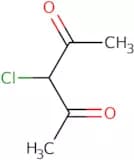
CAS:<p>Please enquire for more information about 1-(5-Bromopyrimidin-2-yl)ethanone including the price, delivery time and more detailed product information at the technical inquiry form on this page</p>Formula:C6H5BrN2OPurity:Min. 95%Molecular weight:201.02 g/mol3-Chloro-2,4-pentanedione
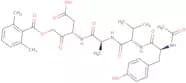
CAS:<p>3-Chloro-2,4-pentanedione is a model system that has been used to study the reaction mechanism of the intramolecular hydrogen transfer. This molecule was found to be more reactive in the presence of sodium carbonate and anhydrous sodium, which is due to protonation of the hydroxyl group on the ethylene diamine. 3-Chloro-2,4-pentanedione reacts with carbon disulphide and ethylene diamine to form 2,5-dimethylhexane-1,6-diol. 3D molecular docking analysis has shown that this compound binds to the ryanodine receptor and may be a potential therapeutic agent for patients with carcinoma cell lines.</p>Formula:C5H7ClO2Purity:Min. 95%Color and Shape:Clear LiquidMolecular weight:134.56 g/molAc-Tyr-Val-Ala-Asp-2,6-dimethylbenzoyloxymethylketone
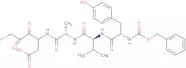
CAS:<p>Ac-Tyr-Val-Ala-Asp-2,6-dimethylbenzoyloxymethylketone is a potent transcriptional regulator that can be used to treat breast cancer. Ac-Tyr-Val-Ala-Asp-2,6-dimethylbenzoyloxymethylketone binds to estrogen receptor and prevents the binding of estrogen to its receptor. This leads to the death of cancer cells by inhibiting the function of bcl family proteins. Acetylation of this compound at C8, C10, and C17 positions increases its potency in vivo. In addition, Acetylated TAVADM can inhibit pancreatic cancer cell growth by activating signal transducer and activator of transcription 3 (STAT3) and inhibiting the activity of bcl family proteins such as BCL2 and BCLXL. Acetylated TAVADM has also been shown to have antiapoptotic</p>Formula:C33H42N4O10Purity:Min. 95%Molecular weight:654.71 g/molZ-Tyr-Val-Ala-DL-Asp-fluoromethylketone
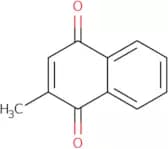
CAS:<p>Please enquire for more information about Z-Tyr-Val-Ala-DL-Asp-fluoromethylketone including the price, delivery time and more detailed product information at the technical inquiry form on this page</p>Formula:C30H37FN4O9Purity:Min. 95%Molecular weight:616.63 g/molMenadione
CAS:<p>Menadione, also known as vitamin K3, is a chemical compound which is used as a cofactor in the synthesis of blood clotting factors. Menadione has been shown to protect proteins against oxidative damage. Menadione interacts with two types of DNA-binding proteins: response element (RE) and natural compounds. Menadione binds to the response elements on DNA and regulates gene expression. Menadione has been shown to inhibit protein oxidation in hl-60 cells and human polymorphonuclear leukocytes. The mechanism for this inhibition is not yet well understood but may be due to the ability of menadione to bind to reactive oxygen species (ROS). Menadione also binds to natural compounds that regulate gene expression; these compounds are small molecules that interact with DNA at points other than response elements. These binding sites are found upstream from genes, where they act as transcriptional regulators or repressors by altering the rate of transcription. Menadione binds to</p>Formula:C11H8O2Purity:Min. 98 Area-%Color and Shape:Yellow PowderMolecular weight:172.18 g/molMeOSuc-Ala-Ala-Pro-Ala-chloromethylketone
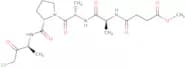
CAS:<p>MeOSuc-Ala-Ala-Pro-Ala-chloromethylketone is a peptidyl substrate for the enzyme carboxypeptidase A. This substrate has a high specificity for carboxypeptidase A and does not bind to other enzymes such as carboxypeptidase B, D, or L. The hydrophobic nature of this substrate has been shown in both hamsters and macaques. MeOSuc-Ala-Ala-Pro-Ala-chloromethylketone also shows cardiovascular effects in both animal models. It is possible that this effect is due to the proteolytic activity of the enzyme. More research needs to be done to identify the sequence of this peptide and how it may affect humans.</p>Formula:C20H31ClN4O7Purity:Min. 95%Molecular weight:474.94 g/mol


![8-[(1E)-2-(3,4-Dimethoxyphenyl)ethenyl]-1,3-diethyl-3,9-dihydro-1H-purine-2,6-dione](/_next/image/?url=https%3A%2Fstatic.cymitquimica.com%2Fproducts%2F3D%2Fthumb-webp%2FFD152904.webp&w=3840&q=75)
![(2E)-1-[5,6-Dihydro-3-(trifluoromethyl)-1,2,4-triazolo[4,3-a]pyrazin-7(8H)-yl]-4-(2,4,5-trifluorop…](/_next/image/?url=https%3A%2Fstatic.cymitquimica.com%2Fproducts%2F3D%2Fthumb-webp%2FFD103313.webp&w=3840&q=75)
![4,5-Dibromo-1,2,6,7-tertahydro-8H-indeno[5,4-b]furan-8-one](/_next/image/?url=https%3A%2Fstatic.cymitquimica.com%2Fproducts%2F3D%2Fthumb-webp%2FFD21568.webp&w=3840&q=75)
![2-n-Butyl-1,3-diaza-spiro[4,4]non-1-en-4-one HCl](/_next/image/?url=https%3A%2Fstatic.cymitquimica.com%2Fproducts%2F3D%2Fthumb-webp%2FFB37020.webp&w=3840&q=75)

![(2S)-2-Amino-4-methyl-1-[(2R)-2-methyloxiranyl]-1-pentanone trifluoroacetate](/_next/image/?url=https%3A%2Fstatic.cymitquimica.com%2Fproducts%2F3D%2Fthumb-webp%2FFA100028.webp&w=3840&q=75)
![4-{[4-(4-Methyloxyphenyl)-piperazin-1-yl]-phenyl}-2,4-dihydro-[1,2,4]-triazol-3-one](/_next/image/?url=https%3A%2Fstatic.cymitquimica.com%2Fproducts%2F3D%2Fthumb-webp%2FFM25920.webp&w=3840&q=75)