Amides
Amides are a wide range of chemical compounds that contain at least one heterocyclic ring, which has atoms of at least two different elements in the ring structure, and at least one amide group (-CONH2). These compounds are crucial in the synthesis of pharmaceuticals, polymers, and agrochemicals. Amides exhibit unique properties and reactivity, making them valuable intermediates in organic synthesis. At CymitQuimica, we offer a comprehensive selection of high-quality amides to support your research and industrial needs.
Found 16399 products of "Amides"
Sort by
Purity (%)
0
100
|
0
|
50
|
90
|
95
|
100
2-Bromo-N-methylbenzamide
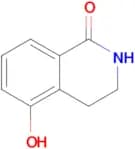
CAS:Formula:C8H8BrNOPurity:97%Color and Shape:SolidMolecular weight:214.0623,4-Dihydro-5-hydroxy-1(2H)-isoquinolinone
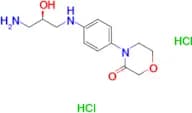
CAS:Formula:C9H9NO2Purity:98%Color and Shape:SolidMolecular weight:163.176(R)-4-(4-((3-amino-2-hydroxypropyl)amino)phenyl)morpholin-3-one (dihydrochloride)
CAS:Purity:98%Molecular weight:338.232′-(Methylthio)-7′,8′-dihydro-6’H-spiro[cyclohexane-1,9′-pyrazino[1′,2′:1,5]pyrrolo[2,3-d]pyrimidin]-6′-one
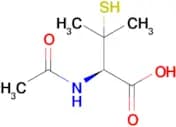
CAS:Purity:97%Molecular weight:302.3999939(R)-2-((R)-2-cyclohexyl-2-(pyrazine-2-carboxamido)acetamido)-3,3-dimethylbutanoic acid
CAS:Purity:96%Molecular weight:376.4570007Ref: 10-F038391
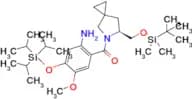
1g82.00€5g287.00€10g412.00€25g912.00€2.5g181.00€50mg39.00€100mg54.00€250mg61.00€500mg75.00€(S)-(2-Amino-5-methoxy-4-((triisopropylsilyl)oxy)phenyl)(6-(((tert-butyldimethylsilyl)oxy)methyl)-5-azaspiro[2.4]heptan-5-yl)methanone
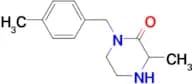
CAS:Purity:96%Molecular weight:562.9423-methyl-1-(4-methylbenzyl)piperazin-2-one
CAS:Formula:C13H18N2OPurity:95%Color and Shape:SolidMolecular weight:218.33-MORPHOLINONE, 6-(CHLOROMETHYL)-4-[(4-METHOXYPHENYL)METHYL]-
CAS:Purity:97%Molecular weight:269.7300113-[(3-Acrylamidopropyl)dimethylammonio]propane-1-sulfonate
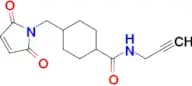
CAS:Purity:98%Molecular weight:278.36999514-((2,5-Dioxo-2,5-dihydro-1H-pyrrol-1-yl)methyl)-N-(prop-2-yn-1-yl)cyclohexanecarboxamide
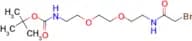
CAS:Purity:98%Molecular weight:274.32tert-Butyl (2-(2-(2-(2-bromoacetamido)ethoxy)ethoxy)ethyl)carbamate
CAS:Purity:98%Molecular weight:369.2560127-methoxy-4-methyl-3,4-dihydro-1H-benzo[e][1,4]diazepine-2,5-dione
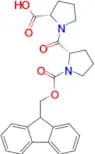
CAS:Purity:98%Molecular weight:220.2279968(S)-1-((S)-1-(((9H-FLUOREN-9-YL)METHOXY)CARBONYL)PYRROLIDINE-2-CARBONYL)PYRROLIDINE-2-CARBOXYLIC ACID
CAS:Purity:97%Molecular weight:434.494-METHYL-3-OXO-3,4-DIHYDRO-2H-BENZO[B][1,4]OXAZINE-7-BORONIC ACID
CAS:Purity:98%Molecular weight:206.9900055Methyl (1S,2S,3R,4R)-3-((R)-1-acetamido-2-ethylbutyl)-4-((tert-butoxycarbonyl)amino)-2-hydroxycyclopentane-1-carboxylate
CAS:Purity:98%Molecular weight:400.5159912D-Phenylalanine, N-[N-[(1,1-dimethylethoxy)carbonyl]-L-leucyl]-, phenylmethyl ester
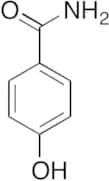
CAS:Purity:96%Molecular weight:468.59399414-Hydroxybenzamide
CAS:Controlled Product<p>Applications 4-Hydroxybenzamide is a secondary metabolite from marine sponge Phakellia fusca.<br>References Deng, Z., et. al.: Zhongyaocai, 36, 919 (2013)<br></p>Formula:C7H7NO2Color and Shape:NeatMolecular weight:137.14rac-trans-[3-Hydroxycyclohexyl]benzamide
CAS:Controlled Product<p>Applications rac-trans-[3-Hydroxycyclohexyl]benzamide (cas# 177366-90-4) is a compound useful in organic synthesis.<br></p>Formula:C13H17NO2Color and Shape:NeatMolecular weight:219.28N-(2,6-Dimethylphenyl)-2-oxo-acetamide
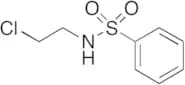
CAS:Controlled ProductFormula:C10H11NO2Color and Shape:NeatMolecular weight:177.2N-(2-Chloroethyl)benzenesulfonamide
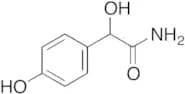
CAS:Controlled Product<p>Applications N-(2-Chloroethyl)benzenesulfonamide is an intermediate for the synthesis of Bensulide (B166000), which is an organophosphate acetylcholinesterase inhibitor used as an herbicide (1) in the protection of crops through pesticides (2). Drinking water contaminant candidate list 3 (CCL 3) compound as per United States Environmental Protection Agency (EPA), environmental, and food contaminants.<br></p>Formula:C8H10ClNO2SColor and Shape:NeatMolecular weight:219.69p-Hydroxymandelamide
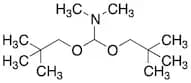
CAS:Controlled Product<p>Applications p-Hydroxymandelamide is a useful synthetic intermediate in the synthesis of Hydroxyatenolol (H802480); a metabolite of Atenolol (A790075) which is a cardioselective β-adrenergic blocker, antihypertensive, antianginal, and antiarrhythmic (class II).<br>References Escher, B., et al.: Environ. Sci. Technol., 40, 7402 (2006); Caplar, V., et al.: Anal. Profiles Drug Subs., 13, 1 (1984)<br></p>Formula:C8H9NO3Color and Shape:NeatMolecular weight:167.16N,N-Dimethylformamide Dineopentyl Acetal
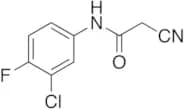
CAS:Controlled Product<p>Applications N,N-DIMETHYLFORMAMIDE DINEOPENTYL ACETAL (cas# 4909-78-8) is a useful research chemical.<br></p>Formula:C13H29NO2Color and Shape:NeatMolecular weight:231.37N-(3-Chloro-4-fluorophenyl)-2-cyanoacetamide
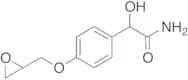
CAS:Controlled Product<p>Applications N-(3-Chloro-4-fluorophenyl)-2-cyanoacetamide (cas# 219529-31-4) is a compound useful in organic synthesis.<br></p>Formula:C9H6ClFN2OColor and Shape:NeatMolecular weight:212.61a-Hydroxy-4-(2-oxiranylmethoxy)-benzeneacetamide
CAS:Controlled Product<p>Applications α-Hydroxy-4-(2-oxiranylmethoxy)-benzeneacetamide is an intermediate in the synthesis of hydroxyatenolol (H802480), which is a metabolite of Atenolol (A790075); a cardioselective β-adrenergic blocker, antihypertensive, antianginal, and antiarrhythmic (class II).<br>References Escher, B., et al.: Environ. Sci. Technol., 40, 7402 (2006); Caplar, V., et al.: Anal. Profiles Drug Subs., 13, 1 (1984)<br></p>Formula:C11H13NO4Color and Shape:Off-WhiteMolecular weight:223.23N-[2-[3,4-Bis(phenylmethoxy)phenyl]ethyl]-3,4,5-trimethoxybenzeneacetamide
CAS:Controlled Product<p>Applications N-[2-[3,4-Bis(phenylmethoxy)phenyl]ethyl]-3,4,5-trimethoxybenzeneacetamide is an intermediate used in the synthesis of S-(-)-Tretoquinol Hydrochloride (T798100), which belongs to the class of adrenergic inhalants, selective β-2-adrenoreceptor agonists. S-(-)-Tretoquinol is used in the treatment of obstructive airway diseases. S-(-)-Tretoquinol is a bronchodilator.<br>References Meshi, et al.: Biochem. Pharmacol., 19, 2937 (1970), Satoh, et al.: Chem. Pharm. Bull., 19, 667 (1971),<br></p>Formula:C33H35NO6Color and Shape:NeatMolecular weight:541.63p-Vinylguaiacol-d3
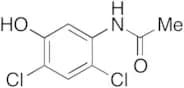
CAS:Controlled Product<p>Applications p-Vinylguaiacol-d3 is the isotope labelled analog of p-Vinylguaiacol (V424960); an aromatic substance, one of the compounds responsible for the natural aroma of buckwheat, and also one of the major pyrolytic products of (E)-N-[(4-hydroxy-3-methoxy)-phenethyl]-3-[(3-methoxy-4-O-β-D-glucopyranosyloxy) phenyl] acrylamide; a new gycloside in tobacco.<br>References Janes, Damjan., et al.: Food Chem., 112(1), 120-124 (2009); Zhou, Rong., et al.: Yancao Keji, (7), 34-36, 42 (2013)<br></p>Formula:C9H7D3O2Color and Shape:Clear ColourlessMolecular weight:153.19N-(2,4-Dichloro-5-hydroxyphenyl)acetamide
CAS:Controlled ProductFormula:C8H7Cl2NO2Color and Shape:NeatMolecular weight:220.053N-(3-Acetylphenyl)-N-ethylacetamide
CAS:Controlled Product<p>Applications N-(3-Acetylphenyl)-N-ethylacetamide is a reactant used in the preparation of 5-Oxo-Zaleplon (O870470), a metabolite of Zaleplon (Z145000).<br></p>Formula:C12H15NO2Color and Shape:NeatMolecular weight:205.252-Cyano-N-((furan-2-ylmethyl)carbamoyl)acetamide
CAS:Controlled Product<p>Applications 2-Cyano-N-((furan-2-ylmethyl)carbamoyl)acetamide is an intermediate in the synthesis of novel 1- and 8-substituted-3-furfuryl xanthines as adenosine receptor antagonists.<br>References Balo, M. C., et al.: Bioorg. Med. Chem., 17, 6755 (2009);<br></p>Formula:C7H14O6·C3H8OColor and Shape:NeatMolecular weight:254.278(AlphaS)-α-Amino-4-nitrobenzenepropanamide
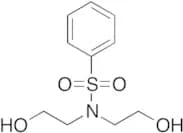
CAS:Controlled Product<p>Applications (αS)-α-Amino-4-nitrobenzenepropanamide (cas# 81677-61-4) is a compound useful in organic synthesis.<br></p>Formula:C9H11N3O3Color and Shape:NeatMolecular weight:209.2N,N-Bis(2-hydroxyethyl)benzenesulfonamide
CAS:Controlled Product<p>Applications N,N-Bis(2-hydroxyethyl)benzenesulfonamide is used in the synthesis of N,N-Bis(2-chloroethyl)benzenesulfonamide (B418910), which is a novel intermediate in the synthesis of Cetirizine (C281100).<br></p>Formula:C10H15NO4SColor and Shape:NeatMolecular weight:245.3rac-cis-[3-Hydroxycyclohexyl]benzamide
CAS:Controlled Product<p>Applications rac-cis-[3-Hydroxycyclohexyl]benzamide (cas# 177366-89-1) is a compound useful in organic synthesis.<br></p>Formula:C13H17NO2Color and Shape:NeatMolecular weight:219.28N-Trimethylsilylacetamide
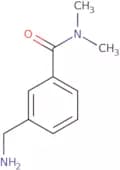
CAS:Controlled Product<p>Stability Moisture Sensitive<br>Applications N-Trimethylsilylacetamide is a silylating agent used in organic synthesis. N-Trimethylsilylacetamide is used in the preparation of the antibacterial agent Cefdinir (C242670).<br>References Takano, R. et al.: J. Carb. Chem., 14, 885 (1995); Rao, K. et al.: Synth. Comm., 37, 2275 (2007);<br></p>Formula:C5H13NOSiColor and Shape:NeatMolecular weight:131.253-(Aminomethyl)-N,N-dimethylbenzamide
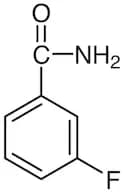
CAS:<p>3-(Aminomethyl)-N,N-dimethylbenzamide (DMBA) is a compound that can be used as a chemical marker for the identification of bacteria. It has been tested on an automated DNA sequencer and found to be effective in identifying different strains of bacteria. DMBA is applied to plates containing bacterial colonies and then contacted with a device containing the sequence analyzer. The analyzer measures the amount of DMBA that binds to the bacterial colony and generates a profile of the colony's DNA. This information can then be used to identify the bacterial colony type.</p>Formula:C10H14N2OPurity:Min. 95%Color and Shape:Brown PowderMolecular weight:178.23 g/mol3-Fluorobenzamide
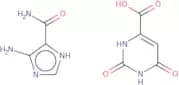
CAS:Formula:C7H6FNOPurity:>97.0%(HPLC)(N)Color and Shape:White to Almost white powder to crystalMolecular weight:139.13Orazamide
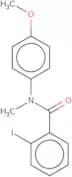
CAS:<p>Orazamide is a piperazine derivative that is used in the treatment of high blood pressure. It works by binding to the skeleton and the liver, preventing the accumulation of sodium and chloride ions. This results in a decrease in blood pressure. Orazamide has been shown to decrease insulin resistance and also has an important role in the prevention of symptoms such as edema, headache, dizziness, nausea, vomiting, and fatigue. It also has a diuretic effect on the kidneys with sodium citrate as its main excipient. The chlorine atom binds to the heterocycle group to form a coordination complex that can bind to heme proteins, thus inhibiting its function.<br>Orazamide is an analog of chlorothiazide with a chlorine atom replacing one oxygen atom on the heterocycle group.</p>Formula:C5H4N2O4•C4H6N4OPurity:Min. 95%Molecular weight:282.21 g/mol2-Iodo-N-(4-methoxyphenyl)-N-methylbenzamide
CAS:<p>2-Iodo-N-(4-methoxyphenyl)-N-methylbenzamide is a versatile building block that can be used in research and as a reagent. It is a high quality chemical and useful as a building block or intermediate for the synthesis of more complex compounds. This chemical is also a useful scaffold for the synthesis of more complex molecules.</p>Formula:C15H14INO2Purity:Min. 95%Molecular weight:367.18 g/molN-α-[2,4-Dinitro-5-fluorophenyl]-D-alanine amide
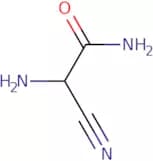
CAS:<p>N-alpha-[2,4-Dinitro-5-fluorophenyl]-D-alanine amide is a potential drug for the treatment of cancer. It has been shown to be effective in inhibiting the proliferation of human prostate carcinoma cells in culture. This compound is a potential anticancer drug that binds to DNA and inhibits topoisomerase II, which is an enzyme involved in DNA replication. The mechanism of action of this drug was studied using methods such as optimization, isomers, plates, trifluoroacetic acid, tautomers, amino acid analysis and nanomolar concentrations. N-alpha-[2,4-Dinitro-5-fluorophenyl]-D-alanine amide has also been shown to inhibit cyanobacteria growth.</p>Formula:C9H9N4O5FPurity:Min. 95%Color and Shape:Light (Or Pale) Yellow To Yellow SolidMolecular weight:272.05572-Amino-2-cyanoacetamide
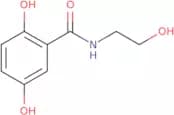
CAS:<p>2-Amino-2-cyanoacetamide is a chemical compound that has been shown to be reactive in the human liver and animal models. It is a purine derivative with a diatomic molecule, which has been shown to inhibit cancer cells in animals. 2-Amino-2-cyanoacetamide has been shown to inhibit the replication of pestivirus, an RNA virus that causes encephalitis and other diseases in humans. The nitrogen atoms on this molecule are responsible for its transport properties, including uptake by the gut and its ability to cross the blood brain barrier. 2-Amino-2-cyanoacetamide also inhibits the activity of amide hydrolase, which is an enzyme responsible for hydrolyzing peptides into amino acids. This process leads to a decrease in protein synthesis, which can lead to cell death.</p>Formula:C3H5N3OPurity:Min. 95%Color and Shape:Beige To Tan SolidMolecular weight:99.09 g/mol2,5-Dihydroxy-N-(2-hydroxyethyl)benzamide
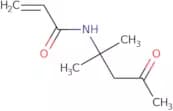
CAS:<p>Sodium citrate is a specific antibody that is used in the treatment of inflammatory bowel disease, such as Crohn's disease. It may be effective in the prevention and treatment of infectious diseases, such as HIV and hepatitis C. Sodium citrate has been shown to be an analog of sodium bicarbonate, which can be used for the prevention and treatment of acid complex diseases. The drug also has anti-inflammatory properties, which can help with symptoms associated with bowel disease or other inflammatory conditions. It is available for intravenous injection as a sterile solution containing benzalkonium chloride and water for injection.</p>Formula:C9H11NO4Purity:Min. 95%Color and Shape:PowderMolecular weight:197.19 g/molDiacetone acrylamide
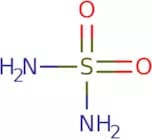
CAS:<p>Diacetone acrylamide is a chemical compound that has the molecular formula C3H6O2N2. It is a colorless liquid with a low boiling point and an unpleasant odor. Diacetone acrylamide has been used as an intermediate in the production of polyvinyl acetate. It can also be used as an additive to rubber, plastics, and other materials. The thermal expansion coefficient of diacetone acrylamide is similar to that of polyvinyl chloride and polystyrene, making it a useful material for constructing models of those substances.</p>Formula:C9H15NO2Purity:Min. 98%Color and Shape:PowderMolecular weight:169.22 g/molSulfamide
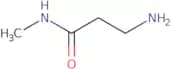
CAS:<p>Sulfamide is a pharmacological agent that inhibits the growth of bacteria. Sulfamide has been shown to be reactive with hydrogen fluoride, which may result in the formation of sulfamoyl chloride. This reactive form of sulfamide may react with other compounds and cause unwanted side-effects. <br>Sulfamides are used for the treatment of infectious diseases such as pneumonia and urinary tract infections, as well as for the treatment of other conditions like congestive heart failure and rheumatoid arthritis. They work by inhibiting enzymes necessary for bacterial growth, including target enzymes such as dihydropteroate synthase, which is involved in folate synthesis. Sulfamides also have inhibitory properties on human osteosarcoma cell proliferation.</p>Formula:H4N2O2SPurity:Min. 99%Color and Shape:White PowderMolecular weight:96.11 g/molN1-Methyl-β-alaninamide
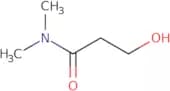
CAS:<p>N1-Methyl-beta-alaninamide (NMA) is an organic compound that is used as a reagent, useful scaffold, or high quality research chemical. NMA belongs to the group of compounds called amino acid amides. It can be used as a building block for complex compounds and fine chemicals. The CAS number for this product is 4874-18-4.</p>Formula:C4H10N2OPurity:Min. 95%Color and Shape:Orange PowderMolecular weight:102.14 g/mol3-Hydroxy-N,N-dimethylpropanamide
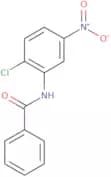
CAS:<p>3-Hydroxy-N,N-dimethylpropanamide is a versatile chemical compound. The compound has been used as an intermediate in research and industrial processes, including the synthesis of various pharmaceuticals. 3-Hydroxy-N,N-dimethylpropanamide is also a reagent and building block for many other compounds. It has been shown to have high quality properties that make it useful for research purposes.</p>Formula:C5H11NO2Purity:Min. 95%Color and Shape:PowderMolecular weight:117.15 g/molN-(2-Chloro-5-Nitrophenyl)Benzamide
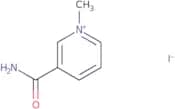
CAS:<p>Please enquire for more information about N-(2-Chloro-5-Nitrophenyl)Benzamide including the price, delivery time and more detailed product information at the technical inquiry form on this page</p>Formula:C13H9ClN2O3Purity:Min. 95%Color and Shape:PowderMolecular weight:276.67 g/mol1-Methyl-nicotinamide iodide
CAS:<p>1-Methyl-nicotinamide iodide is a drug that has been used in clinical trials for the treatment of type 2 diabetes mellitus. It is thought to work by increasing the sensitivity of cells to insulin, which may be related to its ability to bind to protein amide groups and form hydrogen bonds with the amino acid side chains. The compound also has been shown to increase the activity of the enzyme glycogen synthase in rats. 1-Methyl-nicotinamide iodide is soluble in water and human serum, and shows low solubility in ethanol. It has not been studied in humans, but animal studies have shown that it can be absorbed orally and metabolized into hippuric acid, which is excreted as a metabolic product through urine. Animal studies also showed that 1-methyl-nicotinamide iodide inhibits glucose production by pancreatic beta cells, which may lead to an increased insulin response after eating.</p>Formula:C7H9IN2OPurity:Min. 95%Color and Shape:Off-White PowderMolecular weight:264.06 g/mol4-Chloro-3-pyridinesulfonamide
CAS:<p>4-Chloro-3-pyridinesulfonamide is an antibacterial sulfonamide that inhibits the enzyme carbonic anhydrase. It has been shown to inhibit the growth of cancer cells in vitro and in vivo. The anticancer effect may be due to its ability to block the growth of cancer cells by interfering with DNA synthesis and inducing apoptosis, which causes cell death. 4-Chloro-3-pyridinesulfonamide also inhibits tuberculosis and tuberculostatic activity may be due to its inhibition of mycobacterium tuberculosis ribosomes. 4-Chloro-3-pyridinesulfonamide binds to the active site of bacterial anhydrase as well as human carbonic anhydrase II, blocking the conversion of CO2 into bicarbonate ions, which leads to a decrease in pH. This drug also binds to DNA and RNA, inhibiting DNA synthesis and RNA synthesis respectively, leading to cell</p>Formula:C5H5ClN2O2SPurity:Min. 95%Color and Shape:SolidMolecular weight:192.62 g/mol2'-Hydroxy-5'-nitrohexadecanamide sodium
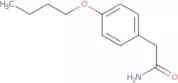
CAS:<p>2'-Hydroxy-5'-nitrohexadecanamide sodium is a reagent that can be used for a variety of laboratory reactions. It is a versatile building block, useful intermediate, and useful building block for complex compounds. This compound has also been shown to be useful in the synthesis of pharmaceuticals and other fine chemicals.</p>Formula:C22H36N2O4NaPurity:Min. 95%Molecular weight:415.52 g/mol(4-Butoxyphenyl)acetamide
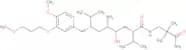
CAS:<p>4-Butoxyphenyl)acetamide is a synthetically produced chemoattractant that is used in vitro to study the migration of cells. It is soluble in non-polar solvents and can be expressed from many organisms, including bacteria and plants. 4-Butoxyphenyl)acetamide has been shown to induce cell movement by binding to the G protein coupled receptor that stimulates the release of calcium ions from intracellular stores. This molecule also has photophysical properties, which have been studied in rat liver microsomes and hydrochloric acid, hydroxamic acids, and spermatozoa. 4-Butoxyphenyl)acetamide can be absorbed from the intestine into plasma, where it binds to odorant receptors on sensory neurons in the nose. These receptors are also found in plant physiology, where they are responsible for detecting chemicals that attract pollinators such as bees or insects.</p>Formula:C12H17NO2Purity:Min. 90 Area-%Color and Shape:PowderMolecular weight:207.27 g/mol5-Amino-N-(3-amino-2,2-dimethyl-3-oxopropyl)-4-hydroxy-2-isopropyl-7-[4-methoxy-3-(3-methoxypropoxy)benzyl]-8-methylnonanamide fumar ate
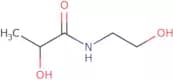
CAS:<p>5-Amino-N-(3-amino-2,2-dimethyl-3-oxopropyl)-4-hydroxy-2-isopropyl-7-[4-methoxy-3-(3-methoxypropoxy)benzyl]-8-methylnonanamide fumar ate is a drug that inhibits the activity of angiotensin II, which is a hormone produced by the body. It is used as monotherapy for treatment of hypertension. 5AMINO has been shown to be effective in lowering blood pressure when administered alone and has been shown to be well tolerated. For this drug, the most frequently reported adverse reactions are nausea and dizziness. This drug should not be taken with other antihypertensive drugs or nonsteroidal antiinflammatory drugs such as ibuprofen (Motrin®). In addition, patients with diabetes should monitor their blood sugar levels carefully while taking this medication.</p>Formula:C30H53N3O6Purity:Min. 95%Color and Shape:PowderMolecular weight:551.76 g/mol2-Hydroxy-N-(2-hydroxyethyl)propanamide
CAS:<p>2-Hydroxy-N-(2-hydroxyethyl)propanamide is a cationic surfactant that has been shown to inhibit the activity of tyrosinase and tnf-α. 2-Hydroxy-N-(2-hydroxyethyl)propanamide is used as a skin conditioning agent in cosmetic formulations and also has antimicrobial properties. It has been shown to be effective against a range of microorganisms, including gram positive bacteria, gram negative bacteria, yeast, and fungi. 2-Hydoxy-N-(2-hydroxyethyl)propanamide does not damage the skin but may cause dryness if it is left on for an extended period of time. It is also an antioxidant compound with a phase transition temperature of -19 degrees Celsius.</p>Formula:C5H11NO3Purity:Min. 95%Color and Shape:Colorless Clear LiquidMolecular weight:133.15 g/molN-[(4-Methylphenyl)sulfonyl]acetamide
CAS:Formula:C9H11NO3SPurity:>98.0%(T)(HPLC)Color and Shape:White to Almost white powder to crystalMolecular weight:213.251-Methyl-N-(9-methyl-9-azabicyclo[3.3.1]non-3-yl)-indazole-3-carboxamide
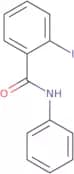
CAS:Controlled Product<p>1-Methyl-N-(9-methyl-9-azabicyclo[3.3.1]non-3-yl)-indazole-3-carboxamide is a chemical inhibitor of the 5HT2 receptor, which is responsible for regulating nausea and vomiting. It has been shown to have antiemetic properties, and can be used in chemotherapy to control nausea and vomiting. The 5HT2 receptor is coupled to Gs proteins and inhibits adenylyl cyclase activity, while 1MMAI binds to the 5HT2A receptor and blocks serotonin from binding. This prevents serotonin from activating Gq protein receptors, which are involved in the generation of intracellular calcium concentrations that lead to neurotransmitter release. 1MMAI also inhibits the activation of phospholipase C by serotonin, resulting in decreased levels of diacylglycerol (DAG) and inositol triphosphate (IP3). These changes inhibit plate</p>Formula:C18H24N4OPurity:Min. 95%Color and Shape:White Off-White PowderMolecular weight:312.41 g/mol2-Iodo-N-phenylbenzamide
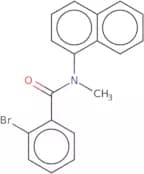
CAS:<p>2-Iodo-N-phenylbenzamide is a palladium compound that inhibits bacterial growth by binding to DNA and preventing transcription. The drug binds to the DNA as a monomer, but also forms polymeric matrixes with other drugs. 2-Iodo-N-phenylbenzamide has been shown to have genotoxic effects on subtilis and methicillin resistant Staphylococcus aureus (MRSA) in vitro, which may be due to its ability to form crosslinks between adjacent strands of DNA. 2-Iodo-N-phenylbenzamide has been shown to be an effective anti-bacterial agent against MRSA, methicillin resistant coagulase negative staphylococci and erythromycin resistant strains of Streptococcus pyogenes.</p>Formula:C13H10INOPurity:Min. 95%Molecular weight:323.13 g/molN-Methyl-N-(1-naphthyl)-2-bromobenzamide
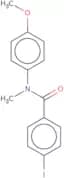
CAS:<p>N-Methyl-N-(1-naphthyl)-2-bromobenzamide is a high quality reagent that is used as a complex compound. It has CAS No. 74881-58-6 and it can be used as a useful intermediate, fine chemical or speciality chemical. N-Methyl-N-(1-naphthyl)-2-bromobenzamide is also a versatile building block that is used in reactions to synthesize other compounds.</p>Formula:C18H14BrNOPurity:Min. 95%Molecular weight:340.21 g/mol4-Iodo-N-(4-methoxyphenyl)-N-methylbenzamide
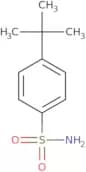
CAS:<p>4-Iodo-N-(4-methoxyphenyl)-N-methylbenzamide is a useful scaffold that can be used in the synthesis of complex compounds. It is also a versatile building block and has been found to be useful as an intermediate and building block. 4-Iodo-N-(4-methoxyphenyl)-N-methylbenzamide is a fine chemical with CAS No. 320734-40-5. This reagent is high quality, research chemicals, and can be used in the synthesis of speciality chemicals.</p>Formula:C15H14INO2Purity:Min. 95%Molecular weight:367.18 g/mol4-(tert-Butyl)benzenesulfonamide
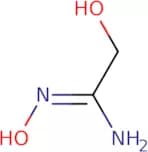
CAS:<p>4-(tert-Butyl)benzenesulfonamide is a pyrimidine derivative that has an affinity for metal ions and can be used as a catalyst. It is insoluble in water but soluble in acetonitrile and other organic solvents. This compound is a strong oxidant when it reacts with ethylene, styrene, or propyl gallate. 4-(tert-Butyl)benzenesulfonamide has been shown to be highly reactive with the oxygen in air, leading to the formation of 4-dimethylaminobenzoic acid, formyl group, and phosphorus oxychloride.</p>Formula:C10H15NO2SPurity:Min. 95%Color and Shape:PowderMolecular weight:213.3 g/mol(1E)-N',2-Dihydroxyethanimidamide
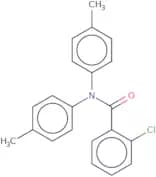
CAS:<p>(1E)-N',2-Dihydroxyethanimidamide (DHEEA) is a versatile building block in organic synthesis. It is an important intermediate in the synthesis of various drugs, such as metoprolol, amlodipine, and clomiphene. DHEEA is also used as a reagent in organic chemistry for the preparation of other compounds and as a research chemical. The compound has CAS No. 73728-45-7 and can be purchased from chemical suppliers or synthesized by reacting formaldehyde with ethanolamine.</p>Formula:C2H6N2O2Purity:Min. 95%Color and Shape:White/Off-White SolidMolecular weight:90.08 g/mol2-Chloro-N,N'-di-p-tolylbenzamide
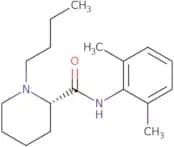
CAS:<p>2-Chloro-N,N'-di-p-tolylbenzamide is a fine chemical that is used in the synthesis of complex compounds. It has a wide range of applications, including research chemicals and reagents. This compound is also a useful building block for the preparation of high quality pharmaceuticals and speciality chemicals. 2-Chloro-N,N'-di-p-tolylbenzamide may be used as a reaction component or scaffold in organic synthesis.</p>Formula:C21H18ClNOPurity:Min. 95%Molecular weight:335.83 g/mol1-Butyl-N-(2,6-dimethylphenyl)-piperidine-2-carboxamide
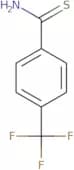
CAS:<p>Ropivacaine is a local anaesthetic of the amino ester group that is used to provide relief from pain caused by surgery or other medical procedures. It is a potent inhibitor of the enzyme activity of cholinesterases, which are enzymes responsible for the degradation of acetylcholine. Ropivacaine also inhibits the activity of cardiac Na+/K+ ATPase and Na+-Ca2+ exchanger, thereby reducing the excitability and contractility of heart muscle. This drug has shown pharmacokinetic properties in maternal blood that are similar to those observed in plasma, indicating that it can cross the placenta. Ropivacaine has been shown to have bactericidal effects against bacterial strains such as Escherichia coli and Staphylococcus aureus. In addition, ropivacaine has been shown to inhibit colorectal adenocarcinoma cells in vitro and in vivo. Levobupivacaine</p>Formula:C18H28N2OPurity:Min. 95%Color and Shape:White/Off-White SolidMolecular weight:288.43 g/mol4-Trifluoromethylbenzene-1-carbothioamide
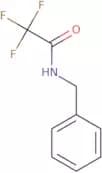
CAS:<p>4-Trifluoromethylbenzene-1-carbothioamide (4FBA) is a non-toxic, organosulfur compound that is found in the fructus of Aurantii or Garcinia mangostana. 4FBA inhibits oxidant enzymes by reacting with their sulfhydryl groups and, as a result, prevents oxidation of other molecules. It has been shown to have antioxidant properties and inhibitory activity against two important enzymes that are involved in the progression of oxidative stress and inflammation. 4FBA has also been shown to be an effective inhibitor of chloride channels which may provide therapeutic potential for diseases such as sclerosis.</p>Formula:C8H6F3NSPurity:Min. 95%Color and Shape:PowderMolecular weight:205.2 g/molN-Benzyltrifluoroacetamide
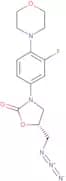
CAS:<p>N-Benzyltrifluoroacetamide is an amide that inhibits the activity of the enzyme fatty acid synthase, which catalyzes the synthesis of fatty acids. It has been shown to be effective against a number of cancers and has been used in the treatment of patients infected with HIV. N-Benzyltrifluoroacetamide is active against a range of cancer cell lines, including breast, pancreatic, ovarian, prostate, and colorectal carcinomas. Its mechanism of action is not known but may involve inhibition of protein synthesis or induction of apoptosis.</p>Formula:C9H8F3NOPurity:Min. 95%Color and Shape:White To Off-White SolidMolecular weight:203.16 g/molDeacetamide linezolid azide
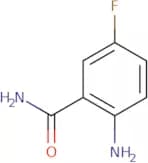
CAS:<p>Deacetamide linezolid azide is a molecule that binds to the regulatory domain of TNF-α, inhibiting its activation. This drug has been shown to have anticancer activity against cells that produce TNF-α. Deacetamide linezolid azide has been shown to be effective in the treatment of pancreatitis and neurodegenerative diseases such as Parkinson's disease, Alzheimer's disease, and Huntington's disease. Deacetamide linezolid azide is also used in the diagnosis of cancer by identifying the presence of tumour necrosis factor-α (TNF-α) induced hallmarks in cancer cells.</p>Formula:C14H16FN5O3Purity:Min. 95%Color and Shape:PowderMolecular weight:321.31 g/mol2-Amino-5-fluorobenzamide
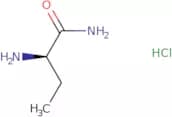
CAS:<p>2-Amino-5-fluorobenzamide (2AFB) is a compound that has been shown to have neurotoxic properties. 2AFB is a ring-opening agent, which means it can open the six-membered ring of aromatic compounds such as benzene or pyridine. 2AFB also has affinity for metal ions and therefore can be used in magnetic separations. The reaction system of 2AFB includes an enzyme, pentylenetetrazole (PTZ), that catalyzes the reaction between 2AFB and its substrate, 4-nitrophenol (4NP). This reaction produces free radicals that react with oxygen to produce peroxides. These peroxides are then detected by a chemiluminescence assay. In this way, the amount of 2AFB and 4NP can be measured quantitatively.<br>2AFB also has antioxidant properties, which may be due to its ability to scavenge free radicals from</p>Formula:C7H7FN2OPurity:Min. 95%Color and Shape:PowderMolecular weight:154.14 g/mol(R)-2-Aminobutanamide hydrochloride
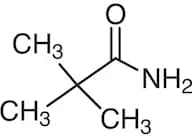
CAS:<p>(R)-2-Aminobutanamide hydrochloride is a compound that contains chloride gas. This compound is an alkylating agent, which means it can form new carbon-nitrogen bonds by adding to the electrophilic center of a molecule. This process is used industrially to produce butyronitrile, which is a precursor for nylon and other plastics. The introduction of (R)-2-aminobutanamide hydrochloride into industrial processes has decreased the use of l-tartaric acid, diluent, and hydrogen chloride. The impurities in this compound are typically quantified using gas chromatography with flame ionization detection.<br>(R)-2-Aminobutanamide hydrochloride is an acidic compound that dissociates in water to release hydrogen chloride. It has two chiral forms: <br>The enantiomers have different chemical properties due to their different configurations around the central carbon atom. In the case of (</p>Formula:C4H10N2O·HClPurity:Min. 95%Color and Shape:White PowderMolecular weight:138.6 g/molPivalamide
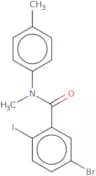
CAS:Formula:C5H11NOPurity:>98.0%(GC)(N)Color and Shape:White to Almost white powder to crystalMolecular weight:101.152-Iodo-N-methyl-N-p-tolylbenzamide
CAS:<p>2-Iodo-N-methyl-N-p-tolylbenzamide is a fine chemical that has the CAS No. 1387529-49-8 and is a versatile building block with a wide range of applications, including research chemicals, reaction components and speciality chemicals. 2-Iodo-N-methyl-N-p-tolylbenzamide is soluble in organic solvents such as ethers, chloroform and benzene, while insoluble in water. It has been shown to be a useful intermediate for the synthesis of complex compounds and can be used as a reagent to prepare other compounds. 2Iodo-Nmethyl--Np--tolylbenzamide has been shown to have high quality and is an excellent building block for synthesizing pharmaceuticals.</p>Formula:C15H13BrINOPurity:Min. 95%Molecular weight:430.08 g/mol


![2′-(Methylthio)-7′,8′-dihydro-6’H-spiro[cyclohexane-1,9′-pyrazino[1′,2′:1,5]pyrrolo[2,3-d]pyrimidi…](/_next/image/?url=https%3A%2Fstatic.cymitquimica.com%2Fproducts%2F10%2Fthumb-webp%2FF614783.webp&w=3840&q=75)
![2-Bromobenzo[d]isothiazol-3(2H)-one 1,1-dioxide](/_next/image/?url=https%3A%2Fstatic.cymitquimica.com%2Fproducts%2F10%2Fthumb-webp%2FF619458.webp&w=3840&q=75)



![3-MORPHOLINONE, 6-(CHLOROMETHYL)-4-[(4-METHOXYPHENYL)METHYL]-](/_next/image/?url=https%3A%2Fstatic.cymitquimica.com%2Fproducts%2F10%2Fthumb-webp%2FF802972.webp&w=3840&q=75)
![3-[(3-Acrylamidopropyl)dimethylammonio]propane-1-sulfonate](/_next/image/?url=https%3A%2Fstatic.cymitquimica.com%2Fproducts%2F10%2Fthumb-webp%2FF875664.webp&w=3840&q=75)


![6-METHOXY-1H-PYRIDO[2,3-B][1,4]OXAZIN-2(3H)-ONE](/_next/image/?url=https%3A%2Fstatic.cymitquimica.com%2Fproducts%2F10%2Fthumb-webp%2FF847938.webp&w=3840&q=75)
![7-methoxy-4-methyl-3,4-dihydro-1H-benzo[e][1,4]diazepine-2,5-dione](/_next/image/?url=https%3A%2Fstatic.cymitquimica.com%2Fproducts%2F10%2Fthumb-webp%2FF866935.webp&w=3840&q=75)
![4-METHYL-3-OXO-3,4-DIHYDRO-2H-BENZO[B][1,4]OXAZINE-7-BORONIC ACID](/_next/image/?url=https%3A%2Fstatic.cymitquimica.com%2Fproducts%2F10%2Fthumb-webp%2FF831136.webp&w=3840&q=75)
![2-[[2-(4-hydroxyphenyl)acetyl]amino]acetic acid](/_next/image/?url=https%3A%2Fstatic.cymitquimica.com%2Fproducts%2F10%2Fthumb-webp%2FF863465.webp&w=3840&q=75)

![(S)-Hexahydropyrrolo[1,2-a]pyrazin-6(2H)-one](/_next/image/?url=https%3A%2Fstatic.cymitquimica.com%2Fproducts%2F10%2Fthumb-webp%2FF609506.webp&w=3840&q=75)

![D-Phenylalanine, N-[N-[(1,1-dimethylethoxy)carbonyl]-L-leucyl]-, phenylmethyl ester](/_next/image/?url=https%3A%2Fstatic.cymitquimica.com%2Fproducts%2F10%2Fthumb-webp%2FF600877.webp&w=3840&q=75)

![rac-trans-[3-Hydroxycyclohexyl]benzamide](/_next/image/?url=https%3A%2Fstatic.cymitquimica.com%2Fproducts%2FTR%2Fthumb-webp%2FH827010.webp&w=3840&q=75)

![N-[2-[3,4-Bis(phenylmethoxy)phenyl]ethyl]-3,4,5-trimethoxybenzeneacetamide](/_next/image/?url=https%3A%2Fstatic.cymitquimica.com%2Fproducts%2FTR%2Fthumb-webp%2FB521325.webp&w=3840&q=75)



![rac-cis-[3-Hydroxycyclohexyl]benzamide](/_next/image/?url=https%3A%2Fstatic.cymitquimica.com%2Fproducts%2FTR%2Fthumb-webp%2FH827000.webp&w=3840&q=75)



![N-α-[2,4-Dinitro-5-fluorophenyl]-D-alanine amide](/_next/image/?url=https%3A%2Fstatic.cymitquimica.com%2Fproducts%2F3D%2Fthumb-webp%2FFD48427.webp&w=3840&q=75)


![N-[(4-Methylphenyl)sulfonyl]acetamide](/_next/image/?url=https%3A%2Fstatic.cymitquimica.com%2Fproducts%2F3B%2Fthumb-webp%2FM3123.webp&w=3840&q=75)
![1-Methyl-N-(9-methyl-9-azabicyclo[3.3.1]non-3-yl)-indazole-3-carboxamide](/_next/image/?url=https%3A%2Fstatic.cymitquimica.com%2Fproducts%2F3D%2Fthumb-webp%2FFM137557.webp&w=3840&q=75)