Amides
Amides are a wide range of chemical compounds that contain at least one heterocyclic ring, which has atoms of at least two different elements in the ring structure, and at least one amide group (-CONH2). These compounds are crucial in the synthesis of pharmaceuticals, polymers, and agrochemicals. Amides exhibit unique properties and reactivity, making them valuable intermediates in organic synthesis. At CymitQuimica, we offer a comprehensive selection of high-quality amides to support your research and industrial needs.
Found 16393 products of "Amides"
Sort by
Purity (%)
0
100
|
0
|
50
|
90
|
95
|
100
N-(5-aminopentyl)benzamide
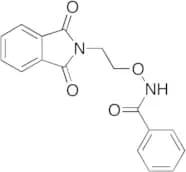
CAS:Controlled ProductFormula:C12H18N2OColor and Shape:NeatMolecular weight:206.284N-(2-(1,3-Dioxoisoindolin-2-yl)ethoxy)benzamide
CAS:Controlled Product<p>Applications N-(2-(1,3-Dioxoisoindolin-2-yl)ethoxy)benzamide is an intermediate in the synthesis of Fluvoxamine Maleate (F603500), a selective serotonin reuptake inhibitor (SSRI) used as an anti-depressant. Antiobsessional.<br>References Claassen, V., et al.: Br. J. Pharmacol., 60, 505 (1977); Koran, L.M., et al.: J. Clin. Psychopharmacol., 16, 121 (1996); Ware, M.R., et al.: J. Clin. Psychiatry, 58, Suppl. 5, 15 (1997); Inazu, M., et al.: Neurochem. Int., 39, 39 (2001)<br></p>Formula:C17H14N2O4Color and Shape:NeatMolecular weight:310.3043-Amino-benzenemethanesulfonamide
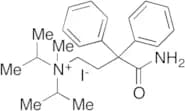
CAS:Controlled ProductFormula:C7H10N2O2SColor and Shape:NeatMolecular weight:186.232Isopropamide Iodide
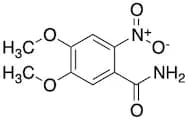
CAS:Controlled ProductFormula:C23H33N2O·IColor and Shape:NeatMolecular weight:480.434,5-Dimethoxy-2-nitrobenzamide
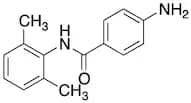
CAS:Controlled Product<p>Applications 4,5-DIMETHOXY-2-NITROBENZAMIDE (cas# 4959-60-8) is a useful research chemical.<br></p>Formula:C9H10N2O5Color and Shape:NeatMolecular weight:226.194-Amino-N-(2,6-dimethylphenyl)benzamide
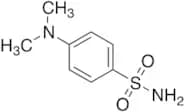
CAS:Controlled Product<p>Applications 4-amino-N-(2,6-dimethylphenyl)benzamide (cas# 787-93-9) is a useful research chemical.<br></p>Formula:C15H16N2OColor and Shape:NeatMolecular weight:240.34-(dimethylamino)benzenesulfonamide
CAS:Controlled Product<p>Applications 4-(dimethylamino)benzenesulfonamide (cas# 6162-21-6) is a useful research chemical.<br></p>Formula:C8H12N2O2SColor and Shape:NeatMolecular weight:200.26N-(2-((2-((2-Aminoethyl)amino)ethyl)amino)ethyl]benzamide
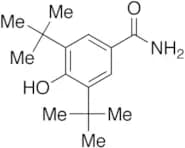
CAS:Controlled ProductFormula:C13H22N4OColor and Shape:NeatMolecular weight:250.343,5-Di-tert-butyl-4-hydroxybenzamide
CAS:Controlled Product<p>Applications 3,5-Di-tert-butyl-4-hydroxybenzamide is used in the preparation of 2-(3,5-di-tert-butyl-4-hydroxyphenyl)oxazoles as anti-atherosclerotic agents.<br>References Steinberg, et al.: Am. J. Cardiology, 57, 16 (1986), Reaven, et al.: Arteriosclerosis and Thrombosis, 12, 318 (1992),<br></p>Formula:C15H23NO2Color and Shape:NeatMolecular weight:249.35N-Isopropylbenzenesulfonamide
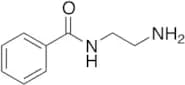
CAS:Controlled Product<p>Applications N-Isopropylbenzenesulfonamide (cas# 5339-69-5) is a useful research chemical.<br></p>Formula:C9H13NO2SColor and Shape:NeatMolecular weight:199.27N-(2-Aminoethyl)benzamide
CAS:Controlled Product<p>Applications N-(2-aminoethyl)benzamide (cas# 1009-17-2) is a useful research chemical.<br></p>Formula:C9H12N2OColor and Shape:NeatMolecular weight:164.22-Isobutyryl-N-phenyl-3-phenylacrylamide
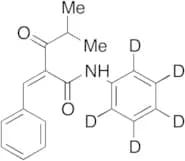
CAS:Controlled Product<p>Applications 2-Isobutyryl-N-phenyl-3-phenylacrylamide is the labeled analogue of 2-Isobutyryl-N-phenyl-3-phenylacrylamide (I781040), an intermediate for the synthesis of Atorvastatin-d5 Sodium Salt (A791753), the labeled analogue of Atorvastatin (A791750) (1,2,3). Atorvastatin is the only drug in its class specfically indicated for lowering both elevated LDL-cholesterol and triglycerides in patients with hypercholesterolemia.<br> Not a dangerous good if item is equal to or less than 1g/ml and there is less than 100g/ml in the package<br>References (1) Kearney, A.S., et al.: Pharm. Res., 10, 1461 (1993) (2) Heinonen, T.M., et al.: Clin. Ther., 18, 853 (1996) (3) Whitfield, L.R., et al.: Eur. J. Drug Metab. Pharmacokinet., 25, 97 (2000)<br></p>Formula:C19H14D5NO2Color and Shape:NeatMolecular weight:298.394-Amino-3-hydroxybenzenesulfonamide (may contain up to 20% inorganics)
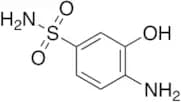
CAS:Controlled Product<p>Applications 4-amino-3-hydroxybenzenesulfonamide (cas# 3588-76-9) is a useful research chemical.<br></p>Formula:C6H8N2O3SColor and Shape:NeatMolecular weight:188.204(E)-N-(2-((7-Nitrobenzo[c][1,2,5]oxadiazol-4-yl)amino)ethyl)-4-oxo-4-phenylbut-2-enamide
Controlled Product<p>Applications (E)-N-(2-((7-nitrobenzo[c][1,2,5]oxadiazol-4-yl)amino)ethyl)-4-oxo-4-phenylbut-2-enamide is a useful research chemical.<br></p>Formula:C18H15N5O5Color and Shape:NeatMolecular weight:381.342N-[4-Cyano-3-(trifluoromethyl)phenyl]-2-hydroxy-5-nitrobenzamide
Controlled ProductFormula:C15H8F3N3O4Color and Shape:NeatMolecular weight:351.237N,N-Diethyl-p-toluamide
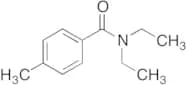
CAS:Controlled Product<p>Applications N,N-Diethyl-p-toluamide, is a buildig block used in the synthesis of phthalocyanines. It can also be used in preparation of new insect repellents.<br>References Liang, J., et al.: Nongyaoxue Xuebao, Vol. 16,P: 644-650 (2014);<br></p>Formula:C12H17NOColor and Shape:NeatMolecular weight:191.271-Cyano-N,N-dimethylmethanesulfonamide
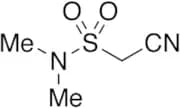
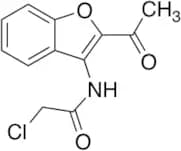
CAS:Controlled ProductFormula:C4H8N2O2SColor and Shape:NeatMolecular weight:148.184N-(2-Acetyl-1-benzofuran-3-yl)-2-chloroacetamide
CAS:Controlled Product<p>Applications N-(2-acetyl-1-benzofuran-3-yl)-2-chloroacetamide (cas# 855715-46-7) is a useful research chemical.<br></p>Formula:C12H10NO3ClColor and Shape:NeatMolecular weight:251.66N-[1-[3-(2-Ethoxyphenyl)-2,5-dihydro-5-oxo-1,2,4-triazin-6-yl]ethyl]acetamide
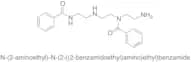
CAS:Controlled Product<p>Applications N-[1-[3-(2-Ethoxyphenyl)-2,5-dihydro-5-oxo-1,2,4-triazin-6-yl]ethyl]acetamide is an intermediate in the synthesis of Vardenafil (V098001) related compounds.<br>References Olszewska, T., et al.: Tetahedron., 69, 474 (2013);<br></p>Formula:C15H18N4O3Color and Shape:NeatMolecular weight:302.33N-(2-Aminoethyl)-N-(2-((2-benzamidoethyl)amino)ethyl)benzamide
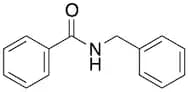
Controlled ProductFormula:C20H26N4O2Color and Shape:NeatMolecular weight:354.446N-Benzylbenzamide
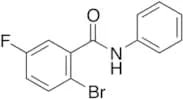
CAS:Controlled Product<p>Applications N-BENZYLBENZAMIDE (cas# 1485-70-7) is a useful research chemical.<br></p>Formula:C14H13NOColor and Shape:NeatMolecular weight:211.25N-Phenyl 2-Bromo-5-Fluorobenzamide
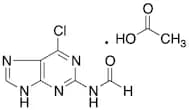
CAS:Controlled Product<p>Applications N-Phenyl 2-Bromo-5-Fluorobenzamide (cas# 949443-48-5) is a useful research chemical.<br></p>Formula:C13H9BrFNOColor and Shape:NeatMolecular weight:294.119N-(6-Chloro-9H-purin-2-yl)-formamide Acetate
CAS:Controlled ProductFormula:C6H4ClN5O•C2H4O2Color and Shape:NeatMolecular weight:197.58 + 60.05N-Nitroso-N-propyl-p-toluenesulfonamide
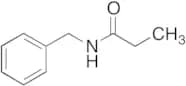
CAS:Controlled Product<p>Applications Precursor of Diazopropane. Carcinogen.<br>References Hecker, L.I., et al.: Cancer Res., 43, 4078 (1983),<br></p>Formula:C10H14N2O3SColor and Shape:NeatMolecular weight:242.295N-Benzylpropanamide
CAS:Controlled Product<p>Applications N-Benzylpropanamide is an intermediate in the synthesis of N-Ethyl-N-nitroso-1-propanamine-d4 (E817997) and isotope labelled version of N-Ethyl-N-nitroso-1-propanamine. N-Ethyl-N-nitroso-1-propanamine is a derivative of N-Nitrosodiethylamine (N525465),a widely occurring nitrosamine that is one of the most important environmental carcinogens primarily inducing tumors of liver.<br>References Shirakami, Y., et al.: Bitamin, 87, 156 (2013); Fujii, Y., et al.: Toxicol., 305, 30 (2013); Uehara, T., et al.: Toxicol. Sci., 132, 53 (2013);<br></p>Formula:C10H13NOColor and Shape:NeatMolecular weight:163.216Lignoceroyl Ethanolamide
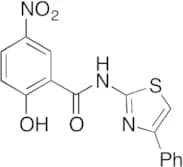
CAS:Controlled Product<p>Applications N-(2-Hydroxyethyl)tetracosanamide acts as a crude oil emulsifier.<br>References Zhiqiang, J., et al.: Fami Zhu Shen., 5 (2016)<br></p>Formula:C26H53NO2Color and Shape:NeatMolecular weight:411.7042-Hydroxy-5-nitro-N-(4-phenyl-2-thiazolyl)benzamide
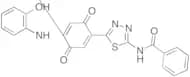
CAS:Controlled ProductFormula:C16H11N3O4SColor and Shape:NeatMolecular weight:341.341N-(5-(4-((2-Hydroxyphenyl)amino)-3,6-dioxocyclohexa-1,4-dien-1-yl)-1,3,4-thiadiazol-2-yl)benzamide
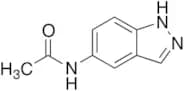
Controlled ProductFormula:C21H14N4O4SColor and Shape:NeatMolecular weight:418.425N-(1H-indazol-5-yl)acetamide
CAS:Controlled ProductFormula:C9H9N3OColor and Shape:NeatMolecular weight:175.187N-[3-[[3-Fluoro-4-(4-morpholinyl)phenyl]amino]-2-hydroxypropyl]acetamide
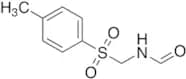
CAS:Controlled ProductFormula:C15H22FN3O3Color and Shape:NeatMolecular weight:311.352N-(p-Tolylsulfonylmethyl)formamide
CAS:Controlled Product<p>Stability Hygroscopic<br>Applications N-(p-Tolylsulfonylmethyl)formamide (cas# 36635-56-0) is a useful research chemical.<br></p>Formula:C9H11NO3SColor and Shape:NeatMolecular weight:213.255-Fluoronicotinamide
CAS:Controlled Product<p>Applications 5-Fluoronicotinamide<br></p>Formula:C6H5FN2OColor and Shape:NeatMolecular weight:140.12N-(3-Chlorophenyl)-cyanamide
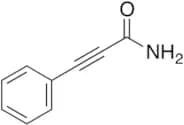
CAS:Controlled ProductFormula:C7H5ClN2Color and Shape:NeatMolecular weight:152.5813-Phenylpropiolamide
CAS:Controlled Product<p>Applications 3-PHENYLPROPIOLAMIDE (cas# 7223-30-5) is a useful research chemical.<br></p>Formula:C9H7NOColor and Shape:NeatMolecular weight:145.16(NZ)-4-chloro-N-[1-[2-(4-nitrophenyl)ethyl]piperidin-2-ylidene]benzenesulfonamide
CAS:Controlled Product<p>Please enquire for more information about (NZ)-4-chloro-N-[1-[2-(4-nitrophenyl)ethyl]piperidin-2-ylidene]benzenesulfonamide including the price, delivery time and more detailed product information at the technical inquiry form on this page</p>Formula:C19H20ClN3O4SPurity:Min. 95%Molecular weight:421.9 g/molN-[4-Amino-3-(trifluoromethyl)phenyl]-2-methylpropanamide
CAS:<p>Please enquire for more information about N-[4-Amino-3-(trifluoromethyl)phenyl]-2-methylpropanamide including the price, delivery time and more detailed product information at the technical inquiry form on this page</p>Formula:C11H13F3N2OPurity:Min. 95%Molecular weight:246.23 g/mol[4-(4-Aminophenoxy)(2-pyridyl)]-N-methylcarboxamide
CAS:<p>4-(4-Aminophenoxy)(2-pyridyl)]-N-methylcarboxamide is a chemical compound that inhibits the growth of cancer cells by binding to the active site of b-raf and blocking its activity. It has been shown in a pharmacokinetics study that 4-(4-aminophenoxy)(2-pyridyl)]-N-methylcarboxamide is absorbed rapidly through the oral administration, excreted in urine, and eliminated rapidly from the body. The optimal reaction for this drug was found to be at pH 7.0 with an ionic strength of 0.1 M (sodium chloride). This drug also has significant inhibitory activities against human cervical carcinoma and breast cancer cell lines (MDA-MB-231).</p>Formula:C13H13N3O2Purity:Min. 95%Color and Shape:Off-White To Beige To Light Brown SolidMolecular weight:243.26 g/molC20-Ceramide
CAS:<p>Ceramide is a group of sphingolipids that are found in the outermost layer of cells. Ceramides have been shown to be important for maintaining cell structure and function, as well as regulating cellular processes such as apoptosis, insulin resistance, and inflammation. A ceramide profile can be used to identify an individual's risk for developing certain conditions such as cardiovascular disease, chronic kidney disease, or cancer. In addition to its role in cell biology, ceramide has been shown to increase insulin sensitivity in animals by increasing glucose uptake in adipocytes. Ceramides are also produced by the body from other lipids such as cholesterol or fatty acids. They are found in various tissues and organs including the brain, skin, lungs, and gut.</p>Formula:C38H75NO3Purity:Min. 95%Molecular weight:594.01 g/molN-(1,2,3,4-Tetrahydro-7-methoxy-1-oxo-2-naphthalenyl)propanamide
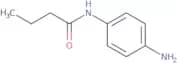
CAS:Controlled Product<p>Please enquire for more information about N-(1,2,3,4-Tetrahydro-7-methoxy-1-oxo-2-naphthalenyl)propanamide including the price, delivery time and more detailed product information at the technical inquiry form on this page</p>Formula:C14H17NO3Purity:Min. 95%Molecular weight:247.29 g/molN-(4-Aminophenyl)butanamide
CAS:<p>Please enquire for more information about N-(4-Aminophenyl)butanamide including the price, delivery time and more detailed product information at the technical inquiry form on this page</p>Formula:C10H14N2OPurity:Min. 95%Molecular weight:178.23 g/molN-(4-Chloro-5-iodo-7H-pyrrolo[2,3-d]pyrimidin-2-yl)pivalamide
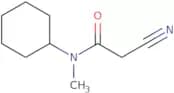
CAS:<p>Please enquire for more information about N-(4-Chloro-5-iodo-7H-pyrrolo[2,3-d]pyrimidin-2-yl)pivalamide including the price, delivery time and more detailed product information at the technical inquiry form on this page</p>Formula:C11H12ClIN4OPurity:Min. 95%Molecular weight:378.6 g/mol2-Cyano-N-cyclohexyl-N-methylacetamide
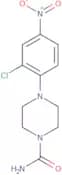
CAS:<p>Please enquire for more information about 2-Cyano-N-cyclohexyl-N-methylacetamide including the price, delivery time and more detailed product information at the technical inquiry form on this page</p>Formula:C10H16N2OPurity:Min. 95%Molecular weight:180.25 g/mol4-(2-Chloro-4-nitrophenyl)piperazine-1-carboxamide
CAS:<p>Please enquire for more information about 4-(2-Chloro-4-nitrophenyl)piperazine-1-carboxamide including the price, delivery time and more detailed product information at the technical inquiry form on this page</p>Formula:C11H13ClN4O3Purity:Min. 95%Molecular weight:284.7 g/molN-[2-[4-(Aminosulfonyl)-phenyl]-ethyl]-5-methyl-2-pyrazinecarboxamide
CAS:<p>Fluoxetine is a potent inhibitor of the enzyme cytochrome P450 (CYP) 2C19. The inhibition of CYP2C19 by fluoxetine may lead to an increase in the plasma concentration of other drugs that are metabolized by this enzyme, such as glipizide and hydroxycyclohexyl. Fluoxetine inhibits human uric acid secretion and increases plasma concentrations of uric acid. This drug also inhibits human erythrocyte dihydropyrimidine dehydrogenase, leading to increased blood levels of pyrimidines, especially cytotoxic ones like 6-fluoro-3-indoxyl-beta-D-galactopyranoside. Fluoxetine has been shown to have a protective effect against acetaminophen toxicity in rats because it enhances the conversion of acetaminophen to its less toxic metabolite N-acetylcysteine.</p>Formula:C14H16N4O3SPurity:Min. 95%Color and Shape:White To Off-White SolidMolecular weight:320.37 g/molN-Phenylpropanamide
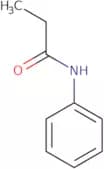
CAS:<p>N-Phenylpropanamide is a chemical inhibitor that has been shown to have a protective effect against the light-induced degradation of drugs in urine samples. The compound also inhibits the hydrolysis of amides by hydrochloric acid and hydrogen bonds with the receptor binding site on human liver cells. N-Phenylpropanamide has been shown to affect cardiac function, as well as growth factor production.</p>Formula:C9H11NOPurity:Min. 95%Molecular weight:149.19 g/molD-Leucine amide
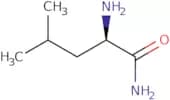
CAS:<p>D-Leucine amide is a hydrophobic, carboxyamide amino acid that is found in the fungus Ochrobactrum anthropi. D-Leucine amide has been shown to catalyze the formation of tripeptides, such as d-alanine and d-tryptophan, from their monomers. The presence of this compound enhances the expression of genes encoding proteins involved in the synthesis of these amino acids. This compound also has been shown to enhance gene analysis by increasing the stability of DNA and RNA molecules.</p>Formula:C6H14N2OPurity:Min. 95%Molecular weight:130.19 g/mol2-Methylnicotinamide
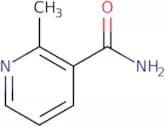
CAS:<p>2-Methylnicotinamide is an amide that is used to treat inflammatory bowel disease. It inhibits the production of glutamate and aspartate, which are neurotransmitters that are involved in the inflammation process. 2-Methylnicotinamide has been shown to have a protective effect on renal function by reducing blood flow to the kidneys, thereby decreasing renal damage caused by glutamate and aspartate. This drug also has anticancer properties, which may be due to its ability to inhibit viral replication and reduce the incidence of cancer in animals. 2-Methylnicotinamide has not yet been tested on humans, but it is thought to be safe for use in pharmaceutical dosages.</p>Formula:C7H8N2OPurity:Min. 95%Molecular weight:136.15 g/molN-(p-Hydroxyphenethyl)-N-(2-bromo-5-hydroxy-4-methoxybenzyl)formamide
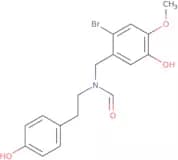
CAS:Controlled Product<p>N-(p-Hydroxyphenethyl)-N-(2-bromo-5-hydroxy-4-methoxybenzyl)formamide is an anticancer drug that belongs to the class of phenethyl derivatives. It is a radiosensitizer that inhibits DNA and RNA synthesis, leading to cancer cell death. The drug has been shown to have a chiral center and two enantiomers, with the (S)-enantiomer being more active than the (R)-enantiomer. N-(p-Hydroxyphenethyl)-N-(2-bromo-5-hydroxy-4-methoxybenzyl)formamide has been shown to be effective in animal models for brain tumors and breast cancer cells. It has also been shown to be effective against leukemia cells, which are resistant to other treatments. N-(p-Hydroxyphenethyl)-N-(2-bromo-5-hydroxy-4</p>Formula:C17H18BrNO4Purity:Min. 95%Molecular weight:380.23 g/mol




![N-(2-((2-((2-Aminoethyl)amino)ethyl)amino)ethyl]benzamide](/_next/image/?url=https%3A%2Fstatic.cymitquimica.com%2Fproducts%2FTR%2Fthumb-webp%2FA607975.webp&w=3840&q=75)

![(E)-N-(2-((7-Nitrobenzo[c][1,2,5]oxadiazol-4-yl)amino)ethyl)-4-oxo-4-phenylbut-2-enamide](/_next/image/?url=https%3A%2Fstatic.cymitquimica.com%2Fproducts%2FTR%2Fthumb-webp%2FN495010.webp&w=3840&q=75)
![N-[4-Cyano-3-(trifluoromethyl)phenyl]-2-hydroxy-5-nitrobenzamide](/_next/image/?url=https%3A%2Fstatic.cymitquimica.com%2Fproducts%2FTR%2Fthumb-webp%2FC982240.webp&w=3840&q=75)
![N-[1-[3-(2-Ethoxyphenyl)-2,5-dihydro-5-oxo-1,2,4-triazin-6-yl]ethyl]acetamide](/_next/image/?url=https%3A%2Fstatic.cymitquimica.com%2Fproducts%2FTR%2Fthumb-webp%2FE679580.webp&w=3840&q=75)


![N-[3-[[3-Fluoro-4-(4-morpholinyl)phenyl]amino]-2-hydroxypropyl]acetamide](/_next/image/?url=https%3A%2Fstatic.cymitquimica.com%2Fproducts%2FTR%2Fthumb-webp%2FF632029.webp&w=3840&q=75)


![(NZ)-4-chloro-N-[1-[2-(4-nitrophenyl)ethyl]piperidin-2-ylidene]benzenesulfonamide](/_next/image/?url=https%3A%2Fstatic.cymitquimica.com%2Fproducts%2F3D%2Fthumb-webp%2FFN154024.webp&w=3840&q=75)

![N-[4-Amino-3-(trifluoromethyl)phenyl]-2-methylpropanamide](/_next/image/?url=https%3A%2Fstatic.cymitquimica.com%2Fproducts%2F3D%2Fthumb-webp%2FFA17485.webp&w=3840&q=75)
![[4-(4-Aminophenoxy)(2-pyridyl)]-N-methylcarboxamide](/_next/image/?url=https%3A%2Fstatic.cymitquimica.com%2Fproducts%2F3D%2Fthumb-webp%2FFA17813.webp&w=3840&q=75)


![N-(4-Chloro-5-iodo-7H-pyrrolo[2,3-d]pyrimidin-2-yl)pivalamide](/_next/image/?url=https%3A%2Fstatic.cymitquimica.com%2Fproducts%2F3D%2Fthumb-webp%2FFC138201.webp&w=3840&q=75)
![N-[2-[4-(Aminosulfonyl)-phenyl]-ethyl]-5-methyl-2-pyrazinecarboxamide](/_next/image/?url=https%3A%2Fstatic.cymitquimica.com%2Fproducts%2F3D%2Fthumb-webp%2FFA150607.webp&w=3840&q=75)