Amides
Amides are a wide range of chemical compounds that contain at least one heterocyclic ring, which has atoms of at least two different elements in the ring structure, and at least one amide group (-CONH2). These compounds are crucial in the synthesis of pharmaceuticals, polymers, and agrochemicals. Amides exhibit unique properties and reactivity, making them valuable intermediates in organic synthesis. At CymitQuimica, we offer a comprehensive selection of high-quality amides to support your research and industrial needs.
Found 16393 products of "Amides"
Sort by
Purity (%)
0
100
|
0
|
50
|
90
|
95
|
100
2-Amino-N-[2-(5-methoxy-1H-indol-3-yl)ethyl]acetamide hydrochloride
CAS:<p>2-Amino-N-[2-(5-methoxy-1H-indol-3-yl)ethyl]acetamide hydrochloride is a magnetic compound that has been shown to be an effective cancer antigen. It is a derivative of the amino acid sequence of α,β-unsaturated fatty acids and can be used as a dietary supplement. 2-Amino-N-[2-(5-methoxy-1H-indol-3-yl)ethyl]acetamide hydrochloride has been shown to bind to fatty acid receptors on the surface of antigen presenting cells (APCs). It also activates the immune system by activating APCs, which leads to the production of cytokines and chemokines. This compound has also been shown to stimulate T cells in culture, leading to activation and proliferation of tumor cells.</p>Formula:C13H17N3O2·HClPurity:Min. 95%Color and Shape:PowderMolecular weight:283.75 g/molN-(3-Hydroxypropyl)trifluoroacetamide
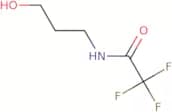
CAS:<p>N-(3-Hydroxypropyl)trifluoroacetamide is an alkaline hydrolysis product of 3-hydroxypropyl trifluoroacetate. It is a primary amino compound that can be used as an intermediate in the production of vinyl ethers and acetals. This chemical is used for the synthesis of vinyl acetals, which are important intermediates in the manufacturing of polymers.</p>Formula:C5H8F3NO2Purity:90%Color and Shape:PowderMolecular weight:171.12 g/mol2-Chloro-5-nitrobenzene sulfonamide
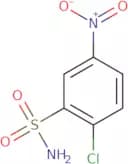
CAS:<p>2-Chloro-5-nitrobenzene sulfonamide (2CNS) is a glycol ether that has been shown to inhibit the activity of carbonic anhydrase. It has been shown to be a competitive inhibitor of the enzyme, and can be used as a lead compound for developing new drugs. 2CNS has been shown to inhibit an anhydrase that is found in bacteria, such as Streptococcus pneumoniae, Haemophilus influenzae, and Staphylococcus aureus. This inhibition causes increased levels of hydrogen ions in the bacterial environment, which leads to the acidification of their surroundings. 2CNS also inhibits chloride ion uptake in these bacteria.<br>2CNS's pharmacophore includes two aromatic hydrocarbon rings with at least one hydrogen bond acceptor group on each ring. This pharmacophore is responsible for its inhibition of carbonic anhydrase and chloride ion binding site.</p>Formula:C6H5ClN2O4SPurity:Min. 97 Area-%Color and Shape:White Off-White PowderMolecular weight:236.63 g/molN,O-Bis(trimethylsilyl) acetamide
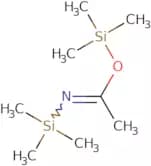
CAS:<p>N,O-Bis(trimethylsilyl) acetamide is a protein that is used as a reagent for the detection of integrin receptors. It can be used to identify human immunoglobulin and human serum proteins. This compound has been shown to be pluripotent in cells, which means that it can differentiate into any type of cell. N,O-Bis(trimethylsilyl) acetamide has been shown to have surfactant properties and can be used as an alternative in toxicity studies. This compound has been shown to be toxic to bowel disease cells when tested with a dose of 3mg/mL. The disulfide bond within this molecule may be important for its biological activity. Synchronous fluorescence spectroscopy and plasma mass spectrometry are two methods that have been used to study the structure of this molecule. Electrochemical impedance spectroscopy is another method that has been used in the structural analysis of this molecule.</p>Formula:C8H21NOSi2Purity:Min. 95 Area-%Color and Shape:Colorless Yellow Clear LiquidMolecular weight:203.43 g/mol2-Chloro-N,N-diphenylacetamide
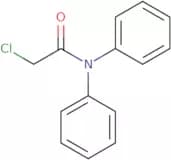
CAS:<p>2-Chloro-N,N-diphenylacetamide is a functional theory that has been shown to have antimicrobial activity against mammalian cells. It is an acetamide derivative with a formyl group and two chloro substituents. 2-Chloro-N,N-diphenylacetamide inhibits the growth of Mycobacterium tuberculosis by binding to the ribosomal protein P0, which inhibits the production of proteins vital for cell division. This drug also has antifungal properties, inhibiting the synthesis of ergosterol in filamentous fungi such as Candida albicans.<br>2-Chloro-N,N-diphenylacetamide is also known to inhibit the growth of other bacteria by binding to their ribosomes and interfering with protein synthesis. This drug may also be active against viruses due to its ability to bind chloride ions.</p>Formula:C14H12ClNOPurity:Min. 95%Molecular weight:245.7 g/mol2,3,5-Trichloro-N-(3,5-dichloro-2-hydroxyphenyl)-6-hydroxybenzamide
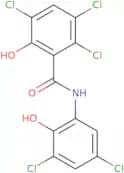
CAS:<p>Oxyclozanide is an antimicrobial agent that inhibits the enzyme activity of chitin synthase in the nematode, which is necessary for the production of chitin. This inhibition leads to disruption of the nematode's cell membrane and death. Oxyclozanide has been shown to be effective against resistant mutants, as well as synergistic with other antimicrobial agents. It is also a specific antidote for oxyclozanide poisoning.</p>Formula:C13H6Cl5NO3Purity:Min. 95%Color and Shape:PowderMolecular weight:401.46 g/molN-(2-Indol-3-ylethyl)(2-nitrophenyl)formamide
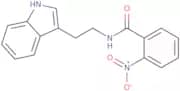
CAS:<p>Please enquire for more information about N-(2-Indol-3-ylethyl)(2-nitrophenyl)formamide including the price, delivery time and more detailed product information at the technical inquiry form on this page</p>Formula:C17H15N3O3Purity:Min. 95%Color and Shape:PowderMolecular weight:309.32 g/mol1H-Imidazole-2-carboxamide
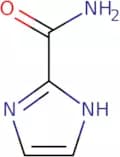
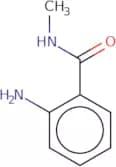
CAS:<p>1H-Imidazole-2-carboxamide is a purine derivative that can inhibit the activity of certain molecules. It has been shown to have an inhibitory effect on the metabolism of fatty acids and metabolism disorders, as well as the physiological effects of insulin resistance. The molecule also inhibits uptake and cross-linking in cells, which may be useful in treating cancer or other metabolic disorders.</p>Formula:C4H5N3OPurity:Min. 95%Color and Shape:PowderMolecular weight:111.1 g/mol2-Amino-N-methylbenzamide
CAS:<p>2-Amino-N-methylbenzamide is a benzodiazepine receptor antagonist that has been shown to inhibit the proliferation of cancer cells in vitro. 2-Amino-N-methylbenzamide binds to the benzodiazepine receptor, which is found in cell nuclei and is involved in controlling the process of cell division. Benzodiazepines are a class of drugs that work by increasing the activity of GABA, which reduces neuronal excitability. 2-Amino-N-methylbenzamide prevents this activity by binding to the benzodiazepine receptor, preventing GABA from binding to its receptors and thereby inhibiting neuronal excitability. This drug has also been shown to inhibit cancer growth through an anthranilic acid derivative, methyl anthranilate. Methyl anthranilate inhibits DNA synthesis and induces apoptosis in cancer cells, leading to cell death.</p>Formula:C8H10N2OPurity:Min. 95%Color and Shape:PowderMolecular weight:150.18 g/molN-(2-Indol-3-ylethyl)(4-(trifluoromethoxy)phenyl)formamide
CAS:<p>Please enquire for more information about N-(2-Indol-3-ylethyl)(4-(trifluoromethoxy)phenyl)formamide including the price, delivery time and more detailed product information at the technical inquiry form on this page</p>Formula:C18H15F3N2O2Purity:Min. 95%Color and Shape:PowderMolecular weight:348.32 g/mol2-Cyanoacetamide
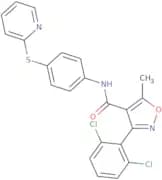
CAS:<p>2-Cyanoacetamide is an organic compound that is used in pharmaceutical preparations. It reacts with malonic acid to form a dioxime, which is a precursor of various drugs. The optimum concentration for the reaction to occur is at 10% (w/v). The reaction mechanism has not been fully elucidated and it involves the transfer of nitrogen from an amide group to a carbonyl group. 2-Cyanoacetamide has shown anti-angiogenic effects in mice by inhibiting the expression of Mcl-1 protein, which is involved in the regulation of apoptosis and inflammation. This drug also has biological functions as a precursor for dopamine, which helps regulate motor and cognitive functions.</p>Formula:C3H4N2OPurity:Min. 98%Color and Shape:White Off-White PowderMolecular weight:84.08 g/mol(3-(2,6-dichlorophenyl)-5-methylisoxazol-4-yl)-N-(4-(2-pyridylthio)phenyl)formamide
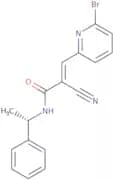
CAS:<p>Please enquire for more information about (3-(2,6-dichlorophenyl)-5-methylisoxazol-4-yl)-N-(4-(2-pyridylthio)phenyl)formamide including the price, delivery time and more detailed product information at the technical inquiry form on this page</p>Purity:Min. 95%(S,E)-3-(6-Bromopyridin-2-yl)-2-cyano-N-(1-phenylethyl)acrylamide
CAS:<p>(S,E)-3-(6-Bromopyridin-2-yl)-2-cyano-N-(1-phenylethyl)acrylamide (MBI-23) is a potential antineoplastic agent that has been shown to induce regression of bladder cancer in mice. MBI-23 induces apoptosis by inhibiting the proliferation of cancer cells and inducing differentiation of cancer stem cells. It is also shown to inhibit tumor growth and progression in glioma and prostate cancer models. MBI-23 binds to the KDR receptor subtype, which is activated by organic acids and inhibited by inorganic compounds. This binding leads to constitutive activation of the KDR receptor, thereby inducing apoptosis. The tautomers and stereoisomers of MBI-23 have not been fully elucidated yet.</p>Formula:C17H14ON3BrPurity:Min. 98 Area-%Color and Shape:White PowderMolecular weight:356.22 g/mol2-Cyano-N-[2-(3,4-dimethoxyphenyl)ethyl]acetamide
CAS:<p>Please enquire for more information about 2-Cyano-N-[2-(3,4-dimethoxyphenyl)ethyl]acetamide including the price, delivery time and more detailed product information at the technical inquiry form on this page</p>Formula:C13H16N2O3Purity:Min. 95%Molecular weight:248.28 g/mol2-Phenyl-2-(2-piperidyl)acetamide
CAS:<p>2-Phenyl-2-(2-piperidyl)acetamide is an enantiomeric amide that can be used as a chiral building block for the synthesis of other organic compounds. It is synthesized by reacting phenylacetic acid with piperidine. 2-Phenyl-2-(2-piperidyl)acetamide is a primary amide and has been shown to have analgesic properties.</p>Formula:C13H18N2OPurity:Min. 97 Area-%Color and Shape:PowderMolecular weight:218.29 g/mol3,5-Dihydroxybenzamide
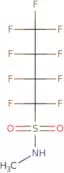
CAS:<p>3,5-Dihydroxybenzamide is an amide derivative that has anticancer activity. This compound inhibits the growth of C. glabrata by inhibiting protein synthesis in the mitochondria and DNA replication in the nucleus. 3,5-Dihydroxybenzamide also inhibits the growth of cancer cells by binding to a molecule that is involved in cancer cell proliferation. The inhibitor molecule binds to a specific site on the molecule, preventing it from forming new cancer cells. The mechanism of action for this compound is not known, but may be due to its ability to bind with chloride ions or its ability to form supramolecular chemistry with other molecules.</p>Formula:C7H7NO3Purity:Min. 95%Color and Shape:PowderMolecular weight:153.14 g/molN-(Methyl)nonafluorobutanesulfonamide
CAS:<p>Nonafluorobutanesulfonamide (NFBS) is a volatile organic solvent that is used in the manufacture of coatings and other organic chemicals. It has been shown to have a high vapor pressure, which makes it useful for drying solvents. NFBS is also used as an intermediate in the production of fluorinated acrylates and methacrylates. NFBS reacts with styrene monomers to form ionic forms, and can be converted to its neutral form by reaction with acrylonitrile or acrylates. Nonafluorobutanesulfonamide has been shown to cause liver cancer in rats, but this effect has not been observed in humans.</p>Formula:C5H4F9NO2SPurity:Min. 95%Color and Shape:PowderMolecular weight:313.14 g/molProthionamide
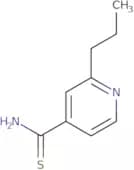
CAS:<p>Prothionamide is a drug that belongs to the group of drugs called sulfonamides. It is used to treat bowel disease by inhibiting the growth of bacteria and fungi. Prothionamide inhibits bacterial growth by binding to bacterial DNA and preventing it from synthesizing new proteins. This drug also has a matrix effect, which means that it binds to the inside of the bacterial cell wall and prevents the production of new cells, leading to cell death. Prothionamide has been shown to be effective against tuberculosis in mice, although there are few data on its use in humans. The most common side effects associated with prothionamide are nausea and vomiting.</p>Formula:C9H12N2SPurity:Min. 99 Area-%Color and Shape:Yellow PowderMolecular weight:180.27 g/mol2,4,6-Trimethoxybenzamide
CAS:<p>2,4,6-Trimethoxybenzamide is a triggered compound that reacts with lithium to form an efficient regiospecific lithium 2,4,6-trimethoxybenzamide complex. This reaction occurs at low temperatures and has been shown to be more efficient than other methods for the synthesis of acridones. The reaction has not been shown to be reversible and requires the use of a strong base such as lithium.</p>Formula:C10H13NO4Purity:Min. 95%Color and Shape:PowderMolecular weight:211.21 g/mol4-Sulfonamidephenylhydrazine hydrochloride
CAS:<p>4-Sulfonamidephenylhydrazine HCl is a sulfonamide that inhibits the enzyme Cox-2, which is involved in inflammation. It also has anti-inflammatory activity and has been shown to inhibit the growth of fungi. 4-Sulfonamidephenylhydrazine HCl is an antifungal agent used for the treatment of dermatophytic infections such as tinea pedis and tinea cruris. The chemical structure of 4-Sulfonamidephenylhydrazine HCl consists of a methyl sulfone group linked with a pyrazole ring and a hydrazine hydrate group. The carbonic acid moiety in this compound stabilizes the pyrazole ring by forming hydrogen bonds with the nitrogen atom and oxygen atom on either side of it. This allows for the formation of two resonance structures to be maintained, which make it more stable than other similar compounds without this moiety.</p>Formula:C6H9N3O2S•(HCl)xPurity:Min. 95%Color and Shape:PowderMolecular weight:223.68 g/mol4-Chloro-3,5-dinitrobenzamide
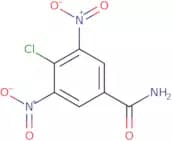
CAS:<p>4-Chloro-3,5-dinitrobenzamide is a bifunctional molecule that contains a chlorine atom. It has been found to react with dipolar solutes as well as vicinal dioxan arylation. The nucleophilic amide group is also labile and can be hydrolyzed by strong acids or bases. The electron lone pair of the chlorine atom in 4-chloro-3,5-dinitrobenzamide can be used for electrophilic substitution reactions with aromatic rings or amines. This molecule has been found to undergo an arylation reaction with imidazole in the presence of dioxan solvent at room temperature.</p>Formula:C7H4ClN3O5Purity:Min. 95%Molecular weight:245.58 g/molN-[4-(2-Hydrazino-2-oxoethoxy)phenyl]acetamide
CAS:<p>N-[4-(2-Hydrazino-2-oxoethoxy)phenyl]acetamide is a phenolic compound that has been shown to have an antimicrobial effect. It has been shown to have antitubercular activity against Mycobacterium tuberculosis and the ability to inhibit the growth of cancer cells in vitro. N-[4-(2-Hydrazino-2-oxoethoxy)phenyl]acetamide is also known as monastrol. The pharmacophore of this drug is based on the structure of paracetamol, which is a member of the class of drugs known as analgesics, antipyretics, and antiinflammatory agents. Paracetamol has been used for decades in humans and animals for relief from pain, fever, and inflammation. N-[4-(2-Hydrazino-2-oxoethoxy)phenyl]acetamide may be useful for treating diseases such as cancer or tuberculosis due to its antic</p>Formula:C10H13N3O3Purity:Min. 95%Color and Shape:PowderMolecular weight:223.23 g/mol2,3-Diaminobenzamide
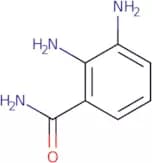
CAS:<p>2,3-Diaminobenzamide is a synthetic aromatic compound that is used as a radiation stabilizer. It is also an effective antimicrobial agent with reactive properties against bacteria and fungi. 2,3-Diaminobenzamide has been shown to have anti-cancer properties and can be used to treat inflammatory diseases such as rheumatoid arthritis or ulcerative colitis. The intramolecular hydrogen bond between the amide group and the benzene ring in 2,3-diaminobenzamide contributes to its stability and biological activity.</p>Formula:C7H9N3OPurity:Min. 95%Color and Shape:PowderMolecular weight:151.17 g/mol2-chloro-n-(4-chlorophenyl)acetamide
CAS:<p>2-Chloro-N-(4-chlorophenyl)acetamide (2CPA) is an antimycobacterial agent that inhibits the growth of Mycobacterium tuberculosis. The antimycobacterial activity of 2CPA has been demonstrated in a dilution method, where it reduced the number of viable cells in cultures of M. tuberculosis and Mycobacterium smegmatis. The antimicrobial activity of 2CPA was confirmed using a fluorescence assay, which showed that this compound is active against M. tuberculosis H37Rv and M. smegmatis at concentrations above 0.1 mM. 2CPA also has a potent bactericidal effect on Staphylococcus aureus with an MIC value of 0.06 mg/mL at 30 minutes and is active against Enterococcus faecalis with an MIC value of 4 mg/mL at 30 minutes.</p>Formula:C8H7Cl2NOPurity:Min. 95%Molecular weight:204.05 g/mol2-Chloro-N-(2-fluorophenyl)propanamide
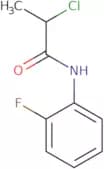
CAS:<p>Please enquire for more information about 2-Chloro-N-(2-fluorophenyl)propanamide including the price, delivery time and more detailed product information at the technical inquiry form on this page</p>Formula:C9H9ClFNOPurity:Min. 95%Molecular weight:201.63 g/molCyanamide
CAS:Controlled Product<p>Cyanamide is a nitrogen-containing organic compound that is used as a plant nutrient. It has been shown to increase the activity of enzymes in methyl ethyl x-ray crystal structures and locomotor activity in mice. Cyanamide is also used as an herbicide and chemical pesticide, with calcium as its main target. The cyanamide molecule binds to the calcium ion and undergoes a reaction mechanism that results in the release of ammonia gas, which is toxic to plants. In addition, cyanamide can cause kidney damage in humans due to its ability to inhibit protein synthesis.</p>Formula:CH2N2Purity:Min. 95%Color and Shape:White PowderMolecular weight:42.02 g/molN-(5-Cyano-2-chlorophenyl)acetamide
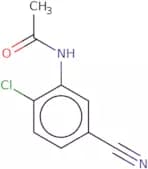
CAS:<p>N-(5-Cyano-2-chlorophenyl)acetamide is a high quality, reagent, and versatile building block. It is a fine chemical that can be used as a building block for the synthesis of other compounds. N-(5-Cyano-2-chlorophenyl)acetamide is also a speciality chemical that can be used in research or as a reaction component. It has been found to be useful as an intermediate in the synthesis of complex compounds.<br>END></p>Formula:C9H7ClN2OPurity:Min. 95%Molecular weight:194.62 g/mol2'-Hydroxy-5'-nitrohexadecanamide
CAS:<p>2'-Hydroxy-5'-nitrohexadecanamide is a synthetic fatty acid derivative that inhibits lysosomal hydrolase, which is an enzyme that breaks down cellular lipids. This compound can be used as a diagnostic agent for the detection of certain types of cancer. 2'-Hydroxy-5'-nitrohexadecanamide reacts with the magnesium ion in the lysosome to form an insoluble precipitate, which then settles to the bottom of the test tube, allowing for easy detection of cells with high levels of lysosomal hydrolase.</p>Formula:C22H36N2O4Purity:Min. 95%Color and Shape:PowderMolecular weight:392.53 g/mol3-Amino-4-chlorobenzamide
CAS:<p>3-Amino-4-chlorobenzamide is an organic compound that belongs to the class of aminobenzoic acids and is used as a coupling agent in organic synthesis. It reacts with aryl halides or halides to form 3-amino-4-chlorobenzonitrile, which can be converted into anilines by heating with ammonia and ammonium chloride. This reaction has been shown to be reversible with heat. 3-Amino-4-chlorobenzamide is also used as a water absorber in paper products, such as diapers and sanitary napkins.</p>Formula:C7H7ClN2OPurity:Min. 95%Color and Shape:PowderMolecular weight:170.6 g/molN-[6-Chloro-5-(2-methoxyphenoxy)-(2,2-bipyrimidine)4-4-yl]-(1,1-dimethylethyl)-benzenesulfonamide
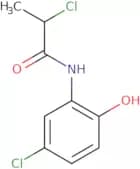
CAS:<p>N-[6-Chloro-5-(2-methoxyphenoxy)-(2,2-bipyrimidine)4-4-yl]-(1,1-dimethylethyl)-benzenesulfonamide is a reagent that can be used as a reaction component in the synthesis of complex compounds. It has high quality and is a versatile building block for the synthesis of speciality chemicals. N-[6-Chloro-5-(2-methoxyphenoxy)-(2,2-bipyrimidine)4-4-yl]-(1,1-dimethylethyl)-benzenesulfonamide is also a useful intermediate in the synthesis of fine chemicals.</p>Formula:C25H24ClN5O4SPurity:Min. 95%Color and Shape:White PowderMolecular weight:526.01 g/molN-(5-Chloro-2-hydroxyphenyl)-2-chloropropanamide
CAS:<p>Please enquire for more information about N-(5-Chloro-2-hydroxyphenyl)-2-chloropropanamide including the price, delivery time and more detailed product information at the technical inquiry form on this page</p>Purity:Min. 95%Clofenamide
CAS:<p>Clofenamide is a drug that is used to treat insulin resistance. It is an at1 receptor antagonist that blocks the action of histamine, which stimulates the release of insulin from the pancreas. Clofenamide has been shown to reduce systolic blood pressure in patients with autoimmune diseases and cardiac hypertrophy. It is also used for treating infectious diseases, such as pneumonia and tuberculosis. Clofenamide reduces inflammation by inhibiting inflammatory enzymes, such as butyric acid. This drug has been found to have anticancer activity in cell-based studies by inhibiting cellular proliferation and inducing apoptosis in cancer cells.</p>Formula:C6H7ClN2O4S2Purity:Min. 95%Color and Shape:Slightly Yellow PowderMolecular weight:270.72 g/molN-(n-Butyl)thiophosphoric triamide
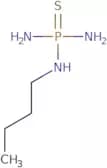
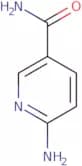
CAS:<p>N-(n-Butyl)thiophosphoric triamide is a triamide herbicide that inhibits the plant enzyme fatty acid synthase. It has been shown to inhibit the uptake of glycol ethers, such as glycol esters, into plants by acting on the glycol ester hydroxyl group. This chemical also inhibits the synthesis of fatty acids in plants and reduces lipid content in perennial ryegrass and solanum tuberosum. N-(n-Butyl)thiophosphoric triamide also inhibits nitrous oxide emissions from wastewater treatment plants.</p>Formula:C4H14N3PSPurity:Min. 95%Color and Shape:White PowderMolecular weight:167.21 g/mol6-Aminonicotinamide
CAS:<p>6-Aminonicotinamide is an experimental drug that has shown promising results in animal studies. This compound may be useful for the treatment of cancer, due to its ability to inhibit reactive oxygen species and maintain mitochondrial membrane potential. 6-Aminonicotinamide also has a protective effect against radiation-induced cell damage, as it prevents oxidative injury to DNA and protein. In addition, 6-aminonicotinamide can stimulate the proliferation of pluripotent cells, which are cells that have the ability to differentiate into any type of cell in the body. Finally, this compound was shown to have antitumor effects by inhibiting squamous carcinoma tumor growth in experimental models.</p>Formula:C6H7N3OPurity:Min. 95%Color and Shape:PowderMolecular weight:137.14 g/molL-Alanine-β-naphthylamide
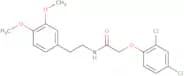
CAS:<p>L-alanine-β-naphthylamide is an amino acid that is synthesized by the action of β-Naphtholactamase on l-alanine. It is used as a substrate for enzyme studies and to determine the uptake of substances by cells. L-Alanine-β-naphthylamide has been shown to inhibit the activity of some enzymes, such as aminopeptidases and peptidases. The inhibition may be due to its ability to bind to lysine residues in the active site of these enzymes. This amino acid also inhibits the growth of bacteria at neutral pH and has a bacteriostatic effect at a pH range from 4.5 to 5.5.</p>Formula:C13H14N2OPurity:Min. 95%Color and Shape:PowderMolecular weight:214.26 g/mol2-(2,4-dichlorophenoxy)-N-(2-(3,4-dimethoxyphenyl)ethyl)ethanamide
CAS:<p>Please enquire for more information about 2-(2,4-dichlorophenoxy)-N-(2-(3,4-dimethoxyphenyl)ethyl)ethanamide including the price, delivery time and more detailed product information at the technical inquiry form on this page</p>Purity:Min. 95%2-Chloro-N-(3,5-dichlorophenyl)acetamide
CAS:<p>2-Chloro-N-(3,5-dichlorophenyl)acetamide is a stabilized, crystalline compound. It has a planar structure with an amide bond and hydrogen bonds. The 2-chloro group is bonded to the nitrogen atom of the acetamide group. The 3,5-dichlorophenyl group is bonded to the carbon atom of the acetamide group. The chlorine atoms are in a planar configuration with adjacent chlorine atoms forming a skeletal arrangement. This chemical is used as an intermediate for other compounds.</p>Formula:C8H6Cl3NOPurity:Min. 95%Molecular weight:238.5 g/molN-[(4-Amino-2-methylpyrimidin-5-yl)methyl]formamide
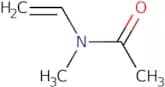
CAS:<p>N-[(4-Amino-2-methylpyrimidin-5-yl)methyl]formamide (NAMPT) is a triazolo compound that inhibits the ATP binding cassette transporter and blocks the uptake of uridine and pyrimidine compounds. It also inhibits inorganic pyrophosphatase, which is an enzyme that catalyzes the hydrolysis of pyrophosphate to inorganic phosphate. NAMPT has been shown to be a substrate for hypochlorous acid production in neutrophils, suggesting it may play a role in the regulation of oxidative stress. Chemical biology studies have demonstrated that NAMPT plays a physiological function as an intermediate in vitamin B1 biosynthesis.</p>Formula:C7H10N4OPurity:Min. 95%Color and Shape:PowderMolecular weight:166.18 g/molN-Methyl-N-vinylacetamide
CAS:<p>N-Methyl-N-vinylacetamide is a colorless liquid with a boiling point of 105.6°C. It is produced by the reaction of acetamide and vinyl chloride in the presence of hydrochloric acid, glycol ether, and methyl ethyl ketone. The viscosity of this compound is low, which makes it an ideal solvent for paints and coatings. N-Methyl-N-vinylacetamide also has genetic damaging effects and can cause mutations in bacteria that are exposed to this compound in high concentrations. This product has an unusual chemical structure due to its hydrogen bonding interactions.br>br><br>br>br><br>Hydrogen bonds are weak intermolecular forces between polar molecules, such as water or alcohols, that are formed by the attraction between a partially positive hydrogen atom on one molecule and the negative end of another nearby molecule. Hydrogen bonds stabilize certain molecular structures because they provide partial shielding from electrostatic interactions with</p>Formula:C5H9NOPurity:Min. 97.5%Color and Shape:Clear LiquidMolecular weight:99.13 g/mol3-(Dimethylphosphono)-N-methylolpropionamide
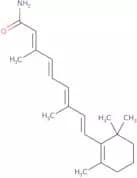
CAS:<p>Dimethylphosphonoacetamide (DMPPA) is a phosphorus-containing compound that is used as an intermediate in the synthesis of fatty acids. DMPPA can be synthesized by the reaction of ethylene diamine and phosphorus pentoxide, which is a common reagent for preparing phosphorus compounds. The reaction mechanism has been studied using electrochemical impedance spectroscopy. This study revealed that DMPPA can be converted to a water-soluble product by treatment with water vapor or by adding cotton. In addition, the kinetic data obtained from this study showed that the reaction rate was affected by temperature and the type of solvent used. The frequency shift observed during this study indicated that nitrogen atoms are involved in the reaction mechanism.</p>Formula:C6H14NO5PPurity:(%) Min. 80%Molecular weight:211.15 g/molRetinamide
CAS:<p>Retinamide is a synthetic retinoid that is used for the treatment of skin cancer. It has been shown to induce apoptosis by activation of the c-jun N-terminal kinase (JNK) and p38 pathways, as well as by suppression of signaling through the phosphatidylinositol 3-kinase (PI3K)/Akt pathway. Retinamide also inhibits proliferation of HL60 cells and induces mitochondrial membrane depolarization in colon carcinoma cells. This drug has been shown to be a potent inhibitor of squamous cell carcinoma growth in vitro and in vivo, especially when combined with other chemotherapeutic agents. Retinamide has also been found to be effective against group P2 carcinomas, which are characterized by mutations in the BRAF gene.<br>Retinamide is metabolized by cytochrome P450 enzymes, leading to reactive metabolites that may cause toxic effects on cells. These metabolites can bind to DNA and cause strand breaks</p>Formula:C20H29NOPurity:Min. 95%Color and Shape:PowderMolecular weight:299.45 g/molN-(4-(((2-Indol-3-ylethyl)amino)sulfonyl)phenyl)ethanamide
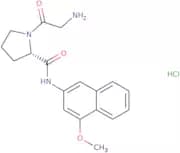
CAS:<p>Please enquire for more information about N-(4-(((2-Indol-3-ylethyl)amino)sulfonyl)phenyl)ethanamide including the price, delivery time and more detailed product information at the technical inquiry form on this page</p>Formula:C18H19N3O3SPurity:Min. 95%Color and Shape:PowderMolecular weight:357.43 g/molGly-pro-4-methoxy-β-naphthylamide hydrochloride
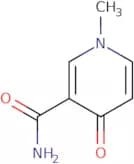
CAS:<p>Gly-pro-4-methoxy-β-naphthylamide hydrochloride is a fine chemical that is useful as a versatile building block and intermediate. It is a research chemical that has been used in the production of other compounds, such as drugs, pesticides, and dyes. This compound is also used to synthesize certain polymers and plastics. Gly-pro-4-methoxy-β-naphthylamide hydrochloride has CAS number 100929-90-6, but it can be found under many other names including 4-(2′,5′dimethylphenyl)-1-(2′hydroxyethyl)piperazine (CAS 105999).</p>Formula:C18H22ClN3O3Purity:Min. 95 Area-%Color and Shape:PowderMolecular weight:363.84 g/molN-Methyl-4-pyridone-3-carboxamide
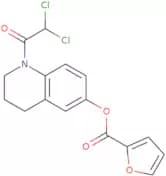
CAS:<p>N-Methyl-4-pyridone-3-carboxamide is a nonnutritive sweetener that has been shown to have no effect on peroxisome proliferation. It also had no effect on the levels of fatty acids in rat cardiomyocytes and did not affect uv absorption. N-Methyl-4-pyridone-3-carboxamide binds to the receptor α subunit of the taste receptor and inhibits adenosine uptake, which may be responsible for its effects on depression. This compound also alters energy metabolism by inhibiting mitochondrial ATP production and glycolysis.</p>Formula:C7H8N2O2Purity:(%) Min. 95%Color and Shape:PowderMolecular weight:152.15 g/molQuinfamide
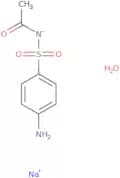
CAS:<p>Quinfamide is a polyunsaturated compound that contains a cevimeline hydrochloride molecule. It is used to treat bowel disease, usually in combination with other drugs. Quinfamide has been shown to have specific treatment effects on the symptoms of inflammatory bowel disease (IBD) when given at doses of 400-800 mg per day for up to 12 weeks. This drug can also be used as an analog for 5-membered heteroaryl compounds, such as benzalkonium chloride, which are also used to treat bowel disease. Quinfamide has been shown to have anti-inflammatory properties and may work by inhibiting fatty acid synthesis or by reducing the number of neutrophils in the gut.</p>Formula:C16H13Cl2NO4Purity:Min. 95%Color and Shape:White PowderMolecular weight:354.18 g/molSulfacetamide sodium monohydate
CAS:<p>Sulfacetamide sodium monohydrate is a sulfa drug that is used in the treatment of infections caused by bacteria that are sensitive to sulfonamides. It is also used to reduce the symptoms of rosacea, a skin condition. Sulfacetamide sodium monohydrate inhibits microbial growth by disrupting microbial fatty acid synthesis and inhibiting bacterial growth through various mechanisms including hydrolysis by hydrochloric acid, metabolic disorders, or changes in water permeability. It has been shown to be an effective treatment for congestive heart failure due to its ability to increase the thickness of the glomerular basement membrane and inhibit erythrocyte adhesion. This drug is also useful as a topical agent for treating mild cases of radiation dermatitis and has high values as an anhydrous sodium sulfate substitute for wastewater treatment.</p>Formula:C8H10N2O3S•H2O•NaPurity:Min. 95%Molecular weight:255.25 g/mol3-(4-Hydroxyphenyl)propionamide
CAS:<p>3-(4-Hydroxyphenyl)propionamide is a heparinoid that is found in exudates, such as urine and saliva. It has significant cytotoxicity against the cell line Hepg2. 3-(4-Hydroxyphenyl)propionamide inhibits protein synthesis by binding to lectins and stabilizing them on the surface of the cells. This stabilizing effect blocks the lectin-carbohydrate interaction that leads to cellular activation and inflammation. 3-(4-Hydroxyphenyl)propionamide also has an anti-aging effect, which may be due to its ability to enhance chloride ion flow in biological tissues.</p>Formula:C9H11NO2Purity:Min. 95%Color and Shape:PowderMolecular weight:165.19 g/molHydroxy flutamide
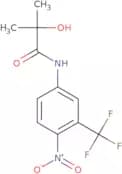
CAS:<p>Hydroxyflutamide is an anti-androgen drug that belongs to the group of nonsteroidal anti-androgens. It has been shown to bind to the androgen receptor with high affinity and inhibit the growth of cancer cells in vitro. Hydroxyflutamide also has a strong antitumor response in vivo, which is due to its ability to inhibit cellular proliferation by binding to DNA polymerase during replication. The drug may also have some activity as an antineoplastic agent because it inhibits the growth of prostate cancer cells. However, hydroxyflutamide has never been tested on humans or animals, so its effects are unknown.</p>Formula:C11H11F3N2O4Purity:Min. 98 Area-%Color and Shape:Yellow PowderMolecular weight:292.21 g/mol(2-Chlorophenyl)-N-[4-(trifluoromethyl)phenyl]carboxamide
CAS:<p>This is a high quality reagent, complex compound, useful intermediate, and fine chemical. It is also a useful scaffold and can be used as a reaction component in the synthesis of speciality chemicals. The CAS number for this compound is 3873-79-8. <br>[[Category:Chemical Compounds]]</p>Formula:C14H9ClF3NOPurity:Min. 95%Molecular weight:299.68 g/molClorsulon
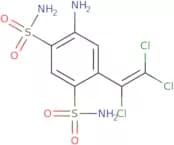
CAS:<p>Clorsulon is an anthelmintic drug that belongs to the group of benzimidazoles. It is used in veterinary medicine to treat nematode and cestode infections, as well as tapeworm infections. Clorsulon is a dispersive solid-phase extraction (DSPE) extractant that can be used for the separation of drugs and their metabolites from biological fluids. The chemical stability of clorsulon was assessed by exposing it to various solvents and pHs. Clorsulon was found to be stable in acetate, benzene, chloroform, ethyl acetate, ethanol, methanol, and water at pH 1-14 and a variety of temperatures ranging from -20 ˚C to 50 ˚C. No significant loss or degradation occurred after exposure to these conditions for up to 24 hours.</p>Formula:C8H8Cl3N3O4S2Purity:(Hplc) Min. 98.0%Color and Shape:PowderMolecular weight:380.66 g/mol
![2-Amino-N-[2-(5-methoxy-1H-indol-3-yl)ethyl]acetamide hydrochloride](/_next/image/?url=https%3A%2Fstatic.cymitquimica.com%2Fproducts%2F3D%2Fthumb-webp%2FFA116384.webp&w=3840&q=75)



![2-Cyano-N-[2-(3,4-dimethoxyphenyl)ethyl]acetamide](/_next/image/?url=https%3A%2Fstatic.cymitquimica.com%2Fproducts%2F3D%2Fthumb-webp%2FFC131318.webp&w=3840&q=75)




![N-[4-(2-Hydrazino-2-oxoethoxy)phenyl]acetamide](/_next/image/?url=https%3A%2Fstatic.cymitquimica.com%2Fproducts%2F3D%2Fthumb-webp%2FFH131261.webp&w=3840&q=75)



![N-[6-Chloro-5-(2-methoxyphenoxy)-(2,2-bipyrimidine)4-4-yl]-(1,1-dimethylethyl)-benzenesulfonamide](/_next/image/?url=https%3A%2Fstatic.cymitquimica.com%2Fproducts%2F3D%2Fthumb-webp%2FFC20113.webp&w=3840&q=75)



![N-[(4-Amino-2-methylpyrimidin-5-yl)methyl]formamide](/_next/image/?url=https%3A%2Fstatic.cymitquimica.com%2Fproducts%2F3D%2Fthumb-webp%2FFA31702.webp&w=3840&q=75)



![(2-Chlorophenyl)-N-[4-(trifluoromethyl)phenyl]carboxamide](/_next/image/?url=https%3A%2Fstatic.cymitquimica.com%2Fproducts%2F3D%2Fthumb-webp%2FFC145671.webp&w=3840&q=75)