Amides
Amides are a wide range of chemical compounds that contain at least one heterocyclic ring, which has atoms of at least two different elements in the ring structure, and at least one amide group (-CONH2). These compounds are crucial in the synthesis of pharmaceuticals, polymers, and agrochemicals. Amides exhibit unique properties and reactivity, making them valuable intermediates in organic synthesis. At CymitQuimica, we offer a comprehensive selection of high-quality amides to support your research and industrial needs.
Found 16393 products of "Amides"
Sort by
Purity (%)
0
100
|
0
|
50
|
90
|
95
|
100
4-Cyanobenzamide
CAS:<p>4-Cyanobenzamide is a naphthalene derivative that is both reactive and intramolecular. It has been shown to react with the amino group of peptides, forming a ruthenium complex. The functional groups are acceptors and donors that can be used in assays for the detection of anions or cations. 4-Cyanobenzamide reacts with water to release hydrogen gas, which can be used to measure its hydration ability. This compound has been synthesized using solid-phase synthesis and it has amide bonds that vibrate at a specific frequency.</p>Formula:C8H6N2OPurity:Min. 95%Color and Shape:PowderMolecular weight:146.15 g/mol13,4-diaza-5-(tert-butyl)-2-hydroxy-7-oxotricyclo[6.4.0.0<2,6>]dodeca-1(8),4,9,11-tetraene-3-carboxamide
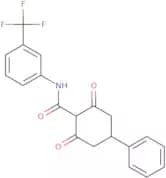
CAS:<p>Please enquire for more information about 13,4-diaza-5-(tert-butyl)-2-hydroxy-7-oxotricyclo[6.4.0.0<2,6>]dodeca-1(8),4,9,11-tetraene-3-carboxamide including the price, delivery time and more detailed product information at the technical inquiry form on this page</p>Purity:Min. 95%(2,6-dioxo-4-phenylcyclohexyl)-N-(3-(trifluoromethyl)phenyl)formamide
CAS:<p>Please enquire for more information about (2,6-dioxo-4-phenylcyclohexyl)-N-(3-(trifluoromethyl)phenyl)formamide including the price, delivery time and more detailed product information at the technical inquiry form on this page</p>Purity:Min. 95%N-(2-Indol-3-ylethyl)(4-(trifluoromethoxy)phenyl)formamide
CAS:<p>Please enquire for more information about N-(2-Indol-3-ylethyl)(4-(trifluoromethoxy)phenyl)formamide including the price, delivery time and more detailed product information at the technical inquiry form on this page</p>Formula:C18H15F3N2O2Purity:Min. 95%Color and Shape:PowderMolecular weight:348.32 g/mol1-Naphthaleneacetamide
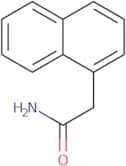
CAS:<p>1-Naphthaleneacetamide is a plant growth regulator that belongs to the class of compounds known as auxins. It inhibits the production of chlorophyll and reduces photosynthetic activity in plants, thereby causing a decrease in chlorophyll content. 1-Naphthaleneacetamide has been shown to have genotoxic effects on human cells in tissue culture. This agent also has an effect on DNA damage and repair and can be used as an analytical method for determining the presence of surfactant sodium dodecyl (SDS) in urine samples by fluorescence spectrometry.</p>Formula:C12H11NOPurity:Min. 98 Area-%Color and Shape:PowderMolecular weight:185.22 g/mol(2,6-difluorophenyl)-N-(2-indol-3-ylethyl)formamide
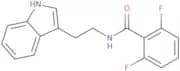
CAS:<p>Please enquire for more information about (2,6-difluorophenyl)-N-(2-indol-3-ylethyl)formamide including the price, delivery time and more detailed product information at the technical inquiry form on this page</p>Purity:Min. 95%2-Methoxybenzamide
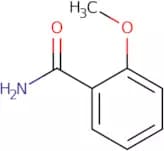
CAS:<p>2-Methoxybenzamide is an amide with a p-hydroxybenzoic acid moiety. It has been shown to be an effective inhibitor of the enzyme histone deacetylase, which is involved in the regulation of gene expression. 2-Methoxybenzamide also has antiinflammatory activity and has minimal toxicity. This drug is used as a research tool for studying the immune system and its effects on hyperproliferative diseases such as cancer and autoimmune diseases. 2-Methoxybenzamide can also be used to treat metabolic disorders and physiological effects. The drug binds to intracellular targets through intermolecular hydrogen bonds that are mainly found in protein structures, including cytochrome P450s, protein kinases, DNA polymerases, transcription factors, and proteases.</p>Formula:C8H9NO2Purity:Min. 95%Color and Shape:PowderMolecular weight:151.16 g/mol3-Amino-4-chlorobenzamide
CAS:<p>3-Amino-4-chlorobenzamide is an organic compound that belongs to the class of aminobenzoic acids and is used as a coupling agent in organic synthesis. It reacts with aryl halides or halides to form 3-amino-4-chlorobenzonitrile, which can be converted into anilines by heating with ammonia and ammonium chloride. This reaction has been shown to be reversible with heat. 3-Amino-4-chlorobenzamide is also used as a water absorber in paper products, such as diapers and sanitary napkins.</p>Formula:C7H7ClN2OPurity:Min. 95%Color and Shape:PowderMolecular weight:170.6 g/molN-α-[2,4-Dinitro-5-fluorophenyl]-L-valine amide
CAS:<p>N-alpha-[2,4-Dinitro-5-fluorophenyl]-L-valine amide is an acidic amino acid that is used as a reagent in organic synthesis. It has been shown to have amide and hydrogen bond properties. This compound has been shown to be involved in the biosynthesis of carboxylic acids and primary amino acids. It also absorbs UV light at 265 nm and can be used for determination of uv absorption using high performance liquid chromatography (HPLC).</p>Formula:C11H13N4O5FPurity:Min. 95%Color and Shape:Yellow PowderMolecular weight:300.24 g/molPiperazinophenylacetic acid benzylamide hydrochloride
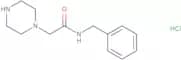
CAS:<p>Piperazinophenylacetic acid benzylamide hydrochloride is a versatile building block that can be used in the synthesis of complex compounds for research and development. It is a reagent for the preparation of speciality chemicals and also a useful intermediate for the synthesis of reaction components. Piperazinophenylacetic acid benzylamide hydrochloride is a high quality, commercially available chemical that can be used as a scaffold for the preparation of new chemical compounds.</p>Formula:C13H19N3O•HClPurity:Min. 95%Color and Shape:PowderMolecular weight:269.77 g/mol4-Methoxybenzenecarbothioamide
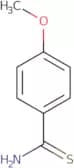
CAS:<p>4-Methoxybenzenecarbothioamide is a urea nitrogen analogue that inhibits the synthesis of urea and other nitrogenous compounds. It is an inhibitor of the enzyme pyruvic transaminase, which converts pyruvate to alanine. The drug is also an inhibitor of the enzyme lactam synthetase, which catalyzes the formation of lactams from amino acids. This activity results in decreased production of cancer cells and renal toxicity. 4-Methoxybenzenecarbothioamide has been shown to have anticancer activity in vitro against a number of human cancer cell lines, including A549 lung carcinoma cells and MCF-7 breast cancer cells.</p>Formula:C8H9NOSPurity:Min. 98 Area-%Color and Shape:Off-White Yellow PowderMolecular weight:167.23 g/molN-(Methyl)nonafluorobutanesulfonamide
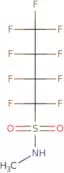
CAS:<p>Nonafluorobutanesulfonamide (NFBS) is a volatile organic solvent that is used in the manufacture of coatings and other organic chemicals. It has been shown to have a high vapor pressure, which makes it useful for drying solvents. NFBS is also used as an intermediate in the production of fluorinated acrylates and methacrylates. NFBS reacts with styrene monomers to form ionic forms, and can be converted to its neutral form by reaction with acrylonitrile or acrylates. Nonafluorobutanesulfonamide has been shown to cause liver cancer in rats, but this effect has not been observed in humans.</p>Formula:C5H4F9NO2SPurity:Min. 95%Color and Shape:PowderMolecular weight:313.14 g/mol4-Hydroxyphenylacetamide
CAS:<p>4-Hydroxyphenylacetamide is a natural product that has been shown to have antibiotic properties. It inhibits the growth of bacteria by inhibiting the synthesis of p-hydroxybenzoic acid, which is an essential precursor for the biosynthesis of aromatic amino acids and other important compounds. 4-Hydroxyphenylacetamide also inhibits dopamine oxidation, which may lead to its anti-infective properties. The biological properties of 4-hydroxyphenylacetamide have been studied using electrochemical impedance spectroscopy (EIS) on bacterial strains and in vitro studies on P. aeruginosa. This compound is not metabolized by microorganisms and does not mineralize or react with oxygen at physiological pH levels. It can be used as a pharmaceutical dosage form for treatment of infectious diseases.</p>Formula:C8H9NO2Purity:Min. 95%Color and Shape:White PowderMolecular weight:151.16 g/molN-[6-Chloro-5-(2-methoxyphenoxy)-(2,2-bipyrimidine)4-4-yl]-(1,1-dimethylethyl)-benzenesulfonamide
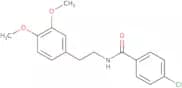
CAS:<p>N-[6-Chloro-5-(2-methoxyphenoxy)-(2,2-bipyrimidine)4-4-yl]-(1,1-dimethylethyl)-benzenesulfonamide is a reagent that can be used as a reaction component in the synthesis of complex compounds. It has high quality and is a versatile building block for the synthesis of speciality chemicals. N-[6-Chloro-5-(2-methoxyphenoxy)-(2,2-bipyrimidine)4-4-yl]-(1,1-dimethylethyl)-benzenesulfonamide is also a useful intermediate in the synthesis of fine chemicals.</p>Formula:C25H24ClN5O4SPurity:Min. 95%Color and Shape:White PowderMolecular weight:526.01 g/molN-(2-(3,4-dimethoxyphenyl)ethyl)(4-chlorophenyl)formamide
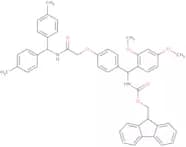
CAS:Controlled Product<p>Please enquire for more information about N-(2-(3,4-dimethoxyphenyl)ethyl)(4-chlorophenyl)formamide including the price, delivery time and more detailed product information at the technical inquiry form on this page</p>Purity:Min. 95%Rink amide MBHA resin
CAS:<p>Solid phase peptide anchor; tool for the Fmoc solid phase synthesis of peptide amides.<br>100-200 mesh. 1% DVB, substitution range 0.3-0.6 meq/g</p>Purity:Min. 95%Color and Shape:Powder3-Oxo-2-phenyl butanamide
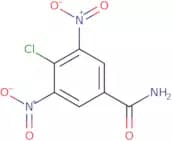
CAS:Controlled Product<p>3-Oxo-2-phenyl butanamide is an amphetamine that has been shown to be a potential marker for wastewater. 3-Oxo-2-phenyl butanamide is one of the many intermediates in the synthesis of amphetamine from phenylacetone and can be found in wastewater as an impurity. This compound has also been used as a marker for wastewater treatment malfunctioning. 3-Oxo-2-phenyl butanamide is excreted into the environment through urine, and its presence can be measured in water samples by gas chromatography/mass spectrometry or liquid chromatography/mass spectrometry.</p>Formula:C10H11NO2Purity:Min. 95%Color and Shape:PowderMolecular weight:177.2 g/mol4-Chloro-3,5-dinitrobenzamide
CAS:<p>4-Chloro-3,5-dinitrobenzamide is a bifunctional molecule that contains a chlorine atom. It has been found to react with dipolar solutes as well as vicinal dioxan arylation. The nucleophilic amide group is also labile and can be hydrolyzed by strong acids or bases. The electron lone pair of the chlorine atom in 4-chloro-3,5-dinitrobenzamide can be used for electrophilic substitution reactions with aromatic rings or amines. This molecule has been found to undergo an arylation reaction with imidazole in the presence of dioxan solvent at room temperature.</p>Formula:C7H4ClN3O5Purity:Min. 95%Molecular weight:245.58 g/mol2-Piperazin-1-ylnicotinamide dihydrochloride
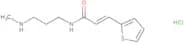
CAS:<p>Please enquire for more information about 2-Piperazin-1-ylnicotinamide dihydrochloride including the price, delivery time and more detailed product information at the technical inquiry form on this page</p>Formula:C10H14N4OPurity:95%MinColor and Shape:PowderMolecular weight:206.24 g/mol(E)-N-(3-Methylaminopropyl)-2-thiopheneacrylamide hydrochloride
CAS:<p>(E)-N-(3-Methylaminopropyl)-2-thiopheneacrylamide hydrochloride is a high quality, reagent, complex compound, useful intermediate, fine chemical. It has CAS No. 1449108-90-0 and is used as a research chemical and building block in the synthesis of other compounds. (E)-N-(3-Methylaminopropyl)-2-thiopheneacrylamide hydrochloride can be used as a versatile building block in organic synthesis reactions and is an important reaction component for the preparation of speciality chemicals.</p>Formula:C11H17N2OSClPurity:Min. 95%Color and Shape:White PowderMolecular weight:260.78 g/mol2-Amino-N-[2-(5-methoxy-1H-indol-3-yl)ethyl]acetamide hydrochloride
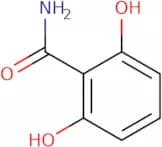
CAS:<p>2-Amino-N-[2-(5-methoxy-1H-indol-3-yl)ethyl]acetamide hydrochloride is a magnetic compound that has been shown to be an effective cancer antigen. It is a derivative of the amino acid sequence of α,β-unsaturated fatty acids and can be used as a dietary supplement. 2-Amino-N-[2-(5-methoxy-1H-indol-3-yl)ethyl]acetamide hydrochloride has been shown to bind to fatty acid receptors on the surface of antigen presenting cells (APCs). It also activates the immune system by activating APCs, which leads to the production of cytokines and chemokines. This compound has also been shown to stimulate T cells in culture, leading to activation and proliferation of tumor cells.</p>Formula:C13H17N3O2·HClPurity:Min. 95%Color and Shape:PowderMolecular weight:283.75 g/mol2,6-Dihydroxybenzamide
CAS:<p>2,6-Dihydroxybenzamide is a compound that belongs to the class of antibiotics. It is used in the production of supplements and has been found to be biodegradable. This antibiotic has been shown to have a viscosity of 2cP at 25°C and a pH range of 3-9. The functional groups present in this compound are carboxylic acids, amines, and flavonoid derivatives. In addition, 2,6-dihydroxybenzamide has been shown to inhibit the growth of bacteria by inhibiting amine synthesis and by reacting with chloride ions. This antibiotic also shows inhibitory effects against heterocyclic amines that are generated from cooking meat at high temperatures. 2,6-Dihydroxybenzamide is metabolized through oxidation or reduction and can be excreted unchanged in urine or as glucuronide conjugates in the bile.</p>Formula:C7H7NO3Purity:Min. 95%Color and Shape:PowderMolecular weight:153.14 g/molCoconut diethanolamide
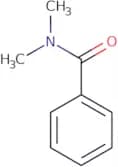
CAS:Controlled Product<p>Coconut diethanolamide is a chemical substance that is used as a test compound in carcinogenesis studies. It is a fatty acid and a fatty alcohol, and it has been shown to promote the growth of cancer cells. Coconut diethanolamide has not been found to be an allergen, but it has shown carcinogenic potential. The bioassay for long-term exposure to coconut diethanolamide showed epidermal hyperplasia in mice.</p>Color and Shape:Brown Yellow Clear Viscous LiquidN,N'-Dimethyl benzamide
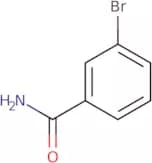
CAS:<p>N,N'-Dimethyl benzamide (DMAB) is an aryl halide that reacts with hydrogen to form the corresponding carbonyl group. The reaction solution of DMAB and hydrogen gas produces a chemical structure that resembles a hydrogen bond. DMAB has been shown to have anti-inflammatory effects in animals with inflammatory diseases. It has also been studied for its ability to inhibit the formation of amyloid plaque, which is associated with Alzheimer's disease. In addition, DMAB has been shown to have therapeutic effects against boron nitride and amides.<br>The crystal structure of DMAB can be found in both crystalline polymorphs: monoclinic and triclinic. The triclinic form is stable at room temperature and pressure, while the monoclinic form is only stable at higher temperatures. The monoclinic form is more soluble than the triclinic form, as it contains fewer hydrogen bonds between</p>Formula:C9H11NOPurity:Min. 95%Color and Shape:White PowderMolecular weight:149.19 g/mol3-Bromobenzamide
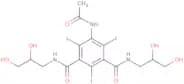
CAS:<p>3-Bromobenzamide is an amide compound, which is a functional group. It has a molecular weight of 273.3 g/mol and three amine groups. The 3-methoxybenzamide moiety in the molecule can be protonated, which provides the hydration of the molecule and increases its solubility in water. This molecule also has a dipole moment due to the presence of two amide groups.<br>The synthesis of 3-bromobenzamide starts with the reaction between 3-aminobenzoic acid and benzoyl chloride to form 3-benzoyloxybenzoic acid. This is then reacted with ammonia to form 3-aminobenzamide. Finally this is converted into 3-bromobenzamide by reacting it with bromine in the presence of potassium carbonate as a catalyst. <br>This molecule is used as an inhibitory compound for mammalian cell proliferation, specifically for cancer cells</p>Formula:C7H6BrNOPurity:Min. 95%Color and Shape:PowderMolecular weight:200.03 g/mol5-(Acetylamino)-N,N'-bis(2,3-dihydroxypropyl)-2,4,6-triiodo-1,3-benzenedicarboxamide
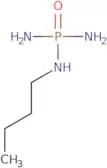
CAS:<p>5-(Acetylamino)-N,N'-bis(2,3-dihydroxypropyl)-2,4,6-triiodo-1,3-benzenedicarboxamide is a reactive iodinated contrast agent that is used in the diagnostic imaging of body cavities and blood vessels. It can be prepared by the acetylation of 5-(acetylamino)naphthalene-2,3-diol with 2,4,6-triiodobenzene dicarboxylic acid using an alkali metal as a base. The yields for this reaction are dependent on the type of solvent used. This chemical has two functional groups: an amide and an acetate group. It reacts with iohexol to form a radiocontrast product that contains both iodine and propanediol. This process is industrially carried out by mixing 5-(acetylamino)naphthalene-2,</p>Formula:C16H20I3N3O7Purity:Min. 95%Color and Shape:White PowderMolecular weight:747.06 g/molN-(n-Butyl)phosphoric triamide
CAS:<p>N-(n-Butyl)phosphoric triamide is an analog of phosphoric acid that has a matrix effect on the uptake of water molecules by cells. N-(n-Butyl)phosphoric triamide is used as a sample preparation agent in microbiological analysis and as an antimicrobial agent to inhibit the growth of bacteria. This compound inhibits the growth rate of triticum aestivum, which may be due to its ability to inhibit nitrous oxide, a key intermediate in bacterial metabolism. N-(n-Butyl)phosphoric triamide has been shown to have an inhibitory effect on water molecule formation and growth rate in bacteria.</p>Formula:C4H14N3OPPurity:Min. 98 Area-%Color and Shape:White Off-White PowderMolecular weight:151.15 g/molN-[S-(2-Pyridylthio)cysteaminyl]ethylenediamine-N,N,N',N'-tetraacetic acid, monoamide - Technical grade 90%
CAS:<p>Furiosus is a monomeric and homodimeric protein that belongs to the group of S-adenosylmethionine synthetases. Furiosus is an enzyme that catalyzes the formation of S-adenosylmethionine from methylamine and ATP. Furiosus interacts with polymerase, subtilis, and catalysis to form a holoenzyme complex. Furiosus has been shown to have cleavage activity against peroxide and hydrogen peroxide, which is due to its ability to generate reactive oxygen species. Furiosus has also been shown to be a molecular modeling target for the development of new antibiotics.</p>Formula:C17H24N4O7S2Purity:Min. 95%Color and Shape:Pale yellow solid.Molecular weight:460.53 g/mol(3-(2,6-dichlorophenyl)-5-methylisoxazol-4-yl)-N-(2,5-dimethoxyphenyl)formamide
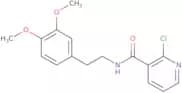
CAS:<p>Please enquire for more information about (3-(2,6-dichlorophenyl)-5-methylisoxazol-4-yl)-N-(2,5-dimethoxyphenyl)formamide including the price, delivery time and more detailed product information at the technical inquiry form on this page</p>Purity:Min. 95%N-(2-(3,4-dimethoxyphenyl)ethyl)(2-chloro(3-pyridyl))formamide
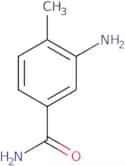
CAS:<p>Please enquire for more information about N-(2-(3,4-dimethoxyphenyl)ethyl)(2-chloro(3-pyridyl))formamide including the price, delivery time and more detailed product information at the technical inquiry form on this page</p>Purity:Min. 90%3-Amino-4-methylbenzamide
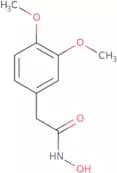
CAS:<p>3-Amino-4-methylbenzamide is an interchemical that can be utilized to synthesize naphthol. 3-Amino-4-methylbenzamide is an amide that has been shown to have a molecular modeling structure of a conformation. The interaction of 3-amino-4-methylbenzamide with the P38 kinase enzyme has been shown to inhibit the activity of this enzyme, which may lead to its use as a drug for the treatment of inflammation.</p>Formula:C8H10N2OPurity:Min. 95%Color and Shape:PowderMolecular weight:150.18 g/mol2-(3,4-Dimethoxyphenyl)-N-hydroxyacetamide
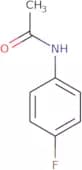
CAS:<p>2-(3,4-Dimethoxyphenyl)-N-hydroxyacetamide is a versatile building block that can be used in the production of a wide range of research chemicals. It is also useful as a reagent or speciality chemical for the preparation of pharmaceuticals, agrochemicals and other industrial chemicals. 2-(3,4-Dimethoxyphenyl)-N-hydroxyacetamide is an intermediate that can be used to synthesize complex compounds such as benzodiazepines. This compound has been shown to have high quality and can be used as a reaction component in organic synthesis.<br>2-(3,4-Dimethoxyphenyl)-N-hydroxyacetamide has CAS number 33793-80-5 and its molecular weight is 237.27 g/mol.</p>Formula:C10H13NO4Purity:Min. 95%Color and Shape:PowderMolecular weight:211.21 g/molN-(4-Fluorophenyl)acetamide
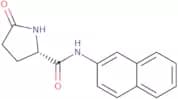
CAS:<p>4-Fluorophenylacetic acid is a synthetic organic compound that has been used as a model system for the study of the reaction between hydrogen sulfate and hydrogen. 4-Fluorophenylacetic acid is a fluorinated analog of acetamide, which can be synthesized from sodium borohydride and hydrogen fluoride. It has been shown to inhibit the growth of Mycobacterium tuberculosis in an on-line assay and is also active against Mycobacterium avium complex. 4-Fluorophenylacetic acid also inhibits rat liver microsomes with a second order rate constant of 0.0006 M−1 s−1 at pH 7.4 and 37 °C (pH and temperature not specified). The biological properties of 4-fluorophenylacetic acid are not well understood, but it may bind to hydrophobic regions on proteins or DNA through hydrogen bonding interactions.</p>Formula:C8H8FNOPurity:Min. 95%Color and Shape:PowderMolecular weight:153.15 g/molL-Pyroglutamic acid-β-naphthylamide
CAS:<p>L-Pyroglutamic acid-beta-naphthylamide is a cell nucleus pressor that has been shown to stimulate locomotor activity in rats. It is a highly selective agonist at the 5-HT2 receptor, which is involved in the regulation of energy metabolism and feeding behaviour. L-Pyroglutamic acid-beta-naphthylamide also stimulates cholinergic and serotonergic systems. This drug also inhibits bacterial growth by binding to the receptor site on bacterial cell nuclei, thereby preventing DNA synthesis and locomotor activity. L-Pyroglutamic acid-beta-naphthylamide is an antimicrobial agent that can be used to treat infections caused by bacteria resistant to erythromycin. The antimicrobial effect of this drug is due to its ability to bind to the receptor site on bacterial cell nuclei, thereby preventing DNA synthesis and locomotor activity.</p>Formula:C15H14N2O2Purity:Min. 98 Area-%Color and Shape:White PowderMolecular weight:254.28 g/molN-(Phenylsulfonyl)palmitamide
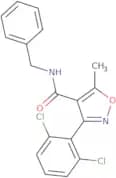
<p>N-(Phenylsulfonyl)palmitamide is a versatile building block that can be used to create complex compounds for research. CAS No. is 527-87-2 and it is a reagent and speciality chemical with high quality. It is also useful as a reaction component in the synthesis of other compounds, or as a scaffold for the synthesis of new derivatives.</p>Formula:C22H37NO3SMolecular weight:395.61 g/mol(3-(2,6-dichlorophenyl)-5-methylisoxazol-4-yl)-N-benzylformamide
CAS:<p>Please enquire for more information about (3-(2,6-dichlorophenyl)-5-methylisoxazol-4-yl)-N-benzylformamide including the price, delivery time and more detailed product information at the technical inquiry form on this page</p>Purity:Min. 95%2-Amino-5-methylbenzamide
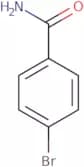
CAS:<p>2-Amino-5-methylbenzamide (2AMB) is a potent inhibitor of the enzyme dihydropyrimidine dehydrogenase and is used in cancer research for its ability to inhibit tumor cell line growth. 2AMB has been shown to inhibit the synthesis of DNA, RNA, and protein in various human cell lines. The mechanism of this inhibition is not well understood, but it may be due to its ability to inhibit the activity of synthetases involved in nucleotide biosynthesis or by inhibiting the reaction system that converts hydration into ATP.</p>Formula:C8H10N2OPurity:Min. 95%Color and Shape:PowderMolecular weight:150.18 g/mol4-Bromobenzamide
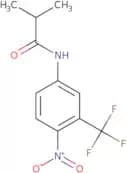
CAS:<p>4-Bromobenzamide is an amide with a hydrogen bond that inhibits the activity of proteases. It has been shown to inhibit the activity of cathepsin C and chymotrypsin in vitro, as well as the proteolytic activity of elastase. 4-Bromobenzamide also has a covalent inhibition effect on protein synthesis. This inhibitor is capable of reducing the levels of glutathione reductase, cytochrome P450, and mycobacterium in cell culture. In addition, 4-bromobenzamide has been shown to have acute toxicities in mice and rats when administered at high doses. However, it does not show any toxic effects on healthy mice or rats when administered at low doses.</p>Formula:C7H6BrNOPurity:Min. 95%Color and Shape:PowderMolecular weight:200.03 g/molFlutamide
CAS:<p>Non-steroidal androgen receptor antagonist</p>Formula:C11H11F3N2O3Purity:Min. 95%Color and Shape:Off-White PowderMolecular weight:276.21 g/mol3-(Bromomethyl)benzamide
CAS:<p>3-(Bromomethyl)benzamide is a versatile building block that can be used in the synthesis of a variety of complex compounds. It is also useful as a research chemical and as a reagent. 3-(Bromomethyl)benzamide can be used to produce useful intermediates and reaction components. This compound has been shown to be useful as scaffolds for synthetic organic chemistry.</p>Formula:C8H8BrNOPurity:Min. 95%Color and Shape:PowderMolecular weight:214.06 g/molN-[2-(p-Cinnamylamino)ethyl]-5-isoquinolone sulfonamide
CAS:<p>N-[2-(p-Cinnamylamino)ethyl]-5-isoquinolone sulfonamide is a high quality chemical that can be used as a reagent, complex compound, and useful intermediate. N-[2-(p-Cinnamylamino)ethyl]-5-isoquinolone sulfonamide is a fine chemical that is useful in the production of speciality chemicals. It can be used as a versatile building block and reaction component to produce various compounds.</p>Formula:C20H21N3O2SPurity:Min. 95%Color and Shape:SolidMolecular weight:367.47 g/mol2,2'-(Diazene-1,2-diyl)bis(2-methylpropanimidamide) dihydrochloride
CAS:<p>2,2'-(Diazene-1,2-diyl)bis(2-methylpropanimidamide) dihydrochloride (BPDC) is a synthetic compound that is used as an analytical reagent and a model system for oxidative injury. It has significant cytotoxicity on human cells in cell culture. BPDC induces oxidative damage to proteins and DNA by increasing the production of reactive oxygen species such as hydrogen peroxide, superoxide, and hydroxyl radicals. The mechanism of action is not well understood but may be due to Toll-like receptor signalling pathways. This compound has been shown to inhibit the activity of antioxidant enzymes such as glutathione peroxidase and catalase. It also inhibits the activity of proinflammatory cytokines such as IL-6 and IL-8. BPDC is being investigated for its potential use in bowel disease treatment.</p>Formula:C8H20Cl2N6Purity:Min. 95%Color and Shape:PowderMolecular weight:271.19 g/mol(E)-N-(2-Chloro-6-methylphenyl)-3-ethoxyacrylamide
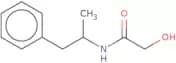
CAS:<p>(E)-N-(2-Chloro-6-methylphenyl)-3-ethoxyacrylamide is a reagent and research chemical that can be used as a building block in the synthesis of other compounds. It is also a versatile building block in organic chemistry. (E)-N-(2-Chloro-6-methylphenyl)-3-ethoxyacrylamide has been shown to be an effective intermediate for the synthesis of various complex compounds, such as pharmaceuticals and pesticides. This compound is also a useful scaffold for the synthesis of other fine chemicals.</p>Formula:C12H14ClNO2Purity:(¹H-Nmr) Min. 95 Area-%Color and Shape:PowderMolecular weight:239.7 g/mol2-Hydroxy-N-(1-phenylpropan-2-yl)acetamide
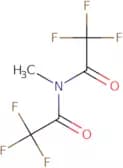
CAS:Controlled Product<p>2-Hydroxy-N-(1-phenylpropan-2-yl)acetamide is a versatile building block that can be used as a reagent or research chemical. This compound is an intermediate in the synthesis of many other organic compounds and has been shown to be useful for the production of pharmaceuticals, agrochemicals, and other industrial chemicals. The CAS number for this compound is 99985-83-8.</p>Formula:C11H15NO2Purity:Min. 95%Color and Shape:PowderMolecular weight:193.24 g/molN-Methylbis(trifluoroacetamide)
CAS:<p>N-Methylbis(trifluoroacetamide) is a molecule that is used in the preparation of an analytical method. This molecule reacts with human serum and urine to produce a reaction solution. The matrix effect can be seen in metabolic disorders, such as the case of creatine kinase which is not affected by the derivatization. N-Methylbis(trifluoroacetamide) is also used to prepare samples for solid phase microextraction with basic structures that are amines.</p>Formula:C5H3F6NO2Purity:Min. 95%Color and Shape:Clear LiquidMolecular weight:223.07 g/molAvenanthramide C
CAS:<p>Avenanthramide C is a potent polyphenolic compound that is isolated from the bark of the plant, Avena sativa. It has been shown to be an effective chemotherapeutic treatment for breast cancer and leukemia cells in vitro. Avenanthramide C has a hydroxyl group at its 6th carbon position and is a member of the class of compounds called avenanthramides. The biological properties of this compound have been examined using skin cells and it has been shown to exhibit significant activity against DNA polymerase, DNA binding activity, and enzyme activities. This compound also exhibits chemoattractant protein-like activity, which may be due to its ability to bind with high affinity to specific receptors on leukocytes.</p>Formula:C16H13NO6Purity:Min. 95%Color and Shape:PowderMolecular weight:315.28 g/molL-Leucine b-naphthylamide hydrochloride
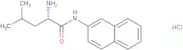
CAS:<p>Please enquire for more information about L-Leucine b-naphthylamide hydrochloride including the price, delivery time and more detailed product information at the technical inquiry form on this page</p>Formula:C16H20N2O·HClPurity:Min. 95%Color and Shape:PowderMolecular weight:292.8 g/mol1-Adamantylcyanamide
CAS:<p>1-Adamantylcyanamide is a trimethyl triazine that has been shown to be a blocker of glutamate receptors. It has been studied in animal models of schizophrenia and depression, where it showed potential as an antipsychotic and antidepressant. 1-Adamantylcyanamide blocks the NMDA receptor in the brain by binding to the glycine site. This prevents the passage of chloride ion into the cell and causes hyperpolarization of the membrane, which may lead to inhibition of neuronal activity. It also inhibits the acid catalyst introduced into tuberculosis cells, which can prevent their growth. 1-Adamantylcyanamide can also be used to form trimers with other molecules, such as cyanuric acid or 3-indoxyl-beta-D-galactopyranoside, respectively.</p>Formula:C11H16N2Purity:Min. 95%Molecular weight:176.26 g/mol(2-Chlorophenyl)-N-[4-(trifluoromethyl)phenyl]carboxamide
CAS:<p>This is a high quality reagent, complex compound, useful intermediate, and fine chemical. It is also a useful scaffold and can be used as a reaction component in the synthesis of speciality chemicals. The CAS number for this compound is 3873-79-8. <br>[[Category:Chemical Compounds]]</p>Formula:C14H9ClF3NOPurity:Min. 95%Molecular weight:299.68 g/molCyclotheonamide A
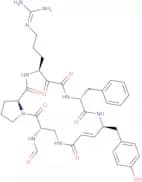
CAS:<p>Cyclotheonamide A is a cyclopeptide, which is a type of secondary metabolite composed of non-standard amino acids arranged in a cyclic structure. It is naturally sourced from marine sponges, particularly Theonella sp., which are known for their rich and diverse repertoire of bioactive compounds. Cyclotheonamide A functions through the inhibition of serine proteases, a class of enzymes that play a significant role in numerous biological processes, including digestion, immune response, and blood coagulation.</p>Formula:C36H45N9O8Purity:Min. 95%Molecular weight:731.8 g/mol


![13,4-diaza-5-(tert-butyl)-2-hydroxy-7-oxotricyclo[6.4.0.0<2,6>]dodeca-1(8),4,9,11-tetraene-3-carbo…](/_next/image/?url=https%3A%2Fstatic.cymitquimica.com%2Fproducts%2F3D%2Fthumb-webp%2FFD169872.webp&w=3840&q=75)


![N-α-[2,4-Dinitro-5-fluorophenyl]-L-valine amide](/_next/image/?url=https%3A%2Fstatic.cymitquimica.com%2Fproducts%2F3D%2Fthumb-webp%2FFD48428.webp&w=3840&q=75)

![N-[6-Chloro-5-(2-methoxyphenoxy)-(2,2-bipyrimidine)4-4-yl]-(1,1-dimethylethyl)-benzenesulfonamide](/_next/image/?url=https%3A%2Fstatic.cymitquimica.com%2Fproducts%2F3D%2Fthumb-webp%2FFC20113.webp&w=3840&q=75)


![2-Amino-N-[2-(5-methoxy-1H-indol-3-yl)ethyl]acetamide hydrochloride](/_next/image/?url=https%3A%2Fstatic.cymitquimica.com%2Fproducts%2F3D%2Fthumb-webp%2FFA116384.webp&w=3840&q=75)
![N-[S-(2-Pyridylthio)cysteaminyl]ethylenediamine-N,N,N',N'-tetraacetic acid, monoamide - Technical …](/_next/image/?url=https%3A%2Fstatic.cymitquimica.com%2Fproducts%2F3D%2Fthumb-webp%2FFP27342.webp&w=3840&q=75)




![N-[2-(p-Cinnamylamino)ethyl]-5-isoquinolone sulfonamide](/_next/image/?url=https%3A%2Fstatic.cymitquimica.com%2Fproducts%2F3D%2Fthumb-webp%2FFC20451.webp&w=3840&q=75)




![(2-Chlorophenyl)-N-[4-(trifluoromethyl)phenyl]carboxamide](/_next/image/?url=https%3A%2Fstatic.cymitquimica.com%2Fproducts%2F3D%2Fthumb-webp%2FFC145671.webp&w=3840&q=75)