Amides
Amides are a wide range of chemical compounds that contain at least one heterocyclic ring, which has atoms of at least two different elements in the ring structure, and at least one amide group (-CONH2). These compounds are crucial in the synthesis of pharmaceuticals, polymers, and agrochemicals. Amides exhibit unique properties and reactivity, making them valuable intermediates in organic synthesis. At CymitQuimica, we offer a comprehensive selection of high-quality amides to support your research and industrial needs.
Found 16385 products of "Amides"
Sort by
Purity (%)
0
100
|
0
|
50
|
90
|
95
|
100
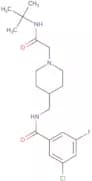
N-((1-(2-(tert-Butylamino)-2-oxoethyl)piperidin-4-yl)methyl)-3-chloro-5-fluorobenzamide
CAS:<p>N-((1-(2-(tert-Butylamino)-2-oxoethyl)piperidin-4-yl)methyl)-3-chloro-5-fluorobenzamide is a novel antiarrhythmic drug that inhibits the activation of cardiac cells. It was shown to inhibit proliferation and migration of human leukemia cells in vitro and to inhibit tumor growth in vivo. N-(1-(2-(tert-Butylamino)-2-oxoethyl)piperidin-4-yl)methyl)-3-chloro-5-fluorobenzamide has been shown to have cardioprotective effects in Sprague Dawley rats, reducing the incidence of ventricular tachycardia and fibrillation. The clinical studies conducted so far have not revealed any adverse effects on the heart or other organs.</p>Formula:C19H27ClFN3O2Purity:Min. 95%Color and Shape:White SolidMolecular weight:383.89 g/molC2-Ceramide
CAS:<p>Inducer of apoptosis; NF-κB activator; PP2A modulator</p>Formula:C20H39NO3Purity:Min. 95%Color and Shape:White PowderMolecular weight:341.53 g/mol2-Cyanobenzamide
CAS:<p>2-Cyanobenzamide is a corrosion inhibitor that is used in the electrochemical industry to protect metals from corrosion. It has been shown to be suitable for use as a corrosion inhibitor in salt water and other corrosive environments. 2-Cyanobenzamide has been shown to have light sensitive properties, which is why it should not be exposed to direct light or stored in dark containers. It also inhibits enzymes that are involved in the production of reactive oxygen species (ROS) such as superoxide anion and hydrogen peroxide. The reaction of 2-cyanobenzamide with aluminium, sodium sulfide, and polymeric matrices has also been studied extensively.<br>2-Cyanobenzamide can be synthesized by reacting benzoyl chloride with ammonia and cyanogen bromide. This reaction produces a mixture of mono-, di-, tri-, and tetramers of 2-cyanobenzamide. These products can then be separated using analytical methods such as</p>Formula:C8H6N2OPurity:Min. 95%Molecular weight:146.15 g/mol1-Adamantylcyanamide
CAS:<p>1-Adamantylcyanamide is a trimethyl triazine that has been shown to be a blocker of glutamate receptors. It has been studied in animal models of schizophrenia and depression, where it showed potential as an antipsychotic and antidepressant. 1-Adamantylcyanamide blocks the NMDA receptor in the brain by binding to the glycine site. This prevents the passage of chloride ion into the cell and causes hyperpolarization of the membrane, which may lead to inhibition of neuronal activity. It also inhibits the acid catalyst introduced into tuberculosis cells, which can prevent their growth. 1-Adamantylcyanamide can also be used to form trimers with other molecules, such as cyanuric acid or 3-indoxyl-beta-D-galactopyranoside, respectively.</p>Formula:C11H16N2Purity:Min. 95%Molecular weight:176.26 g/mol(3-(2,6-dichlorophenyl)-5-methylisoxazol-4-yl)-N-(4-(trifluoromethylthio)phenyl)formamide
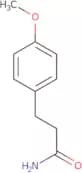
CAS:<p>Please enquire for more information about (3-(2,6-dichlorophenyl)-5-methylisoxazol-4-yl)-N-(4-(trifluoromethylthio)phenyl)formamide including the price, delivery time and more detailed product information at the technical inquiry form on this page</p>Purity:Min. 95%3-(4-Methoxyphenyl)propionamide
CAS:<p>3-(4-Methoxyphenyl)propionamide is a compound that belongs to the group of benzene amides. It is synthesized by reacting an excess of 3-bromopropionaldehyde with an amine in the presence of sodium hydroxide. This reaction produces a mixture of products, which are separated by chromatography. The yields for this reaction are approximately 90%. 3-(4-Methoxyphenyl)propionamide has been used as a biomolecular building block, and its traceless nature makes it useful in organic synthesis.<br>3-(4-Methoxyphenyl)propionamide can be used to synthesize alkanesulfonamides and spirolactams, which are important intermediates in chemical synthesis. 3-(4-Methoxyphenyl)propionamide also reacts with phenanthridone to produce chloride derivatives and with arenes to produce linkers.</p>Formula:C10H13NO2Purity:Min. 95%Color and Shape:PowderMolecular weight:179.22 g/molN-(2-Indol-3-ylethyl)(4-(trifluoromethoxy)phenyl)formamide
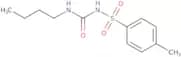
CAS:<p>Please enquire for more information about N-(2-Indol-3-ylethyl)(4-(trifluoromethoxy)phenyl)formamide including the price, delivery time and more detailed product information at the technical inquiry form on this page</p>Formula:C18H15F3N2O2Purity:Min. 95%Color and Shape:PowderMolecular weight:348.32 g/molTolbutamide
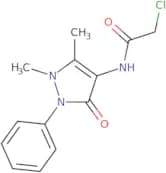
CAS:<p>Tolbutamide is a drug that is used to treat diabetes mellitus type 2. It is an inhibitor of the enzyme glucokinase and thus blocks the phosphorylation of glucose, which prevents its utilization by cells. This results in a decrease of blood glucose levels, which can be useful in the treatment of diabetes mellitus type 2. Tolbutamide has shown potent apoptosis-inducing effects on human breast cancer cells and endothelial cells. These effects are thought to be due to inhibition of protein kinase C (PKC) activity by tolbutamide. Additionally, this drug inhibits insulin secretion from pancreatic beta cells and induces cytochrome P450 enzymes, which may lead to increased metabolism of other drugs.</p>Formula:C12H18N2O3SPurity:Min. 95%Molecular weight:270.35 g/mol2-Chloro-N-(1,5-dimethyl-3-oxo-2-phenyl-2,3-dihydro-1H-pyrazol-4-yl)acetamide
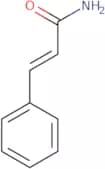
CAS:<p>2-Chloro-N-(1,5-dimethyl-3-oxo-2-phenyl-2,3-dihydro-1H-pyrazol-4-yl)acetamide (CPA) is a chemical compound that belongs to the class of phenyl pyrazoles. It has a thermal stability and is soluble in organic solvents. CPA crystallizes in the monoclinic system with the space group P21/c, with the following unit cell parameters: a = 8.943(4) Å, b = 7.878(3) Å, c = 17.834(6) Å, α = 90°, β = 112° and γ = 90°. In this crystal structure, there are two molecules of chloride per molecule of CPA. The crystal x ray diffraction pattern showed that this compound forms dimers in solution at room temperature and can be dissolved</p>Formula:C13H14ClN3O2Purity:Min. 95%Molecular weight:279.72 g/molCinnamamide
CAS:<p>Cinnamamide is a natural compound that is structurally related to the amino acid lysine and has been shown to regulate skin cell proliferation. Cinnamamide has also been found to be an effective inhibitor of the mitochondrial membrane potential in human erythrocytes. It has been shown to inhibit the production of reactive oxygen species (ROS) and reverse oxidative damage in cells, which may reduce the risk of developing autoimmune diseases. Cinnamamide is also able to prevent cell death caused by epidermal growth factor (EGF) withdrawal and induce apoptosis in HL-60 cells.</p>Formula:C9H9NOPurity:Min. 95%Color and Shape:White Off-White PowderMolecular weight:147.17 g/molN-[2-(p-Cinnamylamino)ethyl]-5-isoquinolone sulfonamide
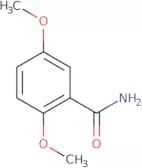
CAS:<p>N-[2-(p-Cinnamylamino)ethyl]-5-isoquinolone sulfonamide is a high quality chemical that can be used as a reagent, complex compound, and useful intermediate. N-[2-(p-Cinnamylamino)ethyl]-5-isoquinolone sulfonamide is a fine chemical that is useful in the production of speciality chemicals. It can be used as a versatile building block and reaction component to produce various compounds.</p>Formula:C20H21N3O2SPurity:Min. 95%Color and Shape:SolidMolecular weight:367.47 g/mol2,5-Dimethoxybenzamide
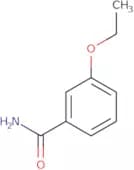
CAS:<p>2,5-Dimethoxybenzamide is a potent inhibitor of the enzyme DECATENASE. This enzyme plays an important role in the biosynthesis of the aromatic amino acids phenylalanine and tyrosine. 2,5-Dimethoxybenzamide has been shown to have anticancer activity in vitro and in vivo. Remoxipride is a synthetic drug that competitively inhibits the action of benzodiazepines on GABA receptors by binding to them with high affinity. It was developed as an antipsychotic agent but was never marketed for this indication due to its adverse effects on motor coordination. Remoxipride has also been shown to have estrogenic activity, which may be due to its ability to bind with high affinity and inhibit the enzyme aromatase, which converts testosterone into estradiol.</p>Formula:C9H11NO3Purity:Min. 95%Color and Shape:PowderMolecular weight:181.19 g/mol3-Ethoxybenzamide
CAS:<p>3-Ethoxybenzamide is a crystalline compound that can form complexes with metal ions. It has been shown to inhibit bacterial growth by binding to the enzyme thiourea, which is essential for the biosynthesis of thiamine. 3-Ethoxybenzamide also inhibits the production of hydrogen sulfide, which is produced by bacteria and a cause of foul odors. 3-Ethoxybenzamide has been shown to have antibacterial activity against Gram-positive bacteria such as Staphylococcus aureus and Streptococcus pyogenes. 3-Ethoxybenzamide also inhibits the growth of Gram-negative bacteria such as Escherichia coli and Salmonella typhimurium. This compound has also been shown to have anti-inflammatory activities through its ability to inhibit prostaglandin synthesis in mice.</p>Formula:C9H11NO2Purity:Min. 95%Color and Shape:PowderMolecular weight:165.19 g/mol2-Phthalimidoyl-N-(methylsulfonyl)propanamide
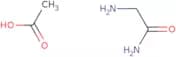
<p>2-Phthalimidoyl-N-(methylsulfonyl)propanamide is a fine chemical that is used as a building block for research chemicals. It is a versatile intermediate that can be used as a reaction component. 2-Phthalimidoyl-N-(methylsulfonyl)propanamide has been shown to have high quality and can be used as a reagent in the synthesis of complex compounds.</p>Formula:C12H12N2O5SMolecular weight:296.30 g/molGlycine amide acetate
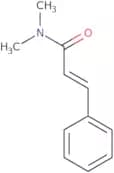
CAS:Controlled Product<p>Glycine amide acetate is a product that contains an imine group. It has been shown to have staining properties when applied to human keratin and is used in the cosmetic industry as a depigmenting agent. Glycine amide acetate has been shown to be effective in the treatment of depression, although it is not yet approved for this use. The molecule also contains an iridoid compound, which may be responsible for its effects on mood.</p>Formula:C2H6N2O•C2H4O2Purity:Min. 95%Color and Shape:PowderMolecular weight:134.13 g/mol(2E)-N,N-Dimethyl-3-phenylprop-2-enamide
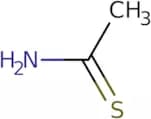
CAS:<p>2,2-diphenyl-N,N-dimethylpropeneamide (DPPA) is a disulfide compound that has photolytic, thermolytic and modelling properties. DPPA can be used to produce alkylcobalt complexes with various substituents at the α position of the phenyl ring. The lactam structure of DPPA has been shown to undergo thermolysis at temperatures of 250°C in a vacuum. Cinnamic acids have been shown to form lactams with DPPA as well as cinnamic acid derivatives. Molecular modelling studies have been conducted on 2,2-diphenyl-N,N-dimethylpropeneamide and its molecular interactions with styrene and amido groups.</p>Formula:C11H13NOPurity:Min. 95%Color and Shape:PowderMolecular weight:175.23 g/molThioacetamide
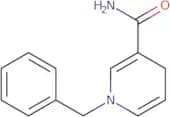
CAS:Controlled Product<p>Thioacetamide is a chemical compound that has been used as a model system to study apoptosis. It is also known to cause injury and biochemical changes in cells. Thioacetamide is metabolized by cytochrome P450 enzymes and conjugated with glucuronic acid, which prevents it from binding to DNA or protein. The oxidation of thioacetamide by cytochrome P450 enzymes leads to the formation of reactive oxygen species that may cause DNA damage. Apoptosis induced by thioacetamide has been shown to be mediated through the mitochondrial pathway, which involves the release of cytochrome C, activation of caspase-9, and cleavage of poly (ADP-ribose) polymerase (PARP). Thioacetamide also inhibits sorbitol dehydrogenase activity, which leads to an accumulation of sorbitol in cells. This accumulation can activate transcriptional factors such as nuclear factor kappa B (NF-κB), leading to</p>Formula:C2H5NSPurity:Min. 98 Area-%Color and Shape:PowderMolecular weight:75.13 g/mol1-Benzyl-1,4-dihydronicotinamide
CAS:<p>1-Benzyl-1,4-dihydronicotinamide is a drug that has been shown to have potential in treating metabolic disorders by restoring the balance of nitrogen atoms. It has been shown to be effective in inhibiting the production of nitric oxide and other reactive oxygen species (ROS) which are involved in the pathogenesis of inflammation, septic shock and HIV infection. 1-Benzyl-1,4-dihydronicotinamide also inhibits light emission from cells. This effect is due to its ability to reduce the concentration of NADH and ATP, which are necessary for the light emitting reaction. The drug's mechanism of action is not well understood but it may be related to its ability to block dimethyl fumarate (DMF), an inhibitor of monoclonal antibody production. The physiological function of this drug is not yet well understood but it may be related to its ability to inhibit the proliferation of human immunodeficiency virus (HIV).</p>Formula:C13H14N2OPurity:Min. 95%Color and Shape:PowderMolecular weight:214.26 g/molHexadecanamide
CAS:<p>Hexadecanamide is a reactive amide that has an optimum concentration of 1.5-2.0 M in water and a pH range of 3.0-8.0. Hexadecanamide is oxidized by an oxidation catalyst to form hexadecane, which can be analyzed by gas chromatography or high performance liquid chromatography. The oxidation reaction can be monitored under constant pressure conditions using electrochemical impedance spectroscopy. Hexadecanamide reacts with hydroxyl groups and fatty acids to form hexadecanoic acid, which can be analyzed using gas chromatography or high performance liquid chromatography. Hexadecanamide also reacts with viral life to form hexadecanoic acid, which can be analyzed using gas chromatography or high performance liquid chromatography.<br>Hexadecanamide has been shown to have anti-inflammatory properties, which may be due to its ability to inhibit the production of pro-inflammatory cytokines such as histamine and leukotrienes</p>Formula:C16H33NOPurity:Min. 95%Color and Shape:PowderMolecular weight:255.44 g/mol3-Oxo-2-phenyl butanamide
CAS:Controlled Product<p>3-Oxo-2-phenyl butanamide is an amphetamine that has been shown to be a potential marker for wastewater. 3-Oxo-2-phenyl butanamide is one of the many intermediates in the synthesis of amphetamine from phenylacetone and can be found in wastewater as an impurity. This compound has also been used as a marker for wastewater treatment malfunctioning. 3-Oxo-2-phenyl butanamide is excreted into the environment through urine, and its presence can be measured in water samples by gas chromatography/mass spectrometry or liquid chromatography/mass spectrometry.</p>Formula:C10H11NO2Purity:Min. 95%Color and Shape:PowderMolecular weight:177.2 g/mol2-Chloro-N-(4-chlorophenyl)propanamide
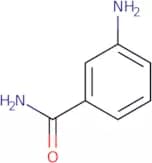
CAS:<p>2-Chloro-N-(4-chlorophenyl)propanamide is an acetanilide that is used as a research chemical in the preparation of other compounds. It also has been used to synthesize chloroacetanilides and chloroanilides. 2-Chloro-N-(4-chlorophenyl)propanamide can be prepared by reacting 4-chloroaniline with acetic anhydride and potassium chloride in a basic solution. The reaction will take place at room temperature, but will produce a greater yield when heated to 40°C for 1 hour. This compound can be used as a starting material for the synthesis of other compounds, such as chlorinated analogues of acetaminophen (paracetamol).</p>Formula:C9H9Cl2NOPurity:Min. 95%Molecular weight:218.08 g/mol3-Aminobenzamide
CAS:<p>3-Aminobenzamide is a drug that has been shown to be effective in the treatment of temozolomide-induced neuronal death. 3-Aminobenzamide inhibits the synthesis of ATP and blocks its binding to the atp-binding cassette transporter, which prevents the transport of this nucleotide into cells. This results in cell death due to insufficient energy metabolism and inability to repair DNA damage. 3-Aminobenzamide also increases production of reactive oxygen species, which are involved in reperfusion injury and myocardial infarcts. 3-Aminobenzamide is used as a model system for studying DNA repair and energy metabolism.</p>Formula:C7H8N2OPurity:Min. 95%Color and Shape:PowderMolecular weight:136.15 g/mol2-Chloro-N-(3,5-dichlorophenyl)acetamide
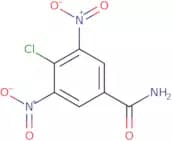
CAS:<p>2-Chloro-N-(3,5-dichlorophenyl)acetamide is a stabilized, crystalline compound. It has a planar structure with an amide bond and hydrogen bonds. The 2-chloro group is bonded to the nitrogen atom of the acetamide group. The 3,5-dichlorophenyl group is bonded to the carbon atom of the acetamide group. The chlorine atoms are in a planar configuration with adjacent chlorine atoms forming a skeletal arrangement. This chemical is used as an intermediate for other compounds.</p>Formula:C8H6Cl3NOPurity:Min. 95%Molecular weight:238.5 g/mol4-Chloro-3,5-dinitrobenzamide
CAS:<p>4-Chloro-3,5-dinitrobenzamide is a bifunctional molecule that contains a chlorine atom. It has been found to react with dipolar solutes as well as vicinal dioxan arylation. The nucleophilic amide group is also labile and can be hydrolyzed by strong acids or bases. The electron lone pair of the chlorine atom in 4-chloro-3,5-dinitrobenzamide can be used for electrophilic substitution reactions with aromatic rings or amines. This molecule has been found to undergo an arylation reaction with imidazole in the presence of dioxan solvent at room temperature.</p>Formula:C7H4ClN3O5Purity:Min. 95%Molecular weight:245.58 g/molAvenanthramide C
CAS:<p>Avenanthramide C is a potent polyphenolic compound that is isolated from the bark of the plant, Avena sativa. It has been shown to be an effective chemotherapeutic treatment for breast cancer and leukemia cells in vitro. Avenanthramide C has a hydroxyl group at its 6th carbon position and is a member of the class of compounds called avenanthramides. The biological properties of this compound have been examined using skin cells and it has been shown to exhibit significant activity against DNA polymerase, DNA binding activity, and enzyme activities. This compound also exhibits chemoattractant protein-like activity, which may be due to its ability to bind with high affinity to specific receptors on leukocytes.</p>Formula:C16H13NO6Purity:Min. 95%Color and Shape:PowderMolecular weight:315.28 g/molCyanamide
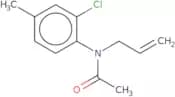
CAS:Controlled Product<p>Cyanamide is a nitrogen-containing organic compound that is used as a plant nutrient. It has been shown to increase the activity of enzymes in methyl ethyl x-ray crystal structures and locomotor activity in mice. Cyanamide is also used as an herbicide and chemical pesticide, with calcium as its main target. The cyanamide molecule binds to the calcium ion and undergoes a reaction mechanism that results in the release of ammonia gas, which is toxic to plants. In addition, cyanamide can cause kidney damage in humans due to its ability to inhibit protein synthesis.</p>Formula:CH2N2Purity:Min. 95%Color and Shape:White PowderMolecular weight:42.02 g/molN-Allyl-n-(4-cyano-2-chlorophenyl)acetamide
CAS:<p>N-Allyl-N-(4-cyano-2-chlorophenyl)acetamide is a high quality reagent that has been used as an intermediate in the synthesis of fine chemicals, useful scaffolds and building blocks. It is also a versatile building block that can be used to synthesize high quality compounds with a wide range of functionalities. N-Allyl-N-(4-cyano-2-chlorophenyl)acetamide is a speciality chemical that can be used for research purposes. This compound has been shown to produce reactions with other compounds, such as nitrobenzene, to generate useful products.</p>Formula:C12H11ClN2OPurity:Min. 95%Molecular weight:234.68 g/molClofenamide
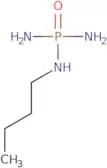
CAS:<p>Clofenamide is a drug that is used to treat insulin resistance. It is an at1 receptor antagonist that blocks the action of histamine, which stimulates the release of insulin from the pancreas. Clofenamide has been shown to reduce systolic blood pressure in patients with autoimmune diseases and cardiac hypertrophy. It is also used for treating infectious diseases, such as pneumonia and tuberculosis. Clofenamide reduces inflammation by inhibiting inflammatory enzymes, such as butyric acid. This drug has been found to have anticancer activity in cell-based studies by inhibiting cellular proliferation and inducing apoptosis in cancer cells.</p>Formula:C6H7ClN2O4S2Purity:Min. 95%Color and Shape:Slightly Yellow PowderMolecular weight:270.72 g/molN-(n-Butyl)phosphoric triamide
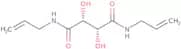
CAS:<p>N-(n-Butyl)phosphoric triamide is an analog of phosphoric acid that has a matrix effect on the uptake of water molecules by cells. N-(n-Butyl)phosphoric triamide is used as a sample preparation agent in microbiological analysis and as an antimicrobial agent to inhibit the growth of bacteria. This compound inhibits the growth rate of triticum aestivum, which may be due to its ability to inhibit nitrous oxide, a key intermediate in bacterial metabolism. N-(n-Butyl)phosphoric triamide has been shown to have an inhibitory effect on water molecule formation and growth rate in bacteria.</p>Formula:C4H14N3OPPurity:Min. 98 Area-%Color and Shape:White Off-White PowderMolecular weight:151.15 g/molN,N'-Diallyl-L-tartardiamide
CAS:<p>N,N'-Diallyl-L-tartardiamide is a heparin-like molecule with the ability to bind calcium. It has been shown to be an effective inhibitor of antibody response in mice and can also inhibit periodate treatment of primary amino groups. N,N'-Diallyl-L-tartardiamide has a high degree of solubility in water and is soluble in organic solvents as well. It can be crosslinked to form polymeric matrices that are suitable for use in size-exclusion chromatography. N,N'-Diallyl-L-tartardiamide can also be used as a cross linking agent for agarose gels and gel matrices.</p>Formula:C10H16N2O4Purity:Min. 95%Color and Shape:White PowderMolecular weight:228.25 g/mol3-Amino-4-chlorobenzamide
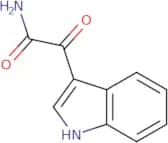
CAS:<p>3-Amino-4-chlorobenzamide is an organic compound that belongs to the class of aminobenzoic acids and is used as a coupling agent in organic synthesis. It reacts with aryl halides or halides to form 3-amino-4-chlorobenzonitrile, which can be converted into anilines by heating with ammonia and ammonium chloride. This reaction has been shown to be reversible with heat. 3-Amino-4-chlorobenzamide is also used as a water absorber in paper products, such as diapers and sanitary napkins.</p>Formula:C7H7ClN2OPurity:Min. 95%Color and Shape:PowderMolecular weight:170.6 g/molIndole-3-glyoxylamide
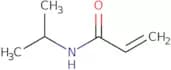
CAS:<p>Indole-3-glyoxylamide is a synthetic compound that was originally developed as a potential anti-cancer drug. It has been shown to inhibit glycogen synthase kinase 3 (GSK-3) and thereby reduce the production of proinflammatory cytokines in bowel disease. Indole-3-glyoxylamide also inhibits inflammatory bowel disease by inhibiting secretory phospholipase A2, which prevents the release of arachidonic acid from phospholipids. This synthesis is required for the production of prostaglandins and leukotrienes, which are involved in the inflammatory process. The compound has been shown to have immunomodulatory effects in chronic bronchitis, with an inhibitory effect on neutrophil chemotaxis, macrophage activity, and cytokine production. Indole-3-glyoxylamide has also been shown to be effective against cancer cells in vitro and in vivo animal models. It is metabolized through</p>Formula:C10H8N2O2Purity:Min. 95%Color and Shape:PowderMolecular weight:188.18 g/molN-Isopropylacrylamide
CAS:<p>N-Isopropylacrylamide is a biocompatible polymer that is used in the preparation of polymers. It is a solid phase microextraction material that is used in sample preparation and purification. N-Isopropylacrylamide has a phase transition temperature of -5°C and can be polymerized to form a polymer. This polymerization process can be done with or without catalysts, which are required for the formation of many other types of polymers. N-Isopropylacrylamide has been shown to have good affinity for human serum and wastewater treatment effluent samples, as well as for chitosan polymer surfaces. The kinetic data show that this polymer possesses high capacity for trifluoroacetic acid (TFA) reactivity, which makes it suitable for use in reaction solutions.</p>Formula:C6H11NOPurity:Min. 98.5 Area-%Color and Shape:White PowderMolecular weight:113.16 g/molHomoveratramide
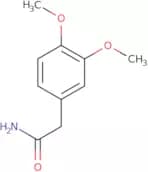
CAS:<p>Homoveratramide is a synthetic drug that is used as an antibacterial agent. It has a broad spectrum of activity against bacteria, fungi, and protozoa. Homoveratramide has been shown to be effective against both Gram-positive and Gram-negative bacteria, including Staphylococcus aureus, Streptococcus pneumoniae, Escherichia coli, Salmonella enterica, Pseudomonas aeruginosa, and Klebsiella pneumoniae. Homoveratramide inhibits the synthesis of DNA by binding to the enzyme ribonucleotide reductase. This produces a bacteriostatic effect on the cell by halting DNA replication and transcription.</p>Formula:C10H13NO3Purity:Min. 95%Color and Shape:PowderMolecular weight:195.22 g/molAcetyl-L-tyrosine amide
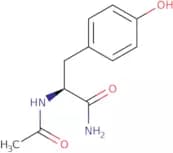
CAS:<p>Acetyl-L-tyrosine amide is an analog of L-tyrosine that is used as an active substance in the field of uv absorption. Acetyl-L-tyrosine amide reacts with sodium hydroxide to form a soluble salt, which has been shown to have binding constants that are comparable to those of human serum. This compound also has fluorescence properties and can be used for the determination of neutral pH. The reaction products formed between acetyl-L-tyrosine amide and sodium hydroxide are hydrolyzed by acids and yield a molecule with rotameric properties. These rotameric properties can be modeled using a protein model without affecting the stability or function of the protein.</p>Formula:C11H14N2O3Purity:Min. 95%Color and Shape:PowderMolecular weight:222.24 g/molN-[2-(1,3-Dimethylbutyl)phenyl]-5-fluoro-1,3-dimethyl-1H-pyrazole-4-carboxamide
CAS:Controlled Product<p>N-[2-(1,3-Dimethylbutyl)phenyl]-5-fluoro-1,3-dimethyl-1H-pyrazole-4-carboxamide is an herbicide that belongs to the group of fatty acid amides. It is a selective postemergence herbicide that inhibits the germination and growth of plants by inhibiting the synthesis of fatty acids. Unlike other chemical pesticides, it has no effect on animals or humans and it is not toxic to plants. The selectivity of N-[2-(1,3-Dimethylbutyl)phenyl]-5-fluoro-1,3-dimethyl-1H-pyrazole-4-carboxamide makes it a good candidate for use in combination preparations with other chemicals.</p>Purity:Min. 95%2-(((2,5-dimethoxyphenyl)sulfonyl)amino)benzamide
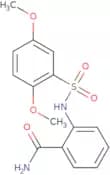
CAS:<p>Please enquire for more information about 2-(((2,5-dimethoxyphenyl)sulfonyl)amino)benzamide including the price, delivery time and more detailed product information at the technical inquiry form on this page</p>Purity:Min. 95%2,2'-(Diazene-1,2-diyl)bis(2-methylpropanimidamide) dihydrochloride
CAS:<p>2,2'-(Diazene-1,2-diyl)bis(2-methylpropanimidamide) dihydrochloride (BPDC) is a synthetic compound that is used as an analytical reagent and a model system for oxidative injury. It has significant cytotoxicity on human cells in cell culture. BPDC induces oxidative damage to proteins and DNA by increasing the production of reactive oxygen species such as hydrogen peroxide, superoxide, and hydroxyl radicals. The mechanism of action is not well understood but may be due to Toll-like receptor signalling pathways. This compound has been shown to inhibit the activity of antioxidant enzymes such as glutathione peroxidase and catalase. It also inhibits the activity of proinflammatory cytokines such as IL-6 and IL-8. BPDC is being investigated for its potential use in bowel disease treatment.</p>Formula:C8H20Cl2N6Purity:Min. 95%Color and Shape:PowderMolecular weight:271.19 g/mol2,3-Dichlorobenzamide
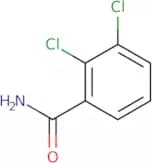
CAS:<p>2,3-Dichlorobenzamide is a herbicide with a stable structure. It has been shown to be effective against the weed species Agropyron repens and other grasses that grow in wetland conditions. 2,3-Dichlorobenzamide inhibits the growth of these plants by causing chlorosis, which is characterized by yellowing of leaves. 2,3-Dichlorobenzamide is toxic to aquatic organisms and can cause pollution in water systems. The molecular electrostatic potential of 2,3-Dichlorobenzamide has been studied using computer models and the parameters have been used to predict its toxicity to various tissues such as nerves or liver cells.</p>Formula:C7H5Cl2NOPurity:Min. 95%Color and Shape:PowderMolecular weight:190.03 g/molN-Cyclohexyl-2-benzothiazolylsulfenamide
CAS:<p>N-Cyclohexyl-2-benzothiazolylsulfenamide is a cross-linking agent that is used in the production of polymeric matrices. It is a multi-walled carbon molecule with an aromatic hydrocarbon cross-linker. N-Cyclohexyl-2-benzothiazolylsulfenamide reacts with fatty acids to form cationic surfactants, which can be used as antimicrobial agents. The reaction mechanism for this type of chemical reaction has been studied under constant pressure conditions and it was found that sulfur transfer occurs in the first step, followed by activation energies for the second and third steps. The diameter of the product depends on the degree of polymerization (DP).</p>Formula:C13H16N2S2Purity:Min. 95%Color and Shape:PowderMolecular weight:264.41 g/mol3-Cyanobenzamide
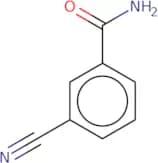
CAS:<p>3-Cyanobenzamide is an organic compound with the formula CHC(N)NH. It is a white crystalline solid that can be obtained by reacting benzamide with cyanoacetylene. There are three possible isomers of 3-cyanobenzamide: 3-cyano-1-(substituted phenyl)benzamide, 3-cyano-2-(substituted phenyl)benzamide, and 3-cyano-3-(substituted phenyl)benzamide. The optimal reaction conditions for the synthesis of 3-cyanobenzamide are in the presence of hydrogen bonding, such as n-hexane, amide, and phase equilibrium. Studies have determined that 3-cyanobenzamide has the potential to cause cancer or liver toxicity in humans. In addition, this chemical has been shown to be an effective inhibitor of alpha glucosidase enzymes in vitro and in vivo.</p>Formula:C8H6N2OPurity:Min. 90%Molecular weight:146.15 g/mol2-Phenyl-N-phenylacetamide
CAS:<p>2-Phenyl-N-phenylacetamide is an amide that is a potent inhibitor of cholesterol acyltransferase. It has been shown to be effective in animal models of insulin resistance and hypertension, as well as in humans. 2-Phenyl-N-phenylacetamide inhibits the activity of cholesterol acyltransferase by competitive inhibition and thereby reduces the production of triglycerides. This drug also inhibits the synthesis of phospholipids and bile acids, which are important for fat digestion. 2-Phenyl-N-phenylacetamide reacts with phosphorus pentoxide to form phenoxyacetic acid, which is hydrolyzed to phenoxyacetate and phenol. The hydroxy group on phenol reacts with aryl halides to form aryl esters. These reactions lead to the formation of divalent hydrocarbon intermediates such as malonic acid, which can be used for energy production through oxidation or as precursors</p>Formula:C14H13NOPurity:Min. 95%Molecular weight:211.26 g/molN-Methyl-N-vinylacetamide
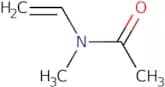
CAS:<p>N-Methyl-N-vinylacetamide is a colorless liquid with a boiling point of 105.6°C. It is produced by the reaction of acetamide and vinyl chloride in the presence of hydrochloric acid, glycol ether, and methyl ethyl ketone. The viscosity of this compound is low, which makes it an ideal solvent for paints and coatings. N-Methyl-N-vinylacetamide also has genetic damaging effects and can cause mutations in bacteria that are exposed to this compound in high concentrations. This product has an unusual chemical structure due to its hydrogen bonding interactions.br>br><br>br>br><br>Hydrogen bonds are weak intermolecular forces between polar molecules, such as water or alcohols, that are formed by the attraction between a partially positive hydrogen atom on one molecule and the negative end of another nearby molecule. Hydrogen bonds stabilize certain molecular structures because they provide partial shielding from electrostatic interactions with</p>Formula:C5H9NOPurity:Min. 97.5%Color and Shape:Clear LiquidMolecular weight:99.13 g/molZonisamide
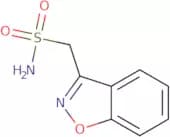
CAS:<p>Voltage-gated sodium channel blocker</p>Formula:C8H8N2O3SPurity:Min. 95%Color and Shape:White Slightly Yellow PowderMolecular weight:212.23 g/mol2-Amino-N-[2-(2-chlorobenzoyl)-4-nitrophenyl]acetamide
CAS:<p>2-Amino-N-[2-(2-chlorobenzoyl)-4-nitrophenyl]acetamide is a fine chemical that is used as a building block in organic synthesis. It is a versatile intermediate for the synthesis of other compounds and can be used to make a variety of useful scaffolds. 2-Amino-N-[2-(2-chlorobenzoyl)-4-nitrophenyl]acetamide has been used in research and development of pharmaceuticals, agrochemicals, herbicides, and other compounds.</p>Formula:C15H12ClN3O4Purity:Min. 95%Color and Shape:Slightly Yellow PowderMolecular weight:333.73 g/mol2,3,5-Trichloro-N-(3,5-dichloro-2-hydroxyphenyl)-6-hydroxybenzamide
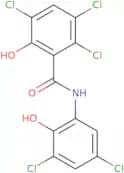
CAS:<p>Oxyclozanide is an antimicrobial agent that inhibits the enzyme activity of chitin synthase in the nematode, which is necessary for the production of chitin. This inhibition leads to disruption of the nematode's cell membrane and death. Oxyclozanide has been shown to be effective against resistant mutants, as well as synergistic with other antimicrobial agents. It is also a specific antidote for oxyclozanide poisoning.</p>Formula:C13H6Cl5NO3Purity:Min. 95%Color and Shape:PowderMolecular weight:401.46 g/molDiethanololeamide
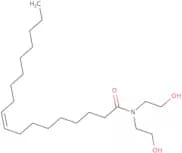
CAS:<p>Emulgator; stabilizing surfactant used in cosmetics, pharmaceuticals, textiles</p>Formula:C22H43NO3Color and Shape:Yellow PowderMolecular weight:369.58 g/mol(3-(2,6-dichlorophenyl)-5-methylisoxazol-4-yl)-N-(2-indol-3-ylethyl)formamide
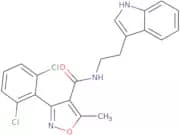
CAS:<p>Please enquire for more information about (3-(2,6-dichlorophenyl)-5-methylisoxazol-4-yl)-N-(2-indol-3-ylethyl)formamide including the price, delivery time and more detailed product information at the technical inquiry form on this page</p>Purity:Min. 95%Flutamide
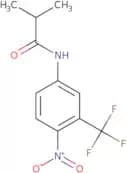
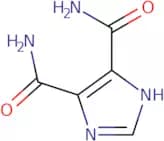
CAS:<p>Non-steroidal androgen receptor antagonist</p>Formula:C11H11F3N2O3Purity:Min. 95%Color and Shape:Off-White PowderMolecular weight:276.21 g/mol1H-Imidazole-4,5-dicarboxamide
CAS:<p>1H-Imidazole-4,5-dicarboxamide is a detergent composition that contains antimicrobial agents. It has been shown to inhibit the growth of resistant mutants in vitro and is active against a broad spectrum of bacteria. Hydrogen bonding interactions between 1H-imidazole-4,5-dicarboxamide and the amide group on the cell membrane surface are thought to be responsible for its activity. This compound also inhibits nuclear DNA synthesis by binding to the enzyme topoisomerase II, which is necessary for DNA replication. The molecular weight of 1H-imidazole-4,5-dicarboxamide makes it useful as an analytical reagent in gas chromatography.</p>Formula:C5H6N4O2Purity:Min. 95%Color and Shape:PowderMolecular weight:154.13 g/mol



![N-[2-(p-Cinnamylamino)ethyl]-5-isoquinolone sulfonamide](/_next/image/?url=https%3A%2Fstatic.cymitquimica.com%2Fproducts%2F3D%2Fthumb-webp%2FFC20451.webp&w=3840&q=75)








![N-[2-(1,3-Dimethylbutyl)phenyl]-5-fluoro-1,3-dimethyl-1H-pyrazole-4-carboxamide](/_next/image/?url=https%3A%2Fstatic.cymitquimica.com%2Fproducts%2F3D%2Fthumb-webp%2FFD156991.webp&w=3840&q=75)



![2-Amino-N-[2-(2-chlorobenzoyl)-4-nitrophenyl]acetamide](/_next/image/?url=https%3A%2Fstatic.cymitquimica.com%2Fproducts%2F3D%2Fthumb-webp%2FFA17795.webp&w=3840&q=75)