Amides
Amides are a wide range of chemical compounds that contain at least one heterocyclic ring, which has atoms of at least two different elements in the ring structure, and at least one amide group (-CONH2). These compounds are crucial in the synthesis of pharmaceuticals, polymers, and agrochemicals. Amides exhibit unique properties and reactivity, making them valuable intermediates in organic synthesis. At CymitQuimica, we offer a comprehensive selection of high-quality amides to support your research and industrial needs.
Found 16485 products of "Amides"
Sort by
Purity (%)
0
100
|
0
|
50
|
90
|
95
|
100
Indole-3-acetamide
CAS:<p>Indole-3-acetamide is an organic compound that is a component of the natural amino acid tryptophan. Indole-3-acetamide has been shown to be a potential anti-cancer drug. It inhibits prostate cancer cells and wild-type strains by inhibiting fatty acid synthase, which is an enzyme that catalyzes the synthesis of fatty acids. Indole-3-acetamide is also able to increase the production of monoclonal antibodies in mice with antigenic stimulation.</p>Formula:C10H10N2OPurity:Min. 98 Area-%Color and Shape:PowderMolecular weight:174.2 g/molN-[(4-Amino-2-methylpyrimidin-5-yl)methyl]formamide
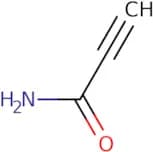
CAS:<p>N-[(4-Amino-2-methylpyrimidin-5-yl)methyl]formamide (NAMPT) is a triazolo compound that inhibits the ATP binding cassette transporter and blocks the uptake of uridine and pyrimidine compounds. It also inhibits inorganic pyrophosphatase, which is an enzyme that catalyzes the hydrolysis of pyrophosphate to inorganic phosphate. NAMPT has been shown to be a substrate for hypochlorous acid production in neutrophils, suggesting it may play a role in the regulation of oxidative stress. Chemical biology studies have demonstrated that NAMPT plays a physiological function as an intermediate in vitamin B1 biosynthesis.</p>Formula:C7H10N4OPurity:Min. 95%Color and Shape:PowderMolecular weight:166.18 g/molPropiolamide
CAS:<p>Propiolamide is a sulfoxide-substituted diphenyl compound that inhibits the growth of cancer cells. It is an irreversible inhibitor of the enzyme, protein kinase C, which has been shown to be involved in the regulation of cell proliferation and differentiation. Propiolamide also inhibits the production of estrone sulfate by inhibiting mitochondrial superoxide production. The hydrochloric acid-catalyzed reaction solution can be prepared using anhydrous sodium as a reducing agent and chemical stability can be achieved by using palladium as a catalyst.</p>Formula:C3H3NOPurity:Min. 96 Area-%Color and Shape:PowderMolecular weight:69.06 g/molN-(4-(tert-Butyl)phenyl)-3-(4-chlorophenyl)prop-2-enamide
<p>Please enquire for more information about N-(4-(tert-Butyl)phenyl)-3-(4-chlorophenyl)prop-2-enamide including the price, delivery time and more detailed product information at the technical inquiry form on this page</p>Purity:Min. 95%Color and Shape:PowderN-Allyl-N-ethylheptadecafluorooctanesulphonamide
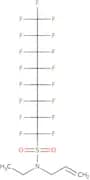
CAS:Controlled Product<p>N-Allyl-N-Ethylheptadecafluorooctanesulphonamide is a chemical substance that belongs to the group of sulfonates. It is an oily liquid with a boiling point of about 160°C, and is soluble in water. N-Allyl-N-Ethylheptadecafluorooctanesulphonamide has been used as a component of mixtures, such as cleaning agents and cosmetics. The chemical properties of this substance are not well studied due to its limited use.</p>Formula:C13H10F17NO2SPurity:Min. 95%Molecular weight:567.26 g/mol1-Benzyl-1,4-dihydronicotinamide
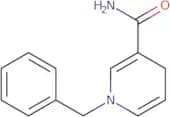
CAS:<p>1-Benzyl-1,4-dihydronicotinamide is a drug that has been shown to have potential in treating metabolic disorders by restoring the balance of nitrogen atoms. It has been shown to be effective in inhibiting the production of nitric oxide and other reactive oxygen species (ROS) which are involved in the pathogenesis of inflammation, septic shock and HIV infection. 1-Benzyl-1,4-dihydronicotinamide also inhibits light emission from cells. This effect is due to its ability to reduce the concentration of NADH and ATP, which are necessary for the light emitting reaction. The drug's mechanism of action is not well understood but it may be related to its ability to block dimethyl fumarate (DMF), an inhibitor of monoclonal antibody production. The physiological function of this drug is not yet well understood but it may be related to its ability to inhibit the proliferation of human immunodeficiency virus (HIV).</p>Formula:C13H14N2OPurity:Min. 95%Color and Shape:PowderMolecular weight:214.26 g/molPhthalimidoyl-N-(methyltosyl)hexanamide
<p>Phthalimidoyl-N-(methyltosyl)hexanamide is a fine chemical that can be used as a versatile building block and reaction component. It is an intermediate in the production of a variety of products, including pharmaceuticals and pesticides. Phthalimidoyl-N-(methyltosyl)hexanamide is also used as a reagent for the preparation of other compounds. This compound has high purity and quality, making it suitable for research purposes. The CAS number for this compound is 183828-04-7.</p>Formula:C21H22N2O5SMolecular weight:414.48 g/mol2-Indol-3-yl-2-oxo-N-(3-(1,1,2,2-tetrafluoroethoxy)phenyl)ethanamide
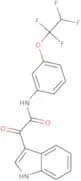
CAS:<p>Please enquire for more information about 2-Indol-3-yl-2-oxo-N-(3-(1,1,2,2-tetrafluoroethoxy)phenyl)ethanamide including the price, delivery time and more detailed product information at the technical inquiry form on this page</p>Formula:C18H12F4N2O3Purity:Min. 95%Color and Shape:PowderMolecular weight:380.29 g/molAnthranilamide
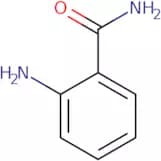
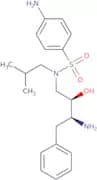
CAS:<p>Anthranilamide is used for non-selective, efficient fluorescent labelling of glycans.</p>Formula:C7H8N2OPurity:Min. 95%Color and Shape:White PowderMolecular weight:136.15 g/mol4-Amino-N-((2R,3S)-3-amino-2-hydroxy-4-phenylbutyl)-N-ispobutylbenzenesulfonamide
CAS:<p>4-Amino-N-((2R,3S)-3-amino-2-hydroxy-4-phenylbutyl)-N-isobutylbenzenesulfonamide is an amide that is used to treat HIV infections. It has been shown to have potent anti-viral activity against HIV infected cells in the laboratory and can inhibit the replication of HIV by interfering with the virus's ability to use the reverse transcriptase enzyme. 4ABAB has been shown to bind to the enzyme ribonuclease H (crth2), which is responsible for breaking down viral RNA. This binding prevents crth2 from cleaving viral RNA, thus inhibiting DNA synthesis and preventing cell death. 4ABAB also interferes with a hydrogen bond between ethyl group and the hydroxyl group on crth2, leading to a decrease in activity.</p>Formula:C20H29N3O3SPurity:Min. 95%Color and Shape:White PowderMolecular weight:391.53 g/mol3-Cyanobenzamide
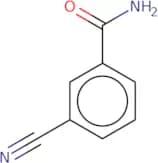
CAS:3-Cyanobenzamide is an organic compound with the formula CHC(N)NH. It is a white crystalline solid that can be obtained by reacting benzamide with cyanoacetylene. There are three possible isomers of 3-cyanobenzamide: 3-cyano-1-(substituted phenyl)benzamide, 3-cyano-2-(substituted phenyl)benzamide, and 3-cyano-3-(substituted phenyl)benzamide. The optimal reaction conditions for the synthesis of 3-cyanobenzamide are in the presence of hydrogen bonding, such as n-hexane, amide, and phase equilibrium. Studies have determined that 3-cyanobenzamide has the potential to cause cancer or liver toxicity in humans. In addition, this chemical has been shown to be an effective inhibitor of alpha glucosidase enzymes in vitro and in vivo.Formula:C8H6N2OPurity:Min. 90%Molecular weight:146.15 g/mol4-Chlorocinnamide
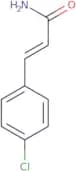
CAS:<p>4-Chlorocinnamide is an organochlorine compound that has been found to have antibacterial properties. It inhibits the shikimate pathway in bacteria, which is essential for bacterial growth. This molecule has been shown to bind with the cation channel of the nerve cells in the trigeminal nerve and inhibit their function. The inhibition of this channel leads to reduced sensitivity to pain. 4-Chlorocinnamide is also a precursor in the synthesis of stilbene derivatives, which are used as anticancer drugs.</p>Formula:C9H8ClNOPurity:Min. 95%Color and Shape:PowderMolecular weight:181.62 g/molN-Phenylpiperidine-4-carboxamide
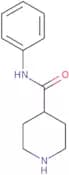
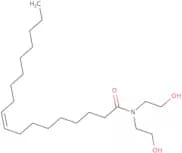
CAS:<p>N-Phenylpiperidine-4-carboxamide is a drug that inhibits the production of thromboxane A2 and other substances that promote clotting. It is used to treat patients with high blood pressure, as well as for the prevention of strokes and heart attacks. N-Phenylpiperidine-4-carboxamide is an analog of biphenyl and has been shown to have antiplatelet activity in humans. This drug also inhibits soluble guanylate cyclase, which prevents platelets from sticking together and forming clots. N-Phenylpiperidine-4-carboxamide is rapidly metabolized by esterases in the human body and excreted primarily in urine. The pharmacokinetic properties of this drug are not well understood but it can be synthesized using a number of different methods involving amide bonds.</p>Formula:C12H16N2OPurity:Min. 95%Color and Shape:White PowderMolecular weight:204.27 g/molDiethanololeamide
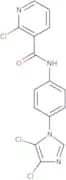
CAS:<p>Emulgator; stabilizing surfactant used in cosmetics, pharmaceuticals, textiles</p>Formula:C22H43NO3Color and Shape:Yellow PowderMolecular weight:369.58 g/molN-(4-(4,5-dichloroimidazolyl)phenyl)(2-chloro(3-pyridyl))formamide
CAS:Please enquire for more information about N-(4-(4,5-dichloroimidazolyl)phenyl)(2-chloro(3-pyridyl))formamide including the price, delivery time and more detailed product information at the technical inquiry form on this pagePurity:Min. 95%N-(4-methylthio(3H-2,3,5-triazolyl))-3-phenylprop-2-enamide
CAS:<p>Please enquire for more information about N-(4-methylthio(3H-2,3,5-triazolyl))-3-phenylprop-2-enamide including the price, delivery time and more detailed product information at the technical inquiry form on this page</p>Formula:C12H12N4OSPurity:Min. 95%Color and Shape:PowderMolecular weight:260.32 g/molN-(4-(4,5-dichloroimidazolyl)phenyl)(2-(4-chlorophenoxy)(3-pyridyl))formamide
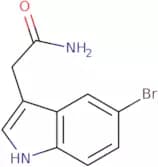
CAS:<p>Please enquire for more information about N-(4-(4,5-dichloroimidazolyl)phenyl)(2-(4-chlorophenoxy)(3-pyridyl))formamide including the price, delivery time and more detailed product information at the technical inquiry form on this page</p>Purity:Min. 95%2-(5-Bromo-1H-indol-3-yl)acetamide
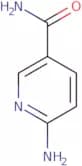
CAS:<p>2-(5-Bromo-1H-indol-3-yl)acetamide is a high quality, reagent, complex compound, useful intermediate and fine chemical. It is also a useful scaffold or building block for the synthesis of speciality chemicals. 2-(5-Bromo-1H-indol-3-yl)acetamide is used in research and development as a versatile building block for the synthesis of new compounds. The CAS number for this compound is 196081-79-5.</p>Formula:C10H9BrN2OPurity:Min. 98 Area-%Color and Shape:PowderMolecular weight:253.1 g/mol6-Aminonicotinamide
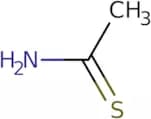
CAS:6-Aminonicotinamide is an experimental drug that has shown promising results in animal studies. This compound may be useful for the treatment of cancer, due to its ability to inhibit reactive oxygen species and maintain mitochondrial membrane potential. 6-Aminonicotinamide also has a protective effect against radiation-induced cell damage, as it prevents oxidative injury to DNA and protein. In addition, 6-aminonicotinamide can stimulate the proliferation of pluripotent cells, which are cells that have the ability to differentiate into any type of cell in the body. Finally, this compound was shown to have antitumor effects by inhibiting squamous carcinoma tumor growth in experimental models.Formula:C6H7N3OPurity:Min. 95%Color and Shape:PowderMolecular weight:137.14 g/molThioacetamide
CAS:Controlled Product<p>Thioacetamide is a chemical compound that has been used as a model system to study apoptosis. It is also known to cause injury and biochemical changes in cells. Thioacetamide is metabolized by cytochrome P450 enzymes and conjugated with glucuronic acid, which prevents it from binding to DNA or protein. The oxidation of thioacetamide by cytochrome P450 enzymes leads to the formation of reactive oxygen species that may cause DNA damage. Apoptosis induced by thioacetamide has been shown to be mediated through the mitochondrial pathway, which involves the release of cytochrome C, activation of caspase-9, and cleavage of poly (ADP-ribose) polymerase (PARP). Thioacetamide also inhibits sorbitol dehydrogenase activity, which leads to an accumulation of sorbitol in cells. This accumulation can activate transcriptional factors such as nuclear factor kappa B (NF-κB), leading to</p>Formula:C2H5NSPurity:Min. 98 Area-%Color and Shape:PowderMolecular weight:75.13 g/mol3-[(Aminocarbonyl)amino]-5-[4-(morpholin-4-ylmethyl)phenyl]thiophene-2-carboxamide
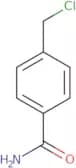
CAS:<p>3-[(Aminocarbonyl)amino]-5-[4-(morpholin-4-ylmethyl)phenyl]thiophene-2-carboxamide is a chemical inhibitor that inhibits the activity of kinases. It has been shown to be cytotoxic against cancer cells and to induce apoptosis through a number of different mechanisms. 3-[(Aminocarbonyl)amino]-5-[4-(morpholin-4-ylmethyl)phenyl]thiophene-2-carboxamide binds to DNA and induces DNA repair, which can lead to cell death. This drug also has an anti-inflammatory effect, which may be due to its ability to inhibit pro-inflammatory cytokines such as TNFα and IL1β.</p>Formula:C17H20N4O3SPurity:Min. 95%Color and Shape:PowderMolecular weight:360.43 g/mol4-(Chloromethyl)benzamide
CAS:<p>4-(Chloromethyl)benzamide is a potent inhibitor of cyclohexane ring formation in proteins and has been shown to be effective against bacteria, fungi, and parasites. 4-(Chloromethyl)benzamide inhibits the synthesis of proteins by targeting the active site of piperazine synthase, an enzyme involved in the production of piperazine. The carbon nanotube linker is a novel molecule that can be used for the attachment of the 4-(chloromethyl)benzamide molecule to cetirizine. In addition, 4-(chloromethyl)benzamide has been shown to have an effective dose at 0.1 μM and a half-life time of 2 hours in rats.</p>Formula:C8H8ClNOPurity:Min. 95%Color and Shape:PowderMolecular weight:169.61 g/molN-[2-(1,3-Dimethylbutyl)phenyl]-5-fluoro-1,3-dimethyl-1H-pyrazole-4-carboxamide
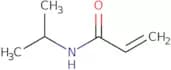
CAS:Controlled Product<p>N-[2-(1,3-Dimethylbutyl)phenyl]-5-fluoro-1,3-dimethyl-1H-pyrazole-4-carboxamide is an herbicide that belongs to the group of fatty acid amides. It is a selective postemergence herbicide that inhibits the germination and growth of plants by inhibiting the synthesis of fatty acids. Unlike other chemical pesticides, it has no effect on animals or humans and it is not toxic to plants. The selectivity of N-[2-(1,3-Dimethylbutyl)phenyl]-5-fluoro-1,3-dimethyl-1H-pyrazole-4-carboxamide makes it a good candidate for use in combination preparations with other chemicals.</p>Purity:Min. 95%N-Isopropylacrylamide
CAS:<p>N-Isopropylacrylamide is a biocompatible polymer that is used in the preparation of polymers. It is a solid phase microextraction material that is used in sample preparation and purification. N-Isopropylacrylamide has a phase transition temperature of -5°C and can be polymerized to form a polymer. This polymerization process can be done with or without catalysts, which are required for the formation of many other types of polymers. N-Isopropylacrylamide has been shown to have good affinity for human serum and wastewater treatment effluent samples, as well as for chitosan polymer surfaces. The kinetic data show that this polymer possesses high capacity for trifluoroacetic acid (TFA) reactivity, which makes it suitable for use in reaction solutions.</p>Formula:C6H11NOPurity:Min. 98.5 Area-%Color and Shape:White PowderMolecular weight:113.16 g/molN-(6-acetylbenzo[d]1,3-dioxolan-5-yl)-2-chloropropanamide
CAS:<p>Please enquire for more information about N-(6-acetylbenzo[d]1,3-dioxolan-5-yl)-2-chloropropanamide including the price, delivery time and more detailed product information at the technical inquiry form on this page</p>Purity:Min. 95%Color and Shape:PowderN-[2-Iodoethyl]trifluoroacetamide
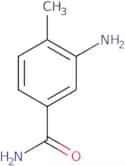
CAS:<p>N-[2-Iodoethyl]trifluoroacetamide is a reactive alkylating agent that is used in the synthesis of biologically active molecules. It reacts with lysines, tryptic and other amino acids to form covalent bonds, which can be cleaved by hydrolysis. The compound also reacts with sulfhydryl groups to produce sulfonium ions, which react with the thiol group at position C6 on the sarcoplasmic reticulum Ca2+ -ATPase to inhibit muscle contraction. N-[2-Iodoethyl]trifluoroacetamide has been shown to cause allergic reactions in rats, mice, and guinea pigs. This drug has also been observed to have an effect on the central nervous system when administered at high doses.</p>Formula:C4H5NOIF3Purity:Min. 95%Color and Shape:PowderMolecular weight:266.99 g/mol3-Amino-4-methylbenzamide
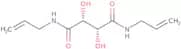
CAS:<p>3-Amino-4-methylbenzamide is an interchemical that can be utilized to synthesize naphthol. 3-Amino-4-methylbenzamide is an amide that has been shown to have a molecular modeling structure of a conformation. The interaction of 3-amino-4-methylbenzamide with the P38 kinase enzyme has been shown to inhibit the activity of this enzyme, which may lead to its use as a drug for the treatment of inflammation.</p>Formula:C8H10N2OPurity:Min. 95%Color and Shape:PowderMolecular weight:150.18 g/molN,N'-Diallyl-L-tartardiamide
CAS:<p>N,N'-Diallyl-L-tartardiamide is a heparin-like molecule with the ability to bind calcium. It has been shown to be an effective inhibitor of antibody response in mice and can also inhibit periodate treatment of primary amino groups. N,N'-Diallyl-L-tartardiamide has a high degree of solubility in water and is soluble in organic solvents as well. It can be crosslinked to form polymeric matrices that are suitable for use in size-exclusion chromatography. N,N'-Diallyl-L-tartardiamide can also be used as a cross linking agent for agarose gels and gel matrices.</p>Formula:C10H16N2O4Purity:Min. 95%Color and Shape:White PowderMolecular weight:228.25 g/mol2,2,2-Trifluoroacetamide
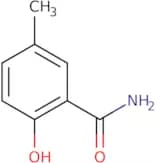
CAS:<p>2,2,2-Trifluoroacetamide is a chemical compound that is stable under normal conditions and can be stored for long periods of time. The compound has been shown to react with trifluoroacetic acid and in the presence of an electrochemical probe to give a redox reaction. This reaction mechanism has been studied by using pharmacokinetic properties of 2,2,2-trifluoroacetamide and its metabolites. The compound is not active against infectious diseases but may be used as a reagent in analytical methods. 2,2,2-Trifluoroacetamide has also been investigated for its ability to bind hydrogen atoms and form intramolecular hydrogen bonds with tryptophan residues in proteins.</p>Formula:C2H2F3NOPurity:Min. 95%Color and Shape:PowderMolecular weight:113.04 g/mol2-Hydroxy-5-methylbenzamide
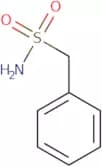
CAS:<p>Labetalol is a β-blocker that is used to treat high blood pressure. Labetalol hydrochloride, the active form of labetalol, is a white, crystalline compound with a melting point of 200 °C. It is soluble in water and has an acidic pH of 2. Labetalol hydrochloride is synthesized by reacting methylbenzene with labetalol, which forms intermediates such as methyl 4-hydroxylbenzoate and methyl 3-hydroxylbenzoate in the process. The intermediates are then recrystallized to form the final product. Labetalol hydrochloride undergoes thermal analysis using thermogravimetry, calorimetry, and residue analysis to determine its purity. This product also undergoes carbonaceous and oxidative analysis by GC-MS for quality control purposes.</p>Formula:C8H9NO2Purity:Min. 95%Color and Shape:PowderMolecular weight:151.16 g/molPhenylmethanesulfonamide
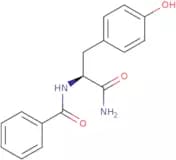
CAS:<p>Phenylmethanesulfonamide is a chemical compound that has been shown to inhibit the proliferation of cancer cells in vitro. This drug has also been shown to be effective in reducing inflammatory diseases, such as arthritis and asthma, which may be due to its ability to inhibit prostaglandin synthesis. Phenylmethanesulfonamide has shown anti-inflammatory properties, which may be due to its inhibition of prostaglandin synthesis.</p>Formula:C7H9NO2SPurity:Min. 95%Color and Shape:PowderMolecular weight:171.22 g/molBenzoyl-L-tyrosine amide
CAS:<p>Benzoyl-L-tyrosine amide is a reaction intermediate that is a competitive inhibitor of serine proteases. It binds to the active site of the enzyme and inhibits the breakdown of proteins by blocking the access of other reactants. Benzoyl-L-tyrosine amide has been shown to inhibit proteolytic activity in subtilis, an enzyme isolated from Bacillus licheniformis. The amino acid composition and binding properties are similar to those found in natural substrates. Benzoyl-L-tyrosine amide has been synthesized and its binding affinity towards histidine residues has been determined by titration calorimetry and fluorophosphate assay.</p>Formula:C16H16N2O3Purity:Min. 95%Color and Shape:PowderMolecular weight:284.31 g/molXipamide
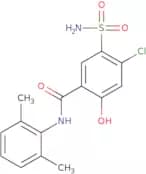
CAS:Controlled Product<p>Xipamide is a dpp-iv inhibitor that functions by blocking the enzyme dipeptidyl peptidase IV (dpp-iv). Xipamide inhibits the production of proinflammatory cytokines such as tumor necrosis factor alpha (TNF-α) and interleukin 1 beta (IL-1β) in vitro. It is also effective against infectious diseases, including bacterial infections, respiratory tract infections, and skin infections. Xipamide has been shown to be safe for use in geriatric patients with congestive heart failure. The optimum concentration for xipamide is 0.4 μM. Xipamide has been used to study biological processes such as signal transduction, cell proliferation, and apoptosis in vitro. Optical sensor technology has been applied to examine the stability of this drug in human serum and its potential interactions with surfactant sodium dodecyl sulfate (SDS).</p>Formula:C15H15ClN2O4SPurity:Min. 95%Color and Shape:White PowderMolecular weight:354.81 g/molN,N-Diethylcyanoacetamide
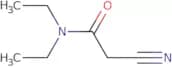
CAS:<p>N,N-Diethylcyanoacetamide is an organic compound that is used in the industrial production of polyurethane. It reacts with a nucleophile to form a new carbon-nitrogen bond. The reaction can be monitored in real time, and it has high specificity for the desired product. N,N-Diethylcyanoacetamide reacts with piperidine to produce a mixture of isomers in which the methyl group is attached to either the nitrogen or the oxygen atom. This mixture can be separated by crystallization, and it generates a pure product that can be used as a monocarboxylic acid.</p>Formula:C7H12N2OPurity:Min. 95%Color and Shape:Clear LiquidMolecular weight:140.18 g/molN-Ethylheptadecafluoro-N-[3-(Trimethoxysilyl)Propyl]Octanesulphonamide
CAS:Controlled Product<p>N-Ethylheptadecafluoro-N-[3-(Trimethoxysilyl)Propyl]Octanesulphonamide is a membrane filtration technology that is used to remove all organic and inorganic pollutants from water. It is effective for the removal of oils, pesticides, herbicides, detergents, antibiotics, and heavy metals. N-Ethylheptadecafluoro-N-[3-(Trimethoxysilyl)Propyl]Octanesulphonamide is also used to treat wastewater and surface water. This process can be used on large quantities of water with high efficiency. The use of this process can be beneficial for the health of humans, animals, and the environment.</p>Formula:C16H20F17NO5SSiPurity:Min. 95%Molecular weight:689.46 g/molRink amide-AM Resin
CAS:<p>Rink amide-AM resin is a cation exchange resin that is used in peptide synthesis. It has an optimal pH range of 8-9. Rink amide-AM resin can be activated with trifluoroacetic acid or piperidine and washed with a mixture of water and methanol to remove the salt byproduct. The resin can then be used for peptide synthesis, which is typically done by adding the desired amino acids in sequence to the resin. The synthesis is stopped when the linear peptide reaches a desired length, typically 12-15 amino acids long. The linear peptides are then cleaved from the resin using trifluoroacetic acid or piperidine, depending on which activation reagent was used during synthesis. After cleavage, the linear peptides are precipitated from solution using ethanol or acetone and collected by filtration.</p>Color and Shape:Off-White PowderCoenzyme B12
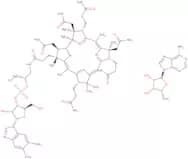
CAS:<p>Coenzyme B12, also known as vitamin B12, is a coenzyme that participates in the metabolism of amino acids and fatty acids. It is required for the conversion of homocysteine to methionine, which is an important step in the synthesis of S-adenosylmethionine (SAM), a major methyl donor. Coenzymes are required for many different reactions in cells, but they are not consumed during these reactions. Instead, they are regenerated and reused. Coenzyme B12 is synthesized by bacteria and archaea but not by animals. The cobalamin form of this coenzyme is made from cobaltous chloride or cobaltous sulfate and cyanide. This coenzyme has been shown to bind to riboswitches in bacteria and to ATP-binding cassette transporters in humans. Coenzyme B12 can exist in two different forms: adenosylcobalamin and methylcobalamin.</p>Formula:C72H100CoN18O17PPurity:Min. 97 Area-%Color and Shape:PowderMolecular weight:1,579.58 g/mol2-Methylbenzamide
CAS:2-Methylbenzamide is an amide with a carbonyl group and an intramolecular hydrogen. It has been shown to have synergic effects when combined with piperonyl butoxide in the treatment of autoimmune diseases. This synergistic effect is due to the inhibition of inflammatory mediator release, which can be achieved by blocking the enzyme cyclooxygenase-2. 2-Methylbenzamide has also been shown to inhibit deuterium isotope effect in cd-1 mice, which could make it beneficial for patients who are unable to tolerate other drugs.Formula:C8H9NOPurity:Min. 95%Color and Shape:White PowderMolecular weight:135.16 g/molC26-Ceramide
CAS:<p>Marker for Farber disease diagnosis</p>Formula:C44H87NO3Purity:Min. 95%Color and Shape:White PowderMolecular weight:678.17 g/mol2-((4-Methylphenyl)sulfonyl)ethanamide
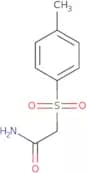
CAS:<p>2-((4-Methylphenyl)sulfonyl)ethanamide is an amide that has been shown to have antibacterial activity. It binds to the DNA of bacteria, inhibiting its replication and transcription. This drug also inhibits the growth of influenza virus in cell culture. 2-((4-Methylphenyl)sulfonyl)ethanamide is a sensor for chloride ions, which may be used as treatments for bacterial infections. This drug is also able to inhibit the replication of bacteria that are resistant to other antibiotics, such as penicillin. The unsaturated alkyl group on this molecule allows it to be activated by radiation treatment, which may be useful in the treatment of cancer cells or viral infections.</p>Formula:C9H11NO3SPurity:Min. 95%Color and Shape:PowderMolecular weight:213.25 g/molEthionamide sulfoxide
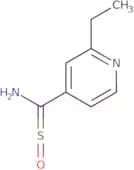
CAS:<p>Ethionamide is a drug that is used for the treatment of tuberculosis. It binds to the enzyme preparations in the bacterial cell wall by competitive inhibition, which prevents formation of an antibiotic-inhibitor complex with the enzyme cell wall synthesis that is required for cell wall biosynthesis, inhibiting protein synthesis and cell division. The sulfoxide form of ethionamide is converted to the sulfone form when it enters the body. This conversion takes place primarily in the liver with assistance from alcohol dehydrogenase, cytochrome P450, and glutathione reductase. The sulfone form has higher potency than its precursor (sulfoxide) because it has lower protein binding affinity and more rapid elimination from plasma.</p>Formula:C8H10N2OSPurity:Min. 95 Area-%Color and Shape:PowderMolecular weight:182.24 g/mol4-Nitrobenzamide
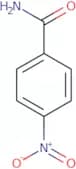
CAS:<p>4-Nitrobenzamide is a chemical substance that belongs to the class of nitrobenzamides. It is used as an intermediate in the synthesis of other substances, such as pharmaceuticals, herbicides, and pesticides. 4-Nitrobenzamide was first synthesized in 1894 by hydrogenating nitrobenzoic acid with hydrogen chloride in the presence of phosphorus pentachloride. The reaction vessel for this process should be made of glass or porcelain due to the corrosive nature of hydrogen chloride gas. The kinetics for this reaction were studied using concentration-response curves on rats and mice at different concentrations. Acute toxicities observed include respiratory distress and death in rats and convulsions and death in mice.<br>4-Nitrobenzamide is also toxic to bacteria, which can be seen by its effect on Staphylococcus aureus (strain ATCC 25923). This strain had a 50% survival rate after exposure</p>Formula:C7H6N2O3Purity:Min 98%Color and Shape:Yellow PowderMolecular weight:166.13 g/molN-[4-(2-Hydrazino-2-oxoethoxy)phenyl]acetamide
CAS:<p>N-[4-(2-Hydrazino-2-oxoethoxy)phenyl]acetamide is a phenolic compound that has been shown to have an antimicrobial effect. It has been shown to have antitubercular activity against Mycobacterium tuberculosis and the ability to inhibit the growth of cancer cells in vitro. N-[4-(2-Hydrazino-2-oxoethoxy)phenyl]acetamide is also known as monastrol. The pharmacophore of this drug is based on the structure of paracetamol, which is a member of the class of drugs known as analgesics, antipyretics, and antiinflammatory agents. Paracetamol has been used for decades in humans and animals for relief from pain, fever, and inflammation. N-[4-(2-Hydrazino-2-oxoethoxy)phenyl]acetamide may be useful for treating diseases such as cancer or tuberculosis due to its antic</p>Formula:C10H13N3O3Purity:Min. 95%Color and Shape:PowderMolecular weight:223.23 g/molN-(4-(4-bromophenyl)-2,5-thiazolyl)hexanamide
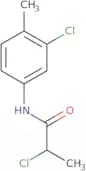
CAS:<p>Please enquire for more information about N-(4-(4-bromophenyl)-2,5-thiazolyl)hexanamide including the price, delivery time and more detailed product information at the technical inquiry form on this page</p>Purity:Min. 95%2-Chloro-N-(3-chloro-4-methylphenyl)propanamide
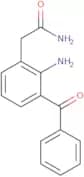
CAS:<p>Please enquire for more information about 2-Chloro-N-(3-chloro-4-methylphenyl)propanamide including the price, delivery time and more detailed product information at the technical inquiry form on this page</p>Formula:C10H11Cl2NOPurity:Min. 95%Molecular weight:232.11 g/mol2-Amino-3-benzoylbenzeneacetamide
CAS:<p>2-Amino-3-benzoylbenzeneacetamide is an ophthalmic drug that has significant cytotoxicity. It is used to treat inflammation of the retina and macula, as well as other diseases of the eye such as uveitis. 2-Amino-3-benzoylbenzeneacetamide is a nonsteroidal anti-inflammatory drug (NSAID) that inhibits prostaglandin synthesis by blocking cyclooxygenase. This agent has been shown to be effective in reducing pain and inflammation in animal models, but there are no studies on its side effects or analytical methods for detection. There are also no studies on the effectiveness of this drug for treating uveitis.</p>Formula:C15H14N2O2Purity:Min. 95%Color and Shape:PowderMolecular weight:254.28 g/molLacosamide
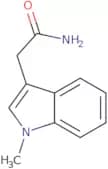
CAS:Controlled Product<p>Lacosamide is a drug that is used for the treatment of epilepsy. It has been shown to inhibit neuronal death in vitro and in animal models, and has been extensively studied for its potential benefits in the treatment of bowel disease. The mechanism of action for lacosamide involves inhibition of the transport of neurotransmitters from the synaptic cleft by binding to the neuronal sodium channels and increasing their recovery rate. Lacosamide has also been found to affect energy metabolism by inhibiting the activity of mitochondrial enzymes such as matrix effect and complex I/III.</p>Formula:C13H18N2O3Purity:Min. 98 Area-%Color and Shape:PowderMolecular weight:250.29 g/mol1-Methylindole-3-acetamide
CAS:Controlled Product<p>Please enquire for more information about 1-Methylindole-3-acetamide including the price, delivery time and more detailed product information at the technical inquiry form on this page</p>Formula:C11H12N2OPurity:Min. 95%Color and Shape:PowderMolecular weight:188.23 g/molN-(2,6-Dimethylphenyl)-1-piperazineacetamide
CAS:<p>N-(2,6-Dimethylphenyl)-1-piperazineacetamide is a byproduct of solvents and stabilizers. It has been found to be a crystalline solid with a molecular weight of 233.3 g/mol. The crystal structure was determined and found to be composed of two molecules of acetamide that are connected through hydrogen bonds. N-(2,6-Dimethylphenyl)-1-piperazineacetamide is soluble in ethanol and ether, but insoluble in water. This compound interacts with other substances, such as recrystallizing or substituting acetamides.</p>Formula:C14H21N3OPurity:Min. 95%Molecular weight:247.34 g/mol2-Phenyl-N-phenylacetamide
CAS:<p>2-Phenyl-N-phenylacetamide is an amide that is a potent inhibitor of cholesterol acyltransferase. It has been shown to be effective in animal models of insulin resistance and hypertension, as well as in humans. 2-Phenyl-N-phenylacetamide inhibits the activity of cholesterol acyltransferase by competitive inhibition and thereby reduces the production of triglycerides. This drug also inhibits the synthesis of phospholipids and bile acids, which are important for fat digestion. 2-Phenyl-N-phenylacetamide reacts with phosphorus pentoxide to form phenoxyacetic acid, which is hydrolyzed to phenoxyacetate and phenol. The hydroxy group on phenol reacts with aryl halides to form aryl esters. These reactions lead to the formation of divalent hydrocarbon intermediates such as malonic acid, which can be used for energy production through oxidation or as precursors</p>Formula:C14H13NOPurity:Min. 95%Molecular weight:211.26 g/mol


![N-[(4-Amino-2-methylpyrimidin-5-yl)methyl]formamide](/_next/image/?url=https%3A%2Fstatic.cymitquimica.com%2Fproducts%2F3D%2Fthumb-webp%2FFA31702.webp&w=3840&q=75)




![3-[(Aminocarbonyl)amino]-5-[4-(morpholin-4-ylmethyl)phenyl]thiophene-2-carboxamide](/_next/image/?url=https%3A%2Fstatic.cymitquimica.com%2Fproducts%2F3D%2Fthumb-webp%2FFA18119.webp&w=3840&q=75)
![N-[2-(1,3-Dimethylbutyl)phenyl]-5-fluoro-1,3-dimethyl-1H-pyrazole-4-carboxamide](/_next/image/?url=https%3A%2Fstatic.cymitquimica.com%2Fproducts%2F3D%2Fthumb-webp%2FFD156991.webp&w=3840&q=75)
![N-(6-acetylbenzo[d]1,3-dioxolan-5-yl)-2-chloropropanamide](/_next/image/?url=https%3A%2Fstatic.cymitquimica.com%2Fproducts%2F3D%2Fthumb-webp%2FFA169026.webp&w=3840&q=75)
![N-[2-Iodoethyl]trifluoroacetamide](/_next/image/?url=https%3A%2Fstatic.cymitquimica.com%2Fproducts%2F3D%2Fthumb-webp%2FFI52744.webp&w=3840&q=75)

![N-Ethylheptadecafluoro-N-[3-(Trimethoxysilyl)Propyl]Octanesulphonamide](/_next/image/?url=https%3A%2Fstatic.cymitquimica.com%2Fproducts%2F3D%2Fthumb-webp%2FFE98932.webp&w=3840&q=75)



![N-[4-(2-Hydrazino-2-oxoethoxy)phenyl]acetamide](/_next/image/?url=https%3A%2Fstatic.cymitquimica.com%2Fproducts%2F3D%2Fthumb-webp%2FFH131261.webp&w=3840&q=75)