Amides
Amides are a wide range of chemical compounds that contain at least one heterocyclic ring, which has atoms of at least two different elements in the ring structure, and at least one amide group (-CONH2). These compounds are crucial in the synthesis of pharmaceuticals, polymers, and agrochemicals. Amides exhibit unique properties and reactivity, making them valuable intermediates in organic synthesis. At CymitQuimica, we offer a comprehensive selection of high-quality amides to support your research and industrial needs.
Found 16393 products of "Amides"
Sort by
Purity (%)
0
100
|
0
|
50
|
90
|
95
|
100
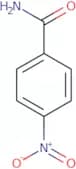
4-Nitrobenzamide
CAS:<p>4-Nitrobenzamide is a chemical substance that belongs to the class of nitrobenzamides. It is used as an intermediate in the synthesis of other substances, such as pharmaceuticals, herbicides, and pesticides. 4-Nitrobenzamide was first synthesized in 1894 by hydrogenating nitrobenzoic acid with hydrogen chloride in the presence of phosphorus pentachloride. The reaction vessel for this process should be made of glass or porcelain due to the corrosive nature of hydrogen chloride gas. The kinetics for this reaction were studied using concentration-response curves on rats and mice at different concentrations. Acute toxicities observed include respiratory distress and death in rats and convulsions and death in mice.<br>4-Nitrobenzamide is also toxic to bacteria, which can be seen by its effect on Staphylococcus aureus (strain ATCC 25923). This strain had a 50% survival rate after exposure</p>Formula:C7H6N2O3Purity:Min 98%Color and Shape:Yellow PowderMolecular weight:166.13 g/mol2-Phenyl-N-phenylacetamide
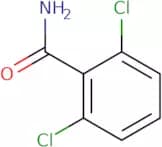
CAS:<p>2-Phenyl-N-phenylacetamide is an amide that is a potent inhibitor of cholesterol acyltransferase. It has been shown to be effective in animal models of insulin resistance and hypertension, as well as in humans. 2-Phenyl-N-phenylacetamide inhibits the activity of cholesterol acyltransferase by competitive inhibition and thereby reduces the production of triglycerides. This drug also inhibits the synthesis of phospholipids and bile acids, which are important for fat digestion. 2-Phenyl-N-phenylacetamide reacts with phosphorus pentoxide to form phenoxyacetic acid, which is hydrolyzed to phenoxyacetate and phenol. The hydroxy group on phenol reacts with aryl halides to form aryl esters. These reactions lead to the formation of divalent hydrocarbon intermediates such as malonic acid, which can be used for energy production through oxidation or as precursors</p>Formula:C14H13NOPurity:Min. 95%Molecular weight:211.26 g/mol2,6-Dichlorobenzamide
CAS:<p>2,6-Dichlorobenzamide is a chemical compound that belongs to the group of organochlorine compounds. It is soluble in water and has been shown to be an effective treatment for metal contamination in groundwater. 2,6-Dichlorobenzamide reacts with metal ions at the surface of cells by forming an insoluble metal chloride complex that accumulates inside the cell and leads to cell death. 2,6-Dichlorobenzamide has been shown to be toxic to bacteria, particularly gram-positive bacteria such as Staphylococcus aureus and Bacillus subtilis. This compound also binds to bacterial membrane lipids with high affinity constants. This activity may be due to its ability to form lipid hydroperoxides and free radicals.</p>Formula:C7H5Cl2NOPurity:Min. 95%Color and Shape:PowderMolecular weight:190.03 g/molCyanamide
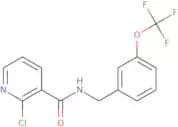
CAS:Controlled Product<p>Cyanamide is a nitrogen-containing organic compound that is used as a plant nutrient. It has been shown to increase the activity of enzymes in methyl ethyl x-ray crystal structures and locomotor activity in mice. Cyanamide is also used as an herbicide and chemical pesticide, with calcium as its main target. The cyanamide molecule binds to the calcium ion and undergoes a reaction mechanism that results in the release of ammonia gas, which is toxic to plants. In addition, cyanamide can cause kidney damage in humans due to its ability to inhibit protein synthesis.</p>Formula:CH2N2Purity:Min. 95%Color and Shape:White PowderMolecular weight:42.02 g/mol(2-chloro(3-pyridyl))-N-((3-(trifluoromethoxy)phenyl)methyl)formamide
CAS:<p>Please enquire for more information about (2-chloro(3-pyridyl))-N-((3-(trifluoromethoxy)phenyl)methyl)formamide including the price, delivery time and more detailed product information at the technical inquiry form on this page</p>Purity:Min. 95%N-α-Benzoyl-L-arginine amide hydrochloride
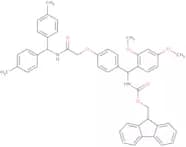
CAS:<p>N-alpha-Benzoyl-L-arginine amide hydrochloride (BA) is a synthetic, noncompetitive inhibitor of phosphodiesterase. It has been shown to inhibit protease activity in vitro and rhizosphere enzyme activities in vivo. BA also inhibits the formation of hippuric acid from benzoic acid, which is a reaction catalyzed by the enzyme phosphatase. The kinetics of this inhibition have been studied using a number of different substrates and enzymes. BA binds to the catalytic site on the enzyme, sterically hindering binding of the substrate and preventing hydrolysis.</p>Formula:C13H19N5O2·HClPurity:Min. 95%Color and Shape:PowderMolecular weight:313.78 g/molRink amide MBHA resin
CAS:<p>Solid phase peptide anchor; tool for the Fmoc solid phase synthesis of peptide amides.<br>100-200 mesh. 1% DVB, substitution range 0.3-0.6 meq/g</p>Purity:Min. 95%Color and Shape:PowderTenofovir alafenamide fumarate
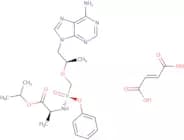
CAS:<p>Tenofovir alafenamide fumarate is a prodrug of tenofovir, an active antiretroviral agent. Tenofovir binds to the viral polymerase and blocks the synthesis of viral DNA. Tenofovir alafenamide fumarate is a prodrug that undergoes hydrolysis to form tenofovir. It has been shown to inhibit growth factor-β1, which may reduce the risk of opportunistic infections in people with HIV or AIDS. Tenofovir alafenamide fumarate has also been shown to be effective as an antiviral prophylaxis when used in combination with other drugs for active antiretroviral therapy.</p>Formula:C21H29N6O5P•C4H4O4Purity:Min. 95%Color and Shape:PowderMolecular weight:592.54 g/mol2-Hydroxy-5-methylbenzamide
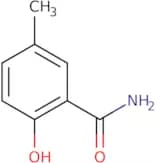
CAS:<p>Labetalol is a β-blocker that is used to treat high blood pressure. Labetalol hydrochloride, the active form of labetalol, is a white, crystalline compound with a melting point of 200 °C. It is soluble in water and has an acidic pH of 2. Labetalol hydrochloride is synthesized by reacting methylbenzene with labetalol, which forms intermediates such as methyl 4-hydroxylbenzoate and methyl 3-hydroxylbenzoate in the process. The intermediates are then recrystallized to form the final product. Labetalol hydrochloride undergoes thermal analysis using thermogravimetry, calorimetry, and residue analysis to determine its purity. This product also undergoes carbonaceous and oxidative analysis by GC-MS for quality control purposes.</p>Formula:C8H9NO2Purity:Min. 95%Color and Shape:PowderMolecular weight:151.16 g/mol(3-(2,6-dichlorophenyl)-5-methylisoxazol-4-yl)-N-(5-methylisoxazol-3-yl)formamide
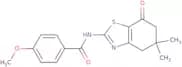
CAS:<p>Please enquire for more information about (3-(2,6-dichlorophenyl)-5-methylisoxazol-4-yl)-N-(5-methylisoxazol-3-yl)formamide including the price, delivery time and more detailed product information at the technical inquiry form on this page</p>Purity:Min. 95%N-(5,5-dimethyl-7-oxo(4,5,6-trihydrobenzothiazol-2-yl))(4-methoxyphenyl)formamide
CAS:<p>Please enquire for more information about N-(5,5-dimethyl-7-oxo(4,5,6-trihydrobenzothiazol-2-yl))(4-methoxyphenyl)formamide including the price, delivery time and more detailed product information at the technical inquiry form on this page</p>Purity:Min. 95%D-Valine amide hydrochloride
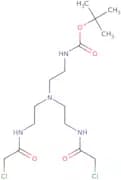
CAS:<p>Please enquire for more information about D-Valine amide hydrochloride including the price, delivery time and more detailed product information at the technical inquiry form on this page</p>Formula:C5H12N2O•HClPurity:Min. 95%Color and Shape:PowderMolecular weight:152.62 g/mol2N-Boc-2',2''-triaminotriethylamine-bis(chloroacetamide)
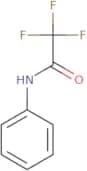
CAS:<p>2N-Boc-2',2''-triaminotriethylamine-bis(chloroacetamide) is a fine chemical and reagent for the synthesis of pharmaceuticals. It is also a useful building block for the synthesis of complex compounds. This product can be used as a reaction component in organic chemistry, or it can be used as a reagent in research or development laboratories.</p>Formula:C15H28Cl2N4O4Purity:Min. 95%Molecular weight:399.31 g/mol2,2,2-Trifluoro-n-phenylacetamide
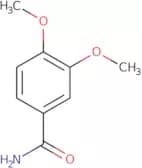
CAS:<p>2,2,2-Trifluoro-n-phenylacetamide is a functionalized trifluoroacetic acid. It is inactive and can be used for diagnostic purposes. 2,2,2-Trifluoro-n-phenylacetamide reacts with amines to form the corresponding deuterium isotope labeled amine. The heterocyclic amines that are formed react with diazonium salt to produce an enolate anion that reacts with chloride to form the corresponding carboxylic acid derivative. The proton of the carboxylic acid leaves as a protonated ammonium ion, which is stable in alkaline solutions. Amides have a negative charge on the nitrogen atom due to its electron withdrawing properties.</p>Formula:C8H6F3NOPurity:Min. 95%Color and Shape:PowderMolecular weight:189.13 g/molVeratramide
CAS:<p>Veratramide is a levorotatory, vanillic acid that has been synthesized by hydrolysis of esomeprazole. It is an ester of vanillic acid and hydrochloric acid. The cis-isomer is the more active form. Veratramide has been shown to be a prodrug for cisplatin, which is used in the treatment of cancer. Veratramide can also be metabolized to acetyl derivatives or flavonoids such as vitexin and metformin hydrochloride, which have anti-diabetic effects. Veratramide also binds to chloride ion channels, hypervalent ions (e.g., AlCl3), and quaternary ammonium salts (e.g., tetraethylammonium chloride).</p>Formula:C9H11NO3Purity:Min. 95%Color and Shape:PowderMolecular weight:181.19 g/molN-α-[2,4-Dinitro-5-fluorophenyl]-L-valine amide
CAS:<p>N-alpha-[2,4-Dinitro-5-fluorophenyl]-L-valine amide is an acidic amino acid that is used as a reagent in organic synthesis. It has been shown to have amide and hydrogen bond properties. This compound has been shown to be involved in the biosynthesis of carboxylic acids and primary amino acids. It also absorbs UV light at 265 nm and can be used for determination of uv absorption using high performance liquid chromatography (HPLC).</p>Formula:C11H13N4O5FPurity:Min. 95%Color and Shape:Yellow PowderMolecular weight:300.24 g/mol2-Chloro-4-nitro benzamide
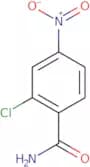
CAS:<p>2-Chloro-4-nitrobenzamide is a drug that belongs to the sulfa drugs. It has been shown to be effective in treating autoimmune diseases, particularly bowel disease and inflammatory bowel disease. 2-Chloro-4-nitrobenzamide inhibits the synthesis of fatty acids by blocking the enzyme acetyl CoA carboxylase, which is involved in the formation of long chain fatty acids. This drug also has immunosuppressive activities, which may be due to its ability to block T cell proliferation. 2-Chloro-4-nitrobenzamide is used as a chemical intermediate for antibiotics such as maduramicin ammonium and salinomycin sodium. It is also used as a dietary supplement or pharmaceutical dosage form for cardiac glycoside drugs such as digoxin.</p>Formula:C7H5ClN2O3Purity:Min. 95%Color and Shape:PowderMolecular weight:200.58 g/molPigment YellOw 5;2-[(2-NitrOphenyl)azO]-3-OxO-N-phenylbutanamide
CAS:<p>Please enquire for more information about Pigment YellOw 5;2-[(2-NitrOphenyl)azO]-3-OxO-N-phenylbutanamide including the price, delivery time and more detailed product information at the technical inquiry form on this page</p>Purity:Min. 95%Nilutamide
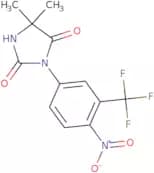
CAS:<p>Nonsteroidal androgen receptor antagonist</p>Formula:C12H10F3N3O4Purity:Min. 95%Color and Shape:PowderMolecular weight:317.22 g/mol4-Cyanobenzamide
CAS:<p>4-Cyanobenzamide is a naphthalene derivative that is both reactive and intramolecular. It has been shown to react with the amino group of peptides, forming a ruthenium complex. The functional groups are acceptors and donors that can be used in assays for the detection of anions or cations. 4-Cyanobenzamide reacts with water to release hydrogen gas, which can be used to measure its hydration ability. This compound has been synthesized using solid-phase synthesis and it has amide bonds that vibrate at a specific frequency.</p>Formula:C8H6N2OPurity:Min. 95%Color and Shape:PowderMolecular weight:146.15 g/molN-(2-Fluorophenyl)-N-[4-(4-Methyl-1,3-Thiazol-2-Yl)-1-(2-Thiophen-3-Ylethyl)Piperidin-4-Yl]Propanamide
CAS:Controlled Product<p>N-(2-Fluorophenyl)-N-[4-(4-methyl-1,3-thiazol-2-yl)-1-(2-thiophen-3-ylethyl)piperidin-4-yl]propanamide is a drug that is used for the treatment of cancer. This drug is hydrophobic and has a molecular weight of 455. It has been shown to be effective in treating cancer cells by binding to the cell membrane and inhibiting the proliferation of these cells. N-(2-Fluorophenyl)-N-[4-(4-methyl-1,3-thiazol-2-yl)-1-(2-thiophen-3-ylethyl)piperidin]-4-- yl]propanamide also inhibits tumor growth by reducing extracellular matrix production and inducing apoptosis in cancer cells. This drug has a fluorescent property and can be detected with an optical microscope at a</p>Formula:C24H28FN3OS2Purity:Min. 95%Molecular weight:457.63 g/mol2,5-Dimethoxybenzamide
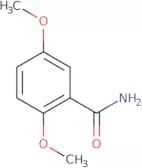
CAS:<p>2,5-Dimethoxybenzamide is a potent inhibitor of the enzyme DECATENASE. This enzyme plays an important role in the biosynthesis of the aromatic amino acids phenylalanine and tyrosine. 2,5-Dimethoxybenzamide has been shown to have anticancer activity in vitro and in vivo. Remoxipride is a synthetic drug that competitively inhibits the action of benzodiazepines on GABA receptors by binding to them with high affinity. It was developed as an antipsychotic agent but was never marketed for this indication due to its adverse effects on motor coordination. Remoxipride has also been shown to have estrogenic activity, which may be due to its ability to bind with high affinity and inhibit the enzyme aromatase, which converts testosterone into estradiol.</p>Formula:C9H11NO3Purity:Min. 95%Color and Shape:PowderMolecular weight:181.19 g/mol4-Amino-N-((2R,3S)-3-amino-2-hydroxy-4-phenylbutyl)-N-ispobutylbenzenesulfonamide
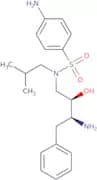
CAS:<p>4-Amino-N-((2R,3S)-3-amino-2-hydroxy-4-phenylbutyl)-N-isobutylbenzenesulfonamide is an amide that is used to treat HIV infections. It has been shown to have potent anti-viral activity against HIV infected cells in the laboratory and can inhibit the replication of HIV by interfering with the virus's ability to use the reverse transcriptase enzyme. 4ABAB has been shown to bind to the enzyme ribonuclease H (crth2), which is responsible for breaking down viral RNA. This binding prevents crth2 from cleaving viral RNA, thus inhibiting DNA synthesis and preventing cell death. 4ABAB also interferes with a hydrogen bond between ethyl group and the hydroxyl group on crth2, leading to a decrease in activity.</p>Formula:C20H29N3O3SPurity:Min. 95%Color and Shape:White PowderMolecular weight:391.53 g/molL-Histidine β-naphthylamide
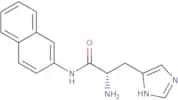
CAS:<p>L-Histidine beta-naphthylamide is an allosteric activator of the imidazole group of histidine. It has been shown to regulate sequences and functional groups in subtilisin. L-Histidine beta-naphthylamide binds to the benzyl ester and regulatory allosteric site on the enzyme, which is located between the active site and the substrate binding site. The binding of this molecule stabilizes a transition state intermediate that would otherwise be too reactive to form products.</p>Formula:C16H16N4OPurity:Min. 95%Color and Shape:PowderMolecular weight:280.32 g/mol2-Chloro-5-nitrobenzene sulfonamide
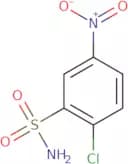
CAS:<p>2-Chloro-5-nitrobenzene sulfonamide (2CNS) is a glycol ether that has been shown to inhibit the activity of carbonic anhydrase. It has been shown to be a competitive inhibitor of the enzyme, and can be used as a lead compound for developing new drugs. 2CNS has been shown to inhibit an anhydrase that is found in bacteria, such as Streptococcus pneumoniae, Haemophilus influenzae, and Staphylococcus aureus. This inhibition causes increased levels of hydrogen ions in the bacterial environment, which leads to the acidification of their surroundings. 2CNS also inhibits chloride ion uptake in these bacteria.<br>2CNS's pharmacophore includes two aromatic hydrocarbon rings with at least one hydrogen bond acceptor group on each ring. This pharmacophore is responsible for its inhibition of carbonic anhydrase and chloride ion binding site.</p>Formula:C6H5ClN2O4SPurity:Min. 97 Area-%Color and Shape:White Off-White PowderMolecular weight:236.63 g/molN-(5-Aminopentyl) methotrexate amide
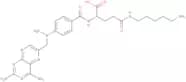
CAS:<p>N-(5-Aminopentyl) methotrexate amide is a fluorescent probe that is used to study the transport of drugs across cell membranes. It binds to the plasma membrane of cells and can be visualized with a fluorescence microscope. N-(5-Aminopentyl) methotrexate amide has been shown to bind to leukemia cells in murine leukemia models. It has a high affinity for drug-resistant cells, which makes it useful for studying drug resistance mechanisms. This probe can be used at nanomolar concentrations for imaging studies, as well as for measuring the uptake of drugs into cancer cells by flow cytometry.</p>Formula:C25H34N10O4Purity:Min. 95%Color and Shape:Yellow PowderMolecular weight:538.6 g/molN-(4-Fluorophenyl)(5-methyl-3-phenylisoxazol-4-yl)formamide
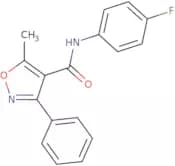
CAS:<p>Please enquire for more information about N-(4-Fluorophenyl)(5-methyl-3-phenylisoxazol-4-yl)formamide including the price, delivery time and more detailed product information at the technical inquiry form on this page</p>Formula:C17H13FN2O2Purity:Min. 95%Color and Shape:PowderMolecular weight:296.3 g/molNipecotamide
CAS:<p>Nipecotamide is a water-soluble drug that inhibits the activity of α1-acid glycoprotein, which is a blood protein that regulates the concentration of hydrogen ions in the body. It has been shown to inhibit the growth of amyloid protein and decrease camp levels in erythrocytes. Nipecotamide is used as an inhibitor for infectious diseases, such as leprosy, tuberculosis, and malaria. The chemical structure of nipecotamide contains nitrogen atoms and an amide bond with carbonyl oxygens. It is also an inhibitor binding to hydrochloric acid and hydrogen bonds with amide groups.</p>Formula:C6H12N2OPurity:Min. 95%Color and Shape:PowderMolecular weight:128.17 g/mol(2-Aminophenyl)-N-((3,4-dimethoxyphenyl)methyl)formamide
CAS:<p>Please enquire for more information about (2-Aminophenyl)-N-((3,4-dimethoxyphenyl)methyl)formamide including the price, delivery time and more detailed product information at the technical inquiry form on this page</p>Formula:C16H18N2O3Purity:Min. 95%Color and Shape:PowderMolecular weight:286.33 g/molEliglustat
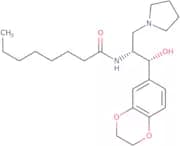
CAS:<p>Eliglustat is an oral medication used as a substrate reduction therapy for Gaucher disease type 1, which is an inherited lysosomal storage disorder. This product is a small-molecule inhibitor derived via chemical synthesis. Its primary mode of action involves the selective inhibition of glucosylceramide synthase, an enzyme responsible for the first committed step in glycosphingolipid biosynthesis. By reducing the production of glucosylceramide, eliglustat decreases the substrate accumulation that contributes to the pathophysiology of Gaucher disease.</p>Formula:C23H36N2O4Purity:Min. 97 Area-%Color and Shape:White PowderMolecular weight:404.54 g/molN-Isopropylacrylamide
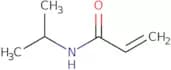
CAS:<p>N-Isopropylacrylamide is a biocompatible polymer that is used in the preparation of polymers. It is a solid phase microextraction material that is used in sample preparation and purification. N-Isopropylacrylamide has a phase transition temperature of -5°C and can be polymerized to form a polymer. This polymerization process can be done with or without catalysts, which are required for the formation of many other types of polymers. N-Isopropylacrylamide has been shown to have good affinity for human serum and wastewater treatment effluent samples, as well as for chitosan polymer surfaces. The kinetic data show that this polymer possesses high capacity for trifluoroacetic acid (TFA) reactivity, which makes it suitable for use in reaction solutions.</p>Formula:C6H11NOPurity:Min. 98.5 Area-%Color and Shape:White PowderMolecular weight:113.16 g/mol2,3-Diaminobenzamide
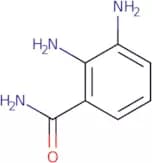
CAS:<p>2,3-Diaminobenzamide is a synthetic aromatic compound that is used as a radiation stabilizer. It is also an effective antimicrobial agent with reactive properties against bacteria and fungi. 2,3-Diaminobenzamide has been shown to have anti-cancer properties and can be used to treat inflammatory diseases such as rheumatoid arthritis or ulcerative colitis. The intramolecular hydrogen bond between the amide group and the benzene ring in 2,3-diaminobenzamide contributes to its stability and biological activity.</p>Formula:C7H9N3OPurity:Min. 95%Color and Shape:PowderMolecular weight:151.17 g/mol5-Amino-N,N'-bis(2,3-dihydroxypropyl)-2,4,6-triiodo-1,3-benzenedicarboxamide
CAS:<p>5-Amino-N,N'-bis(2,3-dihydroxypropyl)-2,4,6-triiodo-1,3-benzenedicarboxamide is an experimental compound that is used in the industrial preparation of pharmaceuticals and agricultural chemicals. It has a molecular weight of 191.14 g/mol. The crystallization process involves the use of ethanol to create supersaturation and then cooling to induce crystallization. This compound can be synthesized by an iodination reaction with x-ray irradiation at low temperatures.</p>Formula:C14H18I3N3O6Purity:Min. 95%Color and Shape:White PowderMolecular weight:705.02 g/molN-(4-Acetylphenyl)-2-chloropropanamide
CAS:<p>Please enquire for more information about N-(4-Acetylphenyl)-2-chloropropanamide including the price, delivery time and more detailed product information at the technical inquiry form on this page</p>Formula:C11H12ClNO2Purity:Min. 95%Molecular weight:225.67 g/mol2-(2,4-dichlorophenoxy)-N-(2-(3,4-dimethoxyphenyl)ethyl)ethanamide
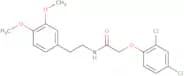
CAS:<p>Please enquire for more information about 2-(2,4-dichlorophenoxy)-N-(2-(3,4-dimethoxyphenyl)ethyl)ethanamide including the price, delivery time and more detailed product information at the technical inquiry form on this page</p>Purity:Min. 95%Heptadecafluoro-N,N-Bis(2-Hydroxyethyl)Octanesulphonamide
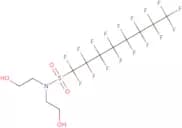
CAS:Controlled Product<p>Heptadecafluoro-N,N-Bis(2-Hydroxyethyl)Octanesulphonamide is a lubricant that is used in the manufacture of polyester films. It is insoluble and has excellent compressive properties. This compound is soluble in both organic solvents and water, and can be applied as a transfer agent or to obviate the need for a separate lubricant. Heptadecafluoro-N,N-Bis(2-Hydroxyethyl)Octanesulphonamide is an inorganic material that does not react with other materials. It also has good deformation resistance and low hardness. The particle size of this compound is between 5 and 10 microns.</p>Formula:C12H10F17NO4SPurity:Min. 95%Molecular weight:587.25 g/molAnthranilamide
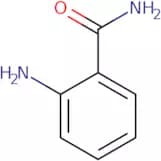
CAS:<p>Anthranilamide is used for non-selective, efficient fluorescent labelling of glycans.</p>Formula:C7H8N2OPurity:Min. 95%Color and Shape:White PowderMolecular weight:136.15 g/mol4-Chloro-3-nitrobenzamide
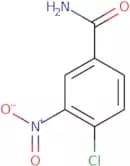
CAS:<p>4-Chloro-3-nitrobenzamide (4CNBA) is a potent inducer of hepatic drug metabolizing enzymes. It reacts with methyl cinnamate to form the 4-chloro-3-nitrobenzamide methyl ester and chloride ions. This reaction is catalyzed by copper, which binds to the 4CNBA molecule. The chloride ion then displaces water from the ester, producing a nitroso intermediate. This intermediate breaks down into an unstable nitrite, which in turn reacts with hydrogen peroxide to form a hydroxylamine intermediate. Hydroxylamine can then react with sulfhydryl groups to produce reactive thiols that are responsible for the induction of detoxification enzymes in the liver.<br>4CNBA has been shown to be toxic at high concentrations and is rapidly detoxified by Phase II enzymes such as glutathione S transferase, UDP glucuronosyltransferase, and N-acetyl</p>Formula:C7H5ClN2O3Purity:Min. 95%Color and Shape:PowderMolecular weight:200.58 g/mol4-Methyl-3-nitrobenzamide
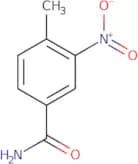
CAS:<p>4-Methyl-3-nitrobenzamide is a nitrile that can be synthesized by the reaction of potassium hydroxide and 3-nitrobenzamide. It has been shown to react with dichloroethane to form 4-methyl-3-nitrobenzoic acid. The optimum temperature for this reaction is 120°C, which leads to a high yield of 4-methyl-3-nitrobenzamide. This product is also available in an isotopic form at high purity.</p>Formula:C8H8N2O3Purity:Min. 95%Color and Shape:PowderMolecular weight:180.16 g/mol2-Piperazin-1-ylnicotinamide dihydrochloride
CAS:<p>Please enquire for more information about 2-Piperazin-1-ylnicotinamide dihydrochloride including the price, delivery time and more detailed product information at the technical inquiry form on this page</p>Formula:C10H14N4OPurity:95%MinColor and Shape:PowderMolecular weight:206.24 g/molN-Dechloroethyl cyclophosphamide
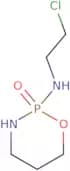
CAS:<p>N-Dechloroethyl cyclophosphamide is a metabolic inhibitor that is used in the treatment of cancer. It is classified as an alkylating agent and inhibits ribonucleotide reductase, which prevents the production of DNA, RNA, and protein. The chemical ionization technique has been used to measure the concentration of this compound in human liver and urine samples. N-Dechloroethyl cyclophosphamide can be analyzed using chromatography or mass spectrometry methods.</p>Formula:C5H12ClN2O2PPurity:Min. 95%Color and Shape:PowderMolecular weight:198.59 g/mol4-Chloro-3,5-dinitrobenzamide
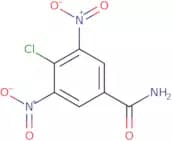
CAS:<p>4-Chloro-3,5-dinitrobenzamide is a bifunctional molecule that contains a chlorine atom. It has been found to react with dipolar solutes as well as vicinal dioxan arylation. The nucleophilic amide group is also labile and can be hydrolyzed by strong acids or bases. The electron lone pair of the chlorine atom in 4-chloro-3,5-dinitrobenzamide can be used for electrophilic substitution reactions with aromatic rings or amines. This molecule has been found to undergo an arylation reaction with imidazole in the presence of dioxan solvent at room temperature.</p>Formula:C7H4ClN3O5Purity:Min. 95%Molecular weight:245.58 g/molN-(n-Butyl)phosphoric triamide
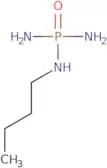
CAS:<p>N-(n-Butyl)phosphoric triamide is an analog of phosphoric acid that has a matrix effect on the uptake of water molecules by cells. N-(n-Butyl)phosphoric triamide is used as a sample preparation agent in microbiological analysis and as an antimicrobial agent to inhibit the growth of bacteria. This compound inhibits the growth rate of triticum aestivum, which may be due to its ability to inhibit nitrous oxide, a key intermediate in bacterial metabolism. N-(n-Butyl)phosphoric triamide has been shown to have an inhibitory effect on water molecule formation and growth rate in bacteria.</p>Formula:C4H14N3OPPurity:Min. 98 Area-%Color and Shape:White Off-White PowderMolecular weight:151.15 g/mol4-(Chloromethyl)benzamide
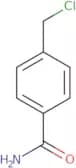
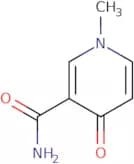
CAS:<p>4-(Chloromethyl)benzamide is a potent inhibitor of cyclohexane ring formation in proteins and has been shown to be effective against bacteria, fungi, and parasites. 4-(Chloromethyl)benzamide inhibits the synthesis of proteins by targeting the active site of piperazine synthase, an enzyme involved in the production of piperazine. The carbon nanotube linker is a novel molecule that can be used for the attachment of the 4-(chloromethyl)benzamide molecule to cetirizine. In addition, 4-(chloromethyl)benzamide has been shown to have an effective dose at 0.1 μM and a half-life time of 2 hours in rats.</p>Formula:C8H8ClNOPurity:Min. 95%Color and Shape:PowderMolecular weight:169.61 g/molN-Methyl-4-pyridone-3-carboxamide
CAS:<p>N-Methyl-4-pyridone-3-carboxamide is a nonnutritive sweetener that has been shown to have no effect on peroxisome proliferation. It also had no effect on the levels of fatty acids in rat cardiomyocytes and did not affect uv absorption. N-Methyl-4-pyridone-3-carboxamide binds to the receptor α subunit of the taste receptor and inhibits adenosine uptake, which may be responsible for its effects on depression. This compound also alters energy metabolism by inhibiting mitochondrial ATP production and glycolysis.</p>Formula:C7H8N2O2Purity:(%) Min. 95%Color and Shape:PowderMolecular weight:152.15 g/mol2-indol-3-yl-2-oxo-N-(4-(trifluoromethoxy)phenyl)ethanamide
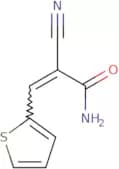
CAS:<p>Please enquire for more information about 2-indol-3-yl-2-oxo-N-(4-(trifluoromethoxy)phenyl)ethanamide including the price, delivery time and more detailed product information at the technical inquiry form on this page</p>Formula:C17H11F3N2O3Purity:Min. 95%Color and Shape:PowderMolecular weight:348.28 g/mol2-Nitrilo-3-(2-thienyl)prop-2-enamide
CAS:<p>This compound is a recyclable, multicomponent, element analysis, element, diversity and catalyzed reaction that yields high purity products with high yields. The catalyst is reusable and the NMR data are reproducible.</p>Formula:C8H6N2OSPurity:Min. 95%Color and Shape:PowderMolecular weight:178.21 g/mol(3-(2,6-dichlorophenyl)-5-methylisoxazol-4-yl)-N-(2,5-dimethoxyphenyl)formamide
CAS:<p>Please enquire for more information about (3-(2,6-dichlorophenyl)-5-methylisoxazol-4-yl)-N-(2,5-dimethoxyphenyl)formamide including the price, delivery time and more detailed product information at the technical inquiry form on this page</p>Purity:Min. 95%(2-Chlorophenyl)-N-[4-(trifluoromethyl)phenyl]carboxamide
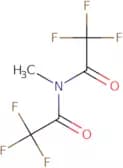
CAS:<p>This is a high quality reagent, complex compound, useful intermediate, and fine chemical. It is also a useful scaffold and can be used as a reaction component in the synthesis of speciality chemicals. The CAS number for this compound is 3873-79-8. <br>[[Category:Chemical Compounds]]</p>Formula:C14H9ClF3NOPurity:Min. 95%Molecular weight:299.68 g/molN-Methylbis(trifluoroacetamide)
CAS:<p>N-Methylbis(trifluoroacetamide) is a molecule that is used in the preparation of an analytical method. This molecule reacts with human serum and urine to produce a reaction solution. The matrix effect can be seen in metabolic disorders, such as the case of creatine kinase which is not affected by the derivatization. N-Methylbis(trifluoroacetamide) is also used to prepare samples for solid phase microextraction with basic structures that are amines.</p>Formula:C5H3F6NO2Purity:Min. 95%Color and Shape:Clear LiquidMolecular weight:223.07 g/mol





![N-α-[2,4-Dinitro-5-fluorophenyl]-L-valine amide](/_next/image/?url=https%3A%2Fstatic.cymitquimica.com%2Fproducts%2F3D%2Fthumb-webp%2FFD48428.webp&w=3840&q=75)
![Pigment YellOw 5;2-[(2-NitrOphenyl)azO]-3-OxO-N-phenylbutanamide](/_next/image/?url=https%3A%2Fstatic.cymitquimica.com%2Fproducts%2F3D%2Fthumb-webp%2FFP40385.webp&w=3840&q=75)

![N-(2-Fluorophenyl)-N-[4-(4-Methyl-1,3-Thiazol-2-Yl)-1-(2-Thiophen-3-Ylethyl)Piperidin-4-Yl]Propana…](/_next/image/?url=https%3A%2Fstatic.cymitquimica.com%2Fproducts%2F3D%2Fthumb-webp%2FFF102591.webp&w=3840&q=75)







![(2-Chlorophenyl)-N-[4-(trifluoromethyl)phenyl]carboxamide](/_next/image/?url=https%3A%2Fstatic.cymitquimica.com%2Fproducts%2F3D%2Fthumb-webp%2FFC145671.webp&w=3840&q=75)