Amides
Amides are a wide range of chemical compounds that contain at least one heterocyclic ring, which has atoms of at least two different elements in the ring structure, and at least one amide group (-CONH2). These compounds are crucial in the synthesis of pharmaceuticals, polymers, and agrochemicals. Amides exhibit unique properties and reactivity, making them valuable intermediates in organic synthesis. At CymitQuimica, we offer a comprehensive selection of high-quality amides to support your research and industrial needs.
Found 16485 products of "Amides"
Sort by
Purity (%)
0
100
|
0
|
50
|
90
|
95
|
100
N-[(4-Amino-2-methylpyrimidin-5-yl)methyl]formamide
CAS:<p>N-[(4-Amino-2-methylpyrimidin-5-yl)methyl]formamide (NAMPT) is a triazolo compound that inhibits the ATP binding cassette transporter and blocks the uptake of uridine and pyrimidine compounds. It also inhibits inorganic pyrophosphatase, which is an enzyme that catalyzes the hydrolysis of pyrophosphate to inorganic phosphate. NAMPT has been shown to be a substrate for hypochlorous acid production in neutrophils, suggesting it may play a role in the regulation of oxidative stress. Chemical biology studies have demonstrated that NAMPT plays a physiological function as an intermediate in vitamin B1 biosynthesis.</p>Formula:C7H10N4OPurity:Min. 95%Color and Shape:PowderMolecular weight:166.18 g/mol2,2,2-Trifluoro-n-phenylacetamide
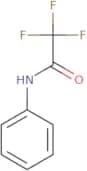
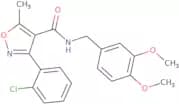
CAS:<p>2,2,2-Trifluoro-n-phenylacetamide is a functionalized trifluoroacetic acid. It is inactive and can be used for diagnostic purposes. 2,2,2-Trifluoro-n-phenylacetamide reacts with amines to form the corresponding deuterium isotope labeled amine. The heterocyclic amines that are formed react with diazonium salt to produce an enolate anion that reacts with chloride to form the corresponding carboxylic acid derivative. The proton of the carboxylic acid leaves as a protonated ammonium ion, which is stable in alkaline solutions. Amides have a negative charge on the nitrogen atom due to its electron withdrawing properties.</p>Formula:C8H6F3NOPurity:Min. 95%Color and Shape:PowderMolecular weight:189.13 g/molN-((3,4-dimethoxyphenyl)methyl)(3-(2-chlorophenyl)-5-methylisoxazol-4-yl)formamide
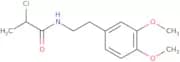
CAS:Please enquire for more information about N-((3,4-dimethoxyphenyl)methyl)(3-(2-chlorophenyl)-5-methylisoxazol-4-yl)formamide including the price, delivery time and more detailed product information at the technical inquiry form on this pagePurity:Min. 95%N-(2-(3,4-dimethoxyphenyl)ethyl)-2-chloropropanamide
CAS:Please enquire for more information about N-(2-(3,4-dimethoxyphenyl)ethyl)-2-chloropropanamide including the price, delivery time and more detailed product information at the technical inquiry form on this pagePurity:Min. 95%Hydroxy flutamide
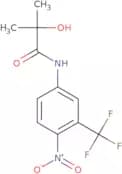
CAS:<p>Hydroxyflutamide is an anti-androgen drug that belongs to the group of nonsteroidal anti-androgens. It has been shown to bind to the androgen receptor with high affinity and inhibit the growth of cancer cells in vitro. Hydroxyflutamide also has a strong antitumor response in vivo, which is due to its ability to inhibit cellular proliferation by binding to DNA polymerase during replication. The drug may also have some activity as an antineoplastic agent because it inhibits the growth of prostate cancer cells. However, hydroxyflutamide has never been tested on humans or animals, so its effects are unknown.</p>Formula:C11H11F3N2O4Purity:Min. 98 Area-%Color and Shape:Yellow PowderMolecular weight:292.21 g/mol2-Veratramide
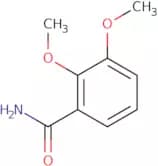
CAS:<p>2-Veratramide is a drug that belongs to the group of amides. It is a highly soluble, water-soluble and lipophilic molecule. The molecular modeling study revealed that it has a hydroxyl group in its structure and a hydrogen bond with the intramolecular hydrogen atom. 2-Veratramide has been observed to inhibit protein synthesis and cellular proliferation by binding to cancer cells or inflammatory cells. It also binds to dopamine receptors, inhibiting uptake of dopamine and subsequent activation of downstream signaling pathways. 2-Veratramide is an inhibitor of nitric oxide synthase (NOS), which plays an important role in inflammation, vascular tone, neurotransmission, and cell proliferation.<br>2-Veratramide inhibits NOS by competitively binding to the heme moiety at the active site of the enzyme, thereby blocking access to substrate arginine.</p>Formula:C9H11NO3Purity:Min. 97%Color and Shape:PowderMolecular weight:181.19 g/molN-(2-(3,4-dimethoxyphenyl)ethyl)(2-(4-chlorophenoxy)(3-pyridyl))formamide
CAS:<p>Please enquire for more information about N-(2-(3,4-dimethoxyphenyl)ethyl)(2-(4-chlorophenoxy)(3-pyridyl))formamide including the price, delivery time and more detailed product information at the technical inquiry form on this page</p>Purity:Min. 95%3-Oxo-2-phenyl butanamide
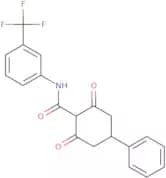
CAS:Controlled Product3-Oxo-2-phenyl butanamide is an amphetamine that has been shown to be a potential marker for wastewater. 3-Oxo-2-phenyl butanamide is one of the many intermediates in the synthesis of amphetamine from phenylacetone and can be found in wastewater as an impurity. This compound has also been used as a marker for wastewater treatment malfunctioning. 3-Oxo-2-phenyl butanamide is excreted into the environment through urine, and its presence can be measured in water samples by gas chromatography/mass spectrometry or liquid chromatography/mass spectrometry.Formula:C10H11NO2Purity:Min. 95%Color and Shape:PowderMolecular weight:177.2 g/mol(2,6-dioxo-4-phenylcyclohexyl)-N-(3-(trifluoromethyl)phenyl)formamide
CAS:<p>Please enquire for more information about (2,6-dioxo-4-phenylcyclohexyl)-N-(3-(trifluoromethyl)phenyl)formamide including the price, delivery time and more detailed product information at the technical inquiry form on this page</p>Purity:Min. 95%2-Chloro-4-nitro benzamide
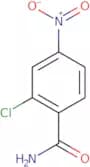
CAS:<p>2-Chloro-4-nitrobenzamide is a drug that belongs to the sulfa drugs. It has been shown to be effective in treating autoimmune diseases, particularly bowel disease and inflammatory bowel disease. 2-Chloro-4-nitrobenzamide inhibits the synthesis of fatty acids by blocking the enzyme acetyl CoA carboxylase, which is involved in the formation of long chain fatty acids. This drug also has immunosuppressive activities, which may be due to its ability to block T cell proliferation. 2-Chloro-4-nitrobenzamide is used as a chemical intermediate for antibiotics such as maduramicin ammonium and salinomycin sodium. It is also used as a dietary supplement or pharmaceutical dosage form for cardiac glycoside drugs such as digoxin.</p>Formula:C7H5ClN2O3Purity:Min. 95%Color and Shape:PowderMolecular weight:200.58 g/mol2,4-Dichloropyrimidine-5-carboxamide
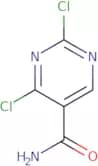
CAS:<p>2,4-Dichloropyrimidine-5-carboxamide is a 2,4-dichloropyrimidine derivative. It is an intermediate in the synthesis of other compounds, and can be used as a building block in the synthesis of complex compounds. It is a versatile building block that can be used to make many different products. This chemical has been shown to have high quality and is useful as a research reagent or speciality chemical. 2,4-Dichloropyrimidine-5-carboxamide is also a useful intermediate for reactions involving nucleophilic substitution reactions and can serve as a scaffold for organic synthesis.</p>Formula:C5H3Cl2N3OPurity:Min. 95%Color and Shape:Off-White To Yellow SolidMolecular weight:192 g/mol2-chloro-n-(4-chlorophenyl)acetamide
CAS:<p>2-Chloro-N-(4-chlorophenyl)acetamide (2CPA) is an antimycobacterial agent that inhibits the growth of Mycobacterium tuberculosis. The antimycobacterial activity of 2CPA has been demonstrated in a dilution method, where it reduced the number of viable cells in cultures of M. tuberculosis and Mycobacterium smegmatis. The antimicrobial activity of 2CPA was confirmed using a fluorescence assay, which showed that this compound is active against M. tuberculosis H37Rv and M. smegmatis at concentrations above 0.1 mM. 2CPA also has a potent bactericidal effect on Staphylococcus aureus with an MIC value of 0.06 mg/mL at 30 minutes and is active against Enterococcus faecalis with an MIC value of 4 mg/mL at 30 minutes.</p>Formula:C8H7Cl2NOPurity:Min. 95%Molecular weight:204.05 g/molN-(4-Fluorophenyl)(5-methyl-3-phenylisoxazol-4-yl)formamide
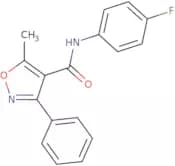
CAS:<p>Please enquire for more information about N-(4-Fluorophenyl)(5-methyl-3-phenylisoxazol-4-yl)formamide including the price, delivery time and more detailed product information at the technical inquiry form on this page</p>Formula:C17H13FN2O2Purity:Min. 95%Color and Shape:PowderMolecular weight:296.3 g/mol4-Chloro-3-nitrophenylacetamide
CAS:<p>4-Chloro-3-nitrophenylacetamide is a chemical compound that can be used as a reagent, useful scaffold for research, and a high quality research chemical. CAS No. 5540-60-3, this versatile building block is useful for the synthesis of complex compounds and fine chemicals.</p>Formula:C8H7ClN2O3Purity:Min. 98 Area-%Color and Shape:PowderMolecular weight:214.61 g/molN-(3-Aminopropylmethacrylamide HCl
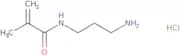
CAS:<p>N-(3-Aminopropylmethacrylamide HCl is a water-soluble optical sensor that has been used in the field of bioanalysis. This compound has been shown to react with propranolol hydrochloride and produce a fluorescent product. The fluorescence intensity depends on the concentration of propranolol hydrochloride, which can be measured using an optical detector. N-(3-Aminopropylmethacrylamide HCl is synthesized from trifluoroacetic acid and 3-aminopropylamine using a solid-phase synthesis technique. This compound has also been used as a ligand for affinity chromatography and as a template molecule in nonsteroidal anti-inflammatory drug research.</p>Formula:C7H14N2O·HClPurity:Min. 95%Color and Shape:Brown White Yellow PowderMolecular weight:178.66 g/molC26-Ceramide
CAS:<p>Marker for Farber disease diagnosis</p>Formula:C44H87NO3Purity:Min. 95%Color and Shape:White PowderMolecular weight:678.17 g/molDL-alanine-beta-naphthylamide hydrochloride
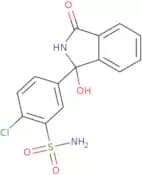
CAS:<p>DL-Alanine-beta-naphthylamide hydrochloride is a fine chemical that is used as a building block for other compounds. It can be used in the synthesis of complex compounds and as a reagent to synthesize speciality chemicals and research chemicals. DL-Alanine-beta-naphthylamide hydrochloride is also a versatile building block that can be used as an intermediate in organic reactions or as a reaction component. This compound has CAS No. 74144-49-3 and is soluble in water.</p>Formula:C13H15ClN2OPurity:Min. 95%Color and Shape:PowderMolecular weight:250.72 g/mol2-Chloro-5-(2,3-dihydro-1-hydroxy-3-oxo-1H-isoindol-1-yl)-benzenesulfonamide
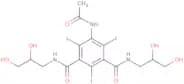
CAS:Controlled Product<p>2-Chloro-5-(2,3-dihydro-1-hydroxy-3-oxo-1H-isoindol-1-yl)-benzenesulfonamide is a drug that belongs to the class of sulfonamides which is used in pharmaceutical formulations. It has been shown to have potent antihypertensive effects, and it also lowers blood pressure by inhibiting an enzyme called carbonic anhydrase. 2CCHIB binds to the chloride channel in kidney tubule cells and prevents the reabsorption of chloride ions in these cells. This leads to more water being excreted from the body, which reduces blood volume and pressure. The low density lipoprotein (LDL) cholesterol levels are also reduced when this drug is taken orally. 2CCHIB increases high sensitivity C reactive protein (hsCRP), a marker for inflammation, but it can also have antioxidant effects.</p>Formula:C14H11ClN2O4SPurity:Min. 95%Color and Shape:PowderMolecular weight:338.77 g/mol5-(Acetylamino)-N,N'-bis(2,3-dihydroxypropyl)-2,4,6-triiodo-1,3-benzenedicarboxamide
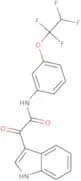
CAS:<p>5-(Acetylamino)-N,N'-bis(2,3-dihydroxypropyl)-2,4,6-triiodo-1,3-benzenedicarboxamide is a reactive iodinated contrast agent that is used in the diagnostic imaging of body cavities and blood vessels. It can be prepared by the acetylation of 5-(acetylamino)naphthalene-2,3-diol with 2,4,6-triiodobenzene dicarboxylic acid using an alkali metal as a base. The yields for this reaction are dependent on the type of solvent used. This chemical has two functional groups: an amide and an acetate group. It reacts with iohexol to form a radiocontrast product that contains both iodine and propanediol. This process is industrially carried out by mixing 5-(acetylamino)naphthalene-2,</p>Formula:C16H20I3N3O7Purity:Min. 95%Color and Shape:White PowderMolecular weight:747.06 g/mol2-Indol-3-yl-2-oxo-N-(3-(1,1,2,2-tetrafluoroethoxy)phenyl)ethanamide
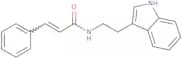
CAS:<p>Please enquire for more information about 2-Indol-3-yl-2-oxo-N-(3-(1,1,2,2-tetrafluoroethoxy)phenyl)ethanamide including the price, delivery time and more detailed product information at the technical inquiry form on this page</p>Formula:C18H12F4N2O3Purity:Min. 95%Color and Shape:PowderMolecular weight:380.29 g/molN-(2-Indol-3-ylethyl)-3-phenylprop-2-enamide
CAS:<p>N-(2-indol-3-ylethyl)-3-phenylprop-2-enamide is a serotonin analog that has been shown to inhibit the production of tryptophan decarboxylase in organisms. This compound has also been shown to be an inhibitor of the biosynthesis of p-coumaric acid, which is involved in the synthesis of lignin, phytoalexins, and other phenolic compounds. N-(2-indol-3-ylethyl)-3-phenylprop-2-enamide may be useful as a fungicide against pyricularia or as an antimicrobial against microbial infections.</p>Formula:C19H18N2OPurity:Min. 95%Color and Shape:PowderMolecular weight:290.36 g/molQuinfamide
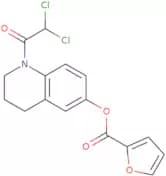
CAS:<p>Quinfamide is a polyunsaturated compound that contains a cevimeline hydrochloride molecule. It is used to treat bowel disease, usually in combination with other drugs. Quinfamide has been shown to have specific treatment effects on the symptoms of inflammatory bowel disease (IBD) when given at doses of 400-800 mg per day for up to 12 weeks. This drug can also be used as an analog for 5-membered heteroaryl compounds, such as benzalkonium chloride, which are also used to treat bowel disease. Quinfamide has been shown to have anti-inflammatory properties and may work by inhibiting fatty acid synthesis or by reducing the number of neutrophils in the gut.</p>Formula:C16H13Cl2NO4Purity:Min. 95%Color and Shape:White PowderMolecular weight:354.18 g/molN,O-Bis(trimethylsilyl) acetamide
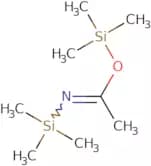
CAS:<p>N,O-Bis(trimethylsilyl) acetamide is a protein that is used as a reagent for the detection of integrin receptors. It can be used to identify human immunoglobulin and human serum proteins. This compound has been shown to be pluripotent in cells, which means that it can differentiate into any type of cell. N,O-Bis(trimethylsilyl) acetamide has been shown to have surfactant properties and can be used as an alternative in toxicity studies. This compound has been shown to be toxic to bowel disease cells when tested with a dose of 3mg/mL. The disulfide bond within this molecule may be important for its biological activity. Synchronous fluorescence spectroscopy and plasma mass spectrometry are two methods that have been used to study the structure of this molecule. Electrochemical impedance spectroscopy is another method that has been used in the structural analysis of this molecule.</p>Formula:C8H21NOSi2Purity:Min. 95 Area-%Color and Shape:Colorless Yellow Clear LiquidMolecular weight:203.43 g/molBrinzolamide
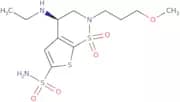
CAS:<p>Inhibitor of carbonic anhydrase</p>Formula:C12H21N3O5S3Purity:Min. 98 Area-%Color and Shape:PowderMolecular weight:383.51 g/molN-(5-Aminopentyl) methotrexate amide
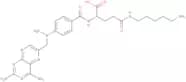
CAS:<p>N-(5-Aminopentyl) methotrexate amide is a fluorescent probe that is used to study the transport of drugs across cell membranes. It binds to the plasma membrane of cells and can be visualized with a fluorescence microscope. N-(5-Aminopentyl) methotrexate amide has been shown to bind to leukemia cells in murine leukemia models. It has a high affinity for drug-resistant cells, which makes it useful for studying drug resistance mechanisms. This probe can be used at nanomolar concentrations for imaging studies, as well as for measuring the uptake of drugs into cancer cells by flow cytometry.</p>Formula:C25H34N10O4Purity:Min. 95%Color and Shape:Yellow PowderMolecular weight:538.6 g/molAvanafil
CAS:<p>Avanafil is a drug that can be used as a treatment for male erectile dysfunction. It works by inhibiting the production of PDE5, which is an enzyme that regulates the levels of cGMP in the penis. Avanafil has been shown to be effective when taken at a dose of 100 mg; this is because it takes about 30 minutes for avanafil to reach its peak level. Avanafil has a chemical stability that is greater than 12 hours, with an average lifespan of 24 hours. The drug also has no major drug interactions and does not inhibit any other drugs from working.</p>Formula:C23H26ClN7O3Purity:Min. 98 Area-%Color and Shape:White PowderMolecular weight:483.95 g/molMorpholine-4-carboxamide
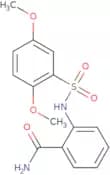
CAS:<p>Morpholine-4-carboxamide is a polymerase chain inhibitor that inhibits the activity of DNA polymerases. It binds to the DNA template strand and prevents the enzyme from adding nucleotides to the primer strand, thereby inhibiting DNA synthesis. Morpholine-4-carboxamide has shown efficacy in treating hyperproliferative diseases such as cancer cells and psoriasis. This drug has been shown to inhibit caspase activation and histone protein acetylation, which may be related to its anti-cancer properties. Morpholine-4-carboxamide also binds to cannabinoid receptor 2 (CB2) and may have therapeutic effects on inflammatory diseases such as psoriasis and arthritis.</p>Formula:C5H10N2O2Purity:Min. 95%Molecular weight:130.15 g/mol2-(((2,5-dimethoxyphenyl)sulfonyl)amino)benzamide
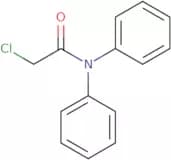
CAS:<p>Please enquire for more information about 2-(((2,5-dimethoxyphenyl)sulfonyl)amino)benzamide including the price, delivery time and more detailed product information at the technical inquiry form on this page</p>Purity:Min. 95%2-Chloro-N,N-diphenylacetamide
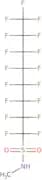
CAS:<p>2-Chloro-N,N-diphenylacetamide is a functional theory that has been shown to have antimicrobial activity against mammalian cells. It is an acetamide derivative with a formyl group and two chloro substituents. 2-Chloro-N,N-diphenylacetamide inhibits the growth of Mycobacterium tuberculosis by binding to the ribosomal protein P0, which inhibits the production of proteins vital for cell division. This drug also has antifungal properties, inhibiting the synthesis of ergosterol in filamentous fungi such as Candida albicans.<br>2-Chloro-N,N-diphenylacetamide is also known to inhibit the growth of other bacteria by binding to their ribosomes and interfering with protein synthesis. This drug may also be active against viruses due to its ability to bind chloride ions.</p>Formula:C14H12ClNOPurity:Min. 95%Molecular weight:245.7 g/mol1,1,2,2,3,3,4,4,5,5,6,6,7,7,8,8,8-Heptadecafluoro-N-methyloctane-1-sulfonamide
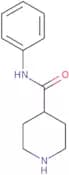
CAS:Controlled Product<p>1,1,2,2,3,3,4,4,5,5,6,6,7,7,8,8-heptadecafluoro-N-methyloctane-1-sulfonamide is a perfluorinated sulfonate that is used as a surfactant in wastewater treatment and to package food. This compound is not water soluble and requires an organic solvent to dissolve it. It has been shown that the use of 1HFAFMS can reduce the amount of phosphates in packaging materials by up to 50%. 1HFAFMS also has been found to be safe for humans and does not accumulate in the environment. It does not bioaccumulate and is rapidly excreted through urine.</p>Formula:C9H4F17NO2SPurity:Min. 95%Color and Shape:PowderMolecular weight:513.17 g/molN-Phenylpiperidine-4-carboxamide
CAS:<p>N-Phenylpiperidine-4-carboxamide is a drug that inhibits the production of thromboxane A2 and other substances that promote clotting. It is used to treat patients with high blood pressure, as well as for the prevention of strokes and heart attacks. N-Phenylpiperidine-4-carboxamide is an analog of biphenyl and has been shown to have antiplatelet activity in humans. This drug also inhibits soluble guanylate cyclase, which prevents platelets from sticking together and forming clots. N-Phenylpiperidine-4-carboxamide is rapidly metabolized by esterases in the human body and excreted primarily in urine. The pharmacokinetic properties of this drug are not well understood but it can be synthesized using a number of different methods involving amide bonds.</p>Formula:C12H16N2OPurity:Min. 95%Color and Shape:White PowderMolecular weight:204.27 g/molPhthalimidoyl-N-(methyltosyl)hexanamide
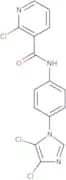
<p>Phthalimidoyl-N-(methyltosyl)hexanamide is a fine chemical that can be used as a versatile building block and reaction component. It is an intermediate in the production of a variety of products, including pharmaceuticals and pesticides. Phthalimidoyl-N-(methyltosyl)hexanamide is also used as a reagent for the preparation of other compounds. This compound has high purity and quality, making it suitable for research purposes. The CAS number for this compound is 183828-04-7.</p>Formula:C21H22N2O5SMolecular weight:414.48 g/molN-(4-(4,5-dichloroimidazolyl)phenyl)(2-chloro(3-pyridyl))formamide
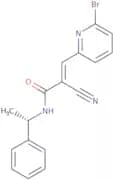
CAS:Please enquire for more information about N-(4-(4,5-dichloroimidazolyl)phenyl)(2-chloro(3-pyridyl))formamide including the price, delivery time and more detailed product information at the technical inquiry form on this pagePurity:Min. 95%(S,E)-3-(6-Bromopyridin-2-yl)-2-cyano-N-(1-phenylethyl)acrylamide
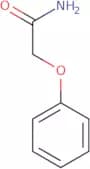
CAS:<p>(S,E)-3-(6-Bromopyridin-2-yl)-2-cyano-N-(1-phenylethyl)acrylamide (MBI-23) is a potential antineoplastic agent that has been shown to induce regression of bladder cancer in mice. MBI-23 induces apoptosis by inhibiting the proliferation of cancer cells and inducing differentiation of cancer stem cells. It is also shown to inhibit tumor growth and progression in glioma and prostate cancer models. MBI-23 binds to the KDR receptor subtype, which is activated by organic acids and inhibited by inorganic compounds. This binding leads to constitutive activation of the KDR receptor, thereby inducing apoptosis. The tautomers and stereoisomers of MBI-23 have not been fully elucidated yet.</p>Formula:C17H14ON3BrPurity:Min. 98 Area-%Color and Shape:White PowderMolecular weight:356.22 g/mol2-Phenoxyacetamide
CAS:<p>2-Phenoxyacetamide is an acylating agent that reacts with a hydroxyl group by substitution to form an ester or amide. It is used in clinical studies to combat insulin resistance and metabolic disorders, such as cancer, inflammatory bowel disease, and diabetes. 2-Phenoxyacetamide has been shown to be effective against a number of bacterial species, including Pseudomonas aeruginosa and Cryptococcus neoformans. The drug also inhibits the production of monoamine neurotransmitters in the brain and has been shown to have anti-inflammatory properties.</p>Formula:C8H9NO2Purity:Min. 95%Color and Shape:PowderMolecular weight:151.16 g/mol2,2'-(Diazene-1,2-diyl)bis(2-methylpropanimidamide) dihydrochloride
CAS:<p>2,2'-(Diazene-1,2-diyl)bis(2-methylpropanimidamide) dihydrochloride (BPDC) is a synthetic compound that is used as an analytical reagent and a model system for oxidative injury. It has significant cytotoxicity on human cells in cell culture. BPDC induces oxidative damage to proteins and DNA by increasing the production of reactive oxygen species such as hydrogen peroxide, superoxide, and hydroxyl radicals. The mechanism of action is not well understood but may be due to Toll-like receptor signalling pathways. This compound has been shown to inhibit the activity of antioxidant enzymes such as glutathione peroxidase and catalase. It also inhibits the activity of proinflammatory cytokines such as IL-6 and IL-8. BPDC is being investigated for its potential use in bowel disease treatment.</p>Formula:C8H20Cl2N6Purity:Min. 95%Color and Shape:PowderMolecular weight:271.19 g/mol3-(Dimethylphosphono)-N-methylolpropionamide
CAS:<p>Dimethylphosphonoacetamide (DMPPA) is a phosphorus-containing compound that is used as an intermediate in the synthesis of fatty acids. DMPPA can be synthesized by the reaction of ethylene diamine and phosphorus pentoxide, which is a common reagent for preparing phosphorus compounds. The reaction mechanism has been studied using electrochemical impedance spectroscopy. This study revealed that DMPPA can be converted to a water-soluble product by treatment with water vapor or by adding cotton. In addition, the kinetic data obtained from this study showed that the reaction rate was affected by temperature and the type of solvent used. The frequency shift observed during this study indicated that nitrogen atoms are involved in the reaction mechanism.</p>Formula:C6H14NO5PPurity:(%) Min. 80%Molecular weight:211.15 g/molIndole-3-acetamide
CAS:<p>Indole-3-acetamide is an organic compound that is a component of the natural amino acid tryptophan. Indole-3-acetamide has been shown to be a potential anti-cancer drug. It inhibits prostate cancer cells and wild-type strains by inhibiting fatty acid synthase, which is an enzyme that catalyzes the synthesis of fatty acids. Indole-3-acetamide is also able to increase the production of monoclonal antibodies in mice with antigenic stimulation.</p>Formula:C10H10N2OPurity:Min. 98 Area-%Color and Shape:PowderMolecular weight:174.2 g/molN-Methylbis(trifluoroacetamide)
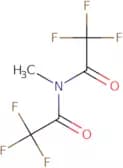
CAS:<p>N-Methylbis(trifluoroacetamide) is a molecule that is used in the preparation of an analytical method. This molecule reacts with human serum and urine to produce a reaction solution. The matrix effect can be seen in metabolic disorders, such as the case of creatine kinase which is not affected by the derivatization. N-Methylbis(trifluoroacetamide) is also used to prepare samples for solid phase microextraction with basic structures that are amines.</p>Formula:C5H3F6NO2Purity:Min. 95%Color and Shape:Clear LiquidMolecular weight:223.07 g/mol2-Chloro-N-(1,5-dimethyl-3-oxo-2-phenyl-2,3-dihydro-1H-pyrazol-4-yl)acetamide
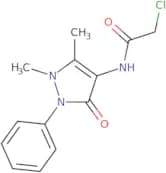
CAS:2-Chloro-N-(1,5-dimethyl-3-oxo-2-phenyl-2,3-dihydro-1H-pyrazol-4-yl)acetamide (CPA) is a chemical compound that belongs to the class of phenyl pyrazoles. It has a thermal stability and is soluble in organic solvents. CPA crystallizes in the monoclinic system with the space group P21/c, with the following unit cell parameters: a = 8.943(4) Å, b = 7.878(3) Å, c = 17.834(6) Å, α = 90°, β = 112° and γ = 90°. In this crystal structure, there are two molecules of chloride per molecule of CPA. The crystal x ray diffraction pattern showed that this compound forms dimers in solution at room temperature and can be dissolvedFormula:C13H14ClN3O2Purity:Min. 95%Molecular weight:279.72 g/molN-Methyl-N-vinylacetamide
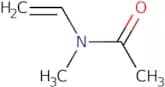
CAS:<p>N-Methyl-N-vinylacetamide is a colorless liquid with a boiling point of 105.6°C. It is produced by the reaction of acetamide and vinyl chloride in the presence of hydrochloric acid, glycol ether, and methyl ethyl ketone. The viscosity of this compound is low, which makes it an ideal solvent for paints and coatings. N-Methyl-N-vinylacetamide also has genetic damaging effects and can cause mutations in bacteria that are exposed to this compound in high concentrations. This product has an unusual chemical structure due to its hydrogen bonding interactions.br>br><br>br>br><br>Hydrogen bonds are weak intermolecular forces between polar molecules, such as water or alcohols, that are formed by the attraction between a partially positive hydrogen atom on one molecule and the negative end of another nearby molecule. Hydrogen bonds stabilize certain molecular structures because they provide partial shielding from electrostatic interactions with</p>Formula:C5H9NOPurity:Min. 97.5%Color and Shape:Clear LiquidMolecular weight:99.13 g/mol6-Aminonicotinamide
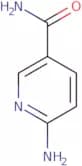
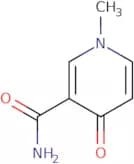
CAS:6-Aminonicotinamide is an experimental drug that has shown promising results in animal studies. This compound may be useful for the treatment of cancer, due to its ability to inhibit reactive oxygen species and maintain mitochondrial membrane potential. 6-Aminonicotinamide also has a protective effect against radiation-induced cell damage, as it prevents oxidative injury to DNA and protein. In addition, 6-aminonicotinamide can stimulate the proliferation of pluripotent cells, which are cells that have the ability to differentiate into any type of cell in the body. Finally, this compound was shown to have antitumor effects by inhibiting squamous carcinoma tumor growth in experimental models.Formula:C6H7N3OPurity:Min. 95%Color and Shape:PowderMolecular weight:137.14 g/molN-Methyl-4-pyridone-3-carboxamide
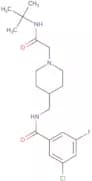
CAS:<p>N-Methyl-4-pyridone-3-carboxamide is a nonnutritive sweetener that has been shown to have no effect on peroxisome proliferation. It also had no effect on the levels of fatty acids in rat cardiomyocytes and did not affect uv absorption. N-Methyl-4-pyridone-3-carboxamide binds to the receptor α subunit of the taste receptor and inhibits adenosine uptake, which may be responsible for its effects on depression. This compound also alters energy metabolism by inhibiting mitochondrial ATP production and glycolysis.</p>Formula:C7H8N2O2Purity:(%) Min. 95%Color and Shape:PowderMolecular weight:152.15 g/molN-((1-(2-(tert-Butylamino)-2-oxoethyl)piperidin-4-yl)methyl)-3-chloro-5-fluorobenzamide
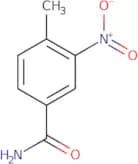
CAS:<p>N-((1-(2-(tert-Butylamino)-2-oxoethyl)piperidin-4-yl)methyl)-3-chloro-5-fluorobenzamide is a novel antiarrhythmic drug that inhibits the activation of cardiac cells. It was shown to inhibit proliferation and migration of human leukemia cells in vitro and to inhibit tumor growth in vivo. N-(1-(2-(tert-Butylamino)-2-oxoethyl)piperidin-4-yl)methyl)-3-chloro-5-fluorobenzamide has been shown to have cardioprotective effects in Sprague Dawley rats, reducing the incidence of ventricular tachycardia and fibrillation. The clinical studies conducted so far have not revealed any adverse effects on the heart or other organs.</p>Formula:C19H27ClFN3O2Purity:Min. 95%Color and Shape:White SolidMolecular weight:383.89 g/mol4-Methyl-3-nitrobenzamide
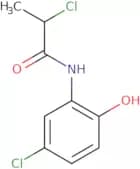
CAS:<p>4-Methyl-3-nitrobenzamide is a nitrile that can be synthesized by the reaction of potassium hydroxide and 3-nitrobenzamide. It has been shown to react with dichloroethane to form 4-methyl-3-nitrobenzoic acid. The optimum temperature for this reaction is 120°C, which leads to a high yield of 4-methyl-3-nitrobenzamide. This product is also available in an isotopic form at high purity.</p>Formula:C8H8N2O3Purity:Min. 95%Color and Shape:PowderMolecular weight:180.16 g/molN-(5-Chloro-2-hydroxyphenyl)-2-chloropropanamide
CAS:<p>Please enquire for more information about N-(5-Chloro-2-hydroxyphenyl)-2-chloropropanamide including the price, delivery time and more detailed product information at the technical inquiry form on this page</p>Purity:Min. 95%Propiolamide
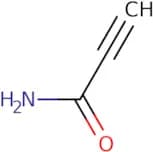
CAS:<p>Propiolamide is a sulfoxide-substituted diphenyl compound that inhibits the growth of cancer cells. It is an irreversible inhibitor of the enzyme, protein kinase C, which has been shown to be involved in the regulation of cell proliferation and differentiation. Propiolamide also inhibits the production of estrone sulfate by inhibiting mitochondrial superoxide production. The hydrochloric acid-catalyzed reaction solution can be prepared using anhydrous sodium as a reducing agent and chemical stability can be achieved by using palladium as a catalyst.</p>Formula:C3H3NOPurity:Min. 96 Area-%Color and Shape:PowderMolecular weight:69.06 g/molN-[3-(3-Dimethylamino-1-oxo-2-propenyl)phenyl]-N-ethylacetamide
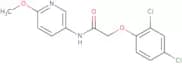
CAS:<p>N-[3-(3-Dimethylamino-1-oxo-2-propenyl)phenyl]-N-ethylacetamide is a high quality, complex compound that is useful as a reagent, intermediate, and building block. The CAS number for this product is 96605-66-2. This product has shown to have use in the synthesis of fine chemicals and research chemicals. It is a versatile building block that can be used as a reaction component.</p>Formula:C15H20N2O2Purity:Min. 95%Color and Shape:PowderMolecular weight:260.33 g/mol2-(2,4-dichlorophenoxy)-N-(6-methoxy(3-pyridyl))ethanamide
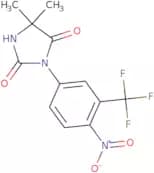
CAS:<p>Please enquire for more information about 2-(2,4-dichlorophenoxy)-N-(6-methoxy(3-pyridyl))ethanamide including the price, delivery time and more detailed product information at the technical inquiry form on this page</p>Purity:Min. 95%Nilutamide
CAS:<p>Nonsteroidal androgen receptor antagonist</p>Formula:C12H10F3N3O4Purity:Min. 95%Color and Shape:PowderMolecular weight:317.22 g/mol
![N-[(4-Amino-2-methylpyrimidin-5-yl)methyl]formamide](/_next/image/?url=https%3A%2Fstatic.cymitquimica.com%2Fproducts%2F3D%2Fthumb-webp%2FFA31702.webp&w=3840&q=75)











![N-[3-(3-Dimethylamino-1-oxo-2-propenyl)phenyl]-N-ethylacetamide](/_next/image/?url=https%3A%2Fstatic.cymitquimica.com%2Fproducts%2F3D%2Fthumb-webp%2FFD70834.webp&w=3840&q=75)