Amides
Amides are a wide range of chemical compounds that contain at least one heterocyclic ring, which has atoms of at least two different elements in the ring structure, and at least one amide group (-CONH2). These compounds are crucial in the synthesis of pharmaceuticals, polymers, and agrochemicals. Amides exhibit unique properties and reactivity, making them valuable intermediates in organic synthesis. At CymitQuimica, we offer a comprehensive selection of high-quality amides to support your research and industrial needs.
Found 16393 products of "Amides"
Sort by
Purity (%)
0
100
|
0
|
50
|
90
|
95
|
100
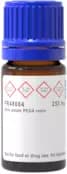
Rink amide PEGA resin
<p>Rink amide PEGA resin is a cation-exchange resin that has been modified with poly(ethylene glycol) and poly(ethylene oxide). It binds to calcium ions, which are required for cell division. Activated resins can be used in animal diagnostic tests to measure blood glucose levels or as an adsorbent for the removal of heavy metals from drinking water. Rink amide PEGA resin can be used to modify polymer conjugates and assay biological properties, such as cancer cells or solid-phase synthesis.</p>Purity:Min. 95%Color and Shape:Powder2-Piperazin-1-ylnicotinamide dihydrochloride
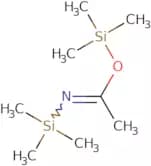
CAS:<p>Please enquire for more information about 2-Piperazin-1-ylnicotinamide dihydrochloride including the price, delivery time and more detailed product information at the technical inquiry form on this page</p>Formula:C10H14N4OPurity:95%MinColor and Shape:PowderMolecular weight:206.24 g/molN,O-Bis(trimethylsilyl) acetamide
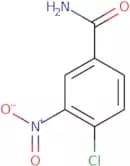
CAS:<p>N,O-Bis(trimethylsilyl) acetamide is a protein that is used as a reagent for the detection of integrin receptors. It can be used to identify human immunoglobulin and human serum proteins. This compound has been shown to be pluripotent in cells, which means that it can differentiate into any type of cell. N,O-Bis(trimethylsilyl) acetamide has been shown to have surfactant properties and can be used as an alternative in toxicity studies. This compound has been shown to be toxic to bowel disease cells when tested with a dose of 3mg/mL. The disulfide bond within this molecule may be important for its biological activity. Synchronous fluorescence spectroscopy and plasma mass spectrometry are two methods that have been used to study the structure of this molecule. Electrochemical impedance spectroscopy is another method that has been used in the structural analysis of this molecule.</p>Formula:C8H21NOSi2Purity:Min. 95 Area-%Color and Shape:Colorless Yellow Clear LiquidMolecular weight:203.43 g/mol4-Chloro-3-nitrobenzamide
CAS:<p>4-Chloro-3-nitrobenzamide (4CNBA) is a potent inducer of hepatic drug metabolizing enzymes. It reacts with methyl cinnamate to form the 4-chloro-3-nitrobenzamide methyl ester and chloride ions. This reaction is catalyzed by copper, which binds to the 4CNBA molecule. The chloride ion then displaces water from the ester, producing a nitroso intermediate. This intermediate breaks down into an unstable nitrite, which in turn reacts with hydrogen peroxide to form a hydroxylamine intermediate. Hydroxylamine can then react with sulfhydryl groups to produce reactive thiols that are responsible for the induction of detoxification enzymes in the liver.<br>4CNBA has been shown to be toxic at high concentrations and is rapidly detoxified by Phase II enzymes such as glutathione S transferase, UDP glucuronosyltransferase, and N-acetyl</p>Formula:C7H5ClN2O3Purity:Min. 95%Color and Shape:PowderMolecular weight:200.58 g/mol3-Cyanobenzamide
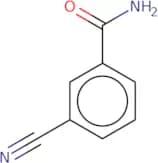
CAS:<p>3-Cyanobenzamide is an organic compound with the formula CHC(N)NH. It is a white crystalline solid that can be obtained by reacting benzamide with cyanoacetylene. There are three possible isomers of 3-cyanobenzamide: 3-cyano-1-(substituted phenyl)benzamide, 3-cyano-2-(substituted phenyl)benzamide, and 3-cyano-3-(substituted phenyl)benzamide. The optimal reaction conditions for the synthesis of 3-cyanobenzamide are in the presence of hydrogen bonding, such as n-hexane, amide, and phase equilibrium. Studies have determined that 3-cyanobenzamide has the potential to cause cancer or liver toxicity in humans. In addition, this chemical has been shown to be an effective inhibitor of alpha glucosidase enzymes in vitro and in vivo.</p>Formula:C8H6N2OPurity:Min. 90%Molecular weight:146.15 g/mol3,4,5-Trimethoxybenzamide
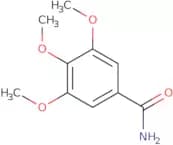
CAS:<p>3,4,5-Trimethoxybenzamide is a benzofuran that has been shown to have anti-cancer properties. It has been shown to inhibit the production of chemokines and inhibit cancer cell proliferation. 3,4,5-Trimethoxybenzamide also binds to chloride ion channels on cancer cells and blocks the influx of chloride ions into the cells. This causes an increase in intracellular pH and inhibits the formation of ATP. 3,4,5-Trimethoxybenzamide also has antiarrhythmic properties and can be used for the treatment of hypertension. It is metabolized by hydrolysis in tissues or blood pressure through piperidine formation or hydrochloric acid.</p>Formula:C10H13NO4Purity:Min. 95%Color and Shape:PowderMolecular weight:211.21 g/molN-[2-Iodoethyl]trifluoroacetamide
CAS:<p>N-[2-Iodoethyl]trifluoroacetamide is a reactive alkylating agent that is used in the synthesis of biologically active molecules. It reacts with lysines, tryptic and other amino acids to form covalent bonds, which can be cleaved by hydrolysis. The compound also reacts with sulfhydryl groups to produce sulfonium ions, which react with the thiol group at position C6 on the sarcoplasmic reticulum Ca2+ -ATPase to inhibit muscle contraction. N-[2-Iodoethyl]trifluoroacetamide has been shown to cause allergic reactions in rats, mice, and guinea pigs. This drug has also been observed to have an effect on the central nervous system when administered at high doses.</p>Formula:C4H5NOIF3Purity:Min. 95%Color and Shape:PowderMolecular weight:266.99 g/molRink amide MBHA resin
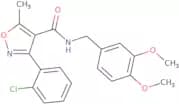
CAS:<p>Solid phase peptide anchor; tool for the Fmoc solid phase synthesis of peptide amides.<br>100-200 mesh. 1% DVB, substitution range 0.3-0.6 meq/g</p>Purity:Min. 95%Color and Shape:PowderN-((3,4-dimethoxyphenyl)methyl)(3-(2-chlorophenyl)-5-methylisoxazol-4-yl)formamide
CAS:<p>Please enquire for more information about N-((3,4-dimethoxyphenyl)methyl)(3-(2-chlorophenyl)-5-methylisoxazol-4-yl)formamide including the price, delivery time and more detailed product information at the technical inquiry form on this page</p>Purity:Min. 95%N-(6-acetylbenzo[d]1,3-dioxolan-5-yl)-2-chloropropanamide
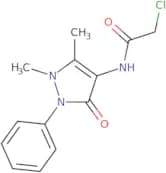
CAS:<p>Please enquire for more information about N-(6-acetylbenzo[d]1,3-dioxolan-5-yl)-2-chloropropanamide including the price, delivery time and more detailed product information at the technical inquiry form on this page</p>Purity:Min. 95%Color and Shape:Powder2-Chloro-N-(1,5-dimethyl-3-oxo-2-phenyl-2,3-dihydro-1H-pyrazol-4-yl)acetamide
CAS:<p>2-Chloro-N-(1,5-dimethyl-3-oxo-2-phenyl-2,3-dihydro-1H-pyrazol-4-yl)acetamide (CPA) is a chemical compound that belongs to the class of phenyl pyrazoles. It has a thermal stability and is soluble in organic solvents. CPA crystallizes in the monoclinic system with the space group P21/c, with the following unit cell parameters: a = 8.943(4) Å, b = 7.878(3) Å, c = 17.834(6) Å, α = 90°, β = 112° and γ = 90°. In this crystal structure, there are two molecules of chloride per molecule of CPA. The crystal x ray diffraction pattern showed that this compound forms dimers in solution at room temperature and can be dissolved</p>Formula:C13H14ClN3O2Purity:Min. 95%Molecular weight:279.72 g/mol6-Aminonicotinamide
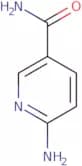
CAS:<p>6-Aminonicotinamide is an experimental drug that has shown promising results in animal studies. This compound may be useful for the treatment of cancer, due to its ability to inhibit reactive oxygen species and maintain mitochondrial membrane potential. 6-Aminonicotinamide also has a protective effect against radiation-induced cell damage, as it prevents oxidative injury to DNA and protein. In addition, 6-aminonicotinamide can stimulate the proliferation of pluripotent cells, which are cells that have the ability to differentiate into any type of cell in the body. Finally, this compound was shown to have antitumor effects by inhibiting squamous carcinoma tumor growth in experimental models.</p>Formula:C6H7N3OPurity:Min. 95%Color and Shape:PowderMolecular weight:137.14 g/molN-(n-Butyl)thiophosphoric triamide
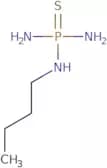
CAS:<p>N-(n-Butyl)thiophosphoric triamide is a triamide herbicide that inhibits the plant enzyme fatty acid synthase. It has been shown to inhibit the uptake of glycol ethers, such as glycol esters, into plants by acting on the glycol ester hydroxyl group. This chemical also inhibits the synthesis of fatty acids in plants and reduces lipid content in perennial ryegrass and solanum tuberosum. N-(n-Butyl)thiophosphoric triamide also inhibits nitrous oxide emissions from wastewater treatment plants.</p>Formula:C4H14N3PSPurity:Min. 95%Color and Shape:White PowderMolecular weight:167.21 g/mol1-Methyl-4-nitro-3-propylpyrazole-5-carboxamide
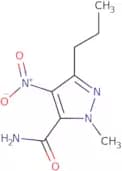
CAS:<p>1-Methyl-4-nitro-3-propylpyrazole-5-carboxamide is an impurity of sildenafil, which is used as a treatment for erectile dysfunction. It has been found in the environment due to its widespread use and it can be detected using chromatographic methods. 1-Methyl-4-nitro-3-propylpyrazole-5-carboxamide binds to thiol groups and may cause male infertility in animals. The detection time for this compound ranges from 2 hours to 24 hours, depending on the detection method. This impurity also has fluorescence properties that can be detected with UV light.</p>Formula:C8H12N4O3Purity:Min. 96 Area-%Color and Shape:PowderMolecular weight:212.21 g/molCinnamamide
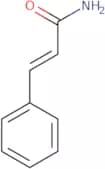
CAS:<p>Cinnamamide is a natural compound that is structurally related to the amino acid lysine and has been shown to regulate skin cell proliferation. Cinnamamide has also been found to be an effective inhibitor of the mitochondrial membrane potential in human erythrocytes. It has been shown to inhibit the production of reactive oxygen species (ROS) and reverse oxidative damage in cells, which may reduce the risk of developing autoimmune diseases. Cinnamamide is also able to prevent cell death caused by epidermal growth factor (EGF) withdrawal and induce apoptosis in HL-60 cells.</p>Formula:C9H9NOPurity:Min. 95%Color and Shape:White Off-White PowderMolecular weight:147.17 g/molN-Methyl-N-vinylacetamide
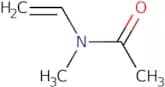
CAS:<p>N-Methyl-N-vinylacetamide is a colorless liquid with a boiling point of 105.6°C. It is produced by the reaction of acetamide and vinyl chloride in the presence of hydrochloric acid, glycol ether, and methyl ethyl ketone. The viscosity of this compound is low, which makes it an ideal solvent for paints and coatings. N-Methyl-N-vinylacetamide also has genetic damaging effects and can cause mutations in bacteria that are exposed to this compound in high concentrations. This product has an unusual chemical structure due to its hydrogen bonding interactions.br>br><br>br>br><br>Hydrogen bonds are weak intermolecular forces between polar molecules, such as water or alcohols, that are formed by the attraction between a partially positive hydrogen atom on one molecule and the negative end of another nearby molecule. Hydrogen bonds stabilize certain molecular structures because they provide partial shielding from electrostatic interactions with</p>Formula:C5H9NOPurity:Min. 97.5%Color and Shape:Clear LiquidMolecular weight:99.13 g/molD-Proline amide
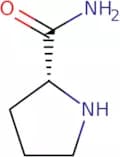
CAS:<p>Intermediate in the synthesis of vildagliptin</p>Formula:C5H10N2OPurity:Min. 95%Color and Shape:PowderMolecular weight:114.15 g/molThioacetamide
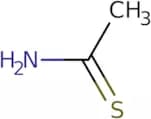
CAS:Controlled Product<p>Thioacetamide is a chemical compound that has been used as a model system to study apoptosis. It is also known to cause injury and biochemical changes in cells. Thioacetamide is metabolized by cytochrome P450 enzymes and conjugated with glucuronic acid, which prevents it from binding to DNA or protein. The oxidation of thioacetamide by cytochrome P450 enzymes leads to the formation of reactive oxygen species that may cause DNA damage. Apoptosis induced by thioacetamide has been shown to be mediated through the mitochondrial pathway, which involves the release of cytochrome C, activation of caspase-9, and cleavage of poly (ADP-ribose) polymerase (PARP). Thioacetamide also inhibits sorbitol dehydrogenase activity, which leads to an accumulation of sorbitol in cells. This accumulation can activate transcriptional factors such as nuclear factor kappa B (NF-κB), leading to</p>Formula:C2H5NSPurity:Min. 98 Area-%Color and Shape:PowderMolecular weight:75.13 g/molN-[2-(p-Cinnamylamino)ethyl]-5-isoquinolone sulfonamide
CAS:<p>N-[2-(p-Cinnamylamino)ethyl]-5-isoquinolone sulfonamide is a high quality chemical that can be used as a reagent, complex compound, and useful intermediate. N-[2-(p-Cinnamylamino)ethyl]-5-isoquinolone sulfonamide is a fine chemical that is useful in the production of speciality chemicals. It can be used as a versatile building block and reaction component to produce various compounds.</p>Formula:C20H21N3O2SPurity:Min. 95%Color and Shape:SolidMolecular weight:367.47 g/mol2-Amino-N-methylbenzamide
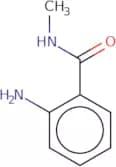
CAS:<p>2-Amino-N-methylbenzamide is a benzodiazepine receptor antagonist that has been shown to inhibit the proliferation of cancer cells in vitro. 2-Amino-N-methylbenzamide binds to the benzodiazepine receptor, which is found in cell nuclei and is involved in controlling the process of cell division. Benzodiazepines are a class of drugs that work by increasing the activity of GABA, which reduces neuronal excitability. 2-Amino-N-methylbenzamide prevents this activity by binding to the benzodiazepine receptor, preventing GABA from binding to its receptors and thereby inhibiting neuronal excitability. This drug has also been shown to inhibit cancer growth through an anthranilic acid derivative, methyl anthranilate. Methyl anthranilate inhibits DNA synthesis and induces apoptosis in cancer cells, leading to cell death.</p>Formula:C8H10N2OPurity:Min. 95%Color and Shape:PowderMolecular weight:150.18 g/molZonisamide
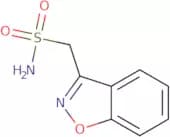
CAS:<p>Voltage-gated sodium channel blocker</p>Formula:C8H8N2O3SPurity:Min. 95%Color and Shape:White Slightly Yellow PowderMolecular weight:212.23 g/molN-(2-Fluorophenyl)-N-[4-(4-Methyl-1,3-Thiazol-2-Yl)-1-(2-Thiophen-3-Ylethyl)Piperidin-4-Yl]Propanamide
CAS:Controlled Product<p>N-(2-Fluorophenyl)-N-[4-(4-methyl-1,3-thiazol-2-yl)-1-(2-thiophen-3-ylethyl)piperidin-4-yl]propanamide is a drug that is used for the treatment of cancer. This drug is hydrophobic and has a molecular weight of 455. It has been shown to be effective in treating cancer cells by binding to the cell membrane and inhibiting the proliferation of these cells. N-(2-Fluorophenyl)-N-[4-(4-methyl-1,3-thiazol-2-yl)-1-(2-thiophen-3-ylethyl)piperidin]-4-- yl]propanamide also inhibits tumor growth by reducing extracellular matrix production and inducing apoptosis in cancer cells. This drug has a fluorescent property and can be detected with an optical microscope at a</p>Formula:C24H28FN3OS2Purity:Min. 95%Molecular weight:457.63 g/mol4-Methyl-3-nitrobenzamide
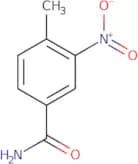
CAS:<p>4-Methyl-3-nitrobenzamide is a nitrile that can be synthesized by the reaction of potassium hydroxide and 3-nitrobenzamide. It has been shown to react with dichloroethane to form 4-methyl-3-nitrobenzoic acid. The optimum temperature for this reaction is 120°C, which leads to a high yield of 4-methyl-3-nitrobenzamide. This product is also available in an isotopic form at high purity.</p>Formula:C8H8N2O3Purity:Min. 95%Color and Shape:PowderMolecular weight:180.16 g/mol(2-Aminophenyl)-N-((((4-methoxyphenyl)amino)thioxomethyl)amino)formamide
CAS:<p>Please enquire for more information about (2-Aminophenyl)-N-((((4-methoxyphenyl)amino)thioxomethyl)amino)formamide including the price, delivery time and more detailed product information at the technical inquiry form on this page</p>Formula:C15H16N4O2SPurity:Min. 95%Color and Shape:PowderMolecular weight:316.38 g/mol4-Amino-N-benzylbenzamide
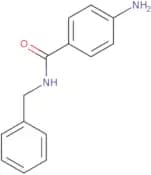
CAS:<p>4-Amino-N-benzylbenzamide is a high quality chemical that is an intermediate in the synthesis of other useful compounds. It is a reagent for organic synthesis, and has many uses as a complex compound, as well as being a useful building block for more complicated molecules. 4-Amino-N-benzylbenzamide is also used as a speciality chemical in research labs, and can be used as a versatile building block to make different products.</p>Formula:C14H14N2OPurity:Min. 95%Color and Shape:PowderMolecular weight:226.27 g/mol3-(Dimethylphosphono)-N-methylolpropionamide
CAS:<p>Dimethylphosphonoacetamide (DMPPA) is a phosphorus-containing compound that is used as an intermediate in the synthesis of fatty acids. DMPPA can be synthesized by the reaction of ethylene diamine and phosphorus pentoxide, which is a common reagent for preparing phosphorus compounds. The reaction mechanism has been studied using electrochemical impedance spectroscopy. This study revealed that DMPPA can be converted to a water-soluble product by treatment with water vapor or by adding cotton. In addition, the kinetic data obtained from this study showed that the reaction rate was affected by temperature and the type of solvent used. The frequency shift observed during this study indicated that nitrogen atoms are involved in the reaction mechanism.</p>Formula:C6H14NO5PPurity:(%) Min. 80%Molecular weight:211.15 g/molC2-Ceramide
CAS:<p>Inducer of apoptosis; NF-κB activator; PP2A modulator</p>Formula:C20H39NO3Purity:Min. 95%Color and Shape:White PowderMolecular weight:341.53 g/mol2-Amino-N-[2-(2-chlorobenzoyl)-4-nitrophenyl]acetamide
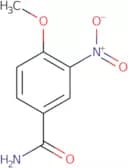
CAS:<p>2-Amino-N-[2-(2-chlorobenzoyl)-4-nitrophenyl]acetamide is a fine chemical that is used as a building block in organic synthesis. It is a versatile intermediate for the synthesis of other compounds and can be used to make a variety of useful scaffolds. 2-Amino-N-[2-(2-chlorobenzoyl)-4-nitrophenyl]acetamide has been used in research and development of pharmaceuticals, agrochemicals, herbicides, and other compounds.</p>Formula:C15H12ClN3O4Purity:Min. 95%Color and Shape:Slightly Yellow PowderMolecular weight:333.73 g/mol3-Nitro-4-methoxybenzamide
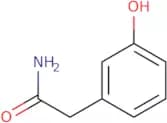
CAS:<p>3-Nitro-4-methoxybenzamide is a versatile building block that belongs to the group of fine chemicals. It is a reagent that is used in the synthesis of complex compounds. 3-Nitro-4-methoxybenzamide has been shown to be an effective intermediate for the synthesis of pharmaceuticals, such as antibiotics and immunosuppressants. This compound also has high quality and can be used as a scaffold for other chemical syntheses.</p>Formula:C8H8N2O4Purity:Min. 95%Color and Shape:PowderMolecular weight:196.16 g/mol2-(3-Hydroxyphenyl)acetamide
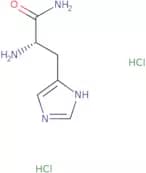
CAS:<p>2-(3-Hydroxyphenyl)acetamide (2HPA) is a sulfonamidochrysoidine compound with analgesic, antipyretic and anti-inflammatory effects. It is used in the treatment of gout, rheumatoid arthritis, osteoarthritis and other inflammatory diseases. 2HPA has been shown to be effective in the treatment of pain following dental surgery. 2HPA is also used as a marker for dietary intake of sulfate and may be a useful indicator for determining the effect of changes in diet on urinary excretion rates. The elimination half-life of 2HPA is approximately 3 hours in humans. This drug can be detected in urine samples from humans within 24 hours after ingestion at concentrations that are proportional to dose.</p>Formula:C8H9NO2Purity:Min. 95%Color and Shape:PowderMolecular weight:151.16 g/molL-Histidine amide dihydrochloride
CAS:<p>Please enquire for more information about L-Histidine amide dihydrochloride including the price, delivery time and more detailed product information at the technical inquiry form on this page</p>Formula:C6H10N4O•(HCl)2Purity:Min. 95%Color and Shape:PowderMolecular weight:227.09 g/mol2-Phthalimidoyl-N-(methylsulfonyl)propanamide
<p>2-Phthalimidoyl-N-(methylsulfonyl)propanamide is a fine chemical that is used as a building block for research chemicals. It is a versatile intermediate that can be used as a reaction component. 2-Phthalimidoyl-N-(methylsulfonyl)propanamide has been shown to have high quality and can be used as a reagent in the synthesis of complex compounds.</p>Formula:C12H12N2O5SMolecular weight:296.30 g/molN-(3,5-Dichloro-4-Pyridinyl)-2-[1-(4-Fluorobenzyl)-5-Hydroxy-1H-Indol-3-Yl]-2-Oxoacetamide
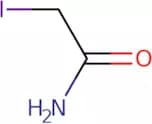
CAS:Controlled Product<p>N-(3,5-Dichloro-4-Pyridinyl)-2-[1-(4-Fluorobenzyl)-5-Hydroxy-1H-Indol-3-Yl]-2-Oxoacetamide is a prodrug that is metabolized to the active form in vivo. It inhibits the activity of cyclic nucleotide phosphodiesterase (PDE), an enzyme that catalyzes the conversion of cAMP to AMP and PDE, which catalyzes the conversion of cGMP to GMP. This drug has been shown to have a potent inhibitory effect on inflammatory cytokines such as IL-6 and TNFα. N-(3,5-Dichloro-4-pyridinyl)-2-[1-(4 fluorobenzyl)-5 hydroxy 1H indol 3 yl]-2 oxoacetamide has been shown to be effective for treatment of inflammatory diseases such as bronch</p>Formula:C22H14Cl2FN3O3Purity:Min. 95%Molecular weight:458.27 g/mol2-Iodoacetamide
CAS:<p>2-Iodoacetamide is a synthetic retinoid that binds to the DNA of cells, altering transcription. It also has been found to be effective in treating bowel disease and has been shown to have dna binding activity. The compound was synthesized by attaching iodine molecules to acetamide. 2-Iodoacetamide targets the protein thiols on the surface of cells, which are responsible for oxidation and damage due to reactive oxygen species (ROS). This compound is metabolized by alcohol dehydrogenase and can be used as a biological sample or natural compound.</p>Formula:C2H4INOPurity:Min. 95%Color and Shape:SolidMolecular weight:184.96 g/mol4-Amino-5-chloro-2,3-dihydro-N-[1-(3-methoxypropyl)-4-piperidinyl]-7-benzofurancarboxamide
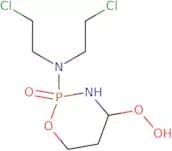
CAS:<p>The drug 4-Amino-5-chloro-2,3-dihydro-N-[1-(3-methoxypropyl)-4-piperidinyl]-7-benzofurancarboxamide (BZP) is a histamine H2 receptor antagonist. It binds to the histamine H2 receptor in the stomach and duodenum, thereby blocking stomach acid production. BZP has been shown to be effective for treating symptoms of constipation or diarrhoea caused by inflammatory bowel disease or abdominal surgery. BZP also reduces the risk of relapse after surgery but does not affect long term efficacy. This drug is not available in the United States and has significant interactions with other drugs and symptoms including constipation, bowel disease, long term efficacy, and analytical method.</p>Formula:C18H26ClN3O3Purity:Min. 95%Color and Shape:White PowderMolecular weight:367.87 g/mol4-Hydroperoxy cyclophosphamide
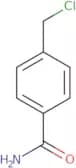
CAS:<p>4-Hydroperoxycyclophosphamide (4-HPPC) is a cytotoxic agent with anti-cancer properties. It is a prodrug that is converted to 4-hydroxycyclophosphamide, the active form of the drug, by hydrolases in cells. The cytotoxicity of 4-HPPC has been demonstrated using a model system of human erythrocytes and HL60 cells. This drug also has an effect on tumor growth and metastasis, as well as on bowel disease. Rats treated with 4-HPPC showed decreased levels of blood glucose, increased glutathione peroxidase activity, and a decrease in the number of colonic tumors after only one dose. The low-dose group had improved mitochondrial membrane potential and an increase in cell factor receptor activity. These results indicate that 4-HPPC may be a useful anti-cancer compound for treating various types of cancer including colon cancer.</p>Formula:C7H15Cl2N2O4PPurity:Min. 95%Color and Shape:PowderMolecular weight:293.08 g/mol4-(Chloromethyl)benzamide
CAS:<p>4-(Chloromethyl)benzamide is a potent inhibitor of cyclohexane ring formation in proteins and has been shown to be effective against bacteria, fungi, and parasites. 4-(Chloromethyl)benzamide inhibits the synthesis of proteins by targeting the active site of piperazine synthase, an enzyme involved in the production of piperazine. The carbon nanotube linker is a novel molecule that can be used for the attachment of the 4-(chloromethyl)benzamide molecule to cetirizine. In addition, 4-(chloromethyl)benzamide has been shown to have an effective dose at 0.1 μM and a half-life time of 2 hours in rats.</p>Formula:C8H8ClNOPurity:Min. 95%Color and Shape:PowderMolecular weight:169.61 g/molDL-alanine-β-naphthylamide hydrochloride
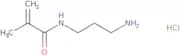
CAS:<p>DL-Alanine-beta-naphthylamide hydrochloride is a fine chemical that is used as a building block for other compounds. It can be used in the synthesis of complex compounds and as a reagent to synthesize speciality chemicals and research chemicals. DL-Alanine-beta-naphthylamide hydrochloride is also a versatile building block that can be used as an intermediate in organic reactions or as a reaction component. This compound has CAS No. 74144-49-3 and is soluble in water.</p>Formula:C13H15ClN2OPurity:Min. 95%Color and Shape:PowderMolecular weight:250.72 g/molN-(3-Aminopropylmethacrylamide HCl
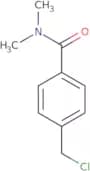
CAS:<p>N-(3-Aminopropylmethacrylamide HCl is a water-soluble optical sensor that has been used in the field of bioanalysis. This compound has been shown to react with propranolol hydrochloride and produce a fluorescent product. The fluorescence intensity depends on the concentration of propranolol hydrochloride, which can be measured using an optical detector. N-(3-Aminopropylmethacrylamide HCl is synthesized from trifluoroacetic acid and 3-aminopropylamine using a solid-phase synthesis technique. This compound has also been used as a ligand for affinity chromatography and as a template molecule in nonsteroidal anti-inflammatory drug research.</p>Formula:C7H14N2O·HClPurity:Min. 95%Color and Shape:Brown White Yellow PowderMolecular weight:178.66 g/mol4-(Chloromethyl)-N,N-dimethylbenzamide
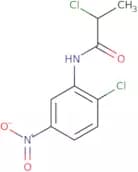
CAS:<p>4-(Chloromethyl)-N,N-dimethylbenzamide is a versatile building block that can be used in the synthesis of various complex compounds. It is a versatile intermediate and can be used in reactions as a reagent or building block. 4-(Chloromethyl)-N,N-dimethylbenzamide is also a high-quality chemical with a CAS number of 121083-51-0. The compound has many applications, including being useful as a reaction component or scaffold for research chemicals and speciality chemicals.</p>Formula:C10H12ClNOPurity:Min. 95%Color and Shape:PowderMolecular weight:197.66 g/mol2-Chloro-N-(2-chloro-5-nitrophenyl)propanamide
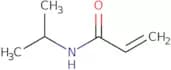
CAS:<p>Please enquire for more information about 2-Chloro-N-(2-chloro-5-nitrophenyl)propanamide including the price, delivery time and more detailed product information at the technical inquiry form on this page</p>Formula:C9H8Cl2N2O3Purity:Min. 95%Molecular weight:263.08 g/molN-Isopropylacrylamide
CAS:<p>N-Isopropylacrylamide is a biocompatible polymer that is used in the preparation of polymers. It is a solid phase microextraction material that is used in sample preparation and purification. N-Isopropylacrylamide has a phase transition temperature of -5°C and can be polymerized to form a polymer. This polymerization process can be done with or without catalysts, which are required for the formation of many other types of polymers. N-Isopropylacrylamide has been shown to have good affinity for human serum and wastewater treatment effluent samples, as well as for chitosan polymer surfaces. The kinetic data show that this polymer possesses high capacity for trifluoroacetic acid (TFA) reactivity, which makes it suitable for use in reaction solutions.</p>Formula:C6H11NOPurity:Min. 98.5 Area-%Color and Shape:White PowderMolecular weight:113.16 g/molNipecotamide
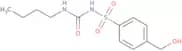
CAS:<p>Nipecotamide is a water-soluble drug that inhibits the activity of α1-acid glycoprotein, which is a blood protein that regulates the concentration of hydrogen ions in the body. It has been shown to inhibit the growth of amyloid protein and decrease camp levels in erythrocytes. Nipecotamide is used as an inhibitor for infectious diseases, such as leprosy, tuberculosis, and malaria. The chemical structure of nipecotamide contains nitrogen atoms and an amide bond with carbonyl oxygens. It is also an inhibitor binding to hydrochloric acid and hydrogen bonds with amide groups.</p>Formula:C6H12N2OPurity:Min. 95%Color and Shape:PowderMolecular weight:128.17 g/molHydroxy tolbutamide
CAS:<p>Hydroxy tolbutamide is a drug with an unknown mechanism of action. It has been shown to inhibit the transcription-polymerase chain reaction and human serum in vitro. This drug may be used as a marker for renal disease, as it has been shown to increase the level of magnesium in urine and reduce the rate of protein synthesis in rat liver microsomes. Hydroxy tolbutamide also inhibits receptor activity, which may be due to its ability to inhibit the metabolic rate.</p>Formula:C12H18N2O4SPurity:Min. 95%Molecular weight:286.35 g/mol2-Cyano-N-[2-(3,4-dimethoxyphenyl)ethyl]acetamide
CAS:<p>Please enquire for more information about 2-Cyano-N-[2-(3,4-dimethoxyphenyl)ethyl]acetamide including the price, delivery time and more detailed product information at the technical inquiry form on this page</p>Formula:C13H16N2O3Purity:Min. 95%Molecular weight:248.28 g/mol(E)-N-(2-Chloro-6-methylphenyl)-3-ethoxyacrylamide
CAS:<p>(E)-N-(2-Chloro-6-methylphenyl)-3-ethoxyacrylamide is a reagent and research chemical that can be used as a building block in the synthesis of other compounds. It is also a versatile building block in organic chemistry. (E)-N-(2-Chloro-6-methylphenyl)-3-ethoxyacrylamide has been shown to be an effective intermediate for the synthesis of various complex compounds, such as pharmaceuticals and pesticides. This compound is also a useful scaffold for the synthesis of other fine chemicals.</p>Formula:C12H14ClNO2Purity:(¹H-Nmr) Min. 95 Area-%Color and Shape:PowderMolecular weight:239.7 g/molD-Valine amide hydrochloride
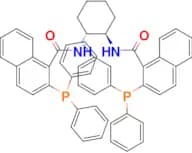
CAS:<p>Please enquire for more information about D-Valine amide hydrochloride including the price, delivery time and more detailed product information at the technical inquiry form on this page</p>Formula:C5H12N2O•HClPurity:Min. 95%Color and Shape:PowderMolecular weight:152.62 g/molN,N’-((1R,2R)-Cyclohexane-1,2-diyl)bis(2-(diphenylphosphino)-1-naphthamide)
CAS:Purity:94%Color and Shape:SolidMolecular weight:790.8839722Cytidine, 2′-deoxy-5-[3-[(trifluoroacetyl)amino]-1-propyn-1-yl]-
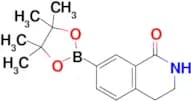
CAS:Purity:97%Molecular weight:376.2927-(4,4,5,5-Tetramethyl-1,3,2-dioxaborolan-2-yl)-3,4-dihydroisoquinolin-1(2H)-one
CAS:Purity:97%Molecular weight:273.1400146


![N-[2-Iodoethyl]trifluoroacetamide](/_next/image/?url=https%3A%2Fstatic.cymitquimica.com%2Fproducts%2F3D%2Fthumb-webp%2FFI52744.webp&w=3840&q=75)
![N-(6-acetylbenzo[d]1,3-dioxolan-5-yl)-2-chloropropanamide](/_next/image/?url=https%3A%2Fstatic.cymitquimica.com%2Fproducts%2F3D%2Fthumb-webp%2FFA169026.webp&w=3840&q=75)
![N-[2-(p-Cinnamylamino)ethyl]-5-isoquinolone sulfonamide](/_next/image/?url=https%3A%2Fstatic.cymitquimica.com%2Fproducts%2F3D%2Fthumb-webp%2FFC20451.webp&w=3840&q=75)
![N-(2-Fluorophenyl)-N-[4-(4-Methyl-1,3-Thiazol-2-Yl)-1-(2-Thiophen-3-Ylethyl)Piperidin-4-Yl]Propana…](/_next/image/?url=https%3A%2Fstatic.cymitquimica.com%2Fproducts%2F3D%2Fthumb-webp%2FFF102591.webp&w=3840&q=75)



![2-Amino-N-[2-(2-chlorobenzoyl)-4-nitrophenyl]acetamide](/_next/image/?url=https%3A%2Fstatic.cymitquimica.com%2Fproducts%2F3D%2Fthumb-webp%2FFA17795.webp&w=3840&q=75)

![N-(3,5-Dichloro-4-Pyridinyl)-2-[1-(4-Fluorobenzyl)-5-Hydroxy-1H-Indol-3-Yl]-2-Oxoacetamide](/_next/image/?url=https%3A%2Fstatic.cymitquimica.com%2Fproducts%2F3D%2Fthumb-webp%2FFD101748.webp&w=3840&q=75)
![4-Amino-5-chloro-2,3-dihydro-N-[1-(3-methoxypropyl)-4-piperidinyl]-7-benzofurancarboxamide](/_next/image/?url=https%3A%2Fstatic.cymitquimica.com%2Fproducts%2F3D%2Fthumb-webp%2FFA27248.webp&w=3840&q=75)


![2-Cyano-N-[2-(3,4-dimethoxyphenyl)ethyl]acetamide](/_next/image/?url=https%3A%2Fstatic.cymitquimica.com%2Fproducts%2F3D%2Fthumb-webp%2FFC131318.webp&w=3840&q=75)



![Cytidine, 2′-deoxy-5-[3-[(trifluoroacetyl)amino]-1-propyn-1-yl]-](/_next/image/?url=https%3A%2Fstatic.cymitquimica.com%2Fproducts%2F10%2Fthumb-webp%2FF980013.webp&w=3840&q=75)