Amides
Amides are a wide range of chemical compounds that contain at least one heterocyclic ring, which has atoms of at least two different elements in the ring structure, and at least one amide group (-CONH2). These compounds are crucial in the synthesis of pharmaceuticals, polymers, and agrochemicals. Amides exhibit unique properties and reactivity, making them valuable intermediates in organic synthesis. At CymitQuimica, we offer a comprehensive selection of high-quality amides to support your research and industrial needs.
Found 16393 products of "Amides"
Sort by
Purity (%)
0
100
|
0
|
50
|
90
|
95
|
100
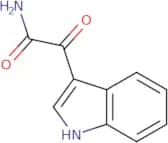
Indole-3-glyoxylamide
CAS:<p>Indole-3-glyoxylamide is a synthetic compound that was originally developed as a potential anti-cancer drug. It has been shown to inhibit glycogen synthase kinase 3 (GSK-3) and thereby reduce the production of proinflammatory cytokines in bowel disease. Indole-3-glyoxylamide also inhibits inflammatory bowel disease by inhibiting secretory phospholipase A2, which prevents the release of arachidonic acid from phospholipids. This synthesis is required for the production of prostaglandins and leukotrienes, which are involved in the inflammatory process. The compound has been shown to have immunomodulatory effects in chronic bronchitis, with an inhibitory effect on neutrophil chemotaxis, macrophage activity, and cytokine production. Indole-3-glyoxylamide has also been shown to be effective against cancer cells in vitro and in vivo animal models. It is metabolized through</p>Formula:C10H8N2O2Purity:Min. 95%Color and Shape:PowderMolecular weight:188.18 g/molEliglustat
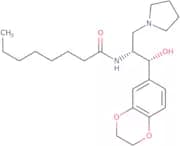
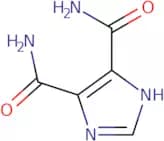
CAS:<p>Eliglustat is an oral medication used as a substrate reduction therapy for Gaucher disease type 1, which is an inherited lysosomal storage disorder. This product is a small-molecule inhibitor derived via chemical synthesis. Its primary mode of action involves the selective inhibition of glucosylceramide synthase, an enzyme responsible for the first committed step in glycosphingolipid biosynthesis. By reducing the production of glucosylceramide, eliglustat decreases the substrate accumulation that contributes to the pathophysiology of Gaucher disease.</p>Formula:C23H36N2O4Purity:Min. 97 Area-%Color and Shape:White PowderMolecular weight:404.54 g/mol1H-Imidazole-4,5-dicarboxamide
CAS:<p>1H-Imidazole-4,5-dicarboxamide is a detergent composition that contains antimicrobial agents. It has been shown to inhibit the growth of resistant mutants in vitro and is active against a broad spectrum of bacteria. Hydrogen bonding interactions between 1H-imidazole-4,5-dicarboxamide and the amide group on the cell membrane surface are thought to be responsible for its activity. This compound also inhibits nuclear DNA synthesis by binding to the enzyme topoisomerase II, which is necessary for DNA replication. The molecular weight of 1H-imidazole-4,5-dicarboxamide makes it useful as an analytical reagent in gas chromatography.</p>Formula:C5H6N4O2Purity:Min. 95%Color and Shape:PowderMolecular weight:154.13 g/molRink amide-AM Resin
CAS:<p>Rink amide-AM resin is a cation exchange resin that is used in peptide synthesis. It has an optimal pH range of 8-9. Rink amide-AM resin can be activated with trifluoroacetic acid or piperidine and washed with a mixture of water and methanol to remove the salt byproduct. The resin can then be used for peptide synthesis, which is typically done by adding the desired amino acids in sequence to the resin. The synthesis is stopped when the linear peptide reaches a desired length, typically 12-15 amino acids long. The linear peptides are then cleaved from the resin using trifluoroacetic acid or piperidine, depending on which activation reagent was used during synthesis. After cleavage, the linear peptides are precipitated from solution using ethanol or acetone and collected by filtration.</p>Color and Shape:Off-White Powder(S)-2-Aminobutyramide hydrochloride
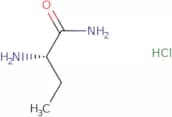
CAS:<p>(S)-2-Aminobutyramide hydrochloride is a strong acid that can be used in the synthesis of other compounds. It is made by dissociating acetic acid with hydrogen chloride, or by reacting ammonia with hydrochloric acid. (S)-2-Aminobutyramide hydrochloride is also known as 2-aminobutyric acid dihydrochloride and protonated aminobutyric acid. It can be used to synthesize many other compounds, including amino acids, pharmaceuticals, and polymers. The virulent properties of this compound make it useful for industrial purposes.</p>Formula:C4H11ClN2OPurity:Min. 95%Color and Shape:White PowderMolecular weight:138.6 g/molN-(2-Indol-3-ylethyl)benzamide
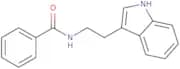
CAS:<p>N-(2-indol-3-ylethyl)benzamide (4-AIBA) is a functional, health functional food. It has shown anticancer activity in a human colon carcinoma cell line, and it inhibits the production of nitrous oxide from inducible nitric oxide synthase, which is important for tumor invasion. 4-AIBA also inhibits tyrosinase activity, an enzyme that is involved in melanin synthesis. This inhibition may be beneficial to skin conditions such as acne or pigmentation disorders. The compound also inhibits the degranulation of mast cells and stimulates cell proliferation in rat mesenteric lymph nodes.</p>Formula:C17H16N2OPurity:Min. 95%Color and Shape:PowderMolecular weight:264.32 g/molN-[(4-Amino-2-methylpyrimidin-5-yl)methyl]formamide
CAS:<p>N-[(4-Amino-2-methylpyrimidin-5-yl)methyl]formamide (NAMPT) is a triazolo compound that inhibits the ATP binding cassette transporter and blocks the uptake of uridine and pyrimidine compounds. It also inhibits inorganic pyrophosphatase, which is an enzyme that catalyzes the hydrolysis of pyrophosphate to inorganic phosphate. NAMPT has been shown to be a substrate for hypochlorous acid production in neutrophils, suggesting it may play a role in the regulation of oxidative stress. Chemical biology studies have demonstrated that NAMPT plays a physiological function as an intermediate in vitamin B1 biosynthesis.</p>Formula:C7H10N4OPurity:Min. 95%Color and Shape:PowderMolecular weight:166.18 g/molRink amide PEGA resin
<p>Rink amide PEGA resin is a cation-exchange resin that has been modified with poly(ethylene glycol) and poly(ethylene oxide). It binds to calcium ions, which are required for cell division. Activated resins can be used in animal diagnostic tests to measure blood glucose levels or as an adsorbent for the removal of heavy metals from drinking water. Rink amide PEGA resin can be used to modify polymer conjugates and assay biological properties, such as cancer cells or solid-phase synthesis.</p>Purity:Min. 95%Color and Shape:Powder(2-Chlorophenyl)-N-[4-(trifluoromethyl)phenyl]carboxamide
CAS:<p>This is a high quality reagent, complex compound, useful intermediate, and fine chemical. It is also a useful scaffold and can be used as a reaction component in the synthesis of speciality chemicals. The CAS number for this compound is 3873-79-8. <br>[[Category:Chemical Compounds]]</p>Formula:C14H9ClF3NOPurity:Min. 95%Molecular weight:299.68 g/molN-(2,5-dimethylphenyl)(3-chlorobenzo[b]thiophen-2-yl)formamide
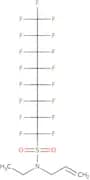
CAS:<p>Please enquire for more information about N-(2,5-dimethylphenyl)(3-chlorobenzo[b]thiophen-2-yl)formamide including the price, delivery time and more detailed product information at the technical inquiry form on this page</p>Purity:Min. 95%N-Allyl-N-ethylheptadecafluorooctanesulphonamide
CAS:Controlled Product<p>N-Allyl-N-Ethylheptadecafluorooctanesulphonamide is a chemical substance that belongs to the group of sulfonates. It is an oily liquid with a boiling point of about 160°C, and is soluble in water. N-Allyl-N-Ethylheptadecafluorooctanesulphonamide has been used as a component of mixtures, such as cleaning agents and cosmetics. The chemical properties of this substance are not well studied due to its limited use.</p>Formula:C13H10F17NO2SPurity:Min. 95%Molecular weight:567.26 g/molL-Lysine amide dihydrochloride
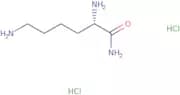
CAS:<p>L-Lysine amide dihydrochloride is a crystalline compound that is used for the treatment of tumours. It has been shown to bind to the enzyme iridoid synthase, which is involved in the formation of imines and aldehydes. L-Lysine amide dihydrochloride also inhibits the production of staining compounds, such as fluorine and heterocycles. The compound may also be used cosmetically as an anti-aging agent because it can inhibit the production of collagenase and elastase, which cause degradation of collagen.</p>Formula:C6H15N3O•HCl2Purity:Min. 95%Color and Shape:Off-White PowderMolecular weight:218.12 g/molN-[4-(2-Hydrazino-2-oxoethoxy)phenyl]acetamide
CAS:<p>N-[4-(2-Hydrazino-2-oxoethoxy)phenyl]acetamide is a phenolic compound that has been shown to have an antimicrobial effect. It has been shown to have antitubercular activity against Mycobacterium tuberculosis and the ability to inhibit the growth of cancer cells in vitro. N-[4-(2-Hydrazino-2-oxoethoxy)phenyl]acetamide is also known as monastrol. The pharmacophore of this drug is based on the structure of paracetamol, which is a member of the class of drugs known as analgesics, antipyretics, and antiinflammatory agents. Paracetamol has been used for decades in humans and animals for relief from pain, fever, and inflammation. N-[4-(2-Hydrazino-2-oxoethoxy)phenyl]acetamide may be useful for treating diseases such as cancer or tuberculosis due to its antic</p>Formula:C10H13N3O3Purity:Min. 95%Color and Shape:PowderMolecular weight:223.23 g/molN-Phenylpiperidine-4-carboxamide
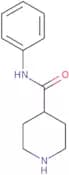
CAS:<p>N-Phenylpiperidine-4-carboxamide is a drug that inhibits the production of thromboxane A2 and other substances that promote clotting. It is used to treat patients with high blood pressure, as well as for the prevention of strokes and heart attacks. N-Phenylpiperidine-4-carboxamide is an analog of biphenyl and has been shown to have antiplatelet activity in humans. This drug also inhibits soluble guanylate cyclase, which prevents platelets from sticking together and forming clots. N-Phenylpiperidine-4-carboxamide is rapidly metabolized by esterases in the human body and excreted primarily in urine. The pharmacokinetic properties of this drug are not well understood but it can be synthesized using a number of different methods involving amide bonds.</p>Formula:C12H16N2OPurity:Min. 95%Color and Shape:White PowderMolecular weight:204.27 g/mol(2E)-N,N-Dimethyl-3-phenylprop-2-enamide
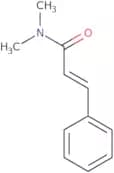
CAS:<p>2,2-diphenyl-N,N-dimethylpropeneamide (DPPA) is a disulfide compound that has photolytic, thermolytic and modelling properties. DPPA can be used to produce alkylcobalt complexes with various substituents at the α position of the phenyl ring. The lactam structure of DPPA has been shown to undergo thermolysis at temperatures of 250°C in a vacuum. Cinnamic acids have been shown to form lactams with DPPA as well as cinnamic acid derivatives. Molecular modelling studies have been conducted on 2,2-diphenyl-N,N-dimethylpropeneamide and its molecular interactions with styrene and amido groups.</p>Formula:C11H13NOPurity:Min. 95%Color and Shape:PowderMolecular weight:175.23 g/molDL-Leucine amide hydrochloride
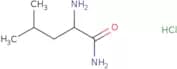
CAS:<p>DL-Leucine amide hydrochloride is a fine chemical that can be used as a building block for research chemicals, as a reagent for the preparation of other compounds, and as a speciality chemical. DL-Leucine amide hydrochloride has been shown to be effective in the synthesis of complex compounds. The compound is also versatile and can be used as an intermediate or scaffold in the synthesis of other compounds. DL-Leucine amide hydrochloride is useful in reactions such as condensation, substitution, elimination, and Grignard reactions. It is also used in peptide synthesis and polymerization reactions.</p>Formula:C6H14N2O·HClPurity:Min. 95%Molecular weight:166.65 g/molN,3-Diphenylacrylamide
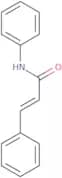
CAS:<p>N,3-Diphenylacrylamide is an amide that has been shown to exhibit carcinoid syndrome in humans. It also inhibits the growth of some human pathogens, including viruses and bacteria, as well as some fungi. The compound is metabolized by a number of enzymes and can be found circulating in the blood. Magnetic resonance spectroscopy has been used to study the structure of this molecule, which is composed of a carbonyl group and hydrogen bond. The effective dose for N,3-Diphenylacrylamide is not known.</p>Formula:C15H13NOPurity:Min. 95%Color and Shape:PowderMolecular weight:223.27 g/mol(4-Aminophenyl)-N-(4-chlorophenyl)formamide
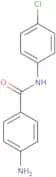
CAS:<p>Please enquire for more information about (4-Aminophenyl)-N-(4-chlorophenyl)formamide including the price, delivery time and more detailed product information at the technical inquiry form on this page</p>Formula:C13H11ClN2OPurity:Min. 95%Color and Shape:PowderMolecular weight:246.69 g/molCoenzyme B12
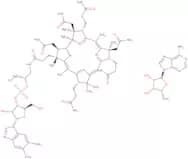
CAS:<p>Coenzyme B12, also known as vitamin B12, is a coenzyme that participates in the metabolism of amino acids and fatty acids. It is required for the conversion of homocysteine to methionine, which is an important step in the synthesis of S-adenosylmethionine (SAM), a major methyl donor. Coenzymes are required for many different reactions in cells, but they are not consumed during these reactions. Instead, they are regenerated and reused. Coenzyme B12 is synthesized by bacteria and archaea but not by animals. The cobalamin form of this coenzyme is made from cobaltous chloride or cobaltous sulfate and cyanide. This coenzyme has been shown to bind to riboswitches in bacteria and to ATP-binding cassette transporters in humans. Coenzyme B12 can exist in two different forms: adenosylcobalamin and methylcobalamin.</p>Formula:C72H100CoN18O17PPurity:Min. 97 Area-%Color and Shape:PowderMolecular weight:1,579.58 g/molThioctamide
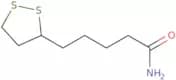
CAS:<p>Thioctamide is a drug that belongs to the class of drugs called sulfonylureas. It is an anti-diabetic drug that has been used for the treatment of insulin-resistant type II diabetes. Thioctamide binds to mitochondrial dehydrogenases and lipoamidases, inhibiting mitochondrial functions and energy metabolism. This leads to a decrease in cellular ATP levels, which can be measured by electrochemical impedance spectroscopy (EIS). The effects of thioctamide on cells can also be determined by examining the response of cells to different concentrations of thioctamide using a cell viability assay. This drug has been shown to inhibit the growth of HL60 cells, with IC50 values ranging from 2.6 µM to 6.4 µM depending on concentration. Thioctamide inhibits the expression of toll-like receptor 4 (TLR4) and integrin receptor β1 in HL60 cells, which may be due to its ability to act</p>Formula:C8H15NOS2Purity:Min. 95 Area-%Color and Shape:Slightly Yellow PowderMolecular weight:205.34 g/mol2-Hydroxy-5-methylbenzamide
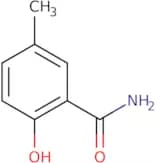
CAS:<p>Labetalol is a β-blocker that is used to treat high blood pressure. Labetalol hydrochloride, the active form of labetalol, is a white, crystalline compound with a melting point of 200 °C. It is soluble in water and has an acidic pH of 2. Labetalol hydrochloride is synthesized by reacting methylbenzene with labetalol, which forms intermediates such as methyl 4-hydroxylbenzoate and methyl 3-hydroxylbenzoate in the process. The intermediates are then recrystallized to form the final product. Labetalol hydrochloride undergoes thermal analysis using thermogravimetry, calorimetry, and residue analysis to determine its purity. This product also undergoes carbonaceous and oxidative analysis by GC-MS for quality control purposes.</p>Formula:C8H9NO2Purity:Min. 95%Color and Shape:PowderMolecular weight:151.16 g/molN-(4-(4,5-dichloroimidazolyl)phenyl)(2-(4-chlorophenoxy)(3-pyridyl))formamide
CAS:<p>Please enquire for more information about N-(4-(4,5-dichloroimidazolyl)phenyl)(2-(4-chlorophenoxy)(3-pyridyl))formamide including the price, delivery time and more detailed product information at the technical inquiry form on this page</p>Purity:Min. 95%N-(4-(4,5-dichloroimidazolyl)phenyl)(2-chloro(3-pyridyl))formamide
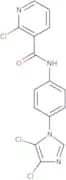
CAS:<p>Please enquire for more information about N-(4-(4,5-dichloroimidazolyl)phenyl)(2-chloro(3-pyridyl))formamide including the price, delivery time and more detailed product information at the technical inquiry form on this page</p>Purity:Min. 95%(2R)-1-(Phenylmethyl)-N-[3-(spiro[isobenzofuran-1(3H),4'-piperidin]-1-yl)propyl-2-pyrrolidinecarboxamide HCl
CAS:<p>(2R)-1-(Phenylmethyl)-N-[3-(spiro[isobenzofuran-1(3H),4'-piperidin]-1-yl)propyl-2-pyrrolidinecarboxamide HCl is an endogenous opioid that has been shown to have antidepressant-like effects. It can bind to γ-aminobutyric acid (GABA) receptors, catecholamine receptors, and nociceptin receptors. This drug also has anti-cancer properties and may be used for the treatment of autoimmune diseases. The interaction of this drug with other drugs is not well understood, but it has been shown to modulate the effects of opioids and increase the aversive nature of some substances.</p>Formula:C27H35N3O2Purity:Min. 95%Color and Shape:PowderMolecular weight:433.59 g/molTiaramide hydrochloride
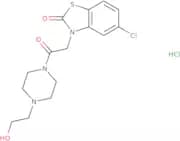
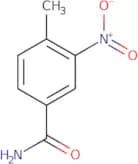
CAS:<p>Tiaramide hydrochloride is a nonsteroidal anti-inflammatory drug that inhibits the production of prostaglandins. It has been shown to have an anti-inflammatory activity in bowel disease and inflammatory bowel disease, which may be due to its ability to inhibit the production of prostaglandin synthesis. Tiaramide hydrochloride is also a coumarin derivative that can form an n-oxide on exposure to air or light. It has been used in tissue culture experiments as a nanoparticulate composition, where it was found to have a dose-dependent effect on cell viability and proliferation. Tiaramide hydrochloride has been used in sample preparation for human serum and rat liver microsomes, where it showed a hydroxyl group that binds with fatty acids.</p>Formula:C15H18ClN3O3S·HClPurity:Min. 95%Color and Shape:PowderMolecular weight:392.3 g/mol4-Methyl-3-nitrobenzamide
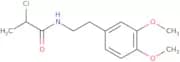
CAS:<p>4-Methyl-3-nitrobenzamide is a nitrile that can be synthesized by the reaction of potassium hydroxide and 3-nitrobenzamide. It has been shown to react with dichloroethane to form 4-methyl-3-nitrobenzoic acid. The optimum temperature for this reaction is 120°C, which leads to a high yield of 4-methyl-3-nitrobenzamide. This product is also available in an isotopic form at high purity.</p>Formula:C8H8N2O3Purity:Min. 95%Color and Shape:PowderMolecular weight:180.16 g/molN-(2-(3,4-dimethoxyphenyl)ethyl)-2-chloropropanamide
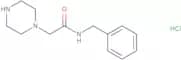
CAS:<p>Please enquire for more information about N-(2-(3,4-dimethoxyphenyl)ethyl)-2-chloropropanamide including the price, delivery time and more detailed product information at the technical inquiry form on this page</p>Purity:Min. 95%Piperazinophenylacetic acid benzylamide hydrochloride
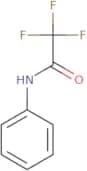
CAS:<p>Piperazinophenylacetic acid benzylamide hydrochloride is a versatile building block that can be used in the synthesis of complex compounds for research and development. It is a reagent for the preparation of speciality chemicals and also a useful intermediate for the synthesis of reaction components. Piperazinophenylacetic acid benzylamide hydrochloride is a high quality, commercially available chemical that can be used as a scaffold for the preparation of new chemical compounds.</p>Formula:C13H19N3O•HClPurity:Min. 95%Color and Shape:PowderMolecular weight:269.77 g/mol2,2,2-Trifluoro-n-phenylacetamide
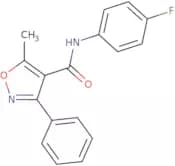
CAS:<p>2,2,2-Trifluoro-n-phenylacetamide is a functionalized trifluoroacetic acid. It is inactive and can be used for diagnostic purposes. 2,2,2-Trifluoro-n-phenylacetamide reacts with amines to form the corresponding deuterium isotope labeled amine. The heterocyclic amines that are formed react with diazonium salt to produce an enolate anion that reacts with chloride to form the corresponding carboxylic acid derivative. The proton of the carboxylic acid leaves as a protonated ammonium ion, which is stable in alkaline solutions. Amides have a negative charge on the nitrogen atom due to its electron withdrawing properties.</p>Formula:C8H6F3NOPurity:Min. 95%Color and Shape:PowderMolecular weight:189.13 g/molN-(4-Fluorophenyl)(5-methyl-3-phenylisoxazol-4-yl)formamide
CAS:<p>Please enquire for more information about N-(4-Fluorophenyl)(5-methyl-3-phenylisoxazol-4-yl)formamide including the price, delivery time and more detailed product information at the technical inquiry form on this page</p>Formula:C17H13FN2O2Purity:Min. 95%Color and Shape:PowderMolecular weight:296.3 g/molN-[2-Iodoethyl]trifluoroacetamide
CAS:<p>N-[2-Iodoethyl]trifluoroacetamide is a reactive alkylating agent that is used in the synthesis of biologically active molecules. It reacts with lysines, tryptic and other amino acids to form covalent bonds, which can be cleaved by hydrolysis. The compound also reacts with sulfhydryl groups to produce sulfonium ions, which react with the thiol group at position C6 on the sarcoplasmic reticulum Ca2+ -ATPase to inhibit muscle contraction. N-[2-Iodoethyl]trifluoroacetamide has been shown to cause allergic reactions in rats, mice, and guinea pigs. This drug has also been observed to have an effect on the central nervous system when administered at high doses.</p>Formula:C4H5NOIF3Purity:Min. 95%Color and Shape:PowderMolecular weight:266.99 g/mol3-Iodobenzamide
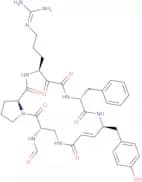
CAS:<p>3-Iodobenzamide is a metalloporphyrin that is used as a research tool. It has been shown to inhibit the tyrosine kinase activity of the BCR-ABL protein and to induce apoptosis in chronic myeloid leukemia cells. 3-Iodobenzamide binds to the dopamine D2 receptor, which leads to inhibition of adenylate cyclase and decreased levels of cAMP. The binding affinity of 3-iodobenzamide for dopamine receptors and its ability to inhibit cAMP production make it an ideal candidate for use in studies on striatal membrane preparations and homogenates.</p>Formula:C7H6INOPurity:Min. 95%Color and Shape:PowderMolecular weight:247.03 g/molCyclotheonamide A
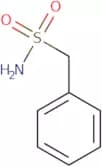
CAS:<p>Cyclotheonamide A is a cyclopeptide, which is a type of secondary metabolite composed of non-standard amino acids arranged in a cyclic structure. It is naturally sourced from marine sponges, particularly Theonella sp., which are known for their rich and diverse repertoire of bioactive compounds. Cyclotheonamide A functions through the inhibition of serine proteases, a class of enzymes that play a significant role in numerous biological processes, including digestion, immune response, and blood coagulation.</p>Formula:C36H45N9O8Purity:Min. 95%Molecular weight:731.8 g/molPhenylmethanesulfonamide
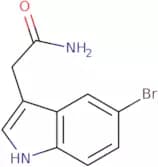
CAS:<p>Phenylmethanesulfonamide is a chemical compound that has been shown to inhibit the proliferation of cancer cells in vitro. This drug has also been shown to be effective in reducing inflammatory diseases, such as arthritis and asthma, which may be due to its ability to inhibit prostaglandin synthesis. Phenylmethanesulfonamide has shown anti-inflammatory properties, which may be due to its inhibition of prostaglandin synthesis.</p>Formula:C7H9NO2SPurity:Min. 95%Color and Shape:PowderMolecular weight:171.22 g/mol2-(5-Bromo-1H-indol-3-yl)acetamide
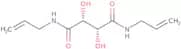
CAS:<p>2-(5-Bromo-1H-indol-3-yl)acetamide is a high quality, reagent, complex compound, useful intermediate and fine chemical. It is also a useful scaffold or building block for the synthesis of speciality chemicals. 2-(5-Bromo-1H-indol-3-yl)acetamide is used in research and development as a versatile building block for the synthesis of new compounds. The CAS number for this compound is 196081-79-5.</p>Formula:C10H9BrN2OPurity:Min. 98 Area-%Color and Shape:PowderMolecular weight:253.1 g/molN,N'-Diallyl-L-tartardiamide
CAS:<p>N,N'-Diallyl-L-tartardiamide is a heparin-like molecule with the ability to bind calcium. It has been shown to be an effective inhibitor of antibody response in mice and can also inhibit periodate treatment of primary amino groups. N,N'-Diallyl-L-tartardiamide has a high degree of solubility in water and is soluble in organic solvents as well. It can be crosslinked to form polymeric matrices that are suitable for use in size-exclusion chromatography. N,N'-Diallyl-L-tartardiamide can also be used as a cross linking agent for agarose gels and gel matrices.</p>Formula:C10H16N2O4Purity:Min. 95%Color and Shape:White PowderMolecular weight:228.25 g/mol3-[(Aminocarbonyl)amino]-5-[4-(morpholin-4-ylmethyl)phenyl]thiophene-2-carboxamide
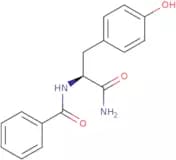
CAS:<p>3-[(Aminocarbonyl)amino]-5-[4-(morpholin-4-ylmethyl)phenyl]thiophene-2-carboxamide is a chemical inhibitor that inhibits the activity of kinases. It has been shown to be cytotoxic against cancer cells and to induce apoptosis through a number of different mechanisms. 3-[(Aminocarbonyl)amino]-5-[4-(morpholin-4-ylmethyl)phenyl]thiophene-2-carboxamide binds to DNA and induces DNA repair, which can lead to cell death. This drug also has an anti-inflammatory effect, which may be due to its ability to inhibit pro-inflammatory cytokines such as TNFα and IL1β.</p>Formula:C17H20N4O3SPurity:Min. 95%Color and Shape:PowderMolecular weight:360.43 g/molBenzoyl-L-tyrosine amide
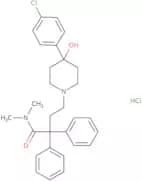
CAS:<p>Benzoyl-L-tyrosine amide is a reaction intermediate that is a competitive inhibitor of serine proteases. It binds to the active site of the enzyme and inhibits the breakdown of proteins by blocking the access of other reactants. Benzoyl-L-tyrosine amide has been shown to inhibit proteolytic activity in subtilis, an enzyme isolated from Bacillus licheniformis. The amino acid composition and binding properties are similar to those found in natural substrates. Benzoyl-L-tyrosine amide has been synthesized and its binding affinity towards histidine residues has been determined by titration calorimetry and fluorophosphate assay.</p>Formula:C16H16N2O3Purity:Min. 95%Color and Shape:PowderMolecular weight:284.31 g/molLoperamide hydrochloride
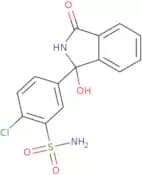
CAS:Controlled Product<p>μ-opioid receptor agonist; calcium channel inhibitor; anti-diarrheal</p>Formula:C29H33ClN2O2•HClPurity:Min. 95%Color and Shape:White PowderMolecular weight:513.5 g/mol2-Chloro-5-(2,3-dihydro-1-hydroxy-3-oxo-1H-isoindol-1-yl)-benzenesulfonamide
CAS:Controlled Product<p>2-Chloro-5-(2,3-dihydro-1-hydroxy-3-oxo-1H-isoindol-1-yl)-benzenesulfonamide is a drug that belongs to the class of sulfonamides which is used in pharmaceutical formulations. It has been shown to have potent antihypertensive effects, and it also lowers blood pressure by inhibiting an enzyme called carbonic anhydrase. 2CCHIB binds to the chloride channel in kidney tubule cells and prevents the reabsorption of chloride ions in these cells. This leads to more water being excreted from the body, which reduces blood volume and pressure. The low density lipoprotein (LDL) cholesterol levels are also reduced when this drug is taken orally. 2CCHIB increases high sensitivity C reactive protein (hsCRP), a marker for inflammation, but it can also have antioxidant effects.</p>Formula:C14H11ClN2O4SPurity:Min. 95%Color and Shape:PowderMolecular weight:338.77 g/molN-(4-Fluorophenyl)acetamide
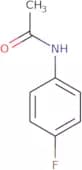
CAS:<p>4-Fluorophenylacetic acid is a synthetic organic compound that has been used as a model system for the study of the reaction between hydrogen sulfate and hydrogen. 4-Fluorophenylacetic acid is a fluorinated analog of acetamide, which can be synthesized from sodium borohydride and hydrogen fluoride. It has been shown to inhibit the growth of Mycobacterium tuberculosis in an on-line assay and is also active against Mycobacterium avium complex. 4-Fluorophenylacetic acid also inhibits rat liver microsomes with a second order rate constant of 0.0006 M−1 s−1 at pH 7.4 and 37 °C (pH and temperature not specified). The biological properties of 4-fluorophenylacetic acid are not well understood, but it may bind to hydrophobic regions on proteins or DNA through hydrogen bonding interactions.</p>Formula:C8H8FNOPurity:Min. 95%Color and Shape:PowderMolecular weight:153.15 g/mol2'-Hydroxy-5'-nitrohexadecanamide
CAS:<p>2'-Hydroxy-5'-nitrohexadecanamide is a synthetic fatty acid derivative that inhibits lysosomal hydrolase, which is an enzyme that breaks down cellular lipids. This compound can be used as a diagnostic agent for the detection of certain types of cancer. 2'-Hydroxy-5'-nitrohexadecanamide reacts with the magnesium ion in the lysosome to form an insoluble precipitate, which then settles to the bottom of the test tube, allowing for easy detection of cells with high levels of lysosomal hydrolase.</p>Formula:C22H36N2O4Purity:Min. 95%Color and Shape:PowderMolecular weight:392.53 g/mol2-Indol-3-yl-2-oxo-N-(3-(1,1,2,2-tetrafluoroethoxy)phenyl)ethanamide
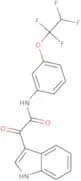
CAS:<p>Please enquire for more information about 2-Indol-3-yl-2-oxo-N-(3-(1,1,2,2-tetrafluoroethoxy)phenyl)ethanamide including the price, delivery time and more detailed product information at the technical inquiry form on this page</p>Formula:C18H12F4N2O3Purity:Min. 95%Color and Shape:PowderMolecular weight:380.29 g/molN-[2-(1,3-Dimethylbutyl)phenyl]-5-fluoro-1,3-dimethyl-1H-pyrazole-4-carboxamide
CAS:Controlled Product<p>N-[2-(1,3-Dimethylbutyl)phenyl]-5-fluoro-1,3-dimethyl-1H-pyrazole-4-carboxamide is an herbicide that belongs to the group of fatty acid amides. It is a selective postemergence herbicide that inhibits the germination and growth of plants by inhibiting the synthesis of fatty acids. Unlike other chemical pesticides, it has no effect on animals or humans and it is not toxic to plants. The selectivity of N-[2-(1,3-Dimethylbutyl)phenyl]-5-fluoro-1,3-dimethyl-1H-pyrazole-4-carboxamide makes it a good candidate for use in combination preparations with other chemicals.</p>Purity:Min. 95%Glycine amide acetate
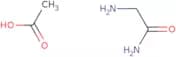
CAS:Controlled Product<p>Glycine amide acetate is a product that contains an imine group. It has been shown to have staining properties when applied to human keratin and is used in the cosmetic industry as a depigmenting agent. Glycine amide acetate has been shown to be effective in the treatment of depression, although it is not yet approved for this use. The molecule also contains an iridoid compound, which may be responsible for its effects on mood.</p>Formula:C2H6N2O•C2H4O2Purity:Min. 95%Color and Shape:PowderMolecular weight:134.13 g/molDorzolamide hydrochloride
CAS:<p>Carbonic anhydrase inhibitor; anti-glaucoma agent</p>Formula:C10H16N2O4S3•HClPurity:Min. 95%Color and Shape:PowderMolecular weight:360.9 g/mol2-Bromo-N-[2-[7-Chloro-5-(2-Fluorophenyl)-2-Oxo-3H-1,4-Benzodiazepin-1-Yl]Ethyl]Acetamide
CAS:Controlled Product<p>2-Bromo-N-[2-[7-Chloro-5-(2-fluorophenyl)-2-oxo-3H-1,4-benzodiazepin-1-yl]ethyl]acetamide is a benzodiazepine derivative that binds to the benzodiazepine receptor and is also a calcium antagonist. It has been used in clinical studies as a chronic treatment for cancer and as an anticonvulsant. 2BBA acts on benzodiazepine receptors to inhibit the release of gamma aminobutyric acid (GABA) by binding to GABA A receptors. This prevents the binding of GABA with these receptors and leads to sedation and muscle relaxation. Flunitrazepam, which is chemically similar to 2BBA, is also used as a sedative and hypnotic drug. 2BBA has affinity constants that are between 50 nM and 100 μM for benzodiazepine binding sites, while its</p>Formula:C19H16BrClFN3O2Purity:Min. 95%Molecular weight:452.7 g/mol


![N-[(4-Amino-2-methylpyrimidin-5-yl)methyl]formamide](/_next/image/?url=https%3A%2Fstatic.cymitquimica.com%2Fproducts%2F3D%2Fthumb-webp%2FFA31702.webp&w=3840&q=75)
![(2-Chlorophenyl)-N-[4-(trifluoromethyl)phenyl]carboxamide](/_next/image/?url=https%3A%2Fstatic.cymitquimica.com%2Fproducts%2F3D%2Fthumb-webp%2FFC145671.webp&w=3840&q=75)
![N-(2,5-dimethylphenyl)(3-chlorobenzo[b]thiophen-2-yl)formamide](/_next/image/?url=https%3A%2Fstatic.cymitquimica.com%2Fproducts%2F3D%2Fthumb-webp%2FFD169538.webp&w=3840&q=75)
![N-[4-(2-Hydrazino-2-oxoethoxy)phenyl]acetamide](/_next/image/?url=https%3A%2Fstatic.cymitquimica.com%2Fproducts%2F3D%2Fthumb-webp%2FFH131261.webp&w=3840&q=75)

![(2R)-1-(Phenylmethyl)-N-[3-(spiro[isobenzofuran-1(3H),4'-piperidin]-1-yl)propyl-2-pyrrolidinecarbo…](/_next/image/?url=https%3A%2Fstatic.cymitquimica.com%2Fproducts%2F3D%2Fthumb-webp%2FFP73252.webp&w=3840&q=75)
![N-[2-Iodoethyl]trifluoroacetamide](/_next/image/?url=https%3A%2Fstatic.cymitquimica.com%2Fproducts%2F3D%2Fthumb-webp%2FFI52744.webp&w=3840&q=75)

![3-[(Aminocarbonyl)amino]-5-[4-(morpholin-4-ylmethyl)phenyl]thiophene-2-carboxamide](/_next/image/?url=https%3A%2Fstatic.cymitquimica.com%2Fproducts%2F3D%2Fthumb-webp%2FFA18119.webp&w=3840&q=75)

![N-[2-(1,3-Dimethylbutyl)phenyl]-5-fluoro-1,3-dimethyl-1H-pyrazole-4-carboxamide](/_next/image/?url=https%3A%2Fstatic.cymitquimica.com%2Fproducts%2F3D%2Fthumb-webp%2FFD156991.webp&w=3840&q=75)

![2-Bromo-N-[2-[7-Chloro-5-(2-Fluorophenyl)-2-Oxo-3H-1,4-Benzodiazepin-1-Yl]Ethyl]Acetamide](/_next/image/?url=https%3A%2Fstatic.cymitquimica.com%2Fproducts%2F3D%2Fthumb-webp%2FFB101616.webp&w=3840&q=75)