Carboxylic Acids
Carboxylic acids are organic molecules characterized by having a carboxyl-type functional group (-COOH). These acids are fundamental in various chemical reactions, including esterification, amidation, and decarboxylation. Carboxylic acids are widely used in the production of pharmaceuticals, polymers, and agrochemicals. In this section, you can find a large number of carboxylic acids ready to be used. At CymitQuimica, we provide a broad range of high-quality carboxylic acids to support your research and industrial applications.
Found 12454 products of "Carboxylic Acids"
Sort by
Purity (%)
0
100
|
0
|
50
|
90
|
95
|
100
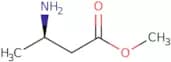
(R)-3-Amino-butyric acid methyl ester
CAS:<p>Please enquire for more information about (R)-3-Amino-butyric acid methyl ester including the price, delivery time and more detailed product information at the technical inquiry form on this page</p>Formula:C5H11NO2Purity:Min. 95%Molecular weight:117.15 g/mol1-Boc-4-aminopiperidine-4-carboxylic acid
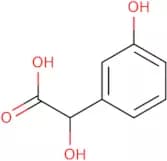
CAS:<p>Please enquire for more information about 1-Boc-4-aminopiperidine-4-carboxylic acid including the price, delivery time and more detailed product information at the technical inquiry form on this page</p>Formula:C11H20N2O4Purity:Min. 95%Color and Shape:White To Beige SolidMolecular weight:244.29 g/mol3-Hydroxymandelic acid
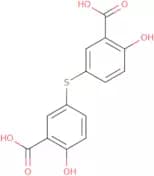
CAS:<p>3-Hydroxymandelic acid is a metabolite of mandelic acid and has been found to have cytostatic effects in human cells. The concentration–time curve for 3-hydroxymandelic acid displays a single-dose pharmacokinetics. It has been shown to inhibit the nuclear factor kappa-light-chain enhancer (NFκB) pathway, which is involved in the regulation of cell proliferation, differentiation, and apoptosis. 3-Hydroxymandelic acid also inhibits energy metabolism by reducing mitochondrial respiration. This compound binds to plasma proteins and is excreted through urine as well as being oxidized by hepatic cytochrome P450 enzymes.</p>Formula:C8H8O4Purity:Min. 95%Molecular weight:168.15 g/mol5,5'-Thiodisalicylic Acid
CAS:<p>5,5'-Thiodisalicylic Acid is a reactive functional group with a silver ion. This compound has a hydrochloric acid and hydroxy group that react to form a hydroxyl group with the proton. It also has a nitrogen atom, which can be found in the reactive acidic hydroxyl group of 5,5'-thiodisalicylic acid. The fatty acids are viscosity and carbonyl groups. 5,5'-Thiodisalicylic Acid is an organic compound that reacts with chloride to form patterns.</p>Purity:Min. 95%Methyl 1-aminocyclohexanecarboxylate hydrochloride
CAS:<p>Please enquire for more information about Methyl 1-aminocyclohexanecarboxylate hydrochloride including the price, delivery time and more detailed product information at the technical inquiry form on this page</p>Formula:C8H15NO2Purity:Min. 95%Molecular weight:157.21 g/molγ-Oxo-3-pyridinebutyric acid
CAS:<p>Gamma-oxo-3-pyridinebutyric acid (GOBA) is a non-protein amino acid that has been shown to be involved in the development of cancer. GOBA was found to be present in urine samples from patients with liver cancer and breast cancer, as well as in healthy individuals. GOBA is also present in rat liver microsomes and human liver, where it is converted into gamma-aminobutyric acid (GABA). This conversion may be due to GOBA's hydroxy group that can be oxidized by cytochrome P450 enzymes. The biological activity of GOBA appears to depend on its carboxyl group, which can form a complex with molybdenum. This complex inhibits the activity of the protein polymerase chain reaction, leading to a decrease in transcriptional regulation. In animal experiments, GOBA has been shown to inhibit tumor growth and induce cell cycle arrest by inhibiting the expression of cyclin D1 at the</p>Formula:C9H9NO3Purity:Min. 95%Color and Shape:PowderMolecular weight:179.17 g/molCacodylic acid
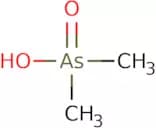
CAS:<p>Cacodylic acid is a white to brown crystalline powder that is soluble in water. It has been used as an analytical reagent, polymerase chain reaction (PCR) inhibitor, and skin cancer treatment. Cacodylic acid inhibits the activity of the bacterial enzyme activities in humans and other mammals. The mechanism of action of cacodylic acid is not completely understood but it appears that it binds to inorganic iron and blocks its availability for use by bacterial enzymes such as dihydropteroate synthase, which is required for DNA synthesis. This leads to cell death. Cacodylic acid has also been shown to inhibit the growth of human HL-60 cells in vitro, suggesting that it may have carcinogenic potential.</p>Formula:C2H7AsO2Purity:Min. 95%Color and Shape:PowderMolecular weight:138 g/moltert-Butyl 4-(4-iodophenyl)tetrahydro-1(2H)-pyrazinecarboxylate
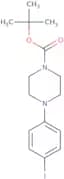
CAS:Controlled Product<p>Please enquire for more information about tert-Butyl 4-(4-iodophenyl)tetrahydro-1(2H)-pyrazinecarboxylate including the price, delivery time and more detailed product information at the technical inquiry form on this page</p>Formula:C15H21IN2O2Purity:Min. 95%Molecular weight:388.24 g/mol2-Hydroxyquinoline-4-carboxylic acid
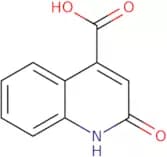
CAS:<p>2-Hydroxyquinoline-4-carboxylic acid is a carboxylate that is structurally classified as a multidrug. It has been shown to inhibit bacterial efflux pumps and target enzymes, such as cancer cells and multidrug resistant bacteria. 2-Hydroxyquinoline-4-carboxylic acid also has potent antibacterial activity against Streptococcus faecalis, an opportunistic pathogen that causes infections in the urinary tract and on skin wounds. The fluorescence properties of this compound can be used for fluorescent labeling of biomolecules or for sensing applications.</p>Formula:C10H7NO3Purity:Min. 95%Color and Shape:PowderMolecular weight:189.17 g/mol4-(Benzyloxy)butanoic acid
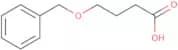
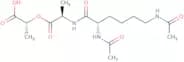
CAS:Controlled Product<p>4-(Benzyloxy)butanoic acid, also known as 4-BABA, is an organic compound that is a white solid. It has a molecular weight of 128.11 and it can be found in the form of its chloride salt. The compound is used in analytical chemistry and has been shown to have potential use in analytical methods. 4-BABA can be synthesized from 2-hydroxyphenylacetic acid which is obtained through alkylation with benzyl bromide. This reaction yields a molecule with one more carbon atom than the starting material, which is called an epoxide. The epoxide reacts with chloride to produce the desired product along with a molecule of hydrogen chloride gas. The process requires catalysts such as palladium(II) acetate and triethylamine or platinum(IV) oxide and triethylamine. 4-(Benzyloxy)butanoic acid has two functional groups: an alcohol group (-OH) and an ether</p>Formula:C11H14O3Purity:Min. 95%Molecular weight:194.23 g/molAc-Lys(Ac)-D-Ala-D-lactic acid
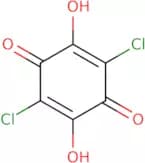
CAS:Please enquire for more information about Ac-Lys(Ac)-D-Ala-D-lactic acid including the price, delivery time and more detailed product information at the technical inquiry form on this pageFormula:C16H27N3O7Purity:Min. 95%Molecular weight:373.4 g/molChloranilic acid
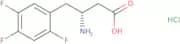
CAS:<p>Chloranilic acid is a thermally unstable compound that undergoes a number of reactions with the addition of heat. It reacts with nitrogen atoms to form amides, nitriles, and nitro compounds. Chloranilic acid also reacts with polymerases to form stable complexes. The proton at the center of the chloranilic acid molecule is lost when it forms an acid complex. This reaction occurs in aqueous solution as well as in biological systems, where it is used for hydrogen bonding interactions. The stable complexes that are formed by chloranilic acid have been shown to have biological properties such as antimicrobial activity, antiviral activity, and antifungal activity.</p>Formula:C6H2Cl2O4Purity:Min. 95%Color and Shape:Orange To Red SolidMolecular weight:208.98 g/mol(R)-3-Amino-4-(2,4,5-trifluorophenyl)butanoic acid hydrochloride
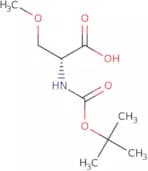
CAS:<p>Please enquire for more information about (R)-3-Amino-4-(2,4,5-trifluorophenyl)butanoic acid hydrochloride including the price, delivery time and more detailed product information at the technical inquiry form on this page</p>Formula:C10H10F3NO2·HClPurity:Min. 95%Molecular weight:269.65 g/mol(R)-2-((tert-Butoxycarbonyl)amino)-3-methoxypropanoic acid
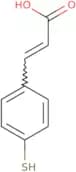
CAS:<p>(R)-2-((tert-Butoxycarbonyl)amino)-3-methoxypropanoic acid (BAAM) is a potent, orally bioavailable, and pharmacokinetically well-characterized inhibitor of blood coagulation that has been shown to be effective in animal models. BAAM inhibits the activity of tissue factor (TF), an enzyme that initiates the blood coagulation cascade. TF is important for hemostasis because it is activated by contact with blood and tissue factors such as collagen or thrombin. BAAM has shown some promise as a potential treatment for thrombosis, which can lead to heart attacks and strokes.</p>Formula:C9H17NO5Purity:Min. 95%Molecular weight:219.24 g/mol4-Mercaptocinnamic acid
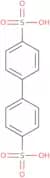
CAS:<p>4-Mercaptocinnamic acid is a liquid crystal that belongs to the class of aromatic compounds. It is chiral and has a high melting point. 4-Mercaptocinnamic acid has been used in electronic devices, such as liquid crystal displays and ferroelectric liquid crystals, for its high boiling point and low viscosity. It can also be used as an additive for other chemicals or as a solvent for coatings. The acid group (COOH) in this compound makes it reactive with elements such as chlorine, fluorine, and bromine. It reacts with dicyclohexylcarbodiimide to form cinnamic acid derivatives and toluene to form trifluoromethylbenzenes. This chemical also has alkylthio groups (CH3S) and alkoxy groups (CH2O).</p>Formula:C9H8O2SPurity:Min. 95%Molecular weight:180.22 g/mol4,4'-Biphenyldisulfonic acid
CAS:<p>4,4'-Biphenyldisulfonic acid is a reactive and stable complex that can be used in organic synthesis. It has been shown to react with nitrogen-containing compounds to form stable complexes, such as 4,4'-biphenyldisulfonyl azide and 4,4'-biphenyldisulfonyl chloride. It also reacts with Friedel-Crafts reactions to form biphenyl. The alkali hydrolysis of this compound leads to the formation of sulfonic acids. This reaction also produces carbonyl groups and structural formula. 4,4'-Biphenyldisulfonic acid can be used as an anti-inflammatory agent for the treatment of influenza virus and molybdenum deficiency diseases.</p>Formula:C12H10O6S2Purity:Min. 95%Color and Shape:SolidMolecular weight:314.34 g/molEthyl 2-(2-Amino-4-thiazolyl)-2-(hydroxyimino)acetate
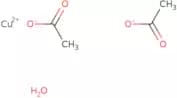
CAS:<p>Ethyl 2-(2-amino-4-thiazolyl)-2-(hydroxyimino)acetate is a phosphomolybdate antibiotic that is used in the treatment of respiratory tract infections. It binds to the bacterial enzyme, phosphomolybdate oxidase, and inhibits the formation of acid in the body. The reaction solution is recycled and activated with an acid catalyst to increase the yield of acetonitrile. The ion-pair formed by ethyl 2-(2-amino-4-thiazolyl)-2-(hydroxyimino)acetate and sodium carbonate is nucleophilic and reacts with nitrous to produce acetonitrile as a side product.</p>Formula:C7H9N3O3SPurity:Min. 95%Molecular weight:215.23 g/molCopper(II) acetate monohydrate
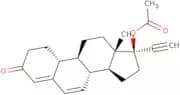
CAS:<p>Copper acetate is a chemical compound that is composed of copper and acetic acid. Copper acetate monohydrate, the form used in this product, is an ionic salt that has the chemical formula Cu(CHCO)2. The copper atom has a coordination geometry of 4.5 and is surrounded by six oxygen atoms and two hydrogen atoms. The reaction mechanism for this compound involves methyl ethyl malonic acid as shown below: The first step in the reaction mechanism is the formation of a carbanion intermediate with the loss of a proton from one of the methyl groups on malonic acid. This carbanion attacks the copper atom to form an intermediate with two positive charges on it, which then breaks down into two molecules of malonic acid and one molecule of water. The other methyl group then reacts with another molecule of malonic acid to form methyl ethyl dicarboxylate and release another proton. This proton can be accepted by water or react with</p>Formula:C4H6CuO4·H2OPurity:Min. 95%Color and Shape:Blue Clear LiquidMolecular weight:199.65 g/mol17-Hydroxy-19-nor-17alpha-pregna-4,6-dien-20-yn-3-one acetate
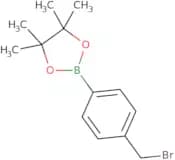
CAS:<p>Please enquire for more information about 17-Hydroxy-19-nor-17alpha-pregna-4,6-dien-20-yn-3-one acetate including the price, delivery time and more detailed product information at the technical inquiry form on this page</p>Formula:C22H26O3Purity:Min. 95%Color and Shape:Off-white to pale yellowsolid.Molecular weight:338.44 g/mol4-(Bromomethyl)benzeneboronic acid pinacol ester
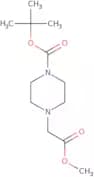
CAS:<p>4-(Bromomethyl)benzeneboronic acid pinacol ester (BBBA) is a hypochlorous acid derivative with a structural formula of C6H5BrOCH2. It is used as a fluorophore and has been shown to have anticancer activity. 4-Bromomethylbenzeneboronic acid pinacol ester reacts with hydrophobic molecules in the cell membrane, leading to disruption of the membrane and ultimately cell death. This compound can be used as an active oxygen source in biological assays, such as functional assays, because it generates reactive oxygen species and can act as a fluorescence probe for detection of biological samples.</p>Formula:C13H18BBrO2Purity:Min. 95 Area-%Color and Shape:White PowderMolecular weight:297 g/moltert-Butyl 4-(2-methoxy-2-oxoethyl)piperazine-1-carboxylate
CAS:<p>Please enquire for more information about tert-Butyl 4-(2-methoxy-2-oxoethyl)piperazine-1-carboxylate including the price, delivery time and more detailed product information at the technical inquiry form on this page</p>Formula:C12H22N2O4Purity:Min. 95%Molecular weight:258.31 g/mol6-Chloroindole-2-carboxylic acid
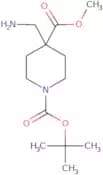
CAS:<p>6-Chloroindole-2-carboxylicacid is a potent inhibitor of β-lactamase enzymes. It has been shown to act as a competitive inhibitor with an affinity for the β-lactamase enzyme in the nanomolar range. 6-Chloroindole-2-carboxylicacid is also a potent compound that can be used in experiments and screening. It has been shown to bind to the β-lactamase enzyme, which inhibits its activity, leading to a decrease in fluorescence. 6-Chloroindole-2-carboxylicacid has also been shown to have an inhibitory effect on bacterial cells by inhibiting protein synthesis, DNA replication, and RNA transcription.</p>Formula:C9H6ClNO2Purity:95%NmrMolecular weight:195.6 g/molMethyl4-aminomethyl-1-boc-piperidine-4-carboxylate
CAS:<p>Please enquire for more information about Methyl4-aminomethyl-1-boc-piperidine-4-carboxylate including the price, delivery time and more detailed product information at the technical inquiry form on this page</p>Formula:C13H24N2O4Purity:Min. 95%Molecular weight:272.34 g/mol5-(4-Fluorophenyl)-3-isoxazolecarboxylic acid
CAS:<p>5-(4-Fluorophenyl)-3-isoxazolecarboxylic acid is a high quality reagent with CAS No. 33282-24-5. It is a complex compound that is useful as an intermediate for the synthesis of various fine chemicals. 5-(4-Fluorophenyl)-3-isoxazolecarboxylic acid also has a number of uses in the synthesis of speciality chemicals, research chemicals, and versatile building blocks for organic chemistry. As a reaction component, it can be used to synthesize compounds with different functional groups on their molecules.</p>Formula:C10H6FNO3Purity:Min. 95%Color and Shape:White/Off-White SolidMolecular weight:207.16 g/mol(S)-1,2,3,4,5,6,7,8-Octahydro-1-[(4-methoxyphenyl)methyl]isoquinoline (acetate salt )
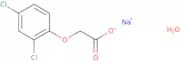
CAS:<p>(S)-1,2,3,4,5,6,7,8-Octahydro-1-[(4-methoxyphenyl)methyl]isoquinoline (acetate salt ) is a diphosphine that can be used as a catalyst to produce formic acid from methanol and carbon monoxide. This product is an enantiomer of picric acid and has been shown to be an effective additive in the crystallization of picric acid. The acetate salt is also optically pure.</p>Purity:Min. 95%(2,4-Dichlorophenoxy)acetic acid sodium salt monohydrate
CAS:<p>(2,4-Dichlorophenoxy)acetic acid sodium salt monohydrate is a chemical that belongs to the phenoxy herbicides. It is used as a selective herbicide for control of annual and perennial grasses and broadleaf weeds in noncrop areas. This compound has been detected by gas chromatography/mass spectrometric analysis after a dispersive solid-phase extraction procedure. The target analytes were found to be acidic with an unknown molecular weight.</p>Formula:C8H5Cl2O3·Na·H2OPurity:Min. 95%Color and Shape:PowderMolecular weight:261.03 g/mol(5-Chloropyridin-3-yl)boronic acid
CAS:<p>Please enquire for more information about (5-Chloropyridin-3-yl)boronic acid including the price, delivery time and more detailed product information at the technical inquiry form on this page</p>Formula:C5H5BClNO2Purity:Min. 95%Molecular weight:157.36 g/molHydrocortisone Acetate Impurity G
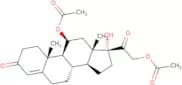
CAS:Controlled ProductHydrocortisone is a corticosteroid that is used to treat inflammation, allergies and skin diseases. It is also used to treat adrenal gland disorders. Hydrocortisone Acetate Impurity G (HA) is a drug that has anti-inflammatory properties, which may be due to its inhibition of prostaglandin synthesis. HA was the first hydrocortisone impurity found in prednisolone tablets. This discovery led to the development of corticosteroids and their use in medicine for the treatment of inflammation and allergies.Formula:C25H34O7Purity:Min. 95%Molecular weight:446.53 g/molBromoacetic acid
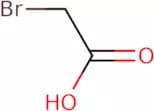
CAS:<p>Bromoacetic acid is a brominated carboxylic acid that has been shown to bind to response elements and inhibit the synthesis of proteins. It has been shown to inhibit the growth of bacteria in human serum at concentrations of 1-5 mM. Bromoacetic acid also binds to metals, such as copper and zinc, and inhibits their activity. This compound has also been shown to have anti-inflammatory properties in experimental models. Bromoacetic acid is not toxic in rats, but it may cause myocardial infarction in humans.</p>Formula:C2H3BrO2Purity:Min. 95%Color and Shape:Clear LiquidMolecular weight:138.95 g/mol3-Thienylmalonic acid
CAS:<p>3-Thienylmalonic acid is a template molecule that is used in kinetic studies of receptor binding reactions. It is a white solid with a molecular weight of 170.07 g/mol and an empirical formula of CHOS. 3-Thienylmalonic acid has been shown to be effective for corrosion inhibition, as it reacts with chloride ions to form a complex that does not allow the metal surface to corrode. This process can be done in a pH range from 1 to 14 and the reaction solution is colorless, odorless, and stable at room temperature. 3-Thienylmalonic acid also has photocatalytic activity, which allows it to degrade organic molecules such as malonic acid or human serum proteins. The compound can also be used as an electrochemical impedance spectroscopy (EIS) probe for wastewater treatment or chloride solutions.</p>Purity:Min. 95%(2S)-2-Amino-2-[(5S)-3-chloro-4,5-dihydroisoxazol-5-Yl]acetic acid
CAS:<p>(2S)-2-Amino-2-[(5S)-3-chloro-4,5-dihydroisoxazol-5-Yl]acetic acid is an inhibitor of the enzyme glutathione reductase (GR) and cytochrome P450. GR activates glutathione in cells to form a powerful antioxidant that protects against oxidative stress. (2S)-2-Amino-2-[(5S)-3-chloro-4,5-dihydroisoxazol-5-Yl]acetic acid inhibits GR and cytochrome P450 activity, leading to increased oxidative stress and neuronal death. This drug has been shown to have inhibitory properties on bowel disease by reducing the production of proinflammatory cytokines IL1β and TNFα. The compound also exhibits anti tumor response against mouse tumors by inducing apoptosis and inhibiting cell proliferation. The compound targets intracellular targets</p>Formula:C5H7ClN2O3Purity:Min. 95%Color and Shape:White PowderMolecular weight:178.57 g/mol3-{[(3,4-Dichlorophenyl)amino]carbonyl}bicyclo[2.2.1]hept-5-ene-2-carboxylic acid
CAS:<p>Please enquire for more information about 3-{[(3,4-Dichlorophenyl)amino]carbonyl}bicyclo[2.2.1]hept-5-ene-2-carboxylic acid including the price, delivery time and more detailed product information at the technical inquiry form on this page</p>Formula:C15H13Cl2NO3Purity:Min. 95%Molecular weight:326.17 g/molGeranyl acetate
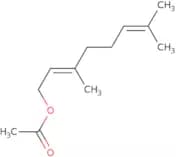
CAS:<p>Geranyl acetate is a natural compound that belongs to the family of indole alkaloids. It is found in the essential oils of plants such as lavender and cedarwood, and has been shown to have anti-fungal properties in vitro. Geranyl acetate inhibits the growth of Candida glabrata and squamous cells by interfering with the cell membrane, leading to leakage of intracellular components and death. This compound has a reaction mechanism similar to eugenol, which is also an anti-fungal agent. Geranyl acetate binds to alcohol dehydrogenase in the cell wall, inhibiting its function and thereby preventing synthesis of ATP.</p>Formula:C12H20O2Purity:70%MinColor and Shape:PowderMolecular weight:196.29 g/mol4-[1-(2-Methoxyethyl)-1H-indol-3-yl]butanoic acid
CAS:Controlled ProductPlease enquire for more information about 4-[1-(2-Methoxyethyl)-1H-indol-3-yl]butanoic acid including the price, delivery time and more detailed product information at the technical inquiry form on this pageFormula:C15H19NO3Purity:Min. 95%Molecular weight:261.32 g/mol1-(2-Methoxyethyl)-1H-indole-3-carboxylic acid
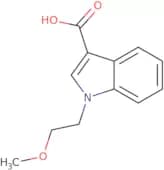
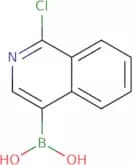
CAS:Controlled Product<p>Please enquire for more information about 1-(2-Methoxyethyl)-1H-indole-3-carboxylic acid including the price, delivery time and more detailed product information at the technical inquiry form on this page</p>Formula:C12H13NO3Purity:Min. 95%Molecular weight:219.24 g/mol(1-Chloroisoquinolin-4-yl)boronic acid
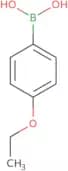
CAS:<p>Please enquire for more information about (1-Chloroisoquinolin-4-yl)boronic acid including the price, delivery time and more detailed product information at the technical inquiry form on this page</p>Formula:C9H7BClNO2Purity:Min. 95%Molecular weight:207.42 g/mol(4-Ethoxyphenyl)boronic acid
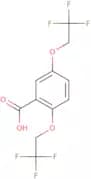
CAS:4-Ethoxyphenylboronic acid is a boron-containing compound that has been shown to have potent antiviral activity. This compound is synthesized from adipose tissue and optical properties of the phenoxazine derivative are studied in order to find an efficient process for solid-phase synthesis. 4-Ethoxyphenylboronic acid has been shown to inhibit triglyceride lipase and fatty acid, which may be an important drug target. It has also been found to have potent antagonistic effects on fatty acids.Formula:C8H11BO3Purity:Min. 95%Molecular weight:165.98 g/mol2,5-Bis(2,2,2-trifluoroethoxy)benzoic acid
CAS:Please enquire for more information about 2,5-Bis(2,2,2-trifluoroethoxy)benzoic acid including the price, delivery time and more detailed product information at the technical inquiry form on this pageFormula:C11H8F6O4Purity:Min. 95%Color and Shape:PowderMolecular weight:318.17 g/mol12-Aminododecanoic acid
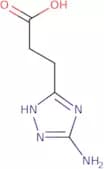
CAS:<p>12-Aminododecanoic acid is a fatty acid that is used in the manufacture of magnetic particles. It is synthesized by cationic polymerization of 4-tert-butylbenzoic acid and dodecanedioic acid. The process involves the use of water vapor to remove hydrochloric acid from the solution and form a salt, which then reacts with dodecanedioic acid to produce 12-aminododecanoic acid. This compound has been shown to have transport properties for nitrogen atoms and can be used in exfoliated materials such as nanometals. 12-Aminododecanoic acid has also been shown to exhibit redox activity due to its ability to react with hydrogen peroxide.</p>Formula:C12H25NO2Purity:Min. 95%Color and Shape:White PowderMolecular weight:215.33 g/mol3-(3-Amino-1H-1,2,4-triazol-5-yl)propanoic acid
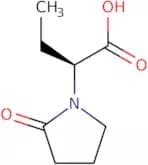
CAS:<p>Aminoguanidine is a selective inhibitor of the enzyme succinic dehydrogenase, which catalyzes the conversion of succinic acid to fumarate. Aminoguanidine is used in the treatment of diabetic complications and other conditions that result from high levels of blood glucose in order to lower the levels of blood sugar. The drug is administered orally or intravenously as aminoguanidine hydrochloride, which is converted to aminoguanidine in the body. Aminoguanidine can also be synthesized by reacting succinic anhydride with guanidine hydrochloride in a regioselective reaction. This synthesis yields quantitatively aminoguanidine, with little or no formation of guanidine. The product can be purified by washing with alkali and recrystallizing it from water. X-ray diffraction studies have shown that aminoguanidine hydrochloride exists as zwitterions in solution at physiological pH values.</p>Formula:C5H8N4O2Purity:Min. 95%Molecular weight:156.14 g/molLevetiracetam carboxylic acid
CAS:<p>Synaptic vesicle protein 2A ligand; anti-seizure drug</p>Formula:C8H13NO3Purity:Min. 95%Molecular weight:171.19 g/molFerroceneacetic acid
CAS:Controlled Product<p>Ferroceneacetic acid is a compound that has been shown to have chemiluminescent properties. It is a potent reductant and oxidant, which means that it can reduce or oxidize other compounds. Ferroceneacetic acid is also an active enzyme, and its redox potential changes depending on the concentration of ferrocene in the solution. Ferroceneacetic acid can be used as a model system for analytical chemistry and electrochemistry.</p>Formula:C12H12FeO2Purity:Min. 95%Color and Shape:PowderMolecular weight:244.07 g/mol1-Cyclopropyl-7-(2,8-diazabicyclo[4.3.0]non-8-yl)-6-fluoro-8-methoxy-4-oxoquinoline-3-carboxylic acid
CAS:<p>This is a broad-spectrum antibacterial agent that inhibits bacterial DNA gyrase. It is active against atypical bacterial species, such as Chlamydia and Mycoplasma, and has been shown to be effective against certain strains of the methicillin-resistant Staphylococcus aureus (MRSA) bacteria. This drug also inhibits the growth of other bacteria by binding to their DNA. The drug is used in combination with other antibiotics to treat infections caused by Clostridium difficile, Helicobacter pylori, Borrelia burgdorferi, and Salmonella enterica. However, this drug does not work against Pseudomonas aeruginosa or Enterobacteriaceae infections.</p>Formula:C21H24FN3O4Purity:Min. 95%Color and Shape:PowderMolecular weight:401.43 g/molFmoc-(S)-3-amino-3-(2-naphthyl)propionic acid
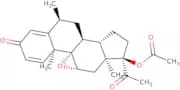
CAS:<p>Please enquire for more information about Fmoc-(S)-3-amino-3-(2-naphthyl)propionic acid including the price, delivery time and more detailed product information at the technical inquiry form on this page</p>Formula:C28H23NO4Purity:Min. 95%Molecular weight:437.49 g/mol(9b,11b)-Epoxy fluorometholone acetate
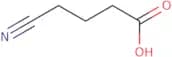
CAS:<p>Please enquire for more information about (9b,11b)-Epoxy fluorometholone acetate including the price, delivery time and more detailed product information at the technical inquiry form on this page</p>Formula:C24H30O5Purity:Min. 95%Molecular weight:398.49 g/mol4-Cyanobutanoic acid
CAS:<p>4-Cyanobutanoic acid is a colorless organic solvent that is not soluble in water or polar organic solvents. It can be used for the immobilization of proteins, as well as for the desymmetrization and chlorination of aromatic compounds. One of its most common uses is in biocatalysis, where it acts as a substrate binding agent to help catalyze reactions. 4-Cyanobutanoic acid has also been shown to inhibit the growth of bacteria by acting as an electron acceptor during metabolism. This compound can be degraded through hydrolysis with hydrochloric acid or biodegradation.</p>Formula:C5H7NO2Purity:Min. 95%Color and Shape:PowderMolecular weight:113.11 g/mol2,2,4-Trimethyl-1,2-dihydroquinolin-6-yl phenylacetate
CAS:Controlled Product<p>Please enquire for more information about 2,2,4-Trimethyl-1,2-dihydroquinolin-6-yl phenylacetate including the price, delivery time and more detailed product information at the technical inquiry form on this page</p>Formula:C20H21NO2Purity:Min. 95%Molecular weight:307.39 g/molN-alpha-Trityl-Nbeta-Fmoc-L-2,3-diaminopropionic acid
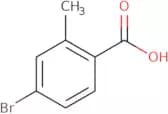
CAS:<p>Please enquire for more information about N-alpha-Trityl-Nbeta-Fmoc-L-2,3-diaminopropionic acid including the price, delivery time and more detailed product information at the technical inquiry form on this page</p>Formula:C37H32N2O4Purity:Min. 95%Molecular weight:568.66 g/mol4-Bromo-2-methylbenzoic acid
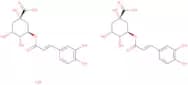
CAS:<p>4-Bromo-2-methylbenzoic acid is a nucleophilic compound that can be used for the synthesis of esters, amides and peptides. It is also an intermediate in the synthesis of 4-bromo-2-methylbenzoic acid methyl ester, which can be used as a cardiac marker. The hydroxylamine group on this molecule reacts with electrophiles such as benzoate to form bromoacetic acid derivatives. This reaction is catalyzed by palladium and other metals. The multidimensional nature of this reaction means it can be used for cross-coupling reactions.</p>Formula:C8H7BrO2Purity:Min. 95%Molecular weight:215.04 g/molChlorogenic acid hemihydrate
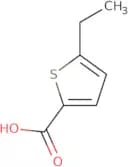
CAS:<p>Chlorogenic acid hemihydrate is a natural phenolic compound that belongs to the family of flavonol glycosides. The molecule has two caffeoylquinic acids and one chlorogenic acid functional groups, which are responsible for its antioxidant properties. Chlorogenic acid hemihydrate is soluble in water and can be used as a solid dispersion. This compound has been shown to have significant interactions with other drugs, including polymeric matrix, protocatechuic acid, and α-amyrin acetate. It also has been shown to have cell culture and in vivo model evidence of efficacy against cancer cells.</p>Purity:Min. 95%5-Ethylthiophene-2-carboxylic acid
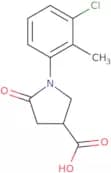
CAS:<p>5-Ethylthiophene-2-carboxylic acid is a chemical compound that has been acetylated. It is often used as an intermediate in organic synthesis, especially as a building block for the production of pharmaceuticals and agrochemicals. 5-Ethylthiophene-2-carboxylic acid can be chromatographically separated by using strategies such as validation, algorithm, and regression. The chemical structure of this compound may be determined by using methods such as fingerprinting and gas chromatography. The structural isomers of this compound are naphthenic (5E) and butyllithium (5B). Chemists use 5E and 5B to profile the properties of this substance.</p>Formula:C7H8O2SPurity:Min. 95%Molecular weight:156.2 g/mol1-(3-Chloro-2-methylphenyl)-5-oxopyrrolidine-3-carboxylic acid
CAS:<p>Please enquire for more information about 1-(3-Chloro-2-methylphenyl)-5-oxopyrrolidine-3-carboxylic acid including the price, delivery time and more detailed product information at the technical inquiry form on this page</p>Formula:C12H12ClNO3Purity:Min. 95%Molecular weight:253.68 g/molGuanidinoacetic acid
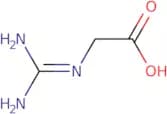
CAS:<p>Guanidinoacetic acid is a metabolite of creatine and is formed by reaction with the amino acid arginine. It is also synthesized from guanidinoacetate, which is derived from the oxidation of arginine. Guanidinoacetic acid can be found in human serum and eye disorders such as glaucoma. The analytical method for guanidinoacetic acid involves the conversion of guanidine to guanidinoacetic acid using nitrous acid, followed by gas chromatographic separation of the products. The concentration of guanidinoacetic acid in human serum has been shown to have an inverse relationship with body mass index (BMI). This means that people with a higher BMI have lower levels of guanidinoacetic acids in their blood than those who are thinner. Guanidinoacetate has also been shown to increase energy metabolism and inhibit glycolysis in humans.</p>Formula:C3H7N3O2Purity:Min. 95%Molecular weight:117.11 g/mol5-(Aminomethyl)-2-furoic acid hydrochloride
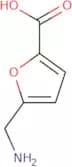
CAS:<p>5-(Aminomethyl)-2-furoic acid hydrochloride is a molecule that belongs to the group of carboxylates. It has a molecular weight of 191.2 g/mol and a chemical formula of CHNO. The structure of 5-(aminomethyl)-2-furoic acid hydrochloride is similar to that of hexamethylenetetramine, a common organic compound with the formula (CH)N(H)CH. 5-(Aminomethyl)-2-furoic acid hydrochloride can be used as an acceptor in hydrogen chloride gas generation reactions, which are used in the synthesis of some pharmaceutical drugs and other organic compounds. The molecule also has potential use in telomerase research because it is structurally similar to natural telomeres. In addition, this molecule has been shown to have anti-inflammatory properties due to its ability to inhibit prostaglandin synthesis.</p>Formula:C6H7NO3Purity:Min. 95%Molecular weight:141.12 g/molStichodactyla helianthus Neurotoxin (ShK) trifluoroacetate salt
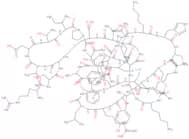
CAS:<p>ShK is an amide toxin that is found in the skin of the tropical marine organism Stichodactyla helianthus. It has been shown to have antimicrobial activity against E. coli and other bacteria, as well as a protective effect on inflammatory bowel disease. ShK has been shown to act by inhibiting protein synthesis, which may be due to its ability to bind to signal peptides and change their conformation.</p>Formula:C169H274N54O48S7Purity:Min. 95%Molecular weight:4,054.78 g/mol2-Methylnicotinic acid methyl ester
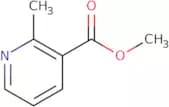
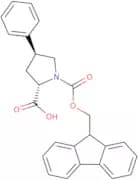
CAS:<p>2-Methylnicotinic acid methyl ester is a synthetic chemical compound that belongs to the isomer family. It has been used in the synthesis of cocaine and isomers, as well as in the modification of drugs. 2-Methylnicotinic acid methyl ester can be synthesised from 2-methylpyridine and formaldehyde via the method of methylmagnesium iodide. 2-Methylnicotinic acid methyl ester has been shown to be a potent inhibitor of human platelet aggregation, which may be due to its structural similarity to nicotine.</p>Formula:C8H9NO2Purity:Min. 95%Color and Shape:PowderMolecular weight:151.16 g/molFmoc-(2S,4S)-4-phenylpyrrolidine-2-carboxylic acid
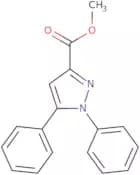
CAS:<p>Please enquire for more information about Fmoc-(2S,4S)-4-phenylpyrrolidine-2-carboxylic acid including the price, delivery time and more detailed product information at the technical inquiry form on this page</p>Formula:C26H23NO4Purity:Min. 95%Molecular weight:413.47 g/molMethyl 1,5-diphenyl-1H-pyrazole-3-carboxylate
CAS:Controlled Product<p>Please enquire for more information about Methyl 1,5-diphenyl-1H-pyrazole-3-carboxylate including the price, delivery time and more detailed product information at the technical inquiry form on this page</p>Formula:C17H14N2O2Purity:Min. 95%Molecular weight:278.31 g/mol(-)-trans-1,2-Cyclohexanedicarboxylic Anhydride
CAS:Controlled Product<p>(-)-trans-1,2-Cyclohexanedicarboxylic Anhydride is a macrocyclic molecule that can be used to synthesize glutaric anhydride. This compound is an analogue of the succinic anhydride and 1,2-cyclohexanedicarboxylic anhydride. (-)-trans-1,2-Cyclohexanedicarboxylic Anhydride has been shown to catalyze the hydrogenation of epoxides. It also has been shown to be a potential precursor for the synthesis of pyrrolizidine alkaloids.</p>Formula:C8H10O3Purity:Min. 95%Molecular weight:154.16 g/mol4'-[[1,4'-Dimethyl-2'-propyl(2,6'-bi-1H-benzimidazol)-1'-yl]-methyl]-1,1'-biphenyl-2-carboxylicacid 1,1-dimethylethylester
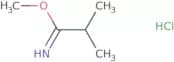
CAS:<p>4'-[[1,4'-Dimethyl-2'-propyl(2,6'-bi-1H-benzimidazol)-1'-yl]-methyl]-1,1'-biphenyl-2-carboxylic acid 1,1-dimethylethyl ester (DMBPC) is a drug substance that is used in the manufacture of solid oral dosage forms. It has been shown to be present at low levels as an impurity in other drug substances. The presence of this impurity has been shown to cause problems with the chromatographic and hplc methods used for its quantification. The following are some important aspects of DMBPC: A. Impurities: The purity of DMBPC is 98%. The impurity profile includes 6% 2-propylbenzimidazole (2PB), 3% 4'-[[2-(6' -methoxycarbony</p>Formula:C37H38N4O2Purity:Min. 95%Molecular weight:570.72 g/molMethyl 2-methylpropanimidic acid hydrochloride
CAS:<p>Methyl 2-methylpropanimidic acid hydrochloride is a neutralizing agent that can be used to react with water, acids, and bases. It has been shown to react with gaseous compounds at temperatures as high as 200°C. Methyl 2-methylpropanimidic acid hydrochloride is soluble in organic solvents such as alcohols, ethers, and acetone and can be used to prepare esters by reacting with the corresponding alcohol or phenol. In addition, it has been shown to interact with haloalkyl groups and oxazinones. This compound also has nod-like receptor binding properties that have been shown to play a role in mediating the transport of organic solutions into cells. A receptor protein that reacts with methyl 2-methylpropanimidic acid hydrochloride has been identified in some organisms. The stereostructure of this compound resembles that of triazines and other organometallic compounds.</p>Formula:C5H11NO·HClPurity:Min. 95%Molecular weight:137.61 g/mol4-(3-Methyl-5-oxo-2-pyrazolin-1-yl)benzoic acid
CAS:<p>4-(3-Methyl-5-oxo-2-pyrazolin-1-yl)benzoic acid (PMBA) is a chromatographic and spectroscopic reagent that is used in the analysis of glycosidic bonds. PMBA has been shown to be effective in preventing the formation of advanced glycation end products, which are substances that can cause diabetes. PMBA has also been found to have a protective effect on the kidneys and liver and may prevent damage to cells in these organs. This drug has been tested for pharmacological effects and toxicity in healthy subjects, type 2 diabetic patients, and diabetic patients.</p>Formula:C11H10N2O3Purity:Min. 95%Molecular weight:218.21 g/molHydroxybisnorcholenic acid
CAS:Controlled Product<p>Hydroxybisnorcholenic acid is a sterol that is present in high concentrations in the skin and other tissues. It has been shown to have biological properties, such as meiosis, and to be involved in the regulation of ion transport. Hydroxybisnorcholenic acid is also one of the major components of the saponified product of cholesterol. The molecule is a target tissue for control levels of biochemical analysis and modulation by hormones. Hydroxybisnorcholenic acid can be converted into aminosterol, which then undergoes additional conversion to cholesterol.</p>Formula:C22H34O3Purity:Min. 95%Color and Shape:PowderMolecular weight:346.50 g/molZiconotide acetate
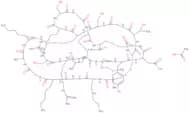
CAS:Controlled ProductZiconotide acetate is a polymer conjugate of ziconotide and goserelin acetate. It is used to treat severe chronic pain in patients who have not responded to other treatments, such as opioids or local anesthetics. Ziconotide acetate is administered by injection into the intrathecal space, where it acts on nerve cells in the dorsal horn of the spinal cord. The drug is slowly released from the polymer conjugate over time, which effectively reduces its irritant effects. It also has low solubility in water, which helps reduce its rate of clearance from the body. The active substances in this drug are ziconotide and goserelin acetate, both of which have been shown to be effective for treating chronic pain. Ziconotide acetate has also been shown to cause a decrease in blood levels of cholesterol and lipoproteins, although this effect may be due to goserelin acetate rather than ziconotide itself.Formula:C102H172N36O32S7C2H4O2Purity:Min. 95%Molecular weight:2,699.19 g/mol1-Methylindole-3-boronic acid pinacol ester
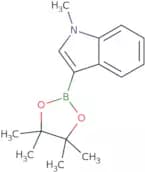
CAS:<p>Please enquire for more information about 1-Methylindole-3-boronic acid pinacol ester including the price, delivery time and more detailed product information at the technical inquiry form on this page</p>Formula:C15H20BNO2Purity:Min. 95%Molecular weight:257.14 g/mol3-Sulfoglycolithocholic acid disodium
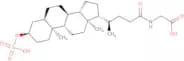
CAS:<p>3-Sulfoglycolithocholic acid disodium is a potential biomarker for inflammatory bowel disease. It is also used as an analytical method to measure bile acids in the blood. 3-Sulfoglycolithocholic acid disodium has been shown to be a strong indicator of liver inflammation and hepatitis. This compound can also be used as a diagnostic tool for infectious diseases, such as HIV and hepatitis C, by measuring serum bile acids levels. The level of this molecule can be measured in the blood and urine of patients with bowel disease, such as ulcerative colitis or Crohn's disease. 3-Sulfoglycolithocholic acid disodium can also be used to diagnose atrial fibrillation.</p>Formula:C26H43NO7S•Na2Purity:Min. 95%Molecular weight:559.67 g/mol(6-Hydroxy-2-methyl-4-oxoquinazolin-3(4H)-yl)acetic acid
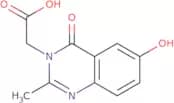
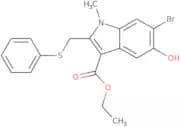
CAS:Controlled ProductPlease enquire for more information about (6-Hydroxy-2-methyl-4-oxoquinazolin-3(4H)-yl)acetic acid including the price, delivery time and more detailed product information at the technical inquiry form on this pageFormula:C11H10N2O4Purity:Min. 95%Molecular weight:234.21 g/molEthyl 6-bromo-5-hydroxy-1-methyl-2-(phenylsulfanylmethyl)indole-3-carboxylate
CAS:Controlled Product<p>Please enquire for more information about Ethyl 6-bromo-5-hydroxy-1-methyl-2-(phenylsulfanylmethyl)indole-3-carboxylate including the price, delivery time and more detailed product information at the technical inquiry form on this page</p>Purity:Min. 95%Chlormadinol acetate
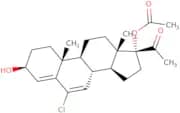
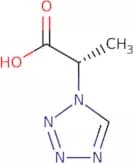
CAS:Controlled Product<p>Chlormadinol acetate is a stable complex of a fatty acid and an antibiotic that is used to treat infections caused by bacteria. It has been shown to have high resistance to antimicrobial agents, including amoxicillin-clavulanic acid, tetracycline, and multidrug efflux pumps. Chlormadinol acetate has also been shown to inhibit the growth of certain cancer cells in vitro and in vivo using gene therapy. This drug also inhibits bacterial protein synthesis by binding to the 30S ribosomal subunit and preventing the formation of a functional 70S ribosome. Chlormadinol acetate has been shown to be clinically relevant in mice when used with amoxicillin-clavulanic acid or tetracycline.</p>Formula:C23H31ClO4Purity:Min. 95%Molecular weight:406.94 g/mol(2S)-2-(1H-Tetrazol-1-yl)propanoic acid
CAS:<p>Please enquire for more information about (2S)-2-(1H-Tetrazol-1-yl)propanoic acid including the price, delivery time and more detailed product information at the technical inquiry form on this page</p>Formula:C4H6N4O2Purity:Min. 95%Molecular weight:142.12 g/molFluticasone 17b-carboxylic acid propionate
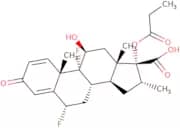
CAS:Controlled Product<p>Fluticasone propionate is a synthetic corticosteroid that is used in the treatment of asthma. It is an esterified prodrug which requires hydrolysis by esterases in order to become active. Fluticasone propionate has shown clinical efficacy with oral administration and can be administered by inhalation or through the skin. This drug is available as a deuterated form for use in nuclear magnetic resonance spectroscopy and reaction monitoring. It also has a linear range of 10-1000 ng/mL and a quadrupole mass spectrometer detection limit of 0.1 pmol, which allows it to be used for plasma samples and reconstituted drugs.</p>Formula:C24H30F2O6Purity:(¹H-Nmr) Min. 95 Area-%Color and Shape:White Off-White PowderMolecular weight:452.49 g/mol(3alpha,5beta)-6-Ethylidene-3-hydroxy-7-oxocholan-24-oic acid
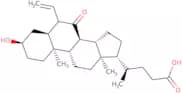
CAS:Controlled Product<p>Please enquire for more information about (3alpha,5beta)-6-Ethylidene-3-hydroxy-7-oxocholan-24-oic acid including the price, delivery time and more detailed product information at the technical inquiry form on this page</p>Formula:C26H40O4Purity:Min. 95%Molecular weight:416.59 g/molTetrakis[N-tetrachlorophthaloyl-(S)-tert-leucinato]dirhodium Bis(ethyl Acetate) Adduct
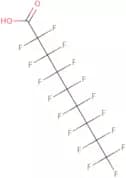
CAS:<p>Please enquire for more information about Tetrakis[N-tetrachlorophthaloyl-(S)-tert-leucinato]dirhodium Bis(ethyl Acetate) Adduct including the price, delivery time and more detailed product information at the technical inquiry form on this page</p>Formula:C56H40Cl16N4O16Rh2·C8H16O4Purity:Min. 95%Molecular weight:1,974.2 g/molTricosafluorododecanoic Acid
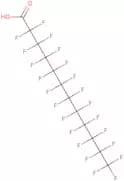
CAS:<p>Tricosafluorododecanoic Acid (TCDA) is a potent cytotoxic agent that has been shown to be effective in killing cancer cells. TCDA is a strong inducer of apoptosis and necrosis, which are processes that cause the death of cells. TCDA also induces cell cycle arrest by binding to mitochondrial membranes and inhibiting the flow of ions across the membrane, leading to a loss of mitochondrial membrane potential. This leads to an accumulation of intracellular calcium and activates signal pathways that activate the cell's death program. TCDA has been shown to have significant cytotoxicity against human breast cancer cells, with little toxicity against healthy human erythrocytes. TCDA is not active against bacteria or fungi, but it is highly toxic to certain protozoans such as Plasmodium falciparum. TCDA can be used as an effective treatment for cancer in combination with radiation therapy because it enhances the therapeutic effects of radiation on tum</p>Formula:C12HF23O2Purity:Min. 95%Molecular weight:614.1 g/mol2-Methoxypyrimidine-5-boronic acid
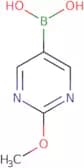
CAS:<p>Please enquire for more information about 2-Methoxypyrimidine-5-boronic acid including the price, delivery time and more detailed product information at the technical inquiry form on this page</p>Formula:C5H7BN2O3Purity:Min. 95%Molecular weight:153.93 g/mol4β-Hydroxy cholesterol 4-acetate
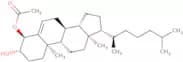
CAS:Controlled Product<p>4b-Hydoxy cholesterol 4-acetate is a pleiotropic drug with a wide range of pharmacological activities. It is an inhibitor of the sirtuin family of proteins and may have anti-cancer effects. It has also been shown to be effective in the treatment of depression and myelodysplastic syndrome. The mechanism of action for this agent is not well understood, but it may be due to its ability to inhibit DNA methyltransferases, which would lead to a change in DNA methylation patterns. 4b-Hydroxy cholesterol 4-acetate has also been shown to decrease lipid levels in the blood and increase the activity of liver enzymes that metabolize fatty acids. This drug can also modify lamellar bodies and short-chain fatty acids by inhibiting the enzyme ATP citrate lyase, which catalyzes citrate cleavage into acetyl CoA and oxaloacetate.</p>Formula:C29H48O3Purity:Min. 95%Molecular weight:444.69 g/molVitamin B12 e-Monocarboxylic Acid
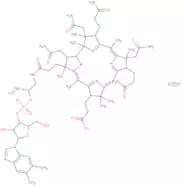
CAS:Controlled Product<p>Please enquire for more information about Vitamin B12 e-Monocarboxylic Acid including the price, delivery time and more detailed product information at the technical inquiry form on this page</p>Formula:C63H87CoN13O15PPurity:Area-% Min. 95 Area-%Color and Shape:PowderMolecular weight:1,356.35 g/molBoc-1-amino-1-cyclobutane carboxylic acid
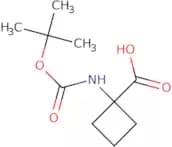
CAS:<p>Boc-1-amino-1-cyclobutane carboxylic acid is a synthetic and potent agonist of the androgen receptor. It is an analog of apalutamide, which is a selective antagonist of the androgen receptor. Boc-1-amino-1-cyclobutane carboxylic acid has been shown to have high oral bioavailability, which makes it suitable for oral administration. Boc-1-amino-1-cyclobutane carboxylic acid has been shown to have increased functional activity in cancer cells, which may be due to its ability to inhibit the growth of tumor cells by binding to their androgen receptors. Boc-1-amino-1-cyclobutane carboxylic acid has also been found to have good affinity for the androgen receptor when tested on cultured cells.</p>Formula:C10H17NO4Purity:Min. 95%Color and Shape:White/Off-White SolidMolecular weight:215.25 g/molPolyoxyethylated 12-hydroxystearic acid
CAS:<p>Polyoxyethylated 12-hydroxystearic acid is a surface active agent that is used as an adjuvant in pharmaceutical preparations. Polyoxyethylated 12-hydoxystearic acid has been shown to have antimicrobial properties, which are due to its ability to disrupt the lipid membrane of bacteria and fungi. This agent also has a protective effect against the cytotoxicity of trifluoroacetic acid, which is often used in cell culture studies. Polyoxyethylated 12-hydoxystearic acid also has potential applications in cancer therapy because it can be conjugated with anticancer drugs to form liposome nanoparticles, which may allow for more efficient delivery of these drugs into cancer cells.</p>Color and Shape:Off-White Powder2-[4-(2-Methylpropenyl)phenyl]propionic acid
CAS:<p>2-[4-(2-Methylpropenyl)phenyl]propionic acid is an analgesic and antipyretic agent. It has been shown to have antiinflammatory properties, which are mediated through inhibition of prostaglandin synthesis. This agent binds to the enzyme cyclooxygenase and inhibits the biosynthesis of prostaglandins that are responsible for inflammation. 2-[4-(2-Methylpropenyl)phenyl]propionic acid also has optical antipyretic activity, which may be due to its ability to inhibit the release of prostaglandins from arachidonic acid in the hypothalamus. The optical antipyretic activity is most likely due to the enantiomers that this drug contains. 2-[4-(2-Methylpropenyl)phenyl]propionic acid has a pharmacologic profile that includes analgesic and antipyretic activities.END>></p>Formula:C13H16O2Purity:Min. 95%Color and Shape:PowderMolecular weight:204.26 g/molHeptadecafluorononanoic acid
CAS:<p>Heptadecafluorononanoic acid is a long-chain fatty acid that has been used as a building block in the synthesis of polymers. It has been shown to have an effect on locomotor activity and thermal expansion in human serum, as well as on maternal blood. Heptadecafluorononanoic acid has also been found to be effective for the treatment of hepatic steatosis and may have long-term efficacy. This compound is also able to bind with receptors, which can contribute to its biological properties. Heptadecafluorononanoic acid has been shown to inhibit geriatric patients' reaction solution. The analytical method for heptadecafluorononanoic acid consists of gas chromatography with flame ionization detection (GC-FID).</p>Formula:C9HF17O2Purity:Min. 95%Color and Shape:PowderMolecular weight:464.08 g/molZ-alpha-aminoisobutyric acid
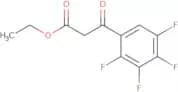
CAS:<p>Z-alpha-aminoisobutyric acid is an amide with a conformational pattern that resembles the alpha-helix. It has been shown to inhibit the formation of oligomers, which are aggregates of peptides and proteins, in the gas phase. Z-alpha-aminoisobutyric acid also stabilizes peptides and proteins in aqueous solution by preventing them from forming intramolecular hydrogen bonds. The infrared spectroscopy shows that z-alpha-aminoisobutyric acid is a conformer with a dihedral angle of about 120 degrees.</p>Formula:C12H15NO4Purity:Min. 95%Molecular weight:237.25 g/molEthyl (2,3,4,5-tetrafluorobenzoyl)acetate
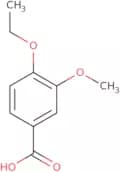
CAS:<p>Ethyl (2,3,4,5-tetrafluorobenzoyl)acetate is a new oxazine derivative that inhibits bacterial growth by binding to the DNA gyrase and topoisomerase IV. It also exhibits antibacterial activity against Gram-positive bacteria such as methicillin-resistant Staphylococcus aureus (MRSA). This compound is an analog of the quinolone antibacterials. The most efficient example of this class of compounds is ofloxacin.</p>Formula:C11H8F4O3Purity:Min. 95%Color and Shape:PowderMolecular weight:264.17 g/mol4-Ethoxy-3-methoxybenzoic acid
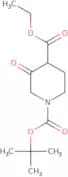
CAS:<p>4-Ethoxy-3-methoxybenzoic acid is a white crystalline solid that belongs to the class of isomers. This compound has been used in biological studies to study the functional theory of bond cleavage, hydroxyl group, and cleavage products. 4-Ethoxy-3-methoxybenzoic acid has also been shown to be a substrate for radical chain reactions, which are initiated by electron transfer from an organic molecule and may produce hydroperoxides or peroxides. The fatty acids found in this chemical react with trichloroacetic acid to form esters and conjugates. These esters are more water soluble than the original fatty acids, making them useful as solvents for organic reactions. 4-Ethoxy-3-methoxybenzoic acid is a precursor for coriolus pigment, which provides coloration for coniferous trees such as pine and spruce.</p>Formula:C10H12O4Purity:Min. 95%Molecular weight:196.2 g/molEthyl 1-N-Boc-3-oxopiperidine-4-carboxylate
CAS:<p>Please enquire for more information about Ethyl 1-N-Boc-3-oxopiperidine-4-carboxylate including the price, delivery time and more detailed product information at the technical inquiry form on this page</p>Formula:C13H21NO5Purity:Min. 95%Molecular weight:271.31 g/mol4-Amino-3,5-difluorobenzoic Acid
CAS:<p>4-Amino-3,5-difluorobenzoic Acid is a chemical compound that is used to manufacture dyes and pharmaceuticals. It is prepared by the reaction of dimethyl formamide with bromobenzoate and hydrobromic acid. The reaction product is decompressed to remove the toxic hydrogen cyanide gas and then reacted with sodium borohydride in liquid ammonia. This process yields 4-amino-3,5-difluorobenzoic acid which can be purified by recrystallization from water or chloroform.</p>Formula:C7H5F2NO2Purity:Min. 95%Molecular weight:173.12 g/mol3,3-Dimethyl-5-oxo-5-(1,2,3,4-tetrahydronaphthalen-2-ylamino)pentanoic acid
CAS:Controlled ProductPlease enquire for more information about 3,3-Dimethyl-5-oxo-5-(1,2,3,4-tetrahydronaphthalen-2-ylamino)pentanoic acid including the price, delivery time and more detailed product information at the technical inquiry form on this pageFormula:C17H23NO3Purity:Min. 95%Molecular weight:289.37 g/molN-Phenylmethyl-7-methyluric acid
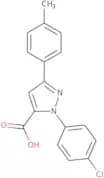
CAS:Controlled Product<p>Please enquire for more information about N-Phenylmethyl-7-methyluric acid including the price, delivery time and more detailed product information at the technical inquiry form on this page</p>Formula:C13H12N4O3Purity:Min. 95%Molecular weight:272.26 g/mol1-(4-Chlorophenyl)-3-(4-methylphenyl)-1H-pyrazole-5-carboxylic acid
CAS:Controlled Product<p>Please enquire for more information about 1-(4-Chlorophenyl)-3-(4-methylphenyl)-1H-pyrazole-5-carboxylic acid including the price, delivery time and more detailed product information at the technical inquiry form on this page</p>Formula:C17H13ClN2O2Purity:Min. 95%Molecular weight:312.75 g/molMagnesium acetate tetrahydrate
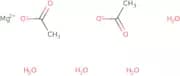
CAS:<p>Magnesium acetate tetrahydrate is a white crystalline solid that is soluble in water and is used as a nutritional supplement. It is produced by the reaction of magnesium carbonate with an aqueous solution of acetic acid. The particle size varies depending on the synthesis method used. Magnesium acetate tetrahydrate has been shown to be effective for treating diabetes mellitus, as it helps regulate blood sugar levels by promoting insulin release from pancreatic cells and increasing glucose uptake into these cells. This compound also has been found to be effective in reducing hiv infection rates, which may be due to its ability to increase the activity of CD4+ T-cells.</p>Formula:Mg(C2H3O2)2•(H2O)4Purity:Min. 95%Color and Shape:White/Off-White SolidMolecular weight:214.45 g/mol4-Amino-3-(trifluoromethoxy)benzoic acid
CAS:<p>Please enquire for more information about 4-Amino-3-(trifluoromethoxy)benzoic acid including the price, delivery time and more detailed product information at the technical inquiry form on this page</p>Formula:C8H6F3NO3Purity:Min. 95%Molecular weight:221.13 g/mol1-(Benzyloxy)-6-oxo-1,6-dihydropyridine-2-carboxylic acid
CAS:<p>Please enquire for more information about 1-(Benzyloxy)-6-oxo-1,6-dihydropyridine-2-carboxylic acid including the price, delivery time and more detailed product information at the technical inquiry form on this page</p>Formula:C13H11NO4Purity:Min. 95%Color and Shape:PowderMolecular weight:245.23 g/molEthyl 2-chloro-2,2-difluoroacetate
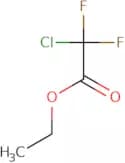
CAS:<p>Ethyl 2-chloro-2,2-difluoroacetate is an organic compound that is used in the synthesis of benzofuran derivatives. It reacts with chlorine to generate a reactive intermediate and then undergoes a nucleophilic substitution reaction to produce the desired compound. The kinetic studies of this reaction have been conducted using isolated yields of the reactants. The active methylene group can undergo a variety of reactions because it has a reactive chlorine atom attached to it. This active substance inhibits the NS5B polymerase, which is responsible for converting RNA into DNA. Ethyl 2-chloro-2,2-difluoroacetate may be used as a potential treatment for inflammatory diseases such as asthma and arthritis because it prevents acetylcholine from binding to its receptor α.</p>Formula:C4H5ClF2O2Purity:Min. 95%Color and Shape:Clear LiquidMolecular weight:158.53 g/molIndole-3-acetyl-L-glutamic acid
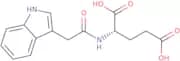
CAS:<p>Indole-3-acetyl-L-glutamic acid is an endogenous substance that is found in plants. It is the conjugated form of indole-3-acetaldehyde and L-glutamic acid. Indole-3-acetylglutamic acid has shown to have antioxidant potential and can be used to regulate plant growth, as well as protect against environmental stresses. Indole-3-acetylglutamic acid also has a role in regulating the production of other hormones, such as ethylene and auxin, which are involved in plant growth regulation.</p>Formula:C15H16N2O5Purity:Min. 98 Area-%Color and Shape:PowderMolecular weight:304.3 g/mol(Des-Gly10,D-Leu6,D-Leu7,Pro-NHEt 9)-LHRH trifluoroacetate salt
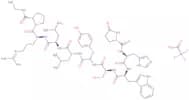
CAS:<p>Please enquire for more information about (Des-Gly10,D-Leu6,D-Leu7,Pro-NHEt 9)-LHRH trifluoroacetate salt including the price, delivery time and more detailed product information at the technical inquiry form on this page</p>Formula:C59H84N16O12Purity:Min. 95%Molecular weight:1,209.4 g/molBehenic acid
CAS:<p>Behenic acid is a fatty acid that has been used as a fluorescence probe for the detection of water vapor. It has shown to have antibacterial efficacy against bacteria including Acinetobacter baumannii, Staphylococcus aureus, and Pseudomonas aeruginosa. Behenic acid is also known to inhibit the synthesis of fatty acids in rat liver microsomes and to have biological properties such as the ability to induce hepatic steatosis. This fatty acid is found in some lichens and can be purified from them using an analytical method involving constant-pressure liquid chromatography. Behenic acid is also found in behen oil, which is produced by pressing nuts from the seed of the beech tree.</p>Formula:C22H44O2Purity:Min. 83 Area-%Color and Shape:PowderMolecular weight:340.58 g/mol3,7-Dihydroxy-5-cholestenoic acid
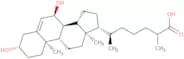
CAS:Controlled Product<p>Please enquire for more information about 3,7-Dihydroxy-5-cholestenoic acid including the price, delivery time and more detailed product information at the technical inquiry form on this page</p>Formula:C27H44O4Purity:Min. 95%Molecular weight:432.64 g/mol(S)-2-Hydroxy-3-methoxy-3,3-diphenylpropionic acid
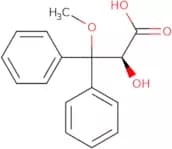
CAS:This is a crystalline form of the pyrimidine derivative (S)-2-Hydroxy-3-methoxy-3,3-diphenylpropionic acid. The compound has been shown to have antiplatelet properties and is currently being developed as an antithrombotic agent. In vitro studies have shown that ambrisentan inhibits platelet aggregation, thromboxane synthesis, and leukocyte adhesion. It also reduces the levels of serum cholesterol and triglycerides in patients with chronic heart failure. Ambrisentan has been studied in clinical trials for the treatment of pulmonary hypertension associated with chronic obstructive pulmonary disease (COPD) and idiopathic pulmonary fibrosis (IPF).Formula:C16H16O4Purity:Min. 95%Molecular weight:272.3 g/molDL-3-Aminobutyric acid
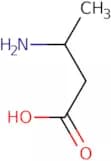
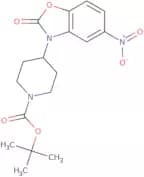
CAS:<p>DL-3-Aminobutyric acid is a natural compound that belongs to the group of amino acids. It is found in human immunoglobulin, enzymes, and proteins. DL-3-Aminobutyric acid has been shown to have an effect on iron homeostasis, signal pathways, and water permeability. It has also been shown to have anti-fungal activity in vitro and can be used as a model system for plant physiology.</p>Formula:C4H9NO2Purity:Min. 95%Molecular weight:103.12 g/moltert-Butyl 4-(5-nitro-2-oxo-1,3-benzoxazol-3(2H)-yl)piperidine-1-carboxylate
CAS:Controlled Product<p>Please enquire for more information about tert-Butyl 4-(5-nitro-2-oxo-1,3-benzoxazol-3(2H)-yl)piperidine-1-carboxylate including the price, delivery time and more detailed product information at the technical inquiry form on this page</p>Formula:C17H21N3O6Purity:Min. 95%Molecular weight:363.37 g/mol







![(S)-1,2,3,4,5,6,7,8-Octahydro-1-[(4-methoxyphenyl)methyl]isoquinoline (acetate salt )](/_next/image/?url=https%3A%2Fstatic.cymitquimica.com%2Fproducts%2F3D%2Fthumb-webp%2FFO29465.webp&w=3840&q=75)


![(2S)-2-Amino-2-[(5S)-3-chloro-4,5-dihydroisoxazol-5-Yl]acetic acid](/_next/image/?url=https%3A%2Fstatic.cymitquimica.com%2Fproducts%2F3D%2Fthumb-webp%2FFA17203.webp&w=3840&q=75)
![3-{[(3,4-Dichlorophenyl)amino]carbonyl}bicyclo[2.2.1]hept-5-ene-2-carboxylic acid](/_next/image/?url=https%3A%2Fstatic.cymitquimica.com%2Fproducts%2F3D%2Fthumb-webp%2FFD136060.webp&w=3840&q=75)
![4-[1-(2-Methoxyethyl)-1H-indol-3-yl]butanoic acid](/_next/image/?url=https%3A%2Fstatic.cymitquimica.com%2Fproducts%2F3D%2Fthumb-webp%2FFM135737.webp&w=3840&q=75)


![1-Cyclopropyl-7-(2,8-diazabicyclo[4.3.0]non-8-yl)-6-fluoro-8-methoxy-4-oxoquinoline-3-carboxylic a…](/_next/image/?url=https%3A%2Fstatic.cymitquimica.com%2Fproducts%2F3D%2Fthumb-webp%2FFC102529.webp&w=3840&q=75)



![4'-[[1,4'-Dimethyl-2'-propyl(2,6'-bi-1H-benzimidazol)-1'-yl]-methyl]-1,1'-biphenyl-2-carboxylicaci…](/_next/image/?url=https%3A%2Fstatic.cymitquimica.com%2Fproducts%2F3D%2Fthumb-webp%2FFD148340.webp&w=3840&q=75)

![Tetrakis[N-tetrachlorophthaloyl-(S)-tert-leucinato]dirhodium Bis(ethyl Acetate) Adduct](/_next/image/?url=https%3A%2Fstatic.cymitquimica.com%2Fproducts%2F3D%2Fthumb-webp%2FFT60020.webp&w=3840&q=75)

![2-[4-(2-Methylpropenyl)phenyl]propionic acid](/_next/image/?url=https%3A%2Fstatic.cymitquimica.com%2Fproducts%2F3D%2Fthumb-webp%2FFM25939.webp&w=3840&q=75)