Carboxylic Acids
Carboxylic acids are organic molecules characterized by having a carboxyl-type functional group (-COOH). These acids are fundamental in various chemical reactions, including esterification, amidation, and decarboxylation. Carboxylic acids are widely used in the production of pharmaceuticals, polymers, and agrochemicals. In this section, you can find a large number of carboxylic acids ready to be used. At CymitQuimica, we provide a broad range of high-quality carboxylic acids to support your research and industrial applications.
Found 12453 products of "Carboxylic Acids"
Sort by
Purity (%)
0
100
|
0
|
50
|
90
|
95
|
100
Ethyl 4-methoxyphenylacetate
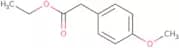
CAS:<p>Ethyl 4-methoxyphenylacetate is a fatty acid that is synthesized by the condensation of aniline and pyrrole. It has been shown to inhibit the growth of bacteria, such as Salmonella typhi and Staphylococcus aureus, in vitro. The inhibition of bacterial growth is thought to be due to its ability to react with hydrogen fluoride, which results in the formation of reactive oxygen species and nitrogen radicals. This compound also inhibits the production of tyrosinase in human skin cells, which may be beneficial for individuals with acne. Ethyl 4-methoxyphenylacetate has been shown to be safe for use in clinical trials.</p>Formula:C11H14O3Purity:Min. 95%Color and Shape:Clear LiquidMolecular weight:194.23 g/molFormyl-LHRH (2-10) trifluoroacetate salt
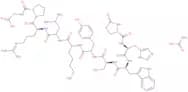
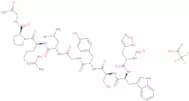
CAS:<p>Please enquire for more information about Formyl-LHRH (2-10) trifluoroacetate salt including the price, delivery time and more detailed product information at the technical inquiry form on this page</p>Formula:C51H70N16O12Purity:Min. 95%Molecular weight:1,099.2 g/molAngiotensin A trifluoroacetate salt
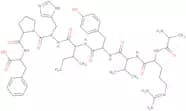
CAS:<p>Angiotensin A trifluoroacetate salt H-Ala-Arg-Val-Tyr-Ile-His-Pro-Phe-OH is a drug that has been shown to be effective in treating chronic kidney disease and heart failure. It is a synthetic peptide that mimics the activity of angiotensin II, an important regulator of blood pressure. Angiotensin A trifluoroacetate salt H-Ala-Arg-Val-Tyr-Ile-His-Pro-Phe-OH binds to the angiotensin receptor, which causes vasoconstriction and increases the release of soluble guanylate cyclase. This drug also inhibits the production of matrix metalloproteinases, which break down collagen and other extracellular proteins.</p>Formula:C49H71N13O10Purity:Min. 95%Molecular weight:1,002.17 g/molDibenzoyl-D-(+)-tartaric acid monohydrate
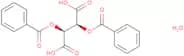
CAS:<p>Dibenzoyl-D-(+)-tartaric acid monohydrate is a weak organic acid that can be used as a neutralizing agent. It has been shown to react with hydrochloric acid, calcium carbonate, and other inorganic acids to form water soluble salts. This compound is also useful for the separation of enantiomers in chromatography and for the determination of the rate of reaction between an organic molecule and an inorganic acid. Dibenzoyl-D-(+)-tartaric acid monohydrate has been used as a template molecule for determining thermodynamic data on various molecules.</p>Formula:C18H14O8·H2OPurity:Min. 95%Color and Shape:White To Off-White SolidMolecular weight:376.31 g/molKR-12 (human) trifluoroacetate salt
CAS:<p>Please enquire for more information about KR-12 (human) trifluoroacetate salt including the price, delivery time and more detailed product information at the technical inquiry form on this page</p>Formula:C71H127N25O15Purity:Min. 95%Molecular weight:1,570.93 g/molAngiotensin II trifluoroacetate salt
CAS:<p>Angiotensin II is a peptide hormone that may act as a neurotransmitter or neuromodulator. It is one of the most important vasoconstrictor and aldosterone-secreting hormones produced by the renin-angiotensin system in mammals. Angiotensin II has been shown to stimulate cardiac contractility, increase vascular resistance, and regulate blood pressure. The effect of Angiotensin II on cardiac contractility is mediated through its binding to a response element in the promoter region of genes encoding for Ca2+ channels. This binding leads to increased Ca2+ influx into cardiac cells and increased myofibrillar Ca2+ sensitivity. Angiotensin II also activates reactive oxygen species (ROS) production, which causes injury to the renal tubular epithelium and induces tubulointerstitial injury in rats with diabetes. It also stimulates squamous cell carcinoma growth by inducing reactive oxygen species (ROS) production and activating signal trans</p>Formula:C50H71N13O12·xC2HF3O2Purity:Min. 95%Molecular weight:1,046.18 g/molGAP 26 trifluoroacetate salt
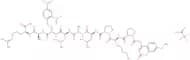
CAS:<p>13-mer connexin mimetic peptide, composed of residue numbers 63-75 of the first extracellular loop of connexin 43 (gap junction blocker), containing the SHVR amino acid motif.</p>Formula:C70H107N19O19SPurity:Min. 95%Molecular weight:1,550.78 g/molN-Me-Abz-Amyloid β/A4 Protein Precursor770 (708-715)-Lys(Dnp)-D-Arg-D-Arg-D-Arg amide trifluoroacetate salt
CAS:<p>Please enquire for more information about N-Me-Abz-Amyloid beta/A4 Protein Precursor770 (708-715)-Lys(Dnp)-D-Arg-D-Arg-D-Arg amide trifluoroacetate salt including the price, delivery time and more detailed product information at the technical inquiry form on this page</p>Formula:C70H116N26O18Purity:Min. 95%Molecular weight:1,609.83 g/molSuc-Ala-Phe-Lys-AMC acetate
CAS:<p>Suc-Ala-Phe-Lys-AMC acetate salt is a fatty acid that is metabolized by the enzyme plasminogen activator inhibitor 1 (PAI-1) to form AMC. It is used as a marker for PAI-1 activity in plasma, as well as in other extracellular fluids. Suc-Ala-Phe-Lys-AMC acetate salt has been shown to be effective in treating diseases caused by low blood sugar levels, such as diabetes mellitus type 2. Studies have also shown that it can be used to monitor the progress of metabolic disorders such as obesity and type 2 diabetes mellitus.</p>Formula:C32H39N5O8•C2H4O2Purity:Min. 95%Color and Shape:PowderMolecular weight:681.73 g/molMaxadilan trifluoroacetate salt
CAS:<p>Maxadilan trifluoroacetate salt is a low-potency drug that binds to the GABA receptor and affects the central nervous system. Maxadilan trifluoroacetate salt is structurally related to leishmaniasis, an infectious disease caused by protozoa of the genus Leishmania. Maxadilan trifluoroacetate salt has been shown to prevent the development of autoimmune diseases in mice, including systemic lupus erythematosus, experimental autoimmune encephalomyelitis, and collagen-induced arthritis. Maxadilan trifluoroacetate salt has also been shown to be effective against cutaneous lesions in mice infected with Leishmania major. The mechanism of action is not yet known but may be due to its ability to influence mitochondrial membrane potential or fatty acid metabolism.</p>Formula:C291H466N86O94S6Purity:Min. 95%Molecular weight:6,865.73 g/molNeuropeptide Y (porcine) trifluoroacetate salt
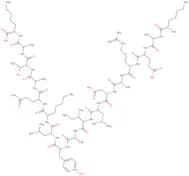
CAS:<p>Neuropeptide Y (porcine) trifluoroacetate salt H-Tyr-Pro-Ser-Lys-Pro-Asp-Asn-Pro-Gly-Glu-Asp-Ala-Pro-Ala-Glu-Asp-Leu -Ala -Arg Tyr Tyr Ser Ala Leu Arg His Tyr Ile Asn Leu Ile Thr Arg Gln Arg Tyr NH2 trifluoroacetate salt is a peroxidase enzyme that is biotinylated and purified from porcine sources. It has been used as an antiserum in the development of a plate sealer.</p>Formula:C190H287N55O57Purity:Min. 95%Molecular weight:4,253.65 g/molPAR-2 (6-1) amide (human) trifluoroacetate salt
CAS:<p>Please enquire for more information about PAR-2 (6-1) amide (human) trifluoroacetate salt including the price, delivery time and more detailed product information at the technical inquiry form on this page</p>Formula:C28H54N8O7Purity:Min. 95%Molecular weight:614.78 g/molMca-Pro-Lys-Pro-Leu-Ala-Leu-Dap (Dnp)-Ala-Arg-NH2 trifluoroacetate salt
CAS:<p>Please enquire for more information about Mca-Pro-Lys-Pro-Leu-Ala-Leu-Dap (Dnp)-Ala-Arg-NH2 trifluoroacetate salt including the price, delivery time and more detailed product information at the technical inquiry form on this page</p>Formula:C61H89N17O17Purity:Min. 95%Molecular weight:1,332.46 g/molFibronectin CS-1 Fragment (1978-1985) trifluoroacetate salt
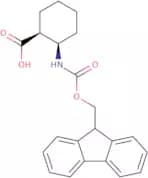
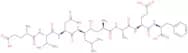
CAS:<p>Fibronectin CS-1 Fragment (1978-1985) trifluoroacetate salt H-Glu-Ile-Leu-Asp-Val-Pro-Ser-Thr-OH trifluoroacetate salt is a peptidomimetic with peroxidase activity. It has the ability to bind to red blood cells and monoclonal antibodies, which are used in spatially specific immunoassays. Fibronectin CS-1 Fragment (1978-1985) trifluoroacetate salt H-Glu-Ile-Leu-Asp-Val-Pro-Ser-Thr-OH trifluoroacetate salt also has an effect on hyperresponsiveness and can be used as a costimulatory antigen for cancer immunotherapy.</p>Formula:C38H64N8O15Purity:Min. 95%Molecular weight:872.96 g/mol(1S,2R)-Fmoc-aminocyclohexane carboxylic acid
CAS:<p>Please enquire for more information about (1S,2R)-Fmoc-aminocyclohexane carboxylic acid including the price, delivery time and more detailed product information at the technical inquiry form on this page</p>Formula:C22H23NO4Purity:Min. 95%Molecular weight:365.42 g/molSecretin (porcine) acetate salt
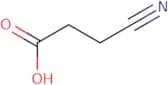
CAS:Controlled Product<p>Secretin acetate salt H-His-Ser-Asp-Gly-Thr-Phe-Thr-Ser-Glu-Leu-Ser-Arg-Leu-Arg-Asp-Ser-Ala is a peptide that is secreted by the pancreas in response to the ingestion of food. Secretin stimulates the release of water and bicarbonate from the pancreas, as well as stimulating the gallbladder to contract, which results in increased flow of bile. Secretin also inhibits gastric acid secretion, slows intestinal motility, and stimulates pancreatic enzyme secretion. The amino acid sequence of this peptide is identical to that of leuprolide acetate (Lupron) and goserelin acetate (Zoladex), which are synthetic analogs with similar biological activity. This peptide can be synthesized on a solid phase or in solution phase. Solid phase synthesis involves attaching amino acids</p>Formula:C130H220N44O41Purity:Min. 95%Molecular weight:3,055.41 g/mol3-Cyanopropanoic acid
CAS:<p>3-Cyanopropanoic acid is a reactive compound that forms a complex with palladium. It is produced by the reaction of acrylonitrile and chloride in the presence of a base such as sodium hydroxide. The reaction mechanism is shown below:</p>Formula:C4H5NO2Purity:Min. 95%Color and Shape:PowderMolecular weight:99.09 g/molBiotinyl-Obestatin (rat) trifluoroacetate salt
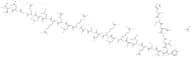
CAS:<p>Please enquire for more information about Biotinyl-Obestatin (rat) trifluoroacetate salt including the price, delivery time and more detailed product information at the technical inquiry form on this page</p>Formula:C124H188N36O33SPurity:Min. 95%Molecular weight:2,743.11 g/molEthyl 2-(4-hydroxyphenyl)-4-methylthiazole-5-carboxylate
CAS:<p>Ethyl 2-(4-hydroxyphenyl)-4-methylthiazole-5-carboxylate is an anticancer agent that belongs to the class of formamidines. It is synthesized by refluxing ethyl 4-hydroxyphenylacetic acid with hexamethylenetetramine and acetic acid in ethanol. After purification, it is converted to its active form by reacting with hydrochloric acid. Ethyl 2-(4-hydroxyphenyl)-4-methylthiazole-5-carboxylate prevents the growth of cancer cells in culture by preventing DNA synthesis, which prevents RNA and protein synthesis. This agent has also been found to suppress paclitaxel production in cultured human breast cancer cells.</p>Formula:C13H13NO3SPurity:Min. 95%Molecular weight:263.31 g/mol2,3,6-Trifluorophenylacetic acid
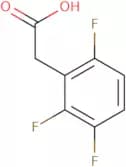
CAS:<p>Please enquire for more information about 2,3,6-Trifluorophenylacetic acid including the price, delivery time and more detailed product information at the technical inquiry form on this page</p>Purity:Min. 95%Dansyl-Ala-Arg-OH trifluoroacetate salt
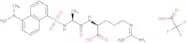
CAS:<p>Please enquire for more information about Dansyl-Ala-Arg-OH trifluoroacetate salt including the price, delivery time and more detailed product information at the technical inquiry form on this page</p>Formula:C21H30N6O5SPurity:Min. 95%Molecular weight:478.57 g/molH-Gly-p-iodo-Phe-Trp-OH trifluoroacetate salt
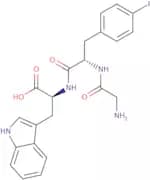
CAS:<p>Please enquire for more information about H-Gly-p-iodo-Phe-Trp-OH trifluoroacetate salt including the price, delivery time and more detailed product information at the technical inquiry form on this page</p>Formula:C22H23IN4O4Purity:Min. 95%Molecular weight:534.35 g/molDiisopropyl azodicarboxylate - 40% toluene solution
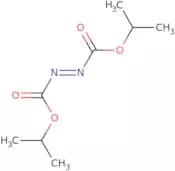
CAS:<p>Diisopropyl azodicarboxylate is a chemical compound that reacts with hydrogen fluoride to form a mixture of diazo and triazole products. The chemical reaction is the first step in the synthesis of many pharmaceuticals, such as penicillin. Diisopropyl azodicarboxylate is used in eye disorders, metabolic disorders, and autoimmune diseases. It has been shown to be effective in treating bowel disease. This drug has been shown to have chemotherapeutic properties, which may be due to its ability to inhibit protein synthesis by binding to the nitrogen atoms on receptor molecules. Diisopropyl azodicarboxylate also reacts with trifluoroacetic acid, forming a disulfide bond that can be analyzed using structural analysis techniques or reaction solution methods.</p>Formula:C8H14N2O4Purity:Min. 95%Color and Shape:Yellow To Yellow Orange LiquidMolecular weight:202.21 g/molAcetyl-(Asn30,Tyr32)-Calcitonin (8-32) (salmon I) trifluoroacetate salt
CAS:<p>Please enquire for more information about Acetyl-(Asn30,Tyr32)-Calcitonin (8-32) (salmon I) trifluoroacetate salt including the price, delivery time and more detailed product information at the technical inquiry form on this page</p>Formula:C127H205N37O40Purity:Min. 95%Molecular weight:2,890.21 g/molZ-L-α-aminobutyric acid
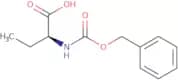
CAS:<p>Z-L-alpha-aminobutyric acid is a homogeneous, optically active, linear phosphinic analogue of alpha-aminobutyric acid. It has been used in the synthesis of phosphinic analogues of cyclosporin and undecapeptides with high yields. The coupling reaction between Z-L-alpha-aminobutyric acid and benzaldehyde was carried out in two steps to produce the desired product. A stepwise condensation between Z-L-alpha-aminobutyric acid and 3,4,5,6 tetrahydropyrimidine was also successful.</p>Formula:C12H15NO4Purity:Min. 98 Area-%Color and Shape:White PowderMolecular weight:237.25 g/mol(1-Methyl-1H-pyrazol-4-yl)boronic acid
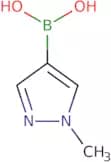
CAS:<p>(1-Methyl-1H-pyrazol-4-yl)boronic acid is a boronic acid that has been used for the synthesis of a number of heterocyclic compounds. Boronic acids are commonly used to synthesize phosphine ligands, which are reactive and can be used in cross-coupling reactions with organic halides, triflates, and tosylates. The efficiency of the reaction depends on the functional group present on the boron atom. (1-Methyl-1H-pyrazol-4-yl)boronic acid can inhibit the activity of many types of enzymes, including those involved in bacterial DNA synthesis and protein synthesis. (1-Methyl-1H-pyrazol-4-yl)boronic acid has been shown to have pharmacokinetic properties that depend on its ionization state.</p>Formula:C4H7BN2O2Purity:Min. 95%Molecular weight:125.92 g/molAc-Asp-Glu-Val-Asp-chloromethylketone trifluoroacetate salt
CAS:<p>Ac-Asp-Glu-Val-Asp-chloromethylketone trifluoroacetate salt is a basic protein. It inhibits the neuronal death induced by dopamine and its derivatives, which is caused by overactivation of the mitochondrial membrane potential and release of cytochrome c from mitochondria to cytosol. This compound also inhibits the activation of toll-like receptor 4 (TLR4) and nuclear factor κB (NF-κB) signaling pathways in neuronal cells. Ac-Asp-Glu-Val-Asp-chloromethylketone trifluoroacetate salt has been shown to have antiinflammatory effects when applied topically on skin wounds. The molecule has been used as a model system for studying the molecular mechanism of epidermal growth factor (EGF) activation in hybridoma cell lines and primary cells.</p>Formula:C21H31ClN4O11Purity:Min. 95%Molecular weight:550.94 g/molLactoferricin B (4-14) (bovine) trifluoroacetate salt
CAS:<p>Lactoferricin B (4-14) (bovine) trifluoroacetate salt is a peptide derivative, which is a fragment derived from bovine lactoferrin. It is obtained by enzymatic digestion of lactoferrin, a glycoprotein with a well-established role in the innate immune system. This specific peptide, Lactoferricin B (4-14), is known for its potent antimicrobial properties, attributed to its amphipathic structure that facilitates the disruption of microbial membranes. Additionally, it can modulate immune responses through interactions with immune cells, thereby influencing inflammatory processes.</p>Formula:C70H113N25O13SPurity:Min. 95%Molecular weight:1,544.87 g/molCART (55-76) (rat) trifluoroacetate salt
CAS:<p>Please enquire for more information about CART (55-76) (rat) trifluoroacetate salt including the price, delivery time and more detailed product information at the technical inquiry form on this page</p>Formula:C107H166N26O33S3Purity:Min. 95%Molecular weight:2,440.82 g/molH-Arg-Arg-Arg-Arg-OH trifluoroacetate salt
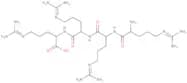
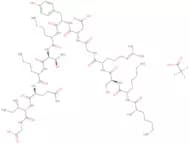
CAS:<p>Trifluoroacetate salt</p>Formula:C24H50N16O5Purity:Min. 95%Molecular weight:642.76 g/molZ-Gly-Pro-Arg-pNA acetate salt
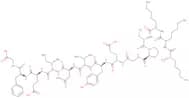
CAS:Controlled Product<p>Please enquire for more information about Z-Gly-Pro-Arg-pNA acetate salt including the price, delivery time and more detailed product information at the technical inquiry form on this page</p>Formula:C27H34N8O7·C2H4O2Purity:Min. 98 Area-%Color and Shape:PowderMolecular weight:642.66 g/molLys-Lys-IRS-1 (891-902) (dephosphorylated) (human) trifluoroacetate salt
CAS:<p>Please enquire for more information about Lys-Lys-IRS-1 (891-902) (dephosphorylated) (human) trifluoroacetate salt including the price, delivery time and more detailed product information at the technical inquiry form on this page</p>Formula:C73H114N18O22Purity:Min. 95%Molecular weight:1,595.79 g/mol3-Methoxyphenylboronic acid
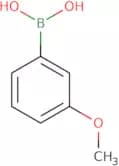
CAS:<p>3-Methoxyphenylboronic acid is a photophysical molecule that can be used as an analytical reagent in plant physiology and analytical chemistry. 3-Methoxyphenylboronic acid reacts reversibly with copper ions to form a complex. The binding constants of the copper complex depend on the pH of the solution, which can be altered by adding a phosphate derivative to the solution. This reaction was investigated using cross-coupling techniques and showed that the binding constants for this complex are dependent on the type of solvent used. 3-Methoxyphenylboronic acid has also been used to measure glucose levels in blood samples.</p>Formula:C7H9BO3Purity:Min. 95%Color and Shape:White PowderMolecular weight:151.96 g/molH-Lys-Tyr-OH acetate salt
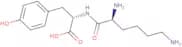
CAS:<p>H-Lys-Tyr-OH acetate salt (HAT) is a synthetic nonsteroidal anti-inflammatory drug that has been used in the treatment of inflammatory diseases and cancer. HAT is an optical isomer of the naturally occurring amino acid L-lysine. It has been shown to have antioxidative properties and to be active against HIV infection and inflammatory diseases, including diabetes. HAT also has a molecular structure that makes it a potential therapeutic agent for cancer, as well as for women with osteoporosis and other chronic inflammatory conditions.</p>Formula:C15H23N3O4Purity:Min. 95%Molecular weight:309.36 g/molSPARC (119-122) (mouse) acetate salt
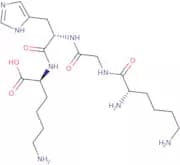
CAS:<p>SPARC (119-122) (mouse) is an acetate salt of H-Lys-Gly-His-Lys-OH. SPARC (119-122) has been shown to be a mimetic of the c-terminal region of the protein SPARC and can bind to many metal ions including Zn2+, Mn2+, Cu2+, Co2+, Ni2+ and Mg2+. The binding affinity for these metals is dose dependent, with saturation occurring at high concentrations. This property may make this compound a therapeutic target for drug discovery strategies.</p>Formula:C20H36N8O5Purity:Min. 95%Molecular weight:468.55 g/molAc-Lys-Gln-Leu-Arg-AFC trifluoroacetate salt
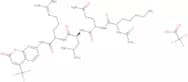
CAS:<p>Please enquire for more information about Ac-Lys-Gln-Leu-Arg-AFC trifluoroacetate salt including the price, delivery time and more detailed product information at the technical inquiry form on this page</p>Formula:C35H51F3N10O8Purity:Min. 95%Molecular weight:796.84 g/molH-Gly-Arg-Gly-Asp-Ser-Pro-Cys-OH trifluoroacetate salt
CAS:<p>H-Gly-Arg-Gly-Asp-Ser-Pro-Cys-OH trifluoroacetate salt is a peptide that has been shown to inhibit the growth of tumor cells. It has also been shown to have biological properties in a number of experimental models, including in vitro and in vivo studies. H-Gly-Arg-Gly-Asp-Ser-Pro-Cys-OH trifluoroacetate salt inhibits muscle cell proliferation by binding to the extracellular matrix protein collagen type I. This inhibition leads to reduced tissue formation and body growth. This peptide also inhibits the proliferation of cancer cells by blocking the production of growth factor beta 1 (GFβ1).</p>Formula:C25H42N10O11SPurity:Min. 95%Molecular weight:690.73 g/mol[4-(1-Cyano-1-methylethyl)phenyl]boronic acid
CAS:<p>Please enquire for more information about [4-(1-Cyano-1-methylethyl)phenyl]boronic acid including the price, delivery time and more detailed product information at the technical inquiry form on this page</p>Formula:C10H12BNO2Purity:Min. 95%Molecular weight:189.02 g/molEnterostatin (human, mouse, rat) acetate salt
CAS:<p>Enterostatin is a peptide hormone that inhibits the release of insulin, gastric acid and pancreatic juices. Enterostatin has been shown to have a number of biological properties, including an anti-obesity effect in humans. In mice, enterostatin has been shown to decrease food intake, increase energy expenditure and weight loss. Enterostatin also decreases the levels of serum cholesterol and triglycerides in rats. This drug has a number of pharmacological activities including inhibition of platelet aggregation and vasodilation. Enterostatin is related to peptide hormones such as ghrelin, which stimulates appetite, and cholecystokinin (CCK), which reduces appetite. It may be used as an alternative treatment for obesity or metabolic disorders like diabetes mellitus type 2 or hyperlipidaemia.</p>Formula:C21H36N8O6Purity:Min. 95%Molecular weight:496.56 g/molCytochrome C (88-104) (domestic pigeon) trifluoroacetate salt
CAS:<p>Please enquire for more information about Cytochrome C (88-104) (domestic pigeon) trifluoroacetate salt including the price, delivery time and more detailed product information at the technical inquiry form on this page</p>Formula:C84H144N24O25Purity:Min. 95%Molecular weight:1,890.19 g/mol3,3'-Dithiodipropionic acid dimethyl ester
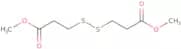
CAS:<p>3,3'-Dithiodipropionic acid dimethyl ester is a reactive chemical that can be used as a cross-linking agent. When reacted with an amine group in a protein, the amine is converted to an amide bond and the amino acid becomes covalently attached to the protein. 3,3'-Dithiodipropionic acid dimethyl ester reacts with chloride ions or hydrochloric acid to form a disulfide bond between two proteins. This product is also used as a polymerization initiator for polymers and can be used in the synthesis of hyaluronic acid. 3,3'-Dithiodipropionic acid dimethyl ester has been shown to react with sodium citrate and osmosis to produce sodium hydroxide solution.</p>Formula:C8H14O4S2Purity:Min. 97%Color and Shape:Colorless Clear LiquidMolecular weight:238.33 g/mol(Sar 1,Val5,Ala8)-Angiotensin II trifluoroacetate salt
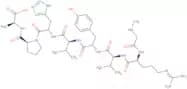
CAS:<p>Angiotensin II is a peptide hormone that is also known as angiotensin II trifluoroacetate salt. It has been shown to have cardioprotective effects in vivo and in vitro models. Angiotensin II has been shown to induce follicular growth, inhibit atherosclerotic lesion formation, and improve cardiac function. Angiotensin II can be used to treat patients with congestive heart failure or cardiovascular disease due to its ability to increase blood pressure and the rate of cardiac contractions. The drug also reduces systolic pressure by acting on receptors in the kidneys and vasculature, which are involved in the renin-angiotensin system.</p>Formula:C42H65N13O10•C2HF3O2Purity:Min. 95%Color and Shape:PowderMolecular weight:1,026.07 g/mol2-Mercaptonicotinic acid
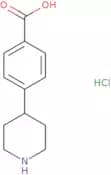
CAS:<p>2-Mercaptonicotinic acid (2MNA) is an inhibitor of the P-glycoprotein, which is a multidrug resistance-associated protein. It prevents the transport of drugs and other molecules across the cell membrane. 2MNA has been shown to inhibit cancer cells in cervical cancer studies, and has been proven to reduce the toxicity of chemotherapy drugs in rats. 2MNA binds to p-glycoprotein and inhibits its function by forming a disulfide bond with cysteine residues on the transporter. 2MNA also has toxic effects on human serum and may be hazardous for use as a therapeutic agent.</p>Formula:C6H5NO2SPurity:Min. 95%Molecular weight:155.18 g/mol4-(Piperidin-4-yl)benzoic acid hydrochloride
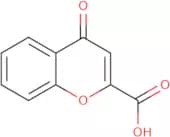
CAS:<p>Please enquire for more information about 4-(Piperidin-4-yl)benzoic acid hydrochloride including the price, delivery time and more detailed product information at the technical inquiry form on this page</p>Formula:C12H16ClNO2Purity:Min. 95%Molecular weight:241.71 g/molChromone-2-carboxylic acid
CAS:<p>Chromone-2-carboxylic acid is a hydrochloric acid analog that is a prodrug for the formation of the active metabolite chromone-2,4-dihydroxybenzoic acid. Chromone-2-carboxylic acid has been shown to have anti-inflammatory properties in vitro and in vivo. It has also been shown to inhibit leukotriene synthesis by blocking the binding of LTC4 to its receptor.</p>Formula:C10H6O4Purity:Min. 95%Molecular weight:190.15 g/mol2-Chloro-3,4-dihydroxybenzoic acid
CAS:<p>Cefepime is a broad-spectrum antibiotic that is used to treat bacterial infections. It inhibits cell wall synthesis by binding to the penicillin-binding proteins and interfering with the cross-linking of peptidoglycan. Cefepime has been shown to be active against gram-negative pathogens such as Aeruginosa, Stenotrophomonas maltophilia, and P. aeruginosa. Cefepime also inhibits the growth of gram-positive bacteria such as Staphylococcus aureus, Enterococcus faecalis, and Streptococcus pneumoniae. The chemical structure of cefepime is similar to that of other beta-lactam antibiotics like methicillin, oxacillin, cloxacillin, ampicillin, and amoxicillin. Cefepime has been shown to be effective in treating resistant gram-negative organisms such as Pseudomonas aeruginosa (P.</p>Formula:C7H5ClO4Purity:Min. 95%Color and Shape:White To Yellow To Light Brown SolidMolecular weight:188.56 g/molNeurokinin A trifluoroacetate salt
CAS:<p>Neurokinin A trifluoroacetate salt H-His-Lys-Thr-Asp-Ser-Phe-Val-Gly-Leu-Met-NH2 trifluoroacetate salt is a potent inducer of the basic protein. It has been shown to have cytotoxic effects on pluripotent cells in vitro. Neurokinin A is also a potent inducer of substance P, which is a neurotransmitter that mediates inflammatory lesions and cardiac effects. Neurokinin A has also been shown to have an effect on locomotor activity and polymerase chain reaction (PCR) amplification in vitro.</p>Formula:C50H80N14O14SPurity:Min. 95%Molecular weight:1,133.32 g/mol3-Benzoyl acrylic acid
CAS:<p>3-Benzoyl acrylic acid is an organic compound that is the product of a chemical reaction between benzaldehyde and acetic anhydride. It contains a carboxylic acid group, an hydroxyl group, a nitro group, and a particle. 3-Benzoyl acrylic acid has been shown to inhibit the growth factor epidermal growth factor (EGF). This inhibition occurs by binding to the receptor for EGF on the cell membrane and blocking its activation. 3-Benzoyl acrylic acid also inhibits fatty acid synthesis and mitochondrial membrane potential, which may be due to its ability to form ester hydrochloride.</p>Formula:C10H8O3Purity:Min. 95%Color and Shape:PowderMolecular weight:176.17 g/molH-Gly-Phe-NH2 acetate salt
CAS:<p>Please enquire for more information about H-Gly-Phe-NH2 acetate salt including the price, delivery time and more detailed product information at the technical inquiry form on this page</p>Formula:C11H15N3O2·C2H4O2Purity:Min. 95%Molecular weight:281.31 g/mol(Pro34)-Neuropeptide Y (porcine) trifluoroacetate salt
CAS:<p>Please enquire for more information about (Pro34)-Neuropeptide Y (porcine) trifluoroacetate salt including the price, delivery time and more detailed product information at the technical inquiry form on this page</p>Formula:C190H286N54O56Purity:Min. 95%Molecular weight:4,222.63 g/molAcetyl-ACTH (2-24) (human, bovine, rat) trifluoroacetate salt
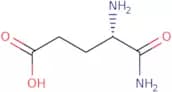
CAS:<p>Please enquire for more information about Acetyl-ACTH (2-24) (human, bovine, rat) trifluoroacetate salt including the price, delivery time and more detailed product information at the technical inquiry form on this page</p>Formula:C135H207N39O30SPurity:Min. 95%Molecular weight:2,888.4 g/molL-Glutamic acid α-amide
CAS:<p>L-Glutamic acid alpha-amide is an ester hydrochloride that is a tissue culture amide. It is a cyclic peptide analog and a hydroxyl group. L-glutamic acid alpha-amide has been shown to inhibit the inflammatory response in the bowel disease, Crohn's disease, by blocking the toll-like receptor 4 and 5. This drug also inhibits protein synthesis, which may be due to its ability to bind to fatty acids, thereby inhibiting the production of proteins vital for cell division.</p>Formula:C5H10N2O3Purity:Min. 95%Color and Shape:White PowderMolecular weight:146.14 g/molDABCYL-Glu-Arg-Nle-Phe-Leu-Ser-Phe-Pro-EDANS trifluoroacetate salt
CAS:<p>Please enquire for more information about DABCYL-Glu-Arg-Nle-Phe-Leu-Ser-Phe-Pro-EDANS trifluoroacetate salt including the price, delivery time and more detailed product information at the technical inquiry form on this page</p>Formula:C76H98N16O15SPurity:Min. 95%Molecular weight:1,507.76 g/mol(Asp371)-Tyrosinase (369-377) (human) trifluoroacetate salt
CAS:<p>Trifluoroacetate salt</p>Formula:C42H66N10O16S2Purity:Min. 95%Molecular weight:1,031.16 g/mol(7-Diethylaminocoumarin-3-yl)carbonyl-Amyloid b-Protein (1-40) trifluoroacetate salt
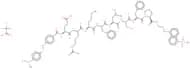
CAS:<p>Please enquire for more information about (7-Diethylaminocoumarin-3-yl)carbonyl-Amyloid b-Protein (1-40) trifluoroacetate salt including the price, delivery time and more detailed product information at the technical inquiry form on this page</p>Formula:C208H308N54O61SPurity:Min. 95%Molecular weight:4,573.06 g/mol1H-Pyrrole-2,5-dicarboxylic acid
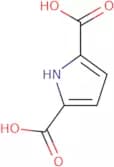
CAS:<p>1H-Pyrrole-2,5-dicarboxylic acid is a biosynthetic precursor of the amide functional group. It is synthesized from the carboxylic acid functional group and ferrocene. It has been shown to be a putative precursor of pyrrole-2-carboxylic acid in the pyrrole system. 1H-Pyrrole-2,5-dicarboxylic acid reacts with carbon tetrachloride and diethyl iminodiacetate in refluxing chloroform to produce coelicolor. The reaction mechanism for this transformation is unknown, but it is hypothesized that it involves a radical mechanism.</p>Formula:C6H5NO4Purity:Min. 95%Molecular weight:155.11 g/mol(Gly14)-Humanin (human) trifluoroacetate salt
CAS:<p>Please enquire for more information about (Gly14)-Humanin (human) trifluoroacetate salt including the price, delivery time and more detailed product information at the technical inquiry form on this page</p>Formula:C118H202N34O31S2Purity:Min. 95%Molecular weight:2,657.21 g/molFmoc-L-glutamic acid γ-methyl ester
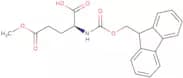
CAS:<p>Please enquire for more information about Fmoc-L-glutamic acid gamma-methyl ester including the price, delivery time and more detailed product information at the technical inquiry form on this page</p>Formula:C21H21NO6Purity:Min. 95%Molecular weight:383.39 g/molLuteinizing Hormone-Releasing Hormone Antagonist trifluoroacetate salt
CAS:<p>Luteinizing Hormone-Releasing Hormone Antagonist trifluoroacetate salt is a potent antagonist of the luteinizing hormone-releasing hormone (LHRH) receptor. It is used specifically to treat platinum-resistant ovarian cancer, where it has been shown to be effective in reducing tumor size and volume. This drug has minimal toxicity and can be administered by injection or as a microcapsule. LHRH Antagonist trifluoroacetate salt is an analog of LHRH that has been modified so that it cannot cross the blood-brain barrier. It also binds to epidermal growth factor receptors, which are involved in cell proliferation, differentiation, and survival. Symptoms of overdose may include nausea, vomiting, headache, dizziness, seizures, and coma.</p>Formula:C48H59ClN12O8Purity:Min. 95%Molecular weight:967.51 g/mol2-Fluoro-6-methylbenzoic acid
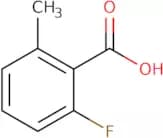
CAS:<p>Please enquire for more information about 2-Fluoro-6-methylbenzoic acid including the price, delivery time and more detailed product information at the technical inquiry form on this page</p>Formula:C8H7FO2Purity:Min. 98 Area-%Color and Shape:White PowderMolecular weight:154.14 g/mol(D-Trp6)-LHRH acetate salt
CAS:<p>Please enquire for more information about (D-Trp6)-LHRH acetate salt including the price, delivery time and more detailed product information at the technical inquiry form on this page</p>Formula:C64H82N18O13·xC2H4O2Purity:Min. 95%Molecular weight:1,311.45 g/molAmyloid Bri Protein (1-34) trifluoroacetate salt
CAS:<p>Please enquire for more information about Amyloid Bri Protein (1-34) trifluoroacetate salt including the price, delivery time and more detailed product information at the technical inquiry form on this page</p>Formula:C173H273N49O52S2Purity:Min. 95%Molecular weight:3,935.45 g/mol3-Maleimidophenyl boronic acid
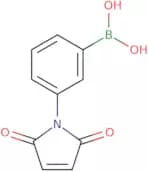
CAS:<p>Please enquire for more information about 3-Maleimidophenyl boronic acid including the price, delivery time and more detailed product information at the technical inquiry form on this page</p>Formula:C10H8NO4BPurity:Min. 95%Molecular weight:216.99 g/mol(Nle 8·18,Tyr34)-pTH (1-34) amide (bovine) trifluoroacetate salt
CAS:<p>Please enquire for more information about (Nle 8·18,Tyr34)-pTH (1-34) amide (bovine) trifluoroacetate salt including the price, delivery time and more detailed product information at the technical inquiry form on this page</p>Formula:C185H293N55O50Purity:Min. 95%Molecular weight:4,087.65 g/mol(Tyr34)-pTH (7-34) amide (bovine) trifluoroacetate salt
CAS:<p>Please enquire for more information about (Tyr34)-pTH (7-34) amide (bovine) trifluoroacetate salt including the price, delivery time and more detailed product information at the technical inquiry form on this page</p>Formula:C156H244N48O40S2Purity:Min. 95%Molecular weight:3,496.04 g/molLeptin (116-130) amide (mouse) trifluoroacetate salt
CAS:<p>Amide; Trifluoroacetate salt</p>Formula:C64H109N19O24SPurity:Min. 95%Molecular weight:1,560.73 g/mol(Phe7)-Dynorphin A (1-7) acetate salt
CAS:<p>Dynorphin A (1-7) acetate salt is a potent analgesic that has been used to treat pain. It has been shown to be effective in the treatment of laryngitis and other laryngological disorders. Dynorphin A (1-7) acetate salt is a prodrug that is hydrolyzed in vivo to dynorphin A (1-7) by esterases, which can then bind to opioid receptors. This drug has been validated for use as a diagnostic agent in coatings and in algorithms for analysis of polygonal images from laryngoscopy. The dehydrogenase enzymes are added to the coating or algorithm for diagnosis of the presence of vocal cord pathology. Dynorphin A (1-7) acetate salt also shows promising results for analyzing waveforms from laryngoscopy, with the goal of classifying vocal cord pathology.</p>Formula:C43H58N10O9Purity:Min. 95%Molecular weight:858.98 g/mol5,7-Dimethyl-[1,2,4]triazolo[1,5-a]pyrimidine-2-carboxylic acid
CAS:<p>Please enquire for more information about 5,7-Dimethyl-[1,2,4]triazolo[1,5-a]pyrimidine-2-carboxylic acid including the price, delivery time and more detailed product information at the technical inquiry form on this page</p>Formula:C8H8N4O2Purity:Min. 95%Molecular weight:192.17 g/mol(DL-Isoser 1)-TRAP-6 trifluoroacetate salt
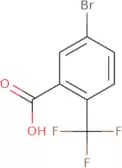
CAS:<p>Please enquire for more information about (DL-Isoser 1)-TRAP-6 trifluoroacetate salt including the price, delivery time and more detailed product information at the technical inquiry form on this page</p>Formula:C34H56N10O9Purity:Min. 95%Molecular weight:748.87 g/mol5-bromo-2-(trifluoromethyl)benzoic Acid
CAS:<p>Please enquire for more information about 5-bromo-2-(trifluoromethyl)benzoic Acid including the price, delivery time and more detailed product information at the technical inquiry form on this page</p>Formula:C8H4BrF3O2Purity:Min. 95%Molecular weight:269.02 g/molDehydroacetic acid sodium salt
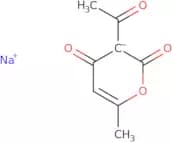
CAS:<p>Dehydroacetic acid sodium salt is a chemical compound with the formula CH3COOCH2NaO2. It is an ionic liquid that can be used as a preservative or stabilizer in foods and other products. Dehydroacetic acid sodium salt has been shown to inhibit the growth of bacteria and fungi in biological studies. The analytical method for dehydroacetic acid sodium salt is based on x-ray diffraction data, which is used to identify its purity and concentration. The reaction solution includes dehydroacetic acid, water vapor, sodium salts, phosphorus pentoxide, and control analysis.</p>Formula:C8H7O4NaPurity:Min. 95%Color and Shape:PowderMolecular weight:190.13 g/molAxltide trifluoroacetate salt
CAS:<p>Please enquire for more information about Axltide trifluoroacetate salt including the price, delivery time and more detailed product information at the technical inquiry form on this page</p>Formula:C63H107N19O20S2Purity:Min. 95%Molecular weight:1,514.77 g/molAmyloid β/A4 Protein Precursor770 (394-410) trifluoroacetate salt
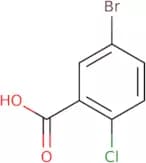
CAS:<p>Please enquire for more information about Amyloid beta/A4 Protein Precursor770 (394-410) trifluoroacetate salt including the price, delivery time and more detailed product information at the technical inquiry form on this page</p>Formula:C86H151N31O26S2Purity:Min. 95%Molecular weight:2,099.44 g/mol5-Bromo-2-chlorobenzoic acid
CAS:<p>Intermediate in the synthesis of dapagliflozin</p>Formula:C7H4BrClO2Purity:Min. 95%Color and Shape:PowderMolecular weight:235.46 g/mol4-Hydroxy-1,3-benzenedisulfonic acid
CAS:<p>4-Hydroxy-1,3-benzenedisulfonic acid (4HBDS) is a reactive molecule that is used as a model system for the study of chain reactions. 4HBDS does not undergo hydrolysis or oxidation and is stable in water. It can be prepared by the reaction of nitrate with acetate extract and has been shown to react with diazonium salts to form an analytical method for nitrite ion. 4HBDS reacts with hydrochloric acid to generate proton and significant interactions are observed at pH values between 1 and 3.</p>Purity:Min. 95%Osteostatin (1-5) (human, bovine, dog, horse, mouse, rabbit, rat) trifluoroacetate salt
CAS:<p>Please enquire for more information about Osteostatin (1-5) (human, bovine, dog, horse, mouse, rabbit, rat) trifluoroacetate salt including the price, delivery time and more detailed product information at the technical inquiry form on this page</p>Formula:C27H41N9O8Purity:Min. 95%Molecular weight:619.67 g/mol(2-Methylindol-1-yl)acetic acid·DCHA
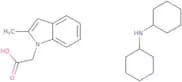
CAS:Controlled Product<p>Please enquire for more information about (2-Methylindol-1-yl)acetic acid·DCHA including the price, delivery time and more detailed product information at the technical inquiry form on this page</p>Formula:C11H11NO2·C12H23NPurity:Min. 95%Molecular weight:370.53 g/molPACAP-27 (human, mouse, ovine, porcine, rat) trifluoroacetate salt
CAS:<p>Trifluoroacetate salt</p>Formula:C142H224N40O39SPurity:Min. 95%Molecular weight:3,147.61 g/molOM99-2trifluoroacetate salt
CAS:<p>Please enquire for more information about OM99-2trifluoroacetate salt including the price, delivery time and more detailed product information at the technical inquiry form on this page</p>Formula:C41H64N8O14Purity:Min. 95%Molecular weight:892.99 g/molLysozyme C (46-61) (chicken) trifluoroacetate salt
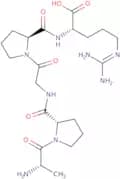
CAS:<p>Lysozyme C (46-61) (chicken) trifluoroacetate salt is a conjugated synthetic peptide that binds to the antigen. It is a reactive molecule with solubilized properties that has been shown to bind to the peptide in binding experiments. This synthetic peptide has been found to be efficacious in transfected murine bone cells and antigen-presenting cells. The binding of Lysozyme C (46-61) (chicken) trifluoroacetate salt to phospholipid membranes may be due to its reactivity with the membrane's hydrophobic surface.</p>Formula:C72H116N22O29Purity:Min. 95%Molecular weight:1,753.82 g/molPAR-2 (1-6) amide (human) trifluoroacetate salt
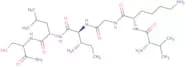
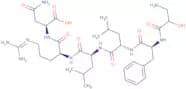
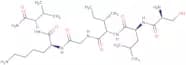
CAS:<p>PAR-2 (1-6) amide (human) trifluoroacetate salt H-Ser-Leu-Ile-Gly-Lys-Val-NH2 trifluoroacetate salt is a protease inhibitor that inhibits the activity of PAR2, a protein receptor. PAR2 is implicated in cancer and inflammation. It has been shown to inhibit growth factor signaling, as well as activate toll-like receptor 4 and other inflammatory pathways. PAR2 inhibition has also been studied in vivo and found to be effective in treating wild type mice with melanoma cells. In vitro studies have shown that PAR2 inhibition by PAR 2 (1-6) amide (human) trifluoroacetate salt H-Ser-Leu-Ile-Gly-Lys-Val NH2 trifluoroacetate salt blocks the production of tumour necrosis factor alpha and interleukin 6.</p>Formula:C28H54N8O7Purity:Min. 95%Molecular weight:614.78 g/mol2-[(5-Chloropyridin-2-yl)amino]-2-oxoacetic acid ethyl ester monohydrochloride
CAS:<p>Intermediate in the synthesis of edoxaban</p>Formula:C9H9ClN2O3·HClPurity:Min. 95%Molecular weight:265.09 g/molHIV-1 gag Protein p24 (65-73) (isolates MAL/U455) trifluoroacetate salt
CAS:<p>Please enquire for more information about HIV-1 gag Protein p24 (65-73) (isolates MAL/U455) trifluoroacetate salt including the price, delivery time and more detailed product information at the technical inquiry form on this page</p>Formula:C44H79N11O14S2Purity:Min. 95%Molecular weight:1,050.3 g/mol3-Bromophenyl boronic acid
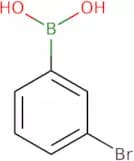
CAS:<p>3-Bromophenyl boronic acid is a group P2 molecule with functional groups of vibrational and cross-coupling. It has been shown to inhibit the activity of aryl boronic acids, which are commonly used in analytical methods. 3-Bromophenyl boronic acid is also capable of inhibiting the production of alizarin, which is a dye that is used for staining biological tissue. The molecular modeling study revealed that this molecule has an atomic orbital with electron density distribution around the central carbon atom. This distribution indicates that it is more stable than other molecules with similar structures.</p>Formula:C6H6BBrO2Purity:Min. 95%Color and Shape:PowderMolecular weight:200.83 g/mol1-Pyridin-2-ylmethylpiperidine-4-carboxylic acid
CAS:<p>Please enquire for more information about 1-Pyridin-2-ylmethylpiperidine-4-carboxylic acid including the price, delivery time and more detailed product information at the technical inquiry form on this page</p>Formula:C12H16N2O2Purity:Min. 95%Molecular weight:220.27 g/mol(Des-Ser3)-ACTH (1-24) (human, bovine, rat) trifluoroacetate salt
<p>Please enquire for more information about (Des-Ser3)-ACTH (1-24) (human, bovine, rat) trifluoroacetate salt including the price, delivery time and more detailed product information at the technical inquiry form on this page</p>Formula:C133H205N39O29SPurity:Min. 95%Molecular weight:2,846.36 g/molMethyl-N,N-diethyldithiocarbamate
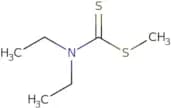
CAS:<p>Methyl-N,N-diethyldithiocarbamate is a copper complex that reacts with nitrogen atoms to form a stable chemical species. It has been shown to have cancer-fighting properties and is used in the treatment of liver cancer. Methyl-N,N-diethyldithiocarbamate also acts as an anti-inflammatory agent. The mechanism of action of methyl-N,N-diethyldithiocarbamate is not fully understood, but it has been suggested that this compound binds to p450 enzymes and inhibits their activity. This drug may also inhibit the production of carbon disulphide (CS2) by the liver microsomes and the elimination rate of methyl-N,N-diethyldithiocarbamate from rat livers.</p>Formula:C6H13NS2Purity:Min. 95%Color and Shape:Colorless PowderMolecular weight:163.31 g/mol3-Phenyl-1-adamantane carboxylic acid
CAS:<p>3-Phenyl-1-adamantane carboxylic acid is a thioester that can be used in the synthesis of anti-fungal and antiviral agents. 3-Phenyl-1-adamantane carboxylic acid has been shown to have anti-viral activity against herpes simplex virus type 1 (HSV-1) and type 2 (HSV-2). It also has anthelmintic properties, which may be due to its ability to inhibit the growth of parasitic worms. 3PCA can also be used in the synthesis of cyclic anthelmintics, which are drugs that treat worm infestations.</p>Formula:C17H20O2Purity:Min. 95%Color and Shape:White Off-White PowderMolecular weight:256.34 g/molPAR-4 (1-6) (mouse) trifluoroacetate salt
CAS:<p>Please enquire for more information about PAR-4 (1-6) (mouse) trifluoroacetate salt including the price, delivery time and more detailed product information at the technical inquiry form on this page</p>Formula:C33H45N7O8Purity:Min. 95%Molecular weight:667.75 g/mol2,4-Dinitrophenylacetic acid
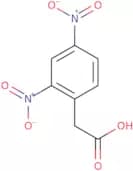
CAS:<p>2,4-Dinitrophenylacetic acid is a chemical substance with the potential to inhibit acetylation. It can be used as an antigen and has been detected in environmental chemistry. 2,4-Dinitrophenylacetic acid is produced by the reaction of chemicals that are found in the environment and it can be detected at low concentrations. This compound is able to react with proteins in cells, leading to high cytotoxicity. 2,4-Dinitrophenylacetic acid can also stabilize optical systems.</p>Formula:C8H6N2O6Purity:Min. 95%Color and Shape:PowderMolecular weight:226.14 g/molLeu-Enkephalin amide acetate salt
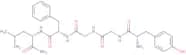
CAS:<p>Leu-Enkephalin amide acetate salt H-Tyr-Gly-Gly-Phe-Leu-NH2 acetate salt is a peptide that is used as an analgesic and antipyretic drug. It is a synthetic form of endogenous enkephalins, which are natural pain relievers. The chemical stability of Leu-Enkephalin amide acetate salt H-Tyr-Gly-Gly-Phe-Leu-NH2 acetate salt makes it an effective drug for chronic use, and it has been shown to have a low side effect profile. This compound also has been shown to block the synthesis of histamine in vivo, but its bioavailability in vivo is not high due to its rapid degradation by proteases.</p>Formula:C28H38N6O6Purity:Min. 95%Color and Shape:PowderMolecular weight:554.64 g/mol(Leu31,Pro34)-Peptide YY (human) trifluoroacetate salt
CAS:<p>Please enquire for more information about (Leu31,Pro34)-Peptide YY (human) trifluoroacetate salt including the price, delivery time and more detailed product information at the technical inquiry form on this page</p>Formula:C195H296N54O56Purity:Min. 95%Molecular weight:4,292.77 g/molUroguanylin Topoisomer A (human) trifluoroacetate salt
CAS:<p>Trifluoroacetate salt</p>Formula:C64H102N18O26S4Purity:Min. 95%Molecular weight:1,667.86 g/mol3,4,5-Trimethoxybenzoic acid anhydride
CAS:<p>3,4,5-Trimethoxybenzoic acid anhydride is a synthetic chemical compound that is used as a pharmaceutical intermediate. It is mainly used to prepare potent anticancer agents and potent anticancer drugs. 3,4,5-Trimethoxybenzoic acid anhydride reacts with amines in the presence of a base to form substituted amides. This reaction has been shown by crystal x-ray diffraction to be sensitive to the solvent polarity and temperature of the reaction medium. The compound can also react with chloride ion to form 3,4,5-trichlorobenzoic acid anhydride (3TCBA).</p>Formula:C20H22O9Purity:(%) Min. 85%Color and Shape:PowderMolecular weight:406.38 g/molH-His-Leu-His-bNA acetate salt
CAS:<p>Please enquire for more information about H-His-Leu-His-bNA acetate salt including the price, delivery time and more detailed product information at the technical inquiry form on this page</p>Formula:C28H34N8O3Purity:Min. 95%Molecular weight:530.62 g/mol(D-Lys6)-LHRH (free acid) acetate salt
CAS:Controlled Product<p>Please enquire for more information about (D-Lys6)-LHRH (free acid) acetate salt including the price, delivery time and more detailed product information at the technical inquiry form on this page</p>Formula:C59H83N17O14Purity:Min. 95%Molecular weight:1,254.4 g/molAngiotensin (1-12) (human) trifluoroacetate salt
CAS:<p>Please enquire for more information about Angiotensin (1-12) (human) trifluoroacetate salt including the price, delivery time and more detailed product information at the technical inquiry form on this page</p>Formula:C73H109N19O16Purity:Min. 95%Molecular weight:1,508.77 g/mol4-Difluoromethoxyphenylboronic acid pinacol ester
CAS:<p>Please enquire for more information about 4-Difluoromethoxyphenylboronic acid pinacol ester including the price, delivery time and more detailed product information at the technical inquiry form on this page</p>Formula:C13H17BF2O3Purity:Min. 95%Molecular weight:270.08 g/mol(Dab 9)-Neurotensin (8-13) trifluoroacetate salt
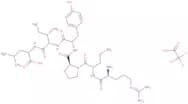
CAS:<p>Please enquire for more information about (Dab 9)-Neurotensin (8-13) trifluoroacetate salt including the price, delivery time and more detailed product information at the technical inquiry form on this page</p>Formula:C36H60N10O8Purity:Min. 95%Molecular weight:760.92 g/molH-Arg-Phe-OH acetate salt
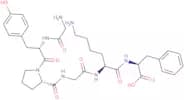
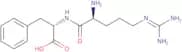
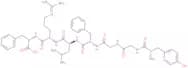
CAS:<p>H-Arg-Phe-OH Acetate Salt is a peptide that has the amino acids H, Arg, Phe and OH. It is a stable complex with amines and is effective in reducing blood pressure. The binding constants are high, which means that it can be used as an antihypertensive agent. A study on the haemodynamic effects of H-Arg-Phe-OH Acetate Salt showed that it could inhibit the release of noradrenaline levels in the body. The reaction mechanism for H-Arg-Phe-OH Acetate Salt is functional groups plus fatty acids; kidney bean is one of its sources.</p>Formula:C15H23N5O3Purity:Min. 95%Molecular weight:321.38 g/mol









![[4-(1-Cyano-1-methylethyl)phenyl]boronic acid](/_next/image/?url=https%3A%2Fstatic.cymitquimica.com%2Fproducts%2F3D%2Fthumb-webp%2FFC121870.webp&w=3840&q=75)







![5,7-Dimethyl-[1,2,4]triazolo[1,5-a]pyrimidine-2-carboxylic acid](/_next/image/?url=https%3A%2Fstatic.cymitquimica.com%2Fproducts%2F3D%2Fthumb-webp%2FFD12883.webp&w=3840&q=75)



![2-[(5-Chloropyridin-2-yl)amino]-2-oxoacetic acid ethyl ester monohydrochloride](/_next/image/?url=https%3A%2Fstatic.cymitquimica.com%2Fproducts%2F3D%2Fthumb-webp%2FFC63138.webp&w=3840&q=75)