Carboxylic Acids
Carboxylic acids are organic molecules characterized by having a carboxyl-type functional group (-COOH). These acids are fundamental in various chemical reactions, including esterification, amidation, and decarboxylation. Carboxylic acids are widely used in the production of pharmaceuticals, polymers, and agrochemicals. In this section, you can find a large number of carboxylic acids ready to be used. At CymitQuimica, we provide a broad range of high-quality carboxylic acids to support your research and industrial applications.
Found 12453 products of "Carboxylic Acids"
Sort by
Purity (%)
0
100
|
0
|
50
|
90
|
95
|
100
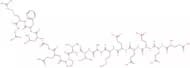
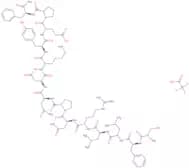
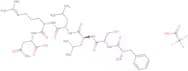
Fibronectin CS-1 Fragment (1978-1985) trifluoroacetate salt
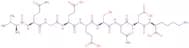
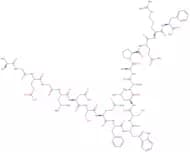
CAS:<p>Fibronectin CS-1 Fragment (1978-1985) trifluoroacetate salt H-Glu-Ile-Leu-Asp-Val-Pro-Ser-Thr-OH trifluoroacetate salt is a peptidomimetic with peroxidase activity. It has the ability to bind to red blood cells and monoclonal antibodies, which are used in spatially specific immunoassays. Fibronectin CS-1 Fragment (1978-1985) trifluoroacetate salt H-Glu-Ile-Leu-Asp-Val-Pro-Ser-Thr-OH trifluoroacetate salt also has an effect on hyperresponsiveness and can be used as a costimulatory antigen for cancer immunotherapy.</p>Formula:C38H64N8O15Purity:Min. 95%Molecular weight:872.96 g/molAbz-Ala-Phe-Ala-Phe-Asp-Val-Phe-3-nitro-Tyr-Asp-OH trifluoroacetate salt
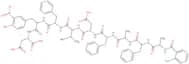
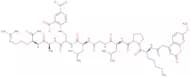
CAS:<p>Please enquire for more information about Abz-Ala-Phe-Ala-Phe-Asp-Val-Phe-3-nitro-Tyr-Asp-OH trifluoroacetate salt including the price, delivery time and more detailed product information at the technical inquiry form on this page</p>Formula:C62H71N11O18Purity:Min. 95%Molecular weight:1,258.29 g/molNeuromedin U-25 (porcine) trifluoroacetate salt
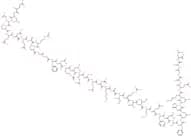
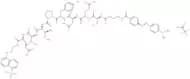
CAS:<p>Please enquire for more information about Neuromedin U-25 (porcine) trifluoroacetate salt including the price, delivery time and more detailed product information at the technical inquiry form on this page</p>Formula:C144H217N43O37Purity:Min. 95%Molecular weight:3,142.53 g/molH-Lys-Cys-Thr-Cys-Cys-Ala-OH trifluoroacetate salt
CAS:<p>H-Lys-Cys-Thr-Cys-Cys-Ala-OH trifluoroacetate salt (KCTA) is a peptide that belongs to the group of thioneins and is characterized by a high content of lysine, cysteine and histidine residues. This peptide has been shown to be effective in treating subcutaneous tumors in mice. KCTA binds to metallothionein and gamma amino butyric acid (GABA), which are proteins that regulate energy metabolism in cells. KCTA has also been shown to have antimicrobial effects against human serum, which may be due to its ability to bind with thionein.</p>Formula:C22H41N7O8S3Purity:Min. 95%Molecular weight:627.8 g/molGalanin Message Associated Peptide (1-41) amide trifluoroacetate salt
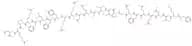
CAS:<p>Please enquire for more information about Galanin Message Associated Peptide (1-41) amide trifluoroacetate salt including the price, delivery time and more detailed product information at the technical inquiry form on this page</p>Formula:C206H326N56O64SPurity:Min. 95%Molecular weight:4,643.2 g/mol(Des-Gly10,D-His2,D-Ser(tBu)6,Pro-NHEt 9)-LHRH acetate salt
<p>Please enquire for more information about (Des-Gly10,D-His2,D-Ser(tBu)6,Pro-NHEt 9)-LHRH acetate salt including the price, delivery time and more detailed product information at the technical inquiry form on this page</p>Formula:C60H86N16O13Purity:Min. 95%Molecular weight:1,239.42 g/mol5,7-Dimethyl-[1,2,4]triazolo[1,5-a]pyrimidine-2-carboxylic acid
CAS:<p>Please enquire for more information about 5,7-Dimethyl-[1,2,4]triazolo[1,5-a]pyrimidine-2-carboxylic acid including the price, delivery time and more detailed product information at the technical inquiry form on this page</p>Formula:C8H8N4O2Purity:Min. 95%Molecular weight:192.17 g/mol(Phe1,Ser2)-TRAP-6 trifluoroacetate salt
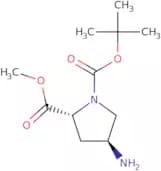
CAS:<p>Please enquire for more information about (Phe1,Ser2)-TRAP-6 trifluoroacetate salt including the price, delivery time and more detailed product information at the technical inquiry form on this page</p>Formula:C34H56N10O9Purity:Min. 95%Molecular weight:748.87 g/mol(2R,4S)-1-tert-Butyl 2-methyl4-aminopyrrolidine-1,2-dicarboxylate
CAS:<p>Please enquire for more information about (2R,4S)-1-tert-Butyl 2-methyl4-aminopyrrolidine-1,2-dicarboxylate including the price, delivery time and more detailed product information at the technical inquiry form on this page</p>Formula:C11H20N2O4Purity:Min. 95%Molecular weight:244.29 g/molAmyloid β-Protein (1-37) trifluoroacetate salt
CAS:<p>Please enquire for more information about Amyloid beta-Protein (1-37) trifluoroacetate salt including the price, delivery time and more detailed product information at the technical inquiry form on this page</p>Formula:C182H274N50O55SPurity:Min. 95%Molecular weight:4,074.49 g/molFmoc-ε-aminocaproic acid-Wang resin (200-400 mesh)
<p>Please enquire for more information about Fmoc-epsilon-aminocaproic acid-Wang resin (200-400 mesh) including the price, delivery time and more detailed product information at the technical inquiry form on this page</p>Purity:Min. 95%Cyclopenten-1-ylboronic acid
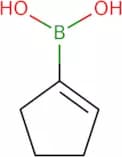
CAS:<p>Cyclopenten-1-ylboronic acid is a chemical compound that is used in the synthesis of pharmaceuticals. It has been shown to be effective against some viruses, including Hepatitis C virus, and also against some infectious diseases such as malaria. Cyclopenten-1-ylboronic acid binds to cannabinoid receptors and may have therapeutic potential for metabolic disorders such as obesity and diabetes. The diastereomer of this chemical compound may be used as an ophthalmic drug because it has been shown to be a potent vasoconstrictor. The ring structure is similar to other drugs that are used for the treatment of Parkinson's disease, Alzheimer's disease, and epilepsy. Cyclopenten-1-ylboronic acid has two enantiomers, which means that they are mirror images of each other. One enantiomer is more potent than the other one and is more likely to bind with cannabinoid receptors and inhibit viral replication.</p>Formula:C5H9BO2Purity:Min. 95%Molecular weight:111.93 g/molH-Tyr-Ile-Gly-Ser-Arg-OH trifluoroacetate salt
CAS:<p>The H-Tyr-Ile-Gly-Ser-Arg-OH trifluoroacetate salt is a synthetic peptide that has been shown to promote neuronal growth and axonal regeneration. This compound has been synthesized using a biocompatible polymer, collagen gel, and neurotrophic factors. The peptide is also able to stimulate the synthesis of collagen in mesenchymal cells cultured in tissue culture. The peptide can be used for treatment of subcutaneous tumors and neural injury.</p>Formula:C26H42N8O8Purity:Min. 95%Molecular weight:594.66 g/molSPARC (119-122) (mouse) acetate salt
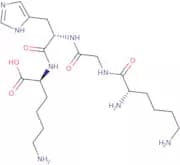
CAS:<p>SPARC (119-122) (mouse) is an acetate salt of H-Lys-Gly-His-Lys-OH. SPARC (119-122) has been shown to be a mimetic of the c-terminal region of the protein SPARC and can bind to many metal ions including Zn2+, Mn2+, Cu2+, Co2+, Ni2+ and Mg2+. The binding affinity for these metals is dose dependent, with saturation occurring at high concentrations. This property may make this compound a therapeutic target for drug discovery strategies.</p>Formula:C20H36N8O5Purity:Min. 95%Molecular weight:468.55 g/mol(1-Methyl-1H-pyrazol-4-yl)boronic acid
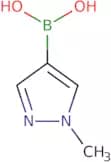
CAS:<p>(1-Methyl-1H-pyrazol-4-yl)boronic acid is a boronic acid that has been used for the synthesis of a number of heterocyclic compounds. Boronic acids are commonly used to synthesize phosphine ligands, which are reactive and can be used in cross-coupling reactions with organic halides, triflates, and tosylates. The efficiency of the reaction depends on the functional group present on the boron atom. (1-Methyl-1H-pyrazol-4-yl)boronic acid can inhibit the activity of many types of enzymes, including those involved in bacterial DNA synthesis and protein synthesis. (1-Methyl-1H-pyrazol-4-yl)boronic acid has been shown to have pharmacokinetic properties that depend on its ionization state.</p>Formula:C4H7BN2O2Purity:Min. 95%Molecular weight:125.92 g/molH-Arg-Phe-OH acetate salt
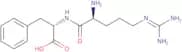
CAS:<p>H-Arg-Phe-OH Acetate Salt is a peptide that has the amino acids H, Arg, Phe and OH. It is a stable complex with amines and is effective in reducing blood pressure. The binding constants are high, which means that it can be used as an antihypertensive agent. A study on the haemodynamic effects of H-Arg-Phe-OH Acetate Salt showed that it could inhibit the release of noradrenaline levels in the body. The reaction mechanism for H-Arg-Phe-OH Acetate Salt is functional groups plus fatty acids; kidney bean is one of its sources.</p>Formula:C15H23N5O3Purity:Min. 95%Molecular weight:321.38 g/mol(Ala1)-PAR-4 (1-6) (mouse) trifluoroacetate salt
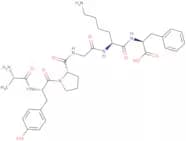
CAS:<p>(Ala1)-PAR-4 (1-6) (mouse) trifluoroacetate salt H-Ala-Tyr-Pro-Gly-Lys-Phe-OH trifluoroacetate salt is a potent inhibitor of protein kinase C, and has been shown to inhibit the growth of prostate cancer cells. It also inhibits phosphorylation of epidermal growth factor receptors, which leads to lower levels of epidermal growth factor in the cell. This drug also has antiplatelet effects and may be used as an antiplatelet agent for patients with vascular disease or diabetes.</p>Formula:C34H47N7O8Purity:Min. 95%Molecular weight:681.78 g/mol4-Pyridinylboronic acid
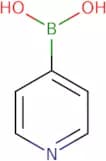
CAS:<p>4-Pyridinylboronic acid is a boron compound that contains two nitrogen atoms. It is an important reagent in organic synthesis and crystallography. 4-Pyridinylboronic acid has been shown to have biological properties, such as hydrogen bonding interactions. It is also used in the suzuki coupling reaction and the photochemical properties of the reaction solution are dependent on its coordination geometry. 4-pyridinylboronic acid has a high pH value, so it must be prepared in anhydrous sodium carbonate before use. The hydrogen bond between 4-pyridinylboronic acid and an azide is shown below: Nnowiki>/nowiki>Hnowiki>/nowiki>nowiki>/nowiki>Nnowiki>/nowiki>nowiki>/nowiki>H</p>Formula:C5H6BNO2Color and Shape:PowderMolecular weight:122.92 g/molGRF (1-29) amide (human) acetate salt
CAS:<p>Growth hormone-releasing factor (GRF) is a peptide fragment of amino acids 1–2 from GHRH (growth hormone-releasing hormone). This 1-29 region is the shortest fully functional fragment of GHRH. GRF is also known as sermorelin. Sermorelin binds to the growth hormone-releasing hormone receptor (GHRH-R), and acts as a surrogate for GHRH, causing growth hormone secretion.human: H-YADAIFTNSYRKVLGQLSARKLLQDIMSR-NH2rat: H-HADAIFTSSYRR I LGQLYARKLLHEIMNR-NH2</p>Formula:C149H246N44O42SPurity:Min. 95%Molecular weight:3,357.88 g/molKemptide trifluoroacetate salt
CAS:<p>Kemptide is a substrate molecule that has been shown to inhibit the enzyme activity of some protein kinases. Kemptide is a 3-amino acid peptide that contains the amino acids L-leucine, L-arginine, and L-arginine. It was originally isolated from an extract of human brain tissue and has been shown to inhibit the activity of protein kinase C (PKC), phosphorylase kinase, and glycogen synthase kinase 3β in vitro assays. Kemptide also inhibits the expression of genes encoding PKCα1, PKCα2, PKCδ, PKCε, PKCγ1, PKCγ2, PKCζ in t84 cells. The inhibition of these genes suggests that kemptide may be useful as a drug candidate for inhibiting protein kinases in vivo.</p>Formula:C32H61N13O9·xC2HF3O2Purity:Min. 95%Molecular weight:771.91 g/molRF9 trifluoroacetate salt
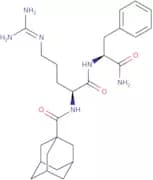
CAS:<p>RF9 is a dipeptide that is structurally similar to the endogenous neuropeptides kisspeptin and arginine-vasopressin. RF9 binds to the GPR54 receptor, which is a G protein-coupled receptor that regulates secretion of luteinizing hormone in the anterior pituitary gland, as well as sexual desire and function. RF9 has been shown to be an antagonist of the GPR54 receptor and has been shown to inhibit the secretion of luteinizing hormone in primates.</p>Formula:C26H38N6O3Purity:Min. 95%Molecular weight:482.62 g/molBAM-22P (8-22) trifluoroacetate salt
CAS:<p>BAM-22P (8-22) trifluoroacetate salt is a compound that has been shown to be an effective drug for the treatment of pain. It has been shown to have an effect on bone cancer, which can be activated by serotonin. This compound may be beneficial in treating nerve injury and fibrosarcoma cells. BAM-22P (8-22) trifluoroacetate salt is an allosteric modulator of the serotonin receptor and may be used as a treatment for pain in wild-type mice. The molecule is also a serotonin reuptake inhibitor, which prevents the reuptake of serotonin into the presynaptic neuron. This leads to increased levels of serotonin in the synapse and increased pain relief.</p>Formula:C91H127N25O23SPurity:Min. 95%Molecular weight:1,971.2 g/molEthyl 2-(chlorosulfonyl)acetate
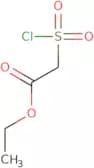
CAS:<p>Ethyl 2-(chlorosulfonyl)acetate is a drug candidate that inhibits the enzyme cholesterol acyltransferase (ACAT), which is responsible for the formation of cholesterol esters. It has been shown to be effective in animal models for the treatment of metabolic disorders, such as hypercholesterolemia and hypertriglyceridemia. In addition, it has been shown to inhibit the activity of serine proteases, which are involved in coagulation, amido hydrolase, and nucleophilic attack reactions. Ethyl 2-(chlorosulfonyl)acetate has also been shown to activate gene product in cellular studies with mouse fibroblasts.</p>Purity:Min. 95%Color and Shape:PowderMolecular weight:186.61 g/mol1,4-Dihydro-2,6-dimethyl-4-(3-nitrophenyl)-3,5-pyridinedicarboxylic acid 3-methyl ester
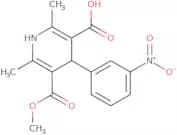
CAS:<p>Lercanidipine is a calcium antagonist that binds to the calcium channels in the membranes of cells, preventing the entry of calcium ions. Lercanidipine is water soluble and can be synthesized using techniques such as elemental analysis and pharmacological techniques. It is also an ionizable drug, which means that its affinity for chloride varies with pH. Lercanidipine has been shown to have strong affinity for erythrocyte membranes and thus has a high selectivity for vascular smooth muscle cells. This drug also has a low toxicity profile and does not affect tissues other than vascular smooth muscle cells.</p>Formula:C16H16N2O6Purity:Min. 95%Color and Shape:White PowderMolecular weight:332.31 g/mol3,5-Dibromobenzoic acid methyl ester
CAS:<p>3,5-Dibromobenzoic acid methyl ester is an organic compound that has isomers. It is a synthetic substance with the chemical formula CHBrO. This substance can be obtained by reacting benzoic acid with bromine in the presence of aluminium chloride. The nature of this substance is not known due to its multifold structure. 3,5-Dibromobenzoic acid methyl ester has been shown to absorb light and transfer it to another molecule. This molecule can then emit light of a different wavelength or energy level. The dipole moment of the substance interacts with other molecules in close proximity, leading to the transfer of electrons and photons from one molecule to another.</p>Formula:C8H6Br2O2Purity:Min. 95%Color and Shape:PowderMolecular weight:293.94 g/molHel 13-5 trifluoroacetate salt
CAS:Controlled Product<p>Hel 13-5 trifluoroacetate salt H-Lys-Leu-Leu-Lys-Leu-Leu-Leu-Lys-Leu-Trp-Leu-Lys-Leu-Leu-Lys-Leu-Leu<br>Hel 13 is a ternary anionic surfactant consisting of a helix and three head groups. The head groups are Lys, Leu, and Leu. Each of these three head groups have a hydrophilic polar group and two lipophilic chains. It is typically used as a surfactant in the pulmonary system to help maintain lung function. When Hel 13 is used in the pulmonary system, it helps to keep the alveoli open so that air can be exchanged with blood. Hel 13 also has been shown to reduce surface tension at high pressures and temperatures, which could potentially be used for industrial purposes such as oil drilling or nuclear power plants.</p>Formula:C113H204N24O19Purity:Min. 95%Molecular weight:2,202.98 g/molN-Des(2-diethylamino) metoclopramide acetic acid
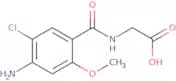
CAS:<p>N-Des(2-diethylamino) metoclopramide acetic acid is a benzyl ester of metoclopramide, a prodrug that is metabolized to the active form in the body. It has been shown to be effective against healthy human subjects and hplc analyses of biological samples have shown it to be a metabolite of metoclopramide. N-Des(2-diethylamino) metoclopramide acetic acid is used as a catalyst for catalytic hydrogenation reactions, such as the conversion of methyl esters into ethyl or butyl esters. It can also be used for catalytic hydrogenation reactions with diazomethane, such as those required for the synthesis of quinolones.</p>Formula:C10H11ClN2O4Purity:Min. 95%Molecular weight:258.66 g/molVesicular Stomatitis Virus Nucleoprotein (52-59) trifluoroacetate salt
CAS:<p>Please enquire for more information about Vesicular Stomatitis Virus Nucleoprotein (52-59) trifluoroacetate salt including the price, delivery time and more detailed product information at the technical inquiry form on this page</p>Formula:C44H66N12O12Purity:Min. 95%Molecular weight:955.07 g/molIL-1β (163-171) (human) trifluoroacetate salt
CAS:<p>Interleukin-1 beta (IL-1β) is a cytokine that is produced by activated macrophages and T cells. It is an important regulator of immune function, inducing fever, activating the inflammatory response, and increasing vascular permeability. IL-1β is a 163-amino acid polypeptide with a molecular weight of 18.7 kDa. The trifluoroacetate salt of IL-1β has been shown to be active in vitro against human leukemic cells and to have an interferon-gamma activity in vitro.</p>Formula:C39H64N12O19Purity:Min. 95%Molecular weight:1,004.99 g/molMca-Lys-Pro-Leu-Gly-Leu-Dap (Dnp)-Ala-Arg-NH2 trifluoroacetate salt
CAS:<p>Please enquire for more information about Mca-Lys-Pro-Leu-Gly-Leu-Dap (Dnp)-Ala-Arg-NH2 trifluoroacetate salt including the price, delivery time and more detailed product information at the technical inquiry form on this page</p>Formula:C55H80N16O16Purity:Min. 95%Molecular weight:1,221.32 g/molOsteostatin (human) trifluoroacetate salt
CAS:<p>Osteostatin is a recombinant human protein that inhibits bone growth by binding to and neutralizing the effect of forskolin. Osteostatin also has an inhibitory effect on cancer cells, as it inhibits mitochondrial pathways and prevents the activation of factor receptors. Osteostatin blocks the synthesis of cAMP, which is necessary for cell proliferation in cancer cells. The inhibition of cAMP levels leads to a decrease in the production of proteins that stimulate bone growth, such as runx2.</p>Formula:C142H228N42O58Purity:Min. 95%Molecular weight:3,451.58 g/molDABCYL-γ-Abu-Ser-Gln-Asn-Tyr-Pro-Ile-Val-Gln-EDANS trifluoroacetate salt
CAS:<p>Please enquire for more information about DABCYL-gamma-Abu-Ser-Gln-Asn-Tyr-Pro-Ile-Val-Gln-EDANS trifluoroacetate salt including the price, delivery time and more detailed product information at the technical inquiry form on this page</p>Formula:C73H97N17O18SPurity:Min. 95%Molecular weight:1,532.72 g/molC5a Anaphylatoxin (37-53) (human) trifluoroacetate salt
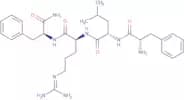
CAS:<p>Please enquire for more information about C5a Anaphylatoxin (37-53) (human) trifluoroacetate salt including the price, delivery time and more detailed product information at the technical inquiry form on this page</p>Formula:C82H141N27O22SPurity:Min. 95%Molecular weight:1,889.23 g/molH-Phe-Leu-Arg-Phe-NH2 acetate salt
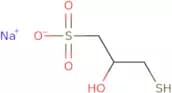
CAS:<p>H-Phe-Leu-Arg-Phe-NH2 acetate salt is a peptide that has been shown to inhibit neuronal activity in the Xenopus oocyte. This inhibition is biphasic and can be reversed by the addition of an excess of glutamate. It has been shown to have an inhibitory effect on the release of neurotransmitters from the isolated heart, ganglia, and subesophageal ganglion. The sequence of H-Phe-Leu-Arg-Phe-NH2 acetate salt has been determined as carboxy terminal. The physiological effects of H-Phe-Leu-Arg-Phe-NH2 acetate salt are related to its receptor binding properties.</p>Formula:C30H44N8O4Purity:Min. 95%Molecular weight:580.72 g/mol2-Hydroxy-3-mercapto-1-propanesulfonic acid sodium salt
CAS:<p>2-Hydroxy-3-mercapto-1-propanesulfonic acid sodium salt (2HMP) is a diagnostic agent that can be used for the detection of bacterial infections. The conformational properties of 2HMP are similar to those of ATP, which allows it to bind to the polymerase chain reaction enzyme and initiate an enzymatic reaction. This leads to the production of a signal that can be detected by spectrophotometry or fluorometry. 2HMP has also been shown to have chemokine activity in vitro, but this has not been tested in vivo. 2HMP is a competitive inhibitor of human protein serine proteases, such as trypsin and chymotrypsin, with an IC50 value of approximately 1 μM.</p>Formula:C3H7NaO4S2Purity:Min. 95%Molecular weight:194.2 g/molBiotinyl-Neuromedin S (human) trifluoroacetate salt
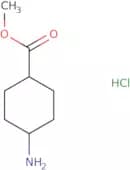
CAS:<p>Please enquire for more information about Biotinyl-Neuromedin S (human) trifluoroacetate salt including the price, delivery time and more detailed product information at the technical inquiry form on this page</p>Formula:C183H279N55O46SPurity:Min. 95%Molecular weight:4,017.58 g/molcis-4-Aminocyclohexanecarboxylic acid methyl ester hcl
CAS:<p>cis-4-Aminocyclohexanecarboxylic acid methyl ester hcl is a chemical compound that is used in research and industry. It is an efficient isomer of 4-aminocyclohexanecarboxylic acid methyl ester hydrochloride. cis-4-Aminocyclohexanecarboxylic acid methyl ester hcl has been used as a model for the study of glimepiride, an insulin secretagogue, and has been shown to be active against Toxoplasma gondii.</p>Formula:C8H15NO2·HClPurity:Min. 95%Color and Shape:SolidMolecular weight:193.67 g/molTyrosinase (206-214) (human) acetate salt
CAS:<p>H-AFLPWHRLF-OH peptide, corresponding to amino acids 206-214 of human Tyrosinase. The peptide is supplied as an acetate salt.</p>Formula:C61H83N15O10Purity:Min. 95%Molecular weight:1,186.41 g/molGalanin-Like Peptide (porcine) trifluoroacetate salt
CAS:<p>Please enquire for more information about Galanin-Like Peptide (porcine) trifluoroacetate salt including the price, delivery time and more detailed product information at the technical inquiry form on this page</p>Formula:C281H443N81O78Purity:Min. 95%Molecular weight:6,204.02 g/mol2-[(3,5,6-Trichloro-2-pyridinyl)oxy]acetic acid
CAS:<p>Carbaryl is a broad-spectrum insecticide that has been used to control pests in homes, gardens, and agricultural fields. It can be found in many products for use around the home, including flea collars and ant traps. Carbaryl is absorbed by plants through their leaves and roots and can affect photosynthetic activity. Carbaryl also affects plant metabolism by inhibiting proximal tubule function, which leads to an increase in urea nitrogen and urine production. Carbaryl can be toxic to humans when ingested or inhaled. The toxicity of carbaryl depends on its route of exposure (oral, inhalation, or skin). Carbaryl is metabolized through a number of metabolic reactions that include oxidation by cytochrome P450 enzymes, reduction by glutathione reductase, or conjugation with glucuronic acid.</p>Formula:C7H4Cl3NO3Purity:Min. 95%Color and Shape:PowderMolecular weight:256.47 g/mol(Leu31,Pro34)-Neuropeptide Y (human, rat) trifluoroacetate salt
CAS:<p>Please enquire for more information about (Leu31,Pro34)-Neuropeptide Y (human, rat) trifluoroacetate salt including the price, delivery time and more detailed product information at the technical inquiry form on this page</p>Formula:C189H284N54O56SPurity:Min. 95%Molecular weight:4,240.67 g/molDodecylbenzenesulfonic acid, 70% in isopropanol
CAS:<p>Dodecylbenzenesulfonic acid is a sulfonic acid that is used in the production of polyaniline. It is also used as an organic reagent that can be applied in organic synthesis, including polymerization and electrochemical studies. Dodecylbenzenesulfonic acid has been shown to react with sodium salts to form dodecyl benzene, which can be observed by synchronous fluorescence spectroscopy. This chemical has a phase transition temperature of -9°C and a boiling point of 176°C. Dodecylbenzenesulfonic acid is soluble in water vapor, but insoluble in ethanol or acetone.</p>Formula:C18H30O3SPurity:Min. 95%Color and Shape:Clear LiquidMolecular weight:326.5 g/molGalanin-Like Peptide (human) trifluoroacetate salt
CAS:<p>Please enquire for more information about Galanin-Like Peptide (human) trifluoroacetate salt including the price, delivery time and more detailed product information at the technical inquiry form on this page</p>Formula:C292H451N83O84SPurity:Min. 95%Molecular weight:6,500.28 g/molMethyl 2,2-difluoro-2-(fluorosulfonyl)acetate
CAS:<p>Methyl 2,2-difluoro-2-(fluorosulfonyl)acetate is a chemical that belongs to the group of halides. It has a redox potential of -0.274 V (vs SCE). The methyl group in this chemical is substituted with a fluoro group and a sulfonyl group. The methyl 2,2-difluoro-2-(fluorosulfonyl)acetate has been shown to have receptor activity with dopamine as its agonist. This chemical also has an aromatic hydrocarbon ring and an oxygen atom. Methyl 2,2-difluoro-2-(fluorosulfonyl)acetate has been shown to be effective against cancer cells and may have metabolic disorders such as diabetes mellitus type II and Alzheimer's disease.</p>Formula:C3H3F3O4SPurity:Min. 95%Color and Shape:Clear LiquidMolecular weight:192.11 g/molNociceptin (1-13) amide trifluoroacetate salt
CAS:<p>Please enquire for more information about Nociceptin (1-13) amide trifluoroacetate salt including the price, delivery time and more detailed product information at the technical inquiry form on this page</p>Formula:C61H100N22O15Purity:Min. 95%Molecular weight:1,381.59 g/mol(Pro34)-Peptide YY (human) trifluoroacetate salt
CAS:<p>Please enquire for more information about (Pro34)-Peptide YY (human) trifluoroacetate salt including the price, delivery time and more detailed product information at the technical inquiry form on this page</p>Formula:C194H294N54O56Purity:Min. 95%Molecular weight:4,278.74 g/molNeuropeptide AF (human) trifluoroacetate salt
CAS:<p>Neuropeptide AF is a peptide that is synthesized in the brain and has been shown to have a wide range of biological activities. It has been shown to block growth factor-β1, activate the ryanodine receptor, and cause neuronal death. Neuropeptide AF also activates the polymerase chain reaction (PCR) and can be used as a potential biomarker for Alzheimer's disease. Neuropeptide AF has been shown to decrease body mass index and improve long-term efficacy in patients with chronic heart disease. There is also evidence that Neuropeptide AF binds calcium ions, which may play a role in structural heart disease or cardiac function.</p>Formula:C90H132N26O25Purity:Min. 95%Molecular weight:1,978.17 g/molFluorogenic Human CMV Protease Substrate trifluoroacetate salt
CAS:<p>Please enquire for more information about Fluorogenic Human CMV Protease Substrate trifluoroacetate salt including the price, delivery time and more detailed product information at the technical inquiry form on this page</p>Formula:C73H109N23O18SPurity:Min. 95%Molecular weight:1,628.86 g/molpTH (1-34) amide (human) trifluoroacetate salt
CAS:<p>Parathyroid hormone (PTH) is a peptide hormone that regulates calcium and phosphate balance in the body. PTH is secreted by the parathyroid glands, located near the thyroid gland in the neck. It is also known as parathormone or parathyrin. The active form of PTH, called pTH (1-34) amide, has been shown to stimulate bone resorption and to inhibit bone formation. The amino acid sequence of this hormone starts with arginine and ends with phenylalanine. The N-terminal amino acid residue is an aspartic acid or asparagine and histidine is the only basic residue in this molecule. This molecule has two acidic residues, glutamic acid and aspartic acid, which are found on the side chains of two amino acids: aspartic acid and glutamic acid. Valine is found at position 3 and phenylalanine at position 34.</p>Formula:C181H292N56O50S2Purity:Min. 95%Molecular weight:4,116.73 g/mol(Tyr34)-pTH (7-34) amide (bovine) trifluoroacetate salt
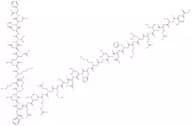
CAS:<p>Please enquire for more information about (Tyr34)-pTH (7-34) amide (bovine) trifluoroacetate salt including the price, delivery time and more detailed product information at the technical inquiry form on this page</p>Formula:C156H244N48O40S2Purity:Min. 95%Molecular weight:3,496.04 g/molEndothelin-1 (human, bovine, dog, mouse, porcine, rat) trifluoroacetate salt
CAS:<p>Please enquire for more information about Endothelin-1 (human, bovine, dog, mouse, porcine, rat) trifluoroacetate salt including the price, delivery time and more detailed product information at the technical inquiry form on this page</p>Formula:C109H159N25O32S5·C2HF3O2Purity:Min. 95%Molecular weight:2,605.93 g/mol(Des-octanoyl)-Ghrelin (mouse, rat) trifluoroacetate salt
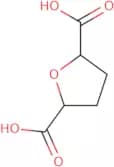
CAS:<p>Please enquire for more information about (Des-octanoyl)-Ghrelin (mouse, rat) trifluoroacetate salt including the price, delivery time and more detailed product information at the technical inquiry form on this page</p>Formula:C139H231N45O41Purity:Min. 95%Molecular weight:3,188.6 g/mol2,5-Anhydro-3,4-dideoxy-erythro-hexaric acid - 98%
CAS:<p>The synthesis of 2,5-anhydro-3,4-dideoxy-erythro-hexaric acid (2,5AHDHE) is described in detail. The reaction starts with the condensation of 3,4-dideoxy-erythro-hexose with aldehyde and furfural to give the hemiacetal. The ring opening of this hemiacetal leads to the formation of 2,5AHDHE and furfural. The protonation of 2,5AHDHE leads to proton release and bond cleavage. Furfural is reduced to 5-hydroxymethylfurfural (HMF). HMF is then oxidized to hydroxyl group by H2O2. The hydroxyl group reacts with a second molecule of 2,5AHDHE to form a new molecule of 2,5AHDHE and H2O2. This process can be repeated until</p>Formula:C6H8O5Purity:Min. 98 Area-%Color and Shape:White PowderMolecular weight:160.12 g/molN-(Fmoc-5-amino-3-oxa-pentyl)succinamic acid
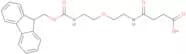
CAS:<p>N-(Fmoc-5-amino-3-oxa-pentyl)succinamic acid is a high quality chemical that is used as an intermediate in the production of pharmaceuticals and other fine chemicals. It is also a reagent for use in peptide synthesis. N-(Fmoc-5-amino-3-oxa-pentyl)succinamic acid has a CAS No. 669073-62-5 and can be used as a useful scaffold for the production of complex compounds. This compound is also useful for research purposes, due to its versatility as a building block with speciality chemical applications.</p>Formula:C23H26N2O6Purity:Min. 95%Molecular weight:426.46 g/molOxalic acid dihydrate
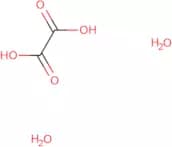
CAS:<p>Oxalic acid dihydrate is an organic compound with the molecular formula of (C2H2O4)2. It has a molecular weight of 226.07 g/mol and a melting point of 173°C. The intermolecular hydrogen bonding between the hydroxyl groups and the fatty acid chains creates an oxalic acid molecule that is able to exist in two different structures, alpha and beta. Alpha oxalic acid molecules have a particle phase transition temperature of -10°C, while beta oxalic acid molecules have a particle phase transition temperature of 30°C. Oxalic acid dihydrate is soluble in n-dimethylformamide (DMF) and hydrochloric acid (HCl). br>br> Oxalic acid dihydrate is used as an additive in metal-working fluids, which are used during machining processes to prevent corrosion. It also acts as a catalyst for transfer reactions between phosphorus pentoxide</p>Formula:C2H2O4•(H2O)2Purity:Min. 95%Molecular weight:126.07 g/molAc-Arg-Leu-Arg-AMC trifluoroacetate salt
CAS:<p>Ac-Arg-Leu-Arg-AMC trifluoroacetate salt is a mitochondrial biogenesis activator that has been shown to increase the levels of proteins in the mitochondria. These proteins are required for mitochondrial membrane potential, ATP production, and protein homeostasis. Ac-Arg-Leu-Arg-AMC trifluoroacetate salt has been shown to increase the number of pluripotency markers in human liver cells and to reduce insulin resistance in animals. The drug also increases the expression of ubiquitin ligases and proteasomes, which are enzymes that degrade damaged proteins. Ac-Arg-Leu-Arg-AMC trifluoroacetate salt may be used for treating liver diseases or disorders as well as obesity.</p>Formula:C30H46N10O6•C2HF3O2Purity:Min. 96 Area-%Color and Shape:PowderMolecular weight:756.77 g/mol2-Hydroxy-4-(methylthio)butyric acid calcium salt
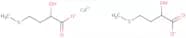
CAS:<p>2-Hydroxy-4-(methylthio)butyric acid calcium salt (2HMBAC) is a fatty acid that is found in malic acid. It is an important industrial chemical used for the preparation of other chemicals such as acetic anhydride, adipic acid, and butyric acid. 2HMBAC has been shown to have various biological functions including the inhibition of protein synthesis and the reduction of chloride ion transport. The dietary administration of 2HMBAC has been shown to relieve diarrhoea in rats.</p>Formula:C10H18CaO6S2Purity:Min. 95%Molecular weight:338.46 g/mol2-[3-(S)-[3-(2-(7-Chloro-2-quinolinyl)ethenyl)phenyl]-3-hydroxypropyl]benzoic acid methyl ester
CAS:<p>2-[3-(S)-[3-(2-(7-Chloro-2-quinolinyl)ethenyl)phenyl]-3-hydroxypropyl]benzoic acid methyl ester is a synthetic compound that can be used as a reagent in the synthesis of polynucleotides and polypeptides. It can also be used as an inhibitor of ketoreductase, which is an enzyme involved in the synthesis of fatty acids and ketones. 2-[3-(S)-[3-(2-(7-Chloro-2-quinolinyl)ethenyl)phenyl]-3-hydroxypropyl]benzoic acid methyl ester has been shown to inhibit the growth of wild type and mutant strains of E. coli. The molecular weight of this compound is 439.</p>Formula:C28H24ClNO3Purity:Min. 95%Molecular weight:457.95 g/molNeuropeptide Y (free acid) (human, rat) trifluoroacetate salt
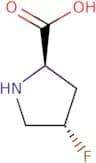
CAS:<p>Please enquire for more information about Neuropeptide Y (free acid) (human, rat) trifluoroacetate salt including the price, delivery time and more detailed product information at the technical inquiry form on this page</p>Formula:C189H284N54O58SPurity:Min. 95%Molecular weight:4,272.67 g/mol(2R,4S)-4-Fluoropyrrolidine-2-carboxylic acid
CAS:<p>Please enquire for more information about (2R,4S)-4-Fluoropyrrolidine-2-carboxylic acid including the price, delivery time and more detailed product information at the technical inquiry form on this page</p>Formula:C5H8FNO2Purity:Min. 95%Molecular weight:133.12 g/molExtracellular Death Factor trifluoroacetate salt
CAS:<p>Extracellular Death Factor is a molecule that binds to calmodulin, which is a protein found in all animal cells. Extracellular Death Factor can be used to induce apoptotic cell death in any type of cell, including cancer cells. The molecule is composed of three amino acids: H-Asn-Asn-Trp-Asn-Asn-OH. This compound has been shown to inhibit the replication of DNA and RNA in gram negative bacteria and tuberculosis cells. It also has an effect on the structural analysis of the molecule and causes light emission when exposed to ultraviolet light.</p>Formula:C27H36N10O10Purity:Min. 95%Molecular weight:660.64 g/molAdrenomedullin 5 (primate) trifluoroacetate salt
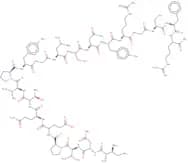
CAS:<p>Please enquire for more information about Adrenomedullin 5 (primate) trifluoroacetate salt including the price, delivery time and more detailed product information at the technical inquiry form on this page</p>Formula:C253H394N82O71S2Purity:Min. 95%Molecular weight:5,784.48 g/molBig Endothelin-3 (22-41) amide (human) trifluoroacetate salt
CAS:<p>Please enquire for more information about Big Endothelin-3 (22-41) amide (human) trifluoroacetate salt including the price, delivery time and more detailed product information at the technical inquiry form on this page</p>Formula:C102H156N30O31Purity:Min. 95%Molecular weight:2,298.51 g/mol(Leu116)-Prepro-Neuromedin U (104-136) (human) trifluoroacetate salt
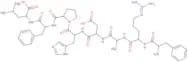
<p>Please enquire for more information about (Leu116)-Prepro-Neuromedin U (104-136) (human) trifluoroacetate salt including the price, delivery time and more detailed product information at the technical inquiry form on this page</p>Formula:C177H276N46O45Purity:Min. 95%Molecular weight:3,768.37 g/molBoc-Pressinoic acid Boc-Cys-Tyr-Phe-Gln-Asn-Cys-OH (Disulfide bond)
CAS:<p>Please enquire for more information about Boc-Pressinoic acid Boc-Cys-Tyr-Phe-Gln-Asn-Cys-OH (Disulfide bond) including the price, delivery time and more detailed product information at the technical inquiry form on this page</p>Formula:C38H50N8O12S2Purity:Min. 95%Molecular weight:874.98 g/molBiotinyl-BNP-32 (human) trifluoroacetate salt
CAS:<p>Please enquire for more information about Biotinyl-BNP-32 (human) trifluoroacetate salt including the price, delivery time and more detailed product information at the technical inquiry form on this page</p>Formula:C153H258N52O44S5Purity:Min. 95%Molecular weight:3,690.34 g/mol2-Chlorooxazole-4-carboxylicacid
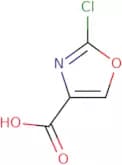
CAS:<p>2-Chlorooxazole-4-carboxylic acid is a synthetic compound belonging to the group of long-chain aliphatic carboxylic acids. It is an ester that can be synthesized by the reaction of toluene with 2,4-dichlorooxazole. The stereochemical configuration of this molecule is unknown. The synthesis of this compound has been reported in marine invertebrates and plants, including Mycalolide from the marine sponge Mycale sp.</p>Formula:C4H2ClNO3Purity:Min. 95%Molecular weight:147.52 g/mol(Des-Thr5)-Glucagon trifluoroacetate salt
CAS:<p>Please enquire for more information about (Des-Thr5)-Glucagon trifluoroacetate salt including the price, delivery time and more detailed product information at the technical inquiry form on this page</p>Formula:C149H218N42O47SPurity:Min. 95%Molecular weight:3,381.65 g/molH-Gly-Arg-Ala-Asp-Ser-Pro-Lys-OH acetate salt
CAS:<p>Glycine-arginine-aspartate (GAA) is a mimic of the endothelium-derived vasoactive peptide, nitric oxide (NO). It has been shown to attenuate the inflammatory response by decreasing leukocyte adhesion and migration. GAA is also a potent inhibitor of vascular permeability and can attenuate edema in animal models. Studies have shown that GAA prevents microvascular damage following brain infarction. The mechanism of action for GAA is not fully understood, but it may be due to its ability to inhibit fibronectin breakdown, which leads to cerebral edema. GAA's activity on the endothelium may be due to its ability to mimic NO or inhibit sulfate synthesis.</p>Formula:C29H51N11O11Purity:Min. 95%Molecular weight:729.78 g/molAmyloid b-Protein (6-20) trifluoroacetate salt
CAS:<p>Please enquire for more information about Amyloid b-Protein (6-20) trifluoroacetate salt including the price, delivery time and more detailed product information at the technical inquiry form on this page</p>Formula:C86H119N23O23Purity:Min. 95%Molecular weight:1,843.01 g/molZ-Arg-Arg-Arg-4MbetaNA acetate salt
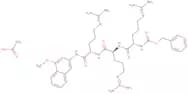
CAS:Controlled Product<p>Please enquire for more information about Z-Arg-Arg-Arg-4MbetaNA acetate salt including the price, delivery time and more detailed product information at the technical inquiry form on this page</p>Formula:C37H53N13O6Purity:Min. 95%Molecular weight:775.9 g/mol(D-Ala2,N-Me-Phe4,methionin(O)-ol5)-Enkephalin trifluoroacetate salt
CAS:<p>D-Ala2,N-Me-Phe4,methionin(O)-ol5)-Enkephalin trifluoroacetate salt H-Tyr-D-Ala-Gly-N-Me-Phe-methionin(O)-ol trifluoroacetate salt is an analog of the endocannabinoid neurotransmitter, anandamide. It has been shown to be effective in the treatment of autoimmune diseases such as multiple sclerosis and inflammatory bowel disease. D-(3R)-3-[(1S,2R,3R,5R) -3-[2-(2,6 dichlorophenyl)ethenyl] -1H -indole]-1 -butanamine trifluoroacetate salt has been shown to inhibit the replication of a number of viruses including human immunodeficiency virus type 1 (HIV). This drug also inhibits the growth of organisms that are resistant</p>Formula:C29H41N5O7SPurity:Min. 95%Molecular weight:603.73 g/molD,L-Benzylsuccinic acid
CAS:<p>D,L-Benzylsuccinic acid is an oral hypoglycemic agent that belongs to the group of antidiabetic agents. It is a crystalline cellulose-based drug with a hypoglycemic effect. D,L-Benzylsuccinic acid has been shown to be effective in the treatment of autoimmune diseases, such as diabetes mellitus and rheumatoid arthritis. The mechanism of action of this drug is not yet fully understood.</p>Formula:C11H12O4Purity:Min. 95%Molecular weight:208.21 g/molOvokinin trifluoroacetate salt
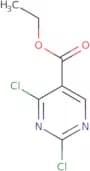
CAS:<p>Please enquire for more information about Ovokinin trifluoroacetate salt including the price, delivery time and more detailed product information at the technical inquiry form on this page</p>Formula:C48H67N13O11Purity:Min. 95%Molecular weight:1,002.13 g/molEthyl 2,4-dichloropyrimidine-5-carboxylate
CAS:<p>Please enquire for more information about Ethyl 2,4-dichloropyrimidine-5-carboxylate including the price, delivery time and more detailed product information at the technical inquiry form on this page</p>Formula:C7H6Cl2N2O2Purity:Min. 95%Molecular weight:221.04 g/molHexanedioic acid
CAS:<p>Hexanedioic acid is a glycol ether that is used as an extraction solvent. It has been shown to be a good solvent for the separation of organic acids and aromatic compounds, such as malonic acid and caproic acid. Hexanedioic acid has also been shown to be a good solvent for the removal of sulfur and nitrogen compounds from water vapor. Hexanedioic acid can also be used as an oxidation catalyst in the chemical industry. Hexanedioic acid is stable in acidic and alkaline environments, but not in basic environments.</p>Formula:C6H10O4Color and Shape:White Off-White PowderMolecular weight:146.14 g/molRetrocyclin-1 trifluoroacetate salt
CAS:<p>Retrocyclin-1 trifluoroacetate salt is a synthetic antimicrobial peptide, which is derived from humanized sequences based on the theta-defensin family, originally found in certain primates. Retrocyclin-1 is particularly notable for its circular structure which contributes to its stability and biological activity. The peptide is produced through a process of solid-phase peptide synthesis, designed to mimic the native cyclic conformation of natural theta-defensins.</p>Formula:C74H128N30O18S6Purity:Min. 95%Molecular weight:1,918.4 g/mol(D-Ser4)-LHRH trifluoroacetate salt
CAS:<p>Please enquire for more information about (D-Ser4)-LHRH trifluoroacetate salt including the price, delivery time and more detailed product information at the technical inquiry form on this page</p>Formula:C55H75N17O13Purity:Min. 95%Molecular weight:1,182.29 g/mol(Des-Gly10,D-His2,D-Ser4,D-Leu6,Pro-NHEt 9)-LHRH trifluoroacetate salt
<p>Please enquire for more information about (Des-Gly10,D-His2,D-Ser4,D-Leu6,Pro-NHEt 9)-LHRH trifluoroacetate salt including the price, delivery time and more detailed product information at the technical inquiry form on this page</p>Formula:C59H84N16O12Purity:Min. 95%Molecular weight:1,209.4 g/mol7-Amino-3-vinyl-3-cephem-4-carboxylic acid
CAS:<p>7-Amino-3-vinyl-3-cephem-4-carboxylic acid (AVC) is a synthetic, inorganic acid that is used clinically. It is produced by the hydrolysis of chlorocarboxylic acids and has been shown to be effective as an antihypertensive agent. AVC has also been used as a catalyst for acylation reactions with chlorides and trifluoroacetic acid. This process yields a reaction yield that can be up to 95% with the use of catalysts such as aluminum chloride or zinc chloride. AVC has been shown to be an environmentally safe alternative to hydrogen chloride, which has been linked to environmental pollution.</p>Formula:C9H10N2O3SPurity:Min. 95 Area-%Color and Shape:PowderMolecular weight:226.25 g/molPropanedioic acid 1-methyl ester
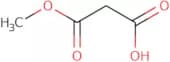
CAS:<p>Propanedioic acid 1-methyl ester (PDM) is a synthetic trifluoroacetic acid ester of the natural fatty acid, propanedioic acid. It has been found to be a potent inhibitor of the enzyme malonic acid decarboxylase in vitro and has also been shown to inhibit the production of prostaglandin E2 in mice with adjuvant arthritis. PDM is used as a diagnostic agent for autoimmune diseases and inflammatory diseases. It is also being studied as an anti-inflammatory drug for use in the treatment of chronic inflammatory conditions such as rheumatoid arthritis, psoriasis, and ulcerative colitis. The mechanism of action is not well understood but may involve inhibition of arachidonic acid metabolism or inhibition of cyclooxygenase enzymes.</p>Formula:C4H6O4Purity:Min. 95%Color and Shape:Colourless To Pale Yellow Clear LiquidMolecular weight:118.09 g/mol5-Ethylpyridine-2-carboxylic acid
CAS:<p>5-Ethylpyridine-2-carboxylic acid is a biologically active compound that is biosynthesized from the amino acid tryptophan. This compound is also known as 5-ethylpicolinic acid or 5-ethylpyridin-2-yl carboxylic acid. It is a phytoalexin, which is an antimicrobial agent produced by plants to inhibit pathogen growth. 5-Ethylpyridine-2-carboxylic acid has been shown to be effective against picolinic acid phosphoribosyltransferase and flavopereirine reductase in vitro, and has also been shown to have antimicrobial properties against Escherichia coli, Staphylococcus aureus, and Bacillus cereus. 5-Ethylpyridine-2-carboxylic acid can be prepared by reacting ethyl acetoacetate with pyridine</p>Formula:C8H9NO2Purity:Min. 95%Color and Shape:Off-White PowderMolecular weight:151.16 g/molH-Lys-Pro-Tyr-OH acetate salt
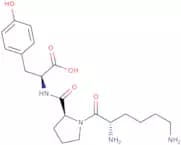
CAS:<p>Please enquire for more information about H-Lys-Pro-Tyr-OH acetate salt including the price, delivery time and more detailed product information at the technical inquiry form on this page</p>Formula:C20H30N4O5Purity:Min. 95%Molecular weight:406.48 g/mol(β-Asp5)-δ-Sleep Inducing Peptide trifluoroacetate salt
CAS:<p>(Beta-Asp5)-delta-Sleep Inducing Peptide is a synthetic molecule that has been shown to be an atypical compound. It is a fragment of the natural sleep-inducing peptide, which is also called clostridium sporogenes. The fragment was synthesized and found to have similar properties and structures as the natural form. The fragment is labile in neutral or acidic solution, but stable in basic conditions. (Beta-Asp5)-delta-Sleep Inducing Peptide can be used for the detection of methyltransferase activity, by using it as a substrate for methylation reactions and measuring the rate of spontaneous desorption from a matrix. This compound can also be used for proteomic studies by using matrix-assisted laser desorption ionization time-of-flight mass spectrometry (MALDI TOF MS) techniques.</p>Formula:C35H48N10O15Purity:Min. 95%Molecular weight:848.81 g/molHexanoyl-(Ala19,Lys27·28)-VIP (free acid) trifluoroacetate salt
<p>Please enquire for more information about Hexanoyl-(Ala19,Lys27·28)-VIP (free acid) trifluoroacetate salt including the price, delivery time and more detailed product information at the technical inquiry form on this page</p>Formula:C153H250N44O43SPurity:Min. 95%Molecular weight:3,425.96 g/molNeuromedin S (human) trifluoroacetate salt
<p>Please enquire for more information about Neuromedin S (human) trifluoroacetate salt including the price, delivery time and more detailed product information at the technical inquiry form on this page</p>Formula:C173H265N53O44Purity:Min. 95%Molecular weight:3,791.29 g/mol(Tyr9)-β-MSH (porcine) trifluoroacetate salt
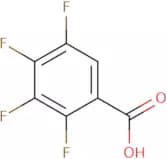
CAS:<p>Please enquire for more information about (Tyr9)-beta-MSH (porcine) trifluoroacetate salt including the price, delivery time and more detailed product information at the technical inquiry form on this page</p>Formula:C101H140N24O30SPurity:Min. 95%Molecular weight:2,202.4 g/mol2,3,4,5-Tetrafluorobenzoic acid
CAS:<p>Tetrafluorobenzoic acid is a synthetic chemical that is used in the synthesis of antimicrobial agents. Tetrafluorobenzoic acid has been shown to bind to the hydroxyl group of 2,3,4,5-tetrafluorobenzoyl chloride and form a covalent bond. The reaction solution was analyzed using crystallography and showed that there are no intermolecular hydrogen bonds between tetrafluorobenzoic acid molecules. The crystal structure was determined by X-ray diffraction analysis and found that the intramolecular hydrogen bonding may be responsible for the anti-microbial activity of this substance.</p>Formula:C7H2F4O2Molecular weight:194.08 g/molPz-Pro-Leu-Gly-Pro-D-Arg-OH trifluoroacetate salt
CAS:<p>Pz-Pro-Leu-Gly-Pro-D-Arg-OH trifluoroacetate salt is a synthetic substrate that can be used for the synthesis of cyclic peptides. It has been shown to act as a competitive inhibitor of the serine protease, chymotrypsin, and cytochalasin B. Pz-Pro-Leu-Gly-Pro-D-Arg is a soluble substrate that can be used in tissue culture experiments with caco2 cells. This compound also has high solubility and is stable at pH values between 5 and 12. The optimum pH for this compound is 8.</p>Formula:C38H52N10O8Purity:Min. 95%Molecular weight:776.88 g/molH-Ile-Ile-Ile-OH acetate salt
CAS:<p>Please enquire for more information about H-Ile-Ile-Ile-OH acetate salt including the price, delivery time and more detailed product information at the technical inquiry form on this page</p>Formula:C18H35N3O4Purity:Min. 95%Molecular weight:357.49 g/molH-Glu-Ala-Leu-Phe-Gln-pNA trifluoroacetate salt
CAS:<p>Please enquire for more information about H-Glu-Ala-Leu-Phe-Gln-pNA trifluoroacetate salt including the price, delivery time and more detailed product information at the technical inquiry form on this page</p>Formula:C34H46N8O10Purity:Min. 95%Molecular weight:726.78 g/molpTH (1-84) (rat) trifluoroacetate salt
<p>Please enquire for more information about pTH (1-84) (rat) trifluoroacetate salt including the price, delivery time and more detailed product information at the technical inquiry form on this page</p>Formula:C406H670N122O126S3Purity:Min. 95%Molecular weight:9,372.61 g/molPancreastatin (33-48) (human) trifluoroacetate salt
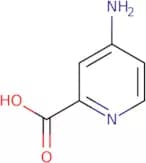
CAS:<p>Pancreastatin (33-48) is a synthetic, acidic, sulfated peptide that has been shown to have high activity against pancreatic cancer cells. Pancreastatin (33-48) has been synthesized by reacting an oligopeptide with glutamic acid and aspartic acid. The N-terminal of this peptide is amidated and contains a sulfate group. This molecule has been purified by SDS-polyacrylamide gel electrophoresis and the sulfate fractionation method. Pancreastatin (33-48) is able to inhibit the proliferation of pancreatic tumor cells in vitro, but it does not appear to be cytotoxic to normal pancreatic cells. In addition, pancreastatin (33-48) has also been shown to decrease tumor growth in vivo in mice bearing a transplanted human pancreatic tumor.</p>Formula:C78H123N21O27SPurity:Min. 95%Molecular weight:1,819 g/mol4-Aminopicolinic acid
CAS:<p>4-Aminopicolinic acid is a synthetic amine that has been shown to activate plant science. 4-Aminopicolinic acid is a cyclic peptide with two subunits, one of which is 4-amino-3-pyridinecarboxylic acid. This compound has been synthesized from picolinic acid, an agriculturally important compound that is found in plant and animal tissues. The synthesis of 4-aminopicolinic acid involves the reaction of picolinic acid with nitrous oxide, followed by hydrolysis and oxidation to form the desired product. Hplc analyses have confirmed the presence of picolinic acid in extracts from various plants containing this compound.</p>Formula:C6H6N2O2Purity:Min. 95%Color and Shape:White To Beige Or Pink To Light Brown SolidMolecular weight:138.12 g/molTRAP-14 amide trifluoroacetate salt
CAS:<p>Please enquire for more information about TRAP-14 amide trifluoroacetate salt including the price, delivery time and more detailed product information at the technical inquiry form on this page</p>Formula:C81H119N21O22Purity:Min. 95%Molecular weight:1,738.94 g/molOrotic acid anhydrous
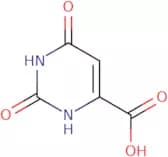
CAS:<p>Orotic acid anhydrous is a hydrogen bonding interaction that can be found in biological systems. It plays a role in the physiological effects of orotic acid, which is a metabolite of uridine and an intermediate in the synthesis of pyrimidine nucleotides. Orotic acid has antimicrobial properties and has been shown to inhibit enzyme activities involved in energy metabolism, such as polymerase chain reaction (PCR) and adenosine triphosphate (ATP) synthase. Orotic acid also inhibits the growth of bacteria, fungi, and parasites. Orotic acid anhydrous is used for treating myocardial infarcts or brain functions. The untreated group was given no treatment at all.</p>Formula:C5H4N2O4Purity:Min. 98 Area-%Color and Shape:White PowderMolecular weight:156.1 g/molProkineticin 2 Isoform 2 (human) trifluoroacetate salt
CAS:<p>Prokineticin-2 is a protein that is encoded by the PROK2 gene. It has been shown to inhibit VEGF in vitro and to be anti-inflammatory. Prokineticin-2 binds to the receptor for colony stimulating factor 1 (CSF1) and promotes angiogenesis by inducing the production of angiogenic factors such as vascular endothelial growth factor (VEGF), erythropoietin, and granulocyte macrophage colony stimulating factor (GM-CSF). It also inhibits transcriptional regulation of genes involved in inflammation, including IL-10, which inhibits IL-12 production.</p>Formula:C379H606N114O101S13Purity:Min. 95%Molecular weight:8,792.43 g/molε-Maleimidocaproic acid-(2-nitro-4-sulfo)-phenyl ester·sodium salt
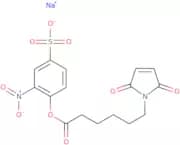
CAS:<p>Epsilon-Maleimidocaproic acid-(2-nitro-4-sulfo)-phenyl ester·sodium salt (EMAP) is a crosslinker that belongs to the group of heterobifunctional reagents. It has been used to conjugate monoclonal antibodies with other molecules, such as toxins. EMAP is activated by the dianion generated by protonation of the nitro groups on the phenyl ring and reacts with free amines or thiols in proteins. EMAP can be used for labeling immunotoxins for diagnostic use, maximizing detection sensitivity, and crosslinking DNA molecules for use in molecular cloning experiments.</p>Formula:C16H15N2NaO9SPurity:Min. 95%Molecular weight:434.35 g/molChlorotoxin trifluoroacetate salt
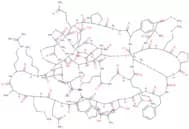
CAS:<p>Chlorotoxin trifluoroacetate salt is a chlorotoxin derivative that has been modified to be more soluble in aqueous solutions. It is used to identify skin cancer and other forms of cancer, as well as for the study of cellular function and structure. The molecule can be injected into tissue or cells, where it binds to nuclei and causes cell death. Chlorotoxin trifluoroacetate salt has minimal toxicity in humans and can be used on histological specimens with little disruption to the tissue. This reagent may also be used to target intracellular targets such as glioma cells.</p>Formula:C158H249N53O47S11Purity:Min. 95%Molecular weight:3,995.72 g/mol(Arg8)-Conopressin G trifluoroacetate salt
CAS:<p>Please enquire for more information about (Arg8)-Conopressin G trifluoroacetate salt including the price, delivery time and more detailed product information at the technical inquiry form on this page</p>Formula:C44H71N17O10S2Purity:Min. 95%Molecular weight:1,062.28 g/mol



![5,7-Dimethyl-[1,2,4]triazolo[1,5-a]pyrimidine-2-carboxylic acid](/_next/image/?url=https%3A%2Fstatic.cymitquimica.com%2Fproducts%2F3D%2Fthumb-webp%2FFD12883.webp&w=3840&q=75)







![2-[(3,5,6-Trichloro-2-pyridinyl)oxy]acetic acid](/_next/image/?url=https%3A%2Fstatic.cymitquimica.com%2Fproducts%2F3D%2Fthumb-webp%2FFT28420.webp&w=3840&q=75)






![2-[3-(S)-[3-(2-(7-Chloro-2-quinolinyl)ethenyl)phenyl]-3-hydroxypropyl]benzoic acid methyl ester](/_next/image/?url=https%3A%2Fstatic.cymitquimica.com%2Fproducts%2F3D%2Fthumb-webp%2FFC20038.webp&w=3840&q=75)