Carboxylic Acids
Carboxylic acids are organic molecules characterized by having a carboxyl-type functional group (-COOH). These acids are fundamental in various chemical reactions, including esterification, amidation, and decarboxylation. Carboxylic acids are widely used in the production of pharmaceuticals, polymers, and agrochemicals. In this section, you can find a large number of carboxylic acids ready to be used. At CymitQuimica, we provide a broad range of high-quality carboxylic acids to support your research and industrial applications.
Found 12453 products of "Carboxylic Acids"
Sort by
Purity (%)
0
100
|
0
|
50
|
90
|
95
|
100
3-Hydroxybutyric acid
CAS:<p>Butanoic acid is an endogenous histone deacetylase (HDAC) inhibitor,IC50 for HDAC3, HDAC4, and HDAC1 is 2.4 mM, 4.5 mM, and 5.3 mM. High-Quality, Low-Cost!</p>Formula:C4H8O3Purity:97.31% - 99.77%Color and Shape:SolidMolecular weight:104.1(R)-3-Hydroxybutanoic acid
CAS:<p>Beta-hydroxybutyrate aids in ketone body metabolism and is elevated in ketosis; it's a byproduct of valine from muscles.</p>Formula:C4H8O3Purity:98% - ≥95%Color and Shape:SolidMolecular weight:104.1L-Citrulline
CAS:<p>L-Citrulline is an amino acid derived from ornithine in the catabolism of proline or glutamate and glutamine, or from l-arginine via arginine-citrulline pathway</p>Formula:C6H13N3O3Purity:99.70% - 99.79%Color and Shape:SolidMolecular weight:175.19(±)-Leucine
CAS:<p>(±)-Leucine (DL-2-Aminmo-4-methylvalerianic acid) can be found in Green bell peppers, Green zucchinis, Italian sweet red peppers, and Red bell peppers.</p>Formula:C6H13NO2Purity:98.01%Color and Shape:White Glistening Hexagonal Plates From Aqueous Alcohol White CrystalsMolecular weight:131.17Sarcosine
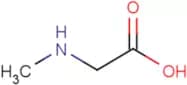
CAS:<p>Sarcosine (Methylglycine) is a competitive inhibitor of the type I glycine transporter (GlyT1) and an N-methyl-D-aspartate receptor (NMDAR) co-agonist.</p>Formula:C3H7NO2Purity:99.90%Color and Shape:Deliquescent Water Soluble Physical Description Deliquescent Crystals Or Powder Has A Sweetish Taste (Ntp 1992)Molecular weight:89.09N-Acetylglycine
CAS:<p>N-Acetylglycine, non-toxic, found in foods, used in peptidomimetic research.</p>Formula:C4H7NO3Purity:99.82%Color and Shape:SolidMolecular weight:117.1N-Isovaleroylglycine
CAS:<p>N-Isovaleroylglycine, a leucine catabolism byproduct, is an acyl glycine elevated in some metabolic disorders and indicates IVA when accumulated.</p>Formula:C7H13NO3Purity:99.95%Color and Shape:SolidMolecular weight:159.18DL-Valine
CAS:<p>DL-Valine (H-DL-Val-OH) is 2-amino-3-methylbutanoic acid.It is synthesized in plants via several steps starting from pyruvic acid.</p>Formula:C5H11NO2Purity:99.84%Color and Shape:Leaflets From Water + Alcohol White CrystalsMolecular weight:117.15N-Methylsarcosine
CAS:<p>N-Methylsarcosine improves athletic performance, boosts immunity, treats autism/epilepsy, tracks COPD, and aids in ionic liquid development.</p>Formula:C4H9NO2Purity:98.17%Color and Shape:SolidMolecular weight:103.12D-Galacturonic acid hydrate
CAS:<p>D-Galacturonic acid hydrate is used in the synthesis of N-(D-galacturonoyl) amino acids and dipeptides.</p>Formula:C6H12O8Purity:97% - 99.97%Color and Shape:White To Light Beige Fine PowderMolecular weight:212.15Methyl acetylacetate
CAS:<p>Methyl acetylacetate found in urine indicates propionyl-CoA carboxylase or 2-methylacetoacetyl-CoA thiolase deficiency.</p>Formula:C5H8O3Purity:99.14%Color and Shape:Less LiquidMolecular weight:116.12D-Alanine
CAS:<p>Alanine, a nonessential amino acid, is formed from pyruvate or DNA/dipeptides breakdown. D-Alanine stimulates GlyR with an EC50 of 9 mM.</p>Formula:C3H7NO2Purity:99.81%Color and Shape:Orthorhombic Crystals From Water SolidMolecular weight:89.09Acetoacetic acid lithium salt
CAS:<p>Lithium acetoacetate is a weak organic acid from the liver during fatty acid breakdown in conditions like diabetic ketoacidosis.</p>Formula:C4H5LiO3Purity:99.83%Color and Shape:SolidMolecular weight:108.024,4'-(Ethyne-1,2-Diyl)Dibenzoic Acid
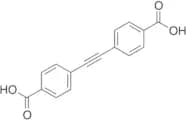
CAS:Controlled Product<p>Applications 4,4'-(ETHYNE-1,2-DIYL)DIBENZOIC ACID (cas# 16819-43-5) is a useful research chemical.<br></p>Formula:C16H10O4Color and Shape:NeatMolecular weight:266.254-(Benzyloxy)butanoic Acid
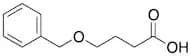
CAS:Controlled Product<p>Applications 4-(Benzyloxy)butanoic acid<br></p>Formula:C11H14O3Color and Shape:NeatMolecular weight:194.232-Hydroxybutanoic Acid
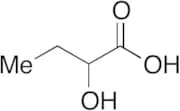
CAS:Controlled Product<p>Applications 2-Hydroxybutanoic Acid is an analyte used in the diagnoses of colorectal cancer as well as Type II diabetes. It is also used in the purification of the major Vibrio autoinducer and the study of its role in virulence factor production for cholera.<br>References Qiu, Y. et al.: J. Proteome Res., 8, 4844 (2009); Salek, R.. et al.: Phys. Genom., 29, 99, (2007); Higgins, D. et al.: Nature, 450, 883 (2007);<br></p>Formula:C4H8O3Color and Shape:NeatMolecular weight:104.1Pimelic Acid
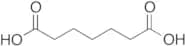
CAS:Controlled Product<p>Applications Pimelic Acid is a metabolite found in four biofluids from dairy cows that may be used as biomarkers of milk.<br>References Sun, H., et. al.: J. Proteome Res., 14, 1287 (2015)<br></p>Formula:C7H12O4Color and Shape:NeatMolecular weight:160.175-(tert-Butoxy)-5-oxo-4-(4,7,10-tris(2-(tert-butoxy)-2-oxoethyl)-1,4,7,10-tetraazacyclododecan-1-yl)pentanoic Acid (>85%)
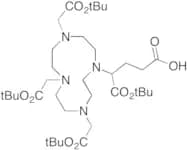
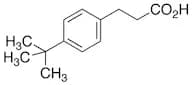
CAS:Controlled Product<p>Applications 5-(tert-butoxy)-5-oxo-4-(4,7,10-tris(2-(tert-butoxy)-2-oxoethyl)-1,4,7,10-tetraazacyclododecan-1-yl)pentanoic Acid has been used in synthesis of; GdDOTAGA(C18)2: an efficient amphiphilic Gd(III) chelate for the preparation of self-assembled high relaxivity MRI nanoprobes; bifunctional prochelators for coupling to bioactive peptides for radiometal labeling; DOTAGA-anhydride, building block for prepn. of DOTA-like chelating agents.<br>References Filippi M., et al., ChemComm., 51, 17455-17458 (2015); Eisenwiener K. P., et al., Bioorg. Med. Chem. Lett., 10, 2133-2135 (2000); Bernhard C., et al., Chem. Eur. J., 18, 7834-7841 (2012)<br></p>Formula:C35H64N4O10Purity:>85%Color and Shape:Off-WhiteMolecular weight:700.9043-(4-tert-Butylbenzene)propionic Acid
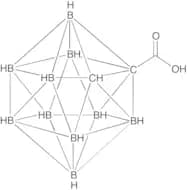
CAS:Controlled Product<p>Applications 3-(4-tert-Butylbenzene)propionic Acid (cas# 1208-64-6) is a compound useful in organic synthesis.<br></p>Formula:C13H18O2Color and Shape:NeatMolecular weight:206.28o-Carborane-1-carboxylic Acid
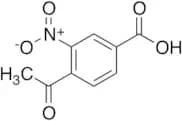
CAS:Controlled ProductFormula:C3H12B10O2Color and Shape:NeatMolecular weight:188.244-Acetyl-3-nitrobenzoic Acid
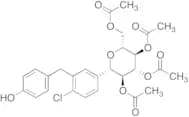
CAS:Controlled ProductFormula:C9H7NO5Color and Shape:NeatMolecular weight:209.156O-Desethyl Dapagliflozin tetraacetate)
CAS:<p>Applications Empagliflozin Tetraacetate is an Empagliflozin (E521510) impurity and is a reagent used to design and synthesize nitric oxide releasing derivatives of dapagliflozin which has potential antidiabetic and antithrombotic agents.<br>References Zheng, L., et al.: Bioorg. Med. Chem., 26, 3947 (2018)<br></p>Formula:C27H29ClO10Color and Shape:White To Off-WhiteMolecular weight:548.97Maleic Acid Monomethyl Ester (~90%)
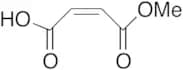
CAS:Controlled Product<p>Applications Maleic Acid Monomethyl Ester, is relative to Maleic Anhydride (M124400), which is a heterocyclic compound used in the manufacture of unsaturated polyester resins. Maleic Anhydride has a wide range of other applications; it can also be used in synthetic tensides, insecticides, herbicides and fungicides.<br>References Hanafi, W.Z.A. et al.: Plast. Rub. Comp. Proc. Appl., 19, 175 (1993); Noma, K. et al.: Shik. Kyok., 36, 225 (1963); Augustin, M. et al.: Wissen. Zeitsch., 25, 5 (1976); Jiang, Q. et al.: Nongyao, 49, 257 (2010);<br></p>Formula:C5H6O4Purity:~90%Color and Shape:NeatMolecular weight:130.1Nonafluoro-1-butanesulfonic Acid
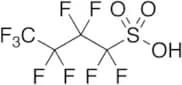
CAS:<p>Stability Moisture Sensitive<br>Applications Perfluorobutanesulfonic acid (PFBS) is a stable fluorosurfactant because of the strength of carbon–fluorine bonds. PFBS has served as a replacement for the persistent, toxic, and bioaccumulative perfluorooctanesulfonic acid (PFOS) in 3M's Scotchgard stain repellents. PFBS is neither toxic nor bioaccumulative.<br> Not a dangerous good if item is equal to or less than 1g/ml and there is less than 100g/ml in the package<br>References Renner R., et al.: Environ. Sci. Technol., 40, 12 (2006), Betts, K.S., et al.: Environ. Health Perspect., 115, 250 (2007),<br></p>Formula:C4HF9O3SColor and Shape:Colourless LiquidMolecular weight:300.102,6-Diaminopimelic Acid
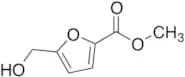
CAS:Controlled Product<p>Applications 2,6-Diaminopimelic Acid is useful in biological studies involving amino acids and amino sugars as molecular indicators of the origins of organic matter in buried tephra soils.<br>References Hobara, S., et al.: Geoderma, 373, 114449 (2020)<br></p>Formula:C7H14N2O4Color and Shape:NeatMolecular weight:190.20methyl 5-(hydroxymethyl)furan-2-carboxylate
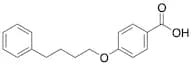
CAS:Controlled Product<p>Applications methyl 5-(hydroxymethyl)furan-2-carboxylate (cas# 36802-01-4) is a useful research chemical.<br></p>Formula:C7H8O4Color and Shape:NeatMolecular weight:156.144-(4-Phenylbutoxy)benzoic Acid
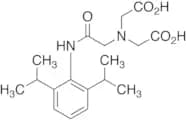
CAS:Controlled Product<p>Applications 4-(4-PHENYLBUTOXY)BENZOIC ACID (cas# 30131-16-9) is a useful research chemical.<br></p>Formula:C17H18O3Color and Shape:NeatMolecular weight:270.32N-(2,6-Diisopropylphenylcarbamoylmethyl)iminodiacetic Acid
CAS:Controlled Product<p>Applications N-(2,6-Diisopropylphenylcarbamoylmethyl)iminodiacetic Acid (cas# 65717-97-7) is a compound useful in organic synthesis.<br></p>Formula:C18H26N2O5Color and Shape:NeatMolecular weight:350.416-Chlorohexanoic Acid
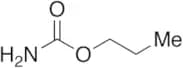
CAS:Controlled Product<p>Applications 6-Chlorohexanoic Acid is used as the starting material in the synthesis of 2,6-Dichloro-N-(2,6-dimethylphenyl)hexanamide (D434225); an impurity of the local anesthetic Levobupivacaine (B689546). 6-Chlorohexanoic Acid is also used as a reagent in the synthesis of novel types of polyester glycodendrimers as potential inhibitors of urinary tract infections.<br> Not a dangerous good if item is equal to or less than 1g/ml and there is less than 100g/ml in the package<br>References Tullar, B., et al.: J. Med. Chem., 14, 891 (1971); Schmidt, A., et al.: Pharm. Res., 22, 2121 (2005); Twibanire, J.K., et al.: New J. Chem., 39, 4115 (2015)<br></p>Formula:C6H11ClO2Color and Shape:NeatMolecular weight:150.6Carbamic Acid Propyl Ester
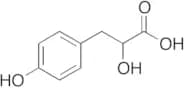
CAS:Controlled Product<p>Applications A metabolite of alkyl carbamate (ethyl or propyl).<br>References Muller, J.P., et al.: J. Chim. Phys. Physicochim. Biol., 71, 893 (1974),<br></p>Formula:C4H9NO2Color and Shape:NeatMolecular weight:103.12DL-p-Hydroxyphenyllactic Acid
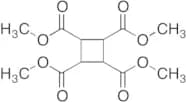
CAS:Controlled Product<p>Applications DL-p-Hydroxyphenyllactic Acid is used as a reagent in the synthesis of 2-O-(4-coumaroyl)-3-(4-hydroxyphenyl)lactic acid, an important intermediate of rosmarinic acid biosynthesis.<br>References Matsuno, M., et al.: Chem. Pharm. Bull., 49, 1644 (2001)<br></p>Formula:C9H10O4Color and Shape:Off-WhiteMolecular weight:182.171,2,3,4-Cyclobutanetetracarboxylic Acid 1,2,3,4-Tetramethyl Ester
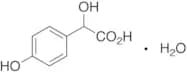
CAS:Controlled Product<p>Applications 1,2,3,4-Cyclobutanetetracarboxylic Acid 1,2,3,4-Tetramethyl Ester is product from the formation of a mixture of maleic anhydride and hexamethylbenzene when exposed to ultraviolet irradiation.<br>References Raciszewski, Z.: J. Chem. Soc., 12, 1147-1155 (1966);<br></p>Formula:C12H16O8Color and Shape:White To Off-WhiteMolecular weight:288.254-Hydroxymandelic Acid Monohydrate
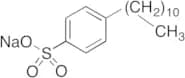
CAS:<p>Applications 3-Hydroxymandelic Acid is used in the synthesis of an enzyme activity-based labeling molule.<br>References Komatsu, T. et al.: J. Am. Chem. Soc., 128, 15946 (2006);<br></p>Formula:C8H8O4·H2OColor and Shape:NeatMolecular weight:168.15 + (18.02)4-Undecylbenzenesulfonic Acid Sodium Salt
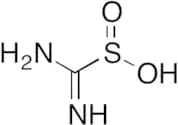
CAS:Controlled Product<p>Applications N-Undecylbenzenesulfonic Acid is an anionic surfactant.<br>References Mottaleb, M. A.: Anal. Sci., 15, 1137 (1999), Kolb, M., et al.: LaborPraxis, 22, 56 (1998); Ferrer D., et al.: Tenside, Surfact., Det., 34, 278 (1997)<br></p>Formula:C17H27NaO3SColor and Shape:NeatMolecular weight:334.45Formamidinesulfinic Acid
CAS:Controlled Product<p>Applications Formamidine Sulfuric Acid is a reagent used in reduction and synthesis reactions.<br> Not a dangerous good if item is equal to or less than 1g/ml and there is less than 100g/ml in the package<br>References Ma, Q. et al.: Carbon, 54, 36 (2013);<br></p>Formula:CH4N2O2SColor and Shape:White To Off-WhiteMolecular weight:108.124-Aminohippuric Acid
CAS:Controlled Product<p>Applications 4-Aminohippuric Acid is used in the measurement of renal plasma flow as a diagnostic tool which may be applied towards kidney disorders.<br>References Phillips, R. et al.: Am. J. Physiol., 152, 523 (1948);<br></p>Formula:C9H10N2O3Color and Shape:Off White SolidMolecular weight:194.19[p-Terphenyl]-4,4''-dicarboxylic Acid
CAS:Controlled Product<p>Applications Used in the synthesis of substituted terphenyls.<br>References Strukelj, M., et al.: Science, 267, 1969 (1995), Burroughes, J., et al.: Nature, 347, 589 (1990),<br></p>Formula:C20H14O4Color and Shape:NeatMolecular weight:318.32Levopimaric Acid
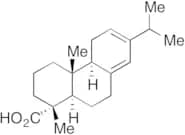
CAS:Controlled Product<p>Stability Air Sensitive<br>Applications Levopimaric Acid is a major component of pine oleoresin. It is an abietane-type of diterpene resin acid and has antibacterial, cardiovascular, and antioxidant properties.<br>References Kersten, P. J., et al.: J. Chem. Ecol., 32(12), 2679-85 (2006)<br></p>Formula:C20H30O2Color and Shape:White To Off-WhiteMolecular weight:302.453-Hydroxysuberic Acid
CAS:Controlled Product<p>Applications 3-Hydroxysuberic Acid is a derivative of sebacic acid (S211410) a urinary metabolite that has been identified as an anti-fatigue biomarker.<br>References Ma, C. et. al.: J. Pharmaceut. Biomed. Anal. 105, 84 (2015)<br></p>Formula:C8H14O5Color and Shape:NeatMolecular weight:190.19Boric Acid
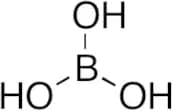
CAS:<p>Applications Boric Acid is a common chemical component in insecticides, specifically for flea erradication. Also has the properties of an effective flame retardant.<br>References Hinkle, N. et al.: J. Med. Entomol., 32, 424 (1995); Dogan, M. et al.: Polym. Degrad. Stab., 99, 12 (2014);<br></p>Formula:BH3O3Color and Shape:WhiteMolecular weight:61.83Cyclohexanecarboxylic acid
CAS:Controlled Product<p>Applications Cyclohexanecarboxylic acid<br></p>Formula:C7H12O2Color and Shape:NeatMolecular weight:128.171,11-Undecanedicarboxylic Acid
CAS:<p>Applications 1,11-Undecanedicarboxylic Acid is used in the synthesis of two Bis(tetrahydroisoquinoline) which were highly cytotoxic for cancer-cell cultures and less toxic to healthy cells and exhibited noticeable antimicrobial activity against Gram-positive and Gram-negative bacteria and fungal strain Candida albicans.<br>References Terent’eva, E. O., et al.: Chem. Nat. Compd., 53, 328-332 (2017)<br></p>Formula:C13H24O4Color and Shape:NeatMolecular weight:244.334-Mercaptophenylacetic Acid
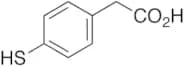
CAS:Controlled Product<p>Applications A redox buffer that increases the folding rate of disulfide-containing proteins realative to traditional buffers such as glutathione and glutathione-disulfide. A useful synthetic intermediate for the preparation of novel antiinflammatory agents.<br> Not a dangerous good if item is equal to or less than 1g/ml and there is less than 100g/ml in the package<br>References Gough, J.D., et al.: JACS, 124 (15), 3885 (2002)<br></p>Formula:C8H8O2SColor and Shape:NeatMolecular weight:168.21Boric Acid, Pinacol Ester
CAS:Controlled Product<p>Applications Boric Acid, Pinacol Ester was a useful reagent in the study of hydrogen peroxide inducible DNA croslsinking agents as anticancer prodrugs.<br>References Kuang, Y., et al.: J. Am. Chem. Soc., 133, 19278 (2011);<br></p>Formula:C6H13BO3Color and Shape:NeatMolecular weight:143.9773,4-Secocholest-5-ene-3,4-dioic Acid Dimethyl Ester
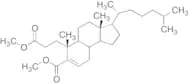
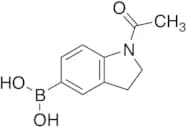
CAS:Controlled Product<p>Applications 3,4-Secocholest-5-ene-3,4-dioic Acid Dimethyl Ester is an intermediate used in the synthesis of 3,4-Seco-solanidine-3,4-dioic Acid (S682410), which is a derivative of Solanidine (S682410).<br></p>Formula:C29H48O4Color and Shape:NeatMolecular weight:460.69(1-acetyl-2,3-dihydro-1H-indol-5-yl)boronic Acid
CAS:Controlled Product<p>Applications (1-acetyl-2,3-dihydro-1H-indol-5-yl)boronic acid (cas# 905971-97-3) is a useful research chemical.<br></p>Formula:C10H12BNO3Color and Shape:BeigeMolecular weight:205.02Glyoxylic Acid Monohydrate
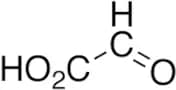
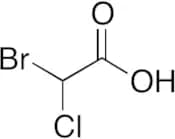
CAS:Controlled Product<p>Applications Occurs in unripe fruit and in young green leaves; has also been found in very young sugar beets.<br>References Lelieveld, J., et al.: Nature, 452, 737 (2008), da Silva, G., et al.: Environ. Sci. Technol., 44, 250 (2010),<br></p>Formula:C2H4O4Color and Shape:NeatMolecular weight:92.05Bromochloroacetic Acid
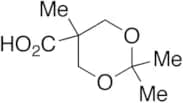
CAS:<p>Applications Bromochloroacetic acid is a halogenated disinfection byproduct commonly found in drinking water, fruit juice, and cheese. Bromochloroacetic acid has been shown to cause mesothelioma, fibroadenomas, and adenomas in rats<br> Not a dangerous good if item is equal to or less than 1g/ml and there is less than 100g/ml in the package<br>References Hang, C., et al.: Sci Total Environ. 543, 425 (2016); Cardador, M. J. and Gallego, M.: Food Chem. 173, 685 (2015); Natl Toxicol Program Tech Rep Ser. 549, 1 (2009)<br></p>Formula:C2H2BrClO2Color and Shape:NeatMolecular weight:173.392,2,5-Trimethyl-1,3-dioxane-5-carboxylic Acid
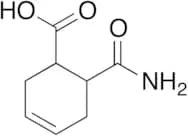
CAS:Controlled Product<p>Applications 2,2,5-Trimethyl-1,3-dioxane-5-carboxylic Acid (cas# 16837-14-2) is a compound useful in organic synthesis.<br></p>Formula:C8H14O4Color and Shape:NeatMolecular weight:174.196-(Aminocarbonyl)-3-cyclohexene-1-carboxylic Acid
CAS:Controlled Product<p>Applications 6-(Aminocarbonyl)-3-cyclohexene-1-carboxylic Acid is a useful building block for organic synthesis.<br></p>Formula:C8H11NO3Color and Shape:NeatMolecular weight:169.1784-Ethoxycarbonyl-3-ethoxyphenylacetic Acid
CAS:Controlled Product<p>Applications Repaglinide intermediate.<br>References Wolfenbuttel, B., et al.: Eur. J. Clin. Pharmacol., 45, 113 (1993), Grell, W., et al.: J. Med. Chem., 41, 5219 (1998), Anon., et al.: Drugs Future, 24, 815 (1999),<br></p>Formula:C13H16O5Color and Shape:NeatMolecular weight:252.262-Oxohexanoic Acid
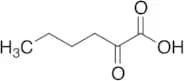
CAS:Controlled Product<p>Applications 2-Oxohexanoic Acid (cas# 2492-75-3) has been useful in a biological study that investigated the impact of glutathione on wines oxidative stability.<br>References Nikolantonaki, M., et al.: Front. Chem. (Lausanne, Switzerland), 6, 182 (2018)<br></p>Formula:C6H10O3Color and Shape:NeatMolecular weight:130.14Iodoacetic Acid
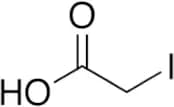
CAS:Controlled Product<p>Applications Used as a general reagent in acylation reactions. A byproduct formed in treated waters, and found in marine life.<br> E0<br>References Zuckermann, R.N. et al.; J. Am. Chem. Soc., 115, 10646 (1992); Bull, R., et al.: Toxicol. Appl. Pharmacol., 182, 55 (2002), Mitch, W., et al.: Water Sci. Technol., 2, 191 (2002),<br></p>Formula:C2H3IO2Color and Shape:AmberMolecular weight:185.957H-Dodecafluoroheptanoic Acid
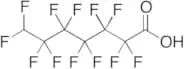
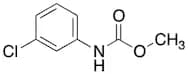
CAS:<p>Applications 7H-Dodecafluoroheptanoic Acid is a derivative of Heptanoic Acid (H998455) which can be used as an organic building blocks for the synthesis of variety of chemical compounds. Heptanoic Acid is used in the synthesis of 17-epi-Testosterone Enanthate (T155095). It is used in the preparation of esters, such as ethyl heptanoate, which are used in fragrances and as artificial flavors. It is also one of many additives in cigarettes.<br> Not a dangerous good if item is equal to or less than 1g/ml and there is less than 100g/ml in the package<br>References Anneken, D. et al.: Fatty Acids, Ullmann's Encyclopedia of Industrial Chemistry (2006); Wudy, S., et al.: Steroids, 66, 759 (2001); Kootstra, P., et al.: Anal. Chim. Acta., 586, 82 (2007); Sten, T., et al.: Drug Metab. Dispos., 37, 417 (2009)<br></p>Formula:C7H2F12O2Color and Shape:WhiteMolecular weight:346.07methyl n-(3-chlorophenyl)carbamate
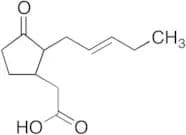
CAS:Controlled ProductFormula:C8H8ClNO2Color and Shape:NeatMolecular weight:185.608(±)-Jasmonic Acid
CAS:<p>Applications (±)-Jasmonic Acid can be used as reactant/reagent for synthetic preparation of fluorescent-labeled jasmonate and application to fluorescent imaging in cabbage seedlings.<br>References Liu, S., et al.: Tetrahedron Lett., 53, 4235-4239 (2012)<br></p>Formula:C12H18O3Color and Shape:NeatMolecular weight:210.273,4-Dimethoxybenzoic Acid (Veratric Acid)
CAS:Controlled Product<p>Applications Veratric Acid is a derivative of Protocatechuic Acid. Veratric Acid is a reagent used in the production of antimicrobial agents, antifeedants, and a variety of other biologically active compounds.<br>References Alissandrakis, E., et al.: Eur. Food Res. Technol., 229, 365 (2009), Spaccini, R., et al.: Soil Biol. Biochem., 41, 1164 (2009), Narasimhan, B., et al.: Eur. J. Med. Chem., 44, 689 (2009), Pereira, L., et al.: J. Biotechnol., 139, 68 (2009),<br></p>Formula:C9H10O4Color and Shape:NeatMolecular weight:182.17Hydrazine Acetate
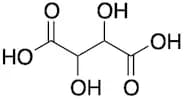
CAS:Controlled Product<p>Applications Hydrazine acetate (cas# 7335-65-1) is a useful research chemical.<br></p>Formula:C2H8N2O2Color and Shape:NeatMolecular weight:92.1dl-tartaric acid
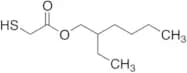
CAS:Controlled Product<p>Applications (cas# 526-83-0) is a useful research chemical.<br></p>Formula:C4H6O6Color and Shape:NeatMolecular weight:150.087Thioglycolic Acid 2-Ethylhexyl Ester
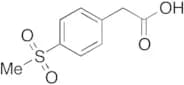
CAS:Formula:C10H20O2SColor and Shape:NeatMolecular weight:204.334-(Methylsulfonyl)phenylacetic Acid
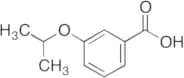
CAS:Controlled Product<p>Applications 4-(Methylsulfonyl)phenylacetic Acid is an intermediate used to prepare heterocyclic diaryl compounds as selective COX-2 inhibitors. It is also used to synthesize hydroxyfuranones as antioxidants and antiinflammatory agents.<br>References Eren, G., et al.: Bioorg. Med. Chem., 18, 6467 (2010); Weber, V., et al.: Bioorg. Med. Chem., 13, 4552 (2005)<br></p>Formula:C9H10O4SColor and Shape:NeatMolecular weight:214.243-Isopropoxybenzoic Acid
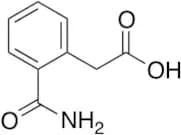
CAS:Controlled Product<p>Applications 3-Isopropoxybenzoic acid is a useful reagent for organic synthesis and other chemical processes.<br>References Chiong, H. A., et al.: J. Am. Chem. Soc., 129, 9879 (2007); Kingston, D. G. I., et al.: J. Med. Chem., 41, 3715 (1998)<br></p>Formula:C10H12O3Color and Shape:White To Off-WhiteMolecular weight:180.22-(2-Carbamoylphenyl)acetic Acid
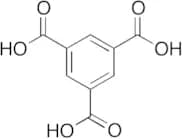
CAS:Controlled Product<p>Applications 2-(2-carbamoylphenyl)acetic acid (cas# 23362-56-3) is a useful research chemical.<br></p>Formula:C9H9NO3Color and Shape:BeigeMolecular weight:179.173Trimesinic Acid
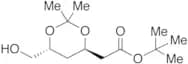
CAS:<p>Applications Trimesinic Acid is used for multifunctional therapeutics. It shows inhibitory activity against Torpedo Californica acetylcholinesterase and prevented amyloid-β peptide aggregate formation.<br>References Peckels, C., et al.: Curr. Enz. Inhib., 9, 67 (2013)<br></p>Formula:C9H6O6Color and Shape:NeatMolecular weight:210.14(4R,6R)-6-Hydroxymethyl-2,2-dimethyl-1,3-dioxane-4-acetic Acid 1,1-Dimethylethyl Ester
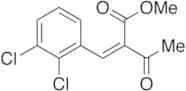
CAS:Controlled ProductFormula:C13H24O5Color and Shape:NeatMolecular weight:260.327Methyl 2-(2,3-Dichlorobenzylidene)acetoacetate
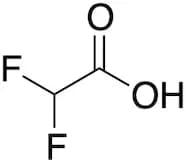
CAS:Controlled ProductFormula:C12H10Cl2O3Color and Shape:NeatMolecular weight:273.11Difluoroacetic acid
CAS:<p>Applications Difluoroacetic acid<br> Not a dangerous good if item is equal to or less than 1g/ml and there is less than 100g/ml in the package<br></p>Formula:C2H2F2O2Color and Shape:Light YellowMolecular weight:96.03β-Formylpropionic Acid
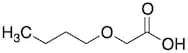
CAS:Controlled Product<p>Applications β-Formylpropionic Acid is used in the synthesis of potent and orally available nonpeptide antagonist of human gonadotropin-releasing hormone receptor. It is also a reagent in the synthesis of human melanocortin-4 receptor antagonists with a pyrrolidinone moiety.<br>References Chen, C. et al.: J. Med. Chem., 51, 7478 (2008); Jiang, W. et al.: Bioorg. Med. Med. Chem. Lett., 17, 5610 (2007);<br></p>Formula:C4H6O3Color and Shape:NeatMolecular weight:102.092-Butoxyacetic Acid
CAS:<p>Applications 2-butoxyacetic acid (cas# 2516-93-0) is a useful research chemical.<br></p>Formula:C6H12O3Color and Shape:NeatMolecular weight:132.16(-)-α-Kainic Acid Monohydrate
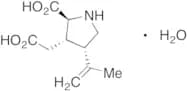
CAS:Controlled Product<p>Applications (-)-α-Kainic Acid Monohydrate is the monohydrated form of (-)-α-Kainic Acid (K135010); a naturally occurring neuroexcitatory chemical that is a selective agonist for a subtype of ionotropic glutamate receptor. Administration of (-)-α-Kainic Acid has been shown to increase production of reactive oxygen species, mitochondrial dysfunction, and apoptosis in neurons in many regions of the brain, particularly in the hippocampal subregions and in the hilus of dentate gyrus.<br>References Wacker, D.A., et al.: Synlett, 503 (1997); Dunleavy, M., et al.: J. Molec. Neurosci., 49, 202 (2013); Zhang, J., et al.: Neuron., 76, 1133 (2012); Yamada, J., et al.: Neurosci., 226, 119 (2012); Wang,Q., et al.: Mol. Neurobiol., 31, 3 (2005)<br></p>Formula:C10H15NO4·H2OColor and Shape:NeatMolecular weight:231.246Glutaconic Acid
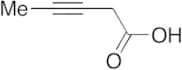
CAS:Controlled Product<p>Applications Glutaconic Acid is used in the synthesis of dialkyltin derivatives of dicarboxylic acids which display antitumor properties. Also used in the synthesis of novel tetracyclic compounds as peripheral benzodiazepine receptor ligands with potential use for CNS illness treatments.<br>References Gielen, M. et al.: Hetero. Chem., 3, 449 (1992); Okubo, T. et al.: Bioorg. Med. Chem. Lett., 12, 3569 (2004);<br></p>Formula:C5H6O4Color and Shape:NeatMolecular weight:130.1Propiolic Acid
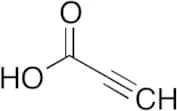
CAS:Controlled Product<p>Applications Propiolic Acid is a compound used in the synthesis of haloalkyl propiolates, halopropenoates, and transition metal complexes.<br> Not a dangerous good if item is equal to or less than 1g/ml and there is less than 100g/ml in the package<br>References J. Organomet. Chem., 456, 271 (1993); Tetrahedron, 49, 4229 (1993); Tetrahedron, 48, 3413 (1992); J. Org. Chem., 57, 709 (1992)<br></p>Formula:C3H2O2Color and Shape:YellowMolecular weight:70.051-Acetylisonipecotic Acid
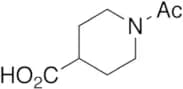
CAS:Controlled Product<p>Applications Metabolite fingerprinting in transgenic Nicotiana tabacum altered by the Escherichia coli glutamate dehydrogenase gene. A synthetic intermediate in the preparation of CNS depressants.<br>References Mungur, R., et al.: J. Biomed. Biotechnol., 2, 198 (2005), Young, J., et al.: Bioorg. Med. Chem. Lett., 17, 5310 (2007),<br></p>Formula:C8H13NO3Color and Shape:NeatMolecular weight:171.19Di-β,β'-Chloroethylphosphoric Acid
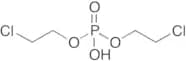
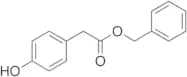
CAS:<p>Applications Di-β,β'-Chloroethylphosphoric Acid, is a dialkyl hydrogen phosphates, that can undergo the electrophilic trifluor- omethylation to produce trifluoromethyl phosphates in order to increase the lipophilicity of functional groups.<br>References Santschi, N., et al.: J. Fluorine Chem., 135, 83 (2012);<br></p>Formula:C4H9Cl2O4PColor and Shape:NeatMolecular weight:222.99Benzyl (4-Hydroxyphenyl)acetate
CAS:Controlled Product<p>Applications Intermediate in the preparation of Camostat metabolites.<br>References Bodor, N., et al.: Pharm. Res., 3, 120 (1984), Han, L., et al.: Biochem., 46, 1432 (2007),<br></p>Formula:C15H14O3Color and Shape:NeatMolecular weight:242.27(2E)-3-(4-Hydroxy-3,5-dimethoxyphenyl)-2-propenoic Acid
CAS:Controlled Product<p>Stability Light Sensitive<br>Applications (2E)-3-(4-Hydroxy-3,5-dimethoxyphenyl)-2-propenoic Acid, is a reagent used as an analytical standard.<br></p>Formula:C11H12O5Color and Shape:NeatMolecular weight:224.211-(Mercaptomethyl)cyclopropaneacetic Acid
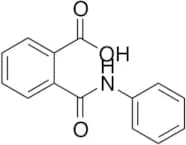
CAS:Controlled Product<p>Applications An intermediate of Montelukast.<br> Not a dangerous good if item is equal to or less than 1g/ml and there is less than 100g/ml in the package<br></p>Formula:C6H10O2SColor and Shape:NeatMolecular weight:146.21Phthalanilic Acid (~90%)
CAS:Controlled Product<p>Applications Phthalanilic acid is a compound that is useful in the production of fertilizers.<br>References Liang, S., et al.: Faming Zhuanli Shenqing.,4 (2019)<br></p>Formula:C14H11NO3Purity:~90%Color and Shape:White To Off-WhiteMolecular weight:241.24Methyl 2-Cyano-2-oximinoacetate
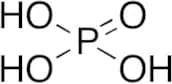
CAS:Controlled Product<p>Applications Methyl 2-Cyano-2-oximinoacetate is an intermediate in synthesizing 2-Cyano-2-(methoxyimino)acetic Acid (C989423), which is a cyano-oxime derivative used as a fungicide.<br>References Tellier, F., et al.: Pestic Biochem Physiol., 78, 151-160 (2004)<br></p>Formula:C4H4N2O3Color and Shape:NeatMolecular weight:128.09Phosphoric Acid
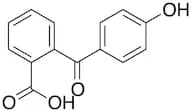
CAS:<p>Applications Phosphoric Acid is used in various chemical processes as a phosphorylating compound. It is involved in the hydrolysis via phosphorylation of nanocrystals to obtain high-aspect-ratio cellulose nanocrystals. Also used in the synthesis of lithium-ion cells.<br> Not a dangerous good if item is equal to or less than 1g/ml and there is less than 100g/ml in the package<br>References Camarero E. et al.: Biomacromol., 14, 1223 (2013); Meligrana, G. et al.: J. Power. Sources., 160, 516 (2006);<br></p>Formula:H3O4PColor and Shape:NeatMolecular weight:98.002-(4-Hydroxybenzoyl)benzoic acid
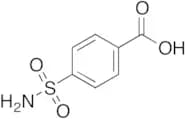
CAS:<p>Applications 2-(4-Hydroxybenzoyl)benzoic acid<br></p>Formula:C14H10O4Color and Shape:Off-WhiteMolecular weight:242.2274-Sulfamoylbenzoic Acid
CAS:Controlled Product<p>Applications 4-Sulfamoylbenzoic Acid is used as a reagent in the synthesis of carbonic anhydrase inhibitors anticonvulsant agents.<br>References Singh, S. et al.: J. Enz. Inhib. Med. Chem., 31, 417 (2016);<br></p>Formula:C7H7NO4SColor and Shape:NeatMolecular weight:201.26-[(6-Aminohexyl)amino]-6-oxo-hexanoic Acid
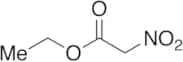
CAS:<p>Applications 6-[(6-Aminohexyl)amino]-6-oxo-hexanoic acid is a nylon oligomer with flame retardant properties.<br>References Zahn, Helmut et al.: Chemische Berichte, 92, 1381 (1959)<br></p>Formula:C12H24N2O3Color and Shape:NeatMolecular weight:244.33Ethyl Nitroacetate
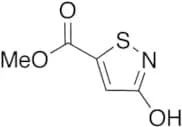
CAS:Controlled Product<p>Applications Ethyl Nitroacetate is an ester of nitrocarboxylic acid used as an intermediate in the preparation of unsubstituted amino acids.<br>References Sidorin, G.I.: Gig. Aspe. Okhr. Zdor. Nasel., 144 (1977);<br></p>Formula:C4H7NO4Color and Shape:NeatMolecular weight:133.1Methyl-3-hydroxyisothiazole-5-carboxylate
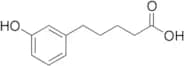
CAS:Controlled Product<p>Applications Methyl-3-hydroxyisothiazole-5-carboxylate (cas# 100241-89-2) is a compound useful in organic synthesis.<br></p>Formula:C5H5NO3SColor and Shape:Off White To YellowMolecular weight:159.165-(3-hydroxyphenyl)pentanoic Acid
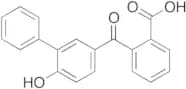
CAS:<p>Applications 5-(3-hydroxyphenyl)pentanoic acid (cas# 31129-95-0) is a useful research chemical.<br></p>Formula:C11H14O3Color and Shape:NeatMolecular weight:194.23Fendizoic Acid
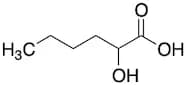
CAS:Controlled Product<p>Applications Fendizoic Acid is a reagent in the synthesis of fluorinated polyphthalazinone ethers containing perfluorophenylene moieties.<br>References Lu, Z., et al.: J. Polym. Sci. A1, 42, 925 (2004)<br></p>Formula:C20H14O4Color and Shape:NeatMolecular weight:318.322-Hydroxyhexanoic Acid
CAS:Controlled Product<p>Applications 2-hydroxyhexanoic acid (cas# 6064-63-7) is a useful research chemical.<br></p>Formula:C6H12O3Color and Shape:NeatMolecular weight:132.15Nonadecanedioic Acid
CAS:Controlled Product<p>Applications Nonadecanedioic Acid (cas# 6250-70-0) is a useful research chemical.<br></p>Formula:C19H36O4Color and Shape:NeatMolecular weight:328.493-Hydroxytetradecanoic Acid
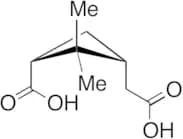
CAS:Controlled Product<p>Applications 3-Hydroxytetradecanoic Acid is used in the preparation of liposomes coated with N-acylated molecular-weight. Also used in the synthesis of pseudomycin side-chain analogs. Also used in the study of Lipid A, a major constituent of the lipopolysaccharides, which are responsible for the toxicity of gram negative bacteria.<br>References Naberezhnykh, G. et al.: Chem. Nat. Comp., 46, 852 (2011); Chen, S. et al.: Bioorg. Med. Chem. Lett., 10, 2107 (2000); Carillo, S. et al.: Marine Drugs., 11, 184 (2013);<br></p>Formula:C14H28O3Color and Shape:NeatMolecular weight:244.37Cis-Pinic Acid
CAS:Controlled Product<p>Applications Cis-Pinic Acid is used to develop an exposure system for the toxicological evaluation of particles derived from coal-fired power plants. It is formed from α-pinene (P466605) oxidation.<br>References Ruiz, P., et al.: Inhal. Toxicol., 19, 607 (2007); Kristensen, K., et al.: Atmos. Chem. Phy., 13, 3763 (2013)<br></p>Formula:C9H14O4Color and Shape:NeatMolecular weight:186.21Phosphoric Acid Diammonium Salt
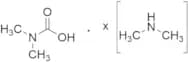
CAS:Controlled Product<p>Applications Diammonium salt of Phosphoric Acid, used in various chemical processes as a phosphorylating compound. Also used in the preparation of prosthetics and collagen nanocomposites due to the bone-like properties.<br>References Ezhova, Z. et al.: Russ. J. Inorg. Chem., 58, 1177 (2013); Wu, Y. et al.: Asian J. Chem., 25, 5881 (2013);<br></p>Formula:H3N·H3O4PColor and Shape:NeatMolecular weight:132.06Dimethylammonium Dimethylcarbamate
CAS:<p>Applications Dimethylammonium Dimethylcarbamate is a reactant used in the synthesis of vanadium complex implantation on silica surfaces and may be studied for its use in phrmaceutical synthesis.<br>References Bresciani, G. et al.: Eur. J. Inorg. Chem., 10, 1176 (2018);<br></p>Formula:C3H7NO2·xC2H7NColor and Shape:NeatMolecular weight:89.09 + x(45.08)2-Cyclohexyl-2-hydroxy-phenylacetic Acid
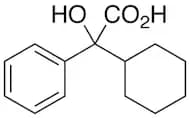
CAS:Controlled Product<p>Impurity Oxybutynin USP Related Compound A<br>Applications An intermediate in the synthesis of oxybutynin (O868525). Oxybutynin USP Related Compound A.<br></p>Formula:C14H18O3Color and Shape:WhiteMolecular weight:234.29Ethyl 4-Phenylacetoacetate
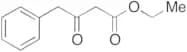
CAS:Controlled Product<p>Applications Ethyl 4-Phenylacetoacetate is a useful synthetic intermediate. It is used to prepare pyrazolone derivatives as antiprion compounds. It is also used to prepare pyrrolinylaminopyrimidine analogs as inhibitors of AP-1 and NF-κB mediated gene expression.<br>References Kimata, A., et al.: J. Med. Chem., 50, 5053 (2007); Palanki, M., et al.: Bioorg. Med. Chme. Lett., 12, 2573 (2002)<br></p>Formula:C12H14O3Color and Shape:NeatMolecular weight:206.23776Bicarbamic Acid Diisopropyl Ester
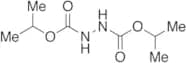
CAS:Controlled Product<p>Impurity Orlistat USP Related Compound B<br>Applications Orlistat USP Related Compound B<br></p>Formula:C8H16N2O4Color and Shape:NeatMolecular weight:204.22tert-Butyl N-[3-(Chlorosulfonyl)propyl]carbamate
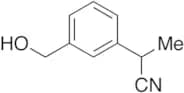
CAS:Controlled Product<p>Applications tert-butyl N-[3-(chlorosulfonyl)propyl]carbamate (cas# 1196153-59-9) is a useful research chemical.<br></p>Formula:C8H16ClNO4SColor and Shape:NeatMolecular weight:257.7353-(1-Cyanoethyl)benzoic Acid
CAS:Controlled Product<p>Applications 3-(1-Cyanoethyl)benzoic Acid is an intermediate for the synthetic preparation of various pharmaceutical compounds. 3-(1-Cyanoethyl)benzoic Acid was used in studies examining the enantioselectivity of nitrile hydratases.<br>References Rzeznicka, K., et al.: App. Microbiol. Biotechnol., 85, 1417 (2010); Van Pelt. S., et al.: Org. Biomole. Chem., 9, 3011 (2011);<br></p>Formula:C10H9NO2Color and Shape:BeigeMolecular weight:175.18








![[p-Terphenyl]-4,4''-dicarboxylic Acid](/_next/image/?url=https%3A%2Fstatic.cymitquimica.com%2Fproducts%2FTR%2Fthumb-webp%2FT116700.webp&w=3840&q=75)












![6-[(6-Aminohexyl)amino]-6-oxo-hexanoic Acid](/_next/image/?url=https%3A%2Fstatic.cymitquimica.com%2Fproducts%2FTR%2Fthumb-webp%2FA610100.webp&w=3840&q=75)



![tert-Butyl N-[3-(Chlorosulfonyl)propyl]carbamate](/_next/image/?url=https%3A%2Fstatic.cymitquimica.com%2Fproducts%2FTR%2Fthumb-webp%2FB811700.webp&w=3840&q=75)