Carboxylic Acids
Carboxylic acids are organic molecules characterized by having a carboxyl-type functional group (-COOH). These acids are fundamental in various chemical reactions, including esterification, amidation, and decarboxylation. Carboxylic acids are widely used in the production of pharmaceuticals, polymers, and agrochemicals. In this section, you can find a large number of carboxylic acids ready to be used. At CymitQuimica, we provide a broad range of high-quality carboxylic acids to support your research and industrial applications.
Found 12453 products of "Carboxylic Acids"
Sort by
Purity (%)
0
100
|
0
|
50
|
90
|
95
|
100
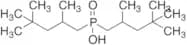
Bis(2,4,4-trimethylpentyl)phosphinic Acid
CAS:Controlled Product<p>Applications Bis(2,4,4-trimethylpentyl)phosphinic acid (cas# 83411-71-6) is a useful research chemical.<br> Not a dangerous good if item is equal to or less than 1g/ml and there is less than 100g/ml in the package<br></p>Formula:C16H35O2PColor and Shape:NeatMolecular weight:290.42D-Lactic Acid
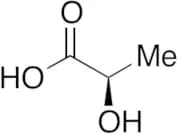
CAS:<p>Applications D-Lactic Acid occurs in small quantities in the blood and muscle fluid of man and animals. The lactic acid concentration increases in muscle and blood after vigorous activity.<br>References He, W. et al.: Comp. Biochem. Phys. Part A: Mol. Int. Phys., 166, 308 (2013)<br></p>Formula:C3H6O3Purity:90%Color and Shape:Colourless To Light YellowMolecular weight:90.08Thioacetic Acid
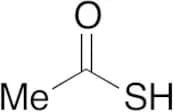
CAS:Controlled Product<p>Stability Light Sensitive<br>Applications Thiacetic Acid is a commonly used reagent in organic synthesis for the introduction of thiol groups in molecules.<br> Not a dangerous good if item is equal to or less than 1g/ml and there is less than 100g/ml in the package<br>References Chapman, J.H. et al.: J. Chem. Soc., 579 (1950); Hoque, A., et al.: Bioorg. Med. Chem. Lett., 22, 6770 (2012)<br></p>Formula:C2H4OSColor and Shape:NeatMolecular weight:76.124-Sulfamoylbutyric Acid
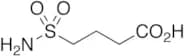
CAS:Controlled Product<p>Applications A solid phase organic linker for synthesis of tethering carboxylic acids to support.<br>References Backes, B.J. and Ellman, J. A.: J. Org. Chem., 64, 2322 (1999)<br></p>Formula:C4H9NO4SColor and Shape:NeatMolecular weight:167.18Glutaconic Acid
CAS:Controlled Product<p>Applications Glutaconic Acid is used in the synthesis of dialkyltin derivatives of dicarboxylic acids which display antitumor properties. Also used in the synthesis of novel tetracyclic compounds as peripheral benzodiazepine receptor ligands with potential use for CNS illness treatments.<br>References Gielen, M. et al.: Hetero. Chem., 3, 449 (1992); Okubo, T. et al.: Bioorg. Med. Chem. Lett., 12, 3569 (2004);<br></p>Formula:C5H6O4Color and Shape:NeatMolecular weight:130.12-Benzyloxybenzoic Acid
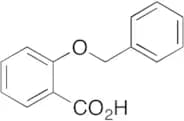
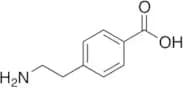
CAS:Controlled ProductFormula:C14H12O3Color and Shape:NeatMolecular weight:228.244-(2-Amino-ethyl)benzoic Acid
CAS:Controlled Product<p>Applications 4-(2-Amino-ethyl)-benzoic Acid is a useful reagent for the preparation of amino acid derivatives with anticancer activity.<br>References Kim, S., et al.: PCT Int. Appl. (2020), WO 2020204548 A1<br></p>Formula:C9H11NO2Color and Shape:White To Off-WhiteMolecular weight:165.18α-Aleuritic Acid
CAS:Controlled Product<p>Stability Hygroscopic<br>Applications α-Aleuritic acid is a major ingredient of shellac and is also a starting reagent in the manufacture of perfumes.<br>References Jakubowska, M., et al.: Polimery ., 15, 295 (1970); Shamsuzzaman, L.A., et al.: Pakistan. J. Biol. Agri. Sci., 11, 68 (1968);<br></p>Formula:C16H32O5Color and Shape:NeatMolecular weight:304.42Cyclohexanecarboxylic acid
CAS:Controlled Product<p>Applications Cyclohexanecarboxylic acid<br></p>Formula:C7H12O2Color and Shape:NeatMolecular weight:128.176-Chlorohexanoic Acid
CAS:Controlled Product<p>Applications 6-Chlorohexanoic Acid is used as the starting material in the synthesis of 2,6-Dichloro-N-(2,6-dimethylphenyl)hexanamide (D434225); an impurity of the local anesthetic Levobupivacaine (B689546). 6-Chlorohexanoic Acid is also used as a reagent in the synthesis of novel types of polyester glycodendrimers as potential inhibitors of urinary tract infections.<br> Not a dangerous good if item is equal to or less than 1g/ml and there is less than 100g/ml in the package<br>References Tullar, B., et al.: J. Med. Chem., 14, 891 (1971); Schmidt, A., et al.: Pharm. Res., 22, 2121 (2005); Twibanire, J.K., et al.: New J. Chem., 39, 4115 (2015)<br></p>Formula:C6H11ClO2Color and Shape:NeatMolecular weight:150.6Cyanuric Acid
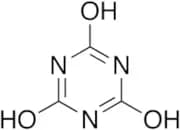
CAS:Controlled Product<p>Applications Diagnostic determination of Melamine and related compounds in kidney tissue.<br>References Mast, R., et al.: Food Chem. Toxicol., 21, 807 (1983), Yokley, R., et al.: J. Agric. Food Chem., 48, 3352 (2000), Ehling, S., et al.: Food Addit. Contam., 24, 1319 (2007), Vail, T., et al.: J. Anal. Toxicol., 31, 304 (2007),<br></p>Formula:C3H3N3O3Color and Shape:WhiteMolecular weight:129.07Hydrazine Acetate
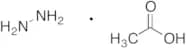
CAS:Controlled Product<p>Applications Hydrazine derivative.<br> Not a dangerous good if item is equal to or less than 1g/ml and there is less than 100g/ml in the package<br></p>Formula:C2H8N2O2Color and Shape:NeatMolecular weight:92.1tert-Butyl [(1R,2S,5S)-2-Amino-5-[(dimethylamino)carbonyl]cyclohexyl]carbamate Oxalate
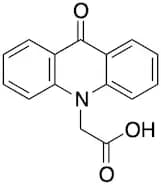
CAS:Controlled Product<p>Applications tert-Butyl [(1R,2S,5S)-2-Amino-5-[(dimethylamino)carbonyl]cyclohexyl]carbamate Oxalate is a starting material and useful building block of various pharmaceuticals.<br></p>Formula:C14H27N3O3•C2H2O4Color and Shape:NeatMolecular weight:375.419-Oxo-10(9H)-acridineacetic Acid
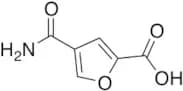
CAS:<p>Applications 9-Oxo-10(9H)-acridineacetic acid is a reagent for pre-column derivatization of amino acids for fluorescent determination in HPLC and it is also a building block in pharmaceutics.<br></p>Formula:C15H11NO3Color and Shape:NeatMolecular weight:253.254-carbamoylfuran-2-carboxylic acid
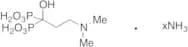
CAS:Controlled Product<p>Applications 4-carbamoylfuran-2-carboxylic acid (cas# 1315367-95-3) is a useful research chemical.<br></p>Formula:C6H5NO4Color and Shape:NeatMolecular weight:155.11Olpadronic Acid Ammonium
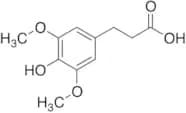
CAS:<p>Applications Used for the preparation of bisphosphonic acid derivatives as anti-osteoporosis agents.<br>References Amin, D., et al.: Drug Res., 46, 759 (1996), Martin, M., et al.: J. Med. Chem., 45, 2904 (2002),<br></p>Formula:C5H15NO7P2·x(NH3)Color and Shape:NeatMolecular weight:263.1217033-(4-Hydroxy-3,5-dimethoxyphenyl)propanoic Acid
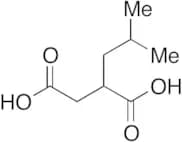
CAS:Controlled Product<p>Applications 3-(4-Hydroxy-3,5-dimethoxyphenyl)propanoic Acid (cas# 14897-78-0) is a useful research chemical.<br></p>Formula:C11H14O5Color and Shape:NeatMolecular weight:226.23Isobutylsuccinic Acid
CAS:Controlled Product<p>Applications Isobutylsuccinic Acid was used to synthesize succinimide derivatives as inhibitors of human leukocyte elastase, cathepsin G and proteinase 3.<br>References Groutas, W., et al.: Bioorg. Med. Chem., 3, 375 (1995);<br></p>Formula:C8H14O4Color and Shape:NeatMolecular weight:174.196-(6-(6-Aminohexanamido)hexanamido)hexanoic Acid
CAS:<p>Applications 6-(6-(6-Aminohexanamido)hexanamido)hexanoic Acid is used in the making of a preconjugate which serves as immunoreactive conjugate useful as a developer antigen in a competitive inhibition immunoassay for the polymorphic analyte. Also used in the efficient synthesis of a heterobifunctional coupling agent.<br>References Oh, C. S., et al.: PCT Int. Appl. (1994), WO 9416330 A1 19940721; Reddy, R. E., et al.: Bioconjug. Chem., 16, 1323 (2005)<br></p>Formula:C18H35N3O4Color and Shape:White To Off-WhiteMolecular weight:357.49Propiolic Acid
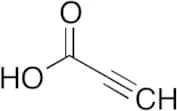
CAS:Controlled Product<p>Applications Propiolic Acid is a compound used in the synthesis of haloalkyl propiolates, halopropenoates, and transition metal complexes.<br> Not a dangerous good if item is equal to or less than 1g/ml and there is less than 100g/ml in the package<br>References J. Organomet. Chem., 456, 271 (1993); Tetrahedron, 49, 4229 (1993); Tetrahedron, 48, 3413 (1992); J. Org. Chem., 57, 709 (1992)<br></p>Formula:C3H2O2Color and Shape:YellowMolecular weight:70.053-(9H-Carbazol-9-yl)propanoic Acid
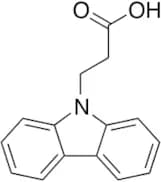
CAS:Controlled Product<p>Applications 3-(9H-carbazol-9-yl)propanoic acid (cas# 6622-54-4) is a useful research chemical.<br></p>Formula:C15H13NO2Color and Shape:NeatMolecular weight:239.2693,5-Di-tert-butyl-4-hydroxybenzoic acid hexadecyl ester
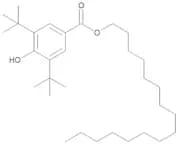
CAS:Controlled Product<p>Applications 3,5-Di-tert-butyl-4-hydroxybenzoic acid hexadecyl ester<br></p>Formula:C31H54O3Color and Shape:White PowderMolecular weight:474.767-Benzothiazolecarboxylic Acid
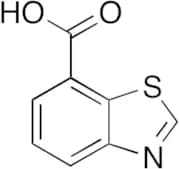
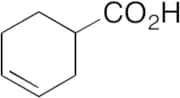
CAS:<p>Applications 7-Benzothiazolecarboxylic Acid is an intermediate used in the synthesis of pyrazole inhibitors of coactivator associated arginine methyltransferase 1 (CARM1). It is also used to prepare aminofuro-pyridine derivatives as inhibitors of TAK1.<br>References Huynh, T., et al.: Bioorg. Med. Chem. Lett., 19, 2924 (2009); Horneberger, K., et al.: Bioorg. Med. Chem. Lett., 23, 4517 (2013)<br></p>Formula:C8H5NO2SColor and Shape:NeatMolecular weight:179.1963-Cyclohexenylcarboxylic Acid
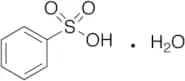
CAS:Controlled Product<p>Applications 3-Cyclohexenylcarboxylic Acid has been found to be an oxidizable, nongrowth substrate and induces the metabolism of cyclohexanecarboxylic acid and benzoic acid in a strain of Pseudomonas putida. 3-Cyclohexenylcarboxylic Acid has been used as food for cultures of Streptomyces sp. KCTC 11604BP fkbO deletion mutant to make 32-dehydroxy-FK506, a FK506 analogue containing a non-natural starter unit.<br> Not a dangerous good if item is equal to or less than 1g/ml and there is less than 100g/ml in the package<br>References Blakley, E.R., Papish, B.: Can. J. Microbiol., 28, 1324 (1982); Ban, Y.H., et. al.: Mol. bioSystems, 9, 944 (2013)<br></p>Formula:C7H10O2Color and Shape:NeatMolecular weight:126.15Benzenesulfonic Acid Monohydrate
CAS:<p>Applications Benzensulfonic Acid Monohydrate is used in the synthesis of HER2/EFGR dual inhibitors in the treatment of cancers and displaying potency towards anti-tumor activity.<br>References Kawakita, Y. et al.: Bioorg. Med. Chem. Lett., 20, 6171 (2012);<br></p>Formula:C6H8O4SColor and Shape:NeatMolecular weight:176.19trans-2-Octenoic Acid
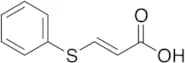
CAS:Controlled Product<p>Stability Light Sensitive<br>Applications TRANS-2-OCTENOIC ACID (cas# 1871-67-6) is a useful research chemical.<br> Not a dangerous good if item is equal to or less than 1g/ml and there is less than 100g/ml in the package<br></p>Formula:C8H14O2Color and Shape:NeatMolecular weight:142.23-(Phenylthio)acrylic Acid
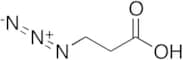
CAS:Controlled Product<p>Applications 3-(Phenylthio)acrylic Acid (cas# 63413-91-2) is a useful research chemical.<br></p>Formula:C9H8O2SColor and Shape:Light BrownMolecular weight:180.2243-Azidopropionic Acid
CAS:Controlled Product<p>Applications 3-Azidopropionic Acid is a mutagenic substance.<br>References LaVelle, J. M., et al.: Mutat. Res., 177, 27 (1987); Carlsson, L., et al.: J. Chem. Inf. Model., 49, 2551 (2009)<br></p>Formula:C3H5N3O2Color and Shape:NeatMolecular weight:115.091p-Toluic Acid
CAS:<p>Applications p-Toluic Acid is used as a reagent in the synthesis of several organic compounds including that of 2-aryl-1,3,4-oxadiazole derivatives which are potential antibacterial agents. Also used in the synthesis of 4-(bromomethyl) benzoic acid.<br>References Karimi, F., et al.: J. Chem. Pharm. Res., 7, 1028 (2015); Zheng, F., et al.: Guangdong Huagong, 42, 27 (2015);<br></p>Formula:C8H8O2Color and Shape:NeatMolecular weight:136.153-Hydroxytetradecanoic Acid
CAS:Controlled Product<p>Applications 3-Hydroxytetradecanoic Acid is used in the preparation of liposomes coated with N-acylated molecular-weight. Also used in the synthesis of pseudomycin side-chain analogs. Also used in the study of Lipid A, a major constituent of the lipopolysaccharides, which are responsible for the toxicity of gram negative bacteria.<br>References Naberezhnykh, G. et al.: Chem. Nat. Comp., 46, 852 (2011); Chen, S. et al.: Bioorg. Med. Chem. Lett., 10, 2107 (2000); Carillo, S. et al.: Marine Drugs., 11, 184 (2013);<br></p>Formula:C14H28O3Color and Shape:NeatMolecular weight:244.37(2E)-3-Phenyl-2-propenoic Acid
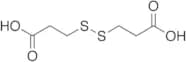
CAS:<p>Applications (2E)-3-Phenyl-2-propenoic Acid is used in the synthesis of amides and esters through coupling reactions involving carboxylic acids and amines. Also used in the N-methylation of amides and O-methylation of carboxylic acids.<br>References Kunishima, M. et al.: Tetrahedron, 55, 13159 (1999); Xia, Q. et al.: Org. Lett., 15, 3326 (2013);<br></p>Formula:C9H8O2Color and Shape:NeatMolecular weight:148.16Dithiobis-propanoic Acid
CAS:Controlled ProductFormula:C6H10O4S2Color and Shape:White To Off-WhiteMolecular weight:210.07Isophthalic Acid
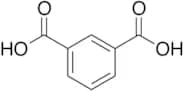
CAS:<p>Applications Isophthalic Acid is a useful reagent for preparing semiconductor sealing materials, prepregs, build-up films, solder resists, dry films, and printed wiring boards.<br>References Matsumura, Y., & Nakamura, A.: PCT Int. Appl. (2021), WO 2021006164 A1<br></p>Formula:C8H6O4Color and Shape:White To Off-WhiteMolecular weight:166.13Phenyl N-(2-Chloro-4-hydroxyphenyl)carbamate
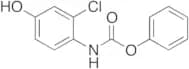
CAS:Controlled Product<p>Applications Phenyl N-(2-Chloro-4-hydroxyphenyl)carbamate is a reagent used in the prepartion of quinoline-carboxamide compounds including Lenvatinib (L329400), an orally active inhibitor of multiple receptor tyrosine kinases including VEGF, FGF and SCF receptors.<br>References Wang, N. et al.: Faming Zhuanli Shenqing (2017), CN 106632033 A 20170510.<br></p>Formula:C13H10ClNO3Color and Shape:NeatMolecular weight:263.682-(Carboxymethyldisulfanyl)acetic Acid
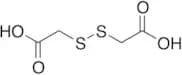
CAS:Controlled Product<p>Applications 2-(carboxymethyldisulfanyl)acetic acid (cas# 505-73-7) is a useful research chemical.<br></p>Formula:C4H6O4S2Color and Shape:NeatMolecular weight:182.212-Naphthoxyacetic acid
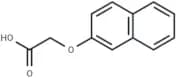
CAS:<p>2-Naphthoxyacetic acid is an endogenous metabolite that is an inhibitor of firefly luciferase (Potency=40 μm).</p>Formula:C12H10O3Purity:99.74%Color and Shape:SolidMolecular weight:202.21Phosphoric Acid
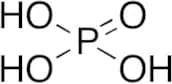
CAS:<p>Applications Phosphoric Acid is used in various chemical processes as a phosphorylating compound. It is involved in the hydrolysis via phosphorylation of nanocrystals to obtain high-aspect-ratio cellulose nanocrystals. Also used in the synthesis of lithium-ion cells.<br> Not a dangerous good if item is equal to or less than 1g/ml and there is less than 100g/ml in the package<br>References Camarero E. et al.: Biomacromol., 14, 1223 (2013); Meligrana, G. et al.: J. Power. Sources., 160, 516 (2006);<br></p>Formula:H3O4PColor and Shape:NeatMolecular weight:98.00(±)-2-Hydroxydodecanoic Acid
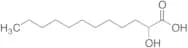
CAS:Controlled Product<p>Applications (8Z,11Z,14Z)-8,11,14-Heptadecatrienoic Acid, is a naturally occurring hydroxylated fatty acid that is found in Acinetobacter species. It acts as a partial agonist of free fatty acid receptor 1 (FFAR1/GPR40) and GPR84 receptors in vitro. It also inhibits bovine hepatic ligase (Ki = 4.4 μM) and mouse kidney mitochondrial medium-chain acyl-CoA synthetase by 48% at a concentration of 40 μM.<br>References Moss, C.W., et al.: J. Clin. Microbiol. 26(3), 484-492 (1988).; Kaspersen, M.H., et al.: Med. Chem. Commun. 8(6), 1360-1365 (2017).<br></p>Formula:C12H24O3Color and Shape:NeatMolecular weight:216.32(±)-Jasmonic Acid
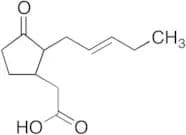
CAS:<p>Applications (±)-Jasmonic Acid can be used as reactant/reagent for synthetic preparation of fluorescent-labeled jasmonate and application to fluorescent imaging in cabbage seedlings.<br>References Liu, S., et al.: Tetrahedron Lett., 53, 4235-4239 (2012)<br></p>Formula:C12H18O3Color and Shape:NeatMolecular weight:210.274-Amino-3-hydroxybenzoic Acid
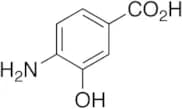
CAS:Controlled Product<p>Applications 4-Amino-3-hydroxybenzoic Acid is disubsituted benzoic acid used in the preparation of various pharmaceutical compounds such as sphingosine kinase inhibitors.<br>References Kono, K. et al.: J. Antibiot., 53, 759 (2000);<br></p>Formula:C7H7NO3Color and Shape:NeatMolecular weight:153.14(2E)-3-(4-Hydroxy-3,5-dimethoxyphenyl)-2-propenoic Acid
CAS:Controlled Product<p>Stability Light Sensitive<br>Applications (2E)-3-(4-Hydroxy-3,5-dimethoxyphenyl)-2-propenoic Acid, is a reagent used as an analytical standard.<br></p>Formula:C11H12O5Color and Shape:NeatMolecular weight:224.212-Ethylbutyric Acid
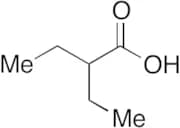
CAS:Controlled Product<p>Applications 2-Ethylbutyric Acid is used in biological studies as a possible descriptor for toxicity prediction through electrophilicity.<br> Not a dangerous good if item is equal to or less than 1g/ml and there is less than 100g/ml in the package<br>References Roy, D.R., et al.: Bioorg. Med. Chem., 13, 3405 (2005); Parthasarathi, R., et al.: J. Phys. Chem. A., 107, 10346 (2003)<br></p>Formula:C6H12O2Color and Shape:ColourlessMolecular weight:116.16Phenothiazine-10-propionic Acid (~90%)
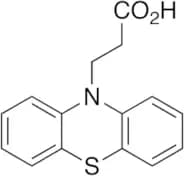
CAS:Controlled Product<p>Applications Reagent used in the addition of Phenothiazine (P318040).<br>References Zhang, Y., et al.: Bioorg. Med. Chem. Lett., 17, 707 (2007), Bansode, T., et al.: Pharm. Chem. J., 43, 311 (2009), Chelikani, R., et al.: App. Biochem. Biotechnol., 157, 263 (2009),<br></p>Formula:C15H13NO2SPurity:~90%Color and Shape:NeatMolecular weight:271.3344-(Benzyloxy)butanoic Acid
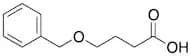
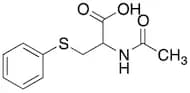
CAS:Controlled Product<p>Applications 4-(Benzyloxy)butanoic acid<br></p>Formula:C11H14O3Color and Shape:NeatMolecular weight:194.232-(Acetylamino)-3-(phenylthio)propanoic Acid
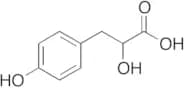
CAS:Controlled Product<p>Applications 2-(Acetylamino)-3-(phenylthio)propanoic acid is a useful chemical in research.<br></p>Formula:C11H13NO3SColor and Shape:NeatMolecular weight:239.29DL-p-Hydroxyphenyllactic Acid
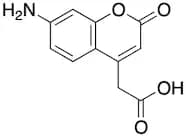
CAS:Controlled Product<p>Applications DL-p-Hydroxyphenyllactic Acid is used as a reagent in the synthesis of 2-O-(4-coumaroyl)-3-(4-hydroxyphenyl)lactic acid, an important intermediate of rosmarinic acid biosynthesis.<br>References Matsuno, M., et al.: Chem. Pharm. Bull., 49, 1644 (2001)<br></p>Formula:C9H10O4Color and Shape:Off-WhiteMolecular weight:182.172-(7-Amino-2-oxo-2H-chromen-4-yl)acetic Acid
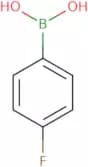
CAS:Controlled Product<p>Applications 2-(7-Amino-2-oxo-2H-chromen-4-yl)acetic acid (cas# 85157-21-7) is a useful research chemical.<br></p>Formula:C11H9NO4Color and Shape:NeatMolecular weight:219.194-Fluorophenylboronic acid
CAS:<p>4-Fluorophenylboronic acid is a boron compound that has been used in molecular modeling and functional assays. It has been shown to be a strong ligand for palladium complexes and can be used to synthesize metal complexes. 4-Fluorophenylboronic acid has also been shown to bind to the CB2 receptor with high affinity and selectivity, making it a potential drug for the treatment of pain. This compound can be synthesized by many different methods, but one of the most common is the synthesis from phenylacetic acid and boron trifluoride gas. The other methods include direct reaction with phenylboronic acid, or by heating anhydrous copper chloride in anhydrous hydrochloric acid with boric acid at high temperatures. Magnetic resonance spectroscopy (MRS) has also been used to study its properties. Canagliflozin is an example of a drug that contains this chemical group as</p>Formula:C6H6BFO2Purity:Min. 95%Color and Shape:White PowderMolecular weight:139.92 g/mol2-Methoxypropyl acetate
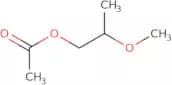
CAS:<p>2-Methoxypropyl acetate is a cross-linking agent that is used in water treatment. It is used as an additive to deionized water and can be found in high concentrations in wastewater. 2-Methoxypropyl acetate reacts with xylene to produce light emission, which makes it suitable for use as a chemical marker. The optimum dose of 2-methoxypropyl acetate ranges from 0.025% to 0.2%. 2-Methoxypropyl acetate has been shown to be toxic when injected into rats at doses of 100 mg/kg body weight, but not at doses of 25 mg/kg body weight or less. This compound was also shown to cause protrusion and necrosis of the nasal septum in rats after administration at doses of 500 mg/kg body weight.</p>Formula:C6H12O3Purity:Min. 95%Color and Shape:Colourless LiquidMolecular weight:132.16 g/mol(+/-)-Fmoc-cis-2-aminocyclopentane carboxylic acid
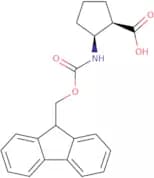
CAS:<p>Fmoc-cis-(1R,2S)-2-aminocyclopentane carboxylic acid is a versatile building block that is used in the synthesis of many important compounds. It can be used as a scaffold for organic synthesis and can be converted to an intermediate for peptides and proteins. Fmoc-cis-(1R,2S)-2-aminocyclopentane carboxylic acid is also useful in chemical reactions due to its high reactivity, including reactions with thiols, amines, alcohols, and others. This compound has been shown to form complexes with metals such as palladium or platinum.</p>Formula:C21H21NO4Purity:Min. 96 Area-%Color and Shape:White PowderMolecular weight:351.4 g/mol6-(3-(Adamantan-1-yl)-4-methoxyphenyl)-2-naphthoic acid
CAS:Controlled Product<p>Agonist of retinoic acid receptors (RAR-? and RAR-?); pro-apoptotic</p>Formula:C28H28O3Purity:Min. 95%Color and Shape:PowderMolecular weight:412.52 g/mol4-Carboxycinnamic acid
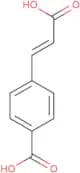
CAS:<p>4-Carboxycinnamic acid is an organic compound that is a derivative of cinnamic acid. It is a colorless solid that is soluble in organic solvents and has high resistance to environmental pollution. 4-Carboxycinnamic acid has been shown to have photocatalytic activity in the presence of UV radiation, with a quantum yield of 0.2% at 365 nm. It also exhibits fluorescence properties, but these are not as strong as the parent compound, cinnamic acid. 4-Carboxycinnamic acid has functional groups that can be activated by hydrogen bonding interactions and uptake into cells. This compound also reacts with sulfonic acids to form sulfinic acids and hydrochloric acid to form chlorocinnamic acids. Chronic pulmonary effects were observed in animals after inhalation of this substance for 30 minutes per day for 10 days. X-ray crystal structures have been determined for 4-carboxycinnamic acid and its</p>Formula:C10H8O4Purity:Min. 95%Color and Shape:PowderMolecular weight:192.17 g/molNesfatin-1 (mouse) trifluoroacetate salt
CAS:<p>Please enquire for more information about Nesfatin-1 (mouse) trifluoroacetate salt including the price, delivery time and more detailed product information at the technical inquiry form on this page</p>Formula:C424H683N117O137Purity:Min. 95%Molecular weight:9,611.67 g/mol2,3-Dihydroxy-4-methoxycinnamic acid ethyl ester
<p>Please enquire for more information about 2,3-Dihydroxy-4-methoxycinnamic acid ethyl ester including the price, delivery time and more detailed product information at the technical inquiry form on this page</p>Purity:Min. 95%5,6,7,8-Tetrahydro-[1,8]naphthyridine-2-carboxylic acid
CAS:<p>5,6,7,8-Tetrahydro-[1,8]naphthyridine-2-carboxylic acid is a chemical compound with CAS No. 885278-22-8. It is a high quality reagent that can be used as a building block for the synthesis of complex compounds. 5,6,7,8-Tetrahydro-[1,8]naphthyridine-2-carboxylic acid can also be used as a reaction component in chemical synthesis and as an intermediate in the production of various fine chemicals and speciality chemicals.</p>Formula:C9H10N2O2Purity:Min. 98 Area-%Color and Shape:PowderMolecular weight:178.19 g/mol4-Bromomandelic acid
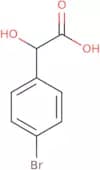
CAS:<p>4-Bromomandelic acid is a chemical with the molecular formula CHBrO. It is an acid that can be found in the form of a solution at room temperature. It is soluble in water and alcohols, but not in ether or chloroform. 4-Bromomandelic acid is used as a reagent for the identification of carbohydrates and other organic compounds by phase chromatography. 4-Bromomandelic acid can be recycled from triticum aestivum (wheat) straw by washing with hydrochloric acid to remove impurities. The purified product can then be crystallized from trifluoroacetic acid or acetic anhydride, followed by backpressure to remove excess solvent. It has been shown that binding constants for metal ions are increased in the presence of p-hydroxybenzoic acid or biphenyl, which has led to its use as a catalyst for reactions involving these substances.</p>Formula:C8H7BrO3Purity:Min. 95%Color and Shape:PowderMolecular weight:231.04 g/mol9,10-Dihydro-5-methoxy-9-oxo-4-acridinecarboxylic acid
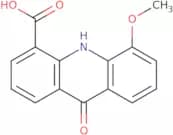
CAS:<p>Please enquire for more information about 9,10-Dihydro-5-methoxy-9-oxo-4-acridinecarboxylic acid including the price, delivery time and more detailed product information at the technical inquiry form on this page</p>Formula:C15H11NO4Purity:Min. 95%Color and Shape:PowderMolecular weight:269.25 g/molMethyl 3-formyl-6-methoxy-1-(4-methoxybenzyl)-1H-indole-2-carboxylate
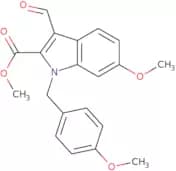
CAS:Controlled Product<p>Please enquire for more information about Methyl 3-formyl-6-methoxy-1-(4-methoxybenzyl)-1H-indole-2-carboxylate including the price, delivery time and more detailed product information at the technical inquiry form on this page</p>Formula:C20H19NO5Purity:Min. 95%Molecular weight:353.37 g/mol2-Aminoisobutyric acid
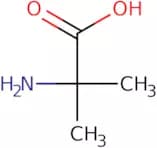
CAS:<p>2-Aminoisobutyric acid (2-AIBA) is a natural compound that has been shown to have significant cytotoxicity against cancer cells. It is also thermodynamically stable and has a low toxicity in normal cells. 2-AIBA is able to cross the blood-brain barrier and can be taken up by the trigeminal nerve. It has been found to have lactogenic effects on the mammary gland, which may be due to its ability to increase prolactin levels. 2-AIBA has been shown to significantly inhibit radiation induced apoptosis in a model system of human papillary muscle cells. The uptake of 2-AIBA was found to be dependent on its ester hydrochloride form, with titration calorimetry being used for this study.</p>Formula:C4H9NO2Purity:Min. 95%Color and Shape:PowderMolecular weight:103.12 g/mol(2E)-3-Methyl-2-hexenoic acid
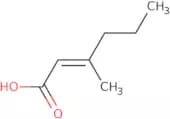
CAS:<p>(2E)-3-Methyl-2-hexenoic acid is a fatty acid that is metabolized by the liver to 3-hydroxy-3-methylhexanoic acid. This compound has been shown to be effective in the treatment of chronic schizophrenia, with clinical studies showing that it may be more effective than other anti-schizophrenia drugs. (2E)-3-Methyl-2-hexenoic acid has also been shown to have antibiotic properties against bacteria such as Staphylococcus aureus, Streptococcus pneumoniae and Pseudomonas aeruginosa. It has also been shown to be effective in treating infectious diseases such as malaria and tuberculosis. (2E)-3-Methyl-2-hexenoic acid binds to bacterial enzymes, inhibiting their function and preventing them from replicating DNA. This binding prevents the formation of an antibiotic inhibitor complex with the enzyme cell wall synthesis that is required for cell wall biosynthesis</p>Formula:C7H12O2Purity:Min. 95 Area-%Color and Shape:White PowderMolecular weight:128.17 g/mol4,5-Dimethoxy-2-nitrocinnamic acid
CAS:<p>4,5-Dimethoxy-2-nitrocinnamic acid is a versatile building block that can be used as a reagent or speciality chemical. It is useful for the synthesis of complex compounds, and can be used as a reaction component or scaffold in organic chemistry. 4,5-Dimethoxy-2-nitrocinnamic acid is a high quality intermediate with CAS No. 20567-38-8.</p>Formula:C11H11NO6Purity:Min. 95%Molecular weight:253.21 g/molGallic acid monohydrate
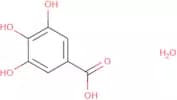
CAS:<p>Gallic acid monohydrate is a natural phenolic compound present in plants, such as oak and sumac. It has been shown to have anticarcinogenic properties in animal models of cancer. Gallic acid monohydrate inhibits the growth of tumor cells by binding to the DNA of tumor cells and inhibiting the synthesis of RNA and proteins. It also possesses antioxidant properties, which may be due to its ability to scavenge free radicals. Gallic acid monohydrate is soluble in water, but not in organic solvents such as ether or chloroform. It exists as two crystalline polymorphs: one anhydrous form that occurs at room temperature and a hydrated form that appears when heated above 40 degrees Celsius. In vitro assays have shown that gallic acid monohydrate is stable when exposed to heat, light, and pH changes.END></p>Formula:C7H8O6Purity:Min. 95%Color and Shape:White PowderMolecular weight:188.13 g/mol4-Amino-3-methylbenzoic acid
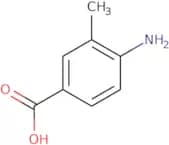
CAS:<p>4-Amino-3-methylbenzoic acid is a chemical compound that can be synthesized from 4-Methylbenzoic acid and sodium carbonate. It has been used in the treatment of cervical cancer and leishmania. The synthesis of this drug is an example of a chemical reaction in which a carboxylic acid is reacted with sodium carbonate to give an ester and sodium bicarbonate. This process requires the use of trifluoroacetic acid. The resulting drug also has antiviral properties, as it inhibits HIV infection by blocking reverse transcriptase activity. 4-Amino-3-methylbenzoic acid was also shown to have anti-inflammatory properties, which may be due to its ability to inhibit prostaglandin synthesis.</p>Formula:C8H9NO2Purity:Min. 95%Color and Shape:Brown PowderMolecular weight:151.16 g/molLead(IV) acetate - Stabilized with acetic acid (5-10%)
CAS:<p>Lead acetate is an alkanoic acid that can be used as a lead salt. It has been shown to react with protocatechuic acid in the presence of hydrogen to form lead(IV) protocatechuate and acetic acid. This reaction mechanism can be applied to the analysis of other organic acids, such as fatty acids. Lead acetate also inhibits protease activity in vitro and has been shown to have therapeutic effects against autoimmune diseases and polycystic ovarian syndrome. Lead acetate has a low toxicity and is stable when mixed with trifluoroacetic acid or nitro compounds, but very reactive with strong oxidizing agents such as hydrochloric acid or hydrogen fluoride. Lead acetate is non-hygroscopic and insoluble in water, making it suitable for use in analytical chemistry.</p>Formula:C8H12O8PbPurity:Min. 95%Color and Shape:White PowderMolecular weight:443.38 g/molThiazole-5-carboxylic acid
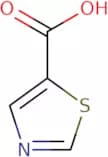
CAS:<p>Thiazole-5-carboxylic acid is a carboxylic acid with an aromatic ring. It is a chiral compound that can exist in the form of two enantiomers, D and L. The D form has been shown to have a lower melting point than the L form. Thiazole-5-carboxylic acid has been shown to be a competitive inhibitor of xanthine oxidase, which is involved in purine metabolism and DNA synthesis. It also has antioxidant properties due to its ability to scavenge free radicals, such as superoxide anion (O2-) and hydroxyl radical (HO).</p>Formula:C4H3NO2SPurity:Min. 95%Molecular weight:129.14 g/molN-(1-Naphthyl)phthalamic acid
CAS:<p>N-(1-Naphthyl)phthalamic acid (NPA) is a plant growth regulator that is used to increase the yield and quality of crops. It inhibits the production of ethylene, which is a plant hormone responsible for fruit ripening and senescence. NPA also has been shown to affect the levels of fatty acids in plants. The effects of NPA on mitochondrial cytochrome P450 enzymes have been studied using electrochemical impedance spectroscopy (EIS). This study showed that NPA can inhibit the activity of these enzymes, which may be due to its ability to bind to them or alter their structure.</p>Formula:C18H13NO3Purity:Min. 95%Color and Shape:Light (Or Pale) Purple To Purple SolidMolecular weight:291.3 g/mol1-Pentanesulfonic acid sodium monohydydrate
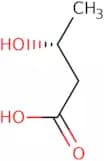
CAS:<p>1-Pentanesulfonic acid sodium monohydydrate (1PS) is the sodium salt of 1-pentanesulfonic acid. It is used as a fluorescent probe for atropine, which is a drug that blocks nerve impulses to muscles and produces paralysis. The concentration of 1PS can be determined by measuring the fluorescence intensity. This method can be used in conjunction with plates or quantifying with a spectrophotometer. Acetonitrile and dilution are required to produce the solution for measurement, which may then be injected into a chromatographic column for separation. Optical absorbance measurements are used to detect the presence of 1PS in the eluant from the column. Recoveries of 100% were obtained using this method on atropine sulfate in acetonitrile solutions containing 1-pentanesulfonic acid sodium monohydydrate at concentrations ranging from 0.01 to 10 mg/mL.</p>Formula:C5H11O3SNa•H2OPurity:Min. 95%Color and Shape:PowderMolecular weight:192.21 g/mol(R)-3-Hydroxybutyric acid
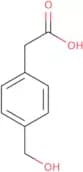
CAS:<p>(R)-3-Hydroxybutyric acid is a cell-permeable, biocompatible polymer that has been shown to be useful as a contrast agent in tissue imaging. It is a derivative of the amino acid glycine and has been used extensively in analytical methods for the detection of terminal residues on polymers. The intramolecular hydrogen bond between the carboxylate group of (R)-3-hydroxybutyric acid and the amide hydrogens of glycine provides an example of hydrogen bonding in polymers. This polymer has also been used for cell lysis, preparative high performance liquid chromatography, and biological studies. (R)-3-Hydroxybutyric acid can be fluorescently labeled with fluorescein or rhodamine dyes to provide structural analysis and biological properties.</p>Formula:C4H8O3Purity:(Titration) Min. 98.0%Color and Shape:PowderMolecular weight:104.1 g/mol4-(Hydroxymethyl)phenylacetic acid
CAS:<p>4-(Hydroxymethyl)phenylacetic acid is an intermediate in the biosynthetic pathway of phenylpropanoids. It is a metabolite of several flavonoids and is found in plants, animals, and humans. 4-(Hydroxymethyl)phenylacetic acid has been shown to have a high concentration in human serum and plasma with low toxicity. This metabolite has been shown to be stable when complexed with collagen or other proteins, which may be due to its insolubility. 4-(Hydroxymethyl)phenylacetic acid can also be biotransformed by microflora into other metabolites such as 4-hydroxybenzoic acid, which is a precursor of salicylic acid.</p>Formula:C9H10O3Purity:Min. 95%Color and Shape:White PowderMolecular weight:166.17 g/mol3,4-Dimethoxy-2-methylcinnamic acid
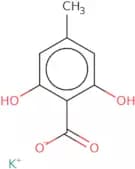
CAS:<p>3,4-Dimethoxy-2-methylcinnamic acid is a fine chemical that can be used as a building block to produce complex compounds. It is also an intermediate in the synthesis of chemicals such as cinnamyl alcohol, cinnamaldehyde, and 2-methyl-3-(4'-methoxyphenyl)propanoic acid. This compound is useful for research purposes as it has been shown to be an effective reaction component in organic reactions. 3,4-Dimethoxy-2-methylcinnamic acid is a high quality reagent with CAS No. 868562-26-9.</p>Formula:C12H14O4Purity:Min. 95%Color and Shape:PowderMolecular weight:222.24 g/mol2,6-Dihydroxy-4-methylbenzoic acid potassium
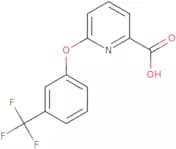
CAS:<p>2,6-Dihydroxy-4-methylbenzoic acid potassium salt (2,6-DMBAK) is a high quality reagent that is used as an intermediate in the synthesis of complex compounds. CAS No. 856177-01-0. It is a white crystalline solid with an mp of about 190 degrees Celsius and a bp of about 315 degrees Celsius. 2,6-DMBAK has been shown to be useful in the synthesis of speciality chemicals and research chemicals. This product can be used as a versatile building block for the preparation of various kinds of chemical compounds, and it also has many applications in organic synthesis because it reacts well with many different types of compounds.</p>Formula:C8H8O4•KPurity:Min. 95%Color and Shape:PowderMolecular weight:207.25 g/mol6-(3-(Trifluoromethyl)phenoxy)picolinic acid
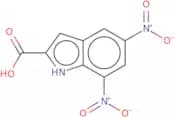
CAS:<p>6-(3-(Trifluoromethyl)phenoxy)picolinic acid is a fine chemical that is used as a building block for complex compounds or as an intermediate for the synthesis of other compounds. It has been used in the synthesis of several pharmaceuticals, such as tamoxifen, and also has been used in research studies. 6-(3-(Trifluoromethyl)phenoxy)picolinic acid can be used to synthesize many different types of compounds, making it a versatile building block with many useful applications.</p>Formula:C13H8F3NO3Purity:Min. 95%Color and Shape:PowderMolecular weight:283.2 g/mol5,7-Dinitroindole-2-carboxylic acid
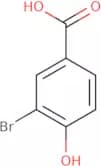
CAS:<p>5,7-Dinitroindole-2-carboxylic acid is a versatile building block that has been used as a reagent in organic synthesis. It has also been shown to be an intermediate in the preparation of 5,7-dichloroindole and other complex compounds. This compound is a reaction component for the synthesis of many useful compounds, including research chemicals and speciality chemicals. 5,7-Dinitroindole-2-carboxylic acid is soluble in most solvents and can be purified by recrystallization or chromatography. The purity can be determined by elemental analysis or nuclear magnetic resonance spectroscopy.</p>Formula:C9H5N3O6Purity:Min. 95%Color and Shape:PowderMolecular weight:251.15 g/mol3-Bromo-4-hydroxybenzoic acid
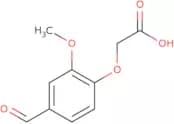
CAS:<p>3-Bromo-4-hydroxybenzoic acid (3BBA) is a hydroxylated benzoic acid that is used as an intermediate in the production of dyes, pharmaceuticals, and other chemicals. 3BBA also has been shown to have anti-inflammatory effects and may be useful for the treatment of heart disease patients. The antimicrobial activity of 3BBA is due to its ability to inhibit bacterial growth by inhibiting the enzyme acetate extract, which is involved in the biosynthesis of fatty acids. This substance also inhibits bacterial growth by binding to particle and p. aeruginosa. 3BBA can be synthesized using ethylene diamine and p-hydroxybenzoic acid in basic dye reactions at pH optimum 7.5.</p>Formula:C7H5BrO3Purity:Min. 95%Color and Shape:SolidMolecular weight:217.02 g/mol(4-Formyl-2-methoxyphenoxy)acetic acid
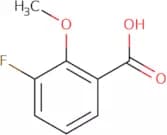
CAS:<p>Phenoxyacetic acid is a phenoxy compound that exhibits antibacterial and anthelmintic activity. It has been shown to be highly active against helminthes, such as tapeworms and roundworms. Phenoxyacetic acid interacts with the helminth's cell membrane, which causes the release of cytochrome c from mitochondria and inhibits mitochondrial function. This leads to cell death by inhibiting protein synthesis and DNA replication. The hydrophobic nature of phenoxyacetic acid allows it to penetrate the anthelmint's cuticle and enter the worm's body cavity where it inhibits mitochondrial function. Phenoxyacetic acid has also been shown to inhibit tuberculosis in mice in vivo, but not in vitro. In addition, phenoxyacetic acid binds to nuclei of cancer cells and prevents the production of RNA and protein synthesis. This results in cell death by apoptosis or necrosis.</p>Formula:C10H10O5Purity:Min. 95%Color and Shape:PowderMolecular weight:210.18 g/mol3-Fluoro-2-methoxybenzoic acid
CAS:<p>3-Fluoro-2-methoxybenzoic acid is a chemical compound that is used as a reaction component, reagent, and building block for fine chemicals. It is a versatile intermediate that is useful in the preparation of complex compounds. 3-Fluoro-2-methoxybenzoic acid has been used to synthesize pharmaceuticals, including antipsychotics and anticonvulsants, as well as dyes and pesticides. 3-Fluoro-2-methoxybenzoic acid belongs to the speciality chemical category and can be used in research labs or other specialized settings.<br>3-Fluoro-2-methoxybenzoic acid has CAS No. 106428-05-1.</p>Formula:C8H7FO3Purity:Min. 95%Color and Shape:PowderMolecular weight:170.14 g/mol4-Nitrohippuric acid
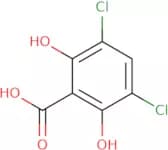
CAS:<p>4-Nitrohippuric acid is a metabolite of the amino acid glycine, which is converted to 4-nitrohippuric acid by nitroreductase. It is an aromatic compound that has been shown to have high affinity for tissues such as kidney and liver. 4-Nitrohippuric acid can be used as an ion-exchange reagent for the separation of peptide hormones from plasma or urine. The kinetic constants of 4-nitrohippuric acid have been determined in rat studies. This compound has also been used to measure the rate of hydrolysis of hippurate in human urine samples. The optical properties of this compound have not yet been fully characterized for its use in spectroscopic applications.</p>Formula:C9H8N2O5Purity:Min. 95%Color and Shape:Yellow PowderMolecular weight:224.17 g/mol3,5-Dichloro-2,6-dihydroxybenzoic acid
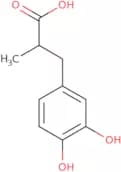
CAS:<p>3,5-Dichloro-2,6-dihydroxybenzoic acid is a synthetic compound that has been shown to have anti-leishmanial activity. It prevents the release of iron from the parasite by binding to iron ions and preventing the formation of iron complexes. 3,5-Dichloro-2,6-dihydroxybenzoic acid also inhibits disulfide bond formation in proteins. This inhibition leads to a decrease in protein synthesis. The effect of 3,5-dichloro-2,6-dihydroxybenzoic acid on Leishmania species was confirmed using metabolomics analysis on human blood samples collected from women in Tanzania.</p>Formula:C7H4Cl2O4Purity:Min. 95%Color and Shape:PowderMolecular weight:223.01 g/mol2-Methyl-3-(3,4-dihydroxyphenyl)propanoic acid
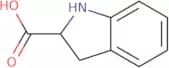
CAS:<p>2-Methyl-3-(3,4-dihydroxyphenyl)propanoic acid (DOPA) is a prodrug that is converted to the active form 2-methyl-5,6-dihydroxyindole-3,4-dione (DIDO) by hydrazine. DIDO inhibits melanoma cells by binding to tyrosinase and inhibiting its activity. DOPA also has cytotoxic properties, which may be due to the production of oxidative metabolites such as hydrogen peroxide and free radicals. DIDO can also be metabolized into catechol and cyclized into quinone methides. DOPA can inhibit oxidation reactions in the cell line CCRF-CEM by preventing the oxidation of NADH to NAD+.</p>Formula:C10H12O4Purity:Min. 95%Color and Shape:PowderMolecular weight:196.2 g/molIndoline-2-carboxylic acid
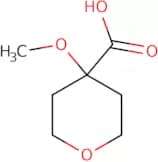
CAS:<p>Indoline-2-carboxylic acid is a photophysical molecule with an absorption maximum at 518 nm. It has been shown to inhibit the activity of enzymes such as cyclooxygenase, lipoxygenase, and monoamine oxidases. This compound has been found to be effective in the treatment of cancer cells. Indoline-2-carboxylic acid is also used in pharmaceutical preparations, where it binds to enantiomers of other molecules and inhibits their biological activity. Indoline-2-carboxylic acid reacts with hydrochloric acid to form allyl carbonate and amide.</p>Formula:C9H9NO2Purity:Min. 97 Area-%Color and Shape:PowderMolecular weight:163.17 g/mol4-Methoxy-tetrahydro-2h-pyran-4-carboxylic acid
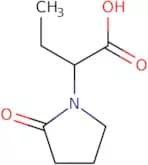
CAS:<p>4-Methoxy-tetrahydro-2h-pyran-4-carboxylic acid is a fine chemical that belongs to the group of research chemicals. It is a versatile building block and useful intermediate in organic synthesis. 4-Methoxy-tetrahydro-2h-pyran-4-carboxylic acid has been used as a reagent for the preparation of the compound 5,5'-dithiobis(4,4'-dimethylvaleronitrile) (CAS No. 1010836-49). This compound has been shown to be an effective antiviral agent against HIV.</p>Formula:C7H12O4Purity:Min. 95 Area-%Color and Shape:PowderMolecular weight:160.17 g/mol2-(2-Oxo-1-pyrrolidinyl)butyric acid
CAS:<p>2-Oxo-1-pyrrolidineacetic acid ethylester is a chiral compound that has been used as a calibration standard for the determination of hexane in pharmaceutical formulations. It has also been used as an impurity in ion-exchange chromatography and as an acidic reagent in the preparation of pharmaceutical formulations. 2-Oxo-1-pyrrolidineacetic acid ethylester is a racemic mixture, containing equal amounts of two enantiomers, which can be separated by column chromatography on silica gel. The separation of these enantiomers was achieved using a butanoic acid mobile phase with a flow rate of 1 mL/min. The elution order was found to be (R)-2-oxo-1-pyrrolidineacetic acid ethylester > (S)-2-oxo-1-pyrrolidineacetic acid ethylester.</p>Formula:C8H13NO3Purity:Min. 95%Color and Shape:PowderMolecular weight:171.19 g/molChloroplatinic acid hexahydrate
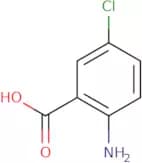
CAS:<p>Chloroplatinic acid hexahydrate is a chemical compound that is used to synthesize other chemicals, such as pharmaceuticals. It has a melting point of 810 degrees Celsius and a boiling point of 927 degrees Celsius. Chloroplatinic acid hexahydrate is soluble in water and reacts with copper chloride to form chloroplatinic acid monohydrate. It can be converted to hydrogen bonding interactions by adding hydroxyl groups or molecules, and it has been shown to have magnetic resonance spectroscopy properties.</p>Formula:H2PtCl6·6H2OColor and Shape:Brown Orange PowderMolecular weight:517.91 g/mol2-Amino-5-chlorobenzoic acid
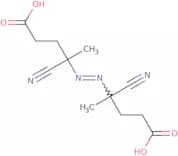
CAS:<p>2-Amino-5-chlorobenzoic acid is a drug that inhibits the enzyme dopamine beta-hydroxylase. It has been used to treat Parkinson's disease, as well as schizophrenia and depression. This drug binds to the enzyme by forming a coordination complex with the 5th position of the substrate, which prevents it from binding to other substrates. 2-Amino-5-chlorobenzoic acid also inhibits prostaglandin E2 synthesis by inhibiting cyclooxygenase activity in rats. The inhibitory properties of this drug are enhanced when it is dissolved in hydroxide solution or in solutions containing sodium hydroxide. The synthesis of 2-amino-5-chlorobenzoic acid involves reacting 3,4-dihydroxybenzeneacetic acid with hydrochloric acid and sodium hydroxide solution. This reaction produces a carboxylate anion that reacts with hydrogen chloride gas to form</p>Purity:Min. 95%Color and Shape:PowderMolecular weight:171.58 g/mol4,4'-Azobis(4-cyanovaleric acid)
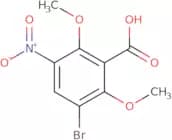
CAS:<p>Azobis(4-cyanovaleric acid) is a chemical compound that has reactive functional groups. It is a particle that is soluble in acetate extract and hydrochloric acid. The synthesis of Azobis(4-cyanovaleric acid) involves the reaction of 4-cyanoacrylic acid with 2,2'-azobis(2-methylpropionitrile). It is used as an intermediate in the preparation of polymers. Azobis(4-cyanovaleric acid) is used for the treatment of infectious diseases such as tuberculosis and malaria. The production of chain reactions with other molecules makes this chemical reactive and unstable. Azobis(4-cyanovaleric acid) also reacts with nucleophilic groups, such as hydroxyl groups, to form a covalent bond. This process can be reversed by adding a strong base or oxidant.</p>Formula:C12H16N4O4Purity:Min. 95 Area-%Color and Shape:PowderMolecular weight:280.28 g/mol3-Bromo-2,6-dimethoxy-5-nitrobenzoic acid
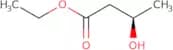
CAS:<p>3-Bromo-2,6-dimethoxy-5-nitrobenzoic acid is a chemical component that can be used as a reagent or building block for the synthesis of other compounds. It is also an intermediate in the synthesis of pesticides and pharmaceuticals. 3-Bromo-2,6-dimethoxy-5-nitrobenzoic acid is a versatile compound with many applications in organic chemistry. This chemical has been shown to have high purity and can be used as a reaction component or reagent in research and development laboratories.</p>Formula:C9H8BrNO6Purity:Min. 95%Color and Shape:PowderMolecular weight:306.07 g/mol(R)-(-)-3-Hydroxybutyric acid ethyl ester
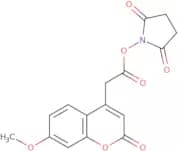
CAS:<p>(R)-(-)-3-Hydroxybutyric acid ethyl ester is an enantiomer of 3-hydroxybutyric acid. It is synthesized from diethyl succinate in a one-pot, stereoselective, high-yield process by using asymmetric synthesis and hydrogenation. The reaction vessel used for this synthesis is a reaction solution that has been optimized to be resistant to high pressure and temperature. This product can be used as a renewable feedstock in the production of polyesters and other polymers.</p>Formula:C6H12O3Purity:Min. 95%Color and Shape:Colorless Clear LiquidMolecular weight:132.16 g/mol7-Methoxycoumarin-4-acetic acid N-succinimidyl ester
CAS:<p>7-Methoxycoumarin-4-acetic acid N-succinimidyl ester is a fluorescent probe for the detection of metalloproteinases. It has been used in assays to measure matrix metalloproteinase activity and to study the kinetics of these enzymes. This compound can be used as a fluorescence focus for the study of extracellular matrix regulation. 7-Methoxycoumarin-4-acetic acid N-succinimidyl ester inhibits matrix metalloproteinases by binding to their active site and blocking access to substrates, preventing the breakdown of extracellular matrix proteins.</p>Formula:C16H13NO7Purity:Min. 97 Area-%Color and Shape:Off-White PowderMolecular weight:331.28 g/molBis[2-[Ethyl[(Heptadecafluorooctyl)Sulphonyl]Amino]Ethyl] (4-Methyl-1,3-Phenylene)Biscarbamate
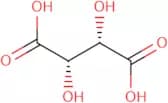
CAS:Controlled Product<p>Bis[2-[Ethyl[(heptadecafluorooctyl)sulphonyl]amino]ethyl] (4-methyl-1,3-phenylene)biscarbamate is a sulfonate that is used as a chemical intermediate. It is a mixture of bis[2-[ethyl(heptadecafluorooctyl)sulphonyl]amino]ethyl (4-methyl-1,3-phenylene)biscarbamate and bis[2-[ethyl(hexadecafluoroheptyl)sulphonyl]amino]ethyl (4-methyl-1,3-phenylene)biscarbamate.</p>Formula:C33H26F34N4O8S2Purity:Min. 95%Color and Shape:PowderMolecular weight:1,316.66 g/molD-(-)-Tartaric acid
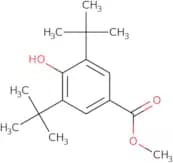
CAS:<p>Used in the preparation of enantiospecific homochiral cis-4-formyl b-lactams</p>Formula:C4H6O6Purity:Min 98.5%Color and Shape:White PowderMolecular weight:150.09 g/mol3,5-Di-tert-Butyl-4-hydroxybenzoic acid methyl ester
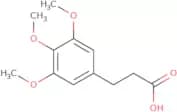
CAS:<p>3,5-Di-tert-Butyl-4-hydroxybenzoic acid methyl ester is a chemical that belongs to the group of low molecular weight solvents. It is used as an intermediate in organic synthesis and as a solvent for paints, lacquers, and varnishes. 3,5-Di-tert-Butyl-4-hydroxybenzoic acid methyl ester has been found to be resistant to radiation and ultraviolet light. This chemical has also been shown to have no mutagenic effects on calf thymus DNA.</p>Formula:C16H24O3Purity:Min. 95%Color and Shape:PowderMolecular weight:264.36 g/mol3-(3,4,5-Trimethoxyphenyl)propionic acid
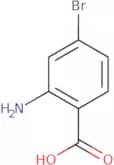
CAS:<p>3-(3,4,5-Trimethoxyphenyl)propionic acid (TMPPA) is a monocarboxylic acid that is structurally related to the amino acid lysine. It has been shown to have antinociceptive effects in animals and humans. TMPPA inhibits the production of prostaglandins and nitric oxide, which are inflammatory mediators that induce pain. TMPPA also has nociceptive properties in rats when given intraperitoneally or intrathecally, showing a reduction in locomotor activity. This compound also inhibits protein synthesis by binding to the ribosomal protein S6 kinase-1 (RSK-1), which is the target of many antibiotics used for cancer treatment. TMPPA binds to human serum albumin with high affinity and specificity, suggesting it may be useful as an agent for targeting human blood cells or as an antiobesity drug.</p>Formula:C12H16O5Purity:Min. 95%Color and Shape:Clear LiquidMolecular weight:240.25 g/mol2-Amino-4-bromobenzoic acid
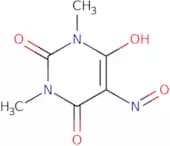
CAS:<p>2-Amino-4-bromobenzoic acid is a molecule that has an acidic carboxylic group and two aromatic amino groups. It has a hydroxyl group and a fluorescence that can be activated or deactivated by ultraviolet light. 2-Amino-4-bromobenzoic acid is used in the synthesis of certain organic compounds. This molecule can be synthesized from other molecules, such as phenol, aminobenzene, and nitrobenzene. The reaction time for this chemical species is dependent on the catalytic agent used during the reaction process. A variety of chemical species are produced when 2-Amino-4-bromobenzoic acid is synthesized, including hydrogen bromide, ammonia, nitrogen gas, and water vapor. The population of 2-Amino-4-bromobenzoic acid is unknown because it is not abundant in nature.</p>Formula:C7H6BrNO2Purity:Min. 95%Color and Shape:Yellow PowderMolecular weight:216.03 g/mol1,3-Dimethylvioluric acid
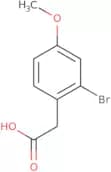
CAS:<p>1,3-Dimethylvioluric acid is a molecule that has been shown to reduce the size of experimental animal models of ventricular myocardium. It also increases the levels of atp and urea nitrogen in the heart, suggesting an increase in cardiac function. This molecule may be used to help prevent or treat cardiovascular diseases such as heart failure. 1,3-Dimethylvioluric acid has also been shown to have pluripotent cell properties and can be used to generate cells that are capable of differentiating into other types of cells. The effective dose for 1,3-dimethylvioluric acid is not known.</p>Formula:C6H7N3O4Purity:Min. 95%Color and Shape:White PowderMolecular weight:185.14 g/mol2-(2-Bromo-4-methoxyphenyl)acetic acid
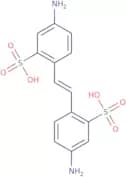
CAS:<p>2-(2-Bromo-4-methoxyphenyl)acetic acid is a versatile building block that is used as a research chemical, reaction component, and reagent. It is also used as a speciality chemical and complex compound. This compound has the CAS number 66916-99-2.</p>Formula:C9H9BrO3Color and Shape:SolidMolecular weight:245.07 g/mol4,4'-Diaminostilbene-2,2'-disulfonic acid
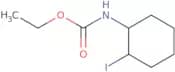
CAS:<p>4,4'-Diaminostilbene-2,2'-disulfonic acid (DAIDS) is a fluorescent dye that can be used to measure the activity of mitochondrial enzymes. It is a substrate for polymerase chain reaction and can be used as a cell viability assay. DAIDS has been shown to cause mitochondrial membrane depolarization and cytosolic calcium release in prostate cancer cells. This compound also inhibits the proliferation of human liver cells and has been proposed as a potential analytical method for wastewater samples. The anhydrous sodium form of DAIDS has been shown to increase the rate of metabolism by up to 30% in rats with body mass index greater than 25 kg/m^2.</p>Formula:C14H14N2O6S2Purity:Min. 95%Color and Shape:SolidMolecular weight:370.4 g/mol(2-Iodocyclohexyl)carbamic acid ethyl ester
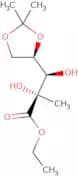
CAS:<p>(2-Iodocyclohexyl)carbamic acid ethyl ester is a fine chemical that can be used as a building block, reagent, or speciality chemical in research. It is soluble in organic solvents and can be used as a reaction component, useful intermediate, or useful scaffold. This compound has been shown to react with various groups including amines, alcohols, phenols and thiols.</p>Formula:C9H16INO2Purity:Min. 95%Color and Shape:PowderMolecular weight:297.13 g/mol(2S,3R)-3-((4R)-2,2-Dimethyldioxolan-4-yl)-2-methyl-2,3-dihydroxypropanoic acid ethyl ester
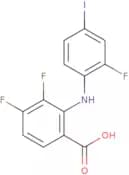
CAS:<p>(2S,3R)-3-((4R)-2,2-Dimethyldioxolan-4-yl)-2-methyl-2,3-dihydroxypropanoic acid ethyl ester is a high quality reagent that is used as an intermediate for the synthesis of complex compounds. It is also a useful building block for the synthesis of speciality chemicals and research chemicals. The versatility of this compound makes it a useful scaffold and building block for reaction components.</p>Formula:C11H20O6Purity:Min. 95%Color and Shape:PowderMolecular weight:248.27 g/mol2-(2-Fluoro-4-iodoanilino)-3,4-difluorobenzoic acid
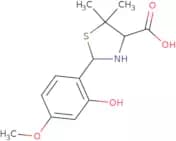
CAS:<p>2-(2-Fluoro-4-iodoanilino)-3,4-difluorobenzoic acid is a potent and selective allosteric antagonist of the adenosine A2A receptor. It has been shown to reduce blood pressure in rats and mice. 2-(2-Fluoro-4-iodoanilino)-3,4-difluorobenzoic acid has also been shown to increase levels of endogenous adenosine by modulating the activity of adenosine deaminase. This drug has been tested in humans with hypertension and was found to be safe and well tolerated at doses between 25mg and 300mg per day.</p>Formula:C13H7F3INO2Purity:Min. 98%Color and Shape:White PowderMolecular weight:393.1 g/mol2-(2-Hydroxy-4-methoxyphenyl)-5,5-dimethyl-4-thiazolidinecarboxylic acid
CAS:<p>Please enquire for more information about 2-(2-Hydroxy-4-methoxyphenyl)-5,5-dimethyl-4-thiazolidinecarboxylic acid including the price, delivery time and more detailed product information at the technical inquiry form on this page</p>Formula:C13H17NO4SPurity:Min. 95%Color and Shape:PowderMolecular weight:283.34 g/mol





![tert-Butyl [(1R,2S,5S)-2-Amino-5-[(dimethylamino)carbonyl]cyclohexyl]carbamate Oxalate](/_next/image/?url=https%3A%2Fstatic.cymitquimica.com%2Fproducts%2FTR%2Fthumb-webp%2FB809515.webp&w=3840&q=75)









![5,6,7,8-Tetrahydro-[1,8]naphthyridine-2-carboxylic acid](/_next/image/?url=https%3A%2Fstatic.cymitquimica.com%2Fproducts%2F3D%2Fthumb-webp%2FFT56542.webp&w=3840&q=75)







![Bis[2-[Ethyl[(Heptadecafluorooctyl)Sulphonyl]Amino]Ethyl] (4-Methyl-1,3-Phenylene)Biscarbamate](/_next/image/?url=https%3A%2Fstatic.cymitquimica.com%2Fproducts%2F3D%2Fthumb-webp%2FFB101999.webp&w=3840&q=75)