Carboxylic Acids
Carboxylic acids are organic molecules characterized by having a carboxyl-type functional group (-COOH). These acids are fundamental in various chemical reactions, including esterification, amidation, and decarboxylation. Carboxylic acids are widely used in the production of pharmaceuticals, polymers, and agrochemicals. In this section, you can find a large number of carboxylic acids ready to be used. At CymitQuimica, we provide a broad range of high-quality carboxylic acids to support your research and industrial applications.
Found 12453 products of "Carboxylic Acids"
Sort by
Purity (%)
0
100
|
0
|
50
|
90
|
95
|
100
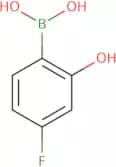
B-(4-Fluoro-2-hydroxyphenyl)-boronic acid
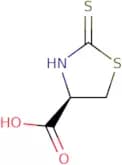
CAS:<p>B-(4-Fluoro-2-hydroxyphenyl)-boronic acid is a fungicide that has been synthesized to inhibit the growth of fungi. This compound is an effective fungicide against a wide variety of plant pathogens. It has been shown to be highly efficient in catalyzing intramolecular cyclization reactions, which are sometimes difficult to perform with traditional methods. The regulatory nature of this compound makes it an excellent candidate for commercial applications in agroscience and industry.</p>Formula:C6H6BFO3Purity:Min. 95%Color and Shape:PowderMolecular weight:155.92 g/mol(4R)-(-)-2-Thioxo-4-thiazolidinecarboxylic acid
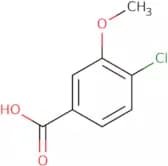
CAS:<p>(4R)-(-)-2-Thioxo-4-thiazolidinecarboxylic acid is a metabolite of the drug diazepam. It has been shown to inhibit DNA polymerase and human prostate cancer cells in vitro, but not in vivo. In addition, it has been found to be an analytical method for detecting diazepam metabolites in urine. The drug is used as a biomarker for monitoring the pharmacokinetics of diazepam and its active form N-desmethyldiazepam. (4R)-(-)-2-Thioxo-4-thiazolidinecarboxylic acid can also be used as a potential biomarker for assessing response to chemotherapy treatment.</p>Formula:C4H5NO2S2Purity:Min. 95%Color and Shape:PowderMolecular weight:163.22 g/mol4-Chloro-3-methoxybenzoic acid
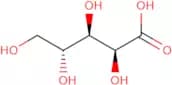
CAS:<p>4-Chloro-3-methoxybenzoic acid (4CMB) is a putative cancer drug that belongs to the group of imidazole derivatives. 4CMB has been shown to inhibit the growth of human breast and colon cancer cells in culture by altering the metabolism of 3-hydroxyanthranilic acid, which is an acceptor for aromatic amino acid hydroxylase. The effect of 4CMB on this enzyme leads to a decrease in the production of kynurenine, which is a molecule involved in the production of melanin. This reduced amount of kynurenine results in a loss of pigment and decreases the ability of melanocytes to produce pigments such as melanin. This may help explain how 4CMB works against malignant cells and cancer.</p>Formula:C8H7ClO3Purity:Min. 95%Color and Shape:PowderMolecular weight:186.59 g/molArabic acid
CAS:<p>Arabinose is a hexose sugar that is the principal constituent of the pentosan polysaccharide arabinogalactan. Arabinose has been shown to inhibit the oxidation of glycol by an oxidation catalyst, such as copper, nickel or palladium. Arabinose also inhibits the activity of target enzymes with a high affinity for nitrogen atoms, such as glycol ether hydrolase and galactosyl-transferase. The optimum pH for Arabinose is 7.0 with a range from 6.5 to 8.5. When heated in water, Arabinose decomposes at around 180°C and can be used as a model system to study enzymatic reactions. Arabinose is an organic compound that is found in plants and animals and belongs to the group of sugars. It has been shown to inhibit oxidation catalysts like copper, nickel or palladium and has also been proven effective against enzymes that are sensitive to nitrogen atoms such as</p>Formula:C5H10O6Color and Shape:White PowderMolecular weight:166.13 g/mol2-(Methylamino)ethanesulfonic acid
CAS:<p>2-(Methylamino)ethanesulfonic acid is a detergent composition that is a sodium salt of N-methyltaurine. It can be used as an ingredient in various detergent compositions to help remove grease and oil from surfaces. 2-(Methylamino)ethanesulfonic acid has been shown to have anti-inflammatory properties in primary sclerosing cholangitis, an autoimmune disease where bile ducts become inflamed and scarred. The chemical also has been shown to exhibit cationic surfactant properties, which may contribute to its ability to remove oils and dirt.</p>Formula:C3H9NO3SPurity:Min. 95%Color and Shape:Clear LiquidMolecular weight:139.17 g/molBenzilic acid
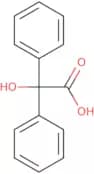
CAS:Controlled Product<p>Benzilic acid is a natural compound with the molecular formula C6H5CO2H. It belongs to the group of organic compounds called benzilic acids, which are characterized by a benzene ring and carboxylic acid functional groups. This compound can be prepared in the laboratory using a preparative high-performance liquid chromatography technique. Benzilic acid has been shown to have antioxidant properties that may help protect cells from free radical-induced damage and inhibit tumor growth. Benzilic acid has also been shown to act as an inhibitor for epidermal growth factor and may be used to treat metabolic disorders or skin conditions such as psoriasis or ichthyosis.</p>Formula:C14H12O3Purity:Min. 98 Area-%Color and Shape:White PowderMolecular weight:228.24 g/mol2-(2-Hydroxyphenyl)-5,5-dimethyl-1,3-thiazolidine-4-carboxylic acid
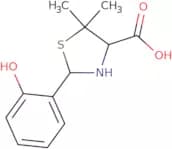
CAS:<p>Please enquire for more information about 2-(2-Hydroxyphenyl)-5,5-dimethyl-1,3-thiazolidine-4-carboxylic acid including the price, delivery time and more detailed product information at the technical inquiry form on this page</p>Formula:C12H15NO3SPurity:Min. 95%Color and Shape:PowderMolecular weight:253.32 g/mol4-Aminobenzoyl-L-glutamic acid
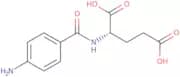
CAS:<p>4-Aminobenzoyl-L-glutamic acid (PABA) is a dinucleotide phosphate that can be found in human serum. It has been shown to have receptor activity for epithelial mesenchymal cells and is used as a model organism for folate, group p2 polymerase chain reactions (PCR). PABA is also involved in the reaction mechanism of linear calibration curves.</p>Formula:C12H14N2O5Purity:Min. 95%Color and Shape:PowderMolecular weight:266.25 g/molMesitylenesulphonic acid hydrate
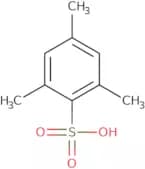
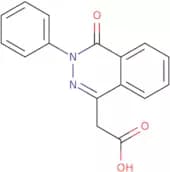
CAS:<p>Mesitylenesulphonic acid hydrate is a high quality chemical that is used as a reagent, complex compound and useful intermediate. It can be used in the production of fine chemicals, research chemicals, speciality chemicals and versatile building blocks. Mesitylenesulphonic acid hydrate has CAS No. 79326-99-1 and is a speciality chemical that can be used as a reaction component for the production of important compounds such as pharmaceuticals, pesticides and herbicides.</p>Formula:C9H12O3S·xH2OPurity:Min. 95%Color and Shape:PowderMolecular weight:200.26 g/mol3-Phenyl-4-phthalazinone-1-acetic acid
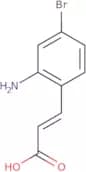
CAS:<p>3-Phenyl-4-phthalazinone-1-acetic acid (3PPAA) is an organic compound that can be used to synthesize gold nanoparticles. Gold nanoparticles are ferroelectric and have a dipole moment. 3PPAA can be modeled using simulations with the panthera program, which is able to predict the effect of various parameters on the morphology of the particles. The shape of the gold nanoparticles can be controlled by changing the concentration of 3PPAA in water and by adding or removing a stabilizing agent such as sodium bicarbonate. 3PPAA has been shown to have a strong interaction with mitochondrial DNA, which could lead to death of cells by interfering with mitochondrial function.</p>Formula:C16H12N2O3Purity:Min. 95%Color and Shape:SolidMolecular weight:280.28 g/mol2-Amino-4-bromocinnamic acid
CAS:<p>2-Amino-4-bromocinnamic acid is a fine chemical with a CAS number of 914636-63-8. It is used in the synthesis of complex compounds and useful building blocks, as well as in research. This compound has been shown to be an intermediate for the preparation of derivatives with potential pharmaceutical applications, such as antihistamines, antipsychotics, and antibiotics. 2-Amino-4-bromocinnamic acid is also an important reagent for organic syntheses.</p>Formula:C9H8BrNO2Purity:Min. 98 Area-%Color and Shape:PowderMolecular weight:242.07 g/molN-[S-(2-Pyridylthio)cysteaminyl]ethylenediamine-N,N,N',N'-tetraacetic acid, monoamide - Technical grade 90%
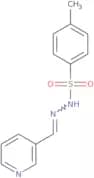
CAS:<p>Furiosus is a monomeric and homodimeric protein that belongs to the group of S-adenosylmethionine synthetases. Furiosus is an enzyme that catalyzes the formation of S-adenosylmethionine from methylamine and ATP. Furiosus interacts with polymerase, subtilis, and catalysis to form a holoenzyme complex. Furiosus has been shown to have cleavage activity against peroxide and hydrogen peroxide, which is due to its ability to generate reactive oxygen species. Furiosus has also been shown to be a molecular modeling target for the development of new antibiotics.</p>Formula:C17H24N4O7S2Purity:Min. 95%Color and Shape:Pale yellow solid.Molecular weight:460.53 g/molBenzenesulfonic acid, 4-methyl-2-(3-pyridinylmethylene)hydrazide
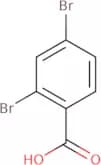
CAS:<p>Please enquire for more information about Benzenesulfonic acid, 4-methyl-2-(3-pyridinylmethylene)hydrazide including the price, delivery time and more detailed product information at the technical inquiry form on this page</p>Purity:Min. 95%2,4-Dibromobenzoic acid
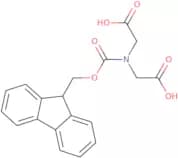
CAS:<p>2,4-Dibromobenzoic acid is a synthetic chemical that is a cross-coupling product. It is used as an intermediate in the synthesis of hydrophobic compounds. 2,4-Dibromobenzoic acid has been validated and its use is arguably safe. It can be synthesized through a number of methods, including the use of fluorescence to detect reaction progress and the use of binder to increase sensitivity. The compound binds to ionizable groups on proteins and interacts with them through hydrogen bonding. This interaction can lead to conformational changes in the protein, which are reversible or not.</p>Formula:C7H4Br2O2Purity:Min. 95%Color and Shape:PowderMolecular weight:279.91 g/molFmoc-iminodiacetic acid
CAS:<p>Fmoc-iminodiacetic acid is a versatile building block and reagent that is used in the synthesis of complex compounds, such as peptides, proteins, and pharmaceuticals. It is also a useful intermediate in organic synthesis reactions. Fmoc-iminodiacetic acid has been shown to be effective as a reactant for the preparation of various scaffolds with high purity and quality.</p>Formula:C19H17NO6Purity:Min. 95%Color and Shape:PowderMolecular weight:355.34 g/mol1,1'-Bicyclo[1,1,1]pentane-1,3-dicarboxylic acid
CAS:<p>1,1'-Bicyclo[1,1,1]pentane-1,3-dicarboxylic acid is a diacid that has been found to be effective in the synthesis of many organic compounds. It can be used as a building block for other molecules with different functional groups and is an excellent bioisostere for disulfides. The addition of 1,1'-bicyclo[1,1,1]pentane-1,3-dicarboxylic acid to a nucleophilic compound can be used to synthesize an ester. This molecule can also undergo cross-coupling reactions with halogens such as chlorine or bromine. The crystal x-ray diffraction pattern indicates that this molecule has a linear structure.</p>Formula:C7H8O4Purity:Min. 95%Color and Shape:SolidMolecular weight:156.14 g/molGhrelin trifluoroacetate
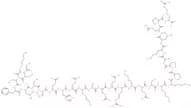
CAS:<p>Ghrelin is a peptide hormone that regulates appetite and has been shown to have potent anti-cachectic effects in animal models. It is thought to be an important regulator of body weight, insulin resistance, and metabolism. Ghrelin is synthesized in the stomach and released into the bloodstream when the stomach is empty. Ghrelin binds to ghrelin receptors in the hypothalamus, which stimulate growth hormone release from the pituitary gland. This hormone also binds to other cells in the hypothalamus, such as neurons that produce orexin, which may account for its effects on sleep patterns. Ghrelin has been shown to inhibit tumor growth by suppressing angiogenesis and inducing apoptosis. The molecular weight of ghrelin is 3497 Da. The sequence of ghrelin consists of 28 amino acids: Gly-Ser-Ser(octanoyl)-Phe-Leu-Ser-Pro-Glu-His-Gln-Lys-Ala</p>Formula:C147H245N45O42•(C2HO2F3)xPurity:Min. 95 Area-%Color and Shape:PowderMolecular weight:3,314.8 g/molRacemic Fmoc-cis-3-phenyl-pyrrolidine-2-carboxylic acid
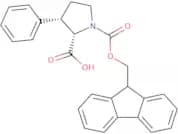
CAS:<p>Please enquire for more information about Racemic Fmoc-cis-3-phenyl-pyrrolidine-2-carboxylic acid including the price, delivery time and more detailed product information at the technical inquiry form on this page</p>Formula:C26H23NO4Purity:Min. 95%Color and Shape:PowderMolecular weight:413.47 g/molLead(IV) acetate - Stabilized with acetic acid (5-10%)
CAS:<p>Lead acetate is an alkanoic acid that can be used as a lead salt. It has been shown to react with protocatechuic acid in the presence of hydrogen to form lead(IV) protocatechuate and acetic acid. This reaction mechanism can be applied to the analysis of other organic acids, such as fatty acids. Lead acetate also inhibits protease activity in vitro and has been shown to have therapeutic effects against autoimmune diseases and polycystic ovarian syndrome. Lead acetate has a low toxicity and is stable when mixed with trifluoroacetic acid or nitro compounds, but very reactive with strong oxidizing agents such as hydrochloric acid or hydrogen fluoride. Lead acetate is non-hygroscopic and insoluble in water, making it suitable for use in analytical chemistry.</p>Formula:C8H12O8PbPurity:Min. 95%Color and Shape:White PowderMolecular weight:443.38 g/molChenodeoxycholic acid, sodium salt
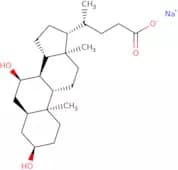
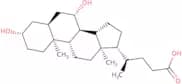
CAS:Controlled Product<p>Chenodeoxycholic acid, sodium salt is a bile acid that is derived from ursodeoxycholic acid. It has been used in the treatment of gallstones and primary biliary cirrhosis. Chenodeoxycholic acid, sodium salt inhibits the production of cholesterol by blocking the action of 3-hydroxy-3-methylglutaryl coenzyme A reductase (HMGCR) enzyme, which is responsible for catalyzing the conversion of HMG-CoA to mevalonate. Chenodeoxycholic acid also inhibits the growth of tumor cells and has antiinflammatory properties due to its ability to inhibit prostaglandin synthesis. This drug may interact with drugs that are substrates for either chenodeoxycholic acid or cytochrome P450 enzymes.</p>Formula:C24H39NaO4Color and Shape:White Off-White PowderMolecular weight:414.57 g/molIndole-5-carboxylic acid ethyl ester
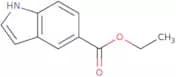
CAS:<p>Indole-5-carboxylic acid ethyl ester is a formamide activated analog of piperidine. It is an effective antibacterial agent against Staphylococcus aureus. Indole-5-carboxylic acid ethyl ester inhibits the growth of bacteria by binding to the extracellular surface and interfering with cell membrane permeability. The compound also has anti-cancer properties, and may be used in pharmaceuticals as a pyrazole derivative.</p>Formula:C11H11NO2Purity:Min. 95%Color and Shape:PowderMolecular weight:189.21 g/mol4-Amino-3-methylbenzoic acid
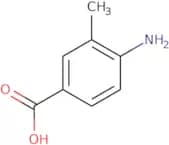
CAS:<p>4-Amino-3-methylbenzoic acid is a chemical compound that can be synthesized from 4-Methylbenzoic acid and sodium carbonate. It has been used in the treatment of cervical cancer and leishmania. The synthesis of this drug is an example of a chemical reaction in which a carboxylic acid is reacted with sodium carbonate to give an ester and sodium bicarbonate. This process requires the use of trifluoroacetic acid. The resulting drug also has antiviral properties, as it inhibits HIV infection by blocking reverse transcriptase activity. 4-Amino-3-methylbenzoic acid was also shown to have anti-inflammatory properties, which may be due to its ability to inhibit prostaglandin synthesis.</p>Formula:C8H9NO2Purity:Min. 95%Color and Shape:Brown PowderMolecular weight:151.16 g/molMethyl 1-(mercaptomethyl)cyclopropane acetate
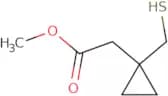
CAS:<p>Methyl 1-(mercaptomethyl)cyclopropane acetate is a fine chemical that is used as a reagent, speciality chemical, and intermediate. It has been shown to be a versatile building block for the synthesis of complex compounds. Methyl 1-(mercaptomethyl)cyclopropane acetate reacts with amines to form an amidine derivative. It is also a useful intermediate in the manufacture of herbicides, insecticides, and pharmaceuticals as well as a reaction component in the synthesis of other fine chemicals. CAS No: 152922-73-1</p>Formula:C7H12O2SPurity:Min. 95%Color and Shape:Clear LiquidMolecular weight:160.23 g/mol3,5-di-tert-Butyl-4-hydroxyphenylpropionic acid
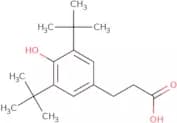
CAS:<p>3,5-Di-tert-butyl-4-hydroxyphenylpropionic acid (BHT) is a phenolic compound that is used as an antioxidant in food and cosmetic products. It has been shown to inhibit the growth of Streptococcus faecalis and Pseudomonas aeruginosa in cell culture. BHT has also been shown to have antioxidative properties in vitro. BHT has been found to react with other molecules (e.g., oxygen, carbon dioxide, or nitric oxide) to produce stable chemical species that are not harmful to cells. These reactions lead to the formation of chemical structures that are less reactive than BHT itself. This property may be due to its ability to scavenge free radicals, thereby preventing lipid peroxidation and oxidative damage.</p>Formula:C17H26O3Purity:Min. 95%Color and Shape:PowderMolecular weight:278.39 g/mol6-Hydroxy-3-anisic acid
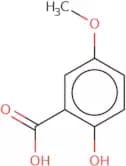
CAS:<p>6-Hydroxy-3-anisic acid is a building block that can be used to synthesize complex compounds. It is a versatile intermediate that can be used in the synthesis of pharmaceuticals, agrochemicals, and fine chemicals. 6-Hydroxy-3-anisic acid has been shown to have high quality and purity, making it a valuable research chemical for scientific studies. It is also useful in the production of specialty chemicals such as dyes and perfumes.</p>Formula:C8H8O4Purity:Min. 98 Area-%Color and Shape:PowderMolecular weight:168.15 g/molEthyl pyrrolidinoacetate
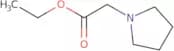
CAS:<p>Ethyl pyrrolidinoacetate is a chemical intermediate that can be used as a building block for other chemicals. It has been shown to react with aliphatic amines to form imine derivatives, which are useful in the synthesis of polymers and other chemicals. Ethyl pyrrolidinoacetate is also a versatile scaffold for organic chemistry, being able to undergo reactions with both nucleophilic and electrophilic reagents. This compound is also used in research for pharmaceuticals and other compounds.</p>Formula:C8H15NO2Color and Shape:Clear LiquidMolecular weight:157.21 g/molHydroquinone-2,2'-diacetic acid
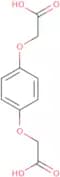
CAS:<p>Hydroquinone-2,2'-diacetic acid is a labile and water soluble ester with activating properties. It is used in bioconjugate chemistry for the modification of proteins and peptides. Hydroquinone-2,2'-diacetic acid can be reused and has been shown to react with a wide range of synthons or linkers. This compound has been shown to induce apoptosis in cancer cells. Hydroquinone-2,2'-diacetic acid also has fluorescence properties that are sensitive to copper ions, making it useful for analytical applications such as protein quantification and detection of metal ions.</p>Formula:C10H10O6Purity:Min. 98 Area-%Color and Shape:PowderMolecular weight:226.18 g/molSalicylhydroxamic acid
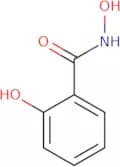
CAS:<p>Salicylhydroxamic acid is a hydroxamic acid that inhibits the activity of p-hydroxybenzoic acid (PHBA) reductase, an enzyme involved in the conversion of PHBA to benzoic acid. The compound has been shown to inhibit mitochondrial membrane potential and mitochondrial functions, leading to cell death. Salicylhydroxamic acid has also been shown to be active against wild-type strains of Candida glabrata, but not against resistant mutants. This drug may have therapeutic potential for bone cancer and metabolic disorders such as obesity.</p>Formula:C7H7NO3Purity:Min. 95%Color and Shape:White PowderMolecular weight:153.14 g/molUrsodeoxycholic acid methyl ester
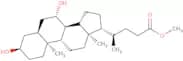
CAS:Controlled Product<p>Ursodeoxycholic acid methyl ester is a bile acid that is produced from ursodeoxycholic acid. It is used as a drug to dissolve gallstones and reduce the risk of recurrent gallstones in patients who have had a cholecystectomy. Ursodeoxycholic acid methyl ester also reduces cholesterol levels by preventing its reabsorption in the small intestine and enhancing its excretion in the bile. This agent has been shown to modulate cell proliferation and differentiation, especially in cerebral tissue and muscle cells. Ursodeoxycholic acid methyl ester can be synthesized from ursodeoxycholic acid by saponification with base followed by methylation with methanol. The synthesis of this agent involves an elimination reaction between c1-c3 alcohols, which leads to impurities such as formaldehyde, acetone, glycerol, acetic acid, and butyric acid.</p>Formula:C25H42O4Purity:Min. 95%Color and Shape:White PowderMolecular weight:406.6 g/molGallic acid monohydrate
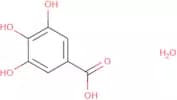
CAS:<p>Gallic acid monohydrate is a natural phenolic compound present in plants, such as oak and sumac. It has been shown to have anticarcinogenic properties in animal models of cancer. Gallic acid monohydrate inhibits the growth of tumor cells by binding to the DNA of tumor cells and inhibiting the synthesis of RNA and proteins. It also possesses antioxidant properties, which may be due to its ability to scavenge free radicals. Gallic acid monohydrate is soluble in water, but not in organic solvents such as ether or chloroform. It exists as two crystalline polymorphs: one anhydrous form that occurs at room temperature and a hydrated form that appears when heated above 40 degrees Celsius. In vitro assays have shown that gallic acid monohydrate is stable when exposed to heat, light, and pH changes.END></p>Formula:C7H8O6Purity:Min. 95%Color and Shape:White PowderMolecular weight:188.13 g/molMethyl tetrahydropyran-4-carboxylate
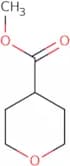
CAS:<p>Methyl tetrahydropyran-4-carboxylate (MTHPC) is a synthetic chemical that is used as a drug for the treatment of tuberculosis. MTHPC inhibits bacterial growth by binding to the CB1 receptor, which leads to the inhibition of protein synthesis, cell division, and cell wall biosynthesis. MTHPC has been shown to be effective against resistant strains of tuberculosis in vitro and in vivo. MTHPC is also an alkylating agent with significant activity against Mycobacterium tuberculosis isolates.</p>Formula:C7H12O3Purity:Min. 95%Molecular weight:144.17 g/molLactobionic acid sodium salt monohydrate
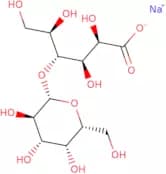
CAS:<p>Lactobionic acid is a white, crystalline powder with a molecular weight of 278.3 g/mol. It is an organic compound that is used as a reactant in organic synthesis, as a reagent for the determination of iron and calcium in biological samples, and as an intermediate in the production of polyesters. Lactobionic acid can be used to synthesize polyester materials with high molecular weights and high purity. The compound has been shown to have anti-inflammatory properties, which may be due to its inhibition of prostaglandin synthesis.</p>Formula:C12H21NaO12·H2OPurity:Min. 95%Color and Shape:PowderMolecular weight:398.3 g/mol4-Bromo-2-nitrocinnamic acid
CAS:<p>4-Bromo-2-nitrocinnamic acid is a naturally occurring amino acid that is a component of wheat, carrots, and cereals. It is an enzyme inhibitor and has been found to be stable under heat treatment. 4-Bromo-2-nitrocinnamic acid has been shown to inhibit the activity of 3 lysine hydrolase enzymes (LysE1, LysE2, LysE3) in vitro. This inhibition decreases lysine levels and may have health implications for infants fed with 4-bromo-2-nitrocinnamic acid treated wheat flour. The efficiency of 4-bromo-2 nitrocinnamic acid as an enzymatic inhibitor for these enzymes was determined by measuring the release of free lysine from various substrates at different concentrations of the inhibitor. These parameters were then used to calculate the theoretical inhibition percentage for each substrate at a given concentration.</p>Formula:C9H6BrNO4Purity:Min. 95%Molecular weight:272.05 g/mol5-Chloro-3-methyl-1H-indole-2-carboxylic acid
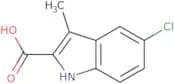
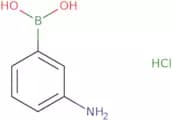
CAS:<p>5-Chloro-3-methyl-1H-indole-2-carboxylic acid (5CMC) is a versatile building block and research chemical. It has been shown to be an effective intermediate for the synthesis of many complex compounds with interesting pharmacological properties. 5CMC is also used as a speciality chemical in the production of pharmaceuticals, agrochemicals, and other chemicals. The compound is a fine chemical that can be used in various research and industrial applications.</p>Formula:C10H8ClNO2Purity:Min. 95 Area-%Color and Shape:PowderMolecular weight:209.63 g/mol(3-Aminophenyl)boronic acid hydrochloride
CAS:<p>3-Aminophenylboronic acid hydrochloride is a chemical compound that is used for analytical chemistry, bioconjugate chemistry, and clinical diagnostics. The compound binds to model proteins with high affinity and specificity. 3-Aminophenylboronic acid hydrochloride has been shown to have low binding constants with polyols, which make it ideal for use in cell culture. 3-Aminophenylboronic acid hydrochloride has a pK of 2.7 at pH 7.4, making it acidic at this pH. The compound also has a pK of 9.3 at pH 4.5, making it neutral at this pH. 3-Aminophenylboronic acid hydrochloride is an electrochemically active molecule and can be used as an electrode material in electrochemical impedance spectroscopy experiments.</p>Formula:C6H9BClNO2Purity:Min. 95%Color and Shape:PowderMolecular weight:173.4 g/molb-N-Methyl-guanadinopropionic acid
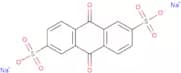
<p>b-N-Methyl-guanadinopropionic acid is a versatile, high quality, and useful building block that is used as a reagent and speciality chemical. It is also an intermediate in the synthesis of research chemicals, which are synthesized using b-N-Methyl-guanadinopropionic acid as a reactant. This compound can be used as a building block in the synthesis of complex compounds with high molecular weight. The CAS number for b-N-Methyl-guanadinopropionic acid is</p>Purity:Min. 95%Anthraquinone-2,6-disulfonic acid disodium
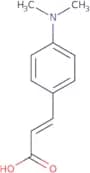
CAS:<p>Anthraquinone-2,6-disulfonic acid disodium salt is a reactive, redox potential chemical that has been shown to be stable to intermolecular hydrogen bonding and crystalline in structure. It has the ability to react with carbon sources and can be used as a catalyst in coordination chemistry. Anthraquinone-2,6-disulfonic acid disodium salt has been shown to have fluorescence properties under UV light and FTIR spectroscopy.</p>Formula:C14H6Na2O8S2Purity:Min. 95%Color and Shape:Beige PowderMolecular weight:412.3 g/mol4-Dimethylaminocinnamic acid
CAS:<p>4-Dimethylaminocinnamic acid (DMA) is a natural organic compound found in plants and animals. This compound has been studied for its potential use as a drug, but it is not currently used in medicine. 4-Dimethylaminocinnamic acid can inhibit the activity of certain enzymes by binding to them, including the enzyme polymerase chain that synthesizes DNA. It also can bind to other proteins, such as carbonyl groups and cinnamic acid derivatives, which are found in human liver cells. 4-Dimethylaminocinnamic acid can form hydrogen bonds with other molecules due to its hydroxyl group and carboxylic acid group. It also has a high viscosity due to its long hydrocarbon chain.</p>Formula:C11H13NO2Purity:Min. 95%Color and Shape:PowderMolecular weight:191.23 g/moltrans-1-Propen-1-yl-boronic acid
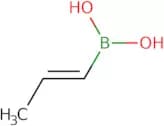
CAS:<p>Trans-1-propenylboronic acid is a boronic acid that can be used to synthesize chiral compounds. It is a product of the Sharpless asymmetric dihydroxylation reaction and has been shown to inhibit the activity of aldehyde oxidase. Trans-1-propenylboronic acid is reusable, which makes it an economical alternative to other boronic acids. The enantiomer of trans-1-propenylboronic acid can be obtained by the Suzuki coupling reaction with a variety of different electrophiles. This product also forms hydrogen bonds with the substrate and has shown anti-inflammatory effects in mice. Trans-1-propenylboronic acid can also undergo oxidation, reduction, or cyclization reactions and can form monosubstituted alicyclic products.</p>Formula:C3H7BO2Purity:Min. 95%Color and Shape:SolidMolecular weight:85.9 g/mol2-Cyanocinnamic acid
CAS:<p>2-Cyanocinnamic acid is a fatty acid that has been shown to inhibit the synthesis of proteins. It binds to cytochrome c oxidase, inhibiting mitochondrial respiration and electron transport, leading to decreased ATP production. 2-Cyanocinnamic acid is not easily transported out of mitochondria, which leads to its accumulation in the mitochondrial matrix. This accumulation causes synergistic inhibition with glutamate, leading to a decrease in ATP production and an increase in intracellular levels of reactive oxygen species (ROS). The use of 2-cyanoacrylic acid as a mitochondrial transport inhibitor has been proposed for the treatment of obesity and diabetes.<br>2-Cyanocinnamic acid also inhibits fatty acid uptake by binding to the protein translocase at the outer membrane of cells. This binding prevents monomers from entering the cell, where they are broken down by beta oxidation and converted into acetyl-CoA, which can be used for energy production or stored as triglycer</p>Formula:C10H7NO2Purity:Min. 95%Molecular weight:173.17 g/molNonanoic acid
CAS:<p>Nonanoic acid is a fatty acid that is metabolized by the liver, and is used as a substrate in the film-forming test to measure the rate constant of glycol ethers. Nonanoic acid also has anti-inflammatory properties and can be used to treat skin diseases caused by bacteria. It can also be used as a therapeutic for people with chronic obstructive pulmonary disease (COPD). In mice, nonanoic acid has been shown to have an antibacterial effect on Gram-positive bacteria, including methicillin resistant Staphylococcus aureus (MRSA). This compound also prevents the activation of toll-like receptor 4 (TLR4) and TLR2 in human monocytes. Nonanoic acid is structurally similar to benzalkonium chloride and pelargonic acid, which are both antimicrobial agents.</p>Formula:C9H18O2Purity:Min. 95 Area-%Color and Shape:Clear LiquidMolecular weight:158.24 g/moltert-Butyl methyl(2-(methylamino)ethyl)carbamate
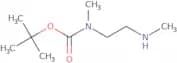
CAS:<p>Tert-Butyl methyl(2-(methylamino)ethyl)carbamate (TBMMEC) is an experimental anticancer drug that has been shown to induce the regression of a variety of cancers in animal models. TBMMEC binds to the antigen Cetuximab and its conjugates, which have been found to be effective against colorectal cancer cells. TBMMEC has also been shown to inhibit the replication of human cytomegalovirus, a virus that causes cancer in humans. This drug is currently being tested for safety and efficacy in humans.</p>Formula:C9H20N2O2Purity:Min. 95%Color and Shape:Colourless To Pale Yellow LiquidMolecular weight:188.27 g/molRoxatidine acetate hydrochloride
CAS:<p>Histamine H2 receptor antagonist</p>Formula:C19H28N2O4•HClPurity:Min. 95%Molecular weight:384.9 g/molSumaresinolic acid
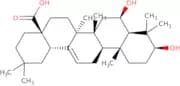
CAS:Controlled Product<p>Sumaresinolic acid is a naturally occurring triterpenoid compound, which is typically isolated from certain plant species, such as those belonging to the Sumac (Rhus) family. This compound is characterized by its complex molecular structure that endows it with various biochemical activities. Sumaresinolic acid acts primarily through anti-inflammatory and antioxidant pathways, influencing cellular signaling and modulating enzymatic activity related to inflammation and oxidative stress.</p>Formula:C30H48O4Purity:Min. 95 Area-%Color and Shape:PowderMolecular weight:472.7 g/mol1-Phenazinecarboxylic acid
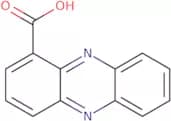
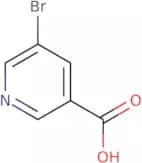
CAS:<p>1-Phenazinecarboxylic acid (PCA) is a cyclic lipopeptide which has shown to have anti-fungal properties in vitro. It inhibits the synthesis of ergosterol, a major component of fungal cell membranes, by inhibiting the enzyme lanosterol 14α-demethylase. PCA was found to inhibit the growth of Candida albicans and Saccharomyces cerevisiae cells in vitro and showed no toxicity to mammalian cells. The optimal concentration for PCA is 1μM and it can be used as an antifungal agent. This chemical can be used as a model system for studying mitochondrial membrane potential. Preparative high performance liquid chromatography (HPLC) methods have been developed for the separation of PCA from other compounds that may interfere with its activity. Wild-type strains were used in this study, but it is not clear if these strains are resistant to PCA or not.</p>Formula:C13H8N2O2Purity:Area-% Min. 95 Area-%Color and Shape:Yellow PowderMolecular weight:224.21 g/mol5-Bromonicotinic acid
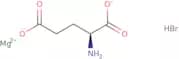
CAS:<p>5-Bromonicotinic acid is a chemical compound that is used in the synthesis of many other compounds. It is a white, crystalline solid that is soluble in water. 5-Bromonicotinic acid has been shown to have antioxidant properties and has been found to have therapeutic effects against degenerative diseases such as Alzheimer's disease. 5-Bromonicotinic acid has been used for the synthesis of carboxylic acids and amides, which are widely used in pharmaceuticals. The Suzuki coupling reaction was developed using 5-bromonicotinic acid as a key intermediate. This chemical compound also reacts with hydrogen peroxide to form reactive intermediates that can initiate chain reactions, which are useful in organic synthesis. <br>The structural analysis of this compound reveals an n-oxide group and two methoxy groups on the ring structure. Magnetic resonance spectroscopy data revealed the presence of a carboxylate group as well as hydrogen bonding interactions with daunorub</p>Formula:C6H4BrNO2Purity:Min. 95%Color and Shape:PowderMolecular weight:202.01 g/molL-Glutamic acid magnesium salt HBr
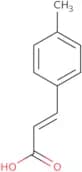
CAS:<p>Amino acid; neurotransmitter</p>Formula:C5H8BrMgNO4Purity:Min. 95 Area-%Color and Shape:Off-White PowderMolecular weight:250.33 g/mol4-Methylcinnamic acid
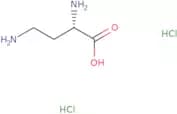
CAS:<p>4-Methylcinnamic acid is a cinnamic acid derivative that is used as an intermediate in the synthesis of various drugs. It can be synthesized from 2-chlorocinnamic acid, which is prepared by reaction with phosphorus pentachloride. 4-Methylcinnamic acid is also able to be oxidized to 4-hydroxycinnamic acid, which has been shown to have anti-aging effects. The molecule can be modeled using molecular dynamics simulations and was found to be polarizable and diffracting.</p>Formula:C10H10O2Purity:Min. 95%Color and Shape:White PowderMolecular weight:162.19 g/molL-2,4-Diaminobutyric acid dihydrochloride
CAS:<p>L-2,4-Diaminobutyric acid, dihydrochloride is a chemical compound that is a non-protein amino acid. It is used in the production of gamma-aminobutyric acid (GABA) and has been shown to be able to penetrate the blood-brain barrier. However, it also has many other health effects such as increasing fatty acids in the brain and decreasing GABA uptake. L-2,4-Diaminobutyric acid, dihydrochloride can be used for diagnostic purposes or animal health.</p>Formula:C4H10N2O2•(HCl)2Purity:Min. 95%Color and Shape:White to off-white solid.Molecular weight:191.06 g/mol3-tert-Butyl-6-methylsalicylic acid
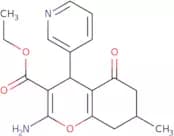
CAS:<p>3-tert-Butyl-6-methylsalicylic acid is a versatile building block that is used in the synthesis of complex compounds. It reacts with amines to form salicylanilides and is also used as a reagent for the synthesis of acetylenes. 3-tert-Butyl-6-methylsalicylic acid can be used as a starting material for the production of pharmaceuticals, pesticides, and dyes. This compound has been shown to be an effective intermediate in the synthesis of new drugs, such as antimalarial agents and analgesics. The high quality of this chemical makes it a useful scaffold for organic synthesis.</p>Formula:C12H16O3Purity:Min. 95%Color and Shape:PowderMolecular weight:208.25 g/molethyl 2-amino-7-methyl-5-oxo-4-(3-pyridyl)-4,6,7,8-tetrahydro2H-chromene-3-carboxylate
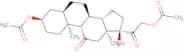
CAS:<p>Please enquire for more information about ethyl 2-amino-7-methyl-5-oxo-4-(3-pyridyl)-4,6,7,8-tetrahydro2H-chromene-3-carboxylate including the price, delivery time and more detailed product information at the technical inquiry form on this page</p>Purity:Min. 95%Tetrahydrocortisone-3α,21-diacetate
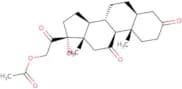
CAS:Controlled Product<p>Tetrahydrocortisone-3alpha,21-diacetate is a reaction component that is useful for the synthesis of a variety of compounds. Tetrahydrocortisone-3alpha,21-diacetate reacts with various reagents to form complex compounds. It has been used as a building block in the synthesis of more complex chemical compounds and is also a versatile intermediate in organic synthesis. Tetrahydrocortisone-3alpha,21-diacetate is an excellent research chemical due to its high quality and versatility.<br>Tetrahydrocortisone-3alpha,21-diacetate is a fine chemical that can be used as an intermediate or building block in the production of many different compounds. This compound may be synthesized using the following reaction:</p>Formula:C25H36O7Purity:Min. 95%Molecular weight:448.55 g/molDihydroallocortisone acetate
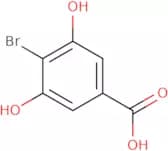
CAS:Controlled Product<p>Dihydroallocortisone acetate is a reaction component that is used as a reagent in organic synthesis. It can be used as a building block for the synthesis of corticosteroids. This chemical has been shown to have high quality and is useful as a research chemical or speciality chemical. Dihydroallocortisone acetate is also a versatile building block, which can be used as an intermediate or building block in complex compounds. This chemical also has CAS number 3751-02-8.</p>Formula:C23H32O6Purity:Min. 95%Color and Shape:White Clear LiquidMolecular weight:404.5 g/mol4-Bromo-3,5-dihydroxybenzoic acid
CAS:<p>4-Bromo-3,5-dihydroxybenzoic acid (4BDHB) is a cyclopentyl hydroxyl group that is found in the brain. It is a metabolite of 4-hydroxybiphenyl and has been shown to bind to the CB2 receptor. 4BDHB has been shown to have antiinflammatory effects by inhibiting microglia activation. The structural analysis of this compound shows that it has functionalities such as hydrogen bond donor, hydrogen bond acceptor, and amide. 4BDHB also has a biphenyl backbone with two diazonium salt moieties on either side. This molecule can be synthesized using an intramolecular hydrogen shift reaction between phenol and nitrosobenzene.</p>Formula:C7H5BrO4Purity:Min. 98.0%Color and Shape:PowderMolecular weight:233.02 g/mol3β-Ursodeoxycholic acid
CAS:Controlled Product<p>3beta-Ursodeoxycholic acid is a bile acid that is synthesized in the liver and secreted into the intestine. It is used as a treatment for congestive heart failure, HIV infection, bowel disease, and autoimmune diseases. 3beta-Ursodeoxycholic acid has been shown to be a potent inhibitor of hydroxylation of cholesterol in the liver. It also exhibits an ability to increase the transport rate of cholesterol from the liver to other tissues in the body. 3beta-Ursodeoxycholic acid inhibits monoethyl ether formation by competing with ethylene oxide for binding sites on microsomal proteins. This compound also protects against primary sclerosing cholangitis and ursodiol therapy by preventing enzymatic inactivation of bile acids.</p>Formula:C24H40O4Purity:Min. 98 Area-%Color and Shape:White PowderMolecular weight:392.57 g/mol3,5-Dimethoxybenzoic acid
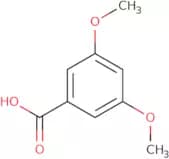
CAS:<p>3,5-Dimethoxybenzoic acid is a chemical compound that belongs to the class of organic compounds known as phenols. This compound is used in the synthesis of 2,4-dichlorobenzoic acid from 2,4-dichloroaniline and sodium hydroxide solution. 3,5-Dimethoxybenzoic acid can also be used to synthesize 2,5-dimethoxybenzoic acid by reacting with sodium hydroxide solution. In addition to its use in organic synthesis, 3,5-dimethoxybenzoic acid has been shown to inhibit ventricular myocytes in a dose dependent manner. It is also used as a model system for studying phase equilibrium.</p>Formula:C9H10O4Purity:Min. 95%Color and Shape:White PowderMolecular weight:182.17 g/mol10-Aminodecanoic acid
CAS:<p>10-Aminodecanoic acid is an organic compound that belongs to the group of fatty acids. It is a monomeric molecule with two carboxylic acid groups and one hydroxyl group. 10-Aminodecanoic acid has been shown to induce tumor regression in xenograft models for human prostate, breast, and colon cancer cells. The mechanism of action is currently unclear but may be due to specific interactions with amino acids on glycoproteins or amides on proteins. 10-Aminodecanoic acid also stabilizes membranes by forming hydrogen bonds with phospholipids.</p>Formula:C10H21NO2Purity:Min. 95%Color and Shape:White PowderMolecular weight:187.28 g/mol2-Chloroethanesulfonic acid sodium hydrate
CAS:<p>2-Chloroethanesulfonic acid sodium hydrate is a chemical compound that belongs to the class of primary amines. It has a strong tendency to adsorb on surfaces, which can be seen in its FTIR spectra. 2-Chloroethanesulfonic acid sodium hydrate is a white crystalline solid and is insoluble in water. This compound has been found to have a high reactivity with metal ions, such as Na+, K+, Ca2+, and Mg2+. 2-Chloroethanesulfonic acid sodium hydrate reacts slowly with chloropropane, but more quickly with chloroacetic acid. The reaction time depends on the concentration of the reactants and the temperature at which it is heated.</p>Formula:C2H4ClO3SNa·H2OPurity:Min. 98%Color and Shape:White PowderMolecular weight:184.58 g/mol3-Chloro-4-toluic acid
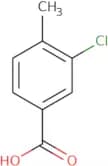
CAS:<p>3-Chloro-4-toluic acid is a quinone, which is derived from 3,4-dichlorotoluene. It has been shown to bind to nuclear receptors and act as a retinoic acid linker. This compound is also used in the synthesis of organic compounds by desorption in an acidic environment, followed by methyl esterification with an alcohol. 3-Chloro-4-toluic acid can be converted into zirconium chloride or hydrotalcite through chlorination or hydrochlorination. The resulting product can be used for dispersive solid-phase extraction methods.</p>Formula:C8H7ClO2Purity:Min. 95%Color and Shape:PowderMolecular weight:170.59 g/molMethyl phenylacetate
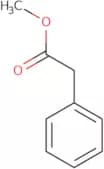
CAS:Controlled Product<p>Methyl phenylacetate is a coumarin derivative that is synthesized by an asymmetric synthesis using a solid catalyst. It has been shown to have antiproliferation activity in cell culture studies and to inhibit the growth of certain cancer cells. The reactions are catalyzed by hydrophobic effect, which helps to bind the methyl phenylacetate with trifluoroacetic acid and form the bound form. This then reacts with hydroxy methyl or dihydroconiferyl alcohol, forming methyl phenacyl acetate as the product.</p>Formula:C9H10O2Purity:Min. 95%Molecular weight:150.17 g/mol2-Iodophenylacetic acid
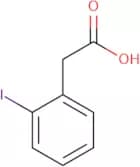
CAS:<p>2-Iodophenylacetic acid is an amide that is synthesized from benzyl esters and 2-iodophenol. It has a potent chemokine activity and has been shown to be a human pathogen that causes low-energy pneumonia. 2-Iodophenylacetic acid is used as a solvent for organic reactions, such as synthesis of biomolecules. It can also be used as a carbon disulfide extractant in the purification of serine proteases from bacteria. This compound can act as a nucleophile, attacking chloride ions with different types of halides to produce methyl esters. It also reacts with sodium sulfide to form hypervalent iodine compounds, which are useful in organic synthesis.</p>Formula:C8H7IO2Purity:Min. 95%Color and Shape:PowderMolecular weight:262.04 g/mol3-Methylquinoxaline-2-carboxylic acid
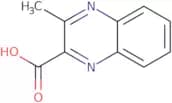
CAS:<p>3-Methylquinoxaline-2-carboxylic acid is a polymerase chain reaction (PCR) reagent that can be used to detect nucleic acids. The detection sensitivity of the lc-ms/ms method is 0.1 pmol, and the matrix effect is negligible. There are no genotoxic effects, while significant cytotoxicity has been observed at concentrations of 10 µg/mL or greater. The monoclonal antibody used for immunodetection reacts with nitrite ion, which can be detected by the 3-methylquinoxaline-2-carboxylic acid assay. This reagent can also be used for sample preparation in DNA sequencing reactions.</p>Formula:C10H8N2O2Purity:Min. 97 Area-%Color and Shape:PowderMolecular weight:188.18 g/mol2-(4-hydroxy-3-methoxyphenyl)-1,3-thiazolidine-4-carboxylic acid
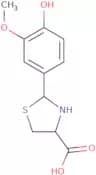
CAS:<p>Please enquire for more information about 2-(4-hydroxy-3-methoxyphenyl)-1,3-thiazolidine-4-carboxylic acid including the price, delivery time and more detailed product information at the technical inquiry form on this page</p>Formula:C11H13NO4SPurity:Min. 95%Color and Shape:PowderMolecular weight:255.29 g/molTrifluoromethoxyacetic acid
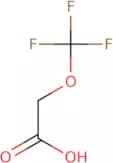
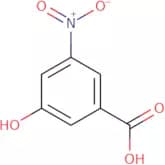
CAS:<p>Trifluoromethoxyacetic acid is a synthetic drug that has been used to treat inflammatory bowel disease, alopecia and seborrhoea. It is also used as a pharmacological agent for the treatment of autoimmune diseases, such as sclerosis, malignant and bowel disease. Trifluoromethoxyacetic acid has anti-inflammatory properties due to its inhibition of prostaglandin synthesis. This drug has been shown to be effective in treating alopecia areata in rats with an oral dose of 0.5 mg/kg for two weeks, which is comparable to the effect observed with 1 mg/kg of minoxidil (Rogaine). Trifluoromethoxyacetic acid binds to nitrogen atoms on proteins and inhibits protein synthesis, leading to cell death by inhibiting the production of proteins vital for cell division.</p>Formula:C3H3F3O3Purity:Min. 95 Area-%Color and Shape:Clear LiquidMolecular weight:144.05 g/mol3-Hydroxy-5-nitrobenzoic acid
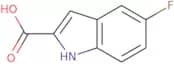
CAS:<p>3-Hydroxy-5-nitrobenzoic acid is a reactive mesomorphic compound. It is often used as an analytical reagent and has been shown to be useful in spectrometric analysis of amino acid sequences. 3-Hydroxy-5-nitrobenzoic acid can be quantified by gas chromatography and mass spectrometry to determine its chemical composition. 3-Hydroxybenzoic acid and 2,5-dihydroxybenzoic acid are the two main products that are formed when this compound reacts with hydroxyl radical under certain conditions.</p>Formula:C7H5NO5Purity:Min. 98%Color and Shape:PowderMolecular weight:183.12 g/mol5-Fluoroindole-2-carboxylic acid
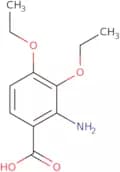
CAS:<p>5-Fluoroindole-2-carboxylic acid is a new substance that has been found to be an inhibitor of the influenza virus. It prevents the virus from replicating by inhibiting the synthesis of viral proteins and nucleic acids. 5-Fluoroindole-2-carboxylic acid can be prepared by dispersive solid phase extraction of a mixture of fluoroindole, fumaric acid, and potassium hydroxide in water. The compound has also been shown to potentiate the effects of carbamazepine on caspases and enhance mass spectrometric analysis for gaseous hydrochloric acid. 5-Fluoroindole-2-carboxylic acid produces antinociceptive effects in animals.</p>Formula:C9H6FNO2Color and Shape:PowderMolecular weight:179.15 g/mol2-Amino-3,4-diethoxybenzoic acid
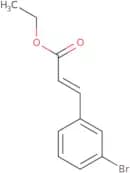
CAS:<p>2-Amino-3,4-diethoxybenzoic acid is a high quality chemical with a CAS No. 61948-72-9. It is an organic compound that belongs to the class of aromatic carboxylic acids and has a molecular weight of 174.2 g/mol. 2DHB is a useful intermediate in the synthesis of fine chemicals, research chemicals, and speciality chemicals like pharmaceuticals, pesticides, and dyes. It can also be used as a building block in the synthesis of many other compounds. The versatility of 2DHB makes it an important component in reactions involving nucleophilic substitution or addition reactions.</p>Formula:C11H15NO4Purity:Min. 95%Color and Shape:PowderMolecular weight:225.24 g/mol3-Bromocinnamic acid ethyl ester
CAS:<p>3-Bromocinnamic acid ethyl ester is a chemical that is useful as a building block for the synthesis of more complex compounds. It is an intermediate in the synthesis of organic compounds and can be used as a reaction component. 3-Bromocinnamic acid ethyl ester has CAS No. 24398-80-9 and is a reagent that can be used to synthesize other chemicals. 3-Bromocinnamic acid ethyl ester is also useful as a scaffold in the development of new drugs, because it has an amide bond, which may lead to new types of drug molecules with different properties.</p>Formula:C11H11BrO2Purity:Min. 95%Molecular weight:255.11 g/molAndrostenediol-3-acetate-17-benzoate
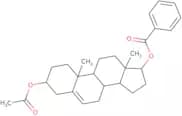
CAS:Controlled Product<p>Androstenediol-3-acetate-17-benzoate is a chemical building block that has been used in the synthesis of various pharmaceuticals and other organic compounds. It is a versatile intermediate for the synthesis of complex natural products such as corticosteroids, sex hormone analogs, and other drugs. Androstenediol-3-acetate-17-benzoate has also been found to be an effective treatment for bronchitis.</p>Formula:C28H36O4Purity:Min. 95%Color and Shape:PowderMolecular weight:436.58 g/mol(2S)-N-Boc-2-amino-4-azido-butanoic acid methyl ester
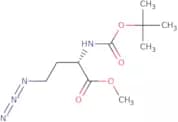
CAS:<p>(2S)-N-Boc-2-amino-4-azido-butanoic acid methyl ester is a high quality, reagent, complex compound, useful intermediate, fine chemical that is used as a building block in the synthesis of speciality chemicals.</p>Formula:C10H18N4O4Purity:Min. 95%Color and Shape:PowderMolecular weight:258.27 g/mol6-Bromo-2,3-dimethoxybenzoic acid
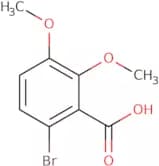
CAS:<p>6-Bromo-2,3-dimethoxybenzoic acid is a synthetic chemical that has been shown to have antibacterial activity. It has been shown to inhibit the growth of bacteria by binding to the imine group in the bacterial cell wall and preventing its synthesis. 6-Bromo-2,3-dimethoxybenzoic acid has also been shown to be synthesised from 2,3-dimethoxybenzoic acid and bromine. This compound is a benzophenanthridine alkaloid that inhibits protein synthesis and cell division.</p>Formula:C9H9BrO4Purity:Min. 95%Color and Shape:PowderMolecular weight:261.07 g/mol5,5-dimethyl-2-(4-(2-methylpropyl)phenyl)-1,3-thiazolidine-4-carboxylic acid
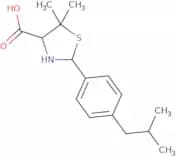
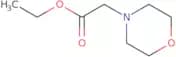
CAS:<p>Please enquire for more information about 5,5-dimethyl-2-(4-(2-methylpropyl)phenyl)-1,3-thiazolidine-4-carboxylic acid including the price, delivery time and more detailed product information at the technical inquiry form on this page</p>Purity:Min. 95%Ethyl morpholinoacetate
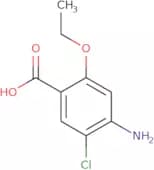
CAS:<p>Ethyl morpholinoacetate is a molecule that has been shown to have binding activities with DNA and RNA sequences. It has also been shown to be an efficient method for diagnosis of acidic, inflammatory diseases, amines, and antibacterial activity. Ethyl morpholinoacetate binds to the enzyme regulatory site on the ribosome, causing a change in the shape of the ribosome that affects its ability to bind tRNA. The nucleophilic nature of this molecule allows it to be synthesized from morpholine and a nucleophilic reagent such as sodium cyanide or lithium diisopropylamide. This synthetic substrate can then be used in research on chemical structures.</p>Formula:C8H15NO3Purity:Min. 95%Color and Shape:Clear LiquidMolecular weight:173.21 g/mol4-Amino-5-chloro-2-ethoxybenzoic acid
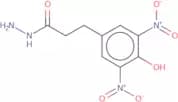
CAS:<p>4-Amino-5-chloro-2-ethoxybenzoic acid is a phenoxy compound that is synthesized in the laboratory. The chemical structure of this compound has been studied using high performance liquid chromatography and it was found to have pharmacokinetic properties that are consistent with those of other drugs in its class. This drug is being developed as an anti-depressant, targeting the 5HT4 receptor. The bioactive metabolite of 4-amino-5-chloro-2-ethoxybenzoic acid is 4-(4′ hydroxybutyl)phenol, which has been shown to be a potent inhibitor of phosphodiesterase activity.</p>Formula:C9H10ClNO3Purity:Min. 95%Color and Shape:White Off-White PowderMolecular weight:215.63 g/mol3,5-Dinitro-4-hydroxyphenylpropionic acid hydrazide
CAS:<p>3,5-Dinitro-4-hydroxyphenylpropionic acid hydrazide is a versatile building block that can be used in the synthesis of complex compounds. It is an intermediate for the production of research chemicals and reagents, as well as a useful scaffold for making new compounds. This compound has been shown to be stable in air and water and is not toxic when ingested. 3,5-Dinitro-4-hydroxyphenylpropionic acid hydrazide is also soluble in many organic solvents and has low volatility.</p>Formula:C9H10N4O6Purity:Min. 95%Molecular weight:270.2 g/molNesfatin-1 (mouse) trifluoroacetate salt
CAS:<p>Please enquire for more information about Nesfatin-1 (mouse) trifluoroacetate salt including the price, delivery time and more detailed product information at the technical inquiry form on this page</p>Formula:C424H683N117O137Purity:Min. 95%Molecular weight:9,611.67 g/molSodium carboxyl methylstarch
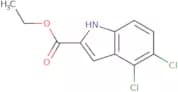
CAS:<p>Sodium carboxymethyl starch, sometimes abbreviated as CMS or SCMS, is a modified starch derivative widely used as an excipient in pharmaceutical formulations. It is used to support the stability, delivery, and performance of the API in drug products.</p>Purity:Min. 95%Color and Shape:PowderEthyl 4,5-dichloro-1H-indole-2-carboxylate
CAS:<p>Ethyl 4,5-dichloro-1H-indole-2-carboxylate is an organic chemical compound that is a reaction component, reagent, and useful scaffold in the synthesis of pharmaceuticals. It has been shown to have high quality and be a versatile building block for the synthesis of complex compounds. This chemical can be used as a speciality chemical or research chemical.</p>Formula:C11H9Cl2NO2Purity:Min. 95%Color and Shape:White PowderMolecular weight:258.1 g/mol2,3-Difluoro-4-hydroxybenzoic acid
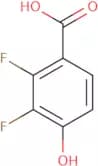
CAS:<p>2,3-Difluoro-4-hydroxybenzoic acid is a protonated molecule that has been experimentally shown to be an antioxidant. It is an electron-donating and electron-withdrawing moiety that can act as a hydrogen atom scavenger. 2,3-Difluoro-4-hydroxybenzoic acid can also be deprotonated by hydroxide ions or other strong acids to form the corresponding carboxylic acid. The dianionic form of this molecule has been shown to have high antioxidant potential in a number of experiments.</p>Formula:C7H4F2O3Purity:Min. 95%Color and Shape:PowderMolecular weight:174.1 g/mol3-(4-methoxy-1-naphthyl)acrylic acid
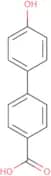
CAS:<p>Please enquire for more information about 3-(4-methoxy-1-naphthyl)acrylic acid including the price, delivery time and more detailed product information at the technical inquiry form on this page</p>Purity:Min. 95%4-Hydroxy-4'-biphenylcarboxylic acid
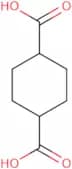
CAS:<p>4-Hydroxy-4'-biphenylcarboxylic acid is a kind of organic compound that has carboxylic acid functional group. It can be used as an intermediate for the synthesis of pharmaceuticals, dyes, and other organic compounds. 4-Hydroxy-4'-biphenylcarboxylic acid can be synthesized from p-hydroxybenzoic acid in the presence of a chloride donor and an acceptor (e.g., sodium hydroxide solution) with oxalyl as the catalyst. Trichloroacetic acid is used to remove the hydroxybenzoic acid byproduct which may cause corrosion and instability problems. The molecular structure of 4-Hydroxy-4'-biphenylcarboxylic acid is shown below:</p>Formula:C13H10O3Purity:Min. 95%Color and Shape:White PowderMolecular weight:214.22 g/moltrans-1,4-Cyclohexanedicarboxybic acid
CAS:<p>Trans-1,4-Cyclohexanedicarboxylic acid is a polycarboxylic acid with a cyclohexane ring. It is formed by the reaction of an organic acid and hydrochloric acid in water. Trans-1,4-Cyclohexanedicarboxylic acid has been shown to form an acid when heated at high temperatures. This property is due to its macrocyclic structure and steric interactions with the fatty acids present in the reaction solution. The thermal expansion of trans-1,4-Cyclohexanedicarboxylic acid is sensitive to temperature changes, which can be used for detection purposes. Trans-1,4-Cyclohexanedicarboxylic acid has a hydroxyl group that can be substituted with fluorescence dyes for detection purposes. The cyclohexane ring and dibutyltin oxide are used for the determination of iron content in samples.</p>Formula:C8H12O4Purity:Min. 95%Color and Shape:PowderMolecular weight:172.18 g/mol6-Bromobenzo-(1,3)-dioxole-5-carboxylic acid
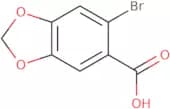
CAS:<p>6-Bromobenzo-(1,3)-dioxole-5-carboxylic acid is a natural product that is synthesised by the reaction of hydrochloric acid with bromobenzene and dioxolane. It has been used as an intermediate in the synthesis of carbaryl, which is used as an insecticide. 6-Bromobenzo-(1,3)-dioxole-5-carboxylic acid has also been shown to inhibit the biosynthesis of berberine in plants. This compound can be synthesized by reacting noradrenaline with hydrobromic acid or deuterium oxide.</p>Formula:C8H5BrO4Purity:Min. 95%Color and Shape:PowderMolecular weight:245.03 g/mol2-Chloroinosine 3',4',6'-triacetate
CAS:<p>2-Chloroinosine 3',4',6'-triacetate is a reagent, useful intermediate, fine chemical, and speciality chemical. It is used as an important building block in organic synthesis. 2-Chloroinosine 3',4',6'-triacetate can be used as a versatile building block for the synthesis of many other compounds. The high quality and usefulness of this compound make it a good choice for research chemicals.</p>Formula:C16H17ClN4O8Purity:Min. 95%Color and Shape:White to pale yellow solid.Molecular weight:428.78 g/mol4-Amidinobenzoic acid hydrochloride
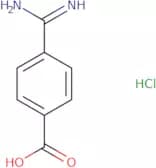
CAS:<p>4-Amidinobenzoic acid hydrochloride is a catalytic molecule that inhibits serine proteases. It has been shown to be an effective inhibitor of the proteolytic activity of trypsin and chymotrypsin when used at concentrations of 3 mM or higher. 4-Amidinobenzoic acid hydrochloride functions by binding to the active site of the enzyme, preventing access to the substrate. This inhibition is reversible, with a half-life of about 10 minutes. The inhibitory constants for 4-amidinobenzoic acid hydrochloride are in the range of 1 μM to 100 μM.</p>Formula:C8H8N2O2•HClPurity:Min. 95%Color and Shape:PowderMolecular weight:200.62 g/mol4-Carboxycinnamic acid
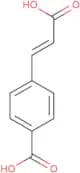
CAS:<p>4-Carboxycinnamic acid is an organic compound that is a derivative of cinnamic acid. It is a colorless solid that is soluble in organic solvents and has high resistance to environmental pollution. 4-Carboxycinnamic acid has been shown to have photocatalytic activity in the presence of UV radiation, with a quantum yield of 0.2% at 365 nm. It also exhibits fluorescence properties, but these are not as strong as the parent compound, cinnamic acid. 4-Carboxycinnamic acid has functional groups that can be activated by hydrogen bonding interactions and uptake into cells. This compound also reacts with sulfonic acids to form sulfinic acids and hydrochloric acid to form chlorocinnamic acids. Chronic pulmonary effects were observed in animals after inhalation of this substance for 30 minutes per day for 10 days. X-ray crystal structures have been determined for 4-carboxycinnamic acid and its</p>Formula:C10H8O4Purity:Min. 95%Color and Shape:PowderMolecular weight:192.17 g/mol3-Cyanophenylboronic acid
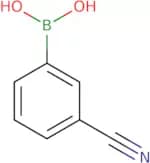
CAS:<p>3-Cyanophenylboronic acid is an organic compound that has been shown to have antimicrobial activity against Pseudomonas aeruginosa. The synthetic pathway of this compound begins with the benzamidine, which reacts with dibutyltin oxide to form 3-cyanophenylboronic acid. This molecule can then be reacted with a cationic polymerization agent such as polyethyleneimine or polyallylamine, producing a polymerized product. When tested in humans, 3-cyanophenylboronic acid showed a high oral bioavailability and low plasma protein binding. It also has a short serum half-life and is metabolized by serine proteases in the liver.</p>Formula:C7H6BNO2Purity:Min. 95%Color and Shape:PowderMolecular weight:146.94 g/mol2,2,3,3-Tetrafluoro-3-(trifluoromethoxy)propanoic acid
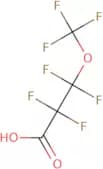
CAS:<p>2,2,3,3-Tetrafluoro-3-(trifluoromethoxy)propanoic acid (TFMP) is a fluorine-containing monomer that can be synthesized in an efficient method. TFMP is a resistant strain and has been shown to react with amines, carbonyls, and carboxylic groups. It can be copolymerized with other monomers to form polymeric materials. TFMP is a fluoride monomer that exhibits properties similar to perfluoroalkyl methacrylate monomers.</p>Formula:C4HF7O3Purity:Min. 95%Color and Shape:Clear LiquidMolecular weight:230.04 g/mol(+/-)-Fmoc-cis-2-aminocyclopentane carboxylic acid
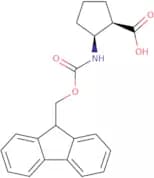
CAS:<p>Fmoc-cis-(1R,2S)-2-aminocyclopentane carboxylic acid is a versatile building block that is used in the synthesis of many important compounds. It can be used as a scaffold for organic synthesis and can be converted to an intermediate for peptides and proteins. Fmoc-cis-(1R,2S)-2-aminocyclopentane carboxylic acid is also useful in chemical reactions due to its high reactivity, including reactions with thiols, amines, alcohols, and others. This compound has been shown to form complexes with metals such as palladium or platinum.</p>Formula:C21H21NO4Purity:Min. 96 Area-%Color and Shape:White PowderMolecular weight:351.4 g/mol2-Chloro-2-methylpropionic acid
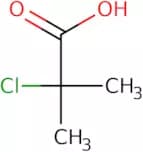
CAS:<p>2-Chloro-2-methylpropionic acid (MCPA) is a chemical compound that belongs to the group of organic compounds called acyl chlorides. It is used in industry for the production of acrylic acid and polyacrylic acid, as well as in the production of herbicides. MCPA is produced by reacting an alkali metal with 2-chloroethanol and thioacetic acid. This reaction can be catalyzed by a variety of compounds, including palladium chloride, nickel chloride, and titanium tetrachloride. The high yield of this reaction makes it suitable for commercial use. MCPA also has been shown to stimulate cell growth through its inhibition of monomers from polymerization into polymers.</p>Formula:C4H7ClO2Purity:Min. 95%Color and Shape:PowderMolecular weight:122.55 g/mol4-Nitro-1-naphthaleneacetic acid
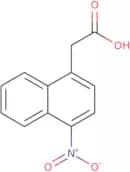
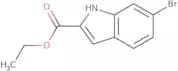
CAS:<p>4-Nitro-1-naphthaleneacetic acid (4NNA) is a chemical that belongs to the group of naphthalene acetic acids. It is a useful building block for the synthesis of 1,2,3,4-tetrahydronaphthoquinones, 1,2,3,4-oxonaphthoquinones and other related compounds. 4NNA is mainly used as an intermediate in organic reactions and as a reagent for the analytical detection of metals. This compound has been shown to be useful as a scaffold in drug design due to its complex structure.</p>Formula:C12H9NO4Purity:Min. 95%Molecular weight:231.2 g/molEthyl 6-Bromoindole-2-carboxylate
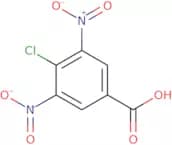
CAS:<p>Please enquire for more information about Ethyl 6-Bromoindole-2-carboxylate including the price, delivery time and more detailed product information at the technical inquiry form on this page</p>Formula:C11H10BrNO2Purity:Min. 95%Molecular weight:268.11 g/mol4-Chloro-3,5-dinitrobenzoic acid
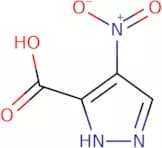
CAS:<p>4-Chloro-3,5-dinitrobenzoic acid is a redox potential chemical that has been shown to be reactive in the presence of nucleophiles. The toxicological studies on this chemical have focused on its hemolytic activity and conformational properties. 4-Chloro-3,5-dinitrobenzoic acid is a molecule with neutral ph and can react with lysine residues in proteins, which may lead to the release of caproic acid and nitrite ions. This chemical also has protease activity and can undergo transfer reactions with other molecules.</p>Formula:C7H3ClN2O6Purity:Min. 90%Color and Shape:PowderMolecular weight:246.56 g/mol4-Nitro-1H-pyrazole-3-carboxylic acid
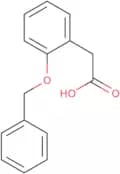
CAS:<p>4-Nitro-1H-pyrazole-3-carboxylic acid is a potent inhibitor of tyrosine kinases. It has been shown to bind to the ATP binding site of the enzyme, thereby blocking the catalytic action and inhibiting cell proliferation. 4-Nitro-1H-pyrazole-3-carboxylic acid can be used as a tool for studying receptor tyrosine kinase signaling pathways and drug target validation. This compound also has an immobilized form that can be used in microscopy studies to study human cell lines. The immobilized form is prepared by attaching colloidal particles of this compound onto a surface using silane coupling chemistry, which allows for its use as an alternative to radioactive isotopic labels. The immobilized form has been shown to enhance the Raman signal from proteins bound on the surface due to increased light scattering from the protein molecules in contact with this compound.</p>Formula:C4H3N3O4Purity:Min. 95%Color and Shape:SolidMolecular weight:157.08 g/mol(2-Benzyloxyphenyl)acetic acid
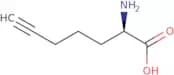
CAS:<p>2-Benzyloxyphenylacetic acid is a phenolic compound that has been shown to be an inhibitor of the enzyme borohydride reductase. The model studies on 2-benzyloxyphenylacetic acid were conducted in acidic and alkaline environments. The presence of buffers and other biomolecules did not affect the inhibition. 2-Benzyloxyphenylacetic acid was also found to be selective for the borohydride reductase enzyme, inhibiting it more than any other tested enzyme. This compound has been shown to inhibit the oxidation of dienones by 2-hydroxyphenylacetic acid, which may have implications in pharmaceutical applications.</p>Formula:C15H14O3Purity:Min. 95%Color and Shape:PowderMolecular weight:242.27 g/mol(2R)-2-Aminohept-6-ynoic acid
CAS:<p>2-Aminohept-6-ynoic acid is a useful building block and can be used as a reagent in organic synthesis. It is a versatile building block, and can be used as an intermediate or scaffold in the preparation of complex compounds. CAS No. 211054-03-4</p>Formula:C7H11NO2Purity:Min. 95%Color and Shape:PowderMolecular weight:141.17 g/mol2-Amino-5-iodobenzoic acid ethyl ester
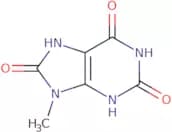
CAS:<p>2-Amino-5-iodobenzoic acid ethyl ester is a chemical reagent that is used to prepare 2-chloro-5-iodobenzoic acid. It can be prepared by the hydrolysis of 2,4,6-trinitrobenzene with an aqueous solution of sodium hydroxide. The iodination reaction proceeds in two steps: (1) chlorination of methyl anthranilate with chlorine and (2) addition of the resultant product to 2,4,6-trinitrobenzene. In the first step, methyl anthranilate reacts with chlorine to form 2-chloro-5-iodobenzoic acid ethyl ester and hydrogen chloride gas. In the second step, this product reacts with 2,4,6-trinitrobenzene to form 2-amino 5 -iodobenzoic acid ethyl ester and nitrogen gas</p>Formula:C9H10INO2Purity:Min. 95%Color and Shape:PowderMolecular weight:291.09 g/mol9-Methyluric acid
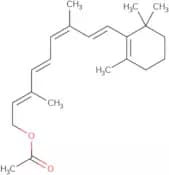
CAS:Controlled Product<p>9-Methyluric acid is a purine derivative that is used as a diagnostic agent in clinical chemistry. The oxidation of methylxanthines by lipid peroxides produces 9-methyluric acid. This reaction can be detected using chromatographic methods, and the amount of 9-methyluric acid present can be quantified electrochemically. It has been shown that flavus bacteria produce methyluric acid when they are grown on agar plates containing methanol. The pH optimum for 9-methyluric acid production is pH 8.5, and it has been shown that the electrochemical method is sensitive to protonation.</p>Formula:C6H6N4O3Purity:Min. 95%Color and Shape:PowderMolecular weight:182.14 g/mol9-cis-Retinol acetate
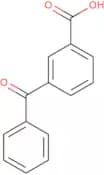
CAS:<p>9-cis-Retinol acetate is a synthetic retinoid that has been shown to have antioxidant properties. It prevents the oxidation of lipids, proteins and DNA by inhibiting the activity of enzymes such as cyclooxygenase and lipoxygenase, which are responsible for generating reactive oxygen species. 9-cis-Retinol acetate also increases glutathione levels, which scavenges reactive oxygen species. 9-cis-Retinol acetate can be used to treat oxidative injury in different tissues such as the skin, liver, bowel, lung and eye. 9-cis-Retinol acetate can be used in low doses to prevent oxidative injury in the human fetus during pregnancy or in high doses to treat oxidant injuries caused by radiation exposure or chemotherapy.</p>Formula:C22H32O2Purity:Min. 95%Color and Shape:Pale yellow oil.Molecular weight:328.49 g/molBenzophenone-3-carboxylic acid
CAS:<p>Benzophenone-3-carboxylic acid is a chemical compound that is used in the production of polymeric photoinitiators. It has been shown to have an absorption maximum at 350 nm and to convert to benzophenone-3-carboxylic acid upon exposure to ultraviolet light. Benzophenone-3-carboxylic acid can also be reduced by trifluoroacetic acid or carbonyl compounds such as hippuric acid, forming benzophenone-3 and fatty acids. The use of benzophenone-3-carboxylic acid in polymeric photoinitiators has been shown to reduce the emission of volatile organic compounds (VOCs) from coatings.</p>Formula:C14H10O3Purity:Min. 95%Molecular weight:226.23 g/mol


![N-[S-(2-Pyridylthio)cysteaminyl]ethylenediamine-N,N,N',N'-tetraacetic acid, monoamide - Technical …](/_next/image/?url=https%3A%2Fstatic.cymitquimica.com%2Fproducts%2F3D%2Fthumb-webp%2FFP27342.webp&w=3840&q=75)
![1,1'-Bicyclo[1,1,1]pentane-1,3-dicarboxylic acid](/_next/image/?url=https%3A%2Fstatic.cymitquimica.com%2Fproducts%2F3D%2Fthumb-webp%2FFB33678.webp&w=3840&q=75)