Carboxylic Acids
Carboxylic acids are organic molecules characterized by having a carboxyl-type functional group (-COOH). These acids are fundamental in various chemical reactions, including esterification, amidation, and decarboxylation. Carboxylic acids are widely used in the production of pharmaceuticals, polymers, and agrochemicals. In this section, you can find a large number of carboxylic acids ready to be used. At CymitQuimica, we provide a broad range of high-quality carboxylic acids to support your research and industrial applications.
Found 12453 products of "Carboxylic Acids"
Sort by
Purity (%)
0
100
|
0
|
50
|
90
|
95
|
100
5-Methylnicotinic acid
CAS:<p>5-Methylnicotinic acid is a synthetic compound that belongs to the class of organic compounds. It is an amide with optical properties and reacts in aqueous solution with hydroxides to form salts. 5-Methylnicotinic acid has been shown to be effective against rupatadine fumarate, sodium hydroxide solution, transfer mechanism, and plasma samples.</p>Formula:C7H7NO2Purity:Min. 95%Color and Shape:PowderMolecular weight:137.14 g/molMethyl 3-formyl-6-methoxy-1-(4-methoxybenzyl)-1H-indole-2-carboxylate
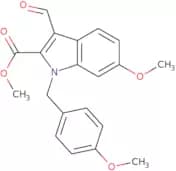
CAS:Controlled Product<p>Please enquire for more information about Methyl 3-formyl-6-methoxy-1-(4-methoxybenzyl)-1H-indole-2-carboxylate including the price, delivery time and more detailed product information at the technical inquiry form on this page</p>Formula:C20H19NO5Purity:Min. 95%Molecular weight:353.37 g/mol1,4-Dihydro-2,6-dimethyl-4-(3-nitrophenyl)-3,5-pyridinedicarboxylic acid 3-(2-cyanoethyl) 5-methyl ester
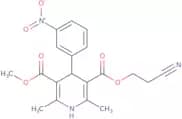
CAS:<p>1,4-Dihydro-2,6-dimethyl-4-(3-nitrophenyl)-3,5-pyridinedicarboxylic acid 3-(2-cyanoethyl) 5-methyl ester is a chemical compound that has the CAS number 75130-24-4. It is a white powder with a melting point of 144°C. This chemical is soluble in acetone, ether and chloroform. It can be used as a building block for organic synthesis due to its versatility and useful scaffold.</p>Formula:C19H19N3O6Purity:Min. 95%Color and Shape:White to yellow solid.Molecular weight:385.37 g/mol2-Aminoisobutyric acid
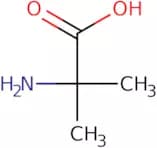
CAS:<p>2-Aminoisobutyric acid (2-AIBA) is a natural compound that has been shown to have significant cytotoxicity against cancer cells. It is also thermodynamically stable and has a low toxicity in normal cells. 2-AIBA is able to cross the blood-brain barrier and can be taken up by the trigeminal nerve. It has been found to have lactogenic effects on the mammary gland, which may be due to its ability to increase prolactin levels. 2-AIBA has been shown to significantly inhibit radiation induced apoptosis in a model system of human papillary muscle cells. The uptake of 2-AIBA was found to be dependent on its ester hydrochloride form, with titration calorimetry being used for this study.</p>Formula:C4H9NO2Purity:Min. 95%Color and Shape:PowderMolecular weight:103.12 g/moltrans-2,3,4-Trimethoxycinnamic acid
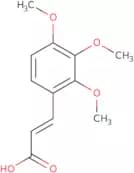
CAS:<p>Trans-2,3,4-trimethoxycinnamic acid is a bioactive chemical that has been shown to have significant antioxidant activity. This compound is a hydrogen peroxide scavenger and can be used in devices to remove hydrogen peroxide from water. Trans-2,3,4-trimethoxycinnamic acid has also been shown to inhibit the production of campesterol and paromomycin in bacteria. Furfural is an inhibitor of trans-2,3,4-trimethoxycinnamic acid and its oxidation products. Trans-2,3,4-trimethoxycinnamic acid can be oxidised by furfural to produce glycerin and formic acid. It also inhibits the formation rate of amides from cinnamyl alcohol.</p>Formula:C12H14O5Purity:Min. 98 Area-%Color and Shape:PowderMolecular weight:238.24 g/molb-Amyrin acetate
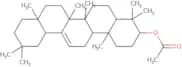
CAS:Controlled Product<p>Please enquire for more information about b-Amyrin acetate including the price, delivery time and more detailed product information at the technical inquiry form on this page</p>Purity:Min. 95%2,4-Dioxo-4-phenylbutanoic acid
CAS:<p>2,4-Dioxo-4-phenylbutanoic acid is an inhibitor of the influenza virus that binds to its surface proteins and inhibits the replication of the virus. 2,4-Dioxo-4-phenylbutanoic acid is a stable complex that has been shown to be active against HIV. This compound has been shown to inhibit viral life by binding to the subunits of influenza A and B viruses. 2,4-Dioxo-4-phenylbutanoic acid has been synthesized as an active analogue of zanamivir and it is believed that this compound binds to the same site on the influenza A virus as zanamivir. The molecule is also tautomerizable, which means it can exist in two forms: ketone (the more stable form) or enol (less stable).</p>Formula:C10H8O4Purity:Min. 95%Color and Shape:PowderMolecular weight:192.17 g/mol3-{[(4-Methylphenyl)sulfonyl]amino}benzoic acid
CAS:<p>Please enquire for more information about 3-{[(4-Methylphenyl)sulfonyl]amino}benzoic acid including the price, delivery time and more detailed product information at the technical inquiry form on this page</p>Formula:C14H13NO4SPurity:Min. 95%Color and Shape:PowderMolecular weight:291.32 g/mol4-Benzyloxyindole-2-carboxylic acid
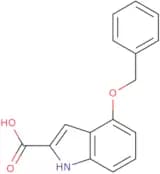
CAS:<p>4-Benzyloxyindole-2-carboxylic acid is a synthetic intermediate. It can be prepared from the hydrazide by reaction with benzaldehyde and subsequent reduction. The carboxylic acid moiety of 4-benzyloxyindole-2-carboxylic acid reacts with an electron source to form a class of compounds that can be used as synthetic intermediates. The diazonium salts formed in this process are then reacted with different electrophiles to give other useful products. 4-Benzyloxyindole-2-carboxylic acid has been used for the synthesis of many organic compounds, such as active compounds, intermediates, and synthetic intermediates, by spectroscopic techniques.</p>Formula:C16H13NO3Purity:Min. 95%Color and Shape:PowderMolecular weight:267.28 g/molCresyl Violet acetate
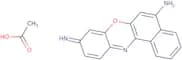
CAS:Controlled Product<p>Cresyl violet acetate is a dye that is used in histology to stain tissue sections. It binds to basic proteins, such as those found in the cytoplasm and nucleus, and has a strong affinity for nucleic acids. Cresyl violet acetate can be used to identify inflammatory lesions and other biological samples. The dye has been shown to induce neuronal death by reducing the redox potentials of neurons through the activation of Toll-like receptors (TLRs). Basic proteins are also involved in oral hypoglycaemic activity.</p>Formula:C18H15N3O3Purity:Limit? 65.%Color and Shape:PowderMolecular weight:321.33 g/mol3-(4-tert-Butylbenzene)prop-2-enoic acid
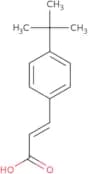
CAS:<p>3-(4-tert-Butylbenzene)prop-2-enoic acid is a potential vanilloid antagonist that blocks the binding of capsaicin to TRPV1 receptors. 3-(4-tert-Butylbenzene)prop-2-enoic acid has been shown to be potent and selective, with little or no effect on other neuronal receptors. The compound can be used as an analgesic in cases of chronic pain, such as those associated with cancer.</p>Formula:C13H16O2Purity:Min. 95%Color and Shape:PowderMolecular weight:204.26 g/molVanillic acid hydrazide
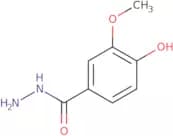
CAS:<p>Vanillic acid hydrazide is a multinuclear compound with condensation products. It has been shown to have antibacterial, anticancer and skeleton-related properties. Vanillic acid hydrazide is able to bind to the 4-hydroxybenzoic acid and introduce it into the cell in order to inhibit the synthesis of fatty acids. This compound also inhibits the growth of cancer cells by preventing their proliferation and proliferation by binding to DNA. Vanillic acid hydrazide may also bind to fatty acids on cell membranes, which would lead to a decrease in membrane fluidity and increase in membrane permeability, leading to cell death.</p>Formula:C8H10N2O3Purity:Min. 95%Color and Shape:PowderMolecular weight:182.18 g/mol4-Bromobutyric acid methyl ester
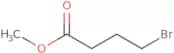
CAS:<p>4-Bromobutyric acid methyl ester is a synthetic compound that can be used to inhibit the activity of the G1 phase cyclin-dependent kinases. It has been shown to inhibit protein synthesis by alkylating the amino groups of proteins and fatty acids. 4-Bromobutyric acid methyl ester also inhibits the growth of cancer cell lines, such as renal carcinoma cells. The mechanism of action for this drug is not well understood, but it may be due to its ability to bind with monoclonal antibodies and enter kidney cells by passive diffusion.</p>Formula:C5H9BrO2Purity:Min. 95%Color and Shape:Clear LiquidMolecular weight:181.03 g/molUsnic acid
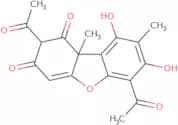
CAS:<p>Usnic acid is a natural compound with significant cytotoxicity. It has been shown to have matrix effects in the environment and oxidative injury on cells. Usnic acid is a component of the herb goldenseal, and has been shown to have pharmacological activities against infectious diseases, such as pandemic influenza. The optical sensor of usnic acid is used as an indicator for environmental pollution and microbial growth.</p>Formula:C18H16O7Purity:Min. 95%Color and Shape:White PowderMolecular weight:344.32 g/molN-Acetyl-L-aspartic acid
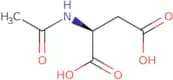
CAS:<p>N-Acetyl-L-aspartic acid is a molecule that has been shown to be a potential biomarker for neuronal death, with activity index levels inversely correlating with the number of granule neurons. The chemical stability of N-acetyl-L-aspartic acid was tested using various in vitro methods and found to be stable at a wide range of pHs and temperatures. This compound has also been shown to have a role in brain function, axonal growth, and metabolic disorders. This compound is found naturally in vivo in humans.</p>Formula:C6H9NO5Color and Shape:White PowderMolecular weight:175.14 g/mol2,4,6-Trifluorophenylacetic acid
CAS:<p>2,4,6-Trifluorophenylacetic acid is a fluorinated phenylacetic acid that has been shown to inhibit the growth of the fungus Botrytis cinerea. It does this by disrupting the conformation of microtubules and inhibiting cell division. This compound has been synthesized in analogy with other known phenylacetic acids and its structure was confirmed through single-crystal x-ray diffraction studies. The heteroaryl groups on 2,4,6-Trifluorophenylacetic acid disrupt the microtubule polymerization process by binding to tubulin subunits. The fluorine atom also binds to the pyridine ring in this molecule to form an electron-deficient heterocycle.</p>Formula:C8H5F3O2Purity:Min. 95%Color and Shape:White PowderMolecular weight:190.12 g/mol4-Phenyl-2-pyrrolidone-3-carboxylic acid ethyl ester
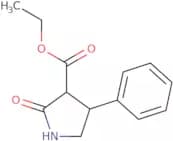
CAS:<p>4-Phenyl-2-pyrrolidone-3-carboxylic acid ethyl ester is an organic compound. It is an intermediate in the synthesis of 2,4,6-trichloroisonicotinic acid and 2,4,6-trichloropyrimidine. The compound has a variety of uses as a reagent and building block for organic synthesis. 4-Phenyl-2-pyrrolidone-3-carboxylic acid ethyl ester is soluble in many solvents such as acetone, ethers and chloroform. It has a CAS number of 5245032. This chemical can be used as a speciality chemical or fine chemical to produce drugs.</p>Formula:C13H15NO3Purity:Min. 95%Color and Shape:PowderMolecular weight:233.26 g/mol2-Chloro-4-hydroxybenzoic acid methyl ester
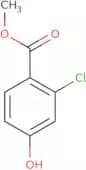
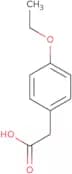
CAS:<p>2-Chloro-4-hydroxybenzoic acid methyl ester is a white crystalline solid at room temperature. It is soluble in water and ethanol and has a melting point of 137°C. 2-Chloro-4-hydroxybenzoic acid methyl ester can be used as a versatile building block for the synthesis of fine chemicals, useful intermediates, research chemicals, reaction components, specialty chemicals, and complex compounds. It can also be used as a reagent to prepare other compounds.</p>Formula:C8H7ClO3Purity:Min. 95%Color and Shape:PowderMolecular weight:186.59 g/mol4-Ethoxyphenylacetic acid
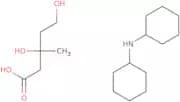
CAS:<p>4-Ethoxyphenylacetic acid is an organic compound that belongs to the class of cannabinoids. It is a metabolite of tetrahydrocannabinol (THC) and can be used as a precursor to other cannabinoids, such as cannabidiol. This substance also has been shown to have canalization effects on plant physiology and root formation. 4-Ethoxyphenylacetic acid is synthesized in a solid-phase synthesis and purified by hydrogen chloride gas. The synthesis is efficient and can be done in gram quantities. Structural studies have shown that this molecule binds to cannabinoid receptors CB1 and CB2, which are found throughout the body, including the brain. 4-Ethoxyphenylacetic acid may act as a regulator for these receptors, with its effects depending on concentration.</p>Formula:C10H12O3Purity:Min. 95%Color and Shape:PowderMolecular weight:180.2 g/molD,L-Mevalonic acid dicyclohexylammonium salt
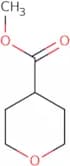
CAS:Controlled Product<p>Mevalonic acid dicyclohexylammonium salt is a reagent, compound, and fine chemical that is used in the synthesis of complex compounds. It has CAS No. 1215802-31-5 and is a useful intermediate, building block, and scaffold for the synthesis of many speciality chemicals. Mevalonic acid dicyclohexylammonium salt is also a versatile building block that can be used as a reaction component in many organic syntheses. This product can be used in research chemicals or as an intermediate for pharmaceuticals.</p>Formula:C18H35NO4Purity:Min. 95%Color and Shape:PowderMolecular weight:329.47 g/molMethyl tetrahydropyran-4-carboxylate
CAS:<p>Methyl tetrahydropyran-4-carboxylate (MTHPC) is a synthetic chemical that is used as a drug for the treatment of tuberculosis. MTHPC inhibits bacterial growth by binding to the CB1 receptor, which leads to the inhibition of protein synthesis, cell division, and cell wall biosynthesis. MTHPC has been shown to be effective against resistant strains of tuberculosis in vitro and in vivo. MTHPC is also an alkylating agent with significant activity against Mycobacterium tuberculosis isolates.</p>Formula:C7H12O3Purity:Min. 95%Molecular weight:144.17 g/molTicarcillin disodium
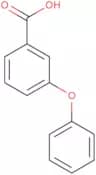
CAS:<p>Ticarcillin is a bactericidal antibiotic that is used to treat many types of infections caused by gram-positive bacteria, such as Streptococcus pneumoniae, Enterococcus faecalis and Enterococcus faecium. Ticarcillin has been shown to be effective against antibiotic-resistant strains of bacteria, including multidrug efflux pumps. This drug also has been shown to inhibit the growth of gram-negative bacteria such as Escherichia coli and Pseudomonas aeruginosa. Ticarcillin is used in combination with clavulanic acid for the treatment of infections caused by beta-lactamase producing organisms. It is also used in wastewater treatment to inhibit the growth of gram-negative bacteria that are resistant to other antibiotics. Ticarcillin can interfere with other medications by inhibiting their metabolism through cytochrome P450 enzymes or through competition for protein binding sites.</p>Formula:C15H16N2Na2O6S2Purity:Min. 80.0 Area-%Color and Shape:White PowderMolecular weight:430.41 g/mol3-Phenoxybenzoic acid
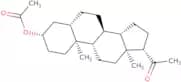
CAS:<p>3-Phenoxybenzoic acid is a metabolite of nonsteroidal anti-inflammatory drugs (NSAIDs) and pyrethroid insecticides. It is an inhibitor of the enzyme matrix metalloproteinases, which are involved in the degradation of collagen. 3-Phenoxybenzoic acid was used as a model system to study the effects of NSAIDs on urinary excretion rates and to identify biomarkers for NSAID use. The metabolite can be detected in urine after ingestion by using analytical methods such as preparative high performance liquid chromatography or electrochemical impedance spectroscopy. 3-Phenoxybenzoic acid is also present in cells from human HL-60 cells and has been shown to inhibit the growth of human leukemia cells by interfering with protein synthesis.</p>Formula:C13H10O3Purity:Min. 95%Color and Shape:PowderMolecular weight:214.22 g/mol5α-Pregnan-3β-ol-20-one 3β-acetate
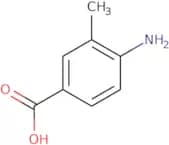
CAS:Controlled Product<p>5α-Pregnan-3β-ol-20-one 3β-acetate is a synthetic steroid that is used to treat various neurological disorders, including dystonias, depression, and dyskinesias. It is an agonist of the GABA receptor and has been shown to have antidepressant effects in hamsters. 5α-Pregnan-3β-ol-20-one 3β-acetate has also been shown to have antiaggressive effects in mice and to decrease hormone levels in animals. The drug has been found to be safe for use in humans and does not affect fertility. 5α-Pregnan-3β-ol-20-one 3βacetate has been shown to be effective only when administered at high doses, which may be due to its poor oral bioavailability.</p>Formula:C23H36O3Purity:Min. 95%Color and Shape:White PowderMolecular weight:360.53 g/mol4-Amino-3-methylbenzoic acid
CAS:<p>4-Amino-3-methylbenzoic acid is a chemical compound that can be synthesized from 4-Methylbenzoic acid and sodium carbonate. It has been used in the treatment of cervical cancer and leishmania. The synthesis of this drug is an example of a chemical reaction in which a carboxylic acid is reacted with sodium carbonate to give an ester and sodium bicarbonate. This process requires the use of trifluoroacetic acid. The resulting drug also has antiviral properties, as it inhibits HIV infection by blocking reverse transcriptase activity. 4-Amino-3-methylbenzoic acid was also shown to have anti-inflammatory properties, which may be due to its ability to inhibit prostaglandin synthesis.</p>Formula:C8H9NO2Purity:Min. 95%Color and Shape:Brown PowderMolecular weight:151.16 g/molLead(IV) acetate - Stabilized with acetic acid (5-10%)
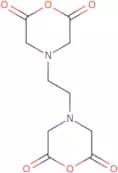
CAS:<p>Lead acetate is an alkanoic acid that can be used as a lead salt. It has been shown to react with protocatechuic acid in the presence of hydrogen to form lead(IV) protocatechuate and acetic acid. This reaction mechanism can be applied to the analysis of other organic acids, such as fatty acids. Lead acetate also inhibits protease activity in vitro and has been shown to have therapeutic effects against autoimmune diseases and polycystic ovarian syndrome. Lead acetate has a low toxicity and is stable when mixed with trifluoroacetic acid or nitro compounds, but very reactive with strong oxidizing agents such as hydrochloric acid or hydrogen fluoride. Lead acetate is non-hygroscopic and insoluble in water, making it suitable for use in analytical chemistry.</p>Formula:C8H12O8PbPurity:Min. 95%Color and Shape:White PowderMolecular weight:443.38 g/molEthylenediaminetetraacetic Dianhydride
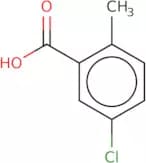
CAS:<p>Ethylenediaminetetraacetic dianhydride (EDTA) is a dianhydride that is used in wastewater treatment. It is a strong chelating agent and reacts with metal ions to form complexes, which are then removed as sludge. EDTA also has amide groups that can react with water under acidic conditions, which increases its adsorption capacity. This compound is thermally stable and has a high chemical stability in the presence of human serum and basic fibroblasts. EDTA binds to DNA by electrostatic interactions, forming hydrogen bonds between the amine group of the EDTA molecule and the phosphate groups of DNA. This prevents cross-linking of DNA chains and results in an increased rate of DNA synthesis.</p>Formula:C10H12N2O6Purity:Min. 95%Color and Shape:PowderMolecular weight:256.21 g/mol5-Chloro-2-methylbenzoic acid
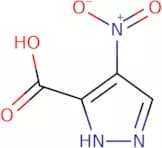
CAS:<p>5-Chloro-2-methylbenzoic acid (CAS No. 7499-06-1) is a fine chemical that is used as a versatile building block for the production of various organic and inorganic compounds. This compound is also used as an intermediate in the synthesis of pharmaceuticals and other organic chemicals, such as polymers and pigments. 5-Chloro-2-methylbenzoic acid has been shown to have high reactivity with many types of functional groups, making it a valuable research chemical. This compound can be used to synthesize complex compounds with a variety of applications, such as pharmaceuticals, dyes, and pesticides.</p>Formula:C8H7ClO2Purity:Min. 95%Color and Shape:PowderMolecular weight:170.59 g/mol4-Nitro-1H-pyrazole-3-carboxylic acid
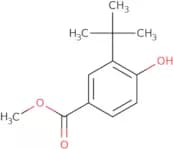
CAS:<p>4-Nitro-1H-pyrazole-3-carboxylic acid is a potent inhibitor of tyrosine kinases. It has been shown to bind to the ATP binding site of the enzyme, thereby blocking the catalytic action and inhibiting cell proliferation. 4-Nitro-1H-pyrazole-3-carboxylic acid can be used as a tool for studying receptor tyrosine kinase signaling pathways and drug target validation. This compound also has an immobilized form that can be used in microscopy studies to study human cell lines. The immobilized form is prepared by attaching colloidal particles of this compound onto a surface using silane coupling chemistry, which allows for its use as an alternative to radioactive isotopic labels. The immobilized form has been shown to enhance the Raman signal from proteins bound on the surface due to increased light scattering from the protein molecules in contact with this compound.</p>Formula:C4H3N3O4Purity:Min. 95%Color and Shape:SolidMolecular weight:157.08 g/mol3-tert-Butyl-4-hydroxybenzoic acid methyl ester
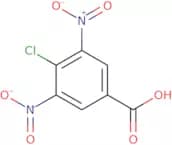
CAS:<p>3-tert-Butyl-4-hydroxybenzoic acid methyl ester is a chemical compound with the molecular formula CHCOOCH. It is a versatile building block that can be used in research and as a useful intermediate. 3-tert-Butyl-4-hydroxybenzoic acid methyl ester can be used to synthesize complex compounds, such as pharmaceuticals and pesticides. The high quality of this product makes it suitable for use as a reagent or reaction component.<br>!-- <br>--> !-- <br>--> !-- <br>--></p>Formula:C12H16O3Purity:Min. 98 Area-%Color and Shape:PowderMolecular weight:208.25 g/mol4-Chloro-3,5-dinitrobenzoic acid
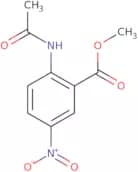
CAS:<p>4-Chloro-3,5-dinitrobenzoic acid is a redox potential chemical that has been shown to be reactive in the presence of nucleophiles. The toxicological studies on this chemical have focused on its hemolytic activity and conformational properties. 4-Chloro-3,5-dinitrobenzoic acid is a molecule with neutral ph and can react with lysine residues in proteins, which may lead to the release of caproic acid and nitrite ions. This chemical also has protease activity and can undergo transfer reactions with other molecules.</p>Formula:C7H3ClN2O6Purity:Min. 90%Color and Shape:PowderMolecular weight:246.56 g/mol2-Acetamido-5-nitrobenzoic acid methyl ester
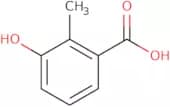
CAS:<p>2-Acetamido-5-nitrobenzoic acid methyl ester is an organic molecule that has the chemical formula C7H6N2O4. This compound belongs to a class of compounds called diazo compounds, which are characterized by a nitrogen atom with two bonds to carbon atoms and one bond to oxygen. 2-Acetamido-5-nitrobenzoic acid methyl ester is soluble in water and methanol. It has been shown to be chiral and exhibits optical activity. The experimental results show that the compound can exist in two different forms or conformations, which are distinguished by their x-ray diffraction patterns. These conformers have been identified as (1) the protonated form and (2) the torsion form. The protonated conformer has a molecular structure that contains a benzene ring with a hydrogen atom attached to it, while the torsion conformer does not contain this hydrogen atom</p>Formula:C10H10N2O5Purity:Min. 95%Color and Shape:PowderMolecular weight:238.2 g/mol3-Hydroxy-2-methylbenzoic acid
CAS:<p>3-Hydroxy-2-methylbenzoic acid is a chemical compound that can be found in urine. It has been shown to have antiviral activity against herpes simplex virus type 1 (HSV-1) and cytomegalovirus (CMV). This compound was synthesized by molecular modeling study, which showed that 3-hydroxy-2-methylbenzoic acid has the potential to inhibit viral replication by attacking the viral DNA. The structure of this molecule was also studied in detail using nuclear magnetic resonance and X-ray crystallography techniques. 3-Hydroxy-2-methylbenzoic acid is a weak base, which can react with an acidic solution to form a salt, such as chloride or sulfonate. This salt can then be used as an active ingredient in drugs to treat infections caused by viruses such as HSV and CMV.</p>Formula:C8H8O3Purity:Min. 95%Color and Shape:White PowderMolecular weight:152.15 g/molMethyl (2Z)-[5-(3-chlorophenyl)-1,3-dihydro-2H-1,4-benzodiazepin-2-ylidene]acetate
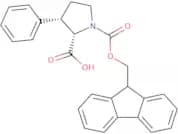
CAS:Controlled Product<p>Please enquire for more information about Methyl (2Z)-[5-(3-chlorophenyl)-1,3-dihydro-2H-1,4-benzodiazepin-2-ylidene]acetate including the price, delivery time and more detailed product information at the technical inquiry form on this page</p>Formula:C18H15ClN2O2Purity:Min. 95%Molecular weight:326.78 g/molRacemic Fmoc-cis-3-phenyl-pyrrolidine-2-carboxylic acid
CAS:<p>Please enquire for more information about Racemic Fmoc-cis-3-phenyl-pyrrolidine-2-carboxylic acid including the price, delivery time and more detailed product information at the technical inquiry form on this page</p>Formula:C26H23NO4Purity:Min. 95%Color and Shape:PowderMolecular weight:413.47 g/mol4-(Dimethylamino)phenylaceticacid
CAS:<p>4-(Dimethylamino)phenylacetic acid (DMAPA) is a chemical inhibitor that binds to fatty acids. It has been shown to have antitumor effects on prostate cancer cells in vitro and in vivo, as well as anti-inflammatory properties. DMAPA also inhibits the synthesis of prostaglandins, which may be due to its binding to amines or the uv irradiation of the molecule. DMAPA has been shown to be effective in preventing the aggregation of serotonin receptors, which may play a role in its potential use for treating depression.</p>Formula:C10H13NO2Purity:Min. 95%Color and Shape:PowderMolecular weight:179.22 g/molo-Toluic acid
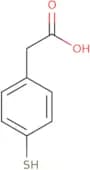
CAS:<p>o-Toluic acid is a chemical compound that can be used in analytical chemistry and coordination geometry. It has been shown to have anti-microbial activity and can be used to synthesize o-toluidine, which is an intermediate in the synthesis of pharmaceuticals. o-Toluic acid reacts with copper chloride and hydrochloric acid to form copper chloride, malonic acid, and hydrogen chloride. The addition of sodium carbonate leads to the formation of hydrogen carbonate, sodium bicarbonate, and water. This reaction mechanism is evidence for coordination geometry as the mechanism for this reaction.</p>Formula:C8H8O2Purity:Min. 95%Color and Shape:PowderMolecular weight:136.15 g/mol4-Mercaptophenylacetic acid
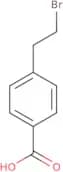
CAS:<p>4-Mercaptophenylacetic acid is a palladium complex that inhibits the synthesis of proteins by binding to the ribosome and blocking peptide bond formation. The molecule has a polymeric matrix with a high degree of crystallinity and an isolated yield of greater than 95%. 4-Mercaptophenylacetic acid is immobilized on a carboxylate surface and has been shown to have pharmacokinetic properties. It can be used in the treatment of cancer cells and inhibits protein synthesis, leading to cell death. 4-Mercaptophenylacetic acid also has anti-inflammatory activities due to its inhibition of prostaglandin synthesis.</p>Formula:C8H8O2SPurity:Min. 95%Color and Shape:Yellow PowderMolecular weight:168.21 g/mol4-(2-Bromoethyl)-benzoic acid
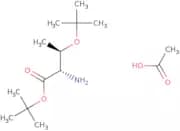
CAS:<p>4-(2-Bromoethyl)-benzoic acid is a carboxylic acid that has been shown to be optimal for the treatment of Staphylococcus aureus. The experimental studies have been performed in vitro and in vivo, on both bacteria and animal models. 4-(2-Bromoethyl)-benzoic acid is active against staphylococcal infections, including those caused by methicillin resistant strains. 4-(2-Bromoethyl)-benzoic acid has also been shown to be effective against other bacterial species, such as Escherichia coli, Pseudomonas aeruginosa and Klebsiella pneumoniae. This compound inhibits the growth of bacteria by blocking the synthesis of proteins needed for cell division.</p>Formula:C9H9BrO2Purity:Min. 95%Color and Shape:PowderMolecular weight:229.07 g/molO-tert-Butyl-L-threonine tert-butyl ester acetate
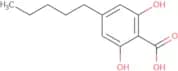
CAS:Controlled Product<p>O-tert-Butyl-L-threonine tert-butyl ester acetate salt is a crystalline solid that can be prepared by reacting threonine with an acid catalyst in the presence of volatile solvents such as isobutylene. It can also be prepared by reacting threonine with an acid catalyst in the presence of organic solvents such as dioxane. The tert-butyl ester acetate salt can be synthesized from O-tert-butyl L-threonine and acetate using superacid catalysts such as sulfuric acid. This process is simplified by using solvents such as dioxane, which are less corrosive than water or ethanol.</p>Formula:C14H29NO5Purity:Min. 95%Color and Shape:PowderMolecular weight:291.38 g/mol2,6-Dihydroxy-4-pentylbenzoic acid
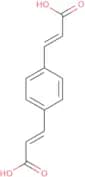
CAS:<p>2,6-Dihydroxy-4-pentylbenzoic acid is a building block for the synthesis of a variety of compounds. It has been used as an intermediate and building block for the synthesis of complex organic compounds. 2,6-Dihydroxy-4-pentylbenzoic acid is also used in research chemical laboratories as a reagent. This chemical has CAS number 61695-63-4 and can be purchased through speciality chemical suppliers.</p>Formula:C12H16O4Purity:Min. 95%Color and Shape:PowderMolecular weight:224.25 g/mol1,4-Phenylenediacrylic acid
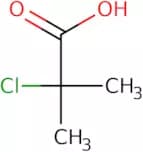
CAS:<p>1,4-Phenylenediacrylic acid is a yellow crystalline solid that has been shown to be carcinogenic in rodents. It is structurally similar to benzene and may have the same carcinogenic properties. 1,4-Phenylenediacrylic acid has been found to cause genetic damage in mammalian cells, which may lead to cancer. There are databases for carcinogenicity, mutagenicity, and toxicology of 1,4-Phenylenediacrylic acid. 1,4-Phenylenediacrylic acid also belongs to the subset of organic chemicals that are classified as carcinogens by IARC or NTP.</p>Formula:C12H10O4Purity:Min. 95%Color and Shape:Slightly Yellow PowderMolecular weight:218.21 g/mol2-Chloro-2-methylpropionic acid
CAS:<p>2-Chloro-2-methylpropionic acid (MCPA) is a chemical compound that belongs to the group of organic compounds called acyl chlorides. It is used in industry for the production of acrylic acid and polyacrylic acid, as well as in the production of herbicides. MCPA is produced by reacting an alkali metal with 2-chloroethanol and thioacetic acid. This reaction can be catalyzed by a variety of compounds, including palladium chloride, nickel chloride, and titanium tetrachloride. The high yield of this reaction makes it suitable for commercial use. MCPA also has been shown to stimulate cell growth through its inhibition of monomers from polymerization into polymers.</p>Formula:C4H7ClO2Purity:Min. 95%Color and Shape:PowderMolecular weight:122.55 g/molN-(1-Naphthyl)phthalamic acid
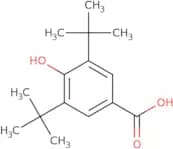
CAS:<p>N-(1-Naphthyl)phthalamic acid (NPA) is a plant growth regulator that is used to increase the yield and quality of crops. It inhibits the production of ethylene, which is a plant hormone responsible for fruit ripening and senescence. NPA also has been shown to affect the levels of fatty acids in plants. The effects of NPA on mitochondrial cytochrome P450 enzymes have been studied using electrochemical impedance spectroscopy (EIS). This study showed that NPA can inhibit the activity of these enzymes, which may be due to its ability to bind to them or alter their structure.</p>Formula:C18H13NO3Purity:Min. 95%Color and Shape:Light (Or Pale) Purple To Purple SolidMolecular weight:291.3 g/mol3,5-di-tert-Butyl-4-hydroxybenzoic acid
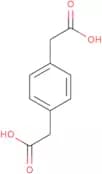
CAS:<p>3,5-di-tert-Butyl-4-hydroxybenzoic acid (BHT) is an organic compound that is used as a preservative in food and has been shown to inhibit the production of fatty acids in the body. BHT is extracted from a variety of sources including hydrochloric acid, ultrasonic extraction, and synthetic methods. It is typically purified by a process that involves the use of deionized water and an organic solvent such as methanol or hexane. BHT can be found in urine samples and fatty alcohols. The human metabolism of BHT includes biliary secretion, which demonstrates its potential for use in treating gallstones.</p>Formula:C15H22O3Purity:Min. 95%Color and Shape:PowderMolecular weight:250.33 g/mol1,4-Phenylenediacetic acid
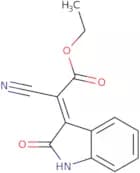
CAS:<p>1,4-Phenylenediacetic acid is an organic compound that has been used as a fungicide. It is an aromatic carboxylic acid that binds to the receptor site of the fungal cell wall and inhibits its growth. The molecule has a special coordination geometry with the hydrogen atom in the carboxylate group positioned close to one of the phenyl rings. This causes intramolecular hydrogen bonding interactions between the carboxylate group and the phenolic hydroxyl groups on adjacent molecules, which stabilizes it. 1,4-Phenylenediacetic acid also exhibits strong hydrogen bonding interactions with other molecules such as malonic acid due to its diphenyl ether group.</p>Formula:C10H10O4Purity:Min. 95%Color and Shape:PowderMolecular weight:194.18 g/molEthyl 2-nitrilo-2-(2-oxoindolin-3-ylidene)acetate
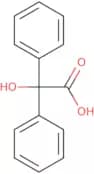
CAS:<p>Please enquire for more information about Ethyl 2-nitrilo-2-(2-oxoindolin-3-ylidene)acetate including the price, delivery time and more detailed product information at the technical inquiry form on this page</p>Purity:Min. 95%Benzilic acid
CAS:Controlled Product<p>Benzilic acid is a natural compound with the molecular formula C6H5CO2H. It belongs to the group of organic compounds called benzilic acids, which are characterized by a benzene ring and carboxylic acid functional groups. This compound can be prepared in the laboratory using a preparative high-performance liquid chromatography technique. Benzilic acid has been shown to have antioxidant properties that may help protect cells from free radical-induced damage and inhibit tumor growth. Benzilic acid has also been shown to act as an inhibitor for epidermal growth factor and may be used to treat metabolic disorders or skin conditions such as psoriasis or ichthyosis.</p>Formula:C14H12O3Purity:Min. 98 Area-%Color and Shape:White PowderMolecular weight:228.24 g/molArabic acid
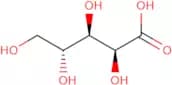
CAS:<p>Arabinose is a hexose sugar that is the principal constituent of the pentosan polysaccharide arabinogalactan. Arabinose has been shown to inhibit the oxidation of glycol by an oxidation catalyst, such as copper, nickel or palladium. Arabinose also inhibits the activity of target enzymes with a high affinity for nitrogen atoms, such as glycol ether hydrolase and galactosyl-transferase. The optimum pH for Arabinose is 7.0 with a range from 6.5 to 8.5. When heated in water, Arabinose decomposes at around 180°C and can be used as a model system to study enzymatic reactions. Arabinose is an organic compound that is found in plants and animals and belongs to the group of sugars. It has been shown to inhibit oxidation catalysts like copper, nickel or palladium and has also been proven effective against enzymes that are sensitive to nitrogen atoms such as</p>Formula:C5H10O6Color and Shape:White PowderMolecular weight:166.13 g/mol(R)-3-Hydroxybutyric acid
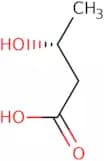
CAS:<p>(R)-3-Hydroxybutyric acid is a cell-permeable, biocompatible polymer that has been shown to be useful as a contrast agent in tissue imaging. It is a derivative of the amino acid glycine and has been used extensively in analytical methods for the detection of terminal residues on polymers. The intramolecular hydrogen bond between the carboxylate group of (R)-3-hydroxybutyric acid and the amide hydrogens of glycine provides an example of hydrogen bonding in polymers. This polymer has also been used for cell lysis, preparative high performance liquid chromatography, and biological studies. (R)-3-Hydroxybutyric acid can be fluorescently labeled with fluorescein or rhodamine dyes to provide structural analysis and biological properties.</p>Formula:C4H8O3Purity:(Titration) Min. 98.0%Color and Shape:PowderMolecular weight:104.1 g/molMeconic acid
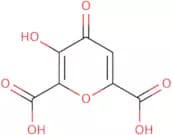
CAS:<p>Meconic acid is a metal chelate that binds to metals such as zinc and copper, which are required for the synthesis of prostaglandins. Meconic acid has been shown to have significant interactions with other drugs, including sodium carbonate, acetylcholinesterase inhibitors, and antipsychotics. Meconic acid also inhibits the activity of pestivirus, which affects the nervous system in rats. Studies on long-term toxicity have not been conducted. Meconic acid has been used as a treatment for curcuma aromatica induced hepatitis and is toxic to animals at high doses.</p>Formula:C7H4O7Purity:Min. 95 Area-%Color and Shape:PowderMolecular weight:200.1 g/molModafinil carboxylate methyl ester
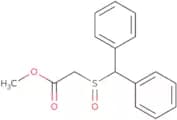
CAS:<p>Modafinil is a wakefulness-promoting agent that has been approved for the treatment of excessive daytime sleepiness associated with narcolepsy. Modafinil carboxylate methyl ester (MCE) is an active pharmaceutical ingredient (API) that is synthesized from modafinil. MCE is a white to off-white powder that is soluble in water and acetonitrile. It has been shown to be identical to the API on the basis of analytical data, including analytical methods such as reversed-phase high-performance liquid chromatography (RP-HPLC), quantified by UV spectrophotometry at 230 nm, and validated by process development.</p>Formula:C16H16O3SPurity:Min. 95%Color and Shape:PowderMolecular weight:288.36 g/mol2-Oxo-3-benzothiazolacetic acid
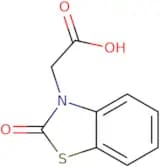
CAS:<p>2-Oxo-3-benzothiazolacetic acid is a fine chemical and building block that has been used as an intermediate in the synthesis of a variety of complex compounds. It can be used in research as a reaction component, and is useful in the manufacture of speciality chemicals. This compound has many uses, including as a reagent for organic syntheses and as a building block for other chemicals. 2-Oxo-3-benzothiazolacetic acid is also known to have high purity, making it an excellent quality reagent.</p>Formula:C9H7NO3SPurity:Min. 95 Area-%Color and Shape:PowderMolecular weight:209.22 g/molα-Aminoisobutyric acid methyl ester hydrochloride
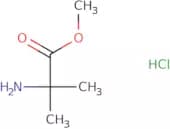
CAS:<p>Alpha-aminoisobutyric acid methyl ester hydrochloride (AABME) is an amino acid that is a metabolite of the neurotransmitter GABA. It has been shown to be transported across the blood-brain barrier by a carrier-mediated transport system and is taken up by neurons via a solute carrier family 38 member 2 transporter. AABME has been observed at physiological levels in maternal blood plasma, urine, cerebrospinal fluid, and brain tissue. It has also been studied in vitro using 3T3-L1 preadipocytes as a model for adipogenesis. In this context, it has been shown to increase cell proliferation and inhibit apoptosis.</p>Formula:C5H11NO2•HClColor and Shape:PowderMolecular weight:153.61 g/mol4-Ethoxybenzoic acid
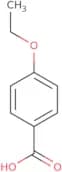
CAS:<p>4-Ethoxybenzoic acid is a phenolic compound that has shown significant cytotoxicity. This molecule has been shown to inhibit the production of tyrosinase, an enzyme that catalyzes the oxidation of tyrosine to produce melanin. 4-Ethoxybenzoic acid also inhibits detoxification enzymes such as glutathione transferases and quinone reductase, which may be responsible for its cytotoxicity. 4-Ethoxybenzoic acid is soluble in organic solvents but insoluble in water. It reacts with other compounds to form insoluble polymers. 4-Ethoxybenzoic acid can react with piperonyl butoxide or caproic acid to form p-hydroxybenzoic acid or friedel-crafts reaction products respectively.</p>Formula:C9H10O3Purity:Min. 95%Color and Shape:PowderMolecular weight:166.17 g/mol(S)-2-Amino-3-(methylamino)propanoic acid hydrochloride
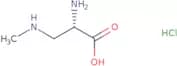
CAS:<p>(S)-2-Amino-3-(methylamino)propanoic acid hydrochloride is a synthetic compound often used in scientific research. It is derived from non-proteinogenic amino acids and has important implications for the study of neurotoxicology. This compound mimics the structural properties of certain naturally occurring amino acids, which allows it to act as a significant tool for understanding biological pathways affected by neurotoxins.</p>Formula:C4H11ClN2O2Color and Shape:Off-White PowderMolecular weight:154.6 g/mol4-Methylsalicylic acid
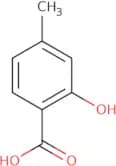
CAS:<p>4-Methylsalicylic acid is a chemical compound that belongs to the group of salicylates. It is an organic compound with a molecular weight of 96.12 g/mol and the chemical formula C8H8O3. The epoxidation of 4-methylsalicylic acid occurs through the use of catalysts, such as zinc oxide and manganese dioxide, which are not functionalized. The addition of these catalysts causes a reaction between the methyl group and the hydroxyl group in 4-methylsalicylic acid, forming methyl salicylate. This product is also used as a chiral building block for other compounds, such as axial chirality and olefins.</p>Formula:C8H8O3Purity:Min. 98 Area-%Color and Shape:PowderMolecular weight:152.15 g/mol4-Chloro-3-methoxybenzoic acid
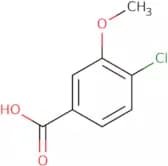
CAS:<p>4-Chloro-3-methoxybenzoic acid (4CMB) is a putative cancer drug that belongs to the group of imidazole derivatives. 4CMB has been shown to inhibit the growth of human breast and colon cancer cells in culture by altering the metabolism of 3-hydroxyanthranilic acid, which is an acceptor for aromatic amino acid hydroxylase. The effect of 4CMB on this enzyme leads to a decrease in the production of kynurenine, which is a molecule involved in the production of melanin. This reduced amount of kynurenine results in a loss of pigment and decreases the ability of melanocytes to produce pigments such as melanin. This may help explain how 4CMB works against malignant cells and cancer.</p>Formula:C8H7ClO3Purity:Min. 95%Color and Shape:PowderMolecular weight:186.59 g/molOleic acid - EP
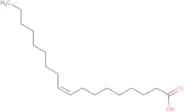
CAS:<p>Oleic acid is a naturally occurring monounsaturated fatty acid (C18:1, cis-9-octadecenoic acid) widely used as an excipient in pharmaceutical formulations. Due to its amphiphilic and lipophilic properties, oleic acid is an important drug excipient primarily used to enhance the solubility and bioavailability of poorly water-soluble drugs. As a fatty acid, it is widely used in cosmeceuticals as it acts as a solubilizer in lipid-based systems, an emulsifier in creams and ointments, and a penetration enhancer in transdermal patches, aiding drug absorption through the skin.</p>Formula:C18H34O2Purity:Min. 95%Color and Shape:Colorless Clear LiquidMolecular weight:282.46 g/mol5-Fluorosalicylic acid
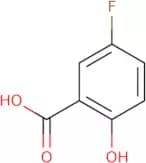
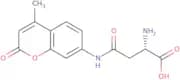
CAS:<p>5-Fluorosalicylic acid is a nonsteroidal anti-inflammatory drug that belongs to the group of 5-substituted salicylates. It has a strong affinity for human serum and can be used as an indicator in the determination of blood glucose. 5-Fluorosalicylic acid also binds to p-nitrophenyl phosphate with high affinity, which is involved in the regulation of cellular energy metabolism and plays a role in the production of ATP. The drug has been shown to form stable complexes with coumarin derivatives, which may have an effect on enzyme activities by modifying their conformational properties. 5-Fluorosalicylic acid has been shown to interact with other drugs, such as acetaminophen or ibuprofen, which may increase the risk of adverse effects.</p>Formula:C7H5FO3Purity:Min. 95%Color and Shape:SolidMolecular weight:156.11 g/molL-Aspartic β-7-amido-4-methylcoumarin
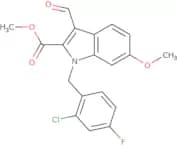
CAS:<p>L-Aspartic acid beta-7-amido-4-methylcoumarin (LAM) is a fluorescent amino acid that can be used to diagnose deficiencies of this amino acid. LAM is an experimental diagnostic chemical and has been tested in rats, rabbits, and humans. It is a fluorescent amino acid that binds to the 7th position on lysine residues in proteins. The binding of the fluorophore to the protein can be detected using fluorescence spectroscopy. The assay measures the intensity of fluorescence at 480 nm and 660 nm which corresponds to excitation at 320 nm and 420 nm respectively. LAM is currently being studied as a potential treatment for cancerous cells and their growth.</p>Formula:C14H14N2O5Purity:Min. 99 Area-%Color and Shape:White PowderMolecular weight:290.27 g/molMethyl 1-(2-chloro-4-fluorobenzyl)-3-formyl-6-methoxy-1H-indole-2-carboxylate
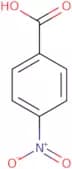
CAS:Controlled Product<p>Please enquire for more information about Methyl 1-(2-chloro-4-fluorobenzyl)-3-formyl-6-methoxy-1H-indole-2-carboxylate including the price, delivery time and more detailed product information at the technical inquiry form on this page</p>Formula:C19H15ClFNO4Purity:Min. 95%Molecular weight:375.78 g/molP-Nitrobenzoic acid
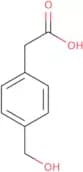
CAS:<p>P-Nitrobenzoic acid is a nitro compound that is used as an intermediate in the synthesis of various pharmaceuticals. It is also used in wastewater treatment to remove protocatechuic acid, which is produced during the oxidation of phenols by peroxidase. P-Nitrobenzoic acid can be synthesized by reacting sodium nitrite with p-hydroxybenzoic acid. The structure of this compound was determined through a series of experiments, and it was found that it has two nitrogen atoms that are incorporated into the benzene ring. This compound reacts with aziridine in an exothermic reaction mechanism to form an unstable five membered ring. This reaction proceeds through a series of steps and eventually forms p-nitrobenzoic acid.</p>Formula:C7H5NO4Purity:Min. 95%Color and Shape:PowderMolecular weight:167.12 g/mol4-(Hydroxymethyl)phenylacetic acid
CAS:<p>4-(Hydroxymethyl)phenylacetic acid is an intermediate in the biosynthetic pathway of phenylpropanoids. It is a metabolite of several flavonoids and is found in plants, animals, and humans. 4-(Hydroxymethyl)phenylacetic acid has been shown to have a high concentration in human serum and plasma with low toxicity. This metabolite has been shown to be stable when complexed with collagen or other proteins, which may be due to its insolubility. 4-(Hydroxymethyl)phenylacetic acid can also be biotransformed by microflora into other metabolites such as 4-hydroxybenzoic acid, which is a precursor of salicylic acid.</p>Formula:C9H10O3Purity:Min. 95%Color and Shape:White PowderMolecular weight:166.17 g/molBis(4-Nitrophenyl)phosphoric acid sodium
CAS:<p>Bis(4-nitrophenyl)phosphoric acid sodium is a synthetic compound that has been used as an antibiotic. It is a nitro group donor and may be oxidized to p-nitrophenol phosphate. Bis(4-nitrophenyl)phosphoric acid sodium inhibits bacterial growth by binding to the 30S ribosomal subunit, which prevents protein synthesis and cell division. The rate constant of this reaction has been determined using x-ray diffraction data obtained on crystals of the product with signal peptide. Bis(4-nitrophenyl)phosphoric acid sodium also has biochemical properties, such as pyrazinoic acid formation and polymerase chain reactions, which have been reported in recombinant cytochrome P450s from rat liver microsomes. The disulfide bond coordination geometry and mechanism of the reaction are still unknown but it is thought that the reaction proceeds through a single electron transfer mechanism.</p>Formula:C12H9N2O8P·NaPurity:Min. 95%Color and Shape:White PowderMolecular weight:363.17 g/mol3,4-Dimethoxy-2-methylcinnamic acid
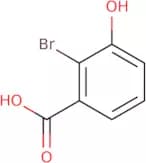
CAS:<p>3,4-Dimethoxy-2-methylcinnamic acid is a fine chemical that can be used as a building block to produce complex compounds. It is also an intermediate in the synthesis of chemicals such as cinnamyl alcohol, cinnamaldehyde, and 2-methyl-3-(4'-methoxyphenyl)propanoic acid. This compound is useful for research purposes as it has been shown to be an effective reaction component in organic reactions. 3,4-Dimethoxy-2-methylcinnamic acid is a high quality reagent with CAS No. 868562-26-9.</p>Formula:C12H14O4Purity:Min. 95%Color and Shape:PowderMolecular weight:222.24 g/mol2-Bromo-3-hydroxybenzoic acid
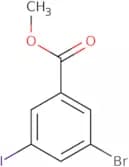
CAS:<p>2-Bromo-3-hydroxybenzoic acid is an inhibitor of HIV protease that has potent antiviral activity. It inhibits the enzyme responsible for the cleavage of the gag and pol polyproteins in HIV, preventing the formation of new virus particles. 2-Bromo-3-hydroxybenzoic acid is orally bioavailable and can be used as a prodrug for other benzamides or urethanes with antiviral potency. This drug is a cyclic inhibitor that binds to the hydrophobic pocket on the surface of HIV protease and prevents it from functioning as an enzyme.</p>Formula:C7H5BrO2Purity:Min. 95%Color and Shape:PowderMolecular weight:201.02 g/mol3-Bromo-5-iodobenzoic acid methyl ester
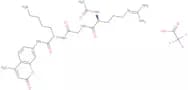
CAS:<p>3-Bromo-5-iodobenzoic acid methyl ester is a reactive, insensitive and phosphine-sensitive chemical that can be used as a probe for the detection of azides and anions. This compound has been shown to be damaging to DNA and peptidic bonds in proteins. 3-Bromo-5-iodobenzoic acid methyl ester reacts with anions such as chloride, bromide, iodide, fluoride, nitrate, and thiocyanate. It also reacts with azides such as sodium azide. The reactivity of 3-bromo-5-iodobenzoic acid methyl ester towards halides and polysulfides is not yet known.</p>Formula:C8H6BrIO2Purity:Min. 95%Color and Shape:PowderMolecular weight:340.94 g/molAc-Arg-Gly-Lys-AMC trifluoroacetate salt
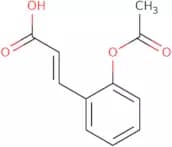
CAS:<p>Ac-Arg-Gly-Lys-AMC trifluoroacetate salt is a fine chemical that is used as a building block in the synthesis of complex compounds. Ac-Arg-Gly-Lys-AMC trifluoroacetate salt has been used as a reagent, speciality chemical and intermediate in research projects. Ac-Arg-Gly-Lys-AMC trifluoroacetate salt can be used to produce useful scaffolds for medicinal chemistry studies.</p>Formula:C26H38N8O6•C2HF3O2Purity:Min. 97 Area-%Color and Shape:PowderMolecular weight:672.65 g/mol2-Acetylcoumaric acid
CAS:<p>2-Acetylcoumaric acid is a monohydric, monoketone that can be found in plants and fruits. It is usually found as an oxidation product of hydroxybenzaldehydes and it has neuroprotective properties. The 2-acetylcoumaric acid can be synthesized from propionyl chloride and hydrogen chloride. It is a natural compound that has been shown to have inhibitory effects on the production of proinflammatory cytokines, such as tumor necrosis factor-α (TNF-α), by lipopolysaccharide (LPS). It also inhibits the production of nitric oxide (NO) by LPS.<br>2-Acetylcoumaric acid can be prepared from copper chromite or aspirin by reduction with sodium borohydride in ethanol or acetic acid respectively.</p>Formula:C11H10O4Color and Shape:PowderMolecular weight:206.19 g/molGanoderic acid C6
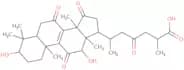
CAS:Controlled Product<p>Ganoderic acid C6 is a natural product with potent anti-cancer and anti-inflammatory activities. It has shown to inhibit the growth of human cancer cells in vitro by targeting the fatty acid synthase enzyme, which is involved in biosynthesis of fatty acids. Ganoderic acid C6 also inhibits hydroxylation of oleic acid, an important step in the synthesis of prostaglandins and leukotrienes. This inhibition leads to a decrease in inflammation and chronic bronchitis. Although ganoderic acid C6 has been shown to have beneficial effects on metabolic disorders, it has also been shown to be toxic to liver cells at high concentrations. The toxicity may be due to its ability to inhibit different enzymes that are involved in fatty acid metabolism.</p>Formula:C30H42O8Purity:Min. 95%Color and Shape:PowderMolecular weight:530.65 g/mol3-Bromo-4-hydroxybenzoic acid
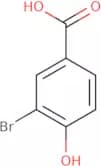
CAS:<p>3-Bromo-4-hydroxybenzoic acid (3BBA) is a hydroxylated benzoic acid that is used as an intermediate in the production of dyes, pharmaceuticals, and other chemicals. 3BBA also has been shown to have anti-inflammatory effects and may be useful for the treatment of heart disease patients. The antimicrobial activity of 3BBA is due to its ability to inhibit bacterial growth by inhibiting the enzyme acetate extract, which is involved in the biosynthesis of fatty acids. This substance also inhibits bacterial growth by binding to particle and p. aeruginosa. 3BBA can be synthesized using ethylene diamine and p-hydroxybenzoic acid in basic dye reactions at pH optimum 7.5.</p>Formula:C7H5BrO3Purity:Min. 95%Color and Shape:SolidMolecular weight:217.02 g/molOctyl (2,4-dichlorophenoxy)acetate
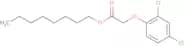
CAS:<p>Octyl (2,4-dichlorophenoxy)acetate is a herbicide that has high selectivity and selectivity. It is used to control grassland weeds. Octyl (2,4-dichlorophenoxy)acetate is an efficient herbicide that can be used in a variety of situations. It can be applied as a pre-emergent or post-emergent herbicide to control weeds on lawns and other turfgrass areas, or as a selective herbicide for the control of broadleaf weeds in fields and other non-crop areas. This compound is also an effective emulsifier for the preparation of various compounds with octadecyl groups. Octyl (2,4-dichlorophenoxy)acetate has been used in China to control Euphorbiae weeds.</p>Formula:C16H22Cl2O3Purity:Min. 95%Color and Shape:Colorless PowderMolecular weight:333.25 g/molHydroxy-[4-(4-hydroxy-5-bromo-3-iodophenoxy)-3,5-diiodophenyl]acetic acid
<p>Hydroxy-[4-(4-hydroxy-5-bromo-3-iodophenoxy)-3,5-diiodophenyl]acetic acid is a fine chemical that is useful as a scaffold, versatile building block and an intermediate. Hydroxy-[4-(4-hydroxy-5-bromo-3-iodophenoxy)-3,5-diiodophenyl]acetic acid is typically used in research and development of new compounds. It has been shown to react with various compounds in different ways depending on the desired outcome. Hydroxy-[4-(4-hydroxy-5-bromo-3-iodophenoxy)-3,5-diiodophenyl]acetic acid also has CAS number 10891–02–8 and can be found in catalog numbers 3229209 and 3140016. This compound is of high quality and reagent grade.</p>Formula:C14H8BrI3O5Purity:Min. 95%Molecular weight:716.83 g/mol3-(2-(2-Aminoethoxy)ethoxy)-propanoic acid
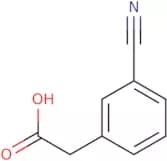
CAS:<p>3-(2-(2-Aminoethoxy)ethoxy)-propanoic acid is a PEG compound with two different functional groups (also known as heterobifunctional). Unlike homobifunctional PEG compounds (same functional group on both ends), this type of compounds are more versatile as have two different anchor points. 3-(2-(2-Aminoethoxy)ethoxy)-propanoic acid is used as a linker and spacer to add a PEG moiety, via pegylation (a bioconjugation technique) to proteins, peptides, oligonucleotides, small molecules and nanoparticles.</p>Formula:C7H15NO4Purity:Min. 95%Color and Shape:White PowderMolecular weight:177.2 g/mol3-Cyanophenylacetic acid
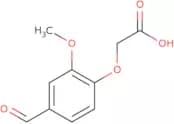
CAS:<p>3-Cyanophenylacetic acid is a versatile building block and useful intermediate that can be used in the synthesis of a wide range of organic compounds. 3-Cyanophenylacetic acid is a fine chemical with CAS No. 1878-71-3 that can be used as a research chemical, reaction component, or speciality chemical. It is an important reagent for making complex organic compounds. 3-Cyanophenylacetic acid is a high quality product with the following characteristics: <br>1) Colorless crystals; <br>2) Soluble in water; <br>3) Soluble in acetone; <br>4) Slightly soluble in ether; <br>5) Reactivity: stable to heat, light, and air; <br>6) pH (1% solution): 2.0 - 4.0; <br>7) Melting point: 129 °C; <br>8) Boiling point: 188 °C at 760 mmH</p>Formula:C9H7NO2Purity:Min. 95%Molecular weight:161.16 g/mol(4-Formyl-2-methoxyphenoxy)acetic acid
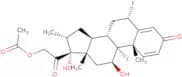
CAS:<p>Phenoxyacetic acid is a phenoxy compound that exhibits antibacterial and anthelmintic activity. It has been shown to be highly active against helminthes, such as tapeworms and roundworms. Phenoxyacetic acid interacts with the helminth's cell membrane, which causes the release of cytochrome c from mitochondria and inhibits mitochondrial function. This leads to cell death by inhibiting protein synthesis and DNA replication. The hydrophobic nature of phenoxyacetic acid allows it to penetrate the anthelmint's cuticle and enter the worm's body cavity where it inhibits mitochondrial function. Phenoxyacetic acid has also been shown to inhibit tuberculosis in mice in vivo, but not in vitro. In addition, phenoxyacetic acid binds to nuclei of cancer cells and prevents the production of RNA and protein synthesis. This results in cell death by apoptosis or necrosis.</p>Formula:C10H10O5Purity:Min. 95%Color and Shape:PowderMolecular weight:210.18 g/molFlumethasone acetate
CAS:Controlled Product<p>Flumethasone acetate is a synthetic corticosteroid that has anti-inflammatory, antipruritic, and vasoconstrictive properties. It is used in the treatment of various skin disorders, including psoriasis, eczema and atopic dermatitis. Flumethasone acetate binds to the cytosolic glucocorticoid receptor (GR) and inhibits the transcription of genes that encode proteins involved in inflammation. The drug also has potent anti-inflammatory activity, but lacks the mineralocorticoid activity of hydrocortisone or cortisone. Flumethasone acetate does not bind significantly to the sex hormone binding globulin (SHBG), which is important for its use in females as it will not interfere with estrogen production.</p>Formula:C24H30F2O6Purity:Min. 95%Color and Shape:White/Off-White SolidMolecular weight:452.49 g/mol3-(2-(2-(2-Aminoethoxy)ethoxy)ethoxy)propanoic acid HCI
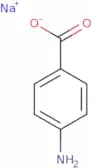
CAS:<p>3-(2-(2-(2-Aminoethoxy)ethoxy)ethoxy)propanoic acid HCI is a PEG compound with two different functional groups (also known as heterobifunctional). Unlike homobifunctional PEG compounds (same functional group on both ends), this type of compounds are more versatile as have two different anchor points. 3-(2-(2-(2-Aminoethoxy)ethoxy)ethoxy)propanoic acid HCI is used as a linker and spacer to add a PEG moiety, via pegylation (a bioconjugation technique) to proteins, peptides, oligonucleotides, small molecules and nanoparticles.</p>Formula:C9H19NO5·HClColor and Shape:Slightly Yellow Yellow Clear Liquid PowderMolecular weight:257.71 g/mol4-Aminobenzoic acid sodium salt
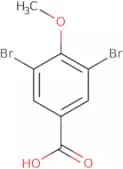
CAS:<p>4-Aminobenzoic acid sodium salt is an aminobenzoic acid that is used as a pharmaceutical intermediate. It is soluble in water and alcohol and has a pH of 4.5. The compound has been shown to inhibit the growth of bacteria by binding to enzymes involved in fatty acid synthesis, which prevents the formation of fatty acids and results in cell death. The compound also inhibits allergic reactions through its inhibition of histamine release from mast cells. 4-Aminobenzoic acid sodium salt has been found to have anti-inflammatory properties, which may be due to its ability to bind to epidermal growth factor receptors on the surface of keratinocytes, leading to increased cell proliferation and less inflammation.</p>Formula:C7H6NO2NaPurity:Min. 95%Color and Shape:PowderMolecular weight:159.12 g/mol3,5-Dibromo-4-anisic acid
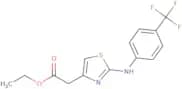
CAS:<p>3,5-Dibromo-4-anisic acid (3,5-DA) is a brominated alkaloid that has been isolated from the Madagascan sponge Psammaplysilla. 3,5-DA is amphimedonine with an additional bromine atom. It has been highlighted in spectroscopy as a possible metabolite of psammaplysene due to its similar chemical structure. 3,5-DA is present in the marine environment and has been found to be a minor component of the sponge Psammaplysilla.</p>Formula:C8H6Br2O3Purity:Min. 95%Color and Shape:PowderMolecular weight:309.94 g/molEthyl 2-(4-(4-(trifluoromethyl)phenylamino)-3,5-thiazolyl)acetate
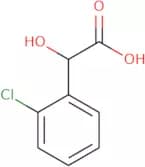
CAS:<p>Please enquire for more information about Ethyl 2-(4-(4-(trifluoromethyl)phenylamino)-3,5-thiazolyl)acetate including the price, delivery time and more detailed product information at the technical inquiry form on this page</p>Purity:Min. 90%2-Chloromandelic acid
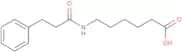
CAS:<p>2-Chloromandelic acid is an organic compound that belongs to the class of compounds called chloroacetic acids. It has been shown to react with hydroxylamine and form a trifluoroacetamide, which is a useful building block in organic synthesis. 2-Chloromandelic acid can be synthesized from mandelic acid by reacting it with phosphorus pentachloride in the presence of carbon tetrachloride. 2-Chloromandelic acid has been shown to inhibit the growth of Pseudomonas aeruginosa, an opportunistic human pathogen in cystic fibrosis patients. 2-Chloromandelic acid crystallizes as one of two possible polymorphs: Form I or Form II. The solubility data for both forms are available, but only Form I is metastable at room temperature and pressure.</p>Formula:C8H7ClO3Purity:Min. 95%Color and Shape:PowderMolecular weight:186.59 g/molN-Dihydrocinnamoylaminocaproic acid
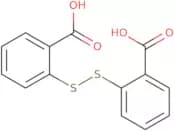
CAS:<p>Please enquire for more information about N-Dihydrocinnamoylaminocaproic acid including the price, delivery time and more detailed product information at the technical inquiry form on this page</p>Formula:C15H21NO3Purity:Min. 95%Molecular weight:263.33 g/mol2,2'-Dithiobisbenzoic acid
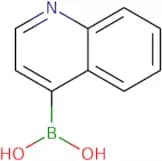
CAS:<p>2,2'-Dithiobisbenzoic acid (DTBA) is a chemical compound that has been used as a cross-linking agent for proteins and nucleic acids. DTBA is an aromatic hydrocarbon that can be synthesized from the reaction of sodium carbonate and hydrogen chloride. DTBA's stability in organic solvents makes it a useful reagent for protein cross-linking studies. It can also be used to measure hydrogen bond strengths between two molecules.</p>Formula:C14H10O4S2Purity:Min. 95%Molecular weight:306.36 g/molQuinolin-4-ylboronic acid
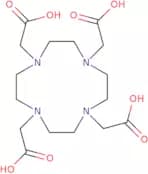
CAS:<p>Quinolin-4-ylboronic acid is a heterocyclic compound with two nitrogen atoms that are attached to the ring by means of carbonyl groups. This compound is a precursor in the synthesis of the drug dorsomorphin, which is used for pain relief. It also has an important role in pharmacokinetics because it can be used as a marker for estimating blood levels of other drugs. Quinolin-4-ylboronic acid yields an active form, quinolin-4-yl boronic acid, when reacted with piperazine in basic conditions. The drug ldn-193189 is a derivative of this active form and has been evaluated as a potential drug for treating osteoporosis and cancer.</p>Formula:C9H8BNO2Purity:Min. 95 Area-%Color and Shape:PowderMolecular weight:172.98 g/mol1,4,7,10-Tetraazacyclododecane-1,4,7,10-tetraacetic acid
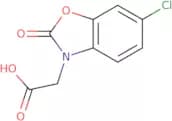
CAS:<p>1,4,7,10-Tetraazacyclododecane-1,4,7,10-tetraacetic acid (DOTA) is a metal chelator or radioligand that is used for the diagnosis of cancer. DOTA, as other analogous compounds such as NOTA, TETA and DTPA, has a high affinity for gadolinium and binds to integrin receptors on the surface of cancer cells. It can then be detected by nuclear magnetic resonance spectroscopy or computed tomography. This agent is also used in conjunction with other drugs to treat certain cancers. The most common use of DOTA is as a component of chemotherapy drugs such as docetaxel and cisplatin. DOTA has been shown to be biocompatible with human serum and metabolic response studies have been conducted in animals without any serious side effects. DOTA has shown to be an effective anti-cancer drug for solid tumors in animals and humans with minimal toxicity due to its coordination geometry.</p>Formula:C16H28N4O8Purity:Min. 95%Color and Shape:White PowderMolecular weight:404.42 g/mol(6-Chloro-2-oxo-1,3-benzoxazol-3(2H)-yl)acetic acid
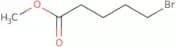
CAS:<p>Please enquire for more information about (6-Chloro-2-oxo-1,3-benzoxazol-3(2H)-yl)acetic acid including the price, delivery time and more detailed product information at the technical inquiry form on this page</p>Formula:C9H6ClNO4Purity:Min. 95%Color and Shape:PowderMolecular weight:227.6 g/mol5-Bromovaleric acid methyl ester
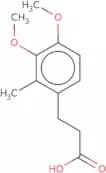
CAS:<p>5-Bromovaleric acid methyl ester is a molecule that can be used as a model system for population growth. It has been shown to activate the CB2 receptor in mice and stimulate the production of polyclonal antibodies. 5-Bromovaleric acid methyl ester may be a potential drug target for treating inflammatory conditions such as psoriasis, Crohn's disease, and ulcerative colitis. The compound has also been shown to inhibit cyclooxygenase enzymes in human platelets. 5-Bromovaleric acid methyl ester can also be used as an analytical tool for determining the concentration of conjugates in urine samples by gas chromatography.</p>Formula:C6H11BrO2Purity:Min. 95%Color and Shape:Clear LiquidMolecular weight:195.05 g/mol3,4-Dimethoxy-2-methylphenylpropionic acid
CAS:<p>3,4-Dimethoxy-2-methylphenylpropionic acid is a building block for organic synthesis. It has been used as a research chemical and as a reaction component in the synthesis of other chemicals. 3,4-Dimethoxy-2-methylphenylpropionic acid is also available at high purity levels and can be used as a reagent for analytical purposes.</p>Formula:C12H16O4Purity:Min. 95%Color and Shape:PowderMolecular weight:224.25 g/molChloroplatinic acid hexahydrate
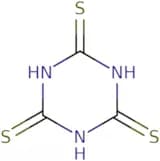
CAS:<p>Chloroplatinic acid hexahydrate is a chemical compound that is used to synthesize other chemicals, such as pharmaceuticals. It has a melting point of 810 degrees Celsius and a boiling point of 927 degrees Celsius. Chloroplatinic acid hexahydrate is soluble in water and reacts with copper chloride to form chloroplatinic acid monohydrate. It can be converted to hydrogen bonding interactions by adding hydroxyl groups or molecules, and it has been shown to have magnetic resonance spectroscopy properties.</p>Formula:H2PtCl6·6H2OColor and Shape:Brown Orange PowderMolecular weight:517.91 g/molTrithiocyanuric acid
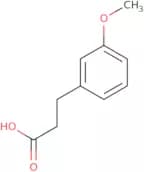
CAS:<p>Trithiocyanuric acid is an organic compound that has chemical stability and optimum concentration in the range of 0.2-0.4%. Trithiocyanuric acid is a monosodium salt, which can be formed by reacting sodium carbonate with cyanuric chloride or cyanuric acid. The structural analysis of trithiocyanuric acid shows that it has hydrogen bonding interactions with water molecules at the N-H and C-O bonds, which may explain its high solubility in water. Trithiocyanuric acid has been used to treat wastewater because it acts as a nitrogen-containing oxidant that facilitates the removal of dissolved organic matter and other chemicals. This process is aided by the formation of thiourea, which reacts with sulfur dioxide to form ammonium sulfate and urea. X-ray diffraction data from trithiocyanurate crystals show that it has two crystalline forms, one of which</p>Formula:C3H3N3S3Purity:Min. 95%Color and Shape:PowderMolecular weight:177.27 g/mol3-(3-Methoxyphenyl)propionic acid
CAS:<p>3-(3-Methoxyphenyl)propionic acid is a phenylpropionic acid with the chemical formula C9H11O2. It is a competitive antagonist of the h3 receptors, and has been shown to inhibit acetylcholinesterase activity in vitro. 3-(3-Methoxyphenyl)propionic acid also has antioxidant properties, which may be due to its ability to inhibit lipase activity. This compound also has anti-inflammatory effects, which may be due to its ability to inhibit tryptophan metabolism. 3-(3-Methoxyphenyl)propionic acid has been shown to have therapeutic potential for Alzheimer's disease, as it can cross the blood brain barrier and inhibits amyloid beta (Aβ) aggregation.</p>Formula:C10H12O3Purity:Min. 95%Color and Shape:PowderMolecular weight:180.2 g/mol1-Octanesulfonic sodium salt monohydrate
CAS:<p>1-Octanesulfonic acid sodium salt monohydrate is an animal drug that has been used for the long-term treatment of chronic exposure to animals. It can be used as a component of a chromatographic method for the analysis of dopamine in biological fluids. 1-Octanesulfonic acid sodium salt monohydrate has also been shown to have antipsychotic effects, which may be due to its ability to increase dopaminergic neurotransmission by inhibiting the reuptake of dopamine. This drug is not active against human cancer cells, but it does inhibit imatinib (the active form) and other tyrosine kinase inhibitors at micromolar concentrations, making it a potential candidate for use in pharmaceutical dosages as an adjunct therapy for chronic myeloid leukemia.</p>Formula:C8H17O3SNa•H2OPurity:Min. 95%Color and Shape:White PowderMolecular weight:234.29 g/mol2-Amino-4-(trifluoromethyl)thiazole-5-carboxylic acid
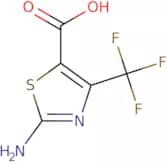
CAS:<p>Please enquire for more information about 2-Amino-4-(trifluoromethyl)thiazole-5-carboxylic acid including the price, delivery time and more detailed product information at the technical inquiry form on this page</p>Formula:C5H3F3N2O2SPurity:Min. 95%Molecular weight:212.15 g/mol4,4'-Azobis(4-cyanovaleric acid)
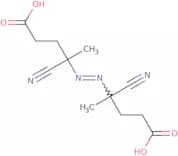
CAS:<p>Azobis(4-cyanovaleric acid) is a chemical compound that has reactive functional groups. It is a particle that is soluble in acetate extract and hydrochloric acid. The synthesis of Azobis(4-cyanovaleric acid) involves the reaction of 4-cyanoacrylic acid with 2,2'-azobis(2-methylpropionitrile). It is used as an intermediate in the preparation of polymers. Azobis(4-cyanovaleric acid) is used for the treatment of infectious diseases such as tuberculosis and malaria. The production of chain reactions with other molecules makes this chemical reactive and unstable. Azobis(4-cyanovaleric acid) also reacts with nucleophilic groups, such as hydroxyl groups, to form a covalent bond. This process can be reversed by adding a strong base or oxidant.</p>Formula:C12H16N4O4Purity:Min. 95 Area-%Color and Shape:PowderMolecular weight:280.28 g/molTriphenylphosphine-3,3',3''-trisulfonic acid trisodium salt
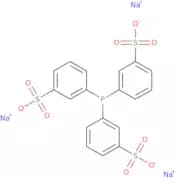
CAS:<p>Triphenylphosphine-3,3',3''-trisulfonic acid trisodium salt is a cationic surfactant that has been used as a catalyst in organic synthesis. This drug has been shown to be effective in the treatment of hydrochloric acid and sodium carbonate bladder stones. It has also been used to treat orthoboric acid nephropathy, which is a type of kidney disease caused by exposure to high levels of boric acid. Triphenylphosphine-3,3',3''-trisulfonic acid trisodium salt is not readily absorbed into the bloodstream and exhibits low bioavailability.</p>Formula:C18H12Na3O9PS3Purity:Min. 90 Area-%Color and Shape:White PowderMolecular weight:568.42 g/molFusidic acid sodium
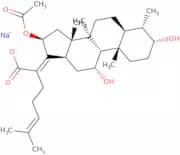
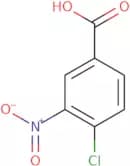
CAS:<p>Inhibitor of protein synthesis; steroid antibiotic</p>Formula:C31H48O6•NaPurity:Min. 95%Color and Shape:PowderMolecular weight:539.7 g/mol4-Chloro-3-nitrobenzoic acid
CAS:<p>4-Chloro-3-nitrobenzoic acid is a solute that reacts with sodium hydroxide to form 4-chloro-3-nitrophenolate. It also reacts with hydrogen chloride to form 4-chloro-3-nitrobenzoyl chloride. The solubility of the compound in different solvents can be determined by experimental solubility data and structural analysis. <br>4-Chloro-3-nitrobenzoic acid has been shown to inhibit protein synthesis in liver cells, which may be due to its ability to bind copper ions and form a complex that inhibits the activity of copper enzymes. This compound may also react with sodium salts in the presence of heat or light, leading to the formation of an insoluble precipitate. When heated with strong acids such as hydrogen chloride, 4-chloro-3 nitrobenzoic acid reacts with benzene and forms 3,4 dinitrobenezene</p>Formula:C7H4ClNO4Purity:Min. 95%Color and Shape:PowderMolecular weight:201.56 g/mol3-(2-Aminoethyl)-5-methoxy-1H-indole-2-carboxylic acid
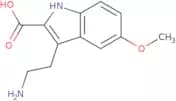
CAS:<p>3-(2-Aminoethyl)-5-methoxy-1H-indole-2-carboxylic acid is a fine chemical that is used as a building block for research chemicals, reagents, and specialty chemicals. It has the CAS No. 52648-13-2. 3-(2-Aminoethyl)-5-methoxy-1H-indole-2-carboxylic acid is also a versatile building block for synthesis of complex compounds with high quality and is a reaction component in many reactions. This compound can serve as an intermediate or scaffold in chemical synthesis.</p>Formula:C12H14N2O3Purity:Min. 95%Color and Shape:White PowderMolecular weight:234.25 g/mol



![3-{[(4-Methylphenyl)sulfonyl]amino}benzoic acid](/_next/image/?url=https%3A%2Fstatic.cymitquimica.com%2Fproducts%2F3D%2Fthumb-webp%2FFM136721.webp&w=3840&q=75)



![Methyl (2Z)-[5-(3-chlorophenyl)-1,3-dihydro-2H-1,4-benzodiazepin-2-ylidene]acetate](/_next/image/?url=https%3A%2Fstatic.cymitquimica.com%2Fproducts%2F3D%2Fthumb-webp%2FFM128487.webp&w=3840&q=75)





![Hydroxy-[4-(4-hydroxy-5-bromo-3-iodophenoxy)-3,5-diiodophenyl]acetic acid](/_next/image/?url=https%3A%2Fstatic.cymitquimica.com%2Fproducts%2F3D%2Fthumb-webp%2FFH66633.webp&w=3840&q=75)