Carboxylic Acids
Carboxylic acids are organic molecules characterized by having a carboxyl-type functional group (-COOH). These acids are fundamental in various chemical reactions, including esterification, amidation, and decarboxylation. Carboxylic acids are widely used in the production of pharmaceuticals, polymers, and agrochemicals. In this section, you can find a large number of carboxylic acids ready to be used. At CymitQuimica, we provide a broad range of high-quality carboxylic acids to support your research and industrial applications.
Found 12453 products of "Carboxylic Acids"
Sort by
Purity (%)
0
100
|
0
|
50
|
90
|
95
|
100
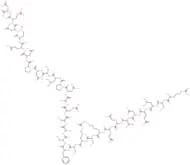
HIV-1 gag Protein p17 (76-84) acetate salt
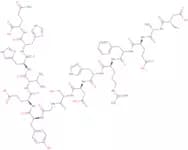
CAS:<p>Acetate salt of HIV-1 gag Protein p17 (76-84) is a reactive acridone, hydrocarbon, nitrogen atom and hydrates that is injected to regulate depression. Acetate salt of HIV-1 gag Protein p17 (76-84) has been shown to bind to the telomerase enzyme and inhibit cancer cell growth. Acetate salt of HIV-1 gag Protein p17 (76-84) also has a role in regulating metabolism in cells. Acetate salt of HIV-1 gag Protein p17 (76-84) has been shown to have solvating properties and can be used as a heterocyclic ring section in gas phase reactions.</p>Formula:C44H72N10O15Purity:Min. 95%Molecular weight:981.1 g/molγ3-MSH trifluoroacetate salt
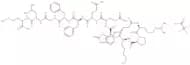
CAS:<p>Please enquire for more information about Gamma3-MSH trifluoroacetate salt including the price, delivery time and more detailed product information at the technical inquiry form on this page</p>Formula:C126H188N44O37SPurity:Min. 95%Molecular weight:2,943.18 g/molMethyl 6-oxo-1,6-dihydropyridazine-3-carboxylate
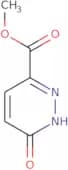
CAS:<p>Please enquire for more information about Methyl 6-oxo-1,6-dihydropyridazine-3-carboxylate including the price, delivery time and more detailed product information at the technical inquiry form on this page</p>Formula:C6H6N2O3Purity:Min. 95%Molecular weight:154.12 g/molPAR-2 (1-6) amide (mouse, rat) trifluoroacetate salt
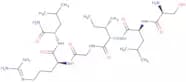
CAS:<p>PAR-2 agonist is a synthetic peptide that activates PAR-2. It binds to PAR-2 receptors, which are present in the mesenteric vasculature and in various other tissues. Activation of PAR-2 leads to an increase in intracellular calcium concentration, activation of protein kinase C, cytosolic calcium ion release, phosphorylation of myosin light chain, muscle cell proliferation, transcription and translation initiation, and increased production of vasoactive intestinal peptide. This drug also has anti-inflammatory effects and stimulates epidermal growth factor (EGF) and thrombin receptor expression as well as growth factor production.</p>Formula:C29H56N10O7Purity:Min. 95%Molecular weight:656.82 g/molUrotensin II-Related Peptide (human, mouse, rat) trifluoroacetate salt
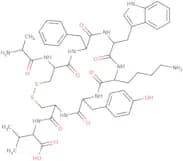
CAS:<p>Urotensin II is a peptide that is expressed in the brain and has hypotensive effects. It is an endogenous ligand for the urotensin II receptor, which is found in various tissues including the heart, vascular system, and lungs. Urotensin II-Related Peptide (URP) was identified from cDNA sequences of human, mouse, and rat tissues. The URP consists of a sequence of amino acids with a molecular weight of 1219. This peptide has been shown to have diagnostic use in tissues and animals as well as being immunoreactive in monoclonal antibodies. The gene encoding URP has been cloned and its protein product has been characterized by mass spectroscopy.</p>Formula:C49H64N10O10S2Purity:Min. 95%Molecular weight:1,017.23 g/molPyromeconic acid
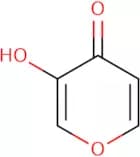
CAS:<p>Pyromeconic acid is a trifluoroacetic acid derivative that has been shown to have anti-inflammatory properties. Pyromeconic acid has a redox potential of -0.07 V at pH 7 and can act as a reducing agent in biological systems. It has been shown to inhibit the methylation of pueraria lobata and the transferase activity of methionine synthase, which plays a role in the synthesis of proteins. Pyromeconic acid also inhibits the production of sesquiterpene lactones in carthamus tinctorius, which are responsible for its anti-inflammatory effects. It is an acidic chemical that contains a hydroxyl group and coordinates with metals such as copper, zinc, and nickel.</p>Formula:C5H4O3Purity:Min. 95%Color and Shape:Off-White To Light (Or Pale) Yellow SolidMolecular weight:112.08 g/molMercuric acetate
CAS:Controlled Product<p>Mercuric acetate is a salt of mercuric and acetic acid. It is used as an antiseptic, disinfectant, and preservative in the food industry. Mercuric acetate has been shown to have anti-inflammatory properties and is used for the treatment of inflammatory bowel disease. The ester linkage between the two molecules allows it to be hydrolysed into its components by enzymes such as esterases or glucuronidases, which may be one of the reasons for its therapeutic effects. Mercuric acetate also reacts with biological molecules, including proteins, nucleic acids, and carbohydrates. This reaction mechanism may contribute to its other biological properties such as lowering blood sugar levels and inhibiting glycolysis in cells that depend on sodium-dependent glucose transport mechanisms.</p>Formula:C4H6HgO4Purity:Min. 95%Molecular weight:318.68 g/molHemokinin 1 (human) trifluoroacetate salt
CAS:<p>Hemokinin-1 is a hematopoietic cell growth factor that belongs to the group of neuropeptides. This protein has been shown to stimulate the production of white blood cells and is used as an adjuvant in vaccines. Hemokinin-1 stimulates the production of inflammatory cytokines and other proinflammatory substances. It also has been found to be involved in autoimmune diseases, cancer, and infectious diseases. The antigen binding site on Hemokinin-1 is located at residues Thr-Gly-Lys-Ala-Ser-Gln-Phe-Phe-Gly-Leu (TGLKSGPFGL) and the receptor binding site at residues Met-NH2. The receptor for Hemokinin 1 is the neurokinin 1 receptor (NK1R).</p>Formula:C54H84N14O14SPurity:Min. 95%Molecular weight:1,185.4 g/molH-Phe-Met-D-Arg-Phe-NH2 acetate salt
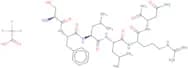
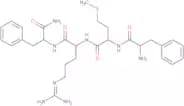
CAS:<p>Please enquire for more information about H-Phe-Met-D-Arg-Phe-NH2 acetate salt including the price, delivery time and more detailed product information at the technical inquiry form on this page</p>Formula:C29H42N8O4SPurity:Min. 95%Molecular weight:598.76 g/molAmyloid β-Protein (1-15) trifluoroacetate salt
CAS:<p>Amyloid beta-protein (1-15) is a peptide fragment of the amyloid protein that is associated with Alzheimer's disease. Amyloid beta-Protein (1-15) activates the transcription of a number of genes, including those that encode neurotrophic factors and growth factors. It has been shown to have neurotrophic properties and to increase the survival rate of neurons in vitro. It also protects against neuronal death induced by oxidative stress and high concentrations of glutamate. The structure of amyloid beta-protein (1-15) has been elucidated using molecular modeling techniques and X-ray crystallography. The trifluoroacetate salt form is stable at physiological pH levels and shows good solubility in water, making it an attractive therapeutic drug candidate.</p>Formula:C78H107N25O27Purity:Min. 95%Molecular weight:1,826.84 g/molDocosahexaenoic acid
CAS:<p>Docosahexaenoic acid (DHA) is a fatty acid that is usually obtained from fish oil. DHA has been shown to decrease the production of prostaglandin E2 (PGE2), which can lead to inflammation in various parts of the body. The synthesis and release of PGE2 is regulated by toll-like receptor 4 (TLR4). DHA has also been shown to reduce tumor size and improve survival rates in mice with breast cancer. DHA is a long-chain polyunsaturated fatty acid that can be found in many types of cells, including neurons. It has been shown to have beneficial effects on neuronal death during experimental models of stroke and traumatic brain injury.</p>Formula:C22H32O2Purity:Min. 95%Color and Shape:PowderMolecular weight:328.49 g/molD,L-Mevalonic acid lactone
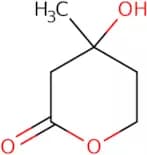
CAS:<p>Mevalonic acid lactone is a natural compound that has been shown to have an effect on mitochondrial membrane potential. It has also been shown to inhibit the drug transporter P-glycoprotein, which is involved in the transport of drugs out of cells. Mevalonic acid lactone has also demonstrated an anti-inflammatory effect, as it inhibits the production of TNF-α and IL-6 in human serum. This compound also possesses antioxidant properties, which may be due to its hydroxyl group and phenoxy groups. Mevalonic acid lactone can be used as a model system for sesquiterpene lactones, and it is able to improve mitochondrial functions by inhibiting pyrazole ring formation.</p>Formula:C6H10O3Purity:Min. 95%Color and Shape:PowderMolecular weight:130.14 g/molpTH (2-34) (human) acetate salt
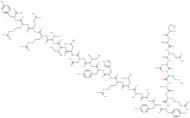
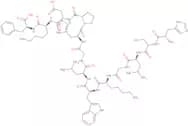
CAS:<p>Please enquire for more information about pTH (2-34) (human) acetate salt including the price, delivery time and more detailed product information at the technical inquiry form on this page</p>Formula:C178H286N54O49S2Purity:Min. 95%Molecular weight:4,030.64 g/molNeuropeptide W-30 (human) trifluoroacetate salt
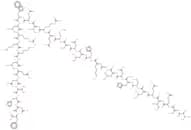
CAS:<p>Please enquire for more information about Neuropeptide W-30 (human) trifluoroacetate salt including the price, delivery time and more detailed product information at the technical inquiry form on this page</p>Formula:C165H249N49O37SPurity:Min. 95%Molecular weight:3,543.12 g/molH-Pro-Lys-OH acetate salt
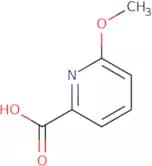
CAS:<p>H-Pro-Lys-OH acetate salt is a synthetic compound that is specific for histidine residues. It catalyzes the hydrolysis of fibrinogen to form fibrin, which can be used in the formation of blood clots. This molecule has been shown to have a number of sequences and acid analysis. H-Pro-Lys-OH acetate salt can be used as an additive in food products. The incubation process should be done at pH 4.5 and the reaction should be stopped by adding tripeptides followed by using ion-exchange chromatography or SDS polyacrylamide gel electrophoresis to analyze the amino acids present in the product.</p>Formula:C11H21N3O3Purity:Min. 95%Molecular weight:243.3 g/mol2-Methoxy-6-picolinic acid
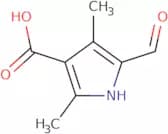
CAS:<p>2-Methoxy-6-picolinic acid (2MPA) is a picolinate that has been shown to be an effective catalyst for the conversion of alcohols into allylic alcohols. 2MPA is able to catalyze the reaction by abstracting hydrogen from the carbonyl group, and then adding it to the adjacent carbon. This reaction can produce peroxide as a byproduct, which is subsequently hydrolyzed to form water and alcohol. The β-unsaturated carbonyl group of 2MPA provides additional stability for this catalytic process.<br>2MPA can also be used as a catalyst in other reactions, such as the oxidation of benzylic alcohols with hydrogen peroxide to form benzylic carbonyl compounds.</p>Formula:C7H7NO3Purity:Min. 95%Color and Shape:PowderMolecular weight:153.14 g/mol5-Formyl-2,4-dimethyl-1H-pyrrole-3-carboxylic acid
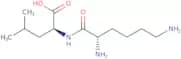
CAS:<p>5-Formyl-2,4-dimethyl-1H-pyrrole-3-carboxylic acid is a chemical compound that is used in the formylation of amines to produce formamides. It has been optimized for industrial production by optimizing reaction time, formylation conditions, and solvents. It has also been shown that 5-formyl-2,4-dimethyl-1H-pyrrole-3-carboxylic acid produces good yields and high product purity.</p>Formula:C8H9NO3Purity:Min. 95%Molecular weight:167.16 g/molH-Lys-Leu-OH acetate salt
CAS:<p>H-Lys-Leu-OH acetate salt is a derivatized amino acid ester that is used for the detection of lysine and leucine. It is used as an analyte in microextraction, with a sensitivity of 0.25 ng/mL, which can be increased to 0.5 ng/mL by derivatization. H-Lys-Leu-OH acetate salt has been used in the detection of acids and bases, particularly carboxylic acids and basic amino acids, respectively.</p>Formula:C12H25N3O3·C2H4O2Purity:Min. 95%Molecular weight:319.4 g/molPeptide YY (3-36) trifluoroacetate salt
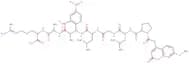
CAS:Peptide YY (PYY) is a 36-amino acid peptide. It is cleaved from the larger protein, pancreatic polypeptide, by the enzyme dipeptidyl peptidase IV and circulates in plasma as PYY(3-36). The postprandial plasma levels of PYY are dose-dependent and increase with increasing doses of injected PYY. This response reflects the physiological effects of this hormone. A linear regression analysis revealed that PYY(3-36) has a significant effect on body weight loss and body mass index in humans. The effective dose for weight loss is yet to be determined, but it may be higher than 10 μg/kg/day.Formula:C176H272N52O54Purity:Min. 95%Molecular weight:3,980.36 g/molMca-Pro-Leu-Gly-Leu-Dap (Dnp)-Ala-Arg-NH2 trifluoroacetate salt
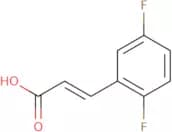
CAS:<p>Please enquire for more information about Mca-Pro-Leu-Gly-Leu-Dap (Dnp)-Ala-Arg-NH2 trifluoroacetate salt including the price, delivery time and more detailed product information at the technical inquiry form on this page</p>Formula:C49H68N14O15Purity:Min. 95%Molecular weight:1,093.15 g/moltrans-2,5-Difluorocinnamic acid
CAS:<p>Trans-2,5-difluorocinnamic acid is a monomer that belongs to the group of organic acids. It is used as a solvent and in analytical methods. Trans-2,5-difluorocinnamic acid is also used to transport other substances and can be used in reactions with other molecules. Trans-2,5-difluorocinnamic acid has been shown to be neuropathic and has been tested for its ability to cause cataracts, but has not shown any evidence of mutagenicity.</p>Formula:C9H6F2O2Purity:Min. 95%Color and Shape:PowderMolecular weight:184.14 g/molMyelin Proteolipid Protein (139-151) (depalmitoylated) (human, bovine, dog, mouse, rat) trifluoroacetate salt
CAS:<p>MPLP(139-151) is a peptide that is derived from the myelin proteolipid protein (PLP). MPLP(139-151) has been shown to inhibit macrophage inflammatory in vitro and brain inflammation in vivo. The inhibition of macrophages was mediated by the induction of apoptosis and inhibition of NF-κB. MPLP(139-151) also induced regression of experimental autoimmune encephalomyelitis in mice, which suggests that it might be useful as a therapeutic agent for multiple sclerosis or other inflammatory diseases.</p>Formula:C72H104N20O16SPurity:Min. 95%Molecular weight:1,537.79 g/mol5,6-Dichloronicotinic acid
CAS:<p>5,6-Dichloronicotinic acid is a compound that can be synthesized by reacting methyl ketones with chloroacetic acid. It is used in the synthesis of maleic anhydride and has been shown to inhibit the catalysis of acetylcholine chloride. 5,6-Dichloronicotinic acid has also been shown to have an inhibitory effect on Alzheimer's disease. The kinetic mechanism for this inhibition occurs through the hydrolysis step of 5,6-Dichloronicotinic acid by magnesium chloride in hexane solution. The reactive acylation reaction proceeds when 5,6-Dichloronicotinic acid reacts with acetic anhydride in the presence of pyridine.</p>Formula:C6H3Cl2NO2Color and Shape:PowderMolecular weight:192 g/molpTH (1-37) (human) trifluoroacetate salt
CAS:<p>Please enquire for more information about pTH (1-37) (human) trifluoroacetate salt including the price, delivery time and more detailed product information at the technical inquiry form on this page</p>Formula:C195H316N58O54S2Purity:Min. 95%Molecular weight:4,401.09 g/molGRPP (human) trifluoroacetate salt
CAS:<p>Please enquire for more information about GRPP (human) trifluoroacetate salt including the price, delivery time and more detailed product information at the technical inquiry form on this page</p>Formula:C136H215N41O58SPurity:Min. 95%Molecular weight:3,384.47 g/mol(His(3-Me)2)-TRH trifluoroacetate salt
CAS:<p>Please enquire for more information about (His(3-Me)2)-TRH trifluoroacetate salt including the price, delivery time and more detailed product information at the technical inquiry form on this page</p>Formula:C17H24N6O4Purity:Min. 95%Molecular weight:376.41 g/molBiotinyl-Substance P trifluoroacetate salt
CAS:<p>Biotinyl-Substance P trifluoroacetate salt Biotinyl-Arg-Pro-Lys-Pro-Gln-Gln-Phe-Phe-Gly-Leu-Met-NH2 trifluoroacetate salt is a biotin conjugated Substance P analog. It is designed to bind to the amino acid sequences in the brain that are responsible for controlling and regulating pain. The drug's amino acid sequence was designed by accessing databases of amino acid sequences from all known organisms. The drug is administered as a sequence of cassettes, each containing an acid molecule that can be transferred to cells through nucleotide transfer.</p>Formula:C73H112N20O15S2Purity:Min. 95%Molecular weight:1,573.93 g/mol2-[(5-Chloropyridin-2-yl)amino]-2-oxoacetic acid ethyl ester monohydrochloride
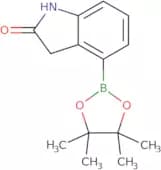
CAS:<p>Intermediate in the synthesis of edoxaban</p>Formula:C9H9ClN2O3·HClPurity:Min. 95%Molecular weight:265.09 g/molOxindole-4-boronic acid, pinacol ester
CAS:<p>Please enquire for more information about Oxindole-4-boronic acid, pinacol ester including the price, delivery time and more detailed product information at the technical inquiry form on this page</p>Formula:C14H18BNO3Purity:Min. 95%Molecular weight:259.11 g/mol5,7-Dimethyl-[1,2,4]triazolo[1,5-a]pyrimidine-2-carboxylic acid
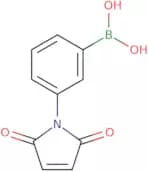
CAS:<p>Please enquire for more information about 5,7-Dimethyl-[1,2,4]triazolo[1,5-a]pyrimidine-2-carboxylic acid including the price, delivery time and more detailed product information at the technical inquiry form on this page</p>Formula:C8H8N4O2Purity:Min. 95%Molecular weight:192.17 g/mol3-Maleimidophenyl boronic acid
CAS:<p>Please enquire for more information about 3-Maleimidophenyl boronic acid including the price, delivery time and more detailed product information at the technical inquiry form on this page</p>Formula:C10H8NO4BPurity:Min. 95%Molecular weight:216.99 g/molL-Lysine acetate
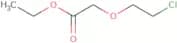
CAS:Controlled Product<p>L-Lysine acetate is a precursor of L-lysine and is used in the treatment of cancers. It has been shown to promote the growth of pluripotent cells, which can differentiate into any tissue type. L-Lysine acetate promotes cellular transformation by increasing the expression of growth factor-β1 in cells. This compound also enhances cellular physiology, energy metabolism, and protein degradation. L-Lysine acetate inhibits the ubiquitin ligases that are involved in protein degradation, leading to an increase in cell proliferation. The use of L-Lysine acetate has shown promising results for the treatment of infectious diseases such as HIV/AIDS and tuberculosis. L-Lysine acetate blocks the replication of human immunodeficiency virus (HIV) by inhibiting reverse transcriptase activity and blocking its DNA chain elongation process.</p>Formula:C8H18N2O4Purity:Min. 95%Color and Shape:PowderMolecular weight:206.24 g/molEthyl 2-(2-chloroethoxy)acetate
CAS:<p>Please enquire for more information about Ethyl 2-(2-chloroethoxy)acetate including the price, delivery time and more detailed product information at the technical inquiry form on this page</p>Formula:C6H11ClO3Purity:Min. 95%Molecular weight:166.6 g/mol[4-(1-Cyano-1-methylethyl)phenyl]boronic acid
CAS:<p>Please enquire for more information about [4-(1-Cyano-1-methylethyl)phenyl]boronic acid including the price, delivery time and more detailed product information at the technical inquiry form on this page</p>Formula:C10H12BNO2Purity:Min. 95%Molecular weight:189.02 g/moltert-Butyl6-[(1e)-2-[4-(4-fluorophenyl)-6-(1-methylethyl)-2-[methyl(methylsulfonyl)amino]-5-pyrimidinyl]ethenyl]-2,2-dimethyl-1,3-di oxane-4-acetate
CAS:<p>Please enquire for more information about tert-Butyl6-[(1e)-2-[4-(4-fluorophenyl)-6-(1-methylethyl)-2-[methyl(methylsulfonyl)amino]-5-pyrimidinyl]ethenyl]-2,2-dimethyl-1,3-di oxane-4-acetate including the price, delivery time and more detailed product information at the technical inquiry form on this page</p>Formula:C29H40FN3O6SPurity:Min. 95%Molecular weight:577.71 g/mol(Met(O)27)-Glucagon (1-29) (human, rat, porcine) trifluoroacetate salt
CAS:<p>Please enquire for more information about (Met(O)27)-Glucagon (1-29) (human, rat, porcine) trifluoroacetate salt including the price, delivery time and more detailed product information at the technical inquiry form on this page</p>Formula:C153H225N43O50SPurity:Min. 95%Molecular weight:3,498.75 g/molMelanocyte Protein PMEL 17 (185-193) (human, bovine, mouse) trifluoroacetate salt
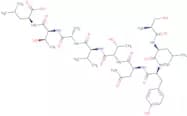
CAS:<p>Please enquire for more information about Melanocyte Protein PMEL 17 (185-193) (human, bovine, mouse) trifluoroacetate salt including the price, delivery time and more detailed product information at the technical inquiry form on this page</p>Formula:C46H72N10O15Purity:Min. 95%Molecular weight:1,005.12 g/molGLP-2 (1-34) (human) trifluoroacetate salt
CAS:<p>Structure/Function: human; Trifluoroacetate salt</p>Formula:C171H266N48O56SPurity:Min. 95%Molecular weight:3,922.3 g/mol4-(Trimethylsilyl)pheNylboroNic acid
CAS:<p>4-(Trimethylsilyl)phenylboronic acid is a molecule that can be used as an acceptor in fluorescence. It has been shown to have acceptor properties, which means it is able to absorb light energy and transfer it to other molecules. This chemical can be used in microscopy and cross-coupling reactions. 4-(Trimethylsilyl)phenylboronic acid has been shown to undergo thermally activated transport properties and to be isomeric. The molecule also has cross-coupling reactions with anilines, which are important for the production of pharmaceuticals and other organic compounds. 4-(Trimethylsilyl)phenylboronic acid has a high affinity for chloride ions, making it a good candidate for use in solar cells.</p>Formula:C9H15BO2SiPurity:Min. 95%Molecular weight:194.11 g/molMca-Pro-b-cyclohexyl-Ala-Gly-Nva-His-Ala-Dap (Dnp)-NH2 trifluoroacetate salt
CAS:<p>Please enquire for more information about Mca-Pro-b-cyclohexyl-Ala-Gly-Nva-His-Ala-Dap (Dnp)-NH2 trifluoroacetate salt including the price, delivery time and more detailed product information at the technical inquiry form on this page</p>Formula:C51H65N13O15Purity:Min. 95%Molecular weight:1,100.14 g/molLinolenic acid - 98%
CAS:<p>Linolenic acid is a polyunsaturated fatty acid that is essential for human health. It is a precursor of prostaglandin E2 (PGE2), which has been implicated in the regulation of cell death and inflammation. Linolenic acid has been shown to induce apoptosis in vitro by inhibiting the mitochondrial membrane potential and activating caspases 3 and 9, thereby inducing neuronal death. In vivo, linolenic acid has been shown to have beneficial effects on cardiovascular function, including lowering cholesterol levels and improving blood flow to the heart. Linolenic acid also has antioxidant properties, which may be due to its ability to inhibit lipid peroxidation and scavenge free radicals.</p>Formula:C18H30O2Purity:Min. 95%Color and Shape:PowderMolecular weight:278.43 g/molFibronectin Fragment (1376-1380) trifluoroacetate salt
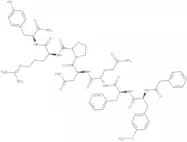
CAS:<p>Please enquire for more information about Fibronectin Fragment (1376-1380) trifluoroacetate salt including the price, delivery time and more detailed product information at the technical inquiry form on this page</p>Formula:C24H39N11O8Purity:Min. 95%Molecular weight:609.64 g/mol(Phenylac 1,D-Tyr(Me)2,Arg6·8,Tyr-NH29)-Vasopressin trifluoroacetate salt Phenylac-D-Tyr(Me)-Phe-Gln-Asn-Arg-Pro-Arg-Tyr-NH2 tri
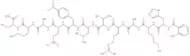
CAS:<p>Please enquire for more information about (Phenylac 1,D-Tyr(Me)2,Arg6·8,Tyr-NH29)-Vasopressin trifluoroacetate salt Phenylac-D-Tyr(Me)-Phe-Gln-Asn-Arg-Pro-Arg-Tyr-NH2 tri including the price, delivery time and more detailed product information at the technical inquiry form on this page</p>Formula:C62H83N17O13Purity:Min. 95%Color and Shape:PowderMolecular weight:1,274.43 g/mol(Ser8)-GLP-1 (7-36) amide (human, bovine, guinea pig, mouse, rat) trifluoroacetate salt
CAS:<p>Please enquire for more information about (Ser8)-GLP-1 (7-36) amide (human, bovine, guinea pig, mouse, rat) trifluoroacetate salt including the price, delivery time and more detailed product information at the technical inquiry form on this page</p>Formula:C149H226N40O46Purity:Min. 95%Molecular weight:3,313.63 g/mol(His(3-Me)2)-LHRH trifluoroacetate salt
CAS:<p>Please enquire for more information about (His(3-Me)2)-LHRH trifluoroacetate salt including the price, delivery time and more detailed product information at the technical inquiry form on this page</p>Formula:C56H77N17O13·C2HF3O2Purity:Min. 95%Molecular weight:1,310.34 g/molH-Lys-Gly-Asp-Ser-OH trifluoroacetate salt
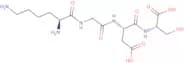
CAS:<p>Please enquire for more information about H-Lys-Gly-Asp-Ser-OH trifluoroacetate salt including the price, delivery time and more detailed product information at the technical inquiry form on this page</p>Formula:C15H27N5O8Purity:Min. 95%Molecular weight:405.4 g/molTRAP-6 amide trifluoroacetate salt
CAS:<p>Protease-activated receptor 1 (PAR-1) selective activating peptide, TFA salt. 98%.</p>Formula:C34H57N11O8Purity:Min. 95%Color and Shape:PowderMolecular weight:747.89 g/molNeuropeptide Y (13-36) (human, rat) trifluoroacetate salt
CAS:<p>Trifluoroacetate salt</p>Formula:C134H207N41O36SPurity:Min. 95%Molecular weight:3,000.4 g/molAnthranilyl-HIV Protease Substrate III trifluoroacetate salt
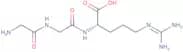
CAS:<p>Please enquire for more information about Anthranilyl-HIV Protease Substrate III trifluoroacetate salt including the price, delivery time and more detailed product information at the technical inquiry form on this page</p>Formula:C65H100N20O17Purity:Min. 95%Molecular weight:1,433.61 g/molH-Gly-Gly-Arg-OH acetate salt
CAS:<p>Please enquire for more information about H-Gly-Gly-Arg-OH acetate salt including the price, delivery time and more detailed product information at the technical inquiry form on this page</p>Formula:C10H20N6O4Purity:Min. 95%Molecular weight:288.3 g/mol







![2-[(5-Chloropyridin-2-yl)amino]-2-oxoacetic acid ethyl ester monohydrochloride](/_next/image/?url=https%3A%2Fstatic.cymitquimica.com%2Fproducts%2F3D%2Fthumb-webp%2FFC63138.webp&w=3840&q=75)
![5,7-Dimethyl-[1,2,4]triazolo[1,5-a]pyrimidine-2-carboxylic acid](/_next/image/?url=https%3A%2Fstatic.cymitquimica.com%2Fproducts%2F3D%2Fthumb-webp%2FFD12883.webp&w=3840&q=75)

![[4-(1-Cyano-1-methylethyl)phenyl]boronic acid](/_next/image/?url=https%3A%2Fstatic.cymitquimica.com%2Fproducts%2F3D%2Fthumb-webp%2FFC121870.webp&w=3840&q=75)
![tert-Butyl6-[(1e)-2-[4-(4-fluorophenyl)-6-(1-methylethyl)-2-[methyl(methylsulfonyl)amino]-5-pyrimi…](/_next/image/?url=https%3A%2Fstatic.cymitquimica.com%2Fproducts%2F3D%2Fthumb-webp%2FFB148489.webp&w=3840&q=75)