Carboxylic Acids
Carboxylic acids are organic molecules characterized by having a carboxyl-type functional group (-COOH). These acids are fundamental in various chemical reactions, including esterification, amidation, and decarboxylation. Carboxylic acids are widely used in the production of pharmaceuticals, polymers, and agrochemicals. In this section, you can find a large number of carboxylic acids ready to be used. At CymitQuimica, we provide a broad range of high-quality carboxylic acids to support your research and industrial applications.
Found 12453 products of "Carboxylic Acids"
Sort by
Purity (%)
0
100
|
0
|
50
|
90
|
95
|
100
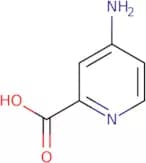
4-Aminopicolinic acid
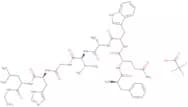
CAS:<p>4-Aminopicolinic acid is a synthetic amine that has been shown to activate plant science. 4-Aminopicolinic acid is a cyclic peptide with two subunits, one of which is 4-amino-3-pyridinecarboxylic acid. This compound has been synthesized from picolinic acid, an agriculturally important compound that is found in plant and animal tissues. The synthesis of 4-aminopicolinic acid involves the reaction of picolinic acid with nitrous oxide, followed by hydrolysis and oxidation to form the desired product. Hplc analyses have confirmed the presence of picolinic acid in extracts from various plants containing this compound.</p>Formula:C6H6N2O2Purity:Min. 95%Color and Shape:White To Beige Or Pink To Light Brown SolidMolecular weight:138.12 g/mol(D-Phe6,Leu-NHEt 13,des-Met14)-Bombesin (6-14) trifluoroacetate salt
CAS:<p>Bombesin is a peptide hormone that is secreted by the intestines and the pancreas. Bombesin stimulates the adrenal glands to release adrenaline, which in turn stimulates the bladder to contract. Bombesin has been shown to increase bladder efficiency significantly when given intravenously to patients with chronic urinary retention. This drug also has significant effects on pain syndrome, as it can facilitate or inhibit pain depending on its concentration. Bombesin's mechanism of action is still unclear, but it may work by antagonizing other neurotransmitters like noradrenaline or adrenaline.</p>Formula:C49H69N13O9Purity:Min. 95%Molecular weight:984.15 g/mol1,3-Dithiane-2-carboxylic acid
CAS:<p>1,3-Dithiane-2-carboxylic acid is an alkylating agent that reacts with electron-deficient substrates. It is a convenient way to access enantiopure carboxylates and unsaturated ketones in the presence of amines. This compound can also be used for the preparation of phthalimides and thioacetals. 1,3-Dithiane-2-carboxylic acid is prepared by ring opening of 1,3 dithianes. This reaction can be catalyzed by acids such as hydrochloric acid or pyridine.</p>Formula:C5H8O2S2Purity:Min. 95%Molecular weight:164.25 g/molPep-1-cysteamide trifluoroacetate salt
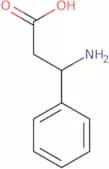
CAS:<p>Please enquire for more information about Pep-1-cysteamide trifluoroacetate salt including the price, delivery time and more detailed product information at the technical inquiry form on this page</p>Formula:C140H202N36O33SPurity:Min. 95%Molecular weight:2,949.39 g/molDL-3-Amino-3-phenylpropionic acid
CAS:<p>DL-3-Amino-3-phenylpropionic acid is an amino acid that is synthesized by the reaction of malonic acid and ethyl ester. This compound is a competitive inhibitor of the enzyme pyruvate carboxylase and inhibits this enzyme in the conversion of pyruvic acid to acetyl CoA, which plays a key role in metabolism. DL-3-Amino-3-phenylpropionic acid has been shown to inhibit the growth of bacteria such as Escherichia coli, Salmonella typhimurium and Staphylococcus aureus. The inhibition of pyruvate carboxylase by DL-3-Amino-3-phenylpropionic acid prevents the production of acetaldehyde from pyruvate, which is toxic to cells.</p>Formula:C9H11NO2Purity:Min. 95%Molecular weight:165.19 g/molDiisopropyl azodicarboxylate - 40% toluene solution
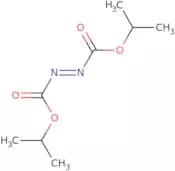
CAS:<p>Diisopropyl azodicarboxylate is a chemical compound that reacts with hydrogen fluoride to form a mixture of diazo and triazole products. The chemical reaction is the first step in the synthesis of many pharmaceuticals, such as penicillin. Diisopropyl azodicarboxylate is used in eye disorders, metabolic disorders, and autoimmune diseases. It has been shown to be effective in treating bowel disease. This drug has been shown to have chemotherapeutic properties, which may be due to its ability to inhibit protein synthesis by binding to the nitrogen atoms on receptor molecules. Diisopropyl azodicarboxylate also reacts with trifluoroacetic acid, forming a disulfide bond that can be analyzed using structural analysis techniques or reaction solution methods.</p>Formula:C8H14N2O4Purity:Min. 95%Color and Shape:Yellow To Yellow Orange LiquidMolecular weight:202.21 g/mol(D-Trp8)-γ2-MSH trifluoroacetate salt
CAS:<p>Please enquire for more information about (D-Trp8)-gamma2-MSH trifluoroacetate salt including the price, delivery time and more detailed product information at the technical inquiry form on this page</p>Formula:C74H99N21O16SPurity:Min. 95%Molecular weight:1,570.78 g/mol(Des-His6)-ACTH (1-24) (human, bovine, rat) trifluoroacetate salt
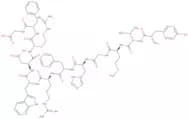
<p>Please enquire for more information about (Des-His6)-ACTH (1-24) (human, bovine, rat) trifluoroacetate salt including the price, delivery time and more detailed product information at the technical inquiry form on this page</p>Formula:C130H203N37O30SPurity:Min. 95%Molecular weight:2,796.3 g/molAmylin (human) trifluoroacetate salt
CAS:<p>Amylin is a hormone that regulates the release of insulin from the pancreas. Amylin is a protein that consists of 39 amino acids, and in its natural form it is not soluble in water. The amyloid fibrils are insoluble aggregates of proteins that can be found in the brain tissue of patients with Alzheimer's disease. Amylin has been shown to have an entrapment efficiency greater than 96% by using polymeric particles with a diameter less than 50 microns. These particles are able to increase water solubility and nutrient metabolism, as well as improve evaporation rates. They also provide an increased surface area for absorption and pharmacological properties. Amylin has been shown to lower postprandial glycemia when used with insulin in type II diabetes mellitus patients, and may also be an anorectic agent.</p>Formula:C165H261N51O55S2Purity:Min. 95%Molecular weight:3,903.28 g/mol4,4',4''-Nitrilotribenzoic acid
CAS:<p>4,4',4''-Nitrilotribenzoic acid is a low molecular weight activated compound with a hexane molecule and luminescence properties. This compound has been used in the detection of human pathogens, for example, Salmonella enterica serovar Typhimurium. The uptake of 4,4',4''-nitrilotribenzoic acid by these bacteria has been shown to be due to its peroxidase-like activity. 4,4',4''-Nitrilotribenzoic acid has also been used for the activation of polybenzimidazole and for polymerization reactions in polybenzimidazole films. The time required for polymerization depends on the concentration of 4,4',4''-nitrilotribenzoic acid used.</p>Formula:C21H15NO6Purity:Min. 95%Molecular weight:377.35 g/mol(2S)-β-Alanyl-L-prolyl-2,4-diamino-N-(phenylmethyl)butanamideacetate
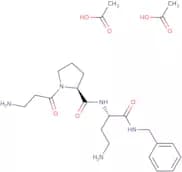
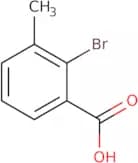
CAS:Controlled Product<p>(2S)-beta-Alanyl-L-prolyl-2,4-diamino-N-(phenylmethyl)butanamideacetate (BAP) is a skin care product that can be applied topically to the skin. BAP is an amino acid derivative that has been shown in clinical studies to hydrate the skin. It acts as a humectant and binds to water molecules, thus increasing the moisture content of the skin. This product also has antioxidant and anti-inflammatory properties, as well as anti-aging effects. BAP is often used in cosmetic products for its film forming properties and ability to form polymeric films on the surface of cells.</p>Formula:C21H33N5O5Purity:Min. 95%Molecular weight:435.52 g/mol2-Bromo-3-methylbenzoic acid
CAS:<p>2-Bromo-3-methylbenzoic acid is an alcohol that has been shown to be selective for the stereoselective synthesis of chiral secondary alcohols. It has been used in the reduction of 2-formylphenylboronic acid, yielding a mixture of the two possible diastereomers, and in the reductive elimination of carboxylic acids, which can be used as an alternative to the Baylis-Hillman reaction. The compound also has inhibitory activity against several bacteria, including methicillin resistant Staphylococcus aureus (MRSA) and Mycobacterium tuberculosis. 2-Bromo-3-methylbenzoic acid is photochromic and changes color from yellow to red when exposed to UV light.</p>Formula:C8H7BrO2Purity:Min. 95%Color and Shape:PowderMolecular weight:215.04 g/molKisspeptin-13 (human) trifluoroacetate salt
CAS:<p>Please enquire for more information about Kisspeptin-13 (human) trifluoroacetate salt including the price, delivery time and more detailed product information at the technical inquiry form on this page</p>Formula:C78H107N21O18Purity:Min. 95%Molecular weight:1,626.81 g/molZ-Val-Lys-Met-AMC acetate salt
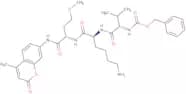
CAS:<p>Bortezomib is a proteasome inhibitor that binds to the catalytic site of the proteasome and inhibits its activity. Bortezomib is used as an anticancer agent to treat multiple myeloma, T-cell lymphomas, and other cancers. It has been shown to inhibit the growth of cancer cells and slow tumor progression in animal models. The drug has also been shown to decrease insulin resistance in mice with high blood sugar levels by inhibiting histone deacetylase (HDAC). This inhibition leads to increased expression of genes that are involved in glucose metabolism and decreased expression of genes that regulate fat production.<br>The drug also binds tightly to the insulin receptor, which may lead to improved glucose uptake into cells.</p>Formula:C34H45N5O7SPurity:Min. 95%Molecular weight:667.82 g/molNeuromedin U-8 (porcine) trifluoroacetate salt
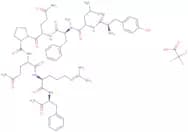
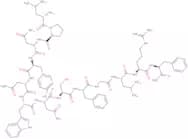
CAS:<p>Neuromedin U-8 (porcine) trifluoroacetate salt H-Tyr-Phe-Leu-Phe-Arg-Pro-Arg-Asn-NH2 trifluoroacetate salt is a molecule that inhibits the action of vasoactive intestinal peptide. It is a peptide hormone that has been shown to be involved in the regulation of bowel function and blood pressure. Neuromedin U-8 (porcine) trifluoroacetate salt H-Tyr-Phe-Leu-Phe-Arg-Pro-Arg-Asn NH2 trifluoroacetate salt has also been shown to inhibit cell proliferation, cancer, and inflammatory bowel disease. Neuromedin U 8 (porcine) trifluoroacetate salt H Tyr Phe Leu Phe Arg Pro Arg Asn NH2 trifluoroacetate salt binds to the receptor for</p>Formula:C54H78N16O10Purity:Min. 95%Molecular weight:1,111.3 g/mol3-Piperidin-1-ylpropanoic acid
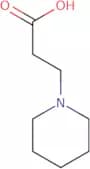
CAS:<p>3-Piperidin-1-ylpropanoic acid is a hydroxylated compound that belongs to the group of aromatic hydrocarbons. It has been shown to inhibit the activity of enzymes such as model studies and test compounds, which are used in biological samples. 3-Piperidin-1-ylpropanoic acid is not active against mouse tumor cells and does not show any locomotor activity. The terminal half life of this drug has been determined in urine samples from mice at 20 hours.</p>Formula:C8H15NO2Purity:Min. 95%Molecular weight:157.21 g/molProtein Kinase P34 (cd2) Substrate trifluoroacetate salt
CAS:<p>H-ADAQHATPPKKKRKVEDPKDF-OH peptide, which can act as a substrate of Protein Kinase P34 (cd2). The peptide is supplied as a trifluoroacetate salt.</p>Formula:C106H172N32O32Purity:Min. 95%Molecular weight:2,406.7 g/molPyrrole-2-carboxylic acid
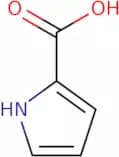
CAS:<p>Pyrrole-2-carboxylic acid is a polycyclic aromatic compound that can be found in coal tar. It has been shown to have anti-inflammatory, antiallergic, and antifungal properties. Pyrrole-2-carboxylic acid is produced by the human body as an intermediate in the metabolism of tryptophan. This compound can also be synthesized and used to treat chronic bronchitis, which is caused by excessive mucus production and inflammation of the airways. The reaction mechanism for pyrrole-2-carboxylic acid is similar to that of other drugs that are used in respiratory therapy, such as aminophylline or acetylcysteine.</p>Formula:C5H5NO2Purity:Min. 95%Molecular weight:111.1 g/molAdrenomedullin 5 (primate) trifluoroacetate salt
CAS:<p>Please enquire for more information about Adrenomedullin 5 (primate) trifluoroacetate salt including the price, delivery time and more detailed product information at the technical inquiry form on this page</p>Formula:C253H394N82O71S2Purity:Min. 95%Molecular weight:5,784.48 g/mol(Des-Thr5)-Glucagon trifluoroacetate salt
CAS:<p>Please enquire for more information about (Des-Thr5)-Glucagon trifluoroacetate salt including the price, delivery time and more detailed product information at the technical inquiry form on this page</p>Formula:C149H218N42O47SPurity:Min. 95%Molecular weight:3,381.65 g/molHexanedioic acid
CAS:<p>Hexanedioic acid is a glycol ether that is used as an extraction solvent. It has been shown to be a good solvent for the separation of organic acids and aromatic compounds, such as malonic acid and caproic acid. Hexanedioic acid has also been shown to be a good solvent for the removal of sulfur and nitrogen compounds from water vapor. Hexanedioic acid can also be used as an oxidation catalyst in the chemical industry. Hexanedioic acid is stable in acidic and alkaline environments, but not in basic environments.</p>Formula:C6H10O4Color and Shape:White Off-White PowderMolecular weight:146.14 g/molTetrabutylammonium acetate
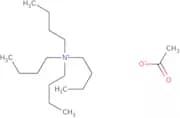
CAS:<p>Tetrabutylammonium acetate is a complex of tetrabutylammonium with the trifluoroacetate anion. It has been used as a reagent for the preparation of α-hydroxylated ketones, including natural products. Tetrabutylammonium acetate can be used in titration calorimetry to measure the heat evolved during the reaction between hydroxyl group and sodium salts. The heat released corresponds to the amount of water produced from this reaction. In this way, it can be determined whether or not a molecule contains an active hydrogen atom. Tetrabutylammonium acetate also reacts with reactive compounds such as dpp-iv inhibitors, forming a reactive intermediate that cannot be isolated due to its instability. This intermediate is detected by analytical methods such as plasma mass spectrometry or infrared spectroscopy. Tetrabutylammonium acetate also reacts with asymmetric synthesis, forming an intram</p>Formula:C16H36N•C2H3O2Purity:Min. 95%Color and Shape:PowderMolecular weight:301.51 g/mol5-Formyltetrahydropteroic acid
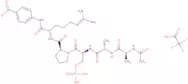
CAS:<p>5-Formyltetrahydropteroic acid is a labile, water soluble compound that can be used as a chromatographic standard. It has been used to determine the purity of water by measuring the concentration of this impurity in the sample. 5-Formyl tetrahydropterin has been shown to inhibit tumor growth and induce apoptosis in cancer cells. This compound also inhibits protein synthesis in cells by inhibiting ribosomal RNA processing and decreasing the rate of protein synthesis. 5-Formyltetrahydropteroic acid is also used to prevent bone marrow from producing red blood cells when given with leucovorin, which prevents the breakdown of bone marrow cells caused by radiation therapy or chemotherapy.</p>Formula:C15H16N6O4Purity:Min. 95%Molecular weight:344.33 g/molAc-Ala-Ala-Ser(PO3H2)-Pro-Arg-pNA trifluoroacetate salt
CAS:<p>Please enquire for more information about Ac-Ala-Ala-Ser(PO3H2)-Pro-Arg-pNA trifluoroacetate salt including the price, delivery time and more detailed product information at the technical inquiry form on this page</p>Formula:C28H43N10O12PPurity:Min. 95%Molecular weight:742.67 g/mol(Asp28)-Exenatide trifluoroacetate salt
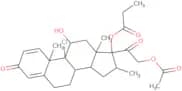
CAS:<p>Please enquire for more information about (Asp28)-Exenatide trifluoroacetate salt including the price, delivery time and more detailed product information at the technical inquiry form on this page</p>Formula:C184H281N49O61SPurity:Min. 95%Molecular weight:4,187.56 g/molBeclomethasone 21-acetate 17-propionate
CAS:Controlled Product<p>Please enquire for more information about Beclomethasone 21-acetate 17-propionate including the price, delivery time and more detailed product information at the technical inquiry form on this page</p>Formula:C27H35ClO7Purity:Min. 95%Molecular weight:507.02 g/molMyelin Basic Protein (85-99) Peptide Antagonist trifluoroacetate salt
CAS:<p>Please enquire for more information about Myelin Basic Protein (85-99) Peptide Antagonist trifluoroacetate salt including the price, delivery time and more detailed product information at the technical inquiry form on this page</p>Formula:C70H114N18O21Purity:Min. 95%Molecular weight:1,543.76 g/mol1-{[5-(Cyclopropylcarbonyl)-1-methyl-4,5,6,7-tetrahydro-1H-pyrazolo[4,3-c]pyridin-3-yl]carbonyl}piperidine-4-carboxylic acid
CAS:<p>Please enquire for more information about 1-{[5-(Cyclopropylcarbonyl)-1-methyl-4,5,6,7-tetrahydro-1H-pyrazolo[4,3-c]pyridin-3-yl]carbonyl}piperidine-4-carboxylic acid including the price, delivery time and more detailed product information at the technical inquiry form on this page</p>Formula:C18H24N4O4Purity:Min. 95%Molecular weight:360.41 g/mol4-Hydroxyphenyl acetate
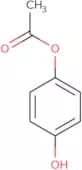
CAS:<p>4-Hydroxyphenyl acetate is a naturally occurring fatty acid that is found in many plants. It has been isolated from the seeds of Telfairia occidentalis and has been shown to inhibit the growth of bacteria at a pH of 7.5, with an optimal pH of 8.0. 4-Hydroxyphenyl acetate is an activated form of this compound, which means it contains two hydroxyl groups and does not have to be synthesized by enzymes. 4-Hydroxyphenyl acetate inhibits bacterial enzyme activities such as DNA gyrase and RNA polymerase, which are necessary for transcription and replication. The structure analysis of 4-hydroxy phenylacetate was determined using trifluoroacetic acid (TFA) on a wild-type strain of Escherichia coli K12.</p>Formula:C8H8O3Purity:Min. 98 Area-%Color and Shape:PowderMolecular weight:152.15 g/molVIP sulfoxide (human, mouse, rat) trifluoroacetate salt
CAS:<p>Please enquire for more information about VIP sulfoxide (human, mouse, rat) trifluoroacetate salt including the price, delivery time and more detailed product information at the technical inquiry form on this page</p>Formula:C147H238N44O43SPurity:Min. 95%Molecular weight:3,341.8 g/molN-α-Fmoc-Nβ-allyloxycarbonyl-L-2,3-diaminopropionic acid
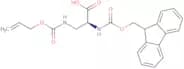
CAS:<p>Please enquire for more information about N-alpha-Fmoc-Nbeta-allyloxycarbonyl-L-2,3-diaminopropionic acid including the price, delivery time and more detailed product information at the technical inquiry form on this page</p>Formula:C22H22N2O6Purity:Min. 95%Molecular weight:410.53 g/molH-Arg-Arg-Arg-Arg-OH trifluoroacetate salt
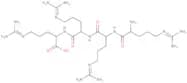
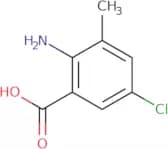
CAS:<p>Trifluoroacetate salt</p>Formula:C24H50N16O5Purity:Min. 95%Molecular weight:642.76 g/mol2-Amino-5-chloro-3-methylbenzoic acid
CAS:<p>2-Amino-5-chloro-3-methylbenzoic acid (ACMB) is a substructure of the insecticidal compound chlorantraniliprole. It is a solid at room temperature and has a molecular weight of 142.15 g/mol. ACMB can be extracted from n-hexane, chlorantraniliprole, or xylene using gravimetric analysis. The bioactivity of ACMB can be determined by an anthranilic assay, while its solubility data are available in the literature. ACMB has been shown to have insecticidal activity against lepidoptera larvae and cyanuric activity against mosquito larvae.</p>Formula:C8H8ClNO2Purity:Min. 95%Molecular weight:185.61 g/molPACAP-38 (human, mouse, ovine, porcine, rat) trifluoroacetate salt
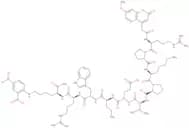
CAS:<p>PACAP-38 is a peptide that has been shown to have a variety of physiological effects, including the regulation of brain functions and immunological responses. PACAP-38 has been found to bind to toll-like receptor 4 (TLR4) in macrophages and neutrophils, which stimulates the production of proinflammatory cytokines. It also interacts with adenylate cyclase, which leads to an increase in cAMP levels. This may be the mechanism by which PACAP-38 regulates brain functions. The biological function of PACAP-38 is not yet clear but it may act as a signal peptide, regulating protein synthesis and gene expression.</p>Formula:C203H331N63O53SPurity:Min. 95%Molecular weight:4,534.26 g/molMca-Arg-Pro-Lys-Pro-Val-Glu-Nva-Trp-Arg-Lys(Dnp)-NH2 trifluoroacetate salt
CAS:<p>Please enquire for more information about Mca-Arg-Pro-Lys-Pro-Val-Glu-Nva-Trp-Arg-Lys(Dnp)-NH2 trifluoroacetate salt including the price, delivery time and more detailed product information at the technical inquiry form on this page</p>Formula:C78H110N22O20Purity:Min. 95%Molecular weight:1,675.84 g/molpTH-Related Protein (1-37) (human, mouse, rat) trifluoroacetate salt
CAS:<p>Please enquire for more information about pTH-Related Protein (1-37) (human, mouse, rat) trifluoroacetate salt including the price, delivery time and more detailed product information at the technical inquiry form on this page</p>Formula:C197H317N63O53Purity:Min. 95%Molecular weight:4,416.02 g/molMethyl 4-tert-butylphenylacetate
CAS:<p>Methyl 4-tert-butylphenylacetate is a chemical compound that has been used in various research collaborations. It is also used as a solvent for the production of octanoic acid and isobutyric acid, which are important chemical compounds for use in the food industry. The utilisation of methyl 4-tert-butylphenylacetate has been studied by researchers in relation to its maltol, levulinate and hexanoic acid derivatives. This compound can be used as a replacement for other chemicals such as sulfate, butanedione and propylene glycol in industrial applications.</p>Formula:C13H18O2Purity:Min. 95%Molecular weight:206.28 g/molVIP Receptor-Binding Inhibitor L-8-K trifluoroacetate salt
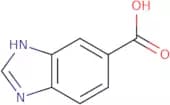
CAS:<p>Please enquire for more information about VIP Receptor-Binding Inhibitor L-8-K trifluoroacetate salt including the price, delivery time and more detailed product information at the technical inquiry form on this page</p>Formula:C50H77N9O12SPurity:Min. 95%Molecular weight:1,028.27 g/molBenzimidazole-5-carboxylic acid
CAS:<p>Benzimidazole-5-carboxylic acid is a monoclonal antibody that binds to the amide group of an amino acid. It has been shown to be a potent inhibitor of cell growth in cervical cancer cells and rat liver microsomes. It also showed inhibitory activity against fatty acid and nucleotide synthesis. Benzimidazole-5-carboxylic acid is a benzimidazole compound that has been shown to have anti-inflammatory effects in animal models and also inhibits the replication of HIV. This drug can inhibit the replication of influenza A virus in vitro and may be useful as an antiviral agent for treatment of influenza A infection.</p>Formula:C8H6N2O2Purity:Min. 98%Color and Shape:PowderMolecular weight:162.15 g/molH-Ile-NHOH acetate salt
CAS:<p>H-Ile-NHOH acetate salt is an inhibitor of l-amino acid metabolism. It is a competitive inhibitor of the enzyme L-amino acid oxidase, which catalyzes the conversion of l-amino acids to alpha-keto acids and ammonia. H-Ile-NHOH acetate salt has been shown to inhibit the growth of wild type C. glutamicum in a molecular modeling study. In addition, this compound has been shown to block messenger RNA (mRNA) synthesis in a mutant strain of C. glutamicum that does not have the frameshifting mutation. H-Ile-NHOH acetate salt is also known to be an inhibitor of fatty acid biosynthesis by blocking the activity of acyl carrier protein synthetase and acyl carrier protein reductase.</p>Formula:C6H14N2O2Purity:Min. 95%Molecular weight:146.19 g/molMAGE-1 Antigen (161-169) (human) acetate salt
CAS:<p>MAGE-1 is a costimulatory molecule that is expressed on the surface of antigen presenting cells. It has been shown to be a very potent target for monoclonal antibodies. MAGE-1 can be used as an antigen in diagnostic tests, such as ELISA and Western blotting. It can also be used to generate monoclonal antibodies for use as therapeutic agents in cancer therapy and for the treatment of viral infections such as influenza virus. The MAGE-1 antigen has been shown to have high affinity binding with the paratope of Papilloma virus, which may help explain its clinical relevance in these diseases.</p>Formula:C41H57N11O17Purity:Min. 95%Molecular weight:975.96 g/molNeuroendocrine Regulatory Peptide-1 (rat) trifluoroacetate salt
CAS:<p>Please enquire for more information about Neuroendocrine Regulatory Peptide-1 (rat) trifluoroacetate salt including the price, delivery time and more detailed product information at the technical inquiry form on this page</p>Formula:C110H180N32O38Purity:Min. 95%Molecular weight:2,558.8 g/mol(D-Trp6)-LHRH (free acid) trifluoroacetate salt
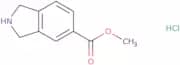
CAS:<p>Please enquire for more information about (D-Trp6)-LHRH (free acid) trifluoroacetate salt including the price, delivery time and more detailed product information at the technical inquiry form on this page</p>Formula:C64H81N17O14Purity:Min. 95%Molecular weight:1,312.43 g/molMethyl isoindoline-5-carboxylate HCl
CAS:<p>Please enquire for more information about Methyl isoindoline-5-carboxylate HCl including the price, delivery time and more detailed product information at the technical inquiry form on this page</p>Formula:C10H12ClNO2Purity:Min. 95%Molecular weight:213.66 g/molNeuromedin U-25 (human) trifluoroacetate salt
CAS:<p>Please enquire for more information about Neuromedin U-25 (human) trifluoroacetate salt including the price, delivery time and more detailed product information at the technical inquiry form on this page</p>Formula:C141H203N41O38Purity:Min. 95%Molecular weight:3,080.37 g/molCART (55-102) (human) trifluoroacetate salt
CAS:<p>CART (55-102) is a specific amino acid that has been shown to bind to the CART receptor. It has been found in human and rat tissue, including the brain, pituitary gland, and pancreas. This compound is thought to be involved in regulating appetite and energy expenditure. The CART (55-102) trifluoroacetate salt has been shown to be active in a variety of animal models for obesity and diabetes, as well as for reducing food intake.</p>Formula:C225H365N65O65S7Purity:Min. 95%Molecular weight:5,245.17 g/molEndomorphin-2 trifluoroacetate salt
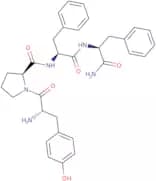
CAS:<p>Endomorphin-2 is a cyclic peptide that is the endogenous ligand for the neurokinin-1 receptor and kappa-opioid receptors. It has been shown to have analgesic, anti-inflammatory, and antidiarrheal properties. Endomorphin-2 also has been shown to inhibit platelet aggregation and vasoconstriction in vivo. The biological activities of endomorphin-2 are similar to those of endomorphin-1, but it differs structurally in that it contains a single intramolecular hydrogen bond between the amide nitrogen of Tyr and Pro. This intramolecular hydrogen bond may be responsible for the high potency of endomorphin-2, as well as its conformational stability.</p>Formula:C32H37N5O5Purity:Min. 95%Molecular weight:571.67 g/moltert-Butyl carbamate
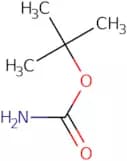
CAS:<p>tert-Butyl carbamate is a chemical compound that has been shown to inhibit the ubiquitin ligases, which are enzymes responsible for protein degradation. It binds to the active site of these enzymes and inhibits their activity. Tert-butyl carbamate has also been shown to have anti-inflammatory properties due to its ability to inhibit prostaglandin synthesis. This drug has been shown to be safe in humans at high doses and has a low toxicity profile.</p>Formula:C5H11NO2Purity:Min. 95%Color and Shape:White PowderMolecular weight:117.15 g/molZ-Gly-Pro-Arg-4MbNA acetate salt
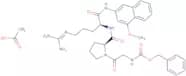
CAS:Controlled Product<p>Please enquire for more information about Z-Gly-Pro-Arg-4MbNA acetate salt including the price, delivery time and more detailed product information at the technical inquiry form on this page</p>Formula:C32H39N7O6·C2H4O2Purity:Min. 95%Molecular weight:677.75 g/mol(D-Tyr1,N-Me-Phe3)-Neuropeptide FF trifluoroacetate salt
CAS:<p>Please enquire for more information about (D-Tyr1,N-Me-Phe3)-Neuropeptide FF trifluoroacetate salt including the price, delivery time and more detailed product information at the technical inquiry form on this page</p>Formula:C55H78N14O11Purity:Min. 95%Molecular weight:1,111.3 g/mol








![1-{[5-(Cyclopropylcarbonyl)-1-methyl-4,5,6,7-tetrahydro-1H-pyrazolo[4,3-c]pyridin-3-yl]carbonyl}pi…](/_next/image/?url=https%3A%2Fstatic.cymitquimica.com%2Fproducts%2F3D%2Fthumb-webp%2FFC119596.webp&w=3840&q=75)