Carboxylic Acids
Found 12457 products of "Carboxylic Acids"
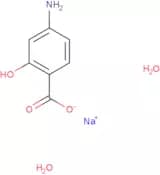
4-Aminosalicylic acid sodium salt dihydrate
CAS:4-Aminosalicylic acid sodium salt dihydrate is a molecule that has been shown to be useful for the diagnosis of viral, autoimmune, and cancerous diseases. It is a diagnostic agent that can be used in both the diagnosis and treatment of bowel disease. 4-Aminosalicylic acid sodium salt dihydrate can also be used to treat cavity formation in teeth. It binds to fatty acids in the target tissue, which leads to cell death by apoptosis. This drug has been shown to be effective against inflammatory bowel disease (IBD) as well as other types of bowel disease. This drug has been shown to have no adverse effects on healthy cells or tissues, but it may cause kidney toxicity when taken orally or injected intravenously.
Formula:C7H6NNaO3·2H2OPurity:Min. 95%Color and Shape:White PowderMolecular weight:211.15 g/molRef: 3D-FA32507
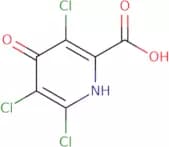
Discontinued product3,5,6-Trichloro-4-hydroxy-2-picolinic acid
CAS:3,5,6-Trichloro-4-hydroxy-2-picolinic acid is a high quality reagent that is used as a building block for the synthesis of complex compounds with potential pharmaceutical applications. It can be used as an intermediate in the production of fine chemicals and speciality chemicals. This compound is also useful for research purposes and as a versatile building block for reactions.
Formula:C6H2Cl3NO3Purity:Min. 95%Color and Shape:White to off-white solid.Molecular weight:242.44 g/molNb[n-N-butyl-N-acetyl]aminopropionic acid ethyl ester
CAS:Nb[n-N-butyl-N-acetyl]aminopropionic acid ethyl ester is a nitro compound that can be used as a repellent. It is often used in pharmaceutical preparations, such as topical and oral medications. The Nb[n-N-butyl-N-acetyl]aminopropionic acid ethyl ester molecule has nitrogen atoms with two hydrogens each, which are separated by an oxygen atom. This makes it a polar molecule because the hydrogen atoms are not on the same side of the molecule. The Nb[n-N-butyl-N-acetyl]aminopropionic acid ethyl ester also contains two carboxylic acids, which are fatty acids with one carbon atom and two hydrogens each. This makes it an organic compound that can be analyzed using gas chromatography or high performance liquid chromatography.
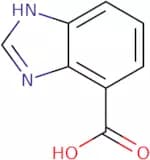
Formula:C11H21NO3Purity:Min. 95%Color and Shape:Clear LiquidMolecular weight:215.29 g/molBenzimidazole-4-carboxylic acid
CAS:Benzimidazole-4-carboxylic acid (BICA) is a chemical compound that belongs to the group of serotonergic drugs. It is used in the treatment of hypertension, although it has not been approved by the FDA for this indication. BICA binds to the 5-HT1A receptor and 5-HT4 receptor and acts as an agonist at these sites. It has also been shown to inhibit nitric oxide production. The antihypertensive effects of BICA are thought to be due to its ability to increase cardiac contractility, decrease peripheral vascular resistance, and improve renal function.
Formula:C8H6N2O2Purity:Min. 95%Color and Shape:White To Light Brown SolidMolecular weight:162.15 g/molRef: 3D-FB05897
Discontinued productPhenylhydrazine-4-sulfonic acid
CAS:Phenylhydrazine-4-sulfonic acid is a solid catalyst that is used in the formation of ternary complexes. It can be used to study mitochondrial membrane potential and reactive oxygen species production by diazonium salt. Phenylhydrazine-4-sulfonic acid has also been used as a model system for acylation reactions, with p-hydroxybenzoic acid as the acylating agent. This chemical is acidic and reacts with hydrochloric acid to produce phenylhydrazine and 4-chlorophenol. Phenylhydrazine-4-sulfonic acid is chemically stable in acidic solution.
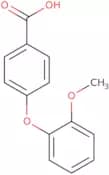
Formula:C6H8N2O3SPurity:Min. 95%Color and Shape:White PowderMolecular weight:188.21 g/mol4-(2-Methoxyphenoxy)benzoic acid
CAS:4-(2-Methoxyphenoxy)benzoic acid is a white crystalline solid with a melting point of 50°C. It is soluble in water, ethanol, ether, and chloroform. 4-(2-Methoxyphenoxy)benzoic acid has been used as a starting material for the synthesis of pharmaceuticals such as carbamazepine (Tegretol). The compound has two methoxy groups on the phenyl ring that are susceptible to nucleophilic attack by strong bases. This reaction occurs at room temperature and can be reversed by heating the solution to 150°C. The compound also undergoes polycondensation reactions when heated in the presence of an oxidizing agent.
Formula:C14H12O4Purity:Min. 95%Color and Shape:White PowderMolecular weight:244.24 g/molRef: 3D-FM52928
Discontinued productHeptadecanoic acid
CAS:Heptadecanoic acid is a fatty acid that is a major component of the human sebum. It has been shown to be an oxidation catalyst for polyunsaturated fatty acids and can be used in the production of caproic acid and alkanoic acid from their corresponding glycol esters. It has also been shown to have enzyme activities, such as oxidizing phospholipids and hydrolyzing triglycerides. Heptadecanoic acid is a normal constituent of human serum, but its concentration varies among individuals. It can be used as a control analysis to determine if another fatty acid is present in the sample, or it can be used as a biological sample to study energy metabolism or epidermal growth factor.
Formula:C17H34O2Purity:Min. 95%Color and Shape:PowderMolecular weight:270.45 g/molRef: 3D-FH63213
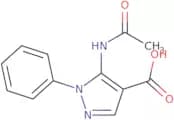
Discontinued product5-(Acetylamino)-1-phenyl-1H-pyrazole-4-carboxylic acid
CAS:5-(Acetylamino)-1-phenyl-1H-pyrazole-4-carboxylic acid is a useful building block for the synthesis of complex organic compounds. It is a versatile intermediate that can be used in the synthesis of pharmaceuticals, agrochemicals, and other fine chemicals. 5-(Acetylamino)-1-phenyl-1H-pyrazole-4-carboxylic acid can be used to produce high quality research chemicals and speciality chemicals. The CAS number for this compound is 51649-69-5.
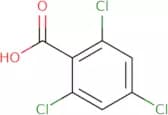
Formula:C12H11N3O3Purity:Min. 95%Color and Shape:White to pale yellow solid.Molecular weight:245.23 g/mol2,4,6-Trichlorobenzoic acid
CAS:2,4,6-Trichlorobenzoic acid is a trifluoroacetic acid that has been used as a solvent in vitro assays and as a carbon source for kinetic studies. It has also been shown to be an effective inhibitor of bacterial growth when tested with dextrans. 2,4,6-Trichlorobenzoic acid is toxic to cells in culture and can inhibit fatty acid synthesis by inhibiting the activity of fatty acid synthase.
2,4,6-Trichlorobenzoic acid has also been found to have anti-inflammatory properties and may be useful for the treatment of asthma.Formula:C7H3Cl3O2Purity:Min. 95%Color and Shape:PowderMolecular weight:225.46 g/molRef: 3D-FT45080
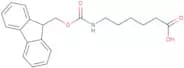
Discontinued productFmoc-6-aminohexanoic acid
CAS:Fmoc-6-aminohexanoic acid is an amino acid that can be used as a building block for peptides and proteins. It has a hydroxide group that can be reacted with other molecules in order to form a covalent bond. The compound reacts with sodium hydroxide solution to produce a particle that is soluble in water and organic solvents. Fmoc-6-aminohexanoic acid also inhibits the protease activity of subtilisin BPN' and leucine aminopeptidase, which are enzymes that break down proteins into smaller polypeptides. This material is functionalized with carboxyl groups on both ends, making it reactive and able to react with other molecules.
Formula:C21H23NO4Purity:Min. 98 Area-%Color and Shape:White Off-White PowderMolecular weight:353.41 g/molRef: 3D-FF47372
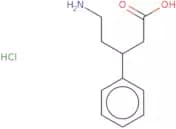
Discontinued product4-(Aminomethyl)-3-phenylbutyric acid hydrochloride
CAS:4-(Aminomethyl)-3-phenylbutyric acid hydrochloride is a reagent that can be used as a building block in synthesizing new chemical compounds. It is also an intermediate for the synthesis of 4-(aminomethyl)benzoic acid, which is useful for producing pharmaceuticals, pesticides, and other agrochemicals. 4-(Aminomethyl)-3-phenylbutyric acid hydrochloride has a CAS number of 860252-34-2 and can be used in reactions with a variety of reagents to produce fine chemicals, research chemicals, and speciality chemicals.
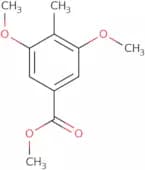
Formula:C11H16ClNO2Purity:Min. 95%Molecular weight:229.7 g/mol3,5-Dimethoxy-4-methylbenzoic acid methyl ester
CAS:3,5-Dimethoxy-4-methylbenzoic acid methyl ester (DMMBME) is a synthetic compound that is used as an immunogen to generate antibodies against fungal proteins. DMMBME is specifically used to identify the presence of bryoria and australian fungi in plants. The chemical structure of DMMBME can be oxidized by depsidones, which leads to the production of reactive oxygen species that are believed to be responsible for the oxidative coupling of target proteins. This reaction can be catalyzed by a number of enzymes such as nidulin, which is found in plant roots.
Formula:C11H14O4Purity:Min. 95%Color and Shape:PowderMolecular weight:210.23 g/mol2-Chloro-5-(4-chloro-5-difluoromethoxy-1-methylpyrazol-3-yl)-4-fluorophenoxyacetic acid monohydrate
CAS:2-Chloro-5-(4-chloro-5-difluoromethoxy-1-methylpyrazol-3-yl)-4-fluorophenoxyacetic acid monohydrate (2,4,5P) is a phenoxy herbicide that has been shown to be an effective broadleaf and grass weed control agent. 2,4,5P is a granule formulation that can be applied by helicopter or ground equipment. It has synergistic effects with glyphosate when applied together to soybean plants and can be used in combination with other herbicides for more effective weed control.
Formula:C13H9Cl2F3N2O·H2OPurity:Min. 95%Color and Shape:White PowderMolecular weight:355.14 g/molRef: 3D-FC156954
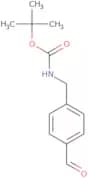
Discontinued producttert-Butyl 4-formylbenzylcarbamate
CAS:Tert-butyl 4-formylbenzylcarbamate is a versatile building block that can be used as a fine chemical, research chemical, or reagent. It is a high quality, complex compound that can be used to make other useful compounds. Tert-butyl 4-formylbenzylcarbamate is a useful intermediate in the synthesis of drugs and pesticides. It is an efficient reaction component for the synthesis of heterocycles and natural products. This compound is also useful as a building block for synthesizing pharmaceuticals and other organic compounds.
Formula:C13H17NO3Purity:Min. 95%Color and Shape:White/Off-White SolidMolecular weight:235.28 g/molRef: 3D-FB139436
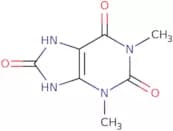
Discontinued product1,3-Dimethyluric acid
CAS:Controlled Product1,3-Dimethyluric acid is a metabolite of caffeine. It is formed by the oxidative deamination of 1,3-dimethylxanthine in the liver. The concentrations of 1,3-dimethyluric acid are elevated in patients with chronic renal failure and those who are taking theophylline. The concentration–time curve for 1,3-dimethyluric acid was found to be linear and predictable after intravenous administration of caffeine at a dose of 10 mg/kg body weight in rats. This suggests that it is possible to estimate the rate of elimination from plasma after intravenous dosing with caffeine based on measurements of plasma concentrations and time. The metabolism of caffeine involves two pathways: oxidative deamination (1,3-dimethyluric acid) and demethylation (paraxanthine). It has been shown that the metabolites 1,3-dimethyluric acid and paraxanthine are formed by different metabolic pathways. The
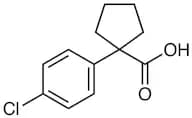
Formula:C7H8N4O3Purity:Min. 98 Area-%Color and Shape:White PowderMolecular weight:196.16 g/mol1-(4-Chlorophenyl)-1-cyclopentanecarboxylic Acid
CAS:Formula:C12H13ClO2Purity:>98.0%(GC)(T)Color and Shape:White to Almost white powder to crystalMolecular weight:224.68Clavulanic acid ammonium
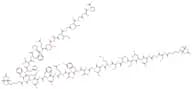
CAS:Clavulanic acid is a beta-lactamase inhibitor that is used to treat infections caused by bacteria that are resistant to penicillin. It is a combination of clavulanate and ammonium. Clavulanic acid blocks the action of beta-lactamases, which are enzymes produced by bacteria that can destroy penicillin before it can act on the bacterial cell wall. Clavulanic acid has been shown to be active against penicillin-resistant strains of Staphylococcus aureus, Enterobacter cloacae, and Klebsiella pneumoniae. Clavulanic acid also inhibits the growth of Mycobacterium avium complex and Mycobacterium tuberculosis.Formula:C8H9NO5•NH3Purity:Min. 95%Molecular weight:216.19 g/molBiotinyl-(Cys1,Lys(biotinyl)18)-Calcitonin (human) trifluoroacetate salt
CAS:Please enquire for more information about Biotinyl-(Cys1,Lys(biotinyl)18)-Calcitonin (human) trifluoroacetate salt including the price, delivery time and more detailed product information at the technical inquiry form on this pageFormula:C171H254N44O49S5Purity:Min. 95%Molecular weight:3,870.44 g/molTAPS
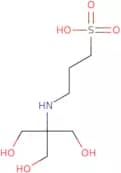
CAS:TAPS, also known as 3-[(Tris(hydroxymethyl)methyl)amino]-1-propanesulfonic acid, is a buffering agent that can be used in capillary electrophoresis with DNA and can form metal complexes. It has an optimal pH range of 7.7-9.1 and a pKa of 8.4.
Formula:C7H17NO6SPurity:Min. 95%Color and Shape:SolidMolecular weight:243.28 g/molRef: 3D-FT39128
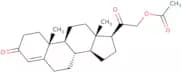
Discontinued productDeoxy corticosterone acetate
CAS:Controlled ProductDeoxy corticosterone acetate is a synthetic analogue of the natural compound corticosterone. It has been shown to cause liver lesions, cardiac effects, and hypertension in laboratory animals. Deoxy corticosterone acetate binds to dinucleotide phosphate and prevents its conversion into cytosolic calcium. This interaction inhibits the phosphorylation of myocardial proteins and reduces the production of ATP in heart muscle cells. The binding of deoxycorticosterone acetate to DNA is also an important factor in its toxicity.
Formula:C23H32O4Purity:Min. 97 Area-%Color and Shape:White Off-White PowderMolecular weight:372.5 g/mol2-Aminothiazole-5-carboxylic acid
CAS:2-Aminothiazole-5-carboxylic acid is a synthetic compound that is currently being investigated as a potential anticancer agent. 2-Aminothiazole-5-carboxylic acid has shown anticancer activity in clinical studies, with an increase in the number of cancer cells killed and a decrease in the number of cancer cells surviving after treatment. The mechanism of action for this drug is not well understood, but it may be due to its ability to inhibit cellular processes such as DNA synthesis and protein synthesis.
2-Aminothiazole-5-carboxylic acid does not show significant toxicity at therapeutic doses, although it can cause some side effects including nausea, vomiting, constipation, diarrhea, headaches, and fever.Formula:C4H4N2O2SPurity:Min. 95%Color and Shape:PowderMolecular weight:144.15 g/molRef: 3D-FA36283
Discontinued product2-Amino-4-thiazolecarboxylic acid
CAS:2-Amino-4-thiazolecarboxylic acid is a potent antiviral agent that inhibits influenza virus replication. It has been shown to be effective in vivo against the growth of tumor cells and to inhibit the activity of viral proteases. It also inhibits the activity of human plasma cholinesterase, which may be due to its structural similarity to acetylcholine. 2-Amino-4-thiazolecarboxylic acid is soluble in water and hydrochloric acid, but insoluble in ether or chloroform. This compound has been used as an analytical standard for measuring plasma levels of chloride ions by ion chromatography.
Formula:C4H4N2O2SPurity:Min. 95%Color and Shape:PowderMolecular weight:144.15 g/molRef: 3D-FA43719
Discontinued product1-(2-Chlorophenyl)-5-phenyl-1-H-pyrazole-3-carboxylic acid
CAS:Controlled Product1-(2-Chlorophenyl)-5-phenyl-1H-pyrazole-3-carboxylic acid is a high quality, reagent, complex compound that has been shown to be useful as an intermediate in the synthesis of a number of different compounds. It has been shown to be useful as a speciality chemical and research chemicals with versatile building blocks that can be used for the synthesis of other compounds. The CAS number for 1-(2-chlorophenyl)-5-phenyl-1H-pyrazole-3-carboxylic acid is 116572-69-1.
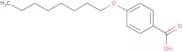
Formula:C16H11ClN2O2Purity:Min. 95%Molecular weight:298.72 g/mol4-n-Octyloxybenzoic Acid
CAS:4-n-Octyloxybenzoic Acid is a chemical compound that is soluble in organic solvents. It has a phase transition temperature of 156 °C and a melting point of 141 °C. 4-n-Octyloxybenzoic Acid is used as an intermediate in the synthesis of other compounds. It can be used as a fluorescence probe to detect intermolecular hydrogen bonding or as an intermediate in the Suzuki coupling reaction, which is used to polymerize styrene. 4-n-Octyloxybenzoic Acid can also be used as a liquid crystal composition for optical microscopy. It has been found to have ternary mixtures with butyric acid and phenol and dipole properties that are sensitive to changes in pH and ion concentration.
4-n-Octyloxybenzoic Acid has been shown to be able to activate the suzuki coupling reaction by donating its lone pair electrons to the carbonyl carbon atomFormula:C15H22O3Purity:Min. 95%Color and Shape:PowderMolecular weight:250.33 g/mol3-Oxodecanoic acid ethyl ester
CAS:3-Oxodecanoic acid ethyl ester is a selenium compound that can be catalytic. It has been shown to produce lactones by the cyclization of an anthranilic acid. Selenium compounds are often used as research catalysts in organic synthesis, specifically for the elimination and cyclization reactions. 3-Oxodecanoic acid ethyl ester is also a natural product that can be found in various plants and animals. It has been found to have an active role in many natural products, such as benzyne and heterocycles.
Formula:C12H22O3Purity:Min. 95%Color and Shape:PowderMolecular weight:214.3 g/molRef: 3D-FO15283
Discontinued product(1R,4R)-tert-Butyl 2,5-diazabicyclo[2.2.1]heptane-2-carboxylate hydrochloride
CAS:Tert-Butyl 2,5-diazabicyclo[2.2.1]heptane-2-carboxylate hydrochloride (TBDAHC) is a fine chemical that is an intermediate for the synthesis of other compounds. TBDAHC is a versatile building block that can be used in research chemicals, reaction components, and specialty chemicals. It is also a useful scaffold for making complex compounds and useful building blocks. The compound has high quality and can be used as a reagent in organic chemistry.
Formula:C10H18N2O2·HClPurity:Min. 95%Color and Shape:White PowderMolecular weight:234.72 g/molRef: 3D-FB15223
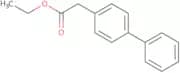
Discontinued productEthyl 4-biphenylacetate
CAS:Ethyl 4-biphenylacetate is a fatty acid that inhibits the oxidation of lipids by inhibiting the synthesis of lipids. It also has an inhibitory effect on lipid metabolism and is used in the treatment of metabolic disorders. Ethyl 4-biphenylacetate has been shown to be effective against hepatitis and zearalenone, which are both metabolic diseases. It also reduces blood pressure in mice and rats, which may be due to its ability to inhibit the synthesis of lipids in blood vessels.
Formula:C16H16O2Purity:Min. 98 Area-%Color and Shape:PowderMolecular weight:240.3 g/molRef: 3D-FE71236
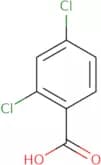
Discontinued product2,4-Dichlorobenzoic acid
CAS:2,4-Dichlorobenzoic acid is a chemical compound that is commonly used for sample preparation for analytical methods. It is also used as a nutrient in group P2 bacteria. 2,4-Dichlorobenzoic acid has coordination geometry of octahedral with the central atom being surrounded by six ligands. This chemical has hydrogen bonding interactions that are most likely due to the electronegative chlorine atoms.
Formula:C7H4Cl2O2Purity:Min. 95%Color and Shape:PowderMolecular weight:191.01 g/molRef: 3D-FD39142
Discontinued productUndecenoic acid
CAS:Undecenoic acid is an antimicrobial agent that is used in the treatment of infectious diseases. This compound has been shown to have significant cytotoxicity against C. glabrata, a yeast that causes vaginal yeast infections, and also inhibits the growth of other human pathogens such as Listeria monocytogenes and Salmonella typhimurium. Undecenoic acid has a broad spectrum of activity against bacteria and fungi and is effective when used at low concentrations. It is not active against viruses or protozoa. The reaction mechanism for undecenoic acid is unknown but it may be due to its ability to react with water vapor in the air to form undecenal, which then reacts with malonic acid to form malonaldehyde. Undecenoic acid binds to proteins through hydrogen bonding and hydrophobic interactions, forming complexes that inhibit bacterial growth by interfering with DNA replication, protein synthesis, and enzyme activity.
Formula:C11H20O2Purity:Min. 95%Color and Shape:PowderMolecular weight:184.28 g/molRef: 3D-FU12136
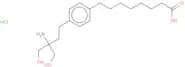
Discontinued productFTY720 octanoic acid hydrochloride
CAS:Please enquire for more information about FTY720 octanoic acid hydrochloride including the price, delivery time and more detailed product information at the technical inquiry form on this page
Formula:C19H31NO4•HClPurity:Min. 95%Molecular weight:373.92 g/molRef: 3D-FF23613
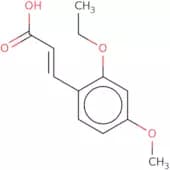
Discontinued product2-Ethoxy-4-methoxycinnamic acid
CAS:2-Ethoxy-4-methoxycinnamic acid is a synthetic chemical with the CAS number 1372859-34-1. It is a versatile building block that can be used for the synthesis of many complex compounds. 2-Ethoxy-4-methoxycinnamic acid is one of a number of scaffolds that are useful for creating fine chemicals and research chemicals. This compound is also an intermediate in many reactions and can be used as a reagent to produce other substances.
Formula:C12H14O4Purity:Min. 95%Molecular weight:222.24 g/mol2-[2-[4-[Bis(4-fluorophenyl)methyl]piperazin-1-yl]ethoxy]acetic acid HCl
CAS:2-[2-[4-[Bis(4-fluorophenyl)methyl]piperazin-1-yl]ethoxy]acetic acid HCl (BAY-85788) is a drug which acts as a histamine receptor antagonist. It has been shown to be effective in the treatment of idiopathic urticaria. BAY-85788 has also been found to have less potential for drug interactions than other histamine receptor antagonists, and does not cause an increase in blood pressure, unlike other compounds with this activity. This compound is metabolized by cytochrome P450 enzymes and does not contain nitrogen atoms or heterocyclic rings. Experimental studies have shown that orally administered BAY-85788 is absorbed from the GI tract and eliminated unchanged in urine. Studies have also shown that BAY-85788 is active against inflammatory diseases such as atopic dermatitis, asthma, and chronic obstructive pulmonary disease (COPDFormula:C21H24F2N2O3·xHClPurity:Min. 95%Color and Shape:PowderMolecular weight:390.42 g/molRef: 3D-FB98570
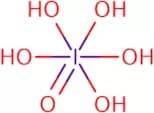
Discontinued productPeriodic acid
CAS:Periodic acid is a natural product that has been used as an antimicrobial agent for more than 100 years. It has been shown to have pro-apoptotic properties in a number of cell systems, including monocyte-like cells, hepatocyte-like cells, and epidermal growth factor receptor-transfected cells. Periodic acid is also effective against inflammatory bowel disease in infants. This drug also has anti-inflammatory effects and may be useful for the treatment of autoimmune diseases. Periodic acid inhibits the metabolic rate in cell cultures by blocking oxidative phosphorylation at complex I and II, leading to increased levels of reactive oxygen species (ROS). This ROS production induces apoptosis through a caspase cascade.
Formula:H5IO6Purity:Min. 95%Color and Shape:White Clear LiquidMolecular weight:227.94 g/molRef: 3D-FP16075
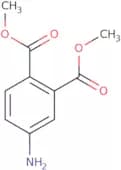
Discontinued product4-Aminophthalic acid dimethyl ester
CAS:4-Aminophthalic acid dimethyl ester is a product of the reaction between p-hydroxybenzoic acid and phosphorus pentachloride. It is used in analytical methods to determine the amount of 4-aminophthalic acid in an unknown sample. This product reacts with polyclonal antibodies against 4-aminophthalic acid, which are attached to a solid support, forming an antigen-antibody complex. The amount of 4-aminophthalic acid present can be determined by measuring the extent of the colour change that occurs when hydrochloric acid is added to the mixture.
Formula:C10H11NO4Purity:Min. 95%Color and Shape:SolidMolecular weight:209.2 g/molRef: 3D-FA66157
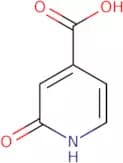
Discontinued product2-Hydroxyisonicotinic acid
CAS:2-Hydroxyisonicotinic acid is a synthetic analog of isonicotinic acid that is used as a nonheme iron chelator. It has been shown to inhibit the growth of cavity-causing bacteria in vitro by binding to iron enzymes, such as methane monooxygenase and n-oxide reductase. 2-Hydroxyisonicotinic acid inhibits bacterial growth by binding to the enzyme complexes containing iron, thereby inhibiting the synthesis of fatty acids and pyridine compounds. X-ray crystal structures have also shown that this compound binds to the nonheme iron at two sites, which may explain its ability to inhibit bacterial growth.
Formula:C6H5NO3Purity:Min. 95%Color and Shape:PowderMolecular weight:139.11 g/molRef: 3D-FH50815
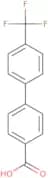
Discontinued product4'-Trifluoromethyl-biphenyl-4-carboxylic acid
CAS:4'-Trifluoromethyl-biphenyl-4-carboxylic acid is a versatile building block that is used in the synthesis of complex compounds. It is also a useful reagent, intermediate, and scaffold for organic reactions. The chemical's CAS number is 195457-71-7. This product has a high quality and can be used as a research chemical or speciality chemical.
Formula:C14H9F3O2Purity:Min. 95%Color and Shape:PowderMolecular weight:266.22 g/molRef: 3D-FT33145
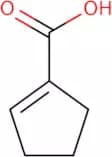
Discontinued product1-Cyclopentene-1-carboxylic acid
CAS:1-Cyclopentene-1-carboxylic acid is a natural product with antimicrobial and anti-inflammatory properties. It has been shown to inhibit the production of proinflammatory cytokines, such as tumor necrosis factor (TNF), and prostaglandins, which are important in the pathogenesis of inflammatory diseases. 1-Cyclopentene-1-carboxylic acid also inhibits the activity of Cox-2 and has been shown to have cancer regulatory activities. This compound binds to β-amino acid receptors and can be used as an oxidation catalyst for trifluoroacetic acid.
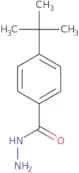
Formula:C6H8O2Purity:Min. 95%Color and Shape:White/Off-White SolidMolecular weight:112.13 g/mol4-tert-Butylbenzoic acid hydrazide
CAS:4-tert-Butylbenzoic acid hydrazide is a compound that can be used in the treatment of cancer. It has been shown to inhibit anhydrase in the presence of organic solvents, such as methanol. 4-tert-Butylbenzoic acid hydrazide has also been shown to have anticancer activity and can be used as a chemotherapeutic agent. This drug inhibits DNA synthesis by forming covalent bonds with the nucleotide bases through displacement of the enzyme histidine kinase and inhibition of the enzyme carbonic anhydrase II. 4-tert-Butylbenzoic acid hydrazide is also capable of inhibiting xanthine oxidase and aconitase in vitro, which are enzymes involved in cellular respiration. 4-tert-Butylbenzoic acid hydrazide has been found to be more potent than phenacetin and acetaminophen, drugs that are commonly used
Formula:C11H16N2OPurity:Min. 95%Color and Shape:PowderMolecular weight:192.26 g/molZinc diethyldithiocarbamate
CAS:Zinc diethyldithiocarbamate is an inorganic compound that has been shown to have potent anti-inflammatory and antipyretic properties. It has been used as a chemical inhibitor of phospholipase A2, which is an enzyme involved in the inflammatory process. Zinc diethyldithiocarbamate also has been shown to be a potent inducer of metallothionein and other proteins that are involved in detoxification processes. This drug has been used as an injection solution for the treatment of infectious diseases such as tuberculosis, leprosy, brucellosis, and malaria. Zinc diethyldithiocarbamate is also used as a pharmacological agent for the treatment of myocardial infarction.
Formula:C10H20N2S4ZnPurity:Min. 95%Color and Shape:PowderMolecular weight:361.92 g/molRef: 3D-FZ58712
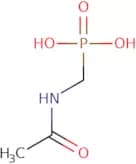
Discontinued productN-Acetylaminomethylphosphonic acid
CAS:N-Acetylaminomethylphosphonic acid is a benzylcompound with an amide group on the nitrogen atom. It has three resonance structures, two of which are shown below.
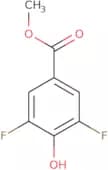
Formula:C3H8NO4PPurity:Min. 95%Color and Shape:White PowderMolecular weight:153.07 g/mol3,5-Difluoro-4-hydroxybenzoic acid methyl ester
CAS:3,5-Difluoro-4-hydroxybenzoic acid methyl ester (DFHBME) is a chemical compound that belongs to the class of useful building blocks. It is used in research as a reagent and in the synthesis of various complex compounds. DFHBME reacts with nucleophiles such as amines or alcohols to produce useful intermediates or scaffolds for organic synthesis. This compound is also useful as a speciality chemical due to its high quality and versatility.
Formula:C8H6F2O3Purity:Min. 95%Color and Shape:PowderMolecular weight:188.13 g/molRef: 3D-FD66549
Discontinued product3-Acetamidobenzoic acid
CAS:3-Acetamidobenzoic acid is a metabolite of erythromycin. It is used as a contrast agent in radiocontrast studies, and has also been used to immobilize enzymes. 3-Acetamidobenzoic acid can be synthesized from erythromycin by methylation with metrizamide or methyl alcohol. The reaction rate of this compound is slow, which makes it an excellent candidate for immobilization on cation exchange resins. 3-Acetamidobenzoic acid has functional groups that are primary amines, making it a good substrate for the enzyme aminopeptidase. This compound also reacts with methylamine to form 3-methylaminobenzoic acid, which is a competitive inhibitor of the enzyme methylaminopeptidase.
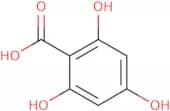
Formula:C9H9NO3Purity:Min. 95%Color and Shape:PowderMolecular weight:179.17 g/mol2,4,6-Trihydroxybenzoic acid
CAS:2,4,6-Trihydroxybenzoic acid is the sodium salt of 2,4,6-trihydroxybenzoic acid. It is a white to off-white crystalline powder with a molecular weight of 198.2 and a melting point of 197°C. The chemical formula for this compound is C7H5O5Na. This product has been shown to exhibit antimicrobial activity against Gram-positive and Gram-negative bacteria, including methicillin resistant Staphylococcus aureus (MRSA). In addition, 2,4,6-trihydroxybenzoic acid has been shown to inhibit the production of proteins that are necessary for bacterial growth.
Formula:C7H6O5Purity:Min. 95%Color and Shape:PowderMolecular weight:170.12 g/molRef: 3D-FT71833
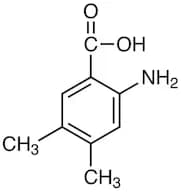
Discontinued product2-Amino-4,5-dimethylbenzoic Acid
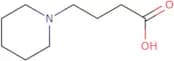
CAS:Formula:C9H11NO2Purity:>97.0%(T)(HPLC)Color and Shape:White to Yellow powder to crystalMolecular weight:165.194-Piperidinobutyric acid
CAS:The aim of this study is to assess the effect of 4-Piperidinobutyric acid (4-PABA) on the efficiency of rats in a dietary model. The experimental design included two treatments with different levels of 4-PABA, and a control group with no supplementation. The experiment was conducted by feeding rats a diet with low protein content (6% casein), and measuring their weight gain, feed intake, and food conversion ratio (FCR). The results indicated that 4-PABA had no statistically significant effects on weight gain or feed intake. However, FCR was significantly higher for the high 4-PABA treatment group. These findings support the hypothesis that dietary protein is an important determinant in rat energy metabolism.
Formula:C9H17NO2Purity:Min. 95%Molecular weight:171.24 g/molRef: 3D-FP57479
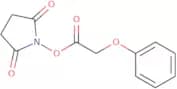
Discontinued productPhenoxyacetic acid N-hydroxysuccinimide ester
CAS:Phenoxyacetic acid N-hydroxysuccinimide ester is a nucleic acid research reagent. It is an uncharged molecule that can be used to inhibit the activity of ribonucleic acid or transfer RNA. Phenoxyacetic acid N-hydroxysuccinimide ester has been shown to have antibacterial activity against gram-positive bacteria and gram-negative bacteria, including methicillin resistant Staphylococcus aureus. This compound has also been shown to bind to the anticodon stem region of tRNA molecules and inhibit protein synthesis by preventing the binding of aminoacyl tRNA synthetases to their cognate mRNA codons.Formula:C12H11NO5Purity:Min. 95%Color and Shape:PowderMolecular weight:249.22 g/molRef: 3D-FP163884
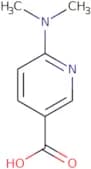
Discontinued product6-(Dimethylamino)nicotinic acid
CAS:6-(Dimethylamino)nicotinic acid is a fine chemical and research chemical that is useful as a building block for complex compounds. It is also used as a reagent in the synthesis of other chemicals, or as an intermediate or scaffold molecule in organic chemistry. This chemical has been shown to be useful in the synthesis of many drugs, including penicillin and erythromycin. 6-(Dimethylamino)nicotinic acid has CAS number 82846-28-4.
Formula:C8H10N2O2Purity:Min. 95%Color and Shape:White PowderMolecular weight:166.18 g/molRef: 3D-FD122894
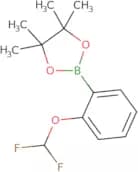
Discontinued product2-Difluoromethoxyphenylboronic acid pinacol ester
CAS:2-Difluoromethoxyphenylboronic acid pinacol ester is a high quality reagent that can be used as a useful intermediate, fine chemical, or speciality chemical in reactions. This compound is an important building block for synthesizing other chemicals and can also be used to make novel compounds with pharmaceutical properties. 2-Difluoromethoxyphenylboronic acid pinacol ester is versatile and can be used in many different reactions. It has been reported to react with various other molecules to form new scaffolds and building blocks for use in organic synthesis.
Formula:C13H17BF2O3Purity:Min. 95%Color and Shape:PowderMolecular weight:270.08 g/molRef: 3D-FD103354
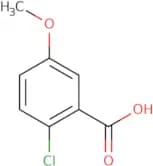
Discontinued product2-Chloro-5-methoxybenzoic acid
CAS:2-Chloro-5-methoxybenzoic acid (2CMB) is a copper chelator that has been shown to have antagonistic properties against microglia cells. 2CMB is synthesized from 2,5-dichlorobenzoic acid and methoxylamine. It has been shown to inhibit the synthesis of inflammatory mediators in rat spinal cord microglia cells by inhibiting the activity of polyphosphoric acid, anions and additives. 2CMB also has a high affinity for chloride ions and can be used as a tracer to measure chloride profiles. 2CMB reacts with copper ions at a slow rate and can be used as an indicator for the presence of microglia cells.
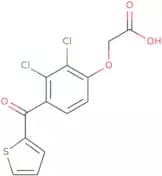
Formula:C8H7ClO3Purity:Min. 95%Molecular weight:186.59 g/molTienilic acid
CAS:Tienilic acid is a drug that belongs to the group of diastolic pressure-lowering drugs. It lowers blood pressure by inhibiting the renin-angiotensin system, which is a hormone system that regulates blood pressure. Tienilic acid inhibits the activity of renin and angiotensin converting enzyme (ACE), which are enzymes involved in the production of angiotensin II, a peptide that causes vasoconstriction and stimulates the release of aldosterone from the adrenal gland. Tienilic acid has been shown to be safe for use in humans and animals at doses up to 300 mg/kg/day, although it can cause adverse effects such as drug reactions or drug metabolites. Tienilic acid has also been shown to inhibit protease activity in human liver cells, suggesting that it may have an inhibitory effect on other proteases as well.
Formula:C13H8Cl2O4SPurity:Min. 95%Color and Shape:PowderMolecular weight:331.17 g/molRef: 3D-FT28272
Discontinued product

![Nb[n-N-butyl-N-acetyl]aminopropionic acid ethyl ester](/_next/image/?url=https%3A%2Fstatic.cymitquimica.com%2Fproducts%2F3D%2Fthumb-webp%2FFN149896.webp&w=3840&q=75)








![(1R,4R)-tert-Butyl 2,5-diazabicyclo[2.2.1]heptane-2-carboxylate hydrochloride](/_next/image/?url=https%3A%2Fstatic.cymitquimica.com%2Fproducts%2F3D%2Fthumb-webp%2FFB15223.webp&w=3840&q=75)

![2-[2-[4-[Bis(4-fluorophenyl)methyl]piperazin-1-yl]ethoxy]acetic acid HCl](/_next/image/?url=https%3A%2Fstatic.cymitquimica.com%2Fproducts%2F3D%2Fthumb-webp%2FFB98570.webp&w=3840&q=75)