Carboxylic Acids
Carboxylic acids are organic molecules characterized by having a carboxyl-type functional group (-COOH). These acids are fundamental in various chemical reactions, including esterification, amidation, and decarboxylation. Carboxylic acids are widely used in the production of pharmaceuticals, polymers, and agrochemicals. In this section, you can find a large number of carboxylic acids ready to be used. At CymitQuimica, we provide a broad range of high-quality carboxylic acids to support your research and industrial applications.
Found 12453 products of "Carboxylic Acids"
Sort by
Purity (%)
0
100
|
0
|
50
|
90
|
95
|
100
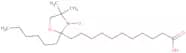
12-Doxyl stearic acid
CAS:<p>12-Doxyl stearic acid is a fatty acid that inhibits the vasoactive intestinal peptide (VIP). The inhibitory effect of 12-Doxyl stearic acid on VIP was demonstrated by incubating the cells with this fatty acid and measuring the change in mitochondrial Ca2+ concentration. This inhibition was shown to be due to the inhibition of fatty acids and not an effect on Ca2+ ion channels. Fatty acids are important for normal cellular function, such as maintaining membrane fluidity and aiding in signal transduction. 12-Doxyl stearic acid has been shown to inhibit the production of cardiac fatty acids and may be useful in treating cardiac disorders. 12-Doxyl stearic acid also has a fluorescence probe that can be used to study how cells react to different conditions, such as changes in water vapor or pH levels.</p>Formula:C22H42NO4Purity:Min. 95%Color and Shape:Yellow Clear LiquidMolecular weight:384.57 g/mol(R)-2-Hydroxy-4-phenylbutyric acid ethyl ester
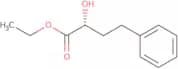
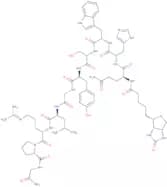
CAS:<p>(R)-2-Hydroxy-4-phenylbutyric acid ethyl ester is a chiral compound that can be synthesized by an asymmetric synthesis reaction. The compound has been shown to inhibit the enzyme phosphodiesterase, which plays a role in the regulation of cardiac function. (R)-2-Hydroxy-4-phenylbutyric acid ethyl ester has also been shown to induce proliferation of recombinant cells and to bind to monoclonal antibodies against human C5a receptor. It is soluble in organic solvents such as isooctane or pyridine and stable under acidic or basic conditions.</p>Formula:C12H16O3Purity:Min. 95%Color and Shape:LiquidMolecular weight:208.25 g/molBiotinyl-(Gln1)-LHRH trifluoroacetate salt Biotinyl-Gln-His-Trp-Ser-Tyr-Gly-Leu-Arg-Pro-Gly-NH2 trifluoroacetate salt
CAS:<p>Please enquire for more information about Biotinyl-(Gln1)-LHRH trifluoroacetate salt Biotinyl-Gln-His-Trp-Ser-Tyr-Gly-Leu-Arg-Pro-Gly-NH2 trifluoroacetate salt including the price, delivery time and more detailed product information at the technical inquiry form on this page</p>Formula:C65H92N20O15SPurity:Min. 95%Molecular weight:1,425.62 g/molEthyl 4-bromoacetoacetate
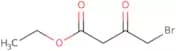
CAS:<p>Ethyl 4-bromoacetoacetate is a chemical compound that is used in the synthesis of quinoline derivatives. It also has antiinflammatory properties and can be used to treat inflammatory diseases such as arthritis. The thermal expansion of this compound is greater than that of water, which can be useful in treating respiratory problems by providing increased oxygen transport. Ethyl 4-bromoacetoacetate is a reactive chemical that reacts with hydrochloric acid to produce hydrogen gas and ethyl bromide gas. It also undergoes nucleophilic substitutions at the carbon atom adjacent to the acetoacetate group. This reaction solution can be analyzed using magnetic resonance spectroscopy, which produces data on the sequences of this compound's atoms and its antiinflammatory activity.</p>Formula:C6H9BrO3Purity:90%NmrMolecular weight:209.04 g/molBNP-32 (rat) trifluoroacetate
CAS:<p>Trifluoroacetate salt</p>Formula:C146H239N47O44S3Purity:Min. 95%Molecular weight:3,452.95 g/mol3-p-Coumaroylquinic acid
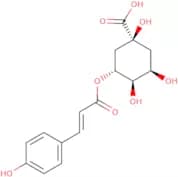
CAS:<p>3-p-Coumaroylquinic acid is a natural compound found in plants. It has been shown to have antibacterial properties and can be used as an alternative to antibiotics for the treatment of opportunistic fungal infections. 3-p-Coumaroylquinic acid exhibits hypoglycemic activity, which may be due to its ability to inhibit glucose absorption by the gut. This compound can also be analyzed using a surface methodology that involves analyzing the surface of an object with a chemical reagent.</p>Formula:C16H18O8Purity:Min. 95%Color and Shape:PowderMolecular weight:338.31 g/molPAR-2 (1-6) (human) trifluoroacetate salt
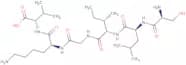
CAS:<p>PAR-2 is a cytosolic protein that is activated by calcium. PAR-2 activation induces the synthesis of prostaglandins and other inflammatory mediators, which stimulate the release of substances from cells such as cytokines and chemokines. PAR-2 also has an important role in cell proliferation, differentiation, apoptosis, and cancer development. PAR-2 activation is induced by proteases such as trypsin or soybean trypsin inhibitor. The trifluoroacetate salt form of PAR-2 (1-6) has been used to inhibit protease activity in colon cancer cells and prostate cancer cells.<br>PAR-2 (1-6) (human) trifluoroacetate salt H-Ser-Leu-Ile-Gly-Lys-Val-OH trifluoroacetate salt is a potent chemical inhibitor of trypsin activity with IC50 values of 0.5 µM for soybean trypsin inhibitor</p>Formula:C28H53N7O8Purity:Min. 95%Molecular weight:615.76 g/molCortistatin-29 (human) trifluoroacetate salt
CAS:<p>Please enquire for more information about Cortistatin-29 (human) trifluoroacetate salt including the price, delivery time and more detailed product information at the technical inquiry form on this page</p>Formula:C149H223N47O42S3Purity:Min. 95%Molecular weight:3,440.85 g/molAbz-Amyloid β/A4 Protein Precursor770 (708-715)-Lys(Dnp)-D-Arg-D-Arg-D-Arg amide trifluoroacetate salt
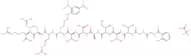
CAS:<p>Please enquire for more information about Abz-Amyloid beta/A4 Protein Precursor770 (708-715)-Lys(Dnp)-D-Arg-D-Arg-D-Arg amide trifluoroacetate salt including the price, delivery time and more detailed product information at the technical inquiry form on this page</p>Formula:C69H114N26O18Purity:Min. 95%Molecular weight:1,595.81 g/mol(Sar 1,Ile4·8)-Angiotensin II trifluoroacetate salt
CAS:<p>Please enquire for more information about (Sar 1,Ile4·8)-Angiotensin II trifluoroacetate salt including the price, delivery time and more detailed product information at the technical inquiry form on this page</p>Formula:C43H75N13O9Purity:Min. 95%Molecular weight:918.14 g/molH-Gly-Pro-Pro-OH trifluoroacetate salt
CAS:<p>H-Gly-Pro-Pro-OH trifluoroacetate salt is an amide with a high specificity and low energy. This compound is activated by sequences of collagen, which may be due to its ability to hydrate intracellular calcium concentrations. H-Gly-Pro-Pro-OH trifluoroacetate salt has been shown to have polymerase chain activation activity in the presence of lysine residues, and it can bind to regulatory sites on DNA. H-Gly-Pro-Pro-OH trifluoroacetate salt has also been shown to have hydroxyproline hydroxylase activity, which leads to a helical structure.</p>Formula:C12H19N3O4Purity:Min. 95%Molecular weight:269.3 g/mol2-Phenylpropionic acid
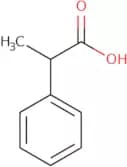
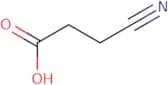
CAS:<p>2-Phenylpropionic acid is a reactive chemical that can be synthesized by an asymmetric process. It has been used in the synthesis of nonsteroidal anti-inflammatory drugs, as it inhibits the activity of cyclooxygenase and lipoxygenase enzymes. This chemical also binds to the hydroxyl group on target proteins, inhibiting their function. 2-Phenylpropionic acid is metabolized by microbial metabolism and can inhibit the activity of drug-metabolizing enzymes such as CYP3A4 and CYP2D6. It may also interact with other drugs that are processed by these enzymes, including warfarin and carbamazepine. 2-Phenylpropionic acid is a competitive inhibitor that binds to the active site of an enzyme and blocks its access to its substrate molecule. The binding of 2-phenylpropionic acid to enzyme's active site prevents the reactant from entering and reacting with the enzyme, thereby preventing a</p>Formula:C9H10O2Purity:Min. 95%Color and Shape:Colorless Clear LiquidMolecular weight:150.17 g/mol3-Cyanopropanoic acid
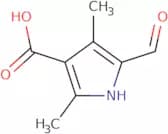
CAS:<p>3-Cyanopropanoic acid is a reactive compound that forms a complex with palladium. It is produced by the reaction of acrylonitrile and chloride in the presence of a base such as sodium hydroxide. The reaction mechanism is shown below:</p>Formula:C4H5NO2Purity:Min. 95%Color and Shape:PowderMolecular weight:99.09 g/mol5-Formyl-2,4-dimethyl-1H-pyrrole-3-carboxylic acid
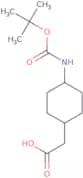
CAS:<p>5-Formyl-2,4-dimethyl-1H-pyrrole-3-carboxylic acid is a chemical compound that is used in the formylation of amines to produce formamides. It has been optimized for industrial production by optimizing reaction time, formylation conditions, and solvents. It has also been shown that 5-formyl-2,4-dimethyl-1H-pyrrole-3-carboxylic acid produces good yields and high product purity.</p>Formula:C8H9NO3Purity:Min. 95%Molecular weight:167.16 g/molBoc-trans-4-aminocyclohexane acetic acid
CAS:<p>Please enquire for more information about Boc-trans-4-aminocyclohexane acetic acid including the price, delivery time and more detailed product information at the technical inquiry form on this page</p>Formula:C13H23NO4Molecular weight:257.33 g/molMethyl 4-tert-butylphenylacetate
CAS:<p>Methyl 4-tert-butylphenylacetate is a chemical compound that has been used in various research collaborations. It is also used as a solvent for the production of octanoic acid and isobutyric acid, which are important chemical compounds for use in the food industry. The utilisation of methyl 4-tert-butylphenylacetate has been studied by researchers in relation to its maltol, levulinate and hexanoic acid derivatives. This compound can be used as a replacement for other chemicals such as sulfate, butanedione and propylene glycol in industrial applications.</p>Formula:C13H18O2Purity:Min. 95%Molecular weight:206.28 g/mol(D-Trp6)-LHRH acetate salt
CAS:<p>Please enquire for more information about (D-Trp6)-LHRH acetate salt including the price, delivery time and more detailed product information at the technical inquiry form on this page</p>Formula:C64H82N18O13·xC2H4O2Purity:Min. 95%Molecular weight:1,311.45 g/mol(Gly14)-Humanin (human) trifluoroacetate salt
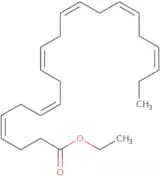
CAS:<p>Please enquire for more information about (Gly14)-Humanin (human) trifluoroacetate salt including the price, delivery time and more detailed product information at the technical inquiry form on this page</p>Formula:C118H202N34O31S2Purity:Min. 95%Molecular weight:2,657.21 g/molDocosahexaenoic acid ethyl ester
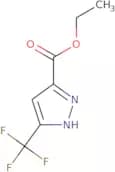
CAS:<p>Docosahexaenoic acid ethyl ester (DHAEE) is a biologically active form of docosahexaenoic acid (DHA), which is an omega-3 polyunsaturated fatty acid. DHAEE is synthesized from DHA through the process of acylation with ethanol. It has been shown to have antioxidant and anti-inflammatory properties in animal studies, as well as improved brain functions. When given to rats, it prevents neuronal death and has been shown to reduce the risk of congestive heart failure.</p>Formula:C24H36O2Purity:Min. 95%Color and Shape:Colorless Yellow Clear LiquidMolecular weight:356.54 g/mol5-(Trifluoromethyl)-1H-Pyrazole-3-carboxylic Acid Ethyl Ester
CAS:<p>Please enquire for more information about 5-(Trifluoromethyl)-1H-Pyrazole-3-carboxylic Acid Ethyl Ester including the price, delivery time and more detailed product information at the technical inquiry form on this page</p>Formula:C7H7F3N2O2Purity:Min. 95%Molecular weight:208.14 g/molAmyloid β-Protein (1-42) (scrambled) trifluoroacetate salt
CAS:<p>Please enquire for more information about Amyloid beta-Protein (1-42) (scrambled) trifluoroacetate salt including the price, delivery time and more detailed product information at the technical inquiry form on this page</p>Formula:C203H311N55O60SPurity:Min. 95%Molecular weight:4,514.04 g/molPAR-3 (1-6) amide (mouse) trifluoroacetate salt
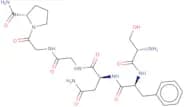
CAS:<p>Please enquire for more information about PAR-3 (1-6) amide (mouse) trifluoroacetate salt including the price, delivery time and more detailed product information at the technical inquiry form on this page</p>Formula:C25H36N8O8Purity:Min. 95%Molecular weight:576.6 g/molDynorphin A (1-8) acetate salt
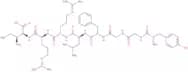
CAS:<p>Dynorphin A (1-8) acetate salt H-Tyr-Gly-Gly-Phe-Leu-Arg-Arg-Ile-OH acetate salt is a synthetic, nonpeptide opioid agonist. It binds to the delta receptor and inhibits nociception in the central nervous system. This compound has been shown to produce acute phase and subchronic toxicity in rats and has been shown to possess antinociceptive effects in mice. Dynorphin A (1-8) acetate salt H-Tyr-Gly-Gly-Phe-Leu-Arg-Arg-Ile-OH acetate salt has also been shown to antagonize the enzyme inhibitors of phospholipase A2, cyclooxygenase, and lipoxygenase.<br>MECHANISM OF ACTION: Dynorphin A (1–8) is an endogenous peptide that modulates neurotransmission at the</p>Formula:C46H72N14O10Purity:Min. 95%Molecular weight:981.15 g/molH-Ile-Arg-OH acetate salt
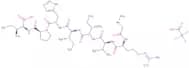
CAS:<p>H-Ile-Arg-OH acetate salt is an antioxidant that belongs to the group of amino acids. It has been shown to have antioxidative activity in vitro, as well as interaction with radicals and free radicals. Cryo-electron microscopy was used to show this compound's radical scavenging activity. H-Ile-Arg-OH acetate salt has also been found to have antioxidative properties in eukaryotes. This compound is composed of two isomers: H-Ile and Arg. The hydroxyl group on the H-Ile isomer gives this compound its antioxidative properties, while the Arg isomer possesses hydrolytic properties. The subunits are linked together by a peptide bond between the carboxyl group on Arg and the amine group on H-Ile. In addition, H-Ile has an -OH hydroxyl group that can be scavenged by hydroxyl radicals, which provides antioxidative activity.</p>Formula:C12H25N5O3Purity:Min. 95%Molecular weight:287.36 g/mol2-(4-Bromobenzo[d][1,3]dioxole-5-carboxamido)acetic acid
CAS:<p>2-(4-Bromobenzo[d][1,3]dioxole-5-carboxamido)acetic acid is a fine chemical that is used in research and as a reagent. It is also used as a building block for more complex compounds and as a versatile scaffold in organic synthesis. 2-(4-Bromobenzo[d][1,3]dioxole-5-carboxamido)acetic acid can be reacted with other chemicals to create new compounds. This chemical has been shown to have antihistamine properties and may also function as an antipsychotic drug.</p>Formula:C9H6BrNO5Purity:Min. 95%Molecular weight:288.05 g/mol(Pyr 3)-Amyloid b-Protein (3-40) trifluoroacetate salt
CAS:<p>Please enquire for more information about (Pyr 3)-Amyloid b-Protein (3-40) trifluoroacetate salt including the price, delivery time and more detailed product information at the technical inquiry form on this page</p>Formula:C187H283N51O53SPurity:Min. 95%Molecular weight:4,125.63 g/mol5-Amino-2-methoxyisonicotinic acid
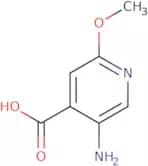
CAS:<p>5-Amino-2-methoxyisonicotinic acid is a carboxylic acid that is used in the synthesis of aminopyridines. The compound can be synthesized from formamidine acetate and diethyl dicarbonate. This process involves lithiation, followed by addition of an amine and finally conversion to the desired product with formamidine acetate. 5-Amino-2-methoxyisonicotinic acid can also be synthesized from formamide and diethyl ether. 5-Amino-2-methoxyisonicotinic acid is an analog of 2,4,6-trimethylaniline and has been shown to have similar properties to this compound, including strong basicity.</p>Formula:C7H8N2O3Purity:Min. 95%Molecular weight:168.15 g/mol(Pro3)-Dynorphin A (1-11) amide trifluoroacetate salt
CAS:<p>Please enquire for more information about (Pro3)-Dynorphin A (1-11) amide trifluoroacetate salt including the price, delivery time and more detailed product information at the technical inquiry form on this page</p>Formula:C66H108N22O12Purity:Min. 95%Molecular weight:1,401.7 g/molEthyl 2-(4-hydroxyphenyl)-4-methylthiazole-5-carboxylate
CAS:<p>Ethyl 2-(4-hydroxyphenyl)-4-methylthiazole-5-carboxylate is an anticancer agent that belongs to the class of formamidines. It is synthesized by refluxing ethyl 4-hydroxyphenylacetic acid with hexamethylenetetramine and acetic acid in ethanol. After purification, it is converted to its active form by reacting with hydrochloric acid. Ethyl 2-(4-hydroxyphenyl)-4-methylthiazole-5-carboxylate prevents the growth of cancer cells in culture by preventing DNA synthesis, which prevents RNA and protein synthesis. This agent has also been found to suppress paclitaxel production in cultured human breast cancer cells.</p>Formula:C13H13NO3SPurity:Min. 95%Molecular weight:263.31 g/molMca-Lys-Pro-Leu-Gly-Leu-Dap (Dnp)-Ala-Arg-NH2 trifluoroacetate salt
CAS:<p>Please enquire for more information about Mca-Lys-Pro-Leu-Gly-Leu-Dap (Dnp)-Ala-Arg-NH2 trifluoroacetate salt including the price, delivery time and more detailed product information at the technical inquiry form on this page</p>Formula:C55H80N16O16Purity:Min. 95%Molecular weight:1,221.32 g/mol(Gly21)-Amyloid b-Protein (1-40) trifluoroacetate salt
CAS:<p>Please enquire for more information about (Gly21)-Amyloid b-Protein (1-40) trifluoroacetate salt including the price, delivery time and more detailed product information at the technical inquiry form on this page</p>Formula:C193H293N53O58SPurity:Min. 95%Molecular weight:4,315.78 g/molFibronectin Fragment (1376-1380) trifluoroacetate salt
CAS:<p>Please enquire for more information about Fibronectin Fragment (1376-1380) trifluoroacetate salt including the price, delivery time and more detailed product information at the technical inquiry form on this page</p>Formula:C24H39N11O8Purity:Min. 95%Molecular weight:609.64 g/mol(Tyr(Me)21)-Neuropeptide Y (human, rat) trifluoroacetate salt
CAS:<p>Please enquire for more information about (Tyr(Me)21)-Neuropeptide Y (human, rat) trifluoroacetate salt including the price, delivery time and more detailed product information at the technical inquiry form on this page</p>Formula:C190H287N55O57SPurity:Min. 95%Molecular weight:4,285.71 g/molAtrial Natriuretic Factor (3-28) (rat) trifluoroacetate salt
CAS:<p>Natriuretic factor is a peptide hormone that regulates blood pressure. This peptide is encoded by a gene located on chromosome 10 and is made up of 28 amino acids. Natriuretic factor binds to the membrane of mitochondria and zymogen granules, causing them to release their contents into the cytosol. The resulting increase in cytosolic volume causes an increased diastolic pressure, as well as an increased glomerular filtration rate and cardiac output. Natriuretic factors have also been shown to stimulate the production of natriuretic peptides, which are involved in water balance and electrolyte homeostasis.</p>Formula:C119H189N43O36S2Purity:Min. 95%Molecular weight:2,862.17 g/molAxltide trifluoroacetate salt
CAS:<p>Please enquire for more information about Axltide trifluoroacetate salt including the price, delivery time and more detailed product information at the technical inquiry form on this page</p>Formula:C63H107N19O20S2Purity:Min. 95%Molecular weight:1,514.77 g/molMet(O)14-Exenatide trifluoroacetate salt
CAS:<p>Please enquire for more information about Met(O)14-Exenatide trifluoroacetate salt including the price, delivery time and more detailed product information at the technical inquiry form on this page</p>Formula:C184H282N50O61SPurity:Min. 95%Molecular weight:4,202.57 g/molZ-Gly-Pro-Arg-pNA acetate salt
CAS:Controlled Product<p>Please enquire for more information about Z-Gly-Pro-Arg-pNA acetate salt including the price, delivery time and more detailed product information at the technical inquiry form on this page</p>Formula:C27H34N8O7·C2H4O2Purity:Min. 98 Area-%Color and Shape:PowderMolecular weight:642.66 g/mol(Pen 5)-Urotensin II (4-11) (human) trifluoroacetate salt
CAS:<p>Please enquire for more information about (Pen 5)-Urotensin II (4-11) (human) trifluoroacetate salt including the price, delivery time and more detailed product information at the technical inquiry form on this page</p>Formula:C52H68N10O12S2Purity:Min. 95%Molecular weight:1,089.29 g/molH-Lys-Tyr-OH acetate salt
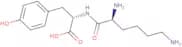
CAS:<p>H-Lys-Tyr-OH acetate salt (HAT) is a synthetic nonsteroidal anti-inflammatory drug that has been used in the treatment of inflammatory diseases and cancer. HAT is an optical isomer of the naturally occurring amino acid L-lysine. It has been shown to have antioxidative properties and to be active against HIV infection and inflammatory diseases, including diabetes. HAT also has a molecular structure that makes it a potential therapeutic agent for cancer, as well as for women with osteoporosis and other chronic inflammatory conditions.</p>Formula:C15H23N3O4Purity:Min. 95%Molecular weight:309.36 g/molH-Lys-Gly-Asp-Ser-OH trifluoroacetate salt
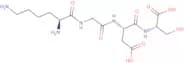
CAS:<p>Please enquire for more information about H-Lys-Gly-Asp-Ser-OH trifluoroacetate salt including the price, delivery time and more detailed product information at the technical inquiry form on this page</p>Formula:C15H27N5O8Purity:Min. 95%Molecular weight:405.4 g/molPentafluoropropionic acid
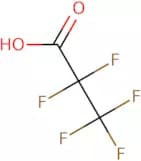
CAS:<p>Pentafluoropropionic acid is a glycol ether that is used in the preparation of coumarin derivatives. It reacts with sodium carbonate and trifluoroacetic acid to form the corresponding acyl chloride, which then reacts with nitrogen atoms (e.g., ammonia) to form an amide or urea derivative. Pentafluoropropionic acid also reacts with hydrogen fluoride to form pentafluoropropane and hydrogen fluoride gas, which can be used as a propellant for aerosol sprays. Pentafluoropropionic acid binds to toll-like receptors on cancer cells and human serum, inhibiting their ability to synthesize DNA. The compound has been shown to inhibit tumor growth in mice by blocking the formation of cancer tissues.</p>Formula:C3HF5O2Purity:Min. 95%Color and Shape:Clear LiquidMolecular weight:164.03 g/molThymosin α1 trifluoroacetate salt
CAS:<p>Please enquire for more information about Thymosin alpha1 trifluoroacetate salt including the price, delivery time and more detailed product information at the technical inquiry form on this page</p>Formula:C129H215N33O55·xC2HF3O2Purity:Min. 95%Molecular weight:3,108.28 g/molH-Cys-Ser-Arg-Ala-Arg-Lys-Gln-Ala-Ala-Ser-Ile-Lys-Val-Ala-Val-Ser-Ala-Asp-Arg-OH trifluoroacetate salt
CAS:<p>Please enquire for more information about H-Cys-Ser-Arg-Ala-Arg-Lys-Gln-Ala-Ala-Ser-Ile-Lys-Val-Ala-Val-Ser-Ala-Asp-Arg-OH trifluoroacetate salt including the price, delivery time and more detailed product information at the technical inquiry form on this page</p>Formula:C82H149N31O26SPurity:Min. 95%Molecular weight:2,017.32 g/molHIV (gp120) Fragment (421-438) trifluoroacetate salt
CAS:<p>Please enquire for more information about HIV (gp120) Fragment (421-438) trifluoroacetate salt including the price, delivery time and more detailed product information at the technical inquiry form on this page</p>Formula:C99H148N24O25S2Purity:Min. 95%Molecular weight:2,138.51 g/molpTH-Related Protein Splice Isoform 3 (140-173) (human) trifluoroacetate salt
CAS:<p>Please enquire for more information about pTH-Related Protein Splice Isoform 3 (140-173) (human) trifluoroacetate salt including the price, delivery time and more detailed product information at the technical inquiry form on this page</p>Formula:C186H313N53O44S2Purity:Min. 95%Molecular weight:4,059.94 g/mol4-(Piperidin-4-yl)benzoic acid hydrochloride
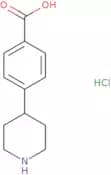
CAS:<p>Please enquire for more information about 4-(Piperidin-4-yl)benzoic acid hydrochloride including the price, delivery time and more detailed product information at the technical inquiry form on this page</p>Formula:C12H16ClNO2Purity:Min. 95%Molecular weight:241.71 g/molSalusin-α (human) trifluoroacetate salt
CAS:<p>Please enquire for more information about Salusin-alpha (human) trifluoroacetate salt including the price, delivery time and more detailed product information at the technical inquiry form on this page</p>Formula:C114H192N40O30Purity:Min. 95%Molecular weight:2,603 g/molUrocortin III (mouse) trifluoroacetate salt
CAS:<p>Trifluoroacetate salt</p>Formula:C186H312N52O52S2Purity:Min. 95%Molecular weight:4,172.92 g/molAc-Leu-Glu-His-Asp-AMC trifluoroacetate salt
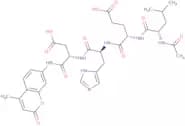
CAS:<p>Ac-Leu-Glu-His-Asp-AMC trifluoroacetate salt is a synthetic peptide that is derived from the amino acid sequence of caspases. Ac-Leu-Glu-His-Asp-AMC trifluoroacetate salt induces apoptosis in insect and E. coli cells by protease activity, which leads to cell death. The sequence of this peptide is found in Drosophila melanogaster and has been shown to induce apoptosis in insect cells. Caspases are enzymes that regulate apoptosis and play a key role in cell death.</p>Formula:C33H41N7O11Purity:Min. 95%Molecular weight:711.72 g/molFibrinopeptide A (human) trifluoroacetate salt
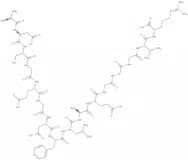
CAS:<p>Fibrinopeptide A is a peptide that is released from the fibrinolysis of fibrinogen. It can be used as a blood marker for the diagnosis of bowel disease and primary pulmonary hypertension, but not for other diseases such as infectious diseases. Fibrinopeptide A has been shown to be an effective model system for studying thrombin-mediated fibrin polymerization in vitro. This drug also can be used as a tool for investigating the disulfide bond in fibrinogen.</p>Formula:C63H97N19O26Purity:Min. 95%Molecular weight:1,536.56 g/mol






![2-(4-Bromobenzo[d][1,3]dioxole-5-carboxamido)acetic acid](/_next/image/?url=https%3A%2Fstatic.cymitquimica.com%2Fproducts%2F3D%2Fthumb-webp%2FFB66447.webp&w=3840&q=75)