Aldehydes
Aldehydes are organic compounds containing a carbonyl group (C=O) bonded to at least one hydrogen atom. These versatile compounds are fundamental in various chemical reactions, including oxidation, reduction, and nucleophilic addition. Aldehydes are essential building blocks in the synthesis of pharmaceuticals, fragrances, and polymers. At CymitQuimica, we provide a diverse selection of high-quality aldehydes to support your research and industrial applications.
Found 8540 products of "Aldehydes"
Sort by
Purity (%)
0
100
|
0
|
50
|
90
|
95
|
100
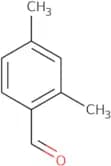
2,4-Dimethylbenzaldehyde
CAS:<p>2,4-Dimethylbenzaldehyde is used in the diagnosis of cancer. It reacts with acetaldehyde to form a compound that binds to hemoglobin and is excreted in the urine, leading to a diagnostic test for cancer. 2,4-Dimethylbenzaldehyde has been shown to be genotoxic in both in vitro and in vivo studies. This aromatic hydrocarbon has been shown to cause DNA strand breaks in the target cells through a reaction mechanism involving radical formation from acetaldehyde. In addition, 2,4-Dimethylbenzaldehyde has been shown to have genotoxic effects on mice exposed by inhalation or injection.</p>Formula:C9H10OPurity:Min. 90 Area-%Color and Shape:Colorless Clear LiquidMolecular weight:134.18 g/mol(3E)-4-(1,3-Benzodioxol-4-yl)-3-butenoic acid
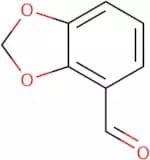
CAS:<p>2,3-Methylenedioxybenzaldehyde is an organic compound that has been used as a chemical ionization reagent in the development of chemosensors. The formyl group in this molecule reacts with chloride to produce the corresponding formate salt, which can be detected by gas chromatography. This compound has also been shown to inhibit bacterial growth in vitro and may have potential applications as a drug substance. 2,3-Methylenedioxybenzaldehyde is an isomer of 2,4-methylenedioxybenzaldehyde, which has been shown to inhibit bacterial growth via hydrogen bonding with amines and electron deficient molecules such as chlorides.<br>2,3-Methylenedioxybenzaldehyde can be used for chromatographic science and the detection of drugs in urine samples.</p>Formula:C11H10O4Purity:Min. 95%Color and Shape:PowderMolecular weight:206.19 g/mol5-Bromo-3,4-dihydroxybenzaldehyde
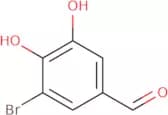
CAS:<p>5-Bromo-3,4-dihydroxybenzaldehyde (5BDBA) is a chemical compound that can be used as a reactive dye and photochemical crosslinker in the preparation of polymers. 5BDBA has been shown to have chemoattractant properties for immune cells, such as activated T lymphocytes and neutrophils. It also has been shown to have an effect on β-cells in the pancreas and skin cells. This compound has been found to activate the nuclear factor kappa-light-chain enhancer (NFκB), which leads to increased expression of chemoattractant protein (MCP). In 3T3-L1 preadipocytes, 5BDBA has been shown to induce accumulation of fatty acids by activating peroxisome proliferator activator receptor gamma.</p>Formula:C7H5BrO3Purity:Min. 95%Color and Shape:Yellow PowderMolecular weight:217.02 g/mol4-(Bromomethyl)benzaldehyde
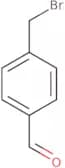
CAS:<p>4-(Bromomethyl)benzaldehyde is a chemical compound that can be synthesized by the reaction of benzaldehyde with bromine in the presence of a base. This compound has been shown to bind to human immunoglobulin G, formyl group and photophysical properties. 4-(Bromomethyl)benzaldehyde has also been used as a model for cancer studies because it binds to DNA and forms an imine bond with thymine. It has been used as a reagent for analytical methods such as phosphotungstic acid, which is a reagent used to detect proteins. The mechanism of this compound is not yet fully understood, but it may involve the formation of an imine bond with thymine in DNA.</p>Formula:C8H7BrOPurity:Min. 95%Color and Shape:PowderMolecular weight:199.04 g/mol3-Iodo-4-hydroxybenzaldehyde
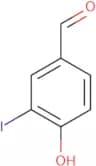
CAS:<p>3-Iodo-4-hydroxybenzaldehyde (3IB) is an amide that is found in plant tissue. It has been shown to have a number of biological activities, including hypoiodous acid production, chromatographic activity, and ether extract activity. 3IB can be synthesized from benzofuran derivatives or by treating the corresponding nitrobenzene with hydrochloric acid. Bioassays using thyroid enzyme have shown that 3IB may inhibit the synthesis of daunorubicin, a potent antitumour drug. Molecular modelling studies suggest that 3IB binds to ATP synthase by forming hydrogen bonds with the amino acids Gly and His in the active site.</p>Formula:C7H5IO2Purity:90%Color and Shape:PowderMolecular weight:248.02 g/mol3-Chloro-2-nitrobenzaldehyde
CAS:<p>3-Chloro-2-nitrobenzaldehyde is an analog of 2-nitrobenzaldehyde. It can be synthesized by reacting a halogen with benzaldehyde, such as chlorine or bromine. 3-Chloro-2-nitrobenzaldehyde is unreactive and can be used in the production of other compounds, such as pharmaceuticals. 3-Chloro-2-nitrobenzaldehyde has been shown to react with sodium methoxide to produce a methoxide. The methoxide is then reacted with an alcohol to produce an ester.</p>Formula:C7H4ClNO3Purity:Min. 95%Molecular weight:185.56 g/molSalicylaldehyde
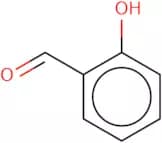
CAS:<p>Salicylaldehyde is a reactive compound that has been used as an antimicrobial and fluorescence probe. The protonation of salicylaldehyde is the rate-limiting step in its reaction with DNA, which leads to the formation of a chelate ligand. This binding results in intramolecular hydrogen bonding and linear calibration curves. Salicylaldehyde also reacts with coumarin derivatives to form a cyclic peptide, which can be used to measure glucose levels. The electrochemical impedance spectroscopy (EIS) of salicylic acid shows that it inhibits oxidative injury by preventing protein oxidation, lipid peroxidation, and hydroxyl radical production.</p>Formula:C7H6O2Purity:Min. 98.5%Color and Shape:Clear LiquidMolecular weight:122.12 g/molEnalapril diketopiperazine
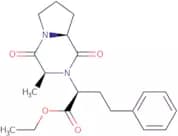
CAS:<p>Enalapril is a potassium-sparing diuretic that belongs to the group of angiotensin-converting enzyme (ACE) inhibitors. It is used in the treatment of high blood pressure and congestive heart failure. Enalapril is activated by hydrolysis to enalaprilat, which in turn inhibits the formation of angiotensin II and prevents its effects on blood vessels and kidneys. Enalapril also prevents the conversion of captopril to enalaprilat, thereby reducing its effectiveness as an ACE inhibitor.</p>Formula:C20H26N2O4Purity:Min. 95%Color and Shape:PowderMolecular weight:358.43 g/mol3,5-Dichloro-4-hydroxybenzaldehyde
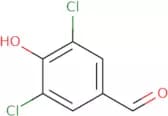
CAS:<p>3,5-Dichloro-4-hydroxybenzaldehyde is a triiodomethane derivative that reacts with chlorine to form a chlorinated aldehyde. It is used as an intermediate in the production of 4-hydroxybenzoic acid from phenylacetic acid and 4,4'-dichlorodiphenyl sulfone. 3,5-Dichloro-4-hydroxybenzaldehyde can be decarboxylated at elevated temperatures to produce formic acid. This compound has been used in wastewater treatment as it can remove chlorine byproducts and other pollutants such as nitrates, nitrites, and iron ions. The reaction kinetics of 3,5-dichloro-4-hydroxybenzaldehyde have been studied using hydroxymethyl groups and formyl groups to determine the rate of demethylation. The rates were found to be dependent on temperature.</p>Formula:C7H4Cl2O2Purity:Min. 95%Color and Shape:White PowderMolecular weight:191.01 g/mol4-(Hydroxymethyl)benzaldehyde
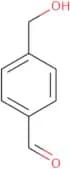
CAS:<p>4-(Hydroxymethyl)benzaldehyde is a molecule that can be used as an immunosuppressant. The molecule has been shown to inhibit the activity of tyrosinase, which is an enzyme that catalyzes the oxidation of L-tyrosine to produce melanin. 4-(Hydroxymethyl)benzaldehyde has also been shown to have chemosensory properties, which may allow it to be used in chemical sensors. It has not yet been determined if this molecule is able to inhibit the production of melanin in humans or other mammals.</p>Formula:C8H8O2Purity:Min. 95%Color and Shape:PowderMolecular weight:136.15 g/mol4-Ethoxy-3-hydroxybenzaldehyde
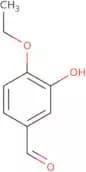
CAS:<p>4-Ethoxy-3-hydroxybenzaldehyde (4EHB) is a thioacetal that has been shown to be an effective precursor for the synthesis of many other molecules, such as combretastatin a-4. It is prepared by reaction of ethylmagnesium bromide and acetone. 4EHB has been shown to have antifungal properties in vitro, and can be used in the treatment of cancer cells. This compound is volatile and can be easily detected with headspace techniques. The functional group of this molecule is an alcohol group, which is found on the ring structure. Spectroscopic analysis shows that it has a carbonyl group with an OH group attached to it.</p>Formula:C9H10O3Purity:Min. 95%Color and Shape:Colorless PowderMolecular weight:166.17 g/mol3-Nitro-4-chlorobenzaldehyde
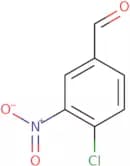
CAS:<p>3-Nitro-4-chlorobenzaldehyde is a copper complex that has been used in the study of molecular interactions. The molecule has been studied by a number of techniques, including binding experiments, vibrational spectroscopy, and light emission. 3-Nitro-4-chlorobenzaldehyde has shown bacteriostatic activity against Escherichia coli and Bacillus subtilis. This compound also appears to have potential as a drug target due to its ability to inhibit the growth of Pseudomonas aeruginosa. 3-Nitro-4-chlorobenzaldehyde may be useful in the treatment of industrial processes involving nitric acid.</p>Formula:C7H4ClNO3Purity:Min. 95%Color and Shape:White PowderMolecular weight:185.56 g/mol4-Benzyloxy-3-chlorobenzaldehyde
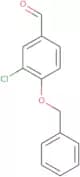
CAS:<p>4-Benzyloxy-3-chlorobenzaldehyde is a chemical intermediate that can be used for the production of a variety of compounds. It is an aromatic compound, with a benzene ring and two oxy groups at each end. The CAS number for 4-benzyloxy-3-chlorobenzaldehyde is 66422-84-2. It is also known as 1,4-dichloroacetophenone. This chemical is useful in the production of speciality chemicals and research chemicals, and it can act as a versatile building block in organic synthesis.</p>Formula:C14H11ClO2Purity:Min. 95%Molecular weight:246.69 g/mol(E)-2-Octenal
CAS:<p>(E)-2-Octenal is a reactive compound that is produced by the degradation of unsaturated fatty acids. It has been shown to have antioxidant properties, which may be due to its ability to inhibit the activity of lipoxygenase and cyclooxygenase enzymes. (E)-2-Octenal also inhibits bacterial growth through genotoxic effects, such as DNA damage and mutations. The chemical ionization mass spectrometry method has been used for identification and quantification of (E)-2-octenal in a variety of natural products, including ethyl decanoate, caproic acid, and galacturonic acid.</p>Formula:C8H14OPurity:Min. 95 Area-%Color and Shape:Clear LiquidMolecular weight:126.2 g/mol3-Hydroxybenzaldehyde
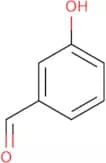
CAS:<p>3-Hydroxybenzaldehyde (3HBA) is an organic molecule that belongs to the group of substituted benzaldehydes. It has been shown to induce muscle cell proliferation in vitro and in vivo, as well as increased levels of activated caspase-3 in vitro. 3HBA also has a high resistance to hydrochloric acid, hydrogen bond, and chemical structures. It also shows properties of intramolecular hydrogen bonding and aldehyde groups. 3HBA has been shown to be active against malonic acid-induced pulmonary edema in rats, which may be due to its ability to inhibit the release of erythrocytes from the bone marrow into the circulation.</p>Formula:C7H6O2Purity:Min. 96 Area-%Color and Shape:Off-White PowderMolecular weight:122.12 g/mol3-(Methylthio)benzaldehyde
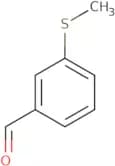
CAS:<p>3-(Methylthio)benzaldehyde is a molecule that can be used in the preparation of mandelic acid. It has been shown to inhibit the activity of lipase, an enzyme that breaks down fats. The cavity of 3-(methylthio)benzaldehyde has been studied by X-ray analysis and was found to have cationic character with silver ions. It also has functional groups that can be used for protein modification by enzymatic reactions.</p>Formula:C8H8OSPurity:Min. 95%Color and Shape:Clear LiquidMolecular weight:152.21 g/mol3-Iodobenzaldehyde
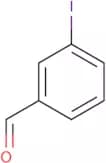
CAS:<p>3-Iodobenzaldehyde is an atypical, isomeric, low energy, functional group. It has a fluorine atom in the 3-position and three different types of functional groups: alcohol, aldehyde and carboxylic acid. This compound has been studied for its ability to bind to receptors. 3-Iodobenzaldehyde can be synthesized by reacting benzalchohde with iodine and hydrochloric acid. The technique used to produce this compound is called Grignard reaction. 3-Iodobenzaldehyde can also be prepared by heating the corresponding nitrobenzene with sodium iodide in dry ether or under refluxing conditions. This compound has a low boiling point and melts at about 170 degrees Celsius. The frequency of this molecule ranges from 98 to 102 megahertz</p>Formula:C7H5IOPurity:Min. 95%Color and Shape:PowderMolecular weight:232.02 g/mol4-Bromo-3-fluorobenzaldehyde
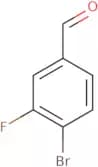
CAS:<p>4-Bromo-3-fluorobenzaldehyde is a drug substance that can be used in cancer therapy. It is a cross-linking agent that can form covalent bonds with DNA and proteins, which inhibits the ability of cells to replicate. 4-Bromo-3-fluorobenzaldehyde has been shown to have cytotoxic activity against human cancer cells in culture. This compound is synthesized by an unsymmetrical nitroaldol reaction, followed by Suzuki coupling with 3-(4′-methoxyphenyl) propanone. The structural formula for this product is C9H5BrFO2.</p>Formula:C7H4BrFOPurity:Min. 95%Molecular weight:203.01 g/mol2,4-Dichloro-5-fluorobenzaldehyde
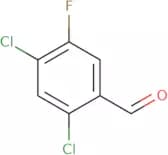
CAS:<p>2,4-Dichloro-5-fluorobenzaldehyde (2,4-DFCA) is a functional group that can be found in inorganic, fatty acids, and fatty acid. 2,4-DFCA has been shown to increase insulin-like growth factor I (IGF-I) levels in vitro and in vivo. 2,4-DFCA also increases the expression of IGF-I gene polymorphisms. This compound is used to induce insulin resistance by increasing serum level of IGF-I. 2,4-DFCA also inhibits the activity of a protein called impeller that is required for cardiac contractility. This compound can be found on the surface of untreated control cells.</p>Formula:C7H3Cl2FOPurity:Min. 95%Color and Shape:PowderMolecular weight:193 g/mol2-Hydroxy-6-(methoxymethoxy)benzaldehyde
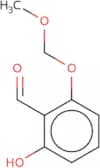
CAS:<p>2-Hydroxy-6-(methoxymethoxy)benzaldehyde is a chemical intermediate that can be used in the synthesis of a wide range of compounds. It is an aromatic compound which has two hydroxyl groups on the benzene ring. This product is a versatile building block, and is useful in the synthesis of complex compounds with high purity. 2-Hydroxy-6-(methoxymethoxy)benzaldehyde can be obtained as a white solid with a melting point of 57°C.</p>Formula:C9H10O4Purity:Min. 95%Color and Shape:Clear LiquidMolecular weight:182.17 g/mol2,4,6-Trimethoxy-3-methylbenzaldehyde
CAS:<p>2,4,6-Trimethoxy-3-methylbenzaldehyde is a flavanone that is structurally related to the drug ciprofloxacin. The two molecules share a common molecular framework with the addition of a hydroxyl group on the 2 position of the benzene ring. In molecular docking studies, 2,4,6-Trimethoxy-3-methylbenzaldehyde has shown antitubercular activity against Mycobacterium tuberculosis and Mycobacterium avium complex. It is also an inhibitor of protein tyrosine phosphatase and has been shown to have antibacterial activity against various strains of bacteria.</p>Formula:C11H14O4Purity:Min. 95%Color and Shape:PowderMolecular weight:210.23 g/molHexoprenaline sulphate
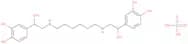
CAS:<p>β-adrenoreceptor agonist; betamimetic agent</p>Formula:C22H34N2O10SPurity:Min. 95%Color and Shape:White PowderMolecular weight:518.58 g/molImidazole-2-carboxaldehyde
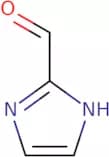
CAS:<p>Imidazole-2-carboxaldehyde is a broad-spectrum antimicrobial that has been shown to inhibit the growth of bacteria by interfering with protein synthesis. It binds to the cytosolic protein and receptor molecule, which are involved in the activation of bacterial enzymes. Imidazole-2-carboxaldehyde reacts with anhydrous sodium and copper complex to produce hydrogen bonds, which prevent the formation of the nitrogen atoms necessary for cellular processes. This chemical also has biological properties such as glyoxal, which inhibits bacterial growth by reacting with amino groups on proteins.</p>Formula:C4H4N2OPurity:Min. 98 Area-%Color and Shape:Slightly Yellow PowderMolecular weight:96.09 g/mol4-(N,N-Diethylamino)salicylaldehyde
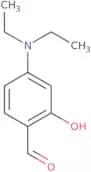
CAS:<p>4-(N,N-Diethylamino)salicylaldehyde is a coumarin derivative that has been shown to be a fluorescent probe for proton transfer. It emits light at around 400 nm when the probe is excited by light of wavelength greater than 300 nm. The emission spectrum changes from green to red as the pH increases. 4-(N,N-Diethylamino)salicylaldehyde also exhibits fluorescence enhancement in the presence of metal ions such as Fe3+, Cu2+, or Cr3+. This compound can be used as a fluorescent probe for hydrogen bonding interactions and metal hydroxides.</p>Formula:C11H15NO2Purity:Min. 95%Color and Shape:PowderMolecular weight:193.24 g/mol2-fluoro-4-(trifluoromethyl)benzaldehyde
CAS:<p>2-fluoro-4-(trifluoromethyl)benzaldehyde is a chemical compound that can be synthesized by the reaction of peroxide with fluorine. It is used as a solvent in coatings and in the production of organic chemicals. 2-fluoro-4-(trifluoromethyl)benzaldehyde has been shown to be toxic to cancer cells at high concentrations, but not normal cells. The waveguide effect can be observed at temperatures below -60°C and it has three functional groups that are hydrolyzed by HCl.</p>Formula:C8H4F4OPurity:Min. 95%Color and Shape:Clear LiquidMolecular weight:192.11 g/molAdipaldehyde - 1M solution in water
CAS:<p>Succinaldehyde is a white crystalline solid that is soluble in water and alcohol. Succinaldehyde has been shown to be an effective catalyst for the polymerization of polyvinyl chloride, which is used in the production of plastics. It also functions as a cross-linking agent for insoluble polymers, such as collagen. Succinaldehyde has been shown to inhibit t-cell leukemia in mice by inducing apoptosis. This reaction mechanism involves the formation of aldehyde groups on lysine residues within the protein structure, which then react with hydroxyl groups on other lysines or peptides. This reaction leads to covalent bonding between adjacent amino acids and the formation of a stable cross-linked network that results in apoptosis. The function of succinaldehyde as a solid catalyst for this reaction can be attributed to its low volatility and high boiling point.</p>Formula:C6H10O2Color and Shape:Brown PowderMolecular weight:114.14 g/mol3-Bromo-4-methoxybenzaldehyde
CAS:<p>3-Bromo-4-methoxybenzaldehyde is a heterocycle that contains a covalent inhibitor. It has been shown to have inhibitory activity against imines, hydroxyl groups, and human serum. 3-Bromo-4-methoxybenzaldehyde has been shown to be an efficient method for the synthesis of nitrogen containing heterocycles with potential use as pharmaceuticals. This compound has also been used in the asymmetric synthesis of diphenyl ethers, which are useful in pharmacological studies. The reaction mechanism of this compound is not well understood and needs more research before it can be applied to other areas.</p>Formula:C8H7BrO2Purity:Min. 95%Color and Shape:PowderMolecular weight:215.04 g/mol2,5-Difluoro-4-hydroxybenzaldehyde
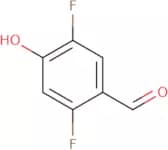
CAS:<p>2,5-Difluoro-4-hydroxybenzaldehyde is a chemical compound that belongs to the class of pyrazoles. It has been shown to inhibit the activity of multinuclear enzymes, such as tautomerase and hydrolases. This inhibition is due to the conformational changes in these enzymes induced by 2,5-difluoro-4-hydroxybenzaldehyde. 2,5-Difluoro-4-hydroxybenzaldehyde also displays biological activity against various types of cancer cells. This can be attributed to its ability to inhibit protein synthesis through inhibition of RNA transcription and translation.</p>Formula:C7H4F2O2Purity:Min. 95%Color and Shape:SolidMolecular weight:158.1 g/mol5-Iodo-2,3-dimethoxybenzaldehyde
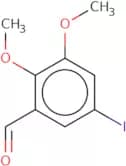
CAS:<p>5-Iodo-2,3-dimethoxybenzaldehyde is a fine chemical that is useful as a scaffold for the synthesis of other compounds. It can be used as an intermediate for research chemicals or as a reaction component in the synthesis of complex compounds. 5-Iodo-2,3-dimethoxybenzaldehyde is used for the manufacture of high quality reagents and building blocks.</p>Formula:C9H9IO3Purity:Min. 95%Color and Shape:PowderMolecular weight:292.07 g/mol4-Iodobenzaldehyde
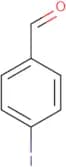
CAS:<p>4-Iodobenzaldehyde is a chemical compound with the molecular formula C6H5IO. It is an aromatic compound that can be used in cancer therapy. 4-Iodobenzaldehyde reacts with trifluoroacetic acid to form an intramolecular hydrogen, which is detected using a low-energy monomer and high detection sensitivity. 4-Iodobenzaldehyde has two phenyl substituents and a serine protease functional group, which are required for its interaction with other molecules. The presence of these functional groups allows analytical methods to be used to identify 4-iodobenzaldehyde in various samples. Using analytical methods, it can be determined that 4-iodobenzaldehyde interacts with an acceptor molecule at the reaction vessel thermally or by irradiation.</p>Formula:C7H5IOPurity:Min. 95%Color and Shape:Yellow PowderMolecular weight:232.02 g/mol4-Benzofurazancarboxaldehyde
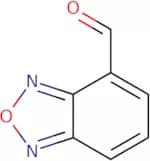
CAS:<p>4-Benzofurazancarboxaldehyde is a pyridinium salt that has been shown to be an oxidant and primary amine. It can form a benzoxadiazole or benzothiadiazole with the addition of an amine, such as piperidine. 4-Benzofurazancarboxaldehyde is also able to form a methyl ester with alkali metal. This compound has been shown to have high yield in the formylating reaction.</p>Formula:C7H4N2O2Purity:Min. 95%Color and Shape:PowderMolecular weight:148.12 g/mol4-(Trifluoromethoxy)benzaldehyde
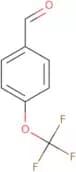
CAS:<p>4-(Trifluoromethoxy)benzaldehyde is a chemical compound that is a substrate for tyrosinase and an inhibitor of the enzyme. It is also an anticancer compound that can be used to inhibit tumor growth by inhibiting protein synthesis. 4-(Trifluoromethoxy)benzaldehyde has been shown to have potent tyrosinase inhibition activity in vitro and in vivo, as well as binding activities with the CB2 receptor. This chemical has also been shown to inhibit virus replication, including HIV-1, and tuberculosis. 4-(Trifluoromethoxy)benzaldehyde can be used in assays to measure the potency of other compounds that are involved in tyrosinase activity or have anti-cancer properties. 4-(Trifluoromethoxy)benzaldehyde specifically binds to residues in the kinase domain of the enzyme tyrosinase, which is responsible for catalysis and regulation of this enzyme.</p>Formula:C8H5F3O2Purity:Min. 95%Color and Shape:Colorless Clear LiquidMolecular weight:190.12 g/molRetinylaldehyde
CAS:<p>Retinylaldehyde is a derivative of vitamin A that is important for visual health. It is an inhibitor of the chloride channel, which may be due to its ability to inhibit alcohol dehydrogenase and polymerase chain reaction (PCR). Retinylaldehyde has been shown to have a high affinity for nuclear DNA and can bind to guanine nucleotide-binding protein (G protein) in neural cells. This activity leads to chronic cough in mice. Retinylaldehyde also has been shown as having significant up-regulation in human monocytes when exposed to toll-like receptor ligands. The role of retinylaldehyde in the immune system is not fully understood, but it may play a role in modulating the response to bacterial infection by altering the production of cytokines such as interleukin-1β (IL-1β) and tumor necrosis factor alpha (TNFα).</p>Formula:C20H28OPurity:Min. 98 Area-%Color and Shape:PowderMolecular weight:284.44 g/mol1-Acetyl-3-indolecarboxaldehyde
CAS:<p>1-Acetyl-3-indolecarboxaldehyde is a ligand that binds to the cannabinoid receptor 1 (CB1). It has been shown to bind to the CB1 receptor with high affinity and selectivity. In addition, it has been demonstrated to inhibit the proliferation of human breast cancer cells in vitro. The compound is used as a fluorescent probe for cb1 receptor binding. Data obtained from molecular modelling studies have suggested that the hydroxyl group might be involved in binding to the CB1 receptor. 1-Acetyl-3-indolecarboxaldehyde also binds carotenoids, which are molecules responsible for giving plants and other photosynthetic organisms their coloration. This compound can be found in many different plants, such as carrots and bananas, where it acts as an antioxidant.</p>Formula:C11H9NO2Purity:Min. 95%Color and Shape:PowderMolecular weight:187.19 g/mol2-Fluoro-6-(trifluoromethyl)benzaldehyde
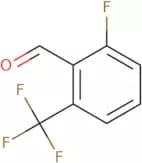
CAS:<p>2-Fluoro-6-(trifluoromethyl)benzaldehyde is a chemical compound that is used in the synthesis of other organic compounds. It can be synthesized by reacting benzaldehyde with sodium trifluoromethanesulfinate in liquid ammonia solution at a temperature of -78°C. The reaction produces 2-fluoro-6-(trifluoromethyl)benzaldehyde, which is isolated by evaporating the reaction liquid and recrystallizing the product from methanol. The yield of this reaction is high and there are no major byproducts.</p>Formula:C8H4F4OPurity:Min. 95%Color and Shape:Clear LiquidMolecular weight:192.11 g/mol2-Aminobenzaldehyde
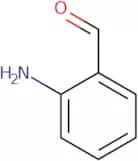
CAS:<p>2-Aminobenzaldehyde is an aromatic compound that contains a hydroxyl group, two nitrogen atoms, and an anhydrous sodium. It can be synthesized by the reaction of hydroxybenzaldehyde with trifluoroacetic acid or nitrobenzene. 2-Aminobenzaldehyde is used as a precursor to other compounds, such as 2-aminobenzonitrile and 2-aminophenol. It also reacts with anthranilic acid in the presence of sodium salts to give a variety of pyrazoles. This product has been shown to react with epidermal growth factor (EGF) in the presence of light to produce light emissions.</p>Formula:C7H7NOPurity:Min. 95%Color and Shape:PowderMolecular weight:121.14 g/mol3-Methylbenzaldehyde
CAS:<p>3-Methylbenzaldehyde is a diphenolase that is found in a Chinese medicinal plant, Acalypha wilkesiana. 3-Methylbenzaldehyde has been shown to have anti-inflammatory properties and can be used as a complementary therapy for inflammatory diseases. The chemical ionization technique was used to measure the production rate of 3-methylbenzaldehyde from the acetate extract of A. wilkesiana. The linear regression analysis showed that there was an increase in the production rate with increased concentration of hydrogen bonding interactions with 3-methylbenzaldehyde. Hydrogen bonding interactions are due to the presence of hydroxyl groups on the benzene ring and methyl group on the side chain. This chemical reaction forms glyoxal, which is then metabolized through p450 isozymes in order to produce 3-methylbenzaldehyde or other metabolites.</p>Formula:C8H8OPurity:Min. 98 Area-%Color and Shape:Colorless Clear LiquidMolecular weight:120.15 g/mol5-Acetoxymethyl-2-furaldehyde
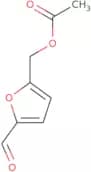
CAS:<p>5-Acetoxymethyl-2-furaldehyde is a furanic acid that is found in the plant Triticum aestivum. This compound has been shown to have antifungal and anticancer properties. 5-Acetoxymethyl-2-furaldehyde inhibits the growth of bacteria by forming a complex with p-hydroxybenzoic acid, which prevents the formation of amines. The toxicity of this compound may also be due to its ability to cause DNA damage, leading to cell death. 5-Acetoxymethyl-2-furaldehyde can be used as an oxidation catalyst for reactions involving amines. It can also be produced by oxidizing 2,5 furanone with hydrogen peroxide and hydrochloric acid at high temperatures. The reaction mechanism is not well understood but it is believed that 5 acetoxymethyl - 2 furaldehyde is formed from the dehydration of furfuraldehyde.</p>Formula:C8H8O4Purity:Min. 95%Color and Shape:PowderMolecular weight:168.15 g/mol2,3-Dimethoxybenzaldehyde
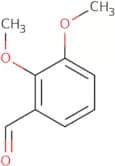
CAS:<p>2,3-Dimethoxybenzaldehyde is a chemical substance that binds to its ligands by hydrogen bonding and van der Waals forces. It is used in the synthesis of diethyl succinate. 2,3-Dimethoxybenzaldehyde has been shown to inhibit the growth of squamous carcinoma cells. The conversion of 2,3-dimethoxybenzaldehyde into benzoquinone is catalyzed by glucose oxidase and peroxidase. This oxidation process results in a loss of two electrons and one proton from the molecule, changing it from a phenol to an aromatic hydrocarbon.</p>Formula:C9H10O3Purity:Min. 95%Color and Shape:PowderMolecular weight:166.17 g/mol2,6-Dimethyl-4-fluorobenzaldehyde
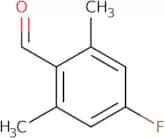
CAS:<p>2,6-Dimethyl-4-fluorobenzaldehyde is a fine chemical that is used as a building block in the synthesis of other chemicals. It can be used as a reagent and as a speciality chemical. This product has high purity and quality and is versatile in its use as both an intermediate or scaffold molecule. It can be used in reactions to create complex compounds with useful properties.</p>Formula:C9H9FOPurity:Min. 95%Color and Shape:PowderMolecular weight:152.17 g/mol3-Nitro-6-pyridinecarboxaldehyde
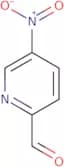
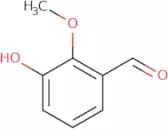
CAS:<p>3-Nitro-6-pyridinecarboxaldehyde is a colorless liquid that is soluble in water. It has a boiling point of 155 degrees Celsius, and it has a density of 1.03 grams per milliliter. This chemical reacts with metal ions to form nitro compounds. 3-Nitro-6-pyridinecarboxaldehyde has been used as an analytical reagent for the determination of benzenes and pyridines in organic solvents and gas chromatography calibration. The reactivity of this chemical is due to its pyridine ring, which can be used as a ligand or reagent.</p>Formula:C6H4N2O3Purity:Min. 98%Color and Shape:PowderMolecular weight:152.11 g/mol3-Hydroxy-2-methoxybenzaldehyde
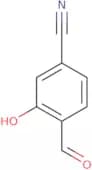
CAS:<p>3-Hydroxy-2-methoxybenzaldehyde is a synthetic compound that is used as an antiviral agent. It has been shown to inhibit the replication of Coxsackievirus A9 (CV-A9). In addition, 3-Hydroxy-2-methoxybenzaldehyde reacts with isoeugenol and isonicotinic acid under acidic conditions to form 4-allyl-2-methoxyphenol, which has antiviral activity against CV-A9. This reaction requires a catalyst, such as zinc chloride or nickel sulfate. The rate of this reaction can be increased by increasing the reaction time. 3-Hydroxy-2-methoxybenzaldehyde also inhibits the virus's ability to bind to cells and enter them, reducing its infectivity.</p>Formula:C8H8O3Color and Shape:PowderMolecular weight:152.15 g/mol4-Cyano-2-hydroxybenzaldehyde
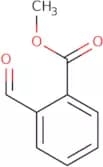
CAS:<p>4-Cyano-2-hydroxybenzaldehyde is a high quality chemical that can be used as a reagent and intermediate in the synthesis of complex compounds. It is also an important building block in the synthesis of fine chemicals. 4-Cyano-2-hydroxybenzaldehyde has been used as a versatile building block in the synthesis of organic compounds, useful scaffolds in medicinal chemistry, and reactive intermediates. It has also been shown to have anti-inflammatory properties and may be a potential treatment for inflammatory bowel disease.</p>Formula:C8H5NO2Purity:Min. 95%Molecular weight:147.13 g/mol2-Carbomethoxybenzaldehyde
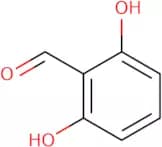
CAS:<p>2-Carbomethoxybenzaldehyde (2CMB) is a synthetic chemical compound that has been used as an efficient method for the synthesis of amines. The carbonyl group in 2CMB reacts with nucleophiles, such as amines, to form a tetrahydroisoquinoline derivative. This nucleophilic attack leads to the formation of an unstable intermediate that can be isolated and purified by trifluoroacetic acid (TFA). 2CMB is also used in the synthesis of quinoline derivatives and naphthalene derivatives. The acidic properties of 2CMB allow it to react with carboxylic acids, leading to the formation of esters.</p>Formula:C9H8O3Purity:Min. 95%Color and Shape:Colorless PowderMolecular weight:164.16 g/mol2,6-Dihydroxybenzaldehyde
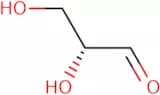
CAS:<p>2,6-Dihydroxybenzaldehyde is a chemical compound that has been used as an intermediate in the synthesis of other chemicals. It is also used as a precursor for benzaldehyde and benzoic acid. 2,6-Dihydroxybenzaldehyde can be synthesized by reacting sodium carbonate with pluronic F127 in the presence of cationic surfactant. The surface methodology used in this process involves the use of hydrophobic molecules to form micelles and liposomes on the surface of the electrode. The interaction between these micelles and liposomes is pH dependent. This reaction causes an increase in hydrogen ions, which leads to an increase in conductivity at acidic pH values. Electrochemical impedance spectroscopy (EIS) results show that 2,6-dihydroxybenzaldehyde reacts with high concentrations of salt and water vapor. FTIR spectroscopy shows that it has two hydroxyl groups and one double</p>Formula:C7H6O3Purity:Min. 95%Color and Shape:PowderMolecular weight:138.12 g/molD-(+)-Glyceraldehyde
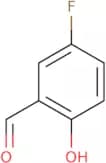
CAS:<p>D-Glyceraldehyde is sold by active weight in solution</p>Formula:C3H6O3Purity:85%MinColor and Shape:Colorless Clear Viscous LiquidMolecular weight:90.08 g/mol5-Fluoro-2-hydroxybenzaldehyde
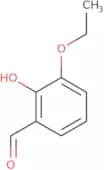
CAS:<p>5-Fluoro-2-hydroxy benzaldehyde is a hydrogen bonding compound that has been shown to be an acid complex. It reacts with copper to form a copper complex that can be detected by x-ray diffraction data. 5-Fluoro-2-hydroxybenzaldehyde also has the ability to react with hydroxyl groups, which allow for its use as a fluorescence probe. The presence of this compound in urine has been used to detect kidney disease and urinary tract infections. 5-Fluoro-2-hydroxybenzaldehyde is also thought to have antiinflammatory properties because it can inhibit kinase activity and may inhibit the production of inflammatory cytokines such as IL1β, IL6, and TNFα.</p>Formula:C7H5FO2Purity:Min. 95%Color and Shape:PowderMolecular weight:140.11 g/mol3-Ethoxysalicylaldehyde
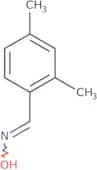
CAS:<p>3-Ethoxysalicylaldehyde (3ESA) is a colorless liquid that has been shown to be soluble in methanol. 3ESA has a molecular weight of 172.2 and an experimental solubility data of 1.01 g/mL at 25 °C. The compound has a coordination geometry of tetrahedral with one metal ion and three oxygen atoms. The compound also contains one hydroxyl group and two hydrogen bonds, which are intramolecular hydrogen bonds. 3ESA has shown high resistance to human serum, suggesting that it is stable in the presence of human proteins, and is able to bind copper ions to form copper complexes.</p>Formula:C9H10O3Purity:Min. 95%Color and Shape:PowderMolecular weight:166.17 g/mol2,4-Dimethylbenzaldehyde oxime
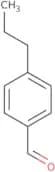
CAS:<p>2,4-Dimethylbenzaldehyde oxime is a useful chemical for the synthesis of complex organic compounds. It is used as a research chemical and as a speciality chemical in the production of fine chemicals. 2,4-Dimethylbenzaldehyde oxime can be used as a versatile building block to form new compounds with different substituents. The compound has been shown to have high reactivity and good quality.</p>Formula:C9H11NOPurity:Min. 95%Molecular weight:149.19 g/mol4-n-Propylbenzaldehyde
CAS:<p>4-n-Propylbenzaldehyde is a chemical compound that belongs to the group of aromatic aldehydes. It is used in the production of other chemicals, such as pharmaceuticals and fragrances. 4-n-Propylbenzaldehyde has been shown to be genotoxic, causing DNA damage and mutating genes. This chemical also has an inhibitory effect on cancer cells, which may be due to its ability to interfere with histone deacetylase activity. The genotoxic potential of this substance is considered low based on its lack of genotoxicity in vitro and in vivo. This compound does not have any structural formula for the corresponding metal complex.</p>Formula:C10H12OPurity:Min. 98 Area-%Color and Shape:Colorless Clear LiquidMolecular weight:148.2 g/mol