Aldehydes
Aldehydes are organic compounds containing a carbonyl group (C=O) bonded to at least one hydrogen atom. These versatile compounds are fundamental in various chemical reactions, including oxidation, reduction, and nucleophilic addition. Aldehydes are essential building blocks in the synthesis of pharmaceuticals, fragrances, and polymers. At CymitQuimica, we provide a diverse selection of high-quality aldehydes to support your research and industrial applications.
Found 8551 products of "Aldehydes"
Sort by
Purity (%)
0
100
|
0
|
50
|
90
|
95
|
100
Heptaldehyde
CAS:<p>Heptaldehyde is a colorless liquid with a pleasant, sweet odor. It is used in the production of polyvinyl chloride and other chemicals. In addition, it can be an important biomarker in environmental studies. Heptaldehyde is produced by the reaction of ethyl decanoate with water vapor or methyl ethyl ketone. It is also an inhibitor of acetylcholinesterase, which may be due to its hydroxyl group and acetyl group. Furthermore, heptaldehyde has been shown to react with p-nitrophenyl phosphate to form p-nitrophenol. The following table outlines the chemical properties of heptaldehyde: Molecular formula: C7H8O Molecular weight: 112.14 g/mol Boiling point (°C): 212 °C Melting point (°C): -78 °C Density (g/cm3): 1.096</p>Formula:C7H14OPurity:Min. 95%Color and Shape:Clear LiquidMolecular weight:114.19 g/mol4(5)-Methyl-1H-imidazole-2-carbaldehyde
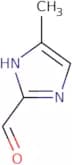
CAS:<p>Please enquire for more information about 4(5)-Methyl-1H-imidazole-2-carbaldehyde including the price, delivery time and more detailed product information at the technical inquiry form on this page</p>Formula:C5H6N2OPurity:95%NmrMolecular weight:110.11 g/molBenalaxyl
CAS:<p>Benalaxyl is an insecticide that belongs to the group of organochlorine compounds. It is a chiral compound that has been used in analytical methods for wastewater treatment and as an anti-fouling agent. Benalaxyl has been shown to possess acute toxicity, based on the results of redox cycle experiments, cell nuclei studies, enzyme activities, and rat liver microsomes. Toxicological studies have also shown that benalaxyl can cause high levels of resistance in nutrient solutions, energy metabolism, and synthesis methods.</p>Formula:C20H23NO3Purity:Min. 95%Molecular weight:325.4 g/mol4-Cinnolinecarboxaldehyde
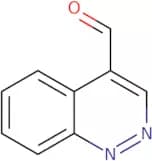
CAS:<p>4-Cinnolinecarboxaldehyde is an organic compound that belongs to the group of cinnoline. It is a colorless liquid that can be used as a precursor in the production of aluminum metal. 4-Cinnolinecarboxaldehyde reacts with lithium aluminum hydride to form a compound that can be used as a reducing agent in organic chemistry. 4-Cinnolinecarboxaldehyde is also used as a precursor for preparing other compounds, such as lithium aluminum hydride and lithium aluminum trihydride.</p>Formula:C9H6N2OPurity:Min. 95%Molecular weight:158.16 g/molH-Gly-Phe-Gly-aldehyde semicarbazone acetate salt
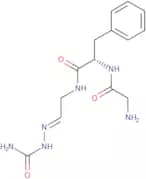
CAS:<p>Please enquire for more information about H-Gly-Phe-Gly-aldehyde semicarbazone acetate salt including the price, delivery time and more detailed product information at the technical inquiry form on this page</p>Formula:C14H20N6O3Purity:Min. 95%Molecular weight:320.35 g/mol2-O-Tolyl-thiazole-4-carbaldehyde
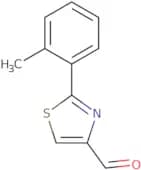
CAS:<p>Please enquire for more information about 2-O-Tolyl-thiazole-4-carbaldehyde including the price, delivery time and more detailed product information at the technical inquiry form on this page</p>Formula:C11H9NOSPurity:Min. 95%Molecular weight:203.26 g/mol4-Bromo-2-hydroxybenzaldehyde
CAS:<p>4-Bromo-2-hydroxybenzaldehyde is a versatile building block that can be used as a reaction component to synthesize other compounds. 4-Bromo-2-hydroxybenzaldehyde is a useful intermediate in the manufacture of pharmaceuticals, pesticides, and herbicides. This chemical also has various applications in research and industry. It is an important reagent for the production of polymers and resins, as well as being an essential raw material for the synthesis of pharmaceuticals and agrochemicals.</p>Formula:C7H5BrO2Molecular weight:201.02 g/molRef: 3D-W-201939
25gTo inquire50gTo inquire100gTo inquire250gTo inquire500gTo inquire-Unit-ggTo inquireAdrenalone
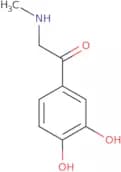
CAS:Controlled Product<p>Adrenalone is a caffeic acid derivative that contains a hydroxyl group. It is used in the treatment of infectious diseases, bowel disease, and autoimmune diseases. Adrenalone inhibits bacterial growth by interfering with cell wall synthesis, which prevents the formation of new cell walls and leads to bacterial death. It also inhibits the production of dopamine by acting on an amine oxidase enzyme. This drug has been shown to be effective in treating inflammatory bowel disease (IBD) in both mice and humans due to its ability to inhibit pro-inflammatory cytokines such as TNF-α, IL-1β, and IL-6.</p>Formula:C9H11NO3Purity:Min. 95%Color and Shape:Colourless To Pale Yellow SolidMolecular weight:181.19 g/mol2-Fluoro-4-hydroxybenzaldehyde
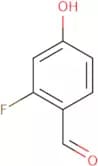
CAS:<p>2-Fluoro-4-hydroxybenzaldehyde is an oxidative compound that is a model compound of phenolic compounds. It can be used to synthesize 2,6-dichloroquinone and 2,5,7,8-tetrachlorodibenzo[p]fluoranthene. The metabolic pathway for this compound starts with the oxidative decarboxylation of L-tyrosine to form 4-hydroxyphenylpyruvic acid. This compound is then oxidized by cytochrome P450 enzymes to form 4-(2'-oxo)phenol. The 4-(2'-oxo)phenol can be methylated by S-adenosylmethionine in order to form 2-fluoro-4-hydroxybenzaldehyde.</p>Formula:C7H5FO2Purity:Min. 95%Molecular weight:140.11 g/mol2,4-Dihydroxy-6-methylbenzaldehyde
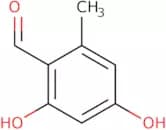
CAS:<p>2,4-Dihydroxy-6-methylbenzaldehyde is a chemical that is found naturally in a variety of plants. It has been shown to have immunomodulatory and anti-inflammatory effects in vitro and in vivo. 2,4-Dihydroxy-6-methylbenzaldehyde has been shown to reduce the production of inflammatory molecules such as tumor necrosis factor alpha (TNFα) and interleukin 12 (IL-12) by inhibiting the activation of microglia cells. This compound also inhibits LPS induced inflammatory response in human carcinoma cells. 2,4-Dihydroxy-6 methylbenzaldehyde is currently undergoing clinical trials for its potential use in regenerative medicine.</p>Formula:C8H8O3Purity:Min. 95%Molecular weight:152.15 g/mol(R)-Perillaldehyde
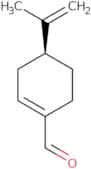
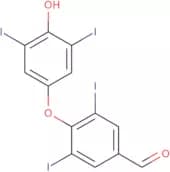
CAS:<p>(R)-Perillaldehyde is an activated cardenolide that binds to flavoproteins and inhibits the oxygenation of 4-hydroxycoumarin. It is a stereoselective, substrate binding, and oxygenated flavoenzyme inhibitor. The orientation of perillaldehyde with respect to the flavin may be important for its activity in the enzyme's active site.</p>Formula:C10H14OPurity:Min. 95%Molecular weight:150.22 g/mol3,5,3',5'-Tetraiodo thyroaldehyde
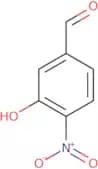
CAS:<p>Please enquire for more information about 3,5,3',5'-Tetraiodo thyroaldehyde including the price, delivery time and more detailed product information at the technical inquiry form on this page</p>Formula:C13H6I4O3Purity:Min. 95%Color and Shape:PowderMolecular weight:717.8 g/mol3-Hydroxy-4-nitrobenzaldehyde
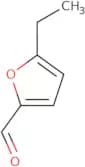
CAS:<p>3-Hydroxy-4-nitrobenzaldehyde is a ternary complex, which consists of three molecules that are bound to each other in a specific way. It has been observed in the nmr spectra and it has been proposed as a fluorescence probe for the detection of hydrogen bonds. 3-Hydroxy-4-nitrobenzaldehyde catalyzes the reaction by forming a covalent bond with the pbr322 dna, which is an important DNA molecule in bacteria. The enzyme mechanism is not fully understood, but it has been shown that it can bind to Toll-like receptor 4 (TLR4), which is an innate immune system protein. This binding event activates TLR4, leading to the inflammatory response. 3-Hydroxy-4-nitrobenzaldehyde has shown efficacy against microglia cells and animal experiments have shown that this compound may be useful for reducing pain after surgery or injury.</p>Formula:C7H5NO4Purity:Min. 95%Color and Shape:PowderMolecular weight:167.12 g/mol5-Ethyl-2-furaldehyde
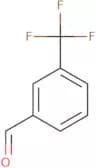
CAS:<p>Furfural is a five-carbon aldehyde produced by the hydrolysis of pentoses. It has been used as an industrial solvent, plasticizer, and fuel. Furfural is also used to produce butanol and biofuels. Furfural can be oxidized in the redox cycle to produce active oxygen species that are reactive with other biological molecules. Furfural is also used as an inhibitor of acetaldehyde formation in beer production. This molecule has two forms: the cis form (C3H4O) and the trans form (C3H3O). The cis form has a chemical structure of CH2=CH-CH2OH, whereas the trans form is CH=CH-CH2OH.</p>Formula:C7H8O2Purity:Min. 95%Molecular weight:124.14 g/mol3-(Trifluoromethyl)benzaldehyde
CAS:<p>3-(Trifluoromethyl)benzaldehyde is an organic compound that has the chemical formula C8H7FO. It is a trifunctional molecule with three phenolic hydroxyl groups, which makes it a good candidate for drug design. 3-(Trifluoromethyl)benzaldehyde can be synthesized by reacting an imine with a chiral acid chloride in the presence of a base and a catalytic amount of DMAP. The reaction yield is low, but this synthetic method is efficient. 3-(Trifluoromethyl)benzaldehyde has been shown to inhibit the growth of Mycobacterium avium, but not Mycobacterium tuberculosis or other bacteria such as Listeria monocytogenes and Escherichia coli. This might be due to its ability to inhibit protein synthesis by binding to ribosomes. This compound also possesses anti-inflammatory properties and inhibits leukemia Hl-</p>Formula:C8H5F3OPurity:Min. 95%Color and Shape:Clear LiquidMolecular weight:174.12 g/mol3,4-Dichlorobenzaldehyde
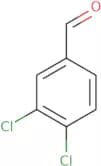
CAS:<p>3,4-Dichlorobenzaldehyde is a monosubstituted aromatic organic compound with inhibitory effects. 3,4-Dichlorobenzaldehyde has shown significant antifungal activity against Candida albicans and Saccharomyces cerevisiae. It also inhibits the growth of certain cancer cells in cell culture studies. 3,4-Dichlorobenzaldehyde has been found to have anti-inflammatory properties and would be effective in treating inflammatory diseases such as asthma or arthritis. This compound has been shown to have significant effects on energy metabolism and fatty acid synthesis by inhibiting enzymes that are involved in these processes. 3,4-Dichlorobenzaldehyde can also be used to treat metabolic disorders such as diabetes mellitus type II and hyperlipidemia by inhibiting enzymes that are involved in these processes.</p>Formula:C7H4Cl2OPurity:Min. 95%Color and Shape:White To Off-White SolidMolecular weight:175.01 g/molPropargylaldehyde diethyl acetal
CAS:<p>Propargylaldehyde diethyl acetal is a chemical compound that is used as an intermediate in the synthesis of other compounds. It is a white crystal or crystalline powder that is soluble in organic solvents such as ether, alcohols, and benzene. Propargylaldehyde diethyl acetal has been shown to be potent inhibitors of HSV-1, HSV-2, and HCMV. Furthermore, it has been reported that propargylaldehyde diethyl acetal inhibits the growth of cancer cells in vitro. In addition, propargylaldehyde diethyl acetal has been shown to inhibit the production of autoimmune diseases such as rheumatoid arthritis and multiple sclerosis.</p>Formula:C7H12O2Purity:Min. 95%Color and Shape:Colorless Clear LiquidMolecular weight:128.17 g/mol4-Iodo-2-methoxypyridine-3-carboxaldehyde
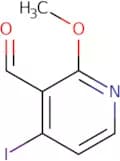
CAS:<p>4-Iodo-2-methoxypyridine-3-carboxaldehyde is a disubstituted compound that has insulin-like properties. It inhibits the activity of the insulin receptor, which may contribute to its insulin-like growth factor effects. This inhibitor also targets the protein kinase, which is responsible for the response of cells to insulin. 4-Iodo-2-methoxypyridine 3 carboxaldehyde has been shown to inhibit IGF1R and malonate ion, and it may have potential as an oral treatment for diabetes.</p>Formula:C7H6INO2Purity:Min. 95%Molecular weight:263.03 g/mol1,3-Dimethyl-1H-pyrazole-5-carbaldehyde
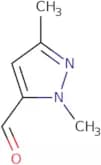
CAS:<p>Please enquire for more information about 1,3-Dimethyl-1H-pyrazole-5-carbaldehyde including the price, delivery time and more detailed product information at the technical inquiry form on this page</p>Formula:C6H8N2OPurity:Min. 95%Molecular weight:124.14 g/mol4,4-difluorocyclohexane-1-carbaldehyde
CAS:<p>Please enquire for more information about 4,4-difluorocyclohexane-1-carbaldehyde including the price, delivery time and more detailed product information at the technical inquiry form on this page</p>Formula:C7H10F2OPurity:Min. 95%Color and Shape:Colorless PowderMolecular weight:148.15 g/mol