6-membered Rings
Subcategories of "6-membered Rings"
- 6-membered Heterocycles(61,482 products)
- Anilines(104 products)
- Anisoles(29 products)
- Benzenes(48,842 products)
- Ciclohexanes(3,061 products)
- Quinones(251 products)
- Toluenes(193 products)
Found 10218 products of "6-membered Rings"
[Di(benzyloxy)methyl]benzene
CAS:Controlled ProductApplications [Di(benzyloxy)methyl]benzene is a reagent in organic chemical synthesis such as the synthesis of O-benzyl protected anti aldols
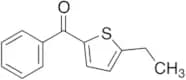
References Cosp, A. et al.: Synlett., 8, 1109 (2003); Shenbagam, K. et al.: Orient. J. Chem., 29, 747 (2013);Formula:C21H20O2Color and Shape:ColourlessMolecular weight:304.382-Benzoyl-5-ethylthiophene
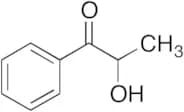
CAS:Controlled ProductFormula:C13H12OSColor and Shape:NeatMolecular weight:216.2992-Hydroxy-1-phenyl-1-propanone
CAS:Stability Hygroscopic
Applications 2-Hydroxy-1-phenyl-1-propanone is a reagent used in the synthesis of heterocycles via heterocyclization of α-hydroxyarylketones.
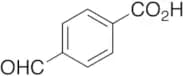
References Li, G. et al.: Org. Lett., 18, 4526 (2016);Formula:C9H10O2Color and Shape:NeatMolecular weight:150.174-Formylbenzoic Acid
CAS:Controlled ProductApplications A metabolite of aldehydes.
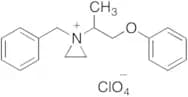
References Shiobara, Y., et al.: Xenobiotica, 9, 157 (1979),Formula:C8H6O3Color and Shape:NeatMolecular weight:150.13N-Phenoxyisopropyl-N-benzylaziridinium Perchlorate
CAS:Controlled ProductApplications N-Phenoxyisopropyl-N-benzylaziridinium Perchlorate is a useful intermediate in the synthesis of aziridinium ions and analogs that functions as α-adrenergic blockades.
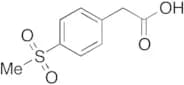
References Henkel, J. G., et al.: J. Med. Chem., 19, 6 (1976)Formula:C18H22NO·ClO4Color and Shape:NeatMolecular weight:367.824-(Methylsulfonyl)phenylacetic Acid
CAS:Controlled ProductApplications 4-(Methylsulfonyl)phenylacetic Acid is an intermediate used to prepare heterocyclic diaryl compounds as selective COX-2 inhibitors. It is also used to synthesize hydroxyfuranones as antioxidants and antiinflammatory agents.
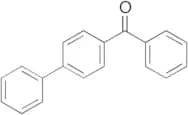
References Eren, G., et al.: Bioorg. Med. Chem., 18, 6467 (2010); Weber, V., et al.: Bioorg. Med. Chem., 13, 4552 (2005)Formula:C9H10O4SColor and Shape:NeatMolecular weight:214.244-Benzoylbiphenyl
CAS:Applications 4-Benzoylbiphenyl is a reagent used in the synthesis of multicolored mechanochromic luminogen molecules.
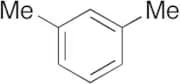
References Zhao, Z. et al.: J. Mat. Chem. C. Mat. Opt. Elec. Dev., 4, 4800 (2016);Formula:C19H14OColor and Shape:NeatMolecular weight:258.31m-Xylene
CAS:Controlled ProductApplications m-Xylene is an organic solvent used in histology. It is also used after tissue sections have been stained to make them hydrophobic so a coverslip may be applied with a resin in solvent.
Not a dangerous good if item is equal to or less than 1g/ml and there is less than 100g/ml in the package
References Watanabe, M., et al.: Stain Technol., 50, 239 (1975); Wishe, H., et al.: Anat. Rec., 197, 283 (1980); Wolf, E.: Acta Histochem. Suppl., 35, 179 (1988); Dykewicz, M.: J. Allergy Clin. Immunol., 87 (1991)Formula:C8H10Color and Shape:ColourlessMolecular weight:106.16Tetrabutylammonium Diphenylphosphinate
CAS:Controlled ProductApplications Tetrabutylammonium Diphenylphosphinate is used as a reagent in the synthesis of the potent antiviral agent (-)-Macrolactin A and its related compounds, (+)-Macrolactin E and (-)-Macrolactinic Acid, via a Stille cross-coupling reaction.
References Smith, A.B., et al.: J. Am. Chem. Soc., 120, 3935 (1998)Formula:C28H46NO2PColor and Shape:White To Off-WhiteMolecular weight:459.64N-[(4-Chlorophenyl)methyl]cyclopentanamine
CAS:Controlled ProductApplications N-[(4-chlorophenyl)methyl]cyclopentanamine is a useful reagent for the preparation of γ-lactams.
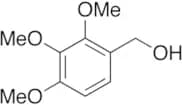
References Fujii, T., et al.: Tetrahedron Letters, 61, 152276 (2020)Formula:C12H16ClNColor and Shape:ColourlessMolecular weight:209.722,3,4-Trimethoxybenzyl Alcohol
CAS:Controlled ProductImpurity Trimetazidine EP impurity D
Applications 2,3,4-Trimethoxybenzyl Alcohol is a trimethoxylated aromatic alcohol. 2,3,4-Trimethoxybenzyl Alcohol is an impurity of the anti-anginal drug Trimetazidine (T795610).
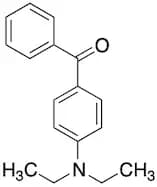
References Medenica, M.B. et al.: J. Chrom. Sci., 46, 430 (2008);Formula:C10H14O4Color and Shape:Clear Colourless To Light YellowMolecular weight:198.224-(Diethylamino)benzophenone
CAS:Controlled ProductApplications 4-(diethylamino)benzophenone (cas# 18127-87-2) is a useful research chemical.
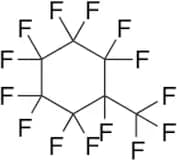
Formula:C17H19NOColor and Shape:NeatMolecular weight:253.33Perfluoro(methylcyclohexane)
CAS:Controlled ProductApplications PERFLUORO(METHYLCYCLOHEXANE) (cas# 355-02-2) is a useful research chemical.
Formula:C7F14Color and Shape:NeatMolecular weight:350.05Propyl 4-Hydroxybenzoate (Propyl Paraben)
CAS:Applications An antimicrobial agent used in cosmetic products.
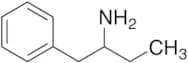
References Gilliland, D., et al.: J. Appl. Bacteriol., 72, 258 (1992), Routledge, E., et al.: Toxicol. Appl. Pharmacol., 153, 12 (1998), Miller, C., et al.: J. Biol. Chem., 272, 32824 (1997), Nakagawa, Y., et al.: Biochem. Pharmacol., 55, 1907 (1998),Formula:C10H12O3Color and Shape:White To Off-WhiteMolecular weight:180.21-Phenyl-2-butanamine
CAS:Controlled ProductApplications 1-Phenyl-2-butanamine (cas# 30543-88-5) is a useful research chemical.
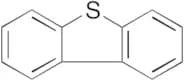
Formula:C10H15NColor and Shape:ColourlessMolecular weight:149.233Dibenzothiophene
CAS:Applications Dibenzothiophene is commonly used in microbial studies as a sole, organic sulfur and carbon source for growth. Research concerning the biodegradation of dibenzothiophene by different types of bacteria is a currently being carried out, as these bacteria have the ability to breakdown other harmful polycyclic hydrocarbons (PAH) as well. This may prove to be a very practical method in removing PAH’s from soils, sludge and crude oils.
Not a dangerous good if item is equal to or less than 1g/ml and there is less than 100g/ml in the package
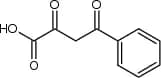
References Bastiaens, L., et al.: Appl. Environ. Microb., 66, 1834 (2000); Gunam, I., et al.: J. Microbiol. Biotechn., 23, 473 (2013); Omori, T., et al.: Appl. Environ. Microb., 58, 911 (1992)Formula:C12H8SColor and Shape:NeatMolecular weight:184.262,4-Dioxo-4-phenylbutanoic acid
CAS:Controlled ProductApplications 2,4-Dioxo-4-phenylbutanoic acid
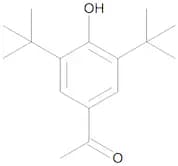
Formula:C10H8O4Color and Shape:NeatMolecular weight:192.171-(3,5-Di-tert-butyl-4-hydroxyphenyl)ethanone
CAS:Controlled ProductApplications 1-(3,5-di-tert-butyl-4-hydroxyphenyl)ethanone (cas# 14035-33-7) is a useful research chemical.
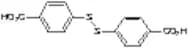
Formula:C16H24O2Color and Shape:White To Light BeigeMolecular weight:248.36064,4'-Dithiobisbenzoic Acid, Technical Grade
CAS:Controlled ProductApplications 4,4'-Dithiobisbenzoic Acid, Technical Grade (cas# 1155-51-7) is a compound useful in organic synthesis.
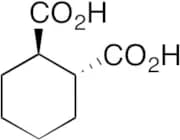
Formula:C14H10O4S2Color and Shape:Light YellowMolecular weight:306.36trans-1,2-Cyclohexanedicarboxylic Acid
CAS:Controlled ProductApplications trans-1,2-Cyclohexanedicarboxylic Acid is used as a reagent in the synthesis of enantiopure (α-cyanoalkyl)(tetrahydropyrido[4,3-b]indolecarbonyl)cyclohexanecarboxamides and its analogs as selective cathepsin K inhibitors for the treatment of osteoarthritis. Also used as a reagent in the synthesis of novel cyclopentanedicarboxamide sodium channel blockers as a potential treatment for chronic pain.
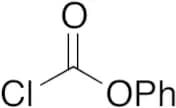
References Dossetter, A.G., et al.: J. Med. Chem., 55, 6363 (2012); Shao, P.P., et al.: Bioorg. Med. Chem. Lett., 15, 1901 (2005)Formula:C8H12O4Color and Shape:WhiteMolecular weight:172.18Phenyl Chloroformate
CAS:Controlled ProductApplications Phenyl chloroformate is a corrosive liquid that is used to synthesize Urazole, a five membered heterocyclic compound that reacts with aldoses to form α and β pyranosides and furanosides. Phenyl chloroformate is also used as a reagent to prepare Sorafenib (S676850), a multikinase inhibitor that targets the tumour and tumour vasculature in patients with melanoma.
Not a dangerous good if item is equal to or less than 1g/ml and there is less than 100g/ml in the package
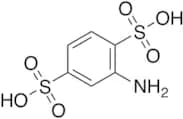
References Boettecher, B. & Meister, A.: Anal. Biochem., 138, 449 (1984); Chai, W., et al.: Tetrahedron Lett., 53, 3514 (20112); Eisen, T., et al.: Brit. J. Cancer, 95, 581 (2006); Kolb, V., et al.: J. Mol. Evol., 38, 549 (1994); Llovet, J., et al.: Engl. J. Med., 359, 378 (2008)Formula:C7H5ClO2Color and Shape:NeatMolecular weight:156.572-Aminobenzene-1,4-disulfonic Acid (>90%)
CAS:Controlled ProductApplications 2-aminobenzene-1,4-disulfonic acid (cas# 98-44-2) is a useful research chemical.
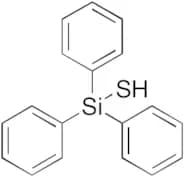
Formula:C6H7NO6S2Purity:>90%Color and Shape:White To Off-WhiteMolecular weight:253.24Triphenylsilanethiol
CAS:Controlled ProductApplications Triphenylsilanethiol is a useful organic building block used for carboxyl activation via silylthioesterification, and in the preparation of synthesis of tetraphenylporphyrinate manganese(III) siloxides.
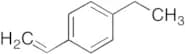
References Lamar, A. A.; et al.: Tetrahedron Lett., 56, 6034 (2015); Meininger, D. J.; et al.: J. Coord. Chem., 69, 1970 (2016).Formula:C18H16SSiColor and Shape:NeatMolecular weight:292.471-Ethyl-4-vinylbenzene (>80%)
CAS:Applications 1-Ethyl-4-vinylbenzene is a pollutant that comes from pyrolysis and combustion of waste lubricant oil from diesel cars.
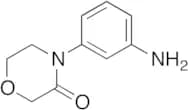
References Fuentes, M., et al.: J. Anal. Appl. Pyrolysis, 79, 215 (2007); Molto, J., et al.: J. Anal. Appl. Pyrolysis, 84, 68 (2009);Formula:C10H12Purity:>80%Color and Shape:NeatMolecular weight:132.24-(3-Aminophenyl)-3-morpholinone
CAS:Controlled ProductApplications 4-(3-Aminophenyl)-3-morpholinone is an intermediate during the preparation of imidazothiazoles as protein kinase inhibitors for treating cancers.
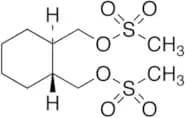
References Bamaung, N., et al.: PCT Int. Appl. (2009), WO 2009070516 A1 20090604.Formula:C10H12N2O2Color and Shape:NeatMolecular weight:192.214(1R,2R)-1,2-Cyclohexanedimethanol 1,2-Dimethanesulfonate
CAS:Controlled ProductApplications (1R,2R)-1,2-Cyclohexanedimethanol 1,2-Dimethanesulfonate (cas# 186204-35-3) is a compound useful in organic synthesis.
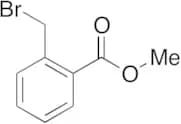
Formula:C10H20O6S2Color and Shape:NeatMolecular weight:300.39Methyl 2-Bromomethylbenzoate
CAS:Applications Methyl 2-Bromomethylbenzoate is a reactant in the preparation of Methyl 2-((4-(2-(2-methylphenoxy)acetyl)piperazin-1-yl)methyl)benzoate with neuroprotective activity.
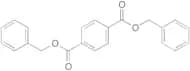
References Zhong, Y., et. al.: Chin. J. Struct. Chem., 33, 1096 (2014)Formula:C9H9BrO2Color and Shape:NeatMolecular weight:229.07Dibenzyl Terephthalate
CAS:Controlled ProductApplications Dibenzyl terephthalate is used in the synthesis of Pharacine (P294550), which is a natural p-cyclophane from the bacterial strain Cytophaga sp. AM13.1. Pharacine is a poly(butylene terephthalate) dimer.
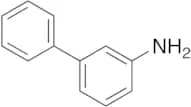
References Shaaban, M. et al.: J. Nat. Prod., 65, 1660 (2002); East, G.C. et al.: Polymer, 23, 323 (1982);Formula:C22H18O4Color and Shape:NeatMolecular weight:346.383-Aminobiphenyl
CAS:Controlled ProductApplications 3-Aminobiphenyl
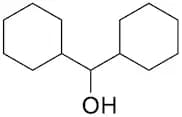
Not a dangerous good if item is equal to or less than 1g/ml and there is less than 100g/ml in the packageFormula:C12H11NColor and Shape:YellowMolecular weight:169.22Dicyclohexylmethanol
CAS:Applications Dicyclohexylmethanol is a useful reagent for the synthetic preparation of cyclohexane derivatives.
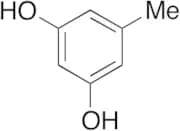
References Moos, G., et al.: Angew. Chem. Int., 59, 11977 (2020)Formula:C13H24OColor and Shape:NeatMolecular weight:196.323,5-Dihydroxytoluene
CAS:Stability Hygroscopic
Applications 3,5-Dihydroxytoluene is found in lichen fungi and can improve functional properties of lysozyme.
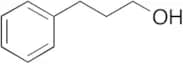
References Martirosova, E. I., et al.: Pharmaceutical and Medical Biotechnology, no vol., 45 (2013); Joergensen, S.H., et al.: Fungal Genet. Biol., 70, 24 (2014)Formula:C7H8O2Color and Shape:NeatMolecular weight:124.1373-Phenyl-1-propanol
CAS:Controlled ProductImpurity Alverine EP Impurity B
Applications 3-Phenyl-1-propanol is used as a reagent in the synthesis of Dihydrocinnamyl Cilnidipine (D448605) and is a potent aroma biotransformation product.
References Bosse, A.K., et al.: Food Chem., 141, 2952 (2013)Formula:C9H12OColor and Shape:ColourlessMolecular weight:136.191-Cyclohexenyl phenyl ketone
CAS:Controlled ProductApplications 1-Cyclohexenyl phenyl ketone is a useful reactant for the synthesis of cyclopentanone enol ethers.
References Huang, X., et al.: J. Am. Chem. Soc., 129, 6398-99 (2007);Formula:C13H14OColor and Shape:NeatMolecular weight:186.25tert-Butylbenzene
CAS:Controlled ProductApplications tert-Butylbenzene is a component of the model diesel fuel.
Not a dangerous good if item is equal to or less than 1g/ml and there is less than 100g/ml in the package
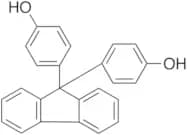
References Xiao, Jing, et al.: Indus. & Eng. Chem. Res., 51(8), 3436-3443 (2012)Formula:C10H14Color and Shape:ColourlessMolecular weight:134.229,9-Bis (4-Hydroxyphenyl) Fluorene
CAS:Controlled ProductApplications 9,9-Bis (4-Hydroxyphenyl) Fluorene is used in the production of polyarylene ethers and extensively used in the study of polymer electrolyte membranes with the potential for fuel cell application.
Not a dangerous good if item is equal to or less than 1g/ml and there is less than 100g/ml in the package
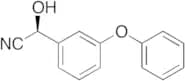
References Miyatake, K. et al.: J. Am. Chem. Soc., 129, 3879 (2007); Chikashige, Y. et al.: Macromolecules, 38, 7121 (2005);Formula:C25H18O2Color and Shape:NeatMolecular weight:350.41(S)-2-Hydroxy-2-(3-phenoxyphenyl)acetonitrile
CAS:Stability Light Sensitive, Moisture Sensitive
Applications (S)-2-Hydroxy-2-(3-phenoxyphenyl)acetonitrile is used as a reagent in the synthesis of Fluvalinate (F601100) and its related analogs which exhibit insecticidal activity.
Not a dangerous good if item is equal to or less than 1g/ml and there is less than 100g/ml in the package
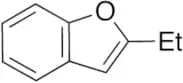
References Anderson, R.J., et al.: J. Agr. Food Chem., 33, 508 (1985)Formula:C14H11NO2Color and Shape:Light YellowMolecular weight:225.242-Ethylbenzofuran
CAS:Controlled ProductApplications 2-Ethylbenzofuran is used in the synthesis of benzofurans as potential antianginal agents. They are also used in the preparation of 2-arylpyridines that are used in the synthesis of complexes with physical properties.
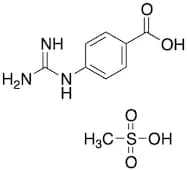
References Goldenberg, C. et al.: Eur. j. Med. Chem., 12, 81 (1977); Baloch, M. et al.: Eur. J. Med. Chem., 2012, 4454 (2012);Formula:C10H10OColor and Shape:NeatMolecular weight:146.194-Guanidinobenzoic Acid Methanesulfonate
CAS:Controlled ProductApplications 4-GUANIDINOBENZOIC ACID METHANESULFONATE (cas# 148720-07-4) is a useful research chemical.
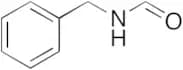
Formula:C8H9N3O2·CH4O3SColor and Shape:NeatMolecular weight:275.28N-Benzylformamide
CAS:Controlled ProductApplications N-Benzylformamide is a useful synthetic intermediate. It is used to prepare thiadiazolidinone derivatives as possible glycogen synthase kinase 3 inhibitors. It can also be used to synthesize selective antitubercular agents.
References Martinez, A., et al.: J. Med. Chem., 48, 7103 (2005); Karabanovichi, G., et al.: Eur. J. Med. Chem., 82, 324 (2014)Formula:C8H9NOColor and Shape:NeatMolecular weight:135.173,4-Dihydro-2H-benzo[b][1,4]oxazin-6-ol
CAS:Controlled ProductApplications 3,4-Dihydro-2H-benzo[b][1,4]oxazin-6-ol (cas# 26021-57-8) is a useful research chemical.
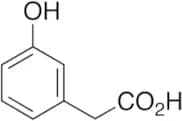
Formula:C8H9NO2Color and Shape:Light Brown To BlackMolecular weight:151.163-Hydroxyphenylacetic Acid
CAS:Applications 3-Hydroxyphenylacetic Acid (cas# 621-37-4) is a compound useful in organic synthesis.
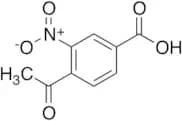
Formula:C8H8O3Color and Shape:NeatMolecular weight:152.154-Acetyl-3-nitrobenzoic Acid
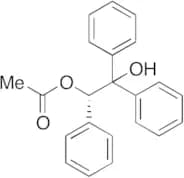
CAS:Controlled ProductFormula:C9H7NO5Color and Shape:NeatMolecular weight:209.156(S)-2-Hydroxy-1,2,2-triphenylethyl Acetate
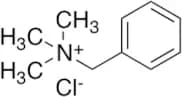
CAS:Controlled ProductFormula:C22H20O3Color and Shape:NeatMolecular weight:332.392Benzyltrimethylammonium Chloride
CAS:Controlled ProductStability Hygroscopic
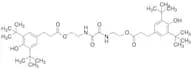
Applications Benzyltrimethylammonium chloride (cas# 56-93-9) is a useful research chemical.Formula:C10H16ClNColor and Shape:Off-WhiteMolecular weight:185.7(1,2-Dioxoethylene)bis(iminoethylene) bis(3-(3,5-Di-tert-butyl-4-hydroxyphenyl)propionate)
CAS:Controlled ProductApplications (1,2-Dioxoethylene)bis(iminoethylene) bis(3-(3,5-di-tert-butyl-4-hydroxyphenyl)propionate) (cas# 70331-94-1) is a useful research chemical.
Formula:C40H60N2O8Color and Shape:NeatMolecular weight:696.911,4-Diphenylbutane
CAS:Applications 1,4-Diphenylbutane (cas# 1083-56-3) is a useful research chemical.
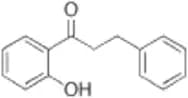
Formula:C16H18Color and Shape:NeatMolecular weight:210.312'-Hydroxy-3-phenylpropiophenone
CAS:Controlled ProductImpurity Propafenone EP Impurity A; Propafenone BP Impurity A; Propafenone USP Impurity A
Applications 2’-Hydroxy-3-phenylpropiophenone (Propafenone EP Impurity A; Propafenone BP Impurity A; Propafenone USP Impurity A) is a metabolite of Propafenone (P757500).
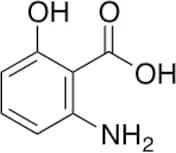
References Hege, H.G. et al.: Arzneim.-Forsch., 34, 972 (1984);Formula:C15H14O2Color and Shape:NeatMolecular weight:226.272-amino-6-hydroxybenzoic acid
CAS:Controlled ProductApplications 2-amino-6-hydroxybenzoic acid (cas# 567-62-4) is a useful research chemical.
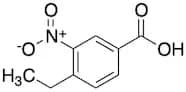
Formula:C7H7NO3Color and Shape:NeatMolecular weight:153.144-Ethyl-3-nitrobenzoic Acid
CAS:Controlled ProductApplications 4-ETHYL-3-NITROBENZOIC ACID (cas# 103440-95-5) is a useful research chemical.
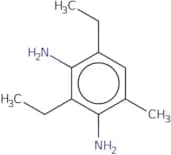
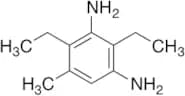
Formula:C9H9NO4Color and Shape:White To Off-WhiteMolecular weight:195.172Diethyltoluenediamine
CAS:Controlled ProductApplications Diethyltoluenediamine is used in preparation of hydroxyl and amino-modified anti-explosion composite materials.
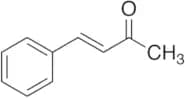
References Wei, M., et al.: Faming Zhuanli Shenqing, (2021);Formula:C11H18N2Color and Shape:NeatMolecular weight:178.274trans-4-Phenyl-3-buten-2-one
CAS:Controlled ProductApplications trans-4-Phenyl-3-buten-2-one is used in various synthetic preparations.
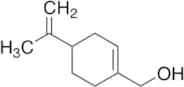
References Shao, Y.D., et al.: Euro. J. Org. Chem., 2012, 1590 (2012);Formula:C10H10OColor and Shape:Light YellowMolecular weight:146.19(±)-Perillyl Alcohol (>90%)
CAS:Controlled ProductApplications (4-(Prop-1-en-2-yl)cyclohex-1-en-1-yl)methanol is used in preparation of perilla alcohol leaf alcohol carbonate as perfume.
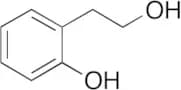
References Yang, S., et al.: Faming Zhuanli Shenqing, (2020);Formula:C10H16OPurity:>90%Color and Shape:NeatMolecular weight:152.232-Hydroxybenzeneethanol
CAS:Controlled ProductApplications 2-Hydroxybenzeneethanol can be used to synthesize cyclic products and organoaluminim oligomers. Inelastic electron tunnelling spectra of 2-hydroxyphenethyl alcohol adsorbed on thin-film aluminium and magnesium oxide has been investigated.
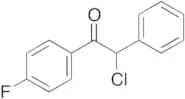
References Ziemkowska, W., et al.: Main Group Met. Chem., 21, 105, (1998); Brown, N., et al., Spectrochim. Acta A, 48, 939 (1992)Formula:C8H10O2Color and Shape:Colourless To BeigeMolecular weight:138.16Alpha-Chlorobenzyl 4-Fluorophenyl Ketone
CAS:Controlled ProductApplications α-Chlorobenzyl 4-Fluorophenyl Ketone is derived from Benzyl 4-Fluorophenyl Ketone (B279785), which is used in preparation and evaluation of 2,3-diarylpyrazines and quinoxalines as selective COX-2 inhibitors.
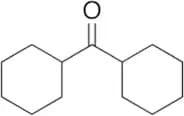
References Singh, S. et al.: Bioorg. Med. Chem., 12, 1881 (2004);Formula:C14H10ClFOColor and Shape:NeatMolecular weight:248.68Dicyclohexyl Ketone
CAS:Controlled ProductApplications Dicyclohexyl Ketone (cas# 119-60-8) is a compound useful in organic synthesis.
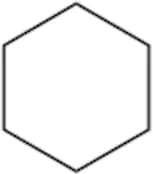
Formula:C13H22OColor and Shape:NeatMolecular weight:194.31Cyclohexane
CAS:Stability Volatile
Applications Cyclohexane is a cycloalkane and used to prepare precursors of nylon such as Adipic Acid (A291590) and Caprolactam (C175665).
Not a dangerous good if item is equal to or less than 1g/ml and there is less than 100g/ml in the package
References Kalinova, Jana P., et al.: Food Chem., 157, 380-384 (2014); Kim, Y. et al.: Ind. Eng. Chem. Res., 51, 15801 (2012); Nehlsen, J., et al.: Ind. Eng. Chem. Res. 45, 518 (2006)Formula:C6H12Color and Shape:ColourlessMolecular weight:84.163-(1-Cyanoethyl)benzoic Acid
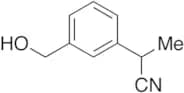
CAS:Controlled ProductApplications 3-(1-Cyanoethyl)benzoic Acid is an intermediate for the synthetic preparation of various pharmaceutical compounds. 3-(1-Cyanoethyl)benzoic Acid was used in studies examining the enantioselectivity of nitrile hydratases.
References Rzeznicka, K., et al.: App. Microbiol. Biotechnol., 85, 1417 (2010); Van Pelt. S., et al.: Org. Biomole. Chem., 9, 3011 (2011);Formula:C10H9NO2Color and Shape:BeigeMolecular weight:175.18Triphenylacetonitrile
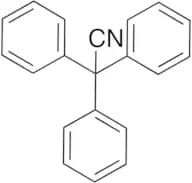
CAS:Controlled ProductApplications Triphenylacetonitrile is used as a reactant in the rhodium-catalyzed reductive cleavage of carbon-cyano bonds with hydrosilane.
References Tobisu, M., et al.: JACS., 131, 3174 (2009)Formula:C20H15NColor and Shape:NeatMolecular weight:269.34Chromane
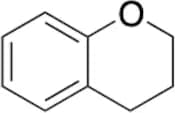
CAS:Controlled ProductApplications 3,4-dihydro-2H-1-benzopyran (cas# 493-08-3) is a useful research chemical.
Formula:C9H10OColor and Shape:NeatMolecular weight:134.17Nitrobenzene
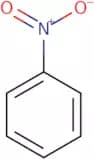
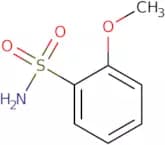
CAS:Nitrobenzene is a chemical that is used in wastewater treatment. It reacts with sodium carbonate to form sodium nitrite and hydrogen fluoride. The reaction mechanism is not well understood, but it is thought that the hydrogen fluoride acts as a catalyst for the reaction. Nitrobenzene has been shown to have transport properties in natural water systems. It can be found in the environment from industrial waste or from the combustion of fossil fuels. Nitrobenzene has been shown to cause chronic exposure when ingested by humans and animals, as well as structural changes in DNA, which may lead to cancer. Nitrobenzene can also react with an inorganic acid to form an organic compound called a nitrosamine. These compounds are carcinogenic and mutagenic, and have been linked to various cancers such as bladder cancer, stomach cancer, pancreatic cancer, lung cancer, breast cancer, esophageal cancer and liver cancer. The most common nitrosamines are N-nitFormula:C6H5NO2Purity:Min. 98 Area-%Color and Shape:Colorless Clear LiquidMolecular weight:123.11 g/mol2-Methoxybenzene sulphonamide
CAS:2-Methoxybenzene sulphonamide is an anti-cancer drug that belongs to the class of hydroxylated aromatic compounds. It has been shown to inhibit the growth of cancer cells in culture and in animals, and to prevent the formation of metastases. 2-Methoxybenzene sulphonamide is also a vasodilator drug used for the treatment of congestive heart failure. This drug binds to dopamine receptors in humans and may inhibit phosphatase activity. It has been shown to act as an antihypertensive by inhibiting angiotensin II mediated hypertrophy of cardiac tissue.Formula:C7H9NO3SPurity:Min. 95%Color and Shape:White PowderMolecular weight:187.22 g/mol1,2-Diamino-4,5-methylenedioxybenzene dihydrochloride
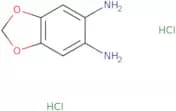
CAS:1,2-Diamino-4,5-methylenedioxybenzene dihydrochloride, also known as DMB dihydrochloride, is a building block used in organic chemistry. DMB dihydrochloride is the bis HCl salt of a 1,3-benzodioxole ring with amino groups in the 4 and 5 positions.
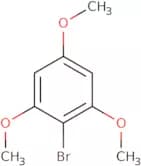
Formula:C7H10Cl2N2O2Purity:Min. 90 Area-%Color and Shape:Beige PowderMolecular weight:225.07 g/mol1-Bromo-2,4,6-trimethoxybenzene
CAS:1-Bromo-2,4,6-trimethoxybenzene is a reactive chemical that has shown to have toxic properties in model studies. It reacts with metals such as Iridium and can be used to remove halogens from solutions. It is also able to react with a variety of other molecules, including peroxides, chlorine gas and bromine gas. 1-Bromo-2,4,6-trimethoxybenzene can form free radicals when exposed to UV radiation and may be used as a ligand for metal ions. 1-Bromo-2,4,6-trimethoxybenzene is also soluble in n-dimethylformamide and carbon tetrachloride.
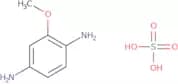
Formula:C9H11BrO3Purity:Min. 95%Color and Shape:White PowderMolecular weight:247.09 g/mol2-Methoxybenzene-1,4-diamine sulfate
CAS:2-Methoxybenzene-1,4-diamine sulfate (2MBDS) is a chemical that inhibits the synthesis of quinolines and dyes. 2MBDS is used as a control in animal experiments to maintain the level of sulfate in the blood. It is injected into animals and then measured using assays to measure the concentration of sulfate in the blood. 2MBDS has been shown to cause genetic damage and death in animals, as well as brittleness of muscle cells. The effects of 2MBDS on DNA replication and cell division have been studied by observing its effect on meiosis in mice. This chemical also simplifies chromosome structure and reduces chromosome number during meiosis, which may lead to chromosomal aberrations.
Formula:C7H10N2O·H2O4SPurity:Min. 95%Color and Shape:Off-White PowderMolecular weight:236.25 g/mol2,4,6-Trinitrobenzenesulfonic acid - 5% Aqueous solution
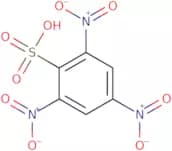
CAS:2,4,6-Trinitrobenzenesulfonic acid (also known as TNBS, TNSBA or picrylsulfonic acid) is a strongly oxidising organic acid that has long been used as a reagent to determine the presence of free primary amine groups. TNBS reacts rapidly with primary amines to form highly coloured N-trinitrophenyl acid products which can then be analysed by colorimetry. The amine can be regenerated by treatment with hydrazine. This analytical technique can also be applied to thiols and hydrazides. As is common with nitrated aromatic compounds, there is a risk of explosion and TNBS is typically commercially available as a solution. We also supply the 1% solution in DMF.Formula:C6H3N3O9SColor and Shape:Colorless Yellow Clear LiquidMolecular weight:293.17 g/molRef: 3D-FT73268
2g402.00€5g581.00€10g737.00€25g1,154.00€50g2,050.00€200g5,345.00€250g4,404.00€38.69g1,412.00€2-Bromo-5-methoxytoluene
CAS:2-Bromo-5-methoxytoluene is a synthetic organic compound that is used as a chemical intermediate for cellulose derivatives. It is generated by the Friedel-Crafts reaction of bromine with toluene in the presence of aluminum chloride. 2-Bromo-5-methoxytoluene has been shown to react with cellulose derivatives and other hydrogen bond acceptors. This reaction is followed by protonation, which yields a chromophore that changes color from yellow to orange. The mechanism of this reaction can be explained by an acid catalysis mechanism, which begins with protonation of the carbonyl group (C=O) and formyl group (HC=O) groups. This causes the formation of an enolate ion, which reacts with a protonated carbonyl group to yield a formyl cation and an enolate ion. The formyl cation then reacts with another protonFormula:C8H9OBrPurity:Min. 95%Color and Shape:PowderMolecular weight:201.06 g/mol4-Nitrobenzenesulfonyl chloride
CAS:4-Nitrobenzenesulfonyl chloride is a versatile chemical compound. As a reagent in organic synthesis, it plays a crucial role in the preparation of pharmaceuticals, iminosugars, and oligosaccharides. Its ability to facilitate alpha-glucosylation makes it an essential component in the synthesis of complex carbohydrates. 4-Nitrobenzenesulfonyl chloride is also utilized in the preparation of N-nosyl-alpha-amino acids, which are essential building blocks in peptide synthesis. Additionally, it is widely used in the production of dyes and pigments.
Formula:C6H4ClNO4SPurity:Min. 98 Area-%Color and Shape:PowderMolecular weight:221.62 g/mol2-Nitrobenzenesulfonyl chloride
CAS:2-Nitrobenzenesulfonyl chloride is a cyclic peptide that has been shown to be effective in the synthesis of a variety of biologically active compounds. It is used in the preparation of hydrochloric acid, hydroxyl group, lysine residues, and methyl ketones. It also has been used in analytical methods for the determination of cancer. 2-Nitrobenzenesulfonyl chloride is an aziridine with a Michaelis-Menten kinetics. This chemical structure allows hydrogen bonding with proteins, which is important for conformational changes and biological activity. 2-Nitrobenzenesulfonyl chloride has also been shown to inhibit cancer cells as well as human serum through hydrogen bond interactions.Formula:C6H4ClNO4SPurity:Min. 95%Color and Shape:Slightly Yellow PowderMolecular weight:221.62 g/mol2,4,6-Trimethylbromobenzene
CAS:2,4,6-Trimethylbromobenzene is a chemical compound with the molecular formula C7H8Br3. It is synthesized by the reaction of 2,4,6-trimethylaniline and bromine in the presence of a base such as potassium carbonate or sodium hydroxide. The synthesis can be carried out with or without solvent. When heated at reflux in toluene, it undergoes an electrophilic substitution reaction with chloroform to form 2-chloro-6-methylbenzene. 2,4,6-Trimethylbromobenzene can also be synthesized by reacting 1,3-dibromopropane with hydroquinone and dibutyltin dichloride in the presence of a strong acid catalyst. The light emission from this compound appears as a yellow color in solution. The molecule has three asymmetric centers: two on the benz
Formula:C9H11BrPurity:80%Color and Shape:Clear LiquidMolecular weight:199.09 g/mol(2-Bromoethyl)benzene
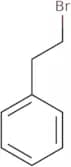
CAS:2-Bromoethylbenzene is a nucleophilic substitutive agent that can be used in organic synthesis. It reacts with an electron-rich compound to form a covalent bond and release bromine. 2-Bromoethylbenzene has been shown to have therapeutic effects on autoimmune diseases such as arthritis and lupus erythematosus. It also has the ability to inhibit protease activity, which may be due to its hydroxy derivative. The reaction mechanism of 2-bromoethylbenzene is not fully understood, but it is known that halides can increase the rate of the substitution reaction. This chemical also has pharmaceutical applications, including as a precursor in amphetamine synthesis and as a reagent in kinetic studies of enzymes.Formula:C8H9BrPurity:Min. 95%Color and Shape:Colorless Clear LiquidMolecular weight:185.06 g/mol1,3-Diacetylbenzene
CAS:Methyl ketones are organic compounds that contain a carbonyl group and an alkyl group. They are reactive, meaning they readily react with other substances. Methyl ketones can be found in many natural compounds such as the essential oils of lavender and rosemary, which have been shown to possess anti-diabetic properties. 1,3-Diacetylbenzene is a methyl ketone that has been used as an experimental model for the study of mitochondrial membrane potential and sciatic nerve injury. This chemical also has conformational properties that mimic those of kinesin and enolate, which are molecules involved in DNA replication.Formula:C10H10O2Purity:Min. 95%Color and Shape:PowderMolecular weight:162.19 g/mol2,4-Dichloronitrobenzene
CAS:2,4-Dichloronitrobenzene is a chemical compound that is used in the production of dyes, drugs, and pesticides. It has been shown to be effective against alopecia areata in vitro. This chemical also exhibits detoxification enzymes activity. 2,4-Dichloronitrobenzene is activated by benzalkonium chloride and then undergoes microbial metabolism. The chlorine atom on this molecule can be substituted with another kind of halogen in order to modify its properties. In vitro studies have shown that 2,4-dichloronitrobenzene is metabolized by human serum as well as wastewater treatment systems.
2,4-DichloronitrobenzeneFormula:C6H3Cl2NO2Purity:Min. 95%Color and Shape:Solidified MassMolecular weight:192 g/mol1,3,5-Trimethoxybenzene
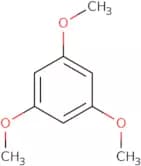
CAS:1,3,5-Trimethoxybenzene is used for the analysis of drugs in human serum and as a precursor to pharmaceuticals. It is also used as a reagent in organic synthesis. Trimethyl 1,3,5-trimethoxybenzene reacts with nitrite ion to produce an unstable intermediate that undergoes hydrolysis to form trifluoroacetic acid and hydrogen gas. The reaction mechanism involves an intramolecular hydrogen transfer from the hydroxyl group of the methoxy benzene ring to the methyl group on carbon 3. This leads to formation of a highly reactive trimethyl cation that abstracts hydrogen from water or hydroxyl groups on nearby molecules and eventually undergoes hydrolysis to produce trifluoroacetic acid and hydrogen gas.
Formula:C9H12O3Purity:Min. 98.5%Color and Shape:White PowderMolecular weight:168.19 g/mol1,4-Dibromo-2,5-difluorobenzene
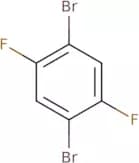
CAS:1,4-Dibromo-2,5-difluorobenzene is a synthetic compound that is used as a building block for the synthesis of polymers. It is also a natural product that can be isolated from plant material and has been shown to have antimicrobial properties. 1,4-Dibromo-2,5-difluorobenzene has been shown to have an acceptor group and it polymerizes in the presence of free radicals. This compound has been studied using gel permeation chromatography, x-ray structures, and microscopy studies. It is a nonpolar solvent at room temperature and its fluoro group makes it reactive with other polar solvents such as water.
Formula:C6H2Br2F2Purity:Min. 95%Color and Shape:PowderMolecular weight:271.88 g/mol1,4-Diacetylbenzene
CAS:1,4-Diacetylbenzene (1,4-DAB) is a tetradentate ligand that binds to metal ions. It has been used to model the active site of acetylcholinesterase, as well as for supramolecular chemistry. 1,4-DAB has been shown to have anticholinesterase activity and is used in crosslinkers. 1,4-DAB forms hydrogen bonds with the nitrogen atom of the carbonyl group and also stabilizes molecules through its dipole interactions. The kinetic properties of 1,4-DAB have been studied by modelling studies and by Nuclear Magnetic Resonance spectroscopy. Metformin hydrochloride (MET) is a biguanide antihyperglycemic agent that inhibits glucose production in the liver and promotes insulin sensitivity in peripheral tissues.Formula:C10H10O2Purity:Min. 99.0 Area-%Color and Shape:White PowderMolecular weight:162.19 g/mol2,3-Dimethoxytoluene
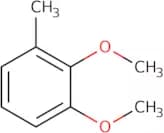
CAS:2,3-Dimethoxytoluene is a chemical used in food chemistry and analytical methods. It is the product of the reaction between 2-methoxybenzaldehyde and formaldehyde. 2,3-Dimethoxytoluene is used as an intermediate for the synthesis of papaverine, a drug that has analgesic properties. This chemical also reacts with an acid to produce dimethoxytoluene, a chemical that contains two methoxy groups on opposite sides of the benzene ring.
Formula:C9H12O2Purity:Min. 95%Color and Shape:PowderMolecular weight:152.19 g/mol4-Nitrobenzeneethanol
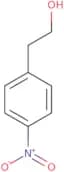
CAS:4-Nitrobenzeneethanol is a primary amine that is synthesized from the amino acid L-glutamic acid and the alcohol 4-nitrobenzyl alcohol. It is activated by reaction with sodium hydroxide solution, which releases hydrogen ions. The conjugates of this compound are isomers. 4-Nitrobenzeneethanol can be used to synthesize compounds that have different functional groups, such as monoclonal antibodies for the treatment of parasitic diseases.Formula:C8H9NO3Purity:Min. 95%Color and Shape:PowderMolecular weight:167.16 g/mol[Bis(trifluoroacetoxy)iodo]benzene
CAS:Bis(trifluoroacetoxy)iodobenzene is a reactive, radiating, profile, planar molecule with a frequency of low energy. It has been shown to react in acid analysis and the carbonyl group. The reaction mechanism involves the generation of an intermediate that reacts with oxygen to produce the desired product. The impedance is high at resonance frequencies.
Formula:C10H5F6IO4Purity:Min. 95%Color and Shape:White PowderMolecular weight:430.04 g/mol(E)-5-(-But-1-en-1-yl)benzene-1,3-diol
CAS:(E)-5-(-But-1-en-1-yl)benzene-1,3-diol is a chemical building block that reacts readily with a variety of reagents. It is also a versatile intermediate and has been used as a building block in the synthesis of complex compounds. (E)-5-(-But-1-en-1-yl)benzene-1,3-diol has been shown to be an important component in the synthesis of peptides, amines, and other organic compounds. This compound is also useful for research purposes and as a speciality chemical or fine chemical.Formula:C10H12O2Purity:Min. 95%Color and Shape:PowderMolecular weight:164.2 g/mol4-Toluenesulfonyl chloride
CAS:4-Toluenesulfonyl chloride is a tosylate that reacts with amines and n-oxide groups to form sulfonamides. It is used as an antimicrobial agent and as an irreversible enzyme inhibitor. 4-Toluenesulfonyl chloride inhibits enzymes in the bowel, which may be due to its ability to form a disulfide bond with cysteine residues. This compound has been shown to have anti-cancer properties in vitro, where it inhibited the growth of carcinoma cells by inhibiting DNA synthesis. 4-Toluenesulfonyl chloride also has inhibitory properties against nitrogen atoms, which are found in the active site of many enzymes.Formula:C7H7ClO2SPurity:Min. 95%Color and Shape:White Clear LiquidMolecular weight:190.65 g/mol2-Bromo-6-nitrotoluene
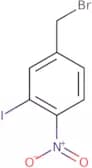
CAS:2-Bromo-6-nitrotoluene is a chemical compound that has been shown to bind to the 5-HT7 receptor of the human protein. It has been shown to have affinity for this receptor and functional assays have found it to be selective for this receptor. The hydrogen bonding interactions between 2-bromo-6-nitrotoluene and the 5-HT7 receptor are stronger than those between 2-bromo-6-nitrotoluene and other receptors, such as the 5-HT1A and 5HT1D receptors. Additionally, molecular modeling studies have shown that 2-bromo-6-nitrotoluene has a higher binding affinity for the 5HT7 receptor than other serotonin receptors. This molecule has been synthesized by researchers in a scalable synthesis process with high yields. The intramolecular hydrogen bonds may also help stabilize this molecule in vivo, as they would not be expected to break downFormula:C7H6BrNO2Purity:Min. 95%Color and Shape:PowderMolecular weight:216.03 g/mol4-(Bromomethyl)-2-iodo-1-nitrobenzene
CAS:4-(Bromomethyl)-2-iodo-1-nitrobenzene is a fine chemical that can be used as an intermediate for the synthesis of target molecules. It is a versatile building block with many different reactions and applications, such as research chemicals, reaction components, and speciality chemicals. This compound is also a useful building block for the synthesis of complex molecules. It has high quality and can be used as a reagent in lab experiments.Formula:C7H5BrINO2Purity:Min. 95%Color and Shape:PowderMolecular weight:341.93 g/mol1-Bromo-2-methoxy-3-nitrobenzene
CAS:1-Bromo-2-methoxy-3-nitrobenzene is a high quality chemical that is used as a reagent and building block in organic synthesis. It is also a versatile intermediate and can be used in the synthesis of complex compounds. This chemical has been shown to have anti-inflammatory properties, which may be due to its inhibition of prostaglandin synthesis.Formula:C7H6BrNO3Purity:Min. 95%Color and Shape:PowderMolecular weight:232.03 g/mol3,5-Dihydroxytoluene
CAS:3,5-Dihydroxytoluene is a natural compound that is structurally related to p-hydroxybenzoic acid. It has been shown to be an efficient fluorescent probe for the detection of quillaja saponaria in wastewater treatment plants. 3,5-Dihydroxytoluene also reacts with orcinol to produce a disulfide bond and can undergo polymerization reactions with nucleophiles such as amines and thiols. It is not active against aerobacter aerogenes, but has been shown to have high values against carcinoma cell lines.Formula:C7H8O2Purity:Min. 97.5 Area-%Color and Shape:White Off-White PowderMolecular weight:124.14 g/mol1,4-Dimethoxy-2-fluorobenzene
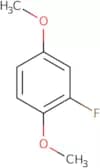
CAS:1,4-Dimethoxy-2-fluorobenzene is a synthetic molecule that belongs to the class of halides. It is used as a ligand in X-ray crystallography and has been shown to have anti-cancer properties. 1,4-Dimethoxy-2-fluorobenzene can be prepared by reacting primary amines with chloroformates in the presence of bases at temperatures between -20 °C and 100 °C. This method is efficient and produces high yields. The synthesis of 1,4-dimethoxy 2-fluorobenzene can be optimized by using strategies such as preparative scale techniques or temperature changes.
Formula:C8H9FO2Purity:Min. 95%Color and Shape:PowderMolecular weight:156.15 g/mol4-Formyl-N-methylbenzenesulfonamide
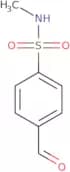
CAS:4-Formyl-N-methylbenzenesulfonamide is a fine chemical that is used as a versatile building block in the synthesis of complex compounds, research chemicals, and reagents. It is highly useful as a reagent or speciality chemical in laboratory experiments involving many different reactions. 4-Formyl-N-methylbenzenesulfonamide has been shown to be an excellent intermediate for the synthesis of high quality products. This product can also be used as a scaffold in complex organic syntheses.
Formula:C8H9NO3SPurity:Min. 95%Color and Shape:PowderMolecular weight:199.23 g/molDiethyltoluenediamine (2,4 and 2,6 diamine regioisomers)
CAS:Chain extender for elastomeric polyurethane; curing agent for epoxy resinFormula:C11H18N2Purity:Min. 95%Color and Shape:Clear LiquidMolecular weight:178.27 g/mol2-Bromo-1,3-diethylbenzene
CAS:2-Bromo-1,3-diethylbenzene is a reactive intermediate that can be used for the synthesis of styrene derivatives. It is also used as an anesthetic agent and has been shown to have cognition-enhancing properties. This compound reacts with electrophiles to form monoadducts, which are useful for protein targetting. The pharmacophore of 2-bromo-1,3-diethylbenzene consists of vinyl groups and halides. Radiation induces substitution reactions on the vinyl groups. Pharmacophores are important in drug design because they help identify specific chemical features that are necessary for binding to a particular protein target or protein targets.
Formula:C10H13BrPurity:Min. 95%Color and Shape:Clear LiquidMolecular weight:213.11 g/molStyrene-divinylbenzene sulfonated copolymer
CAS:Styrene-divinylbenzene sulfonated copolymer also called Dowex 50W 8X hydrogen form, strongly acidic resin, is a fine mesh spherical ion exchange resin made from a microporous styrene / divinylbenzene (DVB) co-polymer with a sulfonic acid group. Styrene-divinylbenzene sulfonated copolymers are used in fine chemical and pharmaceutical column separations.Color and Shape:Powder1,4-Diiodobenzene
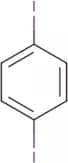
CAS:1,4-Diiodobenzene is an anti-retroviral drug that is used in the treatment of HIV infection. It has a molecular weight of 208.2 and a melting point of -68°C. 1,4-Diiodobenzene binds to intracellular targets, such as reverse transcriptase, proteases and integrase in HIV-1. This drug also has immunomodulatory effects on T cells and B cells. 1,4-Diiodobenzene has been shown to be effective against bacterial vaginosis and may have beneficial effects on body mass index and fatty acid metabolism.
Formula:C6H4I2Purity:Min. 98 Area-%Color and Shape:White PowderMolecular weight:329.9 g/mol1-Bromo-2,4-dinitrobenzene
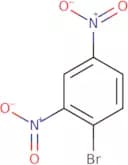
CAS:1-Bromo-2,4-dinitrobenzene, also known as DNB, is a molecule that belongs to the group p2. It has been shown to be a substrate for catalysis in vitro assays. 1-Bromo-2,4-dinitrobenzene is used in cancer research and can inhibit the growth of skin cells. 1-Bromo-2,4-dinitrobenzene does not show any cytotoxic effects on untreated control cells and it has been shown to have limited solubility in water (less than 0.1 g/L). This molecule also shows low reactivity with nucleophilic compounds and has been found to be less reactive than nitro compounds.Formula:C6H3BrN2O4Purity:Min. 95%Color and Shape:Off-White PowderMolecular weight:247 g/mol3,4-Dimethoxytoluene
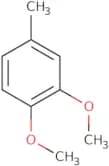
CAS:3,4-Dimethoxytoluene is a methoxylated aromatic hydrocarbon. It has the chemical formula CH3OCH2C6H4CH3. 3,4-Dimethoxytoluene is used as an intermediate in the synthesis of a variety of organic compounds including olefins, polymers, and pharmaceuticals. It can also be used to extract fatty acids from plant oils and animal fats. The extraction yield increases when using this compound as an extraction solvent. 3,4-Dimethoxytoluene is synthesized by reacting benzene with formaldehyde in the presence of a Friedel-Crafts catalyst such as aluminum chloride or zinc chloride. END>>Formula:C9H12O2Purity:Min. 95%Color and Shape:PowderMolecular weight:152.19 g/molMethyl benzenesulfinate
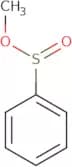
CAS:Methyl benzenesulfinate (MS) is a selenium compound that inhibits the replication of DNA and RNA. MS has been shown to be effective against cancer, HIV infection, and cachexia. It has also been used as an immunosuppressant in patients with autoimmune diseases or nervous system diseases. MS binds to the phosphate group of the nucleotide thymidine monophosphate, preventing formation of ATP and leading to cell death by inhibiting protein synthesis. This drug may cause symptoms such as nausea, vomiting, headache, dizziness, and skin rash. Methyl benzenesulfinate has also been shown to inhibit kinases in women with breast cancer.br>br> Methyl benzenesulfinate belongs to the class of inhibitors that target β-unsaturated ketones. It is used for treatment of various cancers like leukemia because it inhibits polymerase activity and prevents replication in cells. Methyl benzenesulfinate is a structural formula made upFormula:C7H8O2SPurity:Min. 98%Color and Shape:Clear LiquidMolecular weight:156.2 g/molPyrene
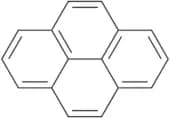
CAS:Pyrene is a chemical compound that has been found to bind to DNA and inhibit the transcription of genetic information. It has been used as a fluorescence probe in biochemical research, wastewater treatment, and surface methodology. As a redox probe, pyrene can be used to measure the redox potential of reaction solutions. Pyrene has also been used as an analytical method for measuring transfer reactions in biological studies.
Formula:C16H10Purity:Min. 98 Area-%Color and Shape:PowderMolecular weight:202.25 g/mol1-Pyrenebutyric acid
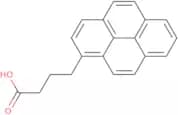
CAS:1-Pyrenebutyric acid is a sodium salt that belongs to the group of polymerase chain reaction (PCR) reagents. It is used in PCR as a fluorescent probe for detecting the presence of dinucleotide phosphate and covalent linkages. 1-Pyrenebutyric acid has been shown to be a potential biomarker for electrochemical impedance spectroscopy and can be used as an optical sensor for optimal concentration. This compound has also been used in biological studies to detect the presence of human immunoglobulin, which binds to it with high affinity. 1-Pyrenebutyric acid undergoes a phase transition at a temperature between -190 and -195 degrees Celsius, which makes it useful as a fluorescence dye.
Formula:C20H16O2Purity:Min. 95%Color and Shape:Off-White PowderMolecular weight:288.34 g/mol3,4,5-Trihydroxytoluene
CAS:Substrate for peroxidaseFormula:C7H8O3Purity:Min. 95%Color and Shape:PowderMolecular weight:140.14 g/mol2,4,6-Trihydroxytoluene
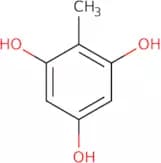
CAS:2,4,6-Trihydroxytoluene is a phenolic compound with an intense yellow color. It is used for the preparation of dryopteris and as a fabric dye. 2,4,6-Trihydroxytoluene is also used in the production of pharmaceuticals and as a chemical intermediate. 2,4,6-Trihydroxytoluene has been shown to inhibit the growth of bacteria by binding to one or more hydroxyl groups on the bacterial cell wall. This binding prevents the formation of an antibiotic-inhibitor complex with the enzyme cell wall synthesis that is required for cell wall biosynthesis, inhibiting protein synthesis and cell division.Formula:C7H8O3Purity:Min. 95%Color and Shape:Red PowderMolecular weight:140.14 g/mol2,6-Diaminotoluene
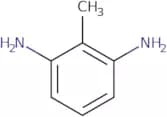
CAS:2,6-Diaminotoluene (2,6-TDA), also known as o-tolidine, is a colorless to yellowish crystalline solid that is soluble in organic solvents. This compound has been shown to be genotoxic and carcinogenic in laboratory animals. 2,6-TDA binds to the receptor molecule of DNA and inhibits the repair of DNA strand breaks, leading to mutations and cancerous cells. 2,6-TDA has been shown to have toxic effects on fetal bovine kidney cells at low doses. The toxicity studies showed that 2,6-TDA inhibits cell growth and induces apoptosis in a dose dependent manner. This study also shows that 2,6-TDA inhibits protein synthesis by binding to ribosomes in the cytoplasm.Formula:C7H10N2Purity:Min. 95%Color and Shape:PowderMolecular weight:122.17 g/molOrcinol monohydrate
CAS:Orcinol monohydrate is a high quality chemical that can be used as a reagent, complex compound, or useful intermediate in the synthesis of fine chemicals. It is also an important building block in the synthesis of other compounds. This product has CAS No. 6153-39-5 and is classified as a speciality chemical. It is also a versatile building block that can be used as a reaction component in organic syntheses.Formula:C7H10O3Molecular weight:142.16 g/mol1-Bromo-2-chloro-3-fluorobenzene
CAS:1-Bromo-2-chloro-3-fluorobenzene is a halide of fluorine and chlorine. It is used in the production of biphenyls and fluoroarenes. 1-Bromo-2-chloro-3-fluorobenzene has anticarcinogenic properties in animal studies, but it can be toxic to humans. Exposure to 1-bromo-2,3 difluorobenzene may lead to neurological, respiratory, hepatic, ocular, and gastrointestinal toxicity. This compound also has been shown to affect the liver enzymes as an enzyme inducer and is believed to be carcinogenic in animals.
Formula:C6H3BrClFPurity:Min. 95%Color and Shape:PowderMolecular weight:209.44 g/mol
![[Di(benzyloxy)methyl]benzene](/_next/image/?url=https%3A%2Fstatic.cymitquimica.com%2Fproducts%2FTR%2Fthumb-webp%2FD417965.webp&w=3840&q=75)


![N-[(4-Chlorophenyl)methyl]cyclopentanamine](/_next/image/?url=https%3A%2Fstatic.cymitquimica.com%2Fproducts%2FTR%2Fthumb-webp%2FN300096.webp&w=3840&q=75)



![3,4-Dihydro-2H-benzo[b][1,4]oxazin-6-ol](/_next/image/?url=https%3A%2Fstatic.cymitquimica.com%2Fproducts%2FTR%2Fthumb-webp%2FD679870.webp&w=3840&q=75)







![[Bis(trifluoroacetoxy)iodo]benzene](/_next/image/?url=https%3A%2Fstatic.cymitquimica.com%2Fproducts%2F3D%2Fthumb-webp%2FFB49107.webp&w=3840&q=75)