6-membered Rings
Subcategories of "6-membered Rings"
- 6-membered Heterocycles(61,482 products)
- Anilines(104 products)
- Anisoles(29 products)
- Benzenes(48,843 products)
- Ciclohexanes(3,061 products)
- Quinones(252 products)
- Toluenes(193 products)
Found 10218 products of "6-membered Rings"
4-Methoxybenzenediazonium tetrafluoroborate
CAS:4-Methoxybenzenediazonium tetrafluoroborate is a reactive chemical that is used as a component of a number of reagents, including those used in organic chemistry. This compound has been used as an intermediate for the synthesis of other chemicals, such as 4-methoxybenzenediazonium chloride and 4-methoxybenzenediazonium bromide. 4-Methoxybenzenediazonium tetrafluoroborate is also an excellent building block for complex compounds and fine chemicals. The CAS No. for this chemical is 459-64-3.Formula:C6H16N2Molecular weight:116.2 g/mol4-Formyl-N-methylbenzenesulfonamide
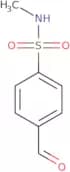
CAS:4-Formyl-N-methylbenzenesulfonamide is a fine chemical that is used as a versatile building block in the synthesis of complex compounds, research chemicals, and reagents. It is highly useful as a reagent or speciality chemical in laboratory experiments involving many different reactions. 4-Formyl-N-methylbenzenesulfonamide has been shown to be an excellent intermediate for the synthesis of high quality products. This product can also be used as a scaffold in complex organic syntheses.
Formula:C8H9NO3SPurity:Min. 95%Color and Shape:PowderMolecular weight:199.23 g/mol3,5-Dihydroxy-4-acetyltoluene
CAS:3,5-Dihydroxy-4-acetyltoluene is a versatile building block that is used in the production of various pharmaceutical and agrochemical intermediates. It can be used as a reagent for organic synthesis and as a speciality chemical. 3,5-Dihydroxy-4-acetyltoluene has been shown to have high quality and utility. This compound can also be used as a reaction component or scaffold.
Formula:C9H10O3Purity:Min. 95%Color and Shape:PowderMolecular weight:166.17 g/mol4-Toluenesulfonyl chloride
CAS:4-Toluenesulfonyl chloride is a tosylate that reacts with amines and n-oxide groups to form sulfonamides. It is used as an antimicrobial agent and as an irreversible enzyme inhibitor. 4-Toluenesulfonyl chloride inhibits enzymes in the bowel, which may be due to its ability to form a disulfide bond with cysteine residues. This compound has been shown to have anti-cancer properties in vitro, where it inhibited the growth of carcinoma cells by inhibiting DNA synthesis. 4-Toluenesulfonyl chloride also has inhibitory properties against nitrogen atoms, which are found in the active site of many enzymes.Formula:C7H7ClO2SPurity:Min. 95%Color and Shape:White Clear LiquidMolecular weight:190.65 g/mol2-Bromo-5-methoxytoluene
CAS:2-Bromo-5-methoxytoluene is a synthetic organic compound that is used as a chemical intermediate for cellulose derivatives. It is generated by the Friedel-Crafts reaction of bromine with toluene in the presence of aluminum chloride. 2-Bromo-5-methoxytoluene has been shown to react with cellulose derivatives and other hydrogen bond acceptors. This reaction is followed by protonation, which yields a chromophore that changes color from yellow to orange. The mechanism of this reaction can be explained by an acid catalysis mechanism, which begins with protonation of the carbonyl group (C=O) and formyl group (HC=O) groups. This causes the formation of an enolate ion, which reacts with a protonated carbonyl group to yield a formyl cation and an enolate ion. The formyl cation then reacts with another protonFormula:C8H9OBrPurity:Min. 95%Color and Shape:PowderMolecular weight:201.06 g/mol1,3,5-Trimethoxybenzene
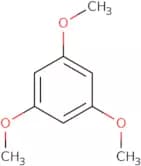
CAS:1,3,5-Trimethoxybenzene is used for the analysis of drugs in human serum and as a precursor to pharmaceuticals. It is also used as a reagent in organic synthesis. Trimethyl 1,3,5-trimethoxybenzene reacts with nitrite ion to produce an unstable intermediate that undergoes hydrolysis to form trifluoroacetic acid and hydrogen gas. The reaction mechanism involves an intramolecular hydrogen transfer from the hydroxyl group of the methoxy benzene ring to the methyl group on carbon 3. This leads to formation of a highly reactive trimethyl cation that abstracts hydrogen from water or hydroxyl groups on nearby molecules and eventually undergoes hydrolysis to produce trifluoroacetic acid and hydrogen gas.
Formula:C9H12O3Purity:Min. 98.5%Color and Shape:White PowderMolecular weight:168.19 g/mol1,3-Diacetylbenzene
CAS:Methyl ketones are organic compounds that contain a carbonyl group and an alkyl group. They are reactive, meaning they readily react with other substances. Methyl ketones can be found in many natural compounds such as the essential oils of lavender and rosemary, which have been shown to possess anti-diabetic properties. 1,3-Diacetylbenzene is a methyl ketone that has been used as an experimental model for the study of mitochondrial membrane potential and sciatic nerve injury. This chemical also has conformational properties that mimic those of kinesin and enolate, which are molecules involved in DNA replication.Formula:C10H10O2Purity:Min. 95%Color and Shape:PowderMolecular weight:162.19 g/molPyrene
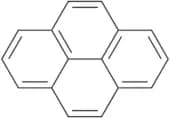
CAS:Pyrene is a chemical compound that has been found to bind to DNA and inhibit the transcription of genetic information. It has been used as a fluorescence probe in biochemical research, wastewater treatment, and surface methodology. As a redox probe, pyrene can be used to measure the redox potential of reaction solutions. Pyrene has also been used as an analytical method for measuring transfer reactions in biological studies.
Formula:C16H10Purity:Min. 98 Area-%Color and Shape:PowderMolecular weight:202.25 g/mol1-Nitro-2,4,6-trimethoxybenzene
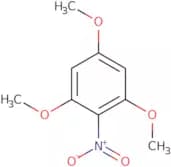
CAS:1-Nitro-2,4,6-trimethoxybenzene is a chemical compound that belongs to the nitro group. It has been found to be an electron donor in bacterial cells, and has been shown to be effective against the growth of bacteria by catalytic reduction. This reaction is highly specific for nitro compounds and does not occur with other classes of compounds. Mass spectrometric analysis of the reaction solution revealed that significant amounts of hydrogen gas were generated during this process. The use of aminoguanidine as a reducing agent resulted in a decrease in the production of hydrogen gas. 1-Nitro-2,4,6-trimethoxybenzene also has been shown to inhibit cytochrome p450 enzymes in rats and humans.Formula:C9H11NO5Purity:Min. 95%Color and Shape:PowderMolecular weight:213.19 g/mol1-Bromo-2,4-dinitrobenzene
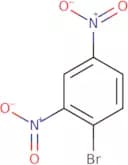
CAS:1-Bromo-2,4-dinitrobenzene, also known as DNB, is a molecule that belongs to the group p2. It has been shown to be a substrate for catalysis in vitro assays. 1-Bromo-2,4-dinitrobenzene is used in cancer research and can inhibit the growth of skin cells. 1-Bromo-2,4-dinitrobenzene does not show any cytotoxic effects on untreated control cells and it has been shown to have limited solubility in water (less than 0.1 g/L). This molecule also shows low reactivity with nucleophilic compounds and has been found to be less reactive than nitro compounds.Formula:C6H3BrN2O4Purity:Min. 95%Color and Shape:Off-White PowderMolecular weight:247 g/molOrcinol monohydrate
CAS:Orcinol monohydrate is a high quality chemical that can be used as a reagent, complex compound, or useful intermediate in the synthesis of fine chemicals. It is also an important building block in the synthesis of other compounds. This product has CAS No. 6153-39-5 and is classified as a speciality chemical. It is also a versatile building block that can be used as a reaction component in organic syntheses.Formula:C7H10O3Molecular weight:142.16 g/mol4-Nitrobenzeneethanol
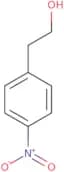
CAS:4-Nitrobenzeneethanol is a primary amine that is synthesized from the amino acid L-glutamic acid and the alcohol 4-nitrobenzyl alcohol. It is activated by reaction with sodium hydroxide solution, which releases hydrogen ions. The conjugates of this compound are isomers. 4-Nitrobenzeneethanol can be used to synthesize compounds that have different functional groups, such as monoclonal antibodies for the treatment of parasitic diseases.Formula:C8H9NO3Purity:Min. 95%Color and Shape:PowderMolecular weight:167.16 g/mol1,4-Diisopropenylbenzene
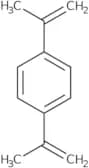
CAS:1,4-Diisopropenylbenzene is a hydrocarbon solvent that is used as a reagent in organic synthesis. It is reactive and can react with an inorganic acid such as hydrochloric acid to form an ester. The reaction time of 1,4-diisopropenylbenzene with an alkali metal hydroxide such as magnesium hydroxide is about one hour at room temperature. The product of this reaction is the magnesium salt of the corresponding carboxylic acid. 1,4-Diisopropenylbenzene has been shown to be toxic to mouse melanoma cells and has been used for cationic polymerization reactions. It has also been shown to be reactive with vinylene and other monomers, forming gels that are useful in making rubber products.
Formula:C12H14Purity:Min. 95%Color and Shape:PowderMolecular weight:158.24 g/mol2,4,6-Trinitrobenzenesulfonic acid - 5% Aqueous solution
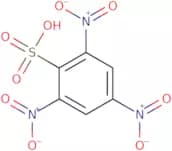
CAS:2,4,6-Trinitrobenzenesulfonic acid (also known as TNBS, TNSBA or picrylsulfonic acid) is a strongly oxidising organic acid that has long been used as a reagent to determine the presence of free primary amine groups. TNBS reacts rapidly with primary amines to form highly coloured N-trinitrophenyl acid products which can then be analysed by colorimetry. The amine can be regenerated by treatment with hydrazine. This analytical technique can also be applied to thiols and hydrazides. As is common with nitrated aromatic compounds, there is a risk of explosion and TNBS is typically commercially available as a solution. We also supply the 1% solution in DMF.Formula:C6H3N3O9SColor and Shape:Colorless Yellow Clear LiquidMolecular weight:293.17 g/molRef: 3D-FT73268
2g402.00€5g581.00€10g737.00€25g1,154.00€50g2,050.00€200g5,345.00€250g4,404.00€38.69g1,412.00€(2-Bromoethyl)benzene
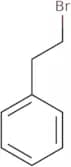
CAS:2-Bromoethylbenzene is a nucleophilic substitutive agent that can be used in organic synthesis. It reacts with an electron-rich compound to form a covalent bond and release bromine. 2-Bromoethylbenzene has been shown to have therapeutic effects on autoimmune diseases such as arthritis and lupus erythematosus. It also has the ability to inhibit protease activity, which may be due to its hydroxy derivative. The reaction mechanism of 2-bromoethylbenzene is not fully understood, but it is known that halides can increase the rate of the substitution reaction. This chemical also has pharmaceutical applications, including as a precursor in amphetamine synthesis and as a reagent in kinetic studies of enzymes.Formula:C8H9BrPurity:Min. 95%Color and Shape:Colorless Clear LiquidMolecular weight:185.06 g/mol2-Methoxybenzene sulphonamide
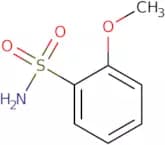
CAS:2-Methoxybenzene sulphonamide is an anti-cancer drug that belongs to the class of hydroxylated aromatic compounds. It has been shown to inhibit the growth of cancer cells in culture and in animals, and to prevent the formation of metastases. 2-Methoxybenzene sulphonamide is also a vasodilator drug used for the treatment of congestive heart failure. This drug binds to dopamine receptors in humans and may inhibit phosphatase activity. It has been shown to act as an antihypertensive by inhibiting angiotensin II mediated hypertrophy of cardiac tissue.Formula:C7H9NO3SPurity:Min. 95%Color and Shape:White PowderMolecular weight:187.22 g/mol1,4-Diacetylbenzene
CAS:1,4-Diacetylbenzene (1,4-DAB) is a tetradentate ligand that binds to metal ions. It has been used to model the active site of acetylcholinesterase, as well as for supramolecular chemistry. 1,4-DAB has been shown to have anticholinesterase activity and is used in crosslinkers. 1,4-DAB forms hydrogen bonds with the nitrogen atom of the carbonyl group and also stabilizes molecules through its dipole interactions. The kinetic properties of 1,4-DAB have been studied by modelling studies and by Nuclear Magnetic Resonance spectroscopy. Metformin hydrochloride (MET) is a biguanide antihyperglycemic agent that inhibits glucose production in the liver and promotes insulin sensitivity in peripheral tissues.Formula:C10H10O2Purity:Min. 99.0 Area-%Color and Shape:White PowderMolecular weight:162.19 g/mol1,3,5-Tribromobenzene
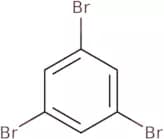
CAS:1,3,5-Tribromobenzene is a chemical compound that belongs to the class of aromatic hydrocarbons. It is used as a solvent in the synthesis of pharmaceuticals and as a precursor for other organic compounds. 1,3,5-Tribromobenzene has been shown to bind to specific receptors on the surface of cells and affect their function. It also binds to hydrochloric acid and forms a matrix with it that can be used for analytical purposes. 1,3,5-Tribromobenzene has been found to have uv absorption properties, making it useful for analytical purposes. The molecule is stable in nonpolar solvents such as n-dimethyl formamide (DMF) and methyl tert-butyl ether (MTBE). 1,3,5-Tribromobenzene can be synthesized by coupling three molecules of benzene with one molecule of bromine using the Suzuki reaction.Formula:C6H3Br3Purity:Min. 97.5%Color and Shape:White PowderMolecular weight:314.8 g/mol2,4,6-Trimethylbromobenzene
CAS:2,4,6-Trimethylbromobenzene is a chemical compound with the molecular formula C7H8Br3. It is synthesized by the reaction of 2,4,6-trimethylaniline and bromine in the presence of a base such as potassium carbonate or sodium hydroxide. The synthesis can be carried out with or without solvent. When heated at reflux in toluene, it undergoes an electrophilic substitution reaction with chloroform to form 2-chloro-6-methylbenzene. 2,4,6-Trimethylbromobenzene can also be synthesized by reacting 1,3-dibromopropane with hydroquinone and dibutyltin dichloride in the presence of a strong acid catalyst. The light emission from this compound appears as a yellow color in solution. The molecule has three asymmetric centers: two on the benz
Formula:C9H11BrPurity:80%Color and Shape:Clear LiquidMolecular weight:199.09 g/molNitrobenzene
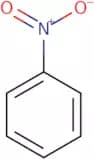
CAS:Nitrobenzene is a chemical that is used in wastewater treatment. It reacts with sodium carbonate to form sodium nitrite and hydrogen fluoride. The reaction mechanism is not well understood, but it is thought that the hydrogen fluoride acts as a catalyst for the reaction. Nitrobenzene has been shown to have transport properties in natural water systems. It can be found in the environment from industrial waste or from the combustion of fossil fuels. Nitrobenzene has been shown to cause chronic exposure when ingested by humans and animals, as well as structural changes in DNA, which may lead to cancer. Nitrobenzene can also react with an inorganic acid to form an organic compound called a nitrosamine. These compounds are carcinogenic and mutagenic, and have been linked to various cancers such as bladder cancer, stomach cancer, pancreatic cancer, lung cancer, breast cancer, esophageal cancer and liver cancer. The most common nitrosamines are N-nitFormula:C6H5NO2Purity:Min. 98 Area-%Color and Shape:Colorless Clear LiquidMolecular weight:123.11 g/mol2,6-Diaminotoluene
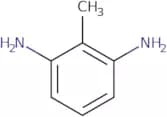
CAS:2,6-Diaminotoluene (2,6-TDA), also known as o-tolidine, is a colorless to yellowish crystalline solid that is soluble in organic solvents. This compound has been shown to be genotoxic and carcinogenic in laboratory animals. 2,6-TDA binds to the receptor molecule of DNA and inhibits the repair of DNA strand breaks, leading to mutations and cancerous cells. 2,6-TDA has been shown to have toxic effects on fetal bovine kidney cells at low doses. The toxicity studies showed that 2,6-TDA inhibits cell growth and induces apoptosis in a dose dependent manner. This study also shows that 2,6-TDA inhibits protein synthesis by binding to ribosomes in the cytoplasm.Formula:C7H10N2Purity:Min. 95%Color and Shape:PowderMolecular weight:122.17 g/mol2-Nitrobenzenesulfonyl chloride
CAS:2-Nitrobenzenesulfonyl chloride is a cyclic peptide that has been shown to be effective in the synthesis of a variety of biologically active compounds. It is used in the preparation of hydrochloric acid, hydroxyl group, lysine residues, and methyl ketones. It also has been used in analytical methods for the determination of cancer. 2-Nitrobenzenesulfonyl chloride is an aziridine with a Michaelis-Menten kinetics. This chemical structure allows hydrogen bonding with proteins, which is important for conformational changes and biological activity. 2-Nitrobenzenesulfonyl chloride has also been shown to inhibit cancer cells as well as human serum through hydrogen bond interactions.Formula:C6H4ClNO4SPurity:Min. 95%Color and Shape:Slightly Yellow PowderMolecular weight:221.62 g/molMethyl benzenesulfinate
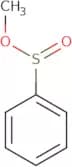
CAS:Methyl benzenesulfinate (MS) is a selenium compound that inhibits the replication of DNA and RNA. MS has been shown to be effective against cancer, HIV infection, and cachexia. It has also been used as an immunosuppressant in patients with autoimmune diseases or nervous system diseases. MS binds to the phosphate group of the nucleotide thymidine monophosphate, preventing formation of ATP and leading to cell death by inhibiting protein synthesis. This drug may cause symptoms such as nausea, vomiting, headache, dizziness, and skin rash. Methyl benzenesulfinate has also been shown to inhibit kinases in women with breast cancer.br>br> Methyl benzenesulfinate belongs to the class of inhibitors that target β-unsaturated ketones. It is used for treatment of various cancers like leukemia because it inhibits polymerase activity and prevents replication in cells. Methyl benzenesulfinate is a structural formula made upFormula:C7H8O2SPurity:Min. 98%Color and Shape:Clear LiquidMolecular weight:156.2 g/mol1-Bromo-2,4,6-trimethoxybenzene
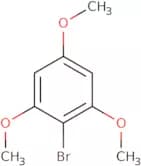
CAS:1-Bromo-2,4,6-trimethoxybenzene is a reactive chemical that has shown to have toxic properties in model studies. It reacts with metals such as Iridium and can be used to remove halogens from solutions. It is also able to react with a variety of other molecules, including peroxides, chlorine gas and bromine gas. 1-Bromo-2,4,6-trimethoxybenzene can form free radicals when exposed to UV radiation and may be used as a ligand for metal ions. 1-Bromo-2,4,6-trimethoxybenzene is also soluble in n-dimethylformamide and carbon tetrachloride.
Formula:C9H11BrO3Purity:Min. 95%Color and Shape:White PowderMolecular weight:247.09 g/mol2-Bromo-6-nitrotoluene
CAS:2-Bromo-6-nitrotoluene is a chemical compound that has been shown to bind to the 5-HT7 receptor of the human protein. It has been shown to have affinity for this receptor and functional assays have found it to be selective for this receptor. The hydrogen bonding interactions between 2-bromo-6-nitrotoluene and the 5-HT7 receptor are stronger than those between 2-bromo-6-nitrotoluene and other receptors, such as the 5-HT1A and 5HT1D receptors. Additionally, molecular modeling studies have shown that 2-bromo-6-nitrotoluene has a higher binding affinity for the 5HT7 receptor than other serotonin receptors. This molecule has been synthesized by researchers in a scalable synthesis process with high yields. The intramolecular hydrogen bonds may also help stabilize this molecule in vivo, as they would not be expected to break downFormula:C7H6BrNO2Purity:Min. 95%Color and Shape:PowderMolecular weight:216.03 g/mol2,3-Dimethoxytoluene
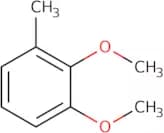
CAS:2,3-Dimethoxytoluene is a chemical used in food chemistry and analytical methods. It is the product of the reaction between 2-methoxybenzaldehyde and formaldehyde. 2,3-Dimethoxytoluene is used as an intermediate for the synthesis of papaverine, a drug that has analgesic properties. This chemical also reacts with an acid to produce dimethoxytoluene, a chemical that contains two methoxy groups on opposite sides of the benzene ring.
Formula:C9H12O2Purity:Min. 95%Color and Shape:PowderMolecular weight:152.19 g/mol3,5-Dihydroxytoluene
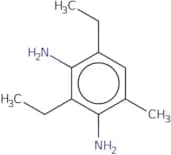
CAS:3,5-Dihydroxytoluene is a natural compound that is structurally related to p-hydroxybenzoic acid. It has been shown to be an efficient fluorescent probe for the detection of quillaja saponaria in wastewater treatment plants. 3,5-Dihydroxytoluene also reacts with orcinol to produce a disulfide bond and can undergo polymerization reactions with nucleophiles such as amines and thiols. It is not active against aerobacter aerogenes, but has been shown to have high values against carcinoma cell lines.Formula:C7H8O2Purity:Min. 97.5 Area-%Color and Shape:White Off-White PowderMolecular weight:124.14 g/molDiethyltoluenediamine (2,4 and 2,6 diamine regioisomers)
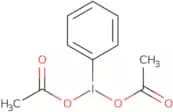
CAS:Chain extender for elastomeric polyurethane; curing agent for epoxy resinFormula:C11H18N2Purity:Min. 95%Color and Shape:Clear LiquidMolecular weight:178.27 g/molIodobenzene 1,1-diacetate
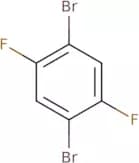
CAS:Iodobenzene 1,1-diacetate (PIDA) is a compound containing a hypervalent iodine. This unusual valence of the iodine makes iodobenzene 1,1-diacetate an ideal oxidizing agent in organic synthesis. Furthermore, it is common practice to use iodobenzene 1,1-diacetate to prepare similar reagents by substituting the acetate groups for the desired functional group (Yusubov, 2019). Due to its low toxicity compared to other iodine derivatives, iodobenzene 1,1-diacetate (PIDA) is a common reagent used in total synthesis in the pharmaceutical and agrochemical industry, to produce sugars, alkaloids, antibiotics, etc (Tohma, 2002).Formula:C10H11IO4Purity:Min. 98 Area-%Color and Shape:White PowderMolecular weight:322.1 g/mol1,4-Dibromo-2,5-difluorobenzene
CAS:1,4-Dibromo-2,5-difluorobenzene is a synthetic compound that is used as a building block for the synthesis of polymers. It is also a natural product that can be isolated from plant material and has been shown to have antimicrobial properties. 1,4-Dibromo-2,5-difluorobenzene has been shown to have an acceptor group and it polymerizes in the presence of free radicals. This compound has been studied using gel permeation chromatography, x-ray structures, and microscopy studies. It is a nonpolar solvent at room temperature and its fluoro group makes it reactive with other polar solvents such as water.
Formula:C6H2Br2F2Purity:Min. 95%Color and Shape:PowderMolecular weight:271.88 g/mol4-Octylbenzenesulfonic acid sodium salt
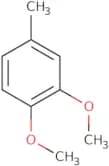
CAS:4-Octylbenzenesulfonic acid sodium salt is a versatile building block that is used in the synthesis of pharmaceuticals, agrochemicals, and specialty chemicals. The compound is soluble in water and can be used as an intermediate in organic synthesis. 4-Octylbenzenesulfonic acid sodium salt has been used as a reagent for research purposes and as a starting material for the synthesis of other compounds. It is also used as a building block for complex molecules. CAS No. 6149-03-7Formula:C14H21NaO3SPurity:Min. 97 Area-%Color and Shape:PowderMolecular weight:292.37 g/mol3,4-Dimethoxytoluene
CAS:3,4-Dimethoxytoluene is a methoxylated aromatic hydrocarbon. It has the chemical formula CH3OCH2C6H4CH3. 3,4-Dimethoxytoluene is used as an intermediate in the synthesis of a variety of organic compounds including olefins, polymers, and pharmaceuticals. It can also be used to extract fatty acids from plant oils and animal fats. The extraction yield increases when using this compound as an extraction solvent. 3,4-Dimethoxytoluene is synthesized by reacting benzene with formaldehyde in the presence of a Friedel-Crafts catalyst such as aluminum chloride or zinc chloride. END>>Formula:C9H12O2Purity:Min. 95%Color and Shape:PowderMolecular weight:152.19 g/mol2,4-Dichloronitrobenzene
CAS:2,4-Dichloronitrobenzene is a chemical compound that is used in the production of dyes, drugs, and pesticides. It has been shown to be effective against alopecia areata in vitro. This chemical also exhibits detoxification enzymes activity. 2,4-Dichloronitrobenzene is activated by benzalkonium chloride and then undergoes microbial metabolism. The chlorine atom on this molecule can be substituted with another kind of halogen in order to modify its properties. In vitro studies have shown that 2,4-dichloronitrobenzene is metabolized by human serum as well as wastewater treatment systems.
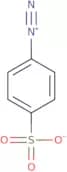
2,4-DichloronitrobenzeneFormula:C6H3Cl2NO2Purity:Min. 95%Color and Shape:Solidified MassMolecular weight:192 g/mol4-Diazobenzenesulfonic acid - moistened with water (H2O~50%)
CAS:4-Diazobenzenesulfonic acid is a reagent used for the determination of phenols, amines and, bilirubin. It also has extensive usage as a protein-modifying reagent. This is because it reacts with a wide variety of functional groups in proteins including: tyrosine, histidine, amino, and thiol residues. It is known to react with proteins located on the exterior of erythrocytes; additionally, it has been used to study chloroplast and mitochondrial membranes.
Formula:C6H4N2O3SPurity:Min. 95%Color and Shape:PowderMolecular weight:184.17 g/mol1-Bromo-2-methoxy-3-nitrobenzene
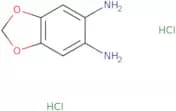
CAS:1-Bromo-2-methoxy-3-nitrobenzene is a high quality chemical that is used as a reagent and building block in organic synthesis. It is also a versatile intermediate and can be used in the synthesis of complex compounds. This chemical has been shown to have anti-inflammatory properties, which may be due to its inhibition of prostaglandin synthesis.Formula:C7H6BrNO3Purity:Min. 95%Color and Shape:PowderMolecular weight:232.03 g/mol1,2-Diamino-4,5-methylenedioxybenzene dihydrochloride
CAS:1,2-Diamino-4,5-methylenedioxybenzene dihydrochloride, also known as DMB dihydrochloride, is a building block used in organic chemistry. DMB dihydrochloride is the bis HCl salt of a 1,3-benzodioxole ring with amino groups in the 4 and 5 positions.
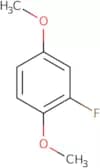
Formula:C7H10Cl2N2O2Purity:Min. 90 Area-%Color and Shape:Beige PowderMolecular weight:225.07 g/mol1,4-Dimethoxy-2-fluorobenzene
CAS:1,4-Dimethoxy-2-fluorobenzene is a synthetic molecule that belongs to the class of halides. It is used as a ligand in X-ray crystallography and has been shown to have anti-cancer properties. 1,4-Dimethoxy-2-fluorobenzene can be prepared by reacting primary amines with chloroformates in the presence of bases at temperatures between -20 °C and 100 °C. This method is efficient and produces high yields. The synthesis of 1,4-dimethoxy 2-fluorobenzene can be optimized by using strategies such as preparative scale techniques or temperature changes.
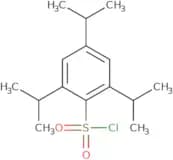
Formula:C8H9FO2Purity:Min. 95%Color and Shape:PowderMolecular weight:156.15 g/mol2,4,6-Triisopropylbenzenesulfonyl chloride
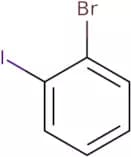
CAS:2,4,6-Triisopropylbenzenesulfonyl chloride is a molecule that belongs to the class of ethylene diamine. It has been shown to inhibit the replication of herpes simplex virus in cell culture. This compound has an intramolecular hydrogen and steric interactions with a hydroxyl group. The analog of this molecule is 2,4,6-triisopropylbenzenesulfonic acid. 2,4,6-Triisopropylbenzenesulfonyl chloride can be used as a sulfonation agent and is known for its ability to react with nitrogen nucleophiles such as amines or ammonia.Formula:C15H23SO2ClPurity:Min. 95%Molecular weight:302.86 g/mol1-Bromo-2-iodobenzene
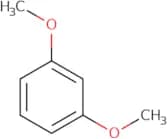
CAS:1-Bromo-2-iodobenzene is an aryl halide that is used in analytical chemistry as a model system for copper chloride. It is also used to study the interaction of 5-HT1A receptors with aromatic hydrocarbons and has been shown to be effective in treating cervical cancer. The light emission from 1-Bromo-2-iodobenzene can be used as a probe for asymmetric synthesis, and it can also be used in metathesis reactions to isolate yield. 1-Bromo-2-iodobenzene binds to lysine residues on proteins and blocks the activity of enzymes by forming covalent bonds with amino acid residues in the active site.Formula:C6H4BrIPurity:Min. 98%Color and Shape:Yellow Clear LiquidMolecular weight:282.9 g/mol1,3-Dimethoxybenzene
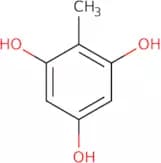
CAS:1,3-Dimethoxybenzene is a carbonyl compound with the chemical formula C6H4(OCH2)2. It is soluble in water and has a boiling point of 176 °C. This compound reacts with hydrochloric acid to produce an intermediate acid chloride and hydrogen chloride gas. 1,3-Dimethoxybenzene also reacts with trifluoromethanesulfonic acid to produce an intermediate sulfonium salt and hydrogen fluoride gas. 1,3-Dimethoxybenzene can be used as a reagent for analytical methods such as IR spectroscopy, NMR spectroscopy, or mass spectrometry. When 1,3-dimethoxybenzene is combined with sodium hydroxide and acetic acid it forms an isothiouronium salt that can be used to study the effects of fatty acids on physiological activity. 1,3-Dimethoxybenzene has conformationalFormula:C8H10O2Purity:Min. 95%Color and Shape:Clear LiquidMolecular weight:138.16 g/mol2,4,6-Trihydroxytoluene
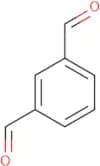
CAS:2,4,6-Trihydroxytoluene is a phenolic compound with an intense yellow color. It is used for the preparation of dryopteris and as a fabric dye. 2,4,6-Trihydroxytoluene is also used in the production of pharmaceuticals and as a chemical intermediate. 2,4,6-Trihydroxytoluene has been shown to inhibit the growth of bacteria by binding to one or more hydroxyl groups on the bacterial cell wall. This binding prevents the formation of an antibiotic-inhibitor complex with the enzyme cell wall synthesis that is required for cell wall biosynthesis, inhibiting protein synthesis and cell division.Formula:C7H8O3Purity:Min. 95%Color and Shape:Red PowderMolecular weight:140.14 g/mol1,3-Benzenedialdehyde
CAS:1,3-Benzenedialdehyde (1,3-BD) is a compound that is formed from the oxidation of benzene by copper chloride in a model system. It can be used as a substrate film to study covalent linkages. The electrochemical impedance spectroscopy (EIS) technique has been used to determine the stability of 1,3-BD in reaction solution. The EIS results show that 1,3-BD is stable and its complexes are relatively stable. This compound also reacts with malonic acid to form 1,2-benzenediol and 2-methylmalonic acid. The molecular structure of 1,3-BD has been determined using X-ray crystallography and it was found that nitrogen atoms are present on the molecule. Chemical reactions have not been observed with 1,3-BD when subjected to heat or light.
Formula:C8H6O2Purity:Min. 95%Color and Shape:PowderMolecular weight:134.13 g/mol4-(Dimethylamino)phenol
CAS:4-(Dimethylamino)phenol is a reactive molecule that can react with sodium carbonate to form a fluorescent product. The reaction mechanism has been elucidated by fluorescence spectroscopy and linear calibration curves. 4-DMA(OH)P reacts with sodium carbonate in water at physiological levels, producing p-hydroxybenzoic acid and 4-dimethylaminobenzoic acid. These compounds are also found in the matrix of bacterial cells and may serve as markers for the identification of bacterial metabolism. The reaction between 4DMA(OH)P and sodium carbonate was examined by X-ray crystal structures, which revealed that the reactive site is located on the phenolic hydroxyl group of 4DMA(OH)P. This study showed that the reactive site is localized on the phenolic hydroxy group of 4DMA(OH)P, which makes this molecule useful for identification of bacterial metabolism by means of matrix effect.Formula:C8H11NOPurity:Min. 95%Molecular weight:137.18 g/mol2-Bromo-5-iodotoluene
CAS:2-Bromo-5-iodotoluene (2BIOT) is a synthetic compound that has been used as an immunosorbent in immunoassays. It is also a fluorescing radical and can be used to detect other radicals, making it useful for many different types of assays. The compound was first synthesized by the reaction of sodium periodate with 2-bromotoluene; the reaction was catalyzed by radical mechanism. This synthesis is an advance in organic chemistry because it provides a new method for synthesizing brominated compounds.Formula:C7H6BrIPurity:Min. 95%Color and Shape:Slightly Yellow PowderMolecular weight:296.93 g/mol2-Bromo-1,3-diethylbenzene
CAS:2-Bromo-1,3-diethylbenzene is a reactive intermediate that can be used for the synthesis of styrene derivatives. It is also used as an anesthetic agent and has been shown to have cognition-enhancing properties. This compound reacts with electrophiles to form monoadducts, which are useful for protein targetting. The pharmacophore of 2-bromo-1,3-diethylbenzene consists of vinyl groups and halides. Radiation induces substitution reactions on the vinyl groups. Pharmacophores are important in drug design because they help identify specific chemical features that are necessary for binding to a particular protein target or protein targets.
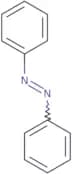
Formula:C10H13BrPurity:Min. 95%Color and Shape:Clear LiquidMolecular weight:213.11 g/molAzobenzene
CAS:Azobenzene is an azobenzene that binds to the actin filaments and inhibits their polymerization. It has been shown to inhibit the polymerization of actin filaments in human serum, which may be due to its ability to react with the nitrogen atoms in actin. Azobenzene has also been shown to have a thermal expansion coefficient of 0.015x10⁻⁵/°C, which is much larger than that of most other compounds. The molecular geometry of azobenzene is planar and symmetrical, with two hydrogen atoms on each nitrogen atom on both sides of the molecule. This symmetry leads to a low intramolecular hydrogen bonding energy. The molecule’s photochemical properties are also interesting because it has a long lifetime and can be excited by wavelengths between 400-500 nm.
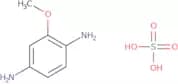
Formula:C12H10N2Purity:Min. 97.5 Area-%Color and Shape:PowderMolecular weight:182.22 g/mol2-Methoxybenzene-1,4-diamine sulfate
CAS:2-Methoxybenzene-1,4-diamine sulfate (2MBDS) is a chemical that inhibits the synthesis of quinolines and dyes. 2MBDS is used as a control in animal experiments to maintain the level of sulfate in the blood. It is injected into animals and then measured using assays to measure the concentration of sulfate in the blood. 2MBDS has been shown to cause genetic damage and death in animals, as well as brittleness of muscle cells. The effects of 2MBDS on DNA replication and cell division have been studied by observing its effect on meiosis in mice. This chemical also simplifies chromosome structure and reduces chromosome number during meiosis, which may lead to chromosomal aberrations.
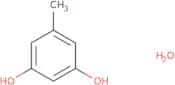
Formula:C7H10N2O·H2O4SPurity:Min. 95%Color and Shape:Off-White PowderMolecular weight:236.25 g/mol3,5-Dihydroxytoluene monohydrate
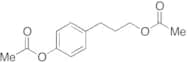
CAS:3,5-Dihydroxytoluene monohydrate (3,5-DHMT) is a glycan that is extracted from soybean. It has been shown to have antimicrobial properties and can be used in the treatment of hypoxic tumors. 3,5-DHMT binds to fatty acids on the surface of bacteria and prevents them from attaching to the cell wall. This prevents the bacteria from multiplying and causes their death. 3,5-DHMT has been shown to inhibit bacterial growth by binding to the molecule at an activation energy that is lower than other glycosidic bonds such as those found in glucose or ribose. The molecule also inhibits gland cells in humans which produce surfactant proteins, inhibiting mucus production and potentially reducing asthma symptoms.Formula:C7H8O2·H2OPurity:(%) Min. 98%Color and Shape:White Clear LiquidMolecular weight:142.15 g/mol4-(3-Acetoxypropyl)phenyl Acetate
CAS:Controlled ProductApplications 4-(3-Acetoxypropyl)phenyl Acetate is an intermediate used in biological studies for biodistribution and elimination of xenoestrogen nonylphenol in Wistar rats.
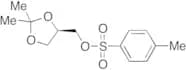
References Oriyama, T., et al.: Synlett., 6, 701 (1997);Formula:C13H16O4Color and Shape:NeatMolecular weight:236.26(R)-(-)-2,2-Dimethyl-1,3-dioxolan-4-ylmethyl p-Toluenesulfonate
CAS:Controlled ProductApplications (R)-(-)-2,2-Dimethyl-1,3-dioxolan-4-ylmethyl p-Toluenesulfonate is a chiral building block. It is used to prepare the antifungal agent ketoconazole. It is also used to prepare acyclic Nucleotide Analogs Derived from 8-Azapurines with antiviral activities.
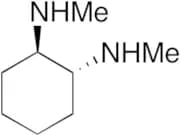
References Rotstein, D., et al.: J. Med. Chem., 35, 2818 (1992); Holy, A., et al.: J. Med. Chem., 39, 4073 (1996)Formula:C13H18O5SColor and Shape:NeatMolecular weight:286.34trans-(1R,2R)-N,N’-Bismethyl-1,2-cyclohexanediamine
CAS:Controlled ProductApplications trans-(1R,2R)-N,N’-Bismethyl-1,2-cyclohexanediamine is a useful research chemical for organic synthesis and other chemical processes.
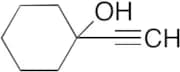
References Bollenbach, M., et al.: Chem. Eur. J., 23, 13676 (2017); Thaisrivongs, D. A., et al.: Org. Lett., 18, 5780 (2016)Formula:C8H18N2Color and Shape:NeatMolecular weight:142.241-Ethynylcyclohexanol
CAS:Controlled ProductApplications 1-Ethynylcyclohexanol is used in the preparation of 9-methyladenines used as adenosine receptor antagonists. Also used in the cycloadition of alkynes to organic azides.
Not a dangerous good if item is equal to or less than 1g/ml and there is less than 100g/ml in the package
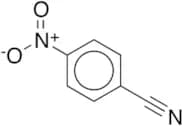
References Harada, H. et al.: J. Med. Chem. 44, 170 (2001); Zhang, L. et al.: J. Am. Chem. Soc., 127, 15998 (2005);Formula:C8H12OColor and Shape:NeatMolecular weight:124.184-Nitrobenzonitrile
CAS:Controlled ProductApplications 4-Nitrobenzonitrile (cas# 619-72-7) is a useful research chemical.
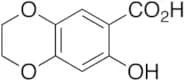
Formula:C7H4N2O2Color and Shape:NeatMolecular weight:148.127-Hydroxy-1,4-benzodioxan-6-carboxylic Acid
CAS:Controlled ProductApplications Intermediate in the preparation of Benzoxazines.
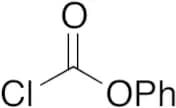
Formula:C9H8O5Color and Shape:NeatMolecular weight:196.16Phenyl Chloroformate
CAS:Controlled ProductApplications Phenyl chloroformate is a corrosive liquid that is used to synthesize Urazole, a five membered heterocyclic compound that reacts with aldoses to form α and β pyranosides and furanosides. Phenyl chloroformate is also used as a reagent to prepare Sorafenib (S676850), a multikinase inhibitor that targets the tumour and tumour vasculature in patients with melanoma.
Not a dangerous good if item is equal to or less than 1g/ml and there is less than 100g/ml in the package
References Boettecher, B. & Meister, A.: Anal. Biochem., 138, 449 (1984); Chai, W., et al.: Tetrahedron Lett., 53, 3514 (20112); Eisen, T., et al.: Brit. J. Cancer, 95, 581 (2006); Kolb, V., et al.: J. Mol. Evol., 38, 549 (1994); Llovet, J., et al.: Engl. J. Med., 359, 378 (2008)Formula:C7H5ClO2Color and Shape:NeatMolecular weight:156.57N,N’-Di-Boc (R)-1-Azido-3-[[3-fluoro-4-(morpholin-4-yl)phenyl]amino]propan-2-yl Acetate
Controlled ProductApplications N,N’-Di-Boc (R)-1-Azido-3-[[3-fluoro-4-(morpholin-4-yl)phenyl]amino]propan-2-yl Acetate is an intermediate used in the synthesis of N-Desacetyl-N,O-descarbonyl O-Acetyl Linezolid (D288280), which is an impurity of Linezolid (L466500); an oxazolidinone antimicrobial that inhibits bacterial mRNA translation.
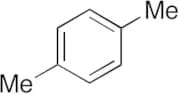
References Brickner, S.J., et al.: J. Med. Chem., 39, 673 (1996); Ford, C.W., et al.: Antimicrob. Agents Chemother., 40, 1508 (1996); Rybak, M.J., et al.: Pharmacotherapy, 18, 456 (1998); Stevens, D.L., et al.: Clin. Infect. Dis., 34, 1481 (2002)Formula:C25H38FN3O7Color and Shape:NeatMolecular weight:511.58p-Xylene
CAS:Controlled ProductApplications p-Xylene is a colorless organic solvent. It is used in the production of benzoic, isophthalic and tetraphillic acids.
Not a dangerous good if item is equal to or less than 1g/ml and there is less than 100g/ml in the package
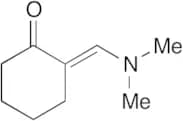
References Bramucci, M., et al.: Appl. Microbiol. Biotechnol., 58, 255 (2002)Formula:C8H10Color and Shape:ColourlessMolecular weight:106.162-(Dimethylaminomethylene)cyclohexanone
CAS:Controlled ProductApplications 2-(Dimethylaminomethylene)cyclohexanone is an intermediate in the synthesis of 2-Pentylidenecyclohexanone (P280255), a fragrance chemical. It can also be used in the synthesis of dialkylphenols in the presence of zirconium catalyst.
References Tetsuo, B. et al.: Kenkyu Hokoku - Asahi Garasu Zaidan, 58, 201 (1991); Hostynek, J. J., et al.: Toxicology in Vitro, 11, 377 (1997);Formula:C9H15NOColor and Shape:NeatMolecular weight:153.22rac-trans-[3-Hydroxycyclohexyl]benzamide
CAS:Controlled ProductApplications rac-trans-[3-Hydroxycyclohexyl]benzamide (cas# 177366-90-4) is a compound useful in organic synthesis.
Formula:C13H17NO2Color and Shape:NeatMolecular weight:219.283,3-Diphenylpropionic Acid
CAS:Controlled ProductApplications 3,3-Diphenylpropionic Acid is used in the preparation of steroid 5α-reductase inhibiting acylpiperidines. It can also be used in the preparation of calpain-inhibitory piptidyl α-ketoacids and esters.
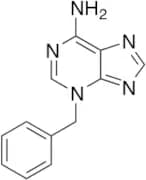
References Picard, F. et al.: J. Med. Chem., 45, 3406 (2002); Donkor, I. et al.: J. Med. Chem., 51, 4346 (2008);Formula:C15H14O2Color and Shape:NeatMolecular weight:226.273-Benzyladenine
CAS:Controlled ProductApplications 3-BENZYLADENINE (cas# 7280-81-1) is a useful research chemical.
Formula:C12H11N5Color and Shape:NeatMolecular weight:225.25N-[2-[3,4-Bis(phenylmethoxy)phenyl]ethyl]-3,4,5-trimethoxybenzeneacetamide
CAS:Controlled ProductApplications N-[2-[3,4-Bis(phenylmethoxy)phenyl]ethyl]-3,4,5-trimethoxybenzeneacetamide is an intermediate used in the synthesis of S-(-)-Tretoquinol Hydrochloride (T798100), which belongs to the class of adrenergic inhalants, selective β-2-adrenoreceptor agonists. S-(-)-Tretoquinol is used in the treatment of obstructive airway diseases. S-(-)-Tretoquinol is a bronchodilator.
References Meshi, et al.: Biochem. Pharmacol., 19, 2937 (1970), Satoh, et al.: Chem. Pharm. Bull., 19, 667 (1971),Formula:C33H35NO6Color and Shape:NeatMolecular weight:541.635-Chloro-4-nitro-2,1,3-benzoselenadiazole
CAS:Controlled ProductApplications 5-Chloro-4-nitro-2,1,3-benzoselenadiazole (cas# 20718-46-1) is a compound useful in organic synthesis.
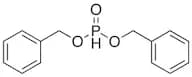
References Turesky, R., et al.: J. Agric. Food Chem., 53, 3248 (2005),Formula:C6H2ClN3O2SeColor and Shape:NeatMolecular weight:262.51Dibenzyl Hydrogen Phosphate
CAS:Controlled ProductApplications Dibenzyl Hydrogen Phosphate (cas# 538-60-3) is a compound useful in organic synthesis.
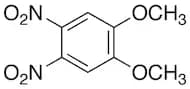
Formula:C14H15O3PColor and Shape:NeatMolecular weight:262.241,2-Dimethoxy-4,5-dinitrobenzene
CAS:Controlled ProductApplications 1,2-Dimethoxy-4,5-dinitrobenzene (cas# 3395-03-7) is a compound useful in organic synthesis.
Not a dangerous good if item is equal to or less than 1g/ml and there is less than 100g/ml in the packageFormula:C8H8N2O6Color and Shape:NeatMolecular weight:228.166,7-Dinitro-2,3-dihydro-benzo[1,4]dioxime
CAS:Controlled ProductApplications 6,7-Dinitro-2,3-dihydro-benzo[1,4]dioxime (cas# 57356-48-6) is a compound useful in organic synthesis.
Formula:C8H6N2O6Color and Shape:YellowMolecular weight:226.149-[2-[[[10-(4,5-Dimethyl-3,6-dioxo-1,4-cyclohexadien-1-yl)decyl]oxy]carbonyl]phenyl]-3,6-bis(ethylamino)-2,7-dimethyl-Xanthylium
CAS:Controlled ProductApplications 9-[2-[[[10-(4,5-Dimethyl-3,6-dioxo-1,4-cyclohexadien-1-yl)decyl]oxy]carbonyl]phenyl]-3,6-bis(ethylamino)-2,7-dimethyl-Xanthylium is an intermediate in the synthesis of SkQR1 (S555050), a mitochondria-targeted plastoquinone antioxidant that exhibits neuroprotective effect.
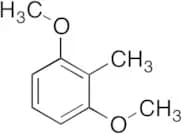
References Isaev, N.K.: Biochem. 77, 996 (2012)Formula:C44H53N2O5Color and Shape:NeatMolecular weight:689.92,6-Dimethoxytoluene
CAS:Controlled ProductApplications 2,6-Dimethoxytoluene is an organic synthesis intermediate.
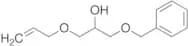
References Liu, C., et al.: Bioorg. Med. Chem., 24, 4263 (2016); Della S., et al.: J. Org. Chem., 81, 5726 (2016); Zhang, M., et al.: Asian J. Org. Chem., 4, 1047 (2015); Peixoto, P. A., et al.: J. Am. Chem. Soc., 136, 15248 (2014)Formula:C9H12O2Color and Shape:NeatMolecular weight:152.191-(Phenylmethoxy)-3-(2-propen-1-yloxy)-2-propanol
CAS:Controlled ProductApplications 1-(Phenylmethoxy)-3-(2-propen-1-yloxy)-2-propanol (cas# 83016-75-5) is a compound useful in organic synthesis.
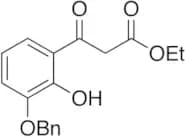
Formula:C13H18O3Color and Shape:NeatMolecular weight:222.28Ethyl (2’-Hydroxy-3’-benzyloxybenzoyl)acetate
CAS:Controlled ProductApplications Ethyl (2’-Hydroxy-3’-benzyloxybenzoyl)acetate is an intermediate used in the preparation of 8-Hydroxy Warfarin (H996140).
Formula:C18H18O5Color and Shape:NeatMolecular weight:314.33Methyl 2-[2-[(2,5-Dimethylphenoxy)methyl]phenyl]-2-(hydroxy)acetic Acid Ester
CAS:Controlled ProductApplications Methyl 2-[2-[(2,5-Dimethylphenoxy)methyl]phenyl]-2-(hydroxy)acetic Acid Ester is an intermediate used in the synthesis of Mandestrobin (M162555), which is a novel fungicide having a methoxyacetamid structure. Mandestrobin also shows safer profiles for human health and the environment.
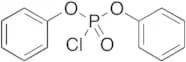
References Hirotomi, D., & Kiguchi, S.: PCT Int. Appl., WO 2017026526 A1 20170216 (2017)Formula:C18H20O4Color and Shape:NeatMolecular weight:300.35Diphenyl Chlorophosphonate
CAS:Controlled ProductApplications Diphenyl Chlorophosphonate, is a building block used for the synthesis of various chemical compounds. It can be used for the synthesis of phosphate esters of polyhedral hydroxyboranes, showing enhanced tumor uptake.
Not a dangerous good if item is equal to or less than 1g/ml and there is less than 100g/ml in the package
References Bechtold, R., et al.: J. Med. Chem., 18, 371 (1975);Formula:C12H10ClO3PColor and Shape:NeatMolecular weight:268.63Benzyl (2S)-4-Oxoazetidine-2-carboxylate
CAS:Controlled ProductApplications benzyl (2s)-4-oxoazetidine-2-carboxylate, is a building block used for various chemical synthesis such as for the synthesis of NMDA receptor antagonists, 3-alkyl-L-aspartic acids, and orally active β-lactam inhibitors.
References Baldwin, J.E. et al. Tetrahedron 51, 11581-11581, (1995); Hanessian, S. et al. Synlett , 33-33, (1992)Formula:C11H11NO3Color and Shape:NeatMolecular weight:205.212-(Cyclopropylmethoxy)-acetic Acid 1,1-Dimethyl-2-[4-(methylsulfonyl)phenyl]-2-oxoethyl Ester
CAS:Controlled ProductApplications 2-(Cyclopropylmethoxy)-acetic Acid 1,1-Dimethyl-2-[4-(methylsulfonyl)phenyl]-2-oxoethyl Ester is a useful research chemical for organic synthesis and other chemical processes.
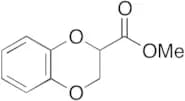
References Leblanc, Y., et al.: Bioorg. Med. Chem. Lett., 9, 2207 (1999)Formula:C17H22O6SColor and Shape:NeatMolecular weight:354.42Methyl 1,4-Benzodioxan-2-carboxylate
CAS:Applications Methyl 1,4-Benzodioxan-2-carboxylate is an intermediate used to prepare 2,3-dihydrobenzo[b|[1,4|dioxin- and indolealkylamine derivatives as potential antidepressants.
References Wang, S., et al.: Archiv der Pharmazie (Weinheim, Germany), 347, 32 (2014); Wang, S., et al.: Bioorg. Med. Chem. Lettt., 24, 1766 (2014)Formula:C10H10O4Color and Shape:Colourless To Off-WhiteMolecular weight:194.189-Hydroxydecanoic Acid Benzyl Ester
CAS:Controlled ProductApplications 9-Hydroxydecanoic Acid Benzyl Ester is an intermediate in the synthesis of Monocarboxyisodecyl Phthalate (M525575), a metabolite of Dibutyl phthalate (DBP) (D429495), which is found widely in consumer products.
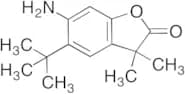
References Weber, A. E., et al.: J. Med. Chem., 35, 3755 (1992);Formula:C17H26O3Color and Shape:NeatMolecular weight:278.396-Amino-5-(1,1-dimethylethyl)-3,3-dimethyl-2(3H)-benzofuranone
CAS:Controlled ProductApplications 6-Amino-5-(1,1-dimethylethyl)-3,3-dimethyl-2(3H)-benzofuranone is an intermediate in synthesizing Ivacaftor Carboxylic Acid (I940605). It is an impurity of Ivacaftor (I940600); a drug used in the treatment of cystic fibrosis.
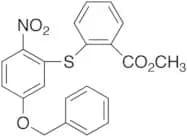
References Clancy, J. et al.: Am. J. Resp. Crit. Care. Med., 186, 593 (2012)Formula:C14H19NO2Color and Shape:NeatMolecular weight:233.314-Benzyloxy-2-(2’-carbomethoxy)thiophenylnitrobenzene
CAS:Controlled ProductApplications 4-Benzyloxy-2-(2’-carbomethoxy)thiophenylnitrobenzene (cas# 329217-03-0) is a compound useful in organic synthesis.
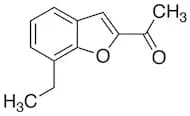
Formula:C21H17NO5SColor and Shape:YellowMolecular weight:395.432-Acetyl-7-ethylbenzofuran
CAS:Controlled ProductApplications Intermediate in the production of Bufuralol Hydrochloride
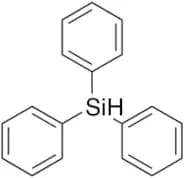
Formula:C12H12O2Color and Shape:NeatMolecular weight:188.22Triphenylsilane
CAS:Controlled ProductApplications TRIPHENYLSILANE (cas# 789-25-3) is a useful research chemical.
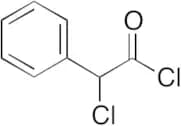
Formula:C18H16SiColor and Shape:NeatMolecular weight:260.41α-Chlorophenylacetyl Chloride
CAS:Controlled ProductApplications α-Chlorophenylacetyl Chloride is a reagent used for dehydrohalogenation of ketones.
Not a dangerous good if item is equal to or less than 1g/ml and there is less than 100g/ml in the package
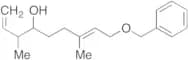
References Brady, W.T., et al.: J. Org. Chem., 45, 3525 (1980); Brady, W.T., et al.: J. Org. Chem., 45, 2025 (1980);Formula:C8H6Cl2OColor and Shape:NeatMolecular weight:189.0399-(Benzyloxy)-3,7-dimethylnona-1,7-dien-4-ol
Controlled ProductApplications 9-(Benzyloxy)-3,7-dimethylnona-1,7-dien-4-ol is an intermediate in the synthesis of Menaquinone 6 (M218590). Menaquinones are isoprenoid quinones of the naphthalene series and belongs to the K2 Vitamin homologs. Menaquinones were originally discovered as the anti-hemorrhagic factor and now encompasses a variety of physiological processes. Menaquinone-6 were the major isoprenoid quinones found in membrane preparations of Campylobacter jejuni and Campylobacter fetus.
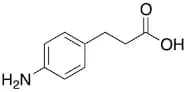
References Kiesel, B., et al.: Biodegradation, 19, 435 (2008), Suhara, Y., et al.: Bioorg. Med. Chem., 16, 3108 (2008), Gast, G., et al.: Nut., Metab., Cardiovas., Diseases, 19, 504 (2009); Carlone G.M., et al.: J. Gen. Microbiol., 129, 3385 (1983);Formula:C18H26O2Color and Shape:NeatMolecular weight:274.43-(4-Aminophenyl)propionic Acid
CAS:Controlled ProductApplications 3-(4-Aminophenyl)propionic acid (cas# 2393-17-1) is a useful research chemical.
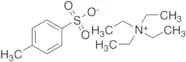
Formula:C9H11NO2Color and Shape:NeatMolecular weight:165.19Tetraethylammonium P-Toluenesulfonate
CAS:Controlled ProductApplications Tetraethylammonium P-Toluenesulfonate (cas# 733-44-8) is a useful research chemical.
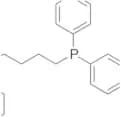
Formula:C15H27NO3SColor and Shape:Off-WhiteMolecular weight:301.451,4-Bis(diphenylphosphino)butane
CAS:Controlled ProductApplications 1,4-Bis(diphenylphosphino)butane is a catalyst precursor used in organic synthesis such as the preparation of phenanthrothiazoles.
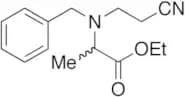
References Shi, X. et al.: J. Org. Chem., 82, 3886 (2017);Formula:C23H34N6O5Color and Shape:NeatMolecular weight:474.553N-(β-Cyanoethyl)-N-(ethoxycarbonylethyl)benzylamine
CAS:Controlled ProductApplications N-(β-Cyanoethyl)-N-(ethoxycarbonylethyl)benzylamine is a compound useful in organic synthesis.
Not a dangerous good if item is equal to or less than 1g/ml and there is less than 100g/ml in the packageFormula:C15H20N2O2Color and Shape:NeatMolecular weight:260.33[Hydroxy(tosyloxy)iodo]benzene
CAS:Controlled ProductApplications [Hydroxy(tosyloxy)iodo]benzene (cas# 27126-76-7) is a useful research chemical.
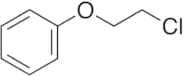
Formula:C13H13O4SIColor and Shape:NeatMolecular weight:392.2Phenyl 2-Chloroethyl Ether
CAS:Controlled ProductApplications Phenyl 2-Chloroethyl Ether (cas# 622-86-6) is a compound useful in organic synthesis.
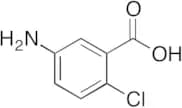
Formula:C8H9ClOColor and Shape:NeatMolecular weight:156.615-Amino-2-chlorobenzoic Acid
CAS:Controlled ProductApplications 5-Amino-2-chlorobenzoic Acid is a reagent in the preparation of potent and selective benzothiazole hydrazone inhibitors of Bcl-XL.
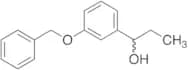
References Sleebs, B.E., et al.: J. Med. Chem., 56, 5514, (2013)Formula:C7H6ClNO2Color and Shape:NeatMolecular weight:171.58rac-1-(3-Benzyloxyphenyl)-1-propanol
CAS:Controlled ProductApplications An intermediate used in the production of various ectoparasiticides, drug metabolites and analgesic agents.
References Rastogi, S., et al.: J. Med. Chem., 16, 797 (1973), Maguire, J., et al.: Drug Metab. Disposition, 9, 393 (1981),Formula:C16H18O2Color and Shape:NeatMolecular weight:242.314-Phenylmorpholine
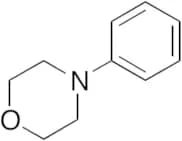
CAS:Controlled ProductApplications 4-Phenylmorpholine, is a biochemical reagent used in various chemical synthesis.
Not a dangerous good if item is equal to or less than 1g/ml and there is less than 100g/ml in the packageFormula:C10H13NOColor and Shape:NeatMolecular weight:163.222,2-Dimethylpropanoic Acid 1,1'-[[1-Ethyl-2-(4-hydroxyphenyl)-1,2-ethenediyl]di-4,1-phenylene] Ester
CAS:Controlled ProductApplications 2,2-Dimethylpropanoic Acid 1,1'-[[1-Ethyl-2-(4-hydroxyphenyl)-1,2-ethenediyl]di-4,1-phenylene] Ester is an intermediate in the synthesis of ferrocenyl tamoxifen derivatives with modified side chains.
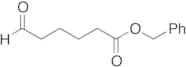
References Nguyen, A., et al.: Chem. Eur. J., 15, 684 (2009);Formula:C32H36O5Color and Shape:NeatMolecular weight:500.63Benzyl 6-Oxohexanoate
CAS:Controlled ProductApplications Benzyl 6-Oxohexanoate is an intermediate in the synthesis of N-5-Carboxypentyl-1-deoxynojirimycin (C181200), which is a ligand used for the preparation of an affinity resin highly specific for glucosidase I purification. Glucosidase I is involved in the post-translational processing of N-linked glycoproteins.
References HettKamp, H., et al.: Eur. J. Biochem., 142, 85 (1984); Shailubhai, K., et al.: Biochem. J., 247, 555 (1987); Bause, E., et al.: FEBS, 278, 167 (1991)Formula:C36H38O7SColor and Shape:NeatMolecular weight:614.7484-Benzyloxybenzoic Acid
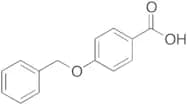
CAS:Controlled ProductApplications 4-Benzyloxybenzoic Acid is a chemical reagent in the preparation of anticancer leads such as quinolin-4-one derivatives.
References Cheng, Y. et al.: Bioorg. Med. Chem. Lett., 23, 5223 (2013);Formula:C14H12O3Color and Shape:NeatMolecular weight:228.24[3-[(Trimethylsilyl)oxy]-2-cyclohexen-1-yl]-benzene
CAS:Controlled ProductApplications [3-[(Trimethylsilyl)oxy]-2-cyclohexen-1-yl]-benzene (cas# 108643-81-8) is a compound useful in organic synthesis.
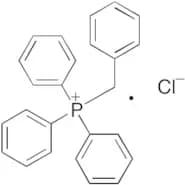
Formula:C15H22OSiColor and Shape:NeatMolecular weight:246.42Benzyltriphenylphosphonium Chloride
CAS:Controlled ProductApplications Benzyltriphenylphosphonium Chloride was used as a reagent in the organic synthesis of several compounds including that of stabilised phosphonium ylides containing saturated oxygen heterocycles. Also used in the synthesis of novel substituted cis-stilbene derivatives which display antimicrobial activity.
Not a dangerous good if item is equal to or less than 1g/ml and there is less than 100g/ml in the package
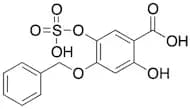
References Aitken, R., et al.: Org. Biomol. Chem., 14, 1794 (2016); Jain, D., et al.: World J. Pharm. Sci., 4, 1473 (2015);Formula:C25H22P·ClColor and Shape:NeatMolecular weight:353.42(35.45)4-(Benzyloxy)-2-hydroxy-5-(sulfooxy)benzoic Acid
Controlled ProductApplications 4-(Benzyloxy)-2-hydroxy-5-(sulfooxy)benzoic Acid is an intermediate used in the synthesis of 4-Hydroxy Flecainide (H942485), which is an analogue of Flecainide (F390000).
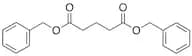
References Blom, Y., et al.: J. Chromatogr., 653, 138 (1993),Formula:C14H12O8SColor and Shape:NeatMolecular weight:340.3051,5-Dibenzyl Glutarate
CAS:Controlled ProductApplications 1,5-Dibenzyl Glutarate (cas# 56977-08-3) is a compound useful in organic synthesis.
Formula:C19H20O4Color and Shape:NeatMolecular weight:312.36Methyl 2-(3-Nitrobenzylidene)-3-oxobutanoate (1:1 E/Z Mixture)
CAS:Controlled ProductApplications Methyl 2-(3-Nitrobenzylidene)-3-oxobutanoate is a useful reactant in organic synthesis.
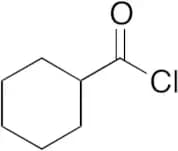
References Miao, Chun-Bao, et al.: Heterocycles, 87(4), 853-859 (2013);Kang, Soosung, et al.: Bioorg. & Med. Chem., 21(14), 4365-4373 (2013);Li, Wan, et al.: Archiv der Pharmazie (Weinheim, Germany), 346(9), 635-644 (2013)Formula:C12H11NO5Color and Shape:NeatMolecular weight:249.22Cyclohexanecarbonyl Chloride
CAS:Controlled ProductApplications Cyclohexanecarbonyl Chloride is used to prepare 1,2,3-triazoles as inhibitors of human immunodeficiency virus type 1 protease. It was also used to synthesize benzothiazole as potent antitumor agents.
Not a dangerous good if item is equal to or less than 1g/ml and there is less than 100g/ml in the package
References Whiting, M., et al.: J. Med. Chem., 49, 7697 (2006); Yoshida, M., et al.: Bioorg. Med. Chem. Lett., 15, 3328 (2005)Formula:C7H11ClOColor and Shape:NeatMolecular weight:146.61

















![N,N’-Di-Boc (R)-1-Azido-3-[[3-fluoro-4-(morpholin-4-yl)phenyl]amino]propan-2-yl Acetate](/_next/image/?url=https%3A%2Fstatic.cymitquimica.com%2Fproducts%2FTR%2Fthumb-webp%2FD422605.webp&w=3840&q=75)
![rac-trans-[3-Hydroxycyclohexyl]benzamide](/_next/image/?url=https%3A%2Fstatic.cymitquimica.com%2Fproducts%2FTR%2Fthumb-webp%2FH827010.webp&w=3840&q=75)

![N-[2-[3,4-Bis(phenylmethoxy)phenyl]ethyl]-3,4,5-trimethoxybenzeneacetamide](/_next/image/?url=https%3A%2Fstatic.cymitquimica.com%2Fproducts%2FTR%2Fthumb-webp%2FB521325.webp&w=3840&q=75)

![6,7-Dinitro-2,3-dihydro-benzo[1,4]dioxime](/_next/image/?url=https%3A%2Fstatic.cymitquimica.com%2Fproducts%2FTR%2Fthumb-webp%2FD479780.webp&w=3840&q=75)
![9-[2-[[[10-(4,5-Dimethyl-3,6-dioxo-1,4-cyclohexadien-1-yl)decyl]oxy]carbonyl]phenyl]-3,6-bis(ethyl…](/_next/image/?url=https%3A%2Fstatic.cymitquimica.com%2Fproducts%2FTR%2Fthumb-webp%2FD469485.webp&w=3840&q=75)
![Methyl 2-[2-[(2,5-Dimethylphenoxy)methyl]phenyl]-2-(hydroxy)acetic Acid Ester](/_next/image/?url=https%3A%2Fstatic.cymitquimica.com%2Fproducts%2FTR%2Fthumb-webp%2FM153970.webp&w=3840&q=75)

![2-(Cyclopropylmethoxy)-acetic Acid 1,1-Dimethyl-2-[4-(methylsulfonyl)phenyl]-2-oxoethyl Ester](/_next/image/?url=https%3A%2Fstatic.cymitquimica.com%2Fproducts%2FTR%2Fthumb-webp%2FC988675.webp&w=3840&q=75)

![[Hydroxy(tosyloxy)iodo]benzene](/_next/image/?url=https%3A%2Fstatic.cymitquimica.com%2Fproducts%2FTR%2Fthumb-webp%2FH962153.webp&w=3840&q=75)
![2,2-Dimethylpropanoic Acid 1,1'-[[1-Ethyl-2-(4-hydroxyphenyl)-1,2-ethenediyl]di-4,1-phenylene] Est…](/_next/image/?url=https%3A%2Fstatic.cymitquimica.com%2Fproducts%2FTR%2Fthumb-webp%2FD473765.webp&w=3840&q=75)
![[3-[(Trimethylsilyl)oxy]-2-cyclohexen-1-yl]-benzene](/_next/image/?url=https%3A%2Fstatic.cymitquimica.com%2Fproducts%2FTR%2Fthumb-webp%2FT796875.webp&w=3840&q=75)