Benzyl alcohols
Found 1458 products of "Benzyl alcohols"
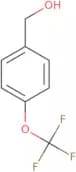
4-(Trifluoromethoxy)benzyl alcohol
CAS:4-(Trifluoromethoxy)benzyl alcohol is a corrosion inhibitor that inhibits the corrosion of metals. It is able to inhibit uptake of anions, such as chloride ions and nitrate ions, by passive adsorption and by forming an outer layer on the metal surface. 4-(Trifluoromethoxy)benzyl alcohol also acts as a co-solvent for anions in high concentrations, which can be used to remove them from solution. This compound has been shown to reduce the corrosion of ferric iron and copper at high concentrations. 4-(Trifluoromethoxy)benzyl alcohol may also act as a scavenger for hydroxyl radicals, which are known to cause corrosion reactions.
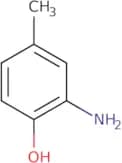
Formula:C8H7F3O2Purity:Min. 95%Color and Shape:Colorless Clear LiquidMolecular weight:192.14 g/mol2-Amino-4-methylphenol
CAS:2-Amino-4-methylphenol is an organic compound that belongs to the group of p2 molecules. It has been shown to react with hydroxyl radicals in the human liver, and this reaction may be a significant mechanism for its toxicity. 2-Amino-4-methylphenol also reacts with low concentrations of hydrochloric acid (0.1 M) to form a stable intermediate with an intramolecular hydrogen bond between the amine nitrogen and the carbonyl carbon. This intermediate then reacts with more hydrochloric acid to form 4-(hydroxymethyl)benzoic acid and 2-aminoethanol. The NMR spectra of 2-amino-4-methylphenol show only one resonance due to the absence of electronegative groups on the molecule, which makes it resistant to oxidation by air or light. The high resistance of 2-amino-4-methylphenol makes it an ideal chemical
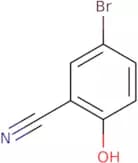
Formula:C7H9NOPurity:Min. 95%Color and Shape:Beige PowderMolecular weight:123.15 g/mol4-Bromo-2-cyanophenol
CAS:4-Bromo-2-cyanophenol is a metabotropic glutamate receptor ligand that has been shown to be an agonist of the group II metabotropic glutamate receptors. It binds to this type of glutamate receptor and stimulates the release of the neurotransmitter, glutamate. 4-Bromo-2-cyanophenol is used as a reagent in microscopy experiments to analyze lamellar structures. It has also been used in the synthesis of benzofuran derivatives and formamide. 4-Bromo-2-cyanophenol can be prepared by reacting hydrochloric acid with mesomorphic formamide, followed by desorption with monomers such as hexamethylene diamine or ethylene glycol.
Formula:C7H4BrNOPurity:Min. 95%Color and Shape:PowderMolecular weight:198.02 g/mol4-Isopropoxybenzyl alcohol
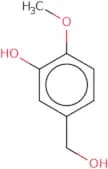
CAS:4-Isopropoxybenzyl alcohol is a reaction component that can be used as a reagent, useful scaffold, and high-quality research chemical. It is also a versatile building block and useful intermediate for the production of complex compounds. This chemical has been assigned CAS No. 82657-71-4. 4-Isopropoxybenzyl alcohol is a fine chemical with uses in the production of polymers, pharmaceuticals, and other chemicals.Formula:C10H14O2Purity:Min. 95%Color and Shape:Clear LiquidMolecular weight:166.22 g/mol3-Hydroxy-4-methoxybenzyl alcohol
CAS:3-Hydroxy-4-methoxybenzyl alcohol is a metabolite of vanillic acid, an aldehyde that is produced by the oxidation of catecholamines. This compound has been shown to inhibit the activity of aldehyde oxidase, which converts aldehydes into acids. 3-Hydroxy-4-methoxybenzyl alcohol has also been shown to inhibit cellular dehydrogenase and protocatechuic aldehyde dehydrogenase activities, as well as inhibiting cellular metabolism.Formula:C8H10O3Purity:Min. 95%Color and Shape:PowderMolecular weight:154.16 g/mol4,4'-Oxydiphenol
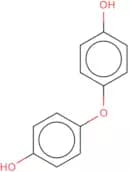
CAS:4,4'-Oxydiphenol is an organic compound that contains a phenolic hydroxyl group. The molecule is activated by the presence of an electron withdrawing group such as a carbonyl or sulfonate. This activation allows for nucleophilic attack on the carbon-carbon double bond to form a new bond. 4,4'-Oxydiphenol can also be synthesized from ethane and epichlorohydrin in the presence of a base such as sodium methoxide. The resulting product is a polyester with resistive properties due to its high molecular weight and low solubility.
Formula:C12H10O3Purity:Min. 95%Color and Shape:PowderMolecular weight:202.21 g/molo-Iodobenzyl alcohol
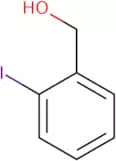
CAS:O-iodobenzyl alcohol (OIB) is a nucleophile that reacts with an electron-deficient, electrophilic carbon atom to form a covalent bond. It has been shown to have the ability to reduce carbonyl groups and can be used as a bioconjugate for binding with biomolecules. OIB has also been shown to be effective in the reduction of functional groups such as hydroxyl, nitro, and amino groups. This chemical is also used in nucleophilic substitution reactions and may be used in asymmetric synthesis. The NMR spectra of OIB are characterized by the presence of two doublets at 6.6 ppm and 7.2 ppm, which correspond to the two different stereoisomers of this compound. These two isomers are distinguished by their optical rotation constants: alpha = -0.1468 (c = 1, H2O) and beta = +0.1140 (c = 1, H2Formula:C7H7IOPurity:Min. 98%Color and Shape:PowderMolecular weight:234.03 g/molDichlorophen BP
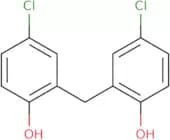
CAS:Anti-cestodal agent; tapeworm infection treatmentFormula:C13H10Cl2O2Purity:(Titration) 97 - 101%Color and Shape:PowderMolecular weight:269.12 g/molChlorophenol red
CAS:Chlorophenol red is a synthetic, non-toxic and non-hazardous chemical that is used as a reagent in the laboratory. It can be used to make other chemicals such as pharmaceuticals, pesticides, dyes, fragrances, and plastics. In addition to its use as a reactant in the laboratory, chlorophenol red also has many uses as a building block in organic chemistry because it can be used to create many different compounds with high purity and quality. Chlorophenol red is soluble in water and ethanol, making it easy to dissolve or extract from solids. Chlorophenol red has CAS number 4430-20-0 and its molecular weight is 228.2 g/mol.Formula:C19H12Cl2O5SPurity:Min. 93.0 Area-%Molecular weight:423.27 g/mol4-Vinylbenzyl alcohol
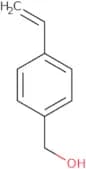
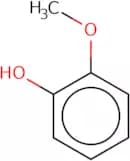
CAS:4-Vinylbenzyl alcohol is a chlorine-containing organic compound that is used as an intermediate in the production of other chemicals. It is also used as a solvent, plasticizer, and stabilizer. 4-Vinylbenzyl alcohol has been found to be an effective inhibitor of the human liver cytochrome P450 enzyme system. The reaction product with chloride ions forms a stable complex that inhibits the enzyme's active site. This inhibition prevents the conversion of drugs such as acetaminophen (paracetamol) into toxic metabolites.Formula:C9H10OPurity:Min. 95%Color and Shape:Slightly Yellow Clear LiquidMolecular weight:134.18 g/mol2-Methoxyphenol
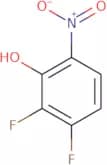
CAS:Please enquire for more information about 2-Methoxyphenol including the price, delivery time and more detailed product information at the technical inquiry form on this pageFormula:C7H8O2Purity:Min. 95%Color and Shape:Clear Liquid Solidified MassMolecular weight:124.14 g/mol2,3-Difluoro-6-nitrophenol
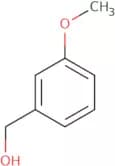
CAS:2,3-Difluoro-6-nitrophenol is a fluorinated phenolic compound that is used in biochemical research as a competitive inhibitor of bacterial growth. It is synthesized by the reaction of 2,3-difluorophenol with nitric acid. The chemical structure can be determined through infrared, NMR, and mass spectrometry techniques. 2,3-Difluoro-6-nitrophenol has been shown to inhibit bacterial growth by binding to the enzyme cytochrome c oxidase. This inhibition prevents electron transport from occurring, resulting in an accumulation of reactive oxygen species and cell death.Formula:C6H3F2NO3Purity:Min. 95%Color and Shape:PowderMolecular weight:175.09 g/mol3-Methoxybenzyl alcohol
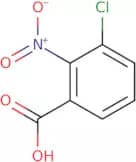
CAS:3-Methoxybenzyl alcohol is a natural product from the root of the orchid Dendrobium officinale. It has been shown to inhibit the growth of bacteria by binding to the enzyme Aldehyde Dehydrogenase, which is required for cellular energy production. The product also inhibits bacterial Vanillyl Alcohol Dehydrogenase, which prevents the formation of vanillin. 3-Methoxybenzyl alcohol has a neutral pH and can be used as an antimicrobial agent in acidic foods and beverages. 3-Methoxybenzyl alcohol also has antioxidant properties, and has been shown to prevent damage from oxidative stress.Formula:C8H10O2Purity:Min. 95%Color and Shape:Colorless Clear LiquidMolecular weight:138.16 g/mol3-Chloro-2-nitrobenzoic acid
CAS:3-Chloro-2-nitrobenzoic acid is a chemical compound that is used in the synthesis of quinoline derivatives. It has been shown to be genotoxic and cytotoxic in cell culture. 3-Chloro-2-nitrobenzoic acid binds to DNA, forming a covalent bond with the nitrogen atoms in the DNA bases. This binding may lead to changes in the structure of DNA, which could potentially be mutagenic. 3-Chloro-2-nitrobenzoic acid also has an optical absorption maximum at around 260 nm, which is indicative of hydrogen bonding between molecules.
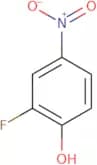
3-Chloro-2-nitrobenzoic acid has been shown to inhibit brain cells and lung cells by interfering with cellular respiration and mitochondrial function.Formula:C7H4ClNO4Purity:Min. 95%Color and Shape:White PowderMolecular weight:201.56 g/mol2-Fluoro-4-nitrophenol
CAS:2-Fluoro-4-nitrophenol is an amide that has potent antitumor activity. It is a selective inhibitor of the protein kinase Raf (Akt), leading to inhibition of the growth of cancer cells in vitro. 2-Fluoro-4-nitrophenol also inhibits the proliferation of prostate cancer cells, which may be due to its ability to inhibit the production of growth factors and cytokines such as mcf-7 and nitrous oxide. The 2-fluoro-4-nitrophenol is cytotoxic because it inhibits DNA synthesis and prevents mitosis. The chemical structure consists of a nitro group (-NO2) on C6, a phenolic hydroxyl group (-OH) on C2, and a methylene group (-CH2-) on C3. This molecule binds covalently to proteins through its amino acid side chain at C6 and forms stable complexes with x-ray crystallography structures. ItFormula:C6H4FNO3Purity:Min. 95%Color and Shape:PowderMolecular weight:157.1 g/molChlorophenol red
CAS:Chlorophenol red is a fluorescent probe that can be used in the detection of microbial infection. It has been shown to react with malonic acid (MAA) and fluoresce at an excitation wavelength of ~480 nm and emission wavelength of ~520 nm. The linear calibration curve for this assay was generated using human serum, which is a good model system for detecting infectious diseases. Chlorophenol red was also shown to bind to the receptor activity on mammalian cells and can be used as a marker for autoimmune diseases.Formula:C19H12Cl2O5SPurity:Min. 95%Color and Shape:Green PowderMolecular weight:423.27 g/molPhenol
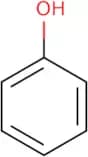
CAS:Phenol is an aromatic organic compound and belongs to the class of compounds known as phenols. Phenol consists of a benzene ring (a six-membered carbon ring with alternating single and double bonds) with a hydroxyl (-OH) group attached to one of the carbon atoms. The chemical structure can be represented as: Phenol is a white crystalline solid at room temperature and has a distinct, sweet, and medicinal odor. It was initially isolated from coal tar, but it can also be produced through various chemical processes. Phenol has numerous applications in industry. It is used in the production of plastics, resins, dyes, detergents, pharmaceuticals, and various chemical intermediates. It also has antiseptic properties and was historically used as a disinfectant and topical anesthetic. However, its use for these purposes has diminished due to its potential toxicity. It's important to note that phenol can be corrosive and toxic, and exposure should be handled with care. Various derivatives and substitutes have been developed for specific applications to mitigate some of the drawbacks associated with phenol itself.Formula:C6H6OPurity:Min. 98 Area-%Color and Shape:PowderMolecular weight:94.11 g/mol4-(2-Acetoxyethyl)phenol
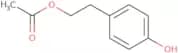
CAS:4-(2-Acetoxyethyl)phenol is a phenolic compound that has been shown to have neuroprotective activity, inhibiting the production of tumor necrosis factor-α (TNF-α). 4-(2-Acetoxyethyl)phenol also inhibits the growth of Pseudomonas aeruginosa in vitro and in vivo. This is due to its ability to inhibit DNA replication by binding to dna gyrase, which is an enzyme that maintains the integrity of bacterial DNA. 4-(2-Acetoxyethyl)phenol was also found to be potent inhibitor of acetylcholinesterase and butyrylcholinesterase, with IC50 values of 1.1 and 3.5 µM respectively. It has been used as an analytical reagent for the determination of trace amounts of acetate in organic solvents. Preparative high performance liquid chromatography can be used for the isolation and purification of thisFormula:C10H12O3Purity:Min. 95%Color and Shape:White PowderMolecular weight:180.2 g/mol2-Bromophenol
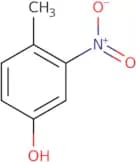
CAS:2-Bromophenol is a sodium salt that can be prepared by the reaction of sodium hydroxide with 2-bromoaniline. It is an inhibitor of acetylcholinesterase, which has been shown to be effective in treating Alzheimer's disease and other neurodegenerative disorders. 2-Bromophenol has been shown to inhibit the polymerase chain reaction (PCR) in human serum and mitochondrial membrane potential, as well as electrochemical impedance spectroscopy. It also inhibits the formation of intramolecular hydrogen bonds during the catalytic cycle of acetylcholinesterase.Formula:C6H5BrOPurity:Min. 95%Color and Shape:Colorless Clear LiquidMolecular weight:173.01 g/mol4-Methyl-3-nitrophenol
CAS:4-Methyl-3-nitrophenol is a chemical compound that has been used as a herbicide and an insecticide. It is sold under the trade name of Mecoprop. 4-Methyl-3-nitrophenol is also known to have antiseptic properties and has been used in the treatment of skin conditions such as acne, psoriasis, and eczema. 4-Methyl-3-nitrophenol can be synthesized by reacting hydrochloric acid with nitric acid and phenols. This reaction produces a mixture of methylated phenols, including 4-(methylthio)phenol, which can be separated from the other compounds by chromatography and then treated with concentrated sodium hydroxide to produce 4-methyl-3-nitrophenol. The optimum pH for this reaction is about 2.4 to 3.2, but it can also be carried out at higher or lower pH values if necessary by adding
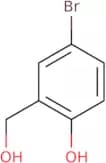
Formula:C7H7NO3Color and Shape:PowderMolecular weight:153.14 g/mol5-Bromo-2-hydroxybenzyl alcohol
CAS:5-Bromo-2-hydroxybenzyl alcohol (5-BrABA) is a diagnostic agent that is used to detect microbial infections. It has been shown to be useful as an anti-infective agent in the treatment of cancer and inflammatory diseases, such as choroidal neovascularization. 5-BrABA is a cell permeable compound that binds to target tissue and accumulates at the site of infection. It has been shown to inhibit the growth of ophthalmic bacteria, including Acinetobacter baumannii, Pseudomonas aeruginosa, and Staphylococcus epidermidis. 5-BrABA has also been shown to be biocompatible with human retinal pigment epithelial cells and does not induce any detectable toxicity or cytotoxicity in these cells after 24 hours exposure.Formula:C7H7BrO2Purity:Min. 98 Area-%Color and Shape:PowderMolecular weight:203.03 g/mol2-Bromo-4,5-dimethoxybenzyl alcohol
CAS:2-Bromo-4,5-dimethoxybenzyl alcohol is an electrophilic brominating agent. It has been used in the synthesis of aryllithiums, organoiron compounds and chromenes. It is also used in the synthesis of nucleophiles, synthons and amaryllidaceae alkaloids. 2-Bromo-4,5-dimethoxybenzyl alcohol reacts with lithium diisopropylamide (LDA) to produce an aryllithium compound that is used as a nucleophile in organic synthesis reactions. This alcohol can be converted to an arene by reaction with carbon monoxide gas.Formula:C9H11BrO3Purity:Min. 95%Color and Shape:PowderMolecular weight:247.09 g/mol4-Acetamidophenol
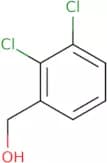
CAS:4-Acetamidophenol (4AP) is a natural compound that has been shown to inhibit nuclear DNA damage in vitro. It also has anti-inflammatory activity, which may be due to its ability to inhibit cyclooxygenase-1 and cyclooxygenase-2 enzymes. 4AP is synthesized by the condensation of acetaminophen with formaldehyde and sodium hydroxide. This drug binds to the signal peptide in the Toll-like receptor 2 (TLR2) protein, preventing TLR2 from activating inflammatory pathways. The matrix effect of 4AP is thought to play a role in its mechanism of action, as well as its biocompatibility with tissues. The analytical method used for this product is high performance liquid chromatography with ultraviolet detection at 280 nm.Formula:C8H9NO2Purity:Min. 95%Color and Shape:PowderMolecular weight:151.16 g/mol2,3-Dichlorobenzyl alcohol
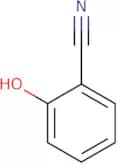
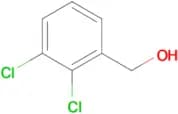
CAS:2,3-Dichlorobenzyl alcohol (2,3-DCBA) is a chlorinated aromatic compound that is used as an industrial solvent. It has significant effects on aerobic bacteria and fungi. 2,3-DCBA inhibits the enzyme lactaldehyde dehydrogenase by covalent binding to its zinc atom. This inhibition leads to the accumulation of lactaldehyde in cells, which can be toxic. 2,3-DCBA also inhibits the enzyme catalase and the synthesis of DNA in eukaryotic cells. In addition, it can catalyze the dioxygenation of naphthalene to form a number of polychlorinated derivatives. The rate of naphthalene formation is dependent on temperature and pressure conditions.Formula:C7H6Cl2OPurity:Min. 95%Color and Shape:PowderMolecular weight:177.03 g/mol2-Cyanophenol
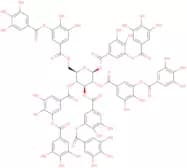
CAS:2-Cyanophenol is a phenolic compound that is used as an intermediate in the synthesis of pharmaceuticals and agrochemicals. It is also a disinfectant used for wastewater treatment and to remove salicylaldoxime from contaminated water. 2-Cyanophenol can be synthesized by reacting phenol with hydrogen peroxide in the presence of sephadex g-100, which provides a high yield of product. It has been shown to have antimicrobial properties against Gram-positive bacteria, such as Staphylococcus aureus, and Gram-negative bacteria, such as Escherichia coli and Pseudomonas aeruginosa. 2-Cyanophenol has been shown to react with metal hydroxides such as ferric chloride or zinc chloride to form precipitates. This reaction can be detected using a UV/VIS spectrophotometer at wavelengths between 200–350 nm.Formula:C7H5NOPurity:Min. 95%Color and Shape:Off-White PowderMolecular weight:119.12 g/molTannic acid
CAS:Polyphenolic substituted glucose with weak acidity
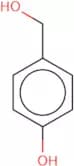
Formula:C76H52O46Purity:Min. 93%Color and Shape:White PowderMolecular weight:1,701.2 g/mol4-Hydroxybenzyl alcohol
CAS:4-Hydroxybenzyl alcohol is a chemical compound that is found in the rhizoma gastrodiae. It has been shown to have angiogenic properties and may be used as an anti-angiogenic agent. 4-Hydroxybenzyl alcohol is also an inhibitor of matrix metalloproteinases, which are enzymes that degrade the extracellular matrix. This inhibition leads to apoptosis and neuronal death.Formula:C7H8O2Purity:Min. 80%Color and Shape:PowderMolecular weight:124.14 g/mol4-Iodophenol
CAS:An enhancer used in chemiluminescent reactions
Formula:C6H5IOPurity:Min. 98.5 Area-%Color and Shape:PowderMolecular weight:220.01 g/mol4-Methyl-3-nitrophenol
CAS:4-Methyl-3-nitrophenol is a versatile building block that is used in the synthesis of many organic compounds. This compound is an important precursor to many chemical products, including pharmaceuticals and pesticides. 4-Methyl-3-nitrophenol can be used as a reaction component in various reactions, such as the Friedel Crafts Acylation Reaction, the Michael Addition Reaction, and the Darzens Reaction. It can also be used as a reagent for nitration of alcohols and phenols or for the preparation of dyes. CAS No.: 2042-14-0
Formula:C7H7NO3Molecular weight:153.14 g/molRef: 3D-M-4257
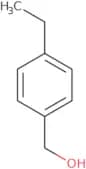
1kgTo inquire5kgTo inquire10kgTo inquire500gTo inquire2500gTo inquire-Unit-ggTo inquire4-Ethylbenzyl alcohol
CAS:4-Ethylbenzyl alcohol is a constituent of natural rubber and is produced as a by-product during the manufacture of styrene. It has been shown that 4-ethylbenzyl alcohol can inhibit phosphatidylethanolamine N-methyltransferase, an enzyme that catalyzes the synthesis of phosphatidylethanolamine from phosphatidylcholine, thereby inhibiting lipid biosynthesis in cells. This inhibition may be due to the presence of the hydroxy group on the benzene ring which may bind to the active site of the enzyme and prevent it from binding with its substrate. In addition, 4-ethylbenzyl alcohol may act as an organic solvent and react with other substances in cells to form cytotoxic products. 4-Ethylbenzyl alcohol has been shown to cause narcosis when used in high concentrations or over a long period.
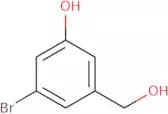
Formula:C9H12OPurity:90%Color and Shape:PowderMolecular weight:136.19 g/mol3-Bromo-5-hydroxybenzyl alcohol
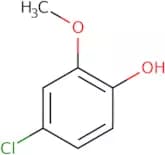
CAS:3-Bromo-5-hydroxybenzyl alcohol is a useful building block that can be used to synthesize more complex compounds. This chemical is a reagent and reaction component for organic synthesis. 3-Bromo-5-hydroxybenzyl alcohol is useful as a high quality research chemical, speciality chemical, or versatile building block. It reacts rapidly with strong oxidants and strong bases to form the corresponding bromohydrins. The CAS number for 3-bromo-5-hydroxybenzyl alcohol is 1020336-51-9.Formula:C7H7BrO2Purity:Min. 95%Color and Shape:PowderMolecular weight:203.03 g/mol4-Chloro-2-methoxyphenol
CAS:4-Chloro-2-methoxyphenol (4CMP) is a type of chemical compound that belongs to the aryl halide class. It is used in wastewater treatment as an inhibitor of bacterial growth. 4CMP inhibits bacterial growth by reacting with fatty acids at the surface of the bacteria, forming a coating that prevents bacterial attachment to solid surfaces and mineralization. This process has been shown to be effective in both batch and flow systems, with copper chloride being the best catalyst for this reaction. Kinetic studies have shown that 4CMP has an inhibitory effect on the reaction rate of activated sludge microorganisms, which can be used to optimize process conditions.Formula:C7H7ClO2Purity:Min. 95%Color and Shape:Clear LiquidMolecular weight:158.58 g/mol4-Ethoxyphenol
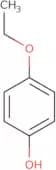
CAS:4-Ethoxyphenol is a reactive chemical that is used as an analytical model system in organic chemistry. It has been shown to inhibit mitochondrial membrane potential, which may be due to its ability to bind to the lipid bilayer and alter the structure of the mitochondrial membrane. This chemical is not toxic at low concentrations, but can cause damage to cells at high concentrations. 4-Ethoxyphenol also displays high values on a redox potential scale, which may be due to its ability to undergo oxidation-reduction reactions with other molecules. The reaction mechanism for this compound is thought to involve nucleophilic attack by hydroxyl groups on the aromatic ring of 4-ethoxyphenol.Formula:C8H10O2Purity:Min. 95%Color and Shape:PowderMolecular weight:138.16 g/mol2-Chloro-4-nitrophenol
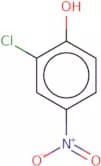
CAS:2-Chloro-4-nitrophenol (2CP) is a chemical that has been found to be an optical sensor for nitrite ion. It reacts with nitrite ion at a pH of 5 and changes its color from yellow or orange to red. 2CP is also an antimicrobial agent and has shown biological properties against bacteria, including the ability to inhibit bacterial growth and reduce the number of bacteria in human serum. The optimum concentration for the inhibition of bacterial growth was found to be 0.5 mg/mL, which is much lower than the concentration used in other studies. The genus, bacterial strain, and pH were all found to influence the activity of 2CP against bacteria. Process optimization trials have shown that 4-hydroxycinnamic acid can be used as an alternative substrate for 2CP's reaction with nitrite ion. Monoclonal antibodies were also developed that are specific for transfer reactions with nitrate ion and can be used as a detection system for nit
Formula:C6H4ClNO3Purity:Min. 95%Color and Shape:PowderMolecular weight:173.55 g/mol5-Fluoro-2-nitrophenol
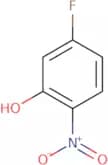
CAS:5-Fluoro-2-nitrophenol is a synthetic compound that has been shown to inhibit the production of nitric oxide in cells. It is most active in inhibiting the release of nitric oxide from cells, but also inhibits its synthesis. 5-Fluoro-2-nitrophenol has been shown to inhibit the production of thromboxane A2, prostacyclin, and endothelin 1. This drug also binds to bacteria and prevents their growth by inhibiting protein synthesis. The binding of 5-fluoro-2-nitrophenol to bacterial DNA leads to inhibition of transcription and translation, preventing protein synthesis.
5-Fluoro-2-nitrophenol has been shown to be effective against Trichophyton mentagrophytes (a fungus) and may be useful for the treatment of onychomycosis (fungal infection).Formula:C6H4FNO3Purity:Min. 95%Color and Shape:Yellow PowderMolecular weight:157.1 g/mol2-Methoxybenzyl alcohol
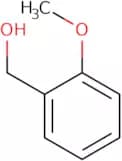
CAS:2-Methoxybenzyl alcohol is a reactive compound that contains two methoxy (CH3O-) groups. It can be used for the synthesis of chiral molecules because it forms an asymmetric hydrogen bond. The reaction of 2-methoxybenzyl alcohol with oxygenated substances, such as formaldehyde and acetaldehyde, leads to oxidation products, including hydroxybenzaldehyde, which can be isolated and converted to benzalacetone. This product has been shown to have photocatalytic activity in the presence of ultraviolet light.
Formula:C8H10O2Purity:Min. 95%Color and Shape:Colorless Clear LiquidMolecular weight:138.16 g/mol2,4,6-Trimethoxyphenol
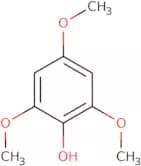
CAS:2,4,6-Trimethoxyphenol is a synthetic molecule that has been shown to have antioxidant effects in vitro and in vivo. It is also able to increase insulin sensitivity and lower blood pressure in diabetic patients. 2,4,6-Trimethoxyphenol is an inhibitor of the enzyme catechol-O-methyltransferase (COMT), which degrades catecholamines such as dopamine and norepinephrine. It has been shown to inhibit the oxidation of these molecules by reacting with hydrogen peroxide to produce H2O2. The demethylation of 2,4,6-trimethoxyphenol produces 3,4,5-trimethoxybenzyl alcohol (3MBA), which can be used for the treatment of diabetes mellitus type II.Formula:C9H12O4Purity:Min. 95%Color and Shape:PowderMolecular weight:184.19 g/mol2-Chloro-3,5-dimethylphenol
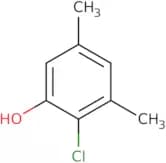
CAS:2-Chloro-3,5-dimethylphenol is an organic solvent with a high reactivity that has been used as a chlorinating agent in the production of amines and toluene. It has been shown to be reactive with many substances such as amines, chlorination, toluene, anthracene, anthraquinone and hydrochloric acid. 2-Chloro-3,5-dimethylphenol is also reactive with aluminium and chlorides. It can introduce chlorine into organic molecules like vanadyl or hydrogen chloride.Formula:C8H9ClOPurity:Min. 98%Color and Shape:White PowderMolecular weight:156.61 g/mol(2,3-Dichlorophenyl)methanol
CAS:Formula:C7H6Cl2OPurity:98%Color and Shape:SolidMolecular weight:177.02(3,5-Difluoro-4-(hydroxymethyl)phenyl)boronic acid
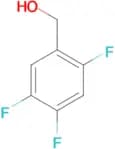
CAS:Formula:C7H7BF2O3Purity:96%Molecular weight:187.942,4,5-Trifluorobenzyl alcohol
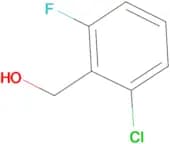
CAS:Formula:C7H5F3OPurity:97%Color and Shape:Liquid, Low Melting SolidMolecular weight:162.1112-Chloro-6-fluorobenzyl alcohol
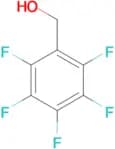
CAS:Formula:C7H6ClFOPurity:97%Color and Shape:SolidMolecular weight:160.572,3,4,5,6-Pentafluorobenzyl alcohol
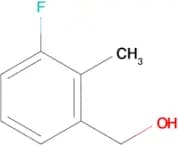
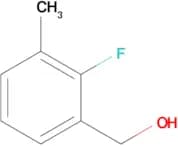
CAS:Formula:C7H3F5OPurity:96%Color and Shape:SolidMolecular weight:198.0923-Fluoro-2-methylbenzyl alcohol
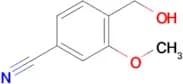
CAS:Formula:C8H9FOPurity:96%Color and Shape:SolidMolecular weight:140.1574-(Hydroxymethyl)-3-methoxybenzonitrile
CAS:Purity:98%Color and Shape:SolidMolecular weight:163.1759949(2-(METHYLSULFONYL)-4-(4,4,5,5-TETRAMETHYL-1,3,2-DIOXABOROLAN-2-YL)PHENYL)METHANOL
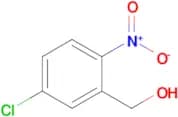
CAS:Formula:C14H21BO5SPurity:95%Molecular weight:312.19(5-Chloro-2-nitrophenyl)methanol
CAS:Formula:C7H6ClNO3Purity:95%Color and Shape:SolidMolecular weight:187.58(2,6-Dichloro-3-methylphenyl)methanol
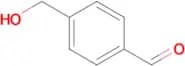
CAS:Formula:C8H8Cl2OPurity:97%Color and Shape:SolidMolecular weight:191.054-(Hydroxymethyl)benzaldehyde
CAS:Formula:C8H8O2Purity:95%Color and Shape:SolidMolecular weight:136.15(2-Methyl-[1,1′-biphenyl]-3-yl)methanol
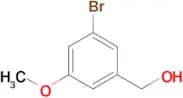
CAS:Formula:C14H14OPurity:95%Color and Shape:SolidMolecular weight:198.265(3-Bromo-5-methoxyphenyl)methanol
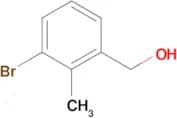
CAS:Formula:C8H9BrO2Purity:95%Color and Shape:SolidMolecular weight:217.062(3-Bromo-2-methylphenyl)methanol
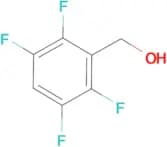
CAS:Formula:C8H9BrOPurity:97%Color and Shape:SolidMolecular weight:201.0632,3,5,6-Tetrafluorobenzyl alcohol
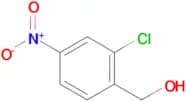
CAS:Formula:C7H4F4OPurity:98%Color and Shape:Solid, White to almost white crystalline massMolecular weight:180.102(2-Chloro-4-nitrophenyl)methanol
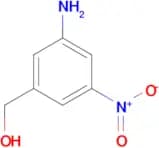
CAS:Formula:C7H6ClNO3Purity:97%Color and Shape:SolidMolecular weight:187.58(3-Amino-5-nitrophenyl)methanol
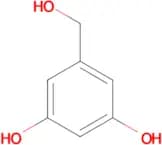
CAS:Formula:C7H8N2O3Purity:98%Color and Shape:SolidMolecular weight:168.1525-(Hydroxymethyl)-1,3-benzenediol
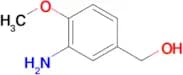
CAS:Formula:C7H8O3Purity:97%Color and Shape:Solid, CrystallineMolecular weight:140.138(3-Amino-4-methoxyphenyl)methanol
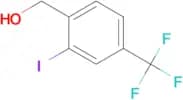
CAS:Formula:C8H11NO2Purity:98%Color and Shape:SolidMolecular weight:153.181(2-Iodo-4-(trifluoromethyl)phenyl)methanol
CAS:Formula:C8H6F3IOPurity:96%Color and Shape:Liquid, No data available.Molecular weight:302.0352′-(Hydroxymethyl)-[1,1′-biphenyl]-2-carboxylic acid
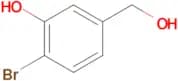
CAS:Formula:C14H12O3Purity:97%Molecular weight:228.2472-Bromo-5-(hydroxymethyl)phenol
CAS:Formula:C7H7BrO2Purity:95%Color and Shape:SolidMolecular weight:203.035(2,5-Dibromophenyl)methanol
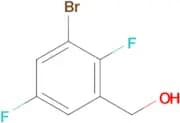
CAS:Formula:C7H6Br2OPurity:95%Color and Shape:SolidMolecular weight:265.932(3-Bromo-2,5-difluorophenyl)methanol
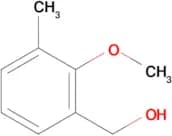
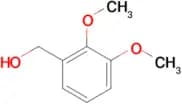
CAS:Formula:C7H5BrF2OPurity:98%Color and Shape:No data available.Molecular weight:223.017(2,3-Dimethoxyphenyl)methanol
CAS:Formula:C9H12O3Purity:98%Color and Shape:SolidMolecular weight:168.192[2-FLUORO-5-(4,4,5,5-TETRAMETHYL-[1,3,2]DIOXABOROLAN-2-YL)-PHENYL]-METHANOL
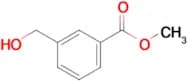
CAS:Purity:97%Molecular weight:252.0899963Methyl 3-(hydroxymethyl)benzoate
CAS:Formula:C9H10O3Purity:98%Color and Shape:LiquidMolecular weight:166.1763,5-Dibromobenzyl alcohol
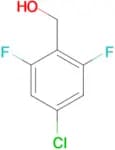
CAS:Formula:C7H6Br2OPurity:95%Color and Shape:SolidMolecular weight:265.9324-Chloro-2,6-difluorobenzyl alcohol
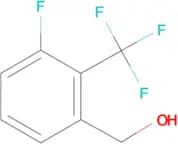
CAS:Formula:C7H5ClF2OPurity:98%Color and Shape:SolidMolecular weight:178.563-Fluoro-2-(trifluoromethyl)benzyl alcohol
CAS:Formula:C8H6F4OPurity:98%Color and Shape:SolidMolecular weight:194.129










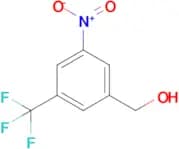
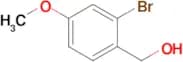
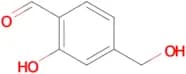
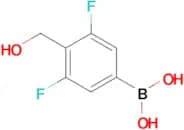


![(2-Methyl-[1,1′-biphenyl]-3-yl)methanol](/_next/image/?url=https%3A%2Fstatic.cymitquimica.com%2Fproducts%2F10%2Fthumb-webp%2FF210351.webp&w=3840&q=75)



![2′-(Hydroxymethyl)-[1,1′-biphenyl]-2-carboxylic acid](/_next/image/?url=https%3A%2Fstatic.cymitquimica.com%2Fproducts%2F10%2Fthumb-webp%2FF236146.webp&w=3840&q=75)


![[2-FLUORO-5-(4,4,5,5-TETRAMETHYL-[1,3,2]DIOXABOROLAN-2-YL)-PHENYL]-METHANOL](/_next/image/?url=https%3A%2Fstatic.cymitquimica.com%2Fproducts%2F10%2Fthumb-webp%2FF796209.webp&w=3840&q=75)