Benzyl alcohols
Found 1458 products of "Benzyl alcohols"
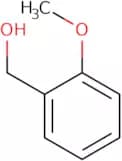
2-Methoxybenzyl alcohol
CAS:2-Methoxybenzyl alcohol is a reactive compound that contains two methoxy (CH3O-) groups. It can be used for the synthesis of chiral molecules because it forms an asymmetric hydrogen bond. The reaction of 2-methoxybenzyl alcohol with oxygenated substances, such as formaldehyde and acetaldehyde, leads to oxidation products, including hydroxybenzaldehyde, which can be isolated and converted to benzalacetone. This product has been shown to have photocatalytic activity in the presence of ultraviolet light.
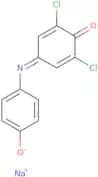
Formula:C8H10O2Purity:Min. 95%Color and Shape:Colorless Clear LiquidMolecular weight:138.16 g/mol2,6-Dichloroindophenol sodium salt hydrate
CAS:Blue redox dye; used to quantify vitamin C contentFormula:C12H7Cl2NNaO2·xH2OColor and Shape:Green PowderMolecular weight:291.09 g/mol2-Cyanophenol
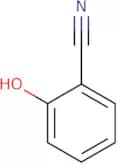
CAS:2-Cyanophenol is a phenolic compound that is used as an intermediate in the synthesis of pharmaceuticals and agrochemicals. It is also a disinfectant used for wastewater treatment and to remove salicylaldoxime from contaminated water. 2-Cyanophenol can be synthesized by reacting phenol with hydrogen peroxide in the presence of sephadex g-100, which provides a high yield of product. It has been shown to have antimicrobial properties against Gram-positive bacteria, such as Staphylococcus aureus, and Gram-negative bacteria, such as Escherichia coli and Pseudomonas aeruginosa. 2-Cyanophenol has been shown to react with metal hydroxides such as ferric chloride or zinc chloride to form precipitates. This reaction can be detected using a UV/VIS spectrophotometer at wavelengths between 200–350 nm.Formula:C7H5NOPurity:Min. 95%Color and Shape:Off-White PowderMolecular weight:119.12 g/mol3-Bromo-5-hydroxybenzyl alcohol
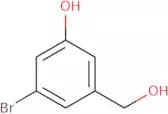
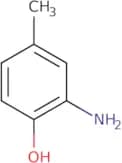
CAS:3-Bromo-5-hydroxybenzyl alcohol is a useful building block that can be used to synthesize more complex compounds. This chemical is a reagent and reaction component for organic synthesis. 3-Bromo-5-hydroxybenzyl alcohol is useful as a high quality research chemical, speciality chemical, or versatile building block. It reacts rapidly with strong oxidants and strong bases to form the corresponding bromohydrins. The CAS number for 3-bromo-5-hydroxybenzyl alcohol is 1020336-51-9.Formula:C7H7BrO2Purity:Min. 95%Color and Shape:PowderMolecular weight:203.03 g/mol2-Amino-4-methylphenol
CAS:2-Amino-4-methylphenol is an organic compound that belongs to the group of p2 molecules. It has been shown to react with hydroxyl radicals in the human liver, and this reaction may be a significant mechanism for its toxicity. 2-Amino-4-methylphenol also reacts with low concentrations of hydrochloric acid (0.1 M) to form a stable intermediate with an intramolecular hydrogen bond between the amine nitrogen and the carbonyl carbon. This intermediate then reacts with more hydrochloric acid to form 4-(hydroxymethyl)benzoic acid and 2-aminoethanol. The NMR spectra of 2-amino-4-methylphenol show only one resonance due to the absence of electronegative groups on the molecule, which makes it resistant to oxidation by air or light. The high resistance of 2-amino-4-methylphenol makes it an ideal chemical
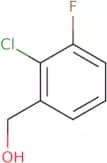
Formula:C7H9NOPurity:Min. 95%Color and Shape:Beige PowderMolecular weight:123.15 g/mol2-Chloro-3-fluorobenzyl alcohol
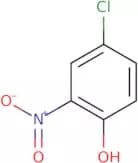
CAS:2-Chloro-3-fluorobenzyl alcohol is a versatile building block for the synthesis of complex compounds. It has been used as a reagent and intermediate in research chemical synthesis. This compound is useful for the preparation of high quality, useful intermediates and reaction components. 2-Chloro-3-fluorobenzyl alcohol can be used as a scaffold to build different organic compounds with different functional groups.Formula:C7H6ClFOPurity:Min. 95%Color and Shape:PowderMolecular weight:160.57 g/mol4-Chloro-2-nitrophenol
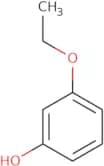
CAS:4-Chloro-2-nitrophenol is a chemical substance that is used as an industrial solvent. It has been shown to be effective in treating wastewater, with a high removal rate of organic compounds. 4-Chloro-2-nitrophenol can also be used as a nitrating agent in the production of explosives and dyes. 4-Chloro-2-nitrophenol reacts with hydrogen to form hydroxybenzoic acid, which can be further transformed into p-hydroxybenzoic acid. The reaction between 4-chloro-2-nitrophenol and hydrogen is catalyzed by metal ions such as iron or copper ions. This reaction has been shown to be kinetically controlled by intramolecular hydrogen bonding at the 2 position on the phenolic ring.Formula:C6H4ClNO3Purity:Min. 95%Color and Shape:PowderMolecular weight:173.55 g/mol3-Ethoxyphenol
CAS:3-Ethoxyphenol is an organic compound that has a phenolic hydroxyl group attached to the 3-position of an ethyl alcohol. The ethoxy groups on the molecule allow it to bind to receptors in the central nervous system, including the dopamine receptor and the d4 receptor. This binding process is thermodynamically and kinetically favorable, which leads to a high metabolic rate. 3-Ethoxyphenol has been shown to have strong antiviral properties, particularly against chromobacterium violaceum, and can be used as a specific ligand for metal surfaces. The coumarin derivatives of 3-ethoxyphenol have also been shown to inhibit the growth of propionate and covid-19 pandemic.Formula:C8H10O2Purity:Min. 95%Color and Shape:PowderMolecular weight:138.16 g/mol4-Iodophenol
CAS:An enhancer used in chemiluminescent reactions
Formula:C6H5IOPurity:Min. 98.5 Area-%Color and Shape:PowderMolecular weight:220.01 g/mol4-Methylbenzyl alcohol
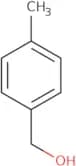
CAS:4-Methylbenzyl alcohol is a reactive molecule that has been shown to form an acid in water. The formation of this acid can be attributed to the loss of a proton from the methyl group. This acid is generated by a reaction mechanism that involves the nucleophilic attack of hydrogen fluoride on the methyl group, leading to its conversion into a carbocation. 4-Methylbenzyl alcohol can also react with β-amino acids and hydrogen fluoride in organic solvents at high pH values, through similar mechanisms.Formula:C8H10OPurity:Min. 95%Color and Shape:PowderMolecular weight:122.16 g/mol4-Chlorobenzyl alcohol
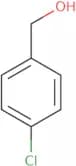
CAS:4-Chlorobenzyl alcohol is a lipase inhibitor that is used in the treatment of pancreatic disorders. It binds to the active site of pancreatic lipase, which prevents the enzyme from hydrolyzing the ester bonds of glycol esters and long chain fatty acids, thereby inhibiting their absorption. This product does not inhibit other enzymes (e.g., amylase) or have an effect on chloride secretion. The reaction with 4-chlorobenzyl alcohol can also be catalyzed by hydrogen bonding between the carboxylic acid group and a hydroxyl group. Miconazole nitrate is a synthetic antifungal agent that inhibits ergosterol synthesis by binding to 14-alpha demethylase, which converts lanosterol into ergosterol. It has been shown to inhibit the growth of fungi such as Candida albicans and Aspergillus niger when combined with 4-chlorobenzyl alcohol. Cleavage productsFormula:C7H7ClOPurity:Min. 98 Area-%Color and Shape:White PowderMolecular weight:142.58 g/mol3,5-Dimethoxyphenol
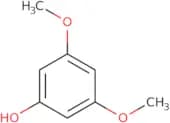
CAS:3,5-Dimethoxyphenol (3,5-DMP) is a synthetic chemical compound that is used for the preparation of sulfonamides. It is prepared by the reaction of 3,5-dimethoxybenzene and trifluoromethanesulfonic acid in aqueous solution. The reaction yield can be increased by adding trimethylsilyl chloride to the solvent system. 3,5-DMP reacts with sulfite to form 3,5-dihydroxyphenylsulfate. The enzyme preparations are extracted from plant cells and then purified by chromatography on silica gel. This chemical reacts with divalent metal ions such as magnesium and calcium in an acidic environment to form salts. These salts react with hydrogen sulfate in an acidic environment to produce 3,5-dihydroxyphenylsulfate. This product also undergoes a kinetic method where it reacts with oxygen to form hydrogen perFormula:C8H10O3Purity:Min. 95%Color and Shape:PowderMolecular weight:154.16 g/mol4-Ethylbenzyl alcohol
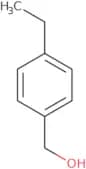
CAS:4-Ethylbenzyl alcohol is a constituent of natural rubber and is produced as a by-product during the manufacture of styrene. It has been shown that 4-ethylbenzyl alcohol can inhibit phosphatidylethanolamine N-methyltransferase, an enzyme that catalyzes the synthesis of phosphatidylethanolamine from phosphatidylcholine, thereby inhibiting lipid biosynthesis in cells. This inhibition may be due to the presence of the hydroxy group on the benzene ring which may bind to the active site of the enzyme and prevent it from binding with its substrate. In addition, 4-ethylbenzyl alcohol may act as an organic solvent and react with other substances in cells to form cytotoxic products. 4-Ethylbenzyl alcohol has been shown to cause narcosis when used in high concentrations or over a long period.
Formula:C9H12OPurity:90%Color and Shape:PowderMolecular weight:136.19 g/mol2-Methoxyphenol
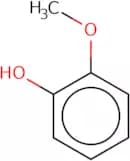
CAS:Please enquire for more information about 2-Methoxyphenol including the price, delivery time and more detailed product information at the technical inquiry form on this pageFormula:C7H8O2Purity:Min. 95%Color and Shape:Clear Liquid Solidified MassMolecular weight:124.14 g/mol3-Chloro-2-nitrobenzoic acid
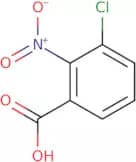
CAS:3-Chloro-2-nitrobenzoic acid is a chemical compound that is used in the synthesis of quinoline derivatives. It has been shown to be genotoxic and cytotoxic in cell culture. 3-Chloro-2-nitrobenzoic acid binds to DNA, forming a covalent bond with the nitrogen atoms in the DNA bases. This binding may lead to changes in the structure of DNA, which could potentially be mutagenic. 3-Chloro-2-nitrobenzoic acid also has an optical absorption maximum at around 260 nm, which is indicative of hydrogen bonding between molecules.
3-Chloro-2-nitrobenzoic acid has been shown to inhibit brain cells and lung cells by interfering with cellular respiration and mitochondrial function.Formula:C7H4ClNO4Purity:Min. 95%Color and Shape:White PowderMolecular weight:201.56 g/mol3,4-Dimethylbenzyl alcohol
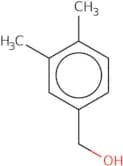
CAS:3,4-Dimethylbenzyl alcohol is a natural compound that is expressed in the nature and found in various data bases. It is an epoxide with a molecular weight of 152.14 g/mol (C10H16O2). 3,4-Dimethylbenzyl alcohol has been shown to be an inhibitor of serotonin and nitrous oxide, which are neurotransmitters. 3,4-Dimethylbenzyl alcohol also has a high affinity for the ethylene binding site on acetaminophen. This chemical has been shown to reduce dry weight when it is added to cell culture at concentrations of 10 mM or greater. The ethyl group present on 3,4-dimethylbenzyl alcohol may allow for possible interactions with other chemicals such as styrene and acetaminophen.Formula:C9H12OPurity:Min. 95%Color and Shape:PowderMolecular weight:136.19 g/mol4-Isopropoxybenzyl alcohol
CAS:4-Isopropoxybenzyl alcohol is a reaction component that can be used as a reagent, useful scaffold, and high-quality research chemical. It is also a versatile building block and useful intermediate for the production of complex compounds. This chemical has been assigned CAS No. 82657-71-4. 4-Isopropoxybenzyl alcohol is a fine chemical with uses in the production of polymers, pharmaceuticals, and other chemicals.Formula:C10H14O2Purity:Min. 95%Color and Shape:Clear LiquidMolecular weight:166.22 g/mol2-Bromo-5-chlorophenol
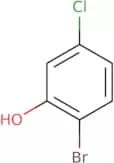
CAS:2-Bromo-5-chlorophenol is an organic compound that belongs to the class of halophenols. It is a nitroso compound with a chlorine atom in the 2 position, and it is also a chloroaniline. The chemical formula for 2-bromo-5-chlorophenol is C6H4BrClO2. The chemical reactions of this product include reactions with aminopyridine, isopropyl alcohol, chloroaniline, halophenols, dimethylamine, ethanolamine and toluidine. 2-Bromo-5-chlorophenol has been used as a reagent for the preparation of diethyl ethers and nitrates. This product has been used as a reagent for the synthesis of methyl groups and emulsifying agents for oil and water mixtures.Formula:C6H4BrClOPurity:Min. 95%Color and Shape:PowderMolecular weight:207.45 g/mol3,5-Dihydroxybenzyl alcohol
CAS:3,5-Dihydroxybenzyl alcohol is an organic solution that has been shown to inhibit the growth of cancer cells by binding to the chloride ion and forming a hydrophobic effect with the hydrochloric acid. This compound also inhibits the growth of other cells such as bacteria and yeast. 3,5-Dihydroxybenzyl alcohol has potent inhibitory activity against silver ions and prevents their adhesion to DNA molecules. The molecule also has a hydroxyl group which may help to prevent bacterial growth by preventing the production of proteins essential for cell division. 3,5-Dihydroxybenzyl alcohol is not toxic to human liver cells and does not cause any carcinogenic effects in vitro.
Formula:C7H8O3Purity:Min. 95%Color and Shape:Off-White PowderMolecular weight:140.14 g/mol3,5-Dimethoxy-4-formyl-phenol
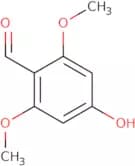
CAS:3,5-Dimethoxy-4-formylphenol is a synthetic compound that has been used as an intermediate for the synthesis of various types of amide and oligosaccharide. It also has a mycological effect on fungi and is used in the production of organic solvents. 3,5-Dimethoxy-4-formylphenol can be produced by demethylation of anilines with sodium hypochlorite or potassium carbonate in methanol. It is soluble in organic solvents and exhibits good organoleptic properties. This compound can be synthesized from fungal biomass, which is obtained by solid phase synthesis or preparative chromatography. The linker between the phenolic group and the methyl group is labile to hydrolysis and must be protected during storage.
Formula:C9H10O4Purity:Min. 95%Color and Shape:PowderMolecular weight:182.17 g/mol