Benzyl alcohols
Benzyl alcohols are aromatic alcohols featuring a benzene ring attached to a hydroxymethyl group (-CH2OH). These compounds are used as solvents, preservatives, and intermediates in the synthesis of pharmaceuticals, fragrances, and resins. Benzyl alcohols are known for their antimicrobial properties and versatility in various chemical reactions. At CymitQuimica, we offer a wide selection of high-quality benzyl alcohols to support your research and industrial applications.
Found 1453 products of "Benzyl alcohols"
Sort by
Purity (%)
0
100
|
0
|
50
|
90
|
95
|
100
[4′-(Trifluoromethyl)[1,1′-biphenyl]-4-yl]methanol
CAS:Formula:C14H11F3OPurity:98%Color and Shape:SolidMolecular weight:252.2364-(Difluoromethoxy)benzyl alcohol
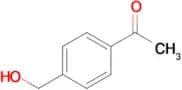
CAS:Formula:C8H8F2O2Purity:97%Color and Shape:SolidMolecular weight:174.1471-(4-(Hydroxymethyl)phenyl)ethanone
CAS:Formula:C9H10O2Purity:98%Color and Shape:No data available.Molecular weight:150.1772-Fluoro-4-(trifluoromethyl)benzyl alcohol
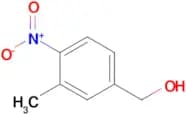
CAS:Formula:C8H6F4OPurity:95%Color and Shape:LiquidMolecular weight:194.129(3-Methyl-4-nitrophenyl)methanol
CAS:Formula:C8H9NO3Purity:95%Color and Shape:SolidMolecular weight:167.1644-Chloro-3-(trifluoromethyl)benzyl alcohol
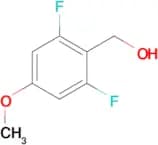
CAS:Formula:C8H6ClF3OPurity:98%Color and Shape:SolidMolecular weight:210.582,6-Difluoro-4-methoxybenzyl alcohol
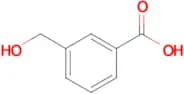
CAS:Formula:C8H8F2O2Purity:≥95%Color and Shape:LiquidMolecular weight:174.1473-(Hydroxymethyl)benzoic acid
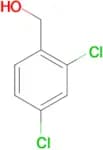
CAS:Formula:C8H8O3Purity:95%Color and Shape:SolidMolecular weight:152.1492,4-Dichlorobenzyl alcohol
CAS:Formula:C7H6Cl2OPurity:97%Color and Shape:SolidMolecular weight:177.02(4-Chloro-3-(trifluoromethoxy)phenyl)methanol
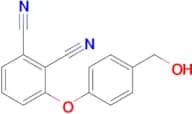
CAS:Formula:C8H6ClF3O2Purity:95.0%Molecular weight:226.583-(4-(Hydroxymethyl)phenoxy)phthalonitrile
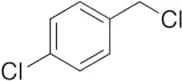
CAS:Formula:C15H10N2O2Purity:95.0%Molecular weight:250.2574-Chlorobenzyl Chloride (~90%)
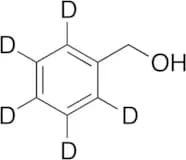
CAS:Controlled Product<p>Stability Moisture Sensitive<br>Applications 4-Chlorobenzyl Chloride is a benzylchloride derivative used in the preparation of various biologically active compounds such as bronchodilators and antibacterial agents.<br> Not a dangerous good if item is equal to or less than 1g/ml and there is less than 100g/ml in the package<br>References Adams, M. et al.: Synth. Comm., 29, 2419 (1999); Foroumadi, A. et al.: Arch. Pharm. Res., 30, 138 (2007);<br></p>Formula:C7H6Cl2Purity:~90%Color and Shape:NeatMolecular weight:161.03Benzyl-2,3,4,5,6-D5 Alcohol
CAS:Controlled Product<p>Applications Benzyl-2,3,4,5,6-D5 Alcohol is an isotopically labeled analog of Benzyl Alcohol (T536635), which is used in the synthesis of Cephalosporolide B as a versatile biomimetic synthetic precursor for chemical synthesis of other cephalosporides.<br>References Song, L. et al.: Org. Lett., 15, 5850 (2013);<br></p>Formula:C7D5H3OColor and Shape:NeatMolecular weight:113.172,5-Dimethylhydroquinone
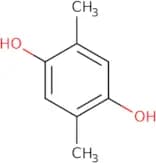
CAS:<p>Please enquire for more information about 2,5-Dimethylhydroquinone including the price, delivery time and more detailed product information at the technical inquiry form on this page</p>Formula:C8H10O2Purity:Min. 95%Molecular weight:138.16 g/mol2,6-Dinitrophenol - wetted - min 15% water
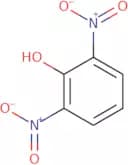
CAS:Controlled Product<p>Uncoupler of oxidative phosphorylation</p>Formula:C6H4N2O5Purity:Min. 95%Molecular weight:184.11 g/molCardanol
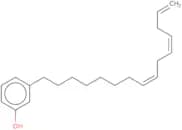
CAS:<p>Eco-friendly substitute for phenols used in phenolic resins, rubber compounding</p>Formula:C21H30OColor and Shape:Slightly Yellow Clear LiquidMolecular weight:298.462-Allylphenol
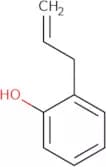
CAS:<p>Synthetic building block; biomimetic anti-fungal</p>Formula:C9H10OPurity:Min. 95%Color and Shape:Colorless PowderMolecular weight:134.18 g/mol4-(Chloromethyl)benzyl alcohol
CAS:<p>4-(Chloromethyl)benzyl alcohol is a colorless, water-soluble organic solvent that is used in polymerized and gel permeation chromatography. 4-(Chloromethyl)benzyl alcohol has been found to have antimicrobial properties against bacteria such as Pseudomonas aeruginosa, which can be attributed to its ability to cause the cross-linking of proteins. 4-(Chloromethyl)benzyl alcohol also has the ability to encapsulate drugs, making them more stable. This compound is not soluble in water and cannot be used as an antimicrobial agent for topical application. END> END> 6-Fluoro-3-indoxyl-beta-D-galactopyranoside is an antituberculosis drug that belongs to the class of rifamycins. It is the most active of the rifamycins for the treatment of tuberculosis. R</p>Formula:C8H9ClOPurity:Min. 95%Color and Shape:PowderMolecular weight:156.61 g/molBisphenol A bis(diphenyl phosphate)
CAS:<p>Halogen free fire retardant</p>Formula:C39H34O8P2Purity:Min. 95%Color and Shape:White PowderMolecular weight:692.63 g/mol5-Amino-2-methoxyphenol
CAS:<p>5-Amino-2-methoxyphenol is a p-hydroxybenzoic acid, which is an amide derivative of 5-amino-2-methoxybenzoic acid. It can be used to prepare a sample for the detection of fatty acids in human serum by cycle analysis. 5-Amino-2-methoxyphenol has been shown to have antinociceptive properties and can be used as a chemical precursor in the synthesis of other compounds. The reaction mechanism for 5-Amino-2-methoxyphenol has been determined using NMR spectroscopy and chemical structures. The compound is stable at neutral pH and reacts with hydrogen to form an intramolecular hydrogen bond between the hydroxyl group and the nitrogen atom on the amino group.</p>Formula:C7H9NO2Purity:Min. 95%Color and Shape:Brown PowderMolecular weight:139.15 g/mol3-Aminobenzyl alcohol
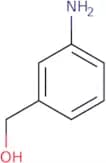
CAS:<p>3-Aminobenzyl alcohol is a prodrug that is metabolized to 3-aminophenol, its active form. It has immunomodulatory properties and can be used to treat population growth. 3-Aminobenzyl alcohol binds to specific receptors on the surface of lymphocytes, which inhibits the immune system's response to foreign antigens. This drug also has photochemical properties and can be used as a photosensitizer in photodynamic therapy. 3-Aminobenzyl alcohol is a hydrogen bond acceptor with acidic functional groups and has been shown to bind with proteins through hydrogen bonding interactions. The hydrogen bond strength between the drug and protein depends on the pH of the solution, which may affect its efficacy in different cell types.</p>Formula:C7H9NOPurity:Min. 95%Color and Shape:Off-White PowderMolecular weight:123.15 g/molp-Cresol
CAS:<p>单酚香气;胶粘剂;密封剂;抗氧化剂;消毒剂</p>Formula:C7H8OPurity:Min. 95%Color and Shape:Colorless Clear LiquidMolecular weight:108.14 g/mol3-Fluorophenol
CAS:<p>3-Fluorophenol is a chemical compound that has a molecular formula of C6H3F3O and a molecular weight of 121.12. It has an intramolecular hydrogen bond between the hydroxyl group and the hydrogen atom in the 3-position, which is responsible for its stability. 3-Fluorophenol can be obtained by reacting 2-benzoylbenzoic acid with diazonium salt in water in the presence of sodium trifluoroacetate (NaC(O)CF3). The reaction mechanism involves an addition reaction between the diazonium salt and 2-benzoylbenzoic acid to form an intermediate, followed by nucleophilic attack from water on the intermediate to form an alcohol product. The kinetic energy of 3-fluorophenol is activated by hydrogen bonding, which leads to its ability to react with other molecules.</p>Formula:C6H5FOPurity:Min. 95%Color and Shape:PowderMolecular weight:112.1 g/mol3,5-Dimethylphenol
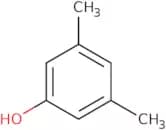
CAS:<p>3,5-Dimethylphenol is an organic compound with a hydroxyl group. It is a colorless liquid that has low toxicity and is soluble in water. The reaction of 3,5-dimethylphenol with hydrogen peroxide produces an intermediate called dipropyl ether, which can be used as a solvent. 3,5-Dimethylphenol is often used for the oxidation of alcohols to their corresponding ketones or aldehydes. This process can be catalysed by copper chloride, borane-tetrahydrofuran complex, or hydrochloric acid. 3,5-Dimethylphenol also reacts with uv light to produce free radicals that initiate the oxidation of other substances such as organic solutions.</p>Formula:C8H10OPurity:Min. 98 Area-%Color and Shape:White To Yellow SolidMolecular weight:122.16 g/mol2-Bromo-4-iodobenzyl alcohol
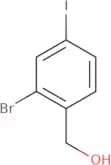
CAS:<p>2-Bromo-4-iodobenzyl alcohol is a versatile building block that can be used in the synthesis of complex compounds. It is a high quality, useful intermediate that can be used as a reaction component or scaffold for the synthesis of many different compounds. This chemical is also useful for research purposes and as a reagent.</p>Formula:C7H6BrIOPurity:Min. 95%Color and Shape:White PowderMolecular weight:312.93 g/mol4-Amino-2-nitrophenol
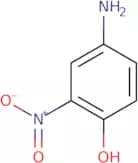
CAS:<p>4-Amino-2-nitrophenol (4ANP) is a chemical substance that has been shown to be carcinogenic in animal models. It has also been shown to induce bladder cancer in women who are occupationally exposed to the chemical. The carcinogenic potential of 4ANP is due to its ability to react with nucleophilic groups such as amines and hydroxyl groups on proteins, DNA, and RNA. This reaction leads to the formation of nitrosamines and their metabolites, which are known carcinogens. 4ANP can also act as a receptor molecule for certain types of cancer cells. These interactions have been studied using chromatographic methods.</p>Formula:C6H6N2O3Purity:Min. 95%Color and Shape:PowderMolecular weight:154.12 g/mol3-Phenoxybenzyl alcohol
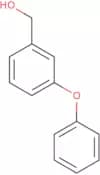
CAS:<p>3-Phenoxybenzyl alcohol is a chemical compound that has a basic structure. It is soluble in water and organic solvents, but not in hydrochloric acid. This compound is used as an intermediate to produce other chemicals. 3-Phenoxybenzyl alcohol has been shown to inhibit the growth of bacteria by preventing the formation of fatty acids during the metabolism process. The production of epidermal growth factor and acid formation were inhibited by 3-phenoxybenzyl alcohol in rat liver microsomes. Recombinant cytochrome P450 enzymes have also been shown to be inhibited by this compound, which may lead to analytical methods for determining its concentration in blood plasma or urine.</p>Formula:C13H12O2Purity:Min. 98 Area-%Color and Shape:PowderMolecular weight:200.23 g/mol2,5-Xylenol
CAS:<p>2,5-Xylenol is an organic compound that inhibits the growth of prostate cancer cells. It has been shown to be effective in inhibiting the activity of cytosolic Ca2+-ATPase and fatty acid synthase (FAS) enzyme, which is responsible for the synthesis of fatty acids. The reaction mechanisms are not well understood. The inhibition of FAS enzyme activity leads to a decrease in prostaglandin E2 production and subsequent cell proliferation. 2,5-Xylenol has also been shown to have antifungal activity against Candida albicans and Saccharomyces cerevisiae, as well as in vitro antibacterial activity against Staphylococcus aureus. This molecule has not been synthesized yet but can be made by reacting 2-methylene-1,3-dioxolane with ethylene oxide or propylene oxide with an alkanoic acid. 2,5-Xylenol has</p>Formula:C8H10OPurity:Min. 98 Area-%Color and Shape:White Slightly Brown PowderMolecular weight:122.16 g/mol4-Benzyloxy-3-chlorobenzyl alcohol
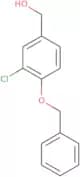
CAS:<p>4-Benzyloxy-3-chlorobenzyl alcohol is a fine chemical that can be used as a building block in research and development. It has been shown to be a useful reagent for organic synthesis, and is classified as a speciality chemical. This compound has also been found to be an excellent reaction component for the synthesis of various compounds. 4-Benzyloxy-3-chlorobenzyl alcohol is versatile and can be used as a building block or scaffold for the preparation of various complex molecules.</p>Formula:C14H13ClO2Purity:Min. 95%Color and Shape:PowderMolecular weight:248.7 g/molH-Leu-Tyr-OH hydrochloride
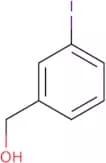
CAS:<p>Please enquire for more information about H-Leu-Tyr-OH hydrochloride including the price, delivery time and more detailed product information at the technical inquiry form on this page</p>Formula:C15H22N2O4•(HCl)xPurity:Min. 95%3-Iodobenzyl alcohol
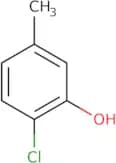
CAS:<p>3-Iodobenzyl alcohol is a pesticide that belongs to the class of halogenated benzaldehydes. It is a bioconjugate, which means that it can be coupled to an organic molecule to form a new molecule with improved properties. 3-Iodobenzyl alcohol is used in the synthesis of polymers and pharmaceuticals. In addition, 3-iodobenzyl alcohol has been studied as an anticancer drug candidate because it binds to DNA and inhibits DNA synthesis and repair in tumor cells. This compound has also been shown to be effective against methicillin resistant Staphylococcus aureus (MRSA) isolates.</p>Formula:C7H7IOPurity:Min. 95%Color and Shape:Clear LiquidMolecular weight:234.03 g/mol2-Chloro-5-methylphenol
CAS:<p>2-Chloro-5-methylphenol is a thermophilic chemical used as an analytical reagent in the determination of fatty acids, benzoates, and phenols. It can be used to determine the presence of these compounds in foodstuffs or environmental samples. 2-Chloro-5-methylphenol is typically determined by chromatographic methods that involve two steps: (1) acidification of the sample followed by extraction with hexane and (2) derivitization with heptadecanoic anhydride. The endpoints are validated using a population growth bioassay, which shows that 2-chloro-5-methylphenol inhibits bacterial growth at concentrations above 0.5 ppm and is considered a fumigant at concentrations of 1 ppm and above. This chemical has been shown to have functional groups (i.e., carbonyl group) that can react with various molecules, such as DNA, RNA, proteins, etc.,</p>Formula:C7H7ClOPurity:Min. 99 Area-%Color and Shape:Solidified MassMolecular weight:142.58 g/mol

![(3′-Fluoro[1,1′-biphenyl]-3-yl)methanol](/_next/image/?url=https%3A%2Fstatic.cymitquimica.com%2Fproducts%2F10%2Fthumb-webp%2FF041790.webp&w=3840&q=75)
![[4′-(Trifluoromethyl)[1,1′-biphenyl]-4-yl]methanol](/_next/image/?url=https%3A%2Fstatic.cymitquimica.com%2Fproducts%2F10%2Fthumb-webp%2FF041778.webp&w=3840&q=75)



![[2-(Benzyloxy)-3-bromophenyl]methanol](/_next/image/?url=https%3A%2Fstatic.cymitquimica.com%2Fproducts%2F10%2Fthumb-webp%2FF630858.webp&w=3840&q=75)




![[4-(Ethenyloxy)phenyl]methanol](/_next/image/?url=https%3A%2Fstatic.cymitquimica.com%2Fproducts%2F10%2Fthumb-webp%2FF695498.webp&w=3840&q=75)