Benzyl alcohols
Found 1457 products of "Benzyl alcohols"
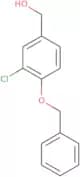
4-Benzyloxy-3-chlorobenzyl alcohol
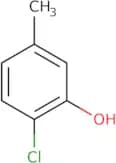
CAS:4-Benzyloxy-3-chlorobenzyl alcohol is a fine chemical that can be used as a building block in research and development. It has been shown to be a useful reagent for organic synthesis, and is classified as a speciality chemical. This compound has also been found to be an excellent reaction component for the synthesis of various compounds. 4-Benzyloxy-3-chlorobenzyl alcohol is versatile and can be used as a building block or scaffold for the preparation of various complex molecules.Formula:C14H13ClO2Purity:Min. 95%Color and Shape:PowderMolecular weight:248.7 g/mol2-Chloro-5-methylphenol
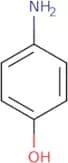
CAS:2-Chloro-5-methylphenol is a thermophilic chemical used as an analytical reagent in the determination of fatty acids, benzoates, and phenols. It can be used to determine the presence of these compounds in foodstuffs or environmental samples. 2-Chloro-5-methylphenol is typically determined by chromatographic methods that involve two steps: (1) acidification of the sample followed by extraction with hexane and (2) derivitization with heptadecanoic anhydride. The endpoints are validated using a population growth bioassay, which shows that 2-chloro-5-methylphenol inhibits bacterial growth at concentrations above 0.5 ppm and is considered a fumigant at concentrations of 1 ppm and above. This chemical has been shown to have functional groups (i.e., carbonyl group) that can react with various molecules, such as DNA, RNA, proteins, etc.,Formula:C7H7ClOPurity:Min. 98.5 Area-%Color and Shape:Solidified MassMolecular weight:142.58 g/mol4-Aminophenol
CAS:It is an aromatic amine and a derivative of phenol. 4-aminophenol is commonly used in the production of various chemicals, including pharmaceuticals, dyes, and photographic developers. In the pharmaceutical industry, it is a precursor in the synthesis of paracetamol (acetaminophen), a widely used over-the-counter pain reliever and fever reducer.
Formula:C6H7NOPurity:Min. 95%Color and Shape:White Beige PowderMolecular weight:109.13 g/molRef: 3D-FA05467
Discontinued product3-Hydroxybenzyl alcohol
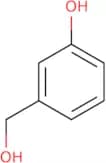
CAS:3-Hydroxybenzyl alcohol is a fatty acid with a hydroxyl group. The clinical relevance of 3-hydroxybenzyl alcohol remains unclear. It has been used in acetate extract and ph optimum tests, as well as to study reaction solutions and nmr spectroscopic data. Hydrogen bonds have been observed between the molecule's hydroxyl group and the oxygen atoms in water molecules, which may explain its antifungal properties. 3-hydroxybenzyl alcohol also has an inhibitory effect on cyclic peptide synthesis, rotarod test performance, and analytical methods. It is a broad-spectrum antimicrobial that can be used against bacteria, fungi, protozoa and viruses. 3-hydroxybenzyl alcohol has an acidic character because it reacts with copper ions to form a copper complex.
Formula:C7H8O2Purity:Min. 95%Color and Shape:White PowderMolecular weight:124.14 g/molRef: 3D-FH64467
Discontinued product3,5-Diaminobenzyl alcohol dihydrochloride
CAS:3,5-Diaminobenzyl alcohol dihydrochloride is a quinoline derivative that is cytotoxic to tumor cells. It binds to the DNA and inhibits protein synthesis by inhibiting the enzyme ribonucleotide reductase. 3,5-Diaminobenzyl alcohol dihydrochloride has been shown to be cytotoxic in the nanomolar range against tumor cells and is an antitumor agent. This drug has been shown to inhibit growth of cells in culture by binding to DNA.
Formula:C7H10N2O·2HClPurity:Min. 95%Color and Shape:Light (Or Pale) Orange To Brown SolidMolecular weight:211.09 g/molRef: 3D-FD170838
Discontinued product4-Amino-2-nitrophenol
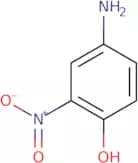
CAS:4-Amino-2-nitrophenol (4ANP) is a chemical substance that has been shown to be carcinogenic in animal models. It has also been shown to induce bladder cancer in women who are occupationally exposed to the chemical. The carcinogenic potential of 4ANP is due to its ability to react with nucleophilic groups such as amines and hydroxyl groups on proteins, DNA, and RNA. This reaction leads to the formation of nitrosamines and their metabolites, which are known carcinogens. 4ANP can also act as a receptor molecule for certain types of cancer cells. These interactions have been studied using chromatographic methods.
Formula:C6H6N2O3Purity:Min. 95%Color and Shape:PowderMolecular weight:154.12 g/molRef: 3D-FA70568
Discontinued product