Benzyl alcohols
Found 1468 products for "Benzyl alcohols".
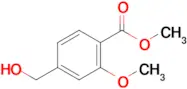
[4-(Methylsulfonyl)-2-nitrophenyl]methanol
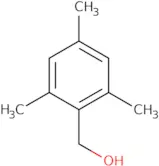
CAS:Formula:C8H9NO5SPurity:90.0%Color and Shape:SolidMolecular weight:231.222,4,6-Trimethylbenzyl alcohol
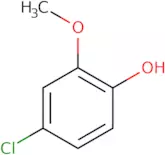
CAS:2,4,6-Trimethylbenzyl alcohol is an efficient method for the production of 2,4-dimethoxybenzaldehyde and 2,6-dimethoxybenzaldehyde. It can be used with ferrite as a dehydrogenative catalyst to produce hydroxymethyl groups in the presence of acid catalysts. The oxidation products of 2,4,6-trimethylbenzyl alcohol are polymers that have been shown to stabilize aldehydes and primary alcohols. This compound also has been shown to desymmetrize aromatic hydrocarbons and is capable of catalysis.Formula:C10H14OPurity:Min. 95%Color and Shape:PowderMolecular weight:150.22 g/mol4-Chloro-2-methoxyphenol
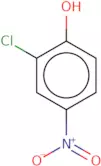
CAS:4-Chloro-2-methoxyphenol (4CMP) is a type of chemical compound that belongs to the aryl halide class. It is used in wastewater treatment as an inhibitor of bacterial growth. 4CMP inhibits bacterial growth by reacting with fatty acids at the surface of the bacteria, forming a coating that prevents bacterial attachment to solid surfaces and mineralization. This process has been shown to be effective in both batch and flow systems, with copper chloride being the best catalyst for this reaction. Kinetic studies have shown that 4CMP has an inhibitory effect on the reaction rate of activated sludge microorganisms, which can be used to optimize process conditions.Formula:C7H7ClO2Purity:Min. 95%Color and Shape:Clear LiquidMolecular weight:158.58 g/mol2-Chloro-4-nitrophenol
CAS:2-Chloro-4-nitrophenol (2CP) is a chemical that has been found to be an optical sensor for nitrite ion. It reacts with nitrite ion at a pH of 5 and changes its color from yellow or orange to red. 2CP is also an antimicrobial agent and has shown biological properties against bacteria, including the ability to inhibit bacterial growth and reduce the number of bacteria in human serum. The optimum concentration for the inhibition of bacterial growth was found to be 0.5 mg/mL, which is much lower than the concentration used in other studies. The genus, bacterial strain, and pH were all found to influence the activity of 2CP against bacteria. Process optimization trials have shown that 4-hydroxycinnamic acid can be used as an alternative substrate for 2CP's reaction with nitrite ion. Monoclonal antibodies were also developed that are specific for transfer reactions with nitrate ion and can be used as a detection system for nit
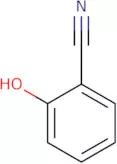
Formula:C6H4ClNO3Purity:Min. 95%Color and Shape:PowderMolecular weight:173.55 g/mol2-Cyanophenol
CAS:2-Cyanophenol is a phenolic compound that is used as an intermediate in the synthesis of pharmaceuticals and agrochemicals. It is also a disinfectant used for wastewater treatment and to remove salicylaldoxime from contaminated water. 2-Cyanophenol can be synthesized by reacting phenol with hydrogen peroxide in the presence of sephadex g-100, which provides a high yield of product. It has been shown to have antimicrobial properties against Gram-positive bacteria, such as Staphylococcus aureus, and Gram-negative bacteria, such as Escherichia coli and Pseudomonas aeruginosa. 2-Cyanophenol has been shown to react with metal hydroxides such as ferric chloride or zinc chloride to form precipitates. This reaction can be detected using a UV/VIS spectrophotometer at wavelengths between 200–350 nm.Formula:C7H5NOPurity:Min. 95%Color and Shape:Off-White PowderMolecular weight:119.12 g/mol4-Cyano-3-fluorophenol
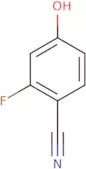
CAS:4-Cyano-3-fluorophenol is a chemical compound that has two phenoxy groups and one fluorine atom. 4-Cyano-3-fluorophenol has been shown to be an effective antagonist of GABA A receptors, which may be due to its ability to interact with the chloride ion site on the receptor, or its hydrogen bonding effects with the receptor. 4-Cyano-3-fluorophenol has been shown to have potent effects in a number of other biological systems. These include inhibition of suzuki coupling reactions (a type of nucleophilic substitution reaction), as well as acylation reactions in which an acid reacts with an alcohol to form an ester, and pharmacokinetic properties. 4-Cyano-3-fluorophenol also has been shown to bind selectively to proteins, including those involved in protein–protein interactions.
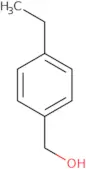
Formula:C7H4FNOPurity:Min. 95%Color and Shape:White PowderMolecular weight:137.11 g/mol4-Ethylbenzyl alcohol
CAS:4-Ethylbenzyl alcohol is a constituent of natural rubber and is produced as a by-product during the manufacture of styrene. It has been shown that 4-ethylbenzyl alcohol can inhibit phosphatidylethanolamine N-methyltransferase, an enzyme that catalyzes the synthesis of phosphatidylethanolamine from phosphatidylcholine, thereby inhibiting lipid biosynthesis in cells. This inhibition may be due to the presence of the hydroxy group on the benzene ring which may bind to the active site of the enzyme and prevent it from binding with its substrate. In addition, 4-ethylbenzyl alcohol may act as an organic solvent and react with other substances in cells to form cytotoxic products. 4-Ethylbenzyl alcohol has been shown to cause narcosis when used in high concentrations or over a long period.
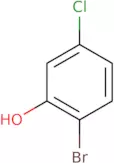
Formula:C9H12OPurity:90%Color and Shape:PowderMolecular weight:136.19 g/mol2-Bromo-5-chlorophenol
CAS:2-Bromo-5-chlorophenol is an organic compound that belongs to the class of halophenols. It is a nitroso compound with a chlorine atom in the 2 position, and it is also a chloroaniline. The chemical formula for 2-bromo-5-chlorophenol is C6H4BrClO2. The chemical reactions of this product include reactions with aminopyridine, isopropyl alcohol, chloroaniline, halophenols, dimethylamine, ethanolamine and toluidine. 2-Bromo-5-chlorophenol has been used as a reagent for the preparation of diethyl ethers and nitrates. This product has been used as a reagent for the synthesis of methyl groups and emulsifying agents for oil and water mixtures.Formula:C6H4BrClOPurity:Min. 95%Color and Shape:PowderMolecular weight:207.45 g/mol3,3'-Dichlorobisphenol A
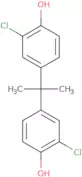
CAS:3,3'-Dichlorobisphenol A is a chlorine-containing organic compound that is used in the manufacture of polycarbonate plastics. It has been found to be genotoxic and carcinogenic in animals. 3,3'-Dichlorobisphenol A is also toxic to aquatic organisms and may persist for long periods in the environment. 3,3'-Dichlorobisphenol A enters wastewater when it is released during the production of polycarbonate plastics or as a byproduct of other chlorination reactions. The most common method for removing 3,3'-dichlorobisphenol A from wastewater is to use UV irradiation followed by chlorine gas treatment. This process can lead to the formation of additional chlorinated compounds that are more toxic than 3,3'-dichlorobisphenol A.
Formula:C15H14Cl2O2Purity:Min. 95%Color and Shape:White PowderMolecular weight:297.18 g/mol3,5-Dihydroxybenzyl alcohol
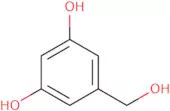
CAS:3,5-Dihydroxybenzyl alcohol is an organic solution that has been shown to inhibit the growth of cancer cells by binding to the chloride ion and forming a hydrophobic effect with the hydrochloric acid. This compound also inhibits the growth of other cells such as bacteria and yeast. 3,5-Dihydroxybenzyl alcohol has potent inhibitory activity against silver ions and prevents their adhesion to DNA molecules. The molecule also has a hydroxyl group which may help to prevent bacterial growth by preventing the production of proteins essential for cell division. 3,5-Dihydroxybenzyl alcohol is not toxic to human liver cells and does not cause any carcinogenic effects in vitro.
Formula:C7H8O3Purity:Min. 95%Color and Shape:Off-White PowderMolecular weight:140.14 g/mol3,4,5-Trimethoxyphenol
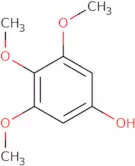
CAS:3,4,5-Trimethoxyphenol is a fruit extract that has been shown to inhibit the activity of protein synthesis. It also inhibits the replication of hepatitis C virus in vitro by interfering with the acylation reaction and preventing the attachment of lipoproteins to cell membranes. 3,4,5-Trimethoxyphenol may be used as an analytical reagent for determining the degree of unsaturation in cinnamic acid derivatives.
Formula:C9H12O4Purity:Min. 96%Color and Shape:PowderMolecular weight:184.19 g/mol4-Iodophenol
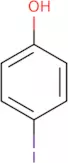
CAS:An enhancer used in chemiluminescent reactions
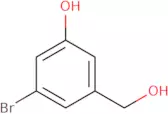
Formula:C6H5IOPurity:Min. 98.5 Area-%Color and Shape:PowderMolecular weight:220.01 g/mol3-Bromo-5-hydroxybenzyl alcohol
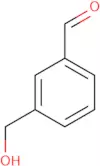
CAS:3-Bromo-5-hydroxybenzyl alcohol is a useful building block that can be used to synthesize more complex compounds. This chemical is a reagent and reaction component for organic synthesis. 3-Bromo-5-hydroxybenzyl alcohol is useful as a high quality research chemical, speciality chemical, or versatile building block. It reacts rapidly with strong oxidants and strong bases to form the corresponding bromohydrins. The CAS number for 3-bromo-5-hydroxybenzyl alcohol is 1020336-51-9.Formula:C7H7BrO2Purity:Min. 95%Color and Shape:PowderMolecular weight:203.03 g/mol3-Formylbenzyl alcohol
CAS:3-Formylbenzyl alcohol is a fatty acid that has been shown to inhibit the growth of bacteria by binding to the hydroxyl group of the bacterial cell membrane. 3-Formylbenzyl alcohol's antimicrobial activity is due to its ability to inhibit the production of fatty acids in the cell membrane, preventing the formation of an outer layer that protects bacteria from attack. The antibacterial agent also inhibits protein synthesis and prevents DNA replication, resulting in cell death. 3-Formylbenzyl alcohol binds to bacteria through hydrogen bonding and has been shown to be effective against Staphylococcus aureus, Bacillus subtilis, Escherichia coli, and Pseudomonas aeruginosa. The mechanism for this action is not clear but may involve an intramolecular hydrogen bond or nucleophilic attack by one of its carbonyl groups on a nitrogen atom in the bacterial molecule.
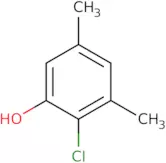
Formula:C8H8O2Purity:Min. 95%Color and Shape:Off-White PowderMolecular weight:136.15 g/mol2-Chloro-3,5-dimethylphenol
CAS:2-Chloro-3,5-dimethylphenol is an organic solvent with a high reactivity that has been used as a chlorinating agent in the production of amines and toluene. It has been shown to be reactive with many substances such as amines, chlorination, toluene, anthracene, anthraquinone and hydrochloric acid. 2-Chloro-3,5-dimethylphenol is also reactive with aluminium and chlorides. It can introduce chlorine into organic molecules like vanadyl or hydrogen chloride.Formula:C8H9ClOPurity:Min. 98%Color and Shape:White PowderMolecular weight:156.61 g/mol
![[4-(Methylsulfonyl)-2-nitrophenyl]methanol](https://static.cymitquimica.com/products/10/thumb-webp/F047986.webp)