Pharmaceutical Standards
Pharmaceutical standards are a comprehensive set of reference materials essential for ensuring the safety, efficacy, and quality of pharmaceutical products. This category includes standards for active pharmaceutical ingredients (APIs), which are the core components responsible for therapeutic effects. Additionally, it covers compounds and metabolites relevant to both the pharmaceutical and veterinary industries, providing benchmarks for the accurate measurement and analysis of these substances. Nitrosamine control standards are crucial for detecting and mitigating potentially harmful nitrosamines in drug formulations. Toxicology standards help assess the safety and potential adverse effects of pharmaceutical compounds. Furthermore, enzyme activators and inhibitors standards are vital for research and development, enabling precise studies of biochemical pathways and drug mechanisms. These pharmaceutical standards are indispensable tools for regulatory compliance, quality control, and research, ensuring that pharmaceutical products meet stringent safety and effectiveness criteria.
Subcategories of "Pharmaceutical Standards"
- APIs for research and impurities(273,300 products)
- Enzyme Activators and Inhibitors(2,827 products)
- Nitrosamines(2,606 products)
- Pharmaceutical and Veterinary Compounds and Metabolites(2,577 products)
- Toxicology(13,652 products)
Found 7836 products of "Pharmaceutical Standards"
Sort by
Purity (%)
0
100
|
0
|
50
|
90
|
95
|
100
3,6-Dihydroxy-2,4-dimethoxyacetophenone
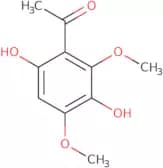
CAS:<p>3,6-Dihydroxy-2,4-dimethoxyacetophenone is an aromatic compound that has a molecular structure with hydrogen-bonded groups. It also contains both acetoxy and intramolecular substituents. 3,6-Dihydroxy-2,4-dimethoxyacetophenone is used in research as a starting material for the synthesis of other compounds. It is also used to study the dihedral angles in molecules due to the presence of two asymmetric carbon atoms.</p>Formula:C10H12O5Purity:Min. 95%Color and Shape:PowderMolecular weight:212.2 g/mol2-Aminonaphthalene-5,7-disulfonic acid
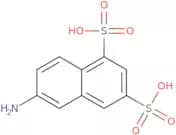
CAS:<p>2-Aminonaphthalene-5,7-disulfonic acid (2ANDA) is a fluorescent and colorless compound that can be used as a tracer for wastewater treatment. 2ANDA is adsorbed onto the surface of suspended solids in wastewater and binds to the hydroxide ions. This binding causes an increase in fluorescence intensity, which can be detected with synchronous fluorescence spectroscopy. 2ANDA also has the ability to form ternary complexes with chloride ions and molecular ions such as sodium hydroxide solution, making it useful for wastewater treatment because it provides information about the concentration of these ions. 2ANDA is soluble in water and may hydrolyze at high pH levels. It has been shown to have good kinetic properties for wastewater treatment by adsorption on granular activated carbon (GAC).</p>Formula:C10H9NO6S2Purity:Min. 95%Color and Shape:PowderMolecular weight:303.31 g/mol(-)-Biotin sulfoxide
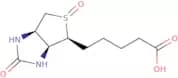
CAS:<p>(-)-Biotin sulfoxide is a metabolite of biotin that is produced by the oxidation of sulfhydryl groups in vivo. It is also a substrate for enzymes such as sulfoxide reductase and molybdenum cofactor biosynthesis protein A, which are involved in the metabolism of sulfur-containing amino acids. (-)-Biotin sulfoxide has been shown to be an effective inhibitor of human pathogens such as Escherichia coli, Klebsiella pneumoniae, Salmonella typhi, and Shigella flexneri. This compound is structurally similar to biotin, but has a different light signal when exposed to light.</p>Formula:C10H16N2O4SPurity:Min. 95%Color and Shape:White PowderMolecular weight:260.31 g/molGeranyl linalool
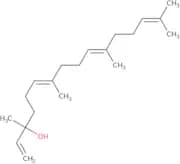
CAS:<p>Geranyl linalool is a monoterpene that is found in plants. It has been shown to have significant cytotoxicity against some cancer cell lines and may be useful in the treatment of cancer. Geranyl linalool also displays antibacterial, antifungal, and antiviral properties. Geranyl linalool is soluble in organic solvents such as methanol and ethanol, but insoluble in water. The chemical ionization mass spectrum of geranyl linalool has been observed to produce water-vapor ions at m/z 94 and 95 with a retention time of 12.5 minutes. The molecular weight of geranyl linalool is 152 g/mol and it has a ph optimum between 5-8.</p>Formula:C20H34OPurity:Min. 95%Color and Shape:Clear LiquidMolecular weight:290.48 g/molDisodium methylenebisnaphthalenesulfonate
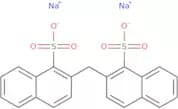
CAS:<p>Disodium methylenebisnaphthalenesulfonate is an organic compound that belongs to the group of bisnaphthyl-sulfones. It is a white solid with a melting point of 236°C. Disodium methylenebisnaphthalenesulfonate is used as a reagent in organic synthesis and as a building block for other compounds. The compound has been shown to be useful in the synthesis of 2-amino-5-methyl-1,3,4-thiadiazole derivatives, which are important building blocks for pharmaceuticals. Disodium methylenebisnaphthalenesulfonate can also be used as a scaffold for complex compounds with new or unknown structures.</p>Formula:C21H16O6S2·2NaPurity:Min. 95%Color and Shape:Beige To Brown SolidMolecular weight:474.46 g/mol5-(6)-Carboxynaphthofluoroscein N-succinimidyl ester
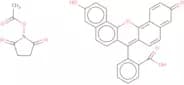
CAS:<p>5-(6)-Carboxynaphthofluoroscein N-succinimidyl ester is a versatile building block for the synthesis of complex compounds. It is used as a reagent or speciality chemical that is useful in research and development. 5-(6)-Carboxynaphthofluoroscein N-succinimidyl ester has CAS No. 150347-58-3, which is an intermediate in the synthesis of other pharmaceuticals with potential clinical use. The compound has been used to develop new drugs, such as those for the treatment of cancer, cardiovascular disease, and diabetes.</p>Formula:C33H19NO9Purity:Min. 90 Area-%Color and Shape:PowderMolecular weight:573.51 g/molMethyl 3,4-dimethylcinnamate
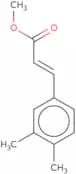
CAS:<p>Methyl 3,4-dimethylcinnamate is a versatile building block that can be used in the synthesis of complex compounds. It is a research chemical and reagent with many applications, including as a useful scaffold for the synthesis of new compounds. Methyl 3,4-dimethylcinnamate is also used in the production of speciality chemicals. This compound has been used as a high-quality intermediate in the synthesis of other organic molecules and as a reaction component in cross-coupling reactions.</p>Formula:C12H14O2Purity:Min. 95%Color and Shape:White PowderMolecular weight:190.24 g/molN-Methyl-L-tyrosine - Combretum collinum
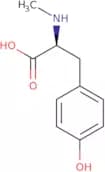
CAS:<p>N-Methyl-L-tyrosine is a molecule that has been studied as a potential treatment for Parkinson's disease. It is chemically related to the amino acid tyrosine and also shares some of its biological properties. N-Methyl-L-tyrosine inhibits the uptake of dopamine by dopamine transporters in cells, which reduces the symptoms of Parkinson's disease. The alkynyl group present in this molecule helps to improve the drug's binding affinity with proctolin, which is a substrate for proton pump inhibitors, and can be used to treat gastrointestinal problems. The clinical use of N-Methyl-L-tyrosine is limited due to its low oral bioavailability; however, it may be effective when administered intravenously or intramuscularly.</p>Formula:C10H13NO3Purity:Min. 95%Color and Shape:White PowderMolecular weight:195.22 g/mol7-Oxo cholesterol 3-acetate
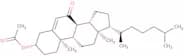
CAS:Controlled Product<p>7-Oxo cholesterol 3-acetate is a cocatalyst for the oxidation of organic compounds. It is used to catalyze the oxidation of alcohols, carboxylic acids, and other organic compounds with hydrogen peroxide. 7-Oxo cholesterol 3-acetate has been shown to be a low energy catalyst that can be used in mild conditions. This compound has been shown to produce diacetyl, which is an important reaction product in the synthesis of vitamin D3 (cholecalciferol). 7-Oxo cholesterol 3-acetate has also been isolated from adipose tissue and shown to have anti-inflammatory properties.</p>Formula:C29H46O3Purity:Min. 95%Color and Shape:PowderMolecular weight:442.67 g/molrac 4-Hydroxy-9-cis-retinoic acid
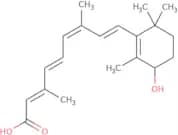
CAS:<p>9-cis-Retinoic acid is a retinoid that is found in the human body. It can be extracted from the cells of animals or plants and purified by using an organic solvent, such as hexane. 9-cis-Retinoic acid can also be synthesized by using a validated hplc method. Analysts use this compound to measure conjugate acids, hydroxy acids, and other compounds related to endogenous metabolism. It is often used as a buffering agent for specific applications.</p>Formula:C20H28O3Purity:Min. 95%Molecular weight:316.43 g/mol(R)-Apomorphine hydrochloride hemihydrate
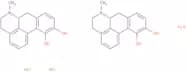
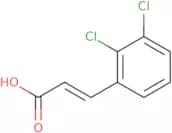
CAS:<p>Apomorphine hydrochloride is the salt form of apomorphine, a morphine derivative D2 dopamine agonist. The high selectivity for D2, D3, D4 and D5 receptors makes apomorphine hydrochloride a possible drug candidate and it is in clinical trials for diagnosis and treatment of Parkinsons disease. Moreover, apomorphine and apomorphine hydrochloride have been investigated in diverse studies for treating movement disorders.</p>Formula:C17H17NO2•HCl•(H2O)0Purity:Min. 95%Color and Shape:White PowderMolecular weight:312.79 g/mol2,3-Dichlorocinnamic acid
CAS:<p>2,3-Dichlorocinnamic acid is an organic compound that can be synthesized in a multistep process involving the reaction of pyridine with sulfuryl chloride. This reaction forms 2,3-dichloropropiophenone and 2,3-dichloroacetophenone. The latter compound is converted to the desired product by reacting it with thionyl chloride. The final step involves hydrolysis of the ester group to form 2,3-dichlorocinnamic acid.<br>2,3-Dichlorocinnamic acid can also be synthesized from phenylpropiolic acid and chlorosulfuric acid or from methyl propiolate and chlorosulfuric acid. <br>2,3-Dichlorocinnamic acid is a white crystalline solid that melts at 155°C and boils at 287°C. It is soluble in water and has a low yield due to</p>Formula:C9H6Cl2O2Purity:Min. 95%Molecular weight:217.05 g/molFmoc-3-(1-naphthyl)-L-alanine
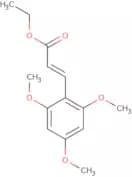
CAS:<p>Fmoc-3-(1-naphthyl)-L-alanine is a versatile building block that can be used in the synthesis of complex compounds. It has been shown to be a useful intermediate in the synthesis of a range of biologically active compounds, including research chemicals and reagents. It is also a useful scaffold for the preparation of complex chemical structures. Fmoc-3-(1-naphthyl)-L-alanine is available as an off-white solid with a purity of 99%.</p>Formula:C28H23NO4Purity:Min. 98.0 Area-%Color and Shape:White PowderMolecular weight:437.49 g/molEthyl 2,4,6-trimethoxycinnamate
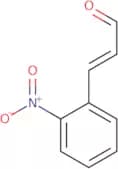
CAS:<p>Ethyl 2,4,6-trimethoxycinnamate is a fine chemical that is a useful scaffold for the synthesis of other compounds. It is used as a versatile building block in the synthesis of research chemicals and as an intermediate in the production of speciality chemicals. This compound has been shown to be highly reactive. Ethyl 2,4,6-trimethoxycinnamate can be used as an effective reagent or reaction component in organic chemistry.</p>Formula:C14H18O5Purity:90%Color and Shape:PowderMolecular weight:266.29 g/molo-Nitrocinnamaldehyde
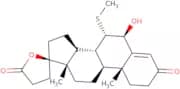
CAS:<p>o-Nitrocinnamaldehyde is an aldehyde that belongs to the group of β-unsaturated aldehydes. It has been shown to inhibit cancer cell growth in vitro and in vivo. o-Nitrocinnamaldehyde inhibits xanthine oxidase by preventing the oxidation of hypoxanthine to xanthine and xanthine to uric acid. This prevents the formation of superoxide radicals, which are known carcinogens. The compound also inhibits aldehyde dehydrogenase, which prevents the oxidation of nitro compounds that have been generated by nitrosation reactions. These reactions are catalyzed by nitric oxide synthases (NOS) and convert nitrate into nitrite and then into reactive nitrogen species such as peroxynitrites. o-Nitrocinnamaldehyde also inhibits uv absorption, which may be due to its ability to form supramolecular aggregates with other organic molecules or metal ions.</p>Formula:C9H7NO3Purity:Min. 95%Molecular weight:177.16 g/mol6b-Hydroxy-7a-(thiomethyl) spironolactone
CAS:<p>6b-Hydroxy-7a-(thiomethyl) spironolactone is a drug that is metabolized in the liver and excreted in the bile. It has been found to be safe and effective for the treatment of ascites due to cirrhosis. The pharmacokinetics of 6b-hydroxy-7a-(thiomethyl) spironolactone are linear, with a plasma elimination rate of 0.3 mg/kg/h. The elimination half-life for 6b-hydroxy-7a-(thiomethyl) spironolactone is about 3 hours. 6b-Hydroxy-7a-(thiomethyl) spironolactone has been found to be eliminated from the body at a constant rate, regardless of age, gender or weight. The population studied was healthy adult males who ingested 6b-hydroxy-7a-(thiometh</p>Formula:C23H32O4SPurity:Min. 95%Color and Shape:PowderMolecular weight:404.56 g/mol(-)-EGCG-3''-O-ME
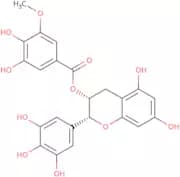
CAS:<p>(-)-EGCG-3''-O-ME is a methylated derivative of epigallocatechin (EGCg) that has been shown to have hepatoprotective properties. (-)-EGCG-3''-O-ME inhibits the growth of bacterial cells by binding to the proton pump in the bacterial cell membrane and preventing the transport of protons across the membrane, which leads to an accumulation of hydrogen ions inside the bacterial cell. (-)-EGGCg also inhibits alcohol-induced liver injury and is an antioxidant. (-)-EGGCg has been shown to have anti-obesity effects on mice fed a high fat diet, as well as lowering blood pressure in rats. (-)-EGCg can be detected by analytical methods such as gas chromatography or high performance liquid chromatography (HPLC).</p>Formula:C23H20O11Purity:Min. 90 Area-%Color and Shape:Brown PowderMolecular weight:472.4 g/mol4,4'-Dinitro-2,2'-bipyridine-N,N'-dioxide - crude
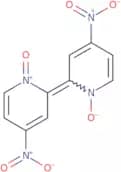
CAS:<p>4,4'-Dinitro-2,2'-bipyridine-N,N'-dioxide is a fine chemical with a high quality. It is a versatile building block with a wide range of applications in research and as a reagent. The compound is used in the synthesis of organic compounds and many other products. This product can be used as an intermediate for the production of more complex compounds or scaffolds. 4,4'-Dinitro-2,2'-bipyridine-N,N'-dioxide has been shown to be useful in the synthesis of pharmaceuticals and agrochemicals.</p>Formula:C10H6N4O6Purity:Min. 95%Color and Shape:Yellow PowderMolecular weight:278.18 g/mol1-(3-Bromobenzoyl)-2-(2-naphthoyl)-hydrazine
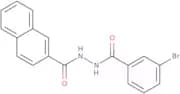
CAS:<p>1-(3-Bromobenzoyl)-2-(2-naphthoyl)-hydrazine is a building block with a high quality and versatile scaffold. It is used as a reaction component in the synthesis of complex compounds, fine chemicals and speciality chemicals. 1-(3-Bromobenzoyl)-2-(2-naphthoyl)-hydrazine has been shown to be an effective reagent for the preparation of polycyclic aromatic hydrocarbons. This chemical is also a useful intermediate in the production of pharmaceuticals, pesticides, dyes, and perfumes.</p>Formula:C18H13BrN2O2Purity:Min. 95%Color and Shape:PowderMolecular weight:369.21 g/mol(4R,8RS)-Limonene-8,9-epoxide
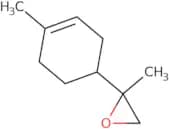
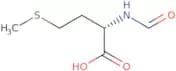
CAS:<p>The compound (4R, 8RS)-limonene-8,9-epoxide is an epoxide of the monoterpene limonene. It has been shown to be an effective insecticide that attacks the cycle at the abietane stage. It can also be used as a precursor for other chemicals such as neoabietic acid. The biosynthesis of this compound is unknown, but it is thought to be generated by a cytochrome P450 monooxygenase and may involve the epoxidation of dendroctonus or cytochromes. This compound is not found in plants and is only found in insects, where it functions as an insecticide.</p>Formula:C10H16OPurity:Min. 95%Color and Shape:Colorless Clear LiquidMolecular weight:152.23 g/molFormyl-L-methionine
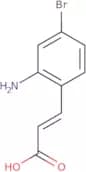
CAS:<p>Formyl-L-methionine is a form of methionine produced by the human body. It is found in proteins, peptides, and polypeptides as an amino acid residue. Methionine is one of the essential amino acids needed by humans. Methionine can be converted to formyl-L-methionine by the enzyme methioninase, which is found in bacteria such as Escherichia coli. The conversion of methionine to formyl-L-methionine may be important for antigen binding sites on antibodies. The N-terminal part of the protein can be recognized by antibodies, which are then able to bind to antigenic determinants on bacteria and other pathogens.</p>Formula:C6H11NO3SPurity:Min. 95%Color and Shape:PowderMolecular weight:177.22 g/mol2-Amino-4-bromocinnamic acid
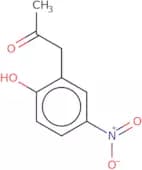
CAS:<p>2-Amino-4-bromocinnamic acid is a fine chemical with a CAS number of 914636-63-8. It is used in the synthesis of complex compounds and useful building blocks, as well as in research. This compound has been shown to be an intermediate for the preparation of derivatives with potential pharmaceutical applications, such as antihistamines, antipsychotics, and antibiotics. 2-Amino-4-bromocinnamic acid is also an important reagent for organic syntheses.</p>Formula:C9H8BrNO2Purity:Min. 98 Area-%Color and Shape:PowderMolecular weight:242.07 g/mol(2-Hydroxy-5-nitrophenyl)acetone
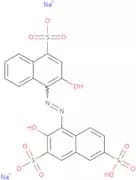
CAS:<p>2-Hydroxy-5-nitrophenyl)acetone is a high quality reagent that has been used as an intermediate in the synthesis of many complex compounds. It is a useful intermediate and building block in organic synthesis. 2-Hydroxy-5-nitrophenyl)acetone is also a versatile building block, which can be used to form chemical derivatives with different functional groups.</p>Formula:C9H9NO4Color and Shape:PowderMolecular weight:195.17 g/molHydroxy naphthol blue disodium
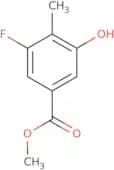
CAS:<p>Hydroxy naphtol blue is a synthetic azo dye, characterised for containing the functional group R N=N R. The hydroxy naphtol blue disodium and trisodium salt are used as indicators to determine the content of alkaline earth and lanthanides spectrophotometrically, showing at maximum a wavelength of ~ 650 nm (λmax = 647.6 nm). The best example of the use of hydroxy naphtol blue sodium salt is to determine the hardness of water by measuring the concentration of calcium and magnesium. At alkaline or basic pH, the hydroxy naphtol blue forms a pink/red complex with the metal ions and, after titration with EDTA, hydroxy naphtol blue is liberated, turning the solution blue which indicates the endpoint.</p>Formula:C20H14N2O11S3·2NaColor and Shape:PowderMolecular weight:600.51 g/mol3-Fluoro-5-hydroxy-4-methylbenzoic acid methyl ester
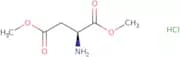
CAS:<p>3-Fluoro-5-hydroxy-4-methylbenzoic acid methyl ester is a high quality, versatile building block. It is used as a reagent and as a speciality chemical in the research laboratory. This compound is also an intermediate for the synthesis of other chemicals. 3-Fluoro-5-hydroxy-4-methylbenzoic acid methyl ester can be used in the synthesis of complex compounds that are useful scaffolds for drug development.</p>Formula:C9H9FO3Color and Shape:PowderMolecular weight:184.16 g/molL-Aspartic acid dimethyl ester hydrochloride
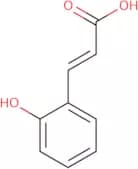
CAS:<p>L-Aspartic acid dimethyl ester hydrochloride (DAA) is an inhibitor of serine proteases, which are enzymes that break down other proteins. DAA inhibits the activity of these enzymes by forming a covalent bond with the serine residue in the active site of the enzyme. This inhibition prevents the breakdown of proteins and leads to inflammation in target tissues. L-Aspartic acid dimethyl ester hydrochloride is used to treat inflammatory bowel disease by inhibiting cathepsin B, a protease that is associated with this condition.</p>Formula:C6H11NO4·HClPurity:Min. 98 Area-%Color and Shape:White Off-White PowderMolecular weight:197.62 g/moltrans-2-Hydroxycinnamic acid
CAS:<p>Trans-2-hydroxycinnamic acid is a bioactive phytochemical that has been shown to inhibit the proliferation of 3T3-L1 preadipocytes. It also binds with 4-hydroxycinnamic acid, which is a compound found in coumarin derivatives. Trans-2-hydroxycinnamic acid is an analytical method for determining p-hydroxybenzoic acid, which is a metabolite of trans-2-hydroxycinnamic acid and can be used as an indicator for its presence in food products. Trans-2-hydoxycinnamic acid inhibits mitochondrial membrane potential and induces apoptosis in cancer cells. It also has drug interactions with etoac extract and structural analysis.</p>Formula:C9H8O3Color and Shape:PowderMolecular weight:164.16 g/mol2-Bromo-5-nitrophenetole
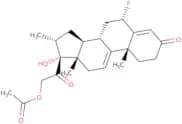
CAS:<p>2-Bromo-5-nitrophenetole is a versatile building block that can be used as a reagent in the synthesis of complex compounds and research chemicals. It is a high quality chemical with a CAS number of 423165-33-7. 2-Bromo-5-nitrophenetole is an important intermediate for the synthesis of diverse and valuable compounds such as pharmaceuticals, agrochemicals, and dyes.</p>Formula:C8H8BrNO3Purity:Min. 95%Color and Shape:PowderMolecular weight:246.06 g/mol6α-Fluoro-17,21-Dihydroxy-16α-Methylpregna-4,9(11)-Diene-3,20-Dione 21-Acetate
CAS:Controlled Product<p>6alpha-Fluoro-17,21-Dihydroxy-16alpha-Methylpregna-4,9(11)-Diene-3,20-Dione 21-Acetate is a synthetic angiostatic agent that inhibits the angiogenic process by affecting the growth of new blood vessels. It has been shown to inhibit proteolytic activity and to have an inhibitory effect on tumour necrosis factor-α (TNF-α) induced activation of endothelial cells and their proliferation. 6alpha-Fluoro-17,21-Dihydroxy-16alpha-Methylpregna-4,9(11)-Diene 3,20 Dione 21 Acetate also inhibits the growth of fetal bovine aortic endothelial cells in culture. The drug was also found to significantly reduce the monolayer cell viability after uptake by endothelial cells.</p>Formula:C24H31FO5Purity:Min. 95%Molecular weight:418.5 g/mol(6S)-5,6,7,8-Tetrahydro-6-[propyl[2-(2-thienyl)ethyl]amino]-1-naphthalenol
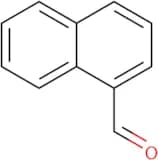
CAS:Controlled Product<p>(6S)-5,6,7,8-Tetrahydro-6-[propyl[2-(2-thienyl)ethyl]amino]-1-naphthalenol is a potent and selective dopamine receptor agonist. It acts by binding to the dopamine receptors in the brain. This binding stimulates the release of dopamine and prevents it from being reabsorbed into the neurons, which in turn increases levels of extracellular dopamine in the synapse. (6S)-5,6,7,8-Tetrahydro-6-[propyl[2-(2-thienyl)ethyl]amino]-1-naphthalenol has been shown to have antidepressant effects in animal models of depression. It also has a long half life and can be administered as a transdermal patch for prolonged relief from depression symptoms.</p>Formula:C19H25NOSPurity:Min. 95%Color and Shape:White Off-White PowderMolecular weight:315.47 g/mol1-Naphthaldehyde
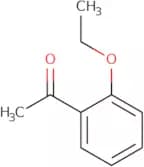
CAS:<p>1-Naphthaldehyde is a coordination compound that contains 1 naphthyl group and an oxygen atom. It can be used as an oxidation catalyst, intramolecular hydrogen, or a reaction solution. The antimicrobial activity of 1-naphthaldehyde has been shown in the presence of sodium carbonate or potassium phosphate buffer. 1-Naphthaldehyde has been shown to possess structural properties similar to those of other metal chelates, such as zinc pyrithione. The protonated form of 1-naphthaldehyde has been identified by means of analytical methods including gas chromatography and mass spectrometry.</p>Formula:C11H8OPurity:Min. 95%Color and Shape:Yellow To Brown LiquidMolecular weight:156.18 g/mol2'-Ethoxyacetophenone
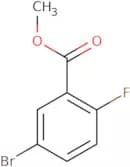
CAS:<p>2'-Ethoxyacetophenone is a Friedel-Crafts acylation agent. It reacts with nucleophilic groups, such as alcohols and amines, to form an acylated product. 2'-Ethoxyacetophenone has been shown to be a useful tool for the synthesis of chiral compounds with high yields and good enantiomeric excesses. This compound can also be used as a precursor in the synthesis of polyaromatic molecules containing a chiral center. The reaction requires low substrate concentrations and short reaction times, making it advantageous for some reactions that are sensitive to these parameters.</p>Formula:C10H12O2Purity:Min. 95%Color and Shape:PowderMolecular weight:164.2 g/mol5-Bromo-2-fluorobenzoic acid methyl ester
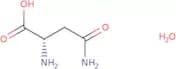
CAS:<p>5-Bromo-2-fluorobenzoic acid methyl ester (5BFME) is a synthetic, non-steroidal compound that is used to treat prostate cancer. 5BFME inhibits the production of prostate specific antigen (PSA) and other androgen levels in prostate cancer cells. 5BFME also has an effect on the cell cycle by inhibiting DNA synthesis, which is likely to have a synergistic effect with other anticancer drugs. 5BFME has shown no selectivity toward any type of cell, which may be due to its ability to modulate cellular biochemical pathways.</p>Formula:C8H6BrFO2Purity:Min. 95%Color and Shape:PowderMolecular weight:233.03 g/molL-Asparagine monohydrate
CAS:<p>L-Asparagine monohydrate (LAM) is a water-soluble amino acid that is used in the treatment of metabolic disorders such as diabetes. LAM has been shown to be effective in cell culture and tissue culture experiments, where it was found to increase the production of growth factors, such as insulin and keratinocyte growth factor. This amino acid also has a high degree of kinetic stability and can be used for magnetic resonance spectroscopy studies. LAM is soluble in water, but not in organic solvents. It forms hydrogen bonds with other molecules and is able to form dehydrated crystals. The experimental solubility data for LAM can be found in table 1 below.</p>Formula:C4H10N2O4Purity:(Titration) Min. 99%Color and Shape:White Clear LiquidMolecular weight:150.13 g/molPigment Orange 36
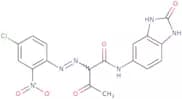
CAS:<p>Pigment Orange 36 is an organic pigment with a light-emitting property. It is soluble in organic solvents, such as benzene and chloroform, but insoluble in water. Pigment Orange 36 has a polycyclic aromatic hydrocarbon structure with ester linkages between the aliphatic hydrocarbon and aromatic hydrocarbon moieties. The molecule consists of two sections: one section is soluble in organic solvents and the other section is soluble in water. The particle size of Pigment Orange 36 ranges from 0.1 to 1 micron in diameter, and it emits light when excited by UV radiation or visible light.</p>Formula:C17H13ClN6O5Purity:Min. 95%Molecular weight:416.8 g/mol3,3',5,5'-Tetra-tert-butyldiphenoquinone
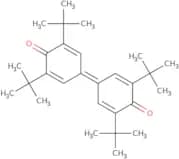
CAS:<p>3,3',5,5'-Tetra-tert-butyldiphenoquinone is a polymerized phenolic compound that is used as a dietary antioxidant. It has been shown to have hypochlorous and anion radical scavenging properties. It also acts as an oxidation catalyst and can be used for the preparation of oxidation products. 3,3',5,5'-Tetra-tert-butyldiphenoquinone stabilizes the formation of β-unsaturated aldehydes by acting as an oxidant. 3,3',5,5'-Tetra-tert-butyldiphenoquinone also has antioxidative activity by inhibiting lipid peroxidation in vitro. The antioxidant activity may be due to its ability to form hydrogen bonds with the lipid radicals produced during lipid peroxidation reactions.</p>Formula:C28H40O2Purity:Min. 95%Molecular weight:408.62 g/mol2,2'-Dibromodiphenylacetylene
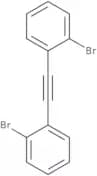
CAS:<p>2,2'-Dibromodiphenylacetylene (DBDP) is a biomolecular that belongs to the class of stilbene derivatives. It has been shown to have fluoro-transfer properties and can be used as a vapor transport or crystalline interaction. DBDP has been shown to produce diffraction with a shift angle of 8.6° in solution and yields of up to 98%. The steric effect was also observed when the molecule interacts with transfer and transistor molecules. DBDP has been shown to undergo an arylation reaction with phenanthridines, which are potent anti-inflammatory agents.</p>Formula:C14H8Br2Color and Shape:PowderMolecular weight:336.02 g/molPhenyl 1,4-dihydroxy-2-naphthoate
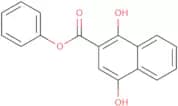
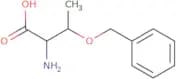
CAS:<p>Phenyl 1,4-dihydroxy-2-naphthoate is a suzuki cross-coupling agent that can be used in organic synthesis. It is an electron rich phenyl derivative and can be used as an alternative to the miyaura reaction. Phenyl 1,4-dihydroxy-2-naphthoate has been shown to react with alkyl or aryl halides, typically at room temperature. This product has been shown to react with electron rich olefins under sterically demanding conditions and is often used in cross coupling reactions.</p>Formula:C17H12O4Purity:Min. 95%Color and Shape:PowderMolecular weight:280.27 g/molO-Benzyl-L-threonine
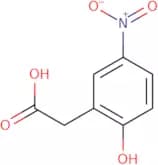
CAS:<p>O-Benzyl-L-threonine is a polymer that can be used to treat inflammatory diseases. It is an ionic polymer that reacts with calcium carbonate and forms nanosized architectures. O-Benzyl-L-threonine has been shown to cause the disassembly of inflammatory cells and induce cell death through necrosis factor. This polymer has been shown to have an optimal reaction when combined with a target cell in the presence of calcium carbonate. The phenolic group on the threonine molecule is responsible for this reaction's success.</p>Formula:C11H15NO3Purity:Min. 95%Color and Shape:White To Off-White SolidMolecular weight:209.24 g/mol2-Hydroxy-5-nitrophenylacetic acid
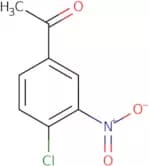
CAS:<p>2-Hydroxy-5-nitrophenylacetic acid is a versatile building block that can be used as a reagent, speciality chemical, or research chemical. It has been synthesized and characterized from the nitrobenzene derivative 2-hydroxyacetophenone. The compound has been shown to inhibit the growth of bacteria by binding to bacterial DNA gyrase and topoisomerase IV. This inhibits bacterial growth by preventing DNA replication and transcription. As an intermediate, 2-hydroxy-5-nitrophenylacetic acid is useful in organic synthesis as a reaction component or scaffold.</p>Formula:C8H7NO5Purity:Min. 95%Color and Shape:PowderMolecular weight:197.14 g/mol4-Chloro-3-nitroacetophenone
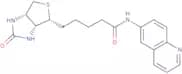
CAS:<p>4-Chloro-3-nitroacetophenone is a phenothiazine drug that is used in the treatment of lung conditions. It binds to the active site of human cytochrome P450, which is an enzyme that metabolizes many drugs and other foreign substances. 4-Chloro-3-nitroacetophenone inhibits the reaction by binding to the chloride ion and preventing it from leaving the enzyme's active site, which is necessary for its function. The drug has been shown to have a high affinity for protozoan tetrahymena, an organism that has been widely used as a model system in biochemistry research. 4-Chloro-3-nitroacetophenone also inhibits biochemical reactions involving nucleophilic substrates such as quinoline derivatives. The reaction rate of these substrates is decreased by this drug due to its ability to compete with water molecules for the nucleophilic reaction intermediate.</p>Formula:C8H6ClNO3Purity:Min. 95%Color and Shape:PowderMolecular weight:199.59 g/molBiotinyl-6-aminoquinoline
CAS:<p>Biotinyl-6-aminoquinoline is a synthetic chemical that has been shown to inhibit the growth of cancer cells in laboratory mice. It was synthesized to be a substrate for the enzyme quinolinate synthase, which is involved in the synthesis of nicotinic acid. Biotinyl-6-aminoquinoline is an analytical method that has been used in urinary samples from patients with bladder cancer as well as healthy individuals. The sequences of each individual were determined and analyzed using an algorithm that performs logistic regression, which can predict whether or not the patient has bladder cancer.</p>Formula:C19H22N4O2SPurity:Min. 95 Area-%Color and Shape:PowderMolecular weight:370.47 g/molL-Methionine [R]-sulfoximine
CAS:<p>L-Methionine [R]-sulfoximine is a molecule that has been isolated from the environment. It is an electron-deconvolution and paramagnetic resonance study of the molecule. The spectrum was obtained in the frequency range from 10 to 500 MHz, with a resolution of 0.03 ppm, and a sensitivity of 20 μT. L-Methionine [R]-sulfoximine is an imine nitrogen that can be coordinated by metal ions to form an iminium ion. This compound has two enantiomers, which are both shown in this study. L-Methionine [R]-sulfoximine is a synthetase that catalyzes the formation of the methylamino group and its amino nitrogen.</p>Formula:C5H12N2O3SPurity:Min. 95%Color and Shape:White to pale yellow solid.Molecular weight:180.23 g/mol9-cis-Retinol acetate
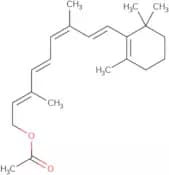
CAS:<p>9-cis-Retinol acetate is a synthetic retinoid that has been shown to have antioxidant properties. It prevents the oxidation of lipids, proteins and DNA by inhibiting the activity of enzymes such as cyclooxygenase and lipoxygenase, which are responsible for generating reactive oxygen species. 9-cis-Retinol acetate also increases glutathione levels, which scavenges reactive oxygen species. 9-cis-Retinol acetate can be used to treat oxidative injury in different tissues such as the skin, liver, bowel, lung and eye. 9-cis-Retinol acetate can be used in low doses to prevent oxidative injury in the human fetus during pregnancy or in high doses to treat oxidant injuries caused by radiation exposure or chemotherapy.</p>Formula:C22H32O2Purity:Min. 95%Color and Shape:Pale yellow oil.Molecular weight:328.49 g/mol3-(Trifluoromethyl)cinnamic acid methyl ester
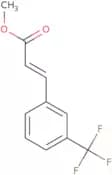
CAS:<p>3-(Trifluoromethyl)cinnamic acid methyl ester is a high quality chemical that can be used as a reagent, intermediate, or building block. It is also a speciality chemical that can be used in research. 3-(Trifluoromethyl)cinnamic acid methyl ester has been shown to be useful for the synthesis of various complex compounds. This compound is also versatile, and can serve as a reaction component for different reactions.</p>Formula:C11H9F3O2Purity:Min. 95%Color and Shape:PowderMolecular weight:230.18 g/mol5-Methoxysalicylic acid sodium
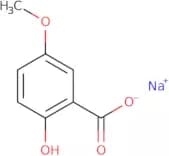
CAS:<p>5-Methoxysalicylic acid sodium (MSAS) is a drug that is used to treat intestinal ulcers. It is also used to reduce the viscosity of blood and as an adjuvant in the treatment of rheumatoid arthritis. The bioavailability of MSAS is increased when it is administered with cefmetazole, which enhances the absorption of this drug in the small intestine. MSAS has a hypoglycemic effect and can be used to treat high blood sugar levels. This drug binds to muscle cells and prevents their contraction, which can lead to relief from muscle pain or spasms. MSAS may also have a pharmacological effect on ligation, which occurs when tissue is cut off from its blood supply.</p>Formula:C8H7O4·NaPurity:Min. 95%Color and Shape:PowderMolecular weight:190.13 g/molSorbitan monolaurate
CAS:<p>Sorbitan monolaurate is a natural compound that can be isolated from the seeds of the Cucurbitaceae family. It is used in sample preparation for biocompatible polymers, as well as for detergent compositions. Sorbitan monolaurate has been shown to act as an absorption enhancer, which may be due to its ability to form hydrogen bonds with other molecules and its capacity to interact with sodium citrate. Sorbitan monolaurate also has biological properties such as the inhibition of autoimmune diseases, malonic acid production, and bacterial growth.</p>Formula:C18H34O6Purity:Min. 95%Color and Shape:Slightly Yellow Clear LiquidMolecular weight:346.46 g/mol4'-Methylacetophenone
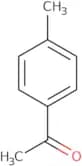
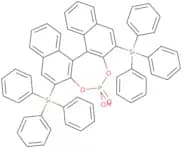
CAS:<p>4'-Methylacetophenone is a solvent that is used in the chemical industry, mainly for the production of trifluoroacetic acid. It has also been shown to be an effective antimicrobial agent, which is due to its ability to dissolve lipids and proteins. The mechanism of action of 4'-methylacetophenone is not fully understood, but it has been suggested that this compound reacts with fatty acids and pyrazole rings in the cell membrane and disrupts lipid bilayers. 4'-Methylacetophenone can be used as a reagent for solid phase microextraction in analytical chemistry. In addition, it reacts with acidic compounds (e.g., sulfuric acid) to produce insoluble salts and can be used as an analytical method for determining the concentration of these compounds.</p>Formula:C9H10OPurity:Min. 95%Color and Shape:Clear LiquidMolecular weight:134.18 g/mol(R)-(-)-3,3′-Bis(triphenylsilyl)-1,1′-binaphthyl-2,2′-diyl hydrogenphosphate
CAS:<p>(R)-(-)-3,3′-Bis(triphenylsilyl)-1,1′-binaphthyl-2,2′-diyl hydrogenphosphate is a fine chemical that is a useful reagent and building block. It can be used as an intermediate in the synthesis of complex compounds. This chemical has a CAS number of 791616-55-2 and is classified as a speciality chemical. (R)-(-)-3,3′-Bis(triphenylsilyl)-1,1′-binaphthyl-2,2′-diyl hydrogenphosphate is also a versatile building block for the synthesis of reaction components with high quality.</p>Formula:C56H41O4PSi2Purity:Min. 94.5 Area-%Color and Shape:PowderMolecular weight:865.07 g/mol4,7-Dimethylcoumarin
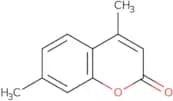
CAS:<p>4,7-Dimethylcoumarin is an alkylating agent that can be used to synthesize coumarin derivatives. It has been shown to have potent antagonistic effects on the serotonin 5-HT1A receptor and the d2 receptor. 4,7-Dimethylcoumarin has been shown to bind to these receptors and block their activation by other ligands. This leads to a decrease in receptor affinity for ethylenamine (5-HT1A) or dopamine (d2). The alkylation process of 4,7-dimethylcoumarin with bovine serum albumin (BSA) can be used as an analytical method to determine the concentration of this compound in biological samples.</p>Formula:C11H10O2Purity:Min. 95%Color and Shape:PowderMolecular weight:174.2 g/mol5-Chlorosalicylic acid
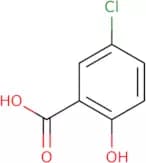
CAS:<p>5-Chlorosalicylic acid is an inhibitor of the enzyme carbonic anhydrase. It is used for the treatment of gout, rheumatoid arthritis, and osteoarthritis. This compound has been shown to be a genotoxic agent, which may result in mutagenic or carcinogenic effects. 5-Chlorosalicylic acid inhibits the growth of probiotic bacteria. It also has anti-inflammatory properties and can be used as a proton donor in organic synthesis reactions.<br>5-Chlorosalicylic acid is a metabolite of acetylsalicylic acid (ASA) that forms when ASA undergoes oxidative deamination in the liver. 5-Chlorosalicylic acid is also formed during metabolism of nonsteroidal anti-inflammatory drugs (NSAIDs).</p>Formula:C7H5ClO3Purity:Min. 95%Color and Shape:White Off-White PowderMolecular weight:172.57 g/mol4-Chloro-3',4'-dimethoxychalcone
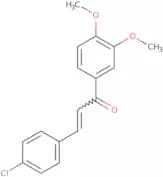
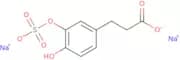
CAS:<p>Please enquire for more information about 4-Chloro-3',4'-dimethoxychalcone including the price, delivery time and more detailed product information at the technical inquiry form on this page</p>Purity:Min. 95%Dihydro caffeic acid 3-O-sulfate sodium salt
CAS:<p>Dihydro caffeic acid 3-O-sulfate sodium salt is a flavonol that is found in plants. It has been shown to have antioxidant properties and may be effective in the treatment of diseases associated with oxidative stress, such as diabetes mellitus and cancer. Dihydrocaffeic acid 3-O-sulfate sodium salt has also been shown to inhibit the growth of bacteria by modulating the production of nitric oxide. This agent has been quantified in human urine, which provides evidence for its potential use as a biomarker for disease risk due to its association with phenolic metabolites.</p>Formula:C9H8Na2O7SPurity:Min. 95%Color and Shape:White Off-White PowderMolecular weight:306.2 g/mol9-Fluoro-11β,17-Dihydroxy-16α-Methyl-3,20-Dioxopregna-1,4-Dien-21-Yl 2-[2-(2-Ethoxyethoxy)Ethoxy]Acetate
CAS:Controlled Product<p>Methylprednisolone is a corticosteroid that has been used for the treatment of many conditions, including asthma and arthritis. It is used to reduce inflammation and suppress the immune system. Methylprednisolone can be administered orally or as an injection. It is also used in the diagnosis of tumours, especially those that are difficult to diagnose by other means. Methylprednisolone may be given together with another drug called dexamethasone, which has synergistic effects. These drugs have been shown to cause death in animals with certain types of tumours. In humans, they can cause cutaneous lesions, such as follicle cysts and tnf-α expression in skin cells. This drug also causes a microsporum infection (a type of fungus) on the skin to grow more rapidly when it is applied topically, resulting in a larger diameter section than untreated areas.</p>Formula:C30H43FO9Purity:Min. 95%Molecular weight:566.66 g/mol6-amino-3-methyl-4-(3-nitrophenyl)-4H-pyrano[3,2-d]pyrazole-5-carbonitrile
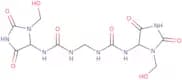
CAS:<p>Please enquire for more information about 6-amino-3-methyl-4-(3-nitrophenyl)-4H-pyrano[3,2-d]pyrazole-5-carbonitrile including the price, delivery time and more detailed product information at the technical inquiry form on this page</p>Formula:C14H11N5O3Purity:Min. 95%Color and Shape:PowderMolecular weight:297.27 g/molImidazolidinyl urea
CAS:<p>Imidazolidinyl urea is a preservative that has been used in the laboratory for decades. It is also used in cosmetics and personal care products to prevent bacterial and fungal contamination. Imidazolidinyl urea is an antimicrobial agent that exhibits high resistance to many bacteria, yeast, and molds. Imidazolidinyl urea is not active against Gram-positive bacteria, such as Clostridium difficile or Staphylococcus aureus. This chemical can be used as a preservative in biological samples at concentrations of 0.1% - 1%.</p>Formula:C11H16N8O8Color and Shape:PowderMolecular weight:388.29 g/molDextromethorphan
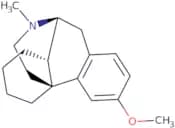
CAS:Controlled Product<p>9-alpha,-14-alpha-3-Methoxy-17-methylmorphinan (914) is a drug that is used in the treatment of bowel disease. It has been shown to inhibit the activity of enzymes such as polymerase chain, which is responsible for DNA replication and repair. 914 also inhibits dextromethorphan, an opioid that is used in cough suppressant medications. The effects of 914 on dextromethorphan are seen in human subjects who have been given the drug intravenously or orally. 914 binds to receptors that are found on cells in the brain and spinal cord, which explains its analgesic properties. This drug can be dangerous when taken with nonsteroidal anti-inflammatory drugs because it can cause kidney damage or failure.</p>Formula:C18H25NOPurity:Min. 95%Color and Shape:PowderMolecular weight:271.4 g/mol2-Naphthoxyacetic acid
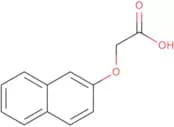
CAS:<p>2-Naphthoxyacetic acid is a chemical compound that has been shown to be a matrix effect agent in the kidney bean extract. It is also used as a nutrient solution in synchronous fluorescence and hydroxyl group. 2-Naphthoxyacetic acid can be used as an analytical method for sodium citrate, dispersive solid-phase extraction, nitrogen atoms, and acid complex. The optical sensor can be used for low light surface methodology. Fluoroacetic acid is a chemical compound that has been shown to have analytical properties similar to 2-Naphthoxyacetic acid.</p>Formula:C12H10O3Purity:Min 98%Color and Shape:PowderMolecular weight:202.21 g/mol(2',4',6'-Trimethyl)acetophenone
CAS:<p>(2',4',6'-Trimethyl)acetophenone is a precursor to 2,4,6-trimethylphenol. It is used in the synthesis of trifluoroacetic acid and trifluoromethanesulfonic acid as well as in the production of perfumes. Trifluoroacetic acid and trifluoromethanesulfonic acid are used for the manufacture of pharmaceuticals, plastics, pesticides, and solvents. This compound is also important for the manufacture of certain dyes, such as those used in textile dyeing.<br>The iodination reaction with 2',4',6'-trimethylacetophenone is catalyzed by potassium iodide and acetic acid. The reaction products include ethyl formate, acetaldehyde, water (H2O), hydrogen peroxide (H2O2), and iodine (I). The structural analysis showed that the carbonyl group was not involved in any</p>Formula:C11H14OPurity:Min. 95%Color and Shape:Clear LiquidMolecular weight:162.23 g/molEosin Y disodium salt
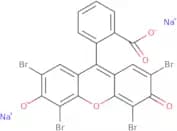
CAS:<p>Eosin Y, a red xanthene dye, has been noted to reduce the affinity of Mg2+-ATPase for ATP and increase the enzyme affinity for Mg2+ at concentrations of 10-50 μM. At higher concentrations near 100 μM the affinity for Mg2+-ATPase for the ion-activator has been shown to be reduced. This compound has also been reported to be a photosensitizer that works as a molecular photoelectrode via catalyzation of the visible-light-driven electron-transfer reaction. Eosin Y has been used to stain structures such as muscle, cytoplasm, and collagen. This agent also enhances fluorescent quenching abilities by forming a complex with polyvinulpyrrolidone.</p>Formula:C20H6Br4Na2O5Purity:Min. 95%Color and Shape:Brown PowderMolecular weight:691.85 g/mol4'-tert-Butyl-2',6'-dimethyl-3',5'-dinitroacetophenone
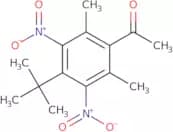
CAS:<p>4'-tert-Butyl-2',6'-dimethyl-3',5'-dinitroacetophenone is a ketone that is used in the synthesis of new chemical substances. It has been shown to have toxicological properties and can be used for the treatment of bacterial infections. 4'-tert-Butyl-2',6'-dimethyl-3',5'-dinitroacetophenone has been shown to produce a high degree of solubility in water, which is an advantageous property for wastewater treatment because it allows for easy removal of this compound from contaminated water.</p>Formula:C14H18N2O5Purity:Min. 95%Color and Shape:PowderMolecular weight:294.3 g/molSiastatin B
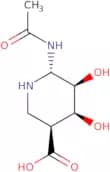
CAS:<p>Inhibitor of viral, bacterial and animal sialidase</p>Formula:C8H14N2O5Purity:Min. 98 Area-%Color and Shape:White PowderMolecular weight:218.19 g/mol4-Bromo-3,5-dimethoxybenzoic acid methyl ester
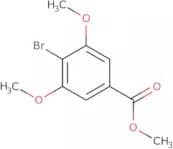
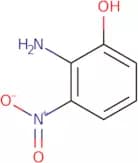
CAS:<p>4-Bromo-3,5-dimethoxybenzoic acid methyl ester is a crystalline solid that can be obtained from the reaction of 4-bromo-3,5-dimethoxybenzoic acid and methyl iodide. It has been shown to undergo an intramolecular cyclization when irradiated with ultraviolet light. This transformation is characterized by an increase in the length of the C=C bond and the appearance of a new C=O bond. The skeleton of 4-bromo-3,5-dimethoxybenzoic acid methyl ester consists of four five membered rings and two six membered rings. The molecule interacts with ligands such as styrene, mesitylene, vinylated benzyl halides, or halides.</p>Formula:C10H11BrO4Purity:Min. 95%Color and Shape:PowderMolecular weight:275.1 g/mol2-Amino-3-nitrophenol
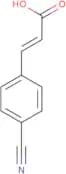
CAS:<p>2-Amino-3-nitrophenol is an inhibitor of matrix metalloproteinases that is active against a broad spectrum of pro-inflammatory and destructive enzymes. It has been used to inhibit the activity of matrix metalloproteinases in vitro and in vivo, with a wide range of applications in the fields of biochemistry, cell biology, and medicine. This compound has been shown to be effective against type strain C. albicans and C. glabrata strains, as well as other fungi such as Aspergillus niger, A. fumigatus, A. terreus, and A. flavus. 2-Amino-3-nitrophenol may have antifungal activity due to its ability to inhibit the synthesis of hyaluronic acid by these fungi.</p>Formula:C6H6N2O3Purity:Min. 95%Color and Shape:PowderMolecular weight:154.12 g/mol4-Cyanocinnamic acid
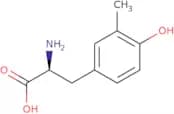
CAS:<p>4-Cyanocinnamic acid is a fatty acid that has been shown to be a substrate for the bacterial enzyme cinnamate 4-hydroxylase. The molecular weight of this compound is 136.16 g/mol, and it has a constant boiling point of 206°C. It can be synthesized from phenylacetic acid and p-coumaric acid using a transesterification reaction. This compound is reactive with carbonyl groups, which makes it useful in the detection of gram-positive bacteria by fluorescent probes or fluorescent dyes. 4-Cyanocinnamic acid is unreactive with esters of carboxylic acids, such as methyl esters, making it useful for the determination of fatty acids in isolates.</p>Formula:C10H7NO2Purity:Min. 95%Color and Shape:PowderMolecular weight:173.17 g/mol3-Methyl-L-tyrosine
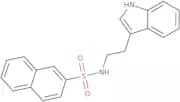
CAS:<p>3-Methyl-L-tyrosine is a natural amino acid that is important in the production of catecholamines, such as dopamine. 3-Methyl-L-tyrosine has been shown to inhibit enzymes that catalyze the oxidation of biogenic amines and polyunsaturated fatty acids. It also inhibits peroxidase activity by scavenging free radicals. This amino acid may be used as a therapeutic agent for depression, as it has been shown to activate the catecholamine system in the brain. 3-Methyl-L-tyrosine may also have applications in radical scavenging, methyltransferase and transfer mechanisms in biochemical reactions.</p>Formula:C10H13NO3Purity:Min. 95%Color and Shape:PowderMolecular weight:195.22 g/mol(2-Indol-3-ylethyl)(2-naphthylsulfonyl)amine
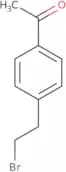
CAS:<p>Please enquire for more information about (2-Indol-3-ylethyl)(2-naphthylsulfonyl)amine including the price, delivery time and more detailed product information at the technical inquiry form on this page</p>Formula:C20H18N2O2SPurity:Min. 95%Color and Shape:PowderMolecular weight:350.43 g/mol4-(2-Bromoethyl)-acetophenone technical
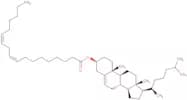
CAS:<p>4-(2-Bromoethyl)-acetophenone is a fine chemical that is useful as a scaffold for the synthesis of complex compounds. It is also used in research chemicals, reaction components, and other speciality chemicals. It has CAS No. 40422-73-9 and can be found in high quality form.</p>Formula:C10H11BrOPurity:Min. 75 Area-%Color and Shape:PowderMolecular weight:227.1 g/molCholesterol linoleate
CAS:Controlled Product<p>Cholesterol linoleate is a model system that is used to study the role of cholesterol in atherosclerosis. It consists of a cholesterol-based polymer and linoleic acid, which are chemically similar to the natural lipids found in human cells. In vitro studies have shown that this model system has an inhibitory effect on ATP binding cassette transporter A1 (ABCA1) and ABCG1. These proteins transport cholesterol from cellular membranes to other parts of the cell, where they are degraded by enzymes called lysosomes. Cholesterol linoleate also inhibits basic protein, an enzyme that breaks down cholesteryl, leading to reduced levels of cholesteryl esters in the atheromatous lesions. This model system has been shown to reduce disease activity in animals with atherosclerotic lesions.</p>Formula:C45H76O2Color and Shape:White PowderMolecular weight:649.08 g/mol6-Fluorovitamin D3
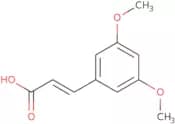
CAS:<p>6-Fluorovitamin D3 is a synthetic analog of vitamin D3, which is a modified form of the naturally occurring hormone known as cholecalciferol. This molecule is typically derived through chemical synthesis, incorporating a fluorine atom at a specific position on the vitamin D3 structure. The introduction of the fluorine atom is designed to enhance the stability of the compound and potentially alter its biological activity.</p>Formula:C27H43FOPurity:Min. 95%Molecular weight:402.63 g/mol3,5-Dimethoxycinnamic acid
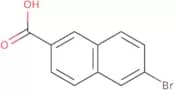
CAS:<p>3,5-Dimethoxycinnamic acid is a compound that belongs to the class of cinnamic acid derivatives. It is a synthetic substance obtained by demethylation of 3,5-dimethoxybenzoic acid. This substance has been shown to have an antifungal activity in vitro against filamentous fungi and many other microorganisms. The antimicrobial effect can be explained by the presence of functional groups such as hydroxyl and methoxyl on the aromatic ring. Hydroxide solution can be used as an analytical reagent for determining the formation rate of this compound.</p>Formula:C11H12O4Purity:Min. 95%Color and Shape:PowderMolecular weight:208.21 g/mol6-Bromo-2-naphtholic acid
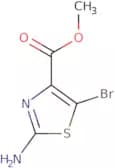
CAS:<p>6-Bromo-2-naphtholic acid is a methanol solvent. It has been shown to have biological properties and can be used in optical imaging. 6-Bromo-2-naphtholic acid is also used to synthesize 1-adamantanol, which is an organic compound that has been shown to have antimicrobial properties. A solution of 6-bromo-2-naphthol in hydrochloric acid was found to react with 4-methoxyphenyl boronic acid to produce a mixture of products that include the desired 1,4,5,8,9,10,11,12 hexahydrobenzo[a]phenanthrene. The vibrational frequencies for this product were determined using IR spectroscopy and the binding constants were calculated using DFT computational methods. The molecular structure of this product was determined using molecular modeling and quantum chemistry. Naphthalene is the parent</p>Formula:C11H7O2BrPurity:Min. 95%Color and Shape:PowderMolecular weight:251.08 g/mol2-Amino-5-bromothiazole-4-carboxylic acid methyl ester
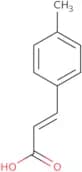
CAS:<p>2-Amino-5-bromothiazole-4-carboxylic acid methyl ester is a reagent that can be used as a building block for the synthesis of complex compounds. It is also an intermediate in the synthesis of other chemical compounds with therapeutic potential. 2-Amino-5-bromothiazole-4-carboxylic acid methyl ester is a fine chemical, which is useful for research purposes. The CAS number for this product is 850429-60-6.</p>Formula:C5H5BrN2O2SPurity:Min. 95%Color and Shape:PowderMolecular weight:237.08 g/mol4-Methylcinnamic acid
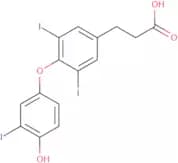
CAS:<p>4-Methylcinnamic acid is a cinnamic acid derivative that is used as an intermediate in the synthesis of various drugs. It can be synthesized from 2-chlorocinnamic acid, which is prepared by reaction with phosphorus pentachloride. 4-Methylcinnamic acid is also able to be oxidized to 4-hydroxycinnamic acid, which has been shown to have anti-aging effects. The molecule can be modeled using molecular dynamics simulations and was found to be polarizable and diffracting.</p>Formula:C10H10O2Purity:Min. 95%Color and Shape:White PowderMolecular weight:162.19 g/mol3,3',5-Triiodo thyropropionic acid
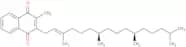
CAS:<p>Triiodothyropropionic acid is a metabolite of thyroxine, an important hormone that regulates the basal metabolic rate. It has been shown to be involved in the repair mechanism of cardiac and liver cells. Triiodothyropropionic acid is also a major metabolite of thyroxine and it is produced by the action of hydroxylases on thyroxine with water vapor as the substrate. This compound has been shown to increase cardiac function and improve heart tissue repair at physiological levels. The uptake, distribution, and excretion of triiodothyropropionic acid are similar to those for thyroxine. The metabolism of triiodothyropropionic acid occurs mainly in the liver, where it is converted into fatty acids such as 3-hydroxybutyric acid. Triiodothyropropionic acid has been shown to have effects on protein genes and rat liver microsomes.</p>Formula:C15H11I3O4Purity:Min. 95%Color and Shape:PowderMolecular weight:635.96 g/molVitamin K1
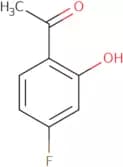
CAS:<p>Fat-soluble vitamin; Involved in blood coagulation; anti-tumoral</p>Formula:C31H46O2Purity:Min. 98 Area-%Color and Shape:Yellow Clear Viscous LiquidMolecular weight:450.7 g/mol4'-Fluoro-2'-hydroxyacetophenone
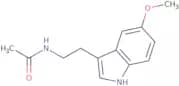
CAS:<p>4'-Fluoro-2'-hydroxyacetophenone is a chemical that is used as an antibacterial agent. It inhibits the growth of bacteria by interfering with microbial metabolism and inhibiting the synthesis of proteins, DNA, RNA and cell wall components. 4'-Fluoro-2'-hydroxyacetophenone has been shown to be active against P. aeruginosa, Enterococci and other bacterial strains. The compound also reduces the number of viable cells in culture supernatants from these bacteria. The mechanism of action of 4'-fluoro-2'-hydroxyacetophenone is not known but may be related to its ability to form covalent bonds with carbonyl groups present in enzymes or protein structures.<br>The compound can also spontaneously combust when heated to decomposition. This combustion releases fluorine gas which could cause environmental pollution if released into the atmosphere during its manufacture or use.</p>Formula:C8H7FO2Purity:Min. 95%Color and Shape:PowderMolecular weight:154.14 g/molMelatonin
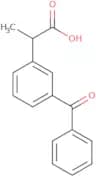
CAS:<p>Melatonin is a neurotransmitter produced by the pineal gland that is involved in the regulation of sleep-wake cycles. It can be used to treat several conditions like shift work disorders, insomnia, jet lag, and alterations of the circadian rhythm. Some authors also proposed the use of melatonin against cognitive disorders. In an interesting research conducted on zebrafish, it was found that memory formation occurs better during daytime compared to nighttime, suggesting a role of melatonin in this process. When melatonin was administered during the daytime it caused reduced memory formation. On the contrary, removing the pineal gland or treating the fish with a melatonin antagonist significantly improves nighttime memory formation.</p>Formula:C13H16N2O2Purity:Min. 98 Area-%Color and Shape:White Off-White PowderMolecular weight:232.28 g/molKetoprofen
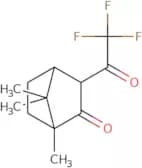
CAS:<p>Inhibits cyclooxygenase-1 and -2; non-steroidal anti-inflammatory drug</p>Formula:C16H14O3Purity:Min. 98 Area-%Color and Shape:White PowderMolecular weight:254.28 g/mol3-Trifluoroacetyl-D-Camphor
CAS:<p>3-Trifluoroacetyl-D-camphor is a ligand that binds to the quinine site on the mitochondrial membrane potential. It has been shown to have synergistic effects with metal chelates in cancer treatments. 3-Trifluoroacetyl-D-camphor is also a phosphorescent compound that emits photons when excited by light. The emission of light can be used as a probe for determining mitochondrial membrane potential and as a luminophore in devices such as gas sensors. 3-Trifluoroacetyl-D-camphor is found in the mitochondrial membranes of HL60 cells, and its concentration increases when mitochondria are exposed to hydrogen phosphine.</p>Formula:C12H15F3O2Purity:Min. 95%Color and Shape:Clear LiquidMolecular weight:248.24 g/mol3-Bromocinnamic acid methyl ester
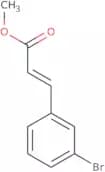
CAS:<p>3-Bromocinnamic acid methyl ester is a chemical compound that belongs to the group of useful scaffolds. It is a versatile building block and can be used as an intermediate in the synthesis of complex compounds. 3-Bromocinnamic acid methyl ester has been found to be a useful research chemical, reaction component, and speciality chemical. This chemical can be used in the production of fine chemicals and other products. 3-Bromocinnamic acid methyl ester is also useful as a reagent for organic reactions.</p>Formula:C10H9BrO2Purity:Min. 95%Color and Shape:PowderMolecular weight:241.08 g/mol5-Methylcytosine
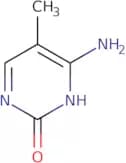
CAS:<p>5-Methylcytosine is a nucleic acid that is found in the DNA and RNA of the cell. It is an important component of methylation, which is the process by which a methyl group is added to a molecule. This process can lead to cellular transformation, a process that can cause cancer. 5-Methylcytosine has also been shown as a molecular pathogenesis factor in infectious diseases such as HIV and herpes simplex virus type 1. The presence of 5-methylcytosine in nuclear DNA has been detected by analytical techniques such as gas chromatography/mass spectrometry (GC/MS). There are many analytical methods, including GC/MS, that can be used to detect 5-methylcytosine in cellular nuclei.</p>Formula:C5H7N3OPurity:Min. 95%Color and Shape:PowderMolecular weight:125.13 g/mol(2-[Biotinamido]ethylamido)-3,3'-dithiodipropionic acid N-hydroxysuccinimide ester
CAS:<p>Biotinamido-3,3'-dithiodipropionic acid N-hydroxysuccinimide ester is a biotinylated derivative of the lectin from Streptomyces griseus. It has been shown to bind to the mycolic acid on the surface of mycobacteria and activate inflammatory cells. The lectin has also been used as a vaccine adjuvant for tuberculosis and other bacterial infections. Biotinamido-3,3'-dithiodipropionic acid N-hydroxysuccinimide ester activates Toll-like receptor 4 (TLR4) and induces secretion of tumor necrosis factor alpha (TNF-α). TLR4 is a cell surface receptor that recognizes various microbial products, such as lipopolysaccharides (LPS), peptidoglycan, and unmethylated CpG DNA.</p>Formula:C22H33N5S3O7Purity:Min. 95%Color and Shape:PowderMolecular weight:575.72 g/molPenicillin G benzathine anhydrous
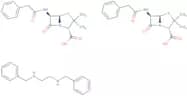
CAS:<p>Penicillin G benzathine anhydrous is a penicillin antibiotic. It is used to treat bacterial infections, including syphilis, streptococcal pharyngitis, and other infectious diseases. Penicillin G benzathine anhydrous is administered intramuscularly or intravenously. The drug can be detected in the blood after administration, which makes it useful for diagnosis of infectious diseases. Penicillin G benzathine anhydrous has shown statistically significant efficacy in treatment trials that were conducted on patients with infectious diseases. However, there have been increasing reports of high resistance to this drug in recent years. Interferon alfa-2b may be used as adjunctive therapy for resistant cases.</p>Formula:C16H20N2•(C16H18N2O4S)2Purity:Min. 95%Color and Shape:White PowderMolecular weight:909.13 g/molN-tert-Boc-L-aspartic acid tert-butyl ester
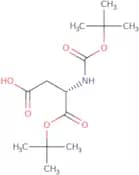
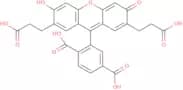
CAS:<p>N-tert-Boc-L-aspartic acid tert-butyl ester is a chemical compound that is synthesized in the laboratory. It has been shown to have an insulinotropic effect on plasma samples and may be used in the treatment of cancer. The ring opening of N-tert-Boc-L-aspartic acid tert-butyl ester yields L-aspartic acid, which can be used for the synthesis of collagen or glycopeptide. This chemical is also found to stimulate T cells and has been shown to inhibit proliferation of cancer cells in vitro.</p>Formula:C13H23NO6Purity:Min. 95%Color and Shape:White PowderMolecular weight:289.32 g/mol2',7'-Bis(2-carboxyethyl)-5(6)-carboxyfluorescein
CAS:<p>2',7'-Bis(2-carboxyethyl)-5(6)-carboxyfluorescein (BCECF) is a fluorescent probe that is used to measure the intracellular concentration of Ca2+. BCECF binds to Ca2+ and transfers its energy to a fluorophore. This process results in an increase in fluorescence intensity proportional to the amount of Ca2+ present. The BCECF dye can be used for detecting mitochondrial membrane potential, as well as monitoring changes in cellular metabolism. It has been shown to be effective in mesenchymal cells, blood sampling, and internalization assays.</p>Formula:C27H20O11Purity:Min. 90 Area-%Color and Shape:PowderMolecular weight:520.44 g/molN-(Dithiocarboxy)sarcosine diammonium salt
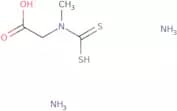
CAS:<p>Dithiocarboxy-sarcosine is a chemical compound that has been used as a reaction component in organic synthesis. It is a fine chemical with CAS number 29664-09-3. Dithiocarboxy-sarcosine can be used as a versatile building block in the synthesis of complex compounds and pharmaceutical intermediates. It is also useful for the preparation of high quality reagents and research chemicals.</p>Formula:C4H13N3O2S2Purity:Min. 95%Color and Shape:PowderMolecular weight:199.3 g/mol2,2'-Azoxybenzonitrile
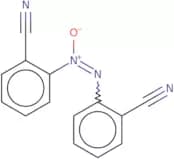
CAS:<p>2,2'-Azoxybenzonitrile is a chemical building block used in organic synthesis. It is a useful scaffold for the synthesis of complex compounds and fine chemicals. 2,2'-Azoxybenzonitrile has been used as a reagent to synthesize other chemical compounds that are difficult to synthesize by other methods. 2,2'-Azoxybenzonitrile is also used as an intermediate in reactions with other chemicals or with biological molecules such as DNA or proteins. This chemical can be used to form new products that are useful in medicine or industry.</p>Formula:C14H8N4OPurity:Min. 95%Color and Shape:PowderMolecular weight:248.24 g/molR-(3)-Hydroxydecanoic acid methyl ester
CAS:<p>R-(3)-Hydroxydecanoic acid methyl ester is a natural antibiotic that has been found to have cytotoxic and immunosuppressive properties. It also inhibits the growth of aerobic bacteria, such as Aeruginosa, and has been shown to be effective against autoimmune diseases such as rheumatoid arthritis. This antibiotic binds to the lectin receptors on the cell surface of bacteria and causes an increase in lectin binding. The interactions between this antibiotic and lectins are the biological basis for its cytotoxicity.</p>Formula:C11H22O3Purity:Min. 98 Area-%Color and Shape:Colorless Clear LiquidMolecular weight:202.29 g/mol3-Nitroacetophenone
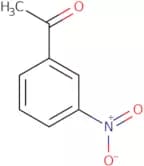
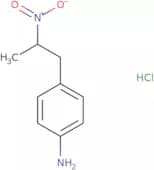
CAS:<p>3-Nitroacetophenone is a chemical compound that has been used in the synthesis of other organic compounds. It can be synthesized by reacting hydrogen chloride with 3-nitrobenzaldehyde in the presence of a dipole and particle. The reaction rate is dependent on the concentration of reactants and the presence of hydrogen bond donor or acceptor groups. 3-Nitroacetophenone has shown antimycobacterial activity, which is due to its ability to inhibit DNA synthesis and protein synthesis. This compound also has photocatalytic activity and may be used as a radiation shield. 3-Nitroacetophenone is soluble in organic solvents such as benzene, chloroform, ether, and acetone.</p>Formula:C8H7NO3Purity:Min. 95%Color and Shape:PowderMolecular weight:165.15 g/mol1-(4-Aminophenyl)-2-nitropropane hydrochloride
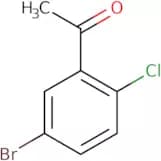
CAS:<p>1-(4-Aminophenyl)-2-nitropropane hydrochloride is a fine chemical that is used in the synthesis of various other organic compounds. It has been used as a building block for the synthesis of more complex substances, such as pharmaceuticals and pesticides. It is also used to produce research chemicals for use in experiments and teaching. 1-(4-Aminophenyl)-2-nitropropane hydrochloride is soluble in water and exhibits high quality when purified. This compound can be found under CAS No. 1332530-33-2 and is reagent grade.</p>Formula:C9H13ClN2O2Purity:Min. 95%Color and Shape:PowderMolecular weight:216.66 g/mol5'-Bromo-2'-chloroacetophenone
CAS:<p>5'-Bromo-2'-chloroacetophenone is a chemical intermediate that is used in the synthesis of many organic compounds. It is a brominated ketone that has a variety of reactions and can be used as a building block or as an intermediate. 5'-Bromo-2'-chloroacetophenone is also used in research and development, as well as in high-quality chemical production.</p>Formula:C8H6BrClOPurity:Min. 95%Color and Shape:Clear LiquidMolecular weight:233.49 g/molN-[3,5-Bis(trifluoroMethyl)phenyl]-N'-[(9R)-6'-Methoxy-9-cinchonanyl]thiourea
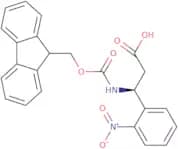
CAS:<p>Please enquire for more information about N-[3,5-Bis(trifluoroMethyl)phenyl]-N'-[(9R)-6'-Methoxy-9-cinchonanyl]thiourea including the price, delivery time and more detailed product information at the technical inquiry form on this page</p>Formula:C29H28F6N4OSPurity:Min. 95%Color and Shape:PowderMolecular weight:594.62 g/molFmoc-(S)-3-amino-3-(2-nitrophenyl)propionic acid
CAS:<p>Please enquire for more information about Fmoc-(S)-3-amino-3-(2-nitrophenyl)propionic acid including the price, delivery time and more detailed product information at the technical inquiry form on this page</p>Formula:C24H20N2O6Purity:Min. 95%Color and Shape:White PowderMolecular weight:432.43 g/mol2-(1-Naphthoxy)-acetic acid
CAS:<p>2-(1-Naphthoxy)-acetic acid is a natural product that is found in urine samples. It has been found to have various biological effects, such as inhibiting sugar transport and root formation. 2-(1-Naphthoxy)-acetic acid can also be used to inhibit the transcription of certain genes by interacting with the response elements for these genes. 2-(1-Naphthoxy)-acetic acid binds to monoclonal antibodies and can be used in immunoprecipitation experiments.</p>Formula:C12H10O3Purity:Min. 95%Color and Shape:PowderMolecular weight:202.21 g/molcis-4-Chloro-3-nitrocinnamic acid
<p>Cis-4-Chloro-3-nitrocinnamic acid is an aromatic organic compound with potential utility in biochemical research and synthesis. This compound is typically derived from synthetic chemical processes involving chlorination and nitration reactions on cinnamic acid derivatives. Its molecular structure, characterized by both chloro and nitro functional groups, allows it to interact in unique ways with various biochemical pathways and molecular frameworks.</p>Formula:C9H6ClNO4Purity:Min. 95%Color and Shape:White PowderMolecular weight:227.6 g/mol4-Chloro-3-methoxybenzoic acid methyl ester
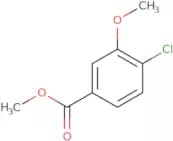
CAS:<p>4-Chloro-3-methoxybenzoic acid methyl ester is a chemical compound that is used as a reagent in organic synthesis. It can be used to produce high quality research chemicals, speciality chemicals, and fine chemicals. This compound has a wide variety of uses because it is versatile and can be used as a reaction component or building block. Its CAS number is 116022-18-5.</p>Formula:C9H9ClO3Purity:Min. 95%Color and Shape:SolidMolecular weight:200.62 g/molRosuvastatin calcium
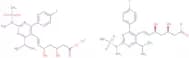
CAS:<p>HMG-CoA reductase inhibitor</p>Formula:(C22H27FN3O6S)2CaPurity:Min. 95 Area-%Color and Shape:White PowderMolecular weight:1,001.14 g/mol1,3,3-Trimethylindolino-b-naphthopyrylospiran [Photochromic Compound]
CAS:<p>1,3,3-Trimethylindolino-b-naphthopyrylospiran is a photochromic compound that is soluble in ethanol solutions. It's hydrophobic and binds to the cavity of a surface method. When the environment changes, such as temperature or light exposure, the molecule undergoes a change in its optical properties. The interaction between 1,3,3-trimethylindolino-b-naphthopyrylospiran and β-cyclodextrin enhances its photochromism. This compound has been shown to decolorize and can be used in materials that are sensitive to UV light.</p>Purity:Min. 95%Color and Shape:White To Light (Or Pale) Yellow Red SolidMolecular weight:327.422-Benzyloxyacetophenone
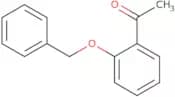
CAS:<p>2-Benzyloxyacetophenone is an efficient method for the synthesis of sodium hydrogen, alcohol group, and dietary proton. This compound has been shown to have inhibitory activity against Hl-60 cells, and it inhibits mitochondrial membrane potential in these cells. 2-Benzyloxyacetophenone also inhibits camp levels in Hl-60 cells. It has also been shown to have anticancer activity in vitro and in vivo. This compound is a β-unsaturated ketone that is derived from chalcones, which are known to be anticancer compounds.</p>Formula:C15H14O2Purity:Min. 95%Color and Shape:PowderMolecular weight:226.27 g/mol



![(6S)-5,6,7,8-Tetrahydro-6-[propyl[2-(2-thienyl)ethyl]amino]-1-naphthalenol](/_next/image/?url=https%3A%2Fstatic.cymitquimica.com%2Fproducts%2F3D%2Fthumb-webp%2FFT76640.webp&w=3840&q=75)
![L-Methionine [R]-sulfoximine](/_next/image/?url=https%3A%2Fstatic.cymitquimica.com%2Fproducts%2F3D%2Fthumb-webp%2FFM25157.webp&w=3840&q=75)

![9-Fluoro-11β,17-Dihydroxy-16α-Methyl-3,20-Dioxopregna-1,4-Dien-21-Yl 2-[2-(2-Ethoxyethoxy)Ethoxy]A…](/_next/image/?url=https%3A%2Fstatic.cymitquimica.com%2Fproducts%2F3D%2Fthumb-webp%2FFF103016.webp&w=3840&q=75)
![6-amino-3-methyl-4-(3-nitrophenyl)-4H-pyrano[3,2-d]pyrazole-5-carbonitrile](/_next/image/?url=https%3A%2Fstatic.cymitquimica.com%2Fproducts%2F3D%2Fthumb-webp%2FFA169032.webp&w=3840&q=75)


![(2-[Biotinamido]ethylamido)-3,3'-dithiodipropionic acid N-hydroxysuccinimide ester](/_next/image/?url=https%3A%2Fstatic.cymitquimica.com%2Fproducts%2F3D%2Fthumb-webp%2FFB52737.webp&w=3840&q=75)

![N-[3,5-Bis(trifluoroMethyl)phenyl]-N'-[(9R)-6'-Methoxy-9-cinchonanyl]thiourea](/_next/image/?url=https%3A%2Fstatic.cymitquimica.com%2Fproducts%2F3D%2Fthumb-webp%2FFB100790.webp&w=3840&q=75)

![1,3,3-Trimethylindolino-b-naphthopyrylospiran [Photochromic Compound]](/_next/image/?url=https%3A%2Fstatic.cymitquimica.com%2Fproducts%2F3D%2Fthumb-webp%2FFT62466.webp&w=3840&q=75)