Pharmaceutical Standards
Pharmaceutical standards are a comprehensive set of reference materials essential for ensuring the safety, efficacy, and quality of pharmaceutical products. This category includes standards for active pharmaceutical ingredients (APIs), which are the core components responsible for therapeutic effects. Additionally, it covers compounds and metabolites relevant to both the pharmaceutical and veterinary industries, providing benchmarks for the accurate measurement and analysis of these substances. Nitrosamine control standards are crucial for detecting and mitigating potentially harmful nitrosamines in drug formulations. Toxicology standards help assess the safety and potential adverse effects of pharmaceutical compounds. Furthermore, enzyme activators and inhibitors standards are vital for research and development, enabling precise studies of biochemical pathways and drug mechanisms. These pharmaceutical standards are indispensable tools for regulatory compliance, quality control, and research, ensuring that pharmaceutical products meet stringent safety and effectiveness criteria.
Subcategories of "Pharmaceutical Standards"
- APIs for research and impurities(273,647 products)
- Enzyme Activators and Inhibitors(2,827 products)
- Nitrosamines(2,605 products)
- Pharmaceutical and Veterinary Compounds and Metabolites(2,602 products)
- Toxicology(13,652 products)
Found 7836 products of "Pharmaceutical Standards"
Sort by
Purity (%)
0
100
|
0
|
50
|
90
|
95
|
100
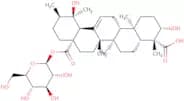
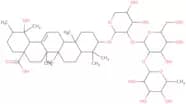
Ilexsaponin B2
CAS:<p>Ilexsaponin B2 is a triterpenoid saponin, which is a bioactive compound extracted from plants in the Ilex genus, such as Ilex pubescens. These saponins are characterized by their glycosidic linkages to sapogenins, typically influencing membrane permeability and exhibiting diverse biological activities.</p>Purity:Min. 95%2,2'-Dichlorodiethyl ether
CAS:Controlled Product<p>2,2'-Dichlorodiethyl ether (2,2-DDE) is a cationic surfactant that is used in the production of fluorocarbons and other chemicals. It is also used in wastewater treatment as an oxidizing agent. 2,2'-DDE is toxic to humans, with a blood group toxicity profile similar to that of ethylene glycol and diethylene glycol. 2,2'-DDE can be found in the environment due to its use as a component in products and its presence in wastewaters. 2,2'-DDE has been shown to be reactive with hydrogen fluoride and oxidation catalyst, which may cause interactive effects when it is present at high concentrations. This chemical has been shown to induce cell death through histological analysis on cell cultures. Reaction mechanism for this chemical is not known.</p>Formula:C4H8Cl2OPurity:Min. 95%Color and Shape:Clear LiquidMolecular weight:143.01 g/mol[Asp371] Tyrosinase(369-377), human
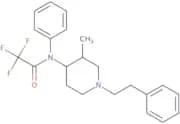
CAS:<p>H-YMDGTMSQVA-OH peptide, corresponding to 369-377 amino acids of enzyme tyrosinase. As a member of the tyrosinase family the corresponding enzyme catalyzes monopheol hydroxylation, dihydroxyindole and catechol dehydrogenation. It is a key enzyme in the conversion of tyrosine to melanin.</p>Formula:C42H66N10O16S2Purity:Min. 95%Molecular weight:1,031.16 g/molrac-cis despropionyl mefentanyl N-trifluoroacetate
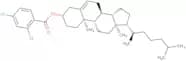
CAS:Controlled Product<p>Please enquire for more information about rac-cis despropionyl mefentanyl N-trifluoroacetate including the price, delivery time and more detailed product information at the technical inquiry form on this page</p>Formula:C22H25F3N2OPurity:Min. 95%Molecular weight:390.44 g/molCholesterol 2,4-Dichlorobenzoate
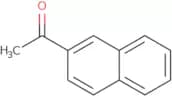
CAS:<p>Cholesterol 2,4-Dichlorobenzoate (CDCB) is a crystalline solid that forms the polymorphs of monoclinic, orthorhombic, and hexagonal. This compound has been traditionally used as a food additive in many commercial products to improve flavor and stability. The membranes of bacteria are composed of cholesterol 2,4-dichlorobenzoate. The nature of the compound is such that it can exist as two different conformers: the trans conformer with the chloro group on one side and the benzoate on the other or the cis conformer with both chloro groups on one side. The monoclinic form has two conformational isomers: propionate and acetate. These isomers are not distinguishable by X-ray diffraction but can be distinguished by infrared spectroscopy.</p>Purity:Min. 95%Molecular weight:559.65 g/mol2-Acetylnaphthalene
CAS:<p>2-Acetylnaphthalene is a solid compound that can be produced by the asymmetric synthesis of methyl ketones. It has been shown to have photochemical properties, and absorbs ultraviolet light in the range of 240-280 nm. 2-Acetylnaphthalene also has strong uv absorption and intramolecular hydrogen bonding, which gives it a high binding constant for acylation reactions. This compound may exist as two different forms: a metastable form with an open ring structure and a stable form with a closed ring structure. The two forms are interconvertible by hydrogen bonding or rotation about the double bond in the molecule. 2-Acetylnaphthalene is used as a photoinitiator in wastewater treatment and as an intermediate in the production of diethyl succinate.</p>Formula:C12H10OPurity:Min. 95%Molecular weight:170.21 g/mol1,3-Dihydroxy-2-naphthoic acid
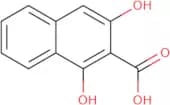
CAS:<p>1,3-Dihydroxy-2-naphthoic acid is an organic compound that belongs to the binaphthyls. It is a white solid that can be obtained by reacting naphthalene with inorganic phosphite in the presence of acidic potassium carbonate. This reaction system produces 1,3-dihydroxy-2-naphthoic acid and potassium biphosphite as byproducts. The reaction time depends on the concentration of reactants. 1,3-Dihydroxy-2-naphthoic acid has acidic properties and can be used as a catalyst for chemical reactions involving carboxylic compounds. This compound has been shown to be effective at treating abdominal pain caused by intestinal inflammation or infection with a carbon source such as carbohydrates (e.g., glucose) or fats (e.g., oleic acid).</p>Formula:C11H8O4Purity:Min. 95%Molecular weight:204.18 g/mol(3a,5b,12a)-3,12-Dihydroxy-7-oxocholan-24-oic acid methyl ester
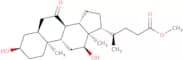
CAS:Controlled Product<p>(3a,5b,12a)-3,12-Dihydroxy-7-oxocholan-24-oic acid methyl ester is an organic compound that belongs to the family of bile acids. It is synthesized in the liver by a series of reactions involving the conversion of cholesterol. The synthesis of this compound has been studied by x-ray analysis on single crystals and by various electron diffraction methods. This study revealed that the molecule is electron deficient and binds well to chloroform. (3a,5b,12a)-3,12-Dihydroxy-7-oxocholan-24-oic acid methyl ester has also been shown to have a constant molecular weight with a molecular formula of C37H64O4.</p>Formula:C25H40O5Purity:Min. 95%Molecular weight:420.58 g/mol4-Amino-2,2'-bipyridine
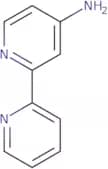
CAS:<p>Please enquire for more information about 4-Amino-2,2'-bipyridine including the price, delivery time and more detailed product information at the technical inquiry form on this page</p>Formula:C10H9N3Purity:Min. 95%Color and Shape:PowderMolecular weight:171.2 g/molProflavine hemisulfate
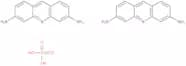
CAS:<p>Proflavine hemisulfate is an antibiotic that inhibits bacterial growth by binding to DNA and inhibiting DNA synthesis. It binds to the dinucleotide phosphate of the bacterial ribosome and changes the shape of the nucleotide, preventing attachment of amino acids to form proteins. Proflavine hemisulfate also has a strong affinity for nuclear dna and is bound to it in a form that inhibits replication. The free form of proflavine is converted into enzyme form by phosphorylation, which inhibits protein synthesis and cell division. Proflavine hemisulfate has been shown to inhibit multidrug efflux pumps in bacteria, leading to increased susceptibility of bacteria to antibiotics. In addition, proflavine hemisulfate possesses inhibitory properties against transfer reactions in cells. The method used for measuring proflavine hemisulfate activity is electrochemical impedance spectroscopy (EIS) on cell nuclei suspensions in a model system.</p>Formula:C13H11N3•(H2SO4)0•(H2O)xPurity:Min. 95%Color and Shape:PowderMolecular weight:258.29 g/molBoc-L-aspartic acid a-9-fluorenylmethyl ester
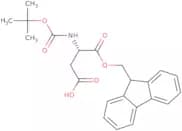
CAS:<p>Boc-L-aspartic acid a-9-fluorenylmethyl ester is a synthetic compound that mimics the structure of acetylcholine. It has been shown to be an efficient method for generating pseudopeptides and cyclic peptides. This compound may be used as a surrogate for acetylcholine in virus research, since it can bind to the same receptor. Boc-L-aspartic acid a-9-fluorenylmethyl ester has also been used to generate monoclonal antibodies that are neutralizing against foot-and-mouth disease viruses.</p>Formula:C23H25NO6Purity:Min. 97 Area-%Molecular weight:411.45 g/molBudesonide Impurity 9
CAS:Controlled Product<p>Please enquire for more information about Budesonide Impurity 9 including the price, delivery time and more detailed product information at the technical inquiry form on this page</p>Formula:C21H26O6Purity:Min. 95%Molecular weight:374.43 g/mol2-Methylvaleraldehyde
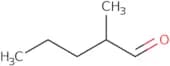
CAS:<p>2-Methylvaleraldehyde is a colorless liquid with a pleasant odor. It is soluble in water and has an acidity of about 8.2%. The chemical formula for 2-methylvaleraldehyde is C6H12O2, and it has a molecular weight of 108.18 g/mol. 2-Methylvaleraldehyde can be obtained by the oxidation of cinnamic acid or by reduction of acetone with sodium borohydride or lithium aluminum hydride. 2-Methylvaleraldehyde can react with sodium carbonate or calcium carbonate to form sodium methoxyethoxide or calcium methoxyethoxide, respectively. The reaction intermediates are methyl ethyl ketone (MEK) and dimethyl ether (DME). These compounds are used in the synthesis of various other chemicals, including pentane, butadiene, and chloroprene. Pentane is a colorless liquid that has an odor threshold at 1</p>Formula:C6H12OPurity:Min. 95%Molecular weight:100.16 g/mol2-Bromo-2',4'-dichloroacetophenone
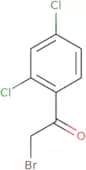
CAS:<p>2-Bromo-2',4'-dichloroacetophenone (2BDCA) is a drug that belongs to the class of active substances. 2BDCA has potent inhibitory activity against erythrocytes and is used in the treatment of leukaemia. 2BDCA is also an optical probe, which can be used to detect phosphate groups and dihedral angles in biological systems. It can be used as a fluorescent probe for biological systems, such as cells or proteins, and has been shown to be effective on red blood cells. 2BDCA binds to these molecules by hydrogen bonding and exhibits optical properties through fluorescence resonance energy transfer.</p>Formula:C8H5BrCl2OPurity:Min. 95%Color and Shape:Clear LiquidMolecular weight:267.93 g/mol9,10-Diphenylanthracene - 99%
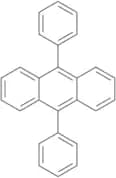
CAS:<p>9,10-Diphenylanthracene is an aromatic hydrocarbon that is used as a reagent in the Suzuki coupling reaction. This reaction is used to form carbon-carbon bonds by reacting an alkyl halide with an aryl boronic acid to form an ester or amine. The carbonyl group of 9,10-diphenylanthracene reacts with the carbonyl group of the boronate ester or amine to form the desired product. 9,10-Diphenylanthracene has been used in polymer films for analytical methods and has also been shown to be effective in DNA sequencing. 9,10-Diphenylanthracene also has high values for light emission and maximal response under analytical conditions. In addition, its dihydro derivatives show high values for nmr spectra and unsaturated alkyl groups have been shown to react efficiently under analytical conditions.</p>Formula:C26H18Purity:Min. 95%Color and Shape:SolidMolecular weight:330.42 g/molSevoflurane related compound A
CAS:<p>Sevoflurane related compound A is a chemical that is used as a model for sevoflurane. It has been shown to inhibit the activity of proximal tubules and to increase blood pressure in rats and humans. The cytosolic reactive oxygen species (ROS) production has been shown to be involved in the mechanism of action. This compound was tested on animals, but was found not to be clinically useful due to its effects on urea nitrogen levels and other metabolic profiles. Sevoflurane related compound A has also been found to be reactive with herpes simplex virus.</p>Formula:C4H2F6OPurity:Min. 95%Color and Shape:Clear LiquidMolecular weight:180.05 g/mol4,17a-Dimethyltestosterone
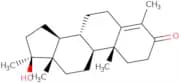
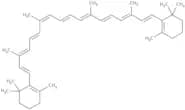
CAS:Controlled Product<p>Please enquire for more information about 4,17a-Dimethyltestosterone including the price, delivery time and more detailed product information at the technical inquiry form on this page</p>Formula:C21H32O2Purity:Min. 95%Molecular weight:316.48 g/molzeta-Carotene
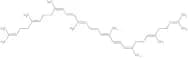
CAS:<p>Zeta-carotene is a carotenoid pigment found in plants. It is a precursor to vitamin A and can be converted by the body into retinol, which can then be used in the eye. Zeta-carotene has been shown to inhibit the growth of cancer cells through transcriptional regulation of genes involved in lipid metabolism and cell proliferation. This carotenoid also has antioxidant properties that may help protect against cardiovascular diseases. In addition, zeta-carotene has been shown to have a positive effect on plant physiology because it is an important intermediate for photosynthesis.</p>Formula:C40H60Purity:Min. 95%Color and Shape:Yellow PowderMolecular weight:540.9 g/mol(2E)-3-(Dimethylamino)-1-(3-nitrophenyl)prop-2-en-1-one
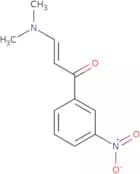
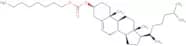
CAS:<p>Please enquire for more information about (2E)-3-(Dimethylamino)-1-(3-nitrophenyl)prop-2-en-1-one including the price, delivery time and more detailed product information at the technical inquiry form on this page</p>Formula:C11H12N2O3Purity:Min. 95%Molecular weight:220.22 g/molCholesterol n-Octyl Carbonate
CAS:Controlled Product<p>Please enquire for more information about Cholesterol n-Octyl Carbonate including the price, delivery time and more detailed product information at the technical inquiry form on this page</p>Purity:Min. 95%3-Chloro-4-nitropyridine 1-oxide
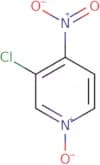
CAS:<p>3-Chloro-4-nitropyridine 1-oxide is the condensation product of 2-chloro-3-nitropyridine and nitric acid. 3-Chloro-4-nitropyridine 1-oxide has an isomeric nature and can be purified by recrystallization from water. The compound has a molecular weight of 286.1 g/mol and a monoclinic crystal structure. It has two n-oxides, which are isomers of each other, with nmr spectra that differ by the shift in the chemical shifts of the protons on the aromatic ring. 3-Chloro-4-nitropyridine 1-oxide condenses with lanthanides to form lanthanide complexes, such as Eu(III)(3,5'-ClO 4 ) 2 . This compound is also used in the synthesis of phenoxathiine derivatives that have antihypertensive activity.</p>Formula:C5H3ClN2O3Purity:Min. 95%Molecular weight:174.54 g/molDiacetato[(R)-(+)-2,2'-bis(diphenylphosphino)-1,1'-binaphthyl]ruthenium(II)
CAS:<p>Please enquire for more information about Diacetato[(R)-(+)-2,2'-bis(diphenylphosphino)-1,1'-binaphthyl]ruthenium(II) including the price, delivery time and more detailed product information at the technical inquiry form on this page</p>Formula:C48H38O4P2RuPurity:Min. 95%Molecular weight:841.83 g/molp-Cresol
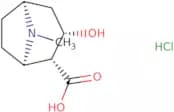
CAS:<p>单酚香气;胶粘剂;密封剂;抗氧化剂;消毒剂</p>Formula:C7H8OPurity:Min. 95%Color and Shape:Colorless Clear LiquidMolecular weight:108.14 g/mol(-)-Ecgonine hydrochloride
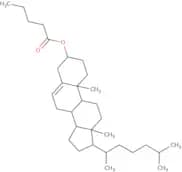
CAS:Controlled Product<p>(-)-Ecgonine hydrochloride is a benzoyl ester that is used as an analytical reagent. It is a precursor in the synthesis of cocaine and other drugs. Ecgonine hydrochloride can be extracted from plant sources, such as coca leaves or khat leaves, by acid-base extraction. It has been shown to have toxic effects on human serum and the liver, which may be due to its structural similarity to cocaine.</p>Formula:C9H16ClNO3Purity:Min. 95%Molecular weight:221.68 g/molCholesterol Valerate
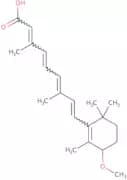
CAS:Controlled Product<p>Cholesterol Valerate is a fatty acid that has been used in the diagnosis of fatty acids. It can be obtained by synthesizing it from cholesterol and valeric anhydride. The carboxylic acid group in the molecule is responsible for its lipophilic properties, which allow it to dissolve in fats and oils. Cholesterol Valerate has a phase transition temperature of about -5 degrees Celsius, making it liquid at room temperature. This compound has been used as an excipient in pharmaceutical compositions, such as lipid emulsions and topical formulations to increase solubility. The termini of the molecule consist of hydroxyl groups that are susceptible to oxidation, making this compound unstable when exposed to air or sunlight.</p>Purity:Min. 95%4-Methoxy retinoic acid
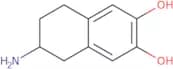
CAS:<p>Please enquire for more information about 4-Methoxy retinoic acid including the price, delivery time and more detailed product information at the technical inquiry form on this page</p>Formula:C21H30O3Purity:Min. 95%Molecular weight:330.46 g/mol6-Amino-5,6,7,8-tetrahydronaphthalene-2,3-diol
CAS:Controlled Product<p>6-Amino-5,6,7,8-tetrahydronaphthalene-2,3-diol is a potent dopamine D2 receptor antagonist. It has been shown to inhibit the light emission of dopamine in vitro. This compound also has a high affinity for 5-HT receptors and has been shown to be a potent agonist at these sites. 6-Amino-5,6,7,8-tetrahydronaphthalene-2,3-diol has been found to induce pluripotent stem cells from human fibroblasts. These cells can differentiate into virtually any cell type in the body and may be used to study diseases such as Parkinson's disease and cancer.</p>Formula:C10H13NO2Purity:Min. 95%Molecular weight:179.22 g/mol2,6-Dibromo-3-nitropyridine
CAS:<p>2,6-Dibromo-3-nitropyridine is a chemical compound that has been shown to inhibit serine protease activity. The compound was shown to be an inhibitor of the enzyme trypsin, and showed some activity against a number of other proteases. 2,6-Dibromo-3-nitropyridine has also been shown to inhibit nucleophilic alkylation of DNA bases by 2,6-dichloroquinoxaline. 2,6-Dibromo-3-nitropyridine is a targeted inhibitor that binds to the active site of the enzyme and prevents the formation of an enzyme-substrate complex. This inhibition leads to a decrease in the production of proteins essential for cell division.</p>Formula:C5H2Br2N2O2Purity:Min. 95%Molecular weight:281.89 g/molδ-Hexalactone
CAS:<p>Delta hexalactone is a fatty acid that has been shown to have antagonistic properties against bacterial growth. It has been tested for its antibacterial activity and shown to be active against human pathogens, including mycobacterium. Delta hexalactone is also used as an analytical method in order to detect the presence of glycol ethers.</p>Formula:C6H10O2Purity:Min. 95%Color and Shape:Clear LiquidMolecular weight:114.14 g/mol13-cis-β-Carotene
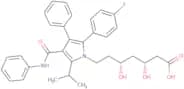
CAS:<p>13-cis-b-Carotene is a carotenoid that has been classified as a provitamin. It is not active in humans but it can be converted to b-carotene, an active form of vitamin A. 13-Cis-b-Carotene is found in plant foods such as carrots and sweet potatoes and can be used for the prevention of atherosclerosis and heart disease. 13-Cis-b-Carotene has been shown to have antiatherogenic effects by inhibiting the oxidation of LDL cholesterol and may also inhibit the proliferation of cancer cells. The conversion of 13-cis-b-carotene to b-carotene occurs through a number of reactions, including beta oxidation, desaturation, and hydrolysis by esterases or glucuronidases.</p>Formula:C40H56Purity:Min. 95%Color and Shape:PowderMolecular weight:536.87 g/molAtorvastatin
CAS:<p>Atorvastatin is a statin used to reduce low-density lipoprotein (LDL) cholesterol and triglyceride levels in the blood. It is marketed under the trade name Lipitor®. Atorvastatin inhibits the enzyme HMG-CoA reductase, which is responsible for the production of cholesterol. This drug also reduces plaque formation in atherosclerotic lesions by inhibiting inflammation and has been shown to be effective in reducing mortality from coronary heart disease. In addition, atorvastatin has a low incidence of side effects, particularly when compared with other statins such as simvastatin, pravastatin, or lovastatin. The risk of developing adverse reactions to this drug increases with age and prolonged use. The most common side effects are muscle pain or weakness, headache, nausea, high blood sugar levels (elevated glucose), and liver problems.</p>Formula:C33H35FN2O5Purity:Min. 95%Color and Shape:PowderMolecular weight:558.64 g/molγ-Dodecalactone
CAS:<p>Gamma-dodecalactone is a naturally occurring fatty acid that exhibits antifungal and antitumor properties. The molecule is hydroxylated in vivo, forming an acid complex with the addition of water. This reaction produces a hydroxylate group, which increases the solubility of the compound. In vitro studies have shown that when gamma-dodecalactone is metabolized, it forms oxidation products such as nepeta cataria.</p>Purity:Min. 95%Fmoc-(S)-3-amino-3-(2-naphthyl)propionic acid
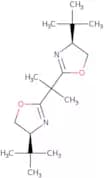
CAS:<p>Please enquire for more information about Fmoc-(S)-3-amino-3-(2-naphthyl)propionic acid including the price, delivery time and more detailed product information at the technical inquiry form on this page</p>Formula:C28H23NO4Purity:Min. 95%Molecular weight:437.49 g/mol(S,S)-(-)-2,2'-Isopropylidenebis(4-tert-butyl-2-oxazoline)
CAS:<p>(S,S)-(-)-2,2'-Isopropylidenebis(4-tert-butyl-2-oxazoline) is a chiral organic reagent. It is prepared by reacting chloroacetic acid with an alcohol. The reaction product is then treated with a base and the resulting salt of (S,S)-(-)-2,2'-isopropylidenebis(4-tert-butyl-2-oxazoline) is crystallized. This reagent can be used to form an amide by reacting it with an amine. Preparative methods are also available for this product. It can be used as a ligand in preparative chemistry or as a solvent in organic chemistry. The reactivity of this product depends on its chirality, which can be determined using analytical techniques such as gas chromatography or nuclear magnetic resonance spectroscopy.</p>Formula:C17H30N2O2Purity:Min. 95%Molecular weight:294.43 g/mol12-Amino-1-dodecanoic acid methyl ester hydrochloride salt
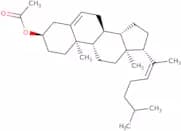
CAS:<p>12-Amino-1-dodecanoic acid methyl ester hydrochloride salt (12ADM) has been shown to have immunomodulatory properties. It has a nanomolar range of activity, which is the optimal for an immunosuppressant. 12ADM inhibits the transcriptional activity of human immunodeficiency virus type 1 (HIV-1) and HIV-2, as well as other retroviruses, through interactions with specific RNA sequences in the viral genome. The amide group in this compound is essential for its antiviral activity, and it also interacts with betulinic acid to enhance its cytotoxicity.</p>Formula:C13H28ClNO2Purity:Min. 95%Color and Shape:PowderMolecular weight:265.82 g/mol20-Dehydro cholesterol 3-acetate
CAS:Controlled Product<p>Please enquire for more information about 20-Dehydro cholesterol 3-acetate including the price, delivery time and more detailed product information at the technical inquiry form on this page</p>Formula:C29H46O2Purity:Min. 95%Molecular weight:426.67 g/mol4-Aminobicyclo[2.2.2]octane-1-carboxylic acid methyl ester
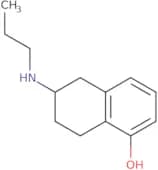
CAS:<p>Please enquire for more information about 4-Aminobicyclo[2.2.2]octane-1-carboxylic acid methyl ester including the price, delivery time and more detailed product information at the technical inquiry form on this page</p>Formula:C10H17NO2Purity:Min. 95%Molecular weight:183.25 g/molrac-5,6,7,8-tetrahydro-6-(propylamino)-1-naphthalenol
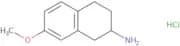
CAS:Controlled Product<p>Rotigotine is a substance that belongs to the class of active compounds. It has been shown to have optical activity, but this property is not well understood. Rotigotine is a racemic mixture with two enantiomers, which are mirror images of each other. The optical rotation of rac-5,6,7,8-tetrahydro-6-(propylamino)-1-naphthalenol is given as +28°. This property can be determined by measuring the angle of rotation when light passes through the substance in solution in contact with a polarizer and analyzer.</p>Formula:C13H19NOPurity:Min. 95%Molecular weight:205.3 g/mol7-Methoxy-1,2,3,4-tetrahydronaphthalen-2-ylamine hydrochloride
CAS:Controlled Product<p>Please enquire for more information about 7-Methoxy-1,2,3,4-tetrahydronaphthalen-2-ylamine hydrochloride including the price, delivery time and more detailed product information at the technical inquiry form on this page</p>Formula:C11H15NO•HClPurity:Min. 95%Molecular weight:213.7 g/molIlexsaponin A1
CAS:<p>Ilexsaponin A1 is a natural saponin compound, which is derived from the plant Ilex pubescens. As a bioactive compound, it possesses a characteristic glycoside structure that facilitates its interaction with biological membranes. The mode of action of Ilexsaponin A1 involves modulating inflammatory pathways, likely through the inhibition of pro-inflammatory cytokine production and the suppression of related signaling cascades.</p>Purity:Min. 95%2-Phenyl-2-(p-toluenesulfonyloxy)acetophenone
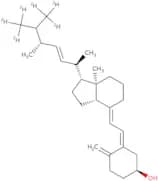
CAS:<p>2-Phenyl-2-(p-toluenesulfonyloxy)acetophenone is a diphenyl ether that is used in the production of polymers as an antireflection agent and an acid catalyst. It can be used to modify polymer properties such as optical properties or cross-linking. The compound has been shown to have a particle size of 2 to 10 nm in diameter, which can be adjusted by changing the reaction conditions.</p>Formula:C21H18O4SPurity:Min. 95%Color and Shape:PowderMolecular weight:366.43 g/molVitamin D2-d6
CAS:Controlled Product<p>Vitamin D2-D6 is a dietary supplement that comes in the form of an oil. It is an ionizable vitamin and is structurally similar to Vitamin D3. The most common form of this vitamin is cholecalciferol, which is found in fish oils and dairy products. Vitamin D2-D6 has been shown to be efficacious at increasing mineralization in skin cells, as well as preventing symptoms of rickets. This nutrient also assists with calcium metabolism and the absorption of dietary calcium. It can be taken by infants or adults who may have low levels of Vitamin D due to a lack of exposure to sunlight or ingestion of a poor diet.</p>Formula:C28H38D6OPurity:Min. 99 Area-%Color and Shape:PowderMolecular weight:402.68 g/mol(3β,5β,17α)-19-Norpregnane-3,17-diol
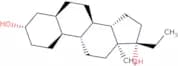
CAS:Controlled Product<p>Please enquire for more information about (3β,5β,17α)-19-Norpregnane-3,17-diol including the price, delivery time and more detailed product information at the technical inquiry form on this page</p>Formula:C20H34O2Purity:Min. 95%Color and Shape:PowderMolecular weight:306.48 g/mol5,5'-Dinitro-2H,2'H-3,3'-bi-1,2,4-triazole
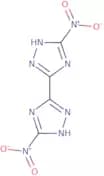
CAS:Controlled Product<p>Please enquire for more information about 5,5'-Dinitro-2H,2'H-3,3'-bi-1,2,4-triazole including the price, delivery time and more detailed product information at the technical inquiry form on this page</p>Formula:C4H2N8O4Purity:Min. 95%Molecular weight:226.11 g/molall-trans-13,14-Dihydro retinol
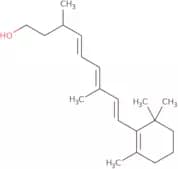
CAS:<p>Retinol is a form of vitamin A that is used for the treatment of insulin resistance. It can be synthesized by the body from all-trans-retinol, which is found in many animal and plant sources. Retinol can also be obtained from supplements, although it is poorly absorbed by the body. Retinol has been shown to improve insulin sensitivity in a cell culture model system, as well as in wild-type mice with diabetes mellitus. This drug has been shown to have strong anti-inflammatory effects and may also be useful for the treatment of hepatic steatosis. Retinol binds competitively to cellular retinoic acid receptors, leading to transcriptional activation of target genes, such as those involved in fatty acid metabolism.</p>Formula:C20H32OPurity:Min. 95 Area-%Color and Shape:Clear Viscous LiquidMolecular weight:288.47 g/mol4-(2-Chloro-4-nitrophenyl)piperazine-1-carboxamide
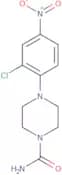
CAS:<p>Please enquire for more information about 4-(2-Chloro-4-nitrophenyl)piperazine-1-carboxamide including the price, delivery time and more detailed product information at the technical inquiry form on this page</p>Formula:C11H13ClN4O3Purity:Min. 95%Molecular weight:284.7 g/molCitronellal hydrate
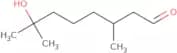
CAS:<p>Citronellal hydrate is a chemical substance that is found in many essential oils, such as citronella, lemon grass, and citronella. It has been shown to have significant effects on the human metabolism and urine samples. Citronellal hydrate can be used as a preservative due to its ability to inhibit bacterial growth, including bacteria that are resistant to benzalkonium chloride. Citronellal hydrate also has been shown to have an effect on cell maturation, which may be predictive for the development of cancer cells. Citronellal hydrate is present in many natural products that are used in cosmetics and personal care products. It is a good analytical method for identifying the presence of other chemicals in a sample because it has been shown to react with molecules such as alcohols, amines, ketones, esters, and ethers. Citronellal hydrate reacts with these molecules by altering their mass through an electron-transfer process called triple-</p>Formula:C10H20O2Purity:Min. 95%Molecular weight:172.26 g/mol2,3,7,8,12,13,17,18-Octaethylporphyrin
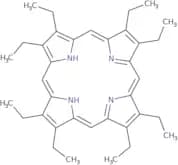
CAS:<p>2,3,7,8,12,13,17,18-Octaethylporphyrin (OEP) is a porphyrin with an octaethyl chain that has been shown to have a high fluorescence quantum yield. It can be synthesized by reacting malonic acid with 2,3-diamino-6-nitrophenol and the reaction mechanism is the same as for hematoporphyrin. The absorption spectrum of OEP shows a maximum at 330 nm and the emission spectrum peaks at 450 nm. The conformational properties of OEP are similar to those of hematoporphyrin. X-ray crystal structures show that the nitrogen atoms in OEP form a planar configuration that is different from other porphyrins. 2,3,7,8,12,13,17,18-Octaethylporphyrin (OEP) is a porphyrin with an octaethyl</p>Formula:C36H46N4Purity:Min. 95%Molecular weight:534.78 g/mol2,2'-Dipyridylamine
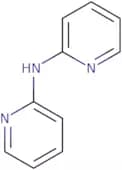
CAS:<p>2,2'-Dipyridylamine is a compound that belongs to the group of low-energy compounds. It has been shown to have antimicrobial activity against bacteria and fungi and has been demonstrated to be effective in treating cancer cells. 2,2'-Dipyridylamine is a molecule with two nitrogen atoms, which are bound by hydrogen bonds. This compound also contains methoxy groups that are coordinated by the nitrogen atoms. The structural analysis shows that there are three open coordination sites for metal ions that can bind with the nitrogen atoms. The x-ray diffraction data show that 2,2'-dipyridylamine crystallizes in a monoclinic system with an orthorhombic unit cell.</p>Formula:C10H9N3Purity:Min. 95%Molecular weight:171.2 g/mol(1'S,2'S)-Nicotine 1'-oxide
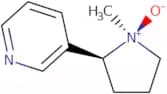
CAS:<p>Nicotine 1'-oxide is a metabolite of nicotine which is a naturally occurring alkaloid. Nicotine 1'-oxide is produced by the oxidation of nicotine and can be found in tobacco smoke, as well as in the urine of humans. Nicotine 1'-oxide has been shown to have enzyme inhibiting properties, and has been shown to decrease insulin-stimulated glucose transport rate in human liver cells. This product also has potential use as a stabilizer for pharmaceuticals or other organic substances, and can inhibit demethylation reactions that may lead to carcinogenesis. Nicotine 1'-oxide may also play a role in the transport of chemicals across membranes.</p>Formula:C10H14N2OPurity:Min. 95%Color and Shape:PowderMolecular weight:178.23 g/mol


![[Asp371] Tyrosinase(369-377), human](/_next/image/?url=https%3A%2Fstatic.cymitquimica.com%2Fproducts%2F3D%2Fthumb-webp%2FFA73646.webp&w=3840&q=75)

![Diacetato[(R)-(+)-2,2'-bis(diphenylphosphino)-1,1'-binaphthyl]ruthenium(II)](/_next/image/?url=https%3A%2Fstatic.cymitquimica.com%2Fproducts%2F3D%2Fthumb-webp%2FFD162446.webp&w=3840&q=75)






![4-Aminobicyclo[2.2.2]octane-1-carboxylic acid methyl ester](/_next/image/?url=https%3A%2Fstatic.cymitquimica.com%2Fproducts%2F3D%2Fthumb-webp%2FFA44258.webp&w=3840&q=75)