Pharmaceutical Standards
Pharmaceutical standards are a comprehensive set of reference materials essential for ensuring the safety, efficacy, and quality of pharmaceutical products. This category includes standards for active pharmaceutical ingredients (APIs), which are the core components responsible for therapeutic effects. Additionally, it covers compounds and metabolites relevant to both the pharmaceutical and veterinary industries, providing benchmarks for the accurate measurement and analysis of these substances. Nitrosamine control standards are crucial for detecting and mitigating potentially harmful nitrosamines in drug formulations. Toxicology standards help assess the safety and potential adverse effects of pharmaceutical compounds. Furthermore, enzyme activators and inhibitors standards are vital for research and development, enabling precise studies of biochemical pathways and drug mechanisms. These pharmaceutical standards are indispensable tools for regulatory compliance, quality control, and research, ensuring that pharmaceutical products meet stringent safety and effectiveness criteria.
Subcategories of "Pharmaceutical Standards"
- APIs for research and impurities(273,647 products)
- Enzyme Activators and Inhibitors(2,827 products)
- Nitrosamines(2,605 products)
- Pharmaceutical and Veterinary Compounds and Metabolites(2,602 products)
- Toxicology(13,652 products)
Found 7836 products of "Pharmaceutical Standards"
Sort by
Purity (%)
0
100
|
0
|
50
|
90
|
95
|
100
N-(6-Phenylhexyl)-5-chloro-1-naphthalenesulfonamide
CAS:<p>N-(6-Phenylhexyl)-5-chloro-1-naphthalenesulfonamide is a dibutyryl camp analog that has been shown to inhibit the L-type calcium channel in a dose-dependent manner. It has an effect on both spermatozoa and glioma cells, with its most significant effect being inhibition of the intracellular calcium ion. This drug inhibits the growth rate of these cells, which may be due to its ability to activate adrenergic receptors and cause increased intracellular calcium ion levels. N-(6-Phenylhexyl)-5-chloro-1-naphthalenesulfonamide also slows the cycle of the cell, which may be due to a kinetic effect.</p>Formula:C22H24ClNO2SPurity:Min. 95%Molecular weight:401.95 g/molTadalafil impurity B
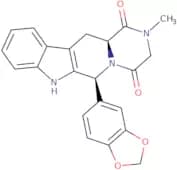
CAS:<p>Please enquire for more information about Tadalafil impurity B including the price, delivery time and more detailed product information at the technical inquiry form on this page</p>Formula:C20H19N3O3Purity:Min. 95%Molecular weight:349.38 g/mol21-Amino-17-hydroxypregna-1,4-diene-3,11,20-trioneHydrochloride
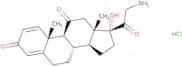
CAS:Controlled Product<p>Please enquire for more information about 21-Amino-17-hydroxypregna-1,4-diene-3,11,20-trioneHydrochloride including the price, delivery time and more detailed product information at the technical inquiry form on this page</p>Formula:C21H28ClNO4Purity:Min. 95%Molecular weight:393.9 g/mol(17α)-17-Hydroxy-3-oxo-19-norpregna-5(10),9(11)-diene-21-nitrile
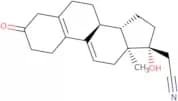
CAS:Controlled Product<p>Please enquire for more information about (17α)-17-Hydroxy-3-oxo-19-norpregna-5(10),9(11)-diene-21-nitrile including the price, delivery time and more detailed product information at the technical inquiry form on this page</p>Formula:C20H25NO2Purity:Min. 95%Color and Shape:PowderMolecular weight:311.42 g/mol2,6-Dibromo-3-nitropyridine
CAS:<p>2,6-Dibromo-3-nitropyridine is a chemical compound that has been shown to inhibit serine protease activity. The compound was shown to be an inhibitor of the enzyme trypsin, and showed some activity against a number of other proteases. 2,6-Dibromo-3-nitropyridine has also been shown to inhibit nucleophilic alkylation of DNA bases by 2,6-dichloroquinoxaline. 2,6-Dibromo-3-nitropyridine is a targeted inhibitor that binds to the active site of the enzyme and prevents the formation of an enzyme-substrate complex. This inhibition leads to a decrease in the production of proteins essential for cell division.</p>Formula:C5H2Br2N2O2Purity:Min. 95%Molecular weight:281.89 g/mol2-Hydroxy-1-naphthaldehyde
CAS:<p>2-Hydroxy-1-naphthaldehyde is a redox potential chemical that has been shown to have anticancer activity in vitro and in vivo. It inhibits the growth of cells by binding to iron, which is important for many biological processes including DNA synthesis. 2-Hydroxy-1-naphthaldehyde has also been shown to have metal carbonyl reactivity and fluorescence properties that may be useful as a fluorescent probe. 2-Hydroxy-1-naphthaldehyde binds to iron ions through hydrogen bonding interactions, forming an octahedral complex with six ligands. The compound also has coordination geometry that can be described as either trigonal bipyramidal or square planar, depending on the solvent used. This data was obtained by x-ray diffraction studies of crystalline solids. The compound's Langmuir adsorption isotherm was found to be linear at low concentrations and shifted to nonlinear behavior at higher concentrations. The</p>Formula:C11H8O2Purity:Min. 95%Color and Shape:SolidMolecular weight:172.18 g/molCholesterol Nonyl Carbonate
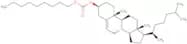
CAS:Controlled Product<p>Cholesterol Nonyl Carbonate is a fatty acid with a carbon chain of 12-18 carbons. It is a section, which enhances the microcapsules’ ability to adhere to surfaces and prevents them from being washed away by water. This compound can be used as a coating for inorganic materials, such as metals and polymers, and organic solvents, such as polypropylene. Cholesterol Nonyl Carbonate has functional groups that are polar, which allow it to dissolve in organic solvents and create coatings on objects. The molecule is comprised of an average particle diameter of 1 micrometer with a particle size distribution ranging from 0.5-10 micrometers. The treatment method for this compound involves thermal energy and conformational changes.END></p>Purity:Min. 95%19-Hydroxy cholesterol
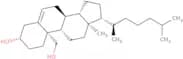
CAS:Controlled Product<p>19-Hydroxy cholesterol is a sterol that is one of the primary products of cholesterol synthesis. It is a secondary bile acid and an oxysterol, which are produced in the liver during cholesterol metabolism. 19-Hydoxycholesterol has been shown to induce apoptosis in leukemia cells, as well as inhibit tumor cell growth. This compound can also inhibit the production of fatty acids by inhibiting β-unsaturated ketones, which are intermediates in the biosynthesis of fatty acids. The inhibition of these ketones leads to an increase in the production of n-3 fatty acids, which have been shown to have beneficial effects on human health. 19-Hydroxycholesterol can be detected using a chemical ionization method with gas chromatography and mass spectroscopy detection.</p>Formula:C27H46O2Purity:Min. 95%Color and Shape:White/Off-White SolidMolecular weight:402.65 g/mol7-Azaindole-5-carboxylic acid methyl ester
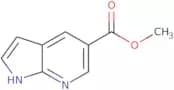
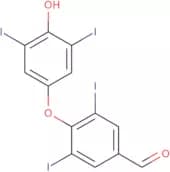
CAS:<p>7-Azaindole-5-carboxylic acid methyl ester is an ester derivative that can be synthesized from the reaction of acetyl chloride and diazotization. 7-Azaindole-5-carboxylic acid methyl ester has been used in research for its biological activity, specifically as a cytotoxic agent. It has also been shown to inhibit the growth of cancer cells by alkylation reactions and cyclization reactions. 7-Azaindole-5-carboxylic acid methyl ester has been shown to have antitumor properties with a mechanism that is not yet fully understood.</p>Formula:C9H8N2O2Purity:Min. 95%Molecular weight:176.17 g/mol3,5,3',5'-Tetraiodo thyroaldehyde
CAS:<p>Please enquire for more information about 3,5,3',5'-Tetraiodo thyroaldehyde including the price, delivery time and more detailed product information at the technical inquiry form on this page</p>Formula:C13H6I4O3Purity:Min. 95%Color and Shape:PowderMolecular weight:717.8 g/mol(aR)-a-[[[2-(4-Nitrophenyl)ethyl]amino]methyl]benzenemethanol
CAS:<p>(aR)-a-[[[2-(4-Nitrophenyl)ethyl]amino]methyl]benzenemethanol is a chiral, carbonyl compound that has been used in the synthesis of mirabegron. It is synthesized by reacting an amide with a hydrochloric acid salt. The product yield of (aR)-a-[[[2-(4-Nitrophenyl)ethyl]amino]methyl]benzenemethanol is high and it does not react with aluminium or amide impurities. This compound can be used for the industrial synthesis of mirabegron, which is a drug for the treatment of urinary incontinence. The reduction reaction and hydrolysis reactions are both important to this process.</p>Purity:Min. 95%(4-Fluoro-3-Nitrophenyl)Acetonitrile
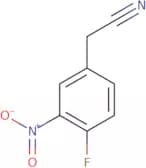
CAS:<p>4-Fluoro-3-nitrophenylacetonitrile is a monomer that can be synthesised from the reaction of carbamic acid and diphenyl ether. It is chiral, stereoselective and nucleophilic. 4-Fluoro-3-nitrophenylacetonitrile can also be synthesised by reacting fluoroacetamide with sodium cyanide in water, forming the corresponding amide, which reacts with acetonitrile to form the nitro compound. The anti-cancer properties of 4-fluoro-3 nitrophenylacetonitrile have been studied in vitro and in vivo. This substance has been shown to inhibit growth of cancer cells and induce apoptosis. In addition, this substance has been used as a synthetic strategy for dihydroisoquinolines, which are important for their anti-cancer properties.</p>Formula:C8H5FN2O2Purity:Min. 95%Molecular weight:180.14 g/mol17,21Dihydroxy-16β-methylpregna-1,4,9(11)-triene-3,20-dione
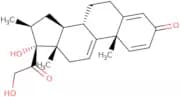
CAS:Controlled Product<p>Please enquire for more information about 17,21Dihydroxy-16beta-methylpregna-1,4,9(11)-triene-3,20-dione including the price, delivery time and more detailed product information at the technical inquiry form on this page</p>Formula:C22H28O4Purity:Min. 95%Molecular weight:356.46 g/mol4,5-Dihydro-19-nortestosterone-17b-decanoate
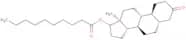
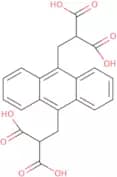
CAS:Controlled Product<p>Please enquire for more information about 4,5-Dihydro-19-nortestosterone-17b-decanoate including the price, delivery time and more detailed product information at the technical inquiry form on this page</p>Formula:C28H46O3Purity:Min. 95%Molecular weight:430.66 g/mol9,10-Anthracenediyl-bis(methylene)dimalonic acid
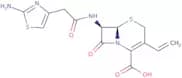
CAS:<p>9,10-Anthracenediyl-bis(methylene)dimalonic acid (ADMA) is a fluorescent probe that is used to measure the levels of ADMA in cells. This compound is able to bind to cell nuclei, which can then be detected by fluorescence microscopy. ADMA has been shown to be useful as a marker for cancer and other diseases such as diabetes or Alzheimer's disease. The detection sensitivity of ADMA can be increased by combining it with heparin, which binds strongly to this molecule and increases its solubility in water. The use of ADMA as an imaging agent has been reported in several clinical studies.</p>Formula:C22H18O8Purity:Min. 95%Color and Shape:PowderMolecular weight:410.37 g/molCefdinir related compound B
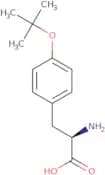
CAS:<p>Please enquire for more information about Cefdinir related compound B including the price, delivery time and more detailed product information at the technical inquiry form on this page</p>Formula:C14H14N4O4S2Purity:Min. 95%Molecular weight:366.42 g/molO-tert-Butyl-D-tyrosine
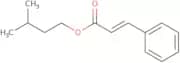
CAS:<p>O-tert-Butyl-D-tyrosine is an organogelator. It is a low molecular weight organic liquid that can form a gel when mixed with a solvent. O-tert-Butyl-D-tyrosine is soluble in hydrophobic solvents such as butanol, and insoluble in water. The gelation properties of this substance are due to its ability to interact with the surface of the solvent droplet and form a network that holds other solute molecules in place. This interaction is called physisorption, which means that it does not need any chemical bonds to form the gel. Gels formed by O-tert-Butyl-D-tyrosine are stable at room temperature, but will melt when heated or exposed to pH extremes.</p>Formula:C13H19NO3Purity:Min. 95%Molecular weight:237.29 g/molIsoamyl cinnamate
CAS:<p>Isoamyl cinnamate is a synthetic compound that is used as an intermediate for the production of detergents. It has been shown to inhibit the growth of yeast and fungi, such as Cryptococcus neoformans and Candida glabrata. Isoamyl cinnamate also has anti-microbial properties that may be related to its ability to produce propionate, which can kill bacteria in urine samples. This compound is not known to bioaccumulate or cause toxicity in humans at normal doses.</p>Formula:C14H18O2Purity:Min. 95%Color and Shape:Clear LiquidMolecular weight:218.29 g/molNonafluorovaleric acid
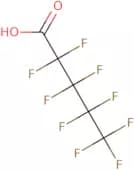
CAS:<p>Nonafluorovaleric acid is a glycol ether that is used as a solvent and in the manufacture of fluoropolymers. Nonafluorovaleric acid is considered to be a potential biomarker for perfluoroalkyl substances, which are toxic chemicals found in many household products. It has been shown to inhibit matrix metalloproteinase activity and can be used to study autoimmune diseases. Nonafluorovaleric acid can also be used as a synchronous fluorescent probe for enzyme-linked immunosorbent assays. The toxicity of this chemical has been studied extensively and it is well known that nonafluorovaleric acid can induce enzyme induction, leading to increased production of enzymes such as cytochrome P450.</p>Formula:C5HF9O2Purity:Min. 95%Color and Shape:Clear LiquidMolecular weight:264.05 g/molTriethyl Orthovalerate
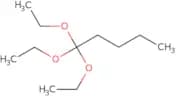
CAS:<p>Triethyl orthovalerate is an amide with a cyclic structure. It is used as a model protein for the study of the effects of structural modifications on protein stability and function. Triethyl orthovalerate has been shown to be an inhibitor of prostaglandin synthesis in human cells, which may be due to its ability to inhibit the enzyme amidase.</p>Formula:C11H24O3Purity:Min. 95%Molecular weight:204.31 g/molIlexsaponin A1
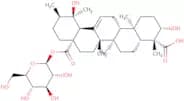
CAS:<p>Ilexsaponin A1 is a natural saponin compound, which is derived from the plant Ilex pubescens. As a bioactive compound, it possesses a characteristic glycoside structure that facilitates its interaction with biological membranes. The mode of action of Ilexsaponin A1 involves modulating inflammatory pathways, likely through the inhibition of pro-inflammatory cytokine production and the suppression of related signaling cascades.</p>Purity:Min. 95%2-Phenyl-2-(p-toluenesulfonyloxy)acetophenone
CAS:<p>2-Phenyl-2-(p-toluenesulfonyloxy)acetophenone is a diphenyl ether that is used in the production of polymers as an antireflection agent and an acid catalyst. It can be used to modify polymer properties such as optical properties or cross-linking. The compound has been shown to have a particle size of 2 to 10 nm in diameter, which can be adjusted by changing the reaction conditions.</p>Formula:C21H18O4SPurity:Min. 95%Color and Shape:PowderMolecular weight:366.43 g/molDiethyl[2-(4-nitrophenoxy)ethyl]amine
CAS:Controlled Product<p>Please enquire for more information about Diethyl[2-(4-nitrophenoxy)ethyl]amine including the price, delivery time and more detailed product information at the technical inquiry form on this page</p>Formula:C12H18N2O3Purity:Min. 95%Molecular weight:238.28 g/molN-(1,2,3,4-Tetrahydro-7-methoxy-1-oxo-2-naphthalenyl)propanamide
CAS:Controlled Product<p>Please enquire for more information about N-(1,2,3,4-Tetrahydro-7-methoxy-1-oxo-2-naphthalenyl)propanamide including the price, delivery time and more detailed product information at the technical inquiry form on this page</p>Formula:C14H17NO3Purity:Min. 95%Molecular weight:247.29 g/mol6-O-Methyl codeine
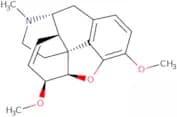
CAS:Controlled Product<p>6-O-Methyl codeine is a drug that belongs to the class of opioid analgesics. It is used to treat severe pain and coughing in patients with infectious diseases, such as pneumonia or bronchitis. 6-O-Methyl codeine may be administered by mouth, intravenously, or intramuscularly. The mechanism of action of this drug is not fully understood, but it has been shown to decrease respiratory rate in some animal studies. 6-O-Methyl codeine also has an effect on the central nervous system and may cause dizziness, drowsiness, nausea, vomiting and constipation. This drug is metabolized through oxidative reactions with oxygenated molecules like fluorine or hydrogenated aromatic hydrocarbons. 6-O-Methyl codeine is a prodrug that can be converted into morphine following cleavage by liver enzymes.</p>Formula:C19H23NO3Purity:Min. 95%Molecular weight:313.39 g/mol3,4'-Dihexyl-2,2'-bithiophene
CAS:<p>Please enquire for more information about 3,4'-Dihexyl-2,2'-bithiophene including the price, delivery time and more detailed product information at the technical inquiry form on this page</p>Purity:Min. 95%9-cisRetinol
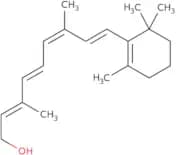
CAS:<p>9-cisRetinol is a form of vitamin A that plays an important role in the synthesis of lipids and proteins. It has been shown to inhibit acid formation in the liver and to stimulate growth in some types of cancer cells. 9-cisRetinol is converted to all-trans retinoic acid, which is a nuclear hormone receptor that regulates gene expression. It also has been shown to be effective in clinical studies for the treatment of congenital amaurosis and cancer. 9-cisRetinol can inhibit phospholipase A2, which prevents the release of arachidonic acid from membrane phospholipids, as well as inhibit prostaglandin synthesis. The optimum pH for 9-cisRetinol activity is between 7 and 8.</p>Formula:C20H30OPurity:Min. 95%Molecular weight:286.45 g/molS-Ethylisothio urea, hydrobromide
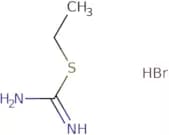
CAS:<p>S-Ethylisothio urea, hydrobromide is a nitric oxide (NO) synthase inhibitor that prevents the conversion of arginine to NO. It has been shown to inhibit protein synthesis in cells, which may be due to its ability to inhibit guanylate cyclase and intracellular calcium concentrations. S-Ethylisothio urea, hydrobromide has been used in experimental models as an anti-inflammatory drug for the treatment of autoimmune diseases like rheumatoid arthritis. This compound also blocks the production of NO by inhibiting the oxygen transport system in the lungs, which is required for redox potential. S-Ethylisothio urea, hydrobromide is a cyclase inhibitor that prevents the conversion of dehydroascorbic acid to ascorbic acid. It can be used as an antioxidant by scavenging reactive oxygen species and preventing oxidative damage.</p>Formula:C3H9BrN2SPurity:Min. 95%Molecular weight:185.09 g/molVitamin D2-d6
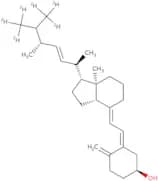
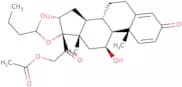
CAS:Controlled Product<p>Vitamin D2-D6 is a dietary supplement that comes in the form of an oil. It is an ionizable vitamin and is structurally similar to Vitamin D3. The most common form of this vitamin is cholecalciferol, which is found in fish oils and dairy products. Vitamin D2-D6 has been shown to be efficacious at increasing mineralization in skin cells, as well as preventing symptoms of rickets. This nutrient also assists with calcium metabolism and the absorption of dietary calcium. It can be taken by infants or adults who may have low levels of Vitamin D due to a lack of exposure to sunlight or ingestion of a poor diet.</p>Formula:C28H38D6OPurity:Min. 99 Area-%Color and Shape:PowderMolecular weight:402.68 g/mol21-Acetoxy-11b-hydroxy-16a,17a-propylmethylenedioxpregna-1,4-diene-3,20-dione
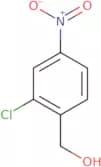
CAS:Controlled Product<p>Please enquire for more information about 21-Acetoxy-11b-hydroxy-16a,17a-propylmethylenedioxpregna-1,4-diene-3,20-dione including the price, delivery time and more detailed product information at the technical inquiry form on this page</p>Formula:C27H36O7Purity:Min. 95%Color and Shape:PowderMolecular weight:472.57 g/mol(2-Chloro-4-nitrophenyl)methanol
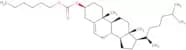
CAS:<p>Please enquire for more information about (2-Chloro-4-nitrophenyl)methanol including the price, delivery time and more detailed product information at the technical inquiry form on this page</p>Formula:C7H6ClNO3Purity:Min. 95%Color and Shape:PowderMolecular weight:187.58 g/molCholesterol Hexyl Carbonate
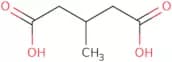
CAS:Controlled Product<p>Cholesterol Hexyl Carbonate (C6HC) is a chiral organic compound with a unique conformation that enhances its adsorbing properties. C6HC is synthesized by reacting cholesterol with hexanoyl chloride in the presence of strong base and an inert solvent. The structural formula of this compound is shown in Figure 1.</p>Purity:Min. 95%3-Methylglutaric acid
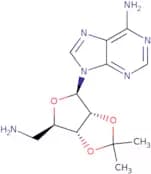
CAS:<p>3-Methylglutaric acid is an organic compound that belongs to the group of alkanocarboxylic acids. It has been shown to reduce the formation of malonic acid, which can be toxic to the heart and cause congestive heart failure. 3-Methylglutaric acid also inhibits oxidation catalysts and increases the production of energy in cells by providing electrons. The kinetic data for 3-methylglutaric acid have been determined using a gas chromatography technique on a high-temperature conversion reactor at a pH of 7.0 with a concentration of 0.1 M potassium phosphate buffer (pH 7) and a temperature of 70°C. 3-Methylglutaric acid has been shown to inhibit monoclonal antibody cationic polymerization, which may be due to its reactive nature and its ability to donate hydrogen ions or electrons.</p>Formula:C6H10O4Purity:Min. 95%Molecular weight:146.14 g/mol5'-Amino-5'-deoxy-2',3'-O-(1-methylethylidene)-adenosine
CAS:<p>Please enquire for more information about 5'-Amino-5'-deoxy-2',3'-O-(1-methylethylidene)-adenosine including the price, delivery time and more detailed product information at the technical inquiry form on this page</p>Formula:C13H18N6O3Purity:Min. 95%Molecular weight:306.32 g/mol7-Amino-4-(trifluoromethyl)coumarin
CAS:<p>7-Amino-4-(trifluoromethyl)coumarin is a coumarin derivative that has been used as a fluorescence probe for the study of enzyme activities. It can be used as a potential biomarker for autoimmune diseases, and has also been shown to have tyrosine kinase domain binding activity. 7-Amino-4-(trifluoromethyl)coumarin can bind to the hydroxyl group in tyrosine residues with high affinity, and binds to the nitrogen atoms in protein kinases with low affinity. This compound is able to form intermolecular hydrogen bonds and steric interactions with peptide hormones.</p>Formula:C10H6F3NO2Purity:Min. 95%Molecular weight:229.16 g/molEdoxaban Impurity 2
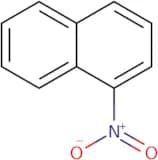
CAS:<p>Please enquire for more information about Edoxaban Impurity 2 including the price, delivery time and more detailed product information at the technical inquiry form on this page</p>Purity:Min. 95%1-Nitronaphthalene
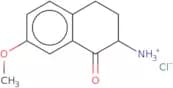
CAS:<p>1-Nitronaphthalene is a nitrobenzene derivative that has been used as an intermediate in the synthesis of pharmaceuticals, dyes, and other organic compounds. 1-Nitronaphthalene is classified as a hazardous substance due to its carcinogenicity and toxicity. In particular, it can cause irritation and burns on skin contact and may be fatal if swallowed. The toxicity profile of 1-nitronaphthalene has been studied in rats, mice, guinea pigs, rabbits, hamsters, and dogs. It was found to have moderate acute oral toxicity in rats but no significant acute toxicity in mice or dogs. 1-Nitronaphthalene also had little effect on p450 activity or enzyme activities in rats.</p>Formula:C10H7NO2Purity:Min. 95%Color and Shape:Yellow Clear LiquidMolecular weight:173.17 g/mol2-Amino-3,4-dihydro-7-methoxy-2H-1-naphthalenone, hydrochloride
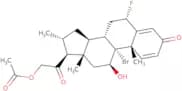
CAS:Controlled Product<p>Please enquire for more information about 2-Amino-3,4-dihydro-7-methoxy-2H-1-naphthalenone, hydrochloride including the price, delivery time and more detailed product information at the technical inquiry form on this page</p>Formula:C11H14ClNO2Purity:Min. 95%Molecular weight:227.69 g/mol(6a,11b,16a)-21-(Acetyloxy)-9-bromo-6-fluoro-11-hydroxy-16-methyl-pregna-1,4-diene-3,20-dione
CAS:Controlled Product<p>Please enquire for more information about (6a,11b,16a)-21-(Acetyloxy)-9-bromo-6-fluoro-11-hydroxy-16-methyl-pregna-1,4-diene-3,20-dione including the price, delivery time and more detailed product information at the technical inquiry form on this page</p>Formula:C24H30BrFO5Purity:Min. 95%Molecular weight:497.39 g/molPregna-1,4,9(11),16-tetraene-3,20-dione
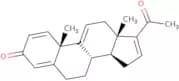
CAS:Controlled Product<p>Pregna-1,4,9(11),16-tetraene-3,20-dione is a controlled product that is widely used in the industrial sector. It is a phosphoric compound that has various applications. This chemical compound acts as a chemokine and contains active agents such as tryptamine and aldehyde monophosphate. Pregna-1,4,9(11),16-tetraene-3,20-dione is also known to be a mouse metabolite and has been found to have properties similar to naphthalene and phenylethylamine. With its acidic nature and oxygen-containing structure, this compound can be easily purified through recrystallization. It exists in different tautomeric forms, making it highly versatile for various applications in different industries.</p>Formula:C21H24O2Purity:Min. 95%Molecular weight:308.41 g/molN-Cyano-N',S-dimethylisothiourea
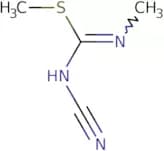
CAS:<p>Please enquire for more information about N-Cyano-N',S-dimethylisothiourea including the price, delivery time and more detailed product information at the technical inquiry form on this page</p>Formula:C4H7N3SPurity:Min. 95%Molecular weight:129.18 g/mol1-Naphthalenylsulfonyl-Ile-Trp-aldehyde
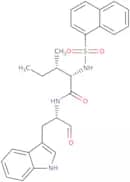
CAS:<p>1-Naphthalenylsulfonyl-Ile-Trp-aldehyde is a recombinant protein that has protease activity. It is a serine protease that cleaves proteins at the amino acid sequence Ser-Xaa-Gly or Ser-Xaa. The recombinant protein has been shown to have proteolytic activity and can be used in assays to measure the amount of β-catenin, collagen, and growth factor in cells. 1-Naphthalenylsulfonyl-Ile-Trp-aldehyde also binds to monoclonal antibodies and can be used as a neutralizing agent for these proteins. This recombinant protein also has been shown to inhibit the growth of lung fibroblasts.</p>Formula:C27H29N3O4SPurity:Min. 95%Color and Shape:PowderMolecular weight:491.6 g/mol3a-Hydroxy tibolone
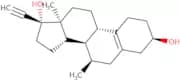
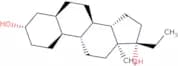
CAS:Controlled Product<p>Tibolone is a synthetic hormone that is used in the treatment of menopausal symptoms and breast cancer. Tibolone has been shown to be an effective treatment for menopausal symptoms, such as hot flashes and vaginal dryness, by providing relief from these symptoms. Tibolone has also been shown to have anti-cancer effects. This drug may be useful for treating breast cancer because it can inhibit the growth of cancer cells by binding to estrogen receptors and blocking estrogen-induced cell proliferation. Tibolone also stimulates angiogenesis, which is the formation of new blood vessels in order to provide nutrients and oxygen to growing tissue. It has been shown that this drug inhibits the synthesis of hepg2 cells in vitro, which are involved in the production of angiogenic factors. Tibolone may also have clinical relevance as a chemopreventive agent against prostate cancer.BR> Tibolone has also been shown to stimulate sulphatase activity in vitro, which may contribute to</p>Formula:C21H30O2Purity:Min. 95%Molecular weight:314.46 g/mol1,2,3,4-Tetrahydronaphthalen-2-ylamine hydrochloride
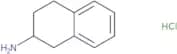
CAS:Controlled Product<p>1,2,3,4-Tetrahydronaphthalen-2-ylamine hydrochloride (THN) is a prodrug that is converted to the active form in the gastrointestinal tract by beta-lactamases. It inhibits bacterial growth and crosslinks bacterial cell walls. THN has been shown to be effective against colitis and ulcerative colitis in animals. It also has anticancer activity, which may be due to its ability to inhibit colon cancer cells from proliferating by interfering with protein synthesis. THN also inhibits the growth of colorectal cancer cells in a dose-dependent manner.</p>Formula:C10H13N·HClPurity:Min. 95%Molecular weight:183.68 g/molEstradiol 3-valerate
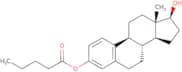
CAS:Controlled Product<p>Please enquire for more information about Estradiol 3-valerate including the price, delivery time and more detailed product information at the technical inquiry form on this page</p>Formula:C23H32O3Purity:Min. 95%Color and Shape:PowderMolecular weight:356.5 g/molMetroprolol succinate
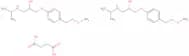
CAS:Controlled Product<p>Metroprolol succinate is a prodrug of metoprolol. It is used for the treatment of high-sensitivity c-reactive protein, which is an inflammatory marker that indicates the presence and severity of atherosclerosis. Metoprolol succinate also has anti-inflammatory properties and can be used to treat cardiac disorders such as congestive heart failure. The drug inhibits the growth factor-β1 pathway in cardiac cells, which may be due to its ability to inhibit cellular proliferation by inducing apoptosis. This drug also has a protective effect on the skeleton, preventing bone loss and osteoporosis. Metroprolol succinate can be used in sample preparation for hydrochloric acid digestion or particle size analysis.</p>Formula:(C15H25NO3)2•C4H6O4Purity:Min. 95%Color and Shape:White PowderMolecular weight:652.82 g/mol(3β,5β,17α)-19-Norpregnane-3,17-diol
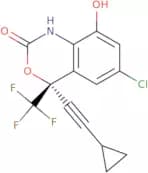
CAS:Controlled Product<p>Please enquire for more information about (3β,5β,17α)-19-Norpregnane-3,17-diol including the price, delivery time and more detailed product information at the technical inquiry form on this page</p>Formula:C20H34O2Purity:Min. 95%Color and Shape:PowderMolecular weight:306.48 g/molrac 8-Hydroxy efavirenz
CAS:<p>Efavirenz is a non-nucleoside reverse transcriptase inhibitor (NNRTI) used in the treatment of HIV. It has been shown to be reactive with sodium carbonate, forming a stable complex that can be measured by LC-MS/MS. The formation rate of this complex may be influenced by the presence of other drugs, such as rifampin, which inhibits cytochrome P450 activity and reduces efavirenz metabolism. This drug has been shown to inhibit human Cytochrome P450 3A4 (CYP3A4) and may have increased plasma concentrations when administered with CYP3A4 inhibitors such as ketoconazole or erythromycin. Efavirenz is also metabolized in the liver by cytochrome P450 enzymes, mainly CYP3A4. Pharmacokinetic modeling has been used to study the drug's effects on hepatic clearance and plasma concentrations in humans.</p>Formula:C14H9ClF3NO3Purity:Min. 95%Color and Shape:White PowderMolecular weight:331.67 g/molFmoc-(S)-3-amino-3-(2-naphthyl)propionic acid
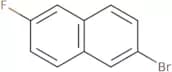
CAS:<p>Please enquire for more information about Fmoc-(S)-3-amino-3-(2-naphthyl)propionic acid including the price, delivery time and more detailed product information at the technical inquiry form on this page</p>Formula:C28H23NO4Purity:Min. 95%Molecular weight:437.49 g/mol2-bromo-6-fluoronaphthalene
CAS:<p>2-bromo-6-fluoronaphthalene is a molecule that has been shown to be a good electron donor in organic solar cells. It is also an analgesic and antinociceptive agent. 2-Bromo-6-fluoronaphthalene has shown to have antiinflammatory effects and inhibit the production of prostaglandins, which are chemical messengers that induce inflammation. The molecular structure of 2-bromo-6-fluoronaphthalene consists of two bromine atoms attached to two naphthalene rings. The bromine atoms provide strong electron donating properties and the naphthalene rings provide stability for the molecule.</p>Formula:C10H6BrFPurity:Min. 95%Molecular weight:225.06 g/mol




![(aR)-a-[[[2-(4-Nitrophenyl)ethyl]amino]methyl]benzenemethanol](/_next/image/?url=https%3A%2Fstatic.cymitquimica.com%2Fproducts%2F3D%2Fthumb-webp%2FFN75044.webp&w=3840&q=75)

![Diethyl[2-(4-nitrophenoxy)ethyl]amine](/_next/image/?url=https%3A%2Fstatic.cymitquimica.com%2Fproducts%2F3D%2Fthumb-webp%2FFD21808.webp&w=3840&q=75)