Pharmaceutical Standards
Pharmaceutical standards are a comprehensive set of reference materials essential for ensuring the safety, efficacy, and quality of pharmaceutical products. This category includes standards for active pharmaceutical ingredients (APIs), which are the core components responsible for therapeutic effects. Additionally, it covers compounds and metabolites relevant to both the pharmaceutical and veterinary industries, providing benchmarks for the accurate measurement and analysis of these substances. Nitrosamine control standards are crucial for detecting and mitigating potentially harmful nitrosamines in drug formulations. Toxicology standards help assess the safety and potential adverse effects of pharmaceutical compounds. Furthermore, enzyme activators and inhibitors standards are vital for research and development, enabling precise studies of biochemical pathways and drug mechanisms. These pharmaceutical standards are indispensable tools for regulatory compliance, quality control, and research, ensuring that pharmaceutical products meet stringent safety and effectiveness criteria.
Subcategories of "Pharmaceutical Standards"
- APIs for research and impurities(273,774 products)
- Enzyme Activators and Inhibitors(2,827 products)
- Nitrosamines(2,606 products)
- Pharmaceutical and Veterinary Compounds and Metabolites(2,613 products)
- Toxicology(13,652 products)
Found 7836 products of "Pharmaceutical Standards"
Sort by
Purity (%)
0
100
|
0
|
50
|
90
|
95
|
100
2-Chloro-N-(2-nitrophenyl)acetamide
CAS:<p>2-Chloro-N-(2-nitrophenyl)acetamide is an antimicrobial agent that is a ligand for thionyl chloride. It has efficient methods of production and can be used as a bioactive molecule in the synthesis of aminosulfonyl chlorides, amide chlorides, or transfer chlorides. This compound reacts with gram-negative bacteria by hydrolyzing chloride ions to produce nitrosyl chloride and releasing hydrogen gas. The reaction time and functional groups are determined by the parameters chosen for the reaction. 2-Chloro-N-(2-nitrophenyl)acetamide has luminescence properties that can be exploited to detect the presence of chloride ions at low concentrations.</p>Formula:C8H7ClN2O3Purity:Min. 95%Molecular weight:214.61 g/mol6-Methyl-2,2':6',2''-terpyridine
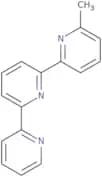
CAS:<p>6-Methyl-2,2':6',2''-terpyridine is a versatile building block that can be used in the synthesis of complex compounds. It is a fine chemical and is sold for research purposes only. 6-Methyl-2,2':6',2''-terpyridine has been used as a reagent or speciality chemical in the manufacture of pharmaceuticals, agrochemicals, and other organic compounds. This compound also has potential use as an intermediate in the synthesis of other useful compounds or scaffolds.</p>Formula:C16H13N3Purity:Min. 85 Area-%Color and Shape:PowderMolecular weight:247.29 g/mol2-Benzoylbenzoic acid methyl ester
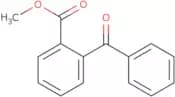
CAS:<p>2-Benzoylbenzoic acid methyl ester (2BABME) is a silicone that is used in the manufacturing of polyurethane foams, sealants, and adhesives. It has been shown to have anti-tumor properties. 2BABME was found to inhibit the proliferation of lung fibroblasts and induce apoptosis via induction of caspase-3/7 activity. The production of reactive oxygen species (ROS) and release of cytochrome C from mitochondria are also important factors in the induction of apoptosis by 2BABME. 2BABME induces apoptosis pathways by activating proapoptotic members of the Bcl-2 family, such as Bid, Bad, and Bax. The cytotoxic effects are enhanced by inhibition of ROS production or inhibition of mitochondrial membrane potential. This chemical is not mutagenic or genotoxic in vitro or in vivo.</p>Formula:C15H12O3Purity:Min. 95%Color and Shape:PowderMolecular weight:240.25 g/mol2,2',4,6'-Tetramethylbenzophenone
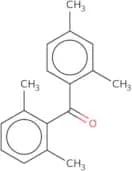
CAS:<p>2,2',4,6'-Tetramethylbenzophenone is a useful building block for organic synthesis. It is a white crystalline solid that can be used as a research chemical or in the production of fine chemicals. This compound has been shown to be an effective intermediate in the synthesis of heterocyclic compounds and can be used as a versatile building block in complex syntheses. 2,2',4,6'-Tetramethylbenzophenone is also a high-quality chemical with a CAS number of 22682-43-5.</p>Formula:C17H18OPurity:Min. 95%Molecular weight:238.32 g/molAlbopilosin A
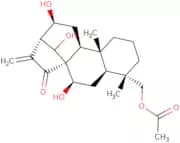
CAS:<p>Albopilosin A is a chemical compound that is a reaction component, reagent, and useful scaffold. It is an intermediate in the synthesis of other compounds. Albopilosin A has been shown to be a useful building block for complex compounds. It has a CAS number of 151041-65-5 and is classified as a speciality chemical or research chemical.</p>Formula:C22H32O6Purity:Min. 95%Molecular weight:392.49 g/mol4-Isopropyl-4'-methylchalcone
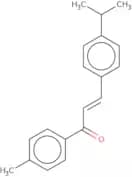
CAS:<p>4-Isopropyl-4'-methylchalcone (4'MCH) is a versatile building block that can be used for the synthesis of complex compounds. 4'MCH is an intermediate in the synthesis of various pharmaceuticals and research chemicals, such as cholesterol esters, sterols, and steroids. It also has been used to produce speciality chemicals including herbicides, pesticides, and fungicides. 4-Isopropyl-4'-methylchalcone is a high quality chemical with CAS No. 205688-50-2 that has a wide range of applications.</p>Formula:C19H20OPurity:Min. 95%Color and Shape:PowderMolecular weight:264.36 g/mol3-Bromo-4-hydroxycinnamic acid
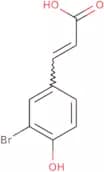
CAS:<p>3-Bromo-4-hydroxycinnamic acid is a useful building block that is obtained from cinnamic acid by substitution of the hydroxyl group with a bromine atom. It has been used in research as a reagent, speciality chemical, and reaction component. 3-Bromo-4-hydroxycinnamic acid is also an important intermediate for the synthesis of various organic compounds. This compound can be used as a scaffold for the synthesis of complex compounds.</p>Formula:C9H7BrO3Color and Shape:PowderMolecular weight:243.05 g/mol3,3',5-Triiodo-L-thyronine
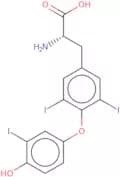
CAS:<p>Triiodothyronine (T3) is a thyroid hormone that has a high affinity for the thyrotropin receptor. It regulates the metabolic rate, cell specific transcriptional regulation, and transcriptional regulation of genes involved in fatty acid synthesis. T3 is synthesized from the amino acid tyrosine through a series of reactions catalyzed by enzymes such as tyrosine hydroxylase, thyroperoxidase, and type 2 iodothyronine deiodinase. The enzyme thyroid peroxidase converts inactive T3 to the active form of T3 (triiodothyronine). In addition, triiodothyronine can be converted to reverse T3 (rT3), which is inactive. Triiodothyronine has an optimal ph of 7.4-8.0 and an optimum igf-i concentration of 100 ng/ml, where it can stimulate growth hormone release from the anterior pituitary gland.</p>Formula:C15H12I3NO4Purity:Min. 95 Area-%Color and Shape:Off-White PowderMolecular weight:650.97 g/mol4-Methoxycinnamylidene acetaldehyde
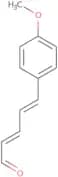
CAS:<p>4-Methoxycinnamylidene acetaldehyde is a versatile building block with a CAS number of 27394-81-6. It is used in the research and production of fine chemicals, pharmaceuticals, and high quality reagents. 4-Methoxycinnamylidene acetaldehyde can be used as a useful scaffold for the synthesis of complex compounds. This building block is also a useful intermediate in organic chemistry reactions.</p>Formula:C12H12O2Purity:Min. 95%Color and Shape:PowderMolecular weight:188.22 g/mol6-Methoxy-2-naphthoic acid
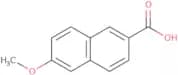
CAS:<p>6-Methoxy-2-naphthoic acid (MN) is a cavity amide that has been shown to have an inhibitory effect on the growth of cancer cells. MN has been found to be more effective in inhibiting β-amyrin than caffeine, which may be due to its increased lipophilicity. It also has a higher affinity for adriamycin and enhances its anticancer effects. MN has been shown to be beneficial in treating diabetic patients, as it can reduce blood glucose levels by stimulating insulin release. The pharmacokinetic properties of MN are similar to those of other cavity amides, with rapid absorption and distribution throughout the body. This compound is metabolized in the liver by CYP2C8, CYP2C9, CYP3A4 and CYP3A5 enzymes. Molecular docking analysis of MN with β-amyrin showed that there was a strong interaction between them due to their complementary shapes and charge distributions</p>Formula:C12H10O3Purity:Min. 98 Area-%Color and Shape:PowderMolecular weight:202.21 g/mol4-Fluoro-2-hydroxybenzoic acid methyl ester
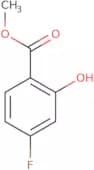
CAS:<p>4-Fluoro-2-hydroxybenzoic acid methyl ester is a chemical compound that is used as a synthetic intermediate in the synthesis of drugs. 4-Fluoro-2-hydroxybenzoic acid methyl ester can be prepared by reductive amination of an acyl chloride with an amine, followed by reaction with methanol. This chemical intermediate is used in the synthesis of the BCL-2 inhibitor venetoclax, which inhibits cell growth and induces apoptosis in lymphoma cells. 4-Fluoro-2-hydroxybenzoic acid methyl ester also has been shown to inhibit the activity of amidating enzymes and transferases, suggesting it may have potential as an anti-inflammatory drug.</p>Formula:C8H7FO3Purity:Min. 95%Color and Shape:PowderMolecular weight:170.14 g/molSaquinavir mesylate
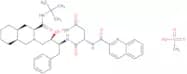
CAS:<p>Anti-viral; HIV protease inhibitor</p>Formula:C38H50N6O5•CH4O3SPurity:Min. 95%Color and Shape:PowderMolecular weight:766.95 g/mol2,4-Dinitrophenetole
CAS:<p>2,4-Dinitrophenetole is a nucleophilic compound that reacts with the hydrogen bond of an acid. It is a thermodynamic and kinetic acid which reacts with bile acids in the second order. The rate enhancement of 2,4-dinitrophenetole is due to its uncoupling effect on hepg2 cells. This chemical has been shown to react faster with picric acid than with nitric acid solutions.</p>Formula:C8H8N2O5Purity:Min. 95%Color and Shape:PowderMolecular weight:212.16 g/molValeric acid sodium
CAS:<p>Valeric acid sodium salt is a fatty acid that has been shown to inhibit bacterial growth in the presence of epidermal growth factor and sodium salts. Valeric acid sodium salt is used as an antiseptic in topical formulations and as a preservative for pharmaceuticals. Valeric acid sodium salt also inhibits HIV infection by inhibiting the binding of HIV to its receptor, which prevents the virus from entering cells.</p>Formula:C5H10O2•NaPurity:Min. 95%Color and Shape:PowderMolecular weight:125.12 g/mol2-Chloroinosine 3',4',6'-triacetate
CAS:<p>2-Chloroinosine 3',4',6'-triacetate is a reagent, useful intermediate, fine chemical, and speciality chemical. It is used as an important building block in organic synthesis. 2-Chloroinosine 3',4',6'-triacetate can be used as a versatile building block for the synthesis of many other compounds. The high quality and usefulness of this compound make it a good choice for research chemicals.</p>Formula:C16H17ClN4O8Purity:Min. 95%Color and Shape:White to pale yellow solid.Molecular weight:428.78 g/mol(-)-Corey lactone benzoate
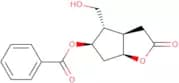
CAS:<p>(-)-Corey lactone benzoate is a compound that was synthesized from a reaction between a primary alcohol and an acylating agent. It has been shown that (-)-Corey lactone benzoate can be used to synthesize the drug clofazimine, which is an anti-tuberculosis drug. The reaction system contains a constant pressure, organic solvent, and anhydrous conditions. (-)-Corey lactone benzoate is produced as a white solid with a melting point of 167 °C. It has been found to be impure and contain chloride and other impurities that are difficult to remove.</p>Formula:C15H16O5Purity:Min. 95 Area-%Color and Shape:White Off-White PowderMolecular weight:276.28 g/mol2,4,5-Trimethoxyacetophenone
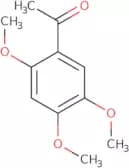
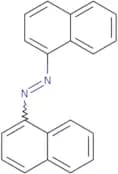
CAS:<p>2,4,5-Trimethoxyacetophenone (2,4,5-TMA) is a phenolic compound that exists as a colorless liquid. It has been shown to interact with the carboxyl group of the amino acid lysine in proteins and sterically hinder the formation of peptide bonds. 2,4,5-TMA also inhibits the production of leukocytes and causes leukemia cells to undergo apoptosis. The molecular weight of 2,4,5-TMA is 236.2 g/mol and it has a melting point of 45°C. The chemical structure is C9H10O3 and its homologues are 2-hydroxyacetophenone and 3-hydroxyacetophenone. Isolated yield was found to be 83%. The nmr spectra for 2,4,5-TMA are: δ=7.31 ppm (1H), δ=6.87 ppm (1</p>Formula:C11H14O4Purity:Min. 95%Color and Shape:White PowderMolecular weight:210.23 g/mol1,1'-Azonaphthalene - 80%
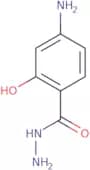
CAS:<p>1,1'-Azonaphthalene is a quinoid that produces an azobenzene with a 1,3-dipolar cycloaddition reaction. This azobenzene is used as a model system for the study of enzyme inducers. It acts as an inhibitor of vascular endothelial growth factor (VEGF) and has been shown to inhibit tumor growth in murine hepatoma models. 1,1'-Azonaphthalene also reacts with dimethyl fumarate to form the dichroic compound with high optical activity. The asymmetric synthesis of 1,1'-azonaphthalene is achieved by using catalytic asymmetric hydrogenation with rhodium on carbon as a catalyst. Reaction mechanism studies have revealed that 1,1'-azonaphthalene can be converted into aromatic hydrocarbons by reacting with aliphatic hydrocarbons.</p>Formula:C20H14N2Purity:Min. 80%Color and Shape:PowderMolecular weight:282.34 g/mol4-Aminosalicylic acid hydrazide
CAS:<p>4-Aminosalicylic acid hydrazide is a reactive functional group that is used as an intermediate in organic synthesis. It has a structural formula of C6H7N3O2 and is a white solid. 4-Aminosalicylic acid hydrazide has been shown to be highly resistant to mycobacterium avium, and can be used for the treatment of tuberculosis. The reactivity of this compound was studied by gravimetric analysis. This reaction is also degradable due to the presence of chloride ions and amido groups.</p>Formula:C7H9N3O2Purity:Min. 95%Color and Shape:PowderMolecular weight:167.17 g/mol(E)-3-[3'-(4''-fluorophenyl)-1'-(1''-methylethyl)-1H-indol-2''-yl]-2-propnal
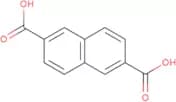
CAS:<p>(E)-3-[3'-(4''-Fluorophenyl)-1'-(1''-methylethyl)-1H-indol-2''-yl]-2-propnal is an amoebicidal agent that belongs to the class of indole derivatives. It has been shown to inhibit tumor growth in animal models, and thus may be a potential anti-cancer drug. The activity index of (E)-3-[3'-(4''-fluorophenyl)-1'-(1''-methylethyl)-1H-indol-2''-yl]-2-propnal was significantly lower than those of fenoldopam, a well known antihypertensive agent, for the treatment of liver cancer. The compound also inhibits the growth of bacteria by inhibiting protein synthesis in organisms such as amoeba.</p>Formula:C20H18FNOPurity:Min. 95%Color and Shape:Yellow PowderMolecular weight:307.36 g/mol2,6-Naphthalenedicarboxylic acid
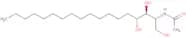
CAS:<p>2,6-Naphthalenedicarboxylic acid is a synthetic organic compound that belongs to the group of fatty acids. It is produced by oxidation of 2,6-naphthoquinone with sodium carbonate and glycol ester in the presence of an oxidation catalyst. The reaction mechanism appears to involve hydrogen bonding interactions between the hydroxyl groups on the glycol ester and the carboxyl groups on 2,6-naphthoquinone. 2,6-Naphthalenedicarboxylic acid has been shown to bind to intracellular targets such as transfer reactions and fatty acid synthesis. The analytical method for this compound is based on its formation of an adduct with p-hydroxybenzoic acid in hydrochloric acid solution.</p>Formula:C12H8O4Purity:Min. 95%Color and Shape:PowderMolecular weight:216.19 g/molN-Acetyl-phytosphingosine
CAS:<p>N-Acetyl-phytosphingosine is a sphingoid base that functions as a phospholipid constituent of the cell membrane. It participates in the regulation of calcium and lipid metabolism, as well as cell proliferation and differentiation. N-Acetyl-phytosphingosine has been shown to suppress the production of prostaglandin E2, which may be due to its ability to inhibit cyclooxygenases and their downstream products, prostaglandin synthesis. This compound also represses activity of human cancer cells by intercepting the process that leads to prostaglandin synthesis. The anti-inflammatory effect of this molecule is demonstrated by its ability to reduce inflammation in keratinocytes (skin cells) and human keratinocytes.</p>Formula:C20H41NO4Purity:Min. 98 Area-%Color and Shape:PowderMolecular weight:359.54 g/mol3-Nitrophenylguanidine nitrate
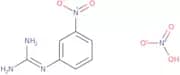
CAS:<p>3-Nitrophenylguanidine nitrate is a drug that targets the enzyme kinases, which are involved in the regulation of cell growth and division. It has been shown to inhibit the activity of stromal tumor cells, as well as chronic myeloid leukemia cells. 3-Nitrophenylguanidine nitrate inhibits protein synthesis by inhibiting demethylation and efflux, which enables imatinib to bind to the target site. This drug also has a rapid onset of action and can be used for monitoring chronic myeloid leukemia patients without the need for positron emission tomography (PET) scanning.</p>Formula:C7H8N4O2•HNO3Purity:Min. 95%Color and Shape:PowderMolecular weight:243.18 g/mol4-Bromo-3,5-dimethoxybenzoic acid methyl ester
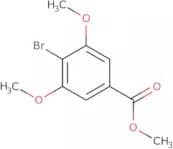
CAS:<p>4-Bromo-3,5-dimethoxybenzoic acid methyl ester is a crystalline solid that can be obtained from the reaction of 4-bromo-3,5-dimethoxybenzoic acid and methyl iodide. It has been shown to undergo an intramolecular cyclization when irradiated with ultraviolet light. This transformation is characterized by an increase in the length of the C=C bond and the appearance of a new C=O bond. The skeleton of 4-bromo-3,5-dimethoxybenzoic acid methyl ester consists of four five membered rings and two six membered rings. The molecule interacts with ligands such as styrene, mesitylene, vinylated benzyl halides, or halides.</p>Formula:C10H11BrO4Purity:Min. 95%Color and Shape:PowderMolecular weight:275.1 g/molAcetylsalicylic acid
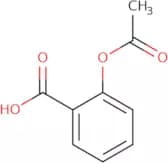
CAS:<p>Acetylsalicylic acid is a nonsteroidal anti-inflammatory drug that inhibits the production of prostaglandins, which are involved in the inflammatory response. Acetylsalicylic acid is used to prevent heart attacks or strokes. It has been shown to inhibit the migration of neutrophils and monocytes, with minimal toxicity. Acetylsalicylic acid also inhibits the binding of integrin receptors to their ligands on endothelial cells, which prevents platelet aggregation. The drug can cause drug interactions with other drugs such as clopidogrel and acetylsalicylic acid, which may lead to increased bleeding. Acetylsalicylic acid is a natural compound found in plants such as willow bark and meadowsweet. It has been shown to have analgesic and anti-inflammatory properties in mice studies, but there is not enough evidence for its effectiveness in humans.</p>Formula:C9H8O4Purity:Min. 95%Color and Shape:White PowderMolecular weight:180.16 g/mol3-Carboxycinnamic acid
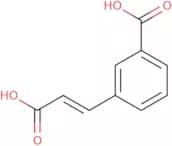
CAS:<p>3-Carboxycinnamic acid is a metabolite of cinnamic acid and belongs to the group of phenols. It is a potent inducer of apoptosis in human carcinoma cell lines, with potency comparable to all-trans retinoic acid. 3-Carboxycinnamic acid has been shown to induce apoptosis by increasing the expression of proapoptotic proteins such as Bax and decreasing the expression of antiapoptotic proteins such as Bcl-2. 3-Carboxycinnamic acid also interacts with other transcriptional regulators, including all-trans retinoic acid, which may explain its potent cytotoxic effects. This compound has been shown to inhibit cell cycle progression at G2/M phase by inhibiting DNA synthesis. In addition, 3-carboxycinnamic acid can increase protein synthesis in liver cells, but inhibits it in cardiac cells.</p>Formula:C10H8O4Purity:Min. 95%Color and Shape:PowderMolecular weight:192.17 g/molEthyl 2,4,6-trimethoxycinnamate
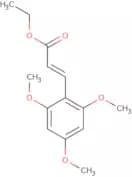
CAS:<p>Ethyl 2,4,6-trimethoxycinnamate is a fine chemical that is a useful scaffold for the synthesis of other compounds. It is used as a versatile building block in the synthesis of research chemicals and as an intermediate in the production of speciality chemicals. This compound has been shown to be highly reactive. Ethyl 2,4,6-trimethoxycinnamate can be used as an effective reagent or reaction component in organic chemistry.</p>Formula:C14H18O5Purity:90%Color and Shape:PowderMolecular weight:266.29 g/molD-(+)-Camphoric acid
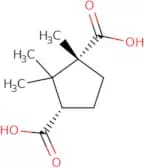
CAS:<p>D-(+)-Camphoric acid is a chiral compound that has been synthesized and studied for its anticancer activity. It was found to be effective against cancer cells in the presence of metal cations, such as copper, nickel, and zinc. D-(+)-Camphoric acid can be used as a test compound to investigate the mechanism of action of drugs that target the lysosomal membrane. It is also useful in determining homochirality by x-ray diffraction studies. This compound has been shown to have an adsorption kinetic behaviour that is dependent on pH and ionic strength, which can be determined by luminescence experiments. D-(+)-Camphoric acid is an enantiopure chemical with a reaction time of 5 minutes at room temperature and is available in crystalline form. The crystal x-ray diffraction data for this compound has been published and it exhibits anticancer activity.</p>Formula:C10H16O4Color and Shape:White PowderMolecular weight:200.23 g/molVanillylideneacetone
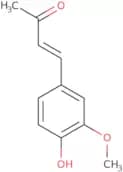
CAS:<p>Vanillylideneacetone (VDA) is a natural compound that belongs to the class of phenylethanoids. It has been shown to have anti-inflammatory properties, which may be due to inhibition of prostaglandin synthesis. VDA also exhibits antimicrobial activity against Gram-positive and Gram-negative bacteria, as well as some fungi and yeast. In vitro antifungal activity has been observed in human serum, cell lysis with the presence of trypsin, and cytotoxicity in carcinoma cell lines. Toxicological studies have shown no adverse effects on locomotor activity or carcinogenicity at high doses.</p>Formula:C11H12O3Purity:Min. 95%Color and Shape:Yellow PowderMolecular weight:192.21 g/mol2,3-Dichlorocinnamic acid
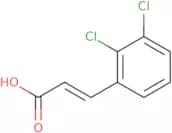
CAS:<p>2,3-Dichlorocinnamic acid is an organic compound that can be synthesized in a multistep process involving the reaction of pyridine with sulfuryl chloride. This reaction forms 2,3-dichloropropiophenone and 2,3-dichloroacetophenone. The latter compound is converted to the desired product by reacting it with thionyl chloride. The final step involves hydrolysis of the ester group to form 2,3-dichlorocinnamic acid.<br>2,3-Dichlorocinnamic acid can also be synthesized from phenylpropiolic acid and chlorosulfuric acid or from methyl propiolate and chlorosulfuric acid. <br>2,3-Dichlorocinnamic acid is a white crystalline solid that melts at 155°C and boils at 287°C. It is soluble in water and has a low yield due to</p>Formula:C9H6Cl2O2Purity:Min. 95%Molecular weight:217.05 g/mol6'-Hydroxy buspirone
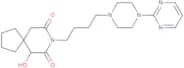
CAS:<p>6'-Hydroxy buspirone is a prodrug of buspirone, which is an antidepressant drug. It has been shown to have a matrix effect and profile similar to that of buspirone in humans. The compound has been found to be effective in the treatment of depression. 6'-Hydroxy buspirone has been shown to inhibit the dopamine D3 receptor with a potency similar to that of buspirone and other dopamine antagonists. This inhibition may be responsible for the antidepressant effects observed in clinical trials. The compound also inhibits serotonin reuptake, which may account for its antidepressant activity. 6'-Hydroxy buspirone is not metabolized by cytochrome P450 enzymes, making it more selective than some other drugs that are metabolized by this enzyme system.</p>Formula:C21H31N5O3Purity:Min. 95%Color and Shape:PowderMolecular weight:401.5 g/mol2,2'-Oxydianiline
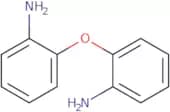
CAS:<p>2,2'-Oxydianiline is a diazonium salt that has been used as a pharmaceutical intermediate for the synthesis of other drugs. It is also used in the manufacture of dyes and pigments. 2,2'-Oxydianiline is an electron-deficient molecule which can react with aromatic residues. The aromatic residue reacts with the electron-deficient molecule to form a covalent bond between them. This process is called electrophilic aromatic substitution reaction. This reaction rate depends on the concentration of the reactants and their relative rates of diffusion (the rate of movement of molecules from high concentrations to low concentrations). 2,2'-Oxydianiline has been shown to have an effect on viscosity by binding to cholesterol in lipoproteins and increasing its solubility in water.</p>Formula:C12H12N2OPurity:Min. 98 Area-%Color and Shape:PowderMolecular weight:200.24 g/moldecahydro(trifluoromethyl)naphthalene
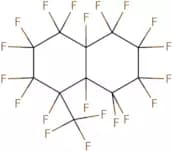
CAS:Controlled Product<p>Decahydro-trifluoromethyl-naphthalene is a fluid that can be used to create polymeric matrices. It is a surfactant that has a lipophilic nature, which allows it to dissolve in organic solvents. Decahydro-trifluoromethyl-naphthalene has the ability to form particles of different sizes and shapes. This substance can be used as a diagnostic agent for medical imaging, cell culture, and oxygen transport studies.</p>Formula:C11H17F3Purity:Min. 95%Molecular weight:206.25 g/mol9,10-Dichloroanthracene
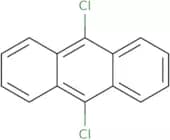
CAS:<p>9,10-Dichloroanthracene is an organic compound with the molecular formula Cl2C=CC=CCl2. It is a chlorinated aromatic hydrocarbon with two adjacent chlorine atoms. The electronic excitations of 9,10-dichloroanthracene are dominated by a triplet state that has a lifetime of about 1 nanosecond. This species exhibits fluorescence at room temperature and emits light in the visible region of the electromagnetic spectrum. The molecule can undergo reactions with amines to form benzenediamine derivatives, which are useful in supramolecular chemistry. 9,10-Dichloroanthracene also reacts with hydrochloric acid to produce hydrogen chloride gas and fluoresces under ultraviolet radiation or when exposed to longwave ultraviolet light.<br>9,10-Dichloroanthracene crystallizes as white needles that melt at 169 °C and boil at 291 °C.</p>Formula:C14H8Cl2Purity:Min. 95%Molecular weight:247.12 g/mol3’-Deoxy-3’-fluoro-6-thioinosine
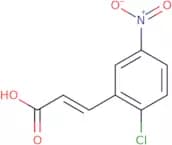
CAS:<p>Please enquire for more information about 3’-Deoxy-3’-fluoro-6-thioinosine including the price, delivery time and more detailed product information at the technical inquiry form on this page</p>Purity:Min. 95%2-Chloro-5-nitrocinnamic acid
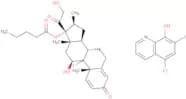
CAS:<p>2-Chloro-5-nitrocinnamic acid is a plant growth regulator that inhibits the root development of plants by interfering with the synthesis of 3-chlorocinnamic acid, which is a precursor in the biosynthesis of lignin. 2-Chloro-5-nitrocinnamic acid inhibits the enzyme cinnamoyl CoA reductase, which catalyzes the first step in this biosynthetic pathway. This compound also has shown to be a strong inhibitor of ester derivatives and pesticides, such as carbaryl and dichlorvos.</p>Formula:C9H6ClNO4Purity:Min. 95%Color and Shape:PowderMolecular weight:227.6 g/mol(11β,16β)-9-Fluoro-11,21-dihydroxy-16-methyl-17-((1-oxopentyl)oxy)-Pregna-1,4-diene-3,20-dione mixt. with 5-chloro-7-iodo-8-qu inolinol
CAS:Controlled Product<p>Clioquinol is a topical corticosteroid that is used to treat skin disorders such as pemphigoid, psoriasis, and eczema. It is also used to treat the inflammation associated with acne. Clioquinol has been shown to be effective in treating bacterial infections of the skin by inhibiting the growth of bacteria. This drug also has anti-inflammatory properties and can be used for the treatment of various inflammatory skin conditions. Clioquinol is not absorbed through the skin and does not affect the blood's ability to clot.</p>Formula:C36H42ClFINO7Purity:Min. 95%Molecular weight:782.08 g/molc2'-Chloro-2-(4-nitrophenyl)cinnamonitrile
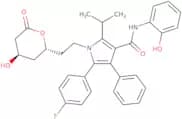
CAS:<p>C2'-Chloro-2-(4-nitrophenyl)cinnamonitrile is a fine chemical that is used as a reagent and building block in the synthesis of other compounds. C2'-Chloro-2-(4-nitrophenyl)cinnamonitrile has been shown to react with various reagents to form useful intermediates and speciality chemicals. It can be used as a versatile building block in the synthesis of complex compounds.</p>Formula:C27H46O2Purity:Min. 95%Color and Shape:PowderMolecular weight:402.65 g/mol2-Hydroxy atorvastatin lactone
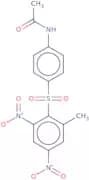
CAS:<p>2-Hydroxyatorvastatin lactone is a prodrug of atorvastatin, which is an HMG-CoA reductase inhibitor. It is used to lower cholesterol and triglycerides in the blood. The drug is administered as a tablet, capsule, or liquid and can be taken with or without food. 2-Hydroxyatorvastatin lactone is metabolized by cytochrome P450 enzymes in the liver to produce active atorvastatin. This metabolism may be inhibited by other drugs that are also metabolized by cytochrome P450 enzymes, such as erythromycin and ketoconazole. 2-Hydroxyatorvastatin lactone has been shown to have an inhibition constant (Ki) of 0.5 μM for human liver microsomes and plasma concentrations of 1 μM or higher are required for therapeutic effect.</p>Formula:C33H33FN2O5Purity:Min. 95%Color and Shape:Off-White Slightly Yellow PowderMolecular weight:556.62 g/mol4-Acetamido-2',4'-dinitro-5'-methyldiphenyl sulphone
CAS:<p>4-Acetamido-2',4'-dinitro-5'-methyldiphenyl sulphone is a high quality, versatile building block that is used as a reagent and complex intermediate. It can be used in the production of speciality chemicals, research chemicals and fine chemicals. 4-Acetamido-2',4'-dinitro-5'-methyldiphenyl sulphone is also a useful scaffold for the construction of new chemical compounds. This compound has been shown to be a reaction component in organic synthesis reactions.</p>Formula:C15H13N3O7SPurity:Min. 95%Color and Shape:Solid.Molecular weight:379.35 g/mol4-Dimethylaminocinnamic acid
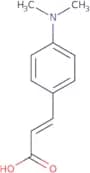
CAS:<p>4-Dimethylaminocinnamic acid (DMA) is a natural organic compound found in plants and animals. This compound has been studied for its potential use as a drug, but it is not currently used in medicine. 4-Dimethylaminocinnamic acid can inhibit the activity of certain enzymes by binding to them, including the enzyme polymerase chain that synthesizes DNA. It also can bind to other proteins, such as carbonyl groups and cinnamic acid derivatives, which are found in human liver cells. 4-Dimethylaminocinnamic acid can form hydrogen bonds with other molecules due to its hydroxyl group and carboxylic acid group. It also has a high viscosity due to its long hydrocarbon chain.</p>Formula:C11H13NO2Purity:Min. 95%Color and Shape:PowderMolecular weight:191.23 g/mol3-(Trifluoromethoxy)hydrocinnamic acid
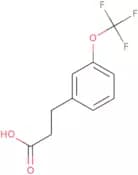
CAS:<p>3-(Trifluoromethoxy)hydrocinnamic acid is a useful building block that is used in the synthesis of many organic compounds. It has been used as a reagent and as a speciality chemical, and is also a versatile building block for the synthesis of complex compounds. 3-(Trifluoromethoxy)hydrocinnamic acid can be synthesized from cinnamic acid, which is available commercially and can be obtained by reacting benzaldehyde with nitric acid. 3-(Trifluoromethoxy)hydrocinnamic acid has CAS No. 168833-77-0 and can be found under the name 2,4-dichloro-3-(trifluoromethoxy)benzene.</p>Formula:C10H9F3O3Purity:Min. 98 Area-%Color and Shape:Clear LiquidMolecular weight:234.17 g/mol2',5'-Dichloroacetophenone
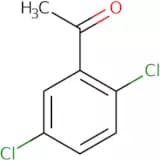
CAS:<p>2',5'-Dichloroacetophenone is a synthetic chemical that is used as an intermediate in the production of other chemicals. It reacts with hydrochloric acid to form 2',5'-dichloroacetophenone hydrochloride, which can be reacted with chloride to form 2-(2-chloroethyl)adiponitrile. This compound is then acylated with an organic solvent and phosphorus pentoxide to produce phosphoramidochloridite esters. These compounds are used in the synthesis of chiral compounds, such as antibiotics and anti-cancer agents. The reaction process uses hydrogen chloride gas as a reagent and produces environmental pollution, such as chlorinated hydrocarbons and dioxins.</p>Formula:C8H6Cl2OPurity:Min. 95%Color and Shape:Clear LiquidMolecular weight:189.04 g/mol2-Nitrophenethylamine hydrochloride
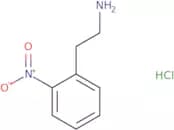
CAS:Controlled Product<p>2-Nitrophenethylamine hydrochloride is a fine chemical that is useful as a versatile building block. It can be used as a reaction component, or in the synthesis of other chemicals. 2-Nitrophenethylamine hydrochloride has CAS No. 861337-74-8 and is a complex compound with many possible uses, including as a research chemical or speciality chemical. As an intermediate for other compounds, it can be used to produce high quality reagents and products.</p>Formula:C8H11ClN2O2Purity:Min. 95 Area-%Color and Shape:PowderMolecular weight:202.64 g/mol2-Bromo-3'-methoxyacetophenone
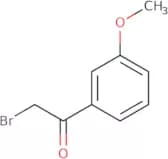
CAS:<p>2-Bromo-3'-methoxyacetophenone is a reactive compound that has been used as an antiplatelet drug. It is a prodrug of vicagrel, which inhibits the platelet aggregation by blocking the conversion of ADP to ATP. It also has been shown to inhibit the growth of cryptococcus neoformans. This compound binds to matrix proteins and disrupts their structure, leading to a decrease in platelet adhesion. 2-Bromo-3'-methoxyacetophenone has been shown to be metabolized through a number of metabolic transformations, including hydrolysis by esterases or glucuronidases, oxidation by cytochrome P450 enzymes, reduction by glutathione reductase, or conjugation with glucuronic acid. The biological properties of this drug are complex and depend on its concentration and duration of exposure. Its effect on platelet aggregation is due to its ability to inhibit the activity of protein kin</p>Formula:C9H9BrO2Purity:Min. 95%Molecular weight:229.07 g/mol3-Amino-4-methoxybenzoic acid methyl ester
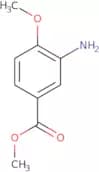
CAS:<p>3-Amino-4-methoxybenzoic acid methyl ester is a modified quinoline derivative that exhibits potent antioxidant activity. It has been shown to inhibit the activation of p38 kinase, which is a proinflammatory enzyme. This leads to decreased levels of inflammatory cytokines and chemokines. 3-Amino-4-methoxybenzoic acid methyl ester also has anti-cancer effects and can be used as an anti-cancer agent in the treatment of cancer, such as lung cancer. It induces apoptosis by inhibiting the synthesis of DNA and proteins. The synthesized drug has been shown to have a chiral center, making it a potential candidate for use in pharmaceuticals.</p>Formula:C9H11NO3Purity:Min. 95%Color and Shape:PowderMolecular weight:181.19 g/mol9-Fluoro-11β,17-Dihydroxy-16α-Methyl-3,20-Dioxopregna-1,4-Dien-21-Yl 2-[2-(2-Ethoxyethoxy)Ethoxy]Acetate
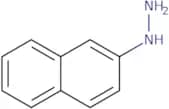
CAS:Controlled ProductMethylprednisolone is a corticosteroid that has been used for the treatment of many conditions, including asthma and arthritis. It is used to reduce inflammation and suppress the immune system. Methylprednisolone can be administered orally or as an injection. It is also used in the diagnosis of tumours, especially those that are difficult to diagnose by other means. Methylprednisolone may be given together with another drug called dexamethasone, which has synergistic effects. These drugs have been shown to cause death in animals with certain types of tumours. In humans, they can cause cutaneous lesions, such as follicle cysts and tnf-α expression in skin cells. This drug also causes a microsporum infection (a type of fungus) on the skin to grow more rapidly when it is applied topically, resulting in a larger diameter section than untreated areas.Formula:C30H43FO9Purity:Min. 95%Molecular weight:566.66 g/mol2-Naphthylhydrazine
CAS:<p>2-Naphthylhydrazine is a synthetic chemical that has an affinity for substrate binding sites. It is used as an inhibitor of monoamine oxidase (MAO) and can be used to study the function of MAO. 2-Naphthylhydrazine binds to the enzyme MAO, preventing it from breaking down amines, an important class of neurotransmitters. 2-Naphthylhydrazine also inhibits the activity of cytochrome P450 reductase, which is involved in drug metabolism. This chemical can be used in the synthesis of indocyanine green and methylbenzene. The reactivity of hydrazines with carbonyl groups in amines and anhydrous sodium phosphate leads to bond cleavage and release of ammonia gas.</p>Formula:C10H10N2Purity:Min. 95%Color and Shape:PowderMolecular weight:158.20 g/mol3-Chloro-4-methoxybenzoic acid methyl ester
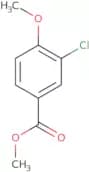
CAS:<p>3-Chloro-4-methoxybenzoic acid methyl ester is a potent antiproliferative agent that inhibits the growth of cancer cells and bacteria. It is an amide, which has been synthesized by equilibration between two equivalents of 3-chlorobenzoic acid and methylamine. The copulatory proton profile for this compound has been determined using liquid chromatography with mass spectrometry detection (LCMS). This compound is also a weak inhibitor of tyrosine kinases, but is more potent as an inhibitor of protein kinase C. Sorafenib and dasatinib are examples of compounds that have been shown to be linked to this drug. 3-Chloro-4-methoxybenzoic acid methyl ester can induce the production of TNF-α in thp-1 cells at micromolar concentrations.</p>Formula:C9H9ClO3Purity:Min. 95%Color and Shape:PowderMolecular weight:200.62 g/molAcenaphthenequinone
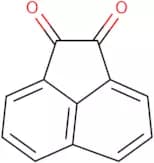
CAS:<p>Acenaphthenequinone is a reactive chemical compound. This compound has been found to have strong biological properties, such as inhibiting the mitochondrial membrane potential in human cells and inducing apoptosis in mammalian cells. Acenaphthenequinone also has been shown to be effective against infectious diseases, including malaria. Acenaphthenequinone binds to the heme group of the parasite's electron transport protein cytochrome b, which leads to disruption of energy production and cellular death. Acenaphthenequinone is also able to inhibit the synthesis of DNA in bacteria.</p>Formula:C12H6O2Purity:Min. 95%Color and Shape:Yellow PowderMolecular weight:182.17 g/mol




![(E)-3-[3'-(4''-fluorophenyl)-1'-(1''-methylethyl)-1H-indol-2''-yl]-2-propnal](/_next/image/?url=https%3A%2Fstatic.cymitquimica.com%2Fproducts%2F3D%2Fthumb-webp%2FFF37514.webp&w=3840&q=75)

![9-Fluoro-11β,17-Dihydroxy-16α-Methyl-3,20-Dioxopregna-1,4-Dien-21-Yl 2-[2-(2-Ethoxyethoxy)Ethoxy]A…](/_next/image/?url=https%3A%2Fstatic.cymitquimica.com%2Fproducts%2F3D%2Fthumb-webp%2FFF103016.webp&w=3840&q=75)