Pharmaceutical Standards
Subcategories of "Pharmaceutical Standards"
- APIs for research and impurities(276,454 products)
- Enzyme Activators and Inhibitors(2,829 products)
- Nitrosamines(2,627 products)
- Pharmaceutical and Veterinary Compounds and Metabolites(2,900 products)
- Toxicology(13,513 products)
Found 7977 products of "Pharmaceutical Standards"
Naphthol AS-MX
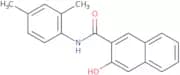
CAS:Naphthol AS-MX is a dye that binds to the polyanionic sites of collagen in the basement membrane of blood capillaries. It is used as a histological stain for collagen in tissue sections and can be used as a model system for studying infectious diseases. The monoclonal antibody (MAb) reacts with the epitope on the surface of the bacteria, which is then detected by an enzyme-labeled MAb. This reaction results in a colored precipitate that indicates the presence of antibodies against the bacterial antigen.Formula:C19H17NO2Purity:Min. 95%Molecular weight:291.34 g/mol2-(tert-Butylamino)-2'-chloropropiophenone hydrochloride
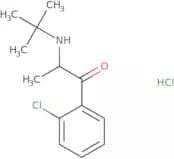
CAS:Controlled Product2-(tert-Butylamino)-2'-chloropropiophenone hydrochloride (BAPCH) is a fine chemical that is used as a building block in the synthesis of other compounds. It can be used as a reagent or speciality chemical in research, and is also an intermediate for the synthesis of other chemicals. BAPCH has a CAS number of 1049718-57-1, and is a versatile building block with many reactions. BAPCH has been shown to be useful in complex syntheses that require reactive groups and scaffolds.Formula:C13H19Cl2NOPurity:Min. 95%Color and Shape:White To Off-White SolidMolecular weight:276.2 g/mol3,5-Diiodosalicylic acid
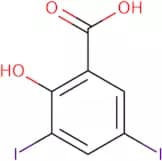
CAS:3,5-Diiodosalicylic acid is a chemical compound that has been used in biological studies to study the kinetic energy of nuclear DNA and to examine the surface glycoprotein receptors. It binds tightly to copper chloride and lithium and can be used as an inhibitor for receptor activity. 3,5-Diiodosalicylic acid has also been shown to have anti-inflammatory effects in hl-60 cells by inhibiting the production of cytokines such as IL-1β, TNFα, IL-6, IL-10, and GM-CSF.Formula:C7H4I2O3Purity:Min. 95%Color and Shape:PowderMolecular weight:389.91 g/mol2,2'-Dimethyl-5-tert-butylbenzophenone
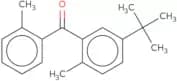
CAS:2,2'-Dimethyl-5-tert-butylbenzophenone is a versatile building block that can be used for the synthesis of complex compounds. It is also a reagent and speciality chemical that has many applications in research. 2,2'-Dimethyl-5-tert-butylbenzophenone is a high quality compound with many uses as a reaction component or scaffold for organic synthesis. It is available from Sigma Aldrich in both powder and liquid form. The CAS number of this compound is 50460-53-2.Formula:C19H22OPurity:Min. 95%Molecular weight:266.38 g/molCimetropium bromide
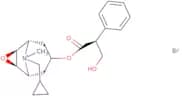
CAS:Cimetropium bromide is a pharmacological agent that binds to muscarinic receptors, inhibiting the release of acetylcholine. It is used in the treatment of bowel disease, such as constipation and irritable bowel syndrome. Cimetropium bromide has been shown to be effective in treating symptoms of these diseases, including decreased intestinal motility, increased stool consistency, and relief from abdominal pain. Cimetropium bromide has also been found to be effective in reducing symptoms of inflammatory bowel disease. This drug inhibits the release of acetylcholine by binding with muscarinic receptors on the smooth muscle cells lining the intestine and bladder. Cimetropium bromide is a potent antimuscarinic agent that can cause dry mouth and blurred vision.
Formula:C21H28BrNO4Purity:Min. 95%Color and Shape:White PowderMolecular weight:438.36 g/mol1,4-Naphthoquinone
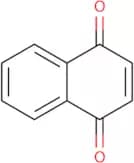
CAS:1,4-Naphthoquinone is a phenolic compound that has been shown to have antimicrobial activity. It has been used in vitro as an antifungal agent for the treatment of dermatophyte infections and has also shown significant cytotoxicity against certain cancer cell lines. 1,4-Naphthoquinone is a redox active compound with a redox potential of -0.6 V vs NHE. This redox potential may be responsible for its potent antimicrobial activity. 1,4-Naphthoquinone also exhibits significant transfer reactions that may contribute to its biological properties. It is classified as group P2 and reacts with sodium salts to form naphthoquinones and sodium salts. This reaction may be responsible for its antimicrobial properties, as these compounds are known to inhibit microbial growth by binding to bacterial DNA gyrase or topoisomerases I and II.Formula:C10H6O2Purity:Min. 95%Color and Shape:Yellow PowderMolecular weight:158.15 g/molN-alpha,epsilon-Bis-Boc-L-lysine 4-nitrophenyl ester
CAS:N-alpha,epsilon-Bis-Boc-L-lysine 4-nitrophenyl ester is a chiral compound that has been used as an antigen for the detection of antibodies against lysine. It is a synthetic peptide that can be used as an adjuvant to improve the efficacy of vaccines. The kinetic and orientations of the antigen were determined by electrospray ionization mass spectrometry. The enantiomeric composition was determined using high performance liquid chromatography with chiral stationary phase, followed by thioether cleavage and liquid chromatography.Formula:C22H33N3O8Purity:Min. 95%Color and Shape:White To Beige To Light (Or Pale) Yellow SolidMolecular weight:467.51 g/mol1-{{[5-(4-Nitrophenyl)-2-furanyl]methylene}amino}-2,4-imidazolidinedione
CAS:Dantrolene is an experimental model for malignant hyperthermia, a rare genetic condition that can cause muscle rigidity and death. Dantrolene has been shown to inhibit the activity of the dinucleotide phosphate (NADH) dehydrogenase enzyme in muscle cells. In addition, it inhibits calcium release from the sarcoplasmic reticulum and activates ryanodine receptors. Dantrolene also inhibits muscle contractions and prevents neuronal death by inhibiting the release of glutamate.Formula:C14H10N4O5Purity:Min. 95%Color and Shape:SolidMolecular weight:314.25 g/molBestatin hydrochloride
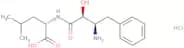
CAS:Aminopeptidase inhibitor; analgesicFormula:C16H24N2O4•HClPurity:Min. 95%Color and Shape:PowderMolecular weight:344.83 g/molN-(Ketocaproyl)-L-homoserine lactone
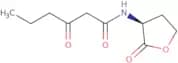
CAS:N-(Ketocaproyl)-L-homoserine lactone is a fatty acid analog of the bacterial signaling molecule homoserine lactone and a potent inducer of cell lysis. The synthesis of this analog has been demonstrated in vitro with Escherichia coli, Bacillus subtilis, and Streptococcus pneumoniae. It is active against human pathogens including Helicobacter pylori and Staphylococcus aureus as well as mammalian tissue. N-(Ketocaproyl)-L-homoserine lactone induces cell lysis by binding to the DNA polymerase to inhibit its activity and terminate DNA synthesis. This inhibition leads to an accumulation of unprocessed RNA, which induces apoptosis in bacterial cells.
Formula:C10H15NO4Purity:Min. 98 Area-%Color and Shape:White PowderMolecular weight:213.23 g/mol2-Methyl-1-nitroprop-1-ene
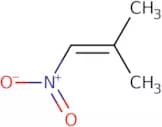
CAS:2-Methyl-1-nitroprop-1-ene is a labile molecule that can be readily synthesized from 2-methyl propanal and nitrous acid. The postulated reaction mechanism for the formation of 2-methyl-1-nitroprop-1-ene begins with the nucleophilic attack of the azide anion on the carbonyl group of 2 methyl propanal, forming a tetrahedral intermediate. This intermediate undergoes a stepwise reaction to form 2 methyl 1 nitropropane. Nitro groups have been observed in both the product and starting material, which could indicate a transfer mechanism.Formula:C4H7NO2Purity:Min. 95%Color and Shape:Clear LiquidMolecular weight:101.1 g/mol2'(2-Thienylidene)-4-methylacetophenone
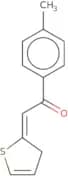
CAS:2'(2-Thienylidene)-4-methylacetophenone is a chemical intermediate that is a useful scaffold for the synthesis of complex compounds. This compound has been used as an intermediate in the preparation of many pharmaceuticals, such as 2-thienylidene-4-methylbenzoic acid, which has anti-inflammatory properties. 2'(2-Thienylidene)-4-methylacetophenone can also be used to synthesize other compounds. It is a versatile building block and a valuable reagent that can be used in research and development.Formula:C13H12OSPurity:Min. 95%Molecular weight:216.3 g/molGly-pro-4-methoxy-beta-naphthylamide
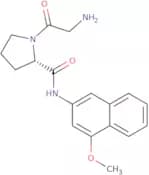
CAS:Gly-pro-4-methoxy-beta-naphthylamide is a synthetic substrate that is used to measure the activity of human plasma phosphatases. Gly-pro-4-methoxy-beta-naphthylamide is synthesized in an organic solvent and then reacted with diazonium salt to form a glycosylated aminophosphonic acid. The product is purified by chromatography and identified by mass spectrometry. Gly-pro-4-methoxy beta naphthylamide has been shown to inhibit the growth of cancer cells in vitro, as well as having antiinflammatory properties. This drug also has been shown to be effective in treating patients with severe hyperbilirubinemia who are undergoing hematopoietic stem cell transplantation.Formula:C18H21N3O3Purity:Min. 95%Molecular weight:327.38 g/mol7-Carbethoxyamino-4-methylcoumarin
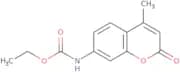
CAS:7-Carbethoxyamido-4-methylcoumarin is a aminocoumarin that exhibits anticancer activity. It is able to inhibit the activity of DPP-IV, an enzyme that degrades insulin in the body. 7-Carbethoxyamido-4-methylcoumarin has been shown to inhibit cancer cells and lung cancer cell lines, as well as breast cancer cells and cells with diabetes. This compound has also been shown to have anticancer activity in vivo in rats.Formula:C13H13NO4Purity:Min. 90%Color and Shape:PowderMolecular weight:247.25 g/mol1,1,3,3-Tetramethyl-2-thiourea
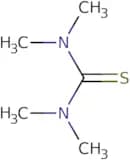
CAS:1,1,3,3-Tetramethyl-2-thiourea is a model molecule that acts as a chemoattractant protein. The interaction of 1,1,3,3-tetramethyl-2-thiourea with the p2 group of an acidic reaction solution produces hydrogen bonding interactions that are highly reactive. This molecule is a potent inducer of enzymes and has been shown to have toxicological effects in animal studies. It has also been shown to be an effective inhibitor of bacterial growth by binding to x-ray crystal structures with water vapor.
Formula:C5H12N2SPurity:Min. 95%Color and Shape:White To Yellow SolidMolecular weight:132.23 g/molN-Ethyl-3,3'-diphenyldipropylamine citrate
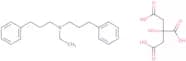
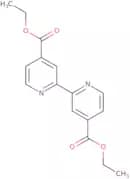
CAS:N-Ethyl-3,3'-diphenyldipropylamine citrate is a nonsteroidal anti-inflammatory drug (NSAID) that inhibits the activity of cyclooxygenase and lipoxygenase. It reduces pain, fever, and inflammation. The drug has been shown to be effective in the treatment of inflammatory bowel disease and colitis. N-Ethyl-3,3'-diphenyldipropylamine citrate is used for the relief of chronic and acute pain associated with osteoarthritis, rheumatoid arthritis, ankylosing spondylitis, or other forms of joint inflammation; as well as for temporary relief from the symptoms of minor aches or pains due to headache, toothache, muscular aches, backache, or menstrual cramps. N-Ethyl-3,3'-diphenyldipropylamine citrate also has been found to be effective in reducing symptoms associated with leukemiaFormula:C26H35NO7Purity:Min. 95%Color and Shape:White Off-White PowderMolecular weight:473.56 g/mol4,4'-Bis(ethoxycarbonyl)-2,2'-bipyridine
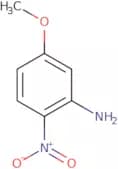
CAS:4,4'-Bis(ethoxycarbonyl)-2,2'-bipyridine (BEBCP) is a dithiolate chromophore. BEBCP has a redox potential of 1.3 volts and the electronic interaction of the carbonyl groups with the electron cloud of the bipyridine nucleus is responsible for this property. The photochemical properties of BEBCP can be systematically studied by using electrochemical data such as voltammetry and cyclic voltammetry. These methods are useful in determining the nature and constant of BEBCP as well as its interaction with ligands.Formula:C16H16N2O4Purity:Min. 95%Color and Shape:PowderMolecular weight:300.31 g/mol5-Methoxy-2-nitrophenylamine
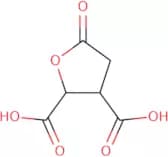
CAS:5-Methoxy-2-nitrophenylamine (5MN) is a synthetic compound. It has been shown to produce an inhibitory effect on Alzheimer's disease and Leishmania infantum by inhibiting the formation of amyloid beta (Aβ) and leishmanicidal alpha-ketoglutarate, respectively. 5MN has also been observed to stabilize supramolecular structures in magnetic resonance spectroscopy experiments. This chemical is synthesized from 4-amino-3-nitrophenol and methylamine by reacting them in the presence of sodium hydroxide and sulfuric acid under refluxing conditions. The reaction products are analyzed using FTIR spectroscopy, as shown below:Formula:C7H8N2O3Purity:Min. 95%Color and Shape:PowderMolecular weight:168.15 g/molDL-Isocitric acid lactone
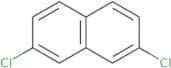
CAS:DL-Isocitric acid lactone is a skin condition agent that belongs to the group of amides. It has hypoglycemic effects and, when applied topically, can improve skin conditions such as xerosis. DL-Isocitric acid lactone also inhibits the growth of bacteria by binding to dinucleotide phosphate in the bacterial cell wall and inhibiting protein synthesis. This compound also has an inhibitory effect on hydroxyl groups in polycarboxylic acids in plants. The structure of this compound was determined by x-ray crystallography.Formula:C6H6O6Purity:Min. 95%Color and Shape:PowderMolecular weight:174.11 g/mol2,7-Dichloronaphthalene
CAS:2,7-Dichloronaphthalene is a chlorinated organic chemical that has been used as an insecticide and acaricide. It is metabolized by cytochrome P-450 to form 2,7-dichloronaphthalene oxide, which is then converted to 2,7-dichloronaphthoic acid. This chemical can accumulate in adipose tissue and the liver of animals exposed to it. It also bioconcentrates in aquatic organisms and biomagnifies in food chains. 2,7-Dichloronaphthalene is not acutely toxic because it does not readily penetrate the skin or respiratory tract. Chronic exposure by ingestion or inhalation can cause adverse effects on the central nervous system, cardiac system, and blood cells. The most toxic effect of 2,7-dichloronaphthalene is its carcinogenic potential for humans and animals.Formula:C10H6Cl2Purity:Min. 95%Color and Shape:White PowderMolecular weight:197.06 g/mol


![1-{{[5-(4-Nitrophenyl)-2-furanyl]methylene}amino}-2,4-imidazolidinedione](/_next/image/?url=https%3A%2Fstatic.cymitquimica.com%2Fproducts%2F3D%2Fthumb-webp%2FFN138588.webp&w=3840&q=75)