Pharmaceutical Standards
Pharmaceutical standards are a comprehensive set of reference materials essential for ensuring the safety, efficacy, and quality of pharmaceutical products. This category includes standards for active pharmaceutical ingredients (APIs), which are the core components responsible for therapeutic effects. Additionally, it covers compounds and metabolites relevant to both the pharmaceutical and veterinary industries, providing benchmarks for the accurate measurement and analysis of these substances. Nitrosamine control standards are crucial for detecting and mitigating potentially harmful nitrosamines in drug formulations. Toxicology standards help assess the safety and potential adverse effects of pharmaceutical compounds. Furthermore, enzyme activators and inhibitors standards are vital for research and development, enabling precise studies of biochemical pathways and drug mechanisms. These pharmaceutical standards are indispensable tools for regulatory compliance, quality control, and research, ensuring that pharmaceutical products meet stringent safety and effectiveness criteria.
Subcategories of "Pharmaceutical Standards"
- APIs for research and impurities(273,774 products)
- Enzyme Activators and Inhibitors(2,827 products)
- Nitrosamines(2,606 products)
- Pharmaceutical and Veterinary Compounds and Metabolites(2,613 products)
- Toxicology(13,652 products)
Found 7836 products of "Pharmaceutical Standards"
Sort by
Purity (%)
0
100
|
0
|
50
|
90
|
95
|
100
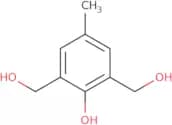
2,6-Bis(hydroxymethyl)-p-cresol
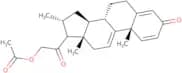
CAS:<p>2,6-Bis(hydroxymethyl)-p-cresol (BHMC) is a cross-linking agent that reacts with the hydroxyl groups of polymers to form covalent bonds. This reaction is irreversible and has been shown to be effective in thermal expansion applications. BHMC is insoluble in water and so can be used as a proton donor for the synthesis of polymer hydrogels. BHMC has also been used as a molecular modeling probe for studying protein structure and function. This compound reacts with nucleophiles by nucleophilic attack on the carbonyl carbon atom, producing an intermediate that tautomerizes to the corresponding enone. The reaction mechanism involves formation of a tetranuclear transition state followed by acid catalysis. Functional groups such as -OH, -NH2, or -COOH are required for this reaction to occur. NMR spectra have shown that there are three different chemical structures</p>Formula:C9H12O3Purity:Min. 95%Color and Shape:PowderMolecular weight:168.19 g/mol(16a)-21-(Acetyloxy)-16-methyl-pregna-1,4,9(11)-triene-3,20-dione
CAS:Controlled Product<p>Please enquire for more information about (16a)-21-(Acetyloxy)-16-methyl-pregna-1,4,9(11)-triene-3,20-dione including the price, delivery time and more detailed product information at the technical inquiry form on this page</p>Formula:C24H30O4Purity:Min. 95%Molecular weight:382.49 g/molAcetyl-L-threonine
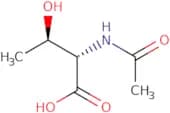
CAS:<p>Acetyl-L-threonine is a nonessential amino acid that is used as a dietary supplement and in clinical chemistry. Acetyl-L-threonine binds to the extracellular signal in mammalian cells and may be involved in the regulation of gene expression. It has been found that acetyl-L-threonine is coagulant, which may be due to its ability to inhibit the formation of fibrinogen or clotting factors. This amino acid can also regulate the release of l-threonine from cells, which affects serum levels. Acetyl-L-threonine has been shown to increase the glomerular filtration rate, which may be due to its ability to increase coagulation.</p>Formula:C6H11NO4Purity:Min. 95%Color and Shape:PowderMolecular weight:161.16 g/molIsovaleryl-Phe-Nle-Sta-Ala-Sta-OH
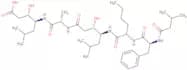
CAS:<p>Isovaleryl-Phe-Nle-Sta-Ala-Sta-OH (IVAS) is a small molecule that has been shown to be an angiotensin system inhibitor. IVAS blocks the binding site of the angiotensin receptor and prevents the activation of this system. This effect is dose dependent and can be used to treat high blood pressure in humans. IVAS is a long-acting drug and has been shown to be effective in primates as well as humans. The drug is rapidly absorbed from the gastrointestinal tract and eliminated by metabolism, mainly through hydrolysis by esterases or glucuronidases, oxidation by cytochrome P450 enzymes, reduction by glutathione reductase, or conjugation with glucuronic acid. IVAS also specifically binds to markers expressed at high levels in Mycobacterium tuberculosis strains (e.g., ESX-1 secretion system protein) and inhibits cell growth in culture.</p>Formula:C39H65N5O9Purity:Min. 95%Molecular weight:747.96 g/molN-(4-Bromonaphthalene-1-yl)-acetamide
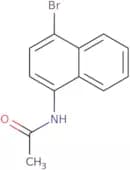
CAS:<p>The N-(4-bromonaphthalene-1-yl)-acetamide is a high quality chemical that is used as a reaction component in the synthesis of pharmaceuticals and other speciality chemicals. It can also be used as a building block for creating more complex compounds. This compound is a versatile building block that can be used to synthesise many different types of products.</p>Formula:C12H10BrNOPurity:Min. 95%Molecular weight:264.12 g/molProflavine hemisulfate
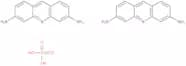
CAS:<p>Proflavine hemisulfate is an antibiotic that inhibits bacterial growth by binding to DNA and inhibiting DNA synthesis. It binds to the dinucleotide phosphate of the bacterial ribosome and changes the shape of the nucleotide, preventing attachment of amino acids to form proteins. Proflavine hemisulfate also has a strong affinity for nuclear dna and is bound to it in a form that inhibits replication. The free form of proflavine is converted into enzyme form by phosphorylation, which inhibits protein synthesis and cell division. Proflavine hemisulfate has been shown to inhibit multidrug efflux pumps in bacteria, leading to increased susceptibility of bacteria to antibiotics. In addition, proflavine hemisulfate possesses inhibitory properties against transfer reactions in cells. The method used for measuring proflavine hemisulfate activity is electrochemical impedance spectroscopy (EIS) on cell nuclei suspensions in a model system.</p>Formula:C13H11N3•(H2SO4)0•(H2O)xPurity:Min. 95%Color and Shape:PowderMolecular weight:258.29 g/molPravastatin 1,1,3,3-tetramethylbutylamine
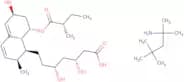
CAS:<p>Please enquire for more information about Pravastatin 1,1,3,3-tetramethylbutylamine including the price, delivery time and more detailed product information at the technical inquiry form on this page</p>Formula:C31H55NO7Purity:Min. 95%Molecular weight:553.77 g/mol4a-Hydroxy cholesterol
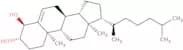
CAS:Controlled Product<p>Please enquire for more information about 4a-Hydroxy cholesterol including the price, delivery time and more detailed product information at the technical inquiry form on this page</p>Formula:C27H46O2Purity:Min. 95%Color and Shape:PowderMolecular weight:402.65 g/mol1-Tosy-3-(1-naphthoyl)pyrrole
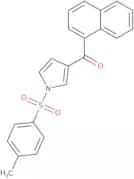
CAS:Controlled Product<p>Please enquire for more information about 1-Tosy-3-(1-naphthoyl)pyrrole including the price, delivery time and more detailed product information at the technical inquiry form on this page</p>Formula:C22H17NO3SPurity:Min. 95%Molecular weight:375.44 g/molL-Tyrosine 4-nitroanilide
CAS:<p>Please enquire for more information about L-Tyrosine 4-nitroanilide including the price, delivery time and more detailed product information at the technical inquiry form on this page</p>Formula:C15H15N3O4Purity:Min. 95%Molecular weight:301.3 g/molγ-Butyrobetaine hydrochloride
CAS:<p>Gamma-butyrobetaine hydrochloride (GBB) is a metabolite of gamma-butyrobetaine, which is found in the human body. GBB is synthesized from lysine and methionine through an enzymatic pathway that starts with the conversion of lysine to homocysteine. GBB is then converted to gamma-butyrobetaine by methylating the hydroxyl group on its terminal carbon. GBB can be found in urine samples as well as in carnitine and fatty acid metabolism. It has been shown to have an inhibitory effect on creatine kinase and can be used to diagnose metabolic disorders such as carnitine deficiency or prognosis following a heart attack.</p>Formula:C7H16ClNO2Purity:Min. 95%Color and Shape:PowderMolecular weight:181.66 g/molN-(1,2,3,4-Tetrahydro-7-methoxy-1-oxo-2-naphthalenyl)propanamide
CAS:Controlled Product<p>Please enquire for more information about N-(1,2,3,4-Tetrahydro-7-methoxy-1-oxo-2-naphthalenyl)propanamide including the price, delivery time and more detailed product information at the technical inquiry form on this page</p>Formula:C14H17NO3Purity:Min. 95%Molecular weight:247.29 g/mol1-[(4-Nitrophenyl)methyl]-1H-1,2,4-triazole
CAS:<p>1-[(4-Nitrophenyl)methyl]-1H-1,2,4-triazole (NPT) is a drug that is used to treat migraine. It is an effective and fast acting drug that has been shown to be more efficient than other triptans. NPT inhibits the uptake of serotonin by binding to its receptors in the brain and causing vasoconstriction. The compound has been found to be safe for use in humans. However, it may cause impurities such as genotoxic nitro groups which are harmful to cells if present at high concentrations. There are various techniques that can be used to measure the kinetics of NPT and determine whether it has been hydrogenated during synthesis or not. These include calibration curves, HPLC, and GC methods.</p>Formula:C9H8N4O2Purity:Min. 95%Molecular weight:204.19 g/molIsoamyl cinnamate
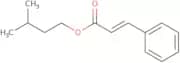
CAS:<p>Isoamyl cinnamate is a synthetic compound that is used as an intermediate for the production of detergents. It has been shown to inhibit the growth of yeast and fungi, such as Cryptococcus neoformans and Candida glabrata. Isoamyl cinnamate also has anti-microbial properties that may be related to its ability to produce propionate, which can kill bacteria in urine samples. This compound is not known to bioaccumulate or cause toxicity in humans at normal doses.</p>Formula:C14H18O2Purity:Min. 95%Color and Shape:Clear LiquidMolecular weight:218.29 g/mol3-Bromo-2-nitrophenol
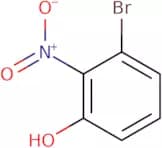
CAS:<p>3-Bromo-2-nitrophenol (3-BNP) is a brominating agent that can be used in the synthesis of a variety of compounds. It is prepared by the refluxing of 3-bromo-2-nitrobenzene with lithium chloride, followed by treatment with trifluoromethanesulfonic anhydride to yield 3-bromo-2-(trifluoromethyl)phenoxyacetic acid. The product can also be obtained from 2,4,6-trinitrophenol and NBS. 3-BNP has shown chemoselectivity for chlorides relative to iodides or fluorides. The yields are higher when it is used in coupling reactions and permutations with lithium or magnesium.</p>Formula:C6H4BrNO3Purity:Min. 95%Molecular weight:218 g/molThymosin beta10 (human, rat)
CAS:<p>Please enquire for more information about Thymosin beta10 (human, rat) including the price, delivery time and more detailed product information at the technical inquiry form on this page</p>Formula:C211H353N57O76SPurity:Min. 95%Molecular weight:4,936.47 g/mol2-Bromo-2',4'-dichloroacetophenone
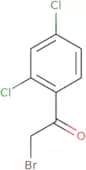
CAS:<p>2-Bromo-2',4'-dichloroacetophenone (2BDCA) is a drug that belongs to the class of active substances. 2BDCA has potent inhibitory activity against erythrocytes and is used in the treatment of leukaemia. 2BDCA is also an optical probe, which can be used to detect phosphate groups and dihedral angles in biological systems. It can be used as a fluorescent probe for biological systems, such as cells or proteins, and has been shown to be effective on red blood cells. 2BDCA binds to these molecules by hydrogen bonding and exhibits optical properties through fluorescence resonance energy transfer.</p>Formula:C8H5BrCl2OPurity:Min. 95%Color and Shape:Clear LiquidMolecular weight:267.93 g/mol1,2-Dimethyl-2-thiopseudourea hydroiodide
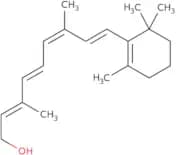
CAS:<p>Please enquire for more information about 1,2-Dimethyl-2-thiopseudourea hydroiodide including the price, delivery time and more detailed product information at the technical inquiry form on this page</p>Formula:C3H8N2S·IHPurity:Min. 95%Molecular weight:232.09 g/mol9-cisRetinol
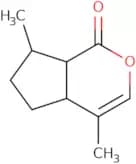
CAS:<p>9-cisRetinol is a form of vitamin A that plays an important role in the synthesis of lipids and proteins. It has been shown to inhibit acid formation in the liver and to stimulate growth in some types of cancer cells. 9-cisRetinol is converted to all-trans retinoic acid, which is a nuclear hormone receptor that regulates gene expression. It also has been shown to be effective in clinical studies for the treatment of congenital amaurosis and cancer. 9-cisRetinol can inhibit phospholipase A2, which prevents the release of arachidonic acid from membrane phospholipids, as well as inhibit prostaglandin synthesis. The optimum pH for 9-cisRetinol activity is between 7 and 8.</p>Formula:C20H30OPurity:Min. 95%Molecular weight:286.45 g/molcis-trans Nepetalactone
CAS:<p>荆芥内酯是一种驱虫的化合物,使猫薄荷开花植物能够吸引猫。据信,荆芥内酯可以通过模仿猫的信息素来改变猫的行为。</p>Formula:C10H14O2Purity:Min. 97 Area-%Color and Shape:Colorless Clear LiquidMolecular weight:166.22 g/mol



![1-[(4-Nitrophenyl)methyl]-1H-1,2,4-triazole](/_next/image/?url=https%3A%2Fstatic.cymitquimica.com%2Fproducts%2F3D%2Fthumb-webp%2FFN149526.webp&w=3840&q=75)