Pharmaceutical Standards
Pharmaceutical standards are a comprehensive set of reference materials essential for ensuring the safety, efficacy, and quality of pharmaceutical products. This category includes standards for active pharmaceutical ingredients (APIs), which are the core components responsible for therapeutic effects. Additionally, it covers compounds and metabolites relevant to both the pharmaceutical and veterinary industries, providing benchmarks for the accurate measurement and analysis of these substances. Nitrosamine control standards are crucial for detecting and mitigating potentially harmful nitrosamines in drug formulations. Toxicology standards help assess the safety and potential adverse effects of pharmaceutical compounds. Furthermore, enzyme activators and inhibitors standards are vital for research and development, enabling precise studies of biochemical pathways and drug mechanisms. These pharmaceutical standards are indispensable tools for regulatory compliance, quality control, and research, ensuring that pharmaceutical products meet stringent safety and effectiveness criteria.
Subcategories of "Pharmaceutical Standards"
- APIs for research and impurities(275,014 products)
- Enzyme Activators and Inhibitors(2,827 products)
- Nitrosamines(2,605 products)
- Pharmaceutical and Veterinary Compounds and Metabolites(2,884 products)
- Toxicology(13,652 products)
Found 7836 products of "Pharmaceutical Standards"
Sort by
Purity (%)
0
100
|
0
|
50
|
90
|
95
|
100
Triethylborane (1.0 M in THF)
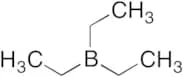
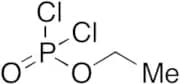
CAS:Controlled Product<p>Applications Triethylborane reacted with 8-hydroxyquinoline to synthesize three 8--hydroxyquinolato (q) boron compounds B(C2H5)2q (1), BPh2q (2), and B(2-naph)2q (3).<br>References Wu, Q., et al.: Chem. Mater., 12, 79 (2000).<br></p>Formula:C6H15BColor and Shape:Single SolutionMolecular weight:97.99Ethyl Dichlorophosphate
CAS:Controlled ProductFormula:C2H5Cl2O2PColor and Shape:White to Off-White SolidMolecular weight:162.94Rengasin-3'-O-glucoside
<p>Rengasin-3'-O-glucoside is a fine chemical, useful building block, and research chemical. It is a versatile building block that can be used in the synthesis of complex compounds. Rengasin-3'-O-glucoside is also a useful intermediate or scaffold for reactions. This compound has been shown to react with 1,2-ethanediol and form an ester, which can be hydrolyzed to release glycerol and the original rengasin-3'-O-glucoside.</p>Formula:C22H22O11Purity:(%) Min. 75%Molecular weight:462.4 g/molRef: 3D-FR65387
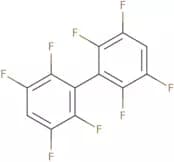
Discontinued product2,2',3,3',5,5',6,6'-Octafluorobiphenyl
CAS:<p>2,2',3,3',5,5',6,6'-Octafluorobiphenyl is a monomer that can be used for cross-coupling reactions. It can be synthesized by reacting a terminal alkyne with an organolithium compound such as cocl2. This monomer has been shown to undergo elimination reactions at lower temperatures than most other monomers and is commercially available in large quantities. 2,2',3,3',5,5',6,6'-Octafluorobiphenyl is also used as a dopant in semiconductors. The use of this compound in solar cells has been demonstrated with the addition of metal halides such as copper chloride or silver chloride. This compound has been shown to be able to efficiently absorb the light and convert it into electricity.</p>Formula:C12H2F8Purity:Min. 95%Color and Shape:PowderMolecular weight:298.13 g/molRef: 3D-FO01921
Discontinued product1-(3-Fluorophenyl)-2-nitropropene
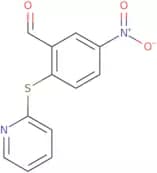
CAS:<p>1-(3-Fluorophenyl)-2-nitropropene is a versatile building block that can be used as a reagent, speciality chemical, or a reaction component. This compound is also useful for the synthesis of complex compounds. 1-(3-Fluorophenyl)-2-nitropropene has been shown to react with various electrophiles, including carbonyl compounds and nitro compounds, to give substituted products. This chemical is classified as a high quality compound and can be used in the synthesis of pharmaceuticals and other fine chemicals.</p>Formula:C9H8FNO2Purity:Min. 95%Molecular weight:181.16 g/mol5-Nitro-2-(2'-pyridinethio)benzaldehyde
CAS:<p>Please enquire for more information about 5-Nitro-2-(2'-pyridinethio)benzaldehyde including the price, delivery time and more detailed product information at the technical inquiry form on this page</p>Purity:Min. 95%Ref: 3D-FN168848
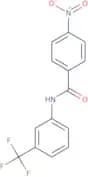
Discontinued product(4-nitrophenyl)-N-(3-(trifluoromethyl)phenyl)formamide
CAS:<p>Please enquire for more information about (4-nitrophenyl)-N-(3-(trifluoromethyl)phenyl)formamide including the price, delivery time and more detailed product information at the technical inquiry form on this page</p>Purity:Min. 95%Ref: 3D-FN169066
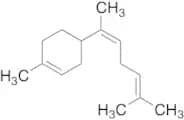
Discontinued product(-)-γ-Cadinene
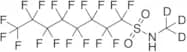
CAS:Controlled ProductFormula:C15H24Color and Shape:ColourlessMolecular weight:204.351N-Methylperfluorooctanesulfonamide-d3 (50μg/mL in Methanol)
CAS:Controlled ProductFormula:C9HD3F17NO2SColor and Shape:Single SolutionMolecular weight:516.19α-Ketobutyric Acid-d2 Sodium
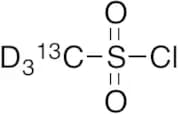
CAS:Controlled ProductFormula:C4D2H3O3·NaColor and Shape:NeatMolecular weight:126.083Methanesulfonyl Chloride-d3,13C
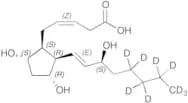
CAS:Formula:C2H3ClO2SColor and Shape:Colourless OilMolecular weight:118.562,3-Dinor iPF2α-III-d9
CAS:Controlled ProductFormula:C18D9H21O5Color and Shape:NeatMolecular weight:335.483[4S-(4a,7b,7aa)]-7,7a-Dihydro-7-hydroxy-4-methoxy-4H-furo[3,2-c]pyran-2(6H)-one-13C3
CAS:Controlled Product<p>Applications [4S-(4α,7β,7aα)]-7,7a-Dihydro-7-hydroxy-4-methoxy-4H-furo[3,2-c]pyran-2(6H)-one-13C3 is an intermediate used in the synthesis of Patulin-13C3 (P206502), which is a labelled Patulin (PAT), a mycotoxin produced by certain species of Penicillium, Aspergillus, and Byssochlamys, is mainly found in ripe apple and apple products. Patulin-induced genotoxicity and modulation of glutathione in Hep G2 cells. Antibiotic.<br>References Scott, P., et al.: J. Agric. Food Chem., 20, 450 (1972), Aden, D., et al.: Nature, 282, 615 (1979), Surralles, J., et al.: Mutat. Res., 341, 169 (1995), Alves, I., et al.: Mutagenesis, 15, 229 (2000), Liu, B., et al.: Toxicol. Appl. Pharmacol., 191, 255 (2003)<br></p>Formula:C5C3H10O5Color and Shape:NeatMolecular weight:189.14p-Cresol-(methyl-13C)
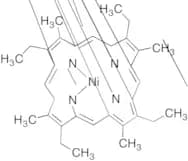
CAS:Controlled Product<p>Applications The formation of p-Cresol-(methyl-13C) via phenol methylation at higher temperature from the deactivation of basic catalyst.<br> Not a dangerous good if item is equal to or less than 1g/ml and there is less than 100g/ml in the package<br>References Borodina, I. B., et al.: Russ. J. Phys. Chem., 80, 892-898 (2006)<br></p>Formula:CC6H8OColor and Shape:NeatMolecular weight:109.13Etioporphyrin I Nickel
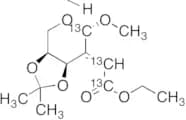
CAS:Controlled ProductFormula:C32H36N4NiColor and Shape:NeatMolecular weight:535.348Methyl (2E)-2-Deoxy-2-(2-ethoxy-2-oxoethylidene)-3,4-O-isopropylidene-β-L-erythro-pentopyranoside-13C3
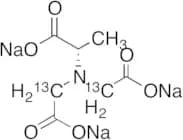
Controlled ProductFormula:C3C10H20O6Color and Shape:NeatMolecular weight:275.272N,N-Bis(carboxymethyl-13C)-L-alanine
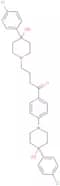
CAS:Controlled ProductFormula:C513C2H11NO6Color and Shape:Off White SolidMolecular weight:273.10Haloperidol Impurity D
CAS:<p>Please enquire for more information about Haloperidol Impurity D including the price, delivery time and more detailed product information at the technical inquiry form on this page</p>Formula:C32H36Cl2N2O3Purity:Min. 95%Molecular weight:567.55 g/mol24(S)-Hydroxycholesterol
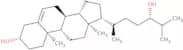
CAS:Controlled Product<p>24(S)-Hydroxycholesterol is a cholesterol metabolite that is synthesized by the liver and can be found in human serum. It has been shown to be an important inducer of transcriptional regulation, as it regulates the expression of genes involved in lipid metabolism and inflammatory response. 24(S)-Hydoxycholesterol is also an activator of the peroxisome proliferator-activated receptor (PPAR) and may cause hepatic steatosis. This molecule has potent activity in inducing polymerase chain reaction (PCR) and protein synthesis in neuronal cells, leading to neuronal death. The molecule also induces apoptosis by caspase-independent cell death, which is mediated by mitochondrial membrane potential. 24(S)-Hydoxycholesterol may serve as a biomarker for nonsteroidal anti-inflammatory drugs (NSAIDs), with low potency against these drugs.br></p>Formula:C27H46O2Purity:Min. 95%Color and Shape:PowderMolecular weight:402.65 g/mol(4-Fluoro-3-Nitrophenyl)Acetonitrile
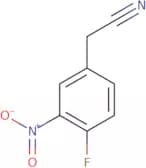
CAS:<p>4-Fluoro-3-nitrophenylacetonitrile is a monomer that can be synthesised from the reaction of carbamic acid and diphenyl ether. It is chiral, stereoselective and nucleophilic. 4-Fluoro-3-nitrophenylacetonitrile can also be synthesised by reacting fluoroacetamide with sodium cyanide in water, forming the corresponding amide, which reacts with acetonitrile to form the nitro compound. The anti-cancer properties of 4-fluoro-3 nitrophenylacetonitrile have been studied in vitro and in vivo. This substance has been shown to inhibit growth of cancer cells and induce apoptosis. In addition, this substance has been used as a synthetic strategy for dihydroisoquinolines, which are important for their anti-cancer properties.</p>Formula:C8H5FN2O2Purity:Min. 95%Molecular weight:180.14 g/molRef: 3D-FF83023
Discontinued product1,2,3,4-Tetrahydro-1-naphthoic acid
CAS:<p>Tetrahydro-1-naphthoic acid is a toxic chemical that is used in the synthesis of various organic compounds. It is an organic acid that has a pungent odor and can cause irritation of the nose and throat. When heated, it evolves toxic fumes of hydrogen chloride gas and phosgene. Tetrahydro-1-naphthoic acid reacts with metal hydroxides to form metal tetrahydro-1-naphthoates, which have useful properties as catalysts in organic reactions. Tetrahydro-1-naphthoic acid has been used as a growth regulator in plants and animals. It binds to DNA at the C–H site, preventing protein synthesis and cell division by inhibiting RNA synthesis.</p>Formula:C11H12O2Purity:Min. 95%Molecular weight:176.21 g/molValeric acid
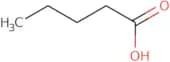
CAS:<p>Valeric acid is a fatty acid that is used in the manufacture of polymers. Valeric acid can be synthesized from caproic acid, which is found in palm oil and coconut oil. Valeric acid has been shown to inhibit the activity of nicotinic acetylcholine receptors at low concentrations and to have an inhibitory effect on the ryanodine receptor at high concentrations. Valeric acid also has a matrix effect on analytical methods such as gas-liquid chromatography, which has been modeled using polymer compositions.</p>Formula:C5H10O2Purity:Min. 95%Molecular weight:102.13 g/molRef: 3D-FV34914
Discontinued product(R)-(-)-3-Hydroxybutyric acid methyl ester
CAS:<p>(R)-(-)-3-Hydroxybutyric acid methyl ester is a monocarboxylic acid that is metabolized by phosphofructokinase and other enzymes to produce the corresponding 3-hydroxybutyrate. This compound is synthesized from tiglic acid, which can be obtained from corynebacterium. The production of (R)-(-)-3-Hydroxybutyric acid methyl ester can be optimized by using a biotransformation process. This process includes enzymatic reactions and chemical transformations, such as hydroxylation, carbonylation, and stereoselective synthesis. The metabolic pathway for this compound has been studied using a DNA microarray analysis.</p>Formula:C5H10O3Purity:Min. 95%Molecular weight:118.13 g/molRef: 3D-FM12107
Discontinued productNaphthalene
CAS:<p>Naphthalene is a chemical that is used for wastewater treatment and as a pesticide. It is also used in the manufacturing of polymers, resins, and plastics. Naphthalene has antimicrobial properties due to its hydrophobic effect. Naphthalene's antimicrobial activity is based on its ability to react with the skeleton of bacterial cells and disrupt the integrity of their outer membrane. Naphthalene also interacts with proteins and DNA, causing cell death. The molecular mechanisms of naphthalene's antibacterial activity are not well understood but have been studied using Hl-60 cells, which are immortalized human monocytic leukemia cells. This study showed that naphthalene affects the cell cycle by inhibiting protein synthesis in bacteria through binding to ribosomes or by disrupting the dna replication process.</p>Formula:C10H8Purity:Min. 95%Molecular weight:128.17 g/molRef: 3D-FN10260
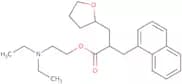
Discontinued productTetrahydro-a-(1-naphthalenylmethyl)-2-furanpropanoic Acid 2-(Diethylamino)ethyl Ester
CAS:Controlled Product<p>Tetrahydro-a-(1-naphthalenylmethyl)-2-furanpropanoic Acid 2-(Diethylamino)ethyl Ester is a fatty acid analog that has antimicrobial properties. It is used in the treatment of bone cancer, and can be used to diagnose and treat other diseases such as glomerular filtration rate, receptor binding, and malonic acid. Tetrahydro-a-(1-naphthalenylmethyl)-2-furanpropanoic Acid 2-(Diethylamino)ethyl Ester binds to receptors on cells, which leads to an increase in the amount of monoamine neurotransmitters released by the cells.</p>Formula:C24H33NO3Purity:Min. 95%Molecular weight:383.52 g/molRef: 3D-FT26121
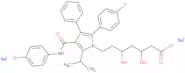
Discontinued product4-Hydroxy atorvastatin disodium salt
CAS:<p>Please enquire for more information about 4-Hydroxy atorvastatin disodium salt including the price, delivery time and more detailed product information at the technical inquiry form on this page</p>Formula:C33H33FN2Na2O6Purity:Min. 95%Molecular weight:618.6 g/molRef: 3D-FH23907
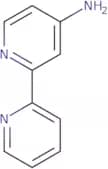
Discontinued product4-Amino-2,2'-bipyridine
CAS:<p>Please enquire for more information about 4-Amino-2,2'-bipyridine including the price, delivery time and more detailed product information at the technical inquiry form on this page</p>Formula:C10H9N3Purity:Min. 95%Color and Shape:PowderMolecular weight:171.2 g/molNaphthenic acid
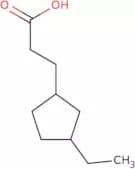
CAS:<p>Naphthenic acid is a metal chelate that is used in synchronous fluorescence spectroscopy. It has been shown to have biodegradation properties and can be used as an indicator for water quality. Naphthenic acid has been found to be a potent inhibitor of corrosion and is often used as an additive to petroleum products, such as gasoline, that are made from crude oil. Naphthenic acid also has acute toxicities and can cause toxicity studies on humans. It is able to inhibit energy metabolism in cells by binding to the mitochondrial membrane, which may be due to its ability to bind with benzalkonium chloride. Naphthenic acid can also be used for analytical methods, such as electrochemical impedance spectroscopy, because it has high sensitivity and specificity.</p>Formula:C7H10O2Color and Shape:Clear LiquidMolecular weight:126.15 g/molRef: 3D-FN139341
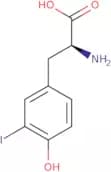
Discontinued product3-Iodo-L-tyrosine
CAS:<p>Please enquire for more information about 3-Iodo-L-tyrosine including the price, delivery time and more detailed product information at the technical inquiry form on this page</p>Formula:C9H10INO3Purity:Min. 96.0 Area-%Color and Shape:PowderMolecular weight:307.09 g/molRef: 3D-FI12110
Discontinued product4-Sulpho-1,8-naphthalic anhydride potassium salt
CAS:<p>4-Sulpho-1,8-naphthalic anhydride potassium salt is a reagent that belongs to the family of sulfonic acids. It is used for recycling purposes in biochemical studies and for the synthesis of other compounds in organic chemistry. The chloride ion can be substituted with bromide or iodide ions to yield 4-bromobenzaldehyde. Studies have also shown that 4-SNAK can act as an electron acceptor in cellular respiration pathways and has been shown to inhibit synaptic transmission.</p>Formula:C12H5KO6SPurity:Min. 95%Color and Shape:SolidMolecular weight:316.33 g/molRef: 3D-FS33600
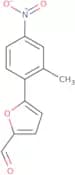
Discontinued product5-(2-Methyl-4-nitrophenyl)-2-furaldehyde
CAS:<p>Please enquire for more information about 5-(2-Methyl-4-nitrophenyl)-2-furaldehyde including the price, delivery time and more detailed product information at the technical inquiry form on this page</p>Formula:C12H9NO4Purity:Min. 95%Molecular weight:231.2 g/molRef: 3D-FM117214
Discontinued productBiotinyl-Neuromedin S (human) trifluoroacetate salt
CAS:<p>Please enquire for more information about Biotinyl-Neuromedin S (human) trifluoroacetate salt including the price, delivery time and more detailed product information at the technical inquiry form on this page</p>Formula:C183H279N55O46SPurity:Min. 95%Molecular weight:4,017.58 g/molRef: 3D-FB109765
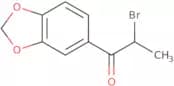
Discontinued product2-Bromo-3',4'-(methylenedioxy)propiophenone
CAS:Controlled Product<p>Please enquire for more information about 2-Bromo-3',4'-(methylenedioxy)propiophenone including the price, delivery time and more detailed product information at the technical inquiry form on this page</p>Formula:C10H9BrO3Purity:Min. 95%Color and Shape:PowderMolecular weight:257.08 g/molBiotinyl-Angiotensin I/II (1-7) Biotinyl-Asp-Arg-Val-Tyr-Ile-His-Pro-OH
CAS:<p>Please enquire for more information about Biotinyl-Angiotensin I/II (1-7) Biotinyl-Asp-Arg-Val-Tyr-Ile-His-Pro-OH including the price, delivery time and more detailed product information at the technical inquiry form on this page</p>Formula:C51H76N14O13SPurity:Min. 95%Molecular weight:1,125.3 g/molRef: 3D-FB109160
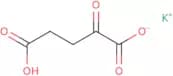
Discontinued productα-Ketoglutaric acid potassium
CAS:<p>Intermediate in the Krebs cycle; nitrogen transporter</p>Formula:C5H5O5KPurity:Min. 98 Area-%Color and Shape:PowderMolecular weight:184.19 g/mol





![[4S-(4a,7b,7aa)]-7,7a-Dihydro-7-hydroxy-4-methoxy-4H-furo[3,2-c]pyran-2(6H)-one-13C3](/_next/image/?url=https%3A%2Fstatic.cymitquimica.com%2Fproducts%2FTR%2Fthumb-webp%2FD449413.webp&w=3840&q=75)