Pharmaceutical Standards
Subcategories of "Pharmaceutical Standards"
- APIs for research and impurities(276,799 products)
- Enzyme Activators and Inhibitors(2,829 products)
- Nitrosamines(2,643 products)
- Pharmaceutical and Veterinary Compounds and Metabolites(2,898 products)
- Toxicology(13,434 products)
Found 8048 products of "Pharmaceutical Standards"
4,5-Dihydronaphtho[1,2-d][1,3]thiazol-2-amine
CAS:Please enquire for more information about 4,5-Dihydronaphtho[1,2-d][1,3]thiazol-2-amine including the price, delivery time and more detailed product information at the technical inquiry form on this pageFormula:C11H10N2SPurity:Min. 95%Molecular weight:202.28 g/molGlutaric anhydride
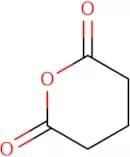
CAS:Glutaric anhydride is a reactive anhydride that can be used to synthesize esters. It is chemically stable and has good thermal stability, so it can be used at elevated temperatures. Glutaric anhydride reacts with the carboxylic acid group of organic compounds to form an ester linkage. This reaction has been shown to take place in biological systems, such as glutaric acid in the human body. Glutaric anhydride is also used for the synthesis of pharmaceuticals and other organic compounds, as well as eye drops for treating eye disorders. The reaction mechanism of glutaric anhydride is not fully understood, but it is believed that it takes place through a radical-based mechanism.
Formula:C5H6O3Purity:Min. 98 Area-%Color and Shape:White PowderMolecular weight:114.1 g/mol3’-Deoxy-3’-fluoro-6-thioinosine
CAS:Please enquire for more information about 3’-Deoxy-3’-fluoro-6-thioinosine including the price, delivery time and more detailed product information at the technical inquiry form on this page
Purity:Min. 95%3-Bromo-4-methoxybenzoic acid methyl ester
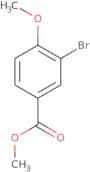
CAS:3-Bromo-4-methoxybenzoic acid methyl ester is an isomer of 4-methoxybenzoic acid. It is a natural product that can be found in dihydroisoquinoline and in the ethyl formate oxidation products. There are two ways to synthesize this compound: by oxidation of diphenyl ethers or by hydrolysis of chloride acetaldehyde. 3-Bromo-4-methoxybenzoic acid methyl ester has been shown to have cellular toxicity against human cells and biphenyl.Formula:C9H9BrO3Purity:Min. 95%Color and Shape:PowderMolecular weight:245.07 g/molLovastatin
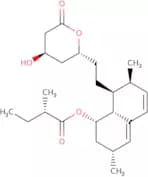
CAS:HMG-CoA reductase inhibitor; mevalonic acid synthesis inhibitorFormula:C24H36O5Purity:Min. 98 Area-%Color and Shape:White PowderMolecular weight:404.54 g/mol(±)-a-Tocopherol phosphate disodium salt
CAS:(±)-a-Tocopherol phosphate disodium salt is a synthetic form of vitamin E and is used in skin care products and supplements. Like vitamin E it has antioxidant properties.Formula:C29H49Na2O5PPurity:Min 97%Color and Shape:PowderMolecular weight:554.66 g/mol4,5-Dihydro-2-(1-naphthylmethyl)-1H-imidazole hydrochloride
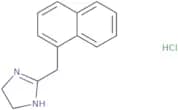
CAS:4,5-Dihydro-2-(1-naphthylmethyl)-1H-imidazole hydrochloride is a fatty acid that functions as an adrenergic receptor agonist. It has been shown to be effective in the diagnosis of cutaneous squamous cell carcinoma. 4,5-Dihydro-2-(1-naphthylmethyl)-1H-imidazole hydrochloride has also shown to have anti-cancer effects in animal models of cancer. This drug binds to fatty acid esters and can be used as a crosslinking agent for polymers. 4,5-Dihydro-2-(1-naphthylmethyl)-1H-imidazole hydrochloride is available as a sodium citrate solution for injection.Formula:C14H14N2·HClPurity:Min. 98 Area-%Color and Shape:White PowderMolecular weight:246.74 g/mol6-Bromovanillin
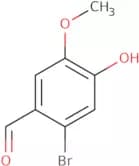
CAS:6-Bromovanillin is a hydroxymethyl derivative of vanillin that has been shown to react with a number of aldehydes in organic reactions. 6-Bromovanillin can be used as a precursor for the synthesis of piperonal and haplophyllum. In addition, 6-bromovanillin can be decarboxylated to form 4-hydroxybenzoic acid.Formula:C8H7BrO3Purity:Min. 95%Molecular weight:231.04 g/mol2-(2-Nitrophenoxy)acetic acid
CAS:2-(2-Nitrophenoxy)acetic acid (NPAA) is a molecule that has been found in plants of the genus Balanites. It has been shown to be an intramolecular hydrogen bond acceptor, which may contribute to its chemical structure and stability. NPAA has also been shown to have a constant pKa value of 4.7, which means it is slightly acidic. NPAA is used as an industrial process sample preparation agent and can be synthesized by reacting phenol with nitric acid.
Formula:C8H7NO5Molecular weight:197.14 g/molPropionic acid 2-naphthyl ester
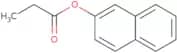
CAS:Propionic acid 2-naphthyl ester is an antibiotic that is produced by Rhodobacter sphaeroides and belongs to the class of carboxylate phosphatase inhibitors. It is a potent inhibitor of acid phosphatases, which are enzymes found in many bacteria, fungi, and plants. It has been shown to inhibit the growth of various types of cancer cells, including melanoma and lung cancer cells. Propionic acid 2-naphthyl ester also binds to antigen-presenting cells and induces the production of cytokines such as IL-6, IL-8, IL-10, and TNF-α. This compound also inhibits cholinesterases in the blood plasma and brain tissue.Formula:C13H12O2Purity:Min. 90%Color and Shape:PowderMolecular weight:200.23 g/mol6-Nitrophthalide
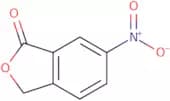
CAS:6-Nitrophthalide is a fluorescent heterocycle that can be used as a probe for specific inhibition. It has been shown to have inhibitory properties against triazole and dipole, which are catalytic asymmetric. 6-Nitrophthalide has also been shown to have the ability to inhibit the oxidation of aldehydes. This compound is synthesized from 2-nitrobenzaldehyde via a two-step process, and then reacted with methyl iodide. 6-Nitrophthalide is homologous to other fluorescent probes such as fluorescein, nitrobenzene, and nitrophenol.Formula:C8H5NO4Purity:Min. 95%Color and Shape:PowderMolecular weight:179.13 g/mol9'-cis-Neoxanthin - solution in ethanol (sold by weight of solution)
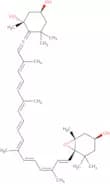
CAS:9'-cis-Neoxanthin is a carotenoid that belongs to the class of xanthophylls. It is found in high concentrations in the seeds of peas, spinach, and corn. 9'-cis-Neoxanthin has been shown to inhibit prostate cancer cells by targeting their transcriptional regulation. 9'-cis-Neoxanthin is a precursor for violaxanthin, which is a powerful antioxidant that can scavenge free radicals. This molecule also binds to DNA polymerase and inhibits its activity. The structural analysis of 9'-cis-Neoxanthin has revealed that it contains two chromophores: one with an oxygenated end (the neoxanthin side chain) and one with an unsaturated end (the other side chain).
Formula:C40H56O4Purity:Min. 97 Area-%Color and Shape:Clear LiquidMolecular weight:600.87 g/molN-Methylcytisine
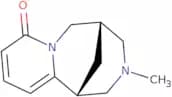
CAS:N-Methylcytisine is a drug that is used to treat bowel disease, locomotor activity, and hypoglycemia. This drug has been shown to have significant cytotoxicity in vitro against squamous carcinoma cells. N-Methylcytisine also inhibits the production of gamma-aminobutyric acid (GABA) and reduces the activity index in anagyroides. This drug has been shown to have a significant effect on colitis and other inflammatory bowel diseases in vivo by reducing inflammation and increasing mucin production.Formula:C12H16N2OPurity:Min. 98 Area-%Color and Shape:White PowderMolecular weight:204.27 g/moltrans-Chalcone
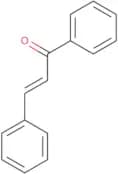
CAS:Trans-chalcone is a natural compound that has been shown to inhibit bacterial growth and dna synthesis in vitro. Trans-chalcone is an oxo-flavonoid with a chalcone skeleton and two hydroxyl groups. It has been shown to have inhibitory properties against the bacterial enzyme dinucleotide phosphate (DNP) synthase, which catalyzes the synthesis of DNP from nicotinamide mononucleotide (NMN) and 5-phospho-D-ribose 1-diphosphate. Trans-chalcone is also a potential anticancer agent due to its ability to bind to response elements in DNA. This binding inhibits the transcription of genes that regulate cell proliferation. Trans-chalcone also exhibits antiinflammatory activity, which may be due to inhibition of proinflammatory cytokines such as tumor necrosis factor alpha (TNFα).Formula:C15H12OPurity:Min. 95%Color and Shape:PowderMolecular weight:208.26 g/molN-(1-Naphthyl)phthalamic acid
CAS:N-(1-Naphthyl)phthalamic acid (NPA) is a plant growth regulator that is used to increase the yield and quality of crops. It inhibits the production of ethylene, which is a plant hormone responsible for fruit ripening and senescence. NPA also has been shown to affect the levels of fatty acids in plants. The effects of NPA on mitochondrial cytochrome P450 enzymes have been studied using electrochemical impedance spectroscopy (EIS). This study showed that NPA can inhibit the activity of these enzymes, which may be due to its ability to bind to them or alter their structure.Formula:C18H13NO3Purity:Min. 95%Color and Shape:Light (Or Pale) Purple To Purple SolidMolecular weight:291.3 g/molω-Benzoyloxy resacetophenone
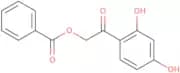
CAS:Omega-benzoyloxy resacetophenone (OBOP) is a high quality reagent that is used as a building block for the synthesis of complex compounds. OBOP can be used as an intermediate for the production of fine chemicals and research chemicals. It is also a versatile building block that can be used in reactions to produce speciality chemicals. OBOP is soluble in most organic solvents and has a melting point of 140-142 degrees Celsius. The chemical formula for OBOP is C14H14O3.
Formula:C15H12O5Purity:Min. 95%Color and Shape:PowderMolecular weight:272.25 g/mol2-Nitrophenylhydrazine
CAS:2-Nitrophenylhydrazine is a drug that is used as an anti-inflammatory agent. It is a nonsteroidal anti-inflammatory drug (NSAID) that acts by blocking the production of prostaglandins in the body, preventing inflammation and pain. 2-Nitrophenylhydrazine can be used to treat conditions such as arthritis, gout, and rheumatoid arthritis. This drug also has the ability to remove organic contaminants from water. 2-Nitrophenylhydrazine binds with fatty acids in wastewater treatment plants, forming an insoluble complex that precipitates out of solution. The compound inhibits the activity of hydrogen bond and methyl ethyl groups, which are needed for the biosynthesis of polyunsaturated fatty acids like phytanic acid and diphenyl ether.
Formula:C6H7N3O2Purity:Min. 95%Color and Shape:PowderMolecular weight:153.14 g/mol2-(2,2-dimethyl(3-oxaindan-4-yloxy))-5-nitropyridine
CAS:Please enquire for more information about 2-(2,2-dimethyl(3-oxaindan-4-yloxy))-5-nitropyridine including the price, delivery time and more detailed product information at the technical inquiry form on this pagePurity:Min. 95%Indole-3-acetyl-L-aspartic acid
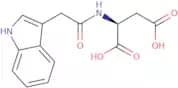
CAS:Indole-3-acetyl-L-aspartic acid, also known as 3IAA or IAA, is a naturally occurring amino acid. It is used in the study of plant physiology and serves as a substrate for ATP synthesis. 3IAA is synthesized from tryptophan by the enzyme indole acetyltransferase. The kinetic data obtained with 3IAA can be used to compare the effects of light exposure on ATP levels in plants. Indole-3-acetyl-L-aspartic acid inhibits cell growth and induces apoptosis, which may be due to its ability to inhibit protein synthesis by preventing RNA and DNA synthesis. This compound has been shown to have surface membrane inhibiting properties, which may be due to its ability to cross the plasma membrane.Formula:C14H14N2O5Purity:Min. 95%Color and Shape:White PowderMolecular weight:290.27 g/molDL-Ethionine
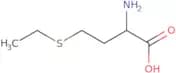
CAS:DL-Ethionine is a compound that is formed when the amino acid methionine is converted to ethionine. It has been shown to induce the formation of acid in the liver and pancreas, which can lead to pancreatitis. Experimental models have shown that DL-ethionine causes liver injury by inhibiting tissue repair mechanisms, such as the polymerase chain reaction. This inhibition prevents DNA synthesis, leading to cell death. The mechanism of DL-ethionine induced toxicity is currently being investigated.Formula:C6H13NO2SColor and Shape:PowderMolecular weight:163.24 g/mol
![4,5-Dihydronaphtho[1,2-d][1,3]thiazol-2-amine](/_next/image/?url=https%3A%2Fstatic.cymitquimica.com%2Fproducts%2F3D%2Fthumb-webp%2FFD127118.webp&w=3840&q=75)