Pharmaceutical Standards
Subcategories of "Pharmaceutical Standards"
- APIs for research and impurities(276,397 products)
- Enzyme Activators and Inhibitors(2,829 products)
- Nitrosamines(2,627 products)
- Pharmaceutical and Veterinary Compounds and Metabolites(2,902 products)
- Toxicology(13,531 products)
Found 7963 products of "Pharmaceutical Standards"
4'-Acetamido-2'-methylacetophenone
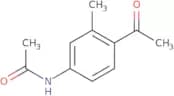
CAS:4'-Acetamido-2'-methylacetophenone is a chemical compound that has been found to be useful in the synthesis of other compounds. It is an intermediate for the production of aniline and phenacetin, which are both reactive compounds. This product can also be used as a reagent for the synthesis of other chemicals and pharmaceuticals. CAS No. 34956-31-5Formula:C11H13NO2Purity:Min. 95%Color and Shape:PowderMolecular weight:191.23 g/molGrowth hormone releasing protein-2
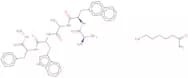
CAS:Please enquire for more information about Growth hormone releasing protein-2 including the price, delivery time and more detailed product information at the technical inquiry form on this pageFormula:C45H55N9O6Purity:Min. 95%Color and Shape:PowderMolecular weight:817.98 g/molTylvalosin
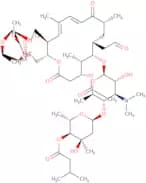
CAS:Tylvalosin is a polymerase chain inhibitor that inhibits the activity of the bacterial DNA polymerase. It is used in antimicrobial treatment to prevent microbial infection due to its immunomodulatory effects. Tylvalosin is active against a wide range of microorganisms and has been shown to be effective against infections caused by bacteria such as Haemophilus influenzae, Streptococcus pyogenes, and Staphylococcus aureus. The drug also has anti-inflammatory properties and can be used for the treatment of synovitis, an inflammation of the synovium. Tylvalosin is not active against Mycobacterium tuberculosis or Mycobacterium avium complex.Formula:C53H87NO19Purity:(%) Min. 90%Color and Shape:PowderMolecular weight:1,042.25 g/mol2,2'-Methylenebis(4,6-di-tert-butylphenyl)phosphatesodiumsalt
CAS:This product is a polymer that is used in the production of plastics, paper, and paints. It is also used as a thickening agent, emulsifier, or stabilizer in foods. Hydroxypropyl cellulose is produced by condensation of dimethoxybenzoic acid and sodium bis(2-hydroxypropyl)sulfate. This product has a molecular weight of about 10,000 to 1 million Daltons. It can be quantified using gas chromatography/mass spectroscopy. Hydroxypropyl cellulose has been shown to have an inhibiting effect on nucleation and growth of ice crystals during freezing and thawing cycles in polyolefin products. The polymer does not dissolve in water but readily absorbs moisture from the air and swells significantly when wetted with water. In addition to its use as a food additive, hydroxypropyl cellulose can be used as a component in the manufacture of polymers such as polyolefinsFormula:C29H42NaO4PPurity:Min. 95%Color and Shape:White PowderMolecular weight:508.6 g/molProtoporphyrin IX
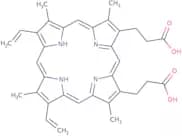
CAS:Protoporphyrin IX is a fluorescent molecule that has been used for diagnosis and treatment of cancers, especially T-cell lymphomas. Protoporphyrin IX is being studied for its potential use as a photosensitizer in photodynamic therapy. The fluorescence emission spectrum of protoporphyrin IX overlaps with the absorption spectrum of hemoglobin, which enables it to be used in diagnosis of diseases such as sickle cell anemia. Protoporphyrin IX also binds to DNA and regulates gene expression. It is involved in mitochondrial functions, energy metabolism, and biochemical research. Protoporphyrin IX has been shown to bind to response elements and activate transcription of genes which are regulated by the proto-oncogene promoter. This molecule's thermodynamic data has been extensively researched and it is currently being evaluated for use in laser ablation technology for cancer treatments.Formula:C34H34N4O4Purity:Min. 95%Color and Shape:Red PowderMolecular weight:562.66 g/molFmoc-L-aspartic acid beta-2-phenylisopropyl ester
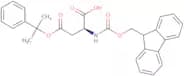
CAS:Fmoc-L-aspartic acid beta-2-phenylisopropyl ester is a macrocyclic amino acid with conformational and anti-inflammatory properties. It has been shown to inhibit the proliferation of cancer cells in vitro, as well as the osteolytic, lymphoproliferative, and inflammatory activities in vivo. Fmoc-L-aspartic acid beta-2-phenylisopropyl ester also has antiarrhythmic effects on cardiac tissue that are caused by its ability to bind to chloride channels. This compound also inhibits the production of inflammatory cytokines such as tumor necrosis factor alpha (TNFα) and interleukin 6 (IL6).
Formula:C28H27NO6Purity:Min. 95%Color and Shape:PowderMolecular weight:473.52 g/mol2-Amino-4'-fluoroacetophenone hydrochloride
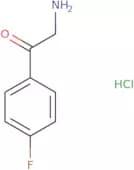
CAS:Controlled Product2-Amino-4'-fluoroacetophenone hydrochloride is a fine chemical with a versatile building block. It is an intermediate used in research and a reaction component for the synthesis of complex compounds. 2-Amino-4'-fluoroacetophenone hydrochloride can be used as a reagent in the synthesis of pharmaceuticals or other useful chemicals. Its CAS number is 456-00-8.Formula:C8H9ClFNOPurity:Min. 95%Molecular weight:189.61 g/mol1-(3,4,5-Trimethoxyphenyl)-2-nitropropene
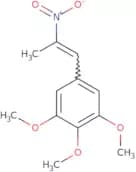
CAS:1-(3,4,5-Trimethoxyphenyl)-2-nitropropene is a high quality chemical that is a reagent and useful intermediate. It has been shown to be a useful scaffold for the synthesis of various compounds and as a building block for the synthesis of speciality chemicals. This compound can be used in research and as a versatile building block in organic chemistry.
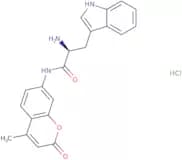
Formula:C12H15NO5Purity:Min. 97 Area-%Color and Shape:PowderMolecular weight:253.25 g/molL-Tryptophan-7-amido-4-methylcoumarin
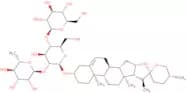
CAS:Please enquire for more information about L-Tryptophan-7-amido-4-methylcoumarin including the price, delivery time and more detailed product information at the technical inquiry form on this pageFormula:C21H19N3O3Purity:Min. 95%Color and Shape:PowderMolecular weight:361.39 g/molDeltonin
CAS:Deltonin is a natural product with anti-cancer properties. Deltonin induces autophagy in K562 cells and HL-60 cells. It also inhibits the growth of squamous carcinoma cells in mice. Deltonin can induce apoptosis by reducing mitochondrial membrane potential, which leads to the activation of caspase-9, -8, and -3. In addition to inducing autophagy, deltonin can inhibit cell proliferation and migration by attenuating the signal pathways that are responsible for these processes. The mechanism of action for deltonin is not well understood but it may be due to its reactive or activated nature as a chemical structure.Formula:C45H72O17Purity:Min. 95%Color and Shape:White PowderMolecular weight:885.04 g/mol1-[[5-(p-Nitrophenyl)furfurylidene]amino]-hydantoin sodium
CAS:Dantrolene sodium is a muscle relaxant that belongs to the group of pharmacological agents. It is used to treat muscle spasms and hyperactivity in patients with neuromuscular disorders. Dantrolene sodium inhibits calcium release by blocking the activity of the enzyme ryanodine receptor in skeletal muscle cells. This inhibition prevents uncontrolled contraction of muscles and reduces their energy consumption. The drug also has an effect on malignant hyperthermia, which is caused by an increase in the production of adenosine triphosphate (ATP) due to increased cellular metabolism. Dantrolene sodium can inhibit ATP synthesis, thus reducing energy production and stabilizing cell membranes, thereby preventing cell death in neurons and other tissues.
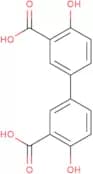
Formula:C14H10N4O5•NaPurity:Min. 95%Color and Shape:Yellow PowderMolecular weight:337.24 g/mol4,4' -Dihydroxy-3,3'-biphenyldicarboxylic acid
CAS:4,4'-Dihydroxy-3,3'-biphenyldicarboxylic acid is a fine chemical that is used as a building block in the synthesis of pharmaceuticals and other organic compounds. It has been shown to be an effective reagent for the synthesis of 4-hydroxypyridine derivatives. 4,4'-Dihydroxy-3,3'-biphenyldicarboxylic acid can also be used as a reaction component for the preparation of complex compounds such as 2-aminopyridines and 2-aminopyrimidines. This compound is also useful as an intermediate in the synthesis of polymers and other versatile scaffolds. The CAS number for this compound is 13987-45-6.Formula:C14H10O6Purity:Min. 96 Area-%Color and Shape:PowderMolecular weight:274.23 g/mol4'-Fluoro-1'-acetonaphthone
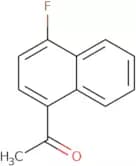
CAS:4'-Fluoro-1'-acetonaphthone is a synthetic fluorinated derivative of 1-phenyl-1,2-propanedione. It has been used as a ligand in the study of interactions between substances and shift parameters. The fluoro substituent on the ring may be difficult to synthesize because it requires high temperatures and pressure. 4'-Fluoro-1'-acetonaphthone has been used in organic synthesis as a component in photocycloadditions with chloroform or benzoyl chloride to form substituted benzoic acids.Formula:C12H9FOPurity:Min. 95%Molecular weight:188.2 g/molErgosterol peroxide
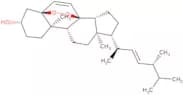
CAS:Ergosterol peroxide is a synthetic compound that binds to DNA and inhibits the growth of human cells. Ergosterol peroxide has been shown to have significant cytotoxicity against HL-60 cells in vitro, with inhibition of DNA synthesis and induction of apoptosis. Ergosterol peroxide also has amoebicidal activity against Acanthamoeba castellanii, which is an opportunistic pathogen of the central nervous system. This compound can be used as a pharmaceutical agent for the treatment of various diseases such as cancer, AIDS, or Alzheimer's disease. It may also be used as a natural compound to kill harmful pathogens in water.Formula:C28H44O3Purity:Min. 95%Color and Shape:PowderMolecular weight:428.65 g/mol3-Methyl-2-nitrophenol
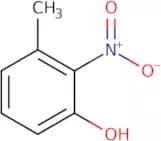
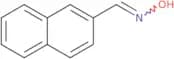
CAS:3-Methyl-2-nitrophenol is a hydroxy group that contains a reactive methylene group. It has been shown to be formed by the reaction of nitric acid with alcohols or amines. The rate of formation is influenced by the steric interactions and intramolecular hydrogen bonds present in the reactants. 3-Methyl-2-nitrophenol can react with other molecules to form various reaction products, such as 2-methylphenol, nitrobenzene, and picric acid. 3-Methyl-2-nitrophenol also has phytotoxic properties, which may be due to its ability to inhibit root growth and chlorophyll production in plants.Formula:C7H7NO3Purity:Min. 95%Molecular weight:153.14 g/mol2-Naphthaldehyde oxime
CAS:2-Naphthaldehyde oxime is a reactive aldoxime that can be used as an oxidant in organic chemistry. It is able to increase the rate of hydrolysis by acid catalysts, and has been shown to cause biomolecular damage due to its ability to react with functional groups such as amines and alcohols. 2-Naphthaldehyde oxime reacts with silicon, styrene, and polystyrene. The reaction produces carbon dioxide, hydrogen, and water. This product also has the capability of solvating organic compounds through the use of water molecules. Hypervalent oxidation reactions may occur with 2-naphthaldehyde oxime due to its ability to form multiple bonds with oxygen atoms.
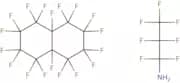
Formula:C11H9NOPurity:Min. 95%Color and Shape:PowderMolecular weight:171.2 g/mol1,1,2,2,3,3,4,4,4a,5,5,6,6,7,7,8,8,8a-Octadecafluoronaphthalene; 1,1,2,2,3,3,3-Heptafluoropropan-1-Amine
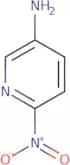
CAS:Controlled Product1,1,2,2,3,3,4,4a,5-Octadecafluoronaphthalene is a fluorinated derivative of an organic compound that is used as an intestinal antiseptic and as a cardioplegic solution. Sodium salts of this drug are used to treat intestinal disorders such as colitis and Crohn's disease. It is also used to treat cardiac diseases such as myocardial infarction by reducing the size of the infarcted area. The drug has been shown to be effective in preventing muscle degeneration in patients with AIDS. 1,1,2,2,3,3-Heptafluoropropan-1-amine is a chemical that belongs to the group of adjuvant therapies. It is used as a pharmaceutical preparation for kinetic studies and particle characterization.Formula:C13H2F25NPurity:Min. 95%Molecular weight:647.12 g/mol3-Amino-6-nitropyridine
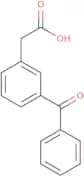
CAS:3-Amino-6-nitropyridine is a nitropyridine and a coupler. It is used as a reagent to synthesize hydroxylamine, aralkyl, and cycloalkyl intermediates. 3-Amino-6-nitropyridine can also be used as an intermediate in the synthesis of medicines such as copper.Formula:C5H5N3O2Purity:Min. 98 Area-%Color and Shape:PowderMolecular weight:139.11 g/molDesmethyl ketoprofen
CAS:Desmethyl ketoprofen is a nonsteroidal anti-inflammatory drug that belongs to the group of amides. It is an acidic agent and is used to relieve pain and inflammation in the body. Desmethyl ketoprofen has been shown to be effective at relieving pain in humans, with a potential dose range of 10 mg to 100 mg. This compound has also been shown to be a potential biomarker for cancer, as it has been found in high concentrations in urine samples from patients with large cell lung cancer. Desmethyl ketoprofen is rapidly absorbed after oral administration, reaching peak plasma levels within 2 hours. The drug undergoes extensive metabolism in the liver by microsomal enzymes, primarily CYP2C9 and CYP3A4. It is eliminated primarily through biliary excretion (as metabolites) and renal excretion (as unchanged drug).Formula:C15H12O3Purity:Min. 95%Color and Shape:Off-White To Beige SolidMolecular weight:240.25 g/molHydroquinone-2,2'-diacetic acid
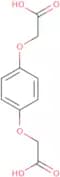
CAS:Hydroquinone-2,2'-diacetic acid is a labile and water soluble ester with activating properties. It is used in bioconjugate chemistry for the modification of proteins and peptides. Hydroquinone-2,2'-diacetic acid can be reused and has been shown to react with a wide range of synthons or linkers. This compound has been shown to induce apoptosis in cancer cells. Hydroquinone-2,2'-diacetic acid also has fluorescence properties that are sensitive to copper ions, making it useful for analytical applications such as protein quantification and detection of metal ions.Formula:C10H10O6Purity:Min. 98 Area-%Color and Shape:PowderMolecular weight:226.18 g/mol


![1-[[5-(p-Nitrophenyl)furfurylidene]amino]-hydantoin sodium](/_next/image/?url=https%3A%2Fstatic.cymitquimica.com%2Fproducts%2F3D%2Fthumb-webp%2FFN44999.webp&w=3840&q=75)