Pharmaceutical Standards
Subcategories of "Pharmaceutical Standards"
- APIs for research and impurities(296,861 products)
- Enzyme Activators and Inhibitors(2,829 products)
- Nitrosamines(3,126 products)
- Pharmaceutical and Veterinary Compounds and Metabolites(4,733 products)
- Toxicology(22,950 products)
Found 16682 products of "Pharmaceutical Standards"
DL-Methionine Methylsulfonium Chloride
CAS:Controlled ProductApplications DL-Methionine methylsulfonium chloride (cas# 3493-12-07) is a useful research chemical.
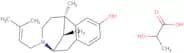
Formula:C6H14ClNO2SColor and Shape:NeatMolecular weight:199.7Pentazocine lactate
CAS:Controlled ProductPentazocine lactate is an opioid that binds to the kappa-opioid receptor. It has a low potency and is used as an analgesic. Pentazocine lactate has been shown to be effective in the treatment of eosinophilic fasciitis, which is a rare inflammatory disease of the skin and soft tissue. Side effects for this drug include respiratory depression and sedation, constipation, nausea/vomiting, urinary retention, erythema multiforme, pruritus, erythema nodosum, thrombocytopenia, and fever. Pentazocine lactate may also interact with other drugs such as antidepressants or antipsychotics.
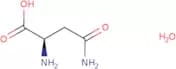
Formula:C19H27NO·C3H6O3Purity:Min. 95%Molecular weight:375.5 g/molD-Asparagine monohydrate
CAS:D-Asparagine monohydrate is a white crystalline powder that is soluble in water and has a molecular weight of 98.1 g/mol. It inhibits the growth of bacteria by preventing the formation of β-lactamase, which can lead to antibiotic resistance. D-Asparagine monohydrate is used as an additive in the preparation of polyacrylamide gel for electrophoresis and other purposes. It has been found that it can be used as an inhibitor of recombinant proteins, such as those produced by E. coli, with high kinetic activity. It also inhibits the crystallization process and growth rate of Mycobacterium licheniformis.
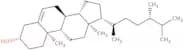
Formula:C4H8N2O3·H2OColor and Shape:White Off-White PowderMolecular weight:150.13 g/mol22,23-Dihydrobrassicasterol
CAS:Controlled Product22,23-Dihydrobrassicasterol is a sterol present in rhizoma gastrodiae that has been shown to inhibit the growth of oral pathogens. It also has been found to have cholesterol-lowering effects and can be used as an antimicrobial agent to treat gastrointestinal diseases. 22,23-Dihydrobrassicasterol has been found to have inhibitory effects on human serum processes such as the process of producing fibroblasts and on physiological functions such as the inhibition of hepatic steatosis. The pharmacokinetic properties of this drug are not well understood, but it appears to be absorbed from the gut and excreted in urine.
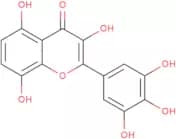
Formula:C28H48OPurity:Min. 95%Molecular weight:400.68 g/mol3,3',4',5,5',8-Hexahydroxyflavone
CAS:3,3',4',5,5',8-Hexahydroxyflavone is a naturally occurring flavonoid, which is a type of polyphenolic compound. It is derived from various plant sources, including fruits, vegetables, and certain medicinal herbs. The compound is characterized by its chemical structure, which includes multiple hydroxyl groups, contributing to its biological activity.
The mode of action of 3,3',4',5,5',8-Hexahydroxyflavone involves its interaction with various cellular pathways and enzymes. Primarily, it is known for its antioxidant properties, where it scavenges free radicals and reactive oxygen species, thereby reducing oxidative stress. Additionally, it may exhibit anti-inflammatory effects by modulating signaling pathways involved in inflammation.
In terms of uses and applications, 3,3',4',5,5',8-Hexahydroxyflavone is primarily explored in scientific research focusing on its potential health benefits. Studies investigate its role in disease prevention, particularly conditions associated with oxidative stress and inflammation, such as cardiovascular diseases and neurodegenerative disorders. While it holds promise in these areas, further research is necessary to fully understand its mechanisms and therapeutic potential.Formula:C15H10O8Purity:Min. 95%Molecular weight:318.24 g/mol