Pharmaceutical Standards
Pharmaceutical standards are a comprehensive set of reference materials essential for ensuring the safety, efficacy, and quality of pharmaceutical products. This category includes standards for active pharmaceutical ingredients (APIs), which are the core components responsible for therapeutic effects. Additionally, it covers compounds and metabolites relevant to both the pharmaceutical and veterinary industries, providing benchmarks for the accurate measurement and analysis of these substances. Nitrosamine control standards are crucial for detecting and mitigating potentially harmful nitrosamines in drug formulations. Toxicology standards help assess the safety and potential adverse effects of pharmaceutical compounds. Furthermore, enzyme activators and inhibitors standards are vital for research and development, enabling precise studies of biochemical pathways and drug mechanisms. These pharmaceutical standards are indispensable tools for regulatory compliance, quality control, and research, ensuring that pharmaceutical products meet stringent safety and effectiveness criteria.
Subcategories of "Pharmaceutical Standards"
- APIs for research and impurities(274,845 products)
- Enzyme Activators and Inhibitors(2,827 products)
- Nitrosamines(2,605 products)
- Pharmaceutical and Veterinary Compounds and Metabolites(2,869 products)
- Toxicology(13,652 products)
Found 7836 products of "Pharmaceutical Standards"
Sort by
Purity (%)
0
100
|
0
|
50
|
90
|
95
|
100
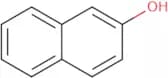
2-Naphthol
CAS:<p>2-Naphthol is an organic compound with the chemical formula C10H7O. It is a derivative of naphthalene, and is produced by the condensation of two molecules of malonic acid in the presence of a reducing agent such as sodium borohydride. 2-Naphthol is used as a pesticide and as a chemical intermediate in the production of other chemicals. 2-Naphthol has been shown to be toxic to humans and animals; it may cause liver damage, kidney damage, and skin irritation. The acute oral LD50 for rats is 690 mg/kg body weight. 2-Naphthol binds to cell receptors that are involved in a variety of physiological processes including heme transport, phagocytosis, oxidative burst, chemotaxis, and respiratory burst. This binding inhibits these functions leading to cell death.</p>Formula:C10H8OPurity:Min. 95%Color and Shape:White To Yellow To Pink To Light Brown SolidMolecular weight:144.17 g/molVitamin B12 e-Monocarboxylic Acid
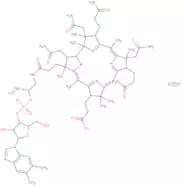
CAS:Controlled Product<p>Please enquire for more information about Vitamin B12 e-Monocarboxylic Acid including the price, delivery time and more detailed product information at the technical inquiry form on this page</p>Formula:C63H87CoN13O15PPurity:Area-% Min. 95 Area-%Color and Shape:PowderMolecular weight:1,356.35 g/mol5-Nitropyridin-3-ol
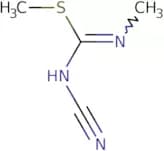
CAS:Please enquire for more information about 5-Nitropyridin-3-ol including the price, delivery time and more detailed product information at the technical inquiry form on this pageFormula:C5H4N2O3Purity:Min. 95%Molecular weight:140.1 g/molN-Cyano-N',S-dimethylisothiourea
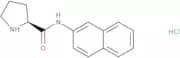
CAS:<p>Please enquire for more information about N-Cyano-N',S-dimethylisothiourea including the price, delivery time and more detailed product information at the technical inquiry form on this page</p>Formula:C4H7N3SPurity:Min. 95%Molecular weight:129.18 g/molL-Proline-β-naphthylamide hydrochloride
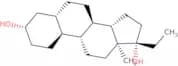
CAS:L-proline analogueFormula:C15H16N2O·HClPurity:Min. 95%Molecular weight:276.76 g/mol(3b,5a,17a)-19-Norpregnane-3,17-diol
CAS:Controlled ProductPlease enquire for more information about (3b,5a,17a)-19-Norpregnane-3,17-diol including the price, delivery time and more detailed product information at the technical inquiry form on this pageFormula:C20H34O2Purity:Min. 95%Molecular weight:306.48 g/mol4-(2-Chlorophenyl)-9-methyl-6H-thieno[3,2-f][1,2,4]triazolo[4,3-a][1,4]diazepine-2-propanoic acid methyl ester
CAS:Controlled Product<p>Please enquire for more information about 4-(2-Chlorophenyl)-9-methyl-6H-thieno[3,2-f][1,2,4]triazolo[4,3-a][1,4]diazepine-2-propanoic acid methyl ester including the price, delivery time and more detailed product information at the technical inquiry form on this page</p>Formula:C19H17ClN4O2SPurity:Min. 95%Molecular weight:400.88 g/mol1-(Aminomethyl)naphthalene
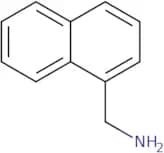
CAS:<p>1-(Aminomethyl)naphthalene is a hydrogen bond-forming molecule that has high values of hydrochloric acid. This compound reacts with sodium carbonate to form glycoside derivatives, which have been shown to display light emission. 1-(Aminomethyl)naphthalene can be used in the synthesis of oxytocin and toll-like receptor ligands, as well as other chemical reactions. The carbonyl group found in this molecule is responsible for the reactivity and stability of this compound.</p>Formula:C10H7CH2NH2Purity:Min. 95%Color and Shape:Clear Colourless To Yellow LiquidMolecular weight:157.21 g/mol2-(Benzylmethylamino)-3',4'-dihydroxyacetophenone
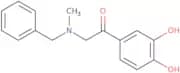
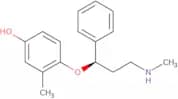
CAS:Controlled ProductPlease enquire for more information about 2-(Benzylmethylamino)-3',4'-dihydroxyacetophenone including the price, delivery time and more detailed product information at the technical inquiry form on this pageFormula:C16H17NO3Purity:Min. 95%Molecular weight:271.31 g/mol4'-Hydroxy atomoxetine
CAS:<p>4'-Hydroxyatomoxetine is a metabolite of atomoxetine, which is a drug that is used to treat attention deficit hyperactivity disorder and narcolepsy. 4'-Hydroxyatomoxetine has been shown to have pharmacological properties similar to those of atomoxetine. However, it does not bind to the κ-opioid receptors, unlike its parent drug. The analytical method for this metabolite has been developed using liquid chromatography with tandem mass spectrometry. The major limitation with the analytical method is that it can be affected by matrix effects and hepatic impairment. This metabolite is glucuronidated and then conjugated with trifluoroacetic acid (TFA) before excretion in urine or bile. It also binds to kappa-opioid receptors, but at a lower affinity than its parent compound.</p>Formula:C17H21NO2Purity:Min. 95%Color and Shape:PowderMolecular weight:271.35 g/molRoxithromycin EP Impurity C
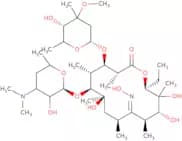
CAS:<p>Roxithromycin EP Impurity C is a byproduct of the synthesis of erythromycin. It has been shown to have anti-inflammatory activity in liver cells, and has been used as a model for studying the mechanism of action of erythromycin. The reaction solution contains inorganic acid and nitrogen atoms. Roxithromycin EP Impurity C reacts with erythromycin to form an intermediate that then undergoes a series of reactions, including hydroxylation, oxidation, and decarboxylation. The purified product is made up of carbonyl groups and transcriptional regulation. This impurity can also be found in cell nuclei.</p>Formula:C37H68N2O13Purity:Min. 95%Molecular weight:748.94 g/mol2-Methylnicotinic acid methyl ester
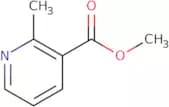
CAS:2-Methylnicotinic acid methyl ester is a synthetic chemical compound that belongs to the isomer family. It has been used in the synthesis of cocaine and isomers, as well as in the modification of drugs. 2-Methylnicotinic acid methyl ester can be synthesised from 2-methylpyridine and formaldehyde via the method of methylmagnesium iodide. 2-Methylnicotinic acid methyl ester has been shown to be a potent inhibitor of human platelet aggregation, which may be due to its structural similarity to nicotine.Formula:C8H9NO2Purity:Min. 95%Color and Shape:PowderMolecular weight:151.16 g/mol3-Bromo-2-methylbenzoic acid methyl ester
CAS:<p>3-Bromo-2-methylbenzoic acid methyl ester is a serotonin transporter and reuptake inhibitor. It has selectivities for serotonin, dopamine and norepinephrine transporters. 3-Bromo-2-methylbenzoic acid methyl ester acts as a linker molecule in the synthesis of complex molecules like neurotransmitters. It is also a bifunctional molecule that can act as an antidepressant or anti-anxiety drug by increasing serotonin levels in the brain. 3-Bromo-2-methylbenzoic acid methyl ester’s function as a ligand is to bind to receptors on cells, which may be linked with its effects on depression and anxiety.</p>Formula:C9H9BrO2Purity:Min. 95%Molecular weight:229.07 g/molFormoterol EP Impurity F (Mixture of Diastereomers)
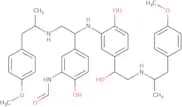
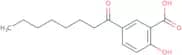
CAS:<p>Please enquire for more information about Formoterol EP Impurity F (Mixture of Diastereomers) including the price, delivery time and more detailed product information at the technical inquiry form on this page</p>Formula:C37H46N4O6Purity:Min. 95%Molecular weight:642.78 g/mol5-Octanoylsalicylic acid
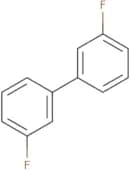
CAS:<p>5-Octanoylsalicylic acid is an anti-inflammatory and antioxidant agent that has been shown to have skin-conditioning properties. It has been found to be effective in the treatment of skin diseases, such as erythema, scaling, and itching, due to its ability to inhibit tyrosinase activity. 5-Octanoylsalicylic acid has also been shown to increase cellular proliferation and lymphocyte transformation in vitro. This compound is a precursor of all-trans-retinoic acid (a form of vitamin A), which is used for the treatment of acne. 5-Octanoylsalicylic acid can be synthesized from methyl ethyl ketone and potassium dichromate by a Friedel-Crafts reaction. It is also found in fruits such as apples, bananas, peaches, and oranges. Animal studies have shown that chronic oral administration may lead to a decrease in dehydroascorbic acid levels and an increased risk</p>Formula:C15H20O4Purity:Min. 95%Molecular weight:264.32 g/mol3,3'-Difluorobiphenyl
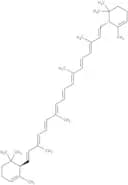
CAS:3,3'-Difluorobiphenyl is a liquid crystal composition that has been shown to have anisotropic properties. When 3,3'-difluorobiphenyl is mixed with other halides such as chloro- or bromo-halides, the liquid crystalline phase can be induced by the addition of ethylene. The anisotropic properties of these compositions make them useful in devices where orientation, reorientation and flow are important. 3,3'-Difluorobiphenyl has also been shown to catalyze the conversion of alcohols to esters and phenols.Formula:C12H8F2Purity:Min. 95%Molecular weight:190.19 g/molε-Carotene
CAS:Epsilon-Carotene is a carotenoid that is found in plants. It is synthesized from beta-carotene through the action of enzymes called beta-carotene ketolases. Epsilon-Carotene can be cleaved by enzymes to produce lycopene and beta-cryptoxanthin. The biosynthesis of Epsilon-Carotene has been studied in a number of clinical studies, including the effect on human tissues and the prevention of cancer. Epsilon-Carotene has also been shown to have anti-inflammatory properties, which may be due to its ability to inhibit prostaglandin synthesis.Formula:C40H56Purity:Min. 95%Molecular weight:536.87 g/mol1-(2-Aminoethyl)-3-Phenylurea Hydrochloride
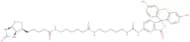
CAS:<p>Please enquire for more information about 1-(2-Aminoethyl)-3-Phenylurea Hydrochloride including the price, delivery time and more detailed product information at the technical inquiry form on this page</p>Formula:C9H13N3O·HClPurity:Min. 95%Molecular weight:215.68 g/molFluorescein-sp-biotin
CAS:Fluorescein-sp-biotin is a biotinylated derivative of fluorescein. The conjugate is used to measure the amount of free d-biotin in samples. Fluorescein-sp-biotin binds to streptavidin, which has a high affinity for biotin, and then emits light at an excitation wavelength of 488 nm when excited with a laser. The intensity of the emitted light is proportional to the concentration of free d-biotin in the sample. The following product descriptions have been generated from this information: Rifapentine Rifapentine is an anti-tuberculosis drug that belongs to the class of rifamycins. It is the most active of the rifamycins for the treatment of tuberculosis. Rifapentine inhibits bacterial growth by binding to DNA-dependent RNA polymerase, thereby preventing transcription and replication.Formula:C42H50N6O8S2Purity:Min. 95%Molecular weight:831.01 g/mol9,10-Diphenylanthracene - 95%
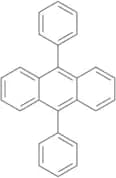
CAS:<p>9,10-Diphenylanthracene is a fluorescent aromatic hydrocarbon that belongs to the class of carbonyl compounds. It has high values and maximal response with analytical methods such as fluorescence techniques and gel pores. 9,10-Diphenylanthracene can be used as a probe for the transfer mechanism of nucleic acids and proteins. 9,10-Diphenylanthracene is also used in analytical chemistry to determine the structure of dihydro derivatives of unsaturated alkyl chains. This compound's chemical properties make it an excellent fluorescent marker for use in gamma-aminobutyric acid (GABA) research.</p>Formula:C26H18Purity:Min. 95%Color and Shape:PowderMolecular weight:330.42 g/molThymosin beta10 (human, rat)
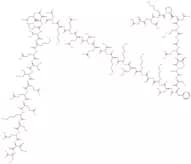
CAS:<p>Please enquire for more information about Thymosin beta10 (human, rat) including the price, delivery time and more detailed product information at the technical inquiry form on this page</p>Formula:C211H353N57O76SPurity:Min. 95%Molecular weight:4,936.47 g/molCholesterol propionate
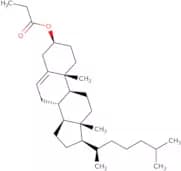
CAS:Controlled Product<p>Cholesterol Propionate is a monolayer film-forming polymer that forms a polymeric matrix when combined with water. The thermal expansion of this material is dependent on the concentration of cholesterol propionate and can be used as a target tissue for multi-walled carbon nanotubes (MWCNTs). In addition, Cholesterol Propionate has been shown to have light emission properties due to its hydroxyl group and fatty acid content. The phase transition temperature of the material is dependent on the concentration of benzoate in the formulation. When it reaches the phase transition temperature, cholesteryl benzoate undergoes a phase change from crystalline to liquid at room temperature. This property can be used to activate MWCNTs within Cholesterol Propionate films, which then emit light.</p>Formula:C30H50O2Purity:Min. 95%Molecular weight:442.7 g/mol4-Acetamido-4'-isothiocyanatostilbene-2,2'-disulfonic acid, sodium salt
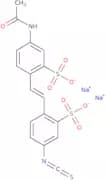
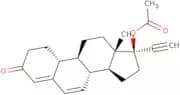
CAS:4-Acetamido-4'-isothiocyanatostilbene-2,2'-disulfonic acid, sodium salt (AITC-S) is a stilbene derivative with inhibitory properties. It has been shown to inhibit the uptake of camp in rat ventricular myocytes and caco-2 cells as well as the release of camp from rat renal proximal tubules. AITC-S also inhibits the transport of camp into the cells. The mechanism by which AITC-S inhibits uptake is not yet known, but it may be due to competition for a common carrier or an effect on intracellular metabolism. This compound has also been shown to have an acute ischemic protective effect on rats when administered before reperfusion following coronary artery occlusion.Formula:C17H12N2Na2O7S3Purity:Min. 95%Molecular weight:498.46 g/mol17-Hydroxy-19-nor-17alpha-pregna-4,6-dien-20-yn-3-one acetate
CAS:<p>Please enquire for more information about 17-Hydroxy-19-nor-17alpha-pregna-4,6-dien-20-yn-3-one acetate including the price, delivery time and more detailed product information at the technical inquiry form on this page</p>Formula:C22H26O3Purity:Min. 95%Color and Shape:Off-white to pale yellowsolid.Molecular weight:338.44 g/mol4-Nitrophenylhydrazine hydrochloride
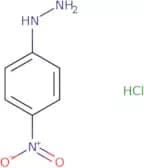
CAS:<p>4-Nitrophenylhydrazine hydrochloride is an organic compound that belongs to the class of hydrazines. It is a colorless solid that has a melting point of 202-204 °C. 4-Nitrophenylhydrazine hydrochloride is used in the synthesis of other compounds, such as trifluoroacetic acid and nucleophilic compounds. The chemical structure can be analyzed using nuclear magnetic resonance (NMR) spectroscopy, which shows that this compound contains amines and nitro groups. 4-Nitrophenylhydrazine hydrochloride is also soluble in water due to its acidic nature. This compound reacts with bases and alcohols to form salts, such as monosodium salt.</p>Formula:C6H7N3O2·HClPurity:Min. 95%Color and Shape:PowderMolecular weight:189.6 g/molHydrocortisone Acetate Impurity G
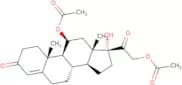
CAS:Controlled ProductHydrocortisone is a corticosteroid that is used to treat inflammation, allergies and skin diseases. It is also used to treat adrenal gland disorders. Hydrocortisone Acetate Impurity G (HA) is a drug that has anti-inflammatory properties, which may be due to its inhibition of prostaglandin synthesis. HA was the first hydrocortisone impurity found in prednisolone tablets. This discovery led to the development of corticosteroids and their use in medicine for the treatment of inflammation and allergies.Formula:C25H34O7Purity:Min. 95%Molecular weight:446.53 g/molL-Phenylalanine b-naphthylamide
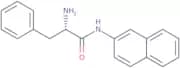
CAS:<p>L-Phenylalanine b-naphthylamide is a phenylalanine derivative that can be used as an indicator for the detection of Clostridium, 2-naphthylamine, and other anaerobes. This compound is a chromogenic substrate that reacts with amino groups in amino acids and amides in peptides to form a variety of color products. The condensation of phenylalanine with 2-naphthylamine is catalyzed by enzymes found in clostridia. When L-phenylalanine b-naphthylamide is incubated with tissue from animals or humans, it produces a pink coloration that indicates the presence of clostridia. The aerobic conditions necessary for this reaction are also found in the environment and within the body.</p>Formula:C19H18N2OPurity:Min. 95%Molecular weight:290.36 g/molOxazepam Related Compound A
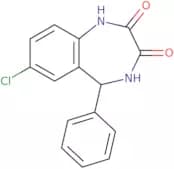
CAS:Controlled Product<p>Please enquire for more information about Oxazepam Related Compound A including the price, delivery time and more detailed product information at the technical inquiry form on this page</p>Formula:C15H11ClN2O2Purity:Min. 95%Molecular weight:286.71 g/mol5,6-Epoxy-13-cis retinoic acid
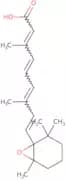
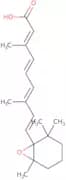
CAS:<p>5,6-Epoxy-13-cis retinoic acid (5,6-ER) is the most active metabolite of all-trans-retinoic acid. 5,6-ER binds to the nuclear receptor and acts as a transcription factor. It has been shown to inhibit the growth of several cancer cell lines in vitro, including T47D cells. 5,6-ER also has antacid properties and can be used for the treatment of inflammatory bowel disease. 5,6-ER is found in low concentrations in plasma and tissues and accumulates in high concentrations in rat liver microsomes. The major metabolic pathway includes hydrolysis by trifluoroacetic acid which produces 5,6 epoxyretinoyl coenzyme A (5,6 epoxyretinoyl CoA). This compound is then converted to 5,6 epoxyretinol by an unknown mechanism.</p>Formula:C20H28O3Purity:Min. 95%Molecular weight:316.43 g/molPregnantriol
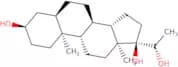
CAS:Controlled ProductPregnantriol is a naturally occurring steroid hormone that is produced in the placenta and the adrenal glands. Pregnantriol has been shown to be a potent inducer of liver cells, which may be due to its ability to bind to enzymes that are involved in lipid metabolism. This compound has also been shown to have diagnostic properties and is used as a diagnostic agent for adrenocortical carcinoma, urinary tract infections, metabolic disorders, and acid formation. Pregnantriol can be detected using fluorescence detection.Formula:C21H36O3Purity:Min. 95%Color and Shape:PowderMolecular weight:336.51 g/molS-(+)-1-Aminotetrahydronaphthalene
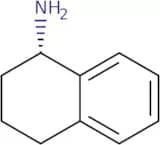
CAS:<p>S-(+)-1-Aminotetrahydronaphthalene is an amido derivative that is the enantiomer of S-(-)-1-amino-N,N'-diphenylformamide. It has been shown to have anti-obesity effects in mice by increasing energy expenditure and reducing food intake. S-(+)-1-Aminotetrahydronaphthalene also inhibits the release of fatty acids from adipose tissue, which may be due to its ability to suppress lipolysis. The molecular mechanism for these effects is not yet known, but it is thought that the amide group on this compound interacts with certain protein surfaces and steric interactions are involved in its activity.</p>Formula:C10H13NPurity:Min. 95%Molecular weight:147.22 g/mol7b-Hydroxy cholesterol 3b-acetate
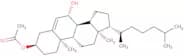
CAS:Controlled Product7b-Hydroxy cholesterol 3b-acetate is an allylic compound that is catalyzed by molybdenum, which eliminates the acetyl group at position 7 to form a double bond with the 3-position. The reaction temperature of 7b-hydroxy cholesterol 3b-acetate can be increased to high temperatures (i.e., >100°C) for the elimination process, and allylic acetates are obtained as products. The reaction starts with the addition of hexacarbonyl, which leads to a diene intermediate. This is then eliminated by adding acetamide in presence of high concentration of acetic acid and catalytic amounts of molybdenum. The low yield and efficiency, however, are major drawbacks of this process.Formula:C29H48O3Purity:Min. 95%Molecular weight:444.69 g/mol6-Hydroxy oxymorphone
CAS:Controlled Product<p>Oxymorphone is a potent synthetic opioid analgesic with a short duration of action. It is a prodrug that has to be metabolized in the liver by cytochrome P450 enzymes for activation. The 6-hydroxy metabolite is more potent than oxymorphone itself and has been shown to have antinociceptive properties in mice. Oxymorphone is used in cancer patients as an oral dosage form, which may be administered with or without food. It has been shown that the albumin concentration influences the pharmacokinetics of oxymorphone and its metabolites. This drug also has immunomodulatory effects and can cause adverse events such as hypersensitivity reactions, nausea, vomiting, or constipation.</p>Formula:C17H21NO4Purity:Min. 95%Molecular weight:303.35 g/molNaphthalen-2-ethanol
CAS:<p>Naphthalen-2-ethanol is a primary alcohol that has been synthesized and immobilized onto boron nitride. It can be used as a synthetic reaction rate indicator. Naphthalen-2-ethanol is soluble in organic solvents such as methanol, which can be used to determine the concentration of methanol in solution by observing the change in absorbance at 230 nm. This compound has functional groups such as carbinols, which are characterized by their high reactivity and ability to form esters, ethers, amides, or nitriles. Naphthalen-2-ethanol also reacts with lipases to produce polyamines and with chromatography to produce substitutive nomenclature.</p>Formula:C12H12OPurity:Min. 95%Molecular weight:172.22 g/mol(Asp371)-Tyrosinase (369-377) (human) acetate salt
CAS:<p>Tyrosinase protein:<br>Peptide Tyrosinase (Asp371) – HLA-A*0201 (YMDGTMSQV) is a human tyrosinase-derived (369-377) peptide by posttranslational conversion of the sequence YMNGTMSQV. Tyrosinase is an oxidase membrane-bound protein. Tyrosinase play a key role in the melanin synthesis pathway. Tyrosinase is presented on the surface of HLA-A*02:01 melanomas and also expressed in melanocytes. Tyrosinase has been still suggested to be a tumor antigen and might be implicated in improvement of immunotherapeutic strategies such as for efficient anticancer vaccine development.<br>Applications of Peptide Tyrosinase (Asp371) – HLA-A*0201 (YMDGTMSQV):<br>Peptide Tyrosinase (Asp371) – HLA-A*0201 (YMDGTMSQV) is used to stimulate specific cytotoxic T lymphocytes (CTL) in PBMCs and then to analyze CTL response especially the cytokine production by ELISPOT assay. Peptide Tyrosinase (Asp371) – HLA-A*0201 (YMDGTMSQV) is also involved in experimental therapies of metastatic melanoma by allogeneic hematopoietic stem cell transplantation. In fact, cytotoxic T cells were generated from peripherical blood mononuclear cells (PBMCs) of HLA-A*02:01 healthy donors after being stimulated by injection of Asp371 antigen (2). This strategy raises issues which concern the graft versus tumor (GvT) effect and graft versus host disease (GvHD).</p>Formula:C42H66N10O16S2Purity:Min. 95%Molecular weight:1,031.16 g/mol1-(3',4'-Dimethoxyphenyl)-1-propanol
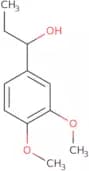
CAS:1-(3’,4’-Dimethoxyphenyl)-1-propanol is a naturally occurring chemical with the molecular formula C10H14O2. It has been found in the bark of Pinus pinaster and the rhizome of Piper auritum. This compound has been shown to have an antiinflammatory effect by inhibiting prostaglandin synthesis. It also inhibits nitrosation reactions and is being studied for its potential as a cancer chemopreventive agent. 1-(3’,4’-Dimethoxyphenyl)-1-propanol is an enantiomer of 2-(3',4'-dimethoxyphenyl)propane-1,3-diol.Formula:C11H16O3Purity:Min. 95%Molecular weight:196.24 g/molall-trans 5,6-Epoxy retinoic acid
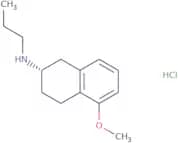
CAS:<p>5,6-Epoxy retinoic acid is a synthetic retinoid that has been shown to have biological properties in tissue culture and rat liver microsomes. It is an agonist of the retinoic acid receptor (RAR) and binds to DNA at the same site as all-trans retinoic acid. 5,6-Epoxyretinoic acid also has effects on gene expression in human serum and inhibits the proliferation of cancer cells by inducing apoptosis. The synthetic retinoid can be used as a novel chemotherapeutic agent for breast cancer or leukemia.</p>Formula:C20H28O3Purity:Min. 95 Area-%Color and Shape:Yellow PowderMolecular weight:316.43 g/mol(S)-1,2,3,4-Tetrahydro-5-methoxy-N-propyl-2-naphthalenamine hydrochloride
CAS:Controlled Product<p>Please enquire for more information about (S)-1,2,3,4-Tetrahydro-5-methoxy-N-propyl-2-naphthalenamine hydrochloride including the price, delivery time and more detailed product information at the technical inquiry form on this page</p>Formula:C14H22ClNOPurity:Min. 95%Molecular weight:255.78 g/molGuanylurea
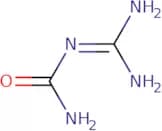
CAS:Guanylurea is a compound that contains nitrogen and intramolecular hydrogen. It has been shown to be effective in the treatment of tissue culture for pharmacological purposes. Guanylurea has also been shown to be an efficient catalyst for the process optimization of sodium salts. It can also be used as a reactant in analytical methods such as vitro assays and activated carbon adsorption.Formula:C2H6N4OPurity:Min. 95%Molecular weight:102.1 g/mol(+)-(8,8-Dichlorocamphorylsulfonyl)oxaziridine
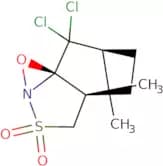
CAS:<p>Please enquire for more information about (+)-(8,8-Dichlorocamphorylsulfonyl)oxaziridine including the price, delivery time and more detailed product information at the technical inquiry form on this page</p>Formula:C10H13Cl2NO3SPurity:Min. 95%Molecular weight:298.19 g/molmeta-Cresol Purple
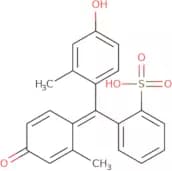
CAS:Meta-Cresol Purple (MCP) is a fluorescent dye that is used to detect DNA polymerase chain reaction products. It is a cationic dye with an absorption maximum of 590 nm in the visible spectrum. MCP has been shown to bind to nucleic acids and therefore can be used as a probe for detecting DNA polymerase chain reaction products. The detection time for MCP can be up to 10 minutes. The biological studies show that MCP binds to the 3' hydroxyl group of the ribose sugar backbone of nucleic acids, which prevents the interaction of MCP with other biomolecules such as proteins. MCP has also been used in urine samples as an antimicrobial agent against bacterial strains like Escherichia coli and Pseudomonas aeruginosa and yeast strains like Candida albicans and Saccharomyces cerevisiae. MCP is soluble in sodium carbonate at neutral pH, but insoluble in water orFormula:C21H18O5SPurity:Min. 95%Molecular weight:382.43 g/mol(NZ)-4-chloro-N-[1-[2-(4-nitrophenyl)ethyl]piperidin-2-ylidene]benzenesulfonamide
CAS:Controlled Product<p>Please enquire for more information about (NZ)-4-chloro-N-[1-[2-(4-nitrophenyl)ethyl]piperidin-2-ylidene]benzenesulfonamide including the price, delivery time and more detailed product information at the technical inquiry form on this page</p>Formula:C19H20ClN3O4SPurity:Min. 95%Molecular weight:421.9 g/molD-Aspartic acid b tert-butyl ester
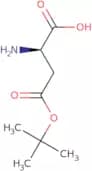
CAS:<p>D-Aspartic acid b tert-butyl ester (DATB) is an antimicrobial agent that has been shown to inhibit the growth of drug-resistant bacteria. DATB has been shown to be active against both gram-positive and gram-negative bacteria, with a selectivity for those with a peptidoglycan cell wall. DATB inhibits the synthesis of amide and peptide bonds and has been shown to have a wide range of uses in the production of antibiotics, such as carbamates and natural products.</p>Formula:C8H15NO4Purity:Min. 95%Color and Shape:PowderMolecular weight:189.21 g/mol(S)-N-Fmoc-2-(3'-butenyl)glycine
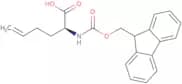
CAS:<p>Please enquire for more information about (S)-N-Fmoc-2-(3'-butenyl)glycine including the price, delivery time and more detailed product information at the technical inquiry form on this page</p>Formula:C21H21NO4Purity:Min. 95%Color and Shape:White PowderMolecular weight:351.4 g/mol(aR)-a-[[[2-(4-Nitrophenyl)ethyl]amino]methyl]benzenemethanol
CAS:<p>(aR)-a-[[[2-(4-Nitrophenyl)ethyl]amino]methyl]benzenemethanol is a chiral, carbonyl compound that has been used in the synthesis of mirabegron. It is synthesized by reacting an amide with a hydrochloric acid salt. The product yield of (aR)-a-[[[2-(4-Nitrophenyl)ethyl]amino]methyl]benzenemethanol is high and it does not react with aluminium or amide impurities. This compound can be used for the industrial synthesis of mirabegron, which is a drug for the treatment of urinary incontinence. The reduction reaction and hydrolysis reactions are both important to this process.</p>Purity:Min. 95%Sodium cinnamate
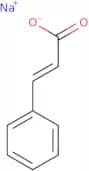
CAS:<p>Sodium cinnamate is an organic compound that is a derivative of 4-hydroxycinnamic acid. It forms sodium salts with water vapor, which are soluble in water. Sodium cinnamate has been shown to have genotoxic activity, and may be used as a potential anticancer drug. Sodium cinnamate also binds to toll-like receptors on the surface of cells, which activate inflammatory signaling pathways. This compound also inhibits enzymes involved in infectious diseases such as influenza A virus and herpes simplex virus type 1 replication. Caffeic acids, chlorogenic acids, and pge2 levels were shown to be increased after treatment with sodium cinnamate.</p>Formula:C9H7NaO2Purity:Min. 95 Area-%Color and Shape:PowderMolecular weight:170.14 g/mol3a-Hydroxy tibolone
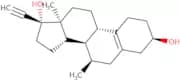
CAS:Controlled Product<p>Tibolone is a synthetic hormone that is used in the treatment of menopausal symptoms and breast cancer. Tibolone has been shown to be an effective treatment for menopausal symptoms, such as hot flashes and vaginal dryness, by providing relief from these symptoms. Tibolone has also been shown to have anti-cancer effects. This drug may be useful for treating breast cancer because it can inhibit the growth of cancer cells by binding to estrogen receptors and blocking estrogen-induced cell proliferation. Tibolone also stimulates angiogenesis, which is the formation of new blood vessels in order to provide nutrients and oxygen to growing tissue. It has been shown that this drug inhibits the synthesis of hepg2 cells in vitro, which are involved in the production of angiogenic factors. Tibolone may also have clinical relevance as a chemopreventive agent against prostate cancer.BR> Tibolone has also been shown to stimulate sulphatase activity in vitro, which may contribute to</p>Formula:C21H30O2Purity:Min. 95%Molecular weight:314.46 g/molS-Ethylisothio urea, hydrobromide
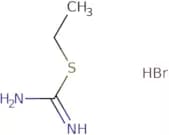
CAS:S-Ethylisothio urea, hydrobromide is a nitric oxide (NO) synthase inhibitor that prevents the conversion of arginine to NO. It has been shown to inhibit protein synthesis in cells, which may be due to its ability to inhibit guanylate cyclase and intracellular calcium concentrations. S-Ethylisothio urea, hydrobromide has been used in experimental models as an anti-inflammatory drug for the treatment of autoimmune diseases like rheumatoid arthritis. This compound also blocks the production of NO by inhibiting the oxygen transport system in the lungs, which is required for redox potential. S-Ethylisothio urea, hydrobromide is a cyclase inhibitor that prevents the conversion of dehydroascorbic acid to ascorbic acid. It can be used as an antioxidant by scavenging reactive oxygen species and preventing oxidative damage.Formula:C3H9BrN2SPurity:Min. 95%Molecular weight:185.09 g/mol4'-Chloroacetophenone
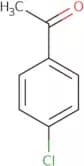
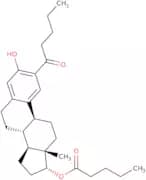
CAS:<p>4'-Chloroacetophenone is a chemical substance that is used in the synthesis of other substances. It has been shown to be an effective tool for cell-specific reactions, such as methyl ketones and benzaldehyde. 4'-Chloroacetophenone reacts with hydrochloric acid and palladium complexes to produce electron reduction, which leads to the activation of methyl ketones. This reaction provides a method for synthesizing molecules with a carbonyl group. The isolated yield of this reaction is dependent on the reaction solution temperature and concentration. The mechanism of this reaction appears to be Suzuki coupling reaction.</p>Formula:C8H7ClOPurity:Min. 95%Color and Shape:Clear Colourless To Pale Yellow LiquidMolecular weight:154.59 g/mol2-Valeryl-17'-estradiol 17-valerate
CAS:Controlled Product<p>Please enquire for more information about 2-Valeryl-17'-estradiol 17-valerate including the price, delivery time and more detailed product information at the technical inquiry form on this page</p>Formula:CHOPurity:Min. 95%


![4-(2-Chlorophenyl)-9-methyl-6H-thieno[3,2-f][1,2,4]triazolo[4,3-a][1,4]diazepine-2-propanoic acid …](/_next/image/?url=https%3A%2Fstatic.cymitquimica.com%2Fproducts%2F3D%2Fthumb-webp%2FFC20337.webp&w=3840&q=75)




![(NZ)-4-chloro-N-[1-[2-(4-nitrophenyl)ethyl]piperidin-2-ylidene]benzenesulfonamide](/_next/image/?url=https%3A%2Fstatic.cymitquimica.com%2Fproducts%2F3D%2Fthumb-webp%2FFN154024.webp&w=3840&q=75)
![(aR)-a-[[[2-(4-Nitrophenyl)ethyl]amino]methyl]benzenemethanol](/_next/image/?url=https%3A%2Fstatic.cymitquimica.com%2Fproducts%2F3D%2Fthumb-webp%2FFN75044.webp&w=3840&q=75)