Pharmaceutical Standards
Pharmaceutical standards are a comprehensive set of reference materials essential for ensuring the safety, efficacy, and quality of pharmaceutical products. This category includes standards for active pharmaceutical ingredients (APIs), which are the core components responsible for therapeutic effects. Additionally, it covers compounds and metabolites relevant to both the pharmaceutical and veterinary industries, providing benchmarks for the accurate measurement and analysis of these substances. Nitrosamine control standards are crucial for detecting and mitigating potentially harmful nitrosamines in drug formulations. Toxicology standards help assess the safety and potential adverse effects of pharmaceutical compounds. Furthermore, enzyme activators and inhibitors standards are vital for research and development, enabling precise studies of biochemical pathways and drug mechanisms. These pharmaceutical standards are indispensable tools for regulatory compliance, quality control, and research, ensuring that pharmaceutical products meet stringent safety and effectiveness criteria.
Subcategories of "Pharmaceutical Standards"
- APIs for research and impurities(274,845 products)
- Enzyme Activators and Inhibitors(2,827 products)
- Nitrosamines(2,605 products)
- Pharmaceutical and Veterinary Compounds and Metabolites(2,869 products)
- Toxicology(13,652 products)
Found 7836 products of "Pharmaceutical Standards"
Sort by
Purity (%)
0
100
|
0
|
50
|
90
|
95
|
100
δ9,11-Dehydro-17b-estradiol 17-valerate
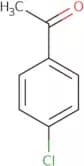
CAS:Controlled ProductPlease enquire for more information about Delta9,11-Dehydro-17b-estradiol 17-valerate including the price, delivery time and more detailed product information at the technical inquiry form on this pageFormula:C23H30O3Purity:Min. 96 Area-%Molecular weight:354.48 g/mol4'-Chloroacetophenone
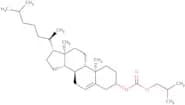
CAS:<p>4'-Chloroacetophenone is a chemical substance that is used in the synthesis of other substances. It has been shown to be an effective tool for cell-specific reactions, such as methyl ketones and benzaldehyde. 4'-Chloroacetophenone reacts with hydrochloric acid and palladium complexes to produce electron reduction, which leads to the activation of methyl ketones. This reaction provides a method for synthesizing molecules with a carbonyl group. The isolated yield of this reaction is dependent on the reaction solution temperature and concentration. The mechanism of this reaction appears to be Suzuki coupling reaction.</p>Formula:C8H7ClOPurity:Min. 95%Color and Shape:Clear Colourless To Pale Yellow LiquidMolecular weight:154.59 g/molCholesterol Isobutyl Carbonate
CAS:Controlled Product<p>Cholesterol Isobutyl Carbonate is a high melting organic solvent that has been used to prepare microcapsules. It can be used as a coating material for the preparation of inorganic particles, and it has been shown to have the ability to modify molecules by attaching functional groups. The diameter of cholesterol iso butyl carbonate particles is around 100 nm.</p>Purity:Min. 95%Naphthalen-2-ethanol
CAS:<p>Naphthalen-2-ethanol is a primary alcohol that has been synthesized and immobilized onto boron nitride. It can be used as a synthetic reaction rate indicator. Naphthalen-2-ethanol is soluble in organic solvents such as methanol, which can be used to determine the concentration of methanol in solution by observing the change in absorbance at 230 nm. This compound has functional groups such as carbinols, which are characterized by their high reactivity and ability to form esters, ethers, amides, or nitriles. Naphthalen-2-ethanol also reacts with lipases to produce polyamines and with chromatography to produce substitutive nomenclature.</p>Formula:C12H12OPurity:Min. 95%Molecular weight:172.22 g/mol9-Chloro-11beta,17,21-trihydroxy-16beta-methylpregna-1,4-diene-3,20-dione 17-valerate
CAS:Controlled Product<p>Prednisolone is a synthetic corticosteroid that is used in the treatment of a number of lung diseases, including asthma. Prednisolone is used to decrease the inflammation and swelling around the airways and lungs. Prednisolone is used to treat certain skin conditions, such as eczema and dermatitis. This drug also decreases the activity of the immune system by inhibiting production of substances that cause inflammation. The onset of action for prednisolone is typically one day with a duration of up to two weeks. It has been shown to be more effective when taken orally than when applied topically. It may be taken with or without food and can be given as an oral or an intravenous dose. Prednisolone tablets must be dissolved in water before they are placed under the tongue (sublingual). The tablets will dissolve quickly under the tongue, releasing prednisolone into your bloodstream. Enteric-coated tablets should not be crushed or chewed</p>Formula:C27H37ClO6Purity:Min. 95%Molecular weight:493.03 g/molValeric acid hydrazide
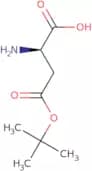
CAS:Valeric acid hydrazide (VAH) is a monoclonal antibody that binds to the receptor molecule. The binding of VAH to the receptor molecule leads to a change in the reaction mechanism and prevents the initiation of an immune response. This drug has been shown to have therapeutic properties in a number of autoimmune diseases, such as rheumatoid arthritis and multiple sclerosis, by blocking the production of TNF-α and other inflammatory cytokines. Valeric acid hydrazide also shows biological properties against cancerous cells. It inhibits the growth factor activity, which is believed to be responsible for tumor formation and growth. This agent may also inhibit angiogenesis by preventing endothelial cell proliferation and migration.Formula:C5H12N2OPurity:Min. 95%Molecular weight:116.16 g/molD-Aspartic acid b tert-butyl ester
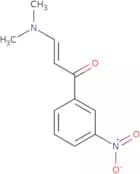
CAS:<p>D-Aspartic acid b tert-butyl ester (DATB) is an antimicrobial agent that has been shown to inhibit the growth of drug-resistant bacteria. DATB has been shown to be active against both gram-positive and gram-negative bacteria, with a selectivity for those with a peptidoglycan cell wall. DATB inhibits the synthesis of amide and peptide bonds and has been shown to have a wide range of uses in the production of antibiotics, such as carbamates and natural products.</p>Formula:C8H15NO4Purity:Min. 95%Color and Shape:PowderMolecular weight:189.21 g/mol(2E)-3-(Dimethylamino)-1-(3-nitrophenyl)prop-2-en-1-one
CAS:<p>Please enquire for more information about (2E)-3-(Dimethylamino)-1-(3-nitrophenyl)prop-2-en-1-one including the price, delivery time and more detailed product information at the technical inquiry form on this page</p>Formula:C11H12N2O3Purity:Min. 95%Molecular weight:220.22 g/mol1,8-Dinitropyrene
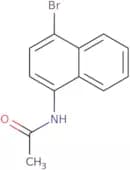
CAS:1,8-Dinitropyrene is a genotoxic and mutagenic potential agent. It has been shown to induce nitric oxide synthase activity in rat liver microsomes, which may be due to its ability to activate the redox potential of the cells. 1,8-Dinitropyrene also induces enzyme activities such as p450 and nitroreductase in rat liver microsomes. This chemical has an analytical detection limit of 0.05 ppm and can be used as a marker for environmental exposure. 1,8-Dinitropyrene is genotoxic and carcinogenic in rats but not mice. It has been shown to induce mutations at the thymidine position of calf-thymus DNA and is potent inducer of genetic mutation in vitro.Formula:C16H8N2O4Purity:Min. 95%Color and Shape:PowderMolecular weight:292.25 g/molN-(4-Bromonaphthalene-1-yl)-acetamide
CAS:The N-(4-bromonaphthalene-1-yl)-acetamide is a high quality chemical that is used as a reaction component in the synthesis of pharmaceuticals and other speciality chemicals. It can also be used as a building block for creating more complex compounds. This compound is a versatile building block that can be used to synthesise many different types of products.Formula:C12H10BrNOPurity:Min. 95%Molecular weight:264.12 g/mol22β-Hydroxy cholesterol
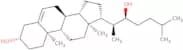
CAS:Controlled Product22-Hydroxycholesterol is a product of cholesterol synthesis, which is formed by the side-chain cleavage of cholesterol. This compound has been shown to inhibit cholesterol acyltransferase and to be cytotoxic in vitro. 22-Hydroxycholesterol has also been shown to have an inhibitory effect on protein synthesis and on the activity of forskolin, an activator of adenylate cyclase that is involved in the regulation of cellular levels of cAMP. The antioxidant properties of 22-hydoxycholesterol may be due to its chemical structure, which includes a hydroxyl group. This compound also shows an insulin-sensitizing effect in mice fed a high fat diet.Formula:C27H46O2Purity:Min. 95%Molecular weight:402.65 g/molClovamide
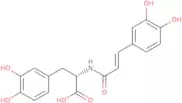
CAS:<p>Clovamide is a bioactive compound, which is a naturally occurring phenolic amide found primarily in certain plant species. This compound is derived from sources such as the leaves of Trifolium pratense (red clover) and certain leguminous plants. With its molecular structure comprising both phenolic acid and amino acid moieties, clovamide exhibits significant antioxidant properties.</p>Formula:C18H17NO7Purity:Area-% Min. 95 Area-%Color and Shape:PowderMolecular weight:359.33 g/mol2-Naphthol
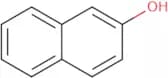
CAS:<p>2-Naphthol is an organic compound with the chemical formula C10H7O. It is a derivative of naphthalene, and is produced by the condensation of two molecules of malonic acid in the presence of a reducing agent such as sodium borohydride. 2-Naphthol is used as a pesticide and as a chemical intermediate in the production of other chemicals. 2-Naphthol has been shown to be toxic to humans and animals; it may cause liver damage, kidney damage, and skin irritation. The acute oral LD50 for rats is 690 mg/kg body weight. 2-Naphthol binds to cell receptors that are involved in a variety of physiological processes including heme transport, phagocytosis, oxidative burst, chemotaxis, and respiratory burst. This binding inhibits these functions leading to cell death.</p>Formula:C10H8OPurity:Min. 95%Color and Shape:White To Yellow To Pink To Light Brown SolidMolecular weight:144.17 g/molCholesterol Heptyl Carbonate
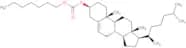
CAS:Controlled ProductCholesterol heptyl carbonate is a cholesteric liquid crystal with a high melting point, which can be used as a coating for pharmaceutical tablets and other products. Cholesteric liquid crystals are composed of molecules that have different shapes in the solid phase and in the liquid phase, forming an ordered structure. The conformational state of the molecule determines the optical properties of cholesteric liquid crystals. This product has an average particle diameter of around 200 nm and is made from organic solvent. The treatment method for this product is not specified, but it may be treated by heating with thermal energy or using optical energy to create a cross-linked polymer network.Purity:Min. 95%7-Dehydro desmosterol
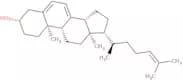
CAS:Controlled Product<p>7-Dehydro Desmosterol is a hydroxylated sterol found in the liver. It is an intermediate in cholesterol synthesis and participates in the regulation of glucose metabolism. The enzyme responsible for its synthesis (7-dehydrocholesterol reductase) is inhibited by radiation, which leads to its accumulation in the liver. 7-Dehydro desmosterol has been shown to have beneficial effects on experimental models of diabetes and metabolic disorders. In these studies, it was found that 7-dehydro desmosterol can inhibit glucose absorption from the intestine and stimulate insulin secretion from pancreatic beta cells.</p>Formula:C27H42OPurity:Min. 95%Color and Shape:PowderMolecular weight:382.62 g/mol2-Amino-3',4'-dimethoxypropiophenone hydrochloride
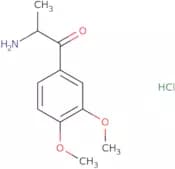
CAS:Controlled ProductPlease enquire for more information about 2-Amino-3',4'-dimethoxypropiophenone hydrochloride including the price, delivery time and more detailed product information at the technical inquiry form on this pageFormula:C11H16ClNO3Purity:Min. 95%Molecular weight:245.7 g/molNonafluorovaleric acid
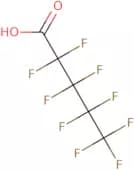
CAS:<p>Nonafluorovaleric acid is a glycol ether that is used as a solvent and in the manufacture of fluoropolymers. Nonafluorovaleric acid is considered to be a potential biomarker for perfluoroalkyl substances, which are toxic chemicals found in many household products. It has been shown to inhibit matrix metalloproteinase activity and can be used to study autoimmune diseases. Nonafluorovaleric acid can also be used as a synchronous fluorescent probe for enzyme-linked immunosorbent assays. The toxicity of this chemical has been studied extensively and it is well known that nonafluorovaleric acid can induce enzyme induction, leading to increased production of enzymes such as cytochrome P450.</p>Formula:C5HF9O2Purity:Min. 95%Color and Shape:Clear LiquidMolecular weight:264.05 g/mol1-Hexyl-3-(1-naphthoyl)pyrrole
CAS:Controlled Product<p>Please enquire for more information about 1-Hexyl-3-(1-naphthoyl)pyrrole including the price, delivery time and more detailed product information at the technical inquiry form on this page</p>Formula:C21H23NOPurity:Min. 95%Molecular weight:305.41 g/mol3-O-Methyl norbuprenorphine
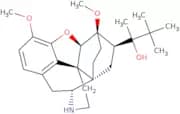
CAS:Controlled Product<p>Please enquire for more information about 3-O-Methyl norbuprenorphine including the price, delivery time and more detailed product information at the technical inquiry form on this page</p>Formula:C26H37NO4Purity:Min. 95%Molecular weight:427.58 g/mol4-Nitrophenol
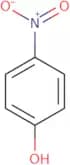
CAS:4-Nitrophenol is a chemical compound that is used in wastewater treatment to remove iron and copper ions. 4-Nitrophenol has been shown to catalyze the oxidation of picolinic acid by copper chloride, forming oxalic acid. The redox potential of 4-nitrophenol is -0.53 V, which makes it a suitable electron acceptor for the reaction. The reaction mechanism of this process involves the formation of a nitroso radical intermediate, which reacts with copper ions to form copper nitroso complexes and then reacts with oxygen to form hydroxylamine radicals. This reaction can also be followed using fluorescence probe measurements or electrochemical impedance spectroscopy (EIS).Formula:C6H5NO3Purity:Min. 95%Color and Shape:PowderMolecular weight:139.11 g/mol2-Amino-4'-methoxyacetophenone hydrochloride
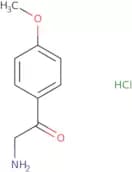
CAS:Controlled Product<p>Please enquire for more information about 2-Amino-4'-methoxyacetophenone hydrochloride including the price, delivery time and more detailed product information at the technical inquiry form on this page</p>Formula:C9H11NO2·HClPurity:Min. 95%Color and Shape:PowderMolecular weight:201.65 g/molCefradine impurity F
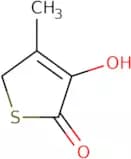
CAS:<p>Cefradine impurity F is a hydrolysis product of cefradine, which is an antibiotic. It is catalysed by β-lactamase enzymes and undergoes nucleophilic attack on the carbon atom adjacent to the carbonyl group. Cefradine impurity F has been shown to be effective against enterobacter, which is a type of bacteria that can cause urinary tract infections. The uptake of cefradine impurity F into bacteria can occur through passive diffusion or active transport mechanisms. This drug was also found to be hydrolyzed by buffers such as phosphate and acetate in vitro, but not by other substances such as EDTA and citrate. Cefradine impurity F has been shown to be hydrolyzed in vivo, with the most likely mechanism being spontaneous hydrolysis.</p>Formula:C5H6O2SPurity:Min. 95%Color and Shape:PowderMolecular weight:130.17 g/molTadalafil impurity C
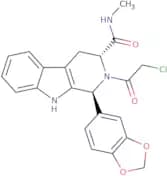
CAS:<p>Please enquire for more information about Tadalafil impurity C including the price, delivery time and more detailed product information at the technical inquiry form on this page</p>Formula:C22H20ClN3O4Purity:Min. 95%Molecular weight:425.86 g/molAcetyl-L-threonine
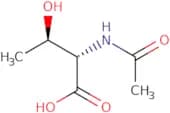
CAS:<p>Acetyl-L-threonine is a nonessential amino acid that is used as a dietary supplement and in clinical chemistry. Acetyl-L-threonine binds to the extracellular signal in mammalian cells and may be involved in the regulation of gene expression. It has been found that acetyl-L-threonine is coagulant, which may be due to its ability to inhibit the formation of fibrinogen or clotting factors. This amino acid can also regulate the release of l-threonine from cells, which affects serum levels. Acetyl-L-threonine has been shown to increase the glomerular filtration rate, which may be due to its ability to increase coagulation.</p>Formula:C6H11NO4Purity:Min. 95%Color and Shape:PowderMolecular weight:161.16 g/molSodium cinnamate
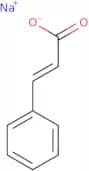
CAS:<p>Sodium cinnamate is an organic compound that is a derivative of 4-hydroxycinnamic acid. It forms sodium salts with water vapor, which are soluble in water. Sodium cinnamate has been shown to have genotoxic activity, and may be used as a potential anticancer drug. Sodium cinnamate also binds to toll-like receptors on the surface of cells, which activate inflammatory signaling pathways. This compound also inhibits enzymes involved in infectious diseases such as influenza A virus and herpes simplex virus type 1 replication. Caffeic acids, chlorogenic acids, and pge2 levels were shown to be increased after treatment with sodium cinnamate.</p>Formula:C9H7NaO2Purity:Min. 95 Area-%Color and Shape:PowderMolecular weight:170.14 g/molO-tert-Butyl-L-threonine 2-chlorotrityl resin
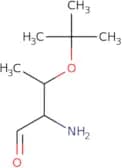
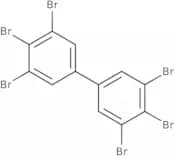
<p>Please enquire for more information about O-tert-Butyl-L-threonine 2-chlorotrityl resin including the price, delivery time and more detailed product information at the technical inquiry form on this page</p>Purity:Min. 95%3,3'4,4'5,5'-Hexabromobiphenyl
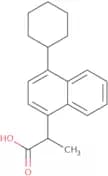
CAS:Controlled Product<p>3,3',4,4',5,5'-Hexabromobiphenyl is a brominated flame retardant that is used in the production of polymers and textiles. It has been detected in human adipose tissue at concentrations of up to 1.2 ng/g dry weight. 3,3',4,4',5,5'-hexabromobiphenyl has been shown to inhibit the production of uridine in mammalian cells. This inhibition may be due to its ability to form a complex with the enzyme uridine phosphorylase or it may be due to an indirect effect on cellular energy metabolism as it has been shown to enhance depression-like behavior in Sprague-Dawley rats and to inhibit liver cell proliferation. 3,3',4,4',5,5'-Hexabromobiphenyl also inhibits the growth of V79 cells and biphenyl uptake into these cells.</p>Formula:C12H4Br6Purity:Min. 95%Molecular weight:627.58 g/molVedaprofen
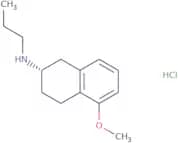
CAS:<p>Vedaprofen is a nonsteroidal anti-inflammatory drug that belongs to the class of drugs known as NSAIDs. It inhibits the activity of the enzyme cyclooxygenase (COX), which causes inflammation and pain. Vedaprofen has been shown to be effective in treating bowel disease, inflammatory bowel disease, and autoimmune diseases, such as arthritis. Vedaprofen also has antimicrobial properties, inhibiting bacterial growth by binding to the COX enzyme in the cell membrane. The α subunit is one of the effector proteins for COX-1 and COX-2, and vedaprofen binds to this protein preventing its activation. This inhibitory effect on COX-1 and COX-2 leads to a reduction in production of prostaglandins (PGs) that are responsible for inflammatory responses. Vedaprofen may be administered orally or intravenously depending on the severity of symptoms. The oral route is preferred because it does not require</p>Formula:C19H22O2Purity:Min. 95%Molecular weight:282.38 g/mol(S)-1,2,3,4-Tetrahydro-5-methoxy-N-propyl-2-naphthalenamine hydrochloride
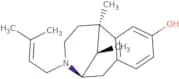
CAS:Controlled Product<p>Please enquire for more information about (S)-1,2,3,4-Tetrahydro-5-methoxy-N-propyl-2-naphthalenamine hydrochloride including the price, delivery time and more detailed product information at the technical inquiry form on this page</p>Formula:C14H22ClNOPurity:Min. 95%Molecular weight:255.78 g/mol(-)-cis-Pentazocine
CAS:Controlled Product<p>(-)-cis-Pentazocine is a kappa-opioid receptor agonist that has been used for the treatment of pain, cough, and diarrhea. It is also used to treat withdrawal symptoms in those who are addicted to other narcotic drugs. The drug binds to the κ-opioid receptors and activates G protein coupled receptors. When this occurs, it inhibits the release of neurotransmitters from nerve cells in the brain, which reduces pain and causes sedation. Pentazocine can cause side effects such as dizziness, constipation, nausea, vomiting, headache, blurred vision, anxiety and depression. These side effects are more common with high doses or when pentazocine is taken with other drugs that have similar effects.</p>Formula:C19H27NOPurity:Min. 95%Molecular weight:285.42 g/mol1,3,5-Naphthalene trisulfonic acid
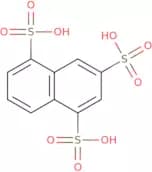
CAS:<p>1,3,5-Naphthalene trisulfonic acid is an organic compound that is the product of the sulfonation of naphthalene. It has been shown to inhibit the activity of 3β-hydroxysteroid dehydrogenase and 17β-hydroxysteroid dehydrogenase, enzymes involved in steroidogenesis. The maximal response was observed at a concentration of 500 μM with a detection time of 30 minutes. Xenopus oocytes were used for expression and chloride currents were recorded as an indicator for enzyme activity. Concentration-response curves were generated with organic solvents such as methanol and dimethyl sulfoxide (DMSO). 1,3,5-Naphthalene trisulfonic acid also inhibits the oxidative activities of some enzymes such as lipoxygenase and cyclooxygenase.</p>Formula:C10H8O9S3Purity:Min. 95%Molecular weight:368.36 g/molIsoeugenol methyl ether
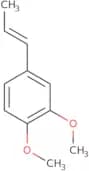
CAS:<p>Isoeugenol methyl ether is a plant-derived natural compound that is used in vitro as an antioxidant. It has been shown to inhibit the activity of enzymes such as hydroxylase, glucuronidase, and cytochrome P450. Isoeugenol methyl ether has also been shown to have anti-inflammatory properties and may be useful for treatment of colorectal adenocarcinoma. The mechanism by which isoeugenol methyl ether inhibits the enzyme activity is not clear but it may be due to its ability to bind reversibly with free enzyme form.</p>Formula:C11H14O2Purity:Min. 95%Color and Shape:LiquidMolecular weight:178.23 g/mol2-Methylnicotinic acid methyl ester
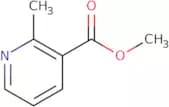
CAS:2-Methylnicotinic acid methyl ester is a synthetic chemical compound that belongs to the isomer family. It has been used in the synthesis of cocaine and isomers, as well as in the modification of drugs. 2-Methylnicotinic acid methyl ester can be synthesised from 2-methylpyridine and formaldehyde via the method of methylmagnesium iodide. 2-Methylnicotinic acid methyl ester has been shown to be a potent inhibitor of human platelet aggregation, which may be due to its structural similarity to nicotine.Formula:C8H9NO2Purity:Min. 95%Color and Shape:PowderMolecular weight:151.16 g/mol1,2,3,4-Tetrahydronaphthalen-2-amine hydrobromide
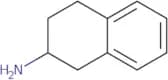
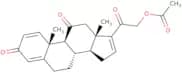
CAS:Controlled Product<p>1,2,3,4-Tetrahydronaphthalen-2-amine hydrobromide (THNA) is an amine that inhibits the enzyme tyrosine hydroxylase. This inhibition leads to a decrease in the synthesis of dopamine and norepinephrine. THNA has been shown to have inhibitory properties on locomotor activity, acid complex formation, and aminotransferases. It also exhibits receptor binding and agonist binding site activity. One study found that THNA had no effect on rat striatal tissue. The drug has been shown to be effective in metabolic disorders such as obesity.</p>Formula:C10H13NPurity:Min. 95%Molecular weight:147.22 g/mol21-Hydroxy-pregna-1,4,16-triene-3,11,20-trione 21-acetate
CAS:Controlled ProductPlease enquire for more information about 21-Hydroxy-pregna-1,4,16-triene-3,11,20-trione 21-acetate including the price, delivery time and more detailed product information at the technical inquiry form on this pageFormula:C23H26O5Purity:Min. 95%Molecular weight:382.45 g/molDomperidone impurity E
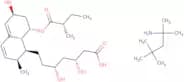
CAS:<p>Please enquire for more information about Domperidone impurity E including the price, delivery time and more detailed product information at the technical inquiry form on this page</p>Formula:C32H34ClN7O3Purity:Min. 95%Molecular weight:600.11 g/molPravastatin 1,1,3,3-tetramethylbutylamine
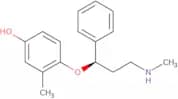
CAS:<p>Please enquire for more information about Pravastatin 1,1,3,3-tetramethylbutylamine including the price, delivery time and more detailed product information at the technical inquiry form on this page</p>Formula:C31H55NO7Purity:Min. 95%Molecular weight:553.77 g/mol4'-Hydroxy atomoxetine
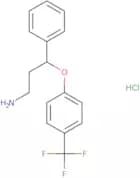
CAS:<p>4'-Hydroxyatomoxetine is a metabolite of atomoxetine, which is a drug that is used to treat attention deficit hyperactivity disorder and narcolepsy. 4'-Hydroxyatomoxetine has been shown to have pharmacological properties similar to those of atomoxetine. However, it does not bind to the κ-opioid receptors, unlike its parent drug. The analytical method for this metabolite has been developed using liquid chromatography with tandem mass spectrometry. The major limitation with the analytical method is that it can be affected by matrix effects and hepatic impairment. This metabolite is glucuronidated and then conjugated with trifluoroacetic acid (TFA) before excretion in urine or bile. It also binds to kappa-opioid receptors, but at a lower affinity than its parent compound.</p>Formula:C17H21NO2Purity:Min. 95%Color and Shape:PowderMolecular weight:271.35 g/molNorfluoxetine HCl
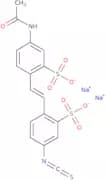
CAS:<p>Fluoxetine is a selective serotonin reuptake inhibitor that belongs to the group of drugs known as antidepressants. Fluoxetine inhibits the uptake of serotonin by neurons, which increases serotonin levels in the synaptic cleft and allows it to bind to postsynaptic receptors. Norfluoxetine is a metabolite of fluoxetine and its pharmacological effects are similar to those of fluoxetine. It has been shown that norfluoxetine inhibits the binding of 5-hydroxytryptamine (5-HT) to 5-HT1A receptors. Norfluoxetine is also used as an analytical method for quantifying 5-HT concentrations in cells and tissues.</p>Formula:C16H17ClF3NOPurity:Min. 95%Color and Shape:SolidMolecular weight:331.76 g/mol4-Acetamido-4'-isothiocyanatostilbene-2,2'-disulfonic acid, sodium salt
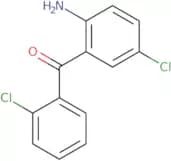
CAS:4-Acetamido-4'-isothiocyanatostilbene-2,2'-disulfonic acid, sodium salt (AITC-S) is a stilbene derivative with inhibitory properties. It has been shown to inhibit the uptake of camp in rat ventricular myocytes and caco-2 cells as well as the release of camp from rat renal proximal tubules. AITC-S also inhibits the transport of camp into the cells. The mechanism by which AITC-S inhibits uptake is not yet known, but it may be due to competition for a common carrier or an effect on intracellular metabolism. This compound has also been shown to have an acute ischemic protective effect on rats when administered before reperfusion following coronary artery occlusion.Formula:C17H12N2Na2O7S3Purity:Min. 95%Molecular weight:498.46 g/mol2-Amino-2',5-dichlorobenzophenone
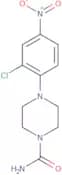
CAS:<p>2-Amino-2',5-dichlorobenzophenone (2,5-DCP) is a molecule with a chromatographic retention time of 23.8 minutes. 2,5-DCP has been detected in human urine samples using the chemical ionization technique as well as the Nova-Pak C18 column and an acetic acid/methanol mobile phase. This compound has been used as a standard for the detection of benzodiazepine drugs such as diazepam and flunitrazepam in urine samples by gas chromatography. 2,5-DCP has also been used in analytical toxicology to detect lormetazepam and lorazepam metabolites in human urine samples.</p>Formula:C13H9Cl2NOPurity:Min. 95%Color and Shape:Off-White PowderMolecular weight:266.12 g/mol4-(2-Chloro-4-nitrophenyl)piperazine-1-carboxamide
CAS:<p>Please enquire for more information about 4-(2-Chloro-4-nitrophenyl)piperazine-1-carboxamide including the price, delivery time and more detailed product information at the technical inquiry form on this page</p>Formula:C11H13ClN4O3Purity:Min. 95%Molecular weight:284.7 g/molD,L-Alanosine sodium salt
<p>Please enquire for more information about D,L-Alanosine sodium salt including the price, delivery time and more detailed product information at the technical inquiry form on this page</p>Formula:C3H6N3NaO4Purity:Min. 95%Molecular weight:171.09 g/molCitronellal hydrate
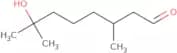
CAS:Citronellal hydrate is a chemical substance that is found in many essential oils, such as citronella, lemon grass, and citronella. It has been shown to have significant effects on the human metabolism and urine samples. Citronellal hydrate can be used as a preservative due to its ability to inhibit bacterial growth, including bacteria that are resistant to benzalkonium chloride. Citronellal hydrate also has been shown to have an effect on cell maturation, which may be predictive for the development of cancer cells. Citronellal hydrate is present in many natural products that are used in cosmetics and personal care products. It is a good analytical method for identifying the presence of other chemicals in a sample because it has been shown to react with molecules such as alcohols, amines, ketones, esters, and ethers. Citronellal hydrate reacts with these molecules by altering their mass through an electron-transfer process called triple-Formula:C10H20O2Purity:Min. 95%Molecular weight:172.26 g/molN-α-Z-L-lysine 4-nitrophenyl ester hydrochloride
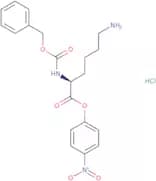
CAS:<p>N-alpha-Z-L-lysine 4-nitrophenyl ester hydrochloride is a protease that belongs to the family of serine proteases. It is produced by the biotechnological process of enzymatic extraction from the natural polysaccharide carrageenan. This product has been used in the production of high yield and purified enzymes for industrial applications. The enzyme has been shown to have cysteine and hydrolytic activity, as well as being able to break peptidic bonds in peptides. N-alpha-Z-L-lysine 4-nitrophenyl ester hydrochloride also has a high specificity for proteolytic cleavage of proteins at their carboxy terminal end.</p>Formula:C20H23N3O6•HClPurity:Min. 95%Molecular weight:437.87 g/mol2,3,7,8,12,13,17,18-Octaethylporphyrin
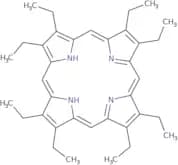
CAS:<p>2,3,7,8,12,13,17,18-Octaethylporphyrin (OEP) is a porphyrin with an octaethyl chain that has been shown to have a high fluorescence quantum yield. It can be synthesized by reacting malonic acid with 2,3-diamino-6-nitrophenol and the reaction mechanism is the same as for hematoporphyrin. The absorption spectrum of OEP shows a maximum at 330 nm and the emission spectrum peaks at 450 nm. The conformational properties of OEP are similar to those of hematoporphyrin. X-ray crystal structures show that the nitrogen atoms in OEP form a planar configuration that is different from other porphyrins. 2,3,7,8,12,13,17,18-Octaethylporphyrin (OEP) is a porphyrin with an octaethyl</p>Formula:C36H46N4Purity:Min. 95%Molecular weight:534.78 g/molRoxithromycin EP Impurity C
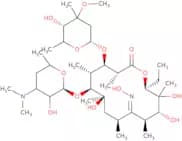
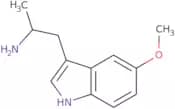
CAS:<p>Roxithromycin EP Impurity C is a byproduct of the synthesis of erythromycin. It has been shown to have anti-inflammatory activity in liver cells, and has been used as a model for studying the mechanism of action of erythromycin. The reaction solution contains inorganic acid and nitrogen atoms. Roxithromycin EP Impurity C reacts with erythromycin to form an intermediate that then undergoes a series of reactions, including hydroxylation, oxidation, and decarboxylation. The purified product is made up of carbonyl groups and transcriptional regulation. This impurity can also be found in cell nuclei.</p>Formula:C37H68N2O13Purity:Min. 95%Molecular weight:748.94 g/mola,O-Dimethyl serotonin
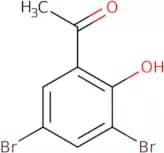
CAS:Controlled Product<p>a,O-Dimethyl serotonin is a monoamine compound that is synthesized by the enzymatic decarboxylation of 5-hydroxytryptophan. It has been shown to increase dopamine levels and inhibit the enzyme activity of serotonin in mice. This drug also binds to 5-ht2 receptors and induces the release of serotonin from nerve cells. A linear calibration curve was obtained using bufotenin as a standard. This drug has been used in analytical toxicology for determining the uptake of serotonin into human lung tissue and its effect on 5-ht1a receptors. In addition, a study was conducted with perennial ryegrass to determine whether this drug inhibits plant toxin synthesis. The results showed that it did not have an inhibitory effect on plant toxins and may even promote their synthesis.</p>Formula:C12H16N2OPurity:Min. 95%Molecular weight:204.27 g/mol3',5'-Dibromo-2'-hydroxyacetophenone
CAS:<p>Please enquire for more information about 3',5'-Dibromo-2'-hydroxyacetophenone including the price, delivery time and more detailed product information at the technical inquiry form on this page</p>Formula:C8H6Br2O2Purity:Min. 95%Molecular weight:293.94 g/mol3,3-Dimethyl-5-oxo-5-(1,2,3,4-tetrahydronaphthalen-2-ylamino)pentanoic acid
CAS:Controlled ProductPlease enquire for more information about 3,3-Dimethyl-5-oxo-5-(1,2,3,4-tetrahydronaphthalen-2-ylamino)pentanoic acid including the price, delivery time and more detailed product information at the technical inquiry form on this pageFormula:C17H23NO3Purity:Min. 95%Molecular weight:289.37 g/mol