Pharmaceutical Standards
Pharmaceutical standards are a comprehensive set of reference materials essential for ensuring the safety, efficacy, and quality of pharmaceutical products. This category includes standards for active pharmaceutical ingredients (APIs), which are the core components responsible for therapeutic effects. Additionally, it covers compounds and metabolites relevant to both the pharmaceutical and veterinary industries, providing benchmarks for the accurate measurement and analysis of these substances. Nitrosamine control standards are crucial for detecting and mitigating potentially harmful nitrosamines in drug formulations. Toxicology standards help assess the safety and potential adverse effects of pharmaceutical compounds. Furthermore, enzyme activators and inhibitors standards are vital for research and development, enabling precise studies of biochemical pathways and drug mechanisms. These pharmaceutical standards are indispensable tools for regulatory compliance, quality control, and research, ensuring that pharmaceutical products meet stringent safety and effectiveness criteria.
Subcategories of "Pharmaceutical Standards"
- APIs for research and impurities(274,785 products)
- Enzyme Activators and Inhibitors(2,827 products)
- Nitrosamines(2,606 products)
- Pharmaceutical and Veterinary Compounds and Metabolites(2,862 products)
- Toxicology(13,652 products)
Found 7836 products of "Pharmaceutical Standards"
Sort by
Purity (%)
0
100
|
0
|
50
|
90
|
95
|
100
1,3-Diacetyl Aloe-emodin
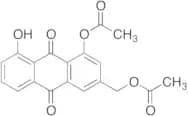
CAS:Controlled Product<p>Applications 1,3-Diacetyl Aloe-emodin is an intermediate in the synthesis of Aloe Emodin 8-Glucoside which is a anthraquinone glycoside that was investigated for antioxidant activities and neuroprotective properties.<br>References El-Toumy, S.A., et al.: Carb. Res. 360, 47 (2012); Xiang, L., et al: TsingHua. Sci. Tech., 10, 426 (2005); Shi, Y.Q., et al: Anticancer. Res., 21, 2847 (2001);<br></p>Formula:C10H17BO2Color and Shape:NeatMolecular weight:180.052β-Geranyl Acetate
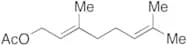
CAS:<p>Applications β-Geranyl Acetate is found in essential oils such as Moroccan commercial essential oils which has anti-oxidant, anti-inflammatory and anti-proliferative activities; and in Salvia scabiosifolia from Bulgaria.<br>References Aazza, S., et. al.: Nat. Prod. Comm., 9, 587 (2014); Marchev, A., et. al.: J. Essential Oil-bearing Plants, 15, 908 (2012)<br></p>Formula:C12H20O2Color and Shape:NeatMolecular weight:196.299,10-Dichloroanthracene
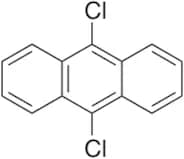
CAS:Controlled Product<p>Applications 9,10-DICHLOROANTHRACENE (cas# 605-48-1) is a useful research chemical.<br></p>Formula:C14H8Cl2Color and Shape:GreenMolecular weight:247.12Urolithin A
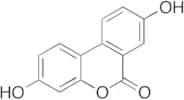
CAS:<p>Applications Urolithin A is a major metabolite of ellagitannin and exhibits anti-inflammatory and antioxidant properties.<br>References Ishimoto, H., et. al.: Bioorg. Med. Chem. Lett., 21, 5901 (2011);<br></p>Formula:C13H8O4Color and Shape:NeatMolecular weight:228.202',7'-Difluorofluorescein
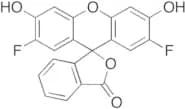
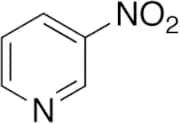
CAS:Controlled Product<p>Applications 2',7'-Difluorofluorescein is a reactant used in the synthesis of biarsenical probes that inhibit protein tyrosine phosphatases.<br>References Pomorski, A., et. al.: Org. Biomol. Chem., 13, 1395 (2015)<br></p>Formula:C20H10F2O5Color and Shape:NeatMolecular weight:368.2873-Nitropyridine
CAS:Controlled Product<p>Applications Used in the novel synthesis of biologically active nitro heterocyclic compounds.<br> Not a dangerous good if item is equal to or less than 1g/ml and there is less than 100g/ml in the package<br>References Pawar, N., et al.: Eur. J. Pharm. Sci., 21, 115 (2004), Badgujar, D., et al.: J. Sci. Ind. Res., 66, 250 (2007),<br></p>Formula:C5H4N2O2Color and Shape:NeatMolecular weight:124.106α-Hydroxy Progesterone (>80%)
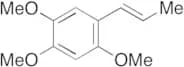
CAS:Controlled ProductFormula:C21H30O3Purity:>80%Color and Shape:NeatMolecular weight:330.46trans-α-Asarone
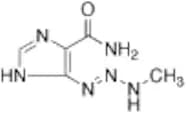
CAS:Controlled ProductFormula:C12H16O3Color and Shape:White To Off-WhiteMolecular weight:208.25MTIC
CAS:<p>Applications A metabolite of Temozolomide, an antineoplastic.<br></p>Formula:C5H8N6OColor and Shape:Off-WhiteMolecular weight:168.164'-hydroxy-3',5'-diiodo-[1,1'-Biphenyl]-4-carbonitrile
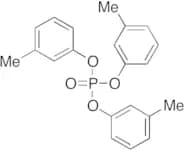
CAS:Controlled Product<p>Applications 4'-hydroxy-3',5'-diiodo-[1,1'-Biphenyl]-4-carbonitrile is a useful building block compound, and has been used in the preparation of plasminogen activator inhibitor antagonists.<br>References Madison, E. L.; et al.: US 6677473 (2004).<br></p>Formula:C13H7I2NOColor and Shape:NeatMolecular weight:447.01Phosphoric Acid Tris(3-methylphenyl) Ester
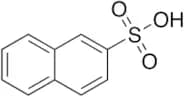
CAS:Controlled Product<p>Applications Phosphoric Acid Tris(3-methylphenyl) Esteris a human urinary organophosphate flame retardant metabolite. It is also used to study properties of supercooled liquids.<br> Not a dangerous good if item is equal to or less than 1g/ml and there is less than 100g/ml in the package<br>References Schindler, B., et al.: J. Chromat. B, 877, 375 (2009); Heuberger, G., et al.: J. Phys. Chem., 100, 15255 (1996); Blochowicz, T., et al.: J. Chem. Phys., 118, 7544 (2003)<br></p>Formula:C21H21O4PColor and Shape:Light YellowMolecular weight:368.36Naphthalene-2-sulfonic Acid Hydrate
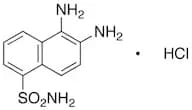
CAS:<p>Applications Naphthalene-2-sulfonic acid (cas# 120-18-3) is a useful research chemical.<br> Not a dangerous good if item is equal to or less than 1g/ml and there is less than 100g/ml in the package<br></p>Formula:C10H8O3SColor and Shape:NeatMolecular weight:208.2341,2-Diamino-naphthalene-5-sulfonamide, Hydrochloride
CAS:Controlled ProductFormula:C10H11N3O2S·ClHColor and Shape:NeatMolecular weight:273.74Bromfenac Sodium Sesquihydrate
CAS:Controlled Product<p>Applications Bromfenac is a non-steroidal anti-inflammatory agent.<br> Not a dangerous good if item is equal to or less than 1g/ml and there is less than 100g/ml in the package<br>References Obach, R., et al.: Drug Metab. Disposition, 36, 1385 (2008), MacDonald, J., et al.: Toxicol. Sci., 110, 40 (2009), Varma, M., et al.: J. Med. Chem., 52, 4844 (2009),<br></p>Formula:C15H11BrNO3·2Na·3H2OColor and Shape:Light YellowMolecular weight:766.34Mefruside
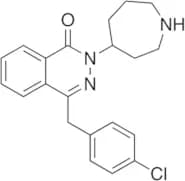
CAS:Controlled Product<p>Stability Hygroscopic<br>Applications Mefruside is a diuretic used for the treatment of edema and hypertension.<br>References Johansen, A., et al.: Euro. J. Epidemiol., 27, 63 (2012); Hasegawa, Y., et al.: Blood. Press. Supple., 1, 10 (2010);<br></p>Formula:C13H19ClN2O5S2Color and Shape:Off-WhiteMolecular weight:382.88N-Desmethyl Azelastine
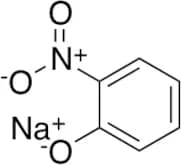
CAS:Controlled Product<p>Applications The main phase I metabolites of Azelastine.<br>References Adusumalli, V., et al.: Drug Metab. Dispos, 20, 530 (1992), Mano, N., et al.: J. Pharm. Biomed. Anal., 12, 557 (1994), Baldwin, S., et al.: Xenobiotica, 25, 261 (1995), Kobayashi, K., et al.: J. Pharmacol. Exp. Ther., 280, 927 (1997),<br></p>Formula:C21H22ClN3OColor and Shape:NeatMolecular weight:367.87Sodium 2-Nitrophenolate
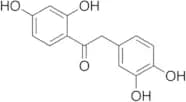
CAS:<p>Applications Sodium 2-nitrophenolate (cas# 824-39-5) is a useful research chemical.<br></p>Formula:C6H4NO3·NaColor and Shape:NeatMolecular weight:161.09[1-(2,4-Dihydroxyphenyl)-2-(3’,4’-dihydroxyphenyl)ethanone
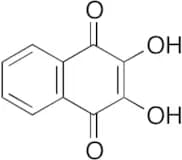
CAS:Controlled Product<p>Stability Store in Freezer<br>Applications [1-(2,4-Dihydroxyphenyl)-2-(3’,4’-dihydroxyphenyl)ethanone (cas# 887354-66-7) is a compound useful in organic synthesis.<br>References Biosci. Biotechnol. Biochem., 57(1), 107 (1993)<br></p>Formula:C14H12O5Color and Shape:NeatMolecular weight:260.242,3-Dihydroxy-1,4-naphthoquinone
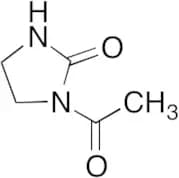
CAS:Controlled Product<p>Applications 2,3-dihydroxynaphthoquinone (cas# 605-37-8) is a useful research chemical.<br></p>Formula:C10H6O4Color and Shape:NeatMolecular weight:190.151-Acetyl-2-imidazolidinone
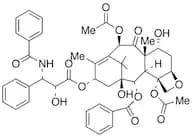
CAS:<p>Impurity Clonidine EP Impurity A<br>Applications 1-Acetyl-2-imidazolidinone (Clonidine EP Impurity A) is a synthetic reagent used in the preparation of triple [14C]-labelled moxonidine which is an antihypertensive compound.<br>References Czeskis, B., et al.: J. Labelled Comp. Radiopharm., 47, 699 (2004)<br></p>Formula:C5H8N2O2Color and Shape:Off-WhiteMolecular weight:128.137-Epi Paclitaxel
CAS:Controlled ProductFormula:C47H51NO14Color and Shape:Off-WhiteMolecular weight:853.91Surfactin
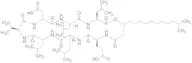
CAS:<p>Applications Surfactin is a lipopeptide antibiotic and biosurfactant.<br></p>Formula:C53H93N7O13Color and Shape:NeatMolecular weight:1036.34N-Dechloroethyl Cyclophosphamide
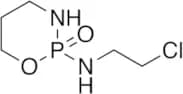
CAS:<p>Stability Reacts with DMSO<br>Applications A metabolite of Cyclophosphamide (C988580).<br> Not a dangerous good if item is equal to or less than 1g/ml and there is less than 100g/ml in the package<br>References Bohnenstengel, F., et al.: Eur. J. Clin. Pharmacol., 51, 297 (1996), Busse, D., et al.: J. Clin. Oncol., 15, 188 (1997), Roy, P., et al.: Drug Metab. Dispos., 27, 655 (1999),<br></p>Formula:C5H12ClN2O2PColor and Shape:NeatMolecular weight:198.59p-Salicylic Acid 4-Sulfate Disodium Salt
CAS:Controlled Product<p>Applications p-Salicylic Acid 4-Sulfate is a urine metabolite of Methylated paraben (B693600), an antimicrobial agent used in cosmetic products.<br>References Tsukamoto, H., et al: Chem. Pharma. Bull., 10, 86 (1962); Desai, N.B., et al.: J. Sci. Indust. Res., 14, 330 (1955);<br></p>Formula:C7H4O6S·2NaColor and Shape:NeatMolecular weight:262.156β-Hydroxy Norethindrone Acetate
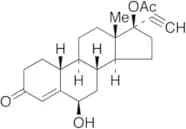
CAS:Controlled Product<p>Impurity Norethindrone Acetate EP Impurity F<br>Applications 6β-Hydroxy Norethindrone Acetate (Norethindrone Acetate EP Impurity F) is an oxidative product of the drug Norethindrone (N676000). Norethindrone impurity.<br>References Reif, V., et al.: Pharmaceutical Res., 4, 54 (1987), Rao, P., et al.: Steroids, 59, 621 (1994),<br></p>Formula:C22H28O4Color and Shape:Off-WhiteMolecular weight:356.461,3,3-Trimethylindolino-b-naphthopyrylospiran [Photochromic Compound]
CAS:<p>1,3,3-Trimethylindolino-b-naphthopyrylospiran is a photochromic compound that is soluble in ethanol solutions. It's hydrophobic and binds to the cavity of a surface method. When the environment changes, such as temperature or light exposure, the molecule undergoes a change in its optical properties. The interaction between 1,3,3-trimethylindolino-b-naphthopyrylospiran and β-cyclodextrin enhances its photochromism. This compound has been shown to decolorize and can be used in materials that are sensitive to UV light.</p>Purity:Min. 95%Color and Shape:White To Light (Or Pale) Yellow Red SolidMolecular weight:327.42Methyl 4-aminocinnamate
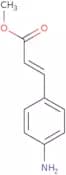
CAS:<p>Methyl 4-aminocinnamate is an inhibitor of the integrase enzyme. It inhibits HIV-1 integrase and has been shown to be selective for this enzyme over other cellular enzymes. Methyl 4-aminocinnamate has been shown to inhibit cervical carcinoma, breast carcinoma, and esters as well as inhibiting the growth of human cancer cells in culture. The IC50 for methyl 4-aminocinnamate against cervical carcinoma was found to be in the micromolar range, which is considerably less than that of other anti-cancer agents.</p>Formula:C10H11NO2Purity:Min. 95%Color and Shape:Off-White PowderMolecular weight:177.2 g/mol7-Cyano-7-deaza-2’-deoxyguanosine
CAS:<p>7-Cyano-7-deaza-2’-deoxyguanosine is a pyrrole nucleoside analog that has been shown to inhibit the replication of herpes simplex virus type 1 and 2 in human cell lines. 7-Cyano-7-deaza-2’-deoxyguanosine is a synthetic nucleoside analog that is structurally similar to deoxyadenosine, but with a cyanide group instead of an oxygen atom. This compound has been shown to have the same biochemical properties as deoxyadenosine, including inhibiting the incorporation of uridine into RNA and DNA. In addition, 7-Cyano-7-deaza-2’-deoxyguanosine inhibits the synthesis of proteins from amino acids by competitive inhibition of ribonucleotide reductase, which catalyzes the conversion of ribonucleotides to deoxyribonucleotides. The enzyme's function</p>Formula:C12H13N5O4Purity:Min. 95%Color and Shape:PowderMolecular weight:291.26 g/molCholesterol 3-sulfate sodium
CAS:<p>Cholesterol 3-sulfate sodium salt is a fine chemical that is used as a versatile building block and reagent. It is a useful intermediate that can be used in the synthesis of complex compounds, speciality chemicals, and reaction components. Cholesterol 3-sulfate sodium salt can be used to synthesize cholesterol derivatives. This compound has been shown to have high reactivity with nucleophiles and can be used as a building block for other organic compounds. The CAS number for Cholesterol 3-sulfate sodium salt is 2864-50-8.</p>Formula:C27H45NaO4SPurity:Min. 95%Color and Shape:White PowderMolecular weight:488.7 g/molTestosterone benzoate
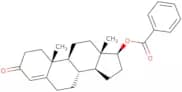
CAS:Controlled Product<p>Testosterone benzoate is a steroid that is used to produce testosterone. It is prepared by treating the sodium salt of testosterone with trifluoroacetic acid and then reacting it with benzoic acid. Testosterone benzoate has been used as an analytical marker for the presence of testosterone in biological samples. The use of this substance as an analytical reagent was first reported in 1955, when it was found to be more sensitive than the traditional means of detection (i.e., thin-layer chromatography). The matrix effect can significantly affect the results obtained using this test, so care must be taken to ensure that it is not present when testing for testosterone.<br>Testosterone benzoate reacts with oestradiol or estradiol benzoate under acidic conditions to form anhydrous sodium carbonate and water. This reaction may be used to assay for oestradiol or estradiol benzoate in biological samples containing testosterone benzoate.</p>Formula:C26H32O3Purity:Min. 95%Color and Shape:PowderMolecular weight:392.53 g/molFmoc-O-tert-butyl-D-threonine
CAS:<p>Fmoc-O-tert-butyl-D-threonine is an ion pair that is synthesized using an asymmetric synthesis process. The molecule has been shown to have antiproliferative effects in animals and humans and can inhibit neutrophil function. This synthetic compound has a glycan (a carbohydrate) attached to the side chain, which may be important for its biological activity. Fmoc-O-tert-butyl-D-threonine was synthesized on a solid phase and functional groups were introduced as part of the synthesis process. This molecule also has an inhibitory effect on ulceration in animals.</p>Formula:C23H27NO5Purity:Min. 95%Color and Shape:PowderMolecular weight:397.46 g/mol2,2'-(Methylimino)diquinolin-8-ol
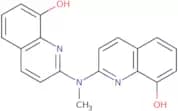
CAS:<p>Please enquire for more information about 2,2'-(Methylimino)diquinolin-8-ol including the price, delivery time and more detailed product information at the technical inquiry form on this page</p>Formula:C19H15N3O2Purity:Min. 95%Molecular weight:317.34 g/mol5β-Pregnan-3α,6α-diol-20-one
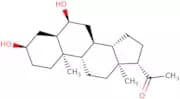
CAS:Controlled Product<p>5β-Pregnan-3α,6α-diol-20-one is an anticoagulant that inhibits the action of thrombin. It has been shown to inhibit the inflammatory response in a number of autoimmune diseases and inflammatory disorders. This drug also has a nitro group, which can be reduced to an hydroxyl group by reaction with sodium nitrite or other reducing agents. The antimicrobial properties of 5β-pregnan-3α,6α-diol-20-one are thought to be due to its ability to form particle aggregates with magnetic particles. These aggregates have an inhibitory effect on bacterial growth.</p>Formula:C21H34O3Purity:Min. 95%Color and Shape:PowderMolecular weight:334.49 g/mol3-(4-Nitrophenyl)-1-adamantanecarboxylic acid
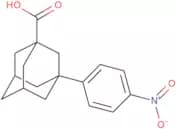
CAS:3-(4-Nitrophenyl)-1-adamantanecarboxylic acid is a high quality, versatile building block compound that has been used as a reagent and as a useful intermediate. This product is commercially available and can be used in the synthesis of complex compounds with many different applications, such as pharmaceuticals, pesticides, dyes, and photographic chemicals. It is also a useful scaffold for the production of speciality chemicals and research chemicals. 3-(4-Nitrophenyl)-1-adamantanecarboxylic acid has been used in reactions involving electron transfer, nucleophilic substitution, and condensation reactions.Formula:C17H19NO4Purity:Min. 95%Molecular weight:301.34 g/molMertansine
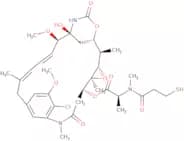
CAS:N2'-Deacetyl-N2'-(3-mercapto-1-oxopropyl)-maytansine is a thiol-containing derivative of maytansine. Maytansine and its derivatives kill cells by interfering with the formation of microtubules, and causing the depolymerisation of already formed microtubules. Antibody conjugates of N2'-Deacetyl-N2'-(3-mercapto-1-oxopropyl)-maytansine and the murine monoclonal antibody TA. 1, using linkers containing either a disulfide bond or a thioether bond, have been synthesised. These antibody conjugates bind to the HER-2/new oncogene protein that is expressed on human breast tumor cells.Formula:C35H48ClN3O10SPurity:Min. 95%Color and Shape:White Off-White Yellow PowderMolecular weight:738.29 g/molHydroquinone-2,2'-diacetic acid
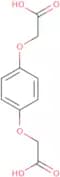
CAS:<p>Hydroquinone-2,2'-diacetic acid is a labile and water soluble ester with activating properties. It is used in bioconjugate chemistry for the modification of proteins and peptides. Hydroquinone-2,2'-diacetic acid can be reused and has been shown to react with a wide range of synthons or linkers. This compound has been shown to induce apoptosis in cancer cells. Hydroquinone-2,2'-diacetic acid also has fluorescence properties that are sensitive to copper ions, making it useful for analytical applications such as protein quantification and detection of metal ions.</p>Formula:C10H10O6Purity:Min. 98 Area-%Color and Shape:PowderMolecular weight:226.18 g/mol4-(Benzyloxyphenyl)acetic acid methyl ester
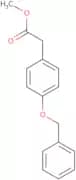
CAS:4-(Benzyloxyphenyl)acetic acid methyl ester is a synthetic, phenolic, tetronic, enolates, hydrophobic, tetrahydrofuran. It is used as a precursor to a variety of chemicals including pharmaceuticals and polymerase inhibitors. 4-(Benzyloxyphenyl)acetic acid methyl ester can be synthesized by reacting benzaldehyde with 4-nitrophenol in the presence of lithium enolates. It has been shown to have acidic properties and inhibits polymerase activity.Formula:C16H16O3Purity:Min. 95%Color and Shape:PowderMolecular weight:256.3 g/moltrans,trans-Farnesyl thiosalicylic acid
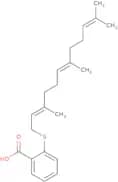
CAS:<p>Farnesyl thiosalicylic acid (FTSA) is a synthetic compound that exhibits potent anticancer activity. FTSA binds to the active site of the enzyme protein kinase C-alpha (PKC-α), which prevents its phosphorylation and activation. This prevents the activation of the mitogen-activated protein kinases, which are involved in cell proliferation and differentiation. FTSA also inhibits cancer cell migration by blocking MMP-9 activity, leading to tumor regression. FTSA has been shown to be effective against chemotherapy resistant breast cancer cells, as well as cancer cells from other tissues such as colon, prostate, and ovary.</p>Formula:C22H30O2SPurity:Min. 95%Color and Shape:White to off-white solid.Molecular weight:358.54 g/mol(6S)-5,6,7,8-Tetrahydro-6-[propyl[2-(2-thienyl)ethyl]amino]-1-naphthalenol hydrochloride
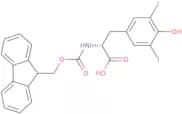
CAS:Controlled Product(6S)-5,6,7,8-Tetrahydro-6-[propyl[2-(2-thienyl)ethyl]amino]-1-naphthalenol hydrochloride is a reagent that can be used as an intermediate for the synthesis of many complex compounds. It is a useful building block for the synthesis of pharmaceuticals with speciality chemicals and research chemicals. This compound has been shown to be a versatile building block in the synthesis of natural products, pharmaceuticals and other organic molecules. (6S)-5,6,7,8-Tetrahydro-6-[propyl[2-(2-thienyl)ethyl]amino]-1-naphthalenol hydrochloride is also a reaction component that can be used to synthesize many chemical substances with different functional groups.Formula:C19H26ClNOSPurity:Min. 95%Color and Shape:White PowderMolecular weight:351.93 g/molFmoc-3,5-diiodo-D-tyrosine
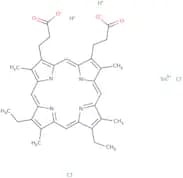
CAS:<p>Please enquire for more information about Fmoc-3,5-diiodo-D-tyrosine including the price, delivery time and more detailed product information at the technical inquiry form on this page</p>Formula:C24H19I2NO5Purity:Min. 95%Color and Shape:PowderMolecular weight:655.22 g/molSn(IV) mesoporphyrin IX dichloride
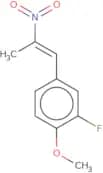
CAS:<p>Sn(IV) mesoporphyrin IX dichloride is a synthetic porphyrin derivative, which is a metalloporphyrin complex formed by the incorporation of tin into the porphyrin structure. This compound originates from the modification of mesoporphyrin IX, a naturally occurring tetrapyrrole, and is further functionalized with chloride ligands. The mode of action of Sn(IV) mesoporphyrin IX dichloride primarily involves the inhibition of heme oxygenase, an enzyme responsible for the catabolism of heme into biliverdin, carbon monoxide, and free iron. This inhibition results in the modulation of heme metabolism, which can have broad implications in various physiological and pathological processes.</p>Formula:C34H36Cl2N4O4SnPurity:Min. 95%Color and Shape:PowderMolecular weight:754.29 g/mol3'-Fluoro-4'-methoxy-beta-methyl-beta-nitrostyrene
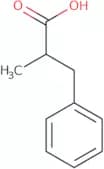
CAS:<p>3'-Fluoro-4'-methoxy-beta-methyl-beta-nitrostyrene is a reactive building block that can be used in the synthesis of many different compounds. It is a fine chemical and a reagent which is useful in organic chemistry. 3'-Fluoro-4'-methoxy-beta-methyl-beta-nitrostyrene is used as a reaction component for the synthesis of many different compounds, including pharmaceuticals, agrochemicals, and other specialty chemicals. It has CAS number 1023717-11-4 and can be used as an intermediate compound or building block for the production of complex compounds.</p>Formula:C10H10FNO3Purity:Min. 95%Color and Shape:PowderMolecular weight:211.19 g/molα-Methylhydrocinnamic acid
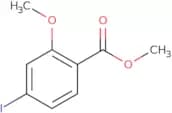
CAS:<p>Alpha-methylhydrocinnamic acid (AMHA) is a synthetic enantiomer of 2-phenylbutyric acid, which has been shown to inhibit the growth of k562 cells. It is also a substrate for fatty acid synthase and may play an important role in fatty acid metabolism. AMHA has been shown to inhibit the production of reactive oxygen species by phagocytic cells exposed to ionizing radiation, which may be due to its ability to scavenge hydroxyl radicals. The effect of AMHA on hematopoietic cells, including neutrophils and bone marrow cells, has not yet been determined.</p>Formula:C10H12O2Purity:Min. 95%Color and Shape:White Clear LiquidMolecular weight:164.2 g/mol4-Iodo-2-methoxybenzoic acid methyl ester
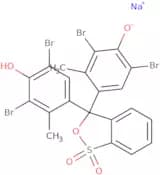
CAS:<p>4-Iodo-2-methoxybenzoic acid methyl ester is a high quality chemical that can be used as a versatile building block in chemical synthesis. It is a complex compound that has been shown to be an effective reagent for research, which can be used in the synthesis of new complex compounds. 4-Iodo-2-methoxybenzoic acid methyl ester is also useful as an intermediate or reaction component in organic syntheses. This chemical is available for purchase at a CAS number of 148490-97-5.</p>Formula:C9H9IO3Purity:Min. 95%Color and Shape:PowderMolecular weight:292.07 g/molBromocresol green, sodium salt
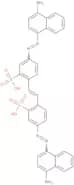
CAS:<p>Bromocresol green is a dye that is used in biological assays to measure the kinetics of fluorescence. It is a type of tryptophan-releasing compound that releases a yellowish-green light when it absorbs light at wavelengths between 350 and 450 nm. Bromocresol green has been quantified by measuring the intensity of the fluorescence emission as a function of time. This can be done visually or using an instrument called a fluorometer, which detects changes in light intensity over time. Bromocresol green can be used to detect the presence of amino acid residues in proteins through protonation reactions with their tryptophan residues and subsequent quenching with acetonitrile. The bromocresol green dye is also used in lithographic printing, where it serves as an acceptor for electrons from an arene (aromatic hydrocarbon). This process generates energy for lithography and also provides contrast between regions with different electron densities.</p>Formula:C21H14Br4O5SNaColor and Shape:PowderMolecular weight:721 g/mol4,4'-Bis(4-amino-1-naphthylazo)-2,2'-stilbenedisulfonic acid - 70%
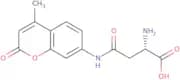
CAS:<p>4,4'-Bis(4-amino-1-naphthylazo)-2,2'-stilbenedisulfonic acid - 70% (DABS) is a chemical compound that has been used in biochemical research. It is an azo dye and was originally synthesized by reacting 1-naphthol with 4-aminodiphenylamine. The color of DABS varies according to the pH. It can be obtained as either a red or blue compound at pH > 7 and as a yellow compound at pH 7. DABS interacts with human recombinant proteins, such as collagen and endoplasmic reticulum, and is capable of binding to the surface of cells. This dye also shows biological properties that are similar to those of phenothiazines when it is used in biochemical experiments involving recombinant human proteins.</p>Formula:C34H26N6O6S2Purity:Min. 95%Color and Shape:Purple PowderMolecular weight:678.74 g/molL-Aspartic β-7-amido-4-methylcoumarin
CAS:<p>L-Aspartic acid beta-7-amido-4-methylcoumarin (LAM) is a fluorescent amino acid that can be used to diagnose deficiencies of this amino acid. LAM is an experimental diagnostic chemical and has been tested in rats, rabbits, and humans. It is a fluorescent amino acid that binds to the 7th position on lysine residues in proteins. The binding of the fluorophore to the protein can be detected using fluorescence spectroscopy. The assay measures the intensity of fluorescence at 480 nm and 660 nm which corresponds to excitation at 320 nm and 420 nm respectively. LAM is currently being studied as a potential treatment for cancerous cells and their growth.</p>Formula:C14H14N2O5Purity:Min. 99 Area-%Color and Shape:White PowderMolecular weight:290.27 g/molO-Cresolphthalein
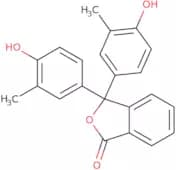
CAS:<p>O-Cresolphthalein is a gadolinium chelate that is used as a contrast agent for magnetic resonance imaging (MRI) of the brain, spine, and joints. The gadolinium ion is bound to the cresol molecule, which has an attached hydroxyl group. This complex attaches to the phosphorous pentoxide and creates a precipitate of metal hydroxides in the presence of water and sodium carbonate. O-Cresolphthalein is also used in clinical pathology to measure glomerular filtration rate (GFR), which is important for diagnosing renal disease. MRI scans are used to diagnose osteogenic genes that are associated with bone diseases such as osteoporosis.</p>Formula:C22H18O4Purity:Min. 95 Area-%Color and Shape:PowderMolecular weight:346.38 g/mol2-Nitro-3,4,5-trimethoxybenzoic acid methyl ester
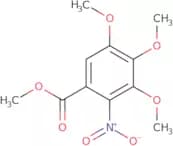
CAS:<p>2-Nitro-3,4,5-trimethoxybenzoic acid methyl ester is a potential anticancer agent. It has been shown to inhibit the growth of cancer cells in vitro and demonstrates anticancer activity against human tumor xenografts in mice. This compound binds to the epidermal growth factor receptor (EGFR) and inhibits its activity. This binding causes downstream signalling pathways to be suppressed, which ultimately prevents tumor cells from proliferating. 2-Nitro-3,4,5-trimethoxybenzoic acid methyl ester also has directional properties that may allow for selective targeting of cancerous cells.<br>2-Nitro-3,4,5-trimethoxybenzoic acid methyl ester is a white crystalline powder with an orthorhombic crystal system and an amine group on each end of the molecule.</p>Formula:C11H13NO7Purity:Min. 95%Color and Shape:PowderMolecular weight:271.22 g/molAtorvastatin ethyl ester
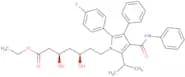
CAS:<p>Atorvastatin ethyl ester is a prodrug of atorvastatin that is used for the treatment of hypercholesterolemia. It inhibits HMG-CoA reductase, which reduces cholesterol production in the liver. The permeation rate of atorvastatin ethyl ester is increased by coadministration with c1-c10 fatty acids, which can be achieved by taking it with food. Atorvastatin ethyl ester has been shown to have antithrombotic and anti-inflammatory effects, which are due to its inhibition of the synthesis of thromboxane A2 and prostaglandin E2. Atorvastatin also inhibits protein synthesis in some cells, such as hepatocytes and neutrophils, but not in others such as fibroblasts or platelets. This may be related to the expression of an enzyme called cytosolic phospholipase A2 (cPLA2).</p>Formula:C35H39FN2O5Purity:Min. 95%Color and Shape:PowderMolecular weight:586.69 g/mol


![4'-hydroxy-3',5'-diiodo-[1,1'-Biphenyl]-4-carbonitrile](/_next/image/?url=https%3A%2Fstatic.cymitquimica.com%2Fproducts%2FTR%2Fthumb-webp%2FH005080.webp&w=3840&q=75)



![1,3,3-Trimethylindolino-b-naphthopyrylospiran [Photochromic Compound]](/_next/image/?url=https%3A%2Fstatic.cymitquimica.com%2Fproducts%2F3D%2Fthumb-webp%2FFT62466.webp&w=3840&q=75)




![(6S)-5,6,7,8-Tetrahydro-6-[propyl[2-(2-thienyl)ethyl]amino]-1-naphthalenol hydrochloride](/_next/image/?url=https%3A%2Fstatic.cymitquimica.com%2Fproducts%2F3D%2Fthumb-webp%2FFT27763.webp&w=3840&q=75)