


Pharmaceutical Standards
Pharmaceutical standards are a comprehensive set of reference materials essential for ensuring the safety, efficacy, and quality of pharmaceutical products. This category includes standards for active pharmaceutical ingredients (APIs), which are the core components responsible for therapeutic effects. Additionally, it covers compounds and metabolites relevant to both the pharmaceutical and veterinary industries, providing benchmarks for the accurate measurement and analysis of these substances. Nitrosamine control standards are crucial for detecting and mitigating potentially harmful nitrosamines in drug formulations. Toxicology standards help assess the safety and potential adverse effects of pharmaceutical compounds. Furthermore, enzyme activators and inhibitors standards are vital for research and development, enabling precise studies of biochemical pathways and drug mechanisms. These pharmaceutical standards are indispensable tools for regulatory compliance, quality control, and research, ensuring that pharmaceutical products meet stringent safety and effectiveness criteria.
Subcategories of "Pharmaceutical Standards"
- APIs for research and impurities(274,905 products)
- Enzyme Activators and Inhibitors(2,827 products)
- Nitrosamines(2,605 products)
- Pharmaceutical and Veterinary Compounds and Metabolites(2,871 products)
- Toxicology(13,652 products)
Found 7836 products of "Pharmaceutical Standards"
Sort by
Purity (%)
0
100
|
0
|
50
|
90
|
95
|
100
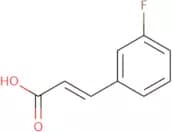
3-Fluorocinnamic acid
CAS:<p>3-Fluorocinnamic acid is an organic compound that belongs to the class of amides. It reacts with metal ions such as copper, silver, or gold. 3-Fluorocinnamic acid has a constant boiling point and can be used in the preparation of cinnamic acid derivatives. 3-Fluorocinnamic acid also has redox potential and is used as a substrate in enzyme preparations. 3-Fluorocinnamic acid can be synthesized by hydrolysis of malonic acid and metal salts with hydrochloric acid, which then reacts with triticum aestivum. The product is purified by recrystallization from water. This compound inhibits the reaction that converts lactose into glucose and galactose, leading to the production of lactic acid from milk.</p>Formula:C9H7FO2Purity:Min. 98 Area-%Color and Shape:PowderMolecular weight:166.15 g/molGeranyl linalool
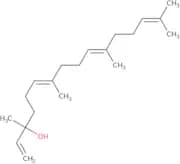
CAS:<p>Geranyl linalool is a monoterpene that is found in plants. It has been shown to have significant cytotoxicity against some cancer cell lines and may be useful in the treatment of cancer. Geranyl linalool also displays antibacterial, antifungal, and antiviral properties. Geranyl linalool is soluble in organic solvents such as methanol and ethanol, but insoluble in water. The chemical ionization mass spectrum of geranyl linalool has been observed to produce water-vapor ions at m/z 94 and 95 with a retention time of 12.5 minutes. The molecular weight of geranyl linalool is 152 g/mol and it has a ph optimum between 5-8.</p>Formula:C20H34OPurity:Min. 95%Color and Shape:Clear LiquidMolecular weight:290.48 g/mol2'-Cyano-4-(dibromomethyl)biphenyl
CAS:<p>2'-Cyano-4-(dibromomethyl)biphenyl is a reactive component that belongs to the group of speciality chemicals. It can be used as a building block in organic synthesis and as an intermediate in the production of fine chemicals. 2'-Cyano-4-(dibromomethyl)biphenyl has been used for the synthesis of various complex compounds, such as an anti-inflammatory drug, an anti-diabetic drug, and a chemotherapeutic agent.</p>Formula:C14H9Br2NPurity:Min. 97 Area-%Color and Shape:Off-White PowderMolecular weight:351.04 g/mol1,2,3,4-Dibenzanthracene
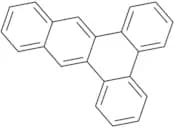
CAS:<p>1,2,3,4-Dibenzanthracene is a polycyclic aromatic hydrocarbon that is used as a fluorescent probe in fluorescence spectrometry. 1,2,3,4-Dibenzanthracene is a substrate for cytochrome P450 enzymes. The rate of metabolism is dependent on the enzyme concentration and the pH. 1,2,3,4-dibenzanthracene has been shown to inhibit protein synthesis in rat liver microsomes and hamster V79 cells. It also binds to hematopoietic cells through receptor binding and inhibits DNA synthesis by interacting with nitrogen atoms.</p>Formula:C22H14Purity:Min. 95%Color and Shape:PowderMolecular weight:278.35 g/mol5-Chloroindole-2-carboxylic acid methyl ester
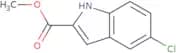
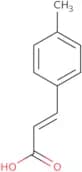
CAS:5-Chloroindole-2-carboxylic acid methyl ester is a potent inhibitor of the enzyme tyrosine kinase in cell culture, with an IC50 value of 0.5 nM. It has been shown to inhibit the growth of cancer cells (e.g., MDA-MB231, MCF-7) in vitro and in vivo. The IC50 values for inhibition of MDA-MB231 and MCF-7 cells are 0.1 and 10 nM, respectively. 5-Chloroindole-2-carboxylic acid methyl ester binds to the ATP binding site on tyrosine kinase, preventing ATP from binding and inhibiting phosphorylation of the receptor protein. This allows the receptor's downstream signaling pathways to be blocked, which leads to cell growth inhibition by arresting cell cycle progression at G0/G1 phase or inducing apoptosis.Formula:C10H8ClNO2Purity:Min. 95%Molecular weight:209.63 g/mol4-Methylcinnamic acid
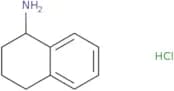
CAS:<p>4-Methylcinnamic acid is a cinnamic acid derivative that is used as an intermediate in the synthesis of various drugs. It can be synthesized from 2-chlorocinnamic acid, which is prepared by reaction with phosphorus pentachloride. 4-Methylcinnamic acid is also able to be oxidized to 4-hydroxycinnamic acid, which has been shown to have anti-aging effects. The molecule can be modeled using molecular dynamics simulations and was found to be polarizable and diffracting.</p>Formula:C10H10O2Purity:Min. 95%Color and Shape:White PowderMolecular weight:162.19 g/mol1,2,3,4-Tetrahydro-1-naphthylamine hydrochloride
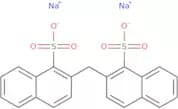
CAS:1,2,3,4-Tetrahydro-1-naphthylamine hydrochloride is a high quality reagent that can be used as an intermediate in the synthesis of various organic compounds. It has been shown to be a useful building block for the synthesis of complex compounds and speciality chemicals. Tetrahydro-1-naphthylamine hydrochloride is also a versatile building block for reactions involving amines or other nucleophiles. Tetrahydro-1-naphthylamine hydrochloride is an interesting scaffold for research chemicals due to its ability to react with various functional groups.Formula:C10H13N•HClPurity:Min. 95%Color and Shape:PowderMolecular weight:183.68 g/molDisodium methylenebisnaphthalenesulfonate
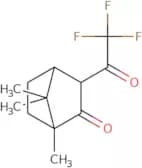
CAS:<p>Disodium methylenebisnaphthalenesulfonate is an organic compound that belongs to the group of bisnaphthyl-sulfones. It is a white solid with a melting point of 236°C. Disodium methylenebisnaphthalenesulfonate is used as a reagent in organic synthesis and as a building block for other compounds. The compound has been shown to be useful in the synthesis of 2-amino-5-methyl-1,3,4-thiadiazole derivatives, which are important building blocks for pharmaceuticals. Disodium methylenebisnaphthalenesulfonate can also be used as a scaffold for complex compounds with new or unknown structures.</p>Formula:C21H16O6S2·2NaPurity:Min. 95%Color and Shape:Beige To Brown SolidMolecular weight:474.46 g/mol3-Trifluoroacetyl-D-Camphor
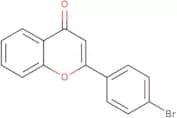
CAS:<p>3-Trifluoroacetyl-D-camphor is a ligand that binds to the quinine site on the mitochondrial membrane potential. It has been shown to have synergistic effects with metal chelates in cancer treatments. 3-Trifluoroacetyl-D-camphor is also a phosphorescent compound that emits photons when excited by light. The emission of light can be used as a probe for determining mitochondrial membrane potential and as a luminophore in devices such as gas sensors. 3-Trifluoroacetyl-D-camphor is found in the mitochondrial membranes of HL60 cells, and its concentration increases when mitochondria are exposed to hydrogen phosphine.</p>Formula:C12H15F3O2Purity:Min. 95%Color and Shape:Clear LiquidMolecular weight:248.24 g/mol4'-Bromoflavone
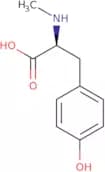
CAS:4'-Bromoflavone is a flavonoid with potent enzyme-inducing properties. It has been shown to affect transcriptional regulation in murine hepatoma cells. 4'-Bromoflavone was also found to be an effective inducer of phase II detoxification enzymes, such as glutathione S-transferase and quinone reductase in the liver of humans. This drug also affects protein synthesis and enzyme activities in mice, rats, and human cells.Formula:C15H9BrO2Purity:Min. 95%Color and Shape:PowderMolecular weight:301.13 g/molN-Methyl-L-tyrosine - Combretum collinum
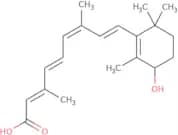
CAS:<p>N-Methyl-L-tyrosine is a molecule that has been studied as a potential treatment for Parkinson's disease. It is chemically related to the amino acid tyrosine and also shares some of its biological properties. N-Methyl-L-tyrosine inhibits the uptake of dopamine by dopamine transporters in cells, which reduces the symptoms of Parkinson's disease. The alkynyl group present in this molecule helps to improve the drug's binding affinity with proctolin, which is a substrate for proton pump inhibitors, and can be used to treat gastrointestinal problems. The clinical use of N-Methyl-L-tyrosine is limited due to its low oral bioavailability; however, it may be effective when administered intravenously or intramuscularly.</p>Formula:C10H13NO3Purity:Min. 95%Color and Shape:White PowderMolecular weight:195.22 g/molrac 4-Hydroxy-9-cis-retinoic acid
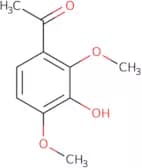
CAS:<p>9-cis-Retinoic acid is a retinoid that is found in the human body. It can be extracted from the cells of animals or plants and purified by using an organic solvent, such as hexane. 9-cis-Retinoic acid can also be synthesized by using a validated hplc method. Analysts use this compound to measure conjugate acids, hydroxy acids, and other compounds related to endogenous metabolism. It is often used as a buffering agent for specific applications.</p>Formula:C20H28O3Purity:Min. 95%Molecular weight:316.43 g/mol3-Hydroxy-2,4-dimethoxyacetophenone
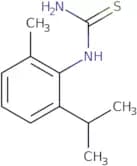
CAS:3-Hydroxy-2,4-dimethoxyacetophenone is an alkoxide that reacts with a variety of substances. It has been used to synthesize polymers, and has been detected in the gas phase by electron spin resonance spectroscopy. 3-Hydroxy-2,4-dimethoxyacetophenone is also a microbial metabolite that can be quantified by coulometric analysis. It has been found in microorganisms such as Escherichia coli and Pseudomonas aeruginosa, which suggests it may have anti-microbial activity.Formula:C10H12O4Purity:Min. 95%Color and Shape:PowderMolecular weight:196.2 g/mol1-(2-Isopropyl-6-methylphenyl)thiourea
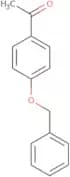
CAS:Please enquire for more information about 1-(2-Isopropyl-6-methylphenyl)thiourea including the price, delivery time and more detailed product information at the technical inquiry form on this pageFormula:C11H16N2SPurity:Min. 95%Color and Shape:PowderMolecular weight:208.32 g/mol4'-Benzyloxyacetophenone
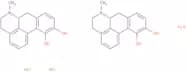
CAS:<p>4'-Benzyloxyacetophenone is a synthetic chemical that can be used in the synthesis of natural products. It has a chiral center and can be synthesized in an asymmetric manner. This compound reacts with primary amines to form acrylates, which are useful for the synthesis of polyesters. 4'-Benzyloxyacetophenone can also react with halides to form alkylating agents, which are useful for the synthesis of amines or other functional groups. The structure of this chemical is similar to estrogen, which may explain its hormonal effects.</p>Formula:C15H14O2Purity:Min. 95%Color and Shape:PowderMolecular weight:226.27 g/mol(R)-Apomorphine hydrochloride hemihydrate
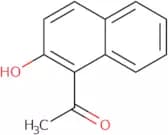
CAS:<p>Apomorphine hydrochloride is the salt form of apomorphine, a morphine derivative D2 dopamine agonist. The high selectivity for D2, D3, D4 and D5 receptors makes apomorphine hydrochloride a possible drug candidate and it is in clinical trials for diagnosis and treatment of Parkinsons disease. Moreover, apomorphine and apomorphine hydrochloride have been investigated in diverse studies for treating movement disorders.</p>Formula:C17H17NO2•HCl•(H2O)0Purity:Min. 95%Color and Shape:White PowderMolecular weight:312.79 g/mol1-(2-Hydroxy-1-naphthyl)ethan-1-one
CAS:1-(2-Hydroxy-1-naphthyl)ethan-1-one is a carbonyl compound that can be used as a fluorescent probe for the determination of copper(II) ions. It has been shown to have selective binding properties and fluorescence properties with cancer cells, which may be due to its ability to bind to the active methylene group of the cancer cell's protein. Crystallographic studies have shown that 1-(2-Hydroxy-1-naphthyl)ethan-1-one binds to hydrogen bonds and hydroxide solution in water.Formula:C12H10O2Purity:Min. 95%Color and Shape:Yellow PowderMolecular weight:186.21 g/mol2,3-Dichlorocinnamic acid
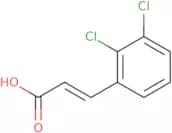
CAS:<p>2,3-Dichlorocinnamic acid is an organic compound that can be synthesized in a multistep process involving the reaction of pyridine with sulfuryl chloride. This reaction forms 2,3-dichloropropiophenone and 2,3-dichloroacetophenone. The latter compound is converted to the desired product by reacting it with thionyl chloride. The final step involves hydrolysis of the ester group to form 2,3-dichlorocinnamic acid.<br>2,3-Dichlorocinnamic acid can also be synthesized from phenylpropiolic acid and chlorosulfuric acid or from methyl propiolate and chlorosulfuric acid. <br>2,3-Dichlorocinnamic acid is a white crystalline solid that melts at 155°C and boils at 287°C. It is soluble in water and has a low yield due to</p>Formula:C9H6Cl2O2Purity:Min. 95%Molecular weight:217.05 g/molD-Allocystathionine
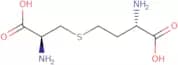
CAS:D-Allocystathionine is a natural organic compound that contains a sulfur atom and two thiol groups. It is an intermediate in the synthesis of cysteine from methionine. D-Allocystathionine is also an inhibitor of fibrinogen, which can be used as a therapeutic agent for the treatment of cardiovascular disease. D-Allocystathionine binds to the active site of enzymes that contain disulfide bonds, such as phaeochromogenes and lysosomal enzymes. This binding prevents the oxidation of sulfhydryl groups to form disulfides, thereby inhibiting their activity.Formula:C7H14N2O4SPurity:Min. 95%Color and Shape:PowderMolecular weight:222.26 g/molCholesterol oleate
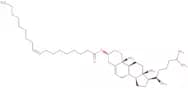
CAS:Controlled Product<p>Cholesterol oleate is a mixture of cholesterol and the fatty acid oleic acid. It is used as a pharmaceutical ingredient in the production of tablets for hyperproliferative diseases. Cholesterol oleate is enzymatically inactivated by esterase enzymes, which convert it to cholesteryl erucate. This product has been shown to be effective at inhibiting lipolysis and reducing body weight gain in rats with induced hyperlipidemia. Cholesterol oleate has been shown to have a neutral pH, making it suitable for use as an excipient with acidic or basic drugs. The phase transition temperature of cholesterol oleate is -30 °C, making it suitable for storage at room temperature. Cholesterol oleate has been used as a phase transfer agent in the manufacture of pharmaceutical preparations with high lipid content such as biologicals and vaccines.</p>Formula:C45H78O2Purity:Min. 85%Color and Shape:PowderMolecular weight:651.1 g/molEthyl (4-nitrophenyl)acetate
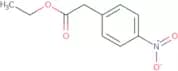
CAS:<p>Ethyl (4-nitrophenyl)acetate is a molecule that has been used in biological studies as an active substance for its antibacterial properties. It has been shown to have minimal inhibitory concentration (MIC) of 0.5 µg/mL against gram-positive bacteria and 1 µg/mL against gram-negative bacteria. The molecule is also the main active methylene in the ethyl ester. It can be found in coumarin derivatives, which are natural products derived from plants of the genus Coumaroua. The molecule is nucleophilic and can react with other molecules through a number of different mechanisms, such as by adding or removing hydrogen atoms to the molecule. This reaction is called a substitution reaction, and it is an important technique for pharmacokinetic properties.</p>Formula:C10H11NO4Purity:Min. 95%Color and Shape:PowderMolecular weight:209.2 g/molBiotin-PEG4-propionic acid
CAS:Biotin-PEG4-propionic acid is a PEG compound with two different functional groups (also known as heterobifunctional). Unlike homobifunctional PEG compounds (same functional group on both ends), this type of compounds are more versatile as have two different anchor points. Biotin-PEG4-propionic acid is used as a linker and spacer to add a PEG moiety, via pegylation (a bioconjugation technique) to proteins, peptides, oligonucleotides, small molecules and nanoparticles.Formula:C21H37N3O8SPurity:Min. 95%Color and Shape:PowderMolecular weight:491.6 g/molFmoc-3-(1-naphthyl)-L-alanine
CAS:<p>Fmoc-3-(1-naphthyl)-L-alanine is a versatile building block that can be used in the synthesis of complex compounds. It has been shown to be a useful intermediate in the synthesis of a range of biologically active compounds, including research chemicals and reagents. It is also a useful scaffold for the preparation of complex chemical structures. Fmoc-3-(1-naphthyl)-L-alanine is available as an off-white solid with a purity of 99%.</p>Formula:C28H23NO4Purity:Min. 98.0 Area-%Color and Shape:White PowderMolecular weight:437.49 g/molEthyl 2,4,6-trimethoxycinnamate
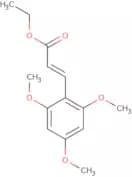
CAS:Ethyl 2,4,6-trimethoxycinnamate is a fine chemical that is a useful scaffold for the synthesis of other compounds. It is used as a versatile building block in the synthesis of research chemicals and as an intermediate in the production of speciality chemicals. This compound has been shown to be highly reactive. Ethyl 2,4,6-trimethoxycinnamate can be used as an effective reagent or reaction component in organic chemistry.Formula:C14H18O5Purity:90%Color and Shape:PowderMolecular weight:266.29 g/mol3-Bromocinnamic acid methyl ester
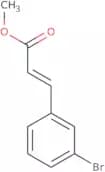
CAS:<p>3-Bromocinnamic acid methyl ester is a chemical compound that belongs to the group of useful scaffolds. It is a versatile building block and can be used as an intermediate in the synthesis of complex compounds. 3-Bromocinnamic acid methyl ester has been found to be a useful research chemical, reaction component, and speciality chemical. This chemical can be used in the production of fine chemicals and other products. 3-Bromocinnamic acid methyl ester is also useful as a reagent for organic reactions.</p>Formula:C10H9BrO2Purity:Min. 95%Color and Shape:PowderMolecular weight:241.08 g/molD-a-Tocopherol
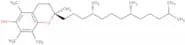
CAS:<p>D-alpha-tocopherol, most commonly known as vitamin E, is a natural compound with antioxidant properties. It protects the API against oxidation and side reactions with oxidative species. Moreover, when used as excipient, vitamin E is a good solubilizing agent that greatly improves the solubility of poorly water-soluble drugs.</p>Formula:C29H50O2Purity:Min. 97 Area-%Color and Shape:Clear LiquidMolecular weight:430.71 g/mol(-)-EGCG-3''-O-ME
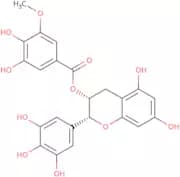
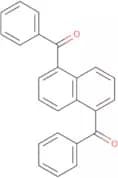
CAS:<p>(-)-EGCG-3''-O-ME is a methylated derivative of epigallocatechin (EGCg) that has been shown to have hepatoprotective properties. (-)-EGCG-3''-O-ME inhibits the growth of bacterial cells by binding to the proton pump in the bacterial cell membrane and preventing the transport of protons across the membrane, which leads to an accumulation of hydrogen ions inside the bacterial cell. (-)-EGGCg also inhibits alcohol-induced liver injury and is an antioxidant. (-)-EGGCg has been shown to have anti-obesity effects on mice fed a high fat diet, as well as lowering blood pressure in rats. (-)-EGCg can be detected by analytical methods such as gas chromatography or high performance liquid chromatography (HPLC).</p>Formula:C23H20O11Purity:Min. 90 Area-%Color and Shape:Brown PowderMolecular weight:472.4 g/mol1,5-Dibenzoylnaphthalene
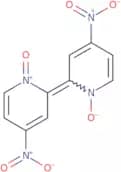
CAS:<p>1,5-Dibenzoylnaphthalene (1,5-DBN) is a reactive anion radical that can be used to synthesize flavonoids. It can be used in the preparation of dyestuffs and reacts quickly with aldehydes in Friedel-Crafts reactions. 1,5-DBN is also antibacterial and has been shown to inhibit the growth of Staphylococcus aureus and Clostridium perfringens. It is toxic to humans when ingested and should be handled with care.</p>Formula:C24H16O2Purity:Min. 95%Color and Shape:PowderMolecular weight:336.38 g/mol4,4'-Dinitro-2,2'-bipyridine-N,N'-dioxide - crude
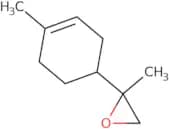
CAS:<p>4,4'-Dinitro-2,2'-bipyridine-N,N'-dioxide is a fine chemical with a high quality. It is a versatile building block with a wide range of applications in research and as a reagent. The compound is used in the synthesis of organic compounds and many other products. This product can be used as an intermediate for the production of more complex compounds or scaffolds. 4,4'-Dinitro-2,2'-bipyridine-N,N'-dioxide has been shown to be useful in the synthesis of pharmaceuticals and agrochemicals.</p>Formula:C10H6N4O6Purity:Min. 95%Color and Shape:Yellow PowderMolecular weight:278.18 g/mol(4R,8RS)-Limonene-8,9-epoxide
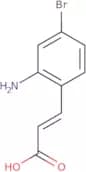
CAS:The compound (4R, 8RS)-limonene-8,9-epoxide is an epoxide of the monoterpene limonene. It has been shown to be an effective insecticide that attacks the cycle at the abietane stage. It can also be used as a precursor for other chemicals such as neoabietic acid. The biosynthesis of this compound is unknown, but it is thought to be generated by a cytochrome P450 monooxygenase and may involve the epoxidation of dendroctonus or cytochromes. This compound is not found in plants and is only found in insects, where it functions as an insecticide.Formula:C10H16OPurity:Min. 95%Color and Shape:Colorless Clear LiquidMolecular weight:152.23 g/mol2-Amino-4-bromocinnamic acid
CAS:<p>2-Amino-4-bromocinnamic acid is a fine chemical with a CAS number of 914636-63-8. It is used in the synthesis of complex compounds and useful building blocks, as well as in research. This compound has been shown to be an intermediate for the preparation of derivatives with potential pharmaceutical applications, such as antihistamines, antipsychotics, and antibiotics. 2-Amino-4-bromocinnamic acid is also an important reagent for organic syntheses.</p>Formula:C9H8BrNO2Purity:Min. 98 Area-%Color and Shape:PowderMolecular weight:242.07 g/mol6-(3-(Adamantan-1-yl)-4-methoxyphenyl)-2-naphthoic acid
CAS:Controlled ProductAgonist of retinoic acid receptors (RAR-? and RAR-?); pro-apoptoticFormula:C28H28O3Purity:Min. 95%Color and Shape:PowderMolecular weight:412.52 g/mol(6S)-5,6,7,8-Tetrahydro-6-[propyl[2-(2-thienyl)ethyl]amino]-1-naphthalenol
CAS:Controlled Product(6S)-5,6,7,8-Tetrahydro-6-[propyl[2-(2-thienyl)ethyl]amino]-1-naphthalenol is a potent and selective dopamine receptor agonist. It acts by binding to the dopamine receptors in the brain. This binding stimulates the release of dopamine and prevents it from being reabsorbed into the neurons, which in turn increases levels of extracellular dopamine in the synapse. (6S)-5,6,7,8-Tetrahydro-6-[propyl[2-(2-thienyl)ethyl]amino]-1-naphthalenol has been shown to have antidepressant effects in animal models of depression. It also has a long half life and can be administered as a transdermal patch for prolonged relief from depression symptoms.Formula:C19H25NOSPurity:Min. 95%Color and Shape:White Off-White PowderMolecular weight:315.47 g/mol2-Fluoro-3-methylbenzoic acid methyl ester
CAS:<p>2-Fluoro-3-methylbenzoic acid methyl ester is a small molecule that has been shown to possess 5-HT3 receptor antagonist activity in the range of nanomolar potencies. This drug has also been shown to be orally active in mice. The physicochemical properties of 2-fluoro-3-methylbenzoic acid methyl ester include a melting point of 155.5° C, solubility in methanol and acetone, and a molecular weight of 168.2 g/mol.<br>2-Fluoro-3-methylbenzoic acid methyl ester is being developed as a targeted agent for the treatment of bowel syndrome, which is characterized by abdominal pain, nausea and diarrhea.</p>Formula:C9H9FO2Purity:Min. 95%Color and Shape:Clear LiquidMolecular weight:168.16 g/molL-Asparagine monohydrate
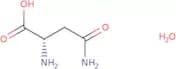
CAS:L-Asparagine monohydrate (LAM) is a water-soluble amino acid that is used in the treatment of metabolic disorders such as diabetes. LAM has been shown to be effective in cell culture and tissue culture experiments, where it was found to increase the production of growth factors, such as insulin and keratinocyte growth factor. This amino acid also has a high degree of kinetic stability and can be used for magnetic resonance spectroscopy studies. LAM is soluble in water, but not in organic solvents. It forms hydrogen bonds with other molecules and is able to form dehydrated crystals. The experimental solubility data for LAM can be found in table 1 below.Formula:C4H10N2O4Purity:(Titration) Min. 99%Color and Shape:White Clear LiquidMolecular weight:150.13 g/molFmoc-3-chloro-L-tyrosine
CAS:<p>Fmoc-3-chloro-L-tyrosine is a fine chemical that belongs to the class of versatile building blocks. It is a reagent and speciality chemical that is used in the synthesis of complex compounds. Fmoc-3-chloro-L-tyrosine can be used as a useful scaffold to produce high quality and versatile building blocks, which are useful for research purposes. Fmoc-3-chloro-L-tyrosine has CAS No. 478183-58-3, which shows its high quality and usefulness.</p>Formula:C24H20ClNO5Purity:Min. 95%Color and Shape:White PowderMolecular weight:437.87 g/mol4'-Acetamido-2'-methylacetophenone
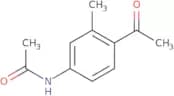
CAS:4'-Acetamido-2'-methylacetophenone is a chemical compound that has been found to be useful in the synthesis of other compounds. It is an intermediate for the production of aniline and phenacetin, which are both reactive compounds. This product can also be used as a reagent for the synthesis of other chemicals and pharmaceuticals. CAS No. 34956-31-5Formula:C11H13NO2Purity:Min. 95%Color and Shape:PowderMolecular weight:191.23 g/molHydroxy naphthol blue
CAS:<p>Hydroxy naphtol blue is a synthetic azo dye, a chemical compound containing the functional group RN=N-R. The hydroxy naphtol blue trisodium and <a href="https://www.carbosynth.com/carbosynth/website.nsf/(w-productdisplay)/DA73257DC33C43AC80257D9A005EFDC1">disodium salts</a> are used as indicators to determine the content of alkaline earth and lanthanides spectrophotometrically, showing at maximum a wavelength of ~650 nm (λ<sub>max</sub> = 647.6 nm). An example of a common use of hydroxy naphtol blue sodium salt is to determine the hardness of water by measuring the concentration of calcium and magnesium. At alkaline or basic pH, the hydroxy naphtol blue forms a pink/red complex with the metal ions and, after titration with <a href="https://www.carbosynth.com/carbosynth/website.nsf/(w-productdisplay)/A0C5BC44ED8D620E80256FD50031CBCC">EDTA</a>, hydroxy naphtol blue is liberated, turning the solution blue, indicating the endpoint.</p>Formula:C20H11N2O11S3·3NaColor and Shape:Black Blue PowderMolecular weight:620.48 g/mol3-Fluoro-L-tyrosine
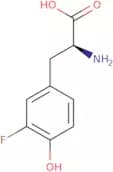
CAS:<p>3-Fluoro-L-tyrosine is a hydroxylated amino acid that is used as a pharmacological agent. 3-Fluoro-L-tyrosine has been shown to be a substrate for the enzyme tyrosinase, which catalyzes the conversion of L-tyrosine into 3,4 dihydroxyphenylalanine (DOPA). 3-Fluoro-L-tyrosine also reacts with bacterial enzymes and may have antibacterial properties.</p>Formula:C9H10FNO3Purity:Min. 95%Color and Shape:PowderMolecular weight:199.18 g/mol2-Bromo-3'-bromoacetophenone
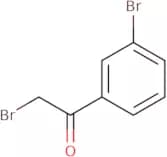
CAS:2-Bromo-3'-bromoacetophenone is a chemical compound that can be used as an oxidant in organic synthesis. It is a brominated phenol derivative, which undergoes bond cleavage to produce benzoylbenzene and acetone. The reaction is mediated by potassium permanganate in the presence of oxygen. X-ray crystallography and crystallography have been used to identify the molecular structure of 2-bromo-3'-bromoacetophenone. The yield for this reaction is high and can be increased by using solvents such as ethanol or tetrahydrofuran and a reaction time of 1 hour at 100°C.Formula:C8H6Br2OPurity:Min. 90%Molecular weight:277.94 g/molFmoc-L-homotyrosine
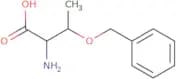
CAS:<p>Fmoc-L-homotyrosine is a tyrosine kinase inhibitor. Tyrosine kinases are enzymes that catalyze the transfer of phosphate groups from ATP to tyrosine residues in proteins, which play a role in many cellular processes. Fmoc-L-homotyrosine binds to the ATP binding site in the active site of these enzymes, preventing phosphorylation and thus preventing protein function. This compound has been shown to inhibit neurotensin receptors in vitro and has also been shown to be an endogenous ligand for this receptor. Fmoc-L-homotyrosine binds to allosteric sites on the neurotensin receptor, causing conformational changes that activate transduction pathways and increase signaling. The mechanism of inhibition is not yet fully understood but is thought to be due to steric hindrance or allosteric binding.</p>Formula:C25H23NO5Purity:Min. 95%Molecular weight:417.45 g/molO-Benzyl-L-threonine
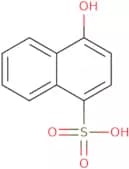
CAS:<p>O-Benzyl-L-threonine is a polymer that can be used to treat inflammatory diseases. It is an ionic polymer that reacts with calcium carbonate and forms nanosized architectures. O-Benzyl-L-threonine has been shown to cause the disassembly of inflammatory cells and induce cell death through necrosis factor. This polymer has been shown to have an optimal reaction when combined with a target cell in the presence of calcium carbonate. The phenolic group on the threonine molecule is responsible for this reaction's success.</p>Formula:C11H15NO3Purity:Min. 95%Color and Shape:White To Off-White SolidMolecular weight:209.24 g/mol1-Naphthol-4-sulfonic acid
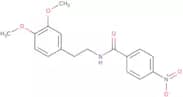
CAS:1-Naphthol-4-sulfonic acid is a compound that is used as an analytical reagent. It can be synthesized by heating 1-naphthol with concentrated sulfuric acid in the presence of a polymerization initiator. The reaction produces 1,4-dioxane, which is then converted to 1-naphthol-4-sulfonic acid by hydrolysis with deionized water and hydrochloric acid. The analytical reagent has been used for the analysis of impurities in polymers, such as trifluoroacetic acid, and for wastewater treatment. Radiation causes the release of light emission from 1-naphthol-4-sulfonic acid, making it useful for determining the level of nitrite ion in wastewater. This chemical has also been found to react with sulfamate ions to produce structural formula (SO2)2NH3.Formula:C10H8O4SPurity:Min. 95%Color and Shape:PowderMolecular weight:224.23 g/molN-(2-(3,4-dimethoxyphenyl)ethyl)(4-nitrophenyl)formamide
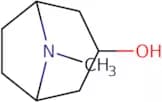
CAS:Controlled ProductPlease enquire for more information about N-(2-(3,4-dimethoxyphenyl)ethyl)(4-nitrophenyl)formamide including the price, delivery time and more detailed product information at the technical inquiry form on this pagePurity:Min. 95%Tropine
CAS:<p>Tropine is a natural alkaloid that is derived from plants in the Solanaceae family including Atropa belladonna and Hyoscyamus niger. Tropine has been shown to have a number of physiological effects, including receptor binding, enzyme activities, and physiological effects. It has been used as an analytical method for determining sodium citrate, nitrogen atoms, and ester linkages. Tropine also has a ph optimum of 9-10 which means it should be dissolved in acidic solutions or diluted with a buffer solution before use. The reaction mechanism of tropine is not yet known, but it has been shown to contain fatty acid groups that are intramolecularly hydrogenated.</p>Formula:C8H15NOPurity:Min. 95%Color and Shape:White PowderMolecular weight:141.21 g/molCarbamoyl-guanidine amidino urea salt, hydrochloride salt
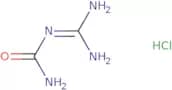
CAS:<p>Carbamoyl-guanidine amidino urea salt, hydrochloride salt is a compound that belongs to the class of amides. It has been used as a pharmacological treatment for autoimmune diseases. Carbamoyl-guanidine amidino urea salt, hydrochloride salt is also used in the preparation of pharmaceutical preparations and diagnostic agents. This drug can be found in tests for the diagnosis of autoimmune diseases and tissue culture. The carbamoyl-guanidine amidino urea salt, hydrochloride salt molecule is hydrophilic and interacts with test samples through hydrogen bonds. Carbamoyl-guanidine amidino urea salt, hydrochloride salt can be analyzed using methods such as pharmacological tests, analytical methods, and vitro assays.</p>Formula:C2H7ClN4OPurity:Min. 96 Area-%Color and Shape:PowderMolecular weight:138.56 g/mol2-Hydroxy-5-nitrophenylacetic acid
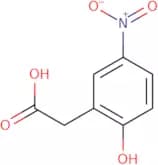
CAS:<p>2-Hydroxy-5-nitrophenylacetic acid is a versatile building block that can be used as a reagent, speciality chemical, or research chemical. It has been synthesized and characterized from the nitrobenzene derivative 2-hydroxyacetophenone. The compound has been shown to inhibit the growth of bacteria by binding to bacterial DNA gyrase and topoisomerase IV. This inhibits bacterial growth by preventing DNA replication and transcription. As an intermediate, 2-hydroxy-5-nitrophenylacetic acid is useful in organic synthesis as a reaction component or scaffold.</p>Formula:C8H7NO5Purity:Min. 95%Color and Shape:PowderMolecular weight:197.14 g/mol3-(tert-butyl)-1-(4-nitrophenyl)indeno[2,3-d]pyrazol-4-one
CAS:Please enquire for more information about 3-(tert-butyl)-1-(4-nitrophenyl)indeno[2,3-d]pyrazol-4-one including the price, delivery time and more detailed product information at the technical inquiry form on this pagePurity:Min. 95%N-Acetyl-L-methionine
CAS:N-Acetyl-L-methionine is a form of the amino acid methionine. It is an intermediate in the conversion of L-methionine to S-adenosylmethionine, which is involved in methylation reactions in cells. N-Acetyl-L-methionine has been shown to be effective against nitrite ion, a reactive nitrogen species that causes oxidative stress and damage to DNA, RNA, and proteins. It also has been shown to have biological properties for the prevention of ischemia reperfusion injury following cardiac arrest and liver transplantation. N-acetyl-L-methionine may also have benefits for individuals with high body mass index or rats with liver microsomes.Formula:C7H13NO3SPurity:Min. 95%Color and Shape:White PowderMolecular weight:191.25 g/mol5,6,7,8-Tetrahydro-[1,8]naphthyridine-2-carboxylic acid
CAS:<p>5,6,7,8-Tetrahydro-[1,8]naphthyridine-2-carboxylic acid is a chemical compound with CAS No. 885278-22-8. It is a high quality reagent that can be used as a building block for the synthesis of complex compounds. 5,6,7,8-Tetrahydro-[1,8]naphthyridine-2-carboxylic acid can also be used as a reaction component in chemical synthesis and as an intermediate in the production of various fine chemicals and speciality chemicals.</p>Formula:C9H10N2O2Purity:Min. 98 Area-%Color and Shape:PowderMolecular weight:178.19 g/mol





![(6S)-5,6,7,8-Tetrahydro-6-[propyl[2-(2-thienyl)ethyl]amino]-1-naphthalenol](/_next/image/?url=https%3A%2Fstatic.cymitquimica.com%2Fproducts%2F3D%2Fthumb-webp%2FFT76640.webp&w=3840&q=75)




![3-(tert-butyl)-1-(4-nitrophenyl)indeno[2,3-d]pyrazol-4-one](/_next/image/?url=https%3A%2Fstatic.cymitquimica.com%2Fproducts%2F3D%2Fthumb-webp%2FFB169695.webp&w=3840&q=75)

![5,6,7,8-Tetrahydro-[1,8]naphthyridine-2-carboxylic acid](/_next/image/?url=https%3A%2Fstatic.cymitquimica.com%2Fproducts%2F3D%2Fthumb-webp%2FFT56542.webp&w=3840&q=75)