Glycoscience
Subcategories of "Glycoscience"
- Aminosugars(108 products)
- Glyco-Related Antibodies(284 products)
- Glycolipids(46 products)
- Glycosaminoglycans (GAGs)(55 products)
- Glycosides(419 products)
- Monosaccharides(6,622 products)
- Oligosaccharides(3,696 products)
- Polysaccharides(506 products)
Found 11035 products of "Glycoscience"
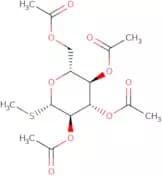
Methyl 2,3,4,6-tetra-O-acetyl-b-D-thioglucopyranoside
CAS:Methyl 2,3,4,6-tetra-O-acetyl-b-D-thioglucopyranoside is a sugar that has been modified with fluorination. It is synthesized by glycosylation and methylation of the sugar. Methyl 2,3,4,6-tetra-O-acetyl-b-D-thioglucopyranoside is a synthetically produced compound that is used as an intermediate in the synthesis of oligosaccharides and saccharides. It can be used as a monosaccharide or part of a complex carbohydrate.Formula:C15H22O9SPurity:Min. 95%Molecular weight:378.4 g/mol4-O-Acetyl-2,5-anhydro-1,3-O-isopropylidene-6-[bis(2-cyanoethyl)phosphoryl]-D-glucitol
CAS:4-O-Acetyl-2,5-anhydro-1,3-O-isopropylidene-6-[bis(2-cyanoethyl)phosphoryl]-D-glucitol is a synthetic carbohydrate that can be used as a pharmaceutical intermediate. 4-O-Acetyl-2,5-anhydro-1,3,-O isopropylidene 6-[bis(2 cyanoethyl)phosphoryl]-D glucitol is a sugar that has been fluorinated and methylated. It is an oligosaccharide sugar with glycosylation and click modification.Formula:C17H25N2O9PPurity:Min. 95%Molecular weight:432.36 g/mol1,4-Di-[(Trishydroxymethyl)aminomethane]-1,4-tertratamide
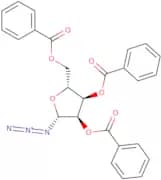
1,4-Di-[(Trishydroxymethyl)aminomethane]-1,4-tertratamide is a methylated saccharide that can be used as a reagent for the click modification of polysaccharides and oligosaccharides. The fluorinated analogue of 1,4-di-[(trishydroxymethyl)aminomethane]-1,4-tertratamide has been shown to be an effective inhibitor of bacterial growth in vitro. This compound is also suitable for glycosylation and high purity synthesis.Purity:Min. 95%2,3,5-Tri-O-benzoyl-b-D-ribofuranosyl azide
CAS:2,3,5-Tri-O-benzoyl-b-D-ribofuranosyl azide (2,3,5-TRBA) is an antiviral agent that inhibits the synthesis of viral nucleic acid by targeting a glycosylation step in the synthesis of herpes simplex virus type 1 (HSV1). 2,3,5-TRBA has significant antiviral activity against HSV1 and other herpes viruses. This compound is also active against influenza A virus and vaccinia virus. 2,3,5-TRBA inhibits the enzyme triosephosphate isomerase (TPI), which catalyzes the conversion of dihydroxyacetone phosphate to glyceraldehyde 3-phosphate. Inhibition of TPI leads to decreased glucose production in cells infected with herpes viruses. The acetonitrile used as a solvent in this reaction can be replaced by pyridine or DMF. The sulfonate groupFormula:C26H21N3O7Purity:Min. 98 Area-%Color and Shape:PowderMolecular weight:487.46 g/molPhenyl 4-O-acetyl-3,6-di-O-benzyl-2-deoxy-2-phthalimido-b-D-thioglucopyranoside
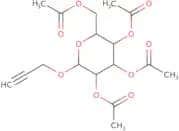
CAS:Phenyl 4-O-acetyl-3,6-di-O-benzyl-2-deoxy-2-phthalimido-b-D-thioglucopyranoside is an oligosaccharide that has been modified with a click modification. The sugar is synthesized in high purity and the modification of this compound was achieved by fluorination. Phenyl 4O acetyl 3,6 di O benzyl 2 deoxy 2 phthalimido b D thioglucopyranoside is a carbohydrate that can be used as a monosaccharide or polysaccharide and has a complex structure. This chemical can also be used for methylation and is CAS No. 159734 71 1.Purity:Min. 95%Propargyl 2,3,4,6-tetra-O-acetyl-b-D-galactopyranoside
CAS:Propargyl 2,3,4,6-tetra-O-acetyl-b-D-galactopyranoside is a custom synthesis of a fluorinated and methylated monosaccharide. This compound is an oligosaccharide that has been glycosylated with sugar. The CAS number for this compound is 211688-84-5.Purity:Min. 95%5-Deoxy-1,2-O-isopropylidene-5-[(2R-pyridin-4-yl-pyrrolidine)-1-yl]-a-D-xylofuranose
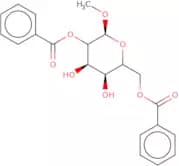
CAS:5-Deoxy-1,2-O-isopropylidene-5-[(2R-pyridin-4-yl-pyrrolidine)-1-yl]-a-D-xylofuranose is a synthetic sugar that can be custom synthesized. This sugar has been modified with fluorination and glycosylation. It is also methylated and has been modified by the addition of saccharide chains.Formula:C17H24N2O4Purity:Min. 95%Molecular weight:320.39 g/mol2,6-Di-O-benzoyl-methyl-a-D-glucopyranoside
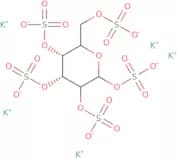
CAS:2,6-Di-O-benzoyl-methyl-a-D-glucopyranoside is a custom synthesis that is an oligosaccharide. It has a molecular weight of 590.17 g/mol and a formula weight of 594.22 g/mol. 2,6-Di-O-benzoyl-methyl-a-D-glucopyranoside has the following structure:Formula:C21H22O8Purity:Min. 95%Molecular weight:402.39 g/molMannose pentasulfate pentapotassium salt - technical grade
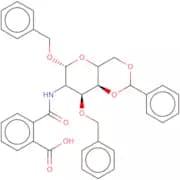
CAS:Mannose pentasulfate pentapotassium salt - technical grade is a white crystalline powder that is soluble in water. This product is a synthetic, high purity, custom synthesis, and glycosylation reagent for the preparation of oligosaccharides and carbohydrates. The CAS number for this product is 359436-63-8.Formula:C6H7K5O21S5Purity:Min. 95%Molecular weight:770.93 g/mol1,3-Di-O-benzyl-4,6-O-benzylidene-2-(2-carboxybenzimido)-2-deoxy-b-D-glucopyranoside
1,3-Di-O-benzyl-4,6-O-benzylidene-2-(2-carboxybenzimido)-2-deoxy-b-D-glucopyranoside (1,3DBG) is a glycosylation compound that is a natural product of the reaction between 1,3,4,6 tetra-, 2,3-, or 3,4-, dihydroxyacetone and benzaldehyde. This compound is an important building block for the synthesis of complex carbohydrates. 1,3DBG can be modified with methyl groups through click chemistry and fluorination reactions. It can also be modified by saccharide modification and acetal formation with polyols. The CAS number is 139027-06-0.Formula:C35H33NO8Purity:Min. 95%Molecular weight:595.64 g/mol2,3:5,6-Di-O-isopropylidene-a-D-mannofuranose oxime
2,3:5,6-Di-O-isopropylidene-a-D-mannofuranose oxime is a glycosylation reagent that can be used in the Click reaction to modify proteins and oligosaccharides. This product has a high purity and can be custom synthesized. 2,3:5,6-Di-O-isopropylidene-a-D-mannofuranose oxime is an intermediate for the synthesis of complex carbohydrates. It is synthesized by methylation of mannose with ethylene glycol followed by fluorination of the methylated sugar. The resulting product is then reacted with an alcohol to produce 2,3:5,6-diO-(2'-hydroxyethyl)-a-D-mannofuranose oxime.Purity:Min. 95%1,3,4,6-Tetra-O-acetyl-2-deoxy-2-trichloroacetamido-D-glucopyranose
1,3,4,6-Tetra-O-acetyl-2-deoxy-2-trichloroacetamido-D-glucopyranose is a modified glucopyranoside that has been synthesized using Click chemistry. This product is made of saccharides and is used to modify proteins. It can be used in the synthesis of glycans or as a building block for oligosaccharides. The product is highly pure and can be custom synthesized to meet your needs. 1,3,4,6-Tetra-O-acetyl-2-deoxy-2-(trichloroacetamido)-D--glucopyranose can be fluorinated with NCS to give the corresponding fluoro derivative. This product does not contain any carbohydrates or sugars and is synthetic.Purity:Min. 95%Glycyl-monosialyl,monofucosyllacto-N-neohexose I
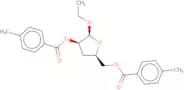
Glycyl-monosialyl,monofucosyllacto-N-neohexose I is a synthetic, fluorinated monosaccharide that has been modified with a glycosylation. This oligosaccharide is an important building block in the synthesis of complex carbohydrates. Glycyl-monosialyl,monofucosyllacto-N-neohexose I is used in the synthesis of polysaccharides and glycoproteins. It is also commonly used as a starting material for modifying other sugars with methylation or click chemistry. The CAS number for this compound is 144977-01-1. The molecular weight of this compound is 254.5 g/mol and it has a purity of 99% (HPLC).Formula:C59H99N5O43Purity:Min. 95%Molecular weight:1,566.43 g/molEthyl 3-deoxy-2,5-di-O-toluoyl-L-threo-pentofuranoside
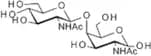
Ethyl 3-deoxy-2,5-di-O-toluoyl-L-threo-pentofuranoside is a custom synthesis that can be modified to fluorinate and methylate the sugar. It is an oligosaccharide that is synthesized from a monosaccharide. The saccharide has been glycosylated to form a complex carbohydrate.Formula:C23H26O6Purity:Min. 95%Molecular weight:398.45 g/mol2-Acetamido-4-O-(2-acetamido-2-deoxy-b-D-glucopyranosyl)-2-deoxy-D-galactopyranose
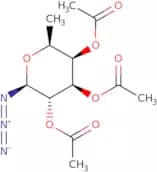
CAS:2-Acetamido-4-O-(2-acetamido-2,3-dideoxy-b-D-glucopyranosyl)-2,3,6,7-tetraaminopyranose (1) is a custom synthesis that has been modified by fluorination of the C5 and C6 hydroxyl groups and methylation of the C2 hydroxy group. It has also been shown to be effective in inhibiting the growth of bacteria such as Staphylococcus aureus and Clostridium perfringens. 2-Acetamido-4-O-(2,3,6,7,-tetraaminopyranose) (1) is an oligosaccharide with four sugar units that can be glycosylated to produce complex carbohydrates.Formula:C16H28N2O11Purity:Min. 95%Molecular weight:424.4 g/mol2,3,4-Tri-O-acetyl-b-L-fucopyranosyl azide
CAS:2,3,4-tri-O-acetyl-b-L-fucopyranosyl azide is a synthetic molecule that has been modified with fluorination, methylation, and acetylation. This compound is used for the synthesis of oligosaccharides and polysaccharides. It also can be used for glycosylation reactions to produce saccharides. The CAS number for this product is 95581-07-0.Formula:C12H17N3O7Purity:Min. 95%Color and Shape:Light (Or Pale) Yellow SolidMolecular weight:315.28 g/molPhenyl 2-acetamido-3,4,6-tri-O-acetyl-2-deoxy-a-D-glucopyranoside
CAS:Phenyl 2-acetamido-3,4,6-tri-O-acetyl-2-deoxy-a-D-glucopyranoside is a high purity, custom synthesis sugar. It's Click modification has been fluorinated and glycosylated. This sugar can be used in the synthesis of oligosaccharides and monosaccharides. Phenyl 2-acetamido-3,4,6-tri-O-acetyl -2 deoxy -a D glucopyranoside is a carbohydrate that belongs to the complex carbohydrate group. It has CAS No. 1308919 5 and can be modified with methylation.Formula:C20H25NO9Purity:Min. 95%Molecular weight:423.41 g/molBenzyl 2,3-O-[(1S,2S)-1,2-dimethoxy-1,2-dimethyl-1,2-ethanediyl]-a-L-xylopyranoside
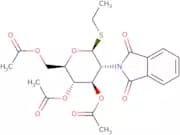
CAS:Benzyl 2,3-O-[(1S,2S)-1,2-dimethoxy-1,2-dimethyl-1,2-ethanediyl]-a-L-xylopyranoside is a custom synthesis that is also a complex carbohydrate. It is an oligosaccharide and polysaccharide that has been modified by methylation and glycosylation. The product is a monomeric sugar with CAS No. 1084896-38-7. This product has high purity and fluoroination. It can be used in the synthesis of other compounds or as a sweetener for foods or beverages.Formula:C18H26O7Purity:Min. 95%Molecular weight:354.39 g/molEthyl 3,4,6-tri-O-acetyl-2-deoxy-2-phthalimido-b-D-thioglucopyranoside
CAS:The compound is an O-acetylated glycoside of 2-deoxy-2-phthalimido-b-D-thioglucopyranoside with a sugar moiety. It is used in the synthesis of complex carbohydrates with click modification and high purity.
Formula:C22H25NO9SPurity:Min. 95%Color and Shape:PowderMolecular weight:479.5 g/molPhenyl 2-O-benzoyl-4,6-O-benzylidene-3-O-(4-methoxybenzyl)-a-D-thiomannopyranoside
Phenyl 2-O-benzoyl-4,6-O-benzylidene-3-O-(4-methoxybenzyl)-a-D-thiomannopyranoside is a custom synthesis. It is a polysaccharide that can be modified with methylation, glycosylation, click modification and fluorination. This compound is a white powder that has high purity and is suitable for use in the production of oligosaccharides or polysaccharides.Formula:C34H32O7SPurity:Min. 95%Molecular weight:584.68 g/mol1,2,4,6-Tetra-O-acetyl-3-deoxy-3-phthalimido-D-galactopyranoside
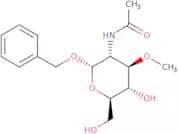
This product is a custom synthesis of 1,2,4,6-Tetra-O-acetyl-3-deoxy-3-phthalimido-D-galactopyranoside. It is a sugar that is synthesized from 4 acetyl groups and 6 hydroxyl groups. The compound has a CAS number of 71034-05-4 and can be modified by fluorination, glycosylation, methylation, or modification. This product is an oligosaccharide that contains a saccharide with more than one monosaccharide unit. It is a complex carbohydrate with the formula C12H20O11.Formula:C22H23NO11Purity:Min. 95%Molecular weight:477.42 g/molBenzyl 2-acetamido-2-deoxy-3-O-methyl-a-D-glucopyranoside
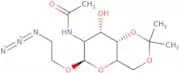
CAS:Benzyl 2-acetamido-2-deoxy-3-O-methyl-a-D-glucopyranoside is a fluorinated monosaccharide that has been synthesized and Oligosaccharides. It is a complex carbohydrate and can be used in the synthesis of glycosylation, polysaccharide, or click modification. The CAS No. 93215-41-9 is custom synthesis with high purity and good quality.Formula:C16H23NO6Purity:Min. 95%Molecular weight:325.36 g/mol2-Azidoethyl 2-acetamido-2-deoxy-4,6-O-isopropylidene-b-D-glucopyranoside
2-Azidoethyl 2-acetamido-2-deoxy-4,6-O-isopropylidene-b-D-glucopyranoside is a synthetic sugar that is used in the synthesis of oligosaccharides and saccharides. This product can be custom synthesized to meet your specifications. It is soluble in water and ethanol, and insoluble in ether. It has a molecular weight of 453.5 g/mol with CAS number 53955-43-0.Formula:C13H22N4O6Purity:Min. 95%Molecular weight:330.34 g/molPhenyl 2,6-di-O-benzoyl-3,4-O-isopropylidene-b-D-thiogalactopyranoside
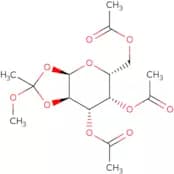
CAS:Phenyl 2,6-di-O-benzoyl-3,4-O-isopropylidene-b-D-thiogalactopyranoside is a Custom synthesis that can be modified for fluorination, methylation, or monosaccharide. This product has a CAS number of 124477-00-5 and is a saccharide with a molecular weight of 456. Phenyl 2,6-di-O-benzoyl-3,4-O-isopropylidene-b-D-thiogalactopyranoside can be used in the synthesis of oligosaccharides and polysaccharides. It is also used as an intermediate in glycosylation reactions to produce complex carbohydrates.Formula:C29H28O7SPurity:Min. 95%Molecular weight:520.59 g/mol3,4,6-Tri-O-acetyl-a-D-galactopyranose 1,2-(methyl orthoacetate)
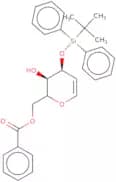
CAS:The survey was conducted to understand the current workforce and their feedback on the automated testing. The median number of respondents exceeded the number that was needed for a statistically significant result. The automated testing has helped to reduce the time it takes to test new features and has also improved the resilience of the developers. Feedback from testers has been positive, with many saying that they would recommend automated testing to other companies. This survey was conducted by an analyst who had an understanding of human-computer interaction and software development.Formula:C15H22O10Purity:Min. 95%Molecular weight:362.33 g/mol6-O-Benzoyl-3-O-tert-butyldiphenylsilyl-D-glucal
6-O-Benzoyl-3-O-tert-butyldiphenylsilyl-D-glucal is a modification of the oligosaccharide, 6-O-(benzoyloxy)hexyl glucal. The product is used as a synthetic intermediate in the synthesis of complex carbohydrates. It is also used in the production of high purity monosaccharides and polysaccharides. This product has been shown to be effective in methylation reactions, glycosylation reactions, and fluorination reactions.Purity:Min. 95%5-Deoxy-1,2-O-isopropylidene-5-[(2S-pyridin-2-yl-pyrrolidine)-1-yl]-a-D-xylofuranose
CAS:5-Deoxy-1,2-O-isopropylidene-5-[(2S-pyridin-2-yl-pyrrolidine)-1-yl]-a-D-xylofuranose is a kind of modified oligosaccharide. It has been used as a building block for the synthesis of glycoproteins and glycopeptides. This product is synthesized by our company with high purity and custom synthesis.Formula:C17H24N2O4Purity:Min. 95%Molecular weight:320.39 g/molPantoprazole sulfide-b-D-glucuronide
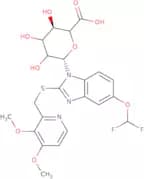
CAS:Pantoprazole sulfide-b-D-glucuronide is a custom synthesis of pantoprazole that has been modified with fluorination, methylation, and click modification. It is an oligosaccharide that consists of a saccharide. The saccharide is a carbohydrate which contains complex carbohydrates.Formula:C22H23F2N3O9SPurity:Min. 95%Molecular weight:543.5 g/mol4-Isothiocyanatophenyl-a-D-glucopyranoside
CAS:4-Isothiocyanatophenyl-a-D-glucopyranoside is a synthetic fluorinated glycosylated oligosaccharide. Its chemical formula is C16H13N3O7. It has a molecular weight of 392.Formula:C13H15NO6SPurity:Min. 95%Molecular weight:313.33 g/molO-Butanoyl-2,3-O-isopropylidene-a-D-mannofuranoside
CAS:O-Butanoyl-2,3-O-isopropylidene-a-D-mannofuranoside is a high purity sugar with CAS No. 177562-15-1. It is synthesized by the modification of saccharides with methyl groups, glycosylation, and click chemistry. This chemical has a complex structure and can be used as a raw material for the production of complex carbohydrates.
Formula:C14H26O7Purity:Min. 95%Molecular weight:304.38 g/mol1,2,3-Tri-O-acetyl-5-deoxy-D-ribofuranoside
CAS:1,2,3-Tri-O-acetyl-5-deoxy-D-ribofuranoside is an acetylated form of a sugar derivative. It is used as a reagent for the acetylation of alcohols and amines. The reaction yield for this compound is stereoselective and can be prepared from readily available starting materials in good yield. The compound crystallizes in cyclic form with an organic solvent such as n-hexane or pyridine. This product is soluble in organic solvents such as n-hexane, pyridine, or vinyl acetate.Formula:C11H16O7Purity:Min. 95%Molecular weight:260.24 g/molO-(2-Azido-4,6-O-benzylidene-2-deoxy-a-D-galactopyranosyl)-N-[(9H-fluoren-9-ylmethoxy)carbonyl]-L-serine tert-Butyl Ester
CAS:O-(2-Azido-4,6-O-benzylidene-2-deoxy-a-D-galactopyranosyl)-N-[(9H-fluoren-9-ylmethoxy)carbonyl]-L-serine tert butyl ester (Fluoride) is a modified carbohydrate that has been synthesized from a sugar. The fluorination step of the synthesis has replaced the hydroxyl group at C1 with fluorine. The glycosylation and methylation steps have added a new saccharide to the existing carbohydrate chain. The modification step has introduced an oligosaccharide which has been linked to the monosaccharides by an amide bond. This synthetic carbohydrate was designed to be used as a fluorescent probe for glycoproteins and glycolipids in biomedical research.Formula:C35H38N4O9Purity:Min. 95%Molecular weight:658.7 g/molHeparin disaccharide I-P trisodium salt
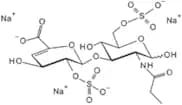
CAS:Heparin disaccharide I-P trisodium salt is a synthetic, highly pure, custom-synthesized heparin derivative with a unique sequence of saccharides. It has been fluorinated and methylated to increase its stability and resistance to degradation by enzymes. Heparin disaccharide I-P trisodium salt is glycosylated, which increases its solubility in water and reduces the risk of precipitation. This product is also modified using click chemistry to introduce an oligosaccharide at one end of the molecule.Formula:C15H20NO17S2Na3Purity:Min. 95%Color and Shape:White To Off-White SolidMolecular weight:619.42 g/mol1,2,3-Tri-O-benzoyl-4,6-dideoxy-4-iodo-a-L-glucopyranose
CAS:1,2,3-Tri-O-benzoyl-4,6-dideoxy-4-iodo-a-L-glucopyranose is a custom synthesis of an Oligosaccharide, Polysaccharide. The chemical name for this compound is 1,2,3-tri-(O-(Benzoyl)glycosyl)-4,6--dideoxy-[4-(1H--1,2,3-triazol-1--yl)--a--D--glucopyranosyl]-4-[(1E)-1-(hydroxymethyl)-2-(methylsulfonyl)ethenyl]-, 4-[(1E)-1-(hydroxymethyl)-2-(methylsulfonyl)ethenyl]-. It has a molecular weight of 565.66 g/mol and CAS No. 132867-78-8. This product is availableFormula:C27H23IO7Purity:Min. 95%Molecular weight:586.37 g/mol1,2,3,4,6-Penta-O-trimethylsilyl-D-mannopyranose
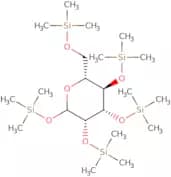
CAS:1,2,3,4,6-Penta-O-trimethylsilyl-D-mannopyranose is a methylated pentasaccharide with a fluorinated hydroxyl group at the C2 position. It is used in the synthesis of polysaccharides and oligosaccharides. 1,2,3,4,6-Penta-O-trimethylsilyl-D-mannopyranose can be modified to produce new polysaccharides or oligosaccharides with desired properties. This product is also suitable for use in high purity applications due to its high purity and low background fluorescence.Formula:C21H52O6Si5Purity:Min. 95%Molecular weight:541.06 g/mol3-O-(4,7-Di-O-methyl-N-acetyl-alpha-neuraminosyl)-D-galactopyranoside - i
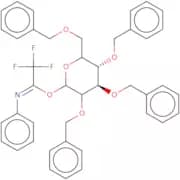
3-O-(4,7-Di-O-methyl-N-acetyl-alpha-neuraminosyl)-D-galactopyranoside - i is a modified carbohydrate. It is a saccharide that has been fluorinated and methylated with the click modification. This modification is an efficient method for site specific incorporation of fluorine atoms in organic molecules. The product is custom synthesized to order and can be provided at high purity. 3-O-(4,7-Di-O-methyl-N-acetyl-alpha-neuraminosyl)-D-galactopyranoside - i is used as a sugar in organic synthesis reactions.Purity:Min. 95%2,3,4,6-Tetra-O-benzyl-D-galactopyranosyl N-phenyl trifluoroacetimidate
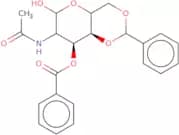
This product is a type of modification and has many uses in the industry. It is an oligosaccharide that is a carbohydrate and can be used as a complex carbohydrate. This product can also be synthesized, which is done by custom synthesis. The CAS Number for this product is 908-92-1, which means it has high purity. This product is also an oligosaccharide that is a carbohydrate and can be used as a complex carbohydrate. This product can also be synthesized, which is done by custom synthesis. The CAS Number for this product is 908-92-1, which means it has high purity.Formula:C42H40F3NO6Purity:Min. 95%Molecular weight:711.77 g/mol2-Acetamido-3-O-benzoyl-4,6-O-benzylidene-2-deoxy-D-glucopyranose
CAS:This is a custom synthesized oligosaccharide that is a complex carbohydrate. This is an Oligosaccharide, Polysaccharide, and CAS No. 1486465-81-9. It has been modified by methylation, glycosylation, and carbamylation. This product has high purity and has been fluorinated. It is a saccharide and a sugar with Click modification.Formula:C22H23NO7Purity:Min. 95%Molecular weight:413.42 g/mol1-Amino-1-deoxy-D-glucitol hydrochloride
CAS:1-Amino-1-deoxy-D-glucitol hydrochloride (AMDG) is a compound that has been synthesized to inhibit the enzyme chondroitin sulfate. Chondroitin sulfate is an important component of cartilage and plays a role in the inflammatory response. It also inhibits the production of gamma-aminobutyric acid, which is an inhibitory neurotransmitter. AMDG can be used as a treatment for pain by inhibiting the transmission of pain signals through the nervous system. AMDG also has anti-inflammatory effects, which may be due to its ability to suppress prostaglandin synthesis.Purity:Min. 95%Methyl 2-O-(methyl 4-O-methyl-α-D-glucopyranosyluronate)-β-D-xylopyranoside
CAS:Methyl 2-O-(methyl 4-O-methyl-α-D-glucopyranosyluronate)-β-D-xylopyranoside is a methyl glycoside disaccharide
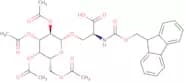
Formula:C14H24O11Purity:Min. 95%Color and Shape:PowderMolecular weight:368.33 g/mol2,3,4,6-Tetra-O-acetyl-b-D-galactopyranosyl-(N2-Fmoc)-L-serine
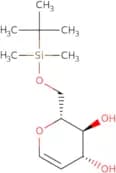
CAS:2,3,4,6-Tetra-O-acetyl-b-D-galactopyranosyl-(N2-Fmoc)-L-serine is a chemical compound. The molecular formula of this compound is C20H32O5 and the molecular weight is 376.429 g/mol. The chemical structure of this compound contains a tetra acetyl bDgalactopyranosyl residue linked to an N2 substituted Lserine residue.Formula:C32H35NO14Purity:Min. 95%Molecular weight:657.63 g/mol6-O-tert-Butyldimethylsilyl-D-glucal
CAS:6-O-tert-Butyldimethylsilyl-D-glucal is a glycosyl compound that is produced from the reaction of ethyl diazoacetate and cyclopropanes. This process can be catalyzed by metal catalysts, such as palladium. The use of bromides in this reaction allows for the production of unsaturated compounds. This compound has been shown to undergo cyclopropanation with alkenes, leading to the synthesis of cyclopropanes. 6-O-tert-Butyldimethylsilyl-D-glucal is used as a precursor to other compounds, such as polymers and pharmaceuticals.Purity:Min. 95%4-Methoxyphenyl 3-O-allyl-2-azido-4,6-O-benzylidene-2-deoxy-b-D-galactopyranoside
CAS:4-Methoxyphenyl 3-O-allyl-2-azido-4,6-O-benzylidene-2-deoxy-b-D-galactopyranoside is a glycosaminoglycan. It is used in the treatment of cancer to prevent metastasis and as an antiviral agent. 4MOP has been shown to inhibit the growth of virus in tissue culture by preventing the formation of new virus particles. The antiviral activity may be due to its ability to inhibit the replication of viruses at an early stage of the process. 4MOP also inhibits coagulation and antibody production, which are important for fighting infection.Formula:C23H25N3O6Purity:Min. 95%Molecular weight:439.46 g/molMethyl 2-azido-2-deoxy-a-D-galactopyranoside
CAS:Methyl 2-azido-2-deoxy-a-D-galactopyranoside is a custom synthesis product. It belongs to the category of Carbohydrate and is a fluorinated monosaccharide. This product is also known as Methyl 2-azido-2,3,4,6-tetra‑O‑benzoyl-a‑D‑galactopyranoside.Formula:C7H13N3O5Purity:Min. 95%Molecular weight:219.2 g/molMycophenolic acid phenolic b-D-glucoside
CAS:Mycophenolic acid phenolic b-D-glucoside is a high purity custom synthesis that can be modified to suit customer requirements. It is a complex carbohydrate with a methyl group, fluorine atom, and glycosylation. The chemical name for Mycophenolic acid phenolic b-D-glucoside is CAS No. 55533-52-3. This product is also known as Glycosylation, Oligosaccharide, sugar, Synthetic, Fluorination, Custom synthesis, Methylation, Monosaccharide, Polysaccharide, saccharide. Click modification or Modification.
Formula:C23H30O11Purity:Min. 95%Molecular weight:482.48 g/mol4-Toluoyl 2,3-di-O-benzyl-4,6-O-benzylidene-α-D-thiomannopyranoside
CAS:4-Toluoyl 2,3-di-O-benzyl-4,6-O-benzylidene-a-D-thiomannopyranoside is a modification of the sugar, Mannose. The chemical structure is similar to that of D-Mannose with the exception that one oxygen atom has been replaced with a fluorine atom. This structural change in the sugar's backbone imparts a higher degree of water solubility and a lower affinity for proteins. 4-Toluoyl 2,3-di-O-benzyl-4,6 -O -benzylidene -a -D -thiomannopyranoside is used as an artificial sweetener and flavor enhancer in food products.Formula:C34H34O5SPurity:Min. 95%Molecular weight:554.7 g/molEthyl 3-O-allyl-4,6-O-benzylidene-2-O-levulinoyl-b-D-thioglucopyranoside
Ai Product Descriptions 50 CreativePurity:Min. 95%2-Pyridyl 2,3,4,6-tetra-O-acetyl-b-D-thioglucopyranoside
CAS:2-Pyridyl 2,3,4,6-tetra-O-acetyl-b-D-thioglucopyranoside is a custom synthesis of a monosaccharide with a polysaccharide. This compound is used in the modification of saccharides by fluorination and methylation. It also has click modification, which is the addition of an acetate to a glycosyl acceptor. The CAS number for this compound is 105120-89-6.Formula:C19H23NO9SPurity:Min. 95%Molecular weight:441.45 g/mol2,3,4,6-Tetra-O-acetyl-b-D-glucopyranosyl-(N2-Fmoc)-L-Asparagine
CAS:2,3,4,6-Tetra-O-acetyl-b-D-glucopyranosyl-(N2-Fmoc)-L-Asparagine is a bifunctional compound that is used as an intermediate in the synthesis of other compounds. It is a white solid that can be purified by recrystallization from hot water.Formula:C33H36N2O14Purity:Min. 95%Molecular weight:684.65 g/mol3-Deoxy-1,2:5,6-di-O-isopropylidene-a-D-glucofuranose
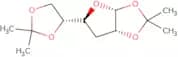
CAS:3-Deoxy-1,2:5,6-di-O-isopropylidene-a-D-glucofuranose is an oligosaccharide that belongs to the group of polysaccharides. It is a methylated saccharide with a high degree of purity and can be custom synthesized for use as a carbohydrate in pharmaceuticals. 3-Deoxy-1,2:5,6-di-O-isopropylidene-a-D-glucofuranose is used in the synthesis of glycosylations and has been shown to have antiviral activity against Epstein Barr virus by inhibiting viral protein synthesis.Formula:C12H20O5Purity:Min. 95%Molecular weight:244.29 g/mol16a-Hydroxyestrone 16-b-D-glucuronide
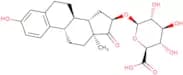
CAS:16a-Hydroxyestrone 16-b-D-glucuronide is a conjugate of the hydroxyestrone and glucuronic acid. It is a metabolite of estradiol, which is the most potent estrogen produced by the human body. The compound has been found in urine, saliva, and breast milk. 16a-Hydroxyestrone 16-b-D-glucuronide is an inactive steroid that can be conjugated with glucuronic acid to form a water soluble molecule that can be excreted in the urine or bile.Formula:C24H30O9Purity:Min. 95%Molecular weight:462.49 g/mol3-Methylphenyl 2-acetamido-3,4,6-tri-O-acetyl-2-deoxy-b-D-glucopyranoside
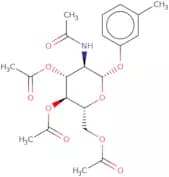
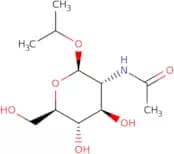
CAS:3-Methylphenyl 2-acetamido-3,4,6-tri-O-acetyl-2-deoxy-b-D-glucopyranoside is a synthetic chemical compound. It has been shown to have antiviral activity and inhibit the growth of bacteria.Formula:C21H27NO9Purity:Min. 95%Molecular weight:437.44 g/molIsopropyl 2-acetamido-2-deoxy-b-D-glucopyranoside
CAS:Isopropyl 2-acetamido-2-deoxy-b-D-glucopyranoside is a chromatographic agent used in liquid chromatography. It is a reaction product of polysaccharides and fatty acids, which are extracted from fruits. Isopropyl 2-acetamido-2-deoxy-b-D-glucopyranoside has been shown to inhibit the growth of typhimurium and other viruses in cell culture. The safety profile of this compound has not been established in humans and should be tested before use in vivo.Formula:C11H21NO6Purity:Min. 95%Molecular weight:263.29 g/molEthyl 2,3,4,6-tetra-O-benzyl-b-D-galactopyranoside
Ethyl 2,3,4,6-tetra-O-benzyl-b-D-galactopyranoside is a custom synthesis. It is a modification of the natural product 6-fluoro-3-indoxyl beta-D-galactopyranoside. The fluorine atoms on the sugar ring are substituted with methyl groups. This modification increases the stability of the molecule against hydrolysis by esterases and glutathione reductase. This compound has not been evaluated for safety or efficacy in humans.Purity:Min. 95%Ethyl 3-O-allyl-2-O-benzyl-4,6-O-benzylidene-b-D-thiogalactopyranoside
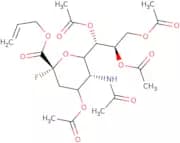
Ethyl 3-O-allyl-2-O-benzyl-4,6-O-benzylidene-b-D-thiogalactopyranoside is a custom synthesized product that is used for the modification of saccharides. It is a white crystalline powder with a melting point of about 180°C. The CAS number for this product is [1]. Ethyl 3-O-allyl-2-O-benzyl-4,6 - O -benzylidene - b - D - thiogalactopyranoside reacts with glycosyl halides to form glycosides and methyl iodide to form methyl glycosides. This product also can be used in click chemistry reactions. Methylation of the sugar moiety can be performed on this product too. It has high purity and fluorescence properties that may be useful in fluorescent labeling experiments.Purity:Min. 95%4,7,8,9-Tetra-O-acetyl-N-acetyl-2-deoxy-2-fluoro-b-D-neuraminic acid allyl ester
CAS:4,7,8,9-Tetra-O-acetyl-N-acetyl-2-deoxy-2-fluoro-b-D-neuraminic acid allyl ester is a custom synthesized chemical that has been modified with fluorination and methylation. This product is an oligosaccharide, saccharide, and polysaccharide. The product also has a high purity.Formula:C22H30FNO12Purity:Min. 95%Molecular weight:519.47 g/mol1,3-Di-O-benzyl-4,6-O-benzylidene-2-deoxy-2-phthalimido-b-D-glucopyranoside
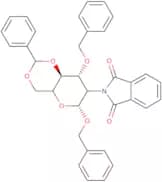
CAS:1,3-Di-O-benzyl-4,6-O-benzylidene-2-deoxy-2-phthalimido-b-D-glucopyranoside is a complex carbohydrate which has been modified with methyl groups. Click chemistry is used to introduce the methyl groups at desired positions on the carbohydrate backbone. This modification can be done in a single step and does not require protecting groups for the sugar moieties. The product is a white powder that is soluble in water and ethanol. It has an elemental composition of C12H27NO9P, molecular weight of 586.5 g/mol, and CAS No. 80035-34-3. This product can be custom synthesized to order with high purity, making it ideal for use in research into glycosylation or saccharide polymerization reactions.Formula:C35H31NO7Purity:Min. 95%Molecular weight:577.64 g/molMethyl 2,3,6-tri-O-benzyl-a-D-glucopyranoside
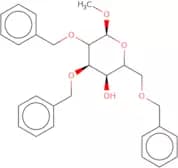
CAS:Methyl 2,3,6-tri-O-benzyl-a-D-glucopyranoside is a reductive amine that can be used as an inhibitor of enzymes. The compound has been shown to inhibit the enzyme formate dehydrogenase. In addition, it has been found to inhibit other enzymes such as primary amines and reductive amination. Methyl 2,3,6-tri-O-benzyl-a-D-glucopyranoside is also a potential inhibitor of coupling reactions and anti HIV activity.Formula:C28H32O6Purity:Min. 95%Molecular weight:464.22 g/mol2,3,4-Tri-O-benzyl-b-L-arabinopyranose
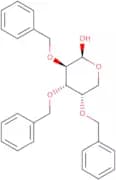
CAS:2,3,4-Tri-O-benzyl-b-L-arabinopyranose is a glycosylated monosaccharide that can be custom synthesized and fluorinated. It has been used in the methylation of saccharides to produce complex carbohydrates such as polysaccharides and oligosaccharides. The product is also capable of being modified, wherein it has been shown that click modification can be carried out on 2,3,4-Tri-O-benzyl-b-L-arabinopyranose. This modification is a convenient method for the introduction of both hydrophilic and hydrophobic groups on the molecule. Methylation: 2,3,4 Tri O benzyl b L arabinopyranose Glycosylation: 2,3,4 Tri O benzyl b L arabinopyranose Polysaccharide:Formula:C26H28O5Purity:Min. 95%Color and Shape:Yellow SolidMolecular weight:420.5 g/mol1,5-Anhydro-4,6-O-benzylidene-2-O-toluoyl-D-glucitol
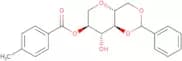
CAS:1,5-Anhydro-4,6-O-benzylidene-2-O-toluoyl-D-glucitol is a methylated, saccharide that is used in the synthesis of polysaccharides. It can be modified with Click chemistry and has been shown to have high purity and good chemical stability. This product is also available as a custom synthesis.Formula:C21H22O6Purity:Min. 95%Color and Shape:PowderMolecular weight:370.4 g/mol2,3,4,6-Tetra-O-(4-methoxybenzyl)-D-galactopyranosyl fluoride
CAS:2,3,4,6-Tetra-O-(4-methoxybenzyl)-D-galactopyranosyl fluoride is a custom synthesis. It is a complex carbohydrate that belongs to the group of carbohydrates and saccharides. This product has been modified by glycosylation, carbamoylation, methylation, and fluorination. The purity of this product is high.Formula:C38H43FO9Purity:Min. 95%Molecular weight:662.74 g/molMethyl 2-acetamido-3,6-di-O-benzyl-2-deoxy-b-D-glucopyranoside
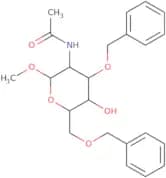
CAS:Methyl 2-acetamido-3,6-di-O-benzyl-2-deoxy-b-D-glucopyranoside is a modified oligosaccharide. It has been shown to be useful for the synthesis of complex carbohydrates and sugar derivatives. The synthesis of this product involves the use of click chemistry, which is a chemoselective reaction that uses copper as a catalyst. This product can be used in the production of polysaccharides and saccharides, as well as other related compounds. Methyl 2-acetamido-3,6-di-O-benzyl-2-deoxy -b -D -glucopyranoside is synthesized from methyl 3,6 di O benzyl 2 deoxy b D glucopyranoside by reacting with acetamide in the presence of palladium acetate and ammonium formate in DMF at room temperature.Formula:C23H29NO6Purity:Min. 95%Molecular weight:415.48 g/mol1,2,3-Tri-O-benzyl-4,6-O-benzylidene-a-D-galactopyranoside
CAS:The 1,2,3-Tri-O-benzyl-4,6-O-benzylidene-a-D-galactopyranoside is a synthetic glycoside that can be used as a saccharide in the synthesis of complex carbohydrates. This compound has been shown to have high purity and can be custom synthesized. It has been modified with methylation and fluorination. The CAS No. for this compound is 53929-36-5.Formula:C34H34O6Purity:Min. 95%Molecular weight:538.63 g/molEquilin 3-O-b-D-glucuronide sodium salt
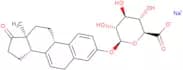
CAS:Equilin 3-O-b-D-glucuronide sodium salt is a synthetic, monosaccharide that can be used as a raw material for various glycosylation reactions. This compound is an example of a fluorinated sugar. Equilin 3-O-b-D-glucuronide sodium salt has the CAS number 27610-12-4 and can be custom synthesized to order. It can be modified with a click reaction or other modification techniques to generate desired products. This product is available in high purity and can be used for glycosylation reactions.Formula:C24H27O8·NaPurity:Min. 95%Molecular weight:466.46 g/molMethyl-5-O-benzoyl-2-chloro-2,3-dideoxy-3-fluoro-D-ribofuranoside
Methyl-5-O-benzoyl-2-chloro-2,3-dideoxy-3-fluoro-D-ribofuranoside is a custom synthesis of Methylation. It is also known as methyl 5-(benzoyl)furanosyl 2,3-dideoxyfuroate. This compound is used in the preparation of oligosaccharides and polysaccharides. It has a CAS number of 90627-95-6 and an Oligosaccharide molecular weight of 380. Methylation is the addition of a methyl group to a molecule. The result is an alkyl group with one less hydrogen atom (CH3). Methyl groups are often used in organic chemistry to modify other molecules, such as sugars or carbohydrates, by adding them to the molecule's structure. Methylation occurs most often in two ways: 1) In chemical synthesis, for exampleFormula:C13H14ClFO4Purity:Min. 95%Molecular weight:288.7 g/molOndansetron 6-D-glucuronide (mixture of isomers)
Ondansetron 6-D-glucuronide is a modified form of the active drug, ondansetron. It is a mixture of two isomers: (2S,3R)-2-(4-methoxybenzoyl) 3-hydroxy-1,6-diphenylhexane and (2S,3S)-2-(4-methoxybenzoyl) 3-hydroxy-1,6-diphenylhexane. Ondansetron 6-D-glucuronide is used as an antiemetic in the prevention of nausea and vomiting caused by cancer chemotherapy and radiation therapy. This compound is custom synthesized for high purity and efficacy in preventing nausea and vomiting. Ondansetron 6D glucuronide binds to the serotonin 5HT3 receptor on the nerve cells in the gastrointestinal tract and brain that control vomiting.Purity:Min. 95%Benzyl 2,3-O-isopropylidene-6-O-trityl-5-keto-a-D-mannofuranose
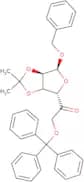
CAS:Benzyl 2,3-O-isopropylidene-6-O-trityl-5-keto-a-D-mannofuranose is a modification of the monosaccharide mannose. It is synthesized by reacting the heterocyclic base benzaldehyde with the appropriate glycosyl acceptor. This modification has been shown to increase the stability of glycans.Formula:C35H34O6Purity:Min. 95%Molecular weight:550.64 g/mol1,2,3,6-Tetra-O-acetyl-4-deoxy-4-fluoro-D-galactopyranose
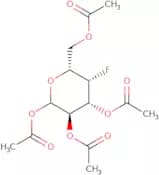
CAS:1,2,3,6-Tetra-O-acetyl-4-deoxy-4-fluoro-D-galactopyranose is a sugar that is used in the synthesis of complex carbohydrates. The chemical structure of this sugar is similar to that of glucose or lactose. This sugar can be produced by methylation and saccharide reactions with the use of a Click modification. It can also be synthesized from 3,6-diacetylpyranose. This product is available for custom synthesis and has high purity.Formula:C14H19FO9Purity:Min. 95%Molecular weight:350.29 g/mol2,3-O-Isopropylidene-a-L-sorbofuranose
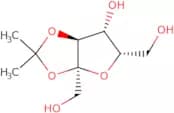
CAS:2,3-O-Isopropylidene-a-L-sorbofuranose is a furanose ring that can form both intermolecular and intramolecular hydrogen bonds. The five-membered and six-membered conformations are the most stable of the conformational isomers, although there are many different possible configurations. 2,3-O-Isopropylidene-a-L-sorbofuranose is an analog of D-(+)-fructose and has been used to produce analogs of D-(+)-fructose. This compound has also been used in carbohydrate chemistry as a reagent for the synthesis of other carbohydrates.Formula:C9H16O6Purity:Min. 95%Color and Shape:White solid.Molecular weight:220.22 g/molN-Fmoc-O-(2,3,4,6-tetra-O-acetyl-b-D-galactopyranosyl)-L-tyrosine
This compound is a custom synthesis that is fluorinated, methylated, and acetylated. It contains a monosaccharide and oligosaccharide sugar with glycosylation at the reducing end of the sugar. The molecular weight of this compound is 812.14 g/mol. This compound has CAS number 725-36-6 and its name is N-Fmoc-O-(2,3,4,6-tetra-O-acetyl-b-D-galactopyranosyl)-L-tyrosine.Formula:C39H39NO14Purity:Min. 95%Molecular weight:733.71 g/molN-(S-Nitroso-N-acetyl-D,L-penicillamine)-2-amino-2-deoxy-1,3,4,6-tetra-O-acetyl-b-D-glucopyranose
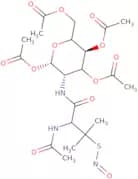
CAS:N-(S-Nitroso-N-acetyl-D,L-penicillamine)-2-amino-2-deoxy-1,3,4,6-tetra-O-acetyl-b-D-glucopyranose is a synthetic saccharide that can be used for the modification of proteins and peptides. It is also used to study the glycosylation process. The CAS number for this compound is 202656–49–3.Formula:C21H31N3O12SPurity:Min. 95%Molecular weight:549.55 g/mol1,3,4,6-Tetra-O-acetyl-2-deoxy-2-(tetrachlorophthalamido)-D-glucopyranose
CAS:1,3,4,6-Tetra-O-acetyl-2-deoxy-2-(tetrachlorophthalamido)-D-glucopyranose is a custom synthesis of methylated oligosaccharide. It is a complex carbohydrate that has been modified with fluorination and acetylation. This saccharide is a monosaccharide with a sugar group at the end of its carbon chain. It has high purity and is synthesized from natural sugars such as glucose or sucrose. The CAS number for this product is 174356-26-4.Formula:C22H19Cl4NO11Purity:Min. 95%Molecular weight:615.2 g/molDecanoyl-N-hydroxyethylglucamide
CAS:Detergent with CMC of ~ 39mMFormula:C18H37NO7Purity:Min. 95%Molecular weight:379.49 g/molD-Gluco-hexodialdose
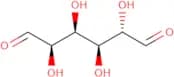
CAS:D-Gluco-hexodialdose is a chiral intermediate useful for both research and industry.Formula:C6H10O6Purity:Min. 90%Color and Shape:PowderMolecular weight:178.14 g/molLaminarioctaose
CAS:Ex algal/bacterial polysaccharides-value in b1-3 glucanase assays & diagnosticsFormula:C48H82O41Purity:Min. 95%Molecular weight:1,315.14 g/molN-Glycinyl-1-deoxy-D-glucitol
CAS:N-Glycinyl-1-deoxy-D-glucitol is a custom synthesis product. It is an oligosaccharide that can be modified to produce polysaccharides or saccharides. The chemical name of this product is methyl 2,6-anhydro-2,6-dideoxyglucitol and the molecular weight is 242.17 g/mol. The CAS number for this compound is 57195-13-8 and it has a purity level of >99%. This compound can be used in a wide variety of applications such as Methylation, Click modification, Carbohydrate chemistry, Oligosaccharide chemistry, Polysaccharide chemistry, saccharide chemistry, Fluorination chemistry, complex carbohydrate chemistry and Monosaccharide chemistry.Formula:C8H17NO7Purity:Min. 95%Molecular weight:239.22 g/molOctanoyl-N-hydroxyethylglucamide
CAS:Octanoyl-N-hydroxyethylglucamide is a high purity custom synthesis that is a fluorinated, glycosylated, and methylated modification of glycine. It is an oligosaccharide that contains a saccharide and carbohydrate. Octanoyl-N-hydroxyethylglucamide has been shown to inhibit the growth of bacteria that are resistant to penicillin, ampicillin, erythromycin, and tetracycline.
Formula:C16H33NO7Purity:Min. 95%Molecular weight:351.44 g/mol(1S,4aR,8R,8aR)-1-Methyl-3-oxo-8-[(2R,3S,4R,5R,6S)-3,4,5-trihydroxy-6-[[(E)-3-phenylprop-2-enoyl]oxymethyl]oxan-2-yl]oxy-4,4a,8,8a-t etrahydro-1H-pyrano[3,4-c]pyran-5-carboxylic acid
CAS:(1S,4aR,8R,8aR)-1-Methyl-3-oxo-8-[(2R,3S,4R,5R,6S)-3,4,5-trihydroxy-6-[[(E)-3-phenylprop-2-enoyl]oxymethyl]oxan-2-yl]oxy-4,4a,8,8a -tetrahydro-1H-pyrano[3,4c]pyran 5 carboxylic acid is a carbohydrate. It is a complex carbohydrate with high purity and custom synthesis. The methylation and glycosylation of this product make it highly effective in the modification of saccharides in oligosaccharides. This product is synthesized from fluoroquinolones and has complex structures with methylation and glycosylations.Formula:C25H28O12Purity:Min. 95%Molecular weight:520.5 g/molNonyl 2-acetamido-3,4,6-tri-O-acetyl-2-deoxy-b-D-glucopyranoside
CAS:Nonyl 2-acetamido-3,4,6-tri-O-acetyl-2-deoxy-b-D-glucopyranoside is a novel compound that has been shown to be a potent inhibitor of the bacterial enzyme nicotianamine synthase. This enzyme is responsible for the synthesis of nicotianamine, an important component in siderophore biosynthesis. Nicotianamine is a central component of phytosiderophores, which are compounds that can bind to ferric iron and make it available for uptake by plants. This compound has also been shown to inhibit carboxyl synthase and aminoglycoside acetyltransferase enzymes. Nonyl 2-acetamido-3,4,6-tri-O-acetyl-2-deoxy b -D glucopyranoside has significant stereoselectivity as well as excellent chemical stability and high solubility in water.Formula:C23H39NO9Purity:Min. 95%Molecular weight:473.56 g/molCyclohexylpentanoyl-N-Hydroxyethylglucamide
CAS:Cyclohexylpentanoyl-N-Hydroxyethylglucamide is a building block for the synthesis of complex carbohydrates. It is a custom synthesis product with high purity and good stability. The chemical structure contains a carbohydrate chain with oligosaccharides, which are polysaccharides that contain a few monosaccharide units. The carbohydrate chain also contains methylation and glycosylation sites, which can be modified to produce different saccharides. Cyclohexylpentanoyl-N-Hydroxyethylglucamide has been fluorinated to give it a higher level of hydrophobicity. This process increases the solubility in organic solvents and reduces the activity of the molecule in water.Formula:C19H37NO7Purity:Min. 95%Molecular weight:391.5 g/molOctadecylthioethyl 4-O-(a-D-galactopyranosyl)-b-D-galactopyranoside
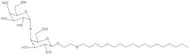
CAS:Octadecylthioethyl 4-O-(a-D-galactopyranosyl)-b-D-galactopyranoside is a synthetic carbohydrate with the CAS number 87019-34-9. It is a non-reducing sugar and has the molecular formula C18H36O22. The chemical structure of Octadecylthioethyl 4-O-(a-D-galactopyranosyl)-b-D-galactopyranoside is: The chemical name for Octadecylthioethyl 4-O-(a-D-galactopyranosyl)-b-D-galactopyranoside is Oligosaccharide, Custom synthesis, Glycosylation, High purity, Carbohydrate, sugar, Synthetic. The molecular weight of Octadecylthioethyl 4 -O-(a-[3]-Galactopyranosyl)-b-[2]-GalactopyrFormula:C32H62O11SPurity:Min. 95%Molecular weight:654.89 g/molOctyl 2-acetamido-2-deoxy-3-O-(b-D-galactopyranosyl)-b-D-glucopyranoside
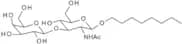
CAS:Octyl 2-acetamido-2-deoxy-3-O-(b-D-galactopyranosyl)-b-D-glucopyranoside is a monosaccharide that is custom synthesized by our company. It is modified with fluorination, methylation, and click modification to generate the desired product. Octyl 2-acetamido-2-deoxy-3-O-(b-D-galactopyranosyl)-b-D-glucopyranoside also has saccharide and polysaccharide groups attached to it. This product can be used as a sugar in the production of complex carbohydrates.Formula:C22H41NO11Purity:Min. 95%Molecular weight:495.56 g/molCYMAL-6 neopentyl glycol
CYMAL-6 neopentyl glycol (CYMAL-6) is a monoclonal antibody that binds to the chloride channel protein in human cells. CYMAL-6 has been shown to inhibit uptake of chloride ions, leading to an increase in extracellular pH and an inhibition of cellular respiration. It has been shown to be effective in patients with pigmentosa or hematological disorders such as leukemia and lymphoma. The structural studies on CYMAL-6 have shown that this drug can be used as a fluorescent probe for the study of chloride ion channels.Formula:C47H84O22Purity:Min. 95%Molecular weight:1,001.16 g/molHexadecyl 2-acetamido-3,4,6-tri-O-acetyl-2-deoxy-b-D-glucopyranoside
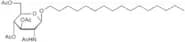
CAS:Hexadecyl 2-acetamido-3,4,6-tri-O-acetyl-2-deoxy-b-D-glucopyranoside (HAT) is an antibiotic that belongs to the class of macrolides. It has been shown to be heritable and its heritability is dependent on the type of animal species. HAT also has a basic structure with substituents that are either acidic or hydroxylated. The heterogeneity in this compound can be seen by the different lactation periods for different animals. Regression analysis was used to find out if there was a correlation between the lactation period and the basicity of HAT. This study found that there was no such correlation and therefore concluded that there is no relationship between HAT's basicity and its heritability.Formula:C30H53NO9Purity:Min. 95%Molecular weight:571.74 g/molHexyl 2-acetamido-2-deoxy-b-D-glucopyranoside
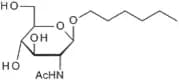
CAS:Hexyl 2-acetamido-2-deoxy-b-D-glucopyranoside is a sugar that is used in the study of immune reactions. It can be used to measure albumin levels and tissue samples, as well as in animal experiments. Hexyl 2-acetamido-2-deoxy-b-D-glucopyranoside has been shown to have toxic effects on cells, which may be due to its ability to inhibit DNA concentrations. This substance also has a directional fluorescence, which means that it will emit light in one direction only when stimulated with light of a certain wavelength.Formula:C14H27NO6Purity:Min. 95%Molecular weight:305.37 g/molOctyl 2-acetamido-3,4,6-tri-O-acetyl-2-deoxy-b-D-glucopyranoside
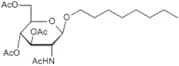
CAS:Octyl 2-acetamido-3,4,6-tri-O-acetyl-2-deoxy-b-D-glucopyranoside is an antigen that is expressed in tumor tissue. It is a polynucleotide molecule that can be used for the diagnosis of cancer and autoimmune diseases. The octyl 2-acetamido-3,4,6-tri-O acetyl 2 deoxy b D glucopyranoside molecule is a programmable molecule that can be used to induce a specific phenotype in cells. Octyl 2 acetamido 3,4,6 tri O acetyl 2 deoxy b D glucopyranoside has been shown to be an effective antigen for the generation of CD8+ T cells.
Formula:C22H37NO9Purity:Min. 95%Molecular weight:459.53 g/molCyclohexylbutanoyl-N-hydroxyethylglucamide
CAS:Cyclohexylbutanoyl-N-hydroxyethylglucamide (CHBE) is a nitrite reductase inhibitor that has been shown to be effective in plant cell cultures and in proton uptake assays. It inhibits the biosynthesis of cyclic guanosine monophosphate (cGMP), which is an important regulator of smooth muscle relaxation. CHBE has been shown to inhibit nitrite reductase activity, as well as cavity formation and protein synthesis in the bacteria typhimurium. This drug also binds to the active site of nitrite reductase, inhibiting its function by stabilising a reduced form of the enzyme.Formula:C18H35NO7Purity:Min. 95%Molecular weight:377.47 g/mol6,6'-Di-O-triisopropylsilyl-lactal
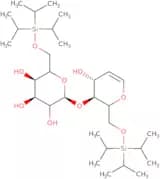
CAS:6,6'-Di-O-triisopropylsilyl-lactal is a synthetic oligosaccharide with a complex carbohydrate structure. It can be used as a monomer in the synthesis of glycosylides and glycopolymers, which are modified by fluorination, methylation, and click chemistry. This compound has been shown to have high purity and can be custom synthesized to meet your needs.Formula:C30H60O9Si2Purity:Min. 95%Molecular weight:620.96 g/mola1,4-Mannobiose-BSA
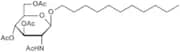
a1,4-Mannobiose-BSA is a complex carbohydrate that can be synthesized in the laboratory. It is composed of mannose and glucose units. This molecule has been modified with methyl groups, which can be used for click chemistry reactions. Mannobiose-BSA is a polysaccharide with CAS number 56938-64-2. It has been modified by Click chemistry and glycosylation to yield high purity compounds.Purity:Min. 95%Undecyl 2-acetamido-3,4,6-tri-O-acetyl-2-deoxy-b-D-glucopyranose
CAS:Undecyl 2-acetamido-3,4,6-tri-O-acetyl-2-deoxy-b-D-glucopyranose is a custom synthesis and modification of a carbohydrate that is used as a saccharide. It can be found in polysaccharides and oligosaccharides. This product has been modified with fluorination, methylation, glycosylation, and carbonylation. Undecyl 2-acetamido-3,4,6-tri-O-acetyl-2-deoxyb -D -glucopyranose is not currently CAS No. 1737252401 but is available for purchase on request.Formula:C25H43NO9Purity:Min. 95%Molecular weight:501.61 g/molCetearyl glucoside
CAS:Cetearyl glucoside is a fatty alcohol that is used as a skin conditioning agent and emollient. It has been shown to be stable in vivo and in vitro, with a phase transition temperature of around 34°C. Cetearyl glucoside is also soluble in water, making it suitable for use in products that have a high water content, such as lotions. Cetearyl glucoside can be used as an excipient or carrier to increase the bioavailability of active ingredients (e.g., vitamins) and offers protection against chemical degradation. This product is also non-comedogenic, meaning it will not clog pores and cause acne breakouts. The fatty acid component of cetearyl glucoside can be derived from soybean oil or from other sources such as castor oil or coconut oil. The fatty acid component can also be derived from animal sources such as lanolin or wool fat.
Purity:Min. 95%Rhamnolipids C14-C14
CAS:Rhamnose based 'green' surfactantFormula:C34H64O9Purity:Min. 95%Color and Shape:PowderMolecular weight:616.88 g/molUndecanoyl-N-hydroxyethylglucamide
CAS:Undecanoyl-N-hydroxyethylglucamide is a custom synthesis that has been modified with fluorination, methylation, and click modification. It has a carbohydrate chain of monosaccharides and oligosaccharides. The saccharide is glycosylated to form a complex carbohydrate.Formula:C19H39NO7Purity:Min. 95%Molecular weight:393.52 g/mol2,6-Dichloro-9-(2-deoxy-3,5,DI-O-(4-methylbenzoyl-β-D-erythropentofuranosyl)-9H-purine)
CAS:Fluorinated 2,6-dichloro-9-(2-deoxy-3,5,DI-O-(4-methylbenzoyl)-beta-D-erythropentofuranosyl) 9H-purine is a synthetic monosaccharide with a fluorinated methyl group attached to the sugar. It has been used in the synthesis of complex carbohydrates and oligosaccharides. Fluorinated 2,6-dichloro-9-(2-deoxy-3,5,DI-O-(4-methylbenzoyl)-beta-D-erythropentofuranosyl) 9H-purine can be obtained by Custom Synthesis or Click Modification. This compound is also known as CAS No. 3892580 3.
Formula:C26H22Cl2N4O5Purity:Min. 95%Molecular weight:541.4 g/mol1,2,3,4-Tetra-O-benzyl-6-O-trityl-a-D-mannopyranose
CAS:1,2,3,4-Tetra-O-benzyl-6-O-trityl-a-D-mannopyranose is a methylated form of mannopyranose. It can be custom synthesized and modified with various functional groups to produce a wide range of saccharide derivatives and oligosaccharides. The 1,2,3,4-tetra-O-benzyl group is commonly used for glycosylation reactions because it can be easily removed by acid hydrolysis. The methylation of the sugar molecule also increases its stability and prevents further reactions from occurring. This product is available in high purity and has been fluorinated on one or more hydroxyl groups to make it resistant to hydrolysis.Formula:C53H50O6Purity:Min. 95%Color and Shape:White PowderMolecular weight:782.96 g/molD-Gluconic acid sodium salt
CAS:D-Gluconic acid sodium salt is a glycol ether that is used as an injection solution. It has been shown to have antibacterial efficacy against wild-type strains of bacteria such as Escherichia coli, Pseudomonas aeruginosa, and Staphylococcus aureus. The in vitro antimicrobial action of D-gluconic acid sodium salt was found to be due to its ability to inhibit bacterial growth by interfering with the synthesis of DNA. D-Gluconic acid sodium salt also has been shown to have antihypertensive effects in rats through the inhibition of angiotensin II type 1 receptor (AT1) signaling pathway and erythrocyte proliferation. This drug also has been shown to bind benzalkonium chloride and x-ray diffraction data show that it is crystalline in nature. The analytical method for determining the concentration of D-gluconic acid sodium salt is by electrochemical impedance
Formula:C6H11NaO7Purity:Min. 95%Color and Shape:White PowderMolecular weight:218.14 g/molPachyman - from Poria cocos
CAS:Poria cocos is an edible medicinal fungus known as “Fuling” in Chinese that has been used as a Chinese traditional medicine for more than two thousand years. Polysaccharide material is the most abundant organic substance in the fungus, accounting for about 85% of the total and is a mixture of polysaccharides with the major component being Pachyman, a β-glucan with a 1,3 backbone and 1,6 side chains. It is reported that Pachyman has a wide range of biological activities including antitumour, immunomodulatory, anti-inflammatory and antioxidative properties. Pachyman is a beta-glucan with a 1,3 backbone and 1,6 side chains of fungal origin (Poria cocos). The image was kindly provided by Dr. Chris Lawson.Purity:Min. 95%Color and Shape:White Powderβ-Galactosylceramide, from bovine brain
CAS:Inducer of cytochine and chemochine production in blood cellsPurity:Min. 95%Color and Shape:White PowderMolecular weight:c.a. 7506'-Sialyllactose-BSA
Sialyllactose-BSA is a complex carbohydrate that is used in the synthesis of saccharides. It has been modified with fluorination to create a 6'-sialyllactose-BSA, which is a monosaccharide. This product can be custom synthesized and it's purity is high. The product can be methylated or glycosylated, and it has been click-modified for fluorescence labeling.Purity:Min. 95%Color and Shape:PowderMolecular weight:72,318 g/molGlobotriaosylsphingosine
CAS:Globotriaosylsphingosine is dramatically increased in plasma of classically affected male Fabry patients and plasma and tissues of Fabry mice. Globotriaosylsphingosine was shown to be an inhibitor of α-galactosidase A activity. Furthermore, exposure of smooth muscle cells, but not fibroblasts, to globotriaosylsphingosine at concentrations observed in plasma of patients promotes proliferation. It was suggested that measurement of circulating globotriaosylsphingosine would be useful to monitor Fabry disease and may contribute to a better understanding of the disorder.
Formula:C36H67NO17Purity:Min. 95%Color and Shape:PowderMolecular weight:785.91 g/mol

![4-O-Acetyl-2,5-anhydro-1,3-O-isopropylidene-6-[bis(2-cyanoethyl)phosphoryl]-D-glucitol](/_next/image/?url=https%3A%2Fstatic.cymitquimica.com%2Fproducts%2F3D%2Fthumb-webp%2FMA05705.webp&w=3840&q=75)
![1,4-Di-[(Trishydroxymethyl)aminomethane]-1,4-tertratamide](/_next/image/?url=https%3A%2Fstatic.cymitquimica.com%2Fproducts%2F3D%2Fthumb-webp%2FMD12057.webp&w=3840&q=75)

![5-Deoxy-1,2-O-isopropylidene-5-[(2R-pyridin-4-yl-pyrrolidine)-1-yl]-a-D-xylofuranose](/_next/image/?url=https%3A%2Fstatic.cymitquimica.com%2Fproducts%2F3D%2Fthumb-webp%2FMD07488.webp&w=3840&q=75)



![Benzyl 2,3-O-[(1S,2S)-1,2-dimethoxy-1,2-dimethyl-1,2-ethanediyl]-a-L-xylopyranoside](/_next/image/?url=https%3A%2Fstatic.cymitquimica.com%2Fproducts%2F3D%2Fthumb-webp%2FMB16614.webp&w=3840&q=75)


![5-Deoxy-1,2-O-isopropylidene-5-[(2S-pyridin-2-yl-pyrrolidine)-1-yl]-a-D-xylofuranose](/_next/image/?url=https%3A%2Fstatic.cymitquimica.com%2Fproducts%2F3D%2Fthumb-webp%2FMD07490.webp&w=3840&q=75)


![O-(2-Azido-4,6-O-benzylidene-2-deoxy-a-D-galactopyranosyl)-N-[(9H-fluoren-9-ylmethoxy)carbonyl]-L-…](/_next/image/?url=https%3A%2Fstatic.cymitquimica.com%2Fproducts%2F3D%2Fthumb-webp%2FMA60610.webp&w=3840&q=75)













![(1S,4aR,8R,8aR)-1-Methyl-3-oxo-8-[(2R,3S,4R,5R,6S)-3,4,5-trihydroxy-6-[[(E)-3-phenylprop-2-enoyl]o…](/_next/image/?url=https%3A%2Fstatic.cymitquimica.com%2Fproducts%2F3D%2Fthumb-webp%2FDGC98403.webp&w=3840&q=75)