Glycoscience
Subcategories of "Glycoscience"
- Aminosugars(108 products)
- Glyco-Related Antibodies(283 products)
- Glycolipids(46 products)
- Glycosaminoglycans (GAGs)(55 products)
- Glycosides(419 products)
- Monosaccharides(6,619 products)
- Oligosaccharides(3,711 products)
- Polysaccharides(505 products)
Found 11027 products of "Glycoscience"
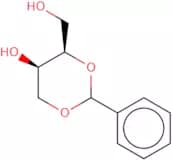
2-Azido-2-deoxy-3,5-O-benzylidene-D-xylono-1,4-lactone
2-Azido-2-deoxy-3,5-O-benzylidene-D-xylono-1,4-lactone is a synthetic sugar that is used in the synthesis of glycosylation, methylation and click modification reactions. It has been shown to be a potential precursor for polysaccharides and fluorinated saccharides. This product can be custom synthesized and is available at high purity.
Purity:Min. 95%3,4,6-Tri-O-acetyl-b-D-mannopyranose 1,2-(methyl orthoacetate)
CAS:3,4,6-Tri-O-acetyl-b-D-mannopyranose 1,2-(methyl orthoacetate) is a glycosylation product that is used in the synthesis of oligosaccharides. 3,4,6-Tri-O-acetyl-b-D-mannopyranose 1,2-(methyl orthoacetate) is synthesized by the reaction of 3,4,6-triacetyl b D mannopyranose with methyl orthoacetate in aqueous solution containing an acid catalyst. This compound can be used to modify saccharides and complex carbohydrates. It is also used in click chemistry to create modified sugars. The molecular weight of this compound ranges from 200 to 600 grams per mole and it has a CAS number of 4435 05 6.Formula:C15H22O10Purity:Min. 95%Color and Shape:PowderMolecular weight:362.33 g/molRef: 3D-MT04874
Discontinued product(2S, 3S, 4S) -4- (Hydroxymethyl) - N- methyl- 3- (phenylmethoxy) - 1- (phenylmethyl) -2- azetidinecarboxamide
CAS:(2S, 3S, 4S) -4- (Hydroxymethyl) - N- methyl- 3- (phenylmethoxy) - 1- (phenylmethyl) -2- azetidinecarboxamide is a synthetic glycosylinase inhibitor. It is an Oligosaccharide which contains a sugar and a saccharide. The synthesis of this product can be customized according to the customer's needs. This product has been fluorinated and custom synthesized. It is a high purity, complex carbohydrate with click modification.
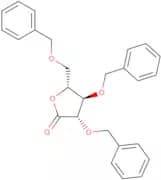
Formula:C20H24N2O3Purity:Min. 95%Molecular weight:340.42 g/mol2,3,5-Tri-O-benzyl-D-arabino-1,4-lactone
CAS:2,3,5-Tri-O-benzyl-D-arabino-1,4-lactone is a carbonyl compound that has been used to synthesize carbonyl compounds. It has been shown to catalyze the formation of benzaldehyde from acetoacetic ester in the presence of hydrochloric acid. The melting point of 2,3,5-tri-O-benzyl-D-arabino-1,4--lactone is reported to be between 138° and 141°C.Formula:C26H26O5Purity:Min. 95%Color and Shape:PowderMolecular weight:418.48 g/molRef: 3D-MT05389
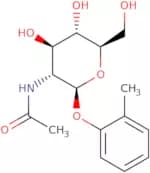
Discontinued product2-Methylphenyl 2-acetamido-2-deoxy-β-D-glucopyranoside
CAS:2-Methylphenyl 2-acetamido-2-deoxy-b-D-glucopyranoside is a fluorinated glycosylation product that is synthesized by custom synthesis. It is a complex carbohydrate with high purity and modification.Formula:C15H21NO6Purity:Min. 95%Color and Shape:PowderMolecular weight:311.33 g/molRef: 3D-MM00867
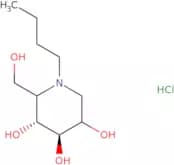
Discontinued productN-Butyldeoxymannojirimycin HCl
CAS:N-Butyldeoxymannojirimycin HCl is a custom synthesis, complex carbohydrate that is synthesized from Oligosaccharides and Polysaccharides. This product is modified with Methylation, Glycosylation, and Carbohydrate. It has the CAS No. 155501-85-2 and it is high purity and fluorinated. The product can be used in Synthetic applications such as Click modification, sugar, or Fluorination.
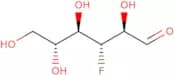
Formula:C10H21NO4·HClPurity:Min. 95%Color and Shape:SolidMolecular weight:255.74 g/mol3-Deoxy-3-fluoro-D-allose
CAS:3-Deoxy-3-fluoro-D-allose is a chemical compound with the molecular formula CHNO. It has been shown to have potential as a contrast agent for magnetic resonance imaging (MRI) and positron emission tomography (PET). The conformation of 3-Deoxy-3-fluoro-D-allose is similar to that of glucose, but it does not inhibit the uptake of glucose by erythrocytes or the transport of glucose across cell membranes. 3DFA has been shown to be taken up by cells in the brain, kidney, and liver. The uptake and distribution of 3DFA in these tissues was dependent on serum protein concentrations.
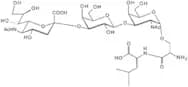
Formula:C6H11FO5Color and Shape:PowderMolecular weight:182.15 g/mol(Neu5Ac a(2-3)-Gal-b(1-3)-GalNAc)SL-OH
Neu5Ac a(2-3)-Gal-b(1-3)-GalNAc)SL-OH is an Oligosaccharide that is a complex carbohydrate with a Methylation modification. It is the product of Click chemistry and has been Fluorinated and saccharide, Modification, sugar, Oligosaccharide, Synthetic, CAS No., Monosaccharide, Custom synthesis, High purity.
Purity:Min. 95%Deoxygalactonojirimycin acetonide
Deoxygalactonojirimycin acetonide is a custom-synthesized, complex carbohydrate that belongs to the group of Oligosaccharides. It is a modified saccharide with methylation and glycosylation. Deoxygalactonojirimycin acetonide is an active ingredient that has been synthesized for use in cancer research. This compound is a high-purity, fluorinated sugar with Click modification that can be used to study the structure-activity relationships of carbohydrate-based drugs.
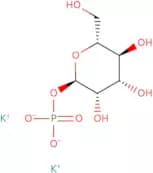
Purity:Min. 95%a-D-Mannose-1-phosphate dipotassium salt
CAS:a-D-Mannose-1-phosphate dipotassium salt (DMDK) is a synthetic oligosaccharide that was designed and synthesized for use as a potential drug in the treatment of cancer. DMDK has been shown to be an inhibitor of protein glycosylation, which may lead to the prevention of tumor formation. It also has anti-inflammatory properties and can inhibit the growth of bacteria by binding to bacterial 16S ribosomal RNA and inhibiting protein synthesis.Formula:C6H11K2O9PPurity:Min. 95%Color and Shape:PowderMolecular weight:336.32 g/molRef: 3D-MM06146
Discontinued product4-Methoxyphenyl 2,4,6-tri-O-benzoyl-a-D-mannopyranoside
4-Methoxyphenyl 2,4,6-tri-O-benzoyl-a-D-mannopyranoside is a glycosylation product of mannose with 4-methoxybenzoic acid. It is a complex carbohydrate that has been modified by methylation and click modification. The fluorination increases the reactivity of the hydroxyl groups on the sugar ring. This product can be synthesized in high purity and custom synthesis.
Formula:C34H30O10Purity:Min. 95%Molecular weight:598.6 g/molOctyl-b-D-glucuronide methyl ester
Octyl-b-D-glucuronide methyl ester is a synthetic molecule that can be used for a variety of purposes, including modification, fluorination, methylation and monosaccharide synthesis. This product is also available in various concentrations. Click modification, oligosaccharides and polysaccharides are all possible uses for this product. Octyl-b-D-glucuronide methyl ester has been shown to have many applications, such as glycosylation and sugar synthesis. This product has been shown to be useful in the production of complex carbohydrates.
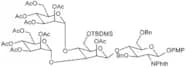
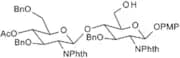
Purity:Min. 95%4-Methoxyphenyl 4-O-[2-O-acetyl-3,4-di-O-(2,3,4,6-tetra-O-acetyl-α-D-mannopyranosyl)-6-O-tert-butyldimethylsilyl-β-D-mannopyranosyl] -3,6-di-O-benzyl-2-deoxy-2-phthalimido-β-D-glucopyranoside
This is a modification of the monosaccharide, methylation, glycosylation and polysaccharide. This product has been custom synthesized and is available in high purity with CAS No. The molecular weight of this compound is 476.19 g/mol. The chemical formula is C28H39NO8.
Formula:C77H95NO32SiPurity:Min. 95%Molecular weight:1,574.65 g/molRef: 3D-OM10974
Discontinued productN-(3-Nitrobenzyliden)imino-2,3,4,6-tetra-O-pivaloyl-D-glucopyranoside
3-Nitrobenzylidenimino-2,3,4,6-tetra-O-pivaloyl-D-glucopyranoside is a fluorinated carbohydrate that is synthesized from 2,3,4,6-tetra-O-pivaloyl-D-glucopyranose. It has been modified with a nitrobenzylidene group. This compound can be used in the synthesis of glycosides and polysaccharides.
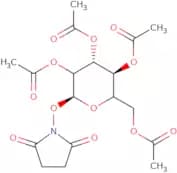
Formula:C33H48N2O11Purity:Min. 95%Molecular weight:648.74 g/molO-(2,3,4,6-Tetra-O-acetyl-b-D-galactopyranosyl)-N-hydroxysuccinimide
CAS:O-(2,3,4,6-Tetra-O-acetyl-b-D-galactopyranosyl)-N-hydroxysuccinimide is a synthetic glycosylation reagent. It has the CAS number 896730-84-0 and is available for custom synthesis. O-(2,3,4,6-Tetra-O-acetyl-b-D-galactopyranosyl)-N-hydroxysuccinimide is used in the synthesis of oligosaccharides and saccharides. It is also used in click chemistry to modify proteins and other biomolecules. This product has a purity of 99% or higher and can be modified at any position with fluorination or methylation.
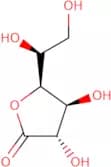
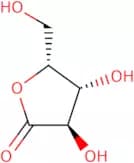
Formula:C18H23NO12Purity:Min. 95%Molecular weight:445.37 g/molD-Xylonic-1,4-lactone
CAS:D-Xylonic acid-1,4-lactone is a substrate that participates in the synthesis of glyceric acid. It has been shown to be a synthetic substrate for benzyl groups and leukemia HL-60 cells. D-Xylonic acid-1,4-lactone can react with chloride ions to form D-xylose. The product of this reaction is an epimerization reaction that occurs when the hydroxyl group on the carbon atom adjacent to the carbonyl group (C1) reacts with a proton from water to form a double bond at C2. This conversion produces xylonic acid and lactone.
Formula:C5H8O5Purity:Min. 97 Area-%Color and Shape:White PowderMolecular weight:148.11 g/molRef: 3D-MX00474
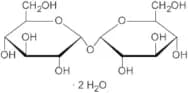
Discontinued productD-Trehalose dihydrate
CAS:Trehalose is a naturally occurring disaccharide found in many organisms.Its role in nature is as versatile as its applications in the laboratory. Trehalose is synthesized by cells in response to stress and helps retaining the cellular integrity under tough conditions: An important function of Trehalose is to stabilize protein structures and to prevent proteins from their degradation. Researchers use Trehalosefor instance as a carbon source in selective microbiological media, as desiccation protectant and for cryoprotection.
Formula:C12H26O13Purity:Min. 98.0 Area-%Molecular weight:378.33 g/mol6-Deoxy-L-psicose
CAS:6-Deoxy-L-psicose is a d-arabinose analog that can be used as a substrate in the enzymatic synthesis of L-arabinose. It has been shown to inhibit the activity of phosphatase and glutamicum enzymes in vitro. 6-Deoxy-L-psicose binds to the active site of the enzyme through its phosphate group, which prevents access by an incoming substrate. The phosphate group also acts as an electron donor for the enzyme, stabilizing it through hydrogen bonding interactions. X-ray structures of 6-deoxy-L-psicose bound to corynebacterium glutamicum have revealed a ternary complex with two molecules of corynebacterium glutamicum and one molecule of 6-deoxy-L-psicose.
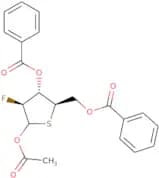
Formula:C6H12O5Purity:Min. 95%Molecular weight:164.16 g/mol1-O-Acetyl-3,5-di-O-benzyl-2- deoxy- 2- fluoro- 4- thio- D- arabinofuranose
CAS:1-O-Acetyl-3,5-di-O-benzyl-2-deoxy-2-fluoro-[4]-thio-[D]-arabinofuranose (1OABFT) is a synthetic sugar with a high degree of methylation and glycosylation. It has been modified to be resistant to enzymes that would normally break the sugar down. 1OABFT is used in glycoproteomics research for its ability to help identify the types of sugars attached to proteins. This modification can also be used as an alternative to fluorination for improving the stability of saccharides in biological systems.
Formula:C21H19FO6SPurity:Min. 95%Molecular weight:418.44 g/mol6-Deoxy-6-fluoro-D-lactose
Used for studies of the D-lactose pathway by non-invasive techniques using ¹â¹F-NMR spectroscopy or positron emission from the ¹âžF-labeled compound.
Formula:C12H21O10FPurity:Min. 95%Color and Shape:PowderMolecular weight:344.29 g/mol3,6-Dimethyl-a-cyclodextrin
Alpha-cyclodextrin (α-CD) derivative with a hydrophilic exterior and lipophilic cavity (smaller than β-CDs and γ-CDs) to allocate certain guest molecules. This structural characteristic enables applications in molecular encapsulation, solubility enhancement, and stabilization across multiple industries. In pharmaceuticals, it serves as a drug delivery vehicle, enhancing the bioavailability and stability of active ingredients. The food industry utilizes it as a stabilizer for flavors, colors, and nutrients, as well as a functional ingredient for its effects on lipid metabolism. In cosmetics, it acts as a complex agent for fragrances and active components. Its applications extend to analytical chemistry for chiral separation and to materials science for developing smart materials and nanosystems.
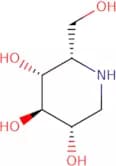
Formula:C48H84O30Purity:Min. 95%Molecular weight:1,141.16 g/mol(2S, 3R, 4R, 5S) -2- (Hydroxymethyl) - 3, 4, 5- piperidinetriol
CAS:(2S, 3R, 4R, 5S) -2- (Hydroxymethyl) - 3, 4, 5- piperidinetriol is a naturally occurring metabolite of the amino acid tryptophan. It is a structural analog of glucosylceramide and has been shown to have inhibitory properties against β-glucosidase. Structural studies have shown that this compound has similar stereoselective properties as the natural product glucosylceramide. This compound was also found to be a competitive inhibitor of amines and a non-competitive inhibitor of β-glucosidase.
Formula:C6H13NO4Purity:Min. 95%Molecular weight:163.17 g/mol2-Deoxy-D-ribose
CAS:Used in synthetic organic chemistry and natural product synthesis. Induces apoptosis by inhibiting the synthesis and increasing the efflux of glutathione. It is used for synthesis of optically active dipyrrolyl alkanols from pyrroles on the surface of montmorillonite KSF clay.
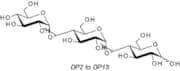
Formula:C5H10O4Purity:Min. 99.0 Area-%Molecular weight:134.13 g/molMaltodextrin oligosaccharides - DP2 to DP15
Produced from starch; white hygroscopic spray-dried powder; easily digestible
Purity:Min. 95%Color and Shape:White PowderRef: 3D-OM10274
Discontinued productGlycyl-Oligosaccharidesmannose 3(a)
Glycyl-Oligosaccharidesmannose 3(a) (GL3(a)) is a complex carbohydrate that is composed of mannose and glycyl chains. It has been modified with methyl, click, fluorination, and saccharide modifications. GL3(a) has been synthesized using custom synthesis methods that yield high purity.
Formula:C36H62N4O26Purity:Min. 95%Molecular weight:966.89 g/molD-Glucuronic acid, sodium salt monohydrate
CAS:Custom synthesis of D-glucuronic acid, sodium salt monohydrate.
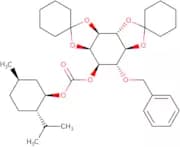
Purity:Min. 95%6-O-Benzyl-1-(-)-carboxymenthyl-2,3:4,5-di-O-cyclohexylidene-L-myo-inositol
CAS:6-O-Benzyl-1-(-)-carboxymenthyl-2,3:4,5-di-O-cyclohexylidene-L-myo-inositol is a synthetic oligosaccharide with the chemical formula C9H14FNO5. It is a monosaccharide composed of a single sugar unit, inositol, which has been modified with benzyl groups on the 6th and 1st positions of the inositol ring. This compound is used as an intermediate in the synthesis of other saccharides.
Formula:C36H52O8Purity:Min. 95%Molecular weight:612.79 g/mol4-Methoxyphenyl 4-O-(4-O-acetyl-3,6-di-O-benzyl-2-deoxy-2-phthalimido-b-D-glucopyranosyl)-3-O-benzyl-2-deoxy-2-phthalimido-b-D-gluco pyranoside
4-Methoxyphenyl 4-O-(4-O-acetyl-3,6-di-O-benzyl-2-deoxy-2-phthalimido-b-D-glucopyranosyl)-3,6,2′,4′″triphosphate (4MPP) is a methylated saccharide. It can be modified with click chemistry and has been shown to inhibit the synthesis of glycogen in the liver. 4MPP is a high purity product that has been synthesized from naturally occurring carbohydrates. It is also fluorinated for use in research.
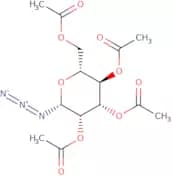
Formula:C58H54N2O15Purity:Min. 95%Molecular weight:1,019.05 g/mol2,3,4,6-Tetra-O-acetyl-β-D-mannopyranosyl azide
CAS:2,3,4,6-Tetra-O-acetyl-β-D-mannopyranosyl azide is a crystallographic technique that can be used to determine the structure of molecules. This technique involves the use of x-ray diffraction analysis to produce images of crystal structures. The technique is useful for determining the three dimensional structure of molecules that are too small to be seen with other techniques such as electron microscopy.
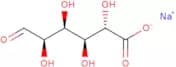
Formula:C14H19N3O9Purity:Min. 98 Area-%Color and Shape:White Off-White PowderMolecular weight:373.32 g/molD-Glucuronic acid, sodium salt monohydrate
CAS:Chiral D-Glucuronic acid is the most basic building bloc of hyaluronic acid and chondroitin sulfate and precursor of Vitamin C, the chief detoxifying agent in both plants and animals. Humectant in skin care products.
Formula:C6H11NaO8Molecular weight:234.14 g/molFleetamine
Fleetamine is a piperidine compound that has been shown to be an inhibitor of the enzyme glycosylation. Inhibitors of glycosylation are useful for treating diseases such as diabetes and Alzheimer's disease. It is thought that Fleetamine may inhibit human glycosylating enzymes, such as glucosyl transferase, which catalyzes the addition of a glucose molecule to a protein. This inhibition prevents the formation of oligosaccharides and glycoconjugates, which are necessary for proper functioning of cells.
Purity:Min. 95%Propargyl a-D-glucopyranoside
CAS:Propargyl a-D-glucopyranoside is a high purity custom synthesis sugar. It is synthesized by Click modification, fluorination, and glycosylation followed by methylation. Propargyl a-D-glucopyranoside can be used for the modification of oligosaccharides and monosaccharides to produce complex carbohydrates.
Formula:C9H14O6Purity:Min. 95%Color and Shape:PowderMolecular weight:218.2 g/molRef: 3D-MP31404
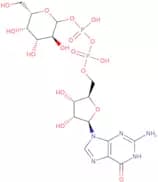
Discontinued productGDP-L-galactose sodium salt
CAS:GDP-L-galactose is a sugar molecule that is an intermediate in the biosynthesis of ascorbate. GDP-L-galactose is synthesized from GDP-D-mannose and GDP-L-glucose by the enzyme GDP-mannose 4,6 dehydratase. The enzyme GDP-L-galactose dehydrogenase then converts GDP-L-galactose to ascorbic acid (vitamin C). Ascorbate is essential for many biological functions such as synthesis of collagen and neurotransmitters, regulation of gene expression, and protection against oxidative stress. The biosynthesis of ascorbate occurs in a light dependent reaction involving L -galactono 1,4 diphosphate synthase and UDP glucose 6 phosphate uridylyl transferase. This process is regulated by transcriptional factors such as MYB and NAC2/NAC4.
Formula:C16H23N5O16P2Na2Purity:(Hplc-Ms) Min. 95 Area-%Color and Shape:White Off-White PowderMolecular weight:649.3 g/mol2,3-Di-O-allyl-a-cyclodextrin
CAS:Alpha-cyclodextrin (α-CD) derivative with a hydrophilic exterior and lipophilic cavity (smaller than β-CDs and γ-CDs) to allocate certain guest molecules. This structural characteristic enables applications in molecular encapsulation, solubility enhancement, and stabilization across multiple industries. In pharmaceuticals, it serves as a drug delivery vehicle, enhancing the bioavailability and stability of active ingredients. The food industry utilizes it as a stabilizer for flavors, colors, and nutrients, as well as a functional ingredient for its effects on lipid metabolism. In cosmetics, it acts as a complex agent for fragrances and active components. Its applications extend to analytical chemistry for chiral separation and to materials science for developing smart materials and nanosystems.
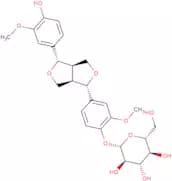
Formula:C72H108O30Purity:Min. 95%Molecular weight:1,453.61 g/mol(+)-pinoresinol-b-D-glucoside
CAS:(+)-Pinoresinol-b-D-glucoside is a fluorinated, monosaccharide that is synthetically produced by glycosylation. It can also be modified using methylation and click chemistry. The chemical formula for (+)-pinoresinol-b-D-glucoside is C10H14O8. It has a molecular weight of 288.24 g/mol and an empirical formula of (C10H14O8)2. The CAS number for this compound is 69251-963. This product is in the Carbohydrate family and has a purity level of >99%.
Formula:C26H32O11Purity:Min. 95%Color and Shape:PowderMolecular weight:520.53 g/molRef: 3D-MP74548
Discontinued productN-Acetylneuraminic acid sodium salt
CAS:N-Acetylneuraminic acid sodium salt is present in various natural sources, including glycoproteins and glycolipids found in animal tissues. As a sialic acid, N-Acetylneuraminic acid sodium salt plays a critical role in cellular recognition processes due to its involvement in the terminal position of glycan chains. This position allows it to participate in cellular communication, influencing processes like cell adhesion and pathogen interactions.The compound is extensively utilized in the fields of biochemistry and molecular biology, primarily for studies concerning cell surface glycoconjugates. Its ability to modulate interactions at the cell surface makes it invaluable for research into mechanisms of infection, immunity, and cell signaling. Additionally, N-Acetylneuraminic acid sodium salt finds applications in pharmaceutical research, particularly in the development of antiviral drugs where modulation of sialic acid interactions is key. The compound’s biochemical properties enable scientists to explore and elucidate complex biological phenomena, contributing to advances in therapeutic strategies and molecular pathology.
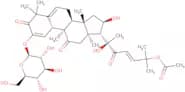
Formula:C11H18NO9NaPurity:Min. 95%Molecular weight:331.25 g/mol2-O-b-D-Glucopyranosylcucurbitacin E
CAS:2-O-b-D-glucopyranosylcucurbitacin E is a natural product that has been isolated from the roots of Cucurbita maxima. This compound has been shown to have bioactive properties, including antioxidant and antimicrobial activity. The extract was tested on chronic cough patients with type 2 diabetes mellitus. The treatment group showed significant improvements in symptoms and bioactive phytochemical levels compared to the control group.
2-O-b-D-glucopyranosylcucurbitacin E is a white powder that is soluble in methanol and water but not in chloroform or ether. It can be analyzed by liquid chromatography, which separates the different components of a sample by passing it through a column filled with an adsorbent material that retains some components more than others.Formula:C38H54O13Purity:Min. 95%Molecular weight:718.83 g/mol(2-Hydroxyethyl)-β-cyclodextrin
CAS:This beta-cyclodextrin (β-CD) derivative is a functionalized cyclic oligosaccharide composed of seven glucose units, characterized by a hydrophilic exterior and a lipophilic cavity (bigger than α-CD and smaller than γ-CDs), which allows it to encapsulate various guest molecules. This structural feature facilitates its use in multiple applications, including pharmaceuticals, food enhancement, and cosmetics. In the pharmaceutical industry, it enhances the solubility and stability of poorly water-soluble drugs, improving their bioavailability and efficacy while also masking unpleasant tastes. The food sector utilizes it as a stabilizer for flavors, colors, and nutrients, extending shelf life by protecting sensitive ingredients from degradation. In cosmetics, it serves as a complexing agent for fragrances and active components, ensuring their stability and controlled release. Its use expands to many other fields, including nanotechnology for drug delivery systems, environmental remediation for extracting organic pollutants, textiles for slow-release fragrances, and analytical chemistry for chiral separation.
Color and Shape:Powder2,4,6-Tri-O-benzoyl-3-O-benzyl-D-mannopyranose
2,4,6-Tri-O-benzyl-3-O-benzyl-D-mannopyranose is a modification of the monosaccharide D-mannopyranose. It is a carbohydrate that can be custom synthesized and has high purity with a CAS number. The 2,4,6-tri-O-benzoyl group can be used for glycosylation reactions to produce polysaccharides. This modification also has the ability to be fluorinated or methylated by using the corresponding reagents.
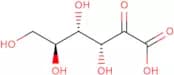
2,4,6-Tri-O-benzoyl-3-O-benzyl mannopyranose is an oligosaccharide that can serve as a building block for more complicated carbohydrates like polysaccharides. It has not been shown to have any toxicity in animals and is used as a food additive in some countries.Formula:C34H30O9Purity:Min. 95%Molecular weight:582.6 g/mol2-Keto-L-gluconic acid
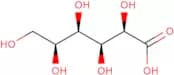
CAS:Please enquire for more information about 2-Keto-L-gluconic acid including the price, delivery time and more detailed product information at the technical inquiry form on this page
Formula:C6H10O7Purity:Min. 95%Molecular weight:194.14 g/mol2-Acetamido-1,3,6-tri-O-benzyl-2-deoxy-b-D-glucopyranoside
CAS:2-Acetamido-1,3,6-tri-O-benzyl-2-deoxy-b-D-glucopyranoside is a synthetic monosaccharide that can be modified to the desired structures. It is used as a building block for the synthesis of polysaccharides and oligosaccharides. It is also used as an intermediate in the preparation of saccharides. 2 - Acetamido - 1,3,6 - tri - O - benzyl - 2 - deoxy - b - D - glucopyranoside is available in high purity and custom synthesis.
Formula:C29H33NO6Purity:Min. 95%Color and Shape:PowderMolecular weight:491.58 g/molRef: 3D-MA06102
Discontinued product3,4-Di-O-acetyl-D-fucal
CAS:3,4-Di-O-acetyl-D-fucal is a synthetic carbohydrate with two orientations. It is a synthon for the synthesis of carbohydrates and can be used as a ligand in biomolecular design. The synthetic carbohydrate has been shown to have chemotherapeutic effects, which may be due to its ability to inhibit glycan synthesis. This synthetic carbohydrate also has conformational parameters that are similar to those of natural fucose, which makes it an attractive candidate as a potential drug target.
Formula:C10H14O5Purity:Min. 95%Color and Shape:PowderMolecular weight:214.22 g/molRef: 3D-MD164873
Discontinued productD-Glucose - anhydrous
CAS:D-Glucose is a monosaccharide that is used as an energy source. D-glucose is transported across the cell membrane by a sodium-dependent transporter. It has been shown to have antibacterial activity against Escherichia coli and staphylococcus in rat liver microsomes, as well as an inhibiting effect on the growth of squamous carcinoma cells in rats. D-glucose has also been shown to have hypoglycemic effects in diabetic rats, which may be due to its ability to stimulate insulin release from the pancreas.
Formula:C6H12O6Molecular weight:180.16 g/molGM1b-Oligosaccharide
GM1b pentasaccharide (sodium salt) has a core tetrasaccharide structure (Galβ1,3GalNAcβ1,4Galβ1,4Glc) with a single sialic acid residue linked α2,3 to the terminal galactose residue (Ledeen, 2009). GM1b oligosaccaharide is the carbohydrate moiety in GM1b ganglioside, which is a minor component of human brain monosialoganglioside fraction. GM1b ganglioside and especially anti-GM1b IgG antibodies are associated with axonal Guillain-Barré syndrome, which develops followingâ¯C. jejuniâ¯infection (Yuki, 1999).
Formula:C37H61N2O29NaPurity:Min. 90 Area-%Color and Shape:PowderMolecular weight:1,020.87 g/molRef: 3D-OO46230
Discontinued productTetracycline 10-O-β-D-galactopyranoside
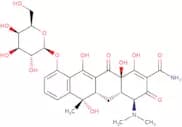
CAS:Tetracycline 10-O-b-D-galactopyranoside is a tetracycline antibiotic that has been modified with a fluorinating agent to increase its water solubility. Tetracycline 10-O-b-D-galactopyranoside is the most active of the tetracyclines for the treatment of infections caused by mycoplasmas, rickettsias, and chlamydiae. It inhibits protein synthesis in these bacteria by binding to ribosomes. This drug also has an inhibitory effect on the growth of Mycobacterium tuberculosis and Mycobacterium avium complex.Formula:C28H34N2O13Purity:Min. 95%Color and Shape:Dark red solid.Molecular weight:606.58 g/mola-Maltotetraosyl-a,a-trehalose
CAS:a-Maltotetraosyl-a,a-trehalose is a carbohydrate that is modified with fluorine. It is a complex carbohydrate with four maltotriose units linked by alpha,alpha-trehalose units. This compound can be custom synthesized and has high purity. It can also be methylated and glycosylated. Click modification can be done to the sugar in order to modify its properties.
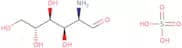
Formula:C36H62O31Purity:Min. 95%Molecular weight:990.86 g/molD-Glucosamine sulfate
CAS:D-Glucosamine sulfate is a pharmacological agent that has been shown to have activity against oxidative injury in vitro and in vivo. It inhibits the production of reactive oxygen species and lipid peroxidation, which are believed to be responsible for the development of liver disease. D-Glucosamine sulfate has also been shown to have activity against infectious diseases, with a particular focus on the inhibition of Toll-like receptor 4 signaling. The polymerase chain reaction (PCR) technique was used to detect the expression of glucosamine synthetase and other genes encoding enzymes that synthesize glucosamine in Mycobacterium tuberculosis. This drug may also be useful for treatment of inflammatory diseases such as rheumatoid arthritis, as it has been shown to inhibit prostaglandin synthesis, which is involved in the inflammatory response.
Formula:C6H13NO5•H2SO4Purity:Min. 95%Color and Shape:White PowderMolecular weight:277.25 g/molRef: 3D-MG05263
Discontinued productD-Tagatose
CAS:D-Tagatose is a sugar that is found naturally in some dairy products such as yogurt. It is a complex carbohydrate that can be modified by methylation, fluorination, and click chemistry. D-Tagatose has been shown to have anti-inflammatory properties in animal studies and can inhibit the growth of bacteria such as Escherichia coli and Helicobacter pylori.
D-tagatose is water soluble, stable at high temperatures, and does not react with other compounds; it also has a CAS number of 87-81-0. D-tagatose can be custom synthesized to meet your needs.Formula:C6H12O6Purity:Min. 98.5 Area-%Molecular weight:180.16 g/molRef: 3D-W-200517
Discontinued product1-Deoxy-D-psicose
1-deoxy-D-psicose is a deoxy sugar that can be used as a reagent for the conversion of 1-deoxy-d-fructose to d-psicose. It is useful in the synthesis of rhamnose, which is a precursor to pharmaceuticals and agrochemicals. 1-Deoxy-D-psicose can be used in the synthesis of l-rhamnose from d-psicose or vice versa. This process of converting one epimer to another isomerization is very efficient, with an 88% yield.
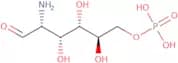
Purity:Min. 95%D-Glucosamine 6-phosphate
CAS:D-Glucosamine 6-phosphate is a non-essential amino acid that belongs to the group of nucleotide sugar phosphates. It is a metabolite of the sugar D-glucose and it plays an important role in the energy metabolism of bacteria, plants, and animals. It has been shown to have anti-cancer effects on prostate cancer cells. D-Glucosamine 6-phosphate inhibits methyltransferase activity by binding to the enzyme's active site. This inhibition prevents DNA synthesis, leading to cell death. The structural analysis has been done using NMR spectroscopy on d-arabinose as a model substrate.
Formula:C6H14NO8PPurity:Min. 98 Area-%Color and Shape:White PowderMolecular weight:259.15 g/molRef: 3D-MG09772
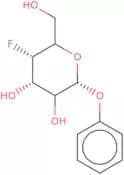
Discontinued productPhenyl 4-deoxy-4-fluoro-α-D-glucopyranoside
Phenyl 4-deoxy-4-fluoro-a-D-glucopyranoside is a custom synthesis that can be modified with fluorination, methylation, monosaccharide and oligosaccharide. It has CAS No. and is a polysaccharide. Phenyl 4-deoxy-4-fluoro-a-D-glucopyranoside is a sugar that is glycosylated and complexed with carbohydrates.
Formula:C12H15FO5Purity:Min. 95%Color and Shape:White to off-white solid.Molecular weight:258.24 g/molRef: 3D-MP11444
Discontinued product2-Keto-D-gluconic acid hemicalcium monohydrate
CAS:Enhances dissolution of soil minerals; intermediate in L-ascorbic acid syntheses
Formula:C6H9O7•(Ca)•H2OPurity:Min. 99 Area-%Color and Shape:White PowderMolecular weight:231.19 g/mol2-Azidomethyl-2-deoxy-D-ribono-1.5-lactone
2-Azidomethyl-2-deoxy-D-ribono-1.5-lactone is a custom synthesis of an oligosaccharide with a carbohydrate chain that has been modified by methylation and glycosylation. It is a high purity product that can be used in the synthesis of complex carbohydrates, such as polysaccharides, and has been fluorinated to create a click modification. This compound has an CAS number and can be used in the synthesis of saccharides or sugars. It can also be used for the preparation of complex carbohydrates, such as polysaccharides, and has been fluorinated to create a click modification.
Purity:Min. 95%(2R, 3S, 4S, 5S) - 2-Methyl- 3, 4, 5- piperidinetriol
CAS:D-Methylated pentaerythritol has been synthesized for the first time. The synthesis of D-methylated pentaerythritol was achieved via a modified version of the Click reaction, which is a three-component coupling reaction that involves an electrophilic carbonyl compound, an azide and a nucleophile. This product is suitable for use in the synthesis of oligosaccharides and polysaccharides. It can be used as a raw material for modification or as a sugar in the synthesis of complex carbohydrates, such as saccharides or carbohydrates.
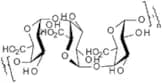
Formula:C6H13NO3Purity:Min. 95%Molecular weight:147.17 g/molDextran sulfate sodium salt - MW 9,000-16,000
CAS:Dextran sulfate sodium salt is a water-soluble polymer that is used as a drug carrier and has many applications in the pharmaceutical industry. It is an oligosaccharide with an average molecular weight of 9,000 to 16,000 Daltons. Dextran sulfate sodium salt can be used for the treatment of cavities, especially those that are infected or in which there is a risk of infection. It can also be used for intubation and has been shown to be effective at reducing allergic reactions by blocking the release of histamine by mast cells. Dextran sulfate sodium salt also has kinetic properties and can be used to study enzymatic reactions. This polymer is not toxic because it cannot be absorbed through the skin or gastrointestinal tract.
Formula:(C6H7Na3O14S3)n5-O-tert-Butyldimethylsilyl-2,3-O-isopropylidene-L-ribono-1,4-lactone
CAS:5-O-tert-Butyldimethylsilyl-2,3-O-isopropylidene-L-ribono-1,4-lactone is a high purity custom synthesis and custom synthesis of complex carbohydrates. 5-O-tert-Butyldimethylsilyl-2,3-O-isopropylidene-L-ribono--1,4--lactone is a fluorination and an oligosaccharide that contains methylated sugar. It is a polysaccharide with a click modification that can be used for glycosylation and methylation. This product has been shown to be effective in the synthesis of oligosaccharides.
Formula:C15H28O5SiPurity:Min. 95%Molecular weight:316.47 g/mol(4αS,6S,7R,8S,8αR)-8-(Benzyloxy)-2-phenyl-6-(phenylthio)hexahydropyrano[3,2-d][1,3]dioxin-7-yl benzoate
CAS:Please enquire for more information about (4αS,6S,7R,8S,8αR)-8-(Benzyloxy)-2-phenyl-6-(phenylthio)hexahydropyrano[3,2-d][1,3]dioxin-7-yl benzoate including the price, delivery time and more detailed product information at the technical inquiry form on this page
Formula:C33H30O6SMolecular weight:554.66 g/mol2-Allyloxycarbonylamino-2-deoxy-D-galactose
2-Allyloxycarbonylamino-2-deoxy-D-galactose is a monosaccharide that is synthetically modified for use as a synthetic building block in the synthesis of complex carbohydrates and saccharides. This compound is fluorinated at the 2 position to increase its water solubility, which makes it useful for chemical modifications. It has been shown to be methylated and glycosylated.
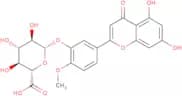
Purity:Min. 95%Diosmetin-3'-O-b-D-glucuronide
CAS:Diosmetin-3'-O-b-D-glucuronide is a custom synthesis, complex carbohydrate, Oligosaccharide, Polysaccharide. It has been modified by Methylation and Glycosylation. This compound is a sugar (CAS No. 152503-50-9) that is a carbohydrate with a high purity and fluoroination. The modification of this compound includes Click chemistry.
Formula:C22H20O12Purity:Min. 95%Color and Shape:PowderMolecular weight:476.39 g/molRef: 3D-MD34913
Discontinued productDL-Arabinose
CAS:Arabinose is a pentose sugar that has been shown to have antimicrobial properties. It inhibits the growth of bacteria by binding to their ribosomes and interfering with protein synthesis. Arabinose has also been shown to inhibit the growth of bone cancer cells in mice, which may be due to its ability to stimulate the production of growth factor-β1. The biochemical properties of arabinose are similar to those of d-arabinose, an active analogue that is used as a water vapor pump inhibitor. X-ray crystal structures have been obtained for both compounds, and they show that they differ in the position of one hydrogen atom on the sugar ring.
Formula:C5H10O5Purity:Min. 95%Color and Shape:White Off-White PowderMolecular weight:150.1 g/molRef: 3D-MA06854
Discontinued productn-Dodecyl-β-D-maltoside
CAS:Dodecyl maltoside (DDM) is a non-ionic detergent that consists of a hydrophilic maltose head and a hydrophobic long chain alkyl tail. It has a relatively low critical micelle concentration of 0.17 mM and is considered a gentle but powerful detergent. DDM is often the best tool for solubilising/crystallising membrane proteins. Membrane proteins usually have α-helical structures that are easily destroyed when the protein is released from its membrane environment. DDM can often preserve these structures during the solubilisation. In addition, membrane proteins can often be renatured when isolated with DDM.
Formula:C24H46O11Molecular weight:510.63 g/mol4-Aminobutyl 2- acetamido - 2- deoxy-b- D- galactopyranoside
4-Aminobutyl 2-acetamido-2-deoxy-b-D-galactopyranoside is a modification of the carbohydrate, which is an Oligosaccharide. It is synthesized by the chemical process of Methylation and Glycosylation. The functional groups on this modification are Carbohydrate and Fluorination. CAS No. for this product is 51310-59-3, and Monosaccharide is the sugar type.
Formula:C12H24N2O6Purity:Min. 95%Molecular weight:292.33 g/mol1,2,3,4-Tetra-O-benzyl-6-O-tert-butyldimethylsilyl-b-D-galactopyranose
1,2,3,4-Tetra-O-benzyl-6-O-tert-butyldimethylsilyl-b-D-galactopyranose is a glycosylation product of 1,2,3,4 tetra O benzyl 6 O tert butyldimethylsilyl b D galactopyranose. It is a member of the class of complex carbohydrates and has a molecular weight of 582. The compound is soluble in methanol and acetone. It has been shown to be effective for methylation, click modification and fluorination reactions as well as other modifications such as polysaccharide synthesis and saccharide modification. This compound is custom synthesized by our company with high purity.
Formula:C40H50O6SiPurity:Min. 95%Molecular weight:654.93 g/mol2-[(1E)-2-[6-(β-D-Galactopyranosyloxy)-2,3-dihydro-1H-xanthen-4-yl]ethenyl]-3,3-dimethyl-1-propyl-3H-indolium iodide
CAS:Please enquire for more information about 2-[(1E)-2-[6-(β-D-Galactopyranosyloxy)-2,3-dihydro-1H-xanthen-4-yl]ethenyl]-3,3-dimethyl-1-propyl-3H-indolium iodide including the price, delivery time and more detailed product information at the technical inquiry form on this page
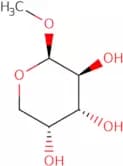
Formula:C34H40NO7•IPurity:Min. 95%Molecular weight:701.59 g/molMethyl β-D-arabinopyranoside
CAS:Methyl b-D-arabinopyranoside is a fluorine containing molecule that has been shown to be an excellent marker for suberin. It is insoluble in water, and can be detected by resonator diffraction. The chemical composition of methyl b-D-arabinopyranoside was determined using liquid crystal composition and plates. A polymer particle with a macroscopic size was used to determine the fluorescence of methyl b-D-arabinopyranoside. Fluorescence analysis showed that methyl b-D-arabinopyranoside is a green fluorescent material with a maximum emission wavelength of 514 nm. Hydroalcoholic extraction was used to isolate this compound from the plant Ricinus communis L., where it was found in constant proportions.Formula:C6H12O5Purity:Min. 95%Color and Shape:PowderMolecular weight:164.16 g/molRef: 3D-MM04721
Discontinued productGlycogen - from oyster
CAS:Glycogen is a highly branched polysaccharide of glucose that serves as a form of energy storage in animals and fungi. It is the main storage form of glucose in the body. In humans, glycogen is made and stored primarily in liver and muscle cells and functions as the second most important energy storage molecule to fat which is held in adipose tissue. Glycogen is analogous to starch and has a structure similar to amylopectin, but is more extensively branched and compact than starch. It occurs as granules in the cytosol/cytoplasm in many cell types, and plays an important role in the glucose cycle.
Formula:C24H42O21Color and Shape:PowderMolecular weight:666.58 g/molRef: 3D-YG40133
Discontinued productXylan - from beechwood
CAS:Xylan is the most abundant noncellulosic polysaccharide present in both hardwoods and annual plants. Xylan is found mainly in the secondary cell wall as part of the hemicellulose fraction and is considered to form an interface between lignin and other polysaccharides. In their simplest forms, xylans are linear homopolymers of β-1,4-xylose residues but can also form complex heterogenous and polydispersed glycans.
Color and Shape:Brown Slightly Brown PowderL-Fucose
CAS:L-Fucose is a monosaccharide that is an important component of glycoproteins and glycolipids. L-Fucose is also found in the cell wall of bacteria. The most abundant sources of L-fucose are from the hydrolysis of lactose or sucrose by bacteria, or as a result of intestinal microbial fermentation. L-Fucose has been shown to be involved in the regulation of many metabolic processes, including the glomerular filtration rate and sephadex g-100 binding capacity in the kidney. It has also been shown to improve growth in infant rats with protein malnutrition. The enzyme that catalyzes the conversion of D-arabinose to L-fucose is known as fucokinase.
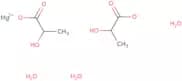
Formula:C6H12O5Purity:Min. 98.0 Area-%Molecular weight:164.16 g/molMagnesium L-lactate
CAS:Magnesium L-lactate is a form of magnesium that is found in the human body, and it is often used to treat women with depressive disorders. This drug works by reducing the synthesis of cholesterol and increasing the level of serotonin in the brain. Magnesium L-lactate is not readily absorbed by the body, so it has low bioavailability. It also has an adverse effect on heart rate and cardiac rhythm, so people who have these conditions should avoid using this drug. The particle size of this drug is high, which can lead to low bioavailability.
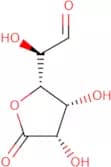
Formula:C6H10MgO6Purity:Min. 95%Molecular weight:202.45 g/molD-Glucuronolactone
CAS:D-Glucuronolactone is supposed to be involved in detoxification processes.
Formula:C6H8O6Molecular weight:176.13 g/mol2,3,6-Trioctyl-γ-cyclodextrin
This gamma-cyclodextrin (γ-CD) derivative is a modified cyclic oligosaccharide composed of eight glucose units, featuring a larger cavity size than α- and β-cyclodextrins. This structural characteristic allows γ-CDs to form inclusion complexes with a wider range of guest molecules, making it particularly versatile in various industries. In the food sector, it is used as a carrier and stabilizer for flavors, fat-soluble vitamins, and polyunsaturated fatty acids, protecting volatile compounds from evaporation. In pharmaceuticals, it enhances the solubility and bioavailability of poorly water-soluble drugs and, thanks to its larger ring size, allows for the encapsulation of larger molecules or even entire drug molecules. γ-CDs and derivatives are also used for environmental remediation and, in analytical chemistry, for the extraction and concentration of target substances.
Formula:C240H464O40Purity:Min. 95%Molecular weight:3,990.23 g/mol(3R, 4R, 5S) -3, 4-Dihydroxy- 5- (hydroxymethyl) - 2- pyrrolidinone
3, 4-Dihydroxy-5-(hydroxymethyl)pyrrolidinone (3R,4R,5S) is a custom synthesis of a fluorinated compound that has been modified through methylation and monosaccharide substitution. This product has been designed for use in Click chemistry applications. The CAS number for this product is 100906-64-6.
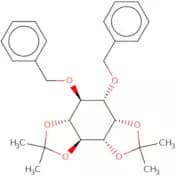
Purity:Min. 95%2,3:4,5-Di-O-isopropylidene-1,6-di-O-benzyl-D-myo-inositol
2,3:4,5-Di-O-isopropylidene-1,6-di-O-benzyl-D-myo-inositol is a complex carbohydrate and a sugar. It is an oligosaccharide with two monosaccharides and a glycosidic linkage. It has been modified by methylation, fluorination and Click chemistry. This compound has been custom synthesized for high purity.
Formula:C26H32O6Purity:Min. 95%Molecular weight:440.53 g/molHydroxyethyl cellulose - Viscosity 2400 to 2800(1% aqueous solution)
CAS:Water thickener; rheological control additive; has industrial appplications
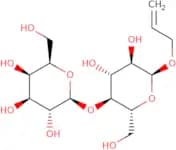
Purity:Min. 95%Allyl a-D-lactose
CAS:A functionalized carbohydrate that serves as a valuable precursor for the synthesis of complex glycoconjugates, oligosaccharides, and glycopolymers through reactions like glycosylation and click chemistry
Formula:C15H26O11Molecular weight:382.36 g/molRef: 3D-OA04448
Discontinued productGalactosyl isomaltol
CAS:Galactosyl isomaltol is a sugar molecule that is produced by the enzymatic hydrolysis of lactose. It has been shown to have antimicrobial activity against human pathogens and can be used as an antioxidant. Galactosyl isomaltol binds to lysine residues on bacterial cell walls, preventing the formation of new cells and causing cell death by interfering with protein synthesis. The addition of galactosyl isomaltol to food decreases the levels of phycocyanin, which are a type of fluorescent pigment found in blue green algae. This compound also has magnetic resonance analysis properties that could be used for diagnosis.
Formula:C12H16O8Purity:Min. 95%Color and Shape:PowderMolecular weight:288.25 g/molRef: 3D-OG76130
Discontinued product2-Azido-2-deoxy-3,5-di-O-tert-butyldiphenylsilyl-D-ribono-1,4-lactone
2-Azido-2-deoxy-3,5-di-O-tert-butyldiphenylsilyl-D-ribono-1,4-lactone is a high purity custom synthesis sugar with a click modification. The chemical formula for this compound is C20H28N4O14 and its molecular weight is 524.329 g/mol. 2A2D3BTSL has been fluorinated, glycosylated, and methylated. It is an oligosaccharide with 6 monosaccharides and a complex carbohydrate that has a saccharide in the center of it.
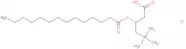
Purity:Min. 95%Myristoyl-DL-carnitine chloride
CAS:Myristoyl-DL-carnitine chloride (MC) is a prodrug that is hydrolyzed to form L-carnitine and myristic acid. The drug has been shown to be absorbed intranasally, and its absorption kinetics are enhanced by the presence of lipids. MC was found to increase the level of human growth hormone in Sprague-Dawley rats. It also decreased the amount of chloride excreted in the urine by inhibiting intestinal epithelial cells from absorbing chloride ions. This drug may be used as a nasal spray for treatment of gastrointestinal disorders such as chronic constipation.
Formula:C21H42ClNO4Purity:Min. 95%Color and Shape:PowderMolecular weight:408.02 g/molL-Glucono-1,4-lactone
CAS:L-Glucono-1,4-lactone is a substance that belongs to the group of compounds known as alpha hydroxy acids. It is produced in the body by an enzyme called l-gluconolactonase and is present in small quantities in many fruits and vegetables. L-Glucono-1,4-lactone has been shown to prevent skin aging and protect against UV light damage through its antioxidant properties. This compound can be found in sunscreens or it can be taken orally to provide protection from the sun. Clinical data on L-Glucono-1,4-lactone treatments are not yet available.
Formula:C6H10O6Purity:Min. 95%Color and Shape:PowderMolecular weight:178.14 g/molRef: 3D-MG59520
Discontinued product2,3-O-Isopropylidene-5-O-tosyl-D-ribonic acid-1,4-lactone
CAS:2,3-O-Isopropylidene-5-O-tosyl-D-ribonic acid-1,4-lactone is a synthetic 2,3:5,6-diisopropylidene glycoside of D-ribose. It is a methylated sugar with an alpha-(2,3)-linked D-(+)-glucopyranosyl moiety and an alpha-(2,5)-linked L(+)-fucopyranosyl moiety. This compound can be used as a building block for the synthesis of polysaccharides and glycoconjugates. 2,3:5,6-Diisopropylidene glycoside of D-ribose is also used to synthesize oligosaccharides in carbohydrate chemistry.
Formula:C12H14O7SPurity:Min. 95%Color and Shape:White PowderMolecular weight:302.04 g/mol1,3-O-Benzylidene-4-O-trityl-D-threitol
CAS:1,3-O-Benzylidene-4-O-trityl-D-threitol is a carbohydrate that is modified with fluorine and contains a trityl group. It is used as a reagent in oligosaccharide synthesis, sugar modification, and glycosylation reactions. The compound can be custom synthesized to meet the desired specifications, such as high purity and low cost. The compound can also be methylated or glycosylated for custom synthesis.
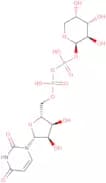
Formula:C30H28O4Purity:Min. 95%Molecular weight:452.54 g/molUDP-b-L-arabinopyranose
CAS:UDP-b-L-arabinopyranose is a nucleotide sugar that is used in the synthesis of proteins and other macromolecules. It is synthesized from uridine and d-ribulose 5-phosphate by the enzyme ribulokinase. The reaction between UDP, b-L-arabinofuranose, and ATP, catalyzed by arabinofuranosyl transferase, produces UDP-b-L-arabinopyranose. This nucleotide sugar can be converted to UDP-b-(1→4)-glucuronate by the enzyme glucuronosyltransferase. This process plays an important role in plant physiology as well as in cell wall biosynthesis. The optimal pH for this conversion is 7.5 to 8.2.
Formula:C14H22N2O16P2Purity:Min. 95%Color and Shape:PowderMolecular weight:536.28 g/molRef: 3D-MU07659
Discontinued productHeparin disaccharide III-A disodium salt
CAS:Heparin disaccharide III-A is a synthetic heparin that is modified with the addition of a sugar molecule. Heparin disaccharide III-A disodium salt (HDS) is a high purity, custom synthesized product and has been fluorinated to improve its stability. HDS has been shown to be an effective inhibitor of glycosylation in bacteria cells, leading to decreased production of bacterial enzymes and proteins. It also inhibits protein synthesis by preventing the methylation of ribosomes and reducing the number of saccharides available for glycosylation. The HDS molecule is composed of two sugars: N-acetylglucosamine and D-glucuronic acid. This compound also has anti-inflammatory properties due to its ability to inhibit prostaglandin synthesis.
Formula:C14H19NO14SNa2Purity:Min. 95%Color and Shape:White PowderMolecular weight:503.34 g/molRef: 3D-OH28912
Discontinued productD-Maltose monohydrate
CAS:Please enquire for more information about D-Maltose monohydrate including the price, delivery time and more detailed product information at the technical inquiry form on this page
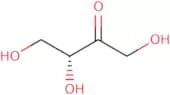
Formula:C12H24O12Purity:Min. 98 Area-%Molecular weight:360.31 g/molD-Erythrulose - 1M Aqueous solution
CAS:D-erythrulose is a monosaccharide with the chemical structure of erythrose. It is structurally related to glycolaldehyde, which is a precursor in the biosynthesis of ribose. D-Erythrulose has been used for diagnosis and identification of various bacteria, such as C. glutamicum and Brucella species, by serological tests, as well as for the detection of gene products in E. coli K-12 cells. The determination of ATP levels in Brucella species has also been performed using magnetic resonance spectroscopy (MRS) after incubation with D-erythrulose.
Formula:C4H8O4Purity:Min. 90 Area-%Color and Shape:Clear LiquidMolecular weight:120.1 g/molRef: 3D-MD178896
Discontinued product6-Amino-6-deoxy-D-lactosylamine
6-Amino-6-deoxy-D-lactosylamine is a modified sugar that is used to synthesize glycosides. It is also used as a reagent for the methylation of saccharides and polysaccharides. This product can be custom synthesized or ordered from our catalog. We offer high purity 6-amino-6-deoxy-D-lactosylamine, which has been chemically modified with fluorine and has a CAS number of 7092-12-3. It is available in different quantities and can be ordered with other custom modifications, such as Click chemistry.
Purity:Min. 95%UDP-2-deoxy-2-fluoro-D-mannose
CAS:UDP-2-deoxy-2-fluoro-D-mannose is a modified monosaccharide that is synthesized from D-mannose. It can be used for the synthesis of glycosyls and polysaccharides as well as for the modification of complex carbohydrates. UDP-2-deoxy-2-fluoro-D-mannose has been shown to be an excellent substrate for methylation, glycosylation, and fluorination reactions. This compound can also be used to modify high purity oligosaccharides with a high degree of substitution.
Formula:C15H23FN2O16P2Purity:Min. 95%Molecular weight:568.29 g/molGDP-L-fucose disodium
CAS:Please enquire for more information about GDP-L-fucose disodium including the price, delivery time and more detailed product information at the technical inquiry form on this page
Formula:C16H23N5O15P2Na2Purity:Min. 90 Area-%Molecular weight:633.31 g/molNGA3B N-Glycan
CAS:NGA3B N-Glycan is a high purity, custom synthesis, methylation and fluorination modification of the product. This product is an oligosaccharide that is composed of saccharides and sugars. It has a CAS No. 1620146-04-4.
Formula:C66H110N6O46Purity:Min. 95%Color and Shape:SolidMolecular weight:1,723.59 g/molRef: 3D-ON10167
Discontinued productL-Idonic acid sodium
CAS:L-Idonic acid sodium is a plant hormone that regulates carbohydrate metabolism. It has been shown to regulate the synthesis of galacturonic acid and malic acid, which are important for the production of glucose. L-Idonic acid sodium also regulates the synthesis of fatty acids, which are important for cell membrane formation. L-Idonic acid sodium is an intermediate in the biosynthesis of l-tartaric acid, which is an enzyme substrate. The gene product that encodes this molecule has been characterized as a protein with a molecular weight of approximately 9,000 daltons and a hydroxyl group on C-3.
Formula:C6H11O7NaPurity:Min. 95%Color and Shape:PowderMolecular weight:218.15 g/molRef: 3D-MI170962
Discontinued product2-Azido-((R)-3,5-O-benzylidene)-2,6-dideoxy- L-manno-hexitol
2-Azido-((R)-3,5-O-benzylidene)-2,6-dideoxy-L-manno-hexitol is a methylated sugar that can be custom synthesized. It has CAS number of 4783-79-8. The chemical formula for this compound is C12H22N2O11 and the molecular weight is 538.3 g/mol. This product is a white to off white crystalline powder with a melting point of 200 degrees Celsius and an assay of 98%. This product is not soluble in water or alcohol. In addition, this product does not contain any heavy metals or toxic residues.
Purity:Min. 95%6-Deoxy-L-talose
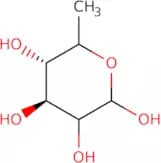
CAS:6-Deoxy-L-talose is a sugar that is found in the cell walls of bacteria. It is a component of glycan, which are long chains of sugar molecules linked together. Glycans are important for the structural integrity and function of bacterial cell walls. 6-Deoxy-L-talose is a monosaccharide that has been detected in the type strain of Bacillus subtilis and in wild-type strains of Pseudomonas aeruginosa. This sugar can be chemically analyzed using gas chromatography and mass spectrometry to determine its structure and chemical composition. 6-Deoxy-L-talose can be used to detect specific monoclonal antibodies against it, which could be useful for detecting bacterial infections or determining how antibiotics affect bacteria.
Formula:C6H12O5Purity:Min. 98 Area-%Color and Shape:White PowderMolecular weight:164.16 g/molRef: 3D-MD04657
Discontinued product1,1,1,1-Kestohexose
CAS:Non-reducing sucrose analog containing glucose and fructose
Formula:C36H62O31Purity:Min. 90%Color and Shape:White PowderMolecular weight:990.86 g/molPetunidin 3-glucoside chloride
CAS:Petunidin 3-glucoside chloride is a natural compound found in the human serum and in kidney beans. It is structurally similar to chlorogenic acid, a major phenolic acid in coffee. Petunidin 3-glucoside chloride is extracted using hydrochloric acid and then purified by a surface methodology. The main degradation products of this compound are protocatechuic acid, fluorescence detector, procyanidin B4, and malonic acid. This compound can be used as an antioxidant or chemoattractant protein. It has been shown to have high levels of anthocyanins and trifluoroacetic acid (TFA) when exposed to sunlight.
Formula:C22H23O12ClPurity:Min. 95%Color and Shape:PowderMolecular weight:514.86 g/molRef: 3D-MP44898
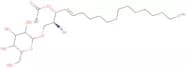
Discontinued productb-D-Galactosylceramide
CAS:Inducer of cytochine and chemochine production in blood cells
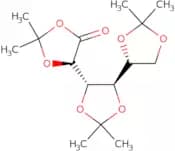
Purity:Min. 95%1,2:3,4:5,6-Tri-O-isopropylidene-D-gluconate
CAS:1,2:3,4:5,6-Tri-O-isopropylidene-D-gluconate is a chain sugar that is extracted from plant sources. It is a product of the methylenation of D-glucose and can be converted to D-mannitol. The reaction mixture yields dimethyl 2,3,4,5,6-tetra-O-methylene erythritol phosphate (DMEP) and diphosphate 1,2:3,4:5,6-tri-O-isopropylidene erythritol (DITEP). The DMEP can be hydrolyzed to form DME and phosphorylated to form DMPP. The crystal structure of this compound has been determined. In the elimination pathway for this compound, the gluconate group is eliminated as carbon dioxide and water with the release of energy in the form of heat. This
Formula:C15H24O7Purity:Min. 95%Molecular weight:316.35 g/mol6-a-D-Maltotriosyl-maltotriose
CAS:Derived from pullulan using pullulanase
Formula:C36H62O31Purity:Min. 95%Color and Shape:PowderMolecular weight:990.86 g/mol1,2:3,5-Di-O-isopropylidene-b-L-apiose
CAS:1,2:3,5-Di-O-isopropylidene-b-L-apiose is a sugar that is used in the production of glycosylation and methylation. It is an oligosaccharide of the monosaccharide apiose and has a molecular weight of 432.06 g/mol. 1,2:3,5-Di-O-isopropylidene-b-L-apiose can be synthesized by the modification of natural apiose with chloromethyl groups at C3 and C5 positions. It is also possible to modify 1,2:3,5-Di-O-isopropylidene apiose with other functional groups such as fluorine or glycosylation. This compound can be used in the synthesis of complex carbohydrates such as heparin, hyaluronic acid, and chitin.
Formula:C11H18O5Purity:Min. 95%Molecular weight:230.26 g/molMethyl β-D-mannopyranoside isopropylate
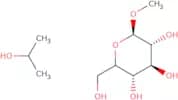
CAS:Controlled ProductMethyl b-D-mannopyranoside isopropylate is a high purity synthetic oligosaccharide. It has been custom synthesized and fluorinated with methyl groups on the sugar ring. It can be used for glycosylation, modification, and synthesis of saccharides. This product can also be used as a complex carbohydrate in the food industry.
Formula:C7H14O6•C3H8OPurity:Min. 95%Color and Shape:White PowderMolecular weight:254.28 g/molRef: 3D-MM04937
Discontinued product





















![(4αS,6S,7R,8S,8αR)-8-(Benzyloxy)-2-phenyl-6-(phenylthio)hexahydropyrano[3,2-d][1,3]dioxin-7-yl ben…](/_next/image/?url=https%3A%2Fstatic.cymitquimica.com%2Fproducts%2F3D%2Fthumb-webp%2FMB184552.webp&w=3840&q=75)



![2-[(1E)-2-[6-(β-D-Galactopyranosyloxy)-2,3-dihydro-1H-xanthen-4-yl]ethenyl]-3,3-dimethyl-1-propyl-…](/_next/image/?url=https%3A%2Fstatic.cymitquimica.com%2Fproducts%2F3D%2Fthumb-webp%2FMG183953.webp&w=3840&q=75)